6 Drawer Dresser In White
If you're looking to add a touch of classic style and modern convenience to your bedroom, 6-drawer dressers in white are the perfect choice. 6-drawer dresser chests are an ideal way to store and organize clothing, bedding, and other items. These dressers are designed with ample storage space, allowing you to keep your bedroom neat and tidy. Here are some great options available.
Sort
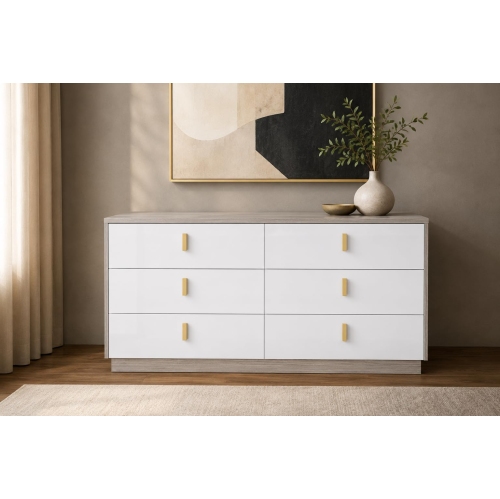


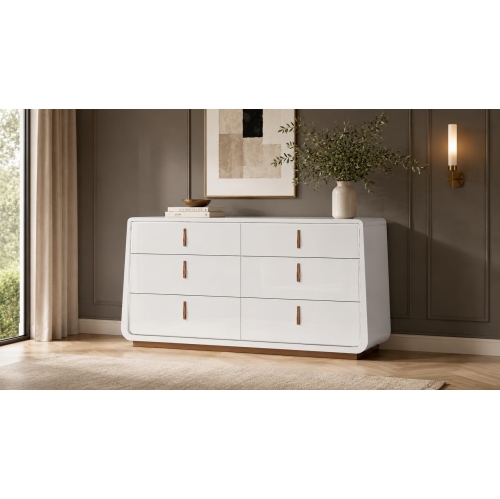

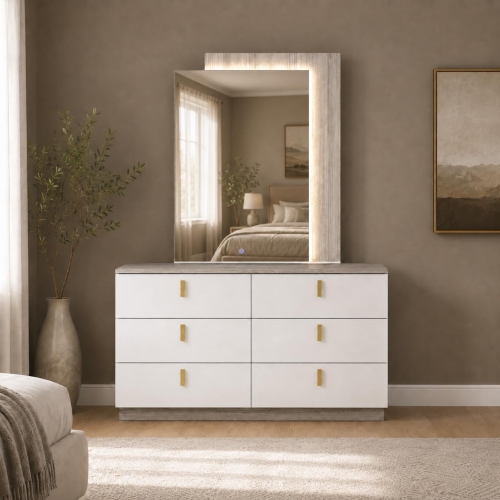

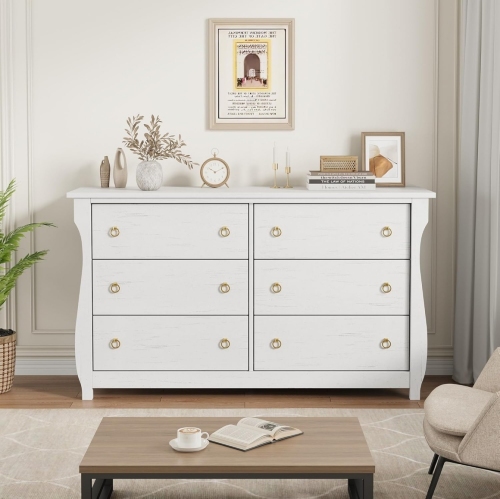





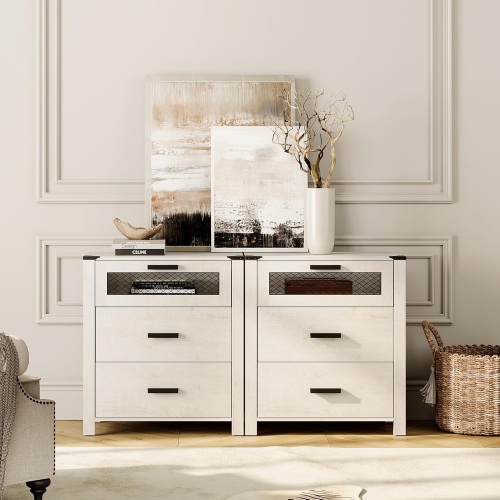
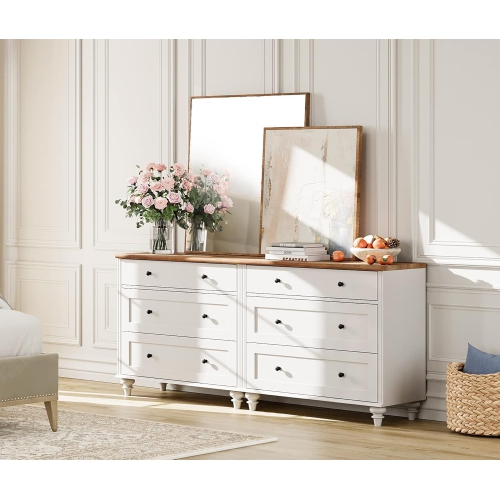
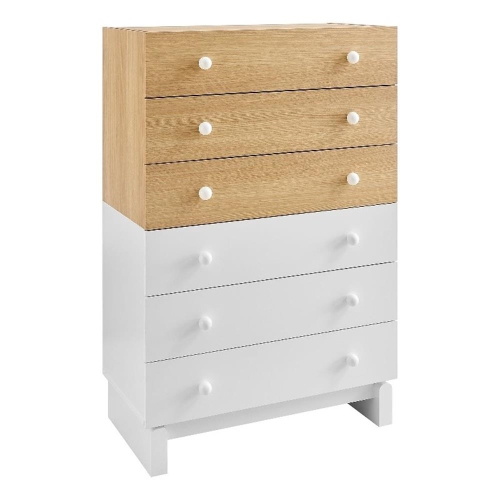
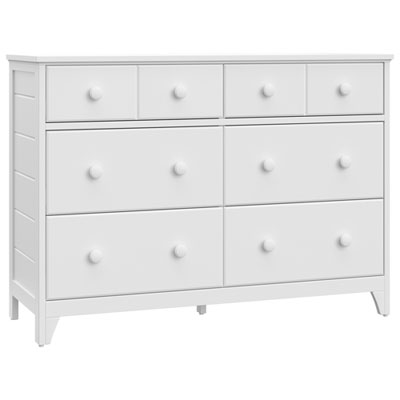

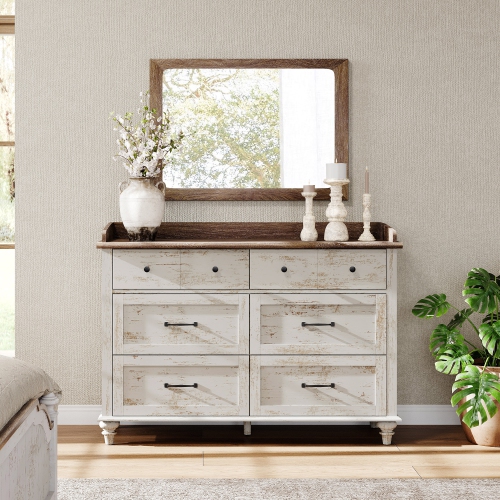

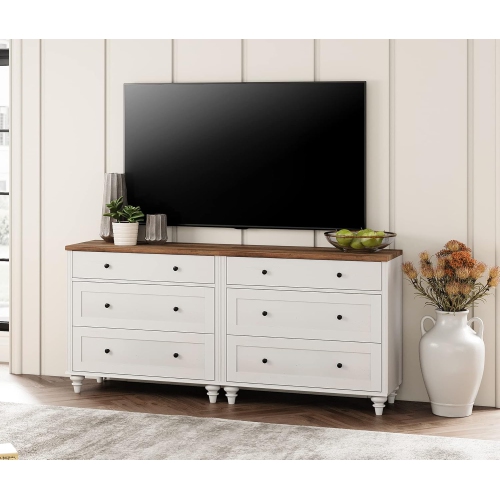

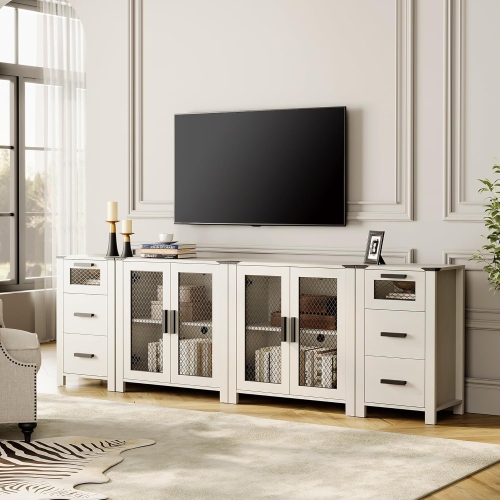


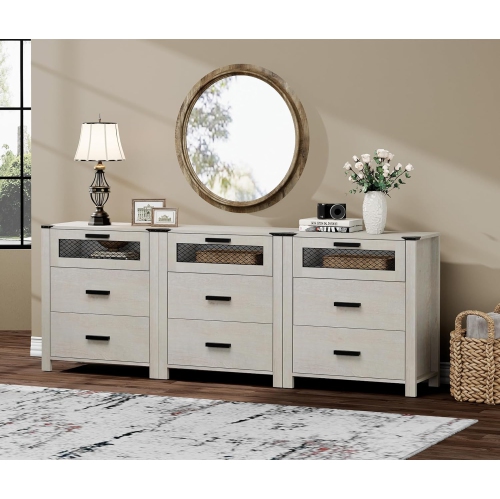

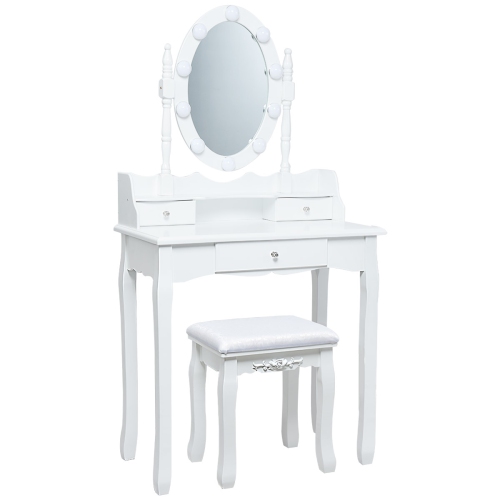
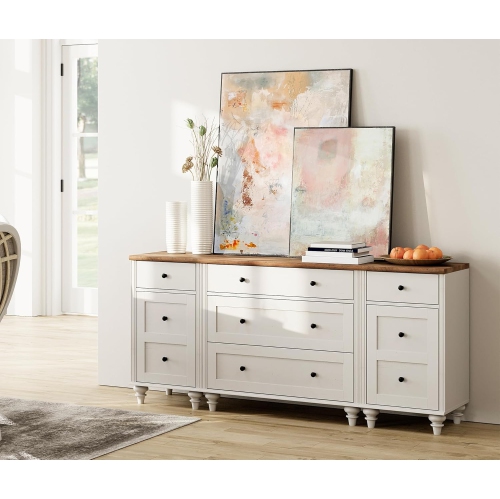


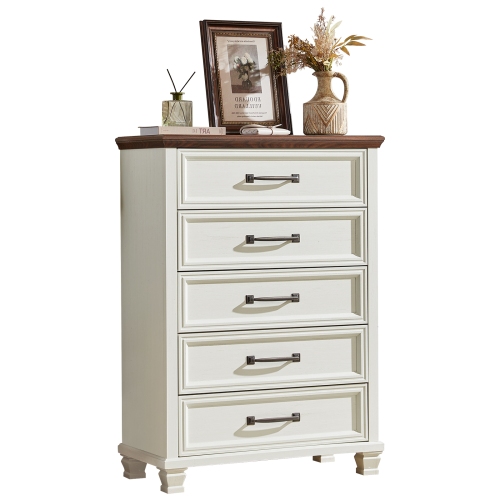
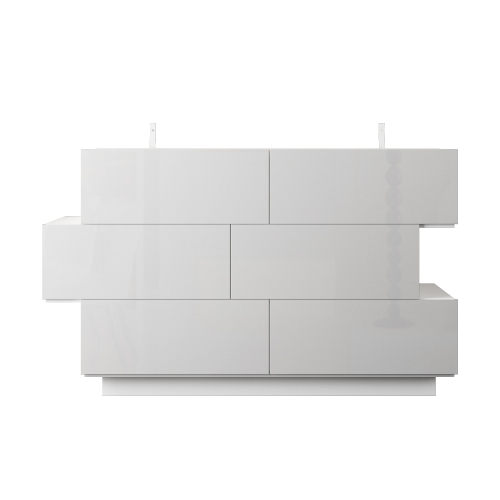
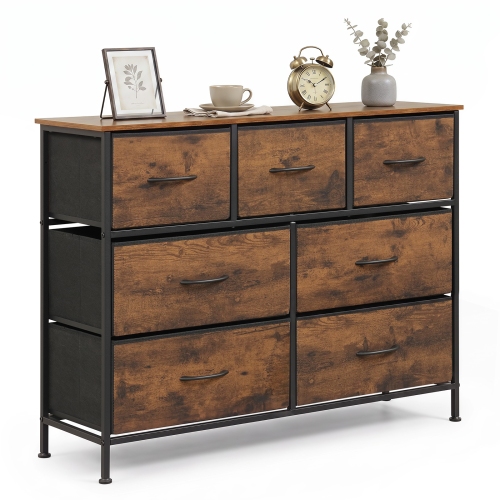
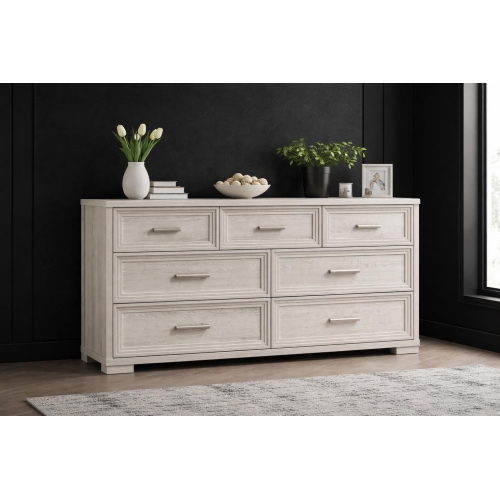
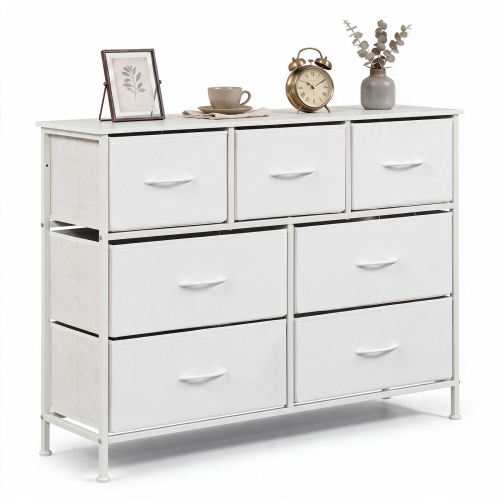
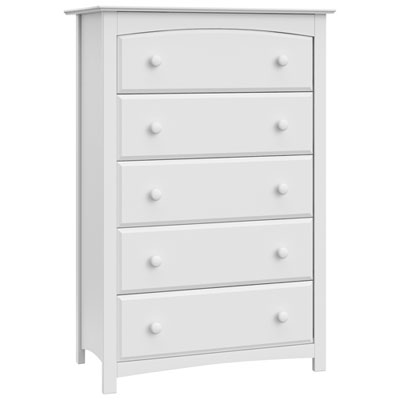

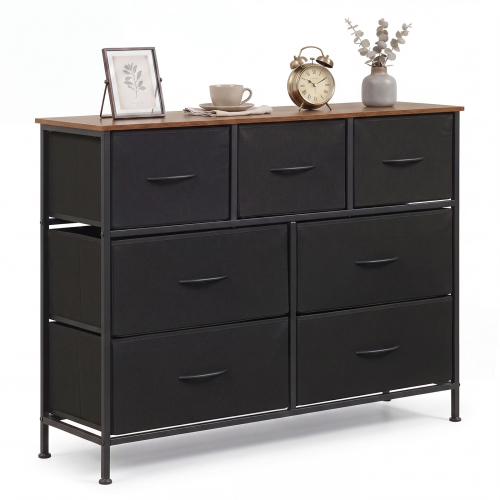
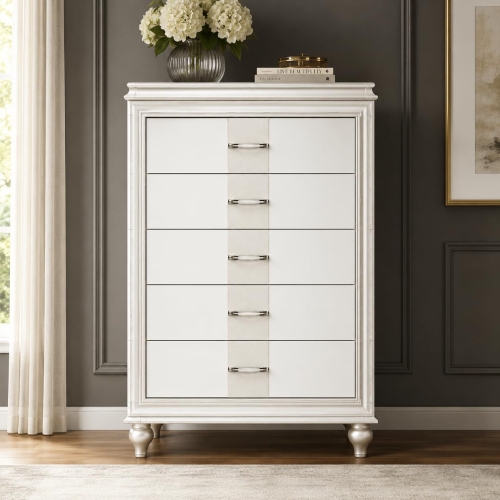


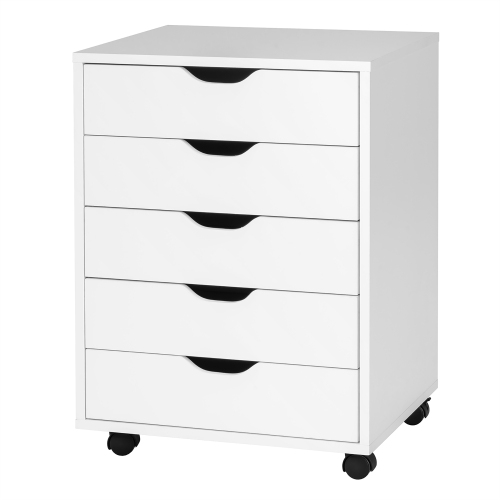
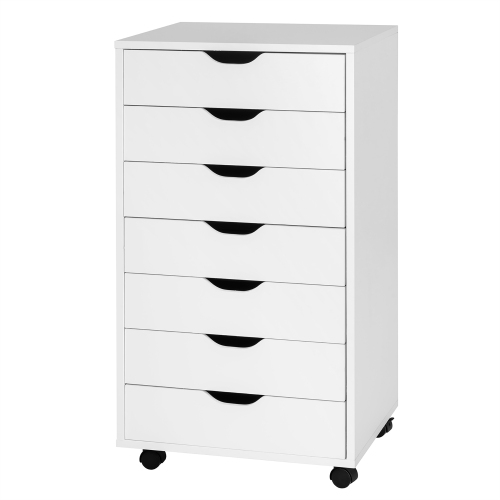

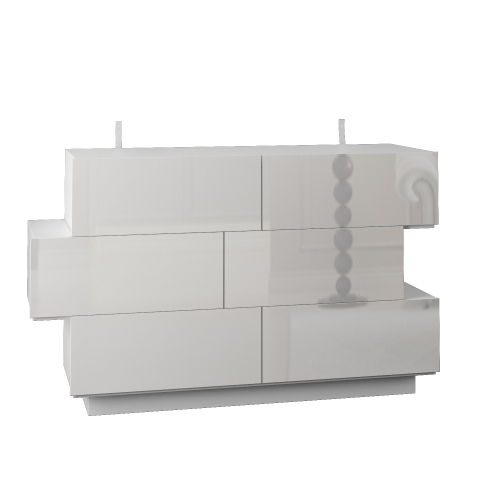
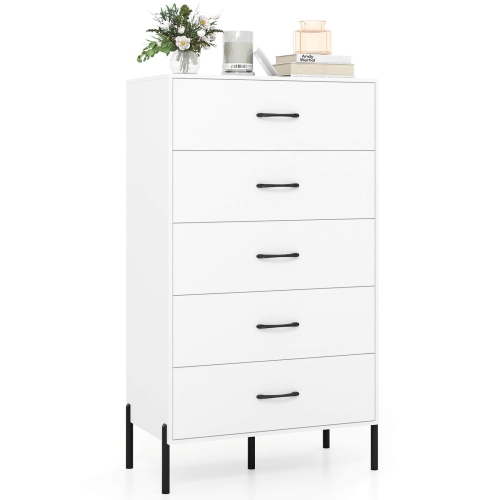
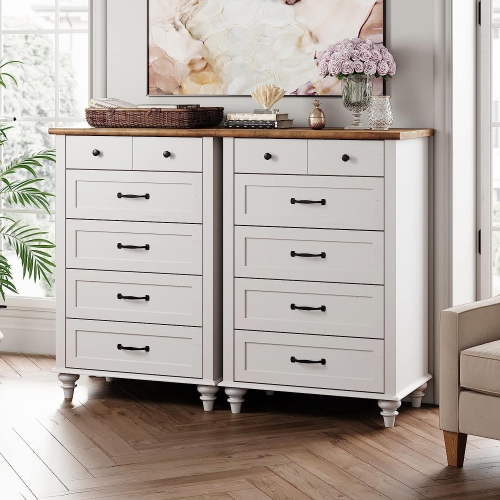
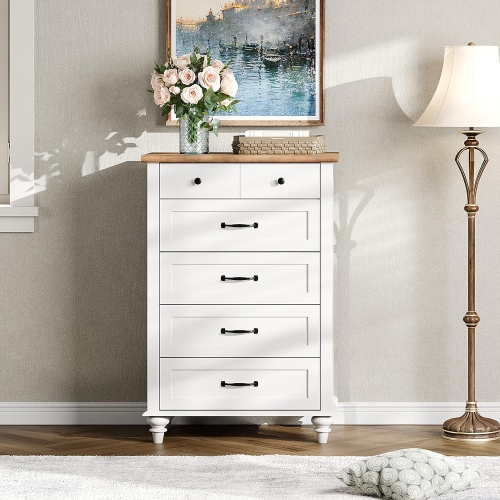
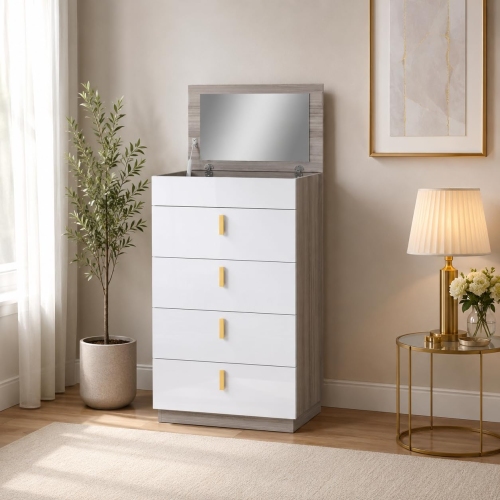
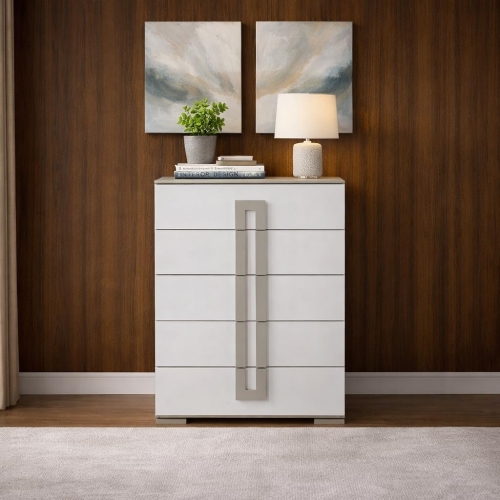
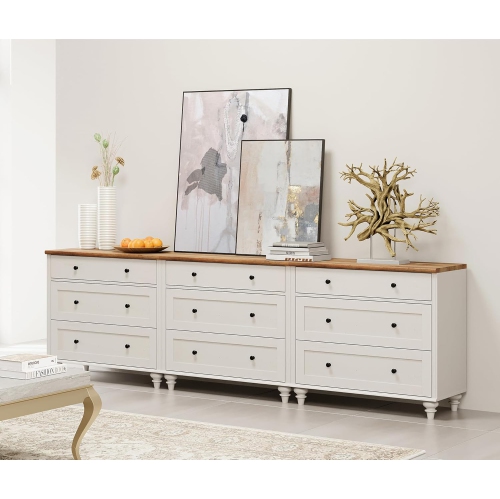
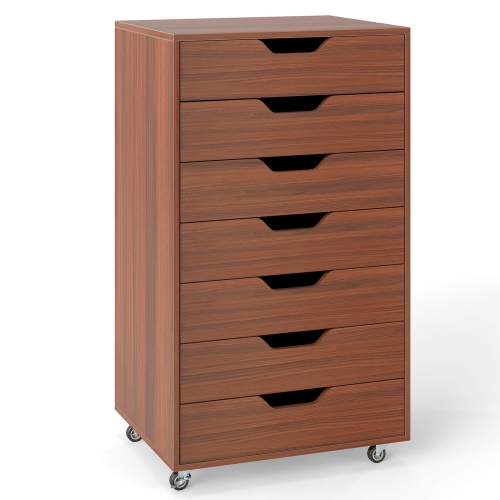
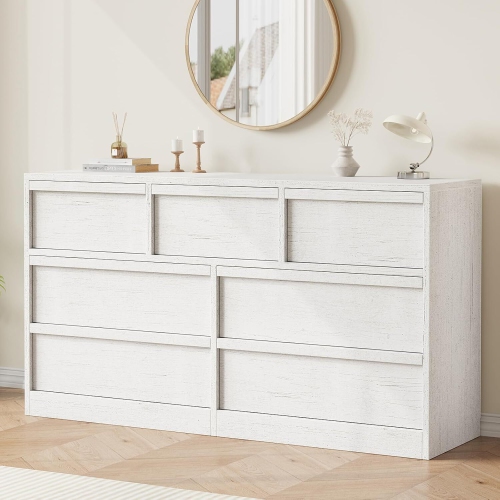
Organized clothing storage with a versatile white finish
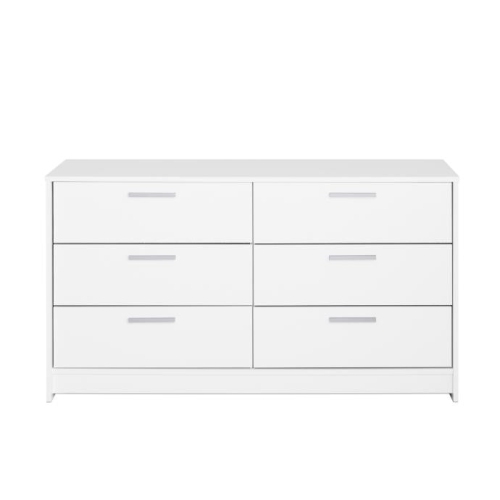
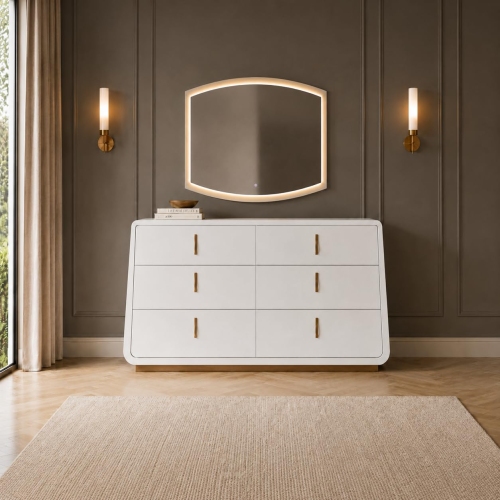
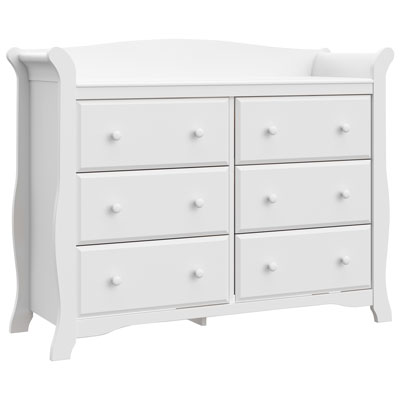
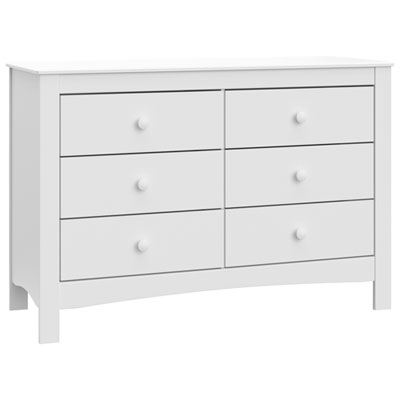
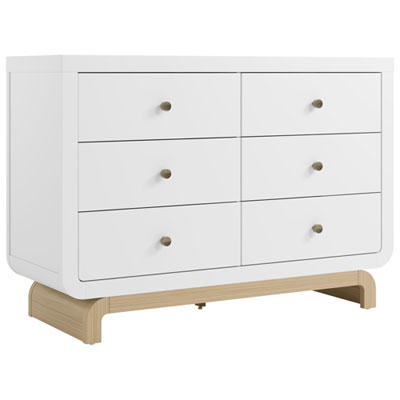
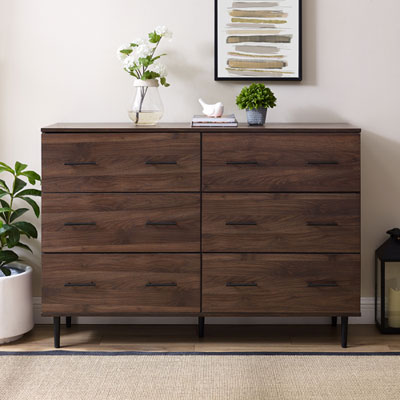
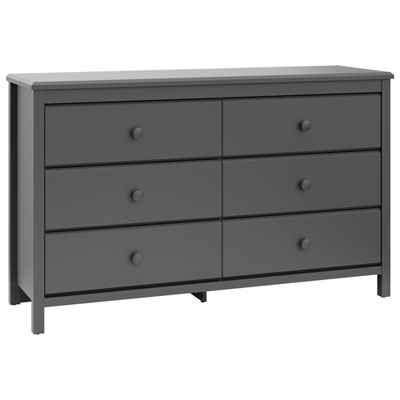
A white six-drawer dresser combines clothing storage with a light, neutral finish that works across many bedroom styles. The familiar double-dresser layout places three drawers on each side, creating a broad surface above six separate storage compartments, although drawer arrangements and proportions vary by design. This layout makes it easy to separate everyday clothing without relying on a single deep stack: socks and underwear can occupy upper drawers, folded shirts can sit in the middle, and trousers or sleepwear can fit below. In a shared bedroom, each person might use one side; in a guest room, a few empty drawers give visitors somewhere to unpack rather than live out of a suitcase. The appeal of White 6 Drawer Dressers also comes from their versatility. White can sit quietly against pale walls or provide a crisp contrast beside navy bedding, dark wood floors, or colourful artwork. Not all white finishes look the same: a warm white may have a creamy undertone, while a cooler white can appear brighter beside grey textiles and chrome hardware. Comparing finish descriptions and photographs is useful when coordinating with an existing bed frame or nightstand, though lighting and screen settings can affect how colour appears. Flat drawer fronts and recessed pulls create a streamlined look, while framed fronts, rounded edges, or shaped feet add a more traditional feel. Black handles create definition, brushed metal feels understated, and brass-toned hardware adds warmth. A wide dresser top can hold a jewellery tray, a small lamp, or a few personal accents, provided their combined weight stays within the stated limit. Leaving some of that surface clear makes everyday routines easier, whether setting down folded laundry or choosing accessories. For a first apartment, an established primary bedroom, or a child’s room that needs more organized clothing storage, the six-drawer format offers a practical balance between separate compartments and a single coordinated piece of furniture.
Fit depends on more than finding an empty stretch of wall. Overall width, depth, and height determine where a dresser can sit, but the space in front matters just as much. A drawer needs room to extend without striking the bed frame, and the person using it needs enough standing space to reach inside comfortably. Checking the fully extended drawer depth, where provided, helps prevent a bedroom layout that looks workable with everything closed but feels cramped during daily use. Door swings, closet access, baseboards, wall outlets, and nearby floor vents can also influence placement. A low, wide dresser may suit the wall opposite a bed, while a taller configuration can make better use of a narrower footprint; neither shape removes the need for proper anchoring. Internal drawer measurements are particularly useful because the outer dimensions do not reveal usable storage capacity. Thick side panels, drawer hardware, and space behind the drawers all take up room. Someone storing bulky sweatshirts needs different proportions from someone organizing T-shirts, scarves, and exercise clothing. Drawer dividers can keep smaller belongings visible, while folding clothing upright can make individual pieces easier to find without disturbing a whole pile. Avoid overfilling drawers or forcing them shut, which can strain the base and runners. Delivery and assembly deserve similar attention: doorways, stair turns, and lift dimensions may affect whether a fully assembled dresser can reach its intended room. Flat-packed furniture requires space to sort panels and hardware, along with the tools and number of people specified in the assembly instructions. Once assembled, a dresser should stand level and be anchored to the wall according to the manufacturer’s directions, using fasteners appropriate for the wall construction. Anti-tip hardware and drawer interlocks, where included, support safer use but do not replace attentive placement and installation. Keep tempting objects away from the top in homes with young children, never allow climbing on drawers, and do not use a dresser as a changing surface unless it is specifically designed and approved for that purpose.
Materials and construction influence how a white six-drawer dresser feels in use, how much care it needs, and how well it handles repeated opening and closing. Solid wood, engineered wood, and combinations of the two can all appear beneath a white finish, so appearance alone does not identify the construction. Solid wood may show subtle grain through paint and can respond to changes in indoor humidity. Medium-density fibreboard provides a smooth base for painted finishes, while particleboard is commonly covered with laminate or other surface layers. Veneer is a thin layer of real wood over a supporting core; its care requirements depend on the finish applied above it. Durability comes from the whole design rather than one material name. Secure joints, well-supported drawer bottoms, properly fitted runners, and neatly finished edges all matter. Metal glides can provide a smooth opening action, while soft-close hardware, when included, helps control the final part of closing. Neither feature changes the need to respect each drawer’s load limit. A drawer that holds lightweight clothing comfortably may not be intended for a dense collection of books or other heavy belongings. White surfaces also benefit from straightforward, regular care. A soft cloth removes dust without unnecessary abrasion; for marks, follow the manufacturer’s cleaning directions and use only suitable products. Wipe up spills promptly and avoid leaving moisture around seams, edges, and handle openings. Harsh cleaners and abrasive pads can dull a finish or leave visible scratches, while perfume, nail products, and coloured liquids can damage or stain some surfaces. A tray beneath toiletries and felt pads beneath decorative objects help protect the top from routine wear. Periodically checking handles and assembly fasteners can keep the dresser feeling steady, but tightening should stop short of stripping the fittings. With proportions suited to the room, drawers sized for the clothing they will hold, and a finish that works with surrounding furniture, a white six-drawer dresser can become an easy-to-use part of the bedroom rather than simply another place to put things.
Top selling and popular products
-
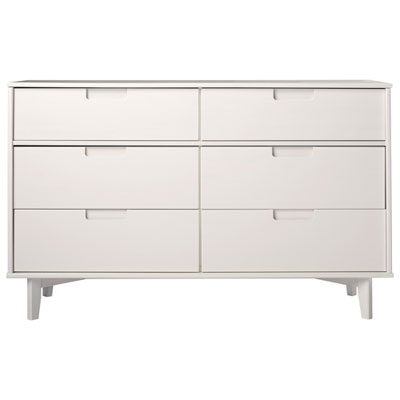 Your price for this item is $569.99
-
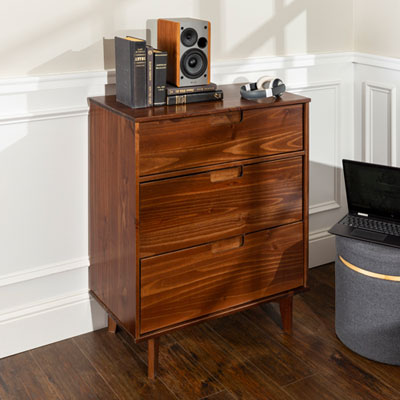 Your price for this item is $364.99
-
 Your price for this item is $899.99
-
 Your price for this item is $699.99
-
 Your price for this item is $699.99
-
 Your price for this item is $399.99
-
 Your price for this item is $886.99
-
 Your price for this item is $364.99
Discover more categories related to 6 Drawer Dresser In White

Top Collections:
Pokemon Centers, Best Cameras for Sports Photography, Kindle Devices, Samsung Galaxy Phones, Canon G7X Cameras, Pokémon 30th Celebration Cards, Refurbished Apple Laptops, iPhone 15 Apple, Laptops for Students, Budget Smartphones
Some products may be subject to Environmental Handling Fees
(EHF) depending on your province.
Learn more about EHFs.