Acacia Wood Desks
Looking for a stylish and durable desk to enhance your workspace? Look no further than our collection of acacia wood desks. Whether you're working from home, studying, or pursuing creative endeavors, acacia wood desks offer the perfect blend of elegance and practicality. With their timeless appeal and sturdy construction, these desks are designed to withstand the test of time while adding a touch of sophistication to almost any room. Here are some great options available.
Sort
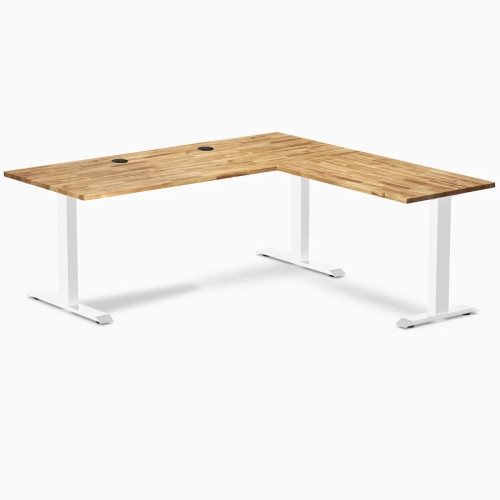
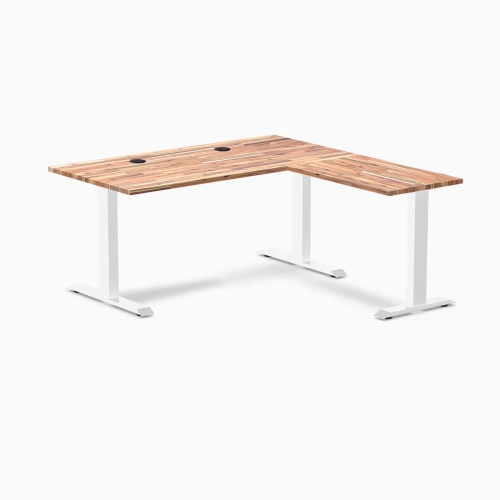
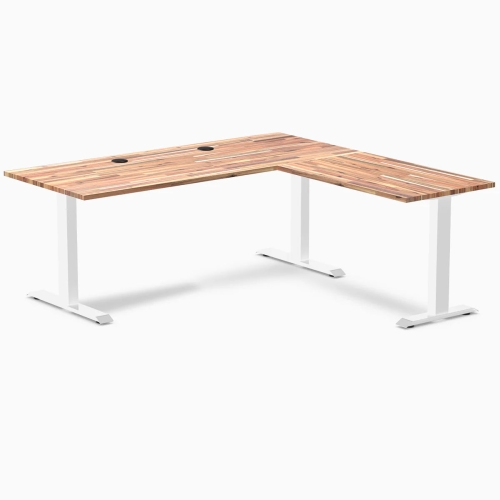
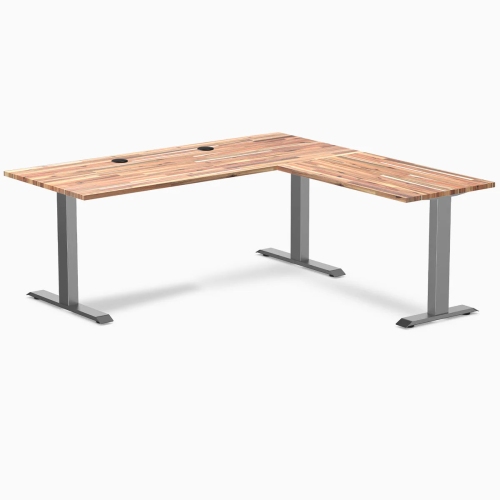
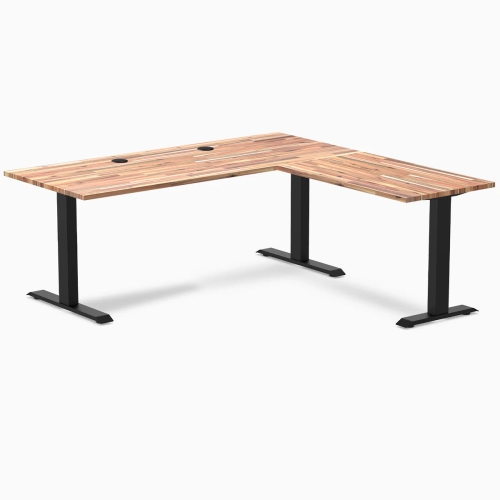
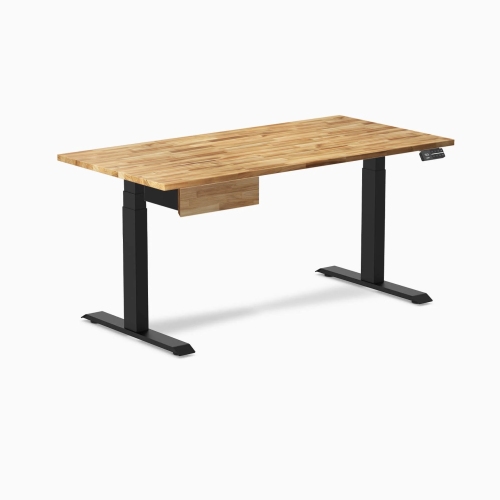
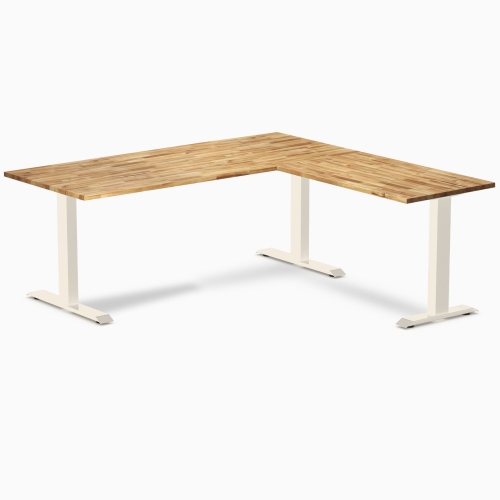
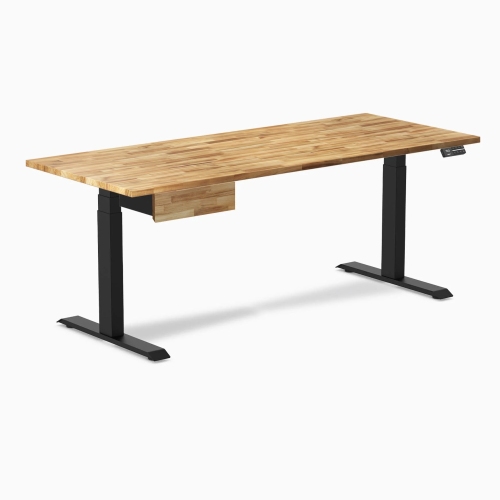
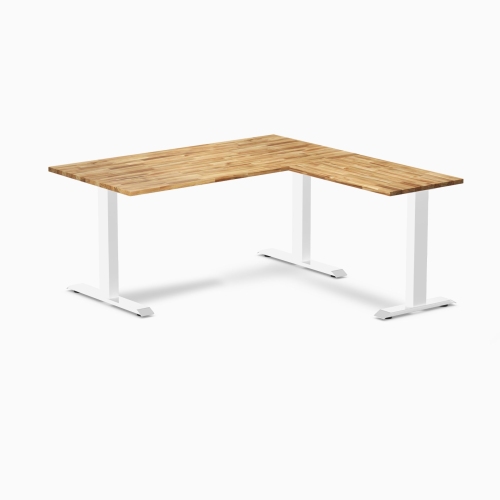
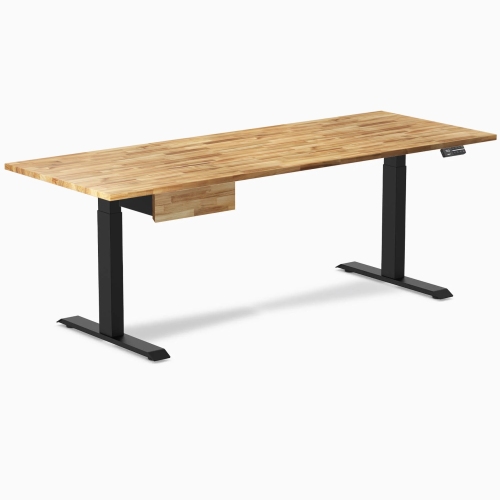
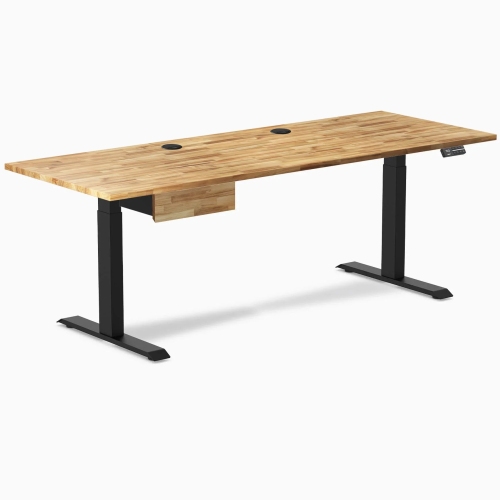
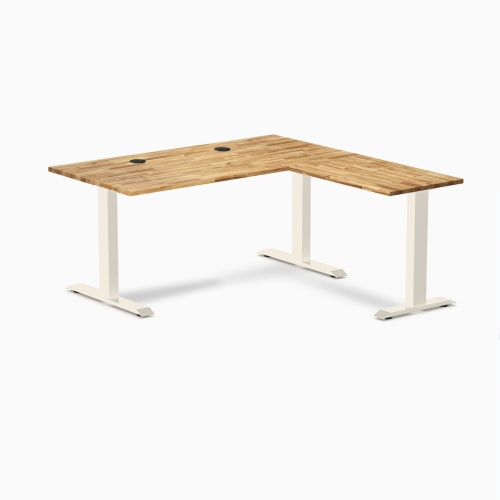
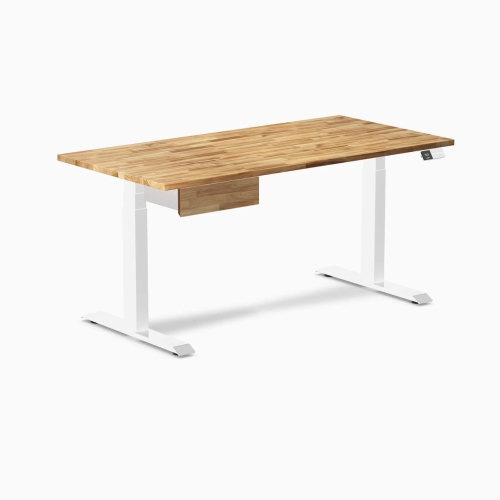
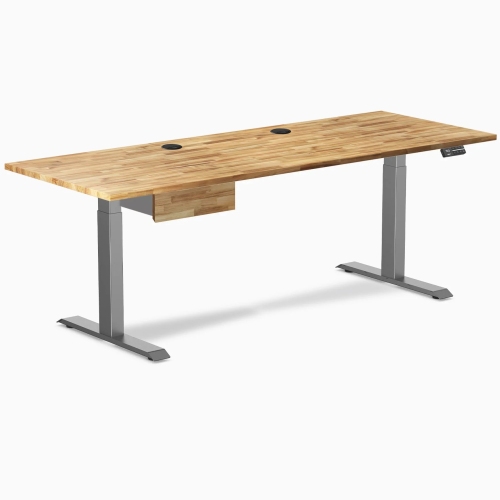
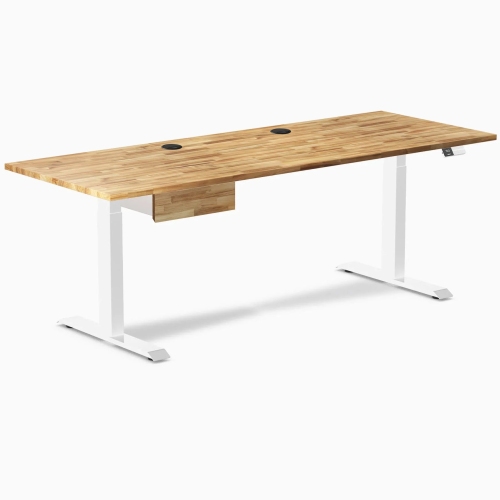
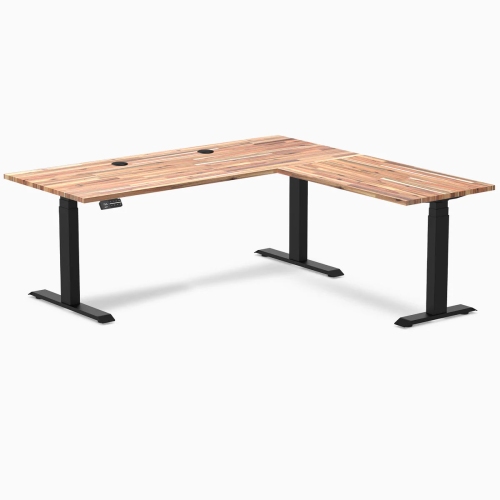
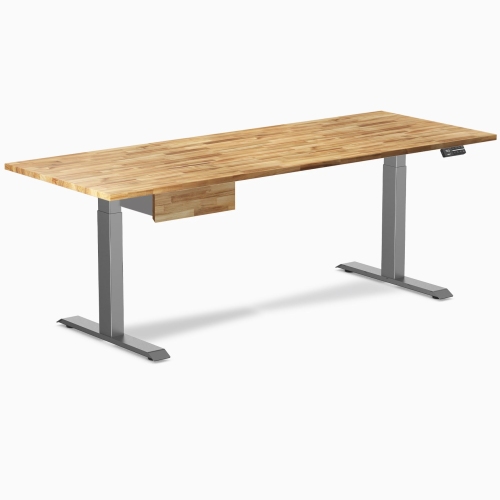
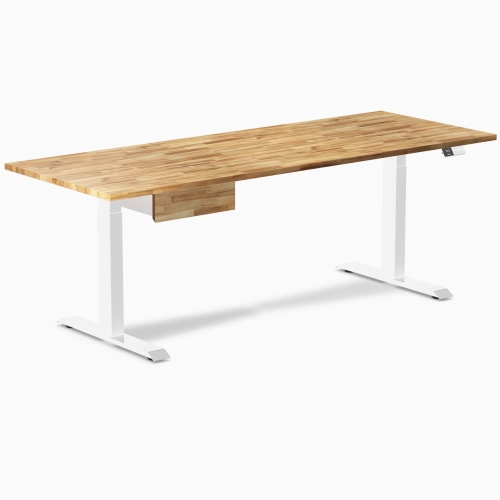
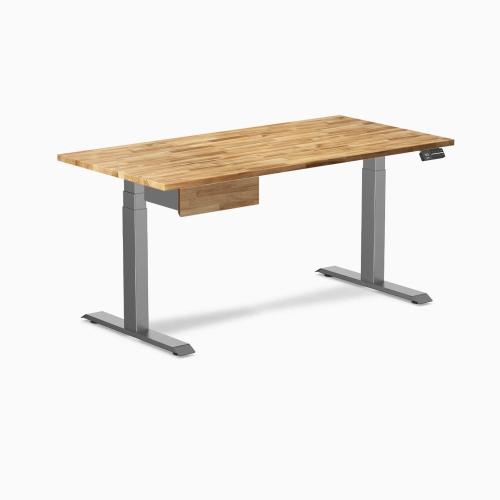
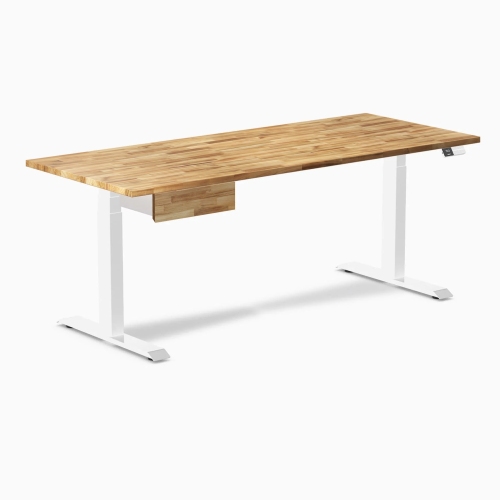
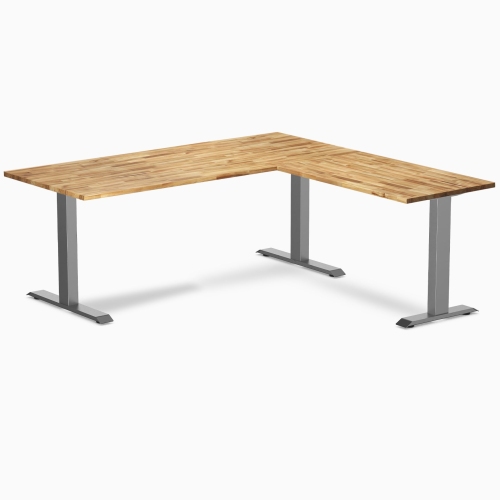
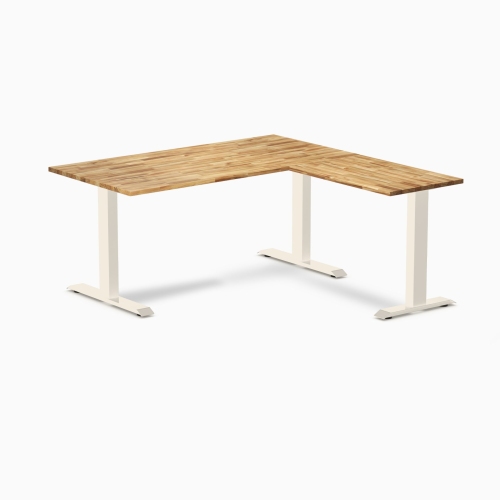
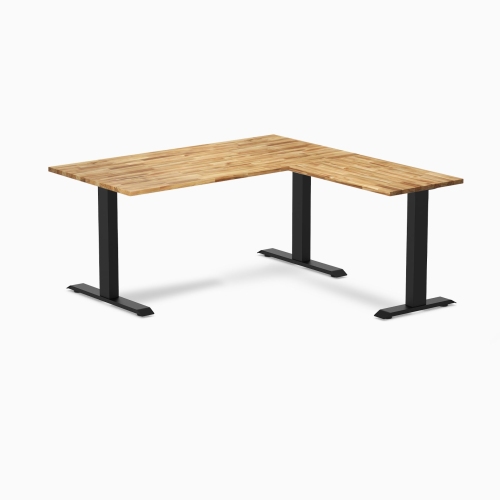
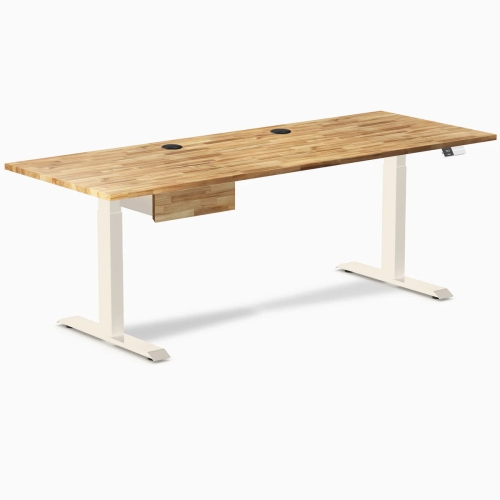
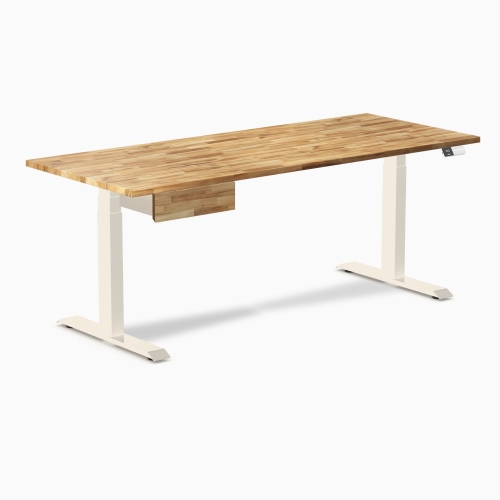
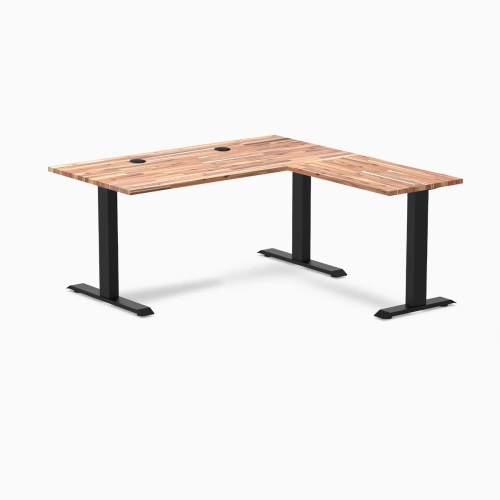
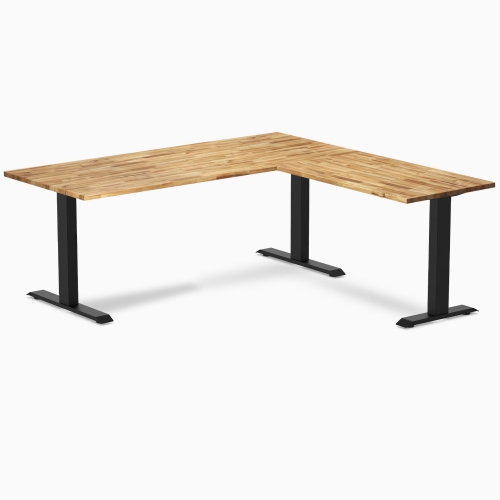
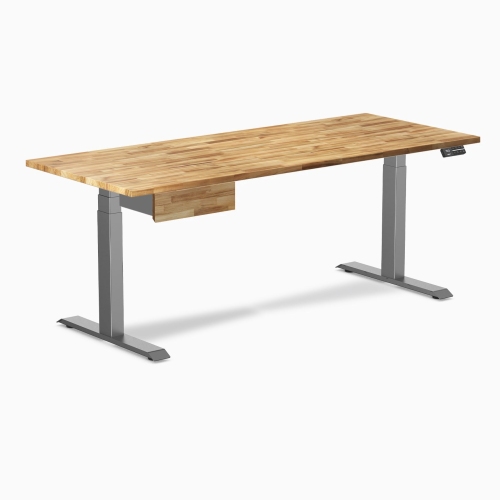
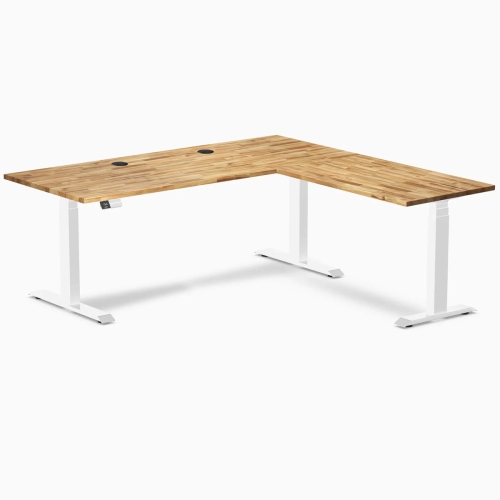
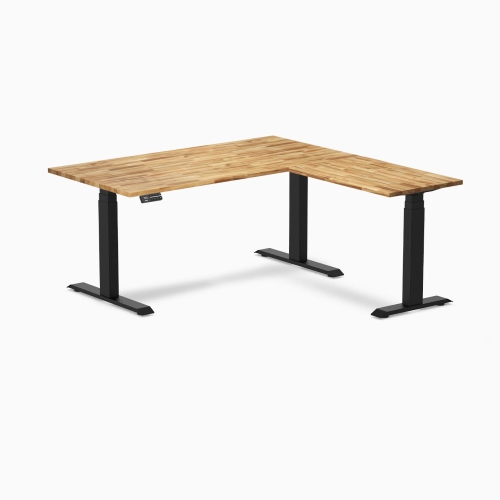
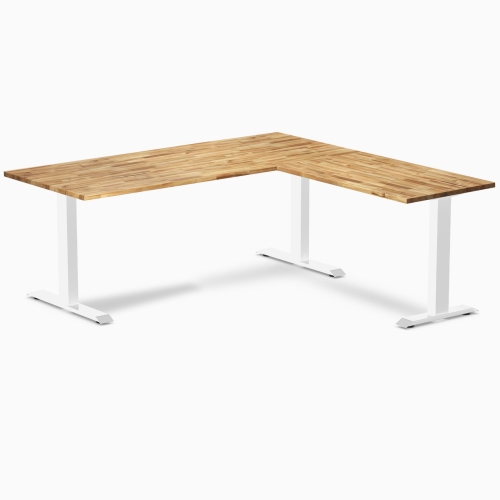
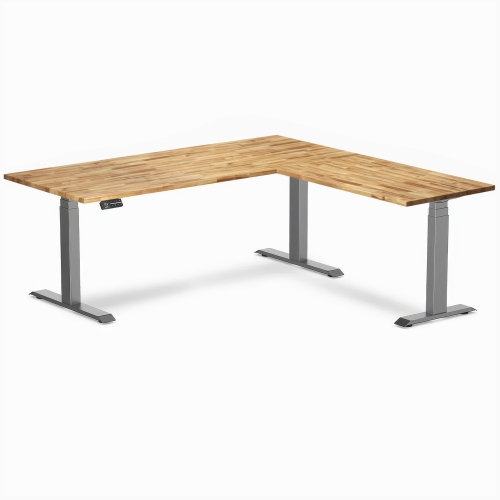
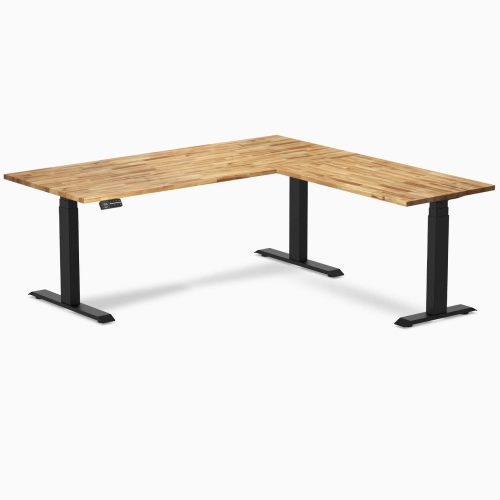
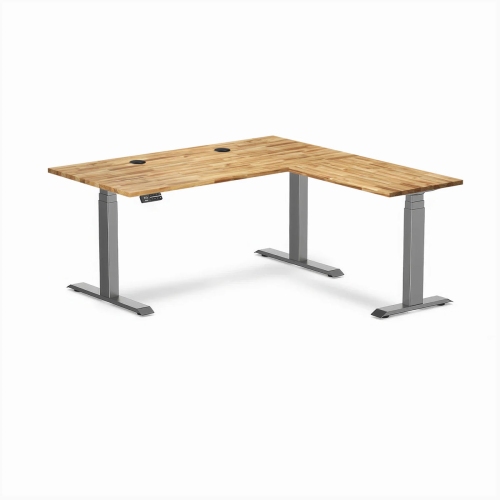
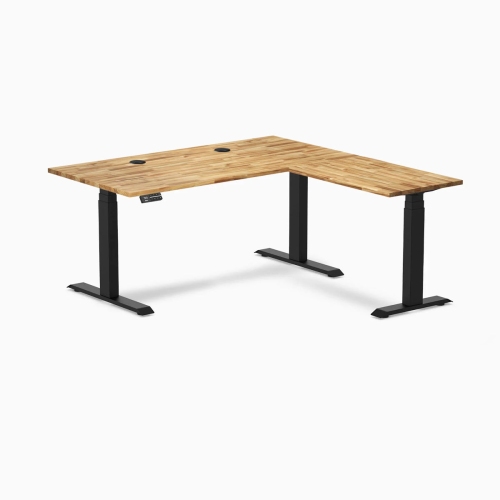
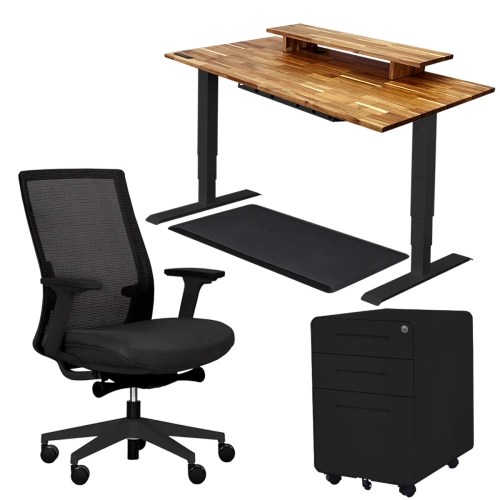
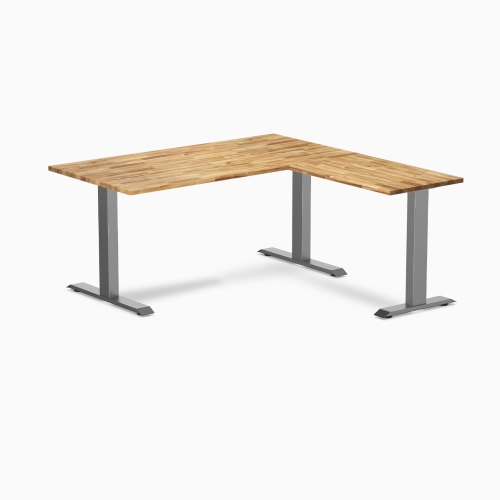
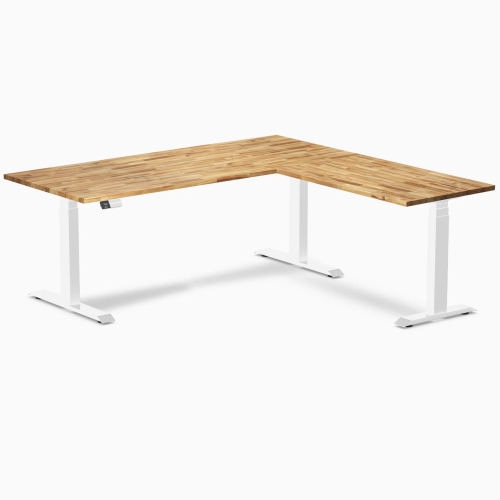
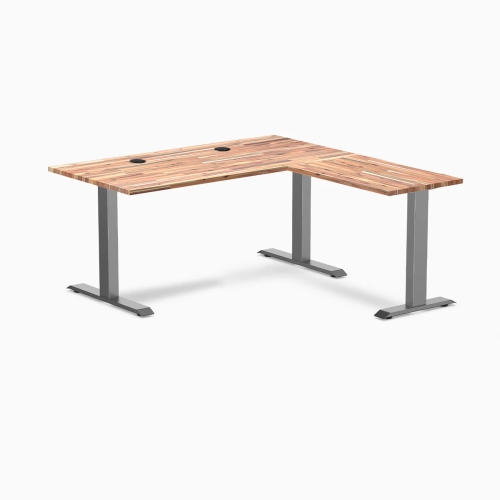
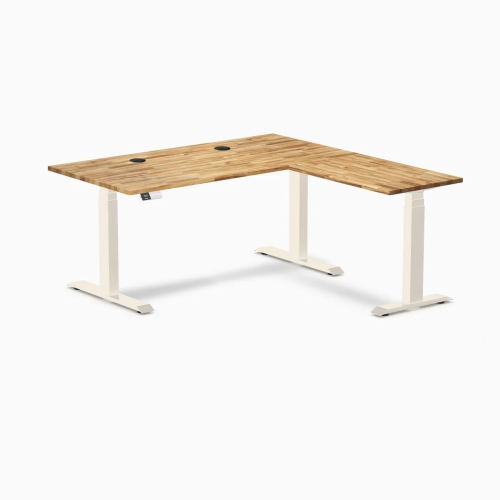
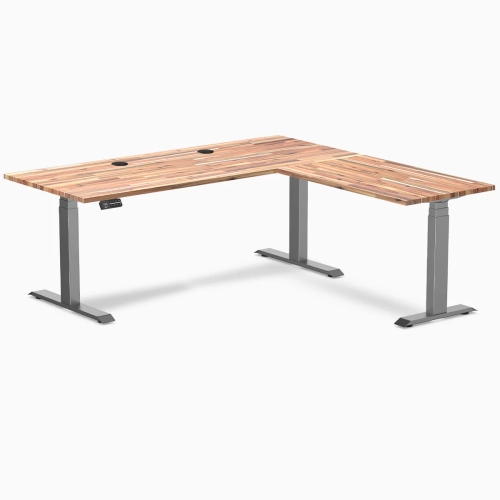
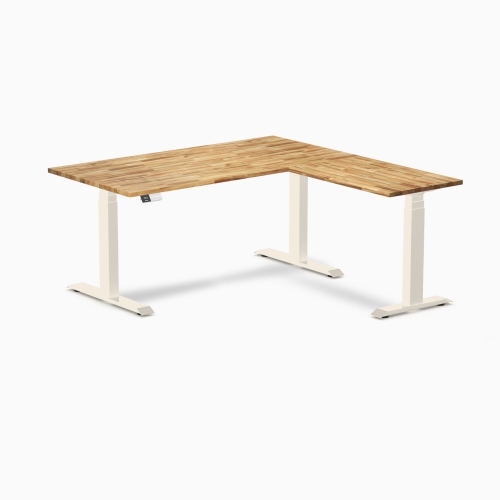
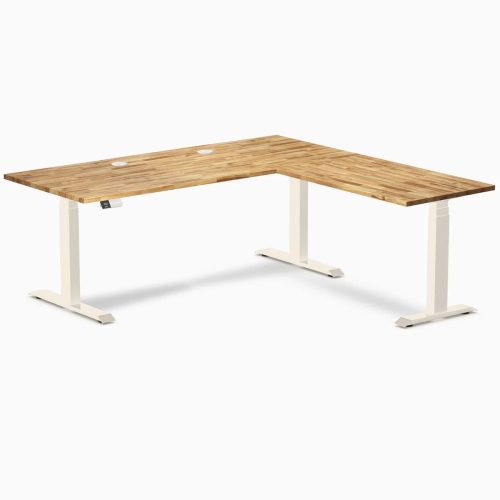
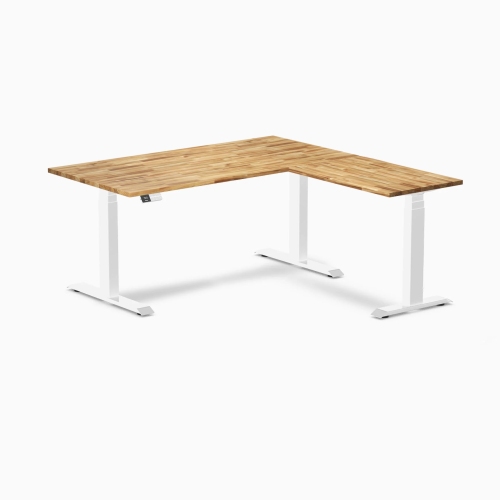
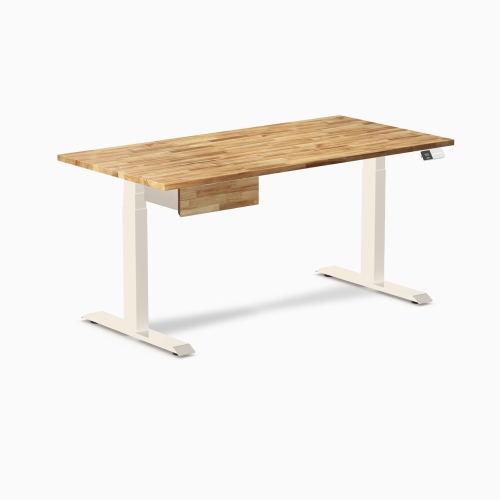
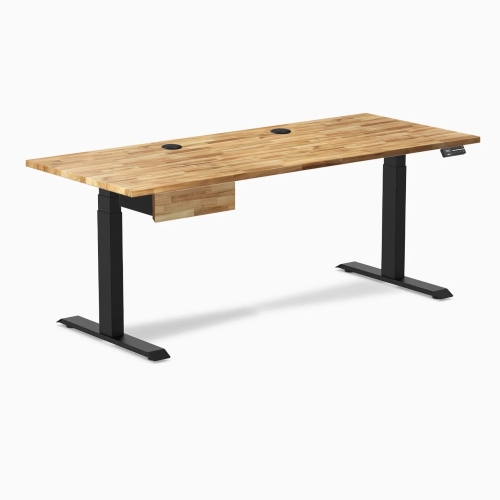
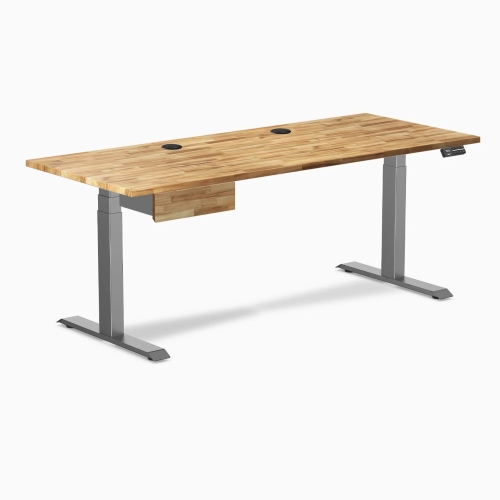
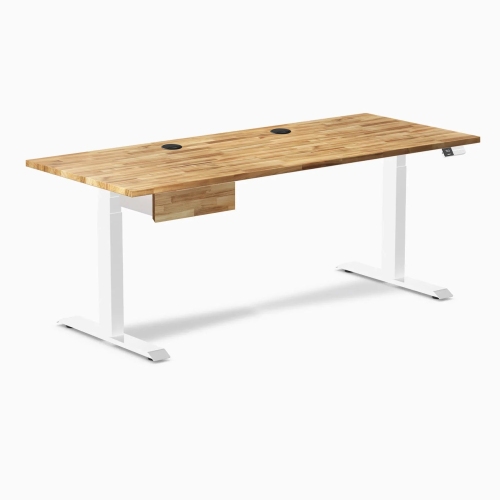
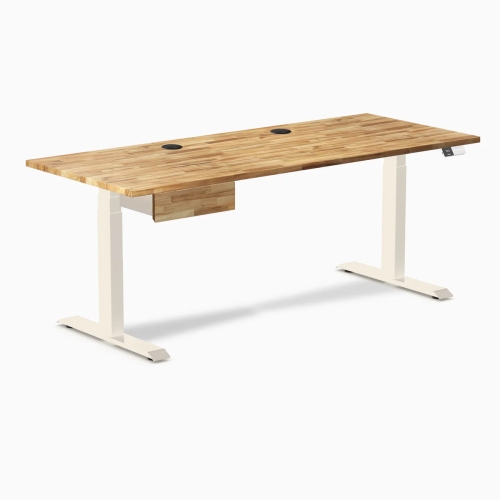
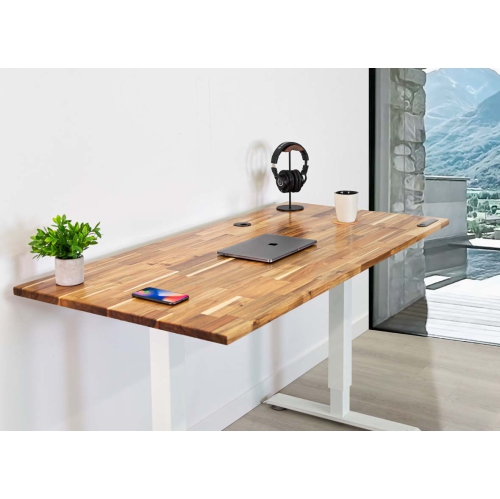

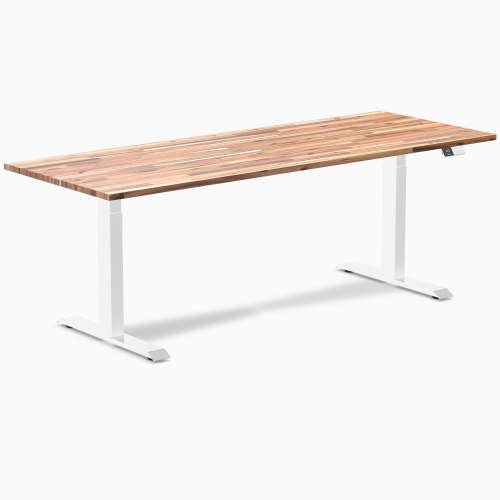
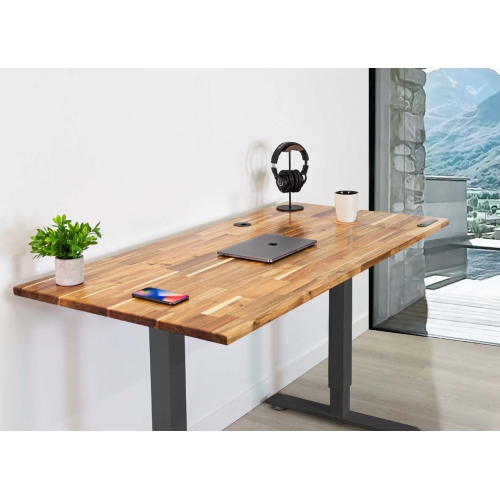
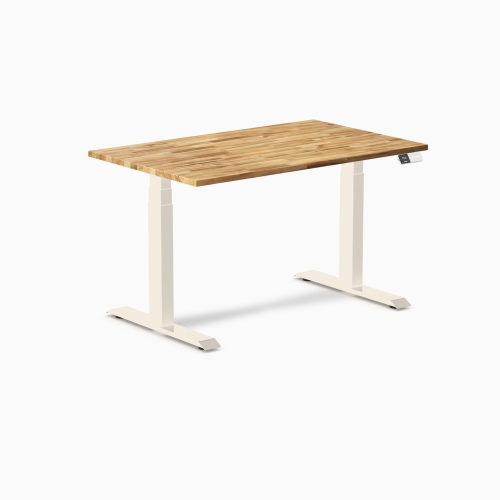
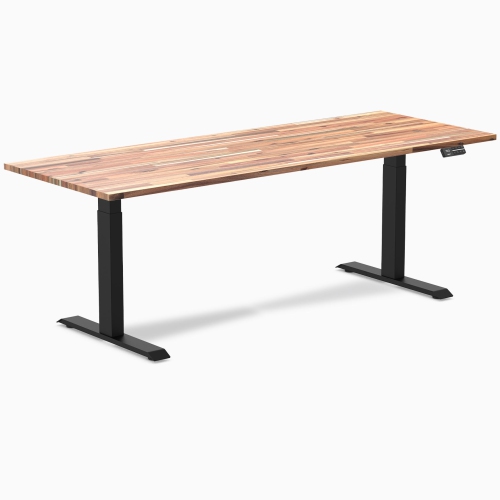

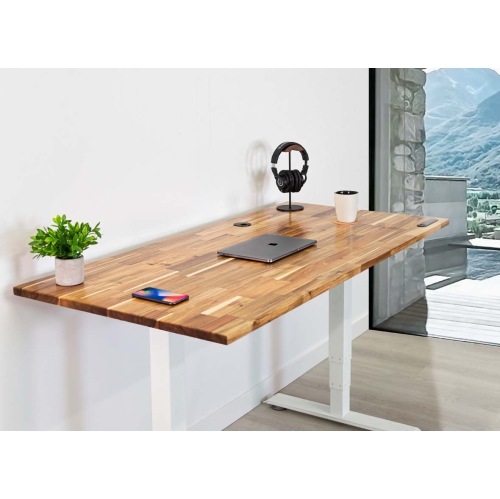
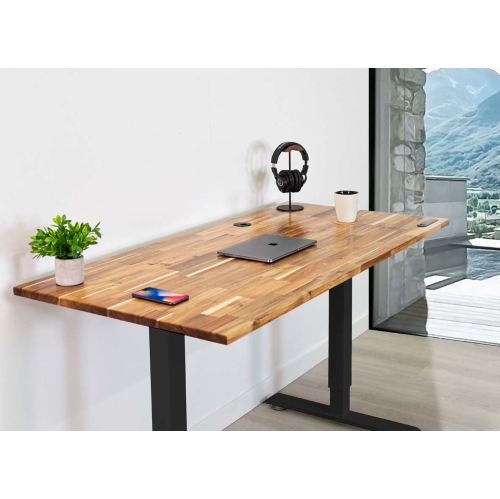
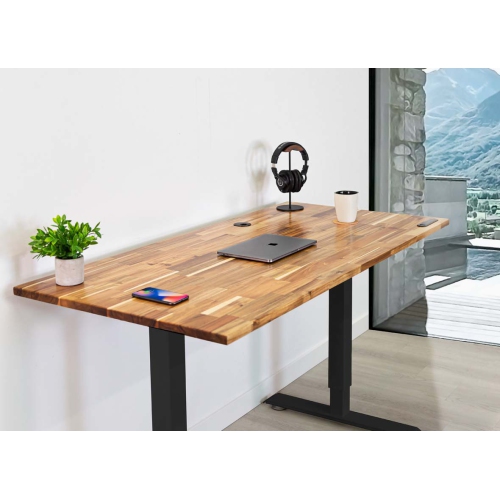


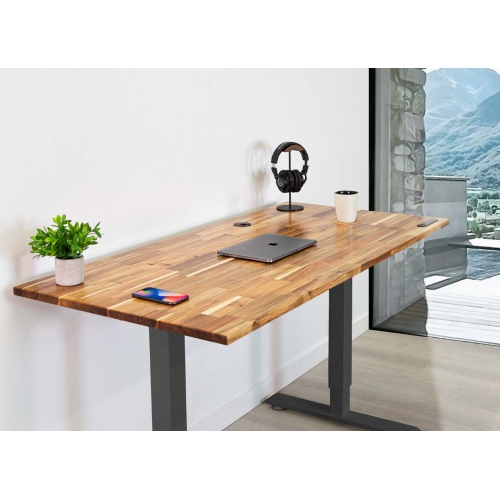
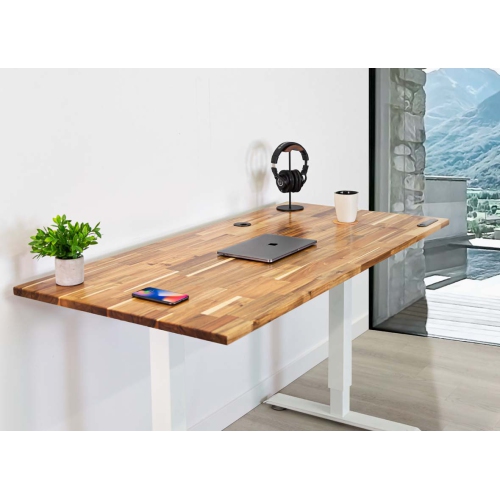
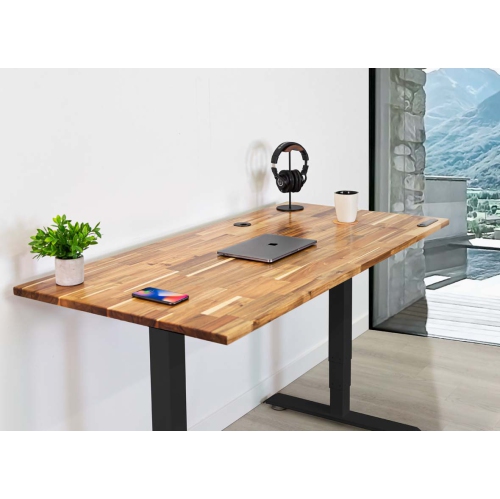
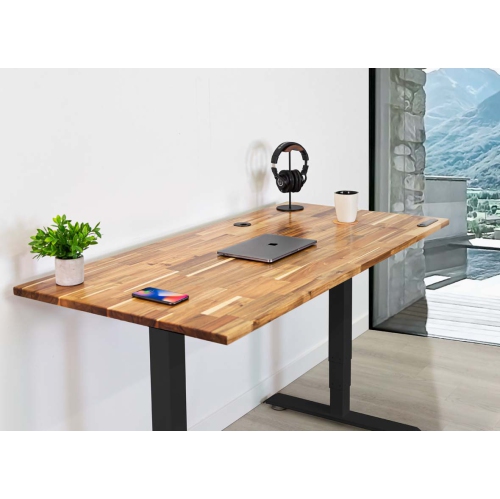
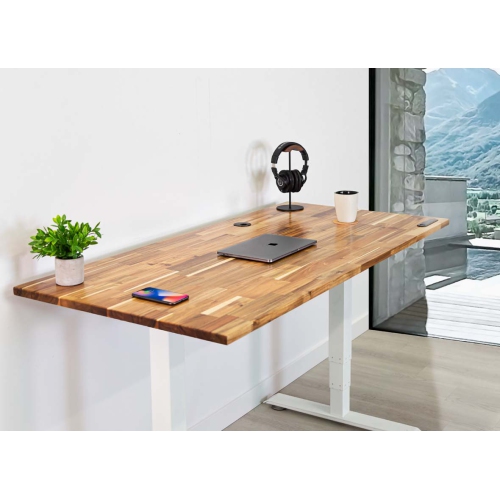
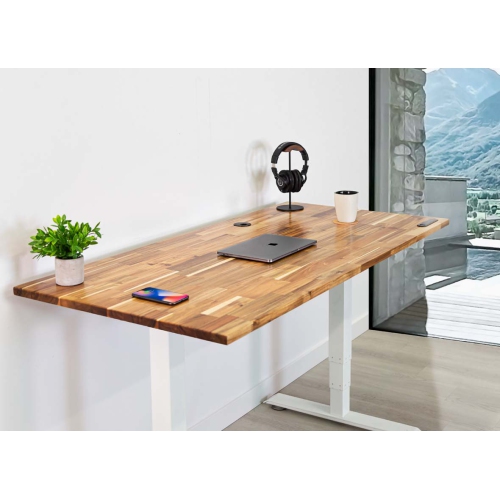

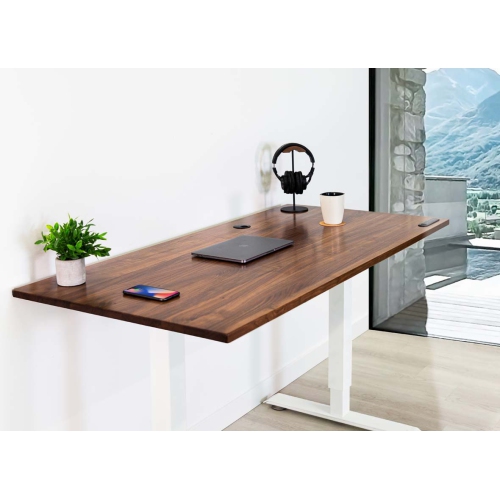
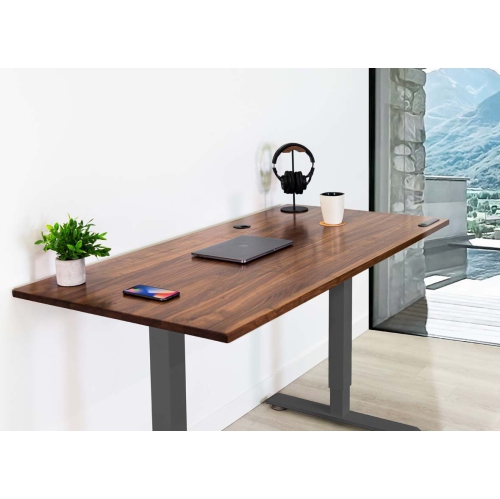
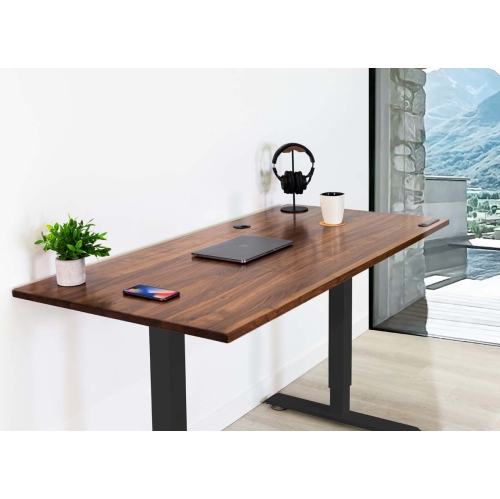
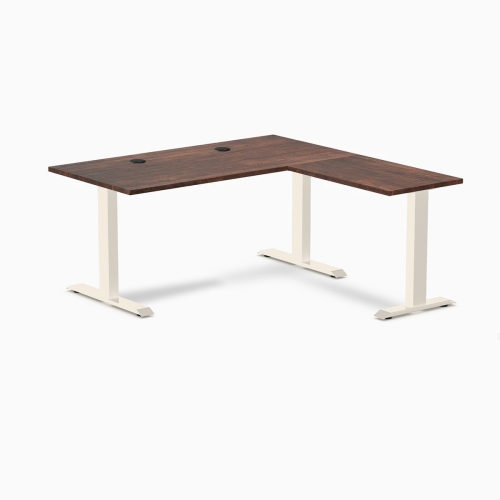
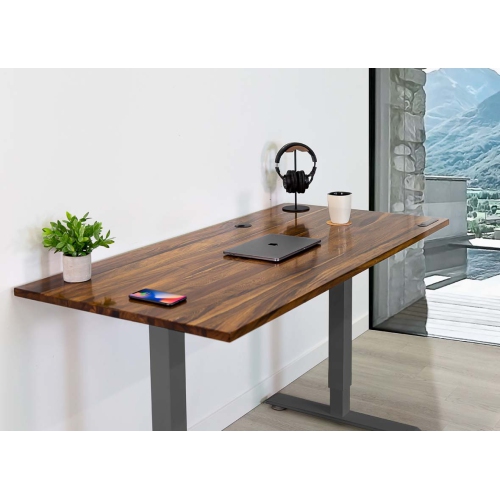
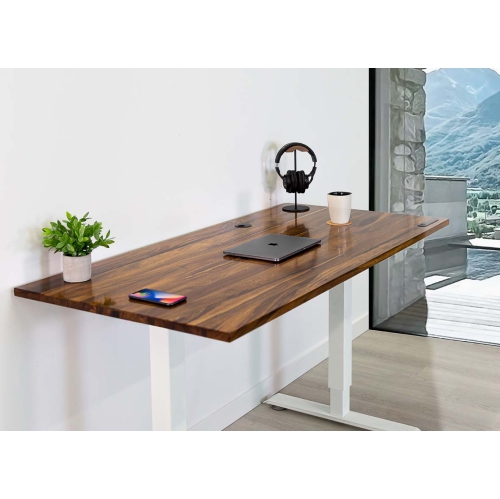
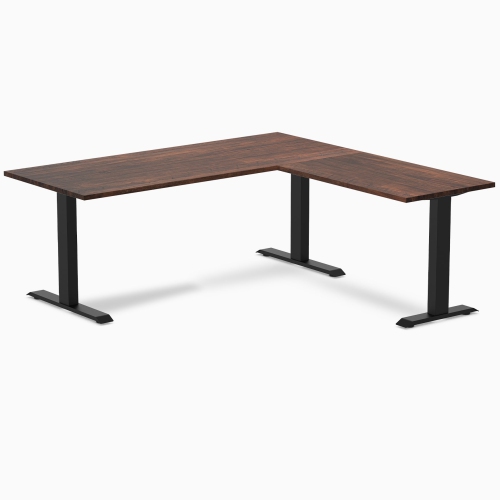
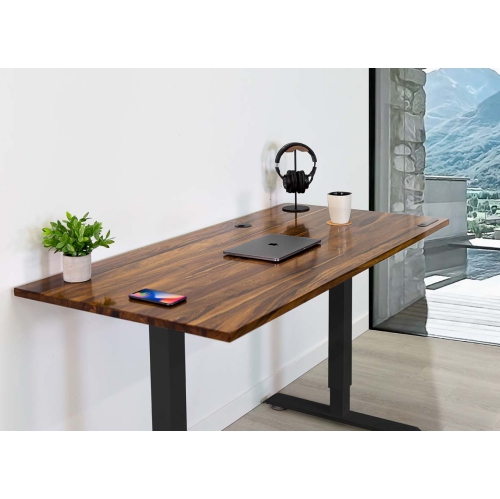
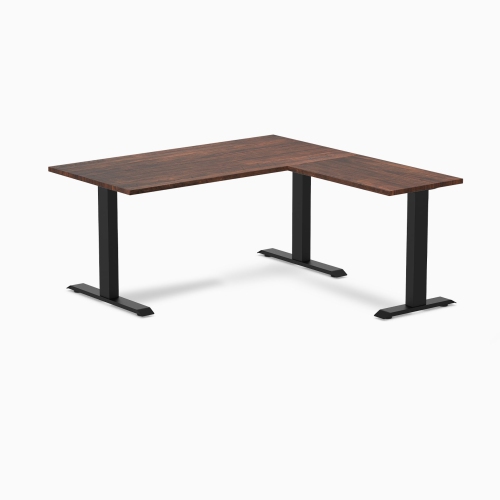
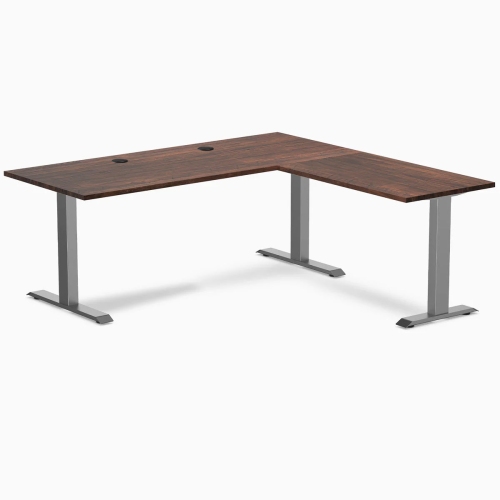
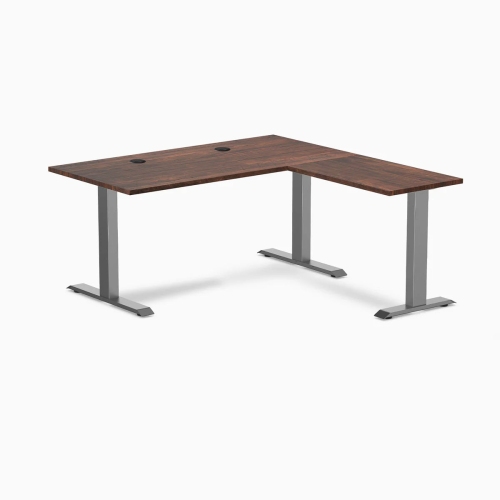
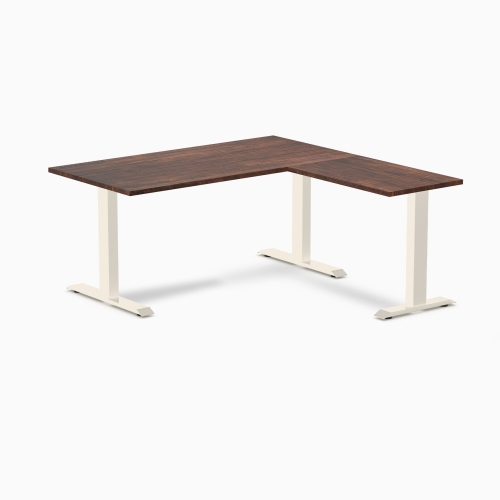
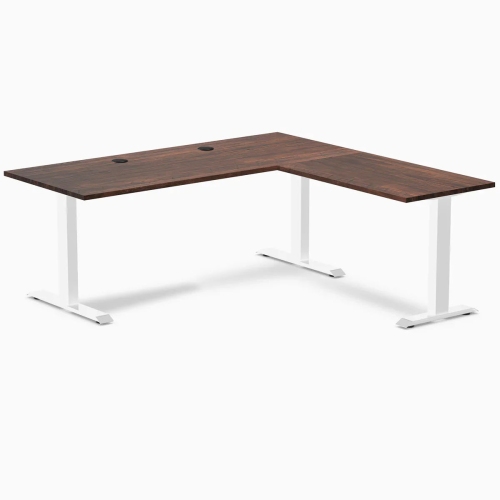
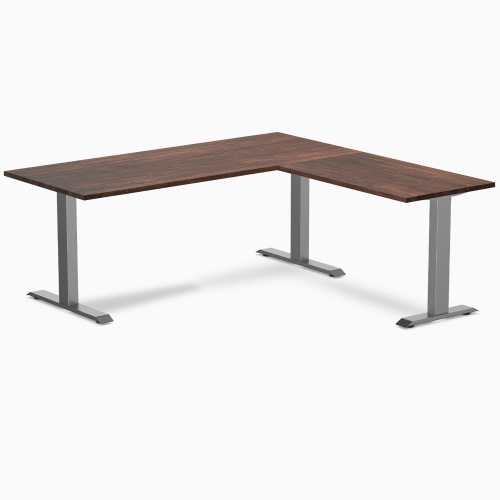
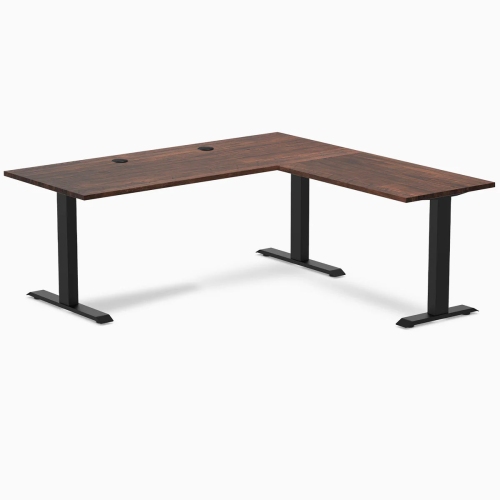
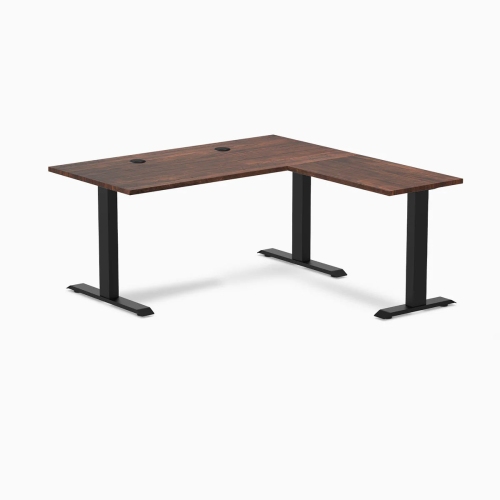
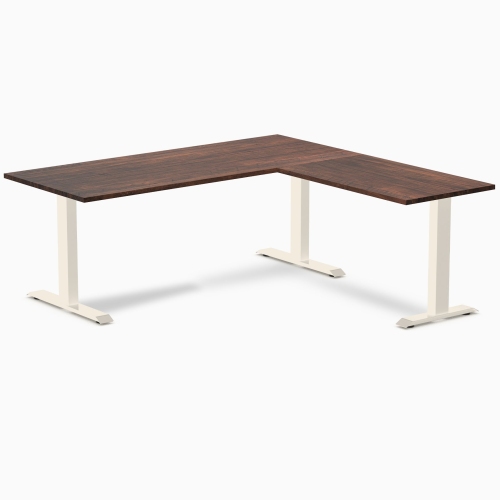
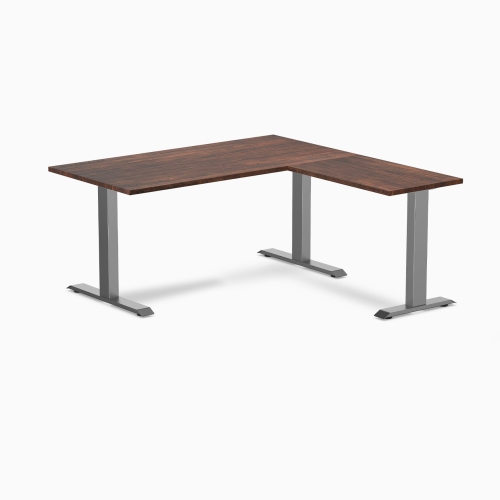
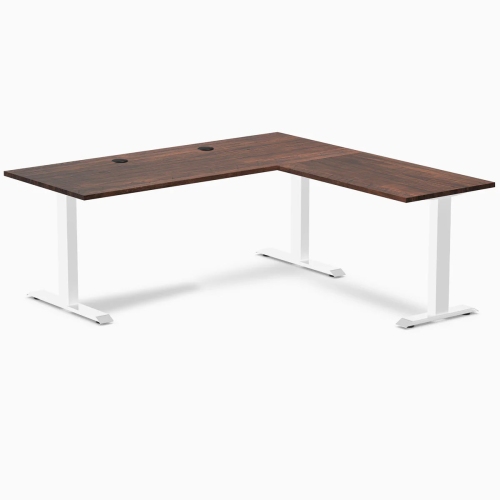
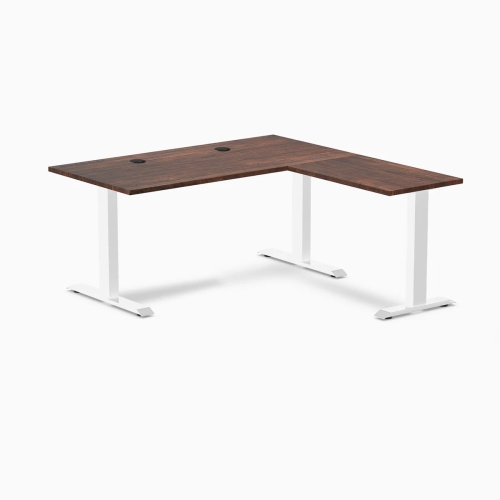
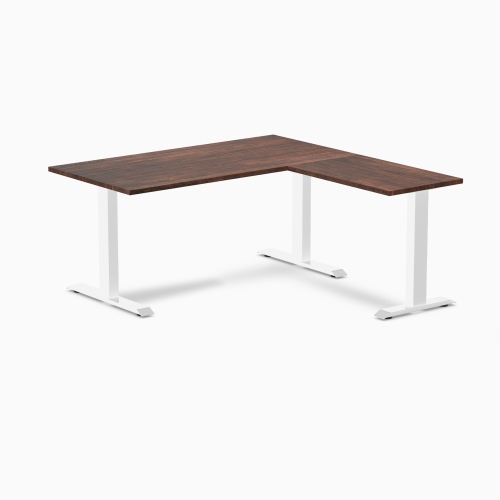
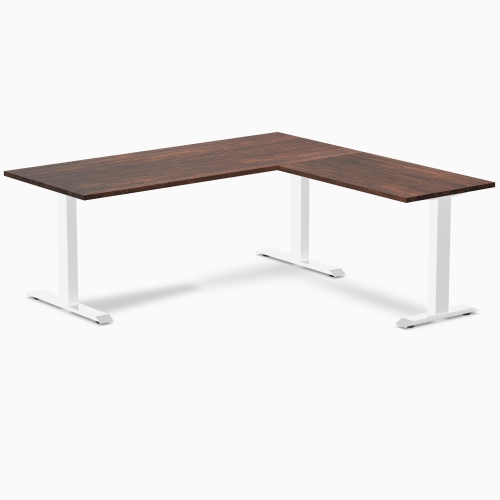
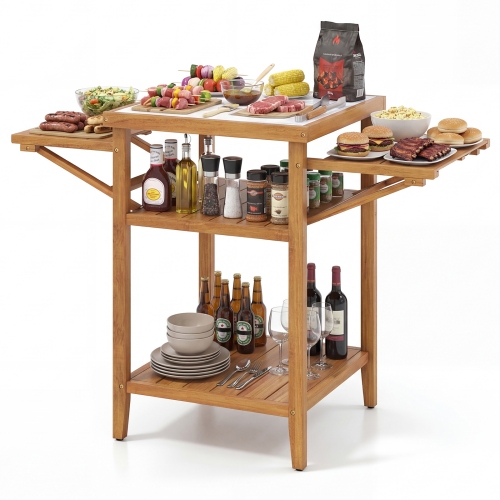
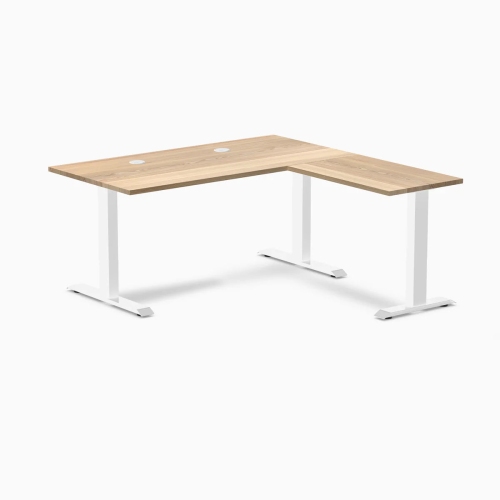

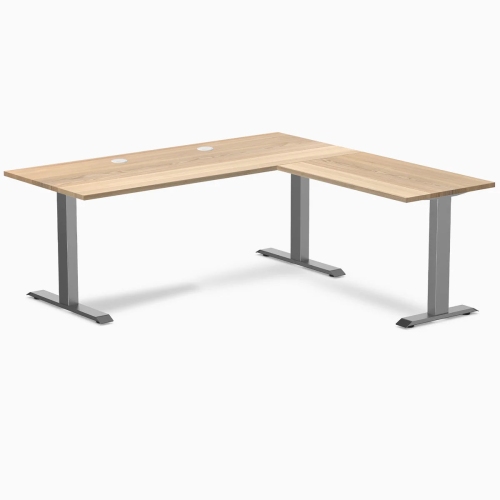
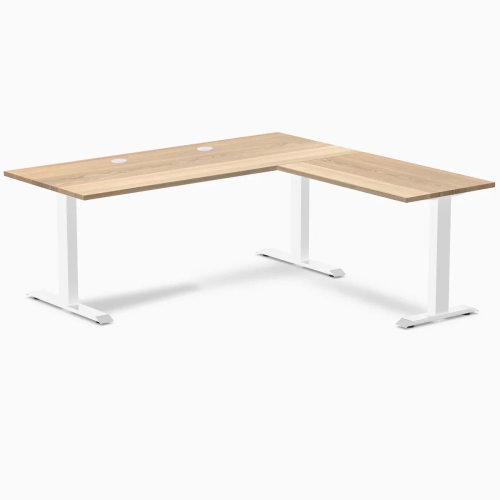
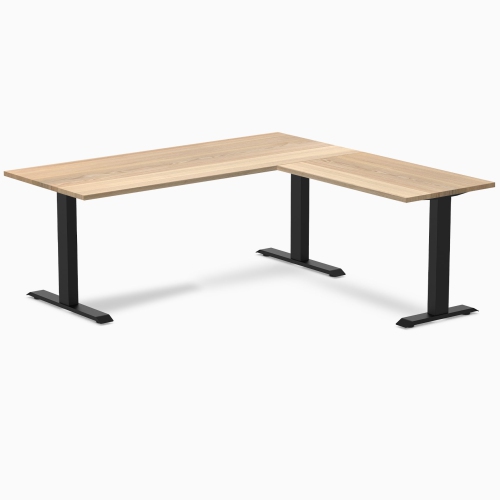
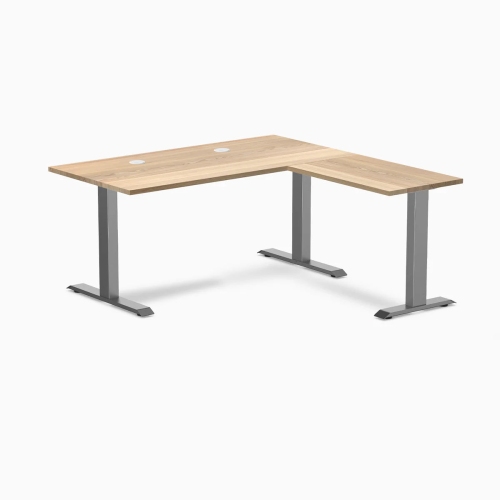
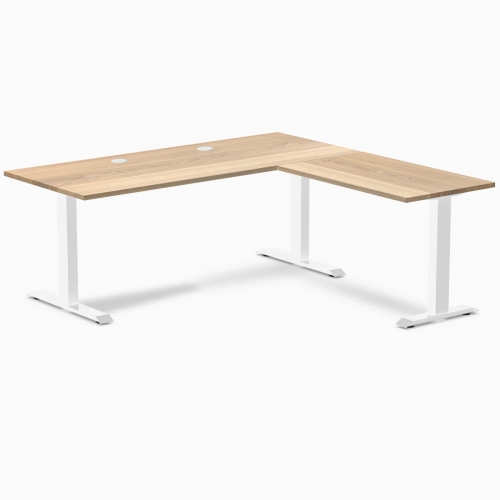
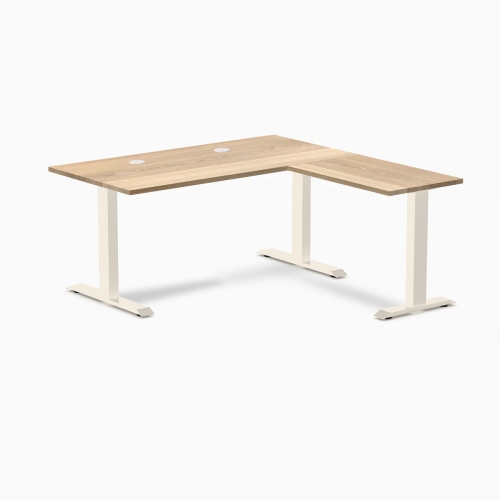
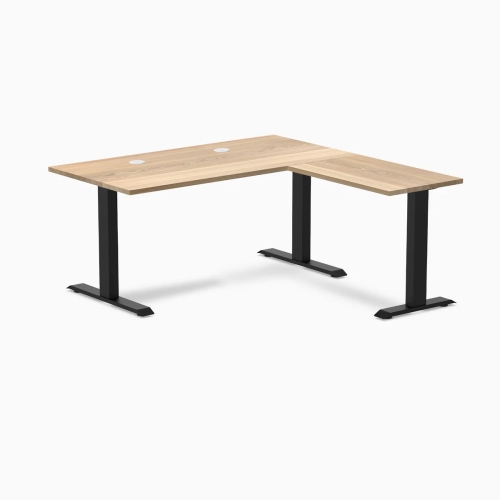
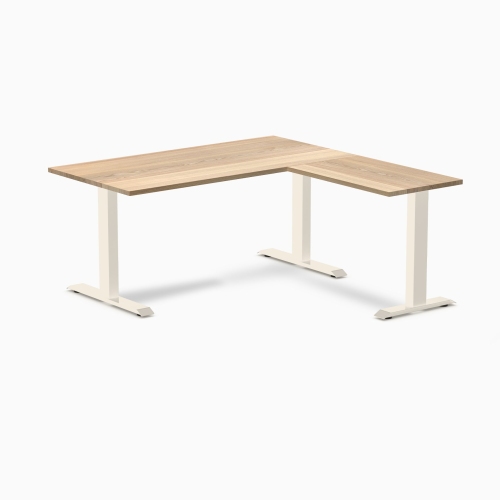
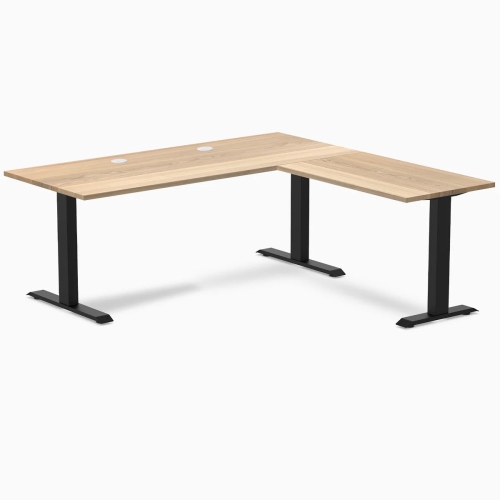
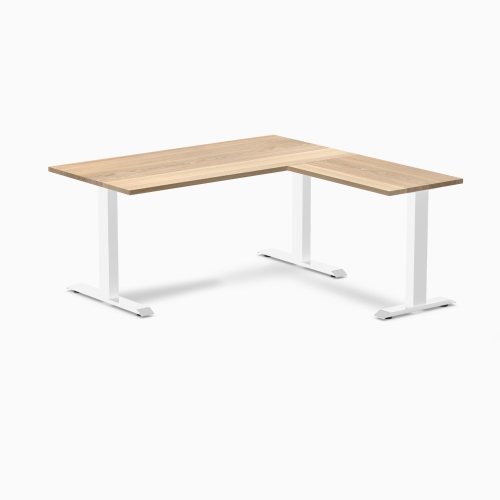
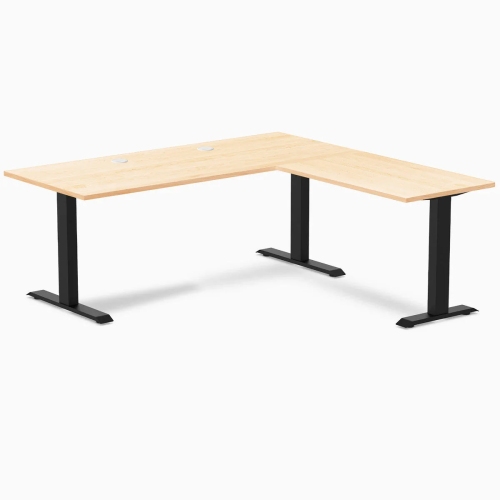
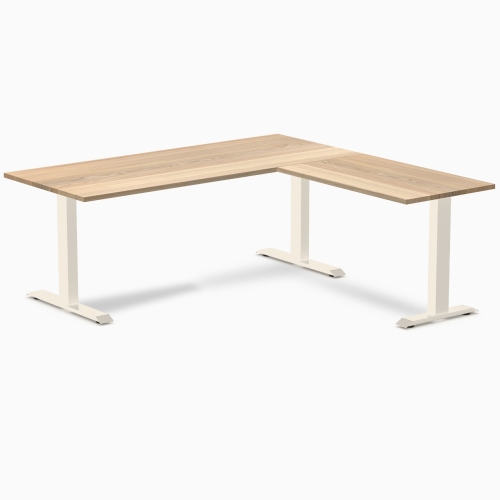
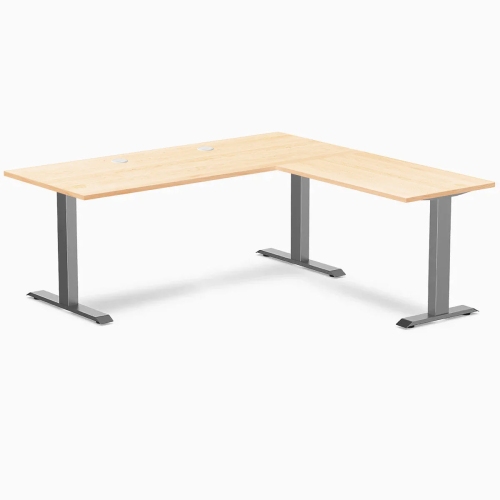
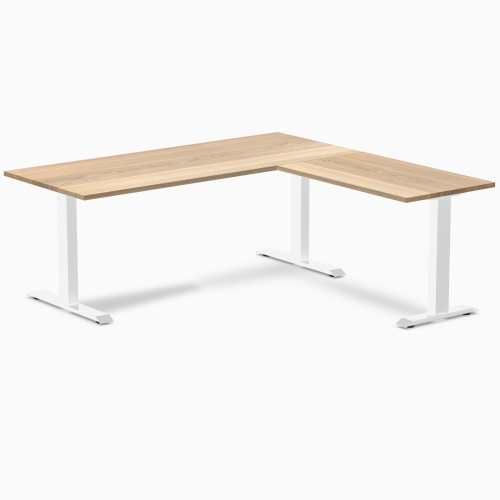
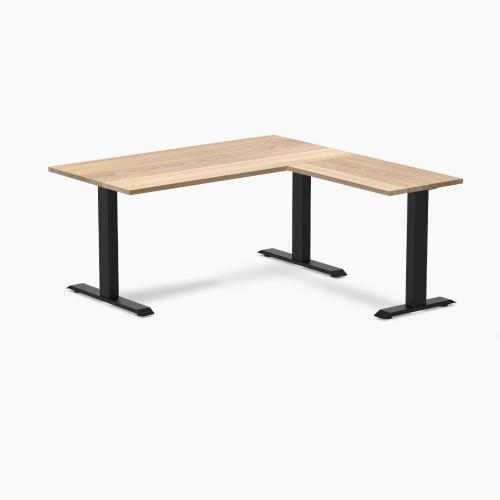
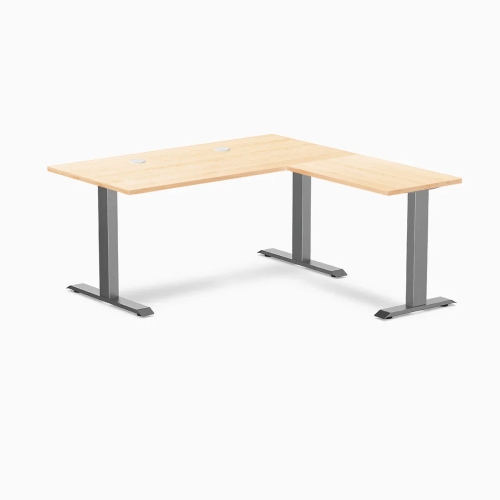
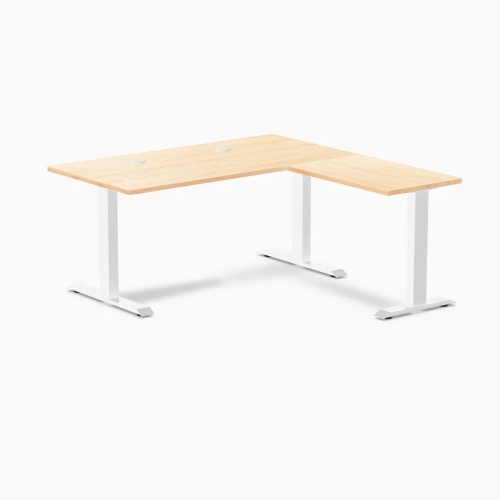
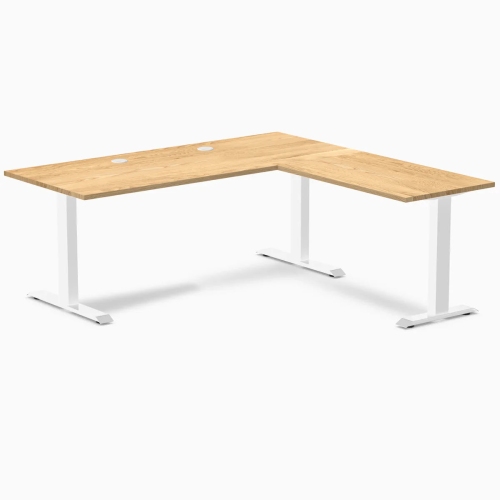
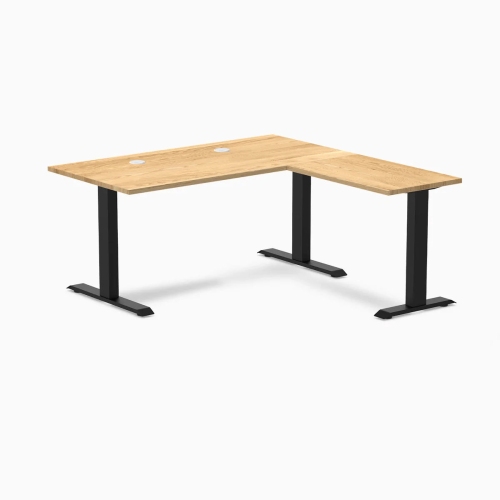
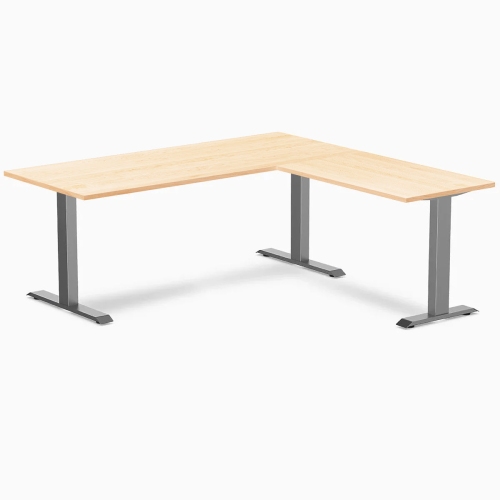
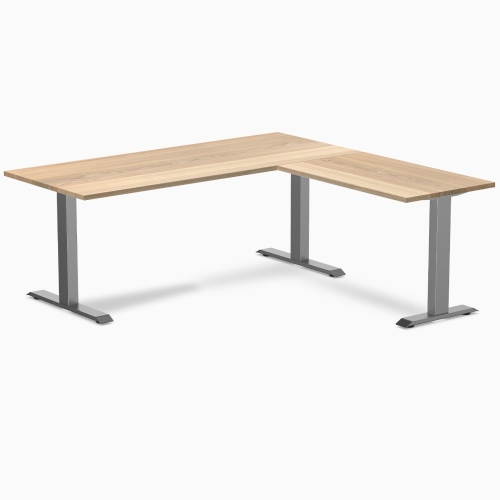
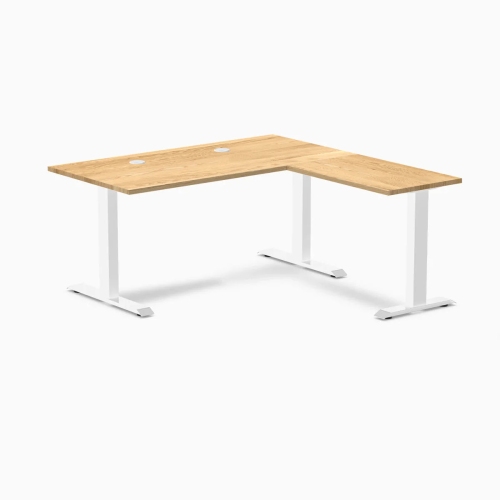
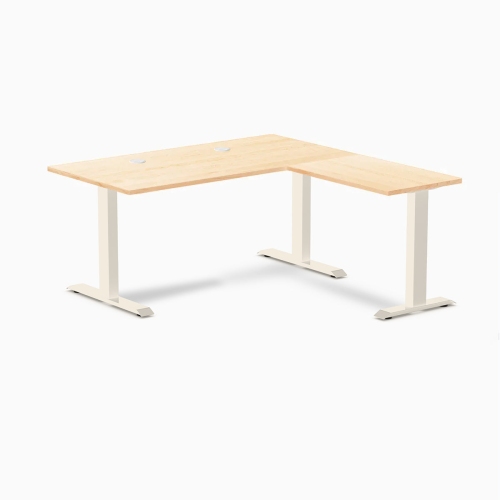
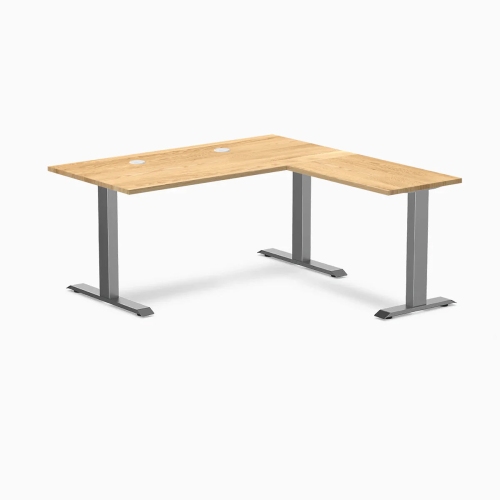
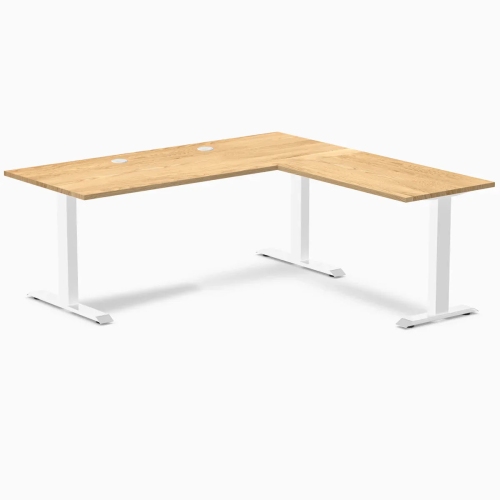
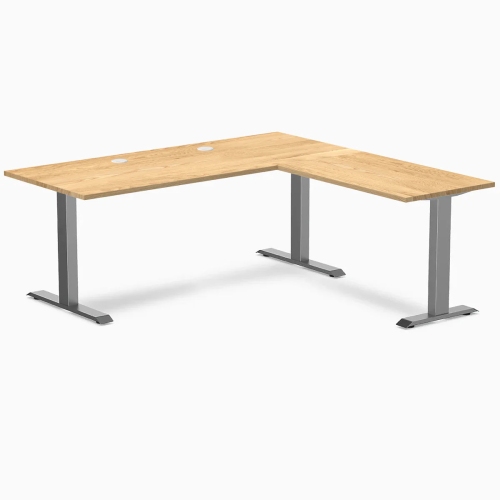
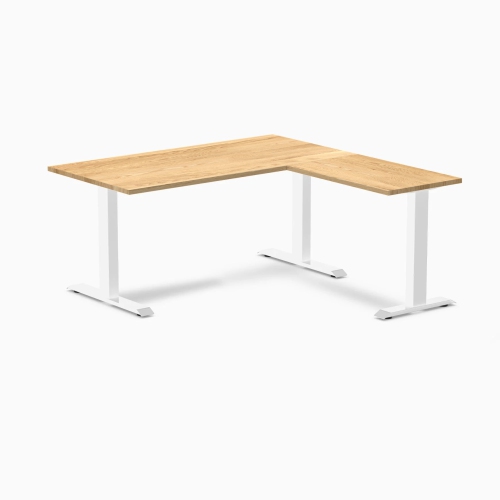
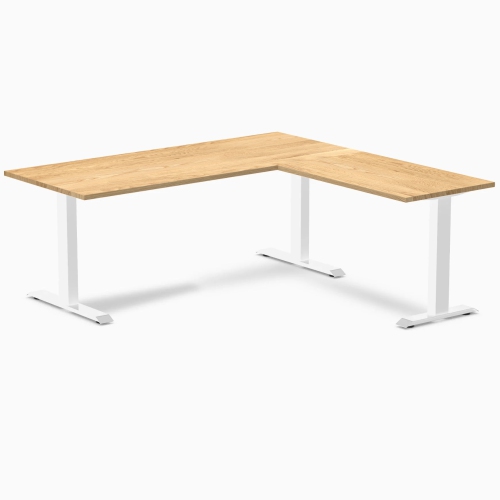
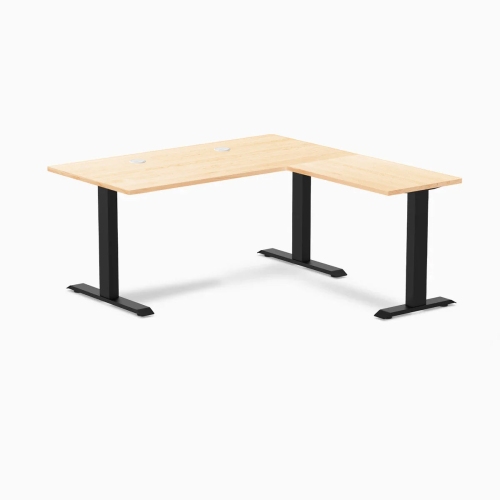
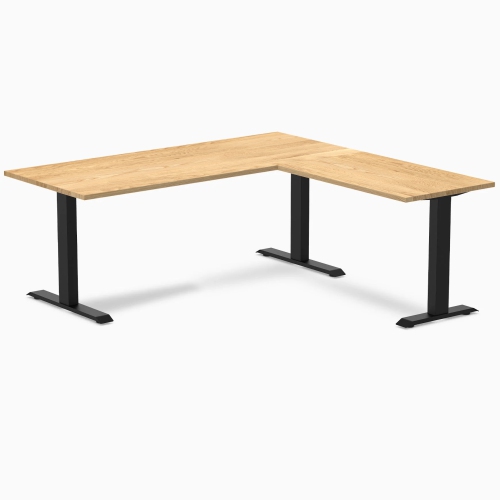
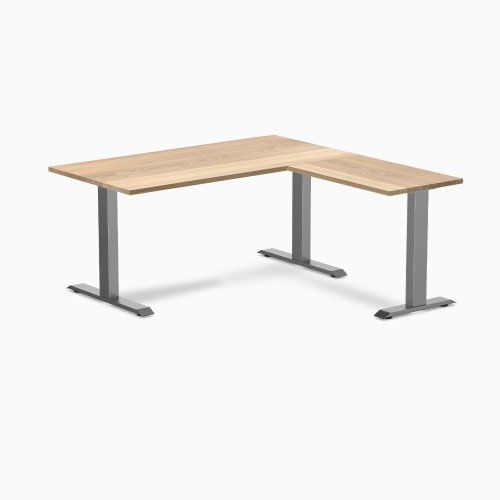
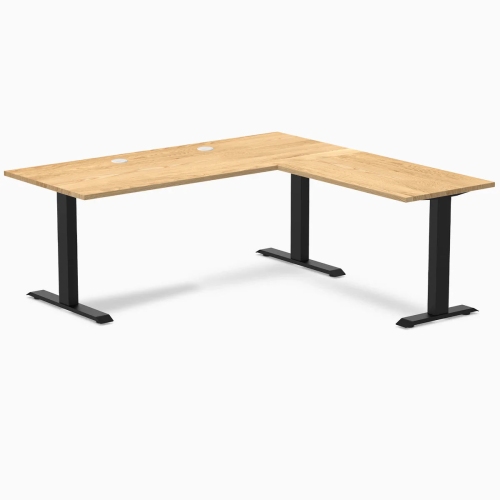
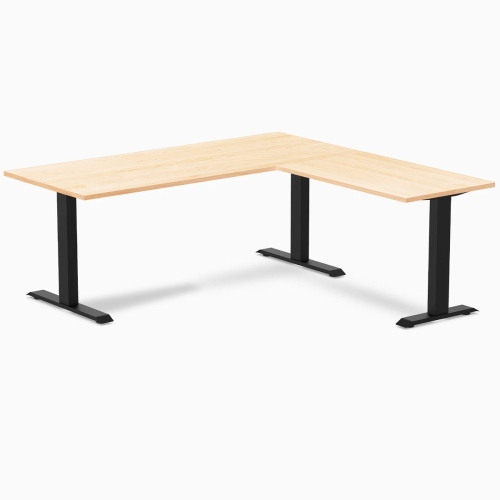
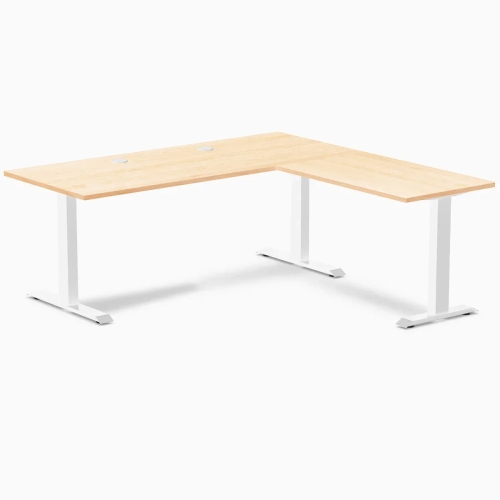
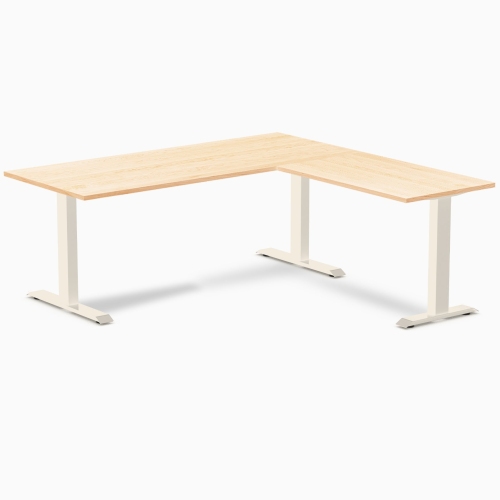
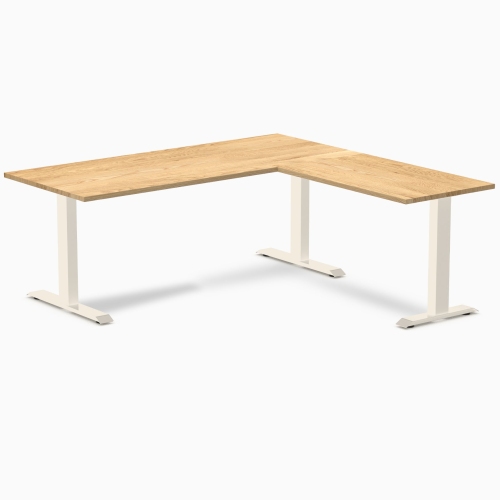
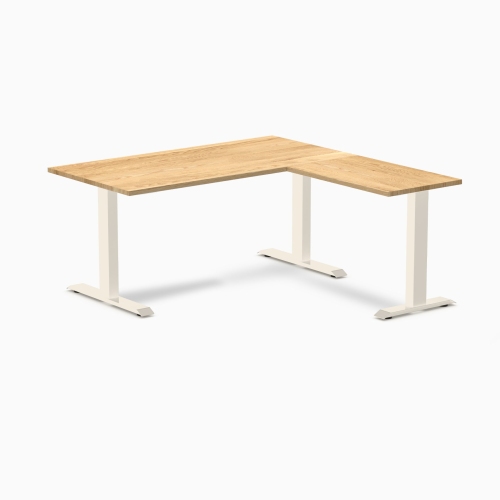
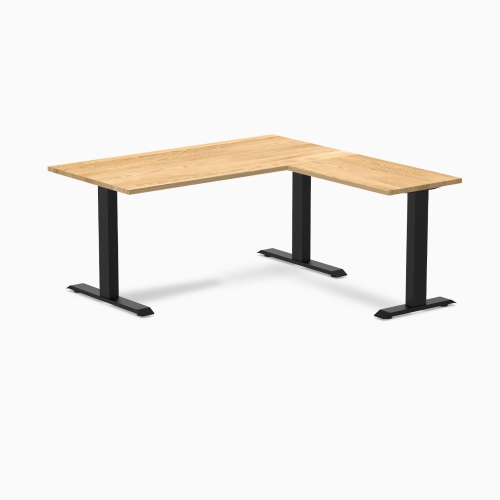
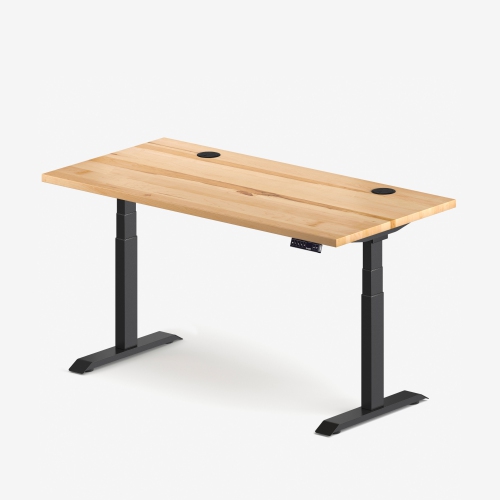
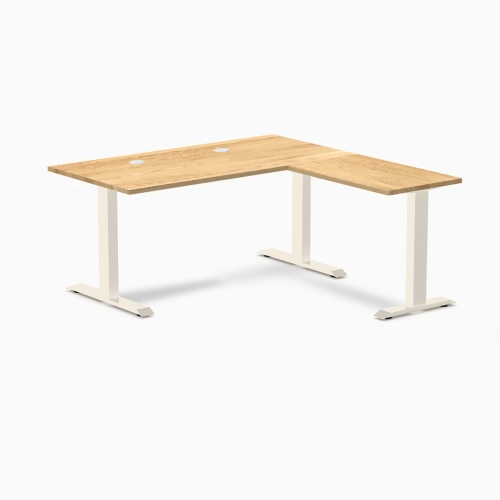
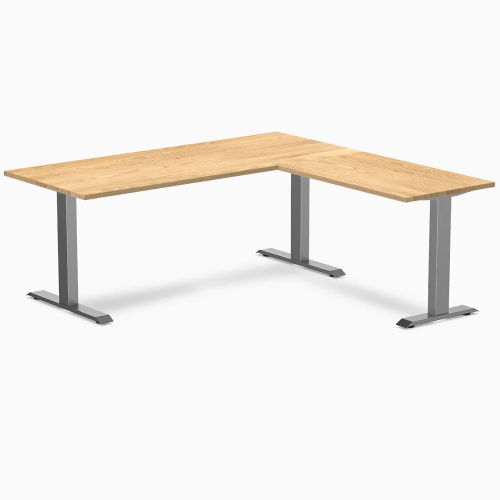
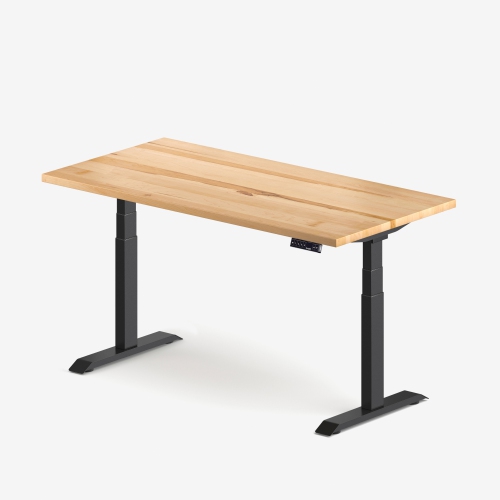
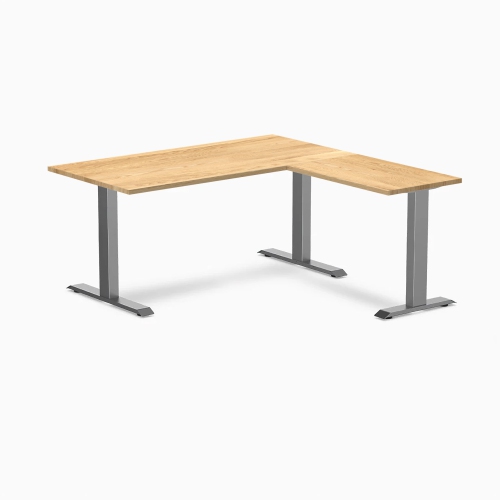
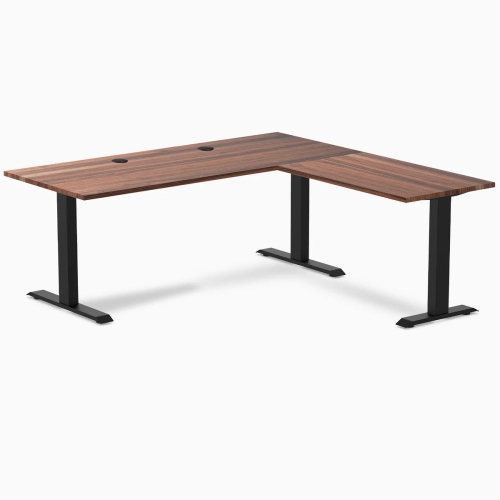
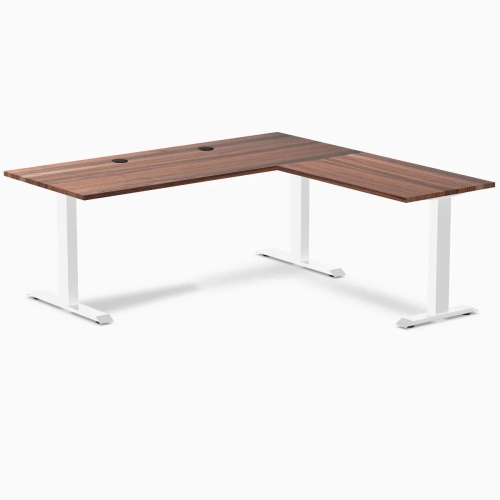
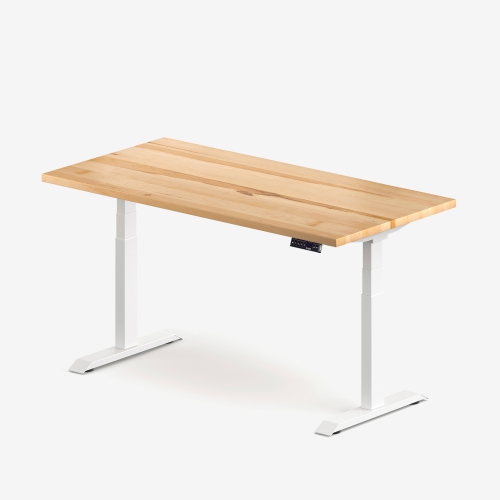
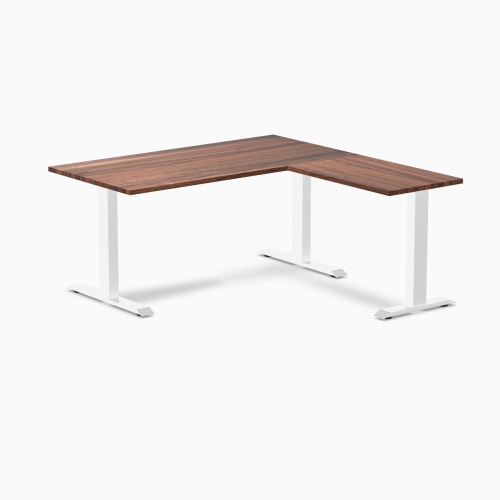
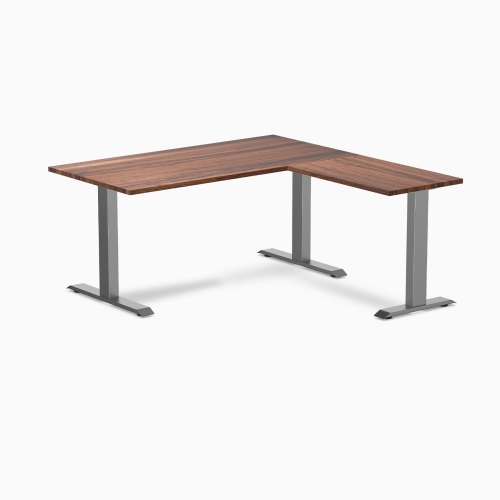
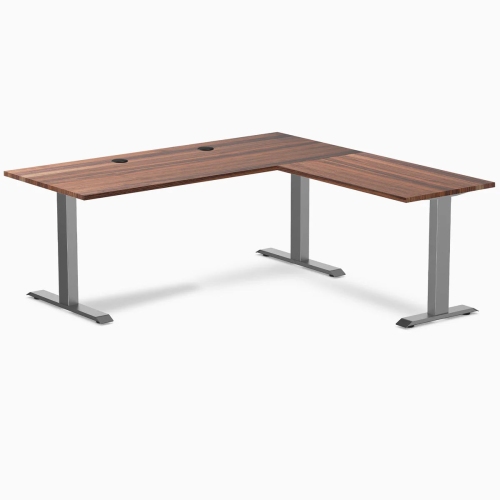
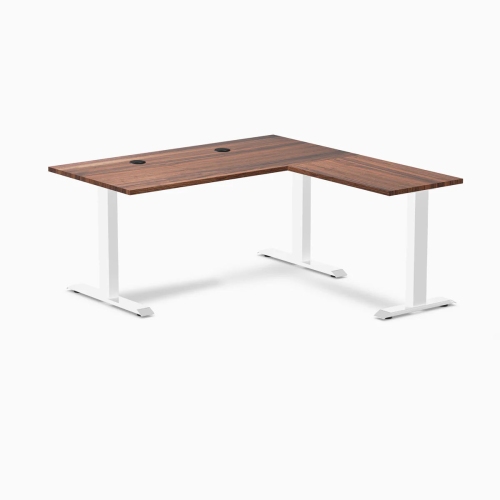
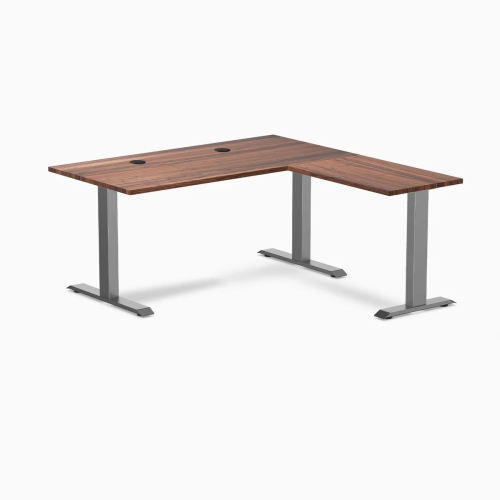
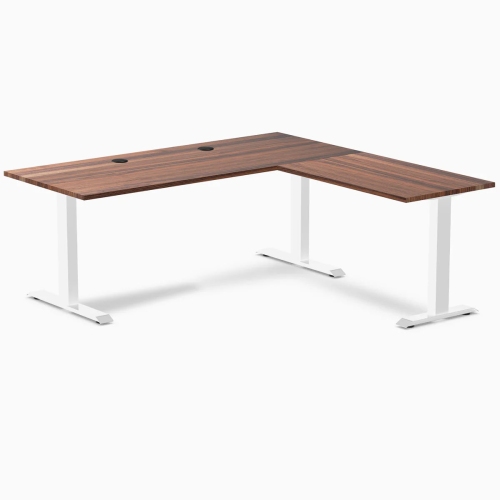
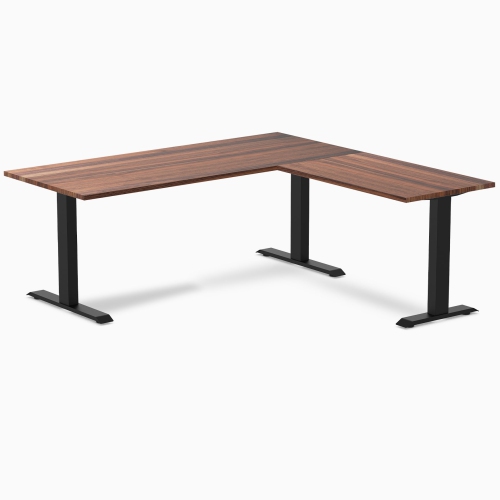
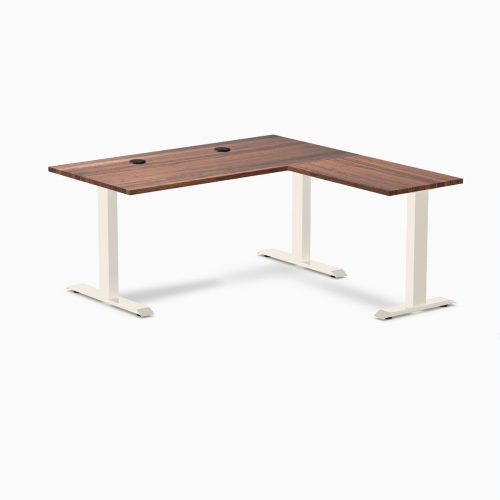
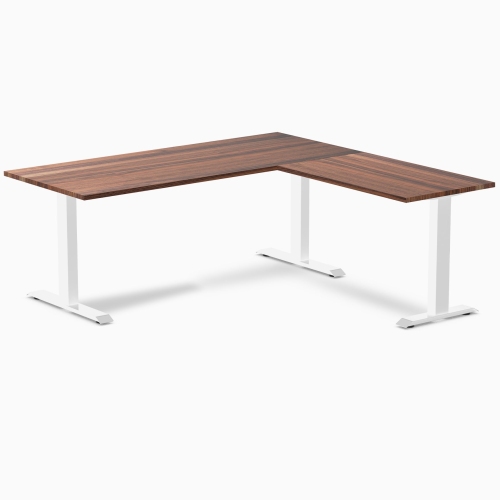
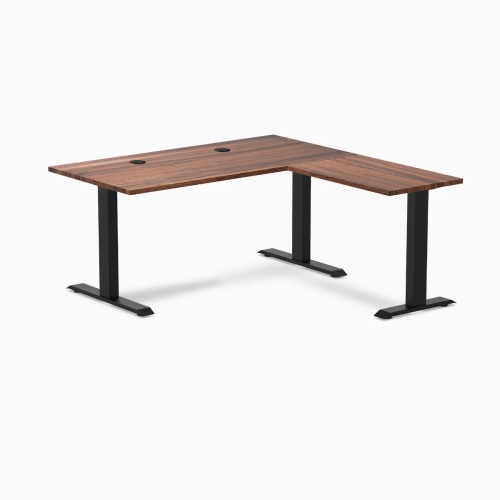
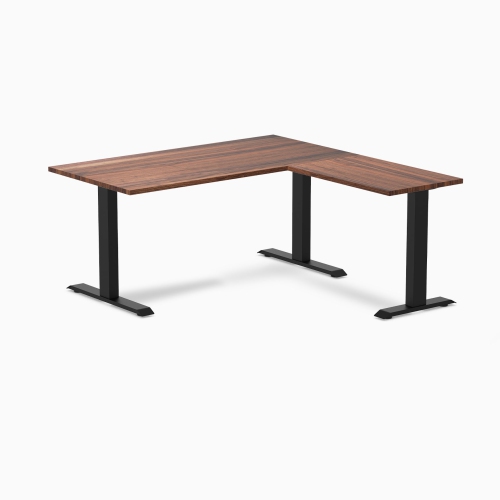
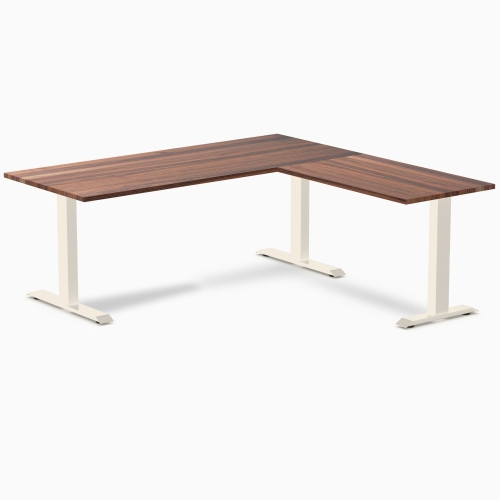
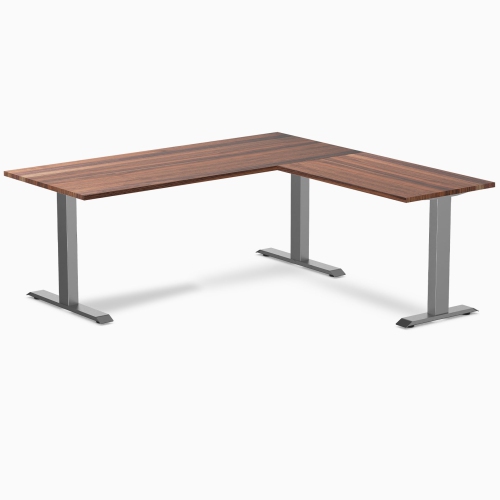
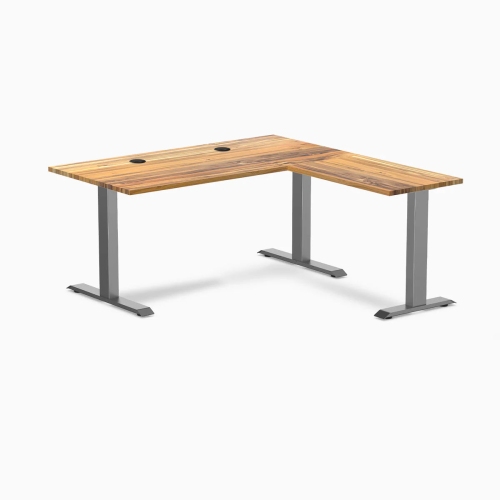
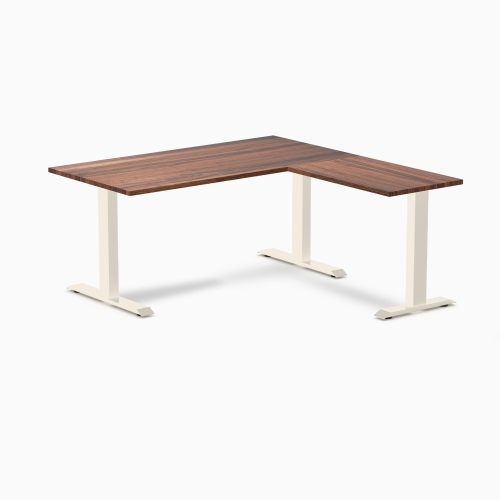
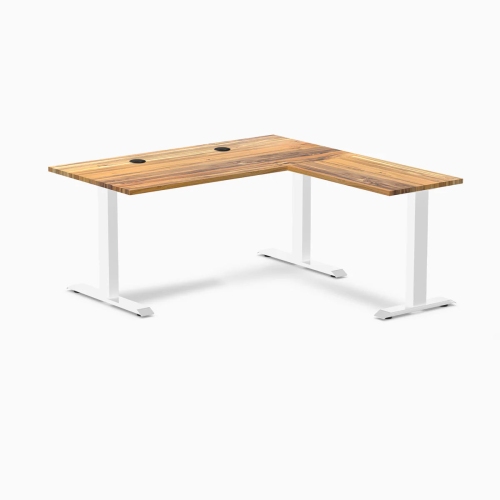
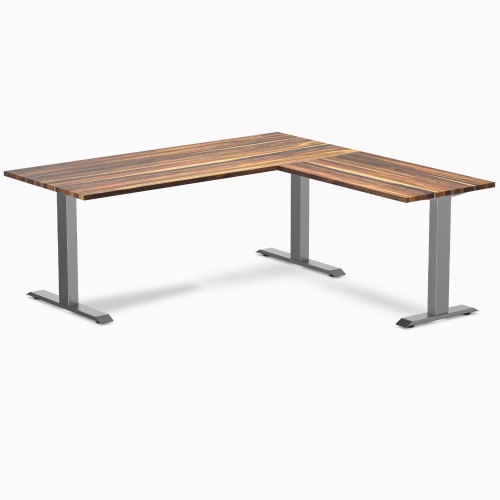
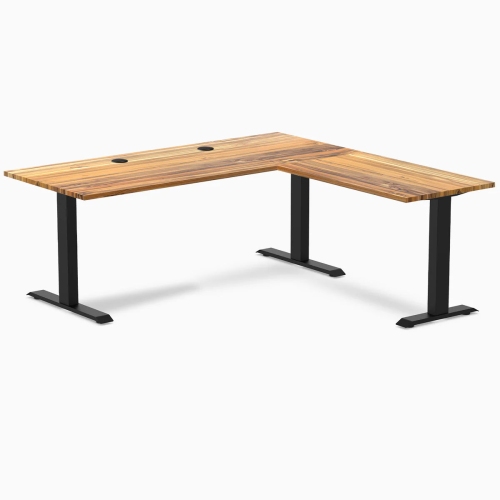
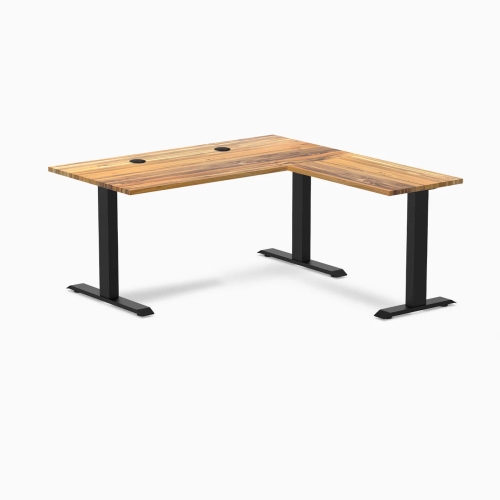
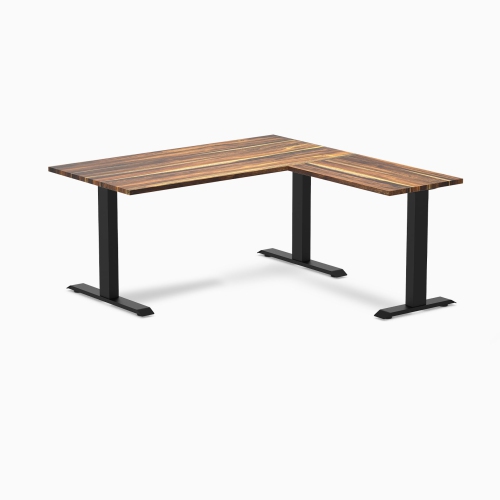
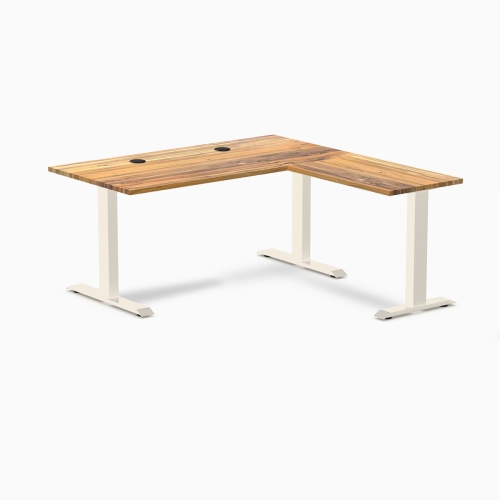
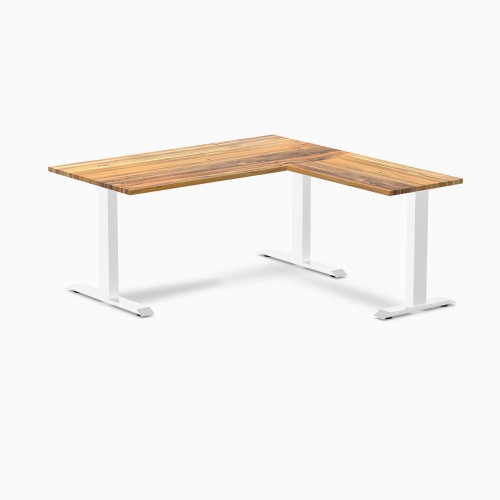
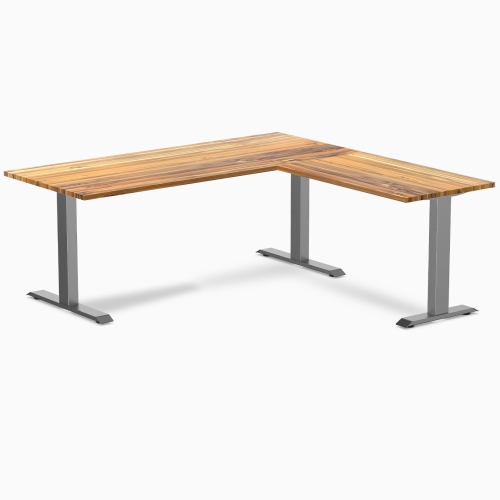
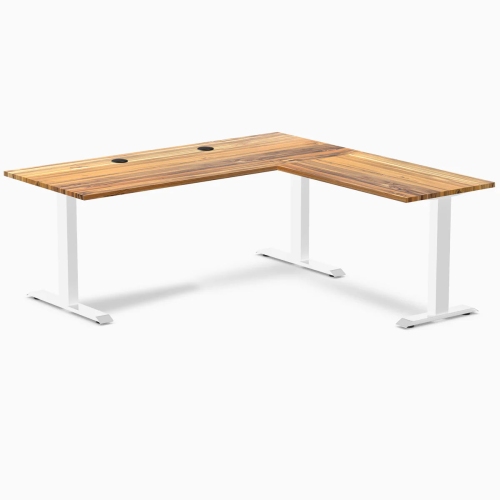
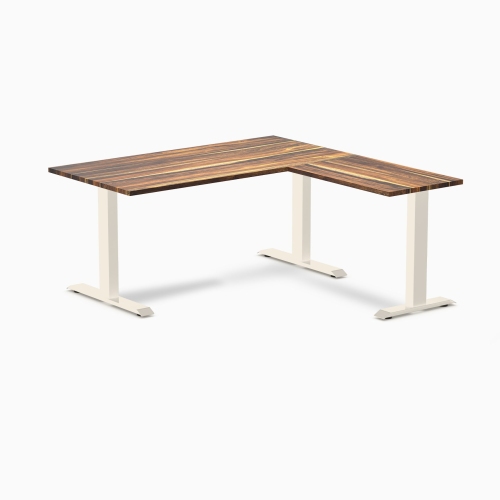
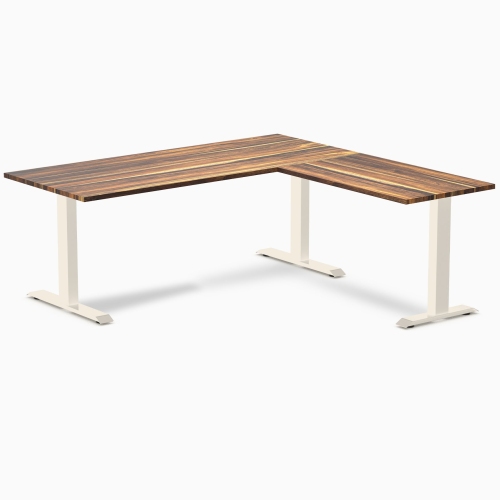
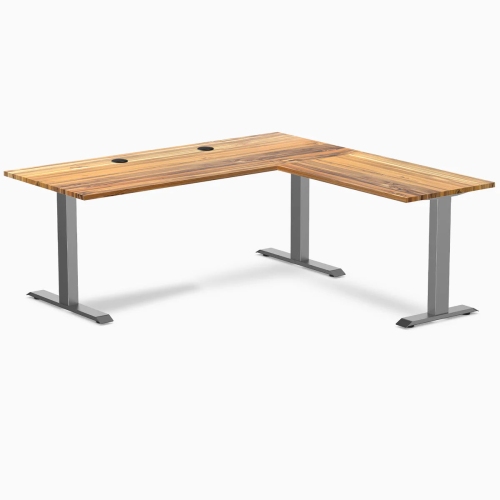
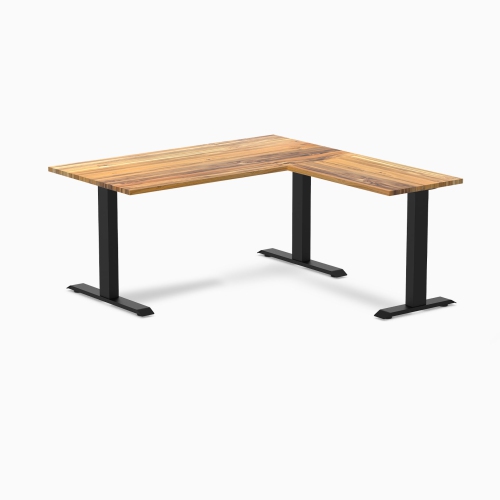
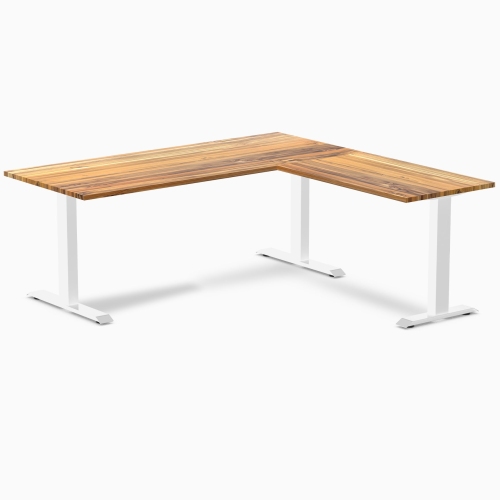
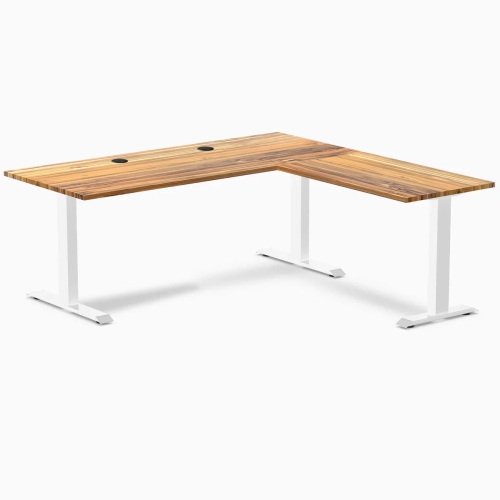
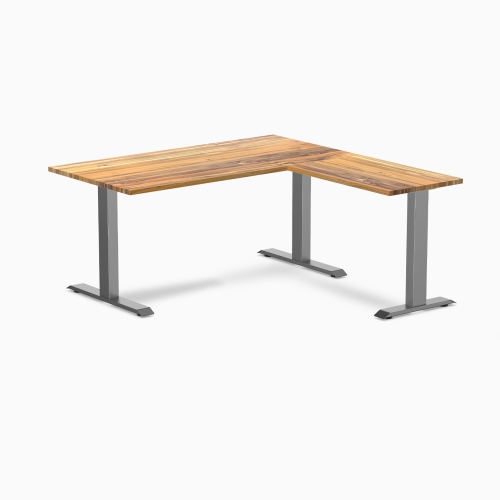
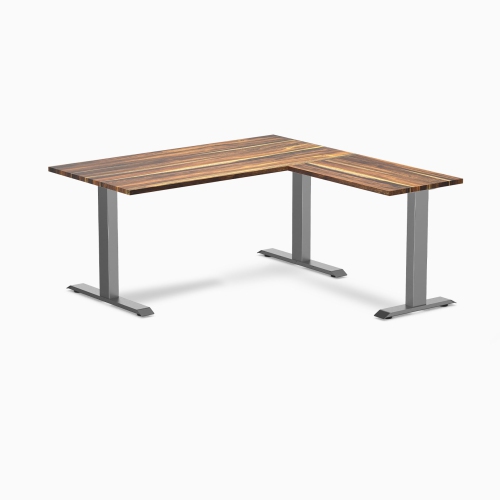
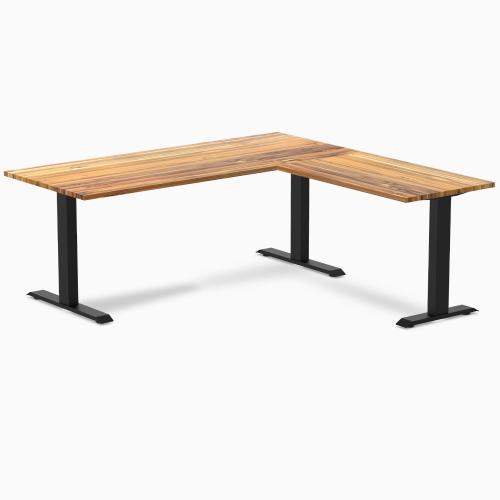
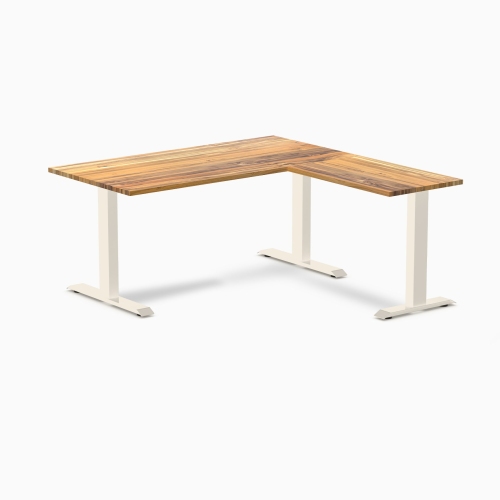
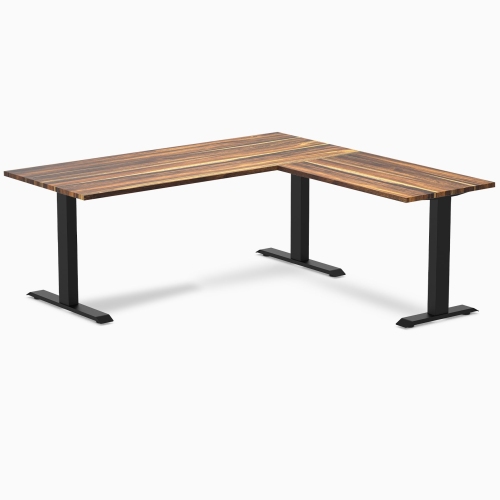
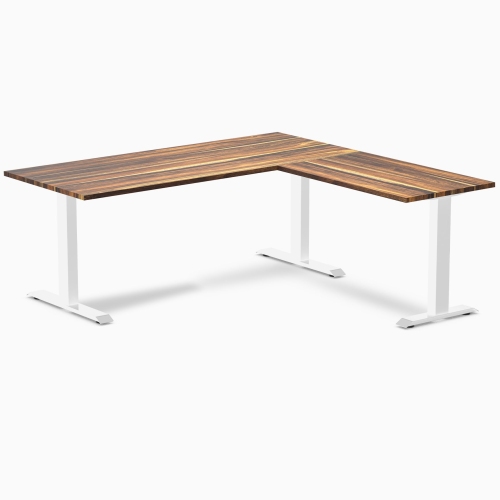
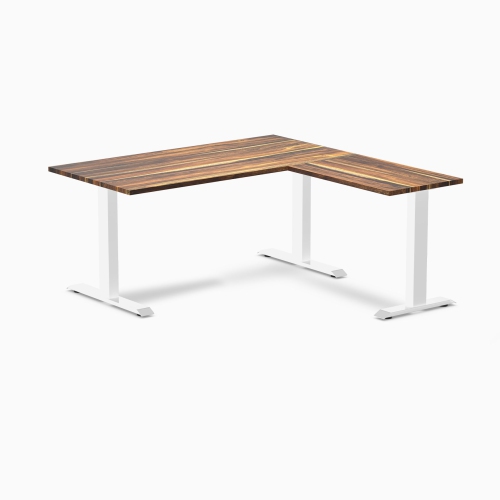
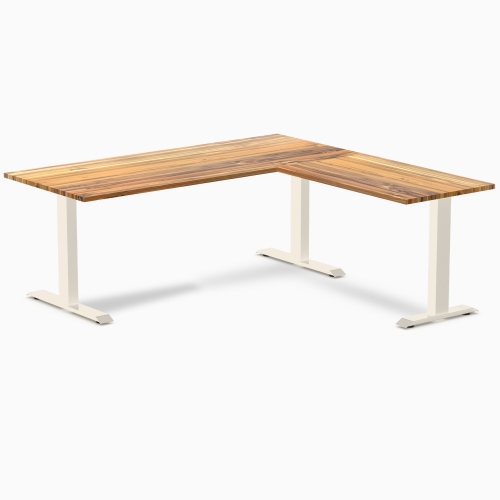
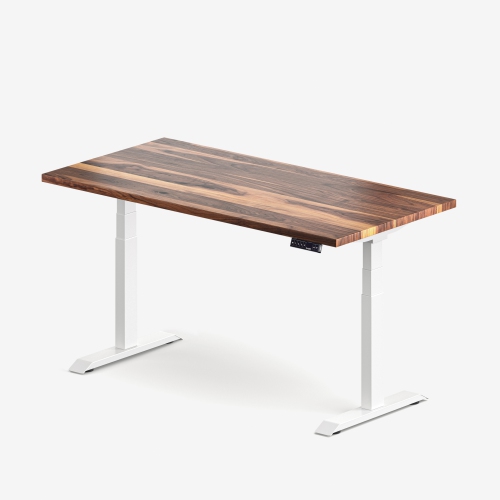
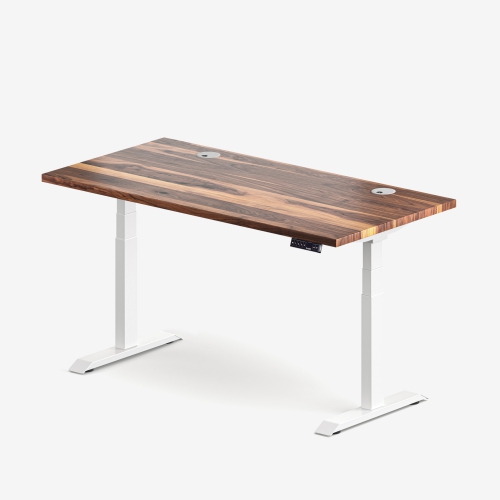
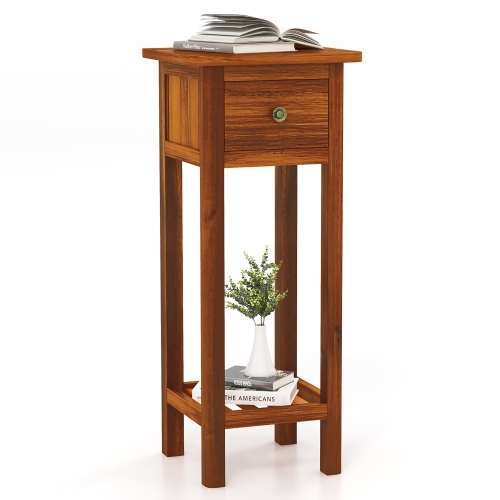

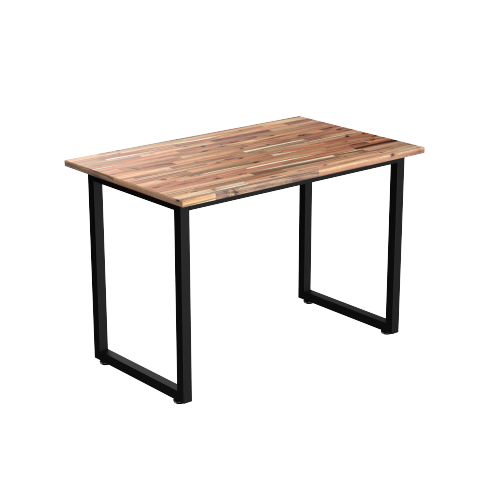
Distinctive wood grain with a practical side
Acacia wood desks pair a practical work surface with distinctive hardwood grain, making them a natural fit for home offices, study areas, and multipurpose rooms. Acacia is a hardwood used in furniture for its strength, varied colouring, and expressive grain patterns. Depending on the species, construction, and finish, an acacia desktop may show honey, golden brown, reddish brown, or deeper chocolate tones, sometimes within the same surface. These variations give the wood character: broad streaks can run across a desktop, while knots and smaller markings create a less uniform appearance than a printed wood-look finish. Many acacia species are dense and well suited to everyday furniture use, although resistance to scratches, dents, and moisture depends on the particular wood and protective finish. Construction is an important distinction within this category. A solid acacia desktop uses the wood through its thickness, often with boards joined together, while an acacia veneer provides a thin layer of real wood over a supporting core. Both can bring genuine wood grain into a room, but their weight, edge details, and repair options differ. A desk described as acacia may also combine a wood top with metal legs, an engineered wood cabinet, or other materials, so the material description helps clarify which parts are made from acacia. The overall design shapes how the desk works as much as the wood itself. A slim writing desk suits handwritten notes, a laptop, and a reading lamp, while a larger workstation leaves room for a separate keyboard, monitor, and reference materials. Designs with drawers can keep stationery close without leaving everything on display. For someone studying, working remotely, drawing, or managing household paperwork, the appeal is a useful desktop with enough visual warmth to feel at home beyond a dedicated office. Grain and colour variation also mean that the wood may look different from one desk to another, even within the same general style.
The most comfortable acacia wood desk is one whose proportions suit both the room and the tasks carried out there. Width determines how much can sit side by side, but depth is equally important when a monitor, keyboard, and notebook all need space. A shallow desktop may work well for occasional laptop use, whereas a deeper surface allows more flexibility in positioning a separate screen and leaving room for forearms. In a shared living area, a compact desk can create a defined place to work without taking over the room; for regular workdays, extra surface area may reduce the need to clear everything away between tasks. Measurements beneath the desktop deserve the same attention as the dimensions above it. Drawers, crossbars, and support rails can reduce knee clearance, and a chair needs enough room to slide in without its arms catching under the top. There should also be space behind the chair to sit down and move away comfortably. For fixed-height desks, a suitable chair and, where needed, a footrest help support a comfortable position. Where an acacia top is paired with a height-adjustable base, the frame’s supported dimensions and weight capacity matter, along with the combined weight of the desktop and equipment. A heavy wood top should not be assumed to suit every adjustable frame. Monitor arms introduce another consideration: a clamp needs a suitable edge, sufficient clearance, and a desktop construction approved for that mounting method. Storage and cable management can make a noticeable difference in daily use, too. A drawer sized for pens is useful for small supplies but may not accommodate folders or bulky chargers. Cable openings, trays, or accessible routes behind the desk help keep power cords away from feet and chair wheels. Someone who moves between video calls and handwritten work may value an open surface, while a student handling books and coursework may prefer storage that keeps the desktop clear. These practical details help distinguish a desk that simply fits a space from one that supports the way that space is used.
Acacia’s natural appearance works with a wide range of interiors, from a quiet study with neutral walls to a living room where the desk shares space with shelving and upholstered seating. A wood top on dark metal legs creates a clear contrast, while an all-wood design gives more visual weight to the furniture itself. Lighter finishes can make prominent grain feel softer; deeper finishes often emphasize the contrast between individual boards. When coordinating a desk with Acacia Wood Furniture, similar undertones can create a connection without requiring every piece to match exactly. The desk’s surface finish is also worth considering for everyday tasks. A smooth, even desktop is generally more convenient for writing directly on paper, while a textured or live-edge design may benefit from a writing pad and careful equipment placement. Live edges can vary in shape, affecting the usable depth along part of the surface. With suitable care, an acacia desk can remain a dependable place for daily work, but hardwood is not immune to damage. A soft cloth removes dust, and spills are best wiped up promptly rather than left around monitor stands or desk accessories. Cleaning methods should suit the finish; a sealed surface may need different treatment from an oiled one, and furniture polish or oil is not appropriate for every desktop. Coasters protect against drink rings, while felt pads beneath accessories help reduce scuffs when objects are moved. A desk mat can protect the area beneath a keyboard and mouse, provided its backing is compatible with the finish. Prolonged direct sunlight may alter wood colour, and close placement beside a heat source can contribute to drying and movement. Solid wood can expand and contract as indoor humidity changes, so following the care directions matters even with a durable hardwood. Assembly quality also affects long-term stability: secure joints, level feet, and hardware checked as directed help prevent an otherwise sturdy desk from developing a wobble. Together, thoughtful proportions, appropriate construction, and straightforward care make an acacia wood desk a lasting, useful part of a room.
Top selling and popular products
-
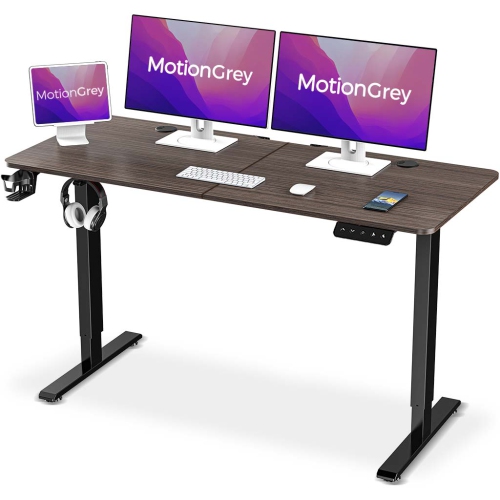 Your price for this item is $133.96
-
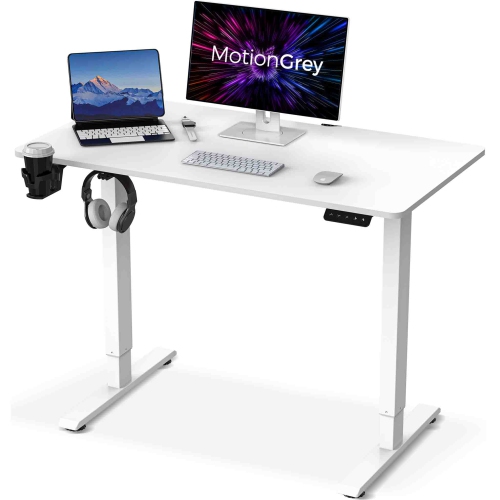 Your price for this item is $122.9
-
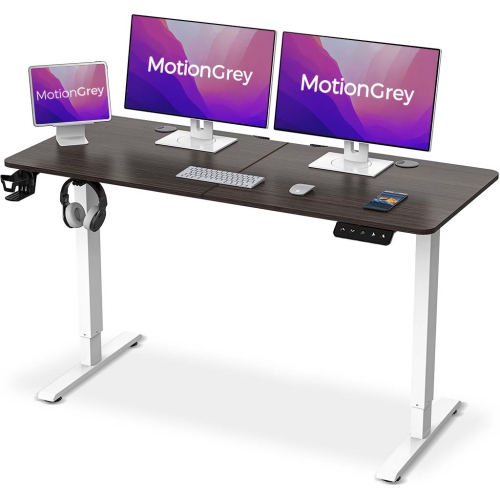 Your price for this item is $132.99
-
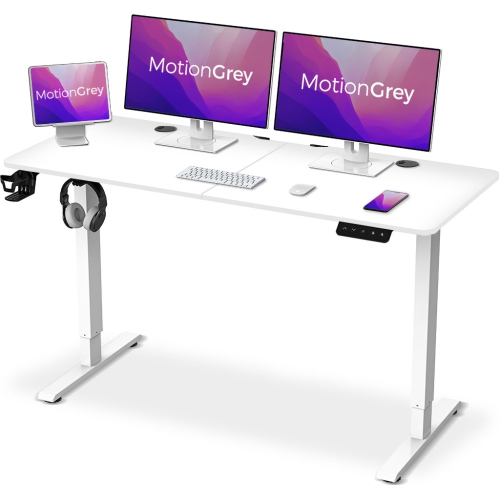 Your price for this item is $179.99
-
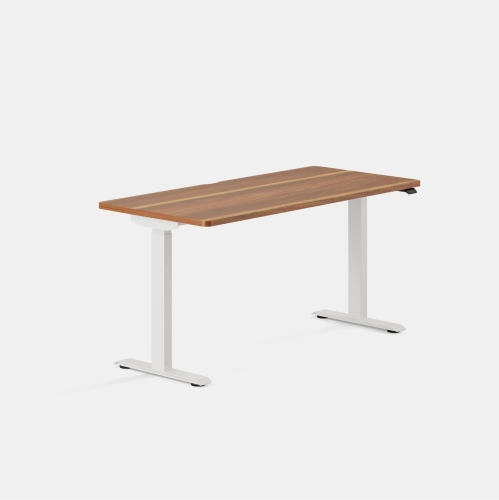 Your price for this item is $849
-
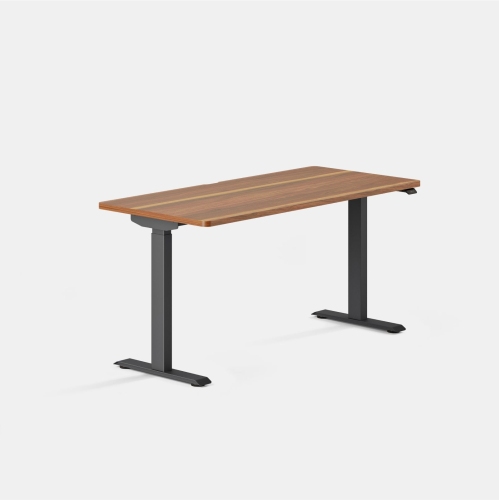 Your price for this item is $849
-
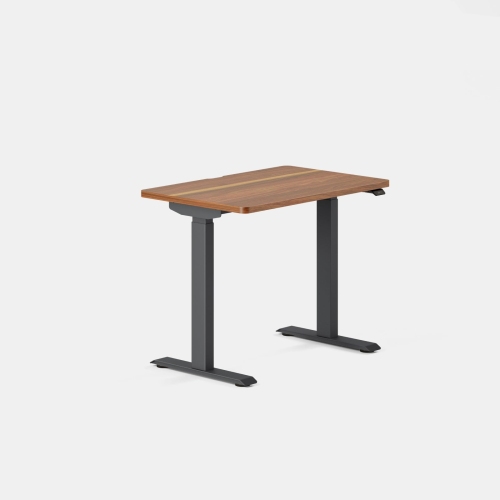 Your price for this item is $649
-
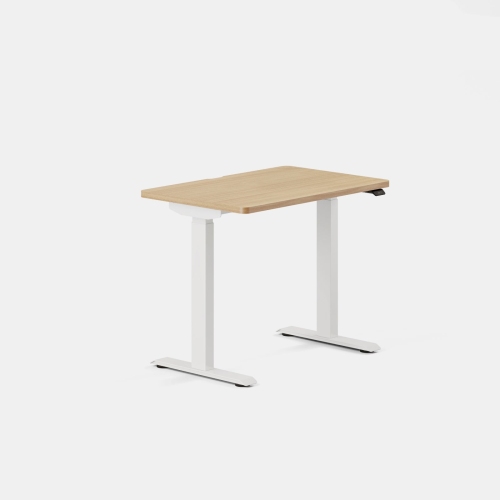 Your price for this item is $649
Discover more categories related to Acacia Wood Desks

Top Collections:
Best Black Friday Deals This Year, Best Black Friday Deals On Electronics, Kindle Devices, Dyson Airwrap, Best Cameras for Sports Photography, Best Black Friday Deals On Apple Products, PS5 Pro Consoles, Portable Snow Blowers, Canon G7X Cameras, Pokémon 30th Celebration Cards
Some products may be subject to Environmental Handling Fees
(EHF) depending on your province.
Learn more about EHFs.