Accent Cabinets With Drawers And Doors
Looking to add a touch of elegance and functionality to your living space? Look no further than our collection of accent cabinets with drawers and doors. These versatile pieces of furniture are designed to not only enhance the aesthetic appeal of almost any room but also provide ample storage space for your belongings. Whether you need a stylish solution for organizing your books, displaying your favorite decor items, or hiding away clutter, accent cabinets with drawers and doors are the perfect addition to almost any home. Here are some great options available.
Sort
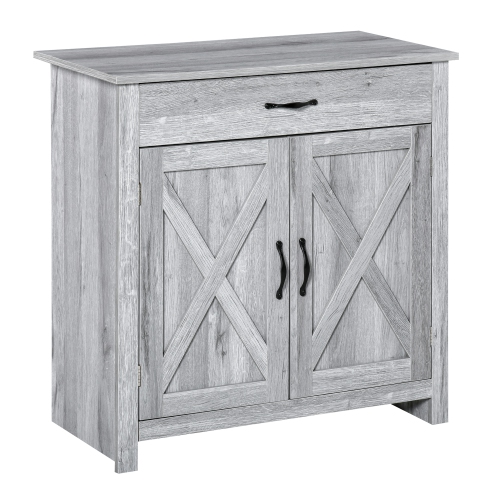
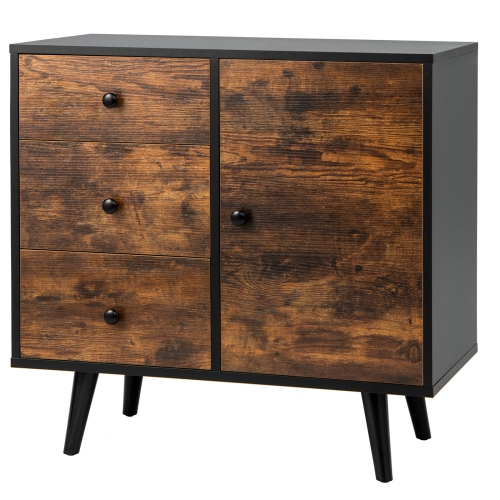
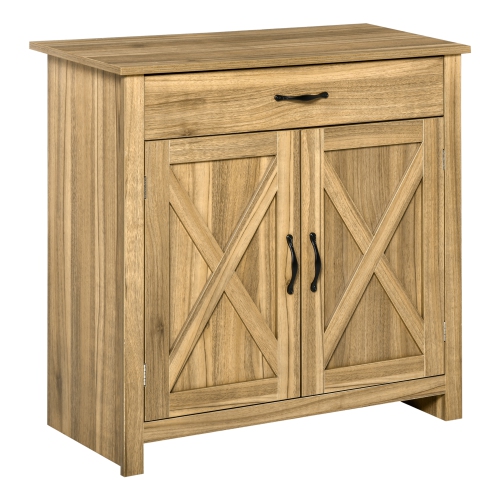
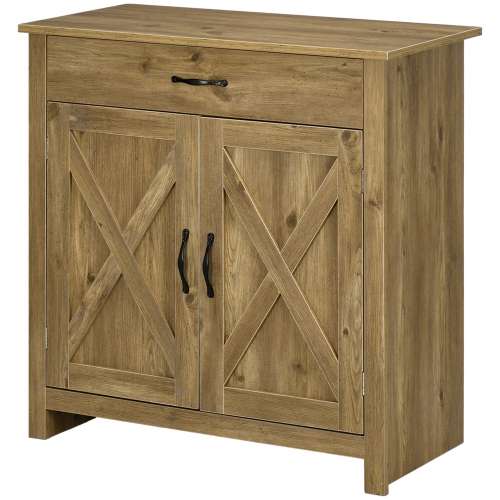
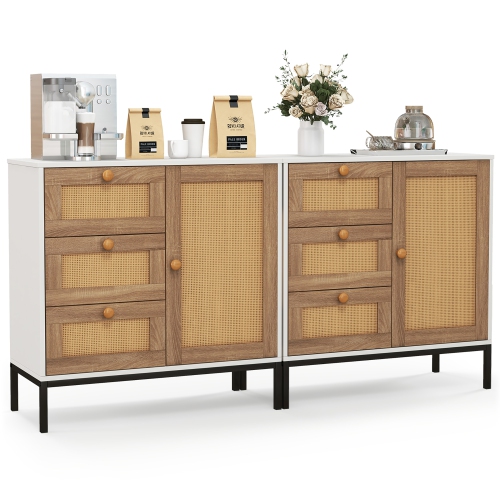
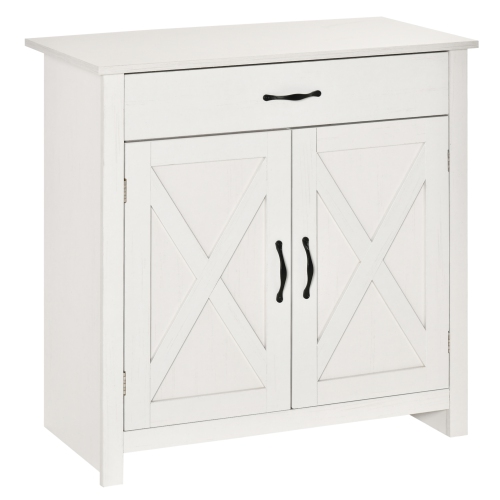
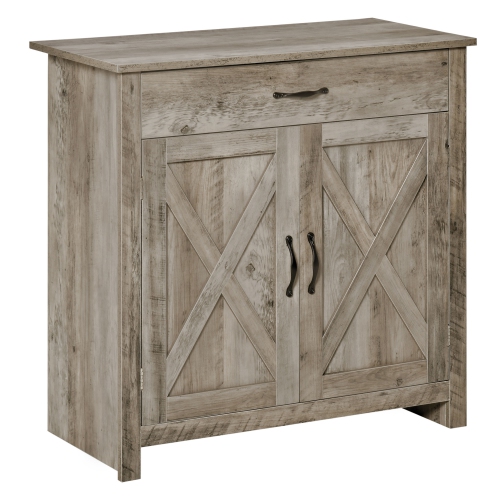
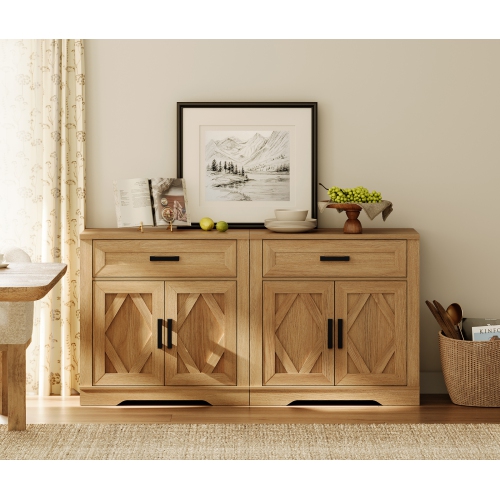
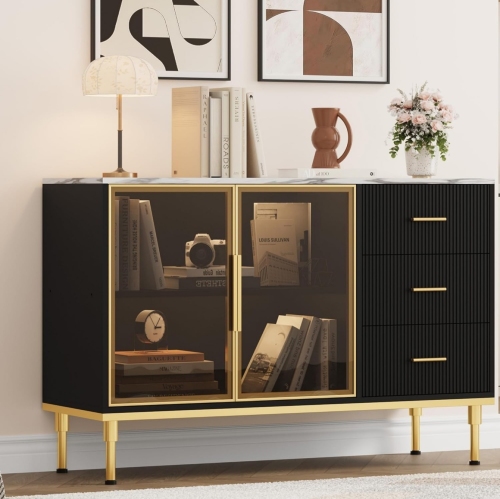
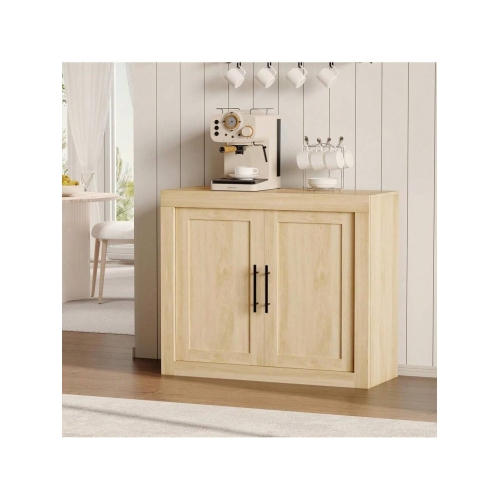
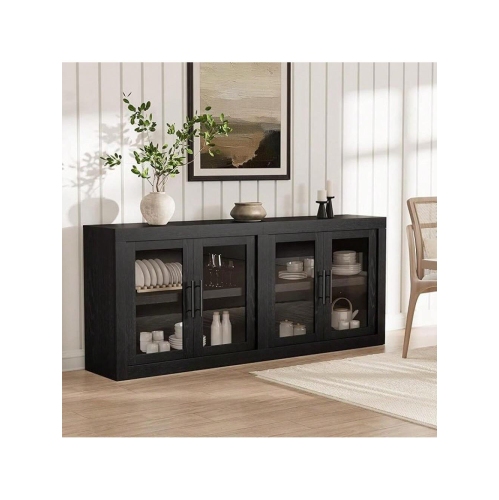
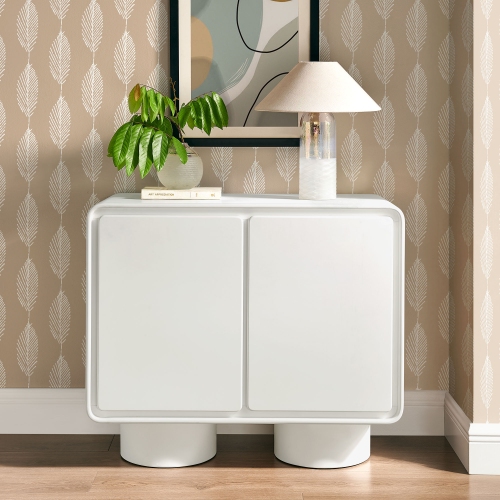
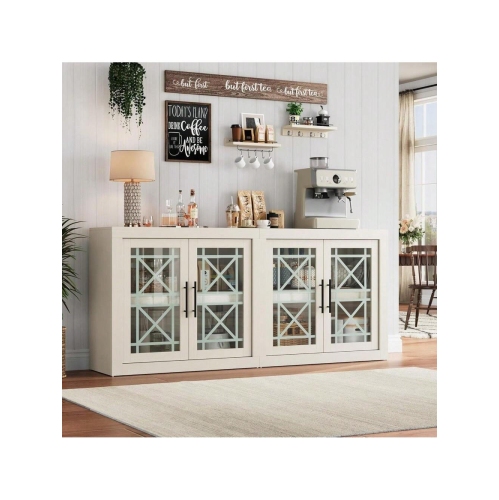
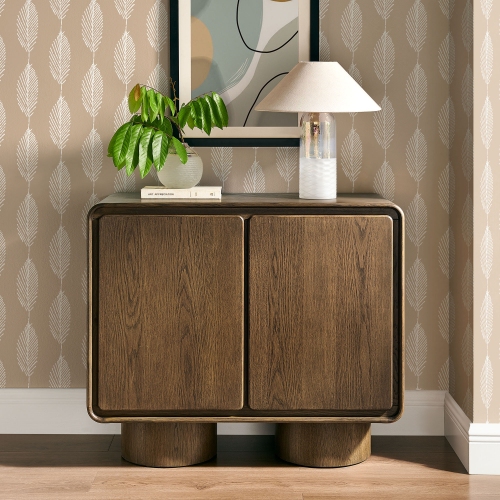
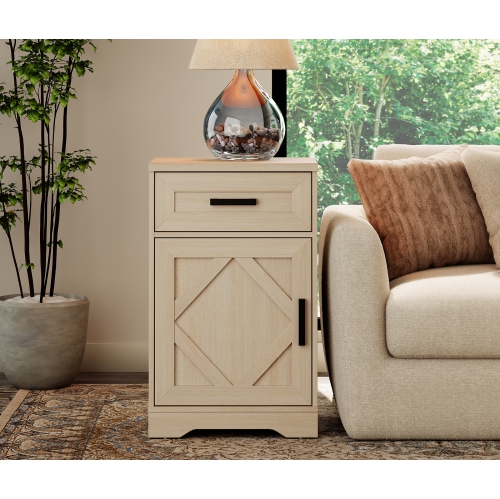
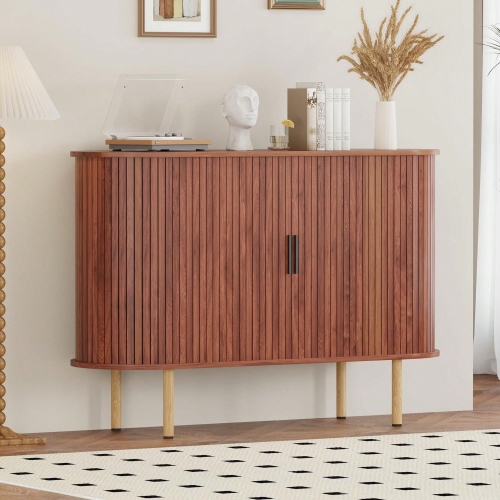
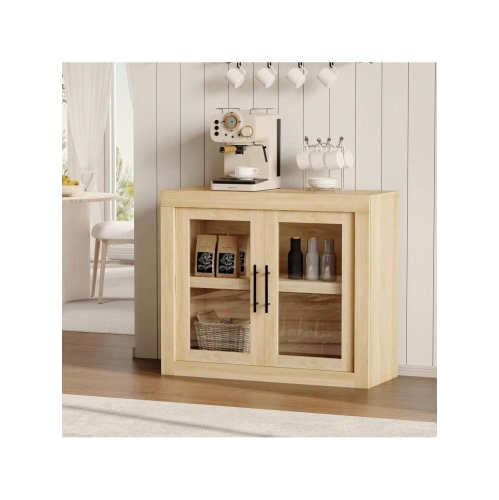
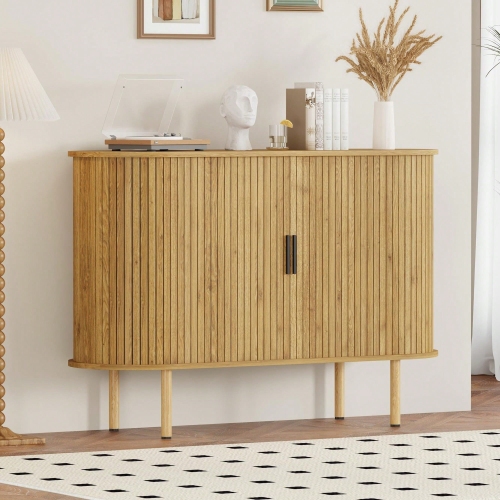
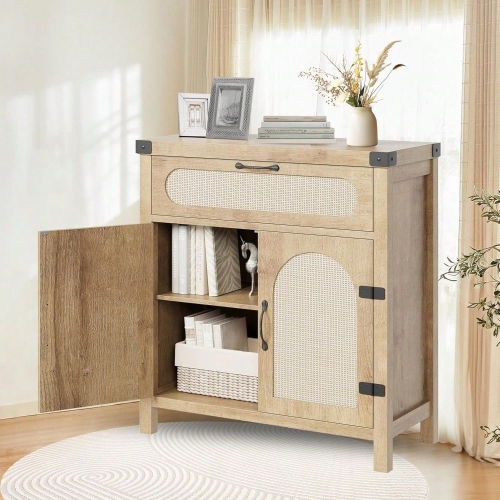
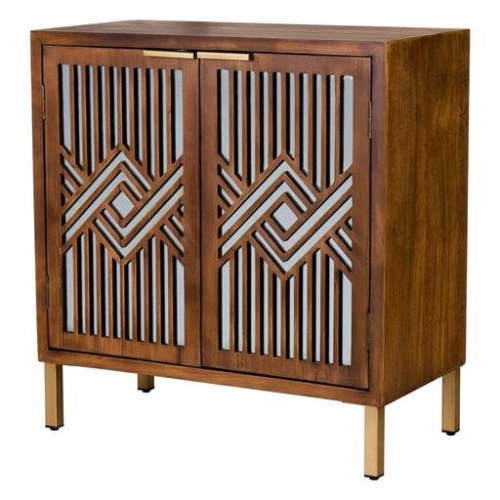
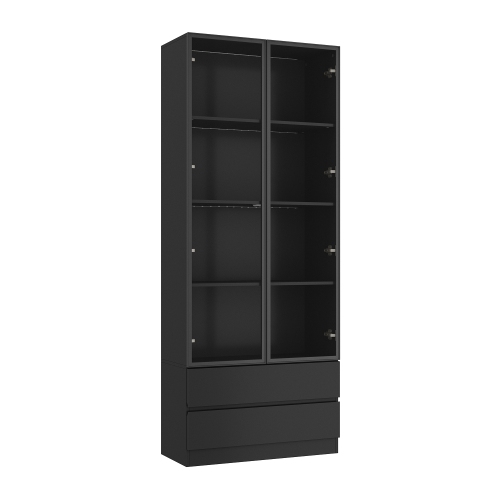
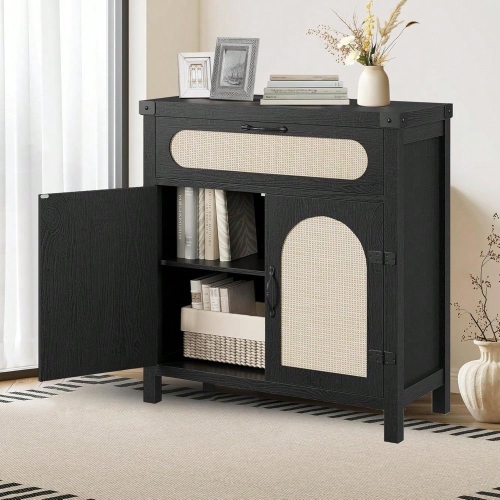
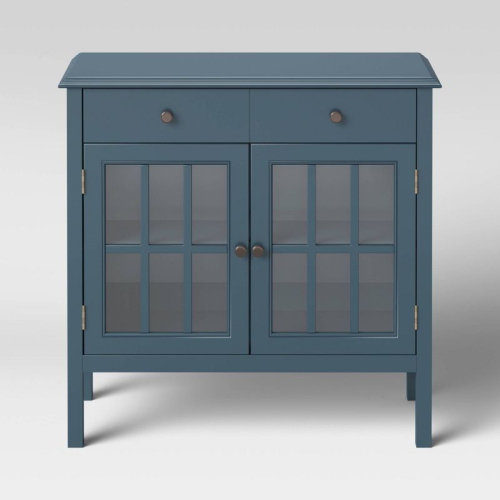
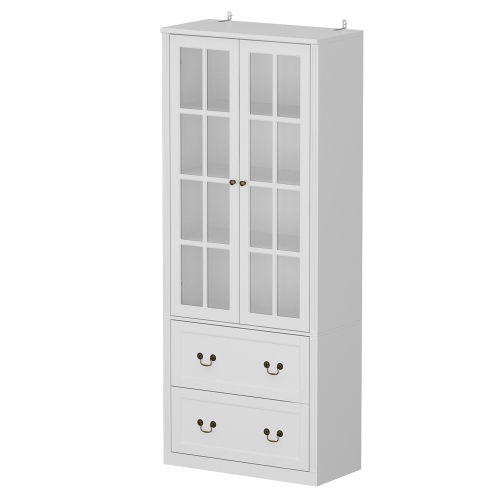
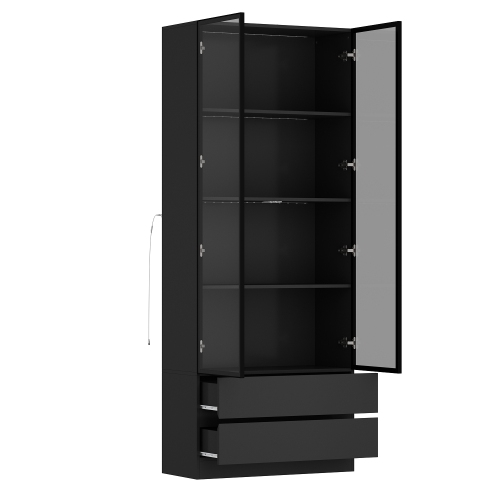
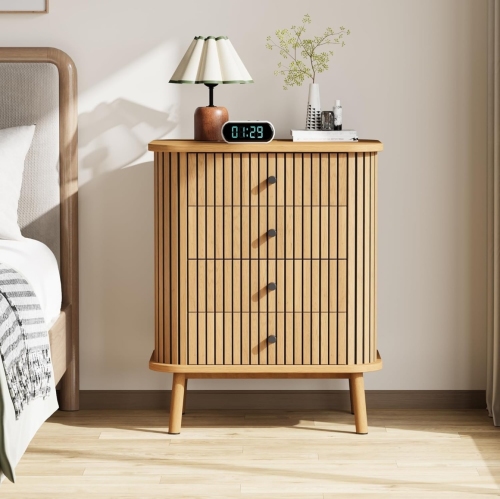
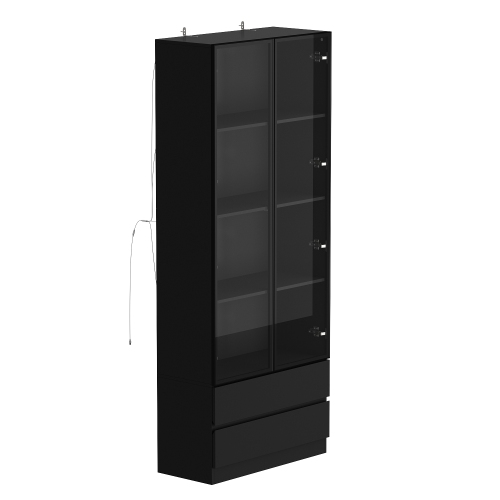
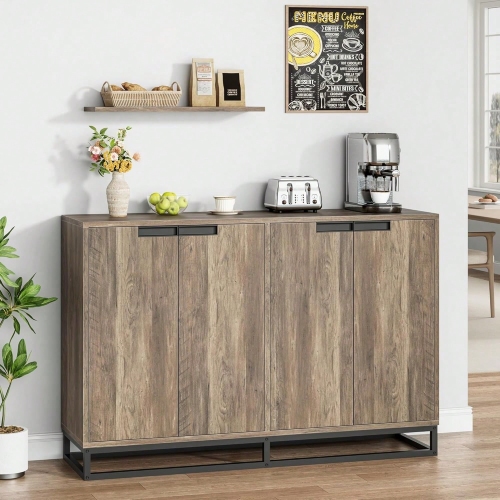
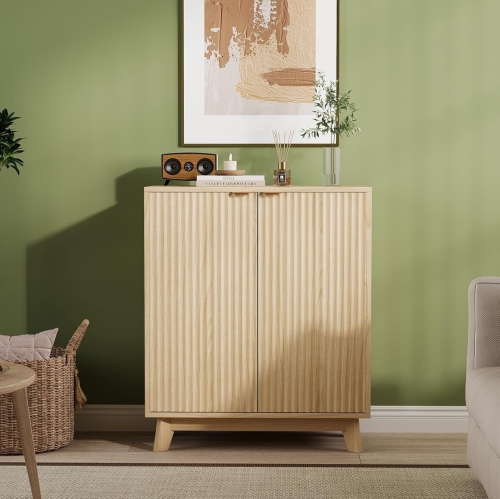
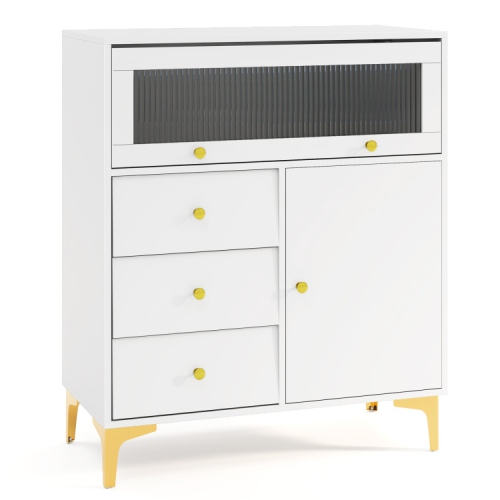
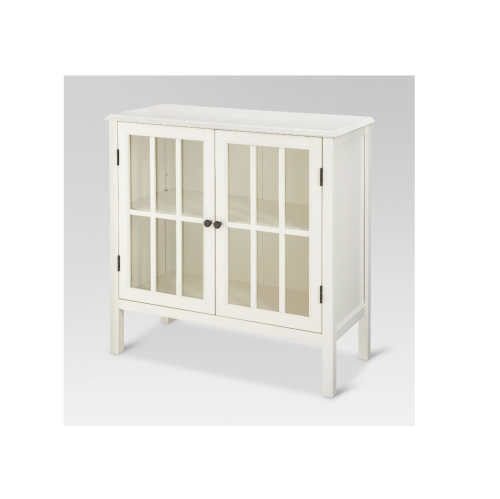
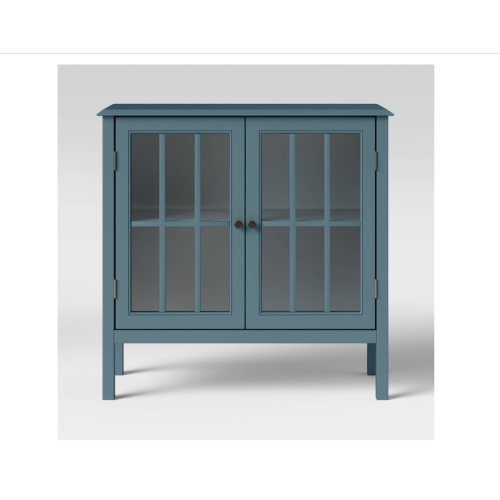
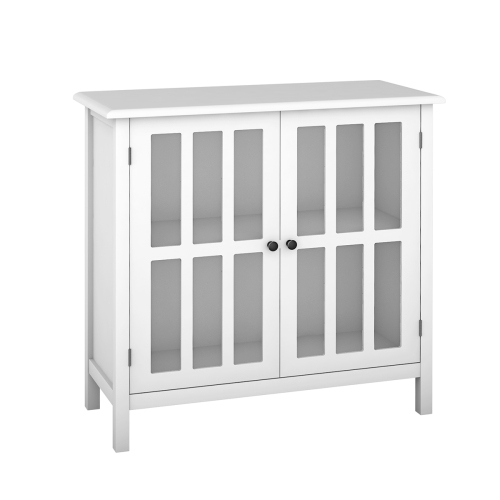
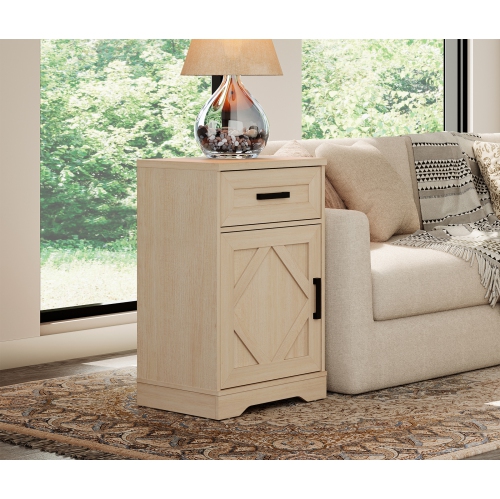
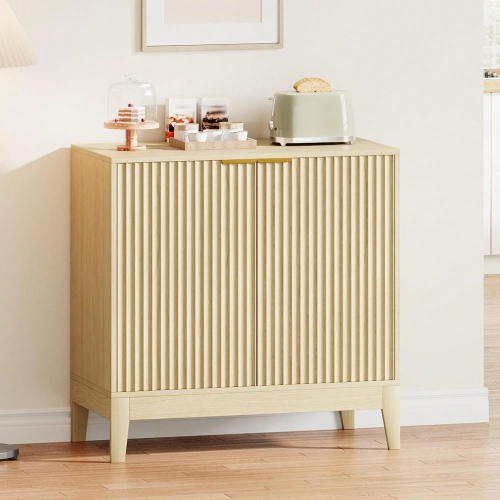
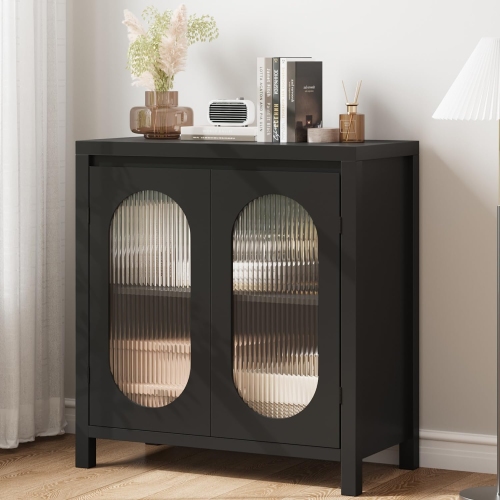
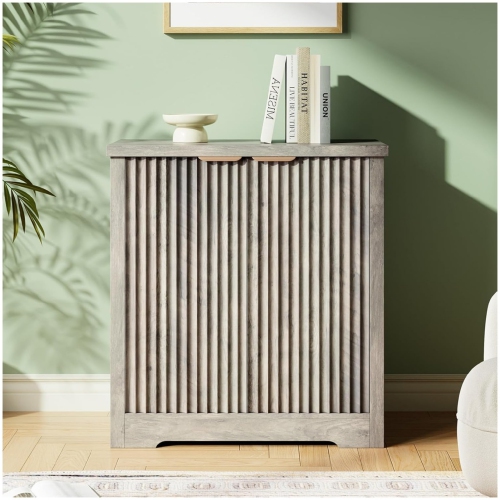
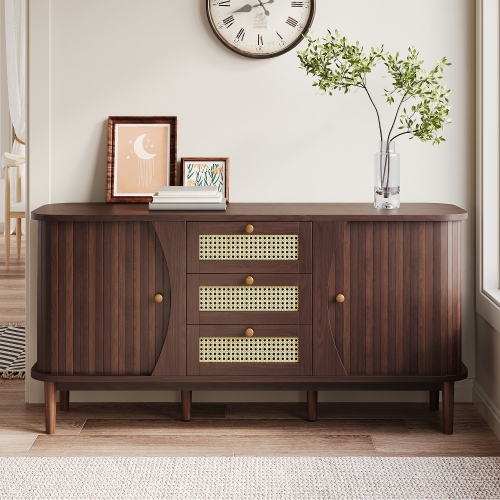
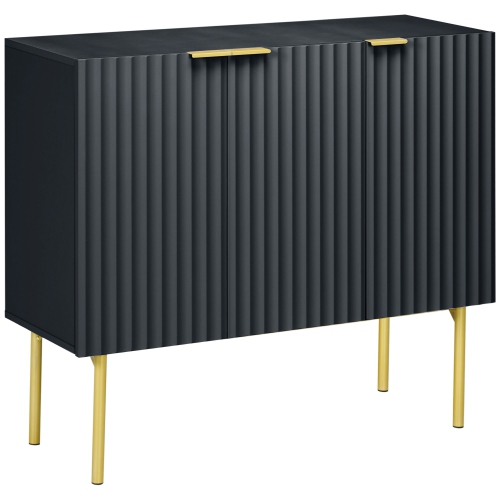
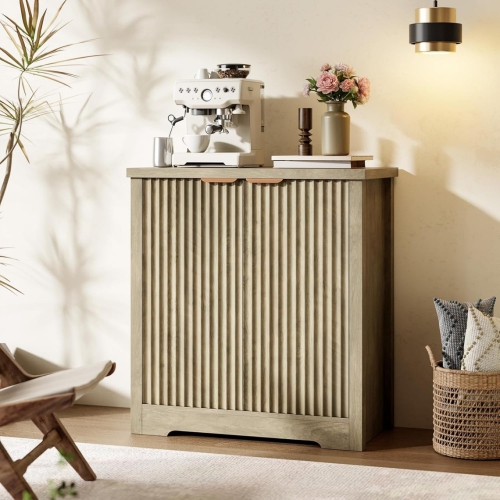
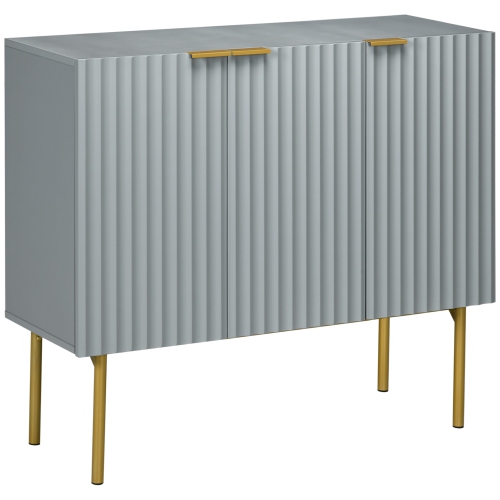
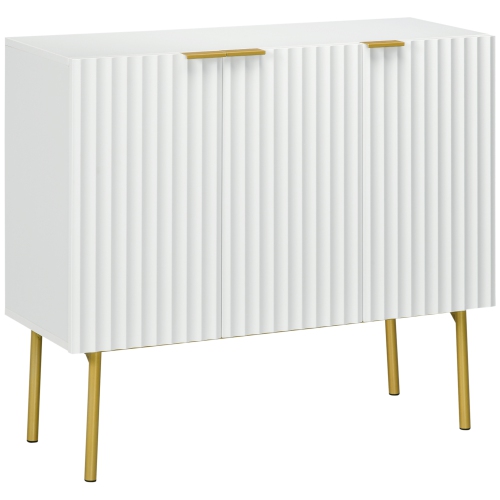
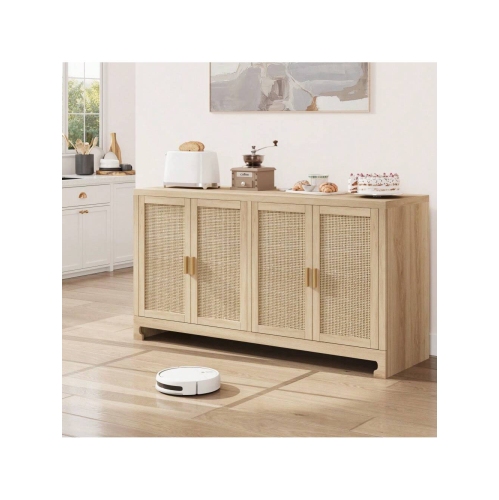

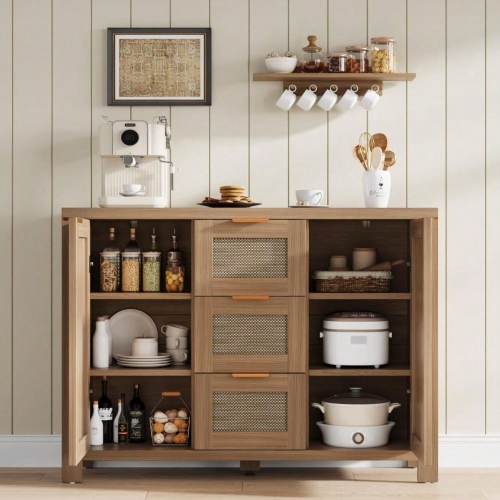


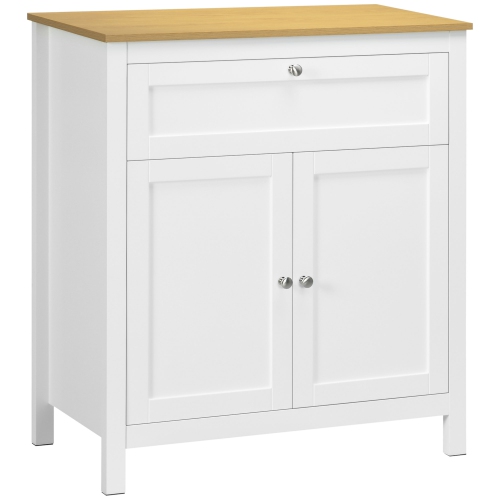
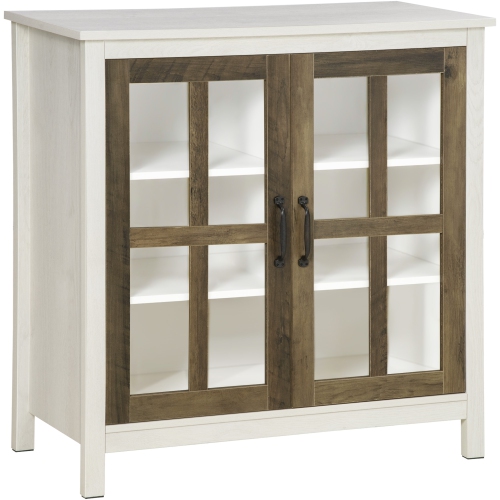
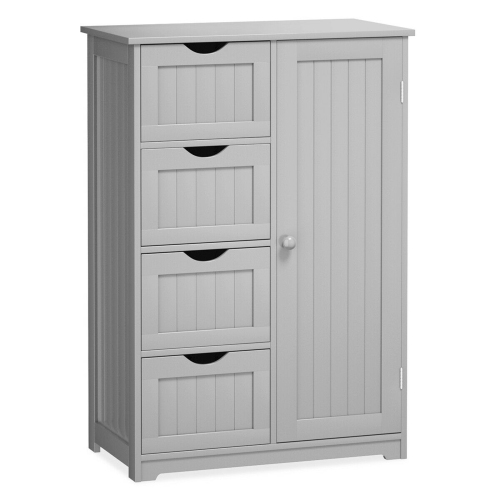
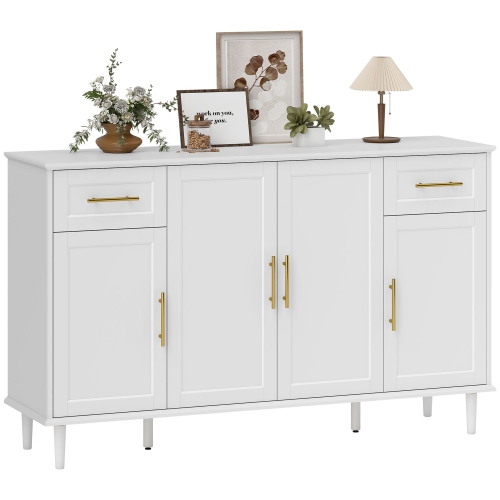
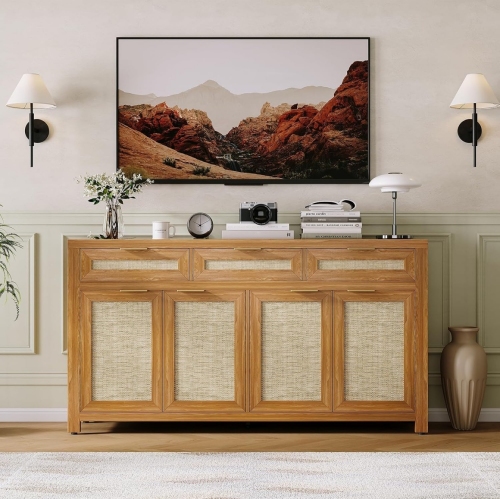
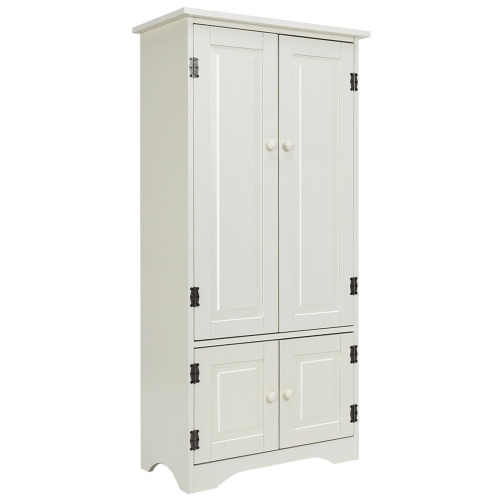
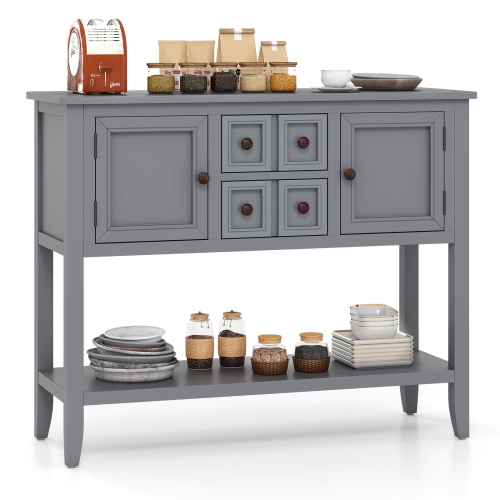
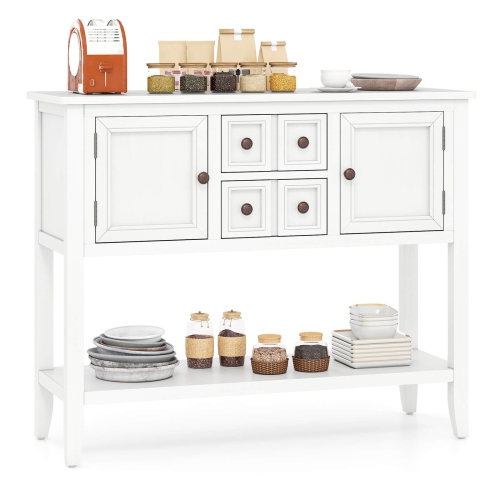


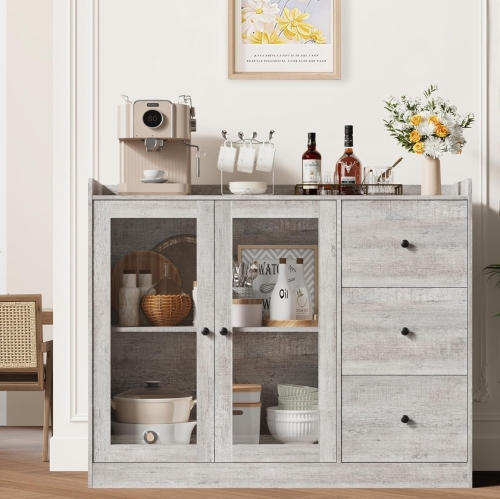
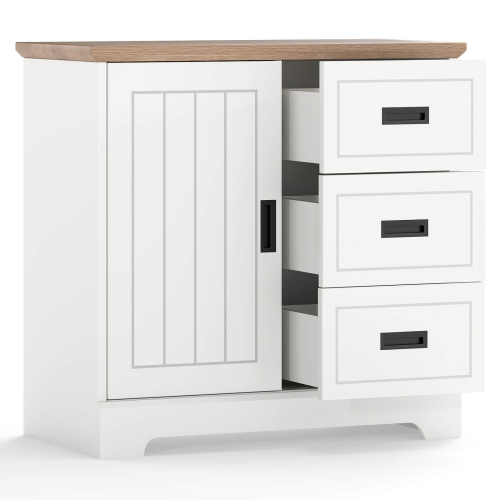
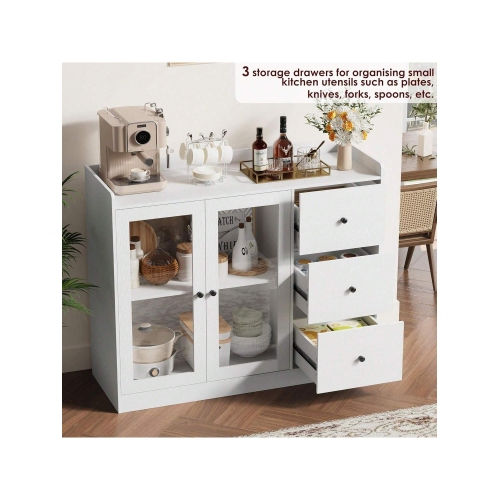
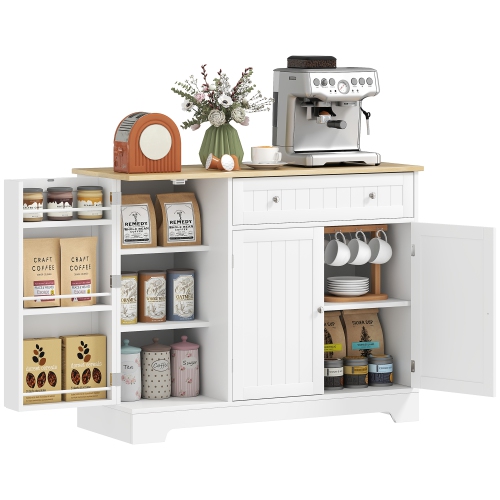

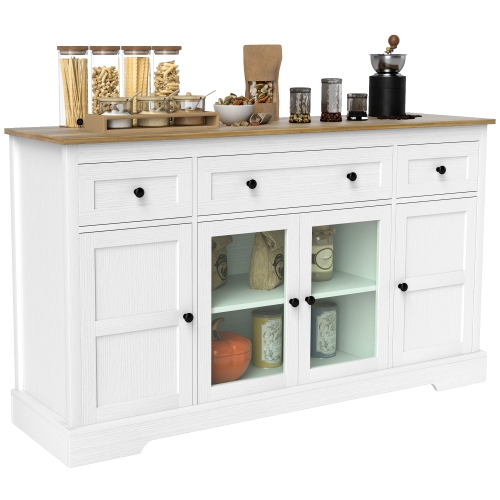
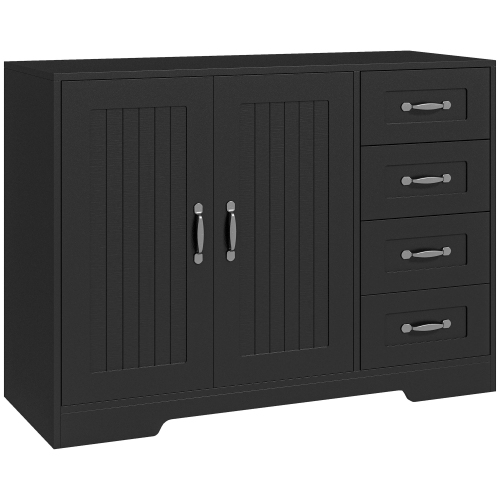
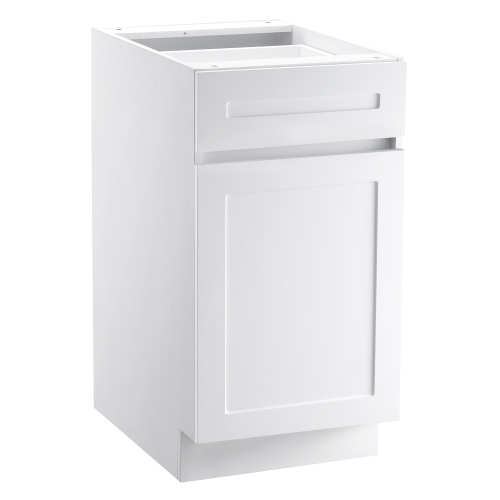
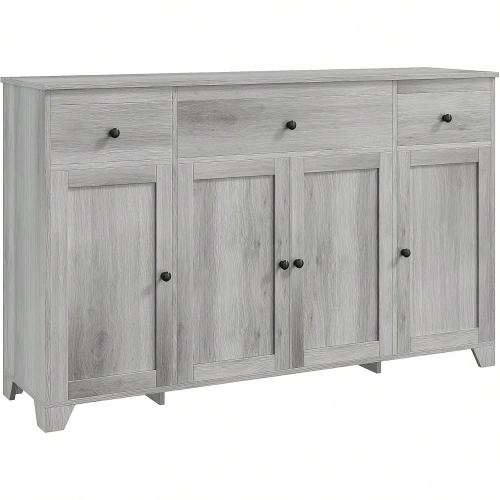
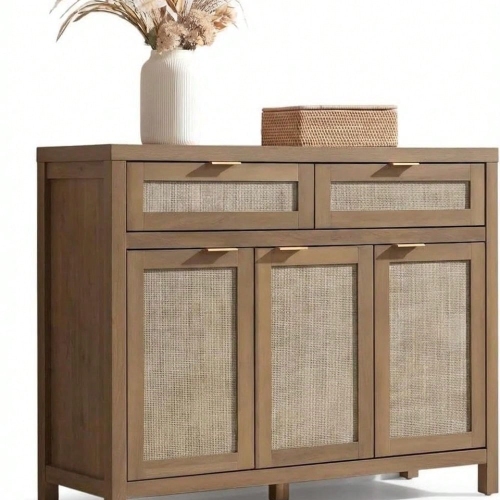
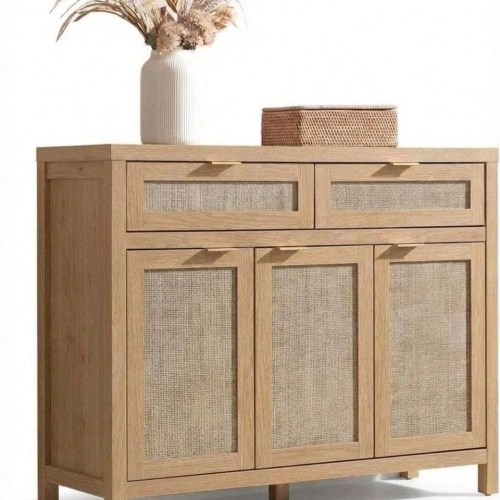
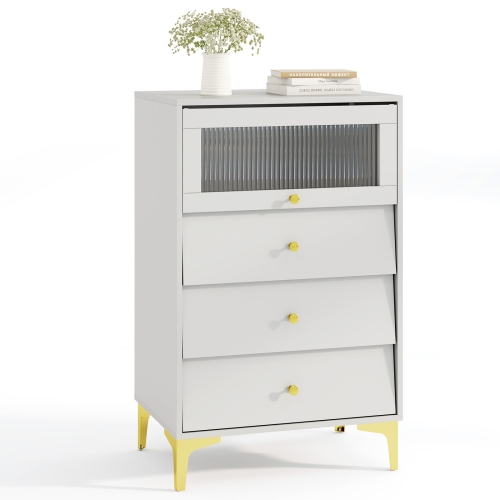

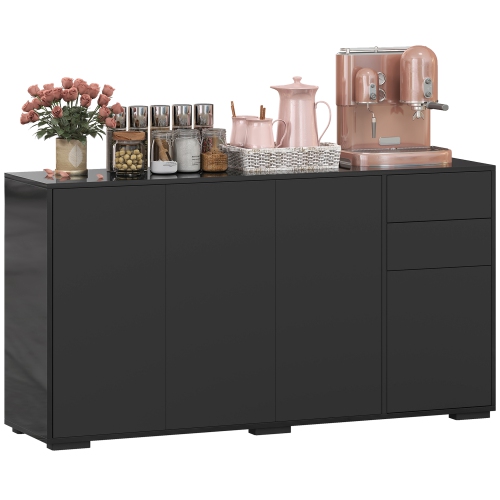
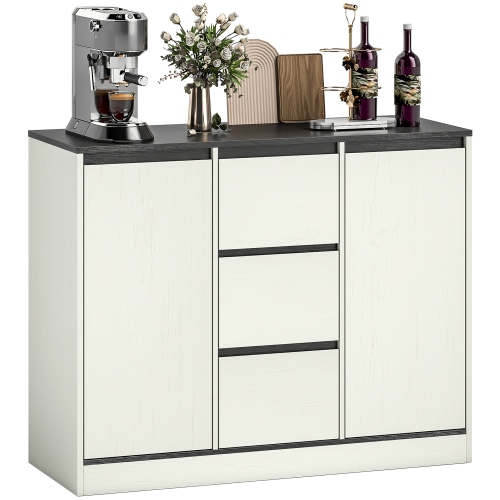
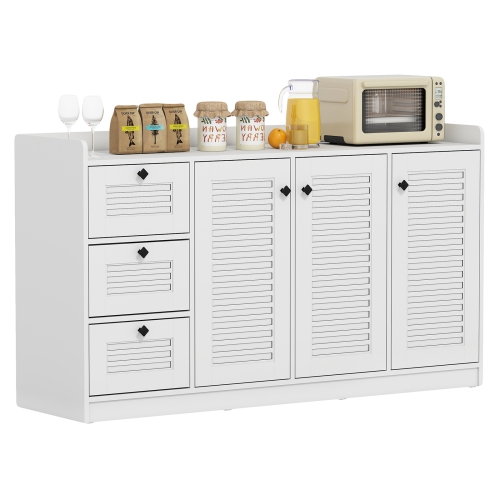
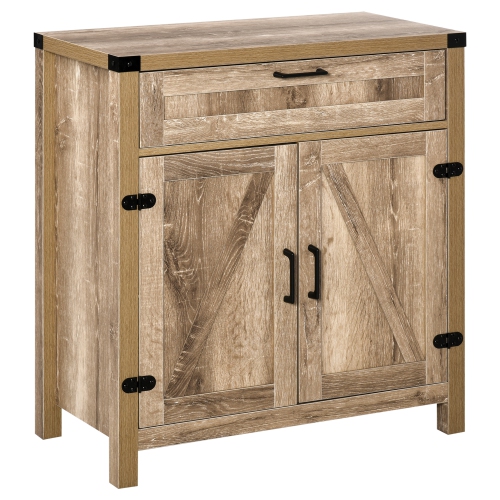
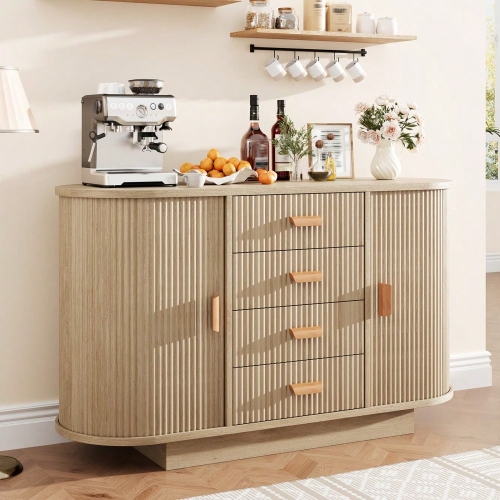
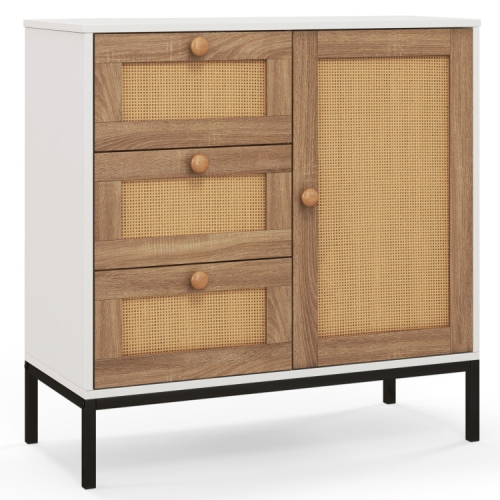
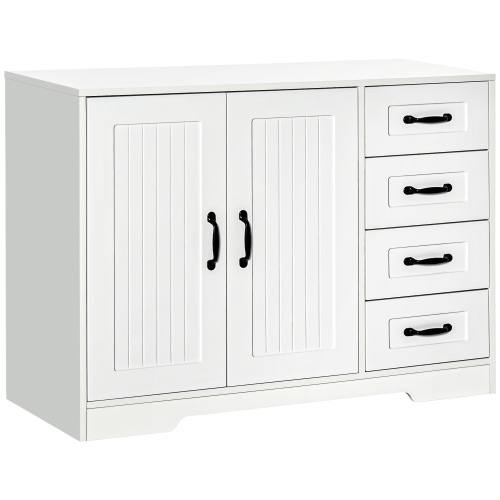
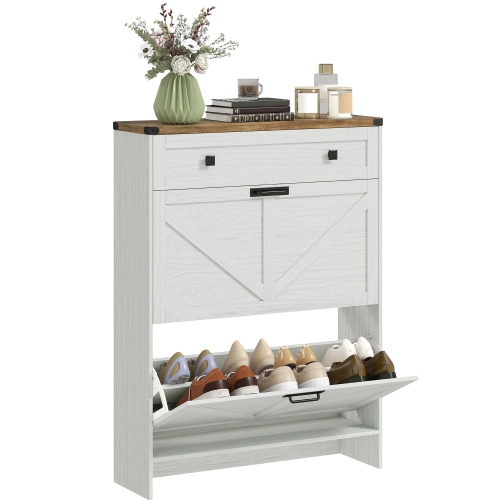
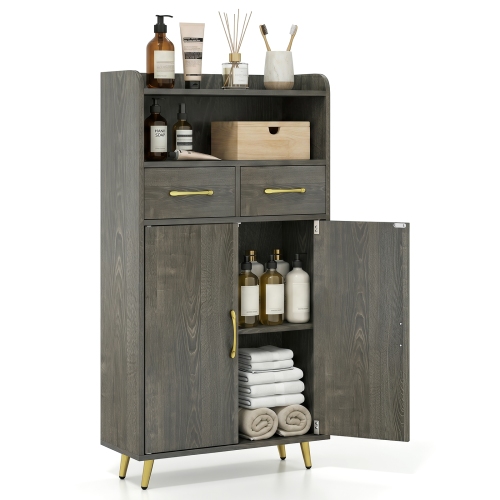
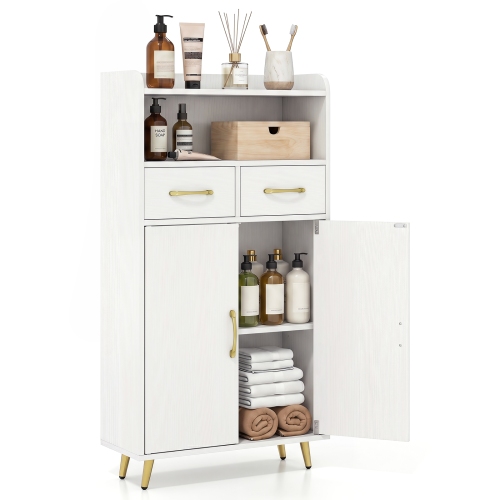
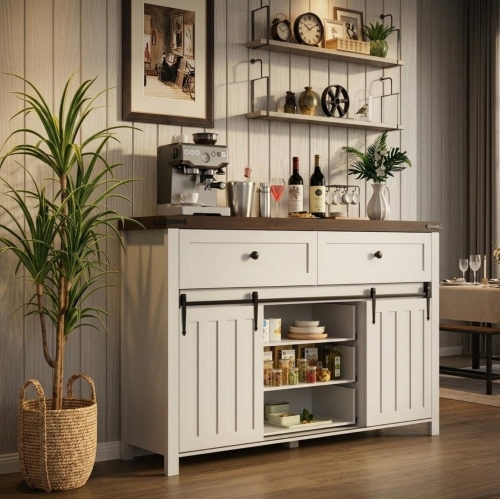
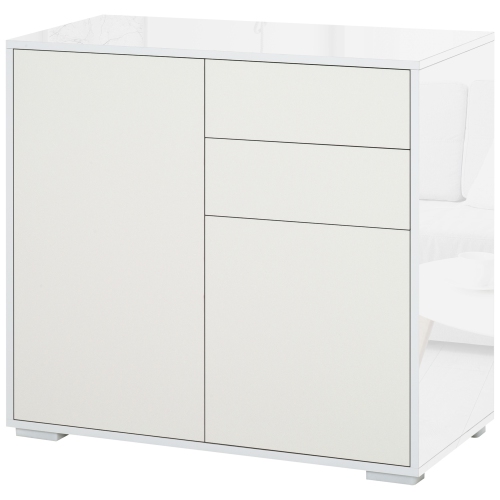
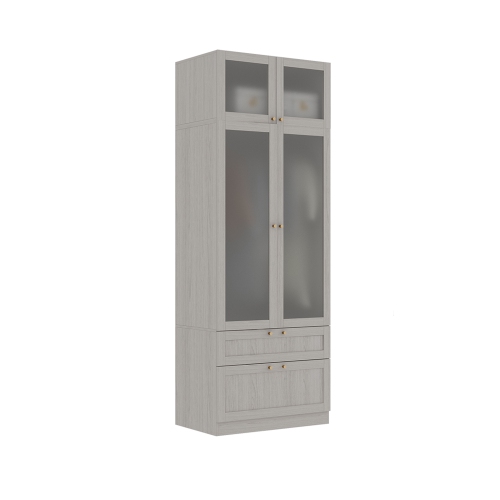



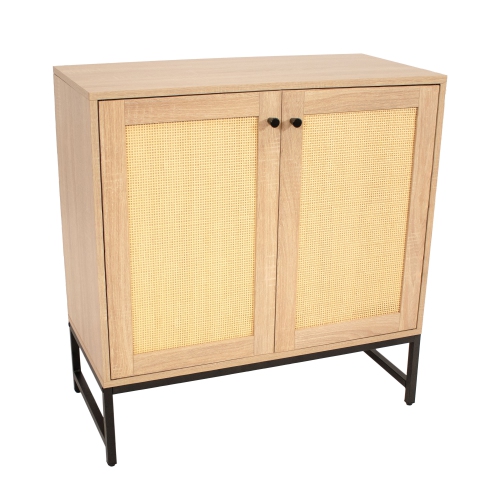
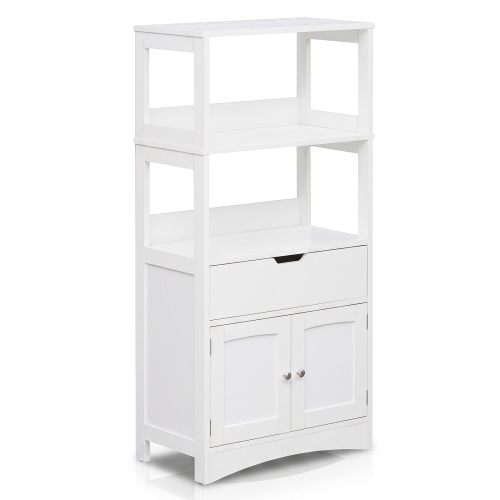
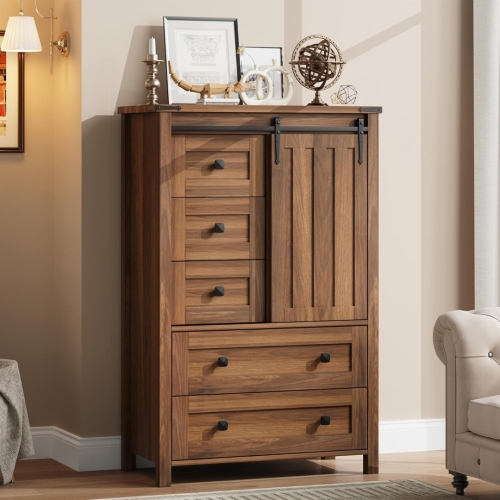
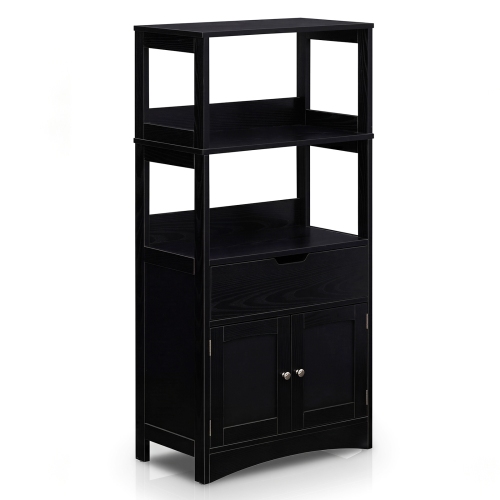
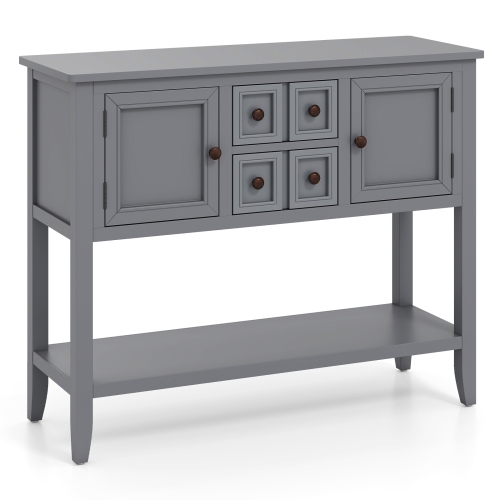
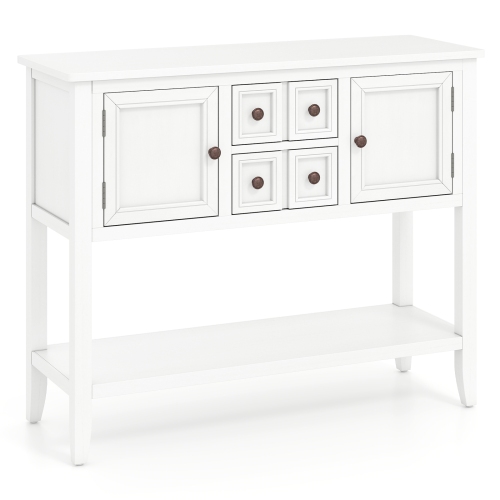
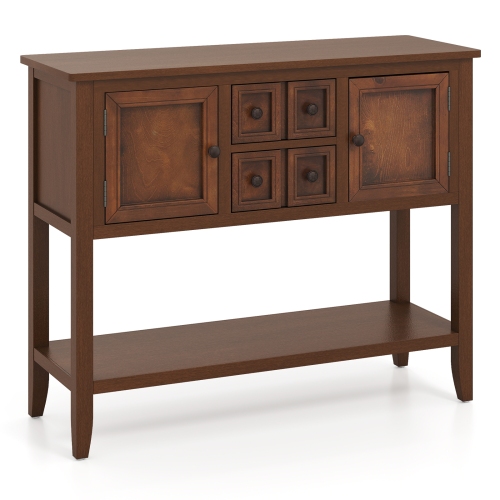
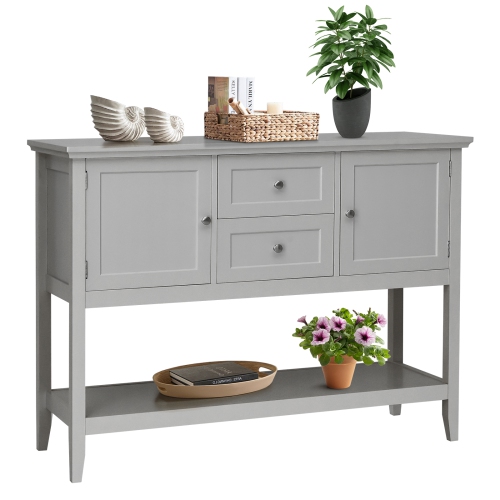
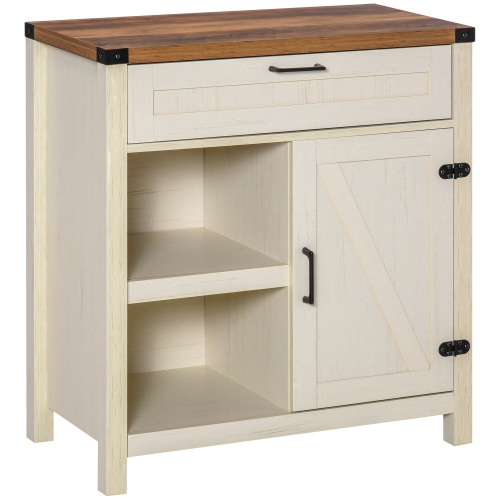
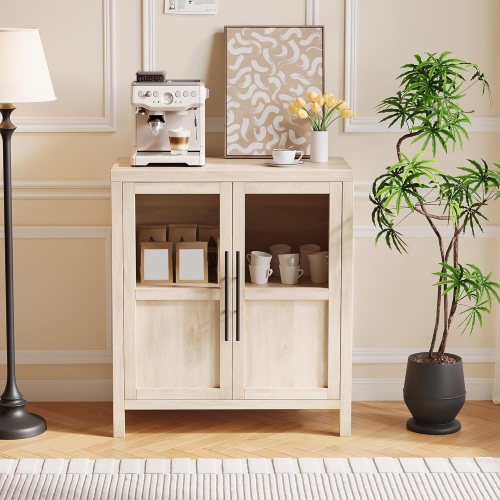
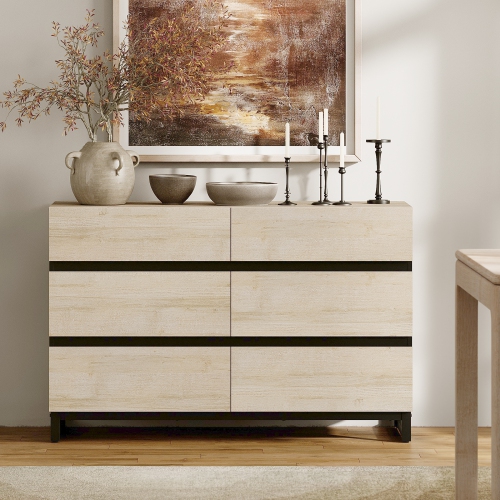
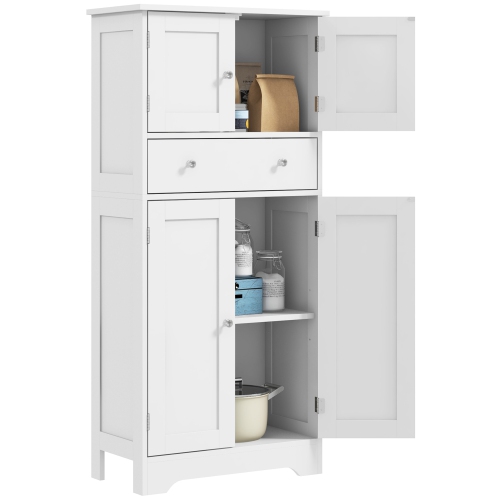
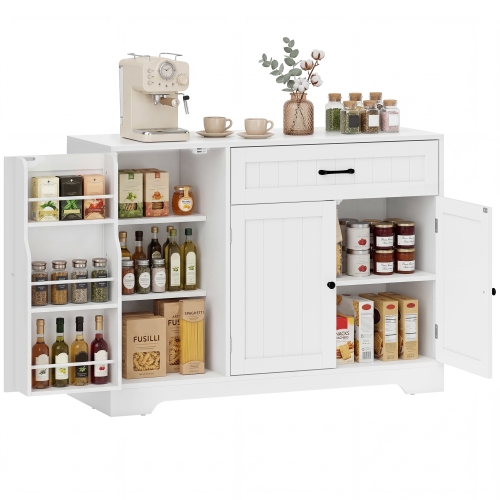
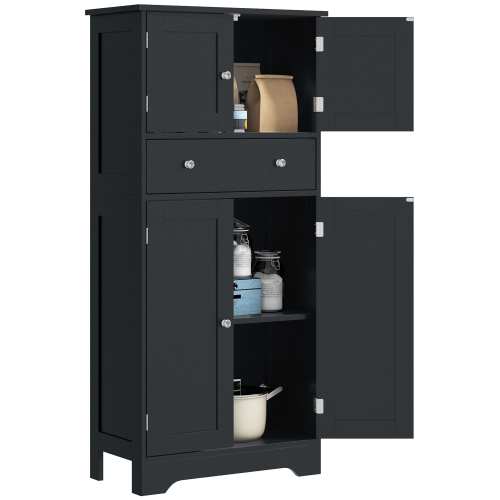
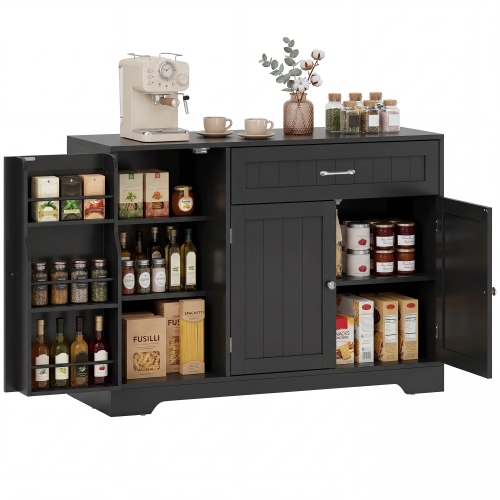
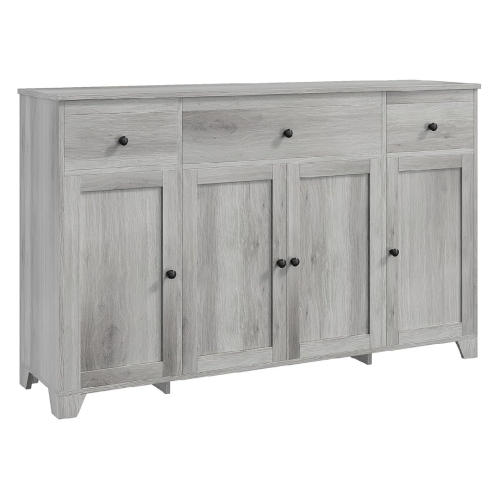
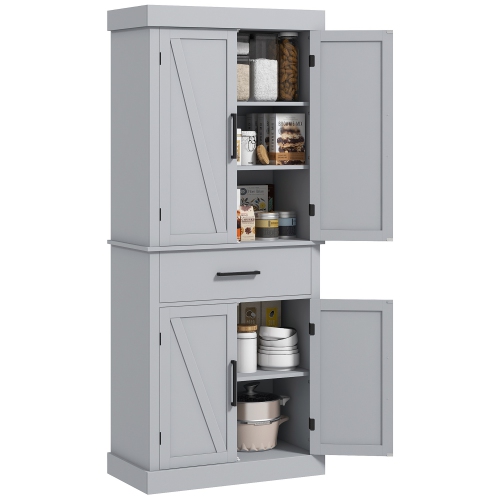
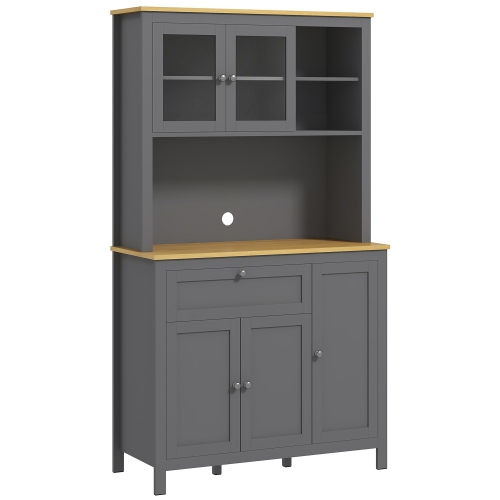
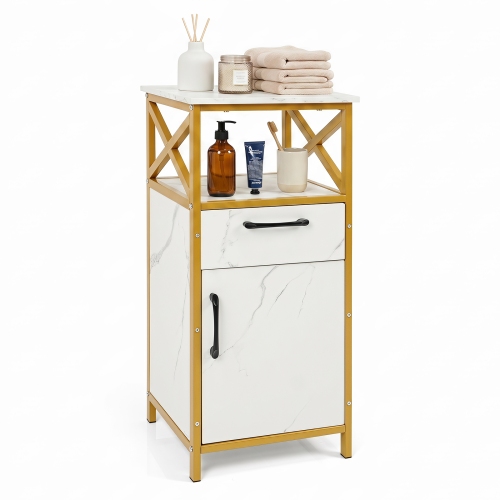
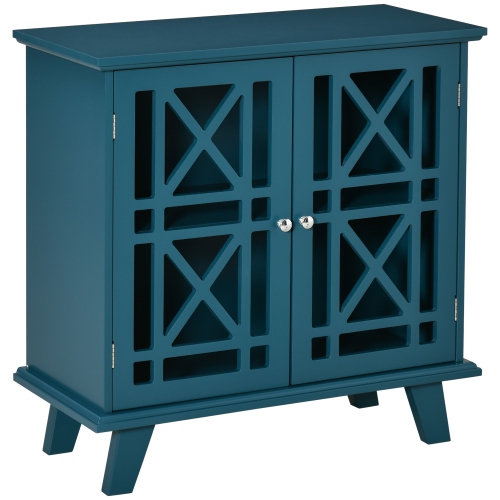
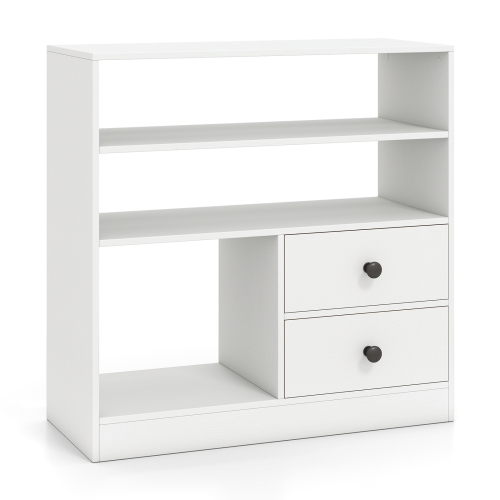
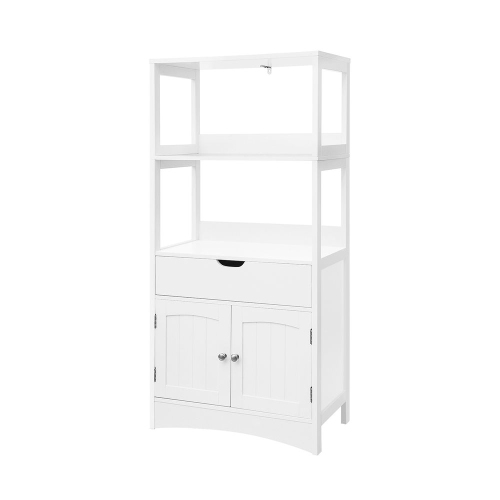
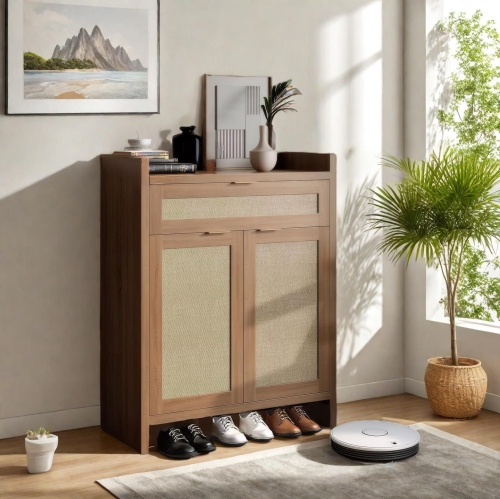
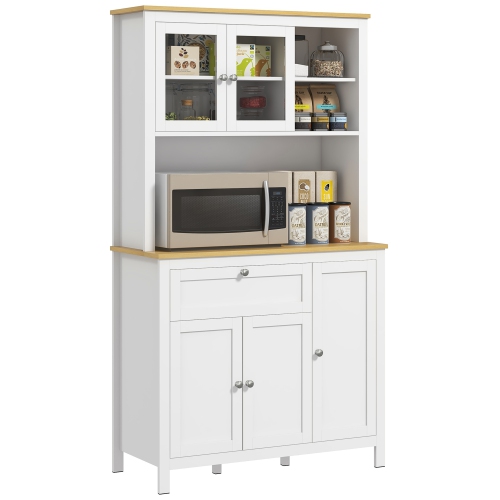
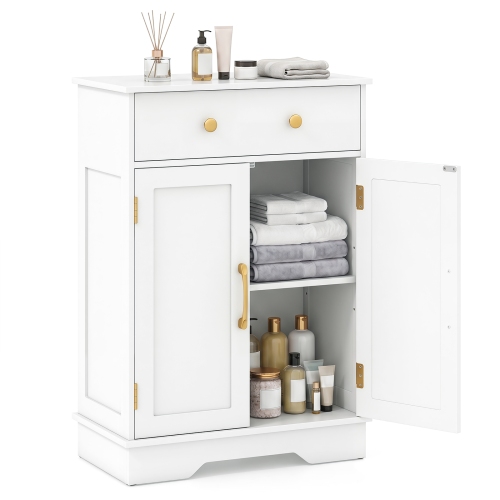
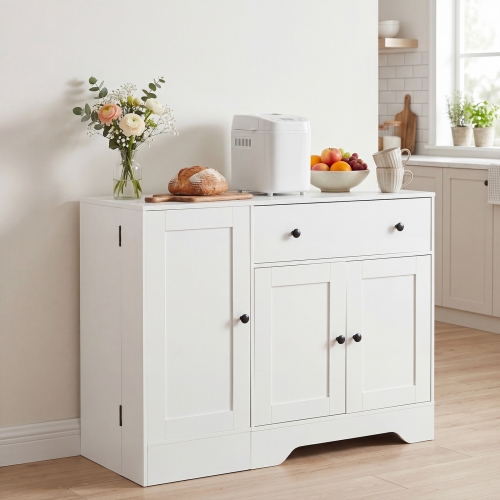
Small essentials and bulky belongings each have their place
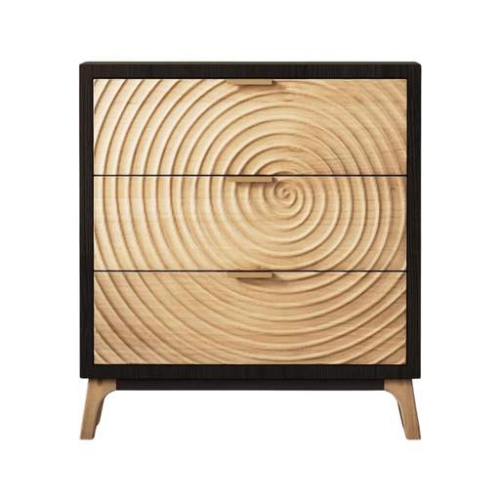
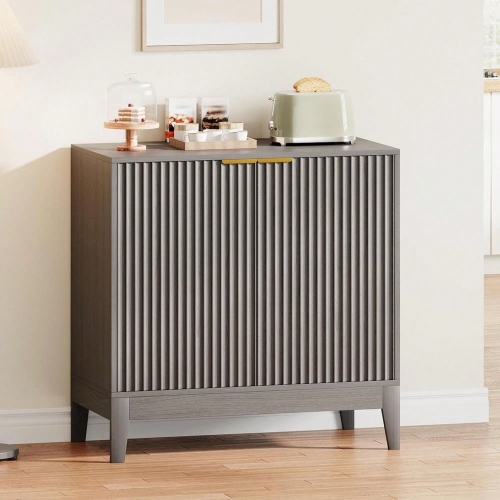
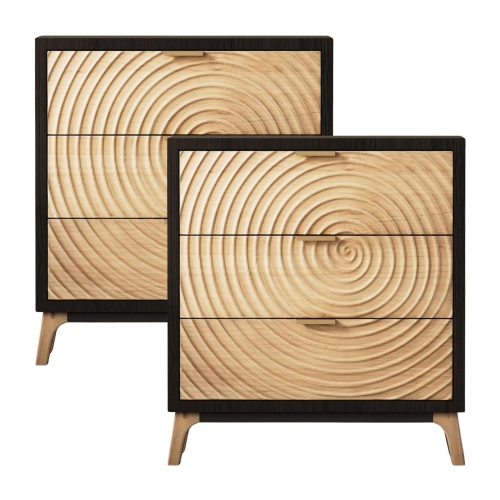
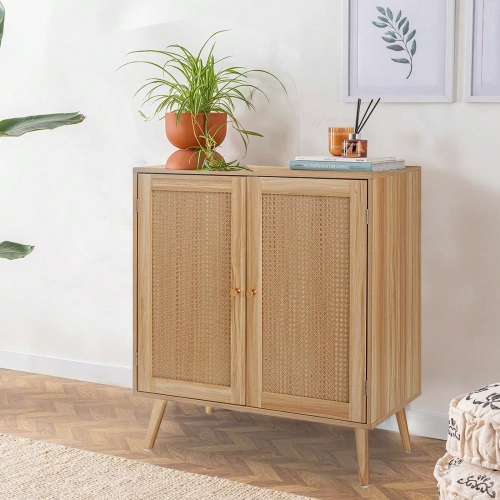
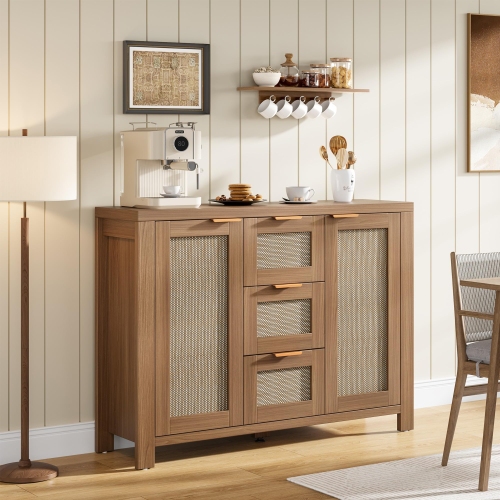
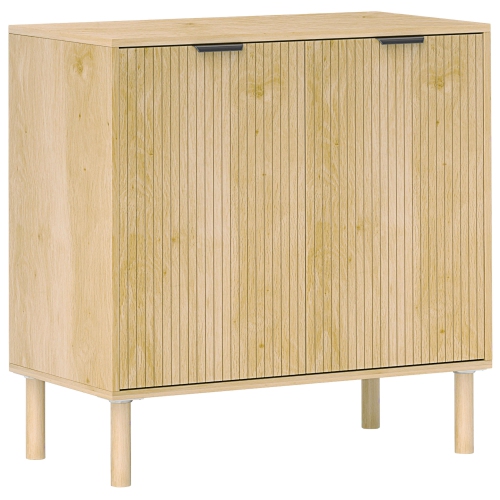
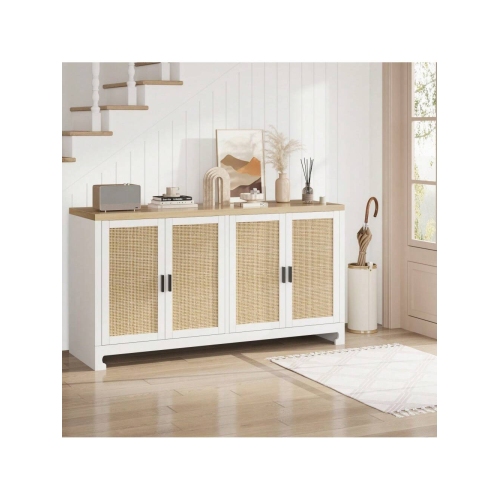
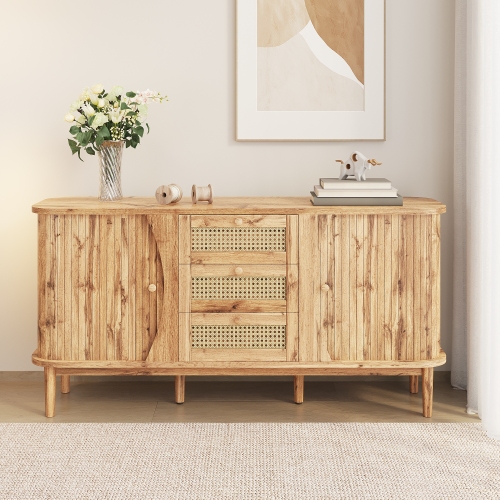
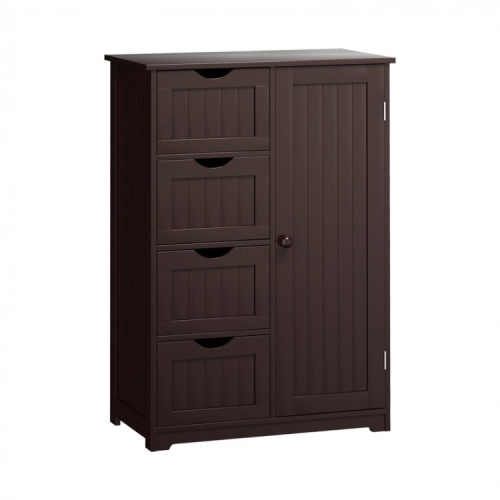
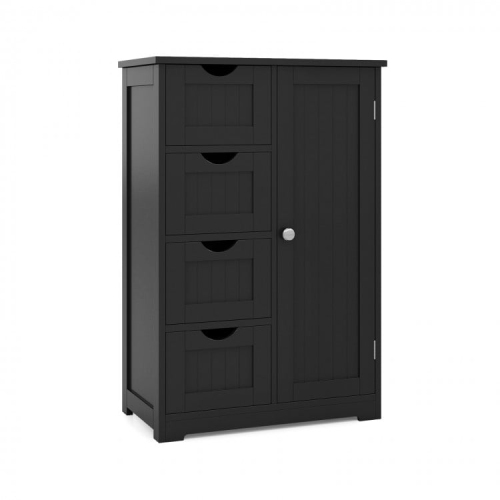
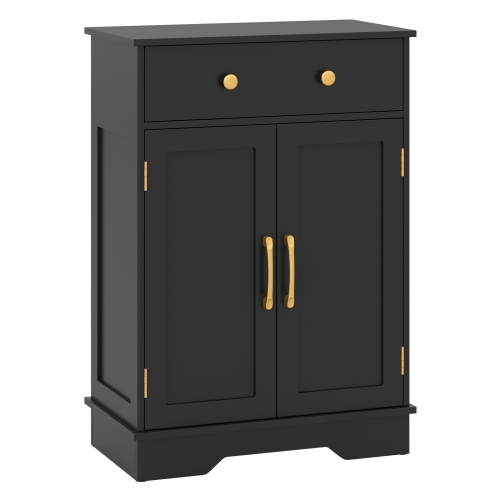
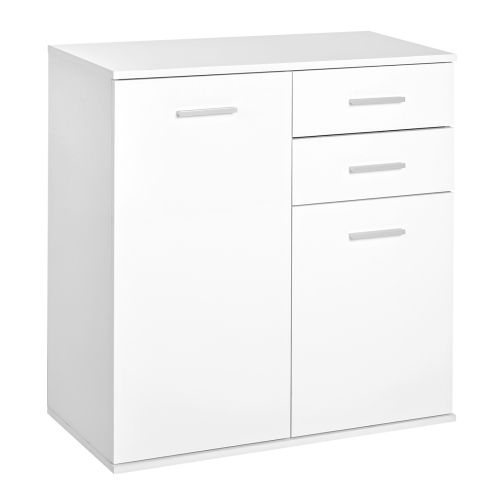
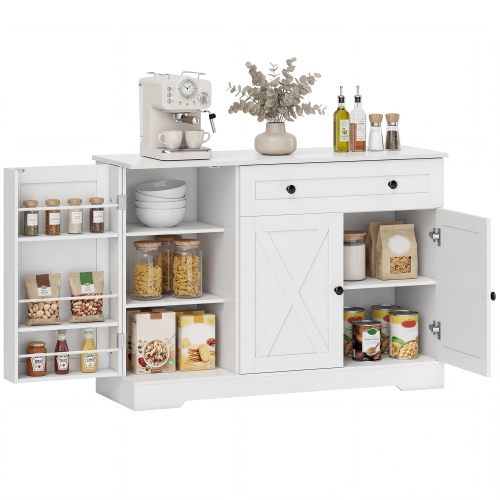
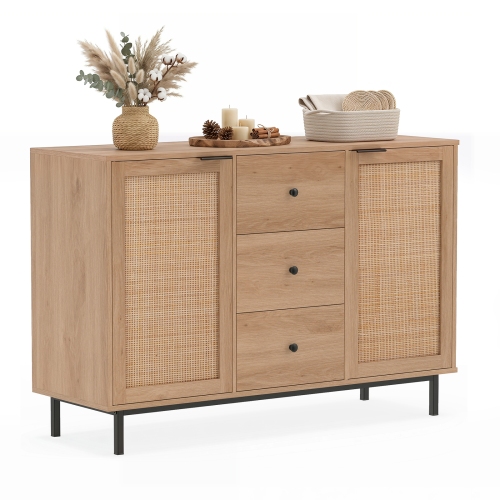
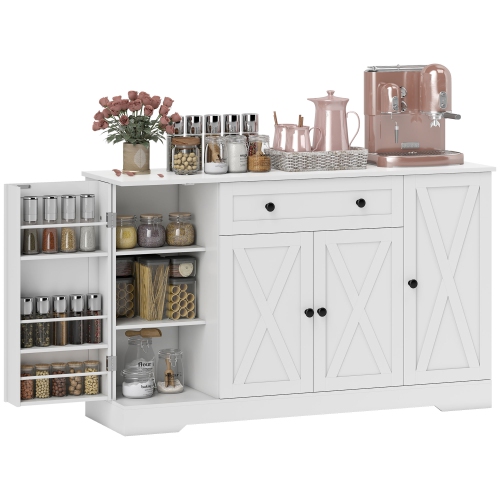
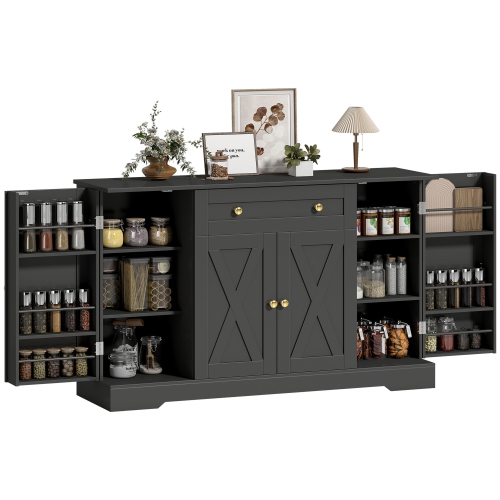
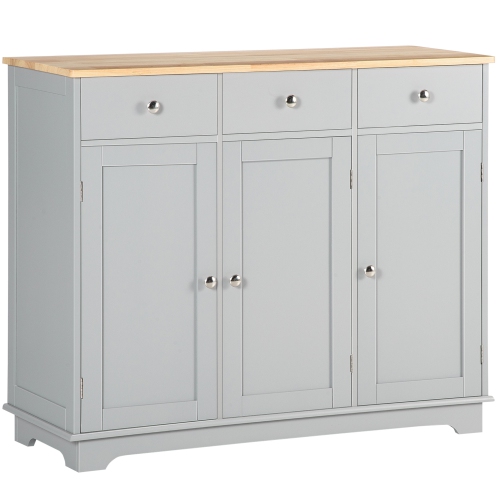
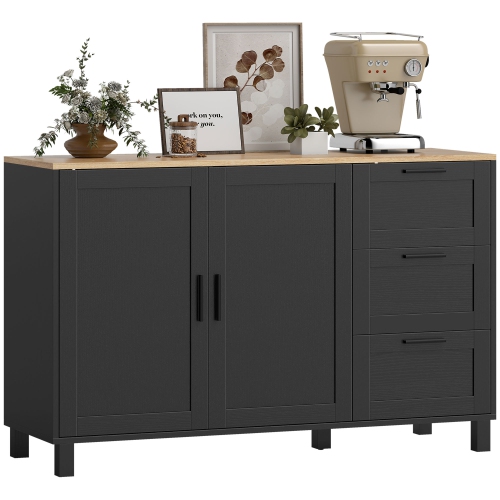
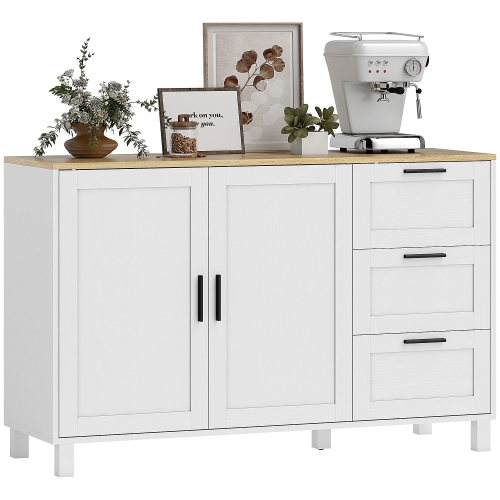
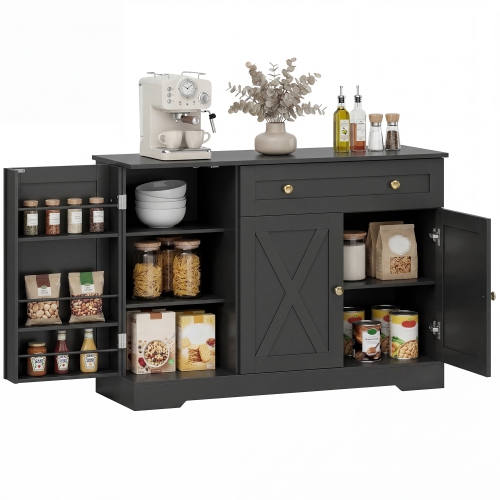
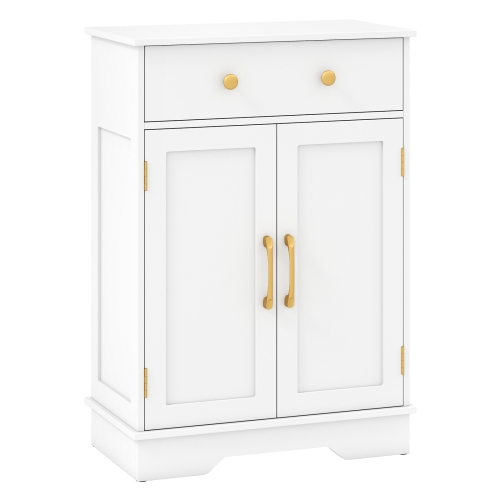
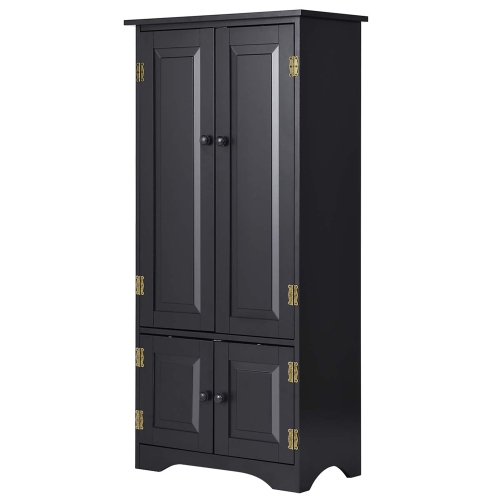
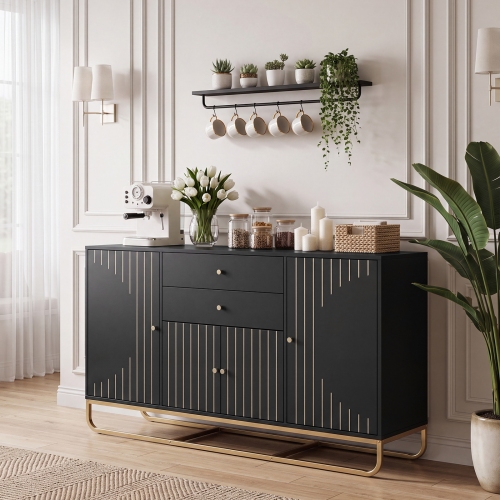
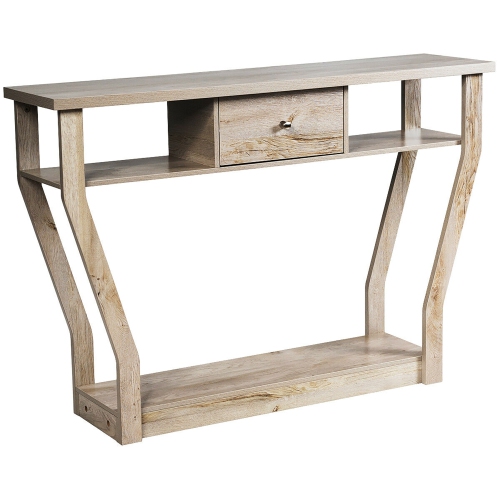
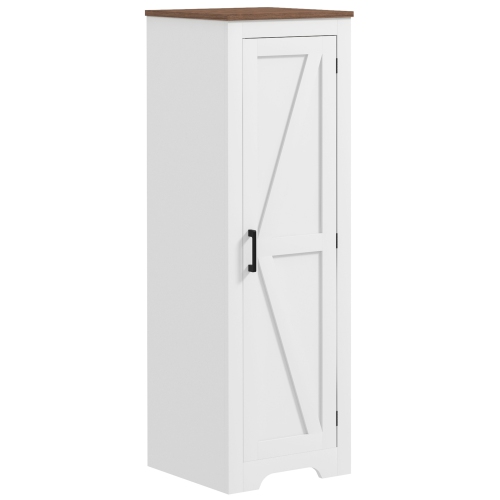
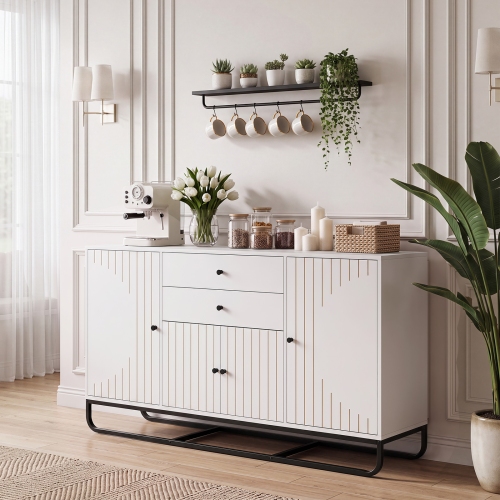
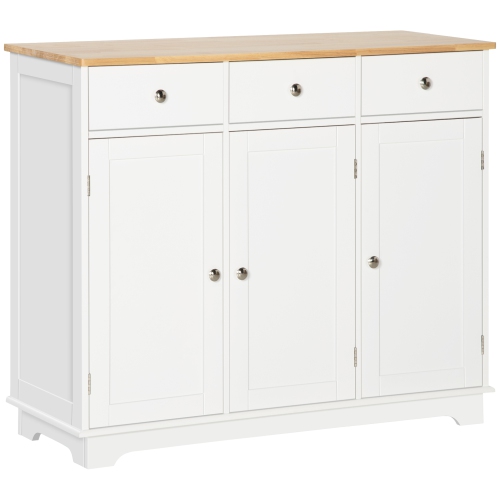
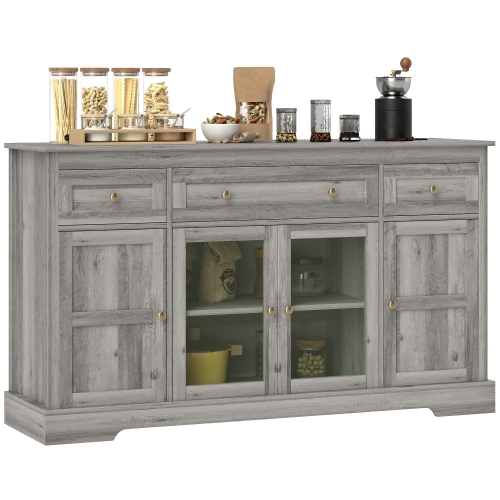
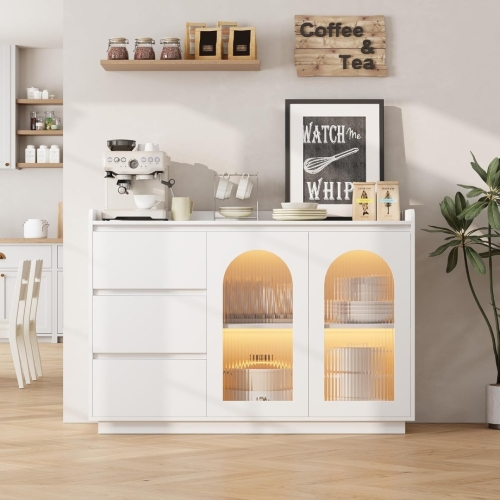
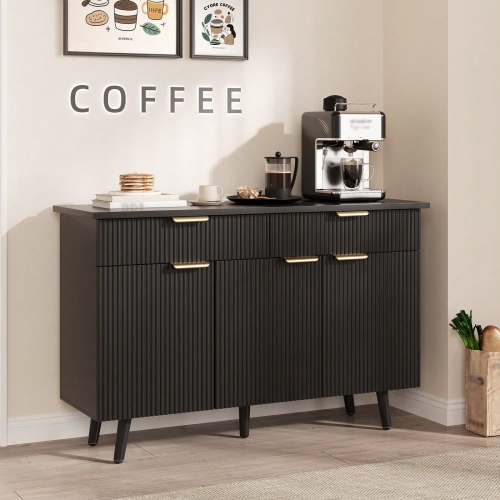
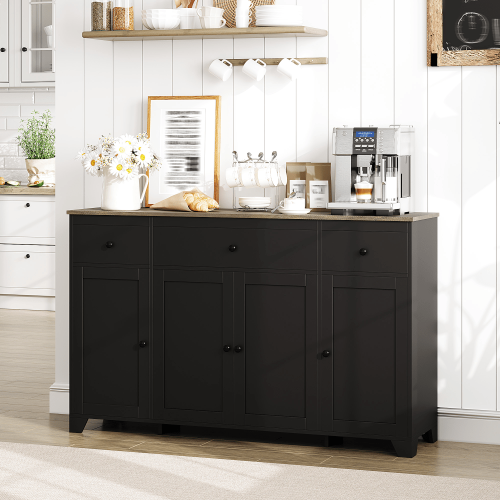
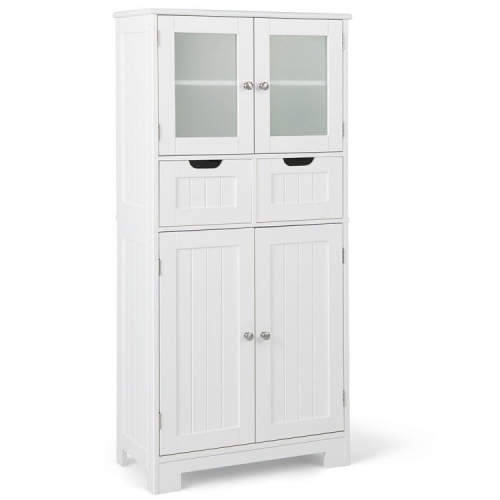
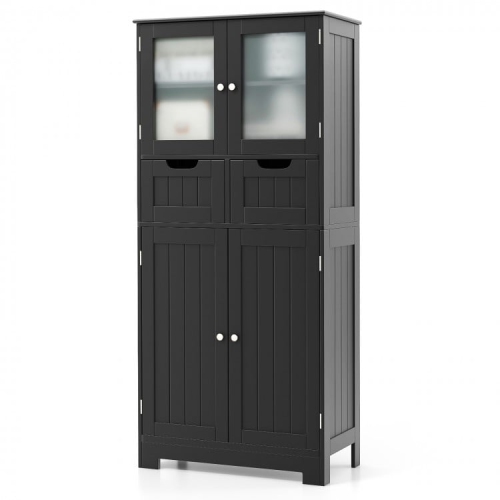
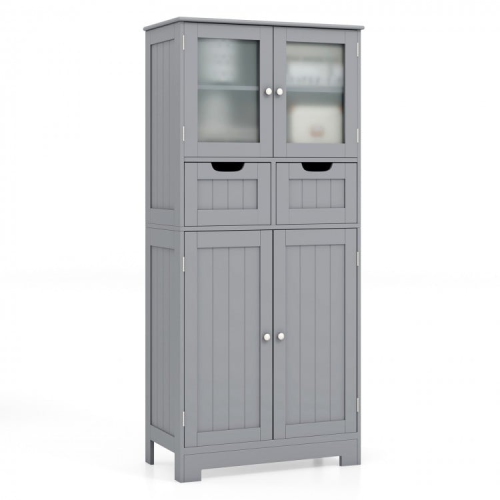
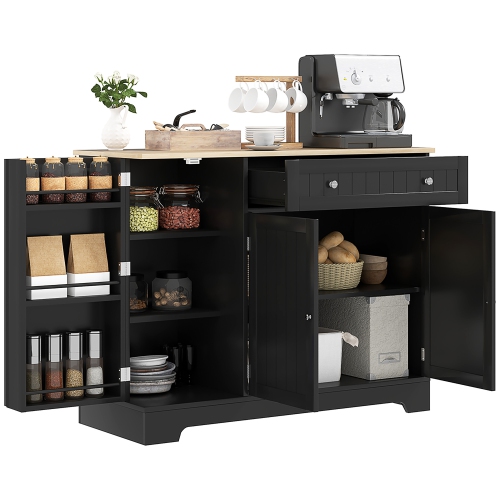
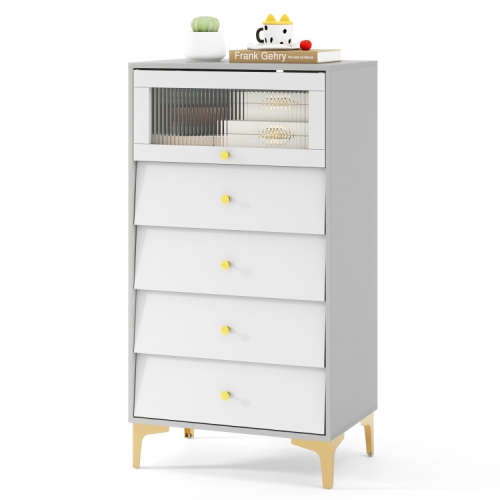
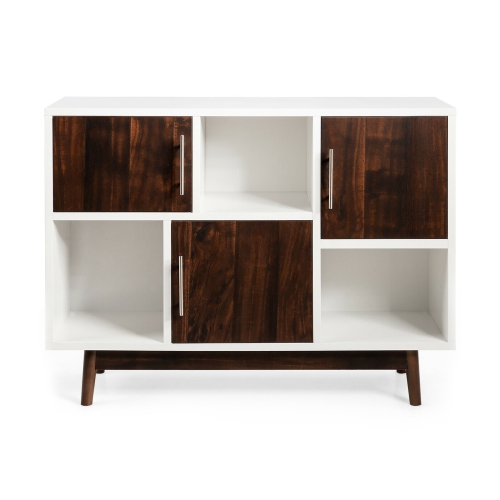
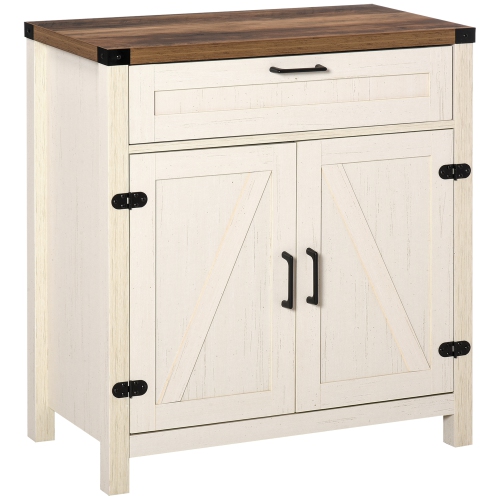
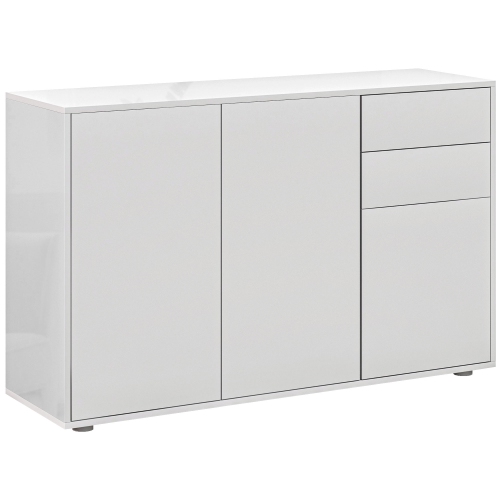
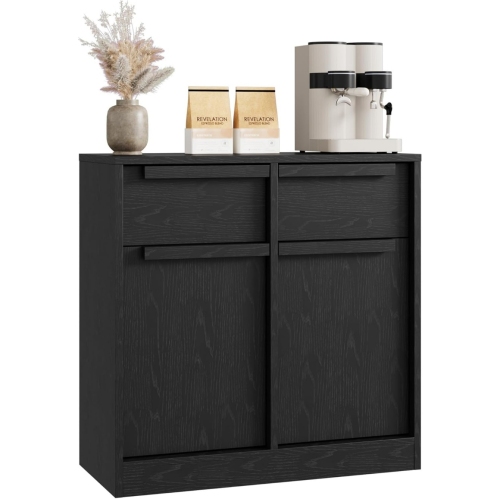
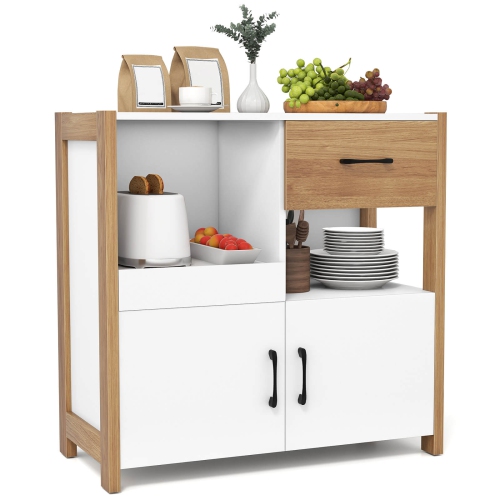
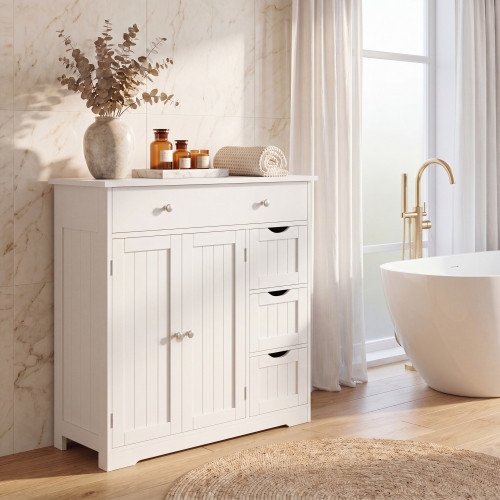
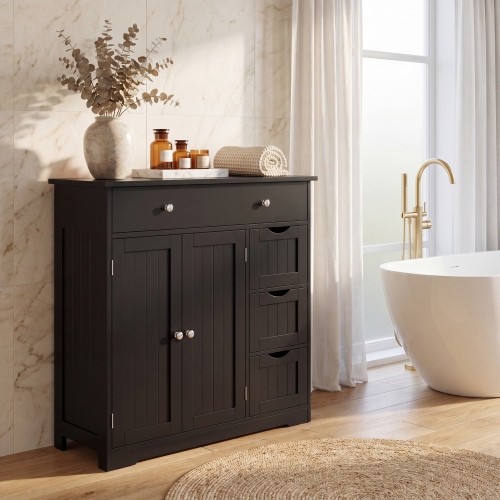
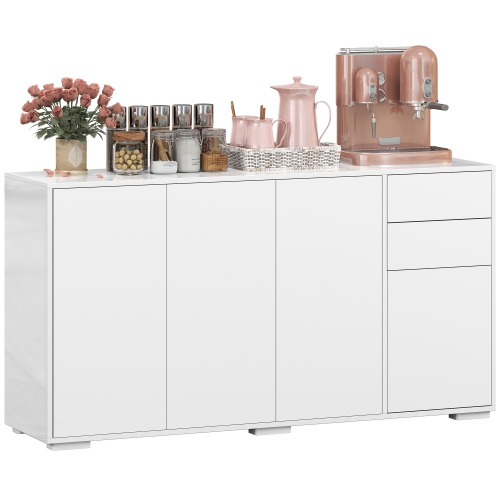
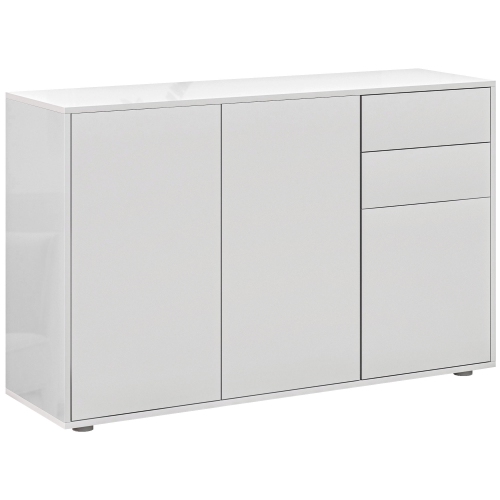
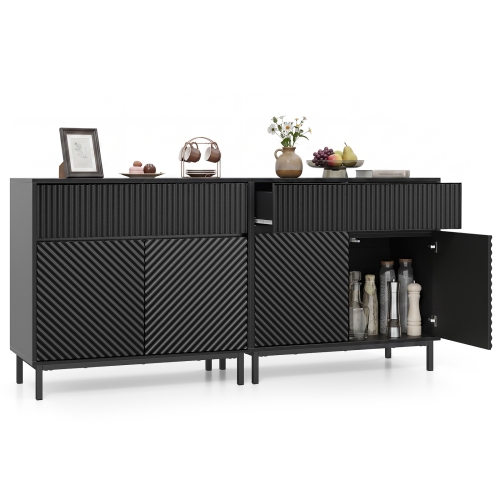
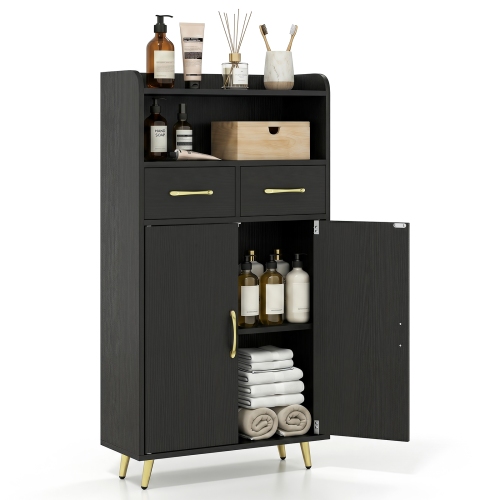
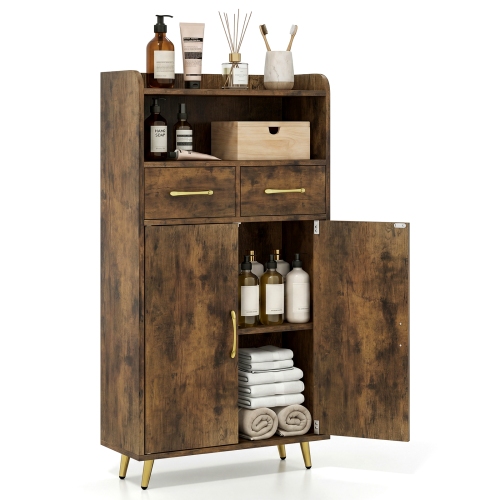
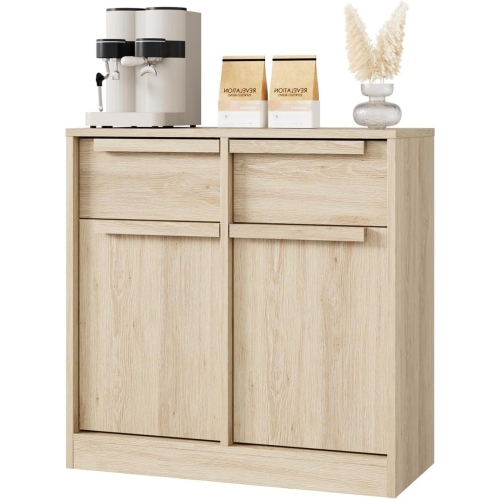
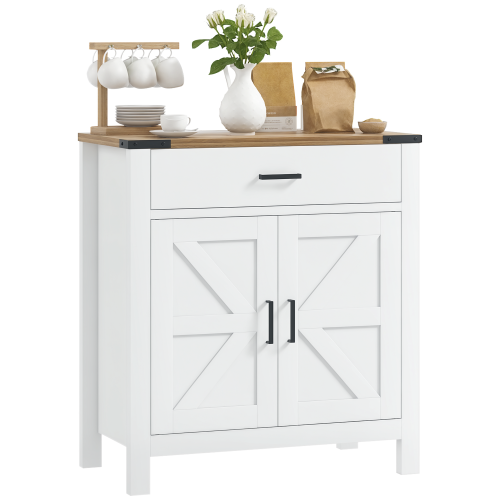
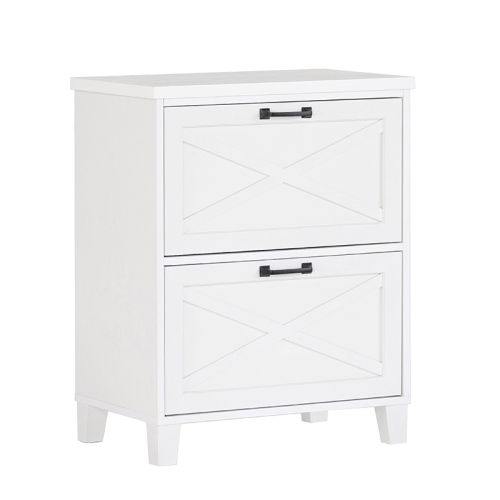
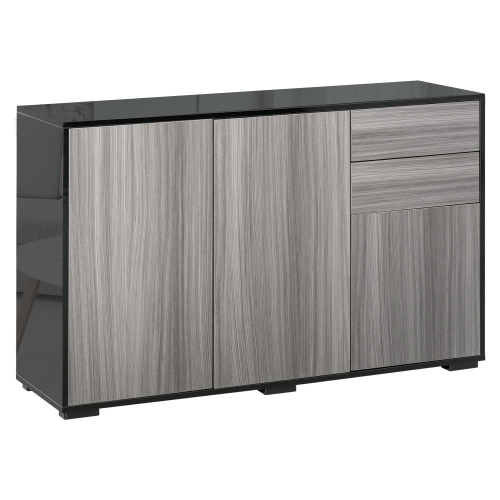
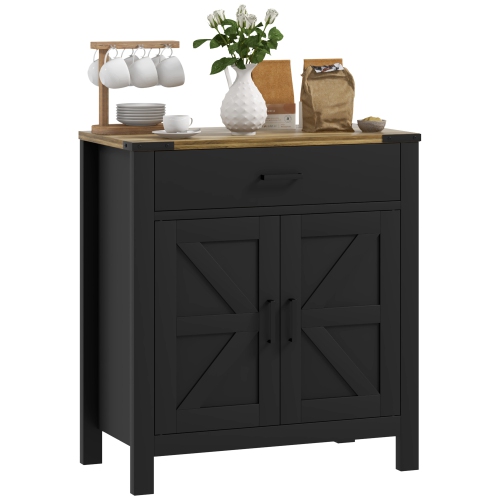
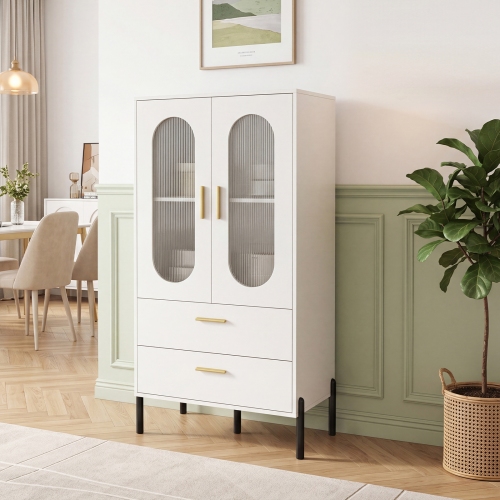
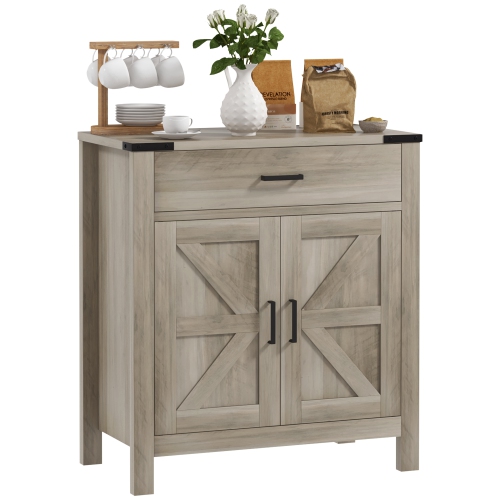
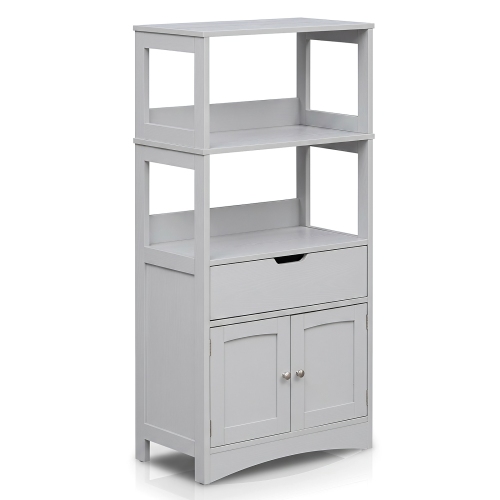
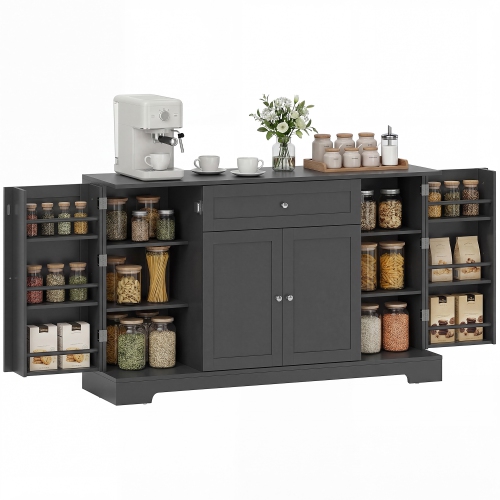
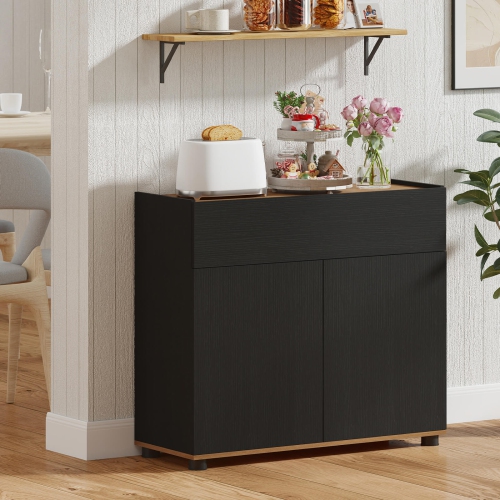
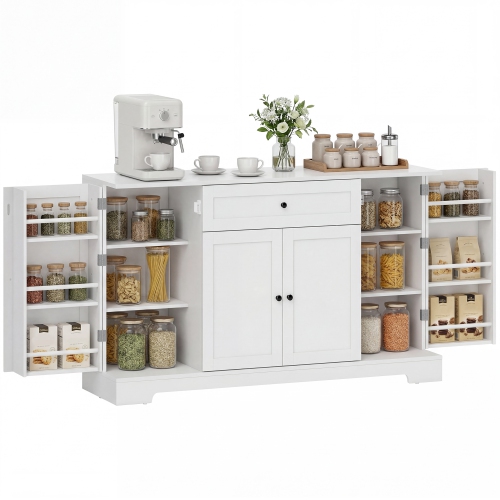
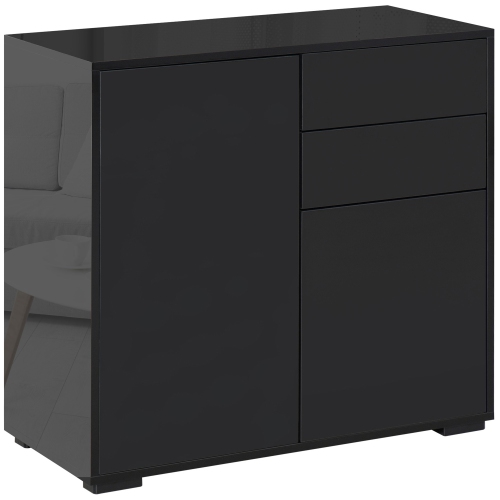
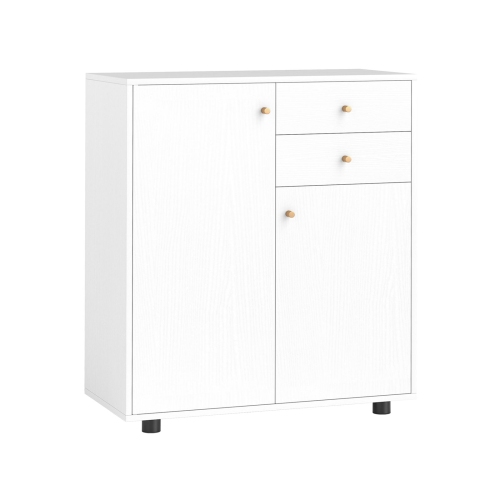
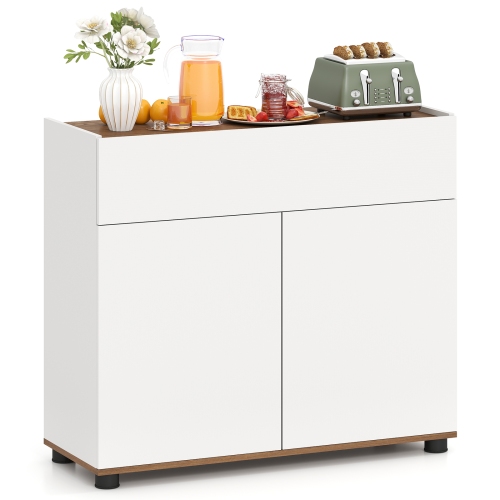
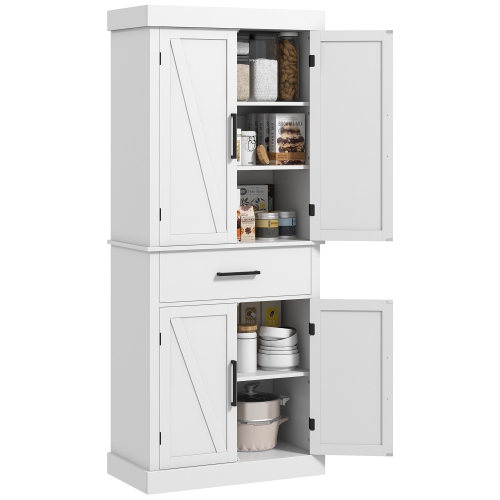
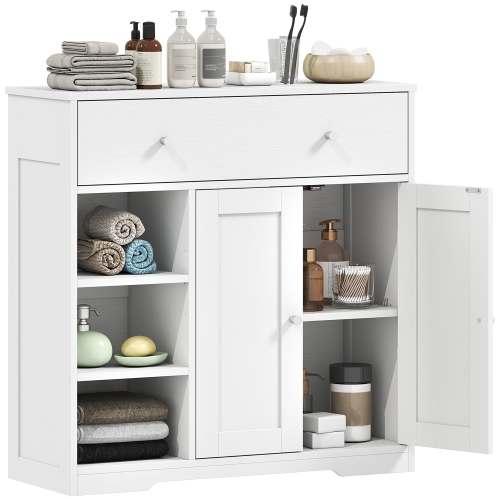
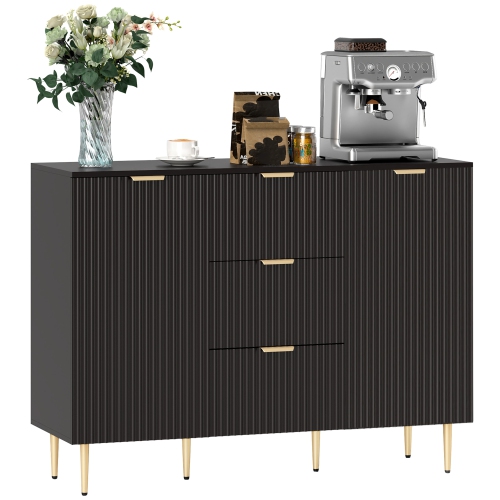
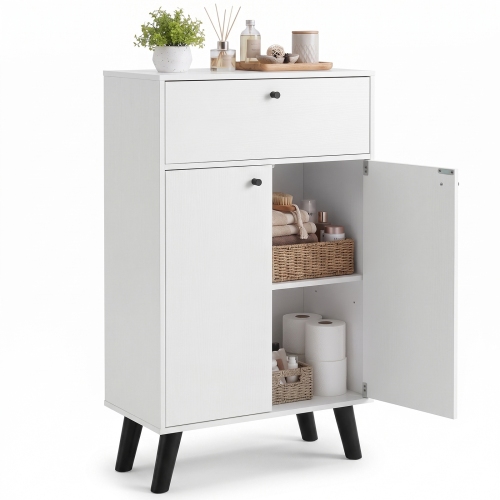
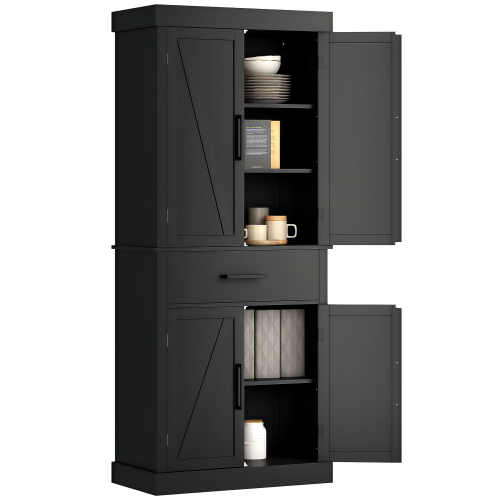
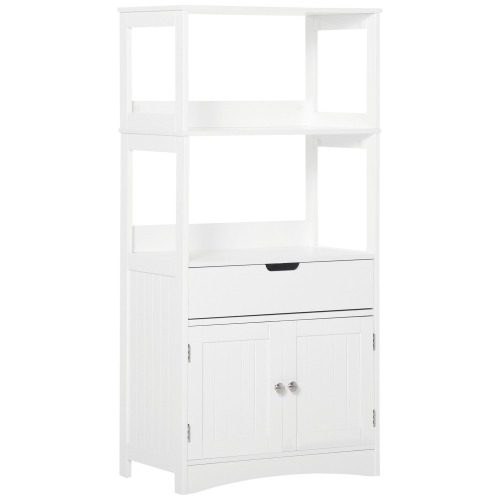
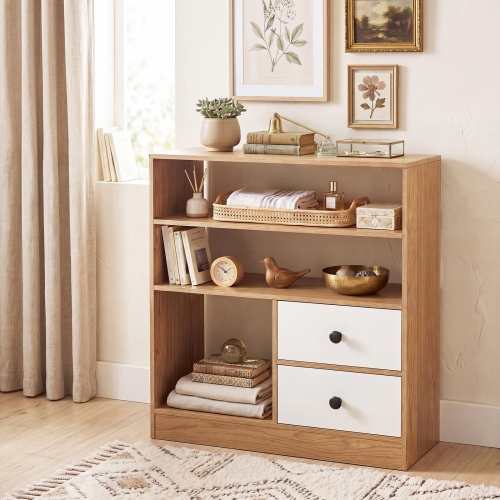
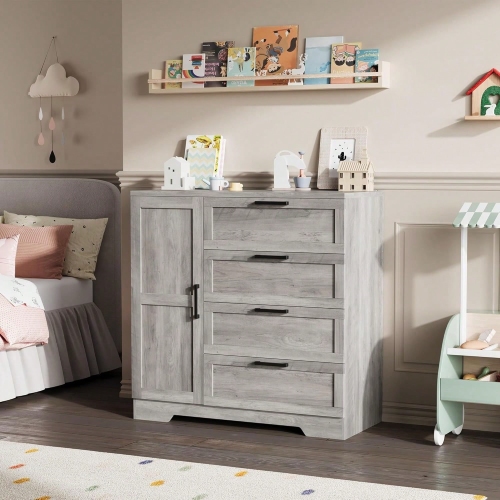
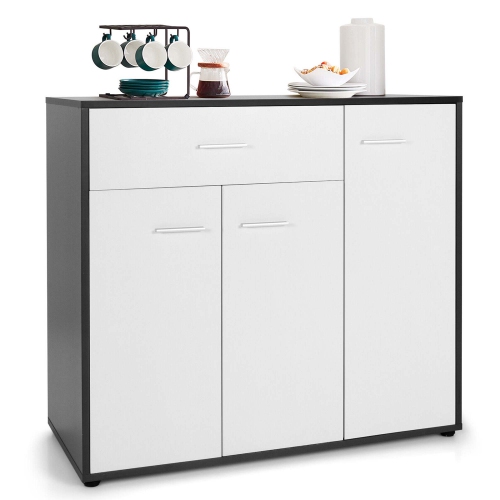
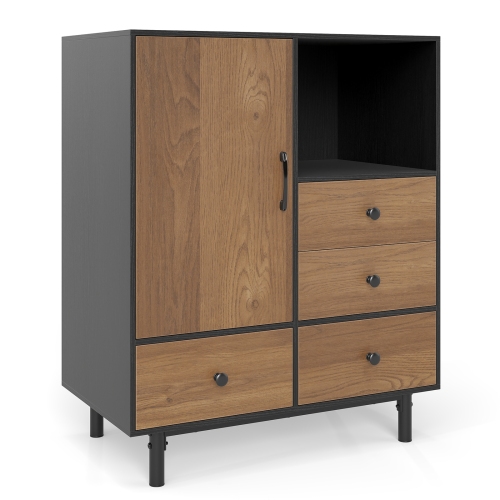
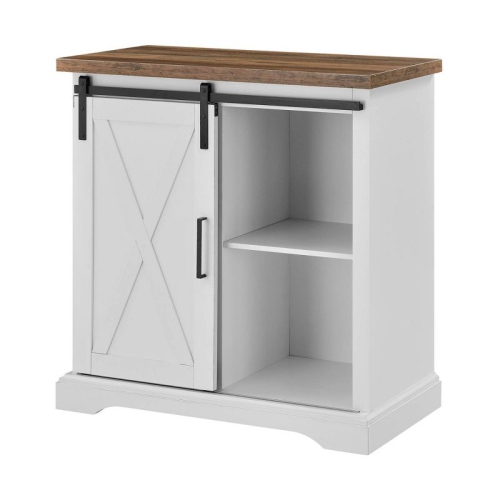
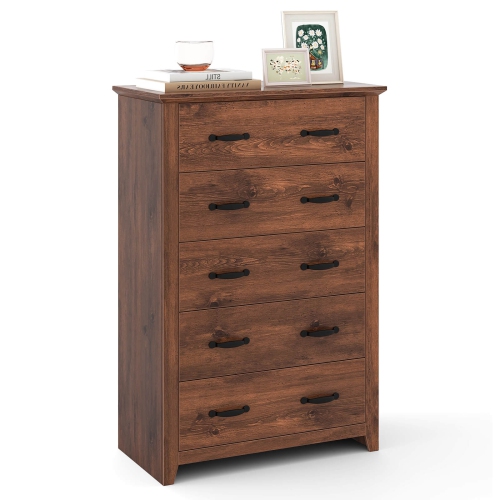
Accent cabinets with drawers and doors combine two types of enclosed storage in one piece of furniture: drawers keep smaller belongings organized and easy to reach, while doors conceal larger objects on shelves or within open compartments. This combination is useful in rooms where storage needs vary, such as a living room that holds remote controls, board games, charging cables, and spare throws. Rather than leaving everything visible on open shelving, an accent cabinet gives everyday belongings a defined place while adding colour, texture, or a distinctive silhouette to the room. In a dining area, shallow drawers can separate napkins, placemats, and serving utensils, with door-front compartments below for dishes or serving bowls, provided the shelves support their weight. In an entryway, a compact cabinet can hold keys and correspondence above bags or other daily essentials, keeping the surface clear enough for a lamp or a small tray. A home office may benefit from drawers for stationery and concealed shelves for supplies, although a standard drawer should not be assumed to accommodate hanging files. The most useful layout depends on what needs storing: several shallow drawers offer separation for small objects, while deeper drawers accommodate bulkier belongings but may need dividers to keep their contents orderly. Behind the doors, adjustable shelves make it easier to accommodate objects of different heights; fixed shelves provide a set arrangement that should be checked against the intended contents. Households sharing a living space can assign a drawer to each person or group belongings by activity. For an apartment dweller, a single cabinet may serve several purposes without requiring separate furniture for every task. The top can also provide a modest display surface, with a framed photograph, a ceramic bowl, or a lamp giving the cabinet a decorative role alongside its practical one. Leaving some of that surface open helps it remain useful rather than becoming another place where belongings accumulate.
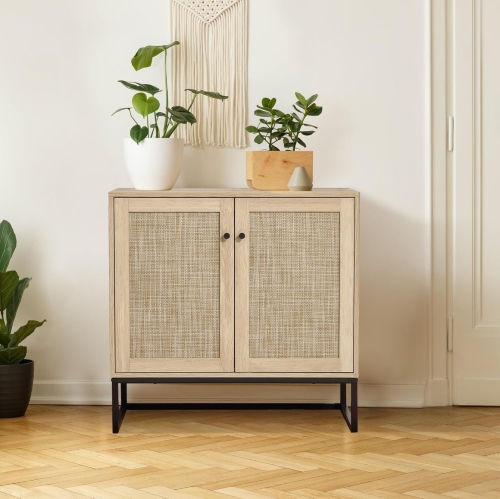
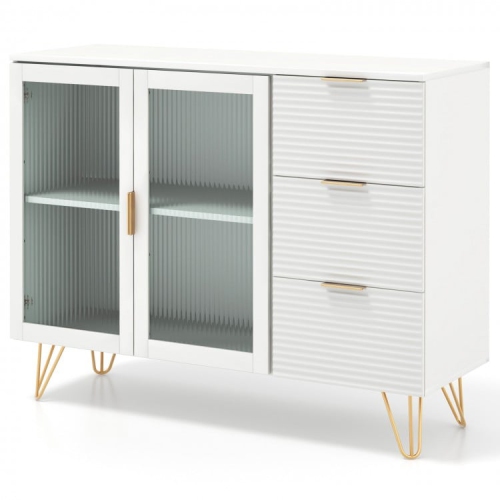
Materials, construction, and hardware all influence how an accent cabinet looks, feels, and holds up to daily use. Solid wood brings natural grain variation and can develop character over time, though it may respond to changes in indoor humidity. Wood veneer provides a real wood surface over a supporting core, while engineered wood can offer a smooth base for painted finishes or a consistent wood-look surface. Durability depends on the complete construction, including panel thickness, joints, edge finishing, and the quality of the coating, rather than the material name alone. Metal cabinets introduce a different texture and may suit rooms with streamlined or industrial details, while glass-front doors allow some visibility into the storage area. Fluted glass, woven panels, and textured door fronts create different degrees of concealment, so their suitability depends on whether the contents are intended to be seen. A household storing paperwork or a mix of everyday supplies may prefer opaque fronts; neatly arranged dishes can work well behind glass. Drawers should move smoothly and have suitable support for their intended load. Full-extension slides, when included, make the back of a drawer easier to reach, and soft-close hardware can reduce abrupt closing. Hinges, pulls, and door alignment also affect everyday comfort, particularly on a cabinet opened several times a day. Published weight limits matter for the top, each shelf, and each drawer; a cabinet’s overall dimensions do not indicate how much weight it can safely support. Care should follow the manufacturer’s directions, with routine dusting and prompt attention to spills helping protect most finishes. A soft cloth is generally preferable to abrasive cleaning tools, and any cleaner should be suitable for the surface. Coasters beneath drinks and protective pads beneath decorative objects can help limit marks. Moisture deserves particular attention around seams, edges, and wood-based panels, making a dry interior location more appropriate than a damp utility area unless the cabinet is specifically designed for that use.
Fit involves more than finding a cabinet narrow enough for an empty wall. Width, depth, and height should work with nearby furniture, walking routes, and the space needed to open every door and drawer. In a narrow hallway, a shallow cabinet may preserve comfortable passage, but its internal depth still needs to accommodate the belongings intended for it. Beside a sofa, the height of the cabinet top affects how comfortably it functions as a landing spot, while a longer, lower design can sit beneath artwork without dominating the wall. Internal measurements are especially useful when storing board game boxes, baskets, albums, or serving pieces, since the usable space can be smaller than the exterior dimensions suggest. Door openings, hinges, and centre dividers may further limit what fits. Drawer pulls and projecting legs also contribute to the furniture’s footprint. Access into the home matters, too: doorways, stairs, and tight turns should accommodate the packaged cabinet or its assembled sections. Assembly requirements vary, and a level installation helps doors align and drawers operate properly. Where anti-tip hardware is supplied or required, secure installation according to the manufacturer’s instructions is an important part of setup, particularly in homes with children or pets. Style can then bring the practical details together. A pale finish can soften the appearance of a substantial piece, darker wood tones can add contrast against a light wall, and painted fronts can pick up a colour already present in upholstery or artwork. Raised legs create visible space beneath the cabinet, while a plinth base gives it a more grounded appearance. Within the broader Accent Cabinets And Chests category, designs with both drawers and doors are particularly useful when one room needs several kinds of storage. A well-proportioned cabinet can hold the small necessities of daily life, conceal larger belongings, and contribute a finished furniture detail without asking every object inside to become part of the display.
Top selling and popular products
-
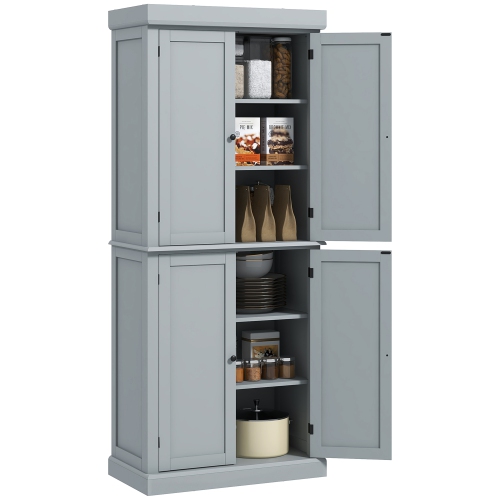 Your price for this item is $285
-
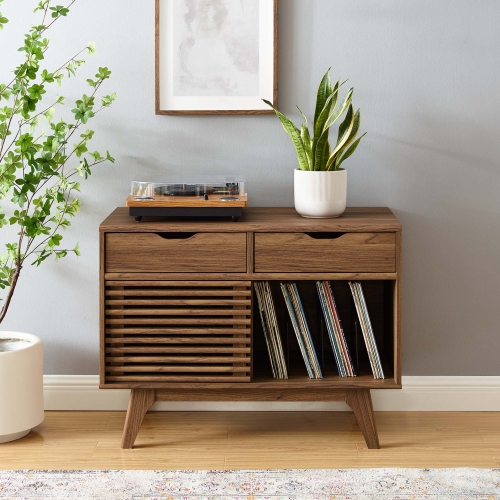 Your price for this item is $452.93
-
 Your price for this item is $155.99
-
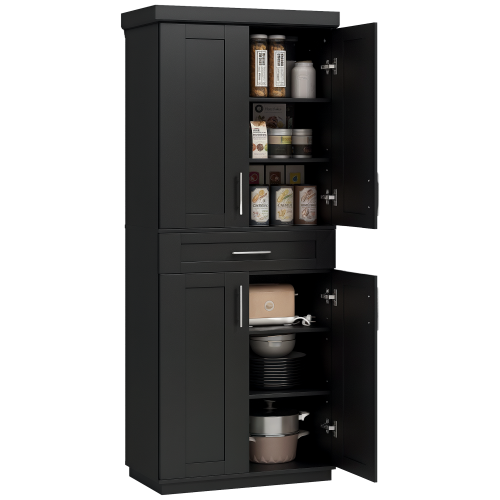 Your price for this item is $269.99
-
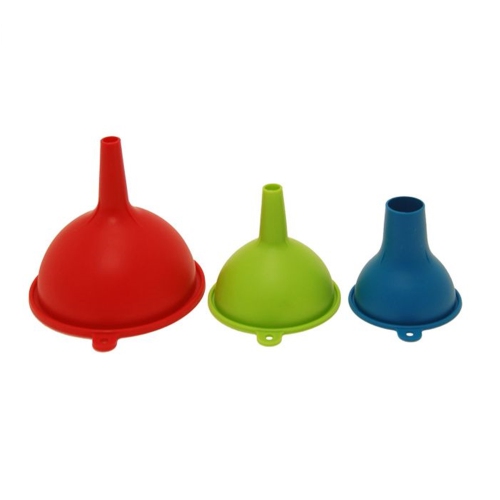 Your price for this item is $12.97
-
 Your price for this item is $155.99
-
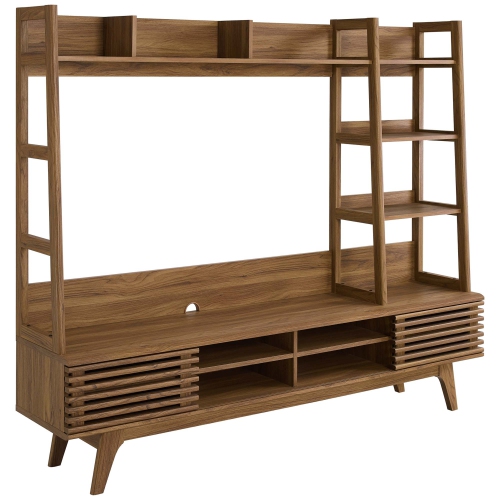 Your price for this item is $885.06
-
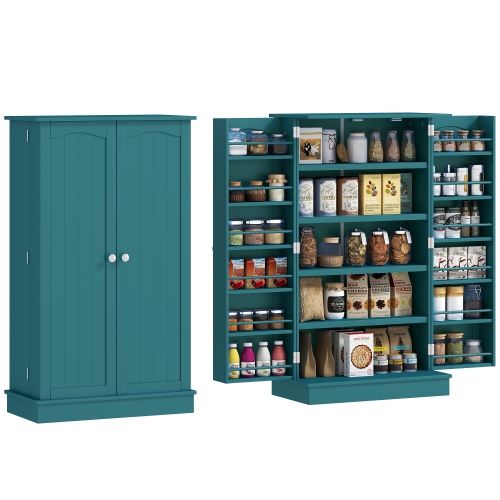 Your price for this item is $132.99
Discover more categories related to Accent Cabinets With Drawers And Doors


Top Collections:
Best Black Friday Deals This Year, Best Black Friday Deals On Electronics, Kindle Devices, Dyson Airwrap, Best Cameras for Sports Photography, Best Budget Office Chairs, Canon G7X Cameras, PS5 Pro Consoles, Best Black Friday Deals On Apple Products, XBOX One S Consoles
Some products may be subject to Environmental Handling Fees
(EHF) depending on your province.
Learn more about EHFs.