Accent Cabinets With Glass Doors
Looking to add a touch of sophistication and functionality to your living space? Look no further than our collection of accent cabinets with glass doors. These stylish and versatile pieces are designed to elevate the aesthetic appeal of almost any room while providing ample storage space for your belongings. Whether you're looking to display your favorite books, showcase your prized possessions, or keep clutter at bay, accent cabinets with glass doors offer the perfect solution. Here are some great options available.
Sort
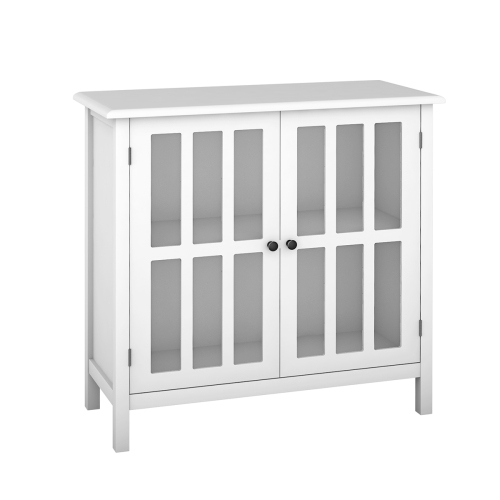
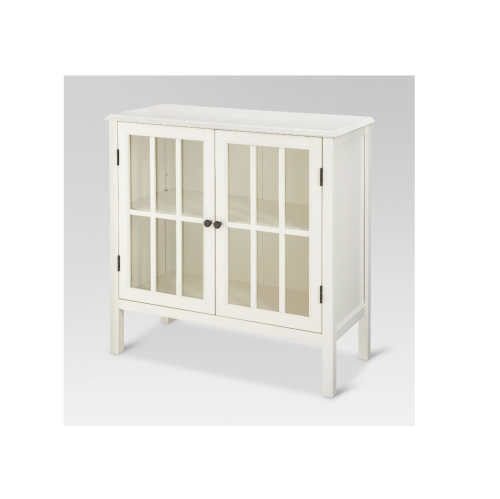
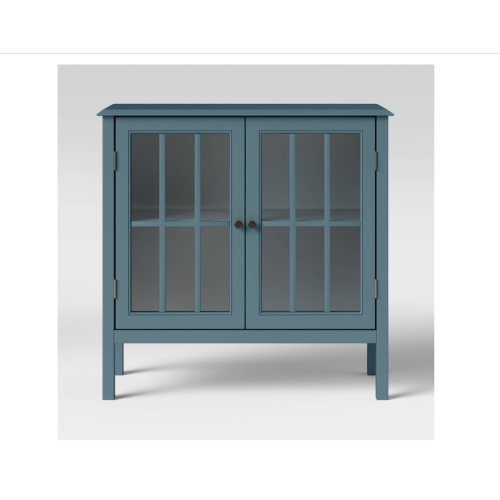
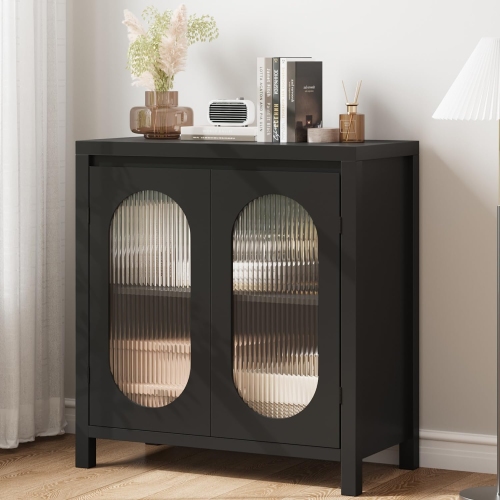
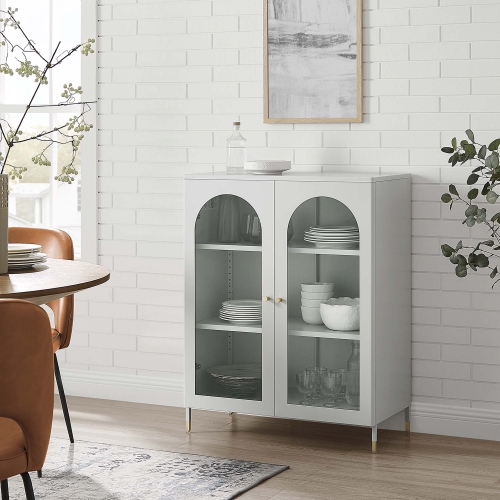
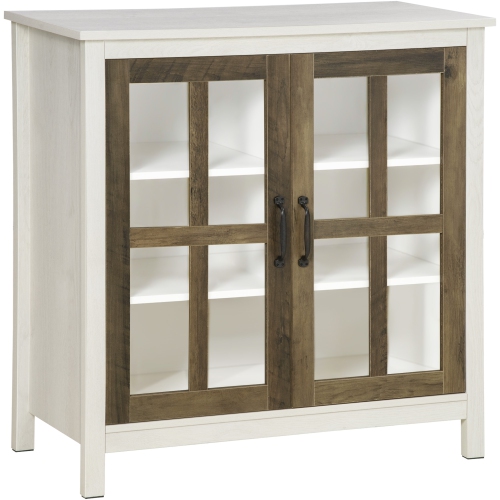
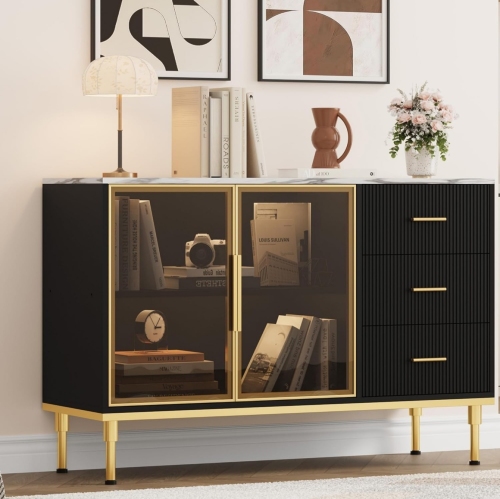
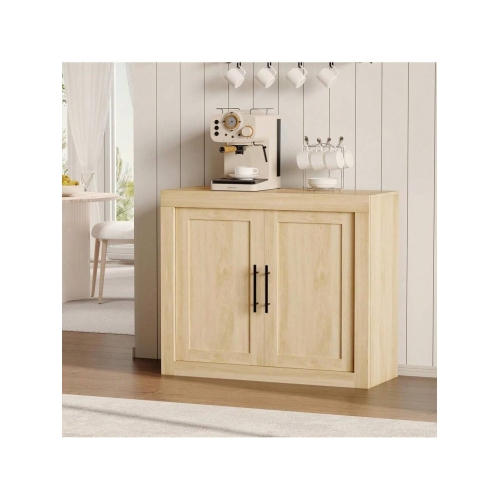
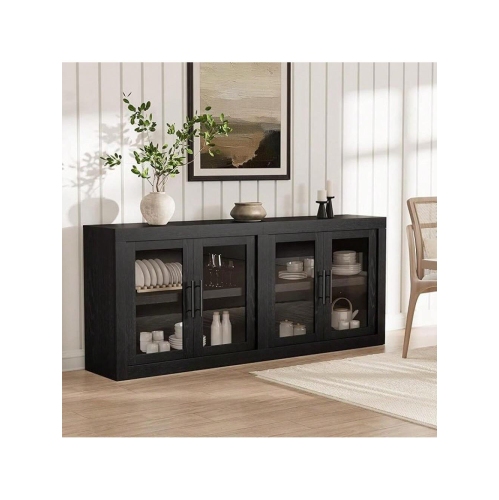
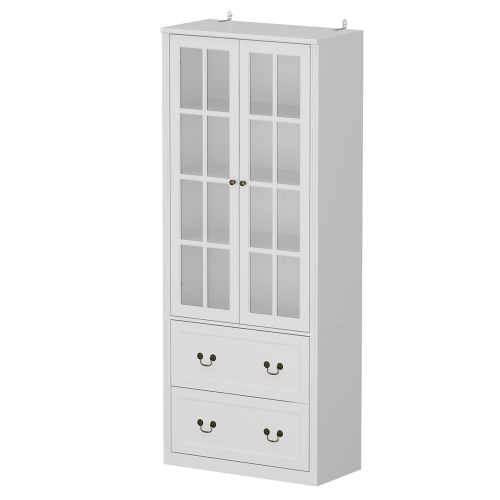
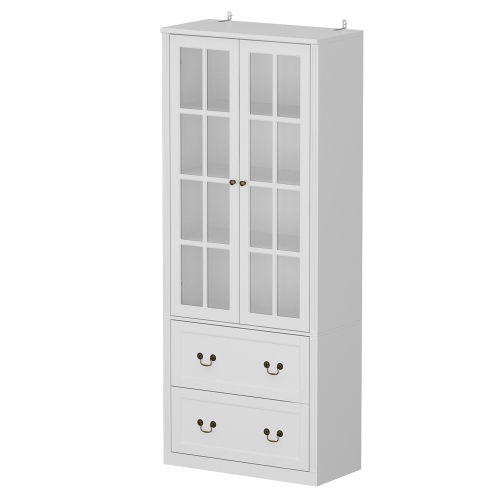
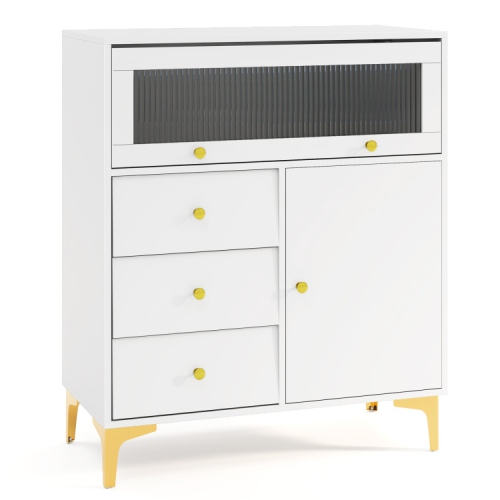
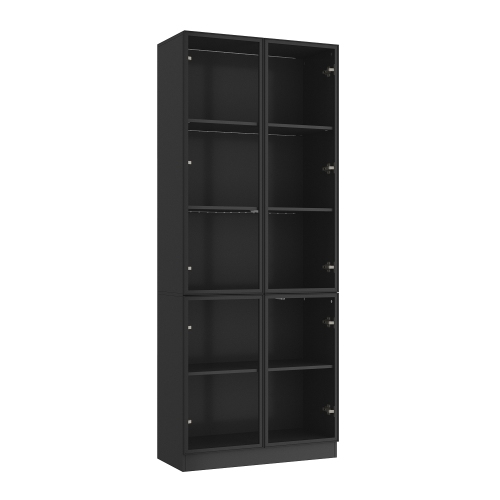
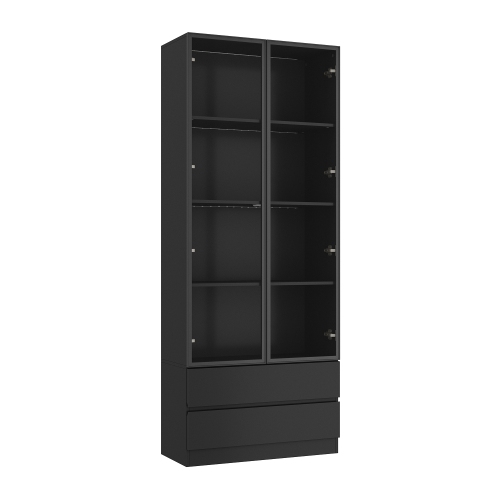
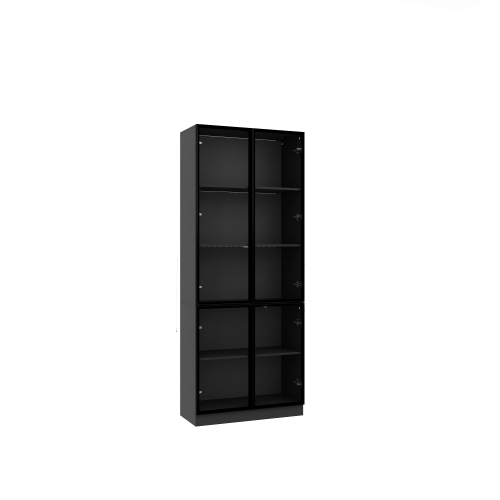
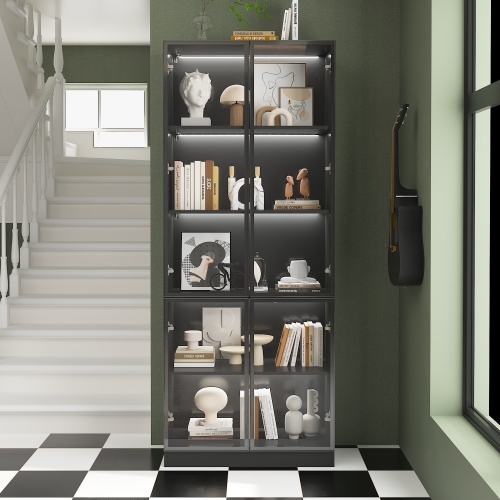
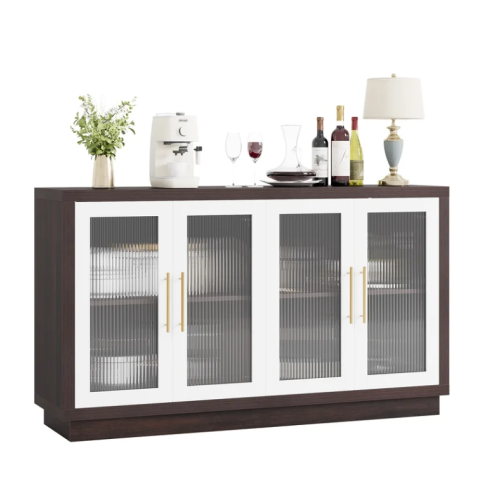
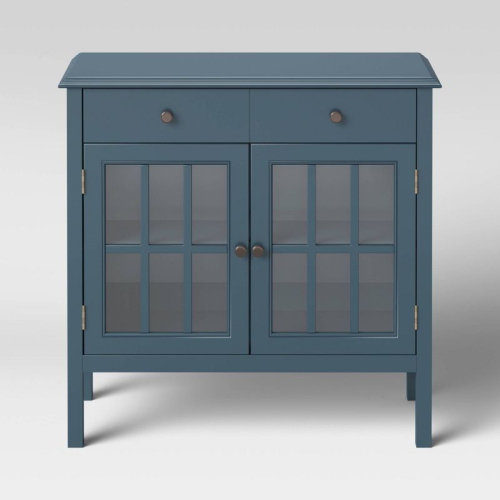
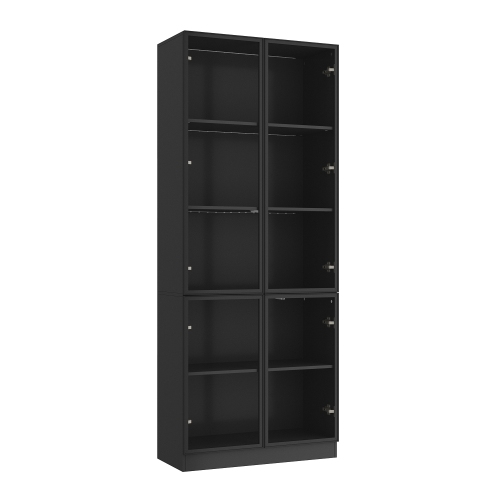
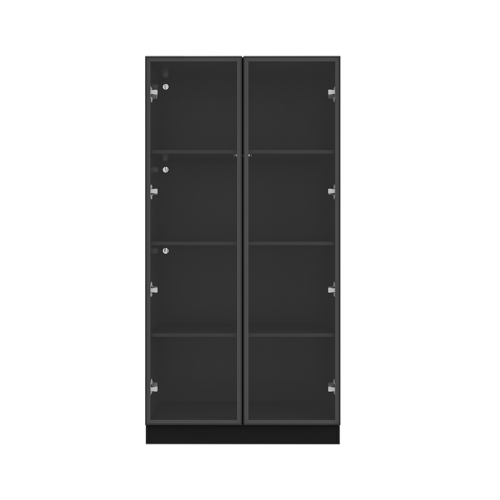
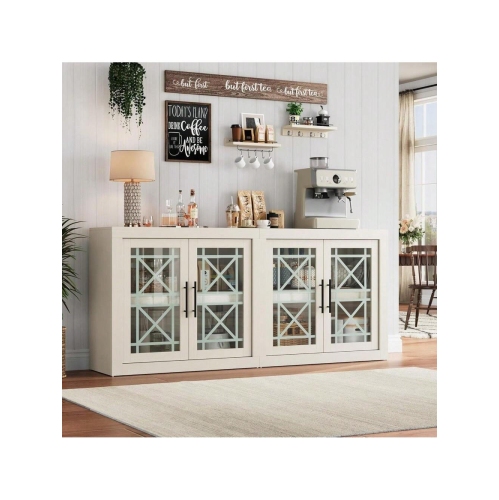
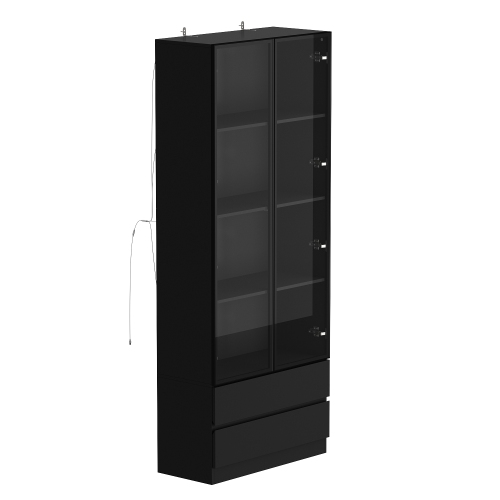
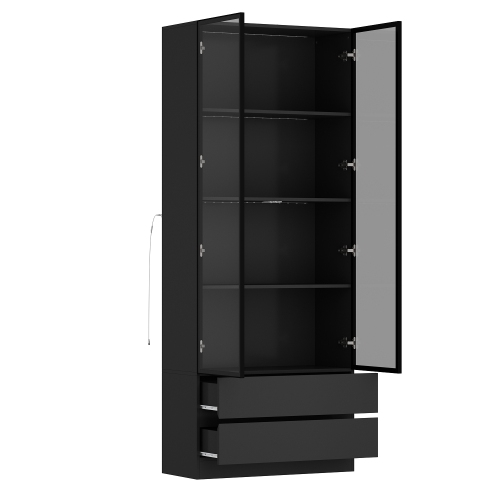
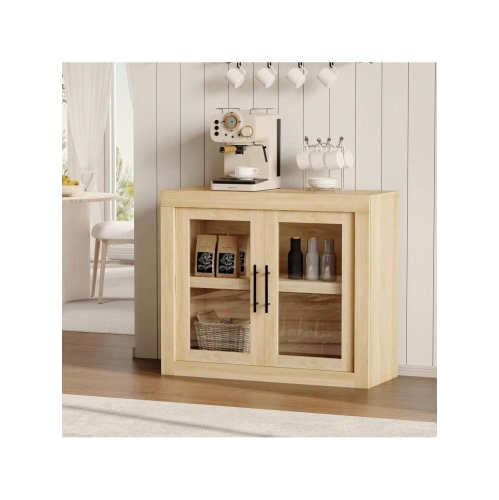
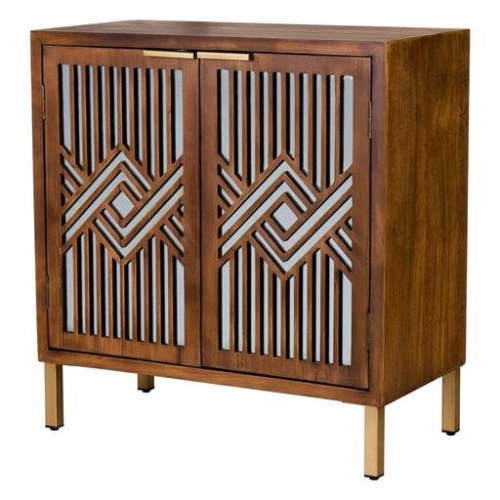

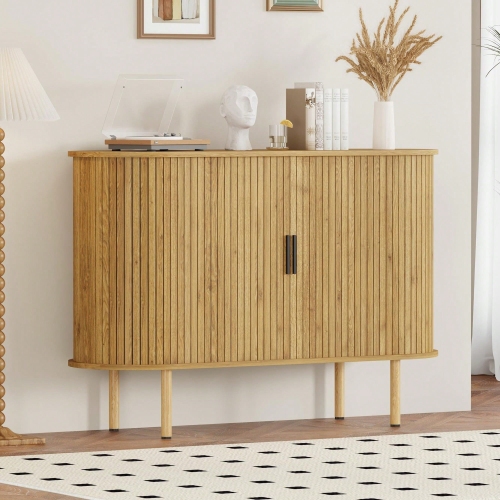
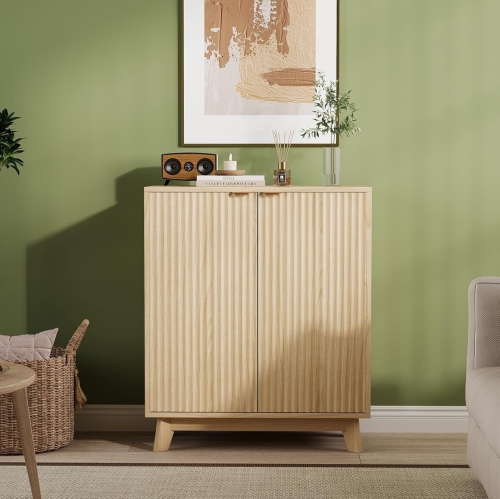
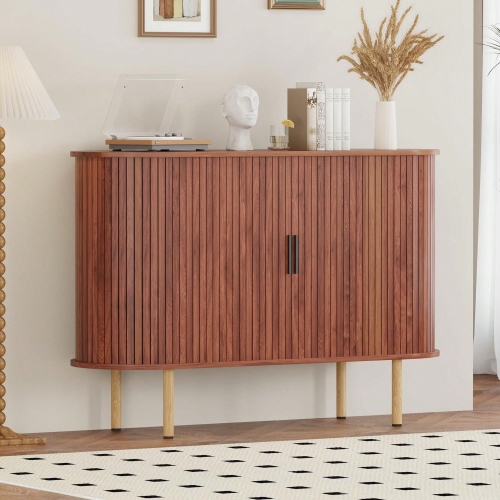
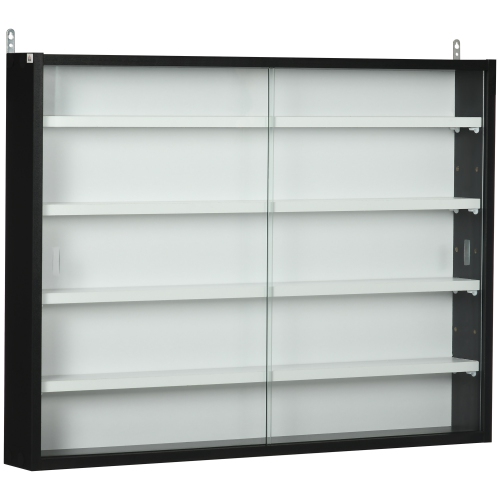
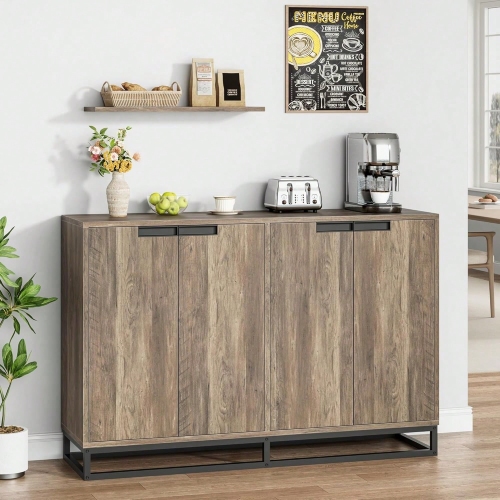
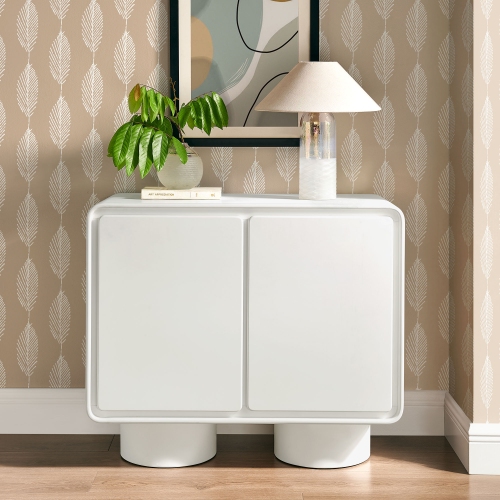
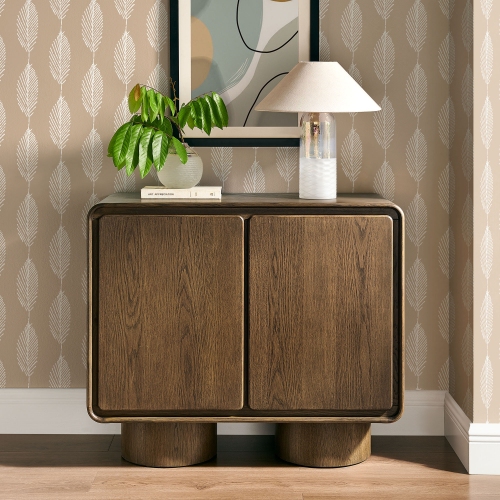
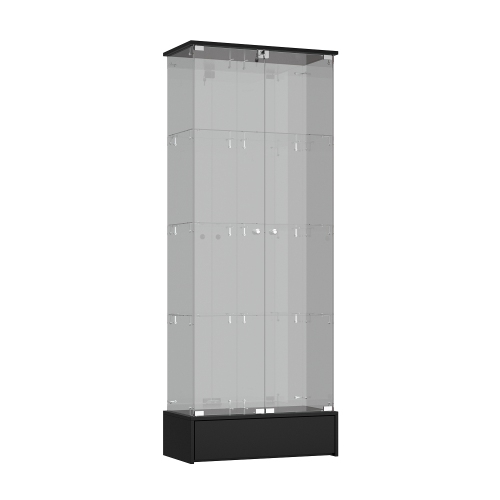
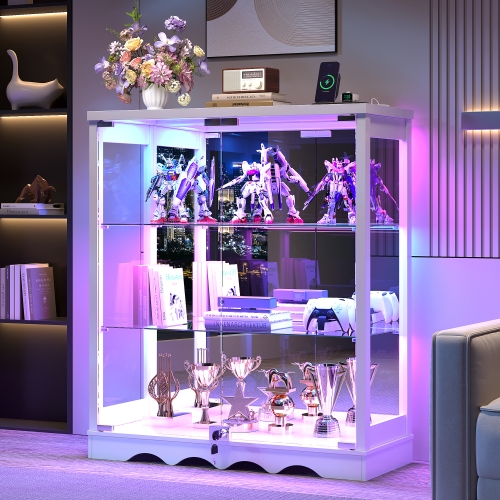
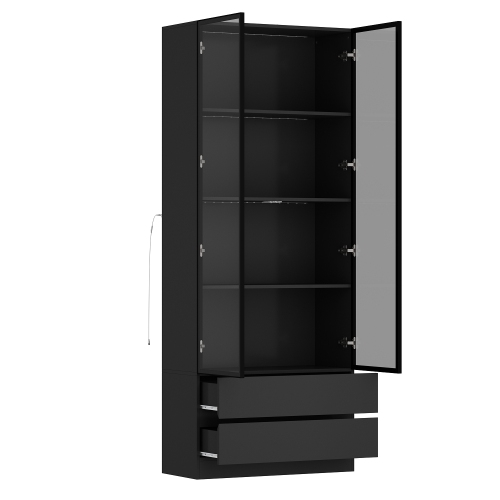
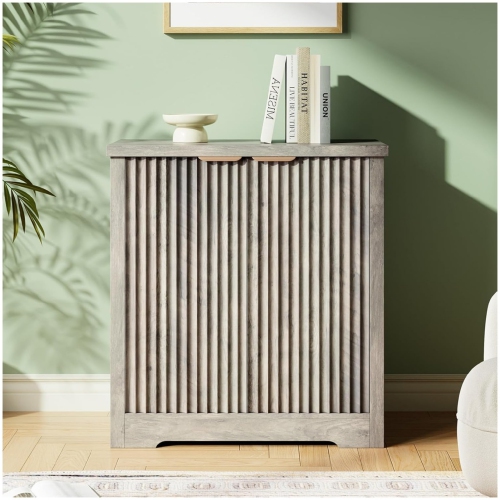
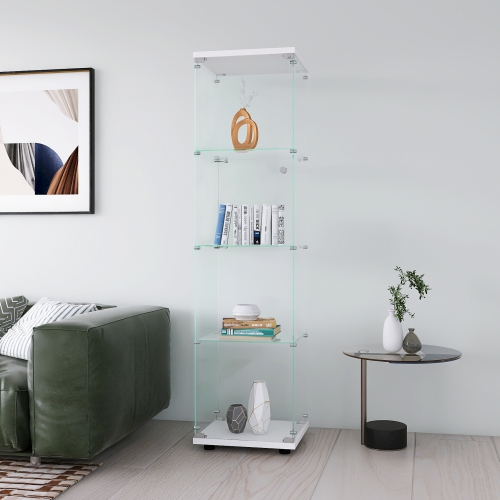
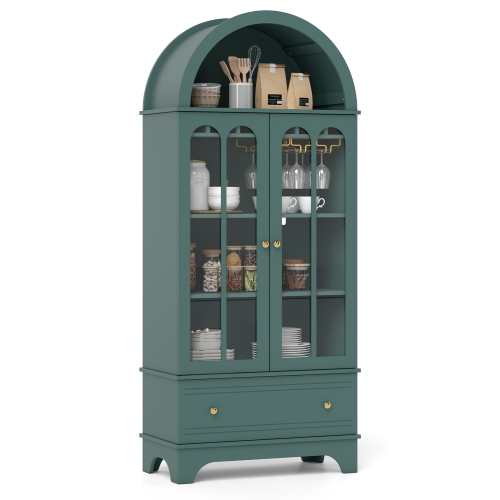
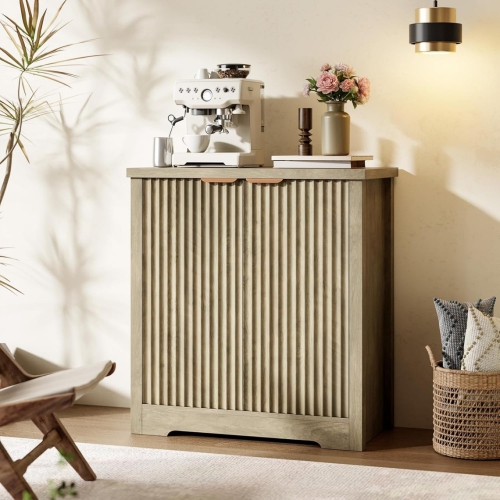
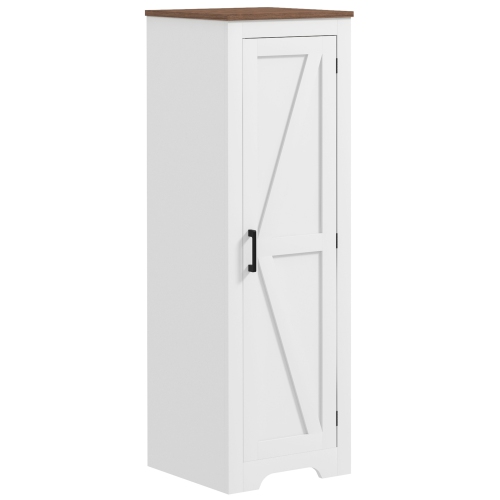
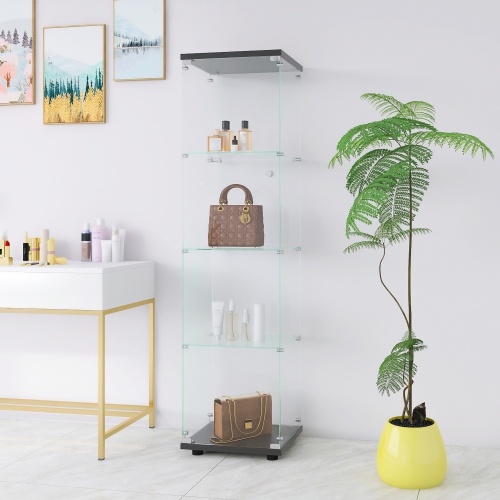
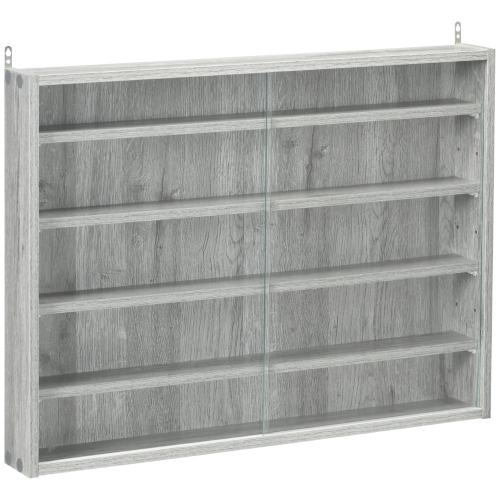

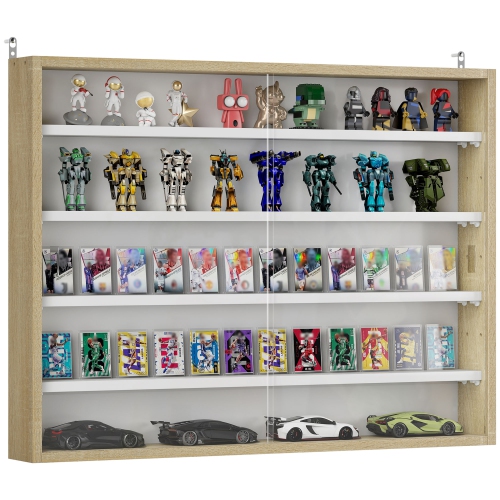

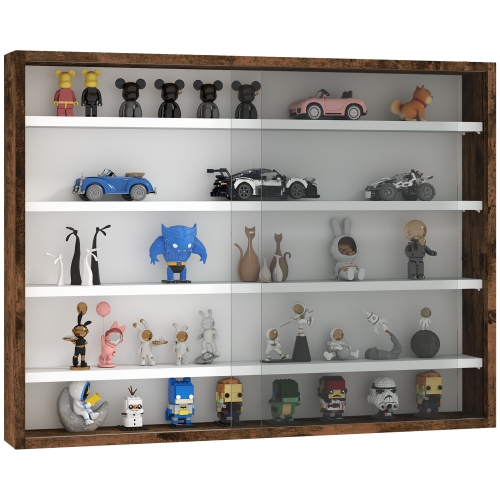
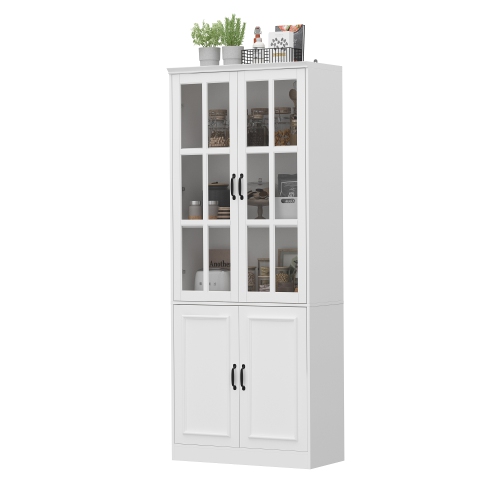
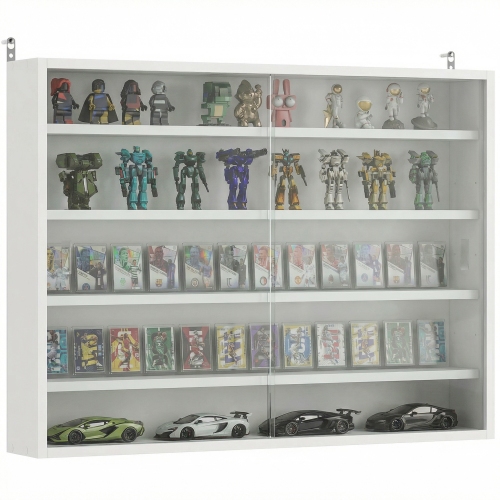
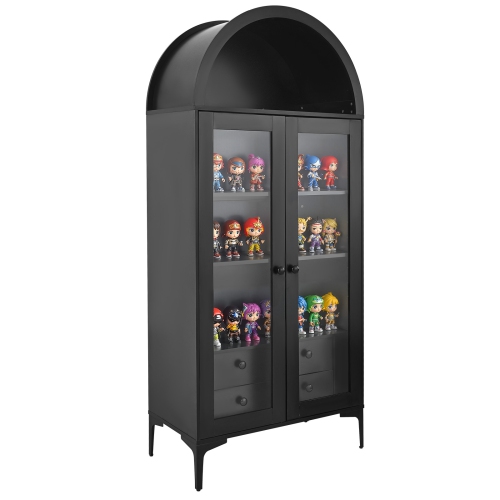

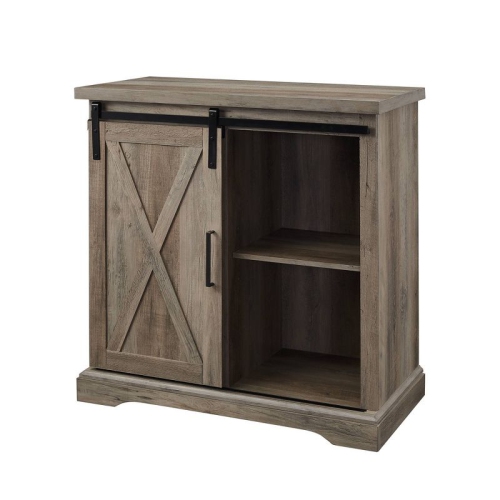
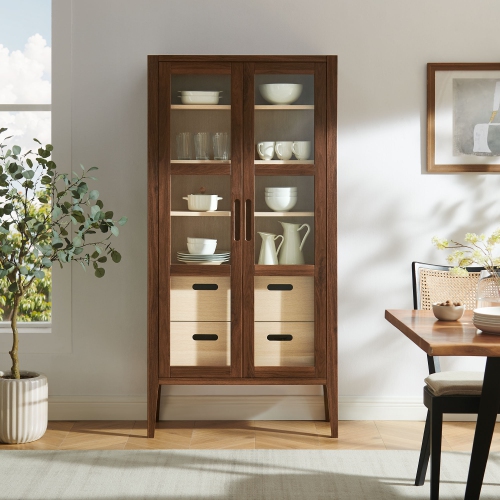
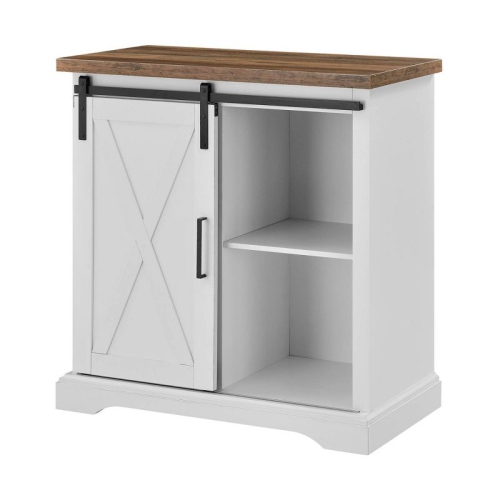
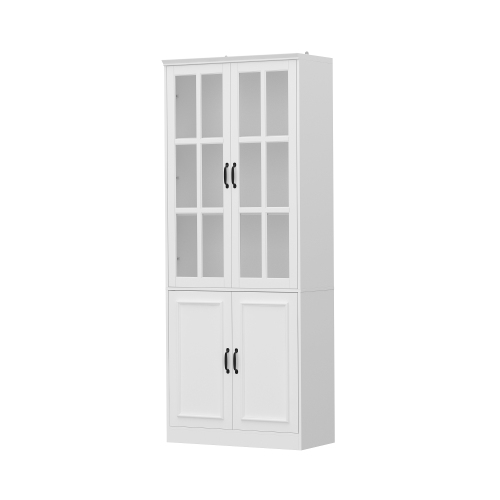

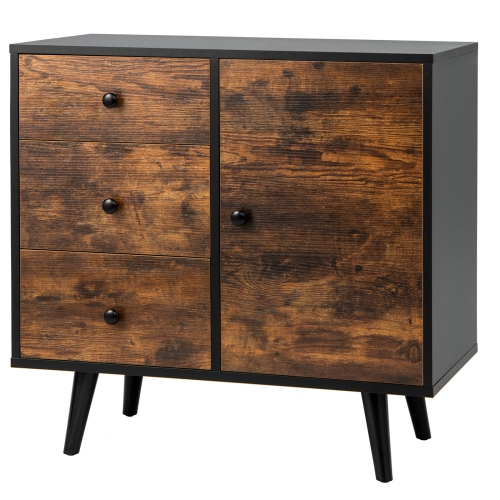
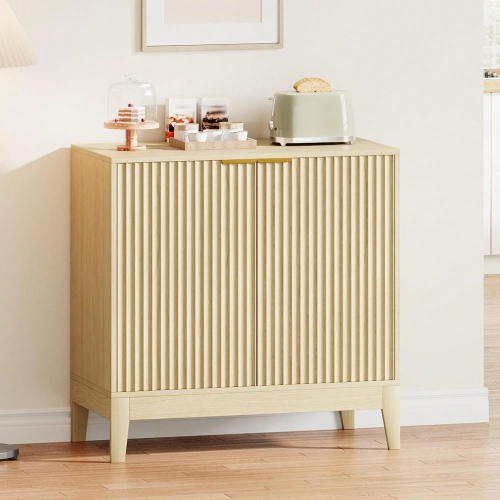
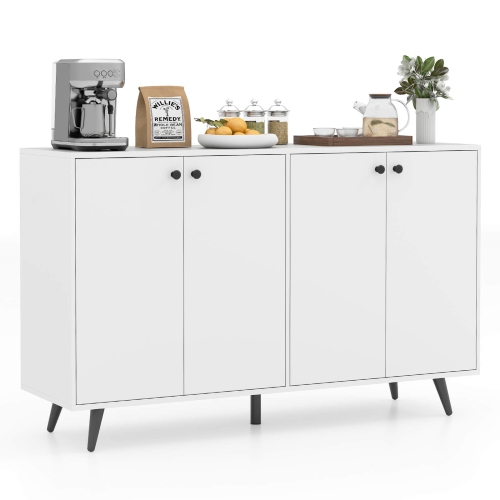
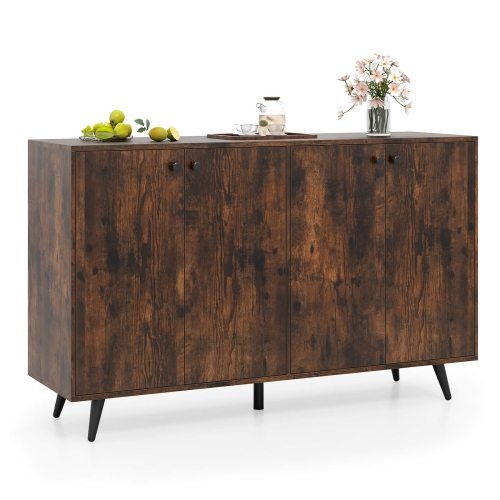
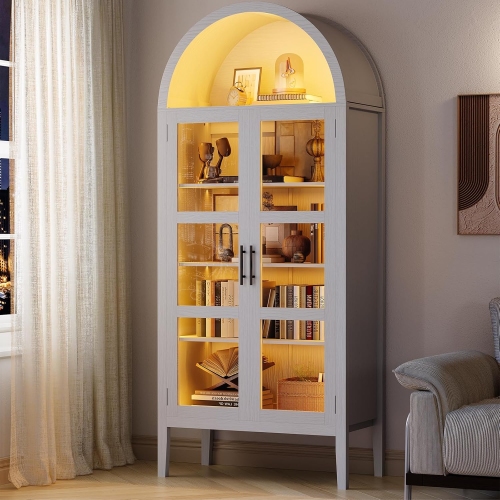
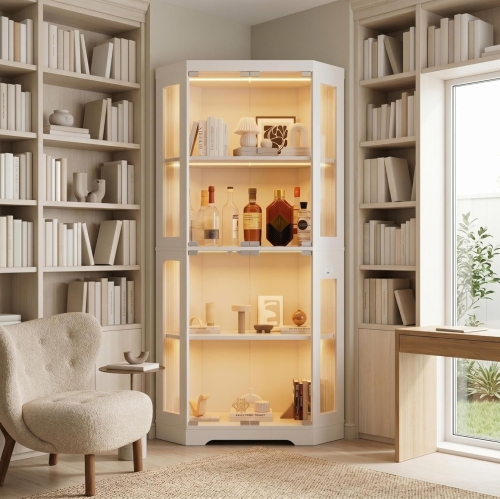
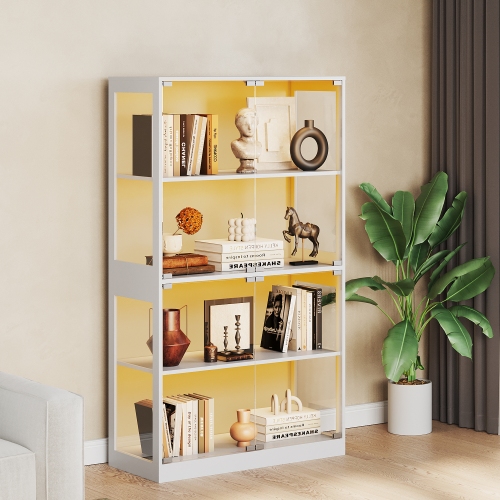
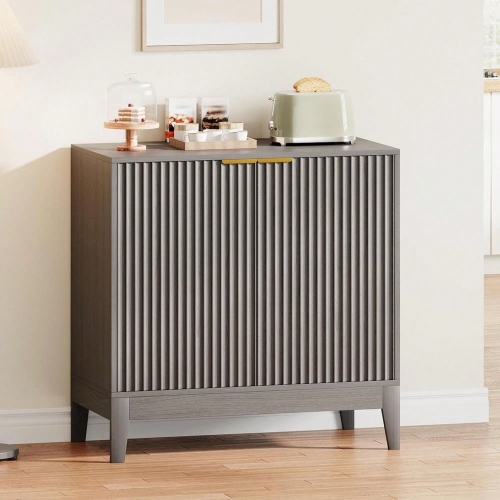
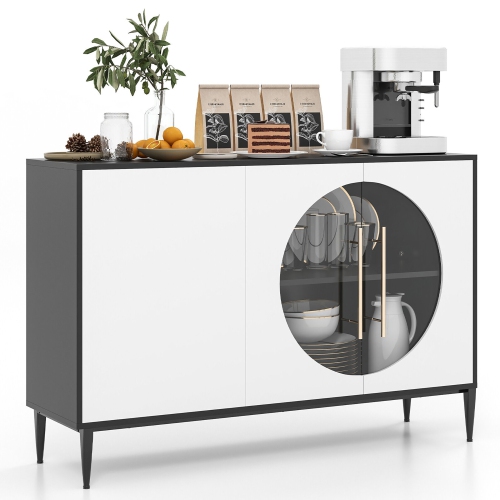

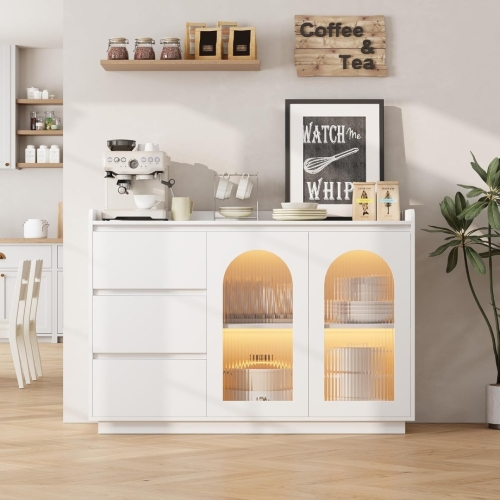

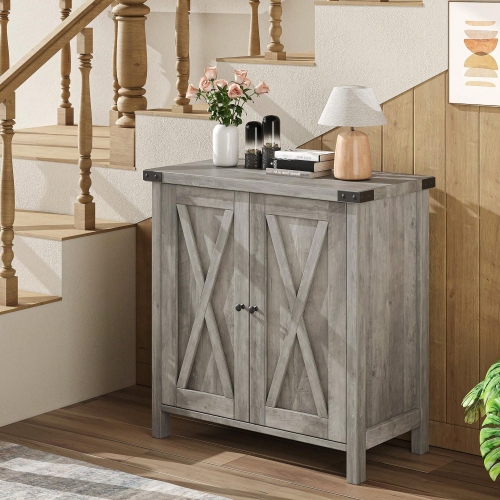
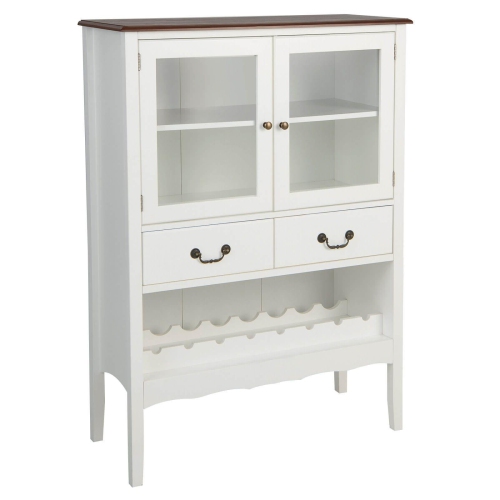
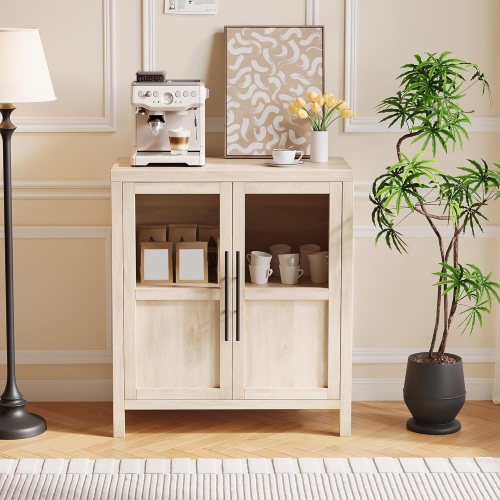


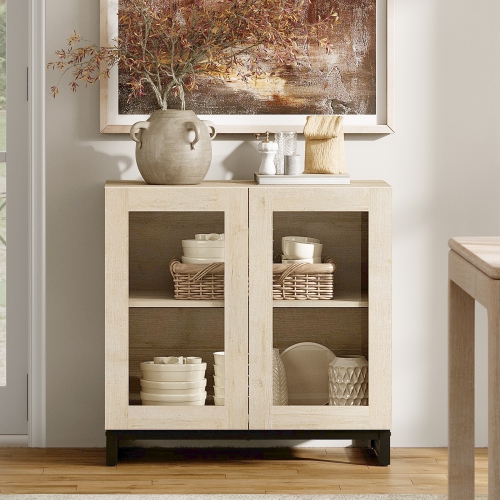
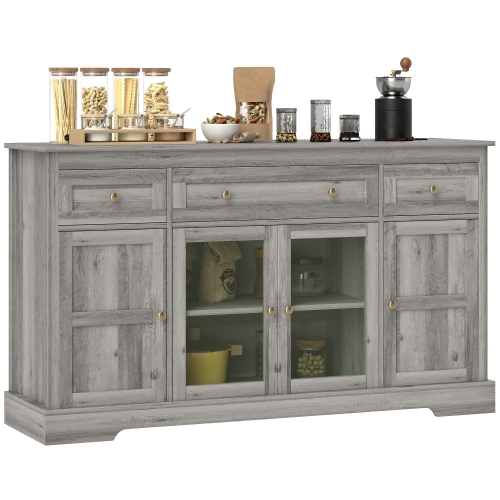
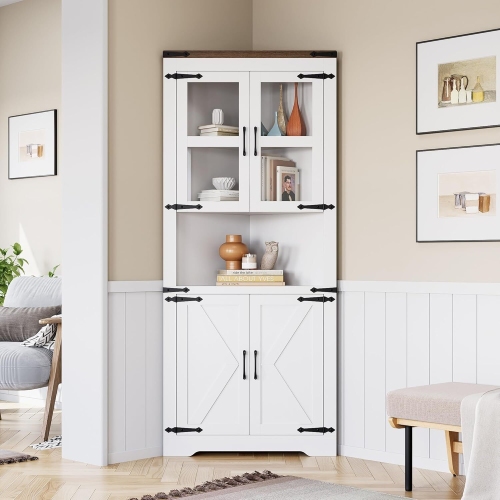
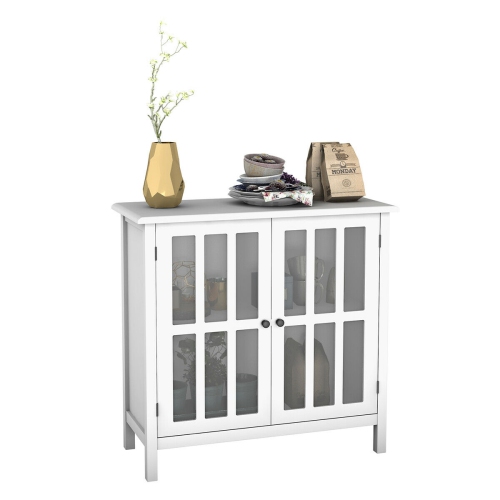
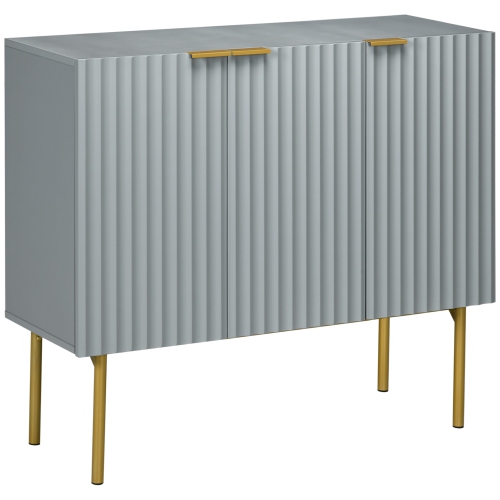
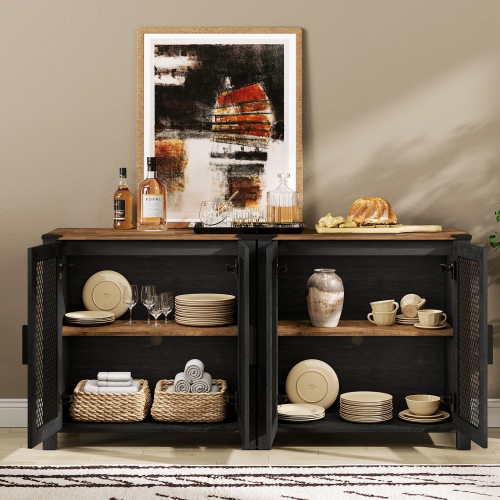
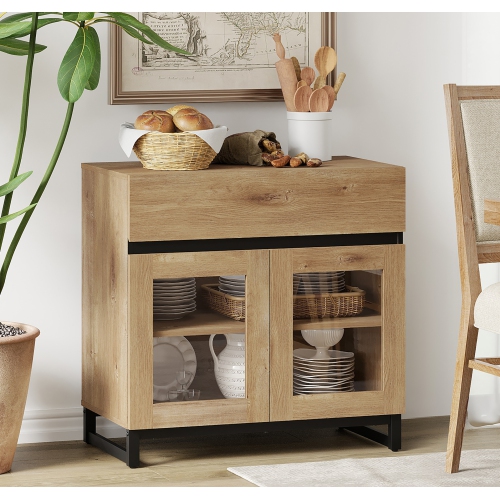
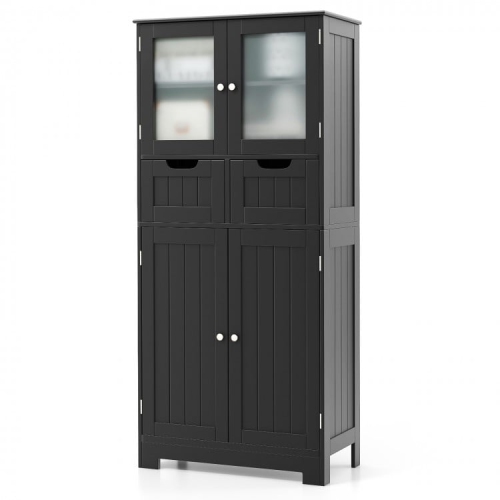
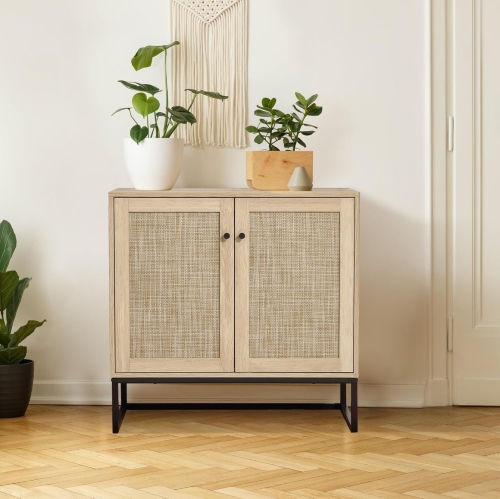
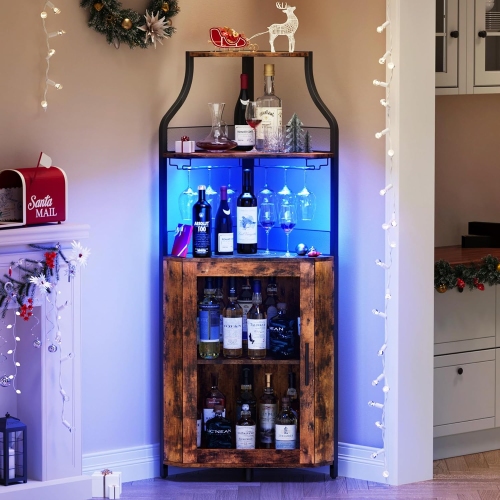
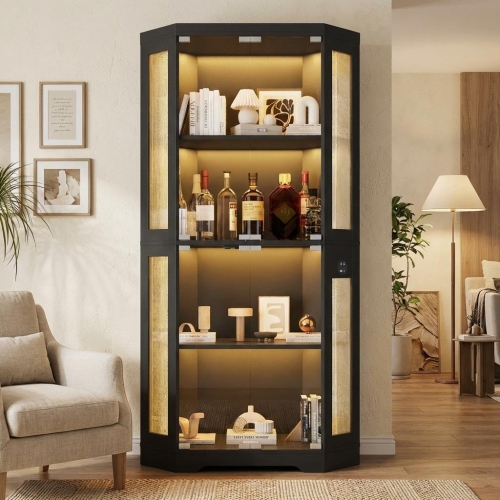
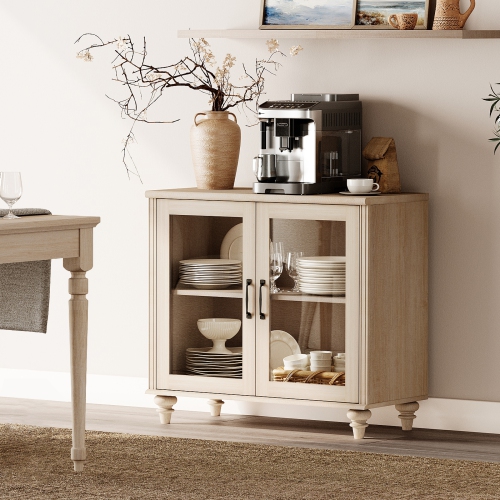
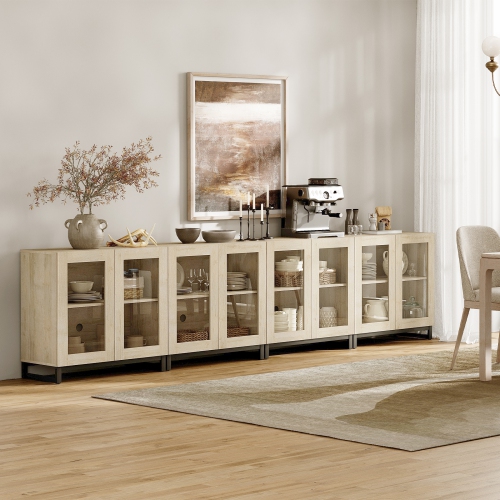
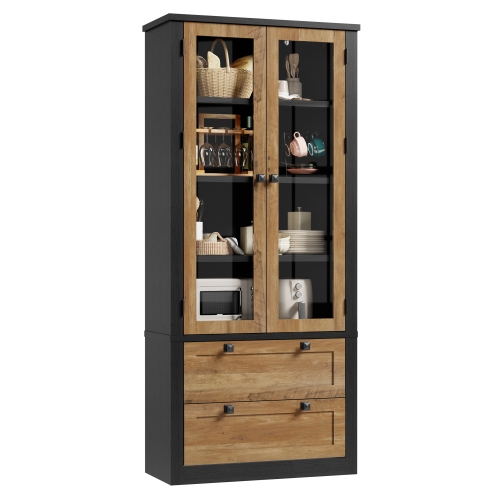
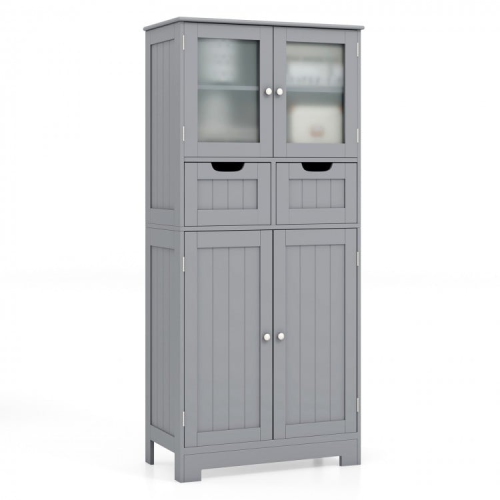
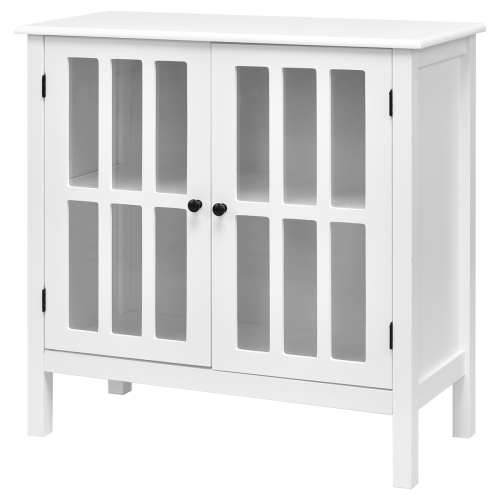
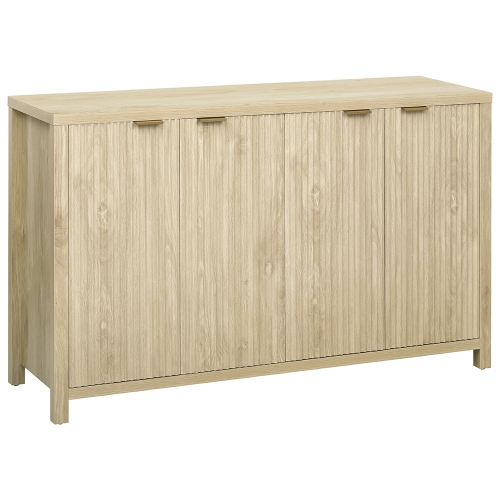
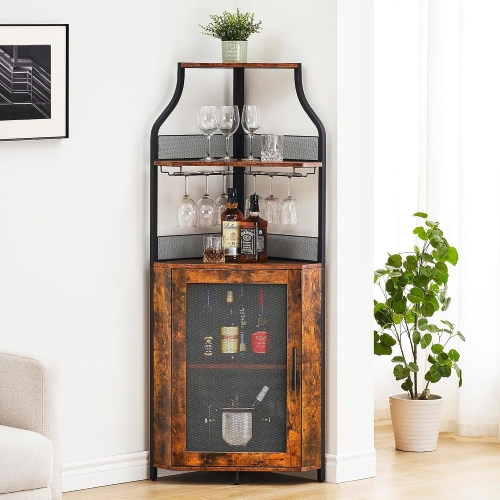
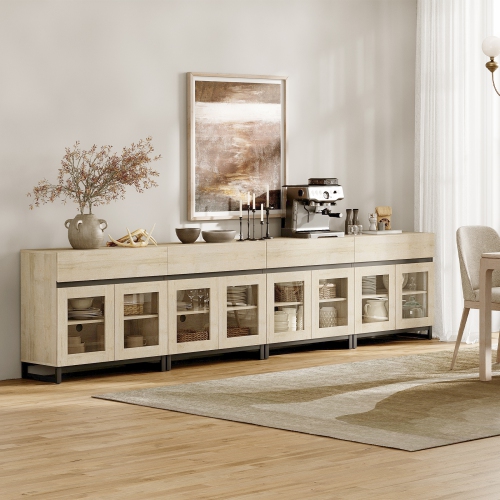
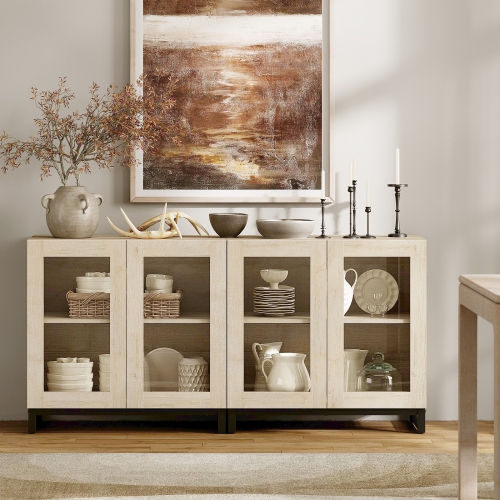
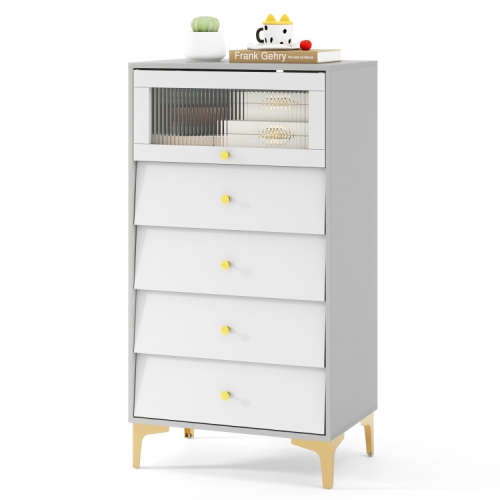
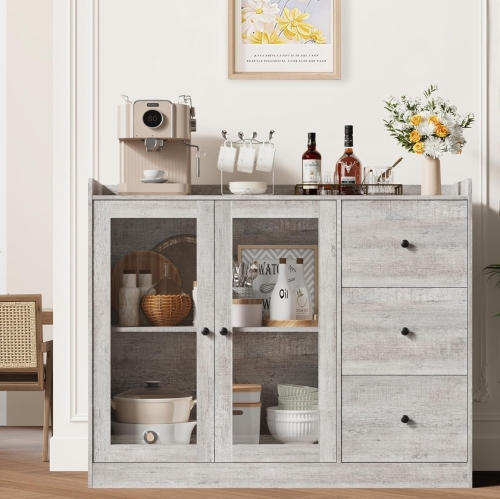
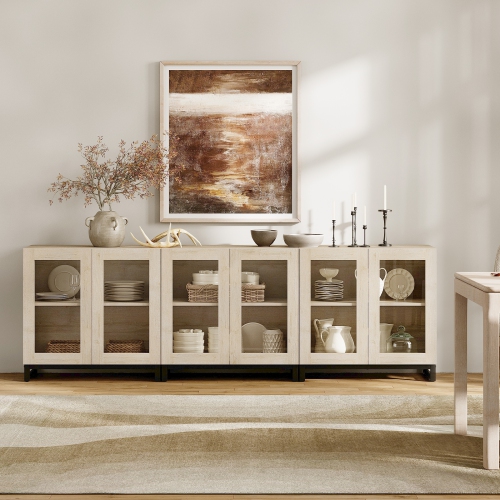
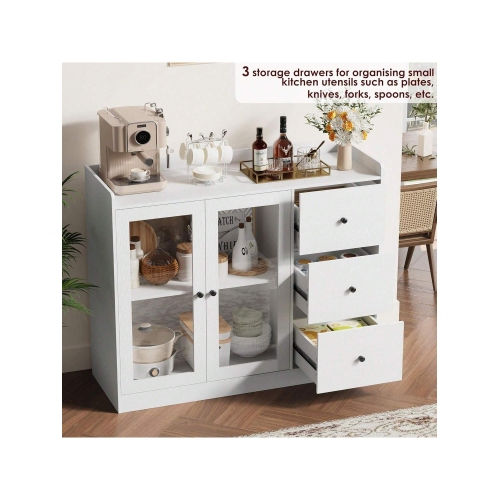
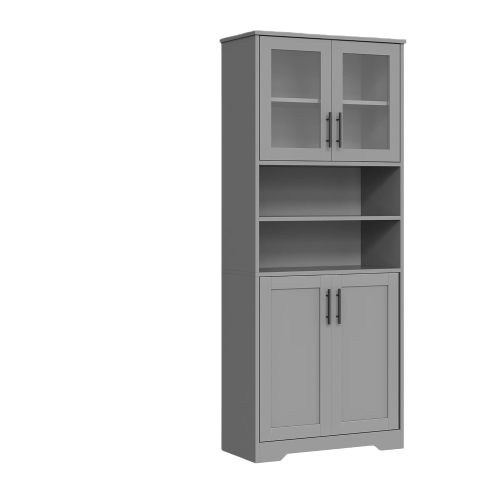
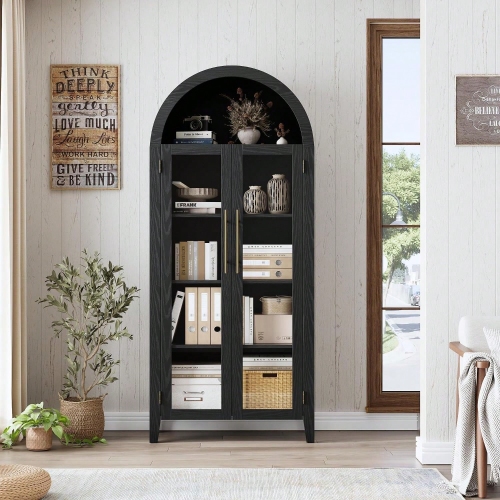
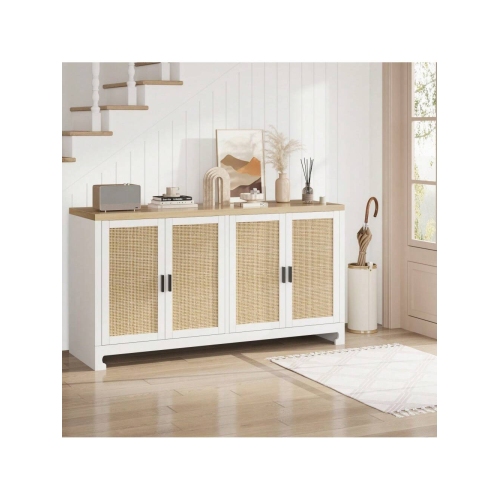
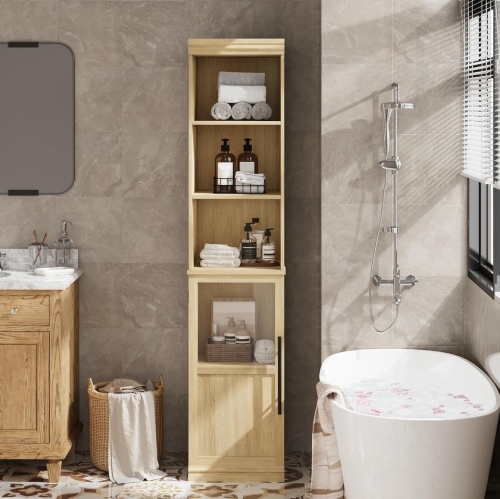
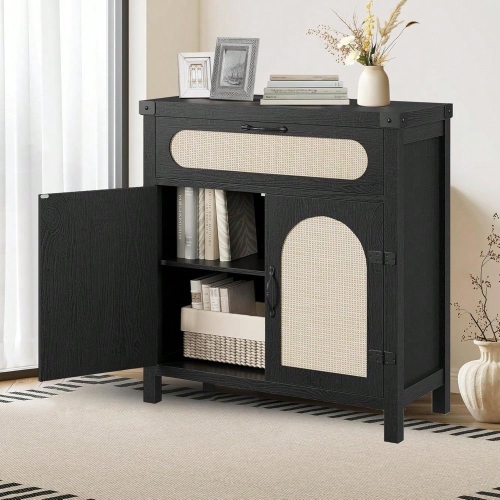
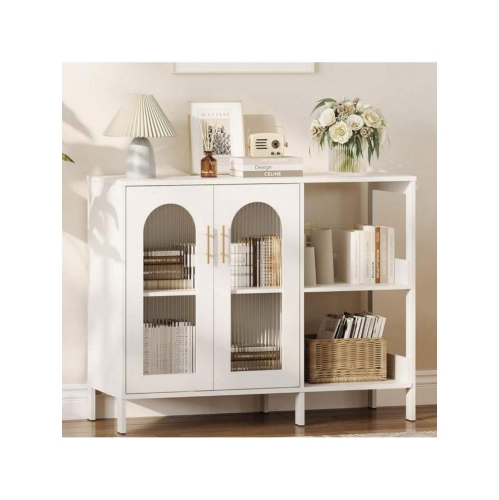
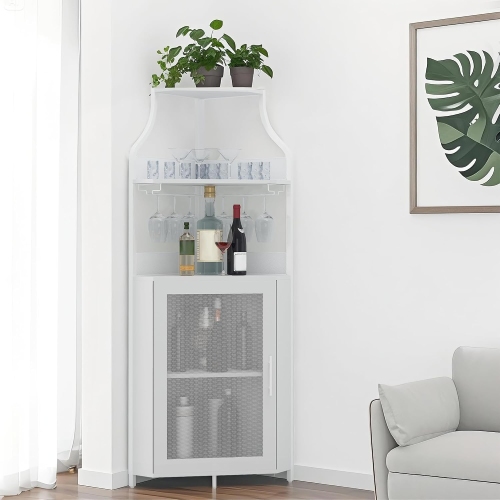
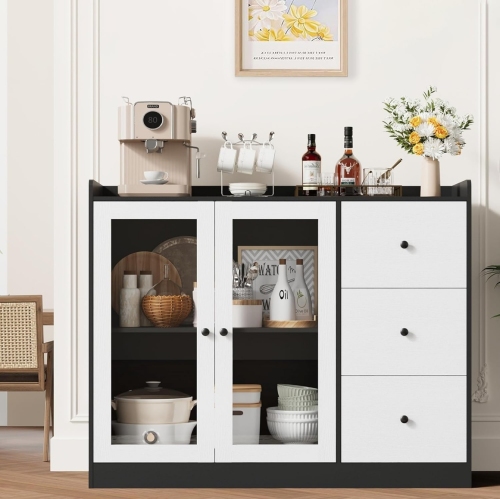
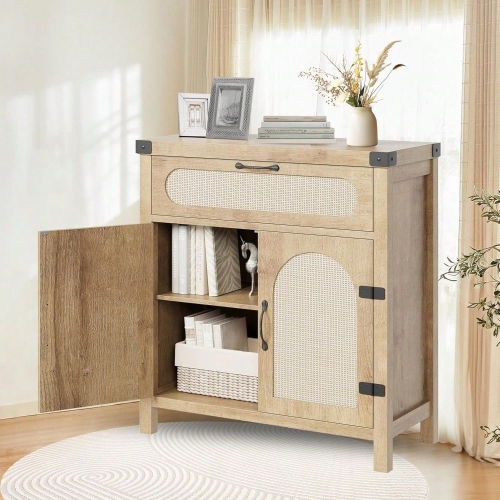
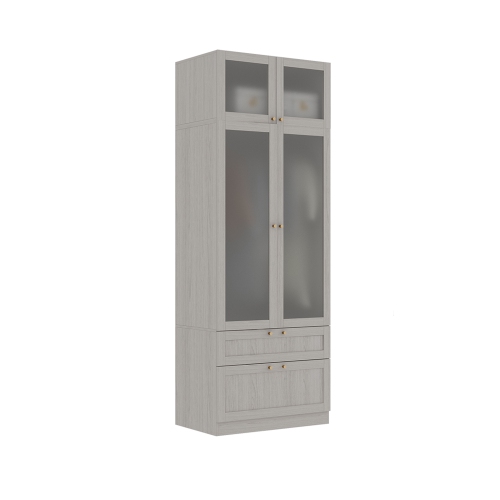
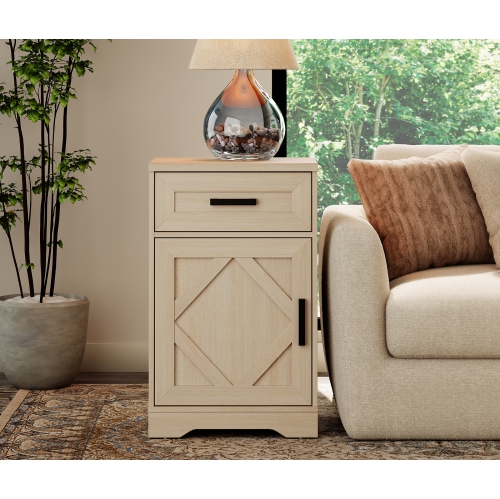
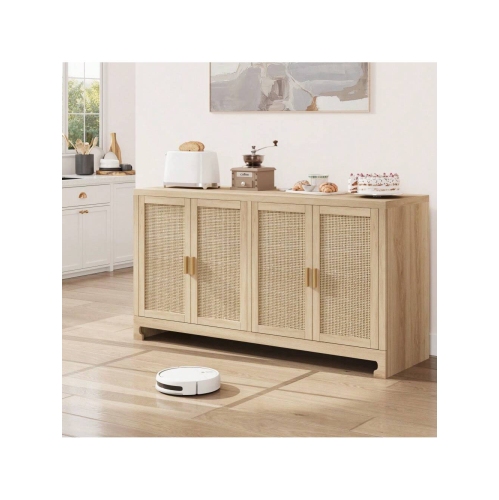
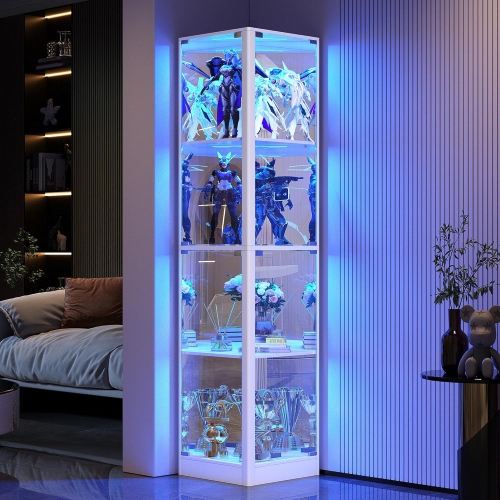
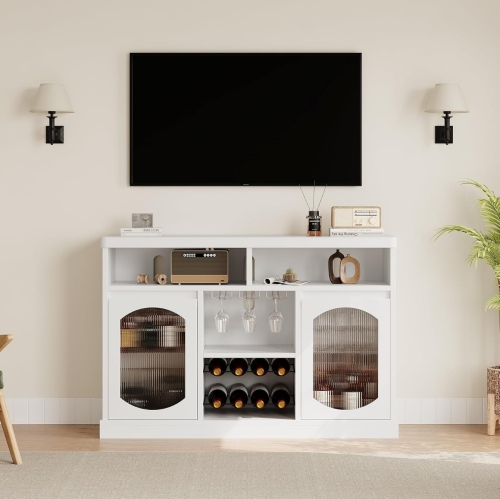
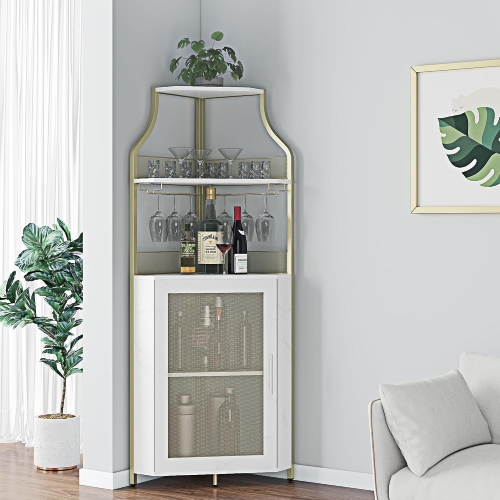
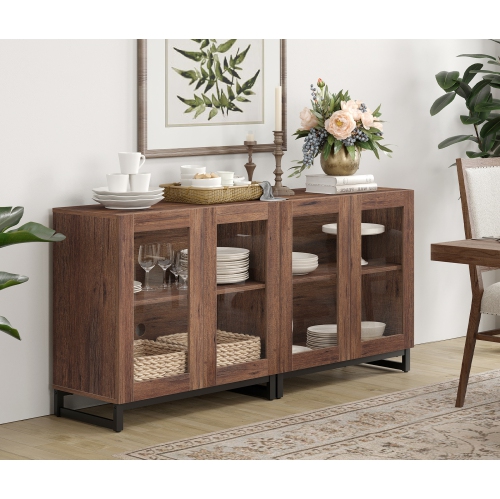
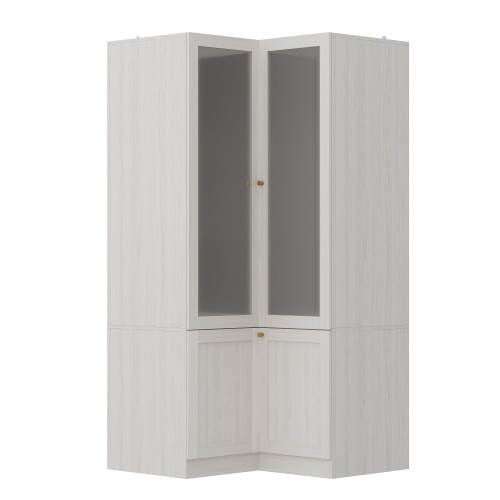

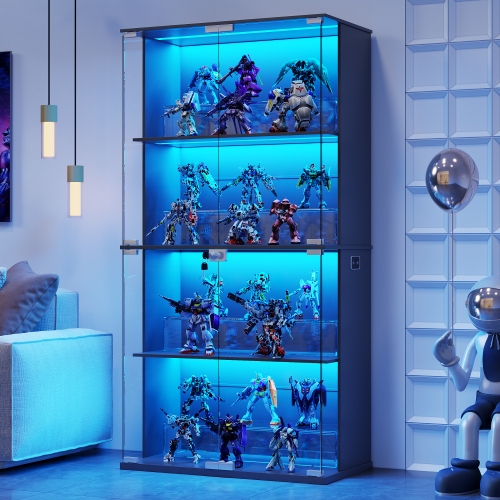
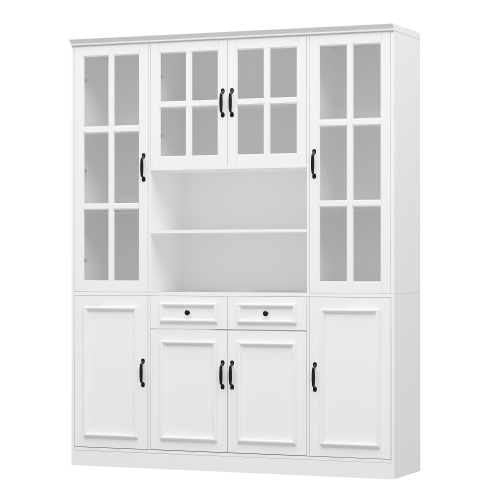
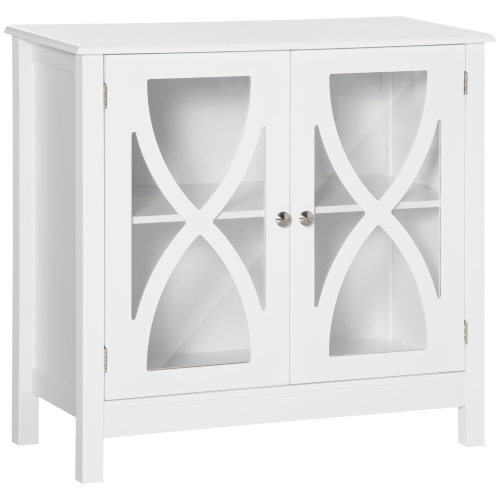
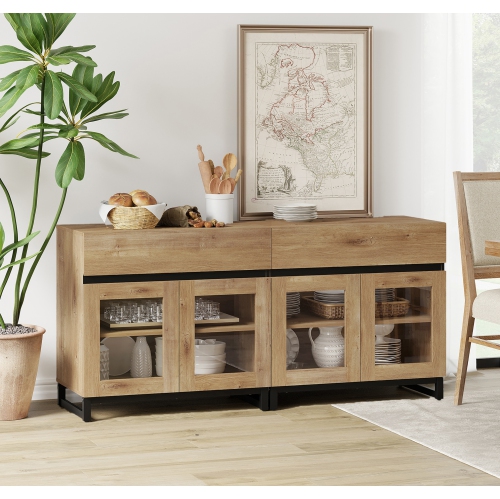
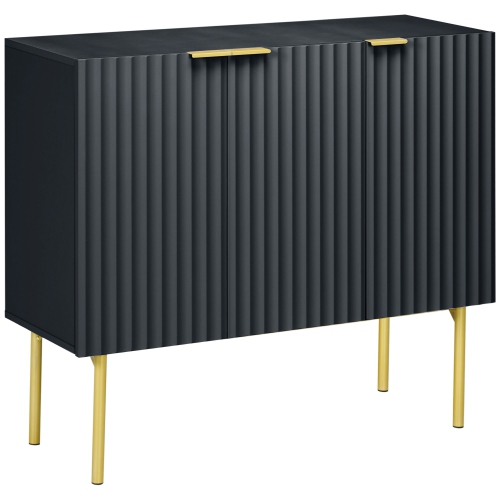
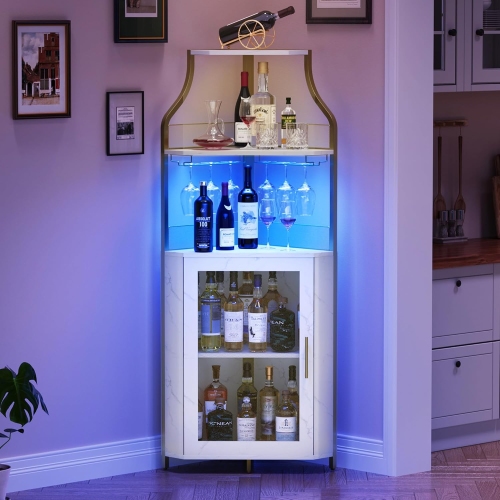
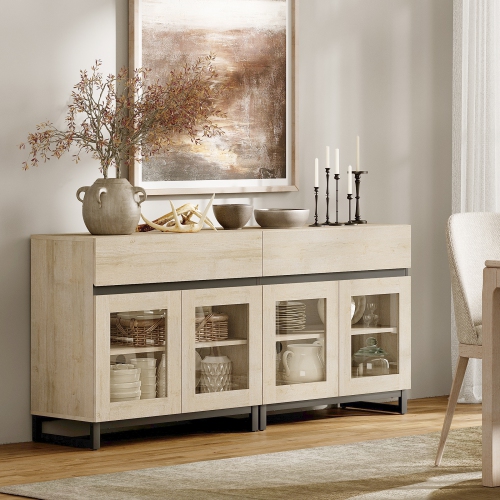
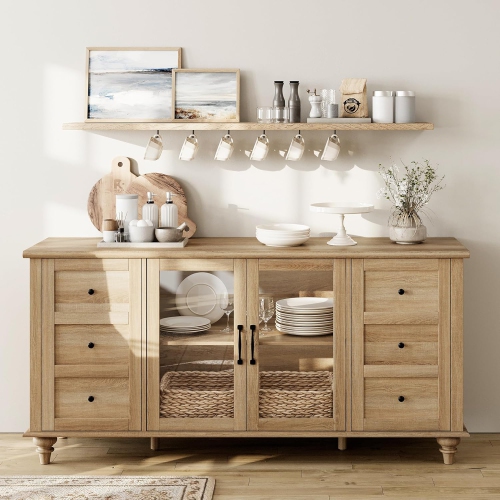
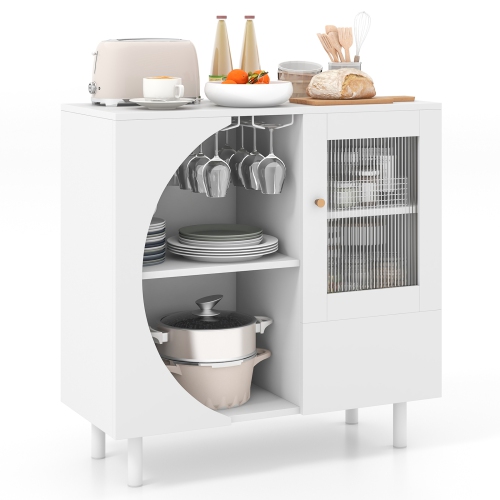
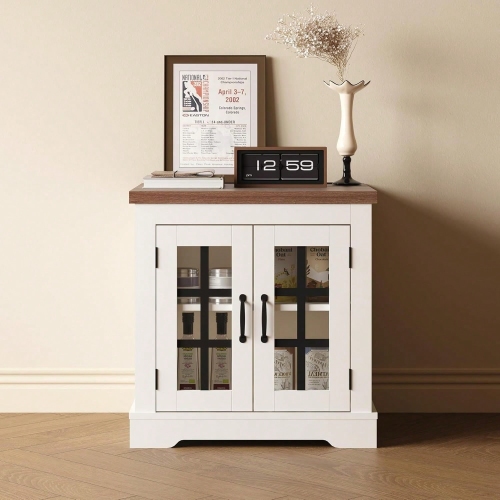
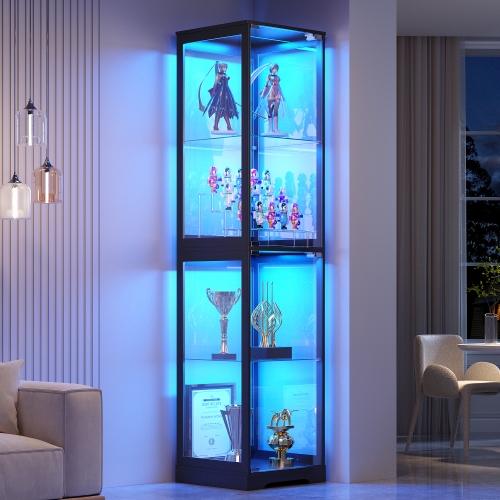
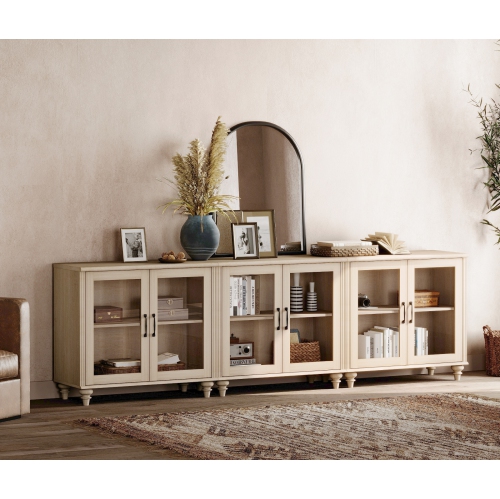
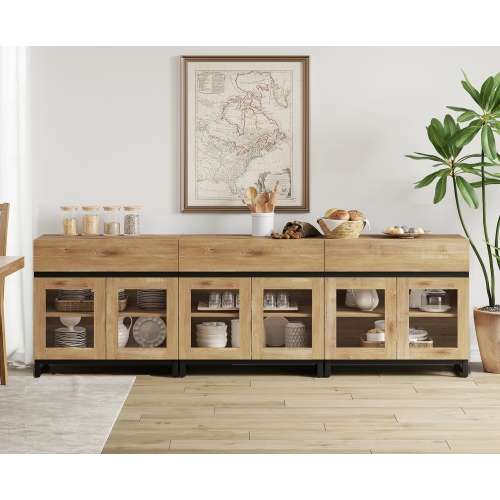
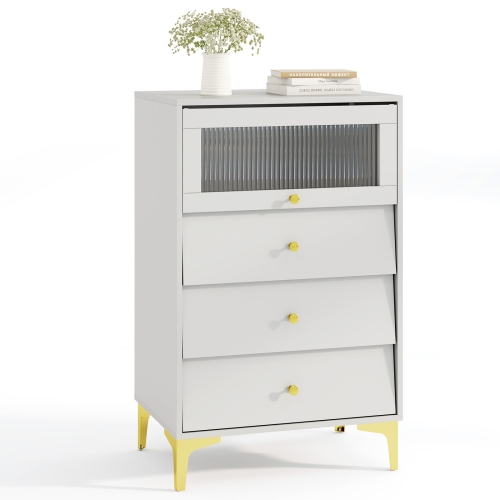
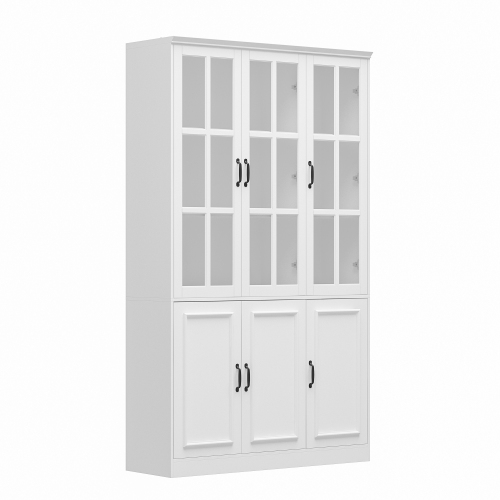
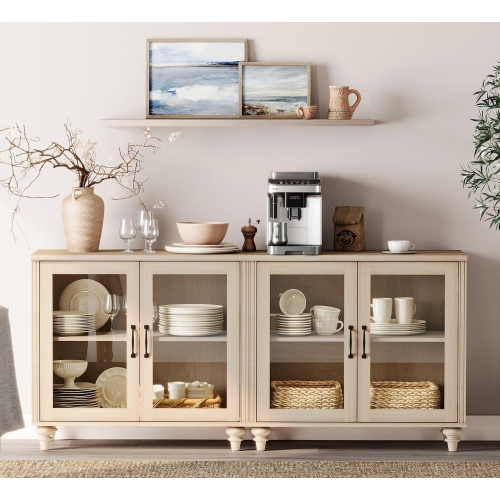

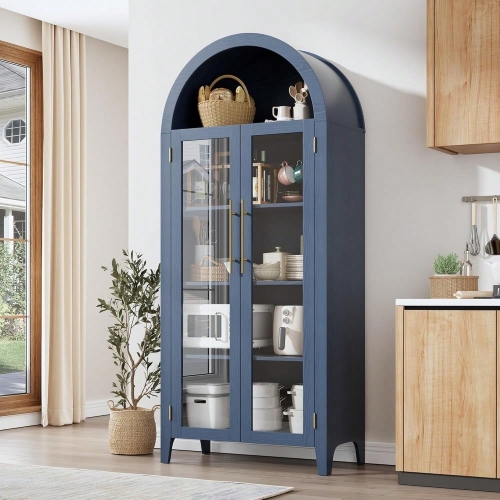
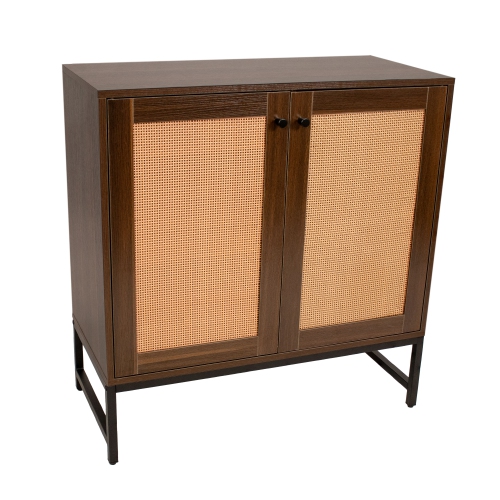
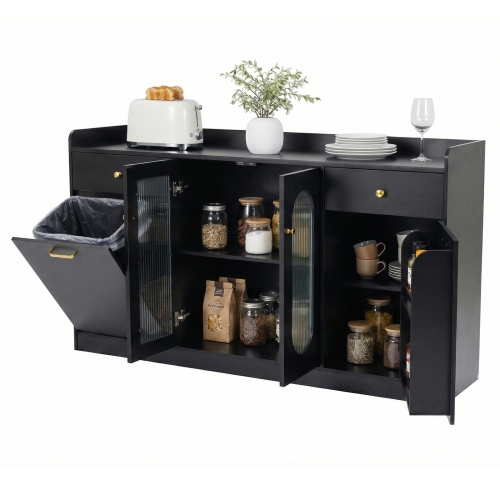


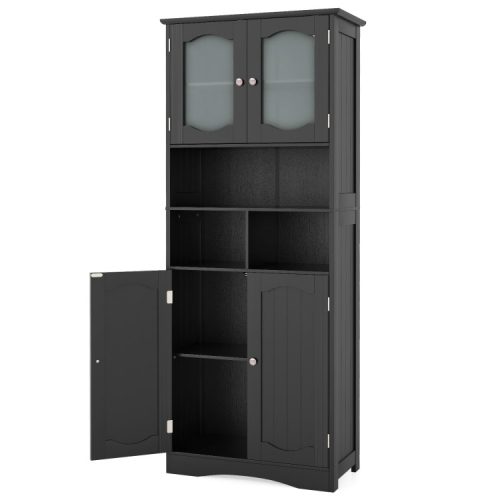

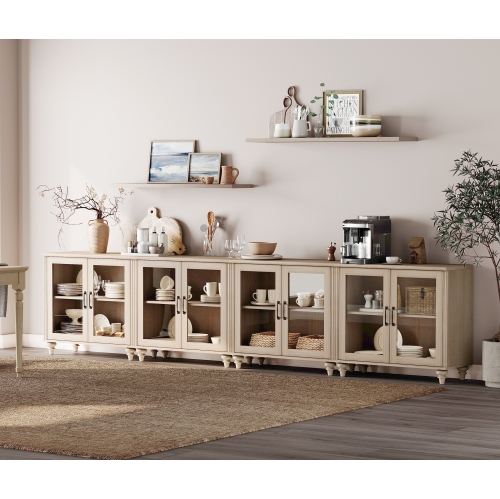
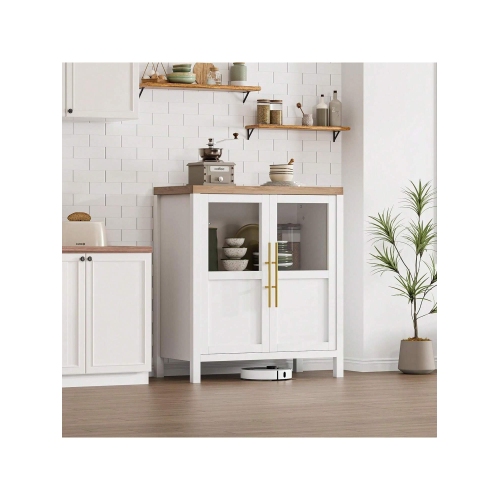
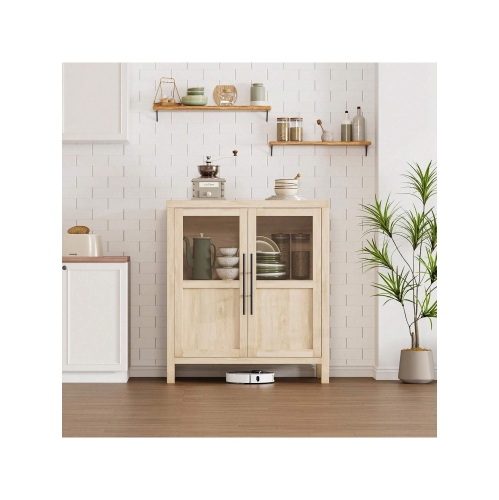
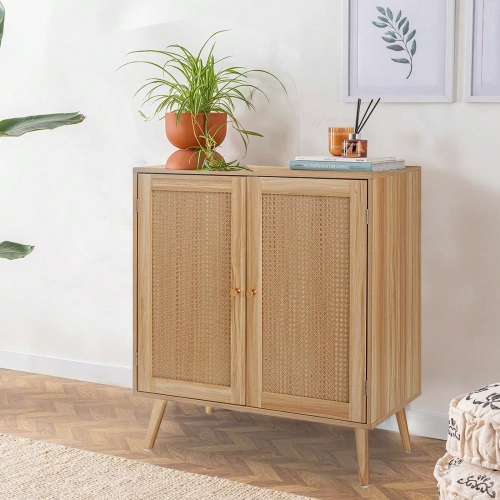
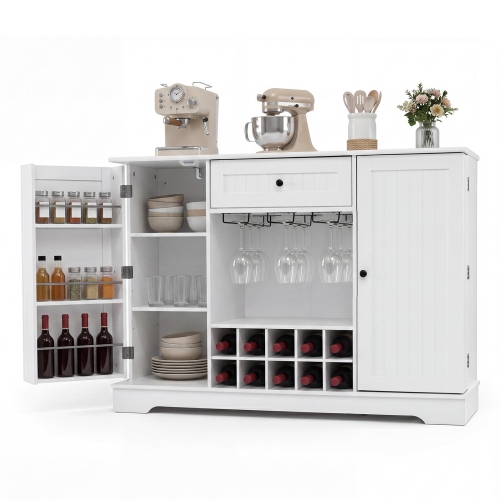
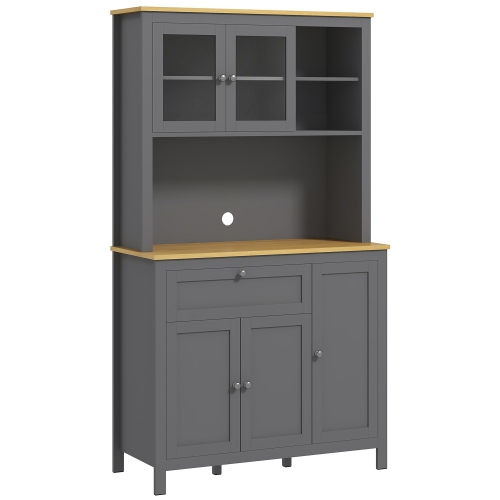
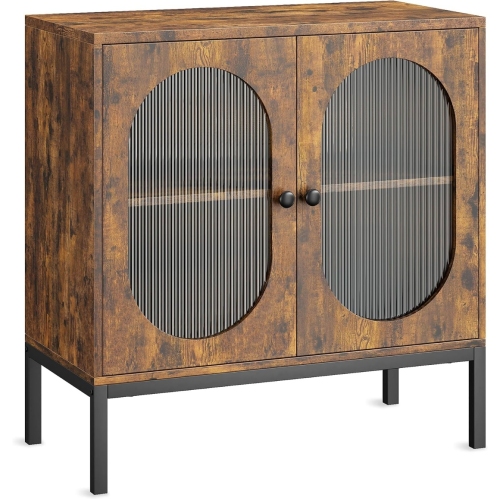
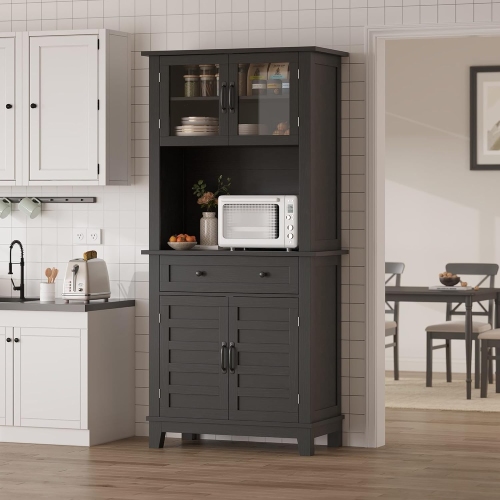
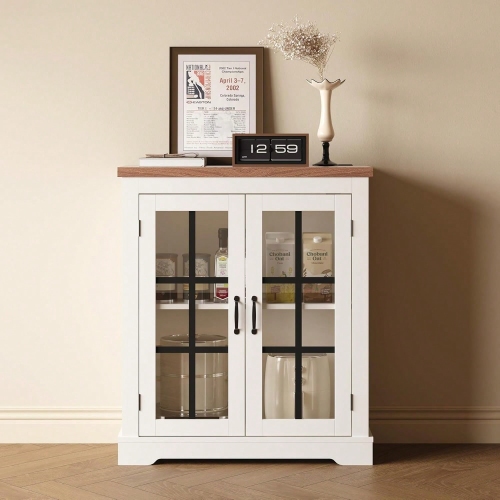
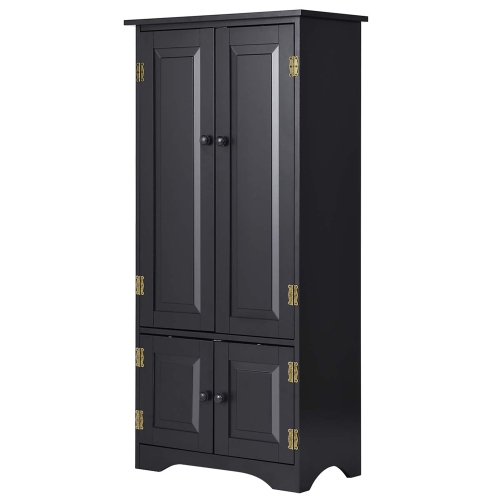
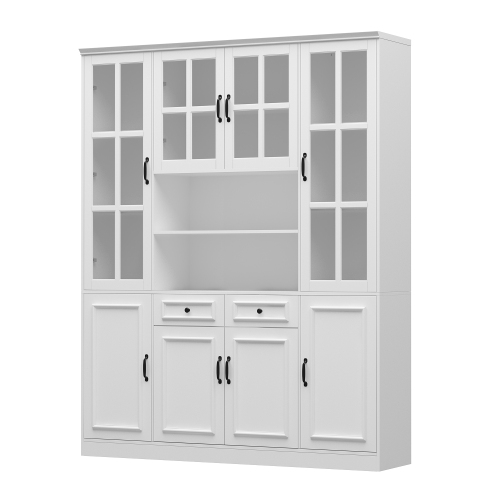
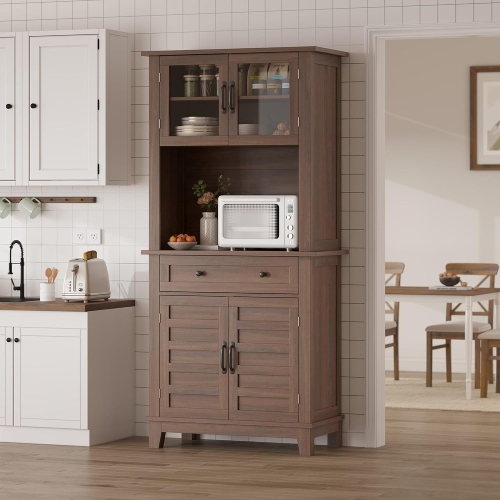
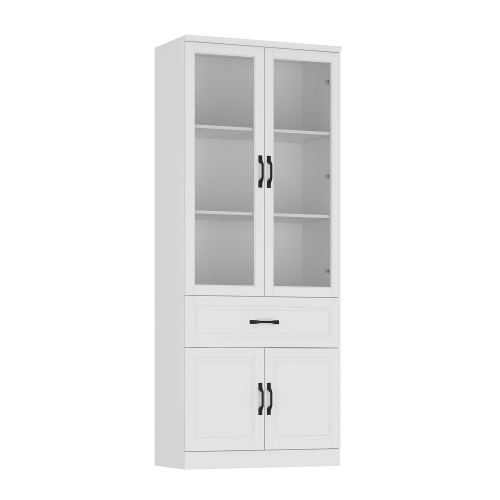
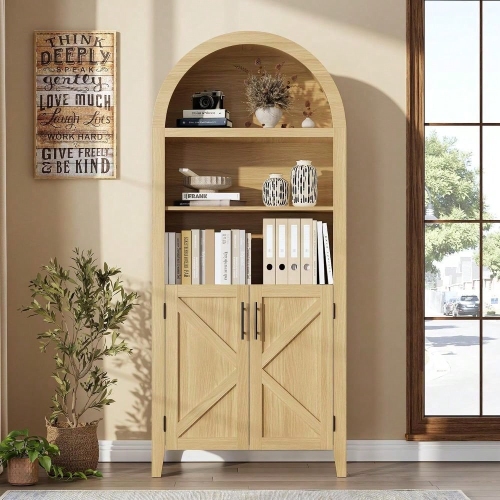
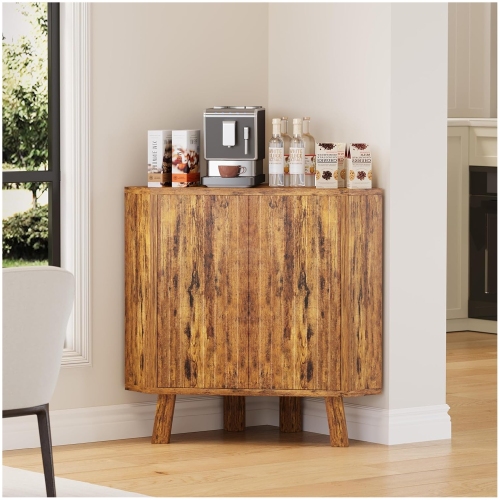
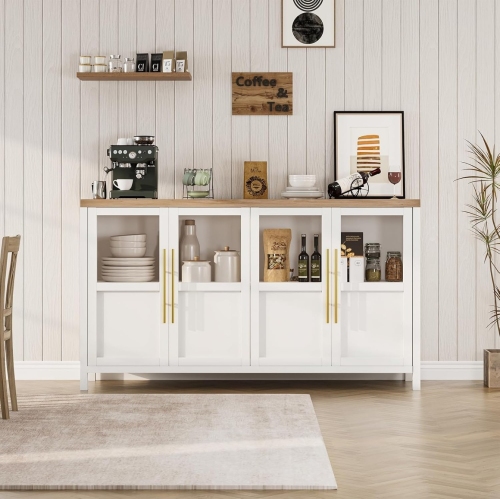
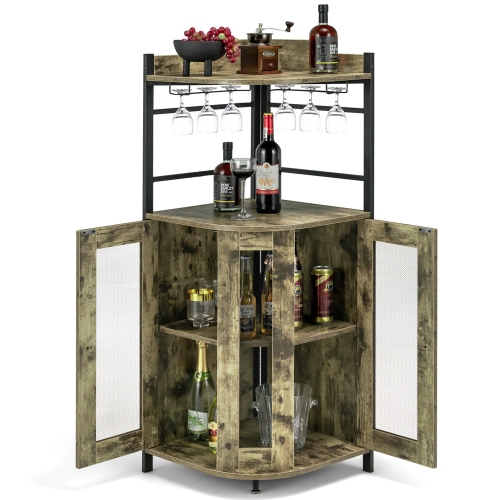
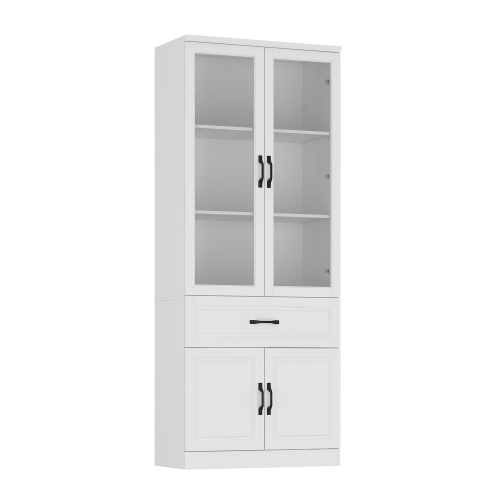
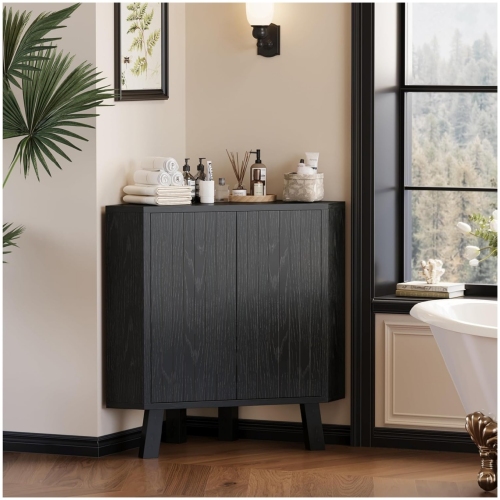
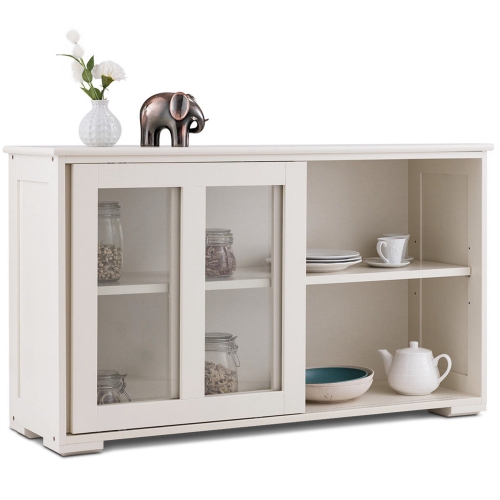
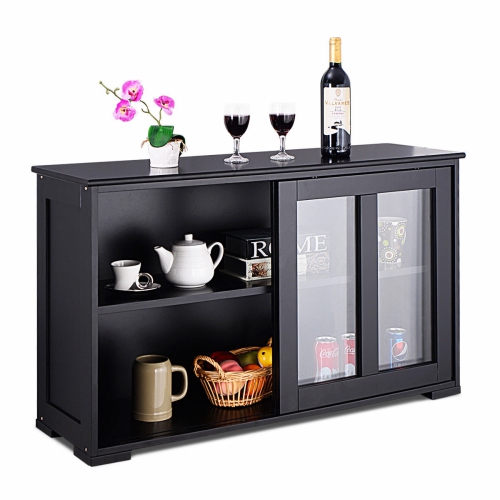

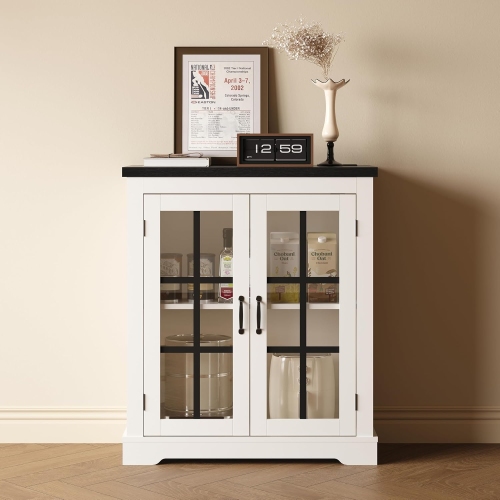
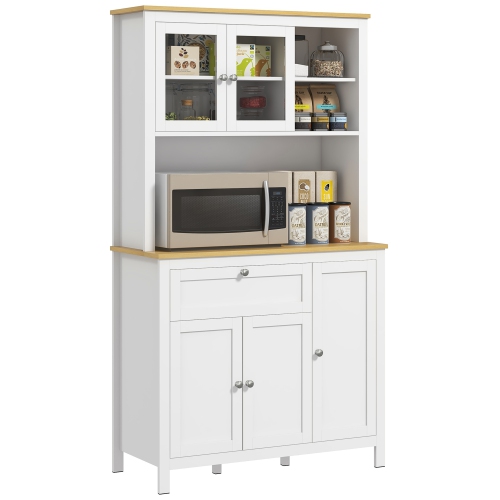
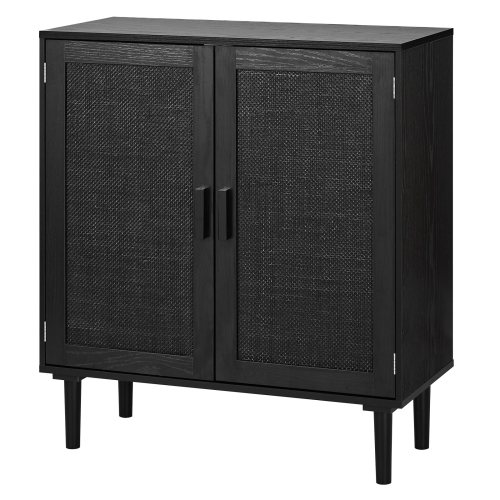
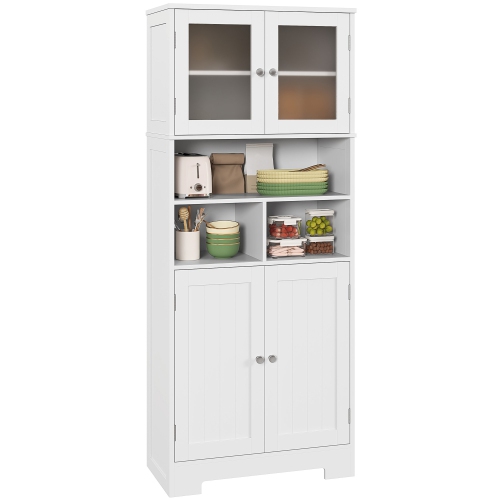
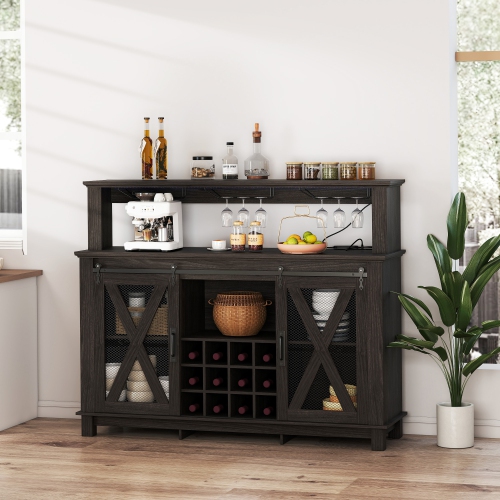

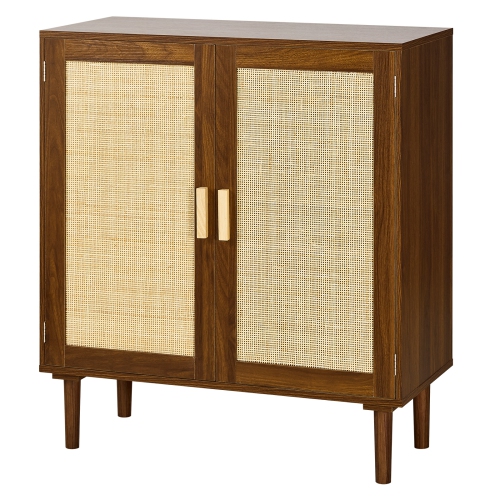
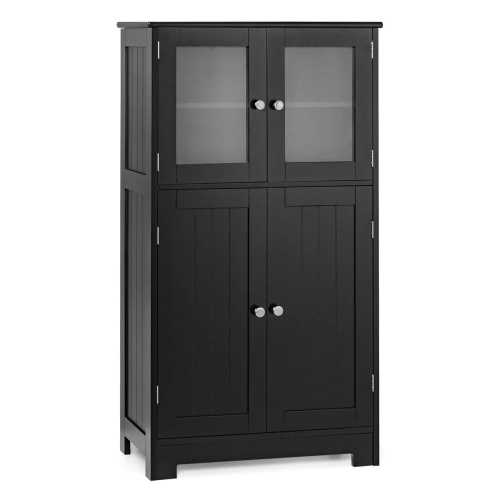
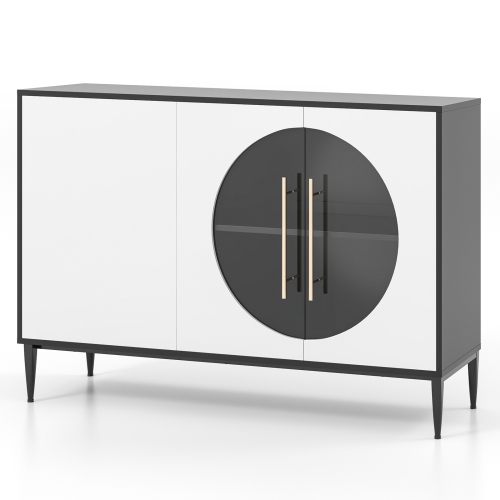
Favourite pieces on display with less dust
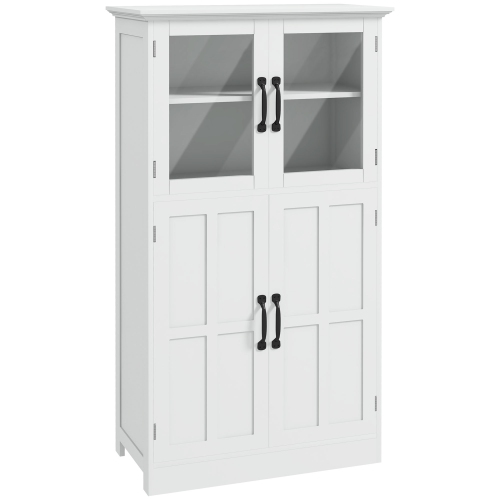
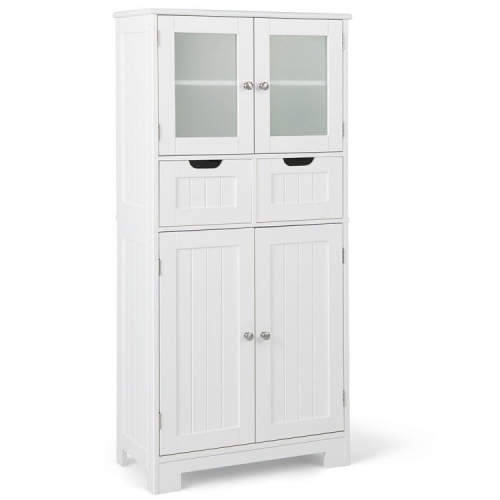
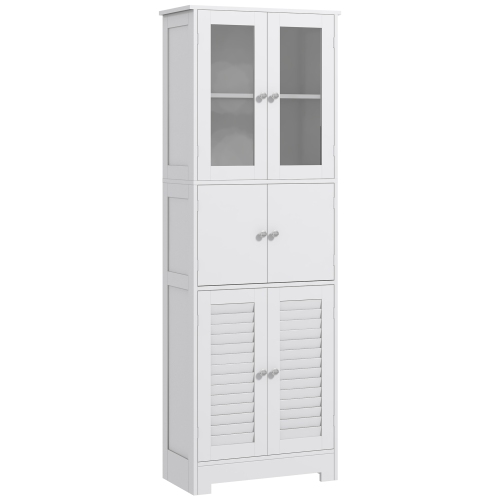
Accent cabinets with glass doors combine enclosed storage with a clear view of the things inside, making them a practical choice for displaying dishware, books, framed photographs, and collected objects. Unlike open shelving, glass-front storage helps limit dust settling directly on displayed belongings while keeping them visible and easy to find. These cabinets can serve different purposes throughout a home: a low cabinet beside a dining table can hold serving bowls and glassware, while a taller piece in a living room can give pottery, travel keepsakes, or a favourite book collection a defined place. Their appeal lies in that balance between usefulness and presentation. Clear glass offers an unobstructed view and suits carefully arranged displays, while reeded, fluted, or textured glass softens the outlines of what sits behind it. Frosted glass provides greater visual screening, which can be helpful when the contents are practical rather than display-worthy. Door framing also shapes the overall look. Slim metal frames create crisp lines, wood-framed panes bring warmth, and divided panes introduce a more traditional feel. Arched doors can add a gentle curve among rectangular furniture, though the shape of the opening may affect how easily larger belongings pass through. In a compact dining area, a shallow glass-door accent cabinet can keep everyday plates close at hand without the depth of a full-size sideboard. In a larger living space, a pair of cabinets can frame a seating area and provide separate storage for books and display pieces. A cabinet with both glass-front and solid-door sections offers another useful balance, leaving favourite objects visible while keeping less orderly essentials out of sight. For households that entertain, enclosed display storage makes it easier to see which serving pieces are ready to use. For collectors, it creates a dedicated setting where objects can be enjoyed without occupying every tabletop. The most useful configuration depends on what the cabinet will hold and how often those belongings need to be reached.
Materials, construction, and proportions influence how well an accent cabinet with glass doors fits into everyday life. Solid wood brings natural grain variation and can develop character through use, although it may respond to changes in indoor humidity. Wood veneer provides a real wood surface over a supporting core, while engineered wood construction can offer a consistent finish; durability depends on the core material, surface treatment, joinery, and care. Painted finishes draw attention to the cabinet’s shape and colour, whereas visible wood grain adds texture alongside upholstered seating or plain walls. For a closer focus on that material and style combination, Wood Cabinets With Glass Doors bring together visible display space and the character of wood finishes. Metal construction can provide a slimmer profile, but the quality of the finish and connections still matters. Tempered glass is worth considering for doors and shelves: it is stronger than ordinary glass of the same thickness and breaks into smaller pieces rather than large, sharp shards, though it is not unbreakable. Shelf weight limits remain important regardless of material, particularly for stacked dinner plates, stoneware, or large books. Adjustable shelves allow the space between levels to change for taller vases or pitchers, while fixed shelves may support the cabinet’s structure and create a consistent arrangement. Before choosing a size, measure the intended floor space, nearby baseboards, and the clearance needed for doors to open fully. A cabinet that fits neatly against a wall can still interrupt movement if an open door reaches into a walkway or meets a dining chair. Depth deserves equal attention: allow room for the largest plate or bowl behind the closed doors, not just within the outside dimensions. Check the delivery route through doorways and around corners, too. In smaller rooms, raised legs and transparent fronts can make the piece feel less visually heavy, while a wider, lower cabinet provides a more substantial horizontal line beneath wall art.
Daily use often comes down to the details that are easiest to overlook in a photograph. Handles should be comfortable to grasp, doors should close without rubbing, and hinges should support smooth movement. Soft-closing hinges can reduce abrupt closing and noise, but they do not remove the need to handle glass doors gently. Magnetic catches or other closures help keep doors shut; households with young children may need suitable child-safety measures as well. Tall cabinets, and any furniture identified by the manufacturer as requiring restraint, should be secured with the supplied or specified anti-tip hardware using fasteners appropriate for the wall. Heavy belongings are best placed on lower shelves, within the stated load limits, to keep them easier to handle. Built-in lighting, where included, can illuminate objects at the back of a cabinet and bring out the texture of ceramics or cut glass. An outlet location, cable route, and access to the switch all affect how convenient that feature will be. A glass-door cabinet should not be assumed suitable for operating electronics inside; equipment needs the ventilation and clearance specified by its manufacturer. For an uncluttered display, leave some space between groups of objects rather than filling every shelf edge to edge. Everyday dishes can sit at a comfortable reaching height, with less frequently used serving pieces above or below them. A small tray can gather loose keepsakes, while a few upright books add height beside a low bowl. Care is generally straightforward when it follows the cabinet’s material-specific instructions. Use a soft cloth for routine dusting, avoid abrasive pads on glass and finished surfaces, and apply an approved glass cleaner to the cloth rather than spraying door edges or wood joints. Wipe spills promptly and avoid leaving damp cloths against wood or metal. Periodic checks of hinges, shelf supports, and mounting hardware help keep the cabinet functioning as intended. With suitable dimensions and a thoughtful layout, glass-front accent storage can support both everyday routines and the pleasure of keeping meaningful belongings in view.
Top selling and popular products
-
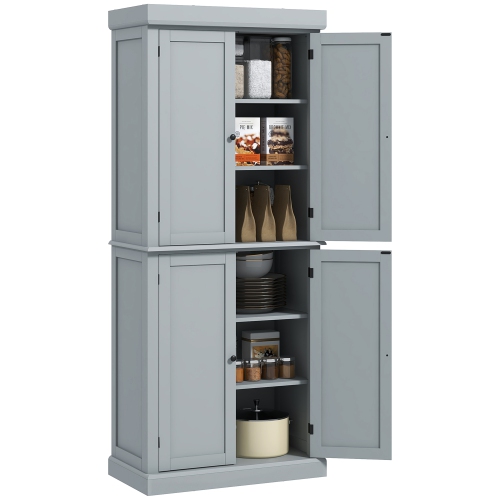 Your price for this item is $285
-
 Your price for this item is $155.99
-
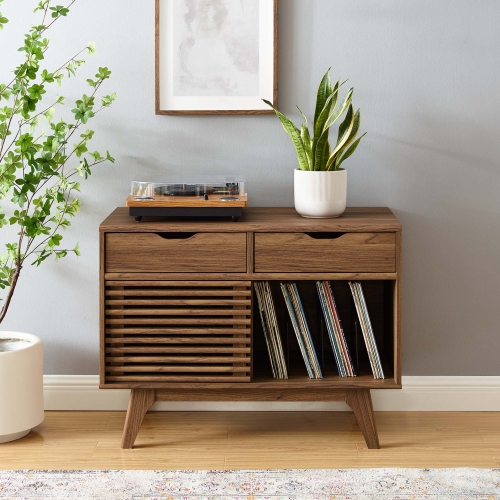 Your price for this item is $452.93
-
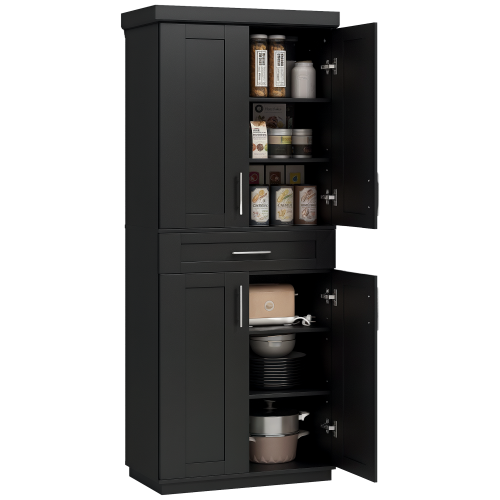 Your price for this item is $269.99
-
 Your price for this item is $12.97
-
 Your price for this item is $155.99
-
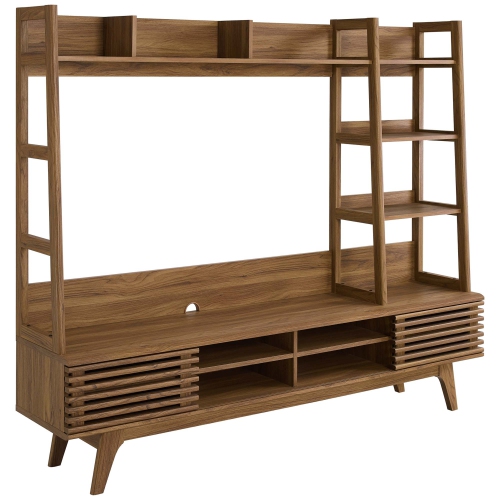 Your price for this item is $885.06
-
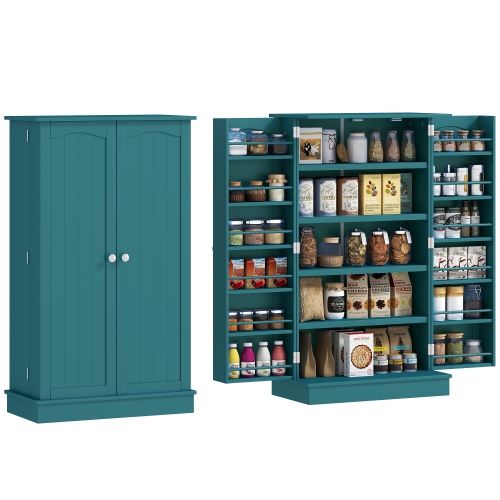 Your price for this item is $132.99
Discover more categories related to Accent Cabinets With Glass Doors
Top Collections:
Best Black Friday Deals This Year, Best Black Friday Deals On Electronics, Kindle Devices, Dyson Airwrap, Best Cameras for Sports Photography, Best Budget Office Chairs, Canon G7X Cameras, PS5 Pro Consoles, Best Black Friday Deals On Apple Products, XBOX One S Consoles
Some products may be subject to Environmental Handling Fees
(EHF) depending on your province.
Learn more about EHFs.