Accessories for Campers
Enhance your camping experience with our selection of top-quality accessories designed to make your outdoor adventures more enjoyable and convenient. From practical essentials to innovative gadgets, our range of camper accessories has everything you need to stay comfortable and organized while exploring the great outdoors. Whether you're a seasoned camper or new to the camping scene, these carefully curated products are sure to elevate your next camping trip. Browse through our collection and gear up for your next outdoor excursion!
Sort

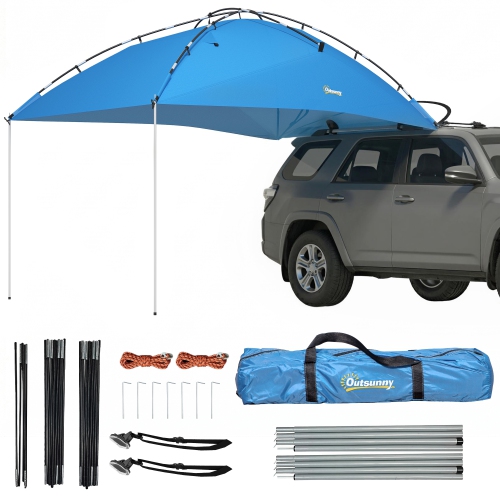
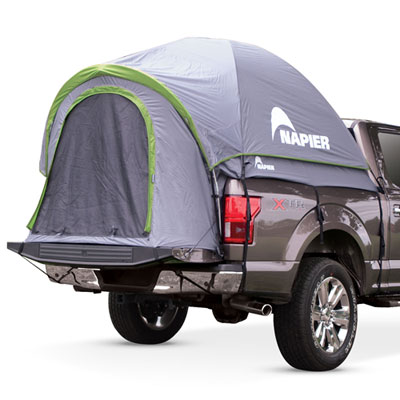
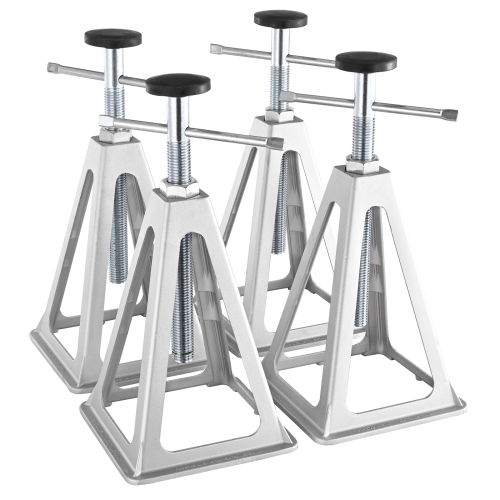
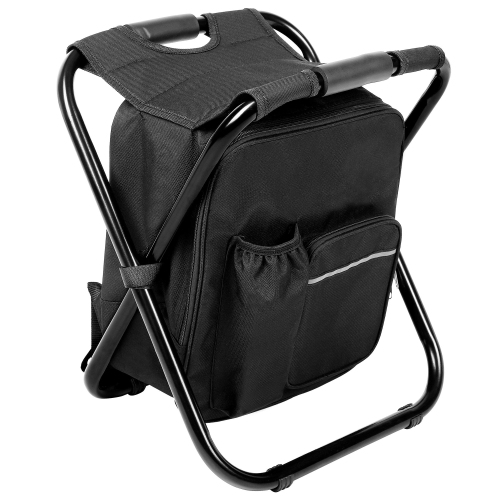
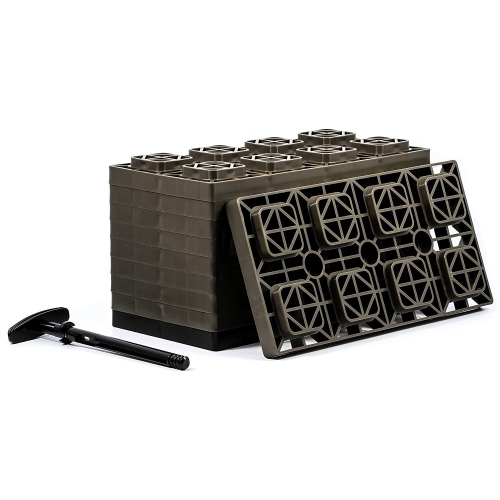
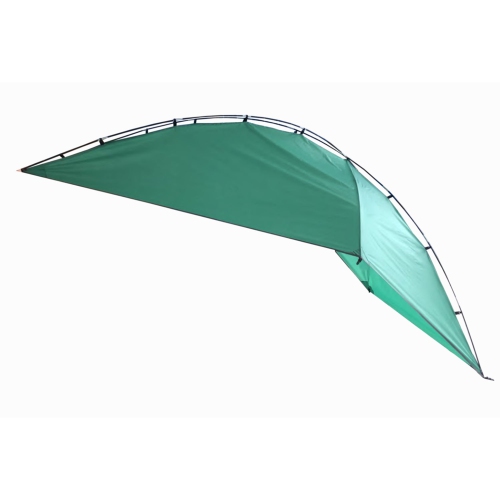
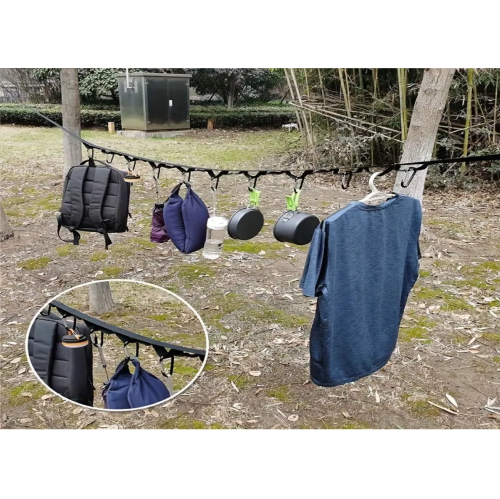
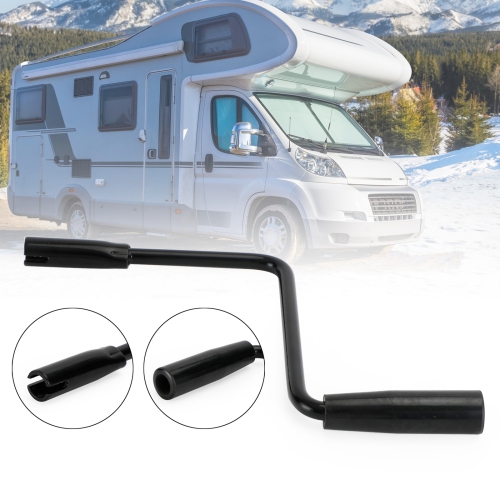
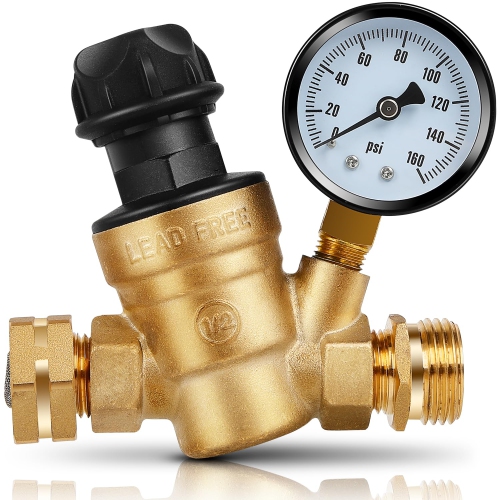
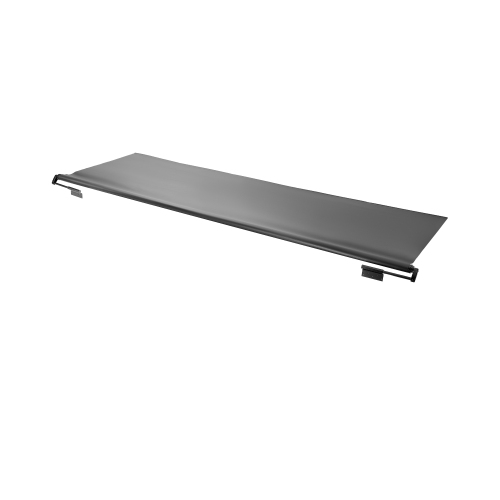
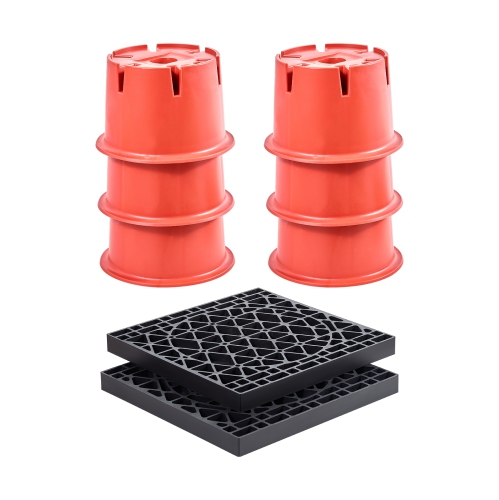
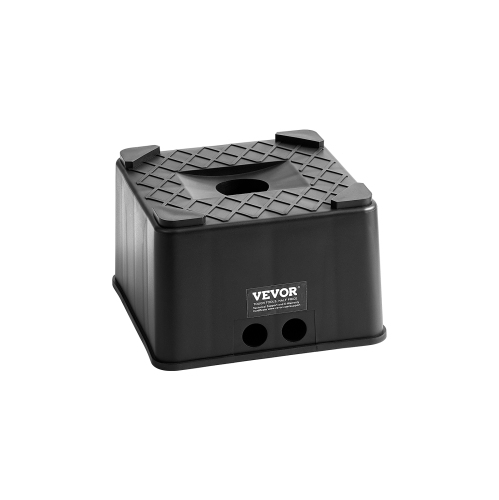

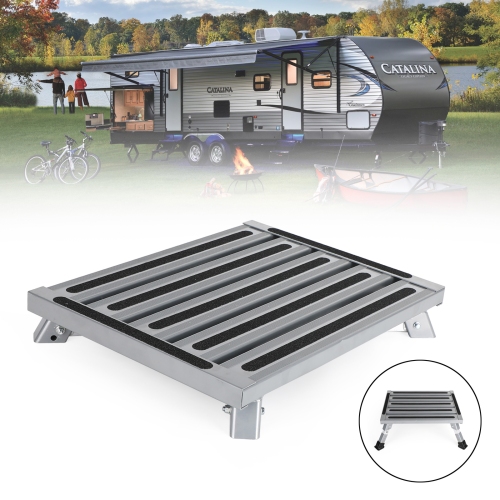
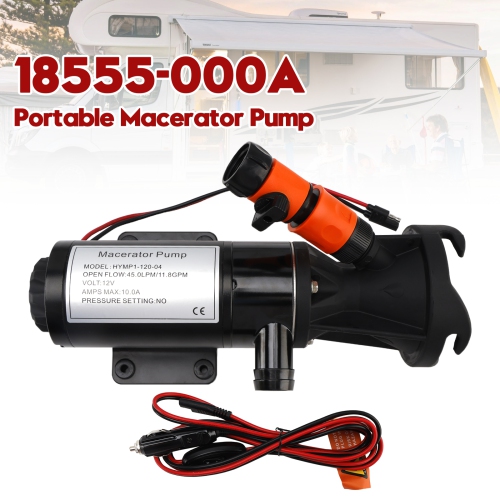
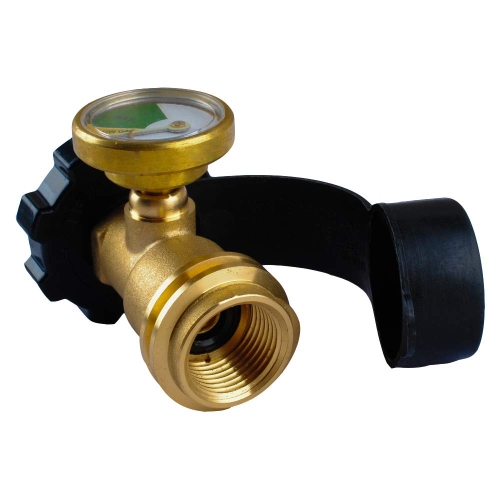
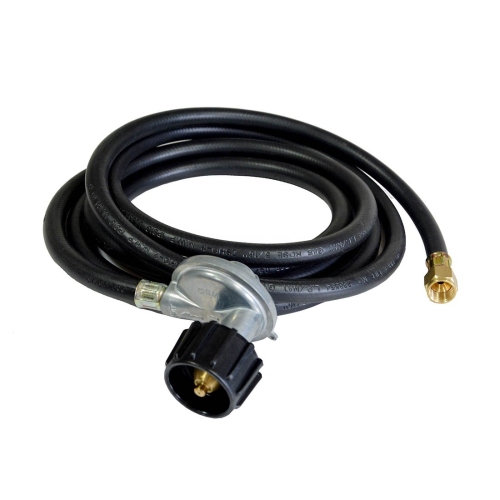

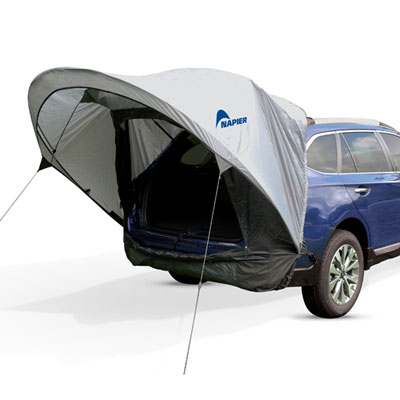
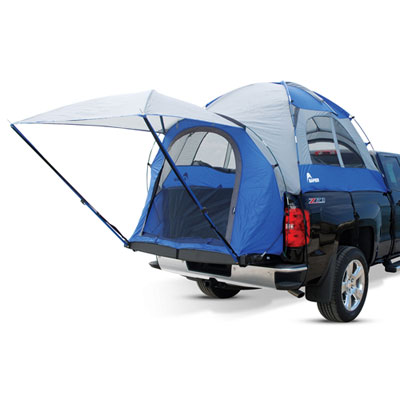
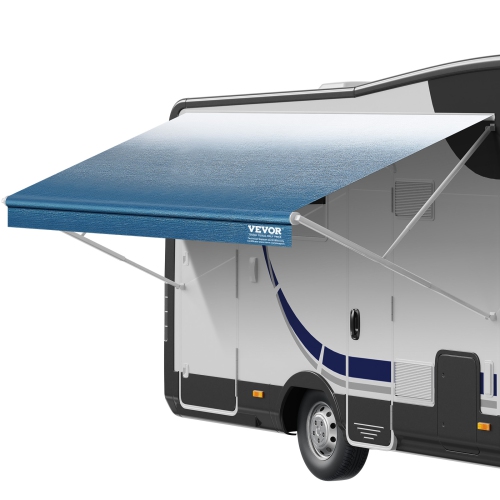
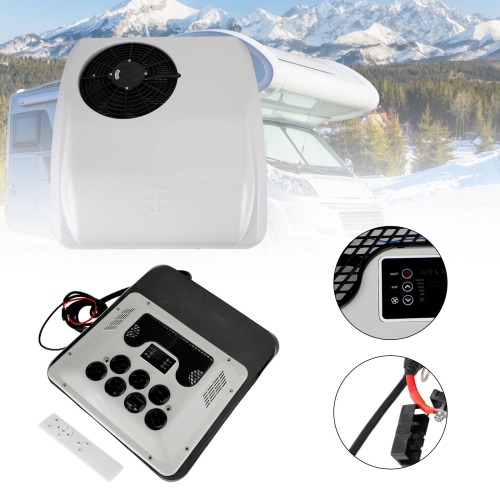


A steadier campsite setup starts with the right fit
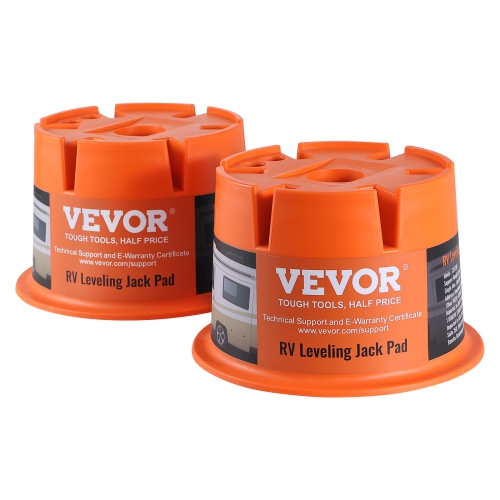
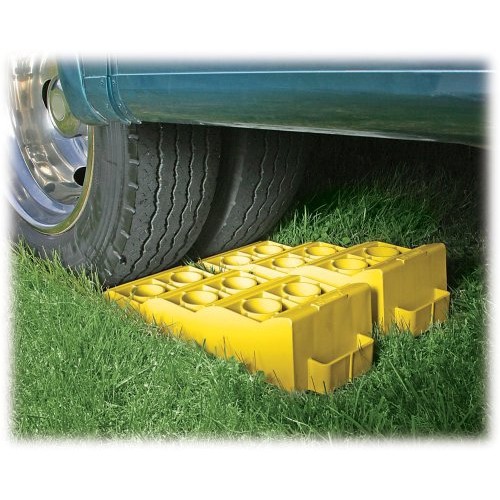
Accessories for campers support the practical needs of travelling, parking and staying comfortably in a recreational vehicle, whether that means a compact campervan, a family travel trailer or a larger motorhome. The main categories include levelling and stabilizing equipment, wheel restraints, water and waste connections, electrical accessories, storage solutions and outdoor comfort essentials. Each serves a different purpose, so suitability depends on the vehicle’s design and how it is used. A trailer parked on a gravel campsite has different setup needs from a van stopping overnight on a paved pad. Levelling equipment helps correct uneven ground within its stated limits, stabilizers reduce movement while occupants walk inside, and wheel chocks help restrict rolling when correctly positioned. These functions are not interchangeable: stabilizers generally are not intended to lift a vehicle, and levelling equipment does not replace appropriate wheel restraints. Weight ratings, tyre dimensions, ground clearance and the vehicle manufacturer’s instructions all matter when assessing compatibility. Broad contact surfaces can help distribute loads, although soft or unstable ground may still require a different parking position or suitable support. Materials also influence how accessories perform through repeated trips. Metal components may offer strength and rigidity, while moulded plastics can reduce carrying weight and resist rust; actual capacity and durability depend on the individual design and rating rather than material alone. Textured surfaces can improve grip, and accessible handles make equipment easier to position without awkward reaching. Mud, grit and road salt can affect moving parts and finishes, making cleaning, inspection and dry storage worthwhile habits. For travellers who move between campsites frequently, manageable weight and compact packing dimensions can be just as useful as heavy-duty construction. For those staying longer in one place, stable footing and straightforward access to connections take on greater importance. Well-matched camper accessories fit into an orderly arrival routine, from checking the parking surface to securing the vehicle before settling in.
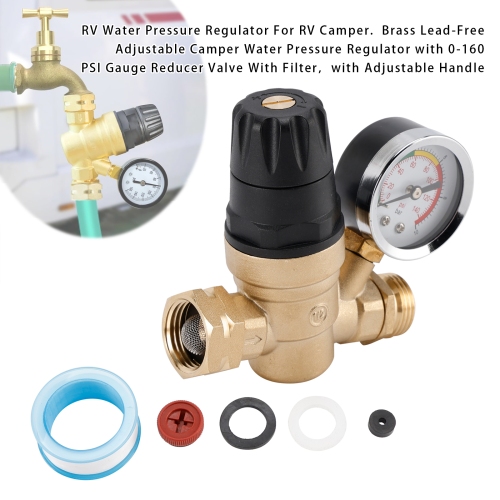
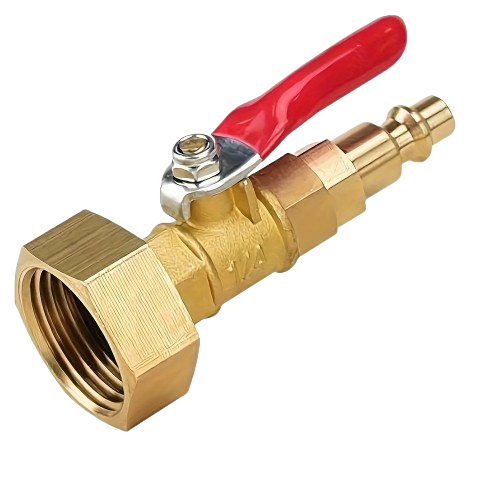
Water, waste and power accessories support everyday tasks inside a camper, from washing up after breakfast to keeping compatible devices charged. Their fit involves more than whether two ends appear to connect. Hose diameter, fitting type, connection length, electrical rating and the vehicle’s installed systems all affect suitability. Equipment intended for drinking water should be identified for potable-water use and kept separate from waste-handling equipment during use, cleaning and storage. Dedicated storage areas help maintain that separation, especially when everything must fit into a narrow exterior compartment. Secure fittings and protective caps can help limit leaks and keep dirt out between stops, while flexible materials may be easier to route without forcing tight bends. Waste connections need compatible seals and enough reach for the campsite layout without unnecessary excess that becomes difficult to manage. At the electrical hookup, accessories must match the supply and the camper’s requirements; an adapter does not increase the power a connection can safely deliver. Outdoor-rated construction and clearly marked operating limits are important wherever equipment may encounter moisture, cold or repeated handling. Portable power accessories also need to suit the intended load, connection method and storage conditions. During the cooler months, battery performance and charging limits deserve particular attention, since some batteries cannot safely charge below specified temperatures without suitable protection. Water systems require similar care when freezing conditions are possible. Insulation alone does not guarantee freeze protection, and winterization should follow the vehicle and accessory manufacturers’ directions. After a trip, draining equipment where appropriate, allowing washable components to dry and checking seals for wear can help prevent unpleasant surprises at the next stop. A hose that has become stiff, a damaged cable jacket or a cracked connector is more than a packing inconvenience. Keeping essential connections accessible makes routine checks simpler, whether the camper is used for occasional weekends or longer journeys between serviced sites.
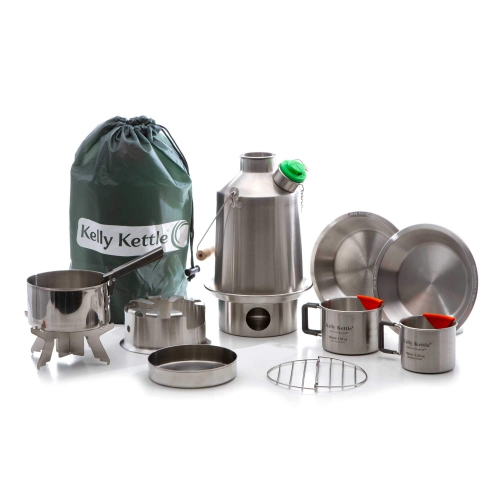
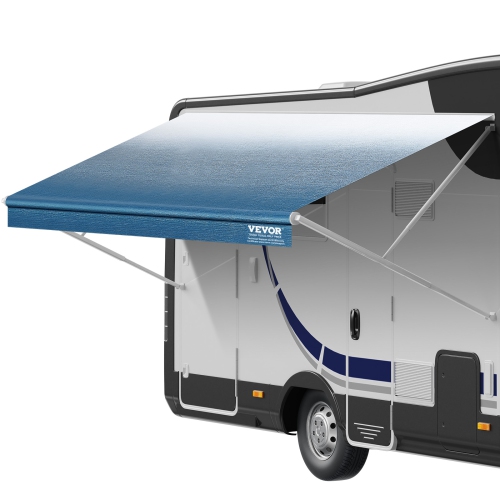
Comfort and organization accessories make the limited space around a camper more pleasant to share without turning every stop into a lengthy unpacking session. Inside, useful storage depends on the shape of the available space: shallow cupboards, curved walls, under-seat compartments and narrow doors can rule out solutions that would work easily at home. Dimensions should account for handles, hinges and the clearance needed to remove stored belongings, not just the empty compartment itself. Secure closures and suitable mounting methods help keep contents contained during travel, but attachment points must be appropriate for the camper’s surfaces and any stated load limits. Dense belongings are generally better kept low and secured, with overall loading kept within the vehicle’s limits. Outside, portable comfort accessories should suit both the people using them and the ground beneath them. Supportive construction, suitable user-weight ratings and surfaces that wipe clean are practical considerations for families, couples and solo travellers alike. Fabrics that dry readily can be helpful after damp mornings, while removable, washable covers make it easier to deal with muddy paws or a spilled drink. Weather resistance is not the same as being suitable for prolonged exposure, so care labels and storage instructions remain important. As daylight shortens, thoughtfully positioned lighting can make steps, entrances and frequently used storage areas easier to see without shining into neighbouring campsites. Keeping a clear route between the door and the parking area is especially helpful when children, pets or anyone with reduced mobility shares the space. For trips that use a passenger vehicle rather than a dedicated camper, Car Camping Accessories relate more closely to the packing space and routines of that travel style. Camper accessories can also make thoughtful gifts for people who enjoy time on the road, particularly when the recipient’s vehicle, storage limits and habits are known. Easy-care materials, comfortable handling and a genuinely useful fit tend to matter more than extra features. The most practical additions earn their space by making familiar moments easier: packing away after a wet night, finding belongings without emptying a cupboard, or settling outside once the vehicle is safely parked.
Water, waste and power accessories support everyday tasks inside a camper, from washing up after breakfast to keeping compatible devices charged. Their fit involves more than whether two ends appear to connect. Hose diameter, fitting type, connection length, electrical rating and the vehicle’s installed systems all affect suitability. Equipment intended for drinking water should be identified for potable-water use and kept separate from waste-handling equipment during use, cleaning and storage. Dedicated storage areas help maintain that separation, especially when everything must fit into a narrow exterior compartment. Secure fittings and protective caps can help limit leaks and keep dirt out between stops, while flexible materials may be easier to route without forcing tight bends. Waste connections need compatible seals and enough reach for the campsite layout without unnecessary excess that becomes difficult to manage. At the electrical hookup, accessories must match the supply and the camper’s requirements; an adapter does not increase the power a connection can safely deliver. Outdoor-rated construction and clearly marked operating limits are important wherever equipment may encounter moisture, cold or repeated handling. Portable power accessories also need to suit the intended load, connection method and storage conditions. During the cooler months, battery performance and charging limits deserve particular attention, since some batteries cannot safely charge below specified temperatures without suitable protection. Water systems require similar care when freezing conditions are possible. Insulation alone does not guarantee freeze protection, and winterization should follow the vehicle and accessory manufacturers’ directions. After a trip, draining equipment where appropriate, allowing washable components to dry and checking seals for wear can help prevent unpleasant surprises at the next stop. A hose that has become stiff, a damaged cable jacket or a cracked connector is more than a packing inconvenience. Keeping essential connections accessible makes routine checks simpler, whether the camper is used for occasional weekends or longer journeys between serviced sites.
Comfort and organization accessories make the limited space around a camper more pleasant to share without turning every stop into a lengthy unpacking session. Inside, useful storage depends on the shape of the available space: shallow cupboards, curved walls, under-seat compartments and narrow doors can rule out solutions that would work easily at home. Dimensions should account for handles, hinges and the clearance needed to remove stored belongings, not just the empty compartment itself. Secure closures and suitable mounting methods help keep contents contained during travel, but attachment points must be appropriate for the camper’s surfaces and any stated load limits. Dense belongings are generally better kept low and secured, with overall loading kept within the vehicle’s limits. Outside, portable comfort accessories should suit both the people using them and the ground beneath them. Supportive construction, suitable user-weight ratings and surfaces that wipe clean are practical considerations for families, couples and solo travellers alike. Fabrics that dry readily can be helpful after damp mornings, while removable, washable covers make it easier to deal with muddy paws or a spilled drink. Weather resistance is not the same as being suitable for prolonged exposure, so care labels and storage instructions remain important. As daylight shortens, thoughtfully positioned lighting can make steps, entrances and frequently used storage areas easier to see without shining into neighbouring campsites. Keeping a clear route between the door and the parking area is especially helpful when children, pets or anyone with reduced mobility shares the space. For trips that use a passenger vehicle rather than a dedicated camper, Car Camping Accessories relate more closely to the packing space and routines of that travel style. Camper accessories can also make thoughtful gifts for people who enjoy time on the road, particularly when the recipient’s vehicle, storage limits and habits are known. Easy-care materials, comfortable handling and a genuinely useful fit tend to matter more than extra features. The most practical additions earn their space by making familiar moments easier: packing away after a wet night, finding belongings without emptying a cupboard, or settling outside once the vehicle is safely parked.
Top selling and popular products
-
 Your price for this item is $26.99
 -
 Your price for this item is $104.99
 -
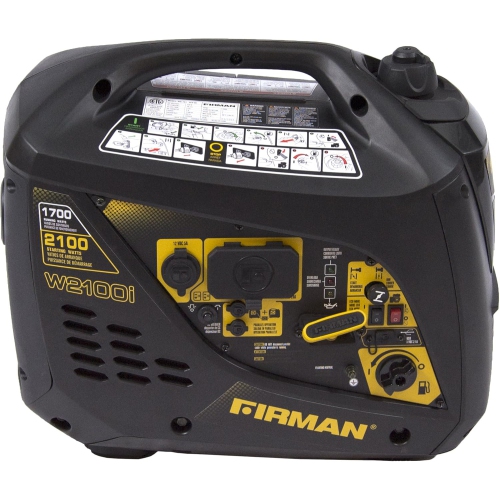 Your price for this item is $854.05
 -
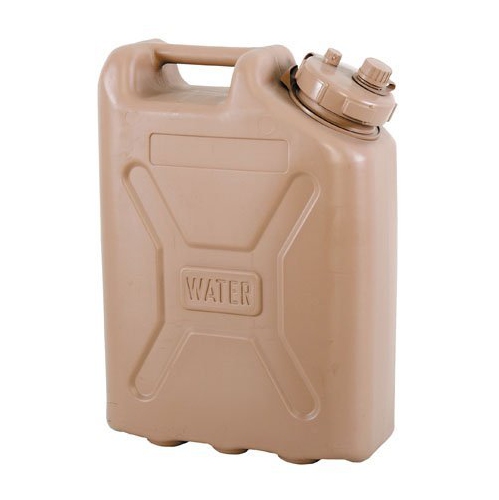 Your price for this item is $130.99
 -
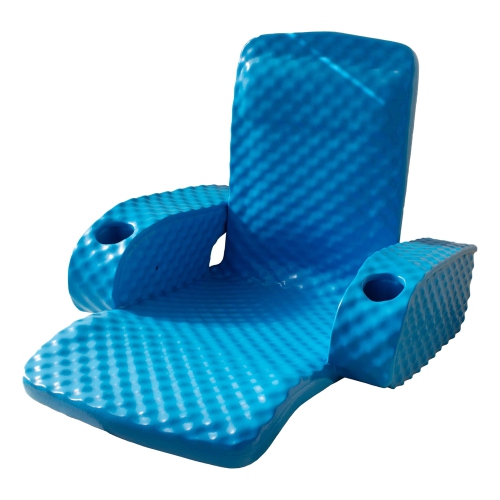 Your price for this item is $1506.99
 -
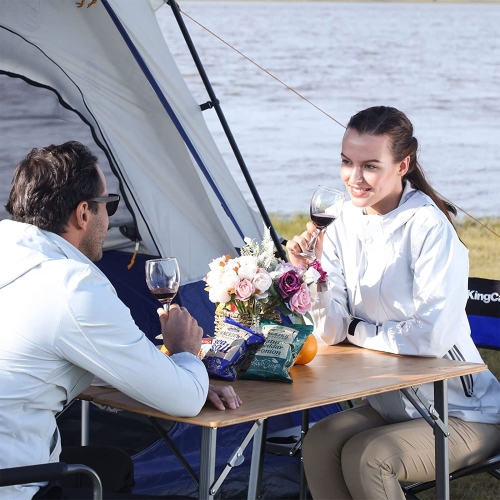 Your price for this item is $232.99
 -
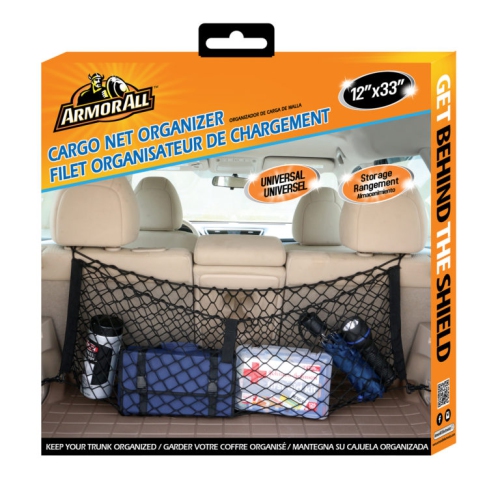 Your price for this item is $46.71
 -
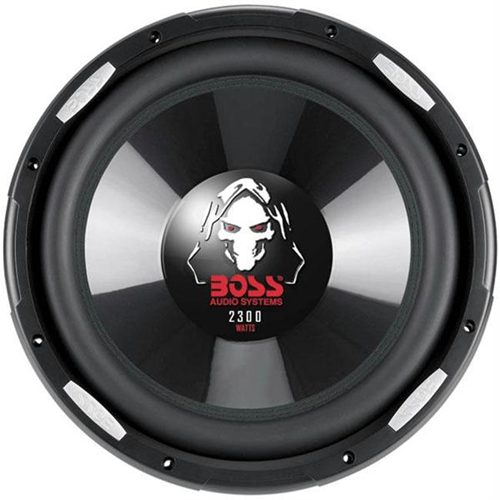 Your price for this item is $160.99
Discover more categories related to Accessories for Campers
Top Collections:
Pokemon Centers, Kindle Devices, Best Budget Office Chairs, Apple iPhones 16, Canon G7X Cameras, iPhone 15 Apple, Alarm Clock, Refurbished Apple Laptops, Flip Phones, Best Laptops for Writers
Some products may be subject to Environmental Handling Fees
(EHF) depending on your province.
Learn more about EHFs.