Appliances for Campers
Appliances for campers make outdoor adventures more convenient and enjoyable by bringing the comforts of home on the road. Whether you're setting up at a campsite or traveling in an RV, the right appliances can help you cook, clean, and stay organized while exploring nature. Discover a wide selection designed to fit compact spaces and meet the unique needs of life on the go. With appliances for campers, it's easy to create a functional and comfortable living space wherever your travels take you.
Sort
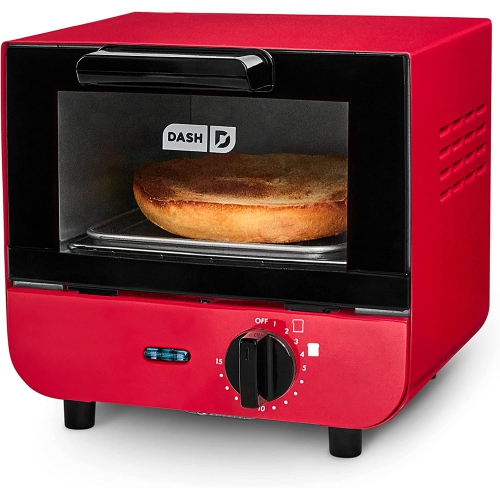
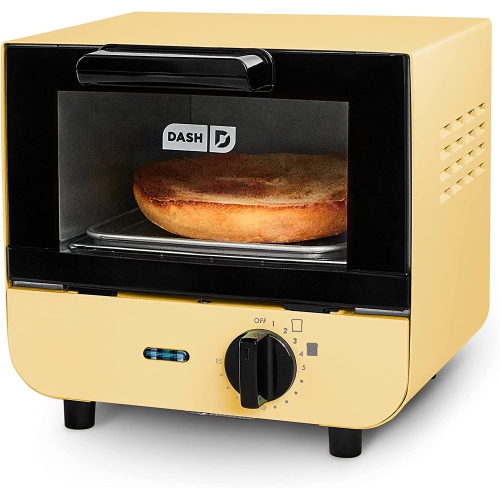
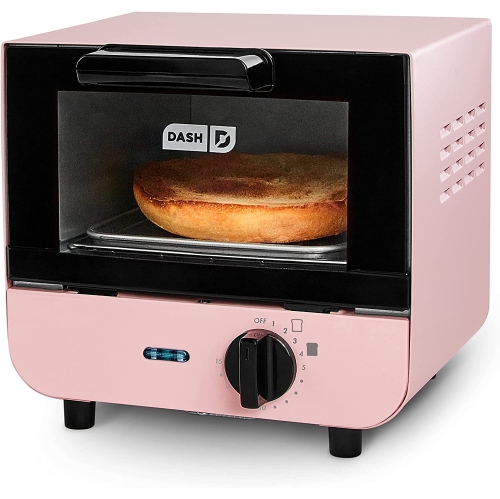
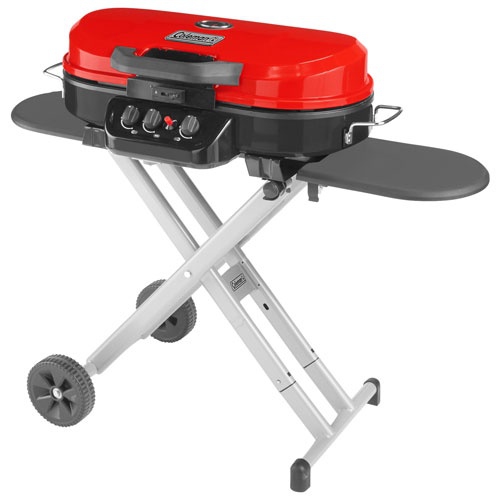
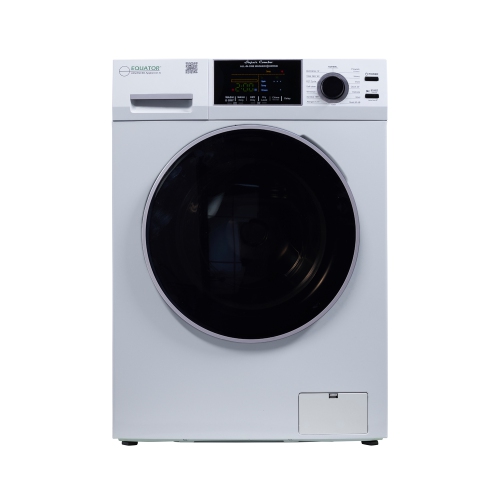
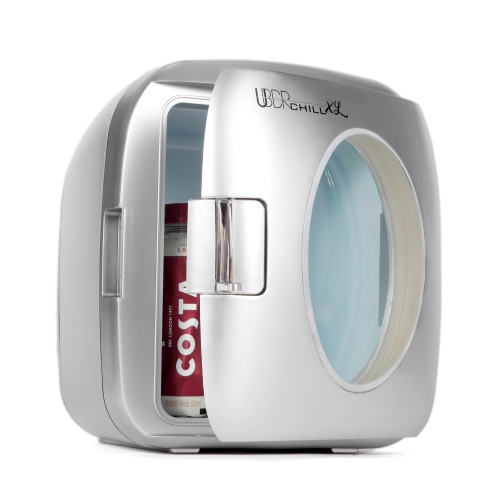

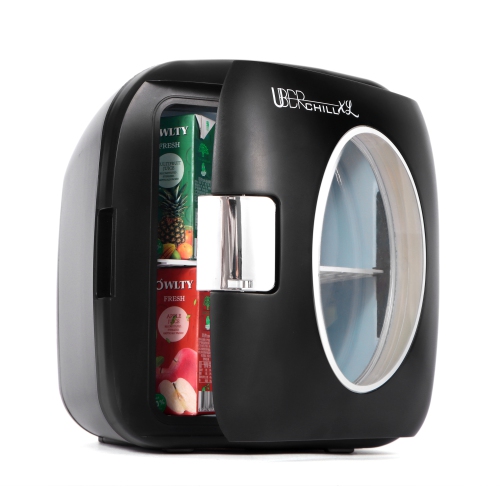
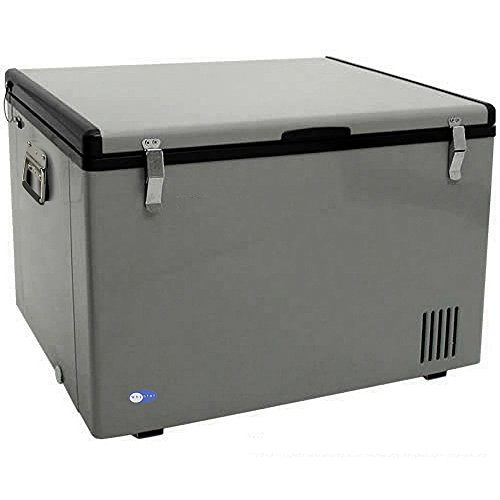





Camper kitchen convenience depends on more than size
Appliances for campers bring familiar cooking, food storage, and cleaning functions into spaces where every cupboard and countertop has a job. The category includes compact appliances for camper vans, travel trailers, motorhomes, and other recreational vehicles, along with portable options suited to campsites with an appropriate power supply. Unlike a full-sized home kitchen, a camper kitchen may share its countertop with meal preparation, dish drying, and a place to set down a mug. An appliance’s footprint matters, but so does the space needed to open its lid, pull out a drawer, or reach controls without moving everything beside it. Compact refrigeration can help keep ingredients organized for meals away from home, while small cooking and beverage appliances can suit familiar routines without taking over the living area. The same space-conscious approach applies to RV Kitchen Appliances, where dimensions, power requirements, and secure placement matter as much as everyday convenience. For a couple travelling in a camper van, a smaller capacity and easy storage may be more useful than multiple cooking functions. A family using a trailer may place greater value on room for several portions, accessible controls, and removable parts that are straightforward to wash. Interior layouts also shape what works: a narrow galley calls for careful attention to handle clearance, while an appliance stored between uses needs to fit through the cupboard opening, not just inside the cabinet. Weight is another practical consideration, particularly when several appliances share limited storage and vehicle carrying capacity. Cords, accessories, and detachable components need a place as well. The best fit is not necessarily the smallest appliance; it is one that handles the intended task comfortably within the camper’s space, electrical capacity, and daily routine.
Power requirements are an important distinction between appliances for campers and appliances chosen only for home use. Some camper systems supply 12-volt DC power, while many familiar plug-in appliances require 120-volt AC power from a suitable hookup or compatible inverter. Those connections are not interchangeable, and a plug that fits an outlet does not confirm that the electrical system can support the appliance. Rated wattage, startup demand where applicable, inverter specifications, and the capacity of the circuit all affect suitability. Battery-powered operation also depends on usable battery capacity and the demands of other equipment sharing that supply. Appliances that produce heat can place substantial demands on an electrical system, so operating several at once may exceed what a camper circuit supports. For example, preparing a hot drink while another cooking appliance is running can be a different electrical load from using either one alone. Clear power specifications make these everyday situations easier to plan around. Built-in equipment has further requirements, including installation dimensions, ventilation openings, secure mounting, and access for servicing. A portable countertop appliance should not be treated as a built-in simply because it fits into an empty cabinet. Required clearances around vents and heated surfaces still apply, and installation work may call for a qualified professional. Fuel-burning equipment needs particular care: outdoor-only cooking appliances must never be used inside a camper or another enclosed space because of fire and carbon monoxide hazards. Equipment intended for an RV’s interior must be approved for that use and installed according to its instructions. Portable electrical appliances also need stable placement away from sinks, loose fabrics, and busy walkways. Household models are not automatically suitable for use while a vehicle is moving. Manufacturer guidance on operation, transport, mounting, and storage helps distinguish a convenient campsite appliance from equipment designed for permanent RV installation. Recognized electrical certification appropriate for Canada is another relevant consideration when comparing equipment intended for a camper’s living space.
Materials and construction influence how well camper appliances handle repeated packing, frequent use, and cleaning in a small sink. Stainless steel surfaces can offer a sturdy finish, although seams, handles, and control areas still need attention during cleaning. Moulded plastic housings can help keep weight manageable, while the strength of hinges, latches, and carrying handles matters when equipment is moved regularly. A secure door or lid is particularly useful for storage and transport, but travel latches and mounting provisions should be used only as intended by the manufacturer. Smooth interiors, accessible corners, and removable food-contact parts can make cleanup less awkward when there is little room to spread out. Non-stick cooking surfaces benefit from compatible utensils and cleaning methods that protect the coating; dishwasher cleaning is appropriate only for components identified as dishwasher-safe. A removable reservoir or drip tray can be convenient, provided there is enough clearance to lift it out without spilling onto nearby cabinetry. Noise and vibration deserve attention too, since the kitchen, dining area, and sleeping space may be only a few steps apart. Straightforward controls, readable markings, and comfortable handles can make shared appliances easier for different family members to use. Beyond meal preparation, compact cleaning appliances may suit crumbs around seating, tracked-in debris near the door, or upholstery that sees regular travel use, with size and charging requirements remaining important. Care between trips supports durability: food residue should be removed, washable parts dried thoroughly, and appliances stored according to their instructions rather than packed away damp. Cords and accessories are easier to manage when kept together without tight bends or pressure on connectors. For someone furnishing a camper, replacing an awkward appliance, or choosing a gift for an RV owner, practical compatibility matters more than extra functions. Knowing the available space, power connection, preferred meals, and usual number of travellers helps narrow the category to appliances that earn their place through regular, useful service.
Top selling and popular products
-
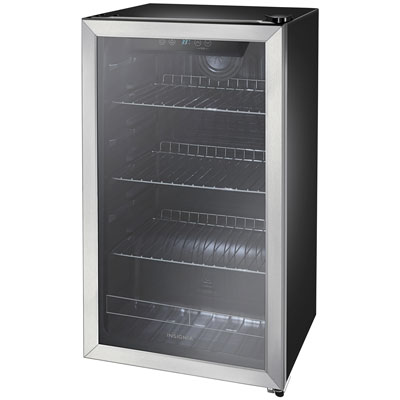 Your price for this item is $249.99
-
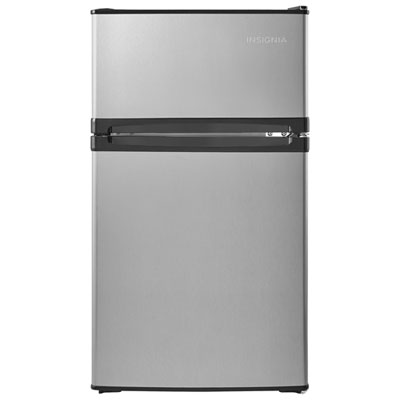 Your price for this item is $179.99
-
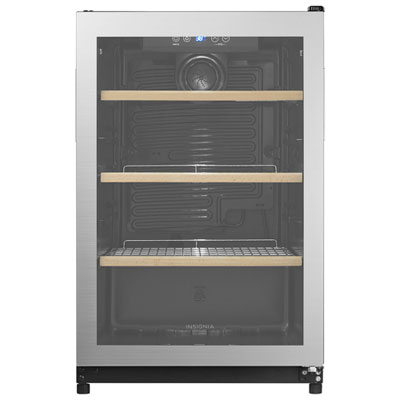 Your price for this item is $349.99
-
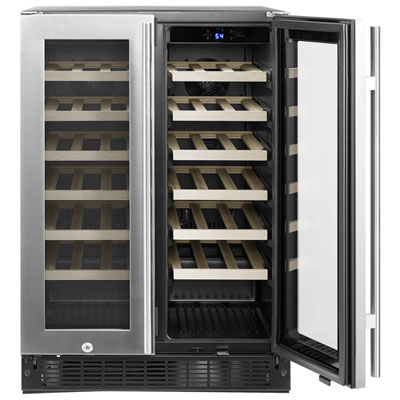 Your price for this item is $649.99
-
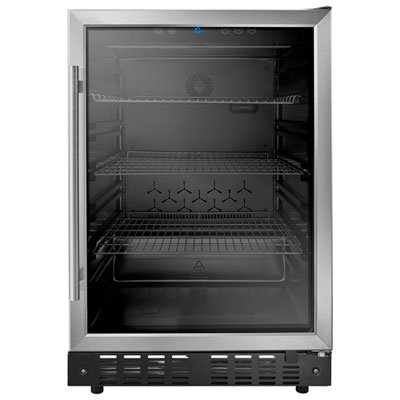 Your price for this item is $399.99
-
 Your price for this item is $699.99
-
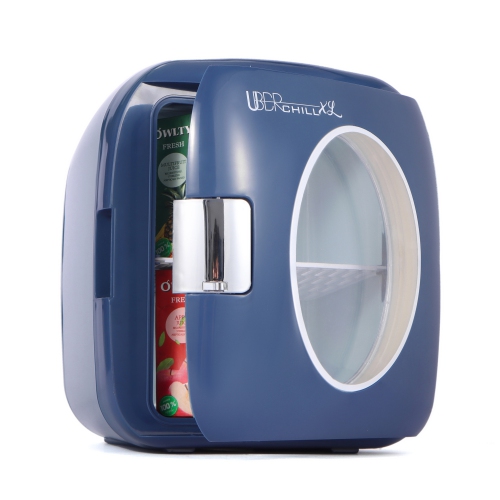 Your price for this item is $169.99
-
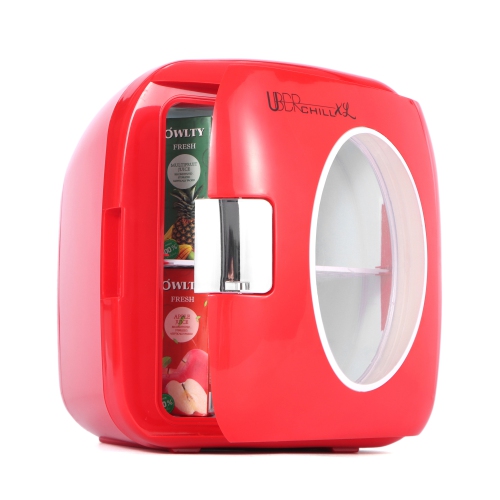 Your price for this item is $169.99
Discover more categories related to Appliances for Campers

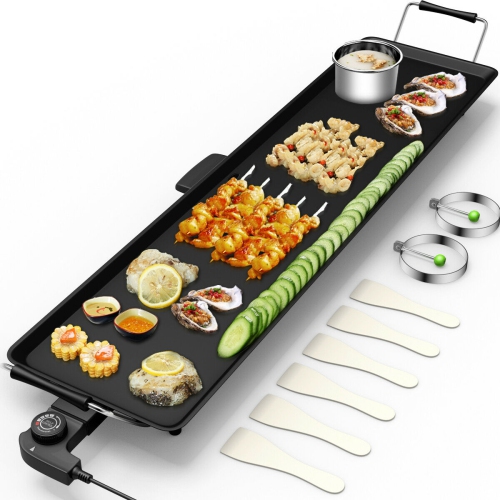
Top Collections:
Best Black Friday Deals This Year, Best Black Friday Deals On Electronics, Kindle Devices, Pokemon Centers, Best Black Friday Deals On Apple Products, Best Cameras for Sports Photography, Dyson Airwrap, Pokémon 30th Celebration Cards, Apple iPhone 17 Pro, Canon G7X Cameras
Some products may be subject to Environmental Handling Fees
(EHF) depending on your province.
Learn more about EHFs.