Adjustable Ceiling Lights
Upgrade your home with an Adjustable Ceiling Light that combines functionality and style. Whether you're looking to brighten up a room or add a touch of modern elegance, our selection of adjustable ceiling lights has something for every taste. With their versatile design, these lights can be easily adjusted to provide the perfect amount of illumination for any space. From sleek and minimalist designs to more ornate fixtures, you'll find the perfect adjustable ceiling light to suit your home decor. Enhance your living space with a lighting solution that is both practical and visually appealing.
Sort
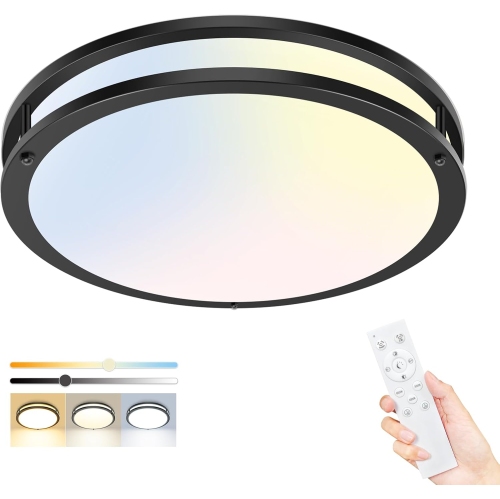
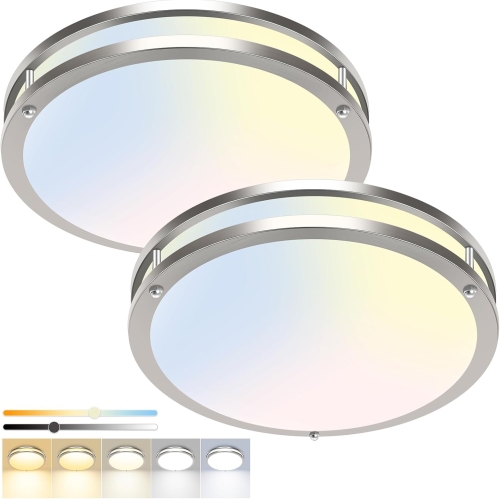
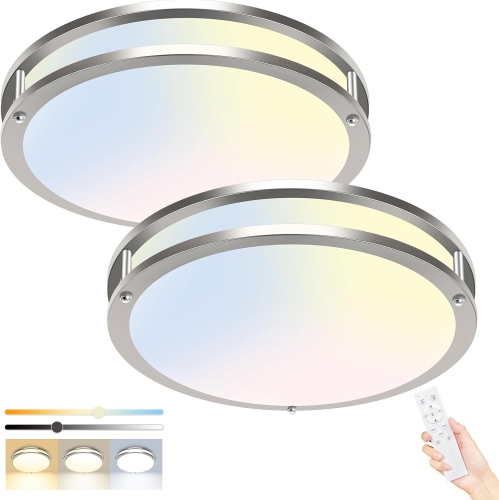
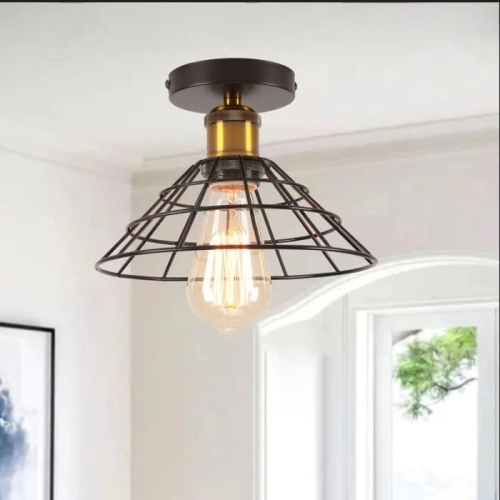
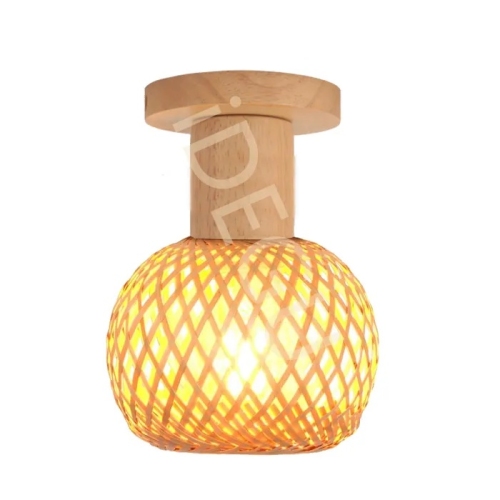
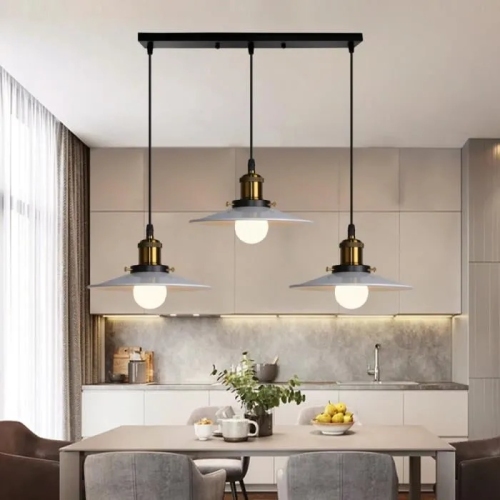
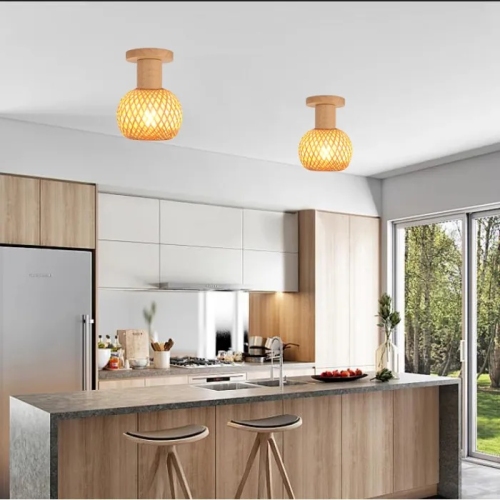

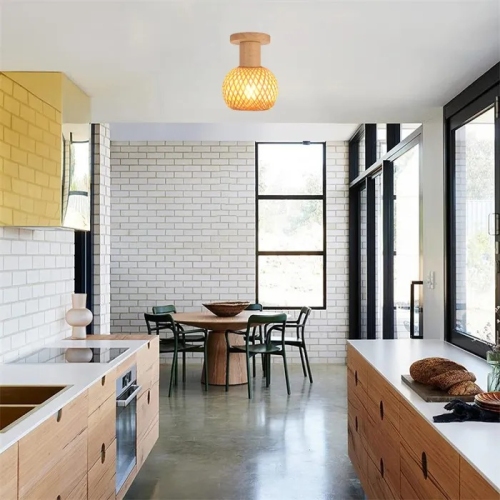

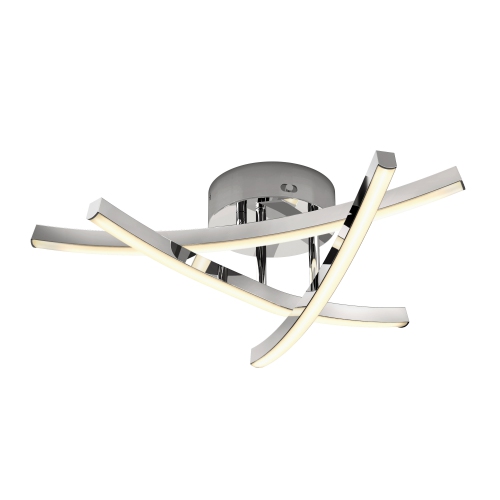
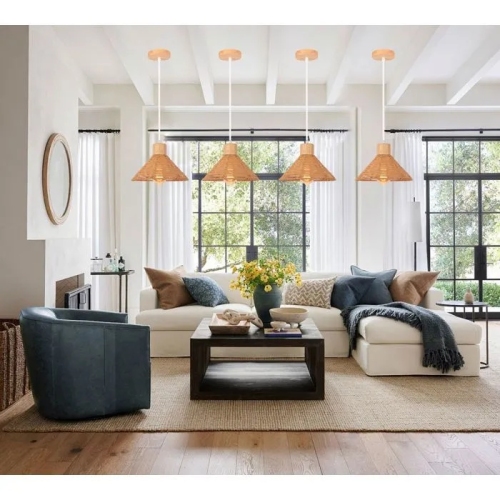
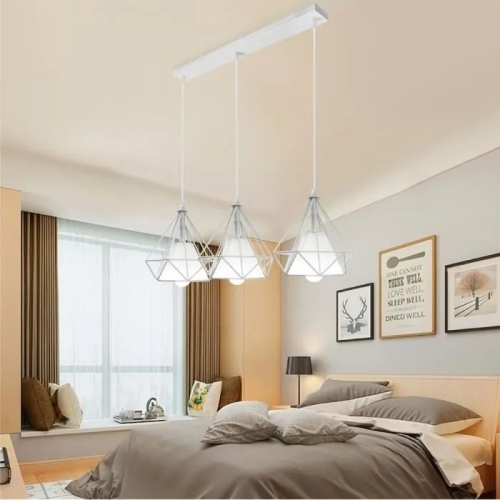
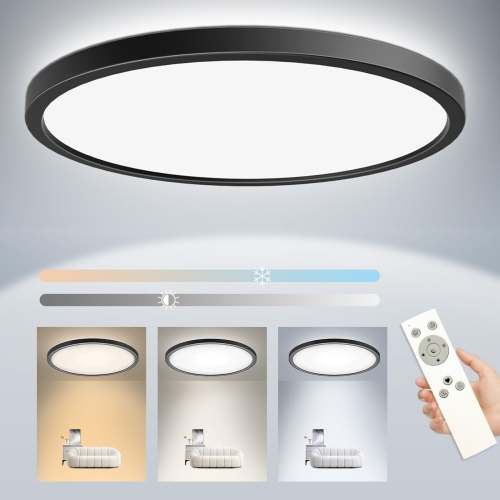
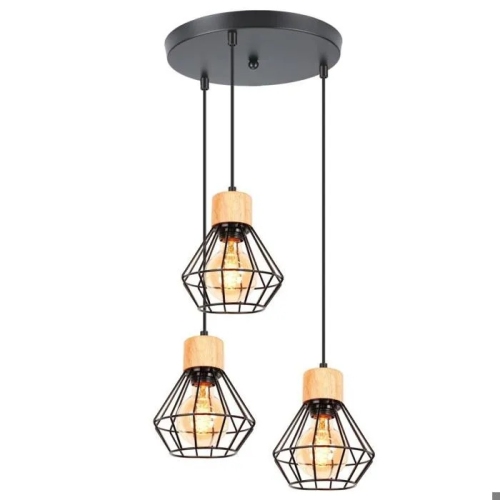

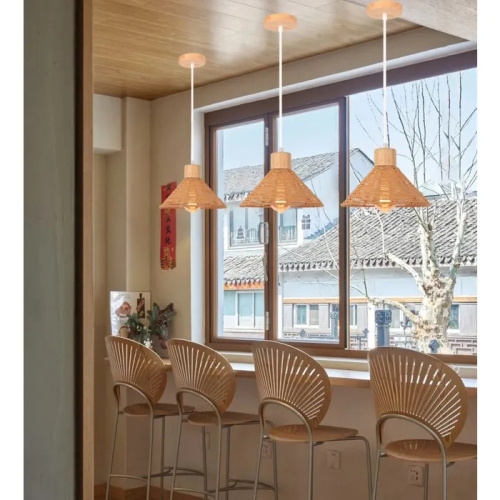
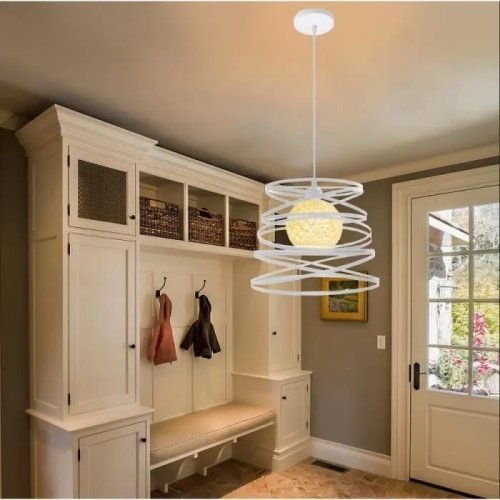
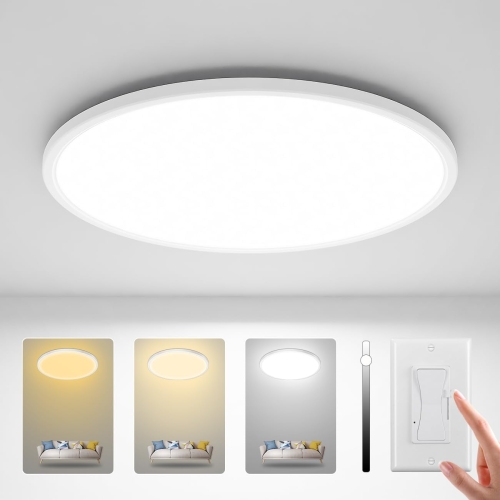

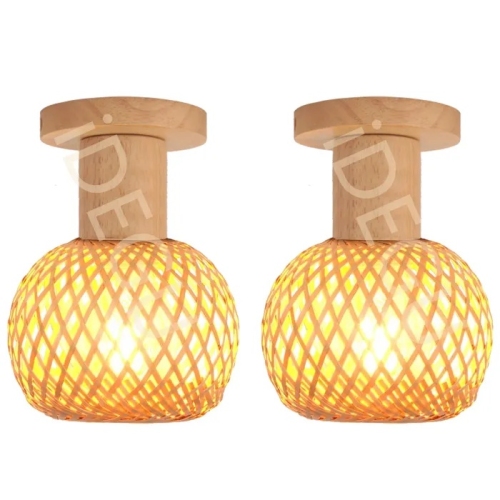
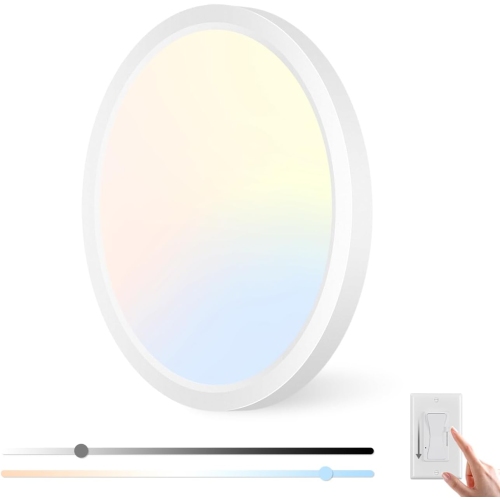
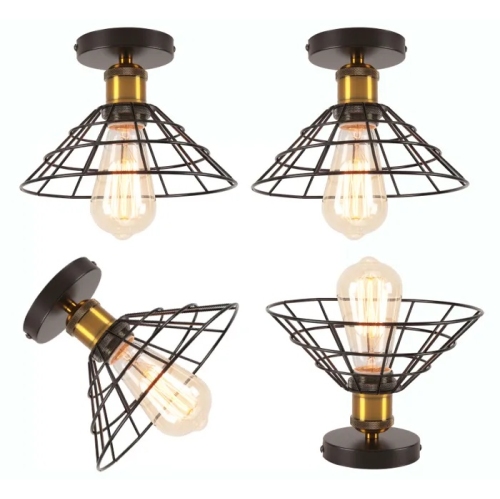
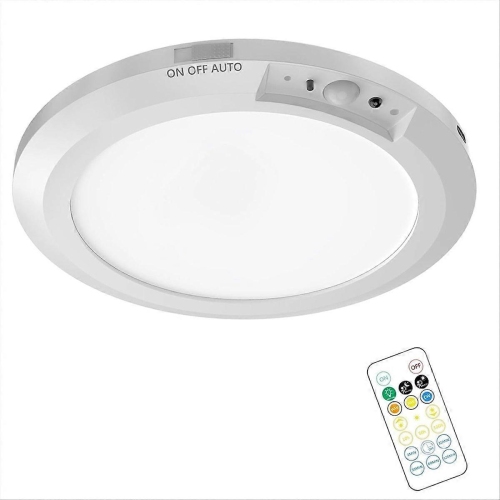

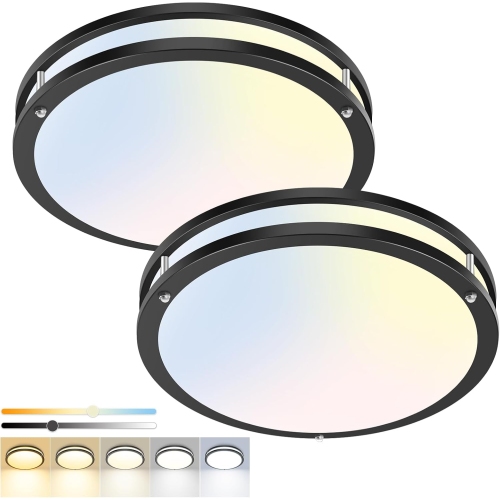

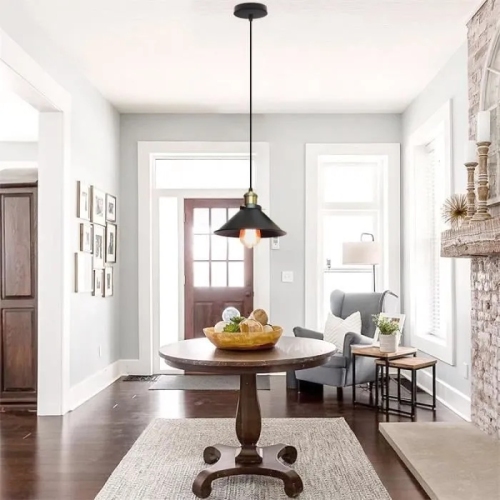
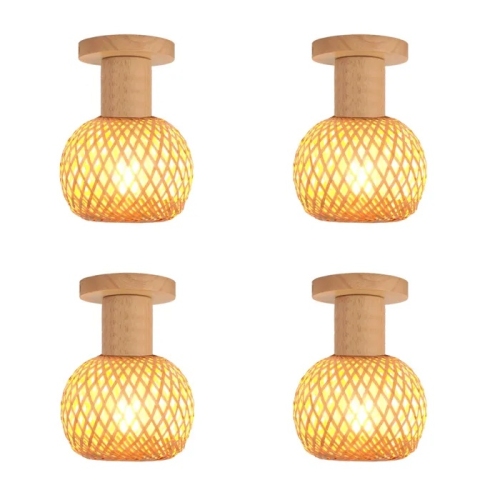
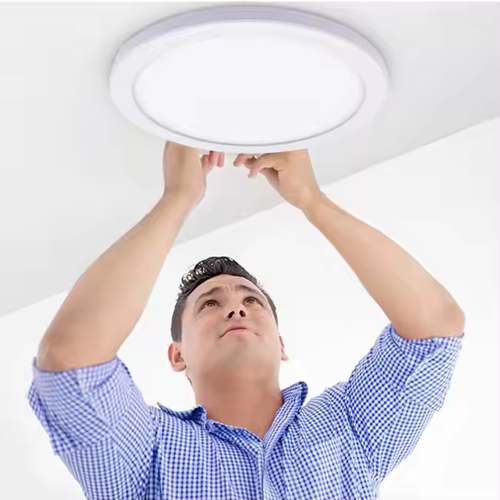
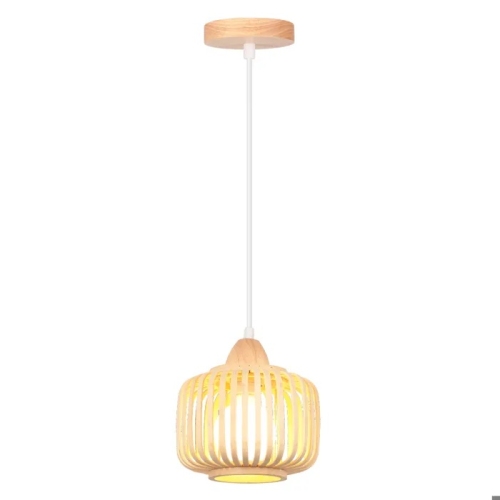

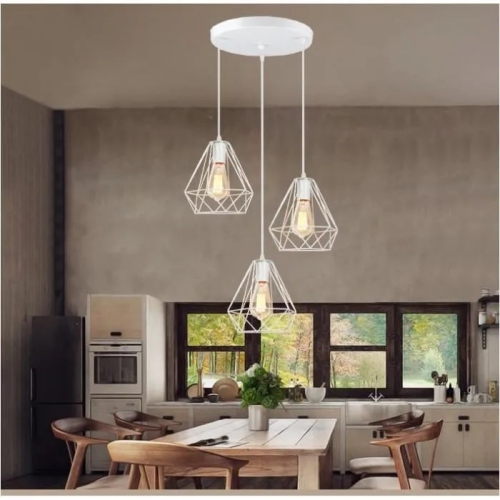
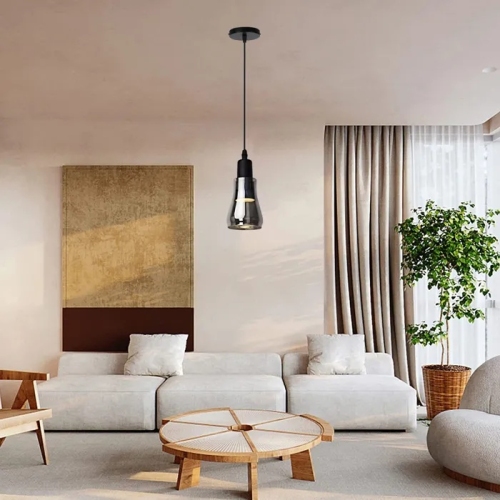

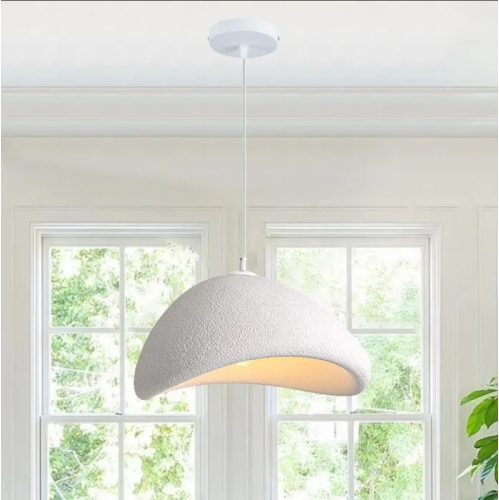
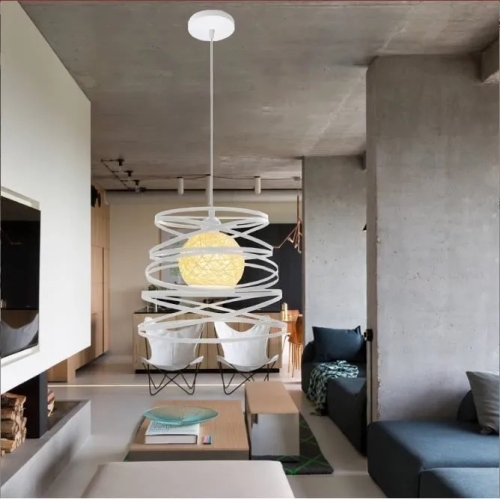
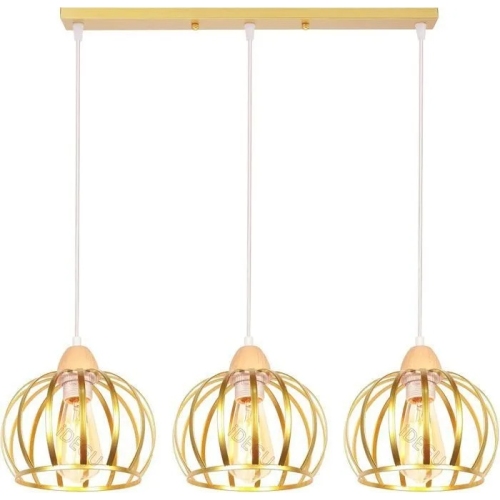
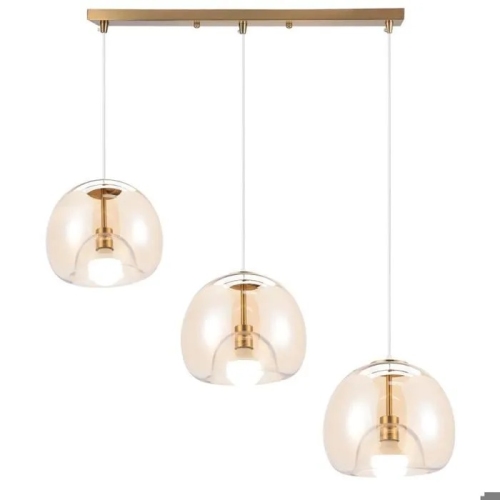
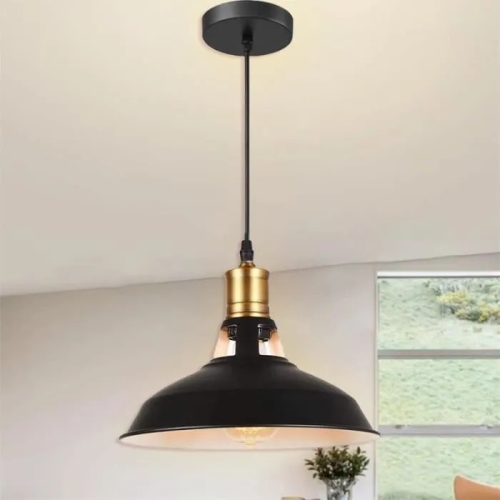
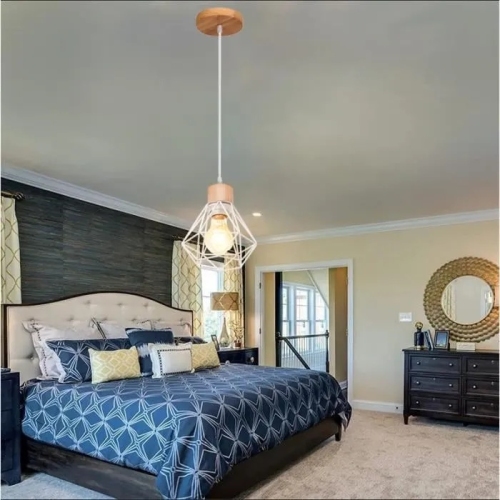

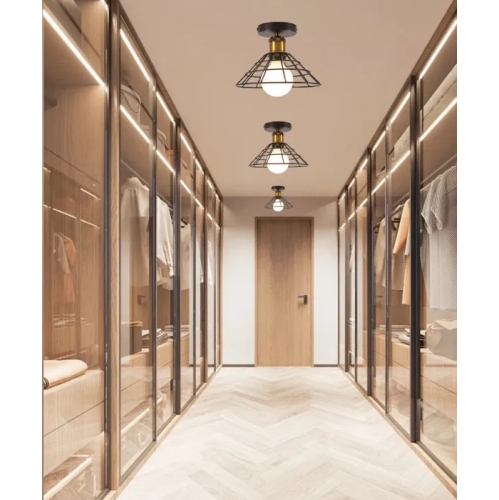

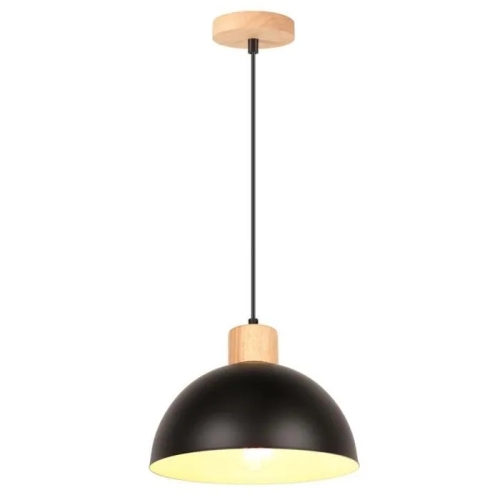
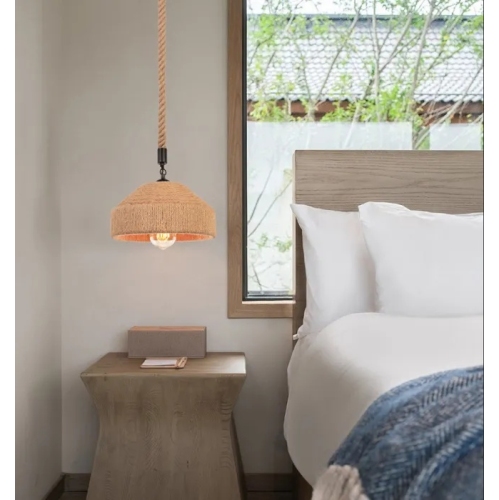
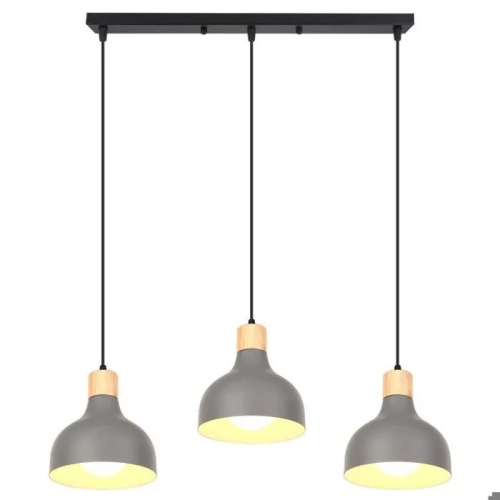
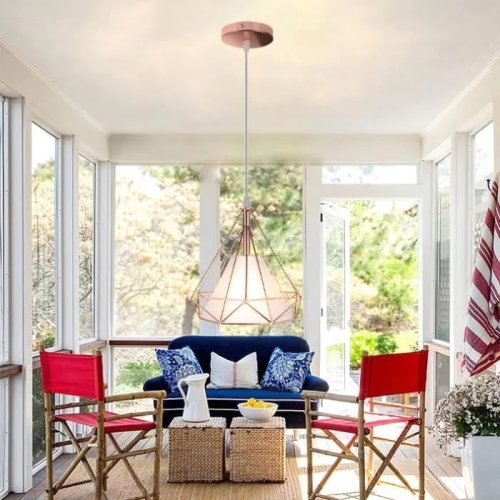
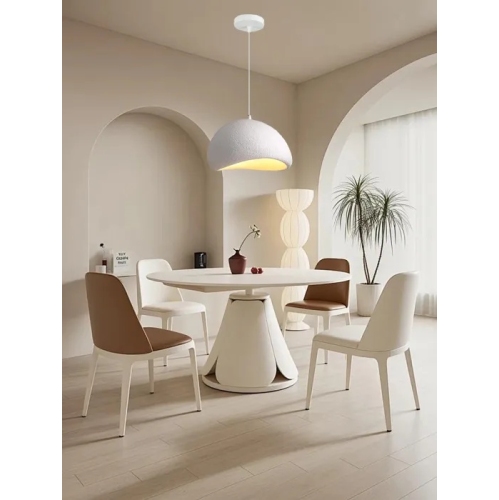
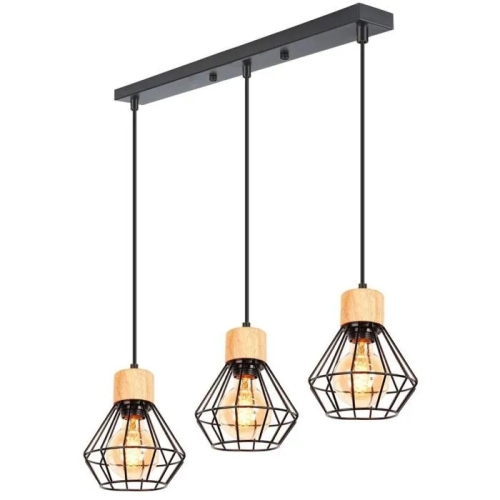
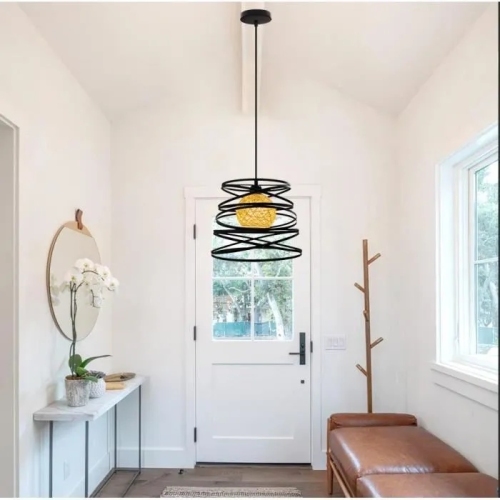
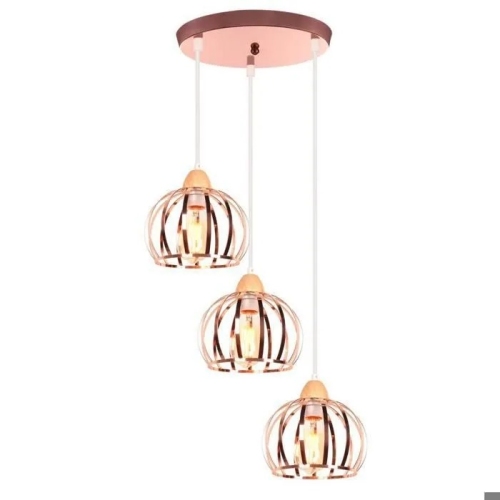
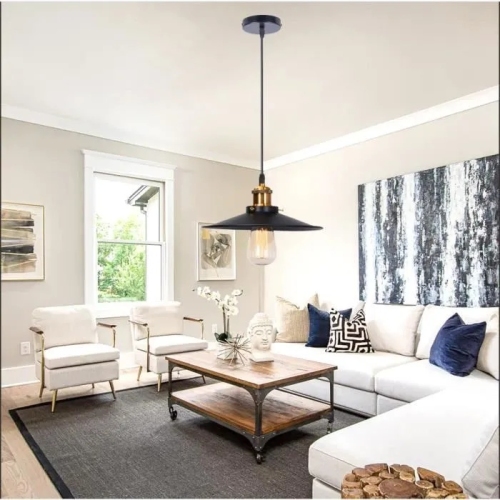
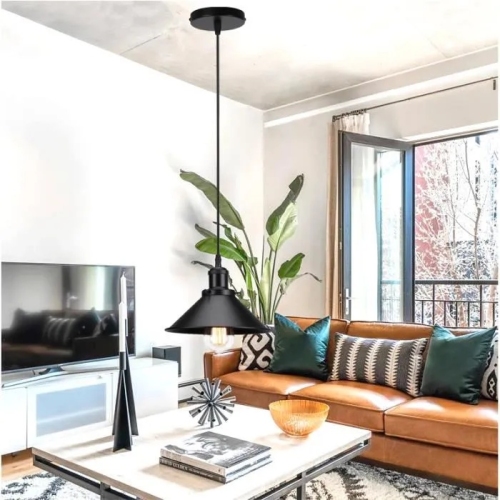
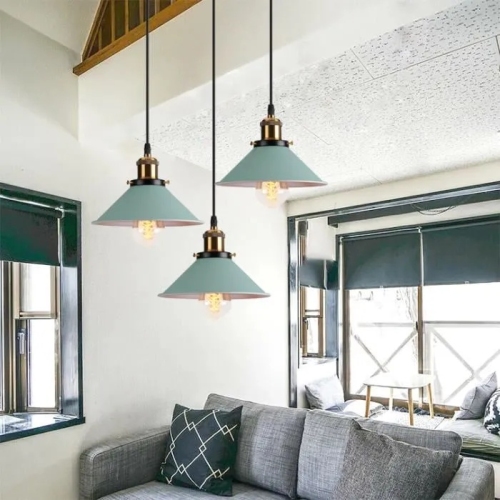
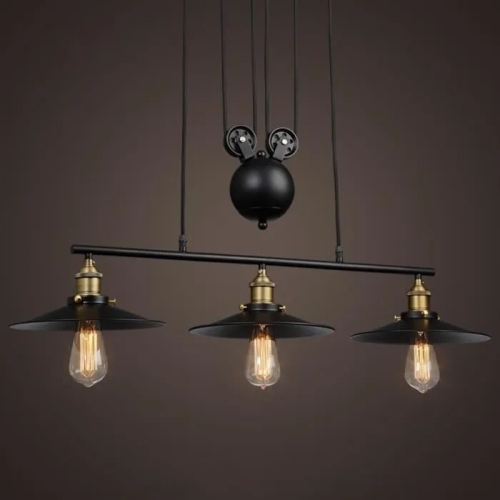
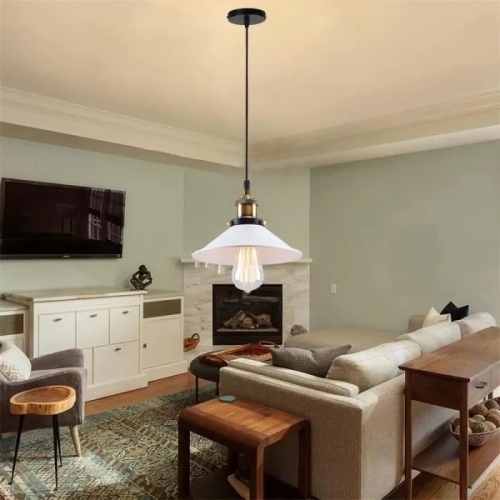
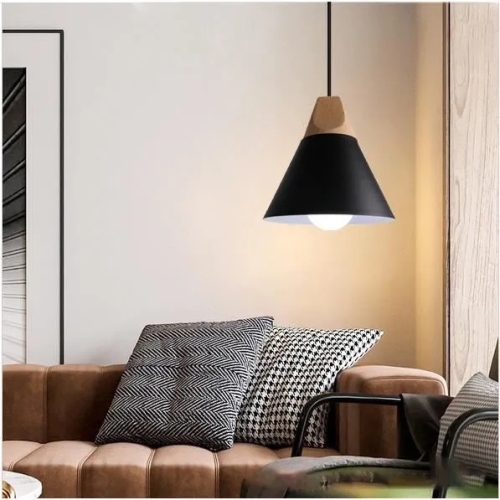
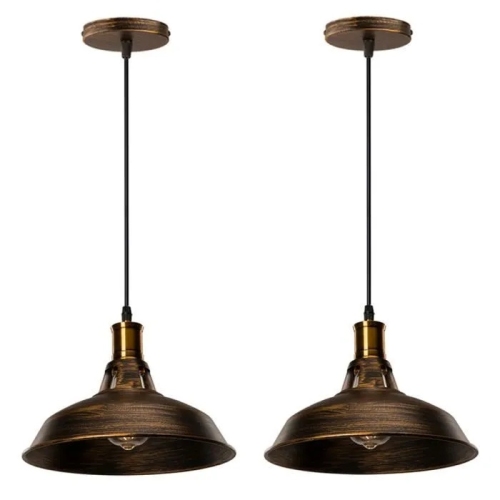
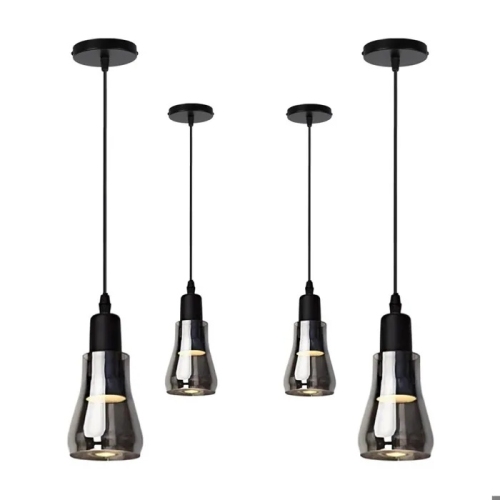
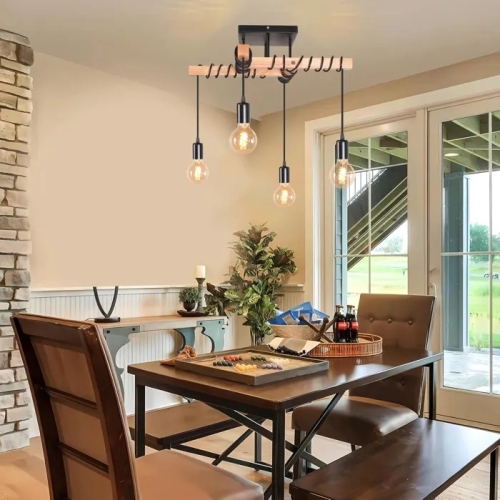

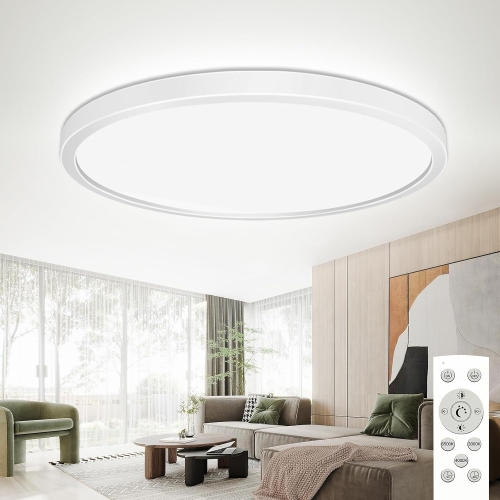
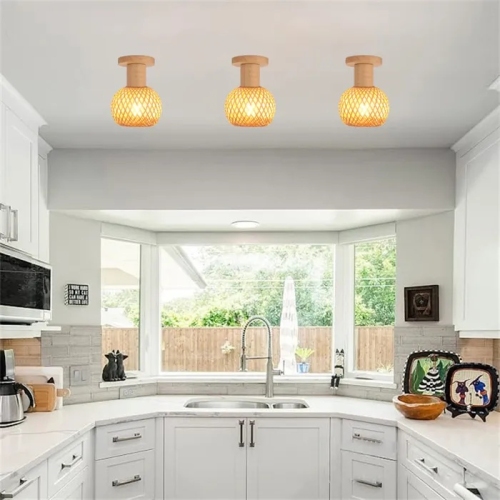
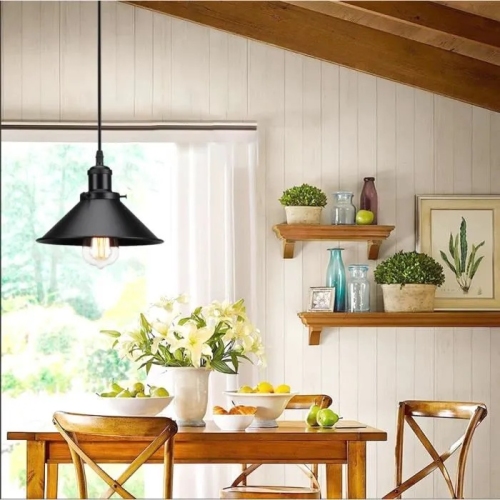
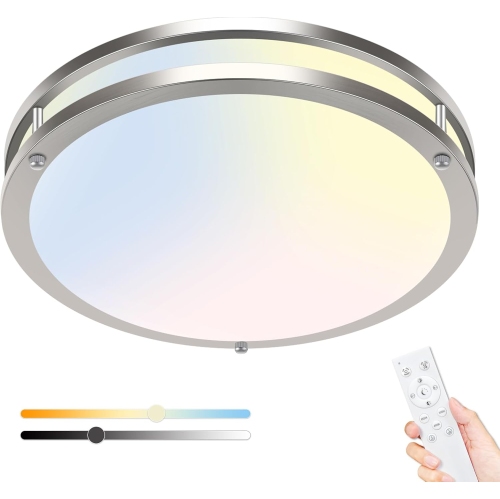
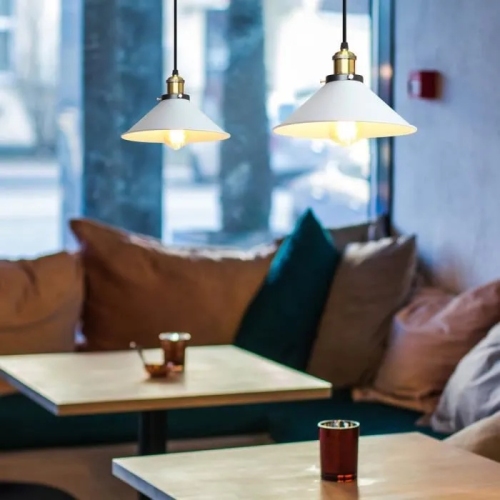
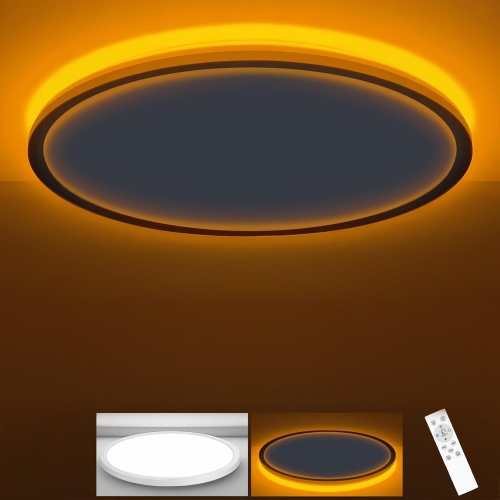
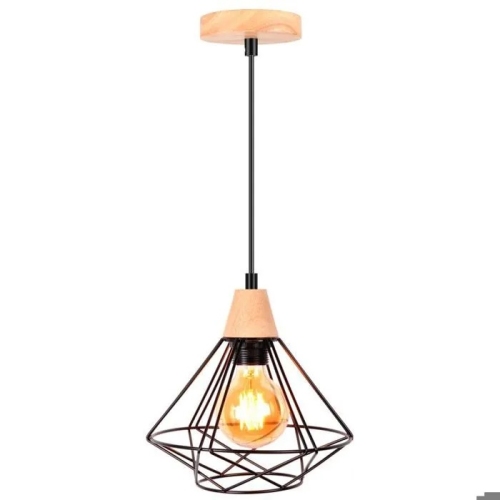
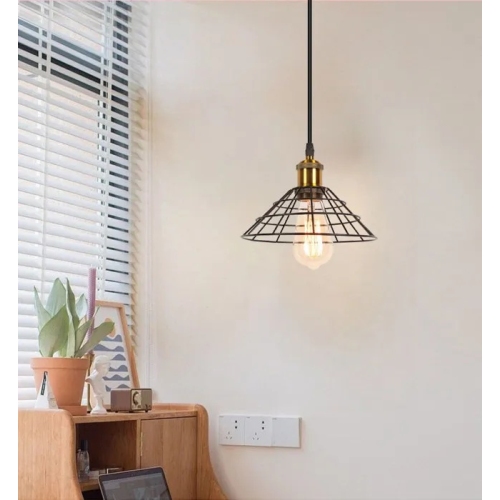
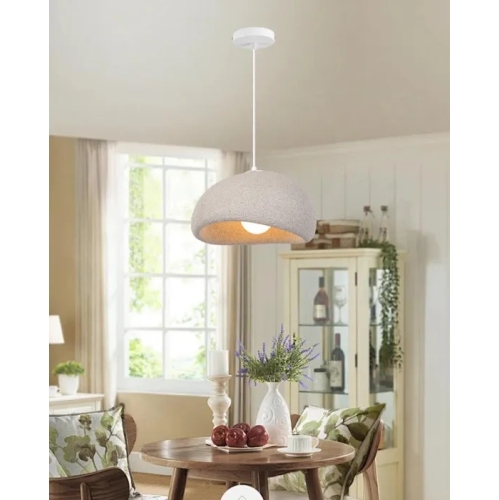
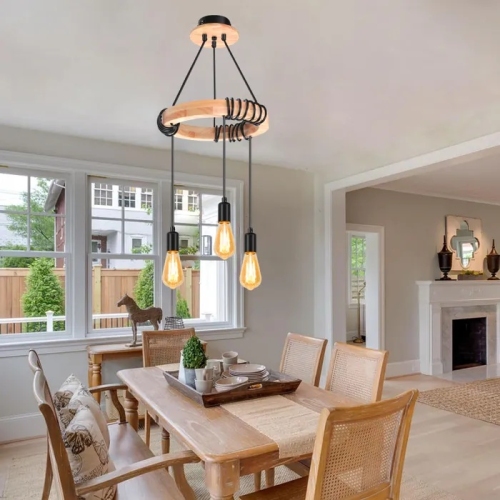
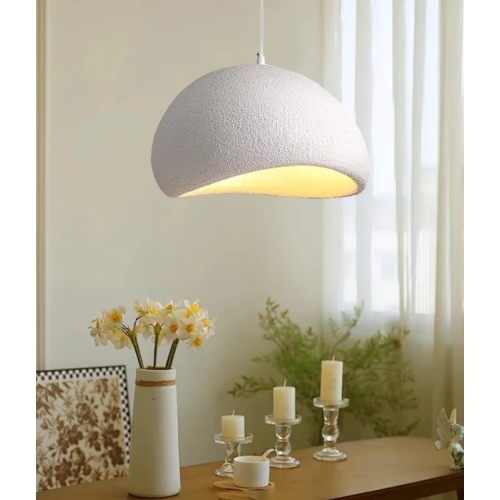
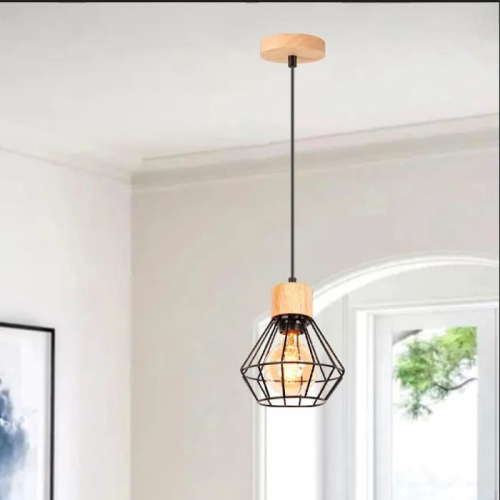
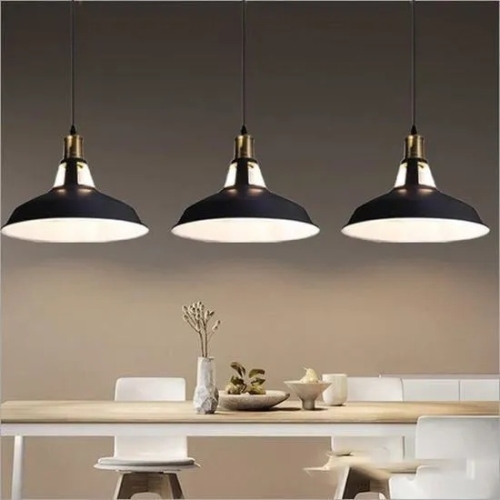
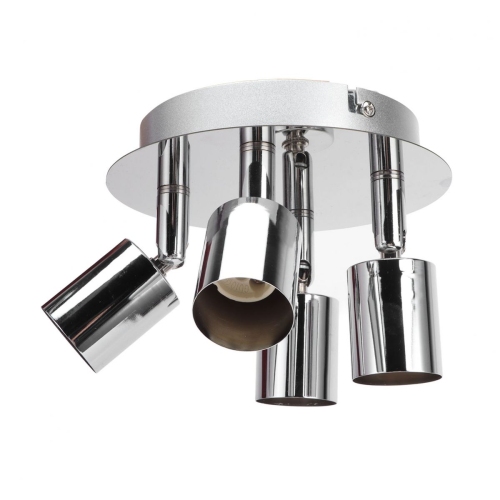
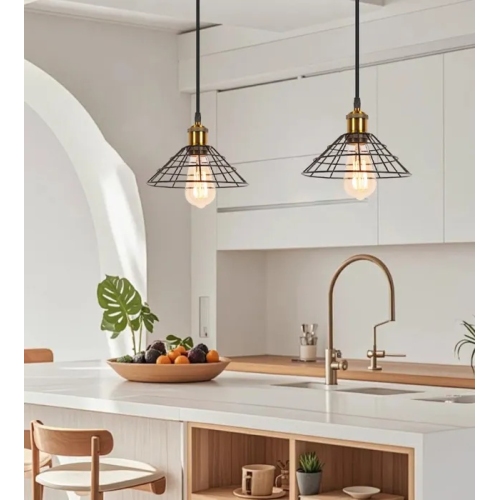
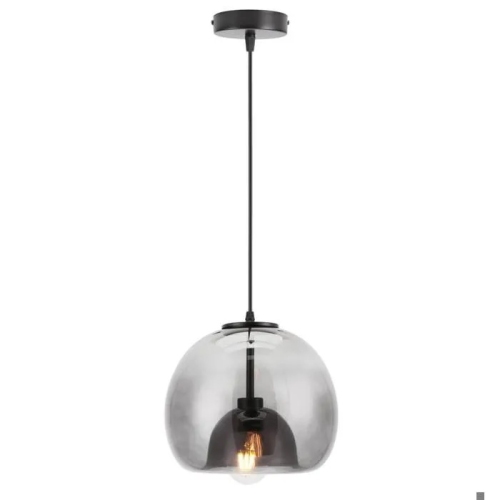
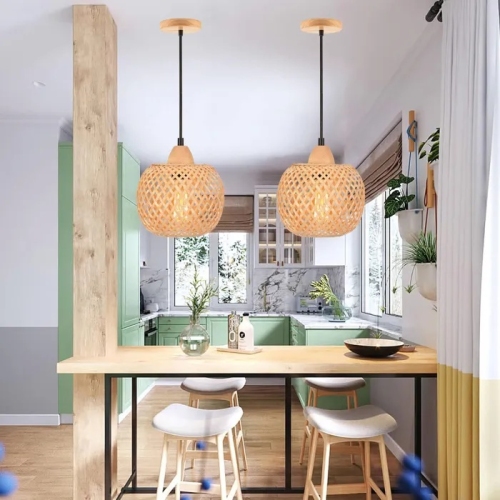
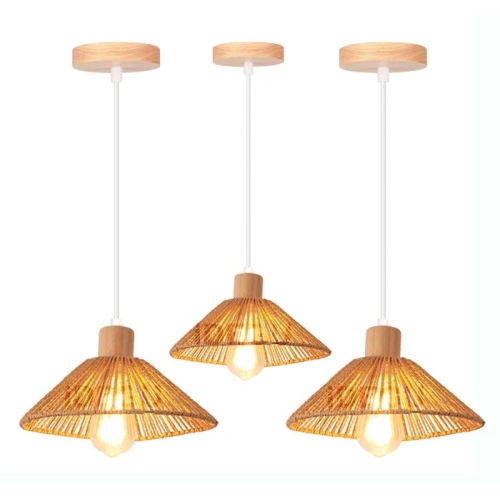
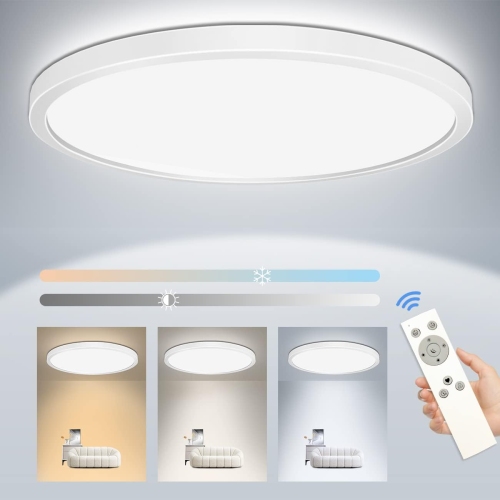
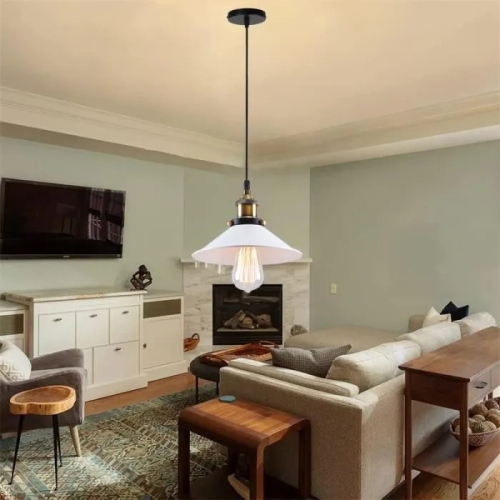
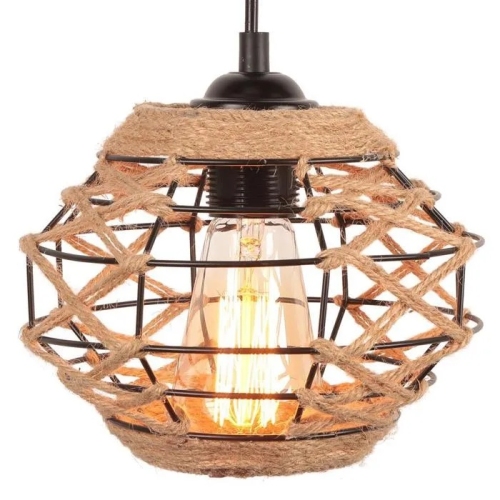
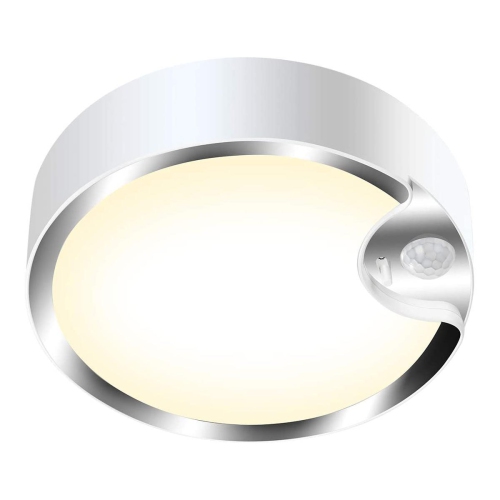
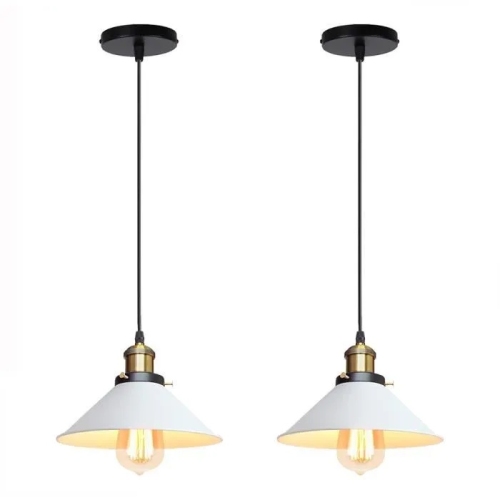
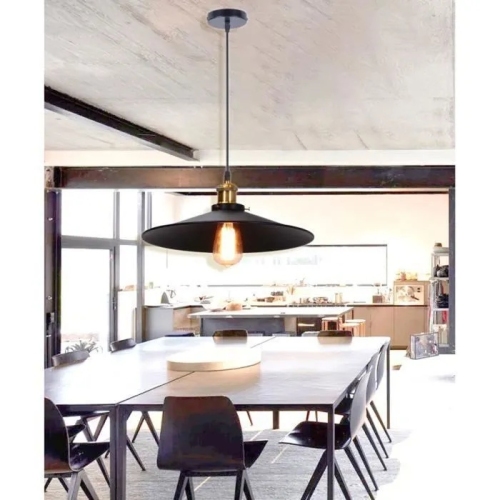
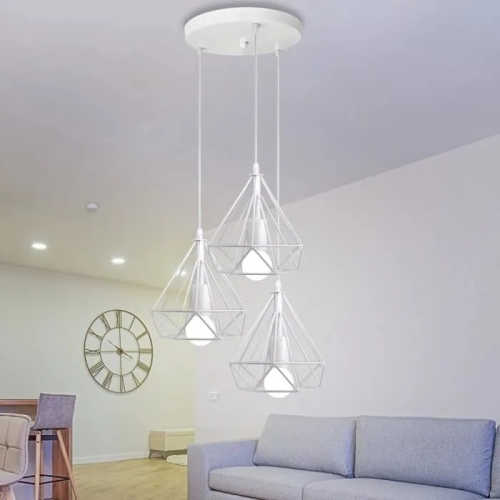
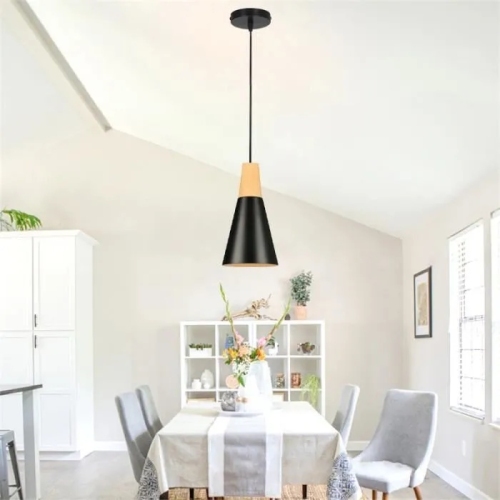
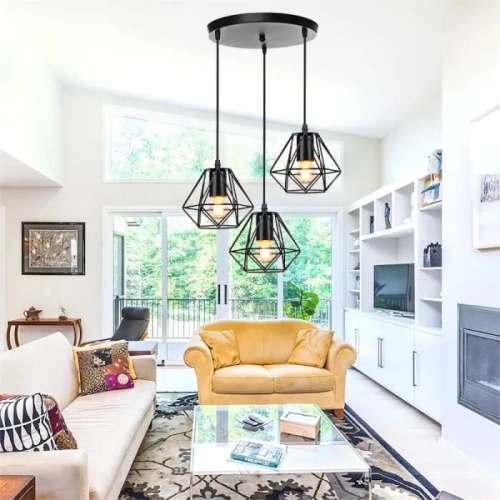
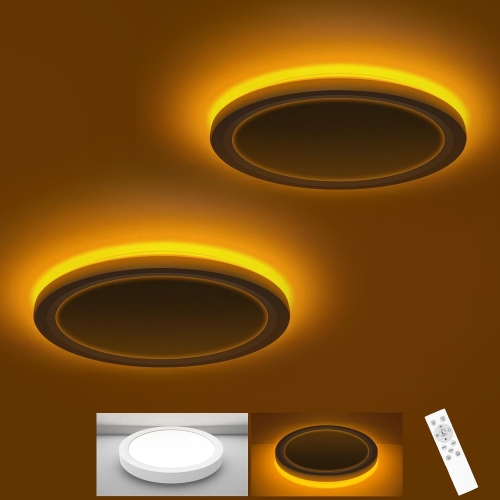
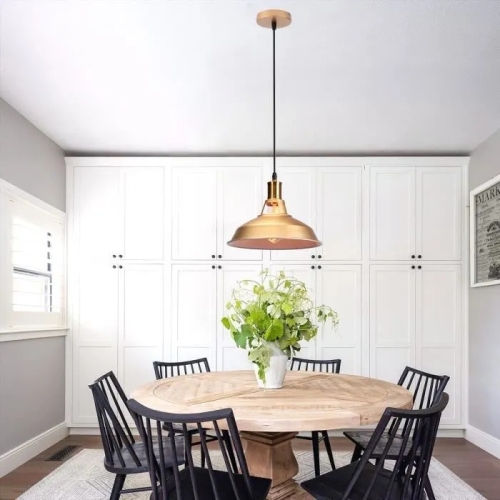
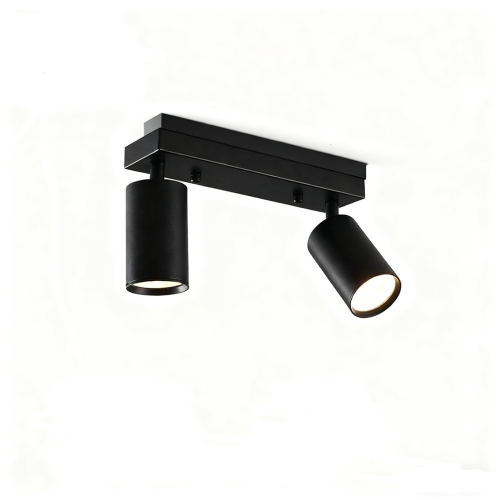
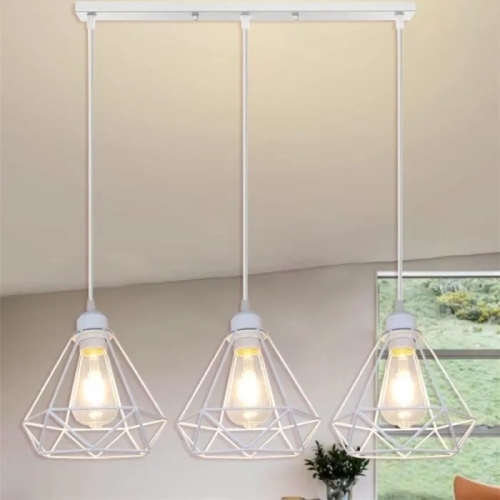
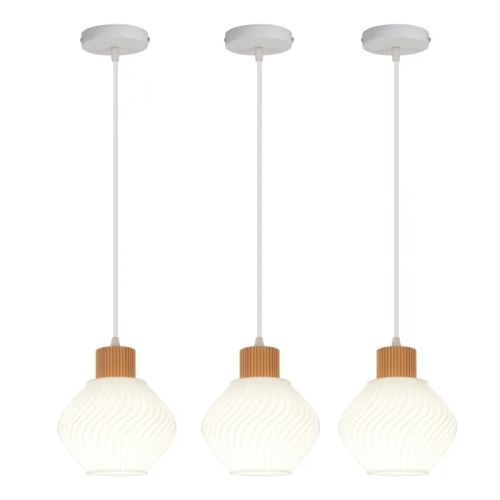
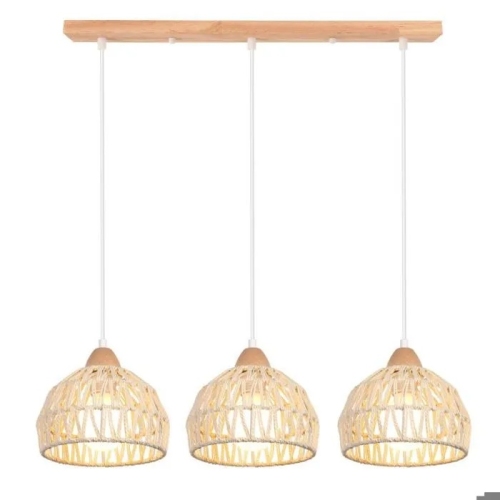
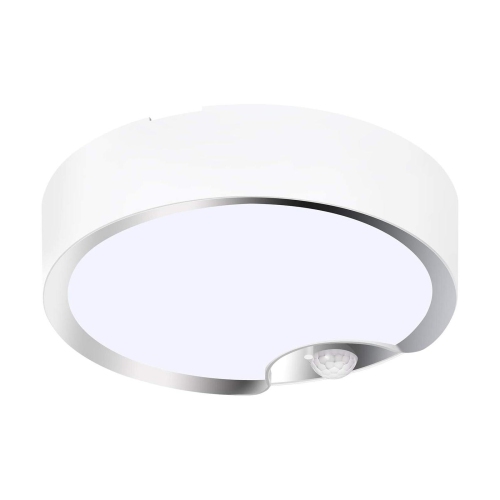
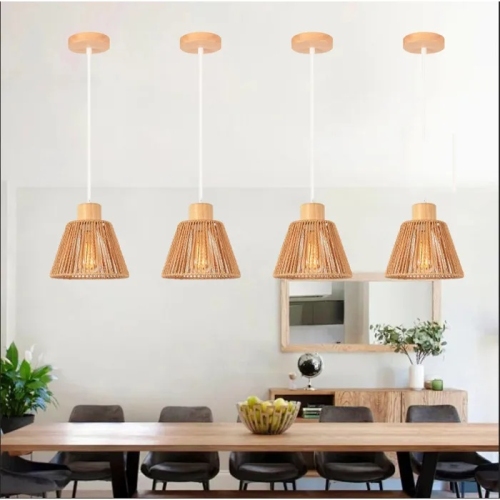
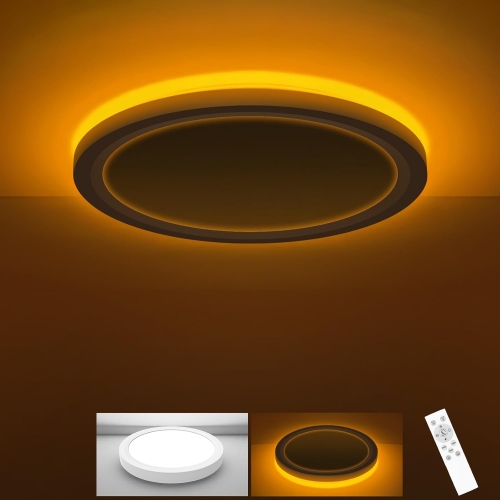
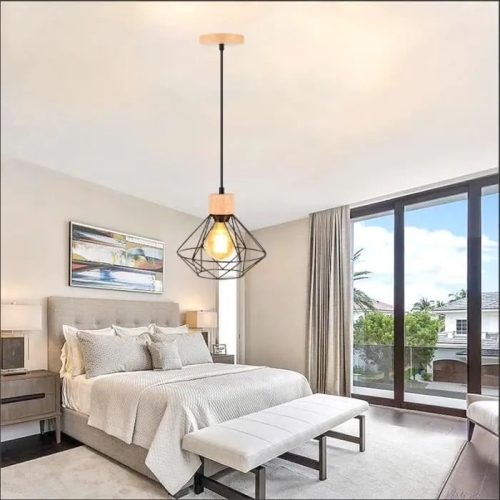
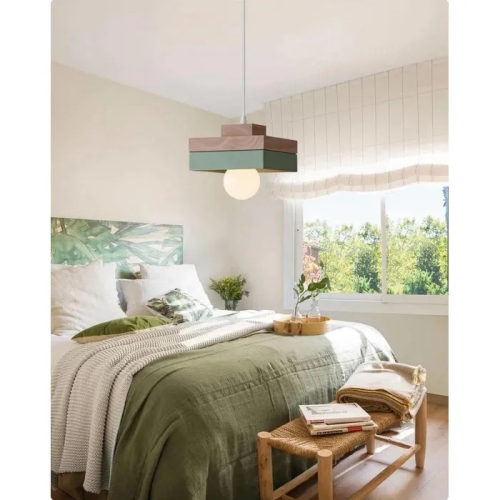
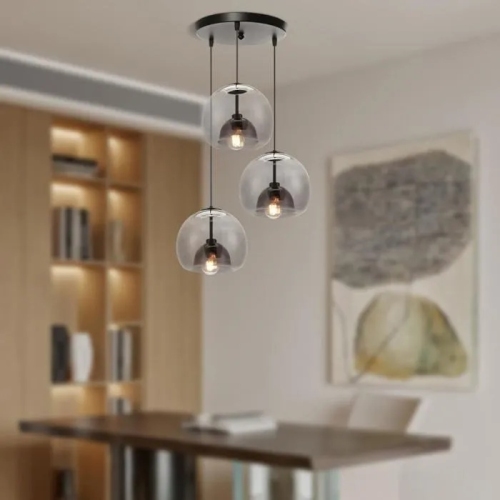
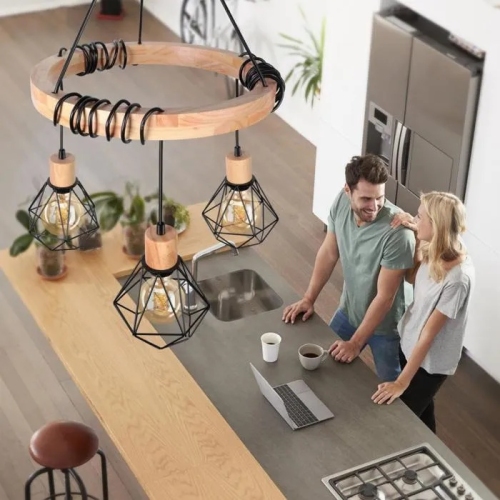
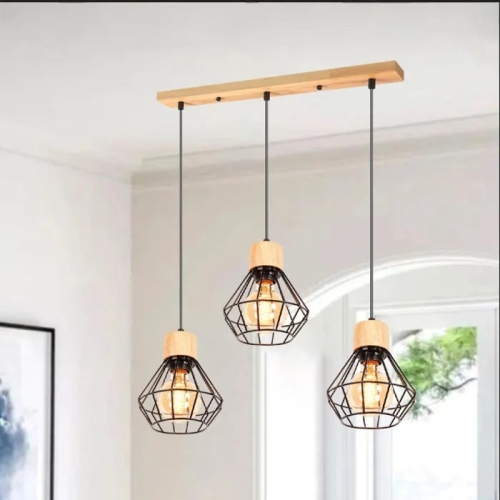
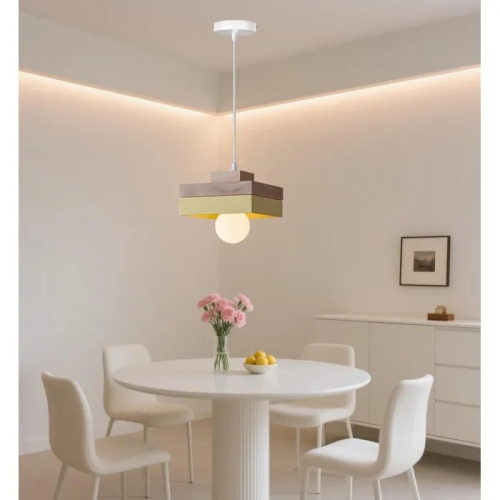
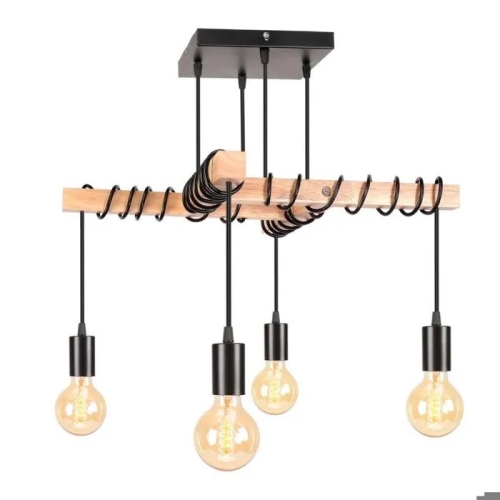
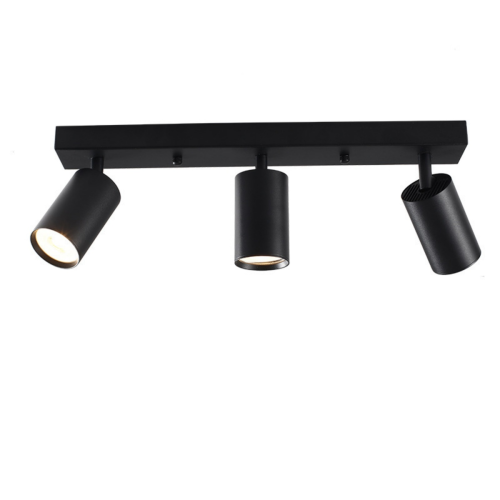
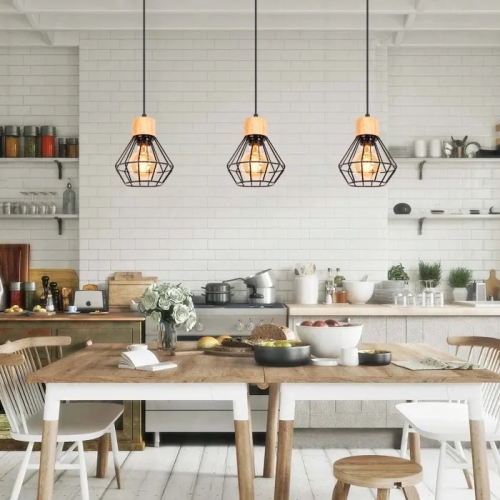
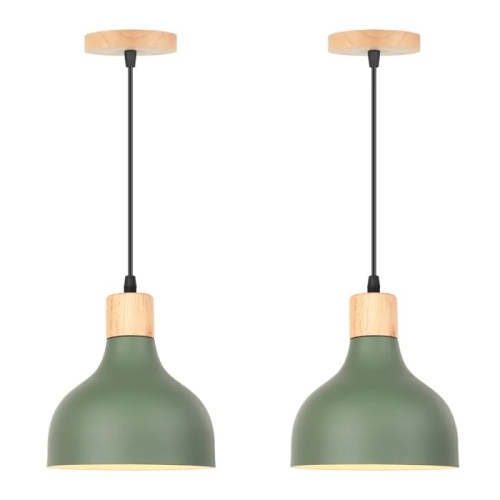
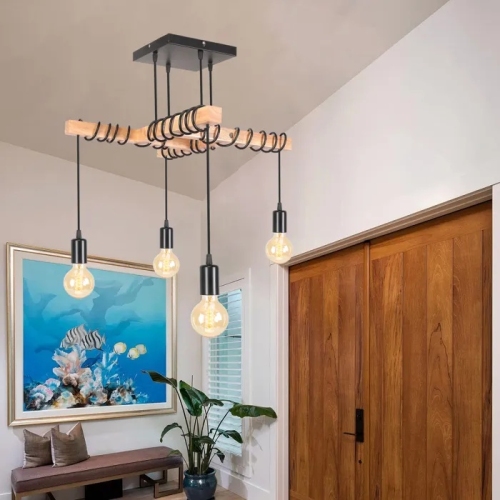

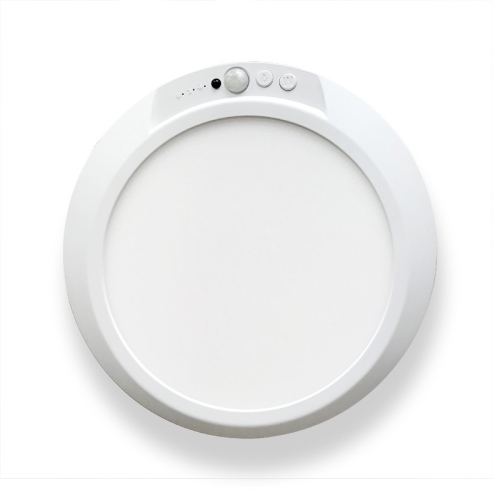
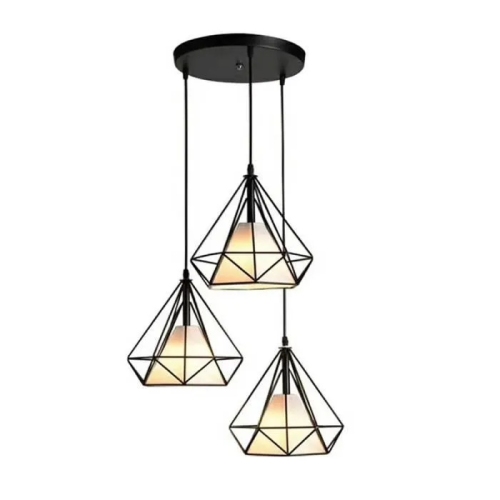
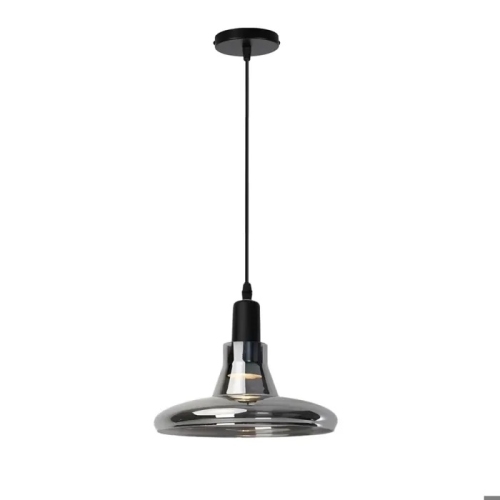
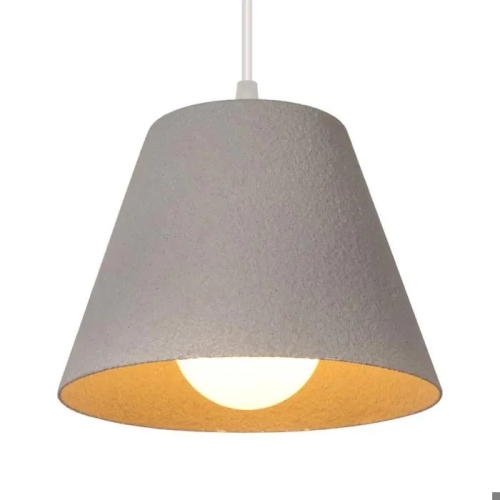
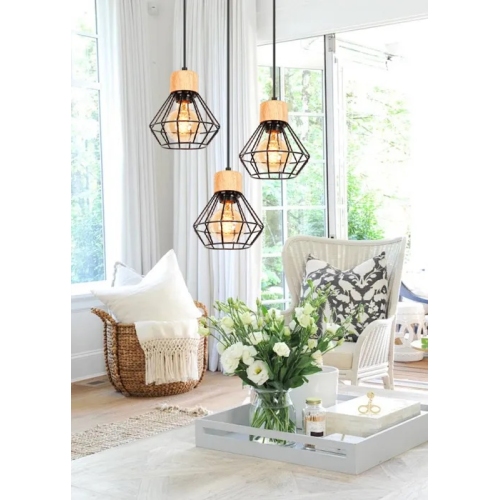
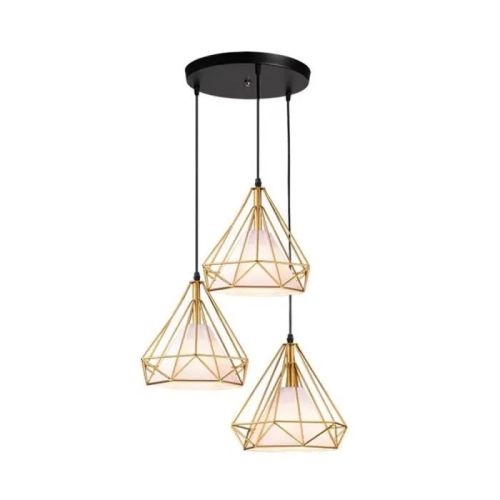


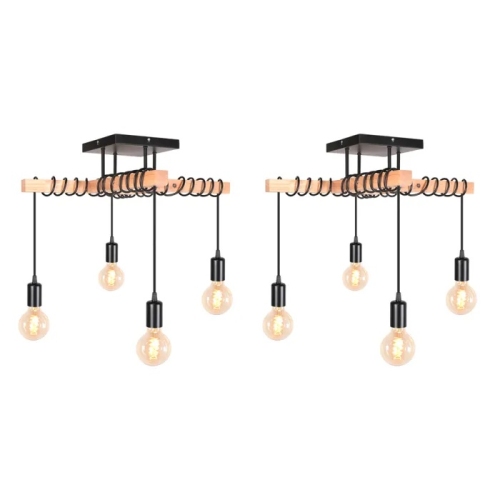
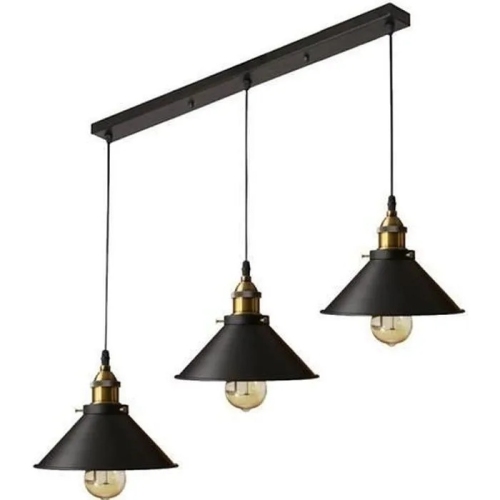
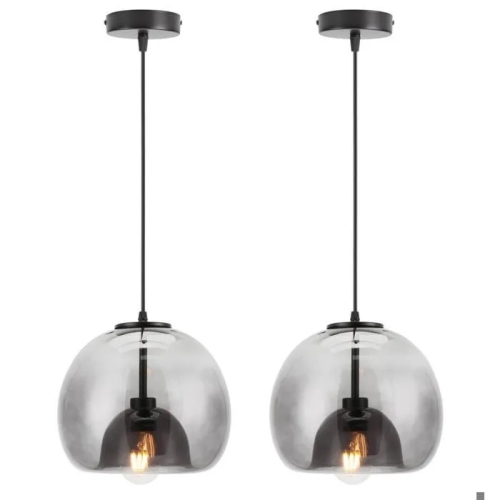
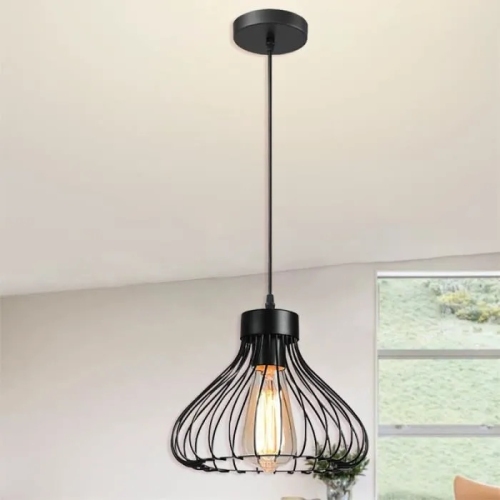

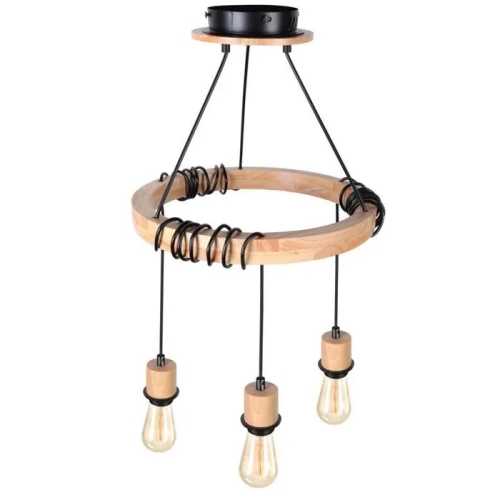
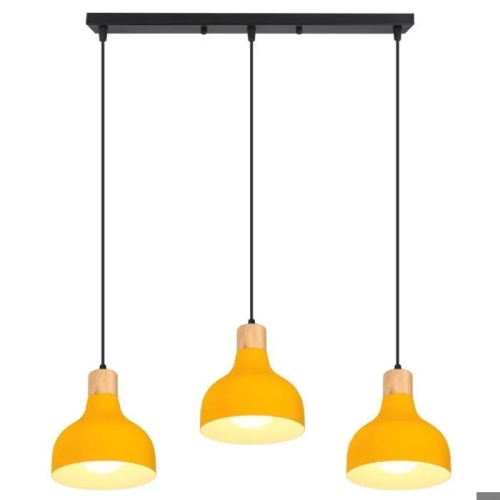
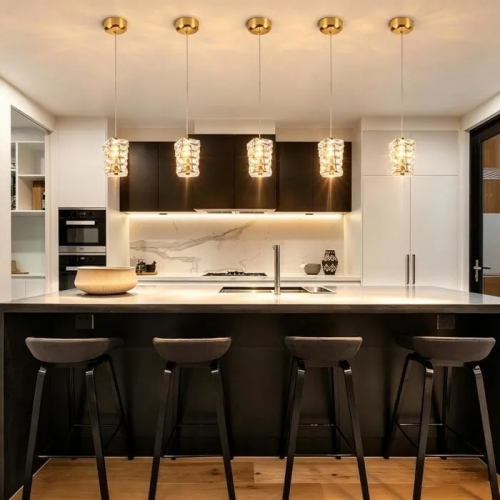
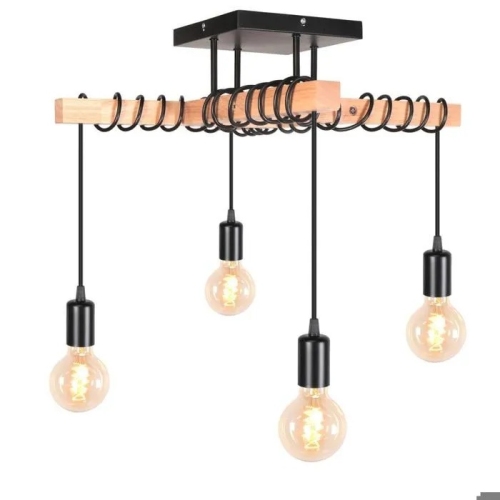
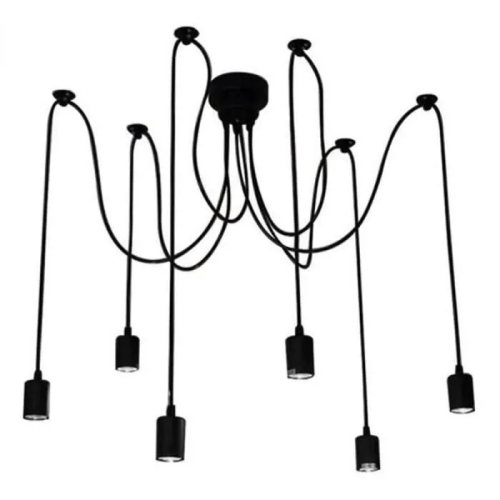
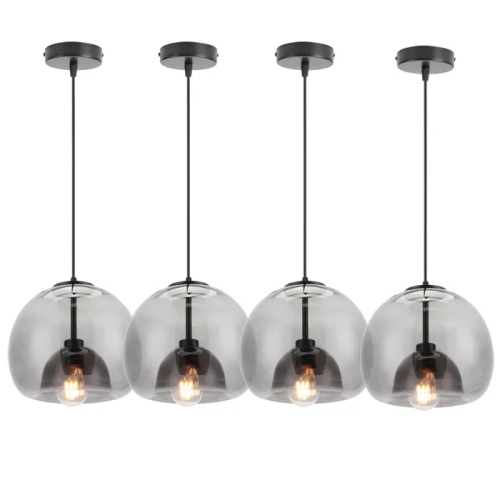
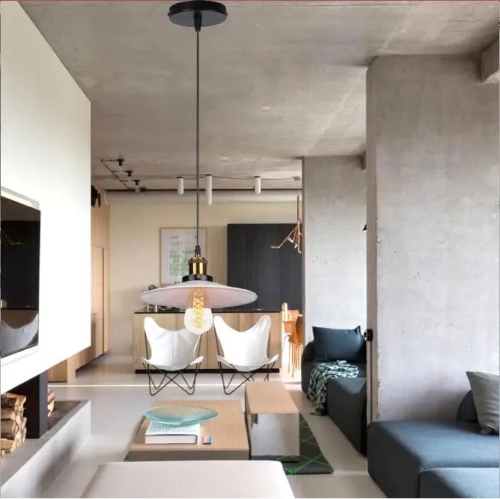
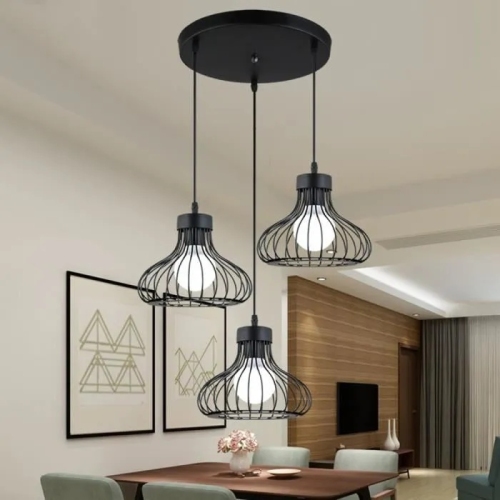
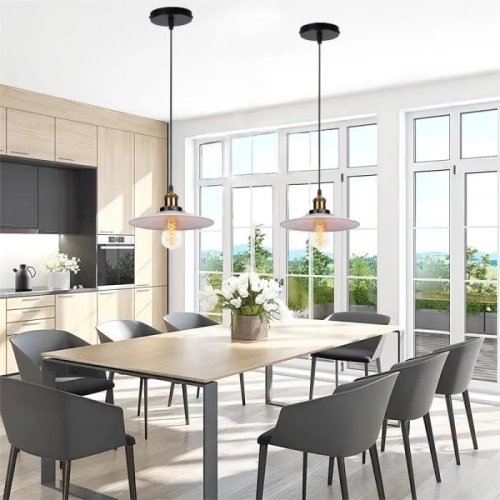
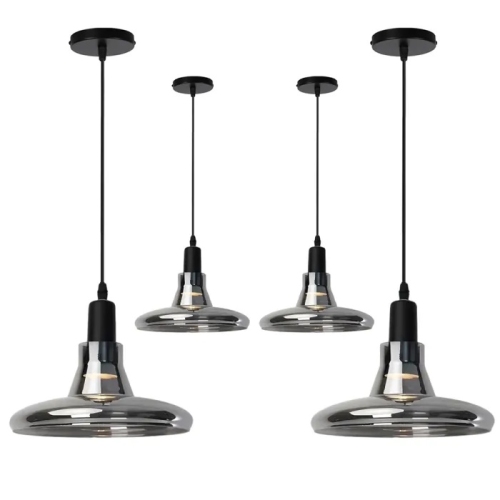
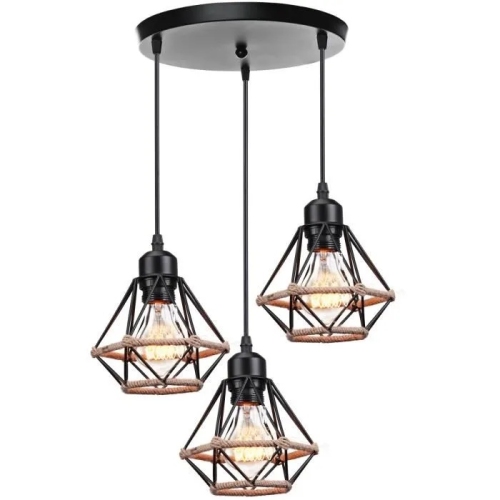
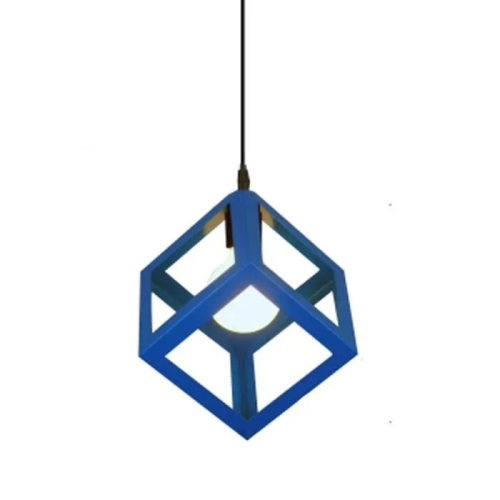
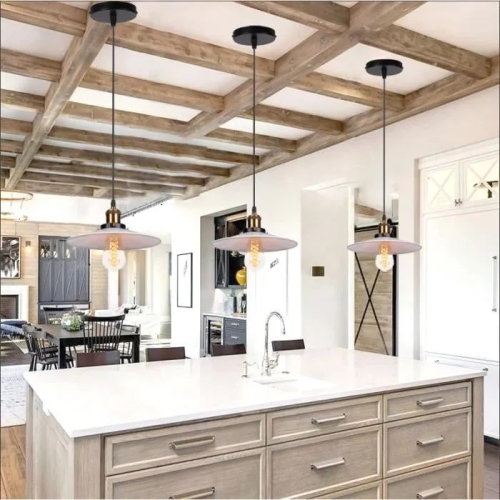
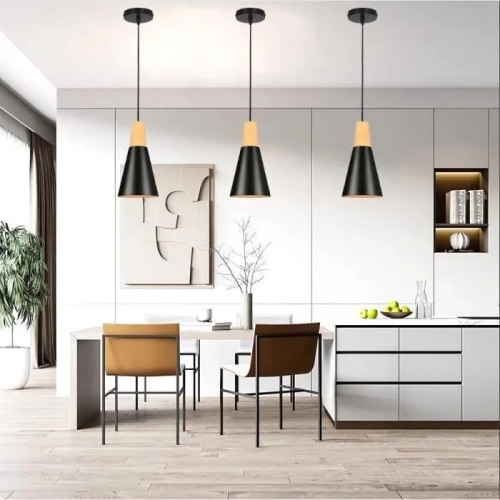
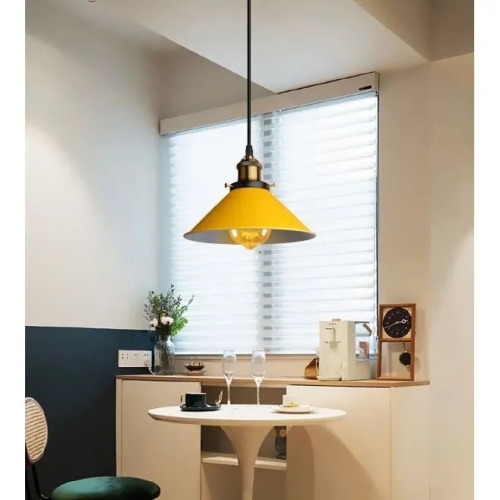
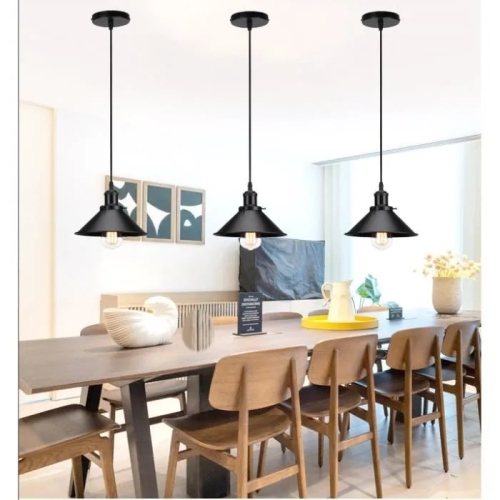

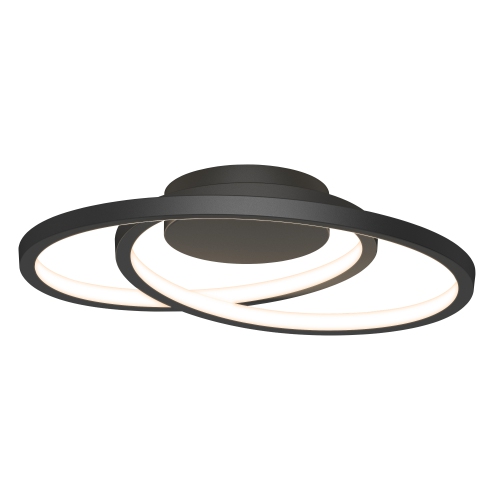
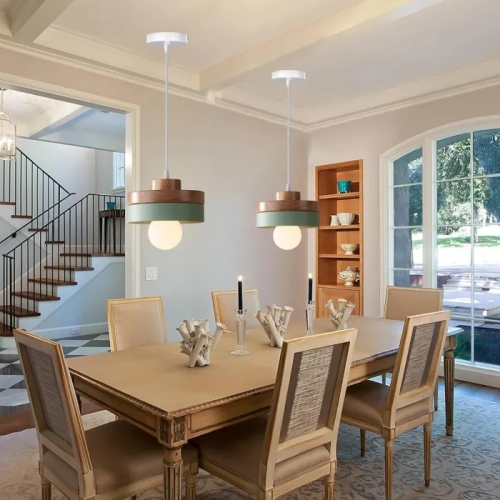

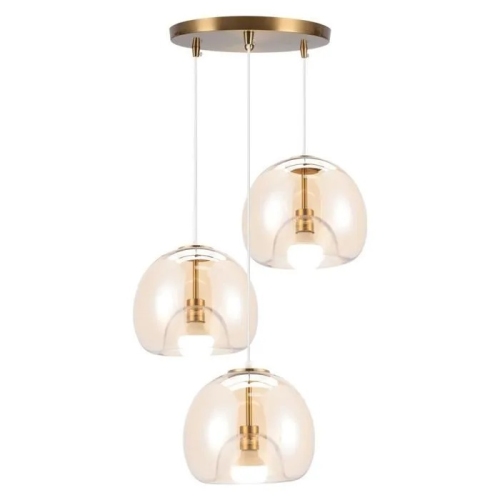

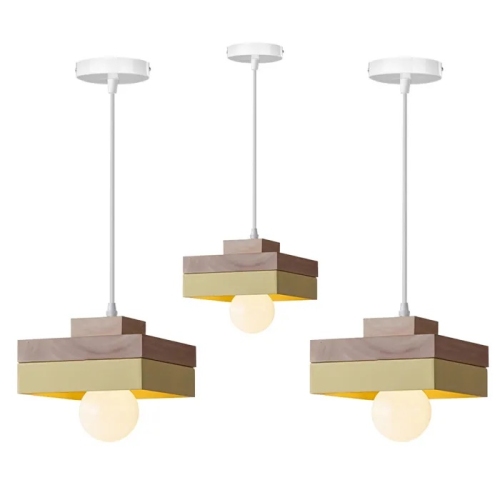
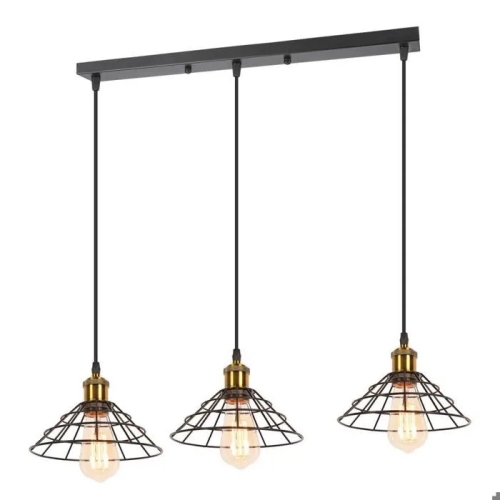
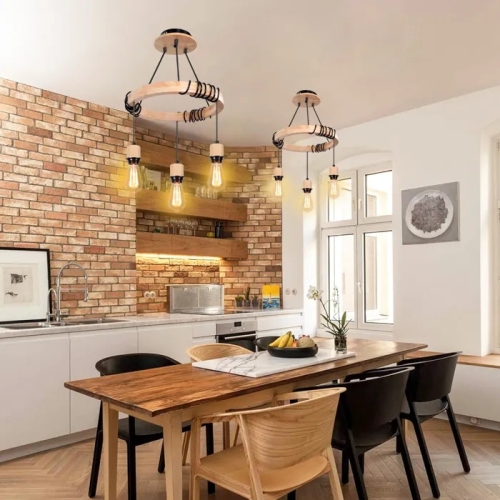
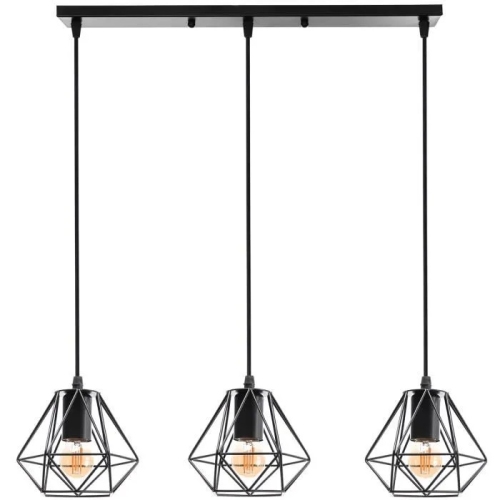

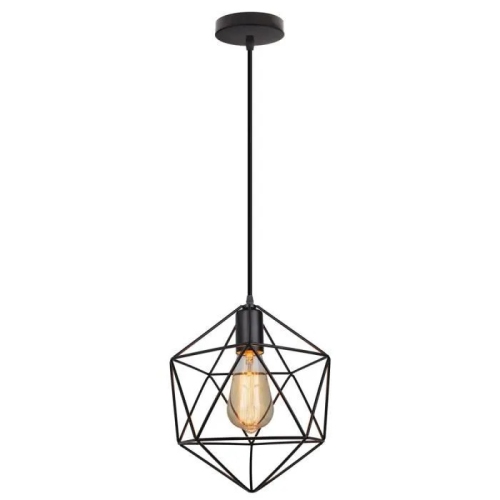
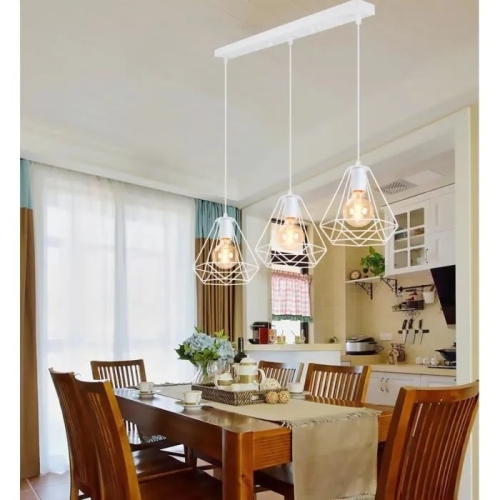
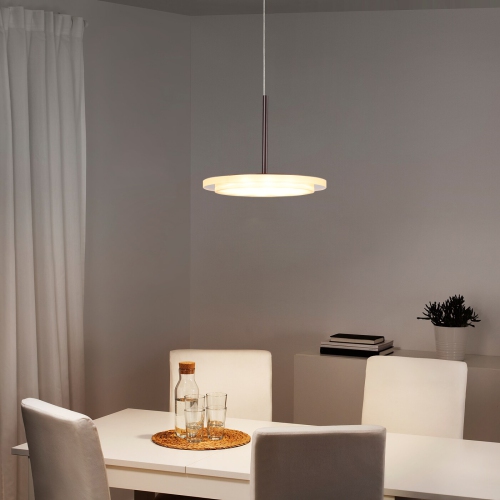
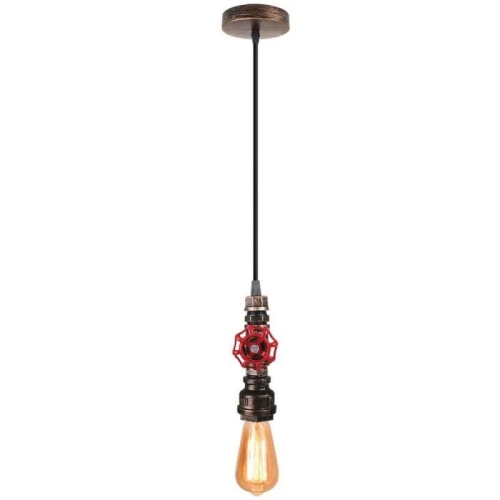
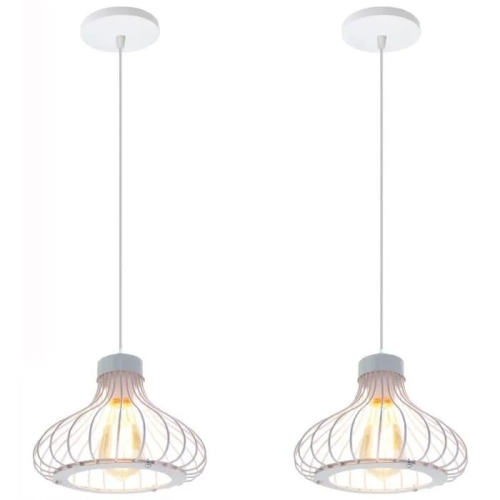
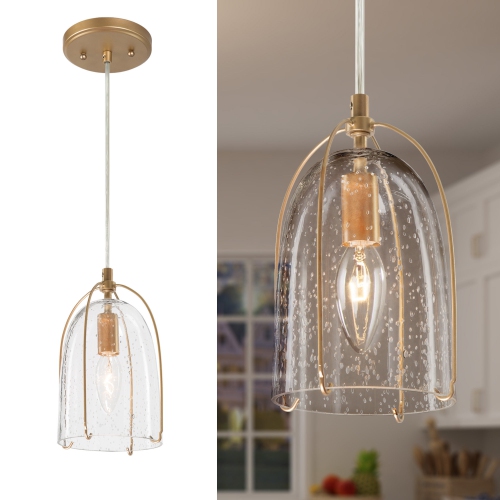
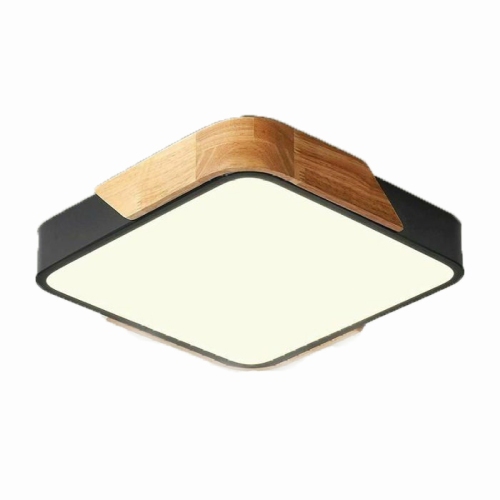
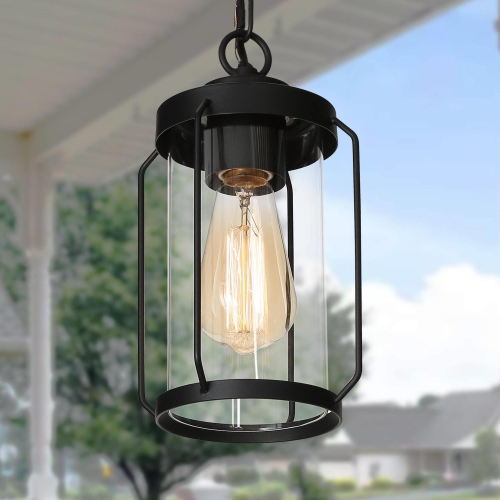
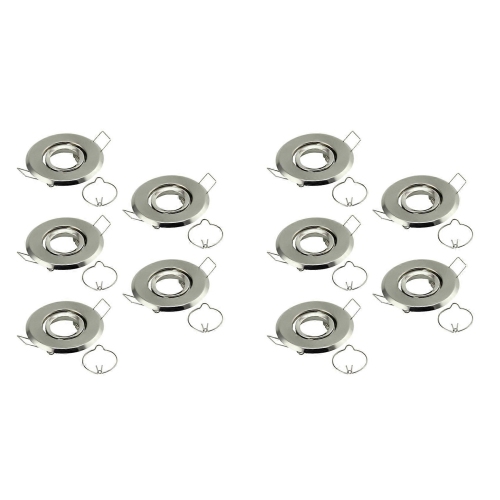
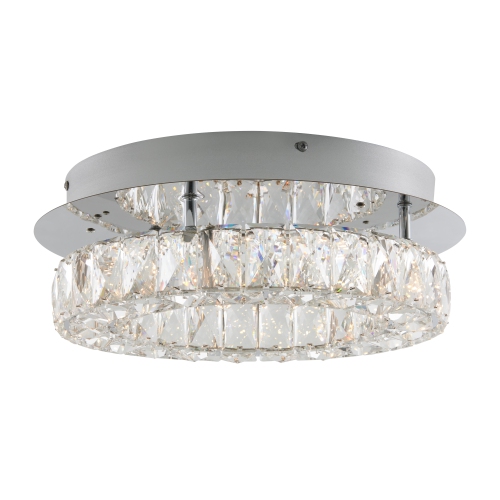
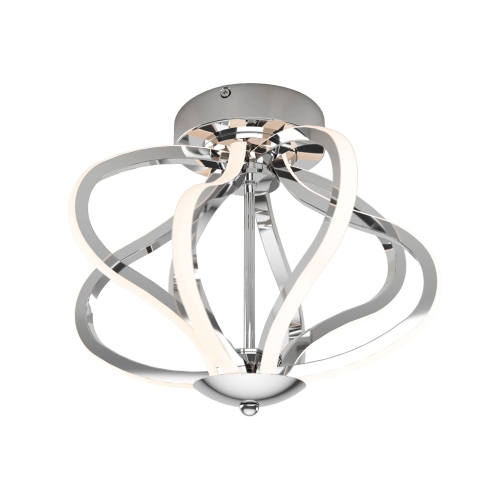
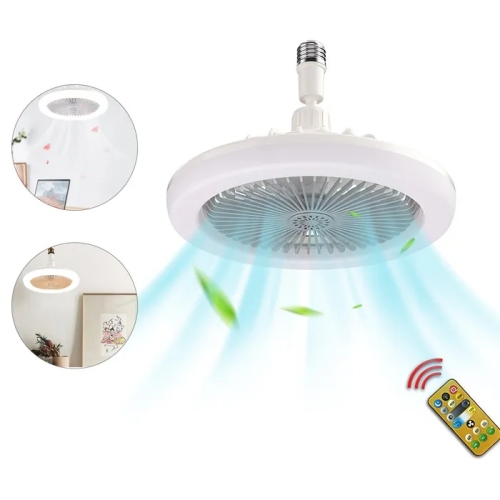

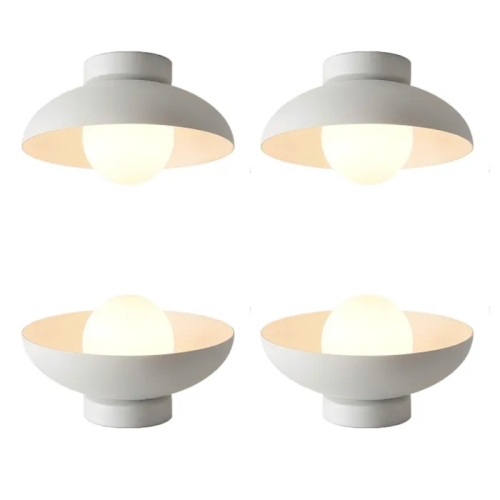
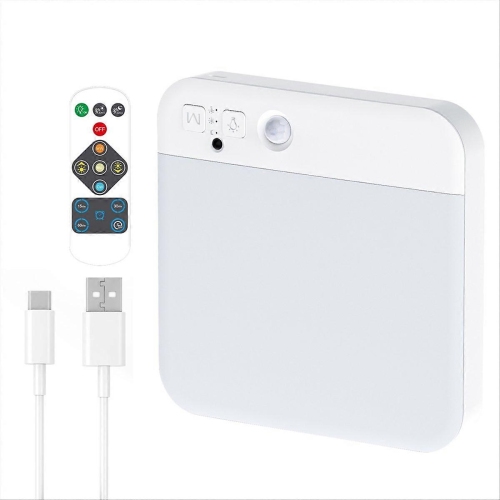
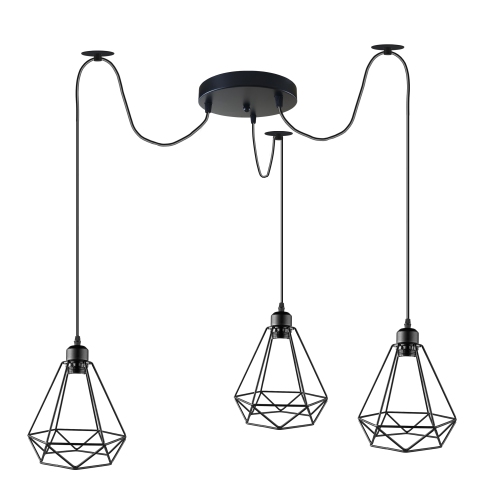
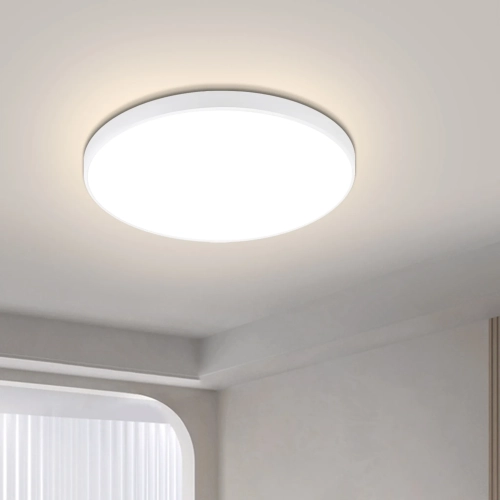

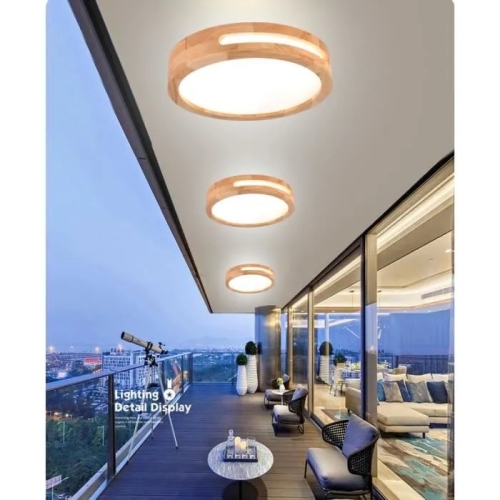
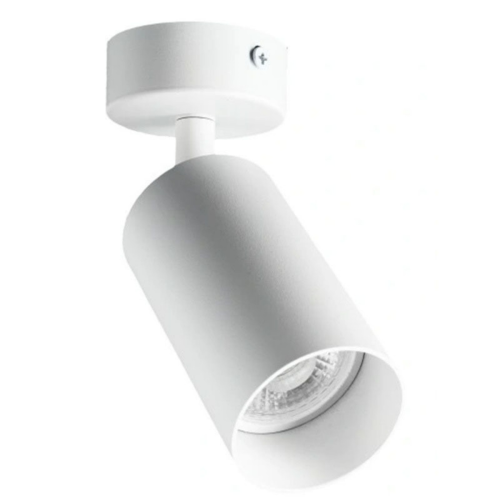

Light that adjusts from kitchen counters to reading corners
Adjustable ceiling lights are ceiling-mounted fixtures that let you change the direction, angle, or, in some designs, the height of the light. Swivelling heads, pivoting arms, rotating shades, and recessed gimbals make it possible to direct illumination towards a work surface, a seating area, or a feature on the wall rather than lighting only the space directly beneath the fixture. This flexibility suits rooms that serve several purposes, such as a living room with a reading chair and display shelves, or a kitchen where food preparation and casual dining happen side by side. Different designs offer different kinds of adjustment. A surface-mounted spotlight may tilt and rotate within a fixed range, while a multi-head ceiling bar allows each head to point towards a separate area. Track lighting can provide directional control and, on compatible systems, repositioning along the track. Recessed gimbal lights sit close to the ceiling plane while allowing the light source to tilt towards artwork, cabinetry, or an architectural detail. Height-adjustable pendants change the distance between the shade and the surface below, though not every pendant is designed for frequent adjustment after installation. These distinctions matter when the goal is to brighten a particular corner rather than simply add general room lighting. A narrow beam creates a concentrated pool of light, useful for drawing attention to a framed print or textured wall. A wider beam spreads illumination across a larger area and can feel more comfortable over everyday gathering spaces. Directing several heads towards different surfaces can also soften the contrast between bright and dim parts of a room. For spaces that need directional light beyond the ceiling, Adjustable Lighting brings the same practical idea to other fixture styles. Ceiling-mounted designs are particularly useful where floor and tabletop space is limited, leaving room for furniture, storage, and clear walkways while placing light where daily activities happen.
The right fit depends on the room’s proportions, the ceiling construction, and how people use the space beneath the light. A compact adjustable fixture can suit an entryway or small office, while a longer ceiling bar may distribute light more effectively across a rectangular room. In a kitchen, heads aimed towards counters can support food preparation, but placement matters: light coming from behind someone standing at the counter may cast a shadow over the work area. In a home office, aiming the beam away from a computer screen helps reduce distracting reflections. Living rooms often benefit from light directed towards walls or shelving rather than straight into the eyes of someone seated on a sofa. Ceiling height affects both reach and comfort, especially with hanging fixtures or arms that extend below the mounting point. Sloped ceilings require fixtures or mounting accessories specifically designed for that angle; an adjustable light head does not automatically mean the canopy can fit an angled ceiling. The mounting base must also suit the electrical box and have the support required for the fixture’s weight. Hardwired installation is best handled by a qualified electrician in accordance with local requirements, and electrical lighting should carry certification accepted in Canada. Light output and bulb compatibility deserve equal attention. Lumens describe brightness, while beam angle determines how broadly that brightness is distributed. Replaceable-bulb fixtures need the specified bulb base, shape, and maximum wattage, with enough clearance inside the shade. Integrated LED designs have a built-in light source, so their stated output, colour appearance, and service options are important considerations. A dimmable fixture also needs a compatible dimmer; adjustability alone does not imply dimming capability. Warm-looking light can make a lounge or dining space feel inviting, while a more neutral white appearance can suit detailed tasks. Where accurate colour matters, such as over a craft table, the light source’s colour rendering can help fabrics, paints, and finishes appear more natural.
Materials and construction influence how adjustable ceiling lights look, how they handle regular repositioning, and how easily they can be kept clean. Metal housings and arms are common, with aluminium offering relatively low weight and steel providing a sturdy structure. Glass shades can diffuse light or leave the beam more exposed, depending on their shape and finish; translucent shades generally soften the appearance of the light source, while open shades provide more direct illumination. Matte finishes create a quieter visual effect, whereas polished surfaces catch reflections and may show fingerprints more readily during adjustment. Black, white, and metallic finishes can either blend with nearby hardware or create a deliberate contrast against the ceiling. Beyond appearance, the joints should hold each head securely at its intended angle without drooping. Fixtures adjusted frequently benefit from accessible controls and mechanisms designed for repeated movement, while designs set once during installation may use screws or locking collars to maintain their position. Adjustment ranges vary, and forcing a head past its stop can damage the joint or wiring. Care usually involves switching the light off, allowing it to cool, and removing dust with a soft, dry cloth, following the manufacturer’s cleaning directions. Abrasive cleaners can mark painted or plated finishes, and moisture should be kept away from electrical components. Removable glass shades may have separate cleaning instructions and need to be fully dry before refitting. In bathrooms and other areas exposed to moisture, the fixture’s rating must match the installation location; a standard indoor ceiling light is not automatically suitable near a shower. Long-term practicality also depends on whether bulbs, drivers, or other serviceable parts can be accessed without unnecessary dismantling. For households that rearrange furniture, people working on hobbies at home, or anyone furnishing a compact room, directional ceiling lighting offers useful flexibility. A reading corner can move, a display can change, and a spare bedroom can take on office duties, with compatible adjustable heads redirecting illumination to suit the revised layout.
Top selling and popular products
-
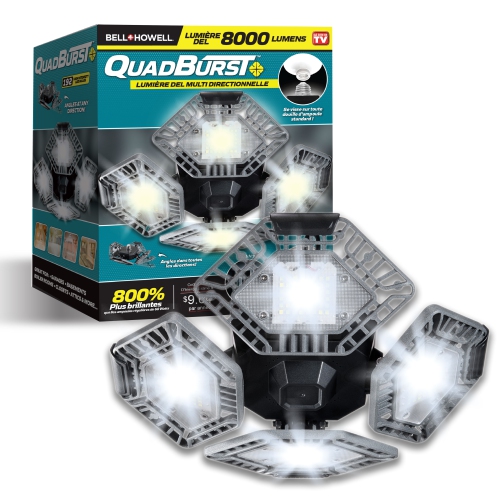 Your price for this item is $49.95
-
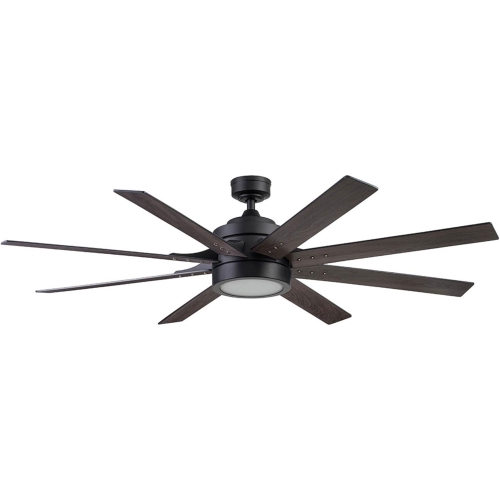 Your price for this item is $385.99
-
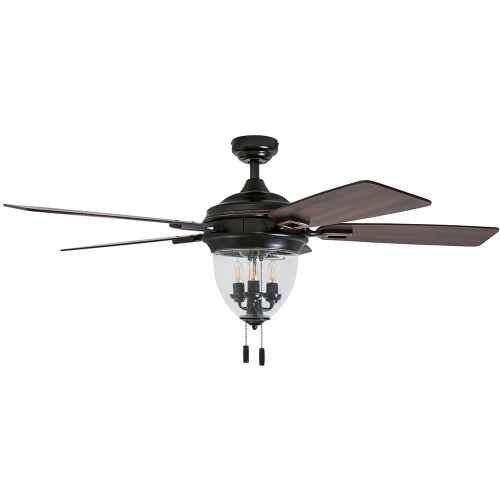 Your price for this item is $287.99
-
 Your price for this item is $187.99
-
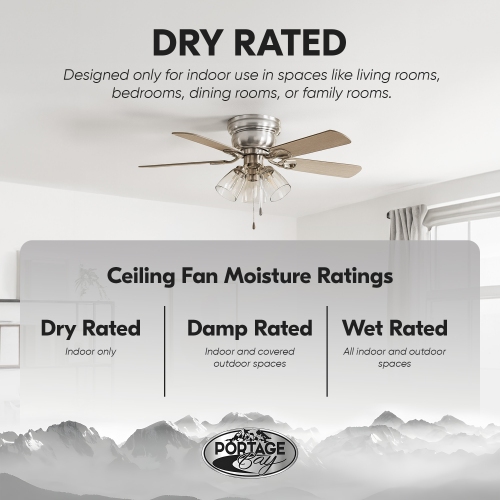 Your price for this item is $174.99
-
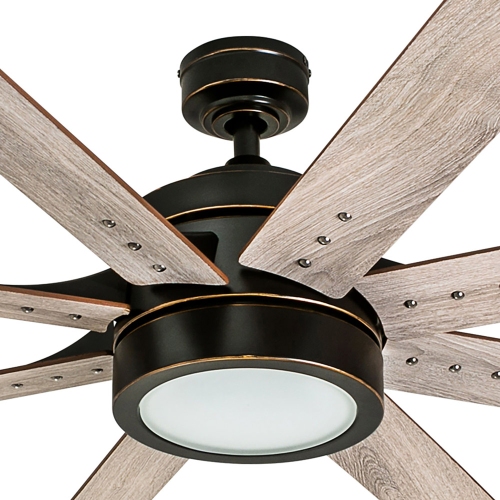 Your price for this item is $427.99
-
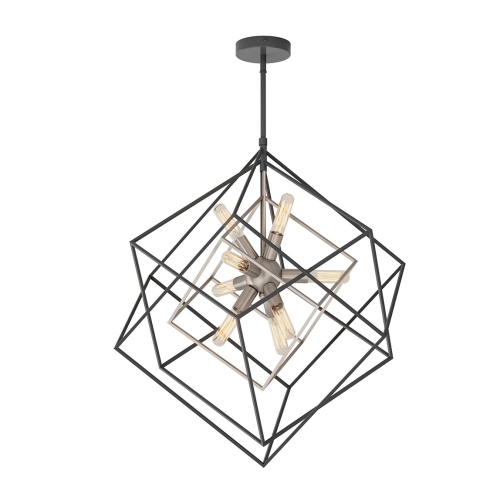 Your price for this item is $299
-
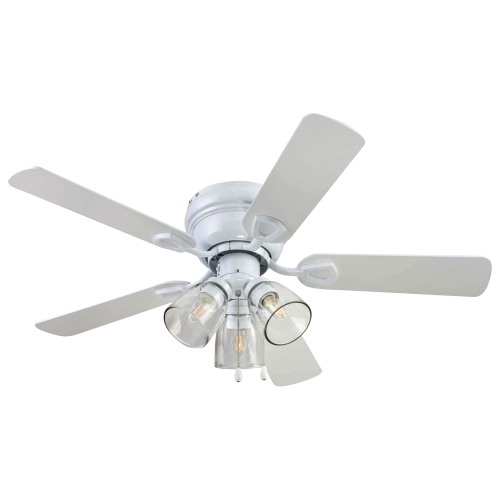 Your price for this item is $166.99
Discover more categories related to Adjustable Ceiling Lights
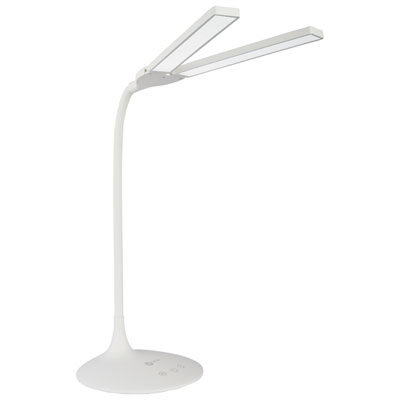
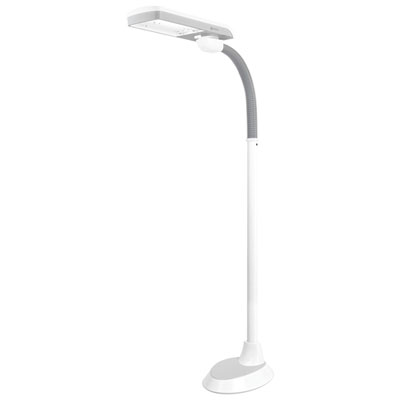
Top Collections:
Pokemon Centers, Best Cameras for Sports Photography, Kindle Devices, Samsung Galaxy Phones, Canon G7X Cameras, Pokémon 30th Celebration Cards, Refurbished Apple Laptops, iPhone 15 Apple, Laptops for Students, Budget Smartphones
Some products may be subject to Environmental Handling Fees
(EHF) depending on your province.
Learn more about EHFs.