Adjustable Office Chairs for Home Offices
Upgrade your workspace with adjustable office chairs for home offices, designed to help you create a comfortable and productive environment. Explore a wide selection of styles and designs that fit seamlessly into any home office setup. Discover options that make it easy to personalize your seating experience and enhance your daily workflow. Find the perfect adjustable office chair to support your work-from-home needs and elevate your office at home.
Sort
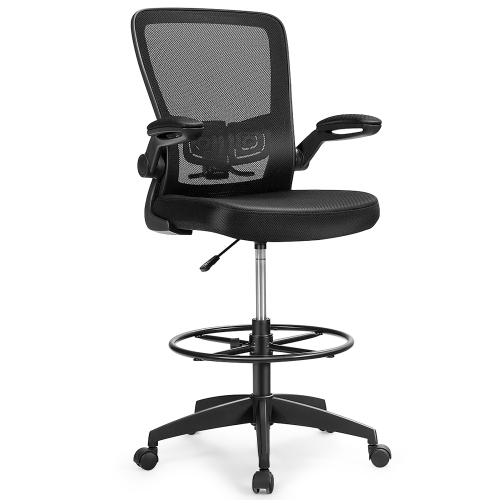
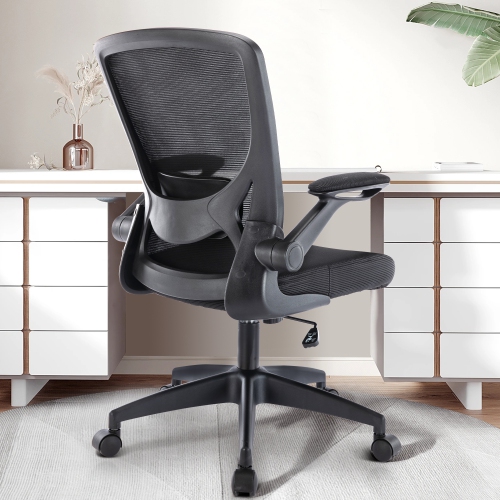
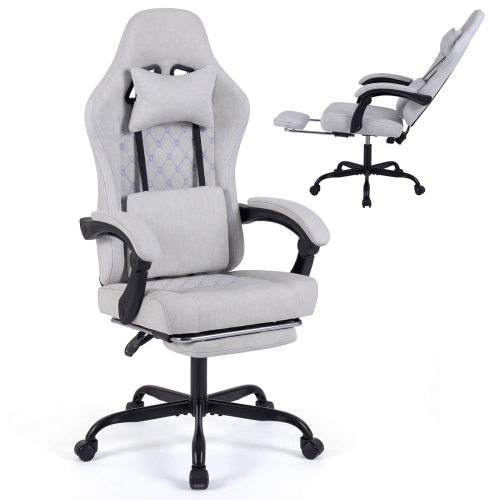
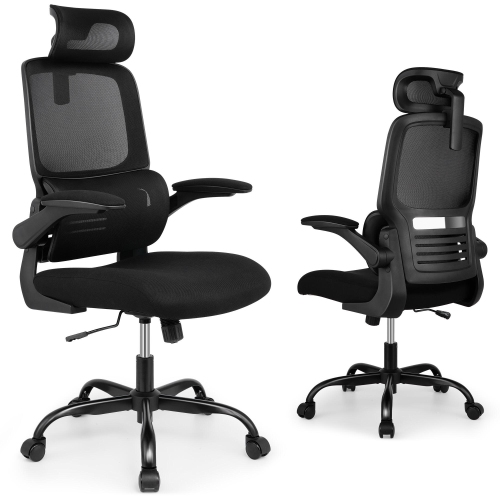
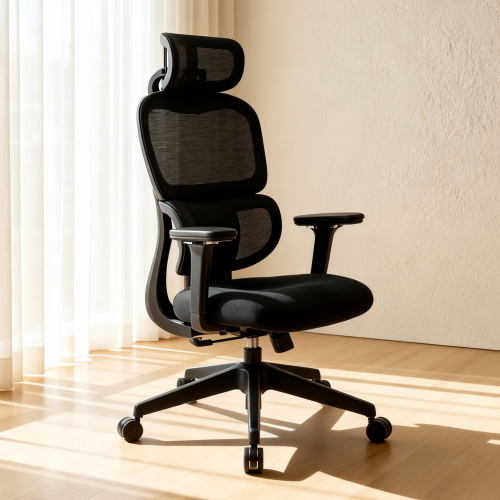
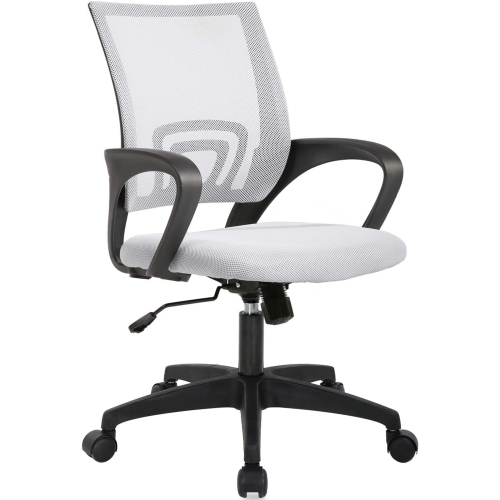
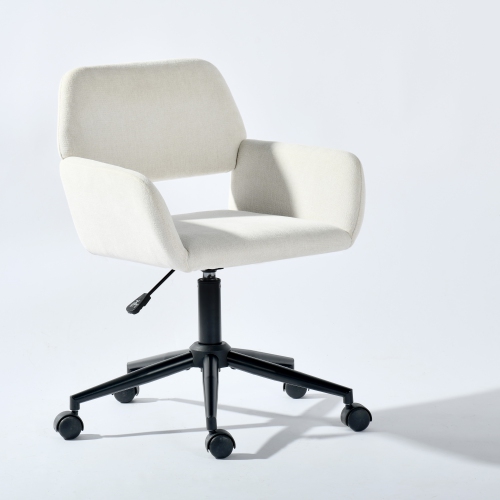
Chair comfort depends on more than seat height
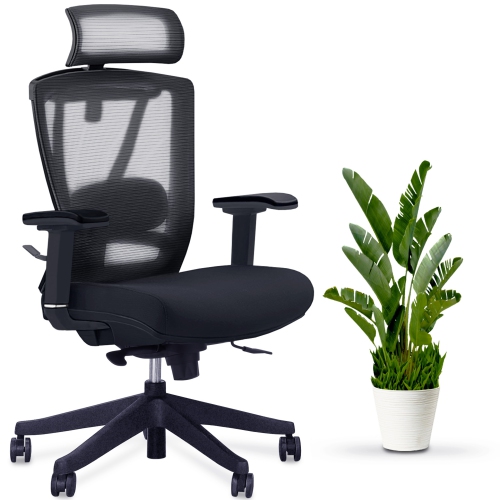
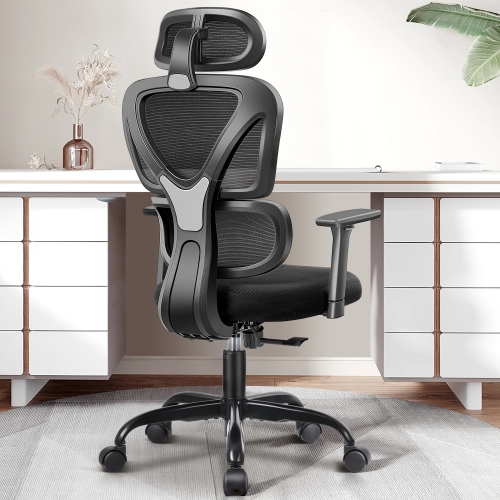
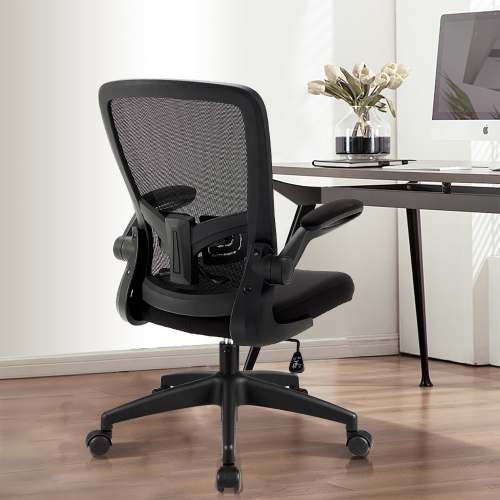
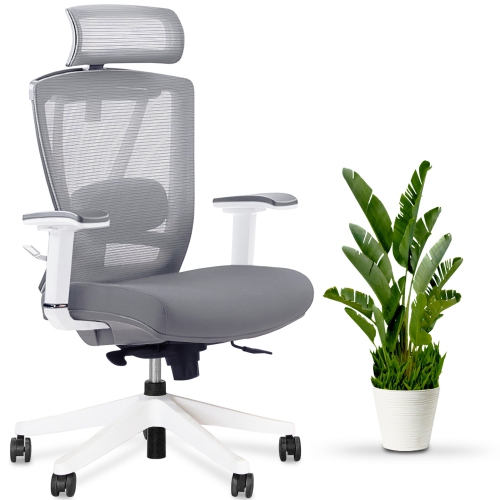
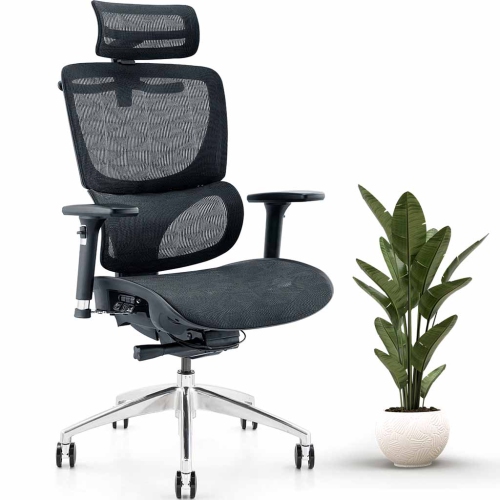
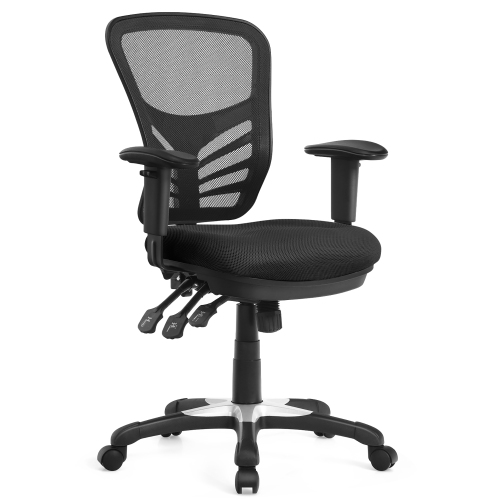
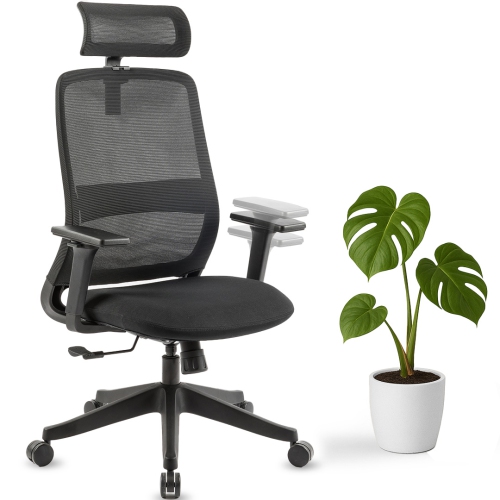
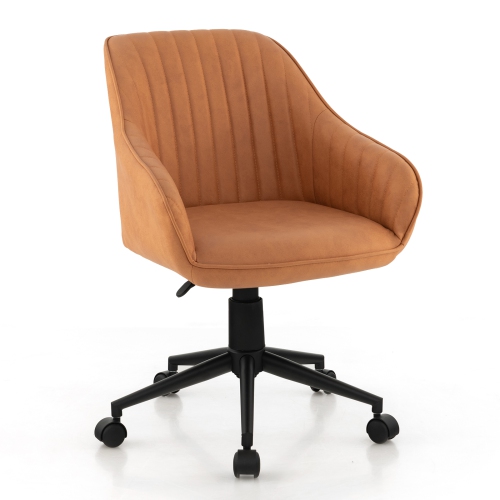
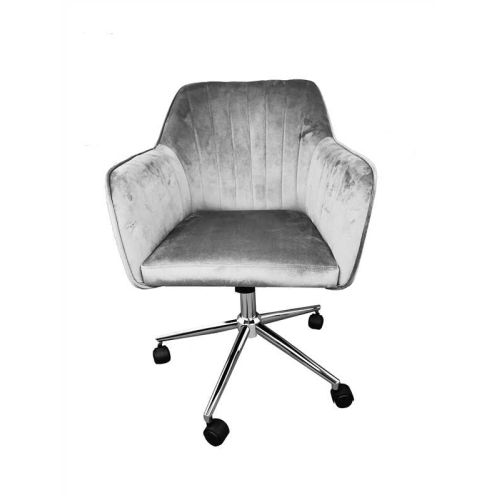
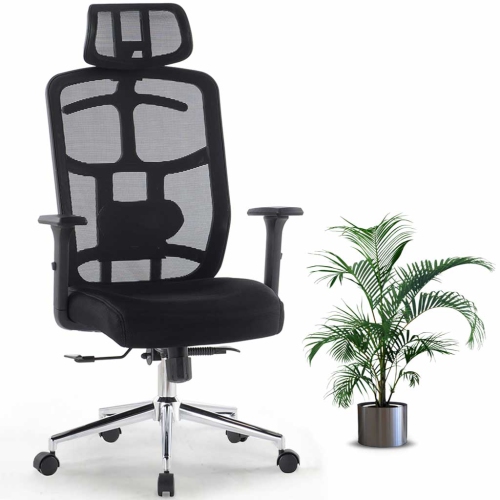
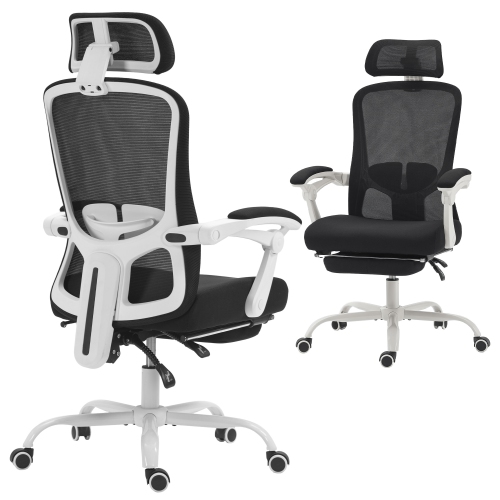
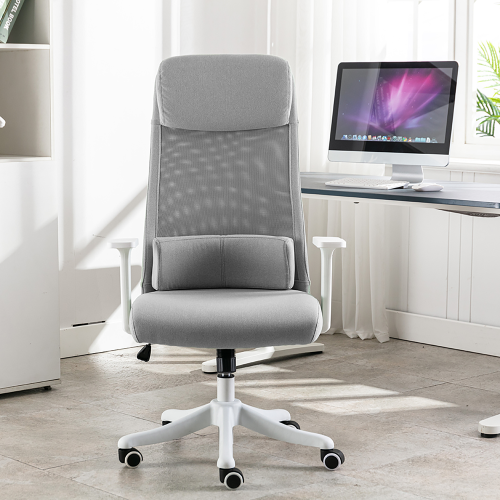
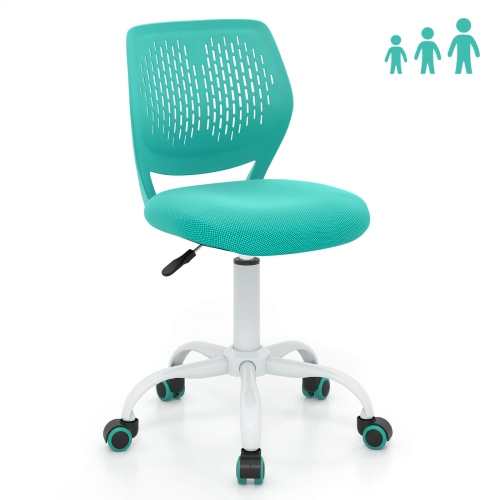
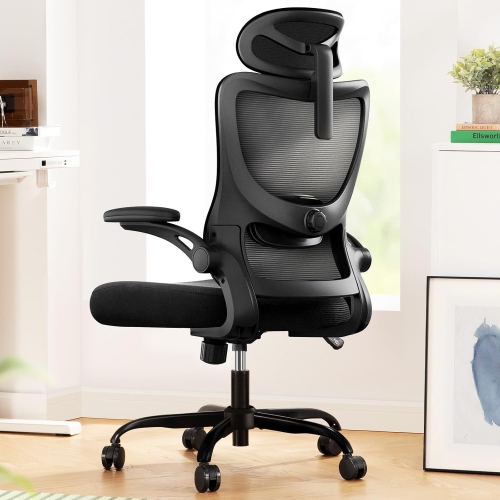
Adjustable office chairs for home offices let you fine-tune the fit of a desk setup, whether the day involves writing reports, attending video meetings, studying or managing household paperwork. The most useful adjustments depend on the person using the chair and the height and layout of the work surface. Seat-height adjustment helps position the body in relation to a keyboard, while adjustable seat depth can make a difference for people with shorter or longer legs. A well-fitting seat supports the thighs without pressing into the backs of the knees, with feet resting on the floor or a suitable footrest. Lumbar support adds contour around the lower back; on some chairs, its height or depth can be adjusted to suit different users. Backrest tilt and recline tension allow more flexibility when moving between upright typing and a slightly reclined position for reading. A tilt lock can hold a supported position, although the available locking positions vary by design. Adjustable armrests are useful when they allow the shoulders to relax and the elbows to rest comfortably without pushing the arms away from the body. Height, width, depth and pivot adjustments each affect how closely the armrests can match a person’s seated position. A headrest may offer support during reclined tasks, but its placement matters more than its presence alone. These features are particularly relevant for remote workers, students and anyone sharing a home workstation with someone of a different height. A chair that adjusts easily can move between users without requiring a complete desk rearrangement. Not every chair includes every adjustment, so the feature list and adjustment ranges matter more than a broad description such as ergonomic. Comfort also depends on how the chair works with the rest of the setup: raising a seat to reach a tall desktop may call for a footrest, while a laptop used for extended typing may benefit from a separate keyboard and a raised screen. Adjustable seating supports a flexible routine, rather than replacing regular movement and changes of position.
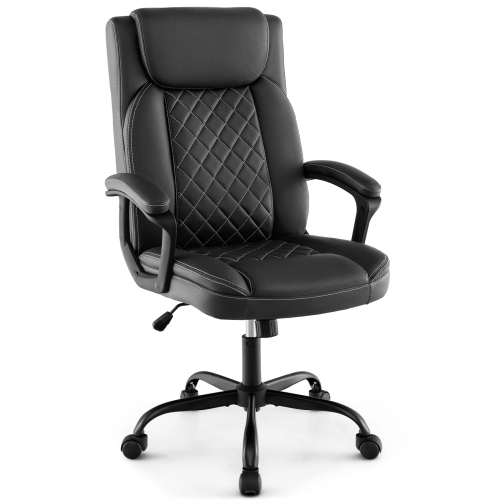
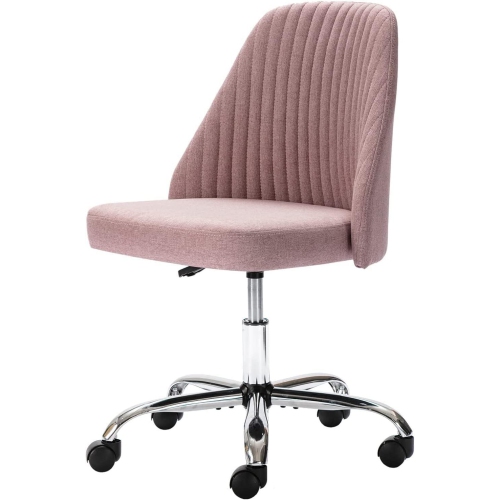
Materials influence how an office chair feels, how it looks in a room and what routine care it needs. Mesh backrests have an open structure that allows airflow and can provide a lightly suspended feel, while upholstered backrests generally offer a more cushioned surface. Mesh tension, frame shape and edge placement all affect comfort, especially where the seat meets the backs of the thighs. Fabric upholstery brings texture and colour into a home office, with woven finishes ranging from smooth and tightly constructed to softer, more textured surfaces. Leather and faux-leather upholstery offer a different feel and appearance, but their care requirements are not interchangeable. Cleaning directions should match the material, particularly around stitching, coated surfaces and areas that receive frequent contact. A soft vacuum attachment can help remove crumbs and dust from fabric seams, while spills are best addressed promptly using the manufacturer’s recommended method. Saturating upholstery or applying an unsuitable cleaner can damage the surface or padding. Beneath the covering, the seat’s cushioning and structure influence how evenly it supports weight. A thick cushion is not automatically a better fit; its firmness, shape and usable sitting area are equally important. Durability also involves the base, lift mechanism, armrest connections and casters, not just the upholstery. Checking the stated weight capacity and seat dimensions helps establish whether a chair suits its intended user. Overall width matters too, since substantial armrests or a broad base can occupy more room than the seat measurements suggest. Casters should be appropriate for the flooring, and a compatible chair mat may help protect the surface and make movement easier. On a small rug or an uneven transition between flooring types, rolling performance can differ noticeably. Following assembly directions, keeping the rolling area clear and checking accessible fasteners as directed can help maintain stable everyday use. Lift cylinders and enclosed mechanisms should not be opened or modified.
In a home office, the chair also needs to fit the room’s everyday rhythm. A compact task chair can suit a bedroom desk or a work surface tucked beside a bookcase, while a wider, more deeply cushioned design may be comfortable in a dedicated office with room to recline. Measuring the space under the desk is especially useful when armrests need to slide beneath it at the end of the day. Seat height alone does not establish whether the chair will tuck away: armrest height, the underside of the desktop and any drawer or support rail can all affect clearance. Behind the chair, leave enough space to roll back and stand without catching a cabinet handle or blocking a doorway. A swivel base makes it easier to turn towards nearby shelves or a second work surface, although frequently used supplies are still best kept within comfortable reach. For shared workstations, accessible controls and clearly identifiable adjustment levers make it easier to restore a preferred position after another person has used the chair. Someone who spends much of the day typing may value adjustable armrests and seat depth, while a person who alternates between desk work and calls may appreciate a backrest that changes position smoothly. Appearance can matter just as much in a multipurpose room, where the chair remains visible after work ends. Neutral upholstery can sit comfortably beside existing furniture, while a more distinct colour can give a small workspace its own identity. An adjustable office chair can also be a practical gift for someone setting up a home office or study area, provided their measurements, desk height and seating preferences are understood first. For a related selection focused on seated support, explore Ergonomic Desk Chairs for Home Office. The strongest match is a chair whose dimensions, controls and materials suit the person and the space, making everyday tasks comfortable without crowding the room.
Top selling and popular products
-
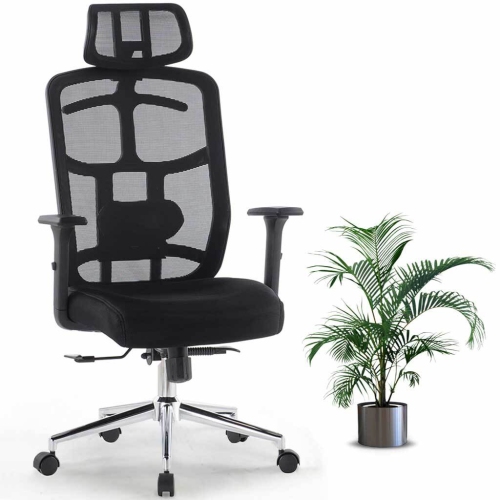 Your price for this item is $126.99
-
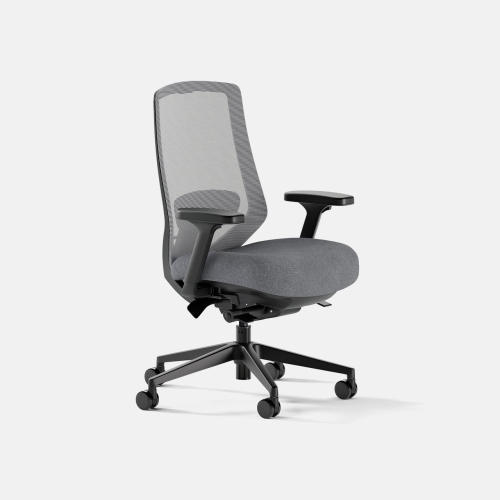 Your price for this item is $599
-
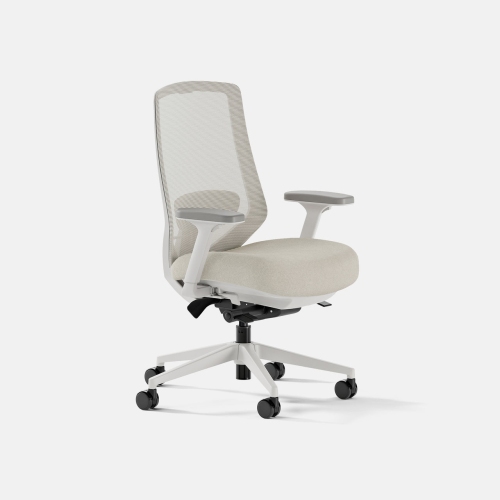 Your price for this item is $599
-
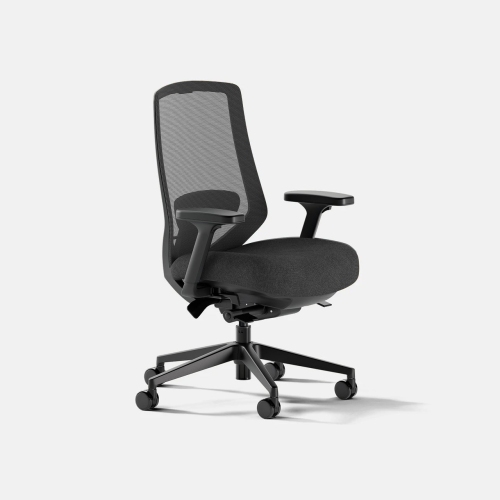 Your price for this item is $599
-
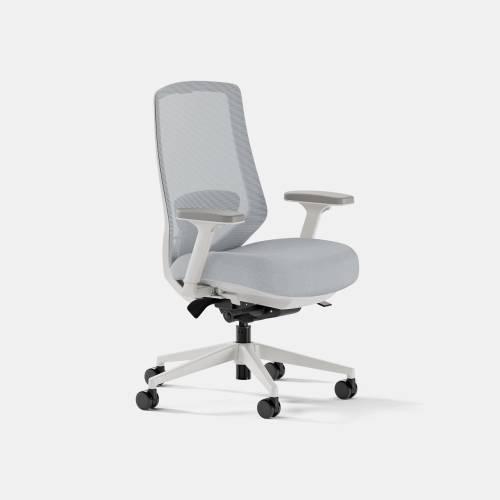 Your price for this item is $599
-
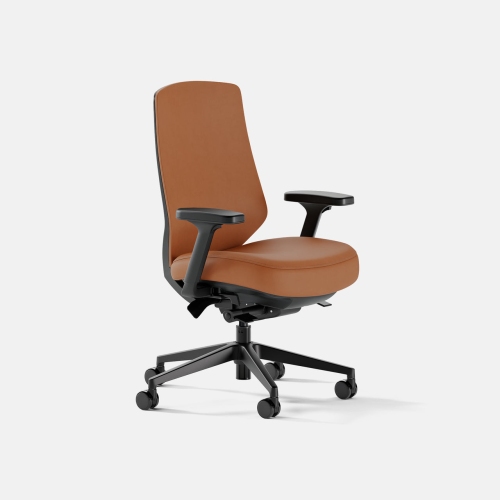 Your price for this item is $649
-
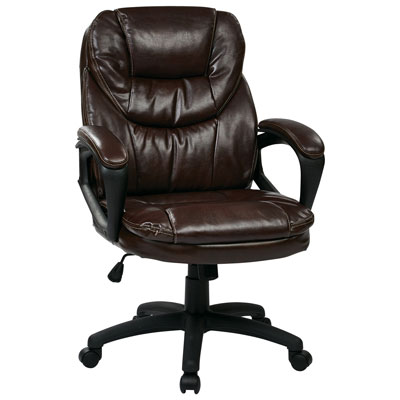 Your price for this item is $459.99
-
 Your price for this item is $429
Discover more categories related to Adjustable Office Chairs for Home Offices
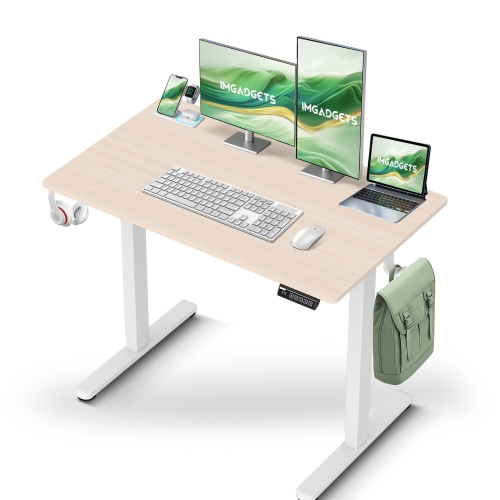
Top Collections:
Best Black Friday Deals This Year, Best Black Friday Deals On Electronics, Kindle Devices, Pokemon Centers, Best Black Friday Deals On Apple Products, Best Cameras for Sports Photography, Dyson Airwrap, Pokémon 30th Celebration Cards, Apple iPhone 17 Pro, Canon G7X Cameras
Some products may be subject to Environmental Handling Fees
(EHF) depending on your province.
Learn more about EHFs.