Ergonomic Desk Chairs for Home Offices
Ergonomic desk chairs for home offices are designed to help you stay comfortable and focused throughout your workday. Whether you're setting up a new workspace or upgrading your current setup, choosing the right chair can make a noticeable difference in your daily routine. Explore a wide selection of ergonomic desk chairs for home offices that combine style and support to suit any décor and workflow. Find the perfect fit to enhance your productivity and create a more inviting work environment at home.
Sort


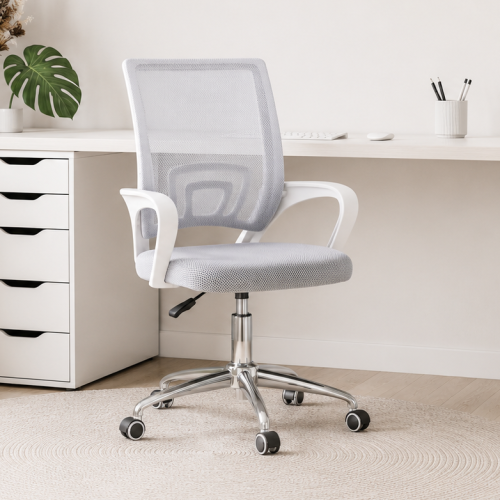
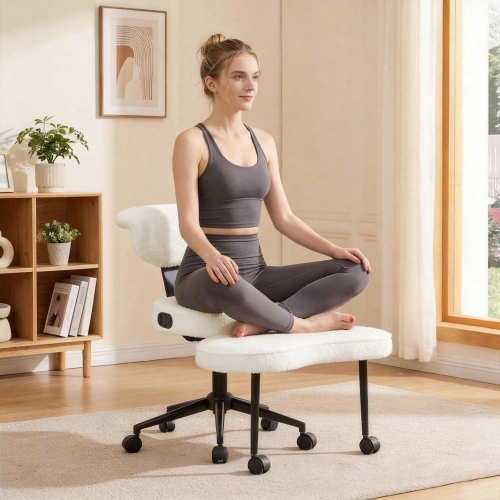
Why adjustment range matters more than extra controls
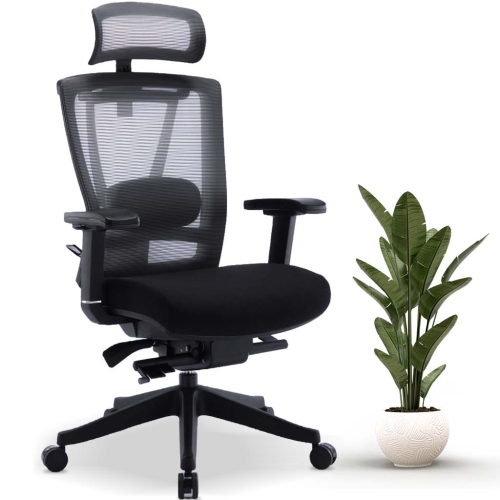
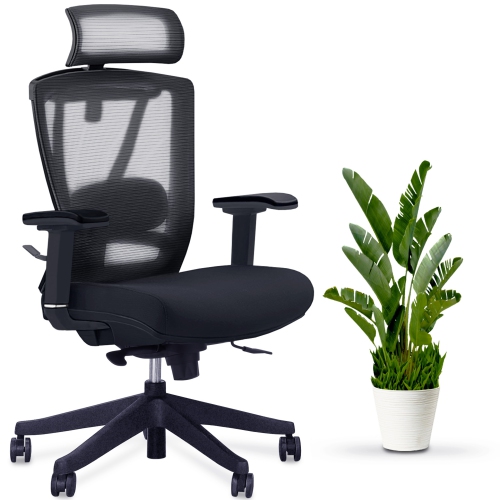
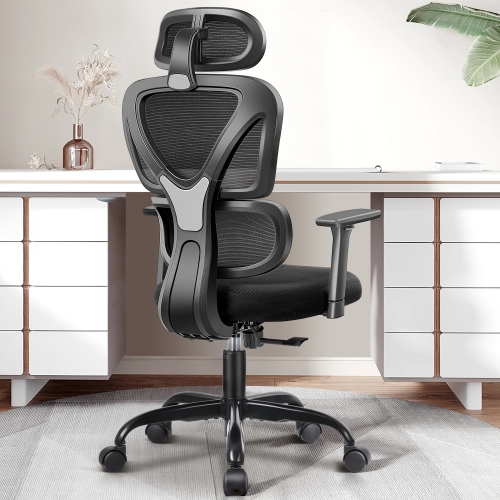
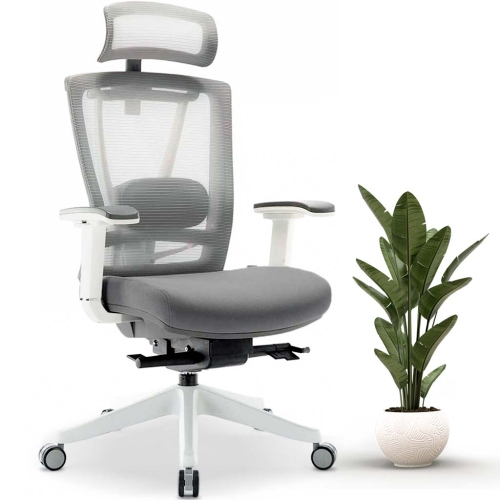
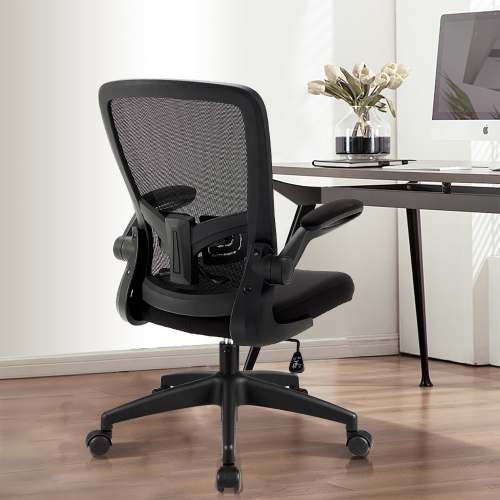
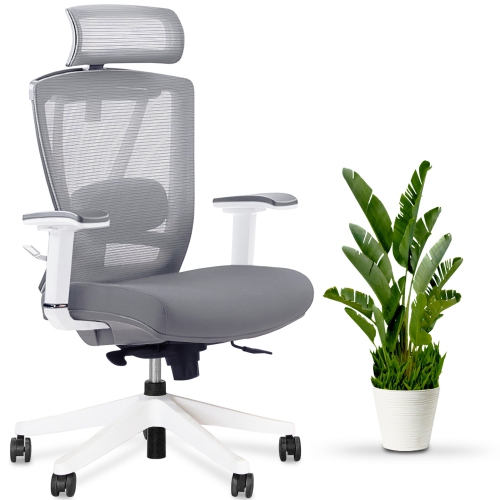
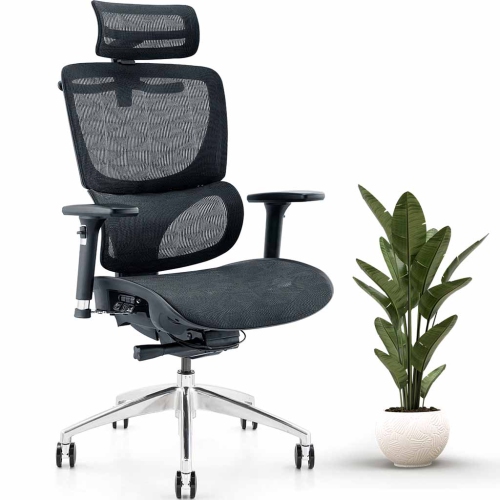
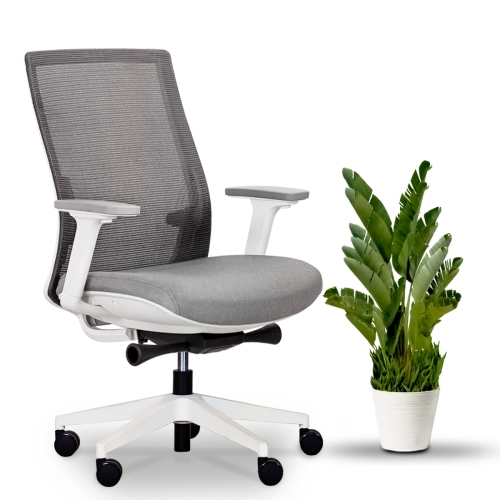
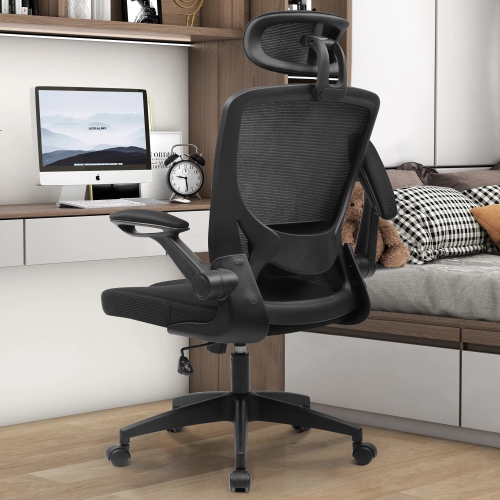
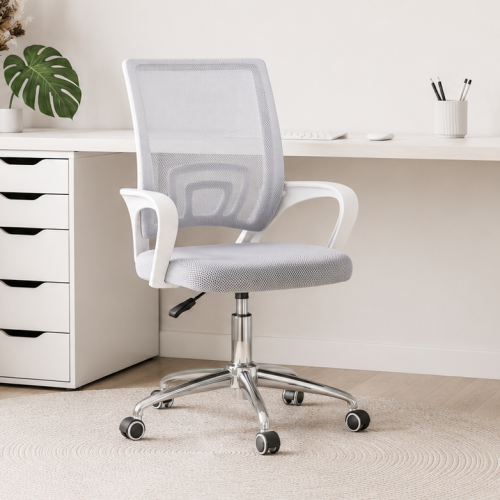
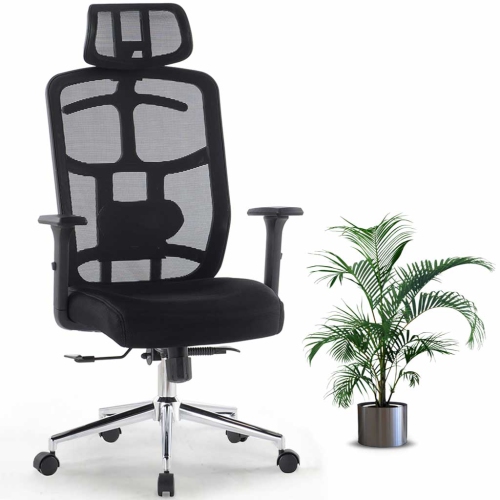
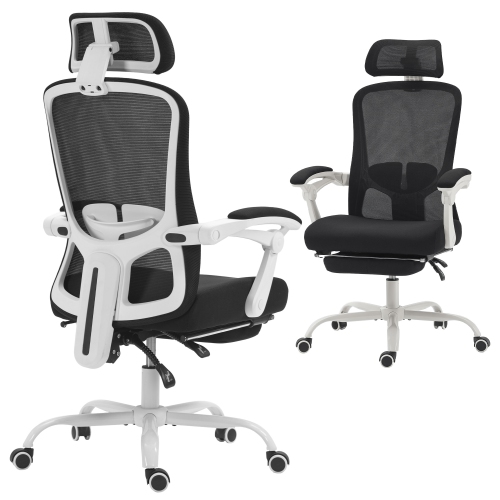
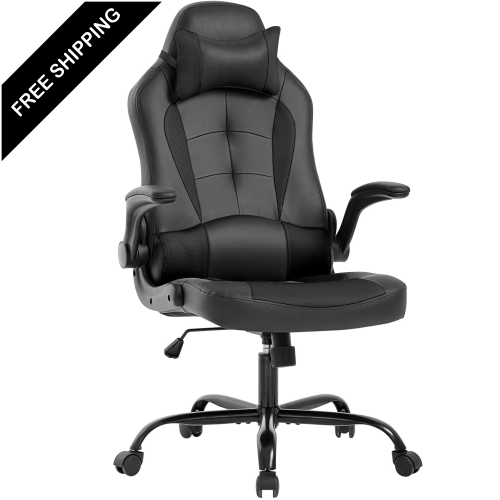
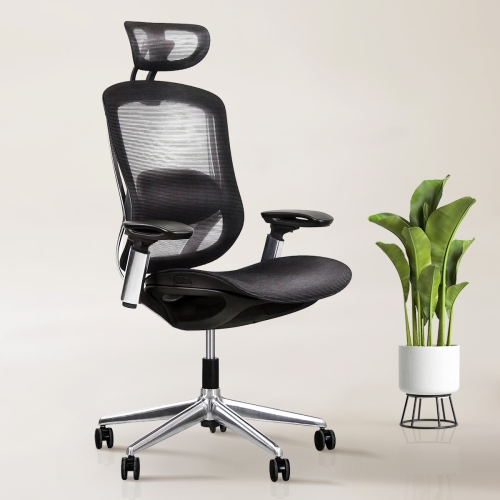
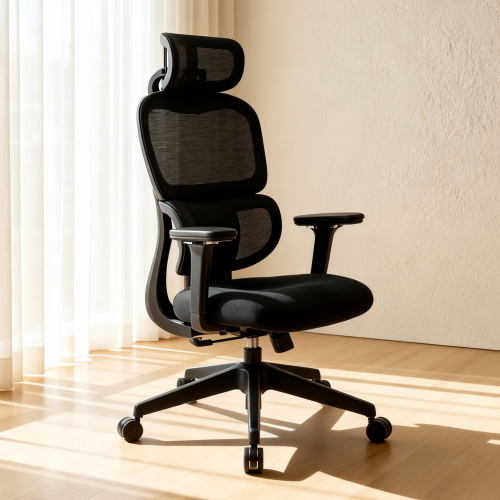
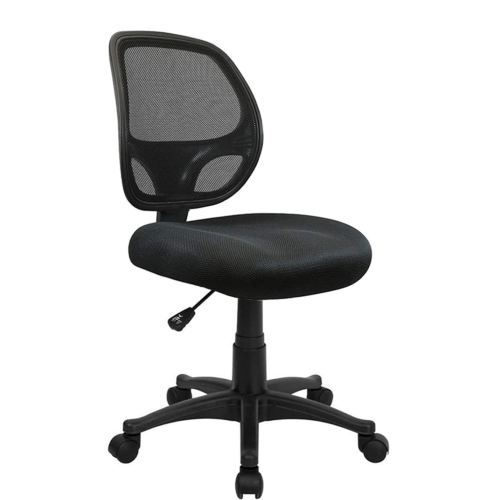
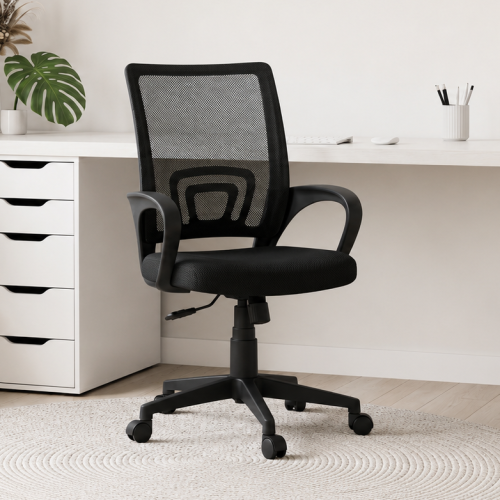
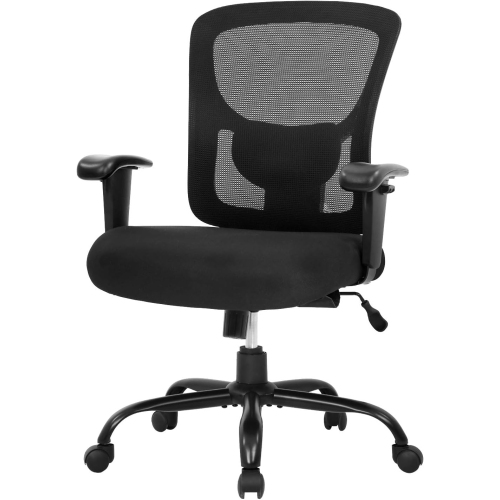
Ergonomic desk chairs for home offices combine supportive seating with adjustments that help the chair fit the person and the workspace. Useful features include seat-height adjustment, lumbar support, adjustable armrests, and a backrest that allows comfortable changes in position. The right combination depends on body proportions, desk height, and how the space is used, whether that means writing reports throughout the day, attending video meetings, or studying in the evening. Seat height should allow feet to rest flat on the floor or on a stable footrest, with shoulders relaxed and forearms positioned comfortably near the work surface. A seat-depth adjustment can be especially helpful for people who find standard seats too long or too short. There should be a small gap between the front edge of the seat and the backs of the knees, while the thighs remain supported. Lumbar support is intended to follow the natural inward curve of the lower back; its usefulness depends on where it makes contact, not simply how prominent the cushion appears. Height-adjustable or depth-adjustable lumbar support offers more room to personalize that contact. Some designs use flexible support that responds as the sitter moves, while others hold a selected position. Neither approach suits everyone equally, particularly when several people share the same desk. When comparing Ergonomic Office Chairs for Home Office, the adjustment range matters more than the number of controls. A shorter person may benefit most from a lower minimum seat height and a shallower seat, while a taller person may need greater seat depth and a higher backrest. Published dimensions and weight limits help establish whether a chair is suitable before upholstery or styling enters the decision. An ergonomic label alone does not establish fit, and even a well-fitted chair works best alongside a suitably positioned keyboard, mouse, and monitor. For sustained computer work, these relationships matter more than a dramatic silhouette or an oversized headrest.
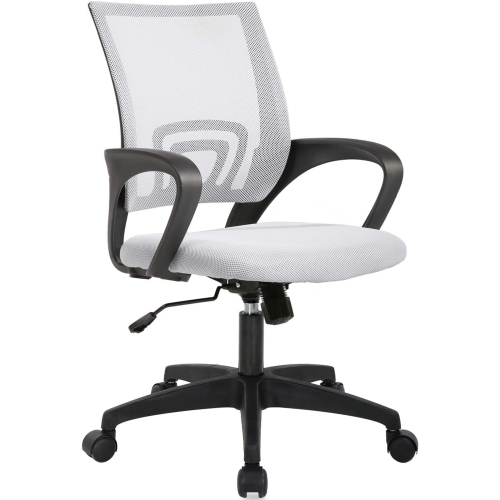
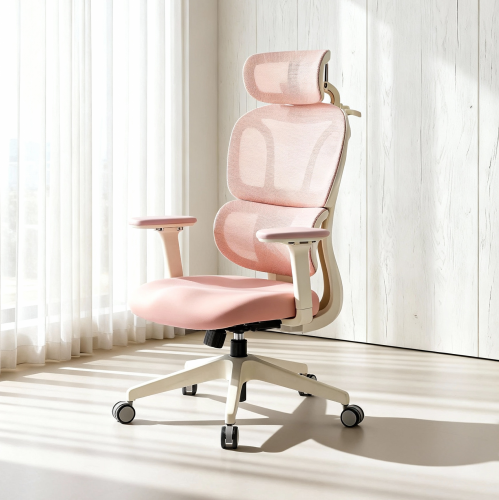
Materials influence how an ergonomic home office chair feels during everyday use, as well as how it wears and how easily it can be cleaned. Mesh backrests allow airflow and often have a lighter visual presence, which can suit an office corner in a bedroom or living room. A mesh seat has a different feel from a padded seat: the tension of the suspended material provides support rather than a thick layer of cushioning. Foam seats can feel softer initially, but cushion thickness alone does not indicate lasting comfort. Foam density, seat shape, and the way body weight is distributed also matter. Woven fabric adds texture and can feel less slippery than a smooth finish, although crumbs and lint may collect in the weave. Leather and faux-leather upholstery offer a smooth surface, with care requirements that vary by material and finish. For any upholstery, seams, edges, and high-contact areas deserve attention because they receive repeated friction from clothing and movement. Armrest surfaces matter too, especially for someone who spends much of the day typing or using a mouse. Height adjustment helps position the arms without lifting the shoulders, while width, pivot, and forward-and-back adjustments can bring support closer to the task. Labels such as 3D and 4D describe multiple adjustment directions, but the actual movements should be checked in the specifications. Armrests that sit too high may prevent a chair from sliding beneath a desk; flip-up or removable arms can be useful where clearance is limited. Backrest tilt and recline tension provide another layer of flexibility. Someone who prefers an upright position for detailed work may value a tilt lock, while someone who changes position frequently may prefer a mechanism that moves smoothly with them. A headrest can support a relaxed reclined position, but its height and angle need to suit the sitter rather than push the head forward. The most useful features are those that remain comfortable through ordinary tasks, not just a brief sit.
A home office chair also needs to work within the room around it. Overall width, base diameter, and the space required for reclining can matter as much as seat dimensions, particularly beside a bed, filing cabinet, or narrow walkway. Enough clearance behind the chair allows it to roll back without repeatedly striking furniture, while suitable armrest height can make it easier to tuck the chair away after work. Casters should be compatible with the flooring: wheels intended for carpet may behave differently on wood, laminate, or tile, and a suitable chair mat can help protect the surface and provide a more consistent rolling area. Stability depends on the complete design, including the base, frame, and correctly assembled components. Clear assembly instructions, stated weight capacity, warranty terms, and access to compatible replacement parts are useful considerations for furniture that will see frequent use. Smooth height adjustment, secure armrests, and a backrest mechanism that holds its setting all contribute to dependable daily function. Care is generally straightforward when it follows the upholstery and hardware instructions. Regular vacuuming can lift dust from fabric and mesh, while suitable wiping methods help manage marks on smooth surfaces. Harsh cleaners, excessive moisture, and abrasive tools can damage finishes or upholstery, so material-specific care directions take priority over a general cleaning routine. Periodic checks for loose fasteners or trapped debris around the casters can also help keep movement consistent. For a shared workspace, accessible controls and an easy-to-repeat setup make changing between users less cumbersome. A chair can be a thoughtful gift for a remote worker, student, or someone establishing a dedicated desk area, although personal fit makes measurements and preferences particularly important. Ultimately, the most suitable ergonomic desk chair supports the way the space is actually used. Comfortable seating, a reachable work surface, and regular opportunities to stand, stretch, or walk belong together; no single chair adjustment replaces changes in position throughout the day.
Top selling and popular products
-
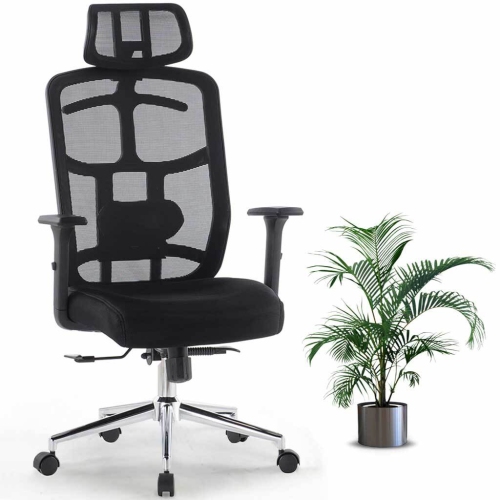 Your price for this item is $126.99
-
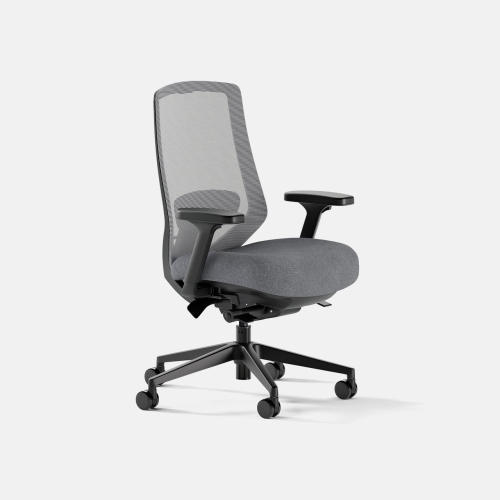 Your price for this item is $599
-
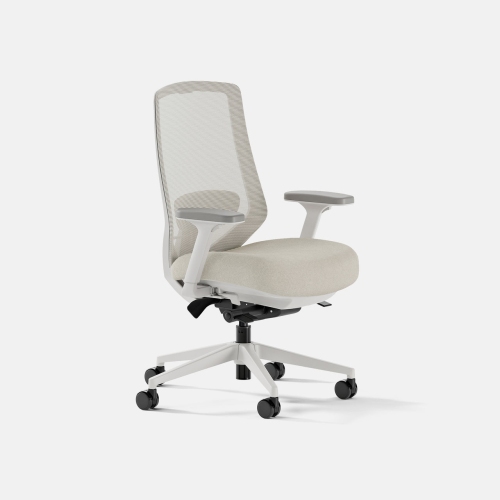 Your price for this item is $599
-
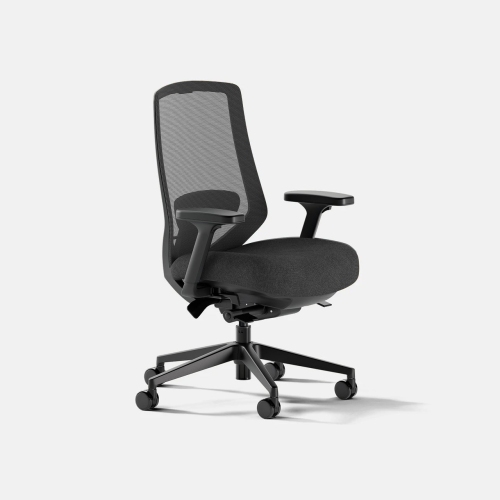 Your price for this item is $599
-
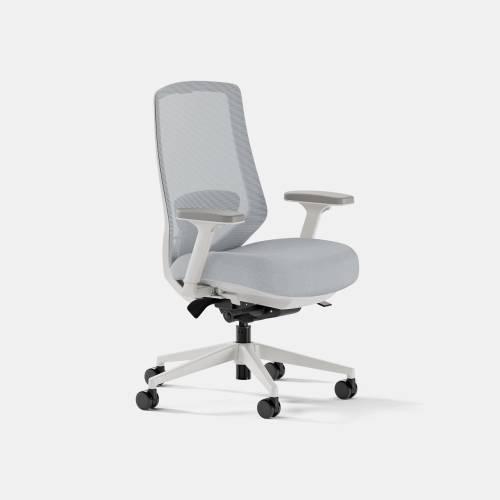 Your price for this item is $599
-
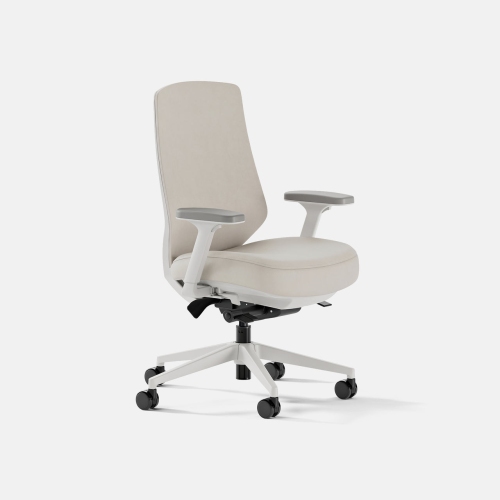 Your price for this item is $649
-
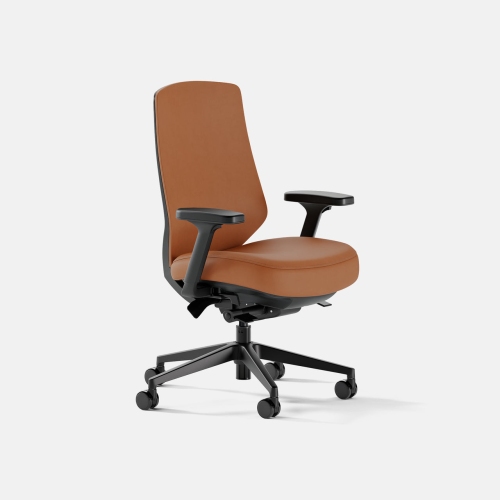 Your price for this item is $649
-
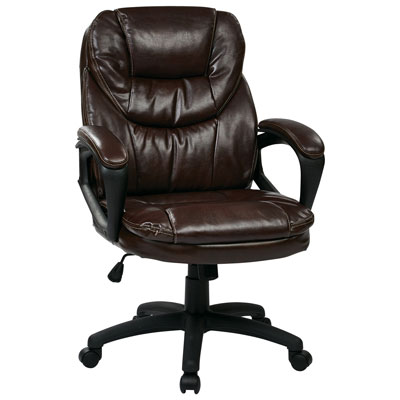 Your price for this item is $459.99
Discover more categories related to Ergonomic Desk Chairs for Home Offices

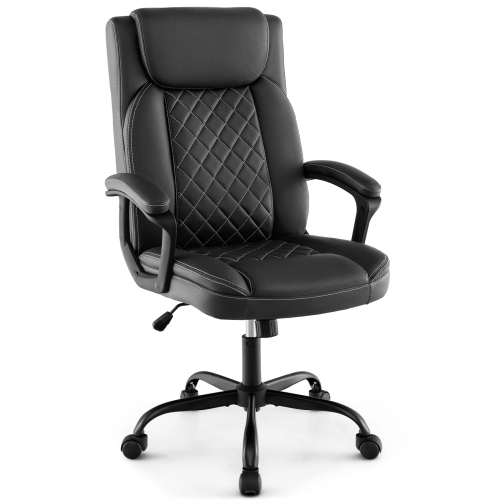
Top Collections:
Pokemon Centers, Best Black Friday Deals This Year, Best Black Friday Deals On Electronics, Kindle Devices, Best Budget Office Chairs, Best Black Friday Deals On Apple Products, Best Cameras for Sports Photography, Pokémon 30th Celebration Cards, Dyson Airwrap, Canon G7X Cameras
Some products may be subject to Environmental Handling Fees
(EHF) depending on your province.
Learn more about EHFs.