Adjustable Storage Shelves
If you're looking to maximize your storage space while keeping everything organized and easily accessible, look no further than these adjustable storage shelves. With their versatile designs and customizable features, these shelves are the perfect solution for almost any room in your home or office. Whether you need to organize your pantry, garage, or closet, these adjustable storage shelves offer a practical and stylish way to declutter your space.
Sort
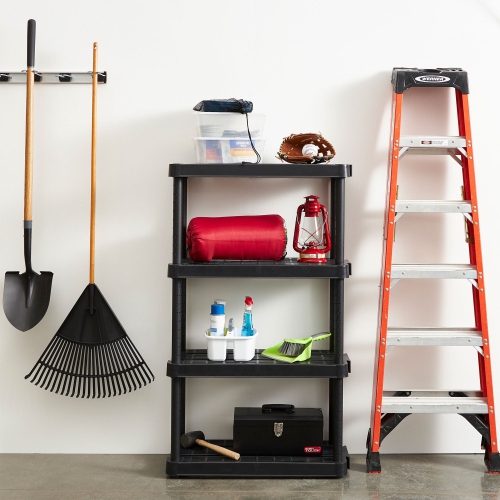
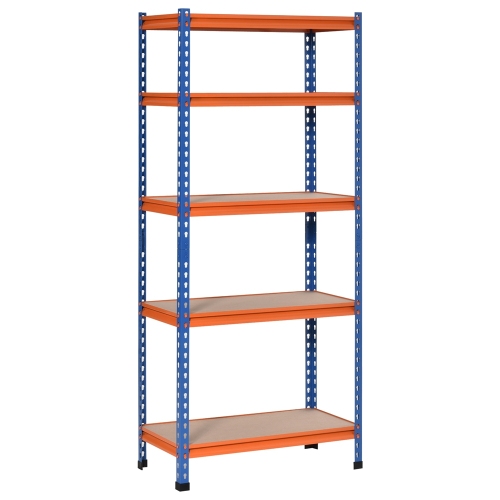
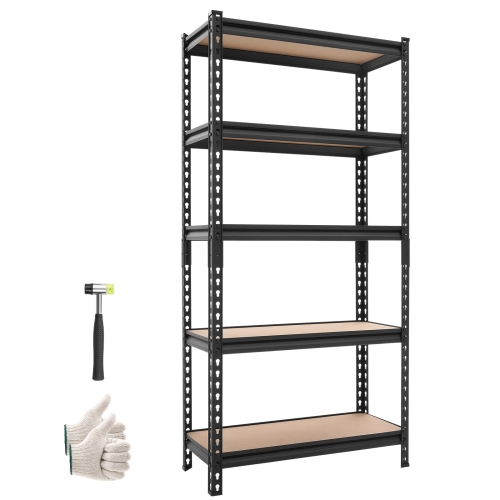
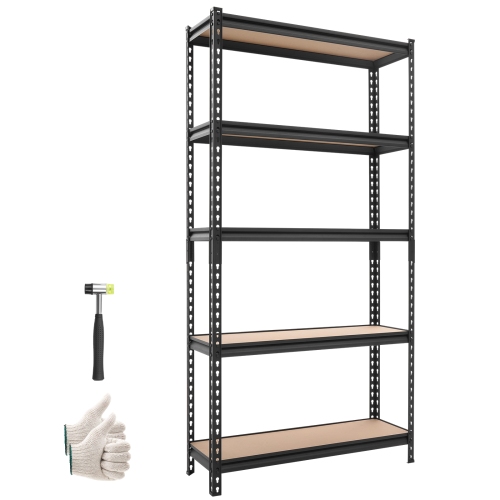
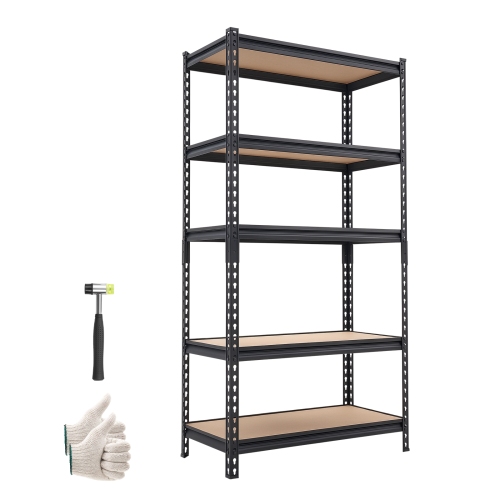
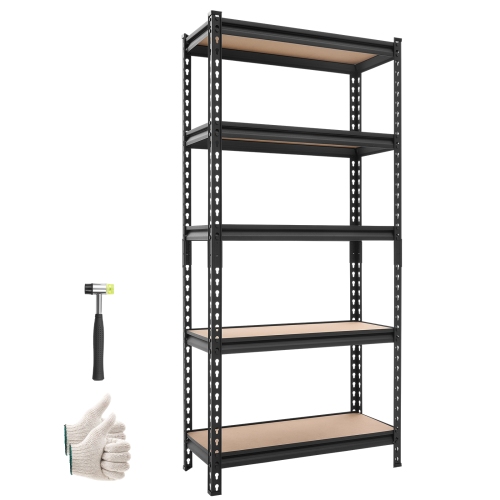
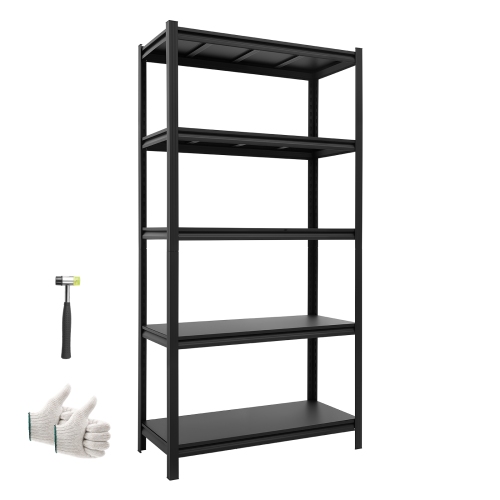
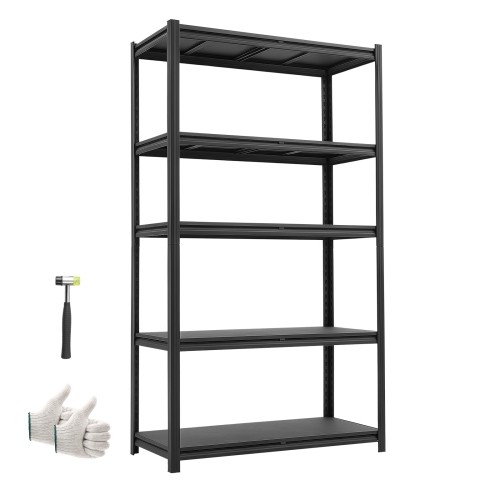
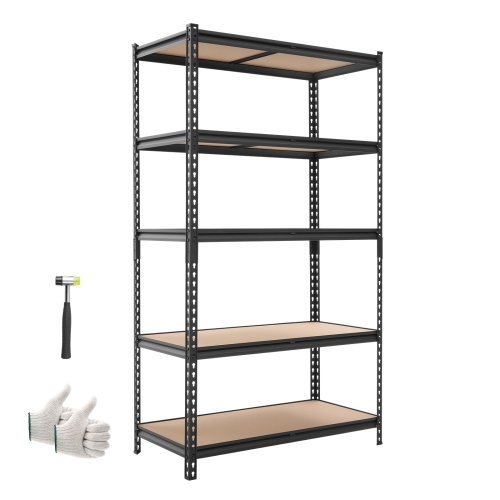
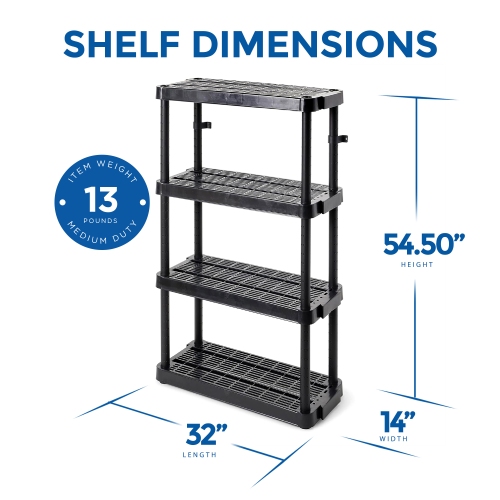
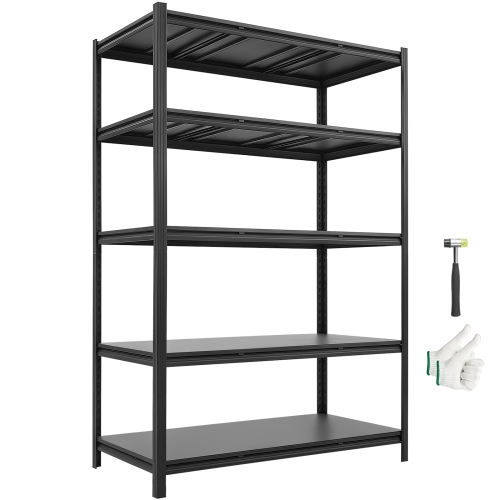
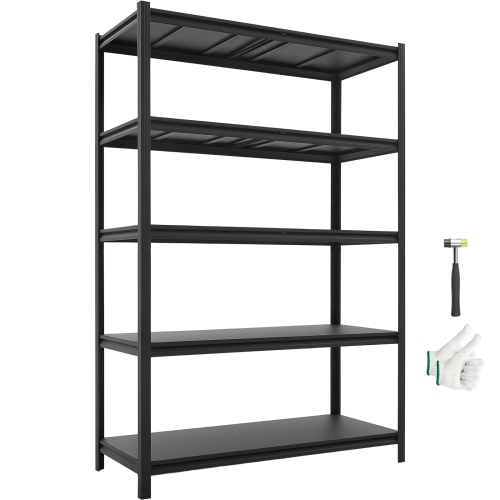
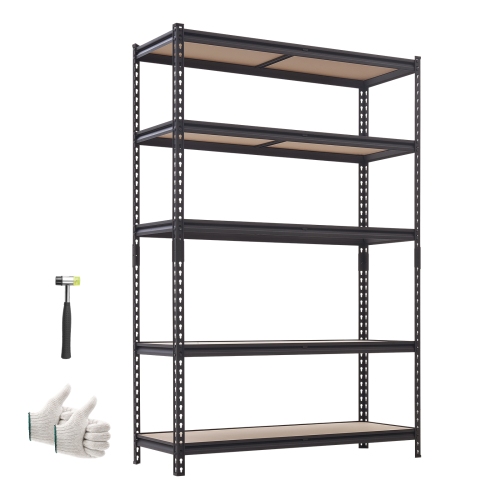
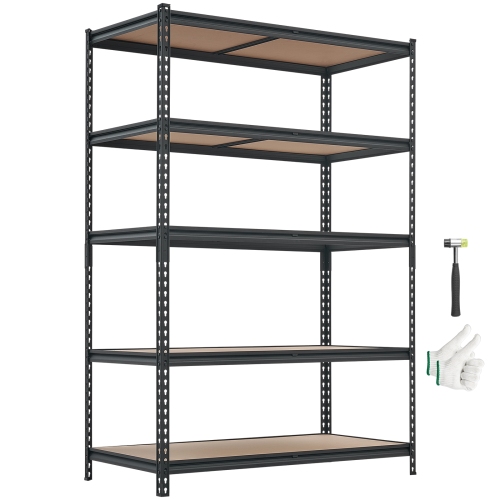
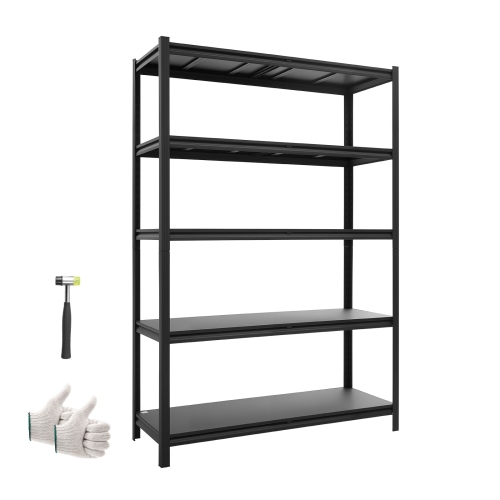
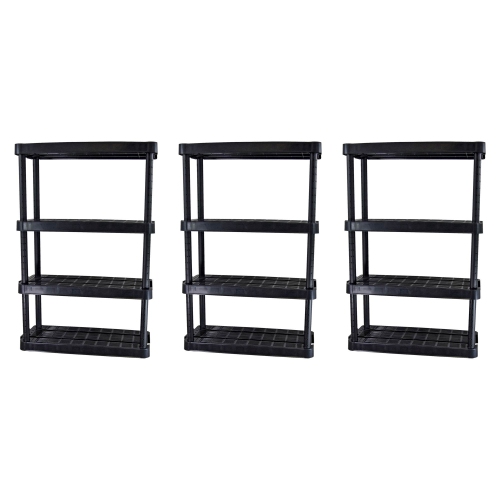
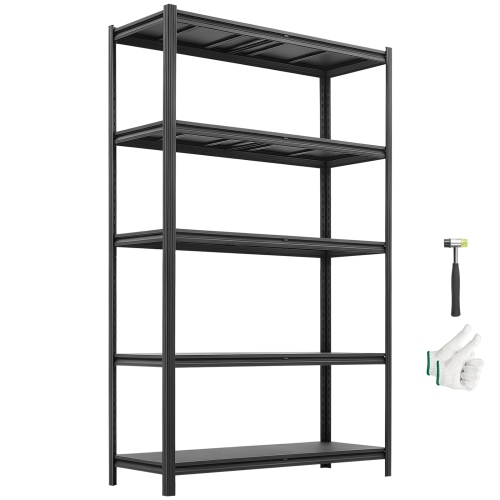
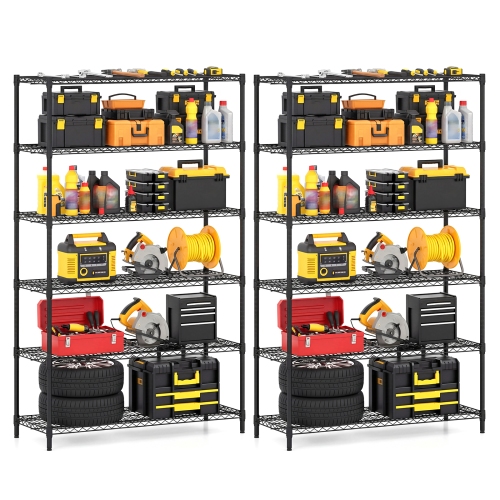
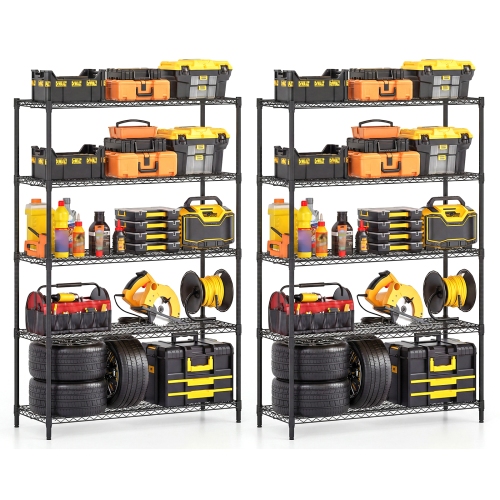
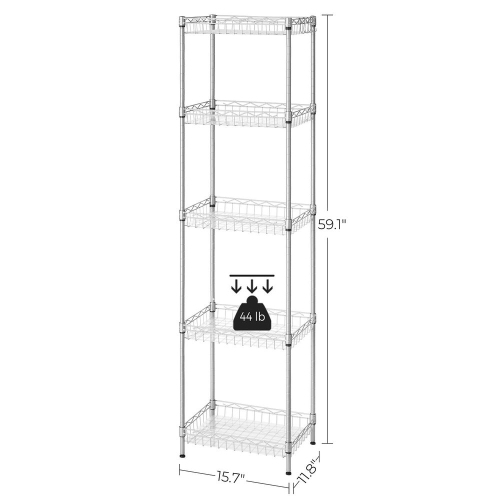
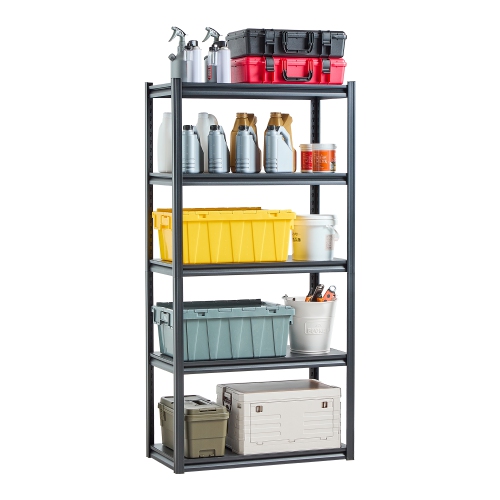
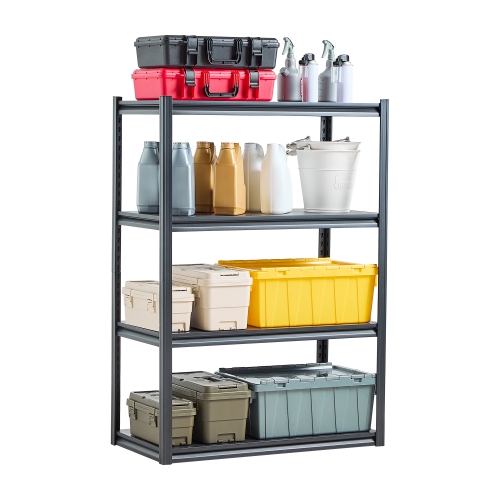
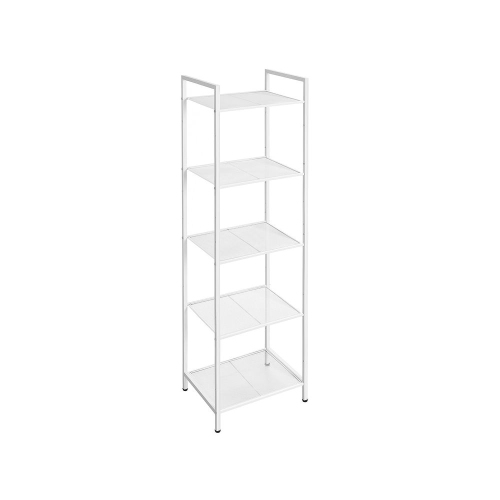
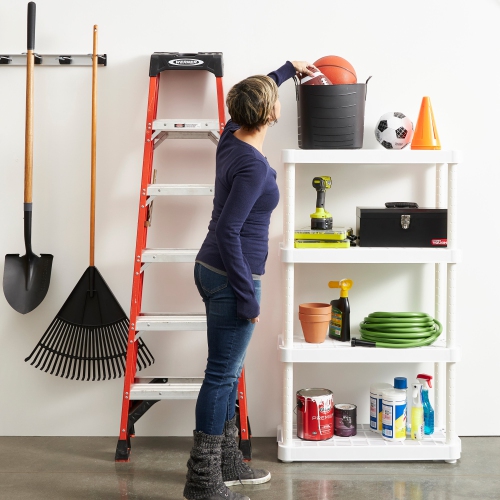
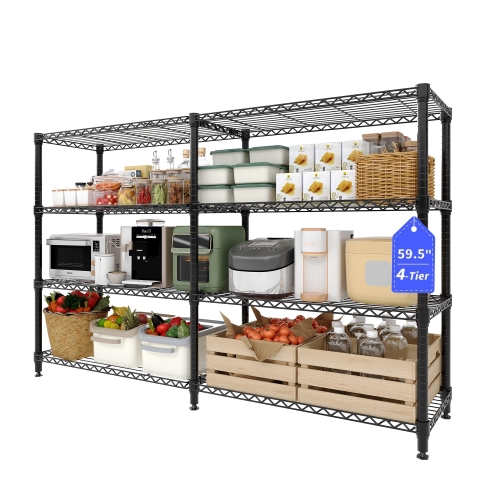
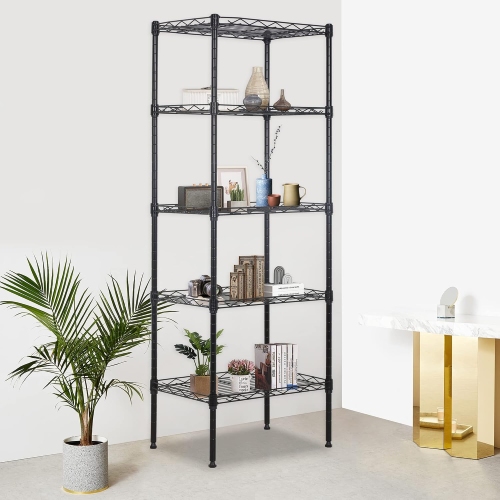
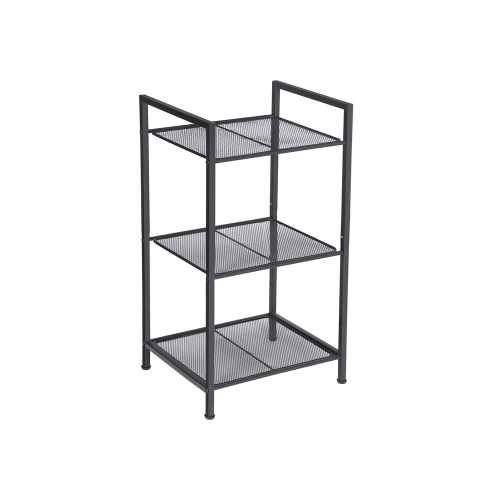
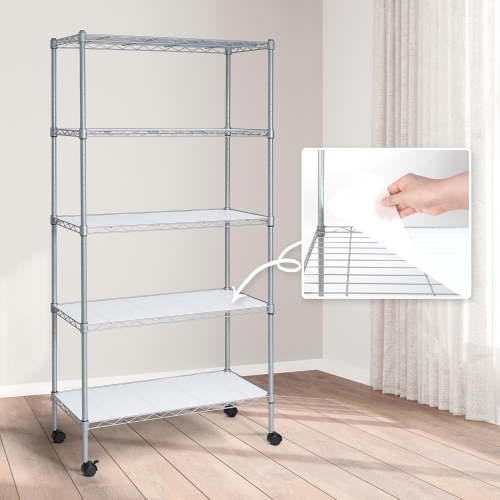
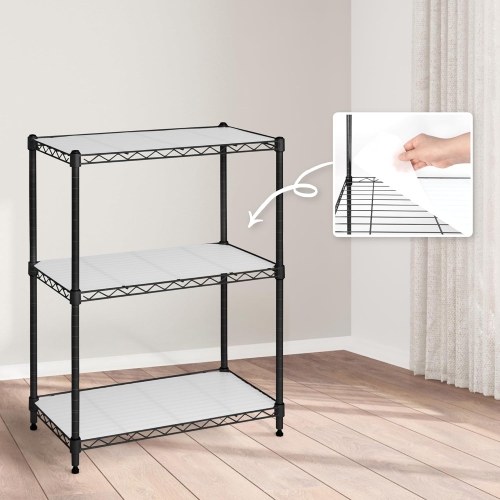
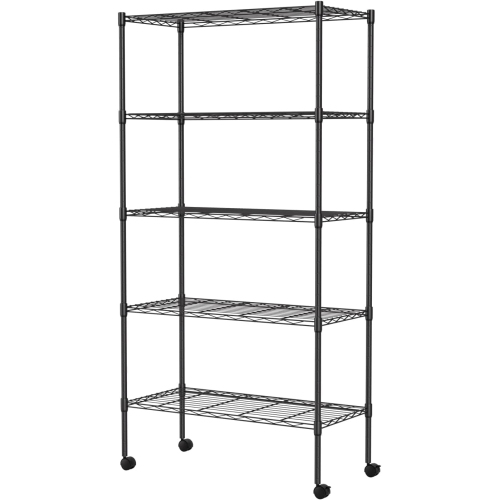
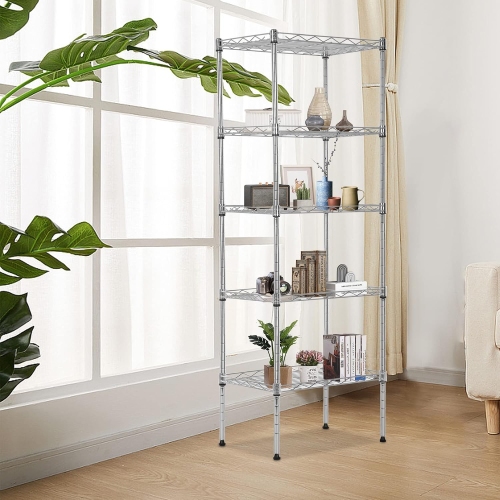
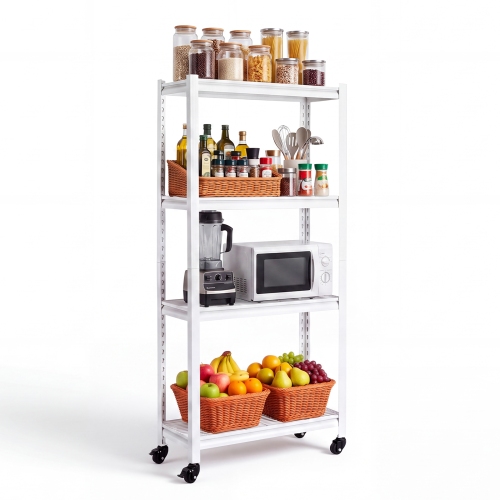
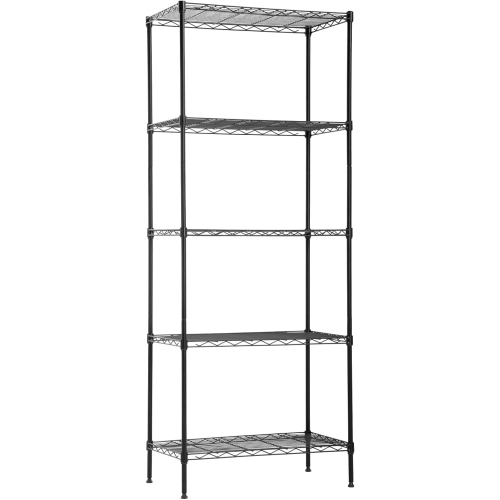
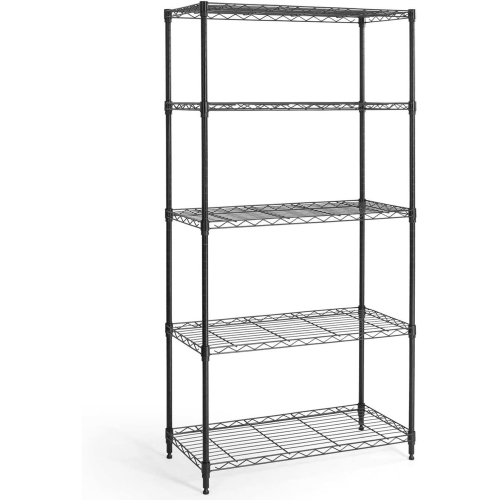
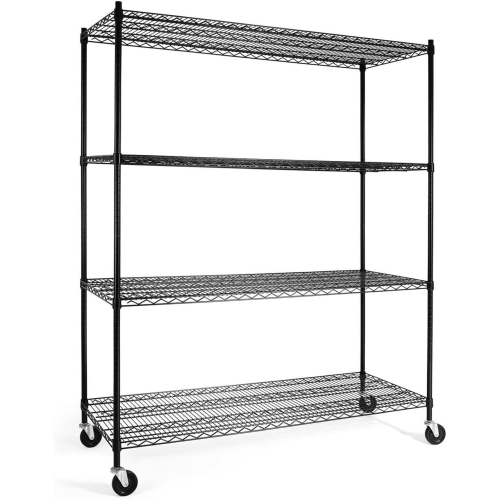
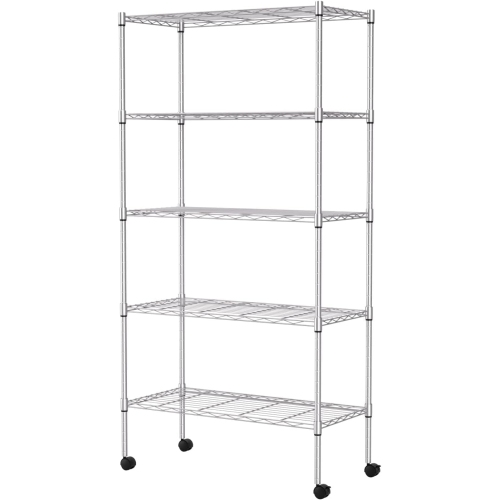
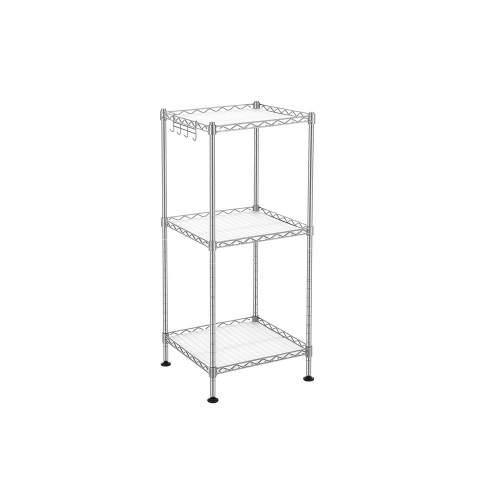
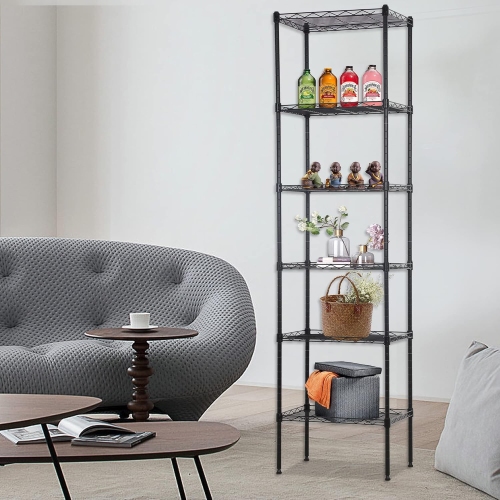
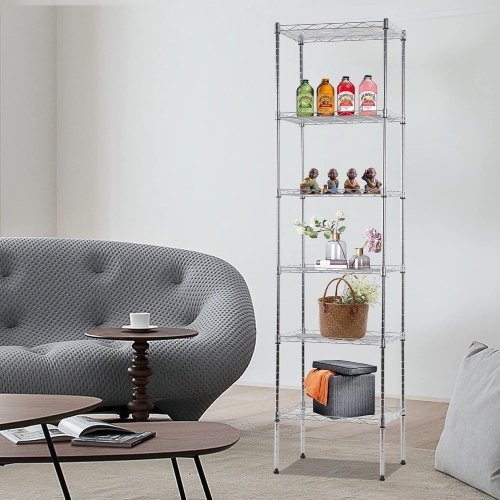
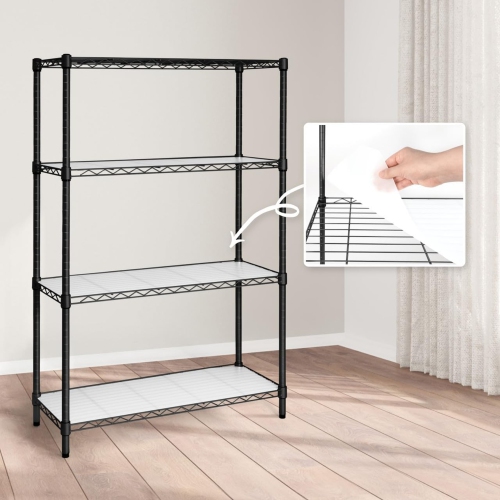
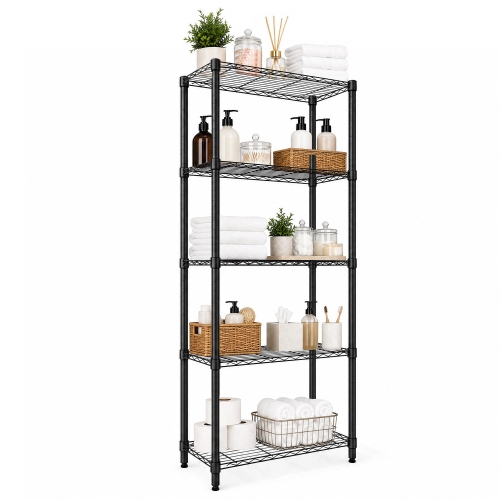
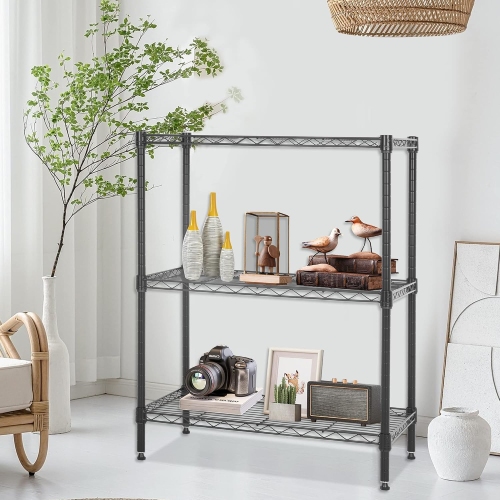
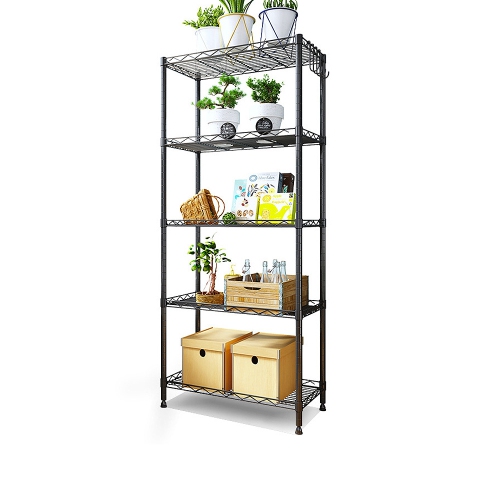
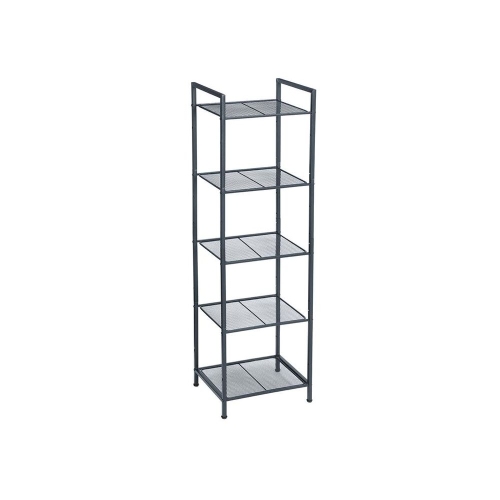
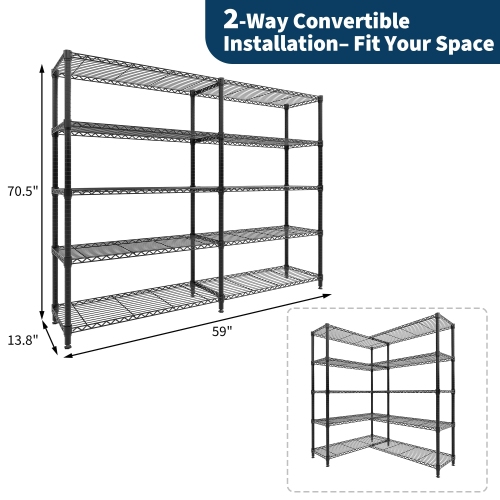
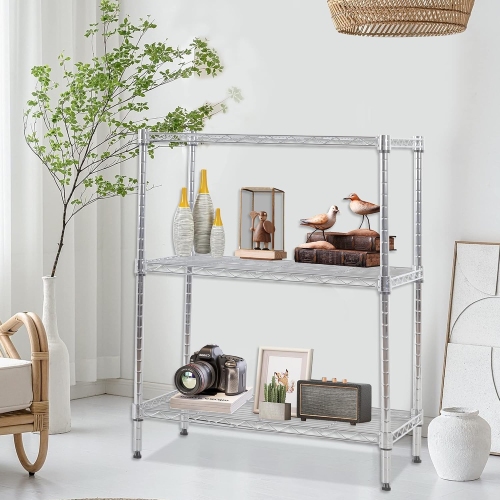
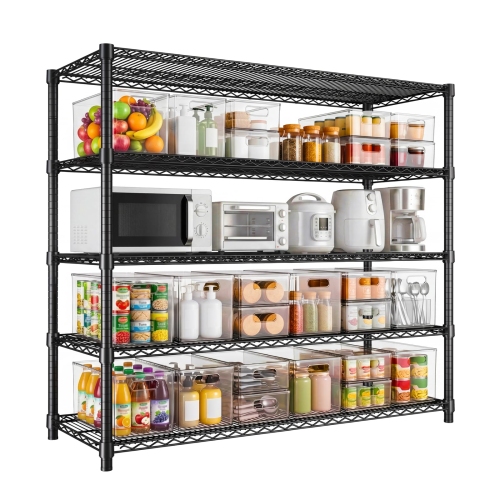
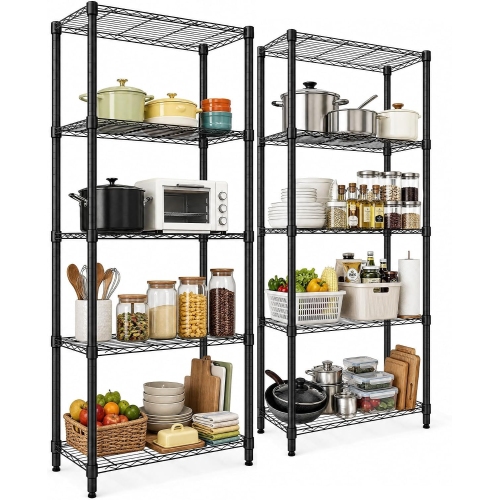
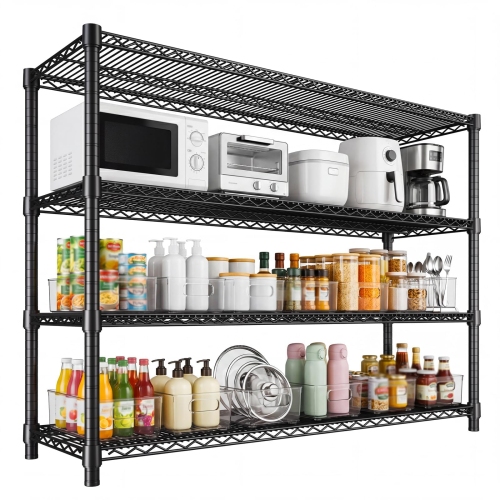
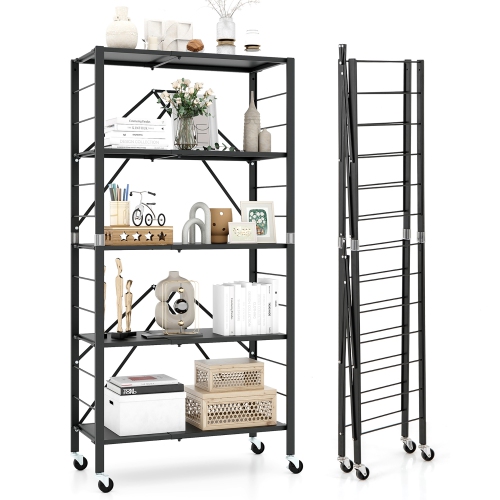
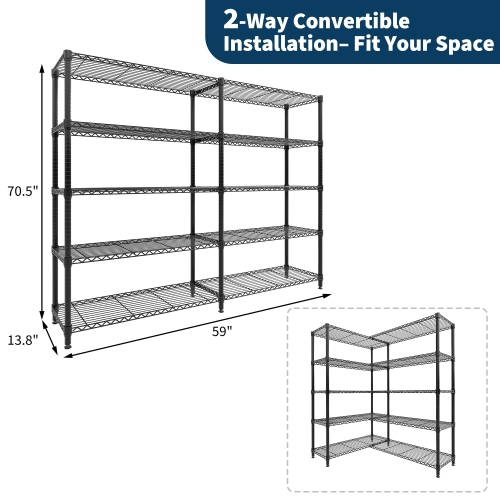
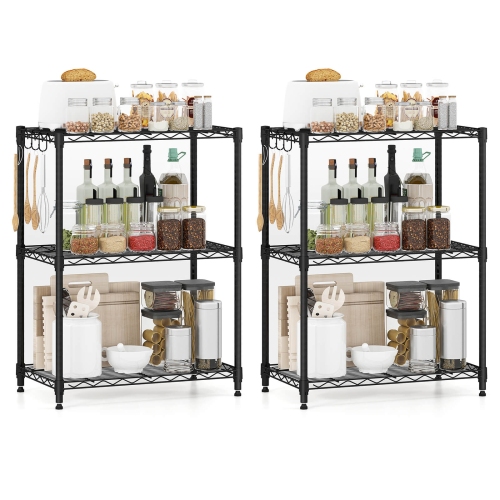
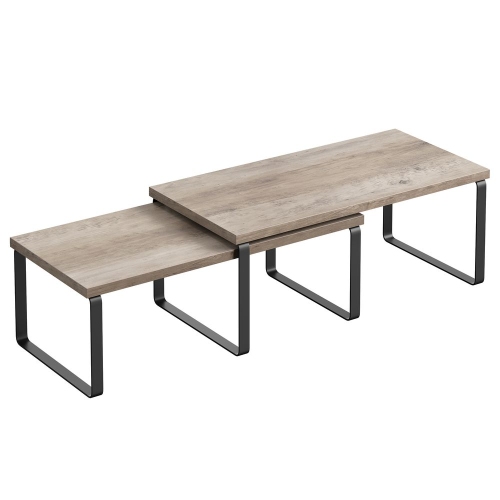
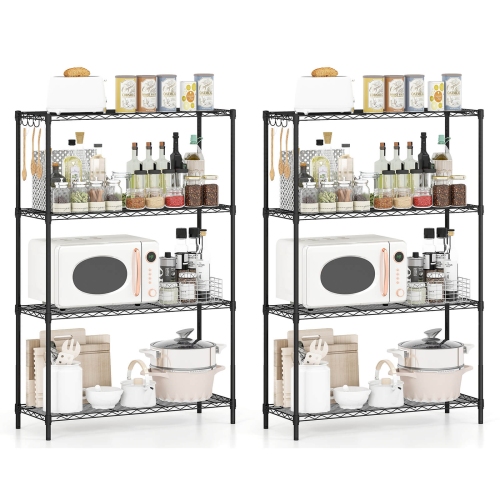
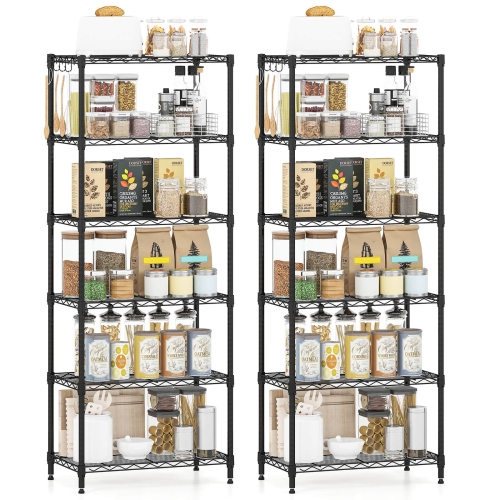
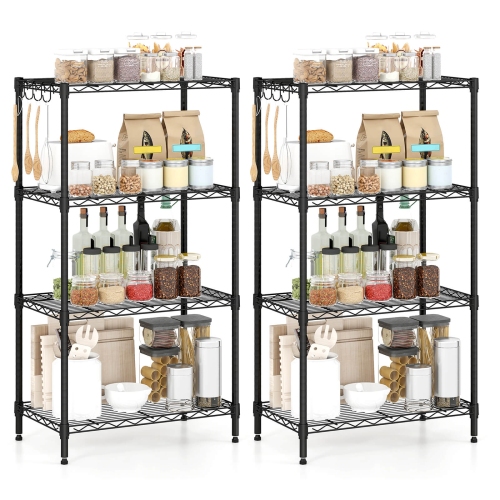
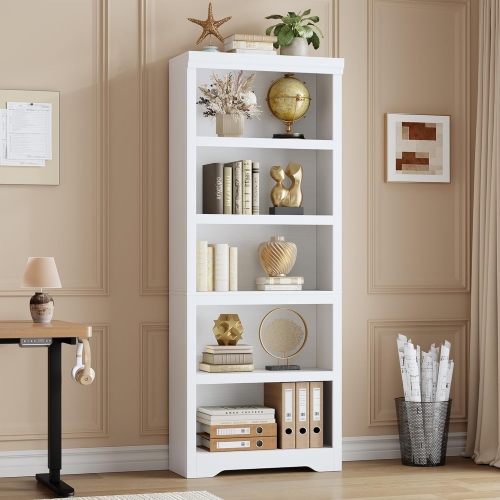
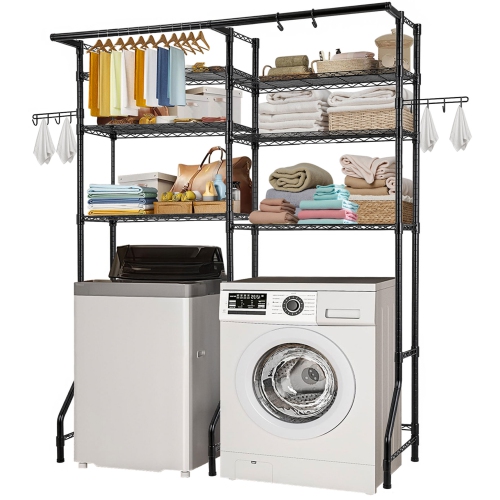
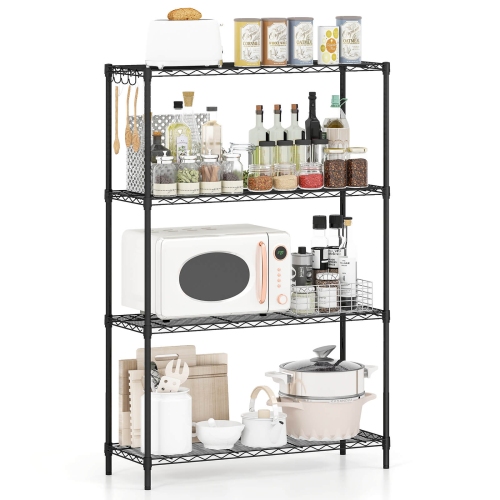
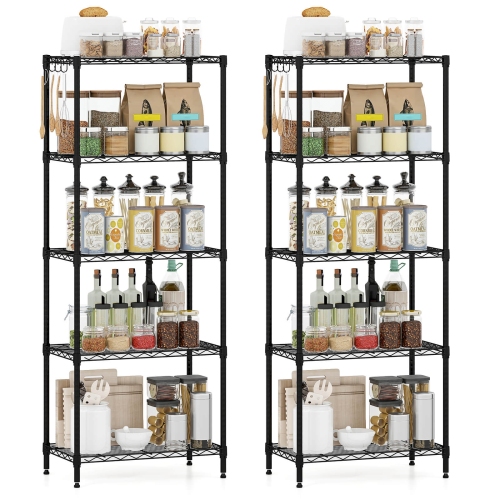
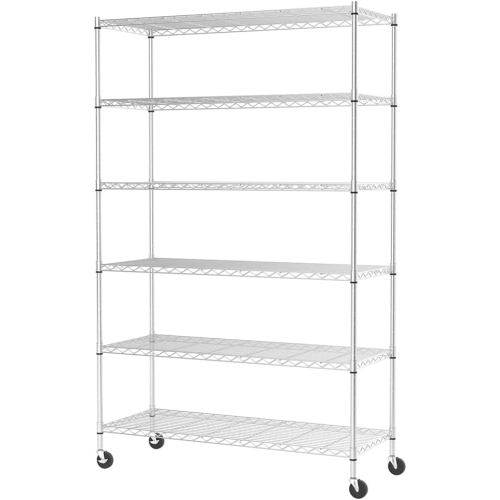
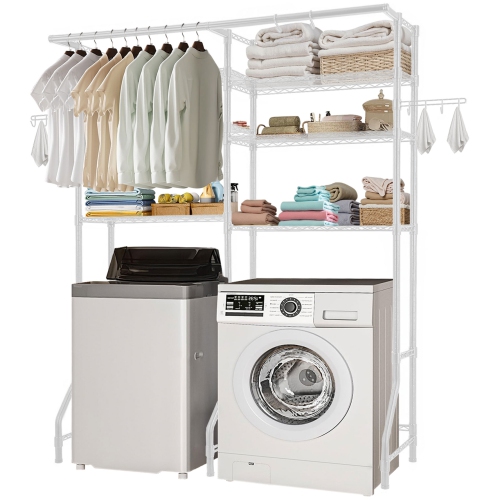

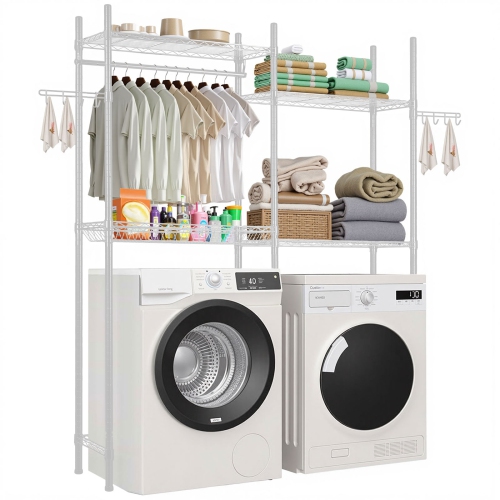
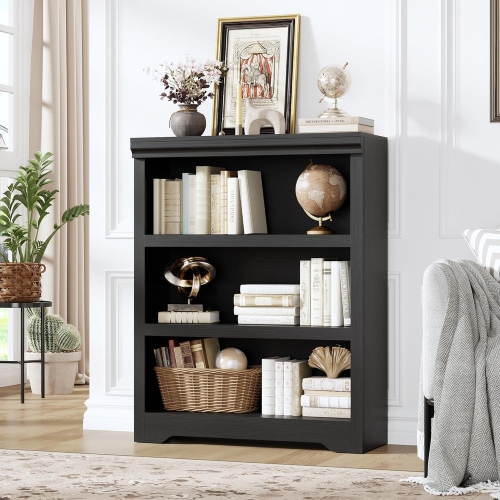
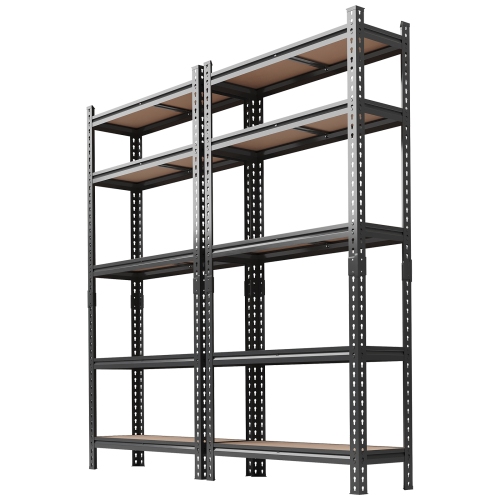
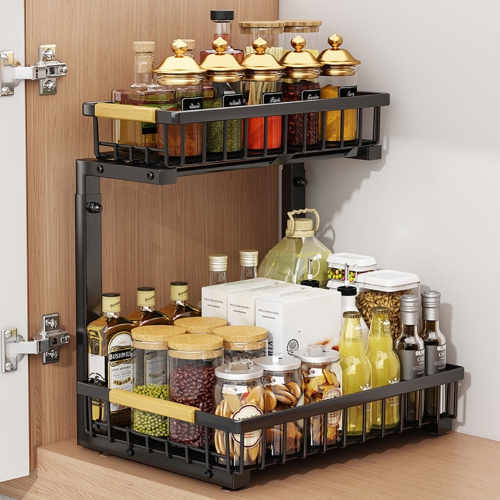
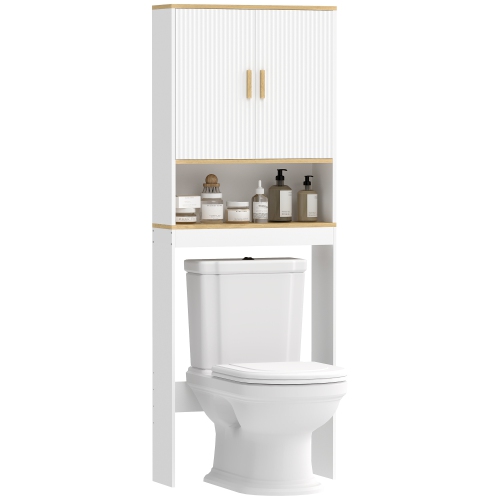

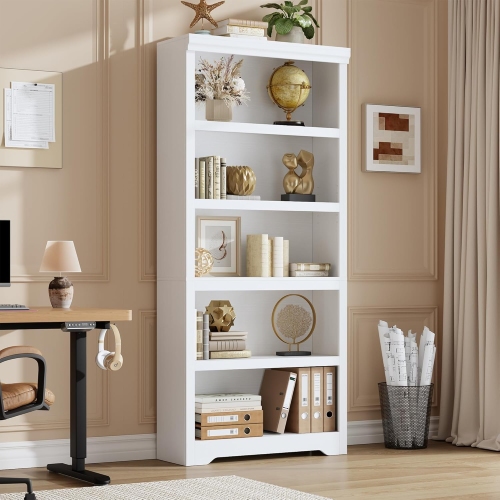
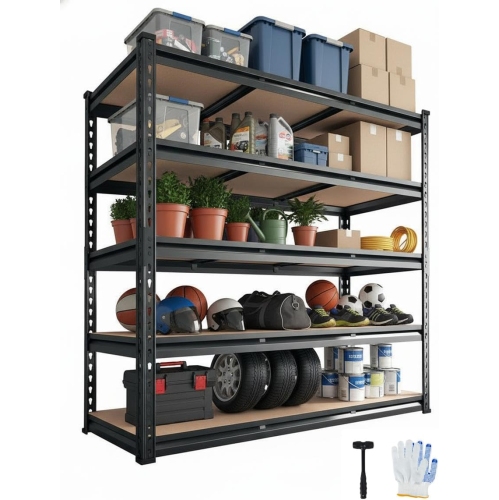
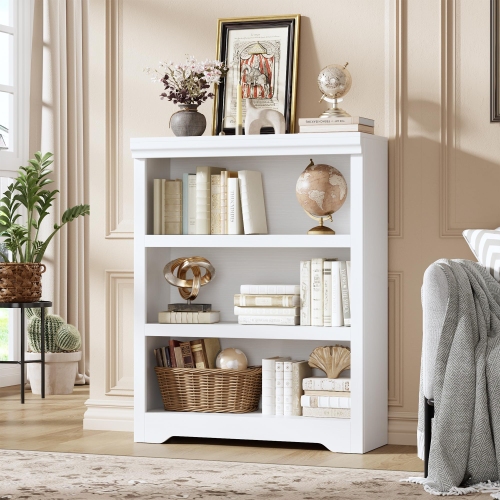
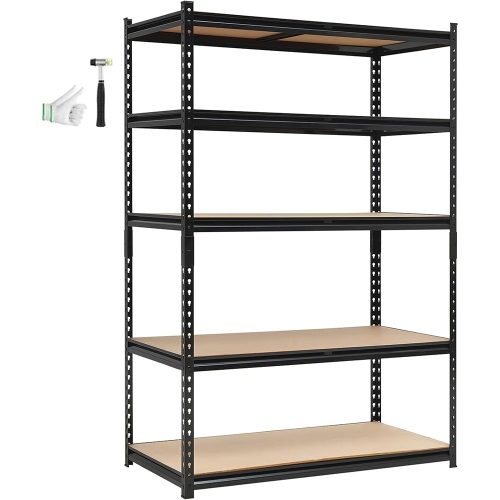
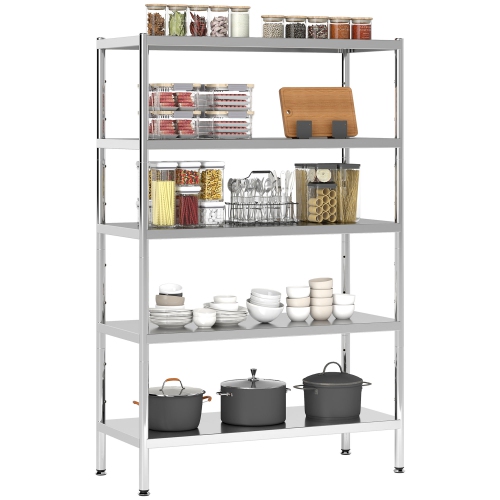
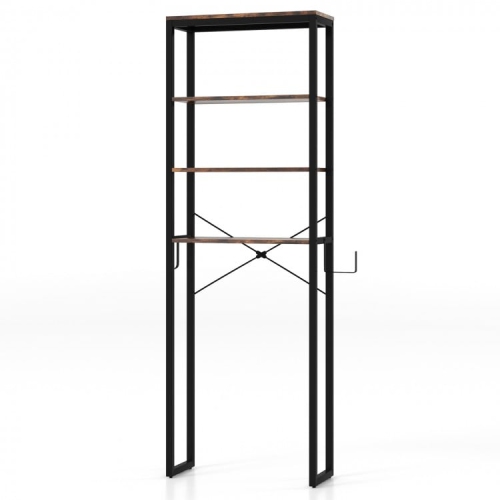
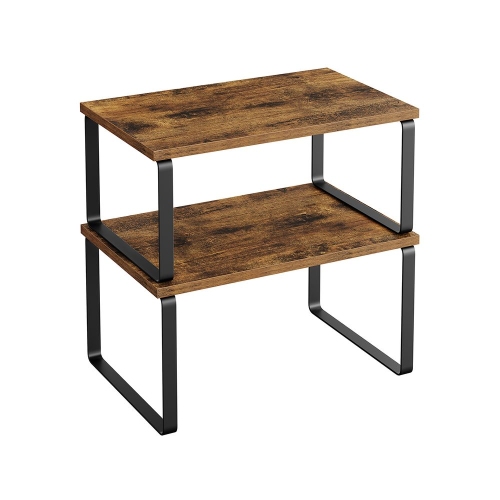
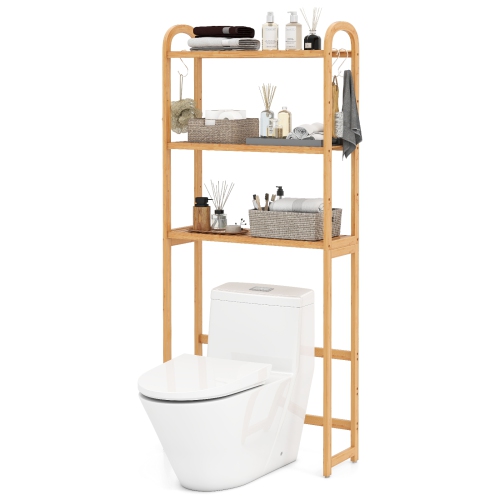
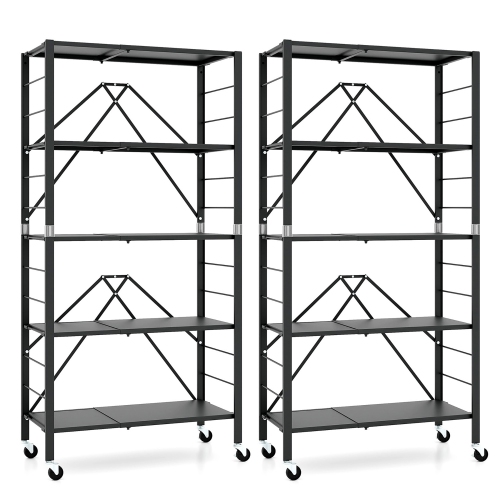
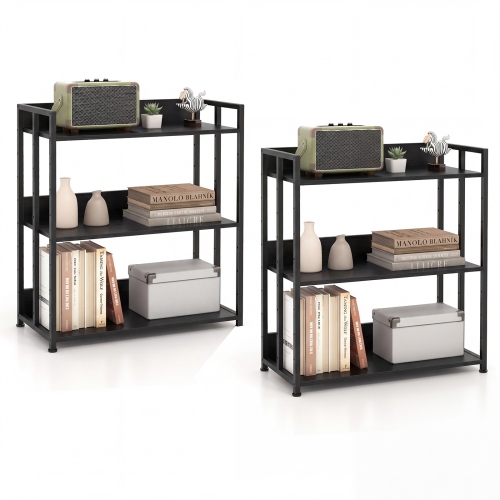
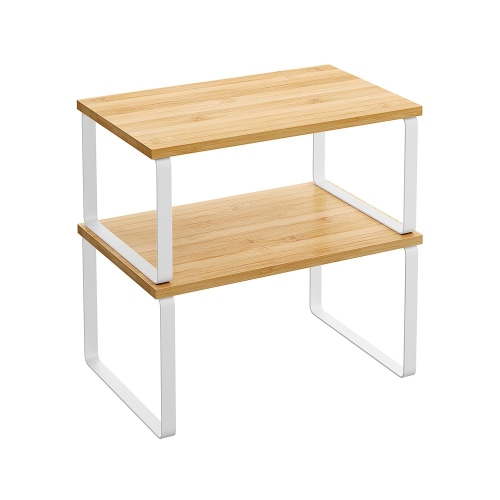
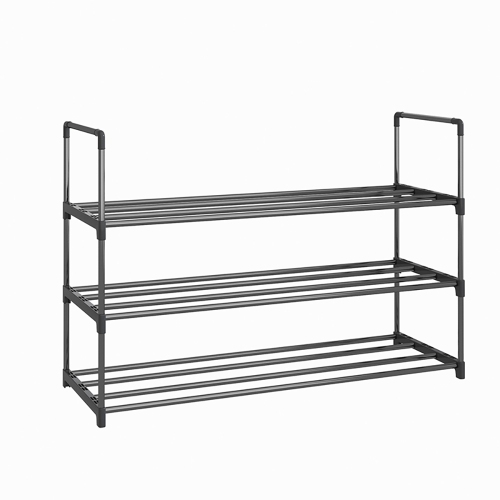
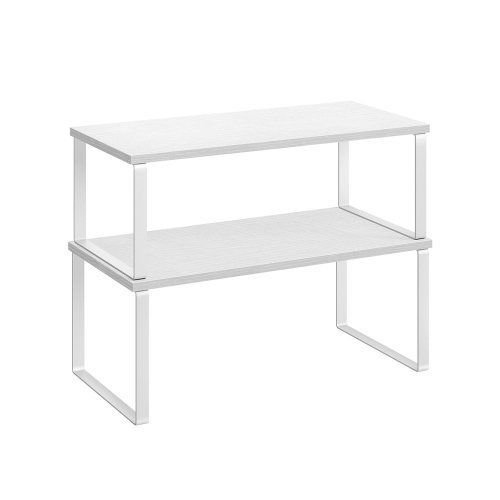
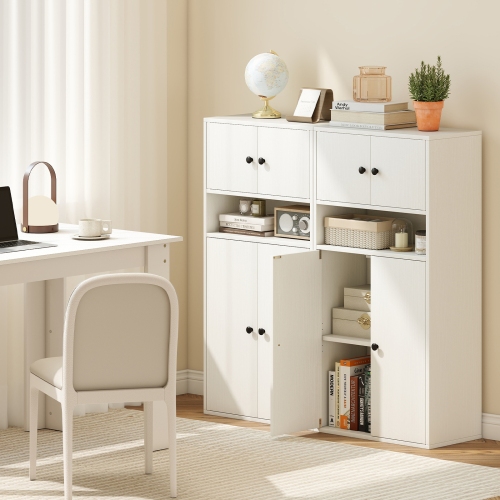
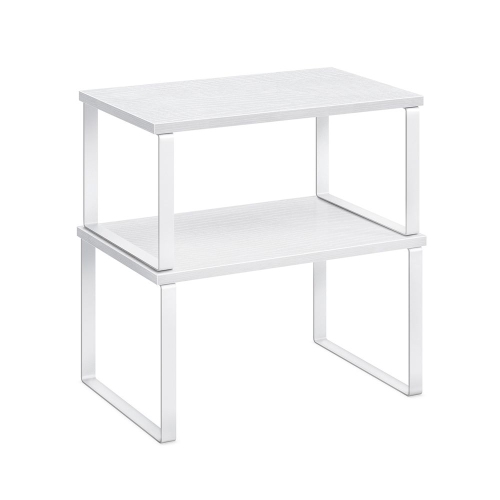
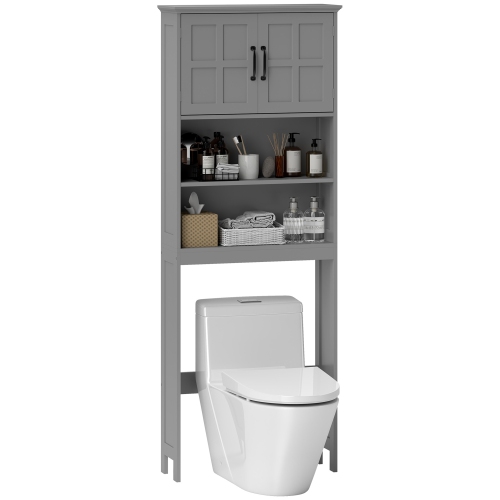
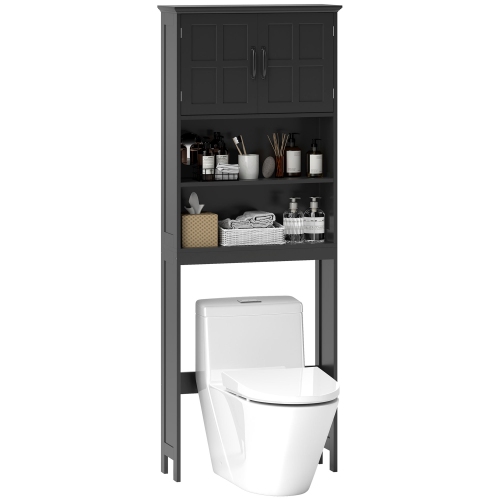
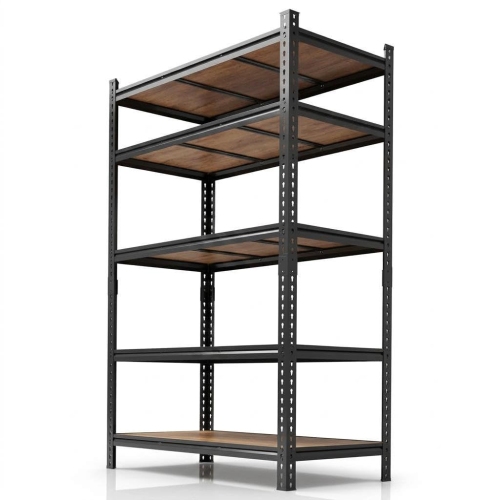
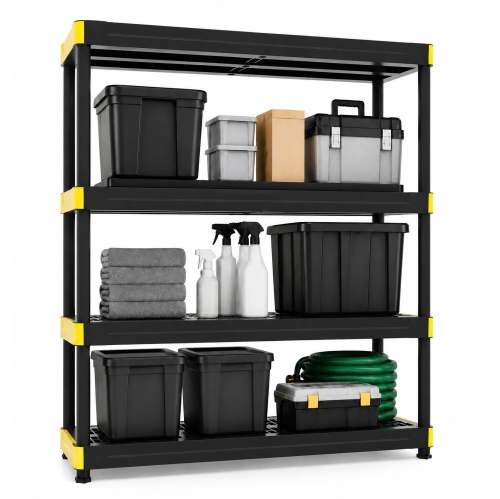
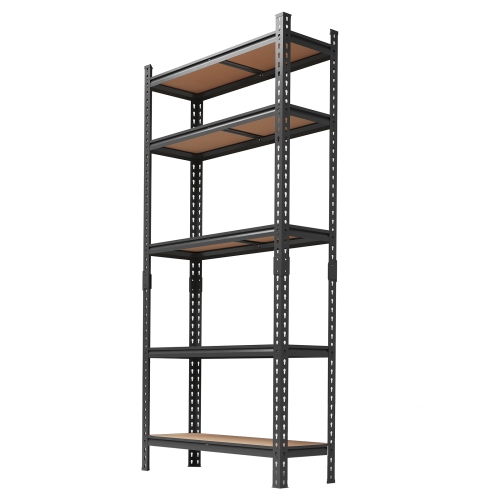
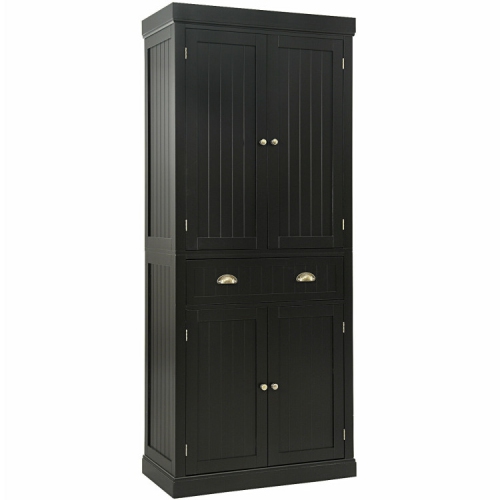
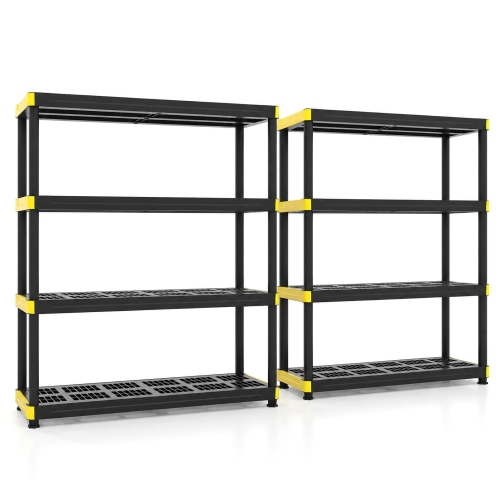
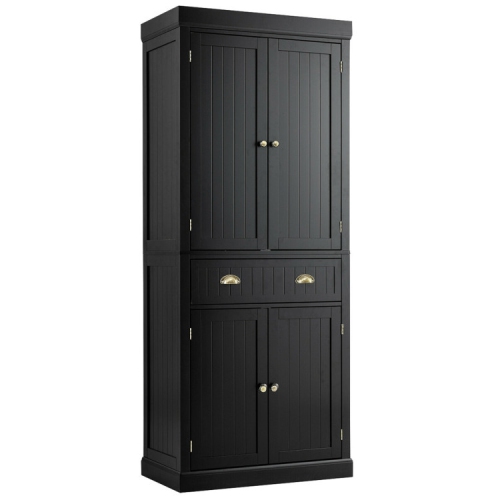
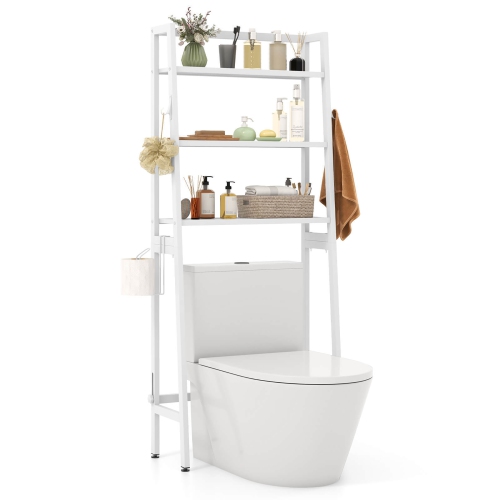


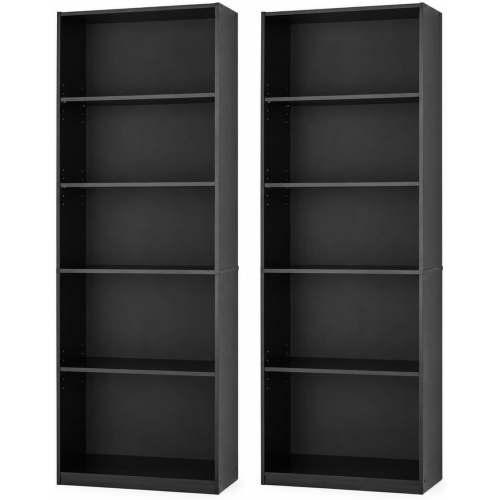
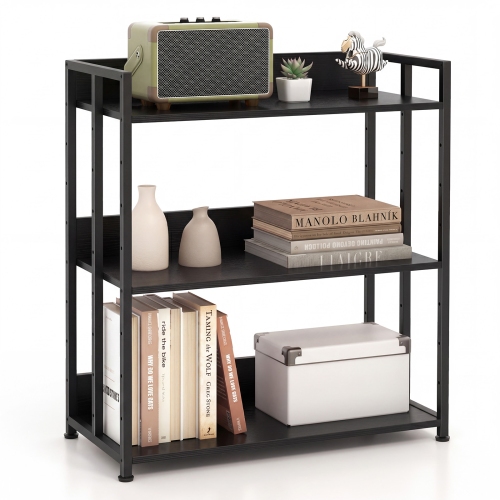
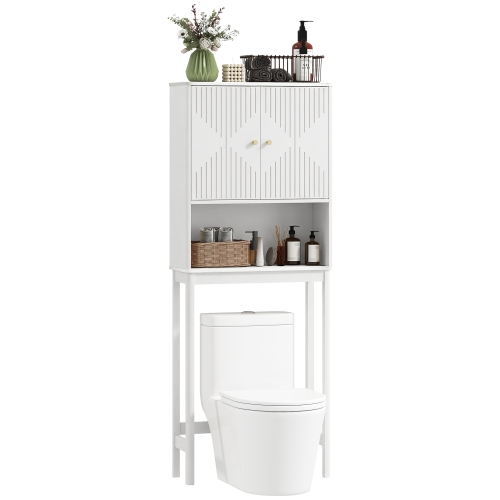
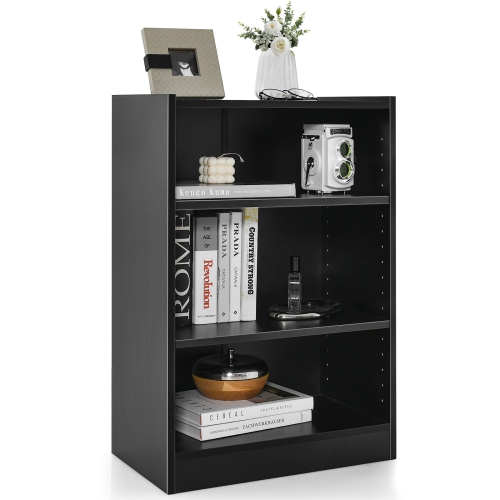
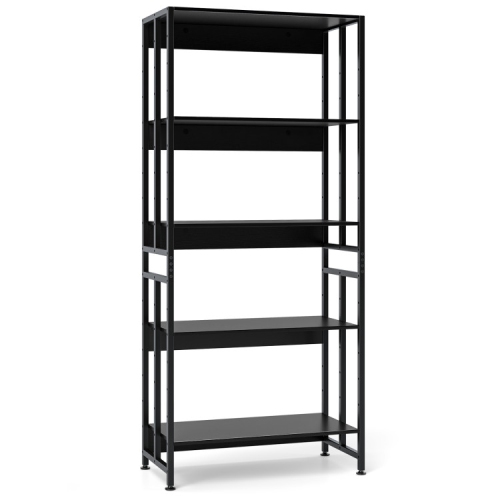
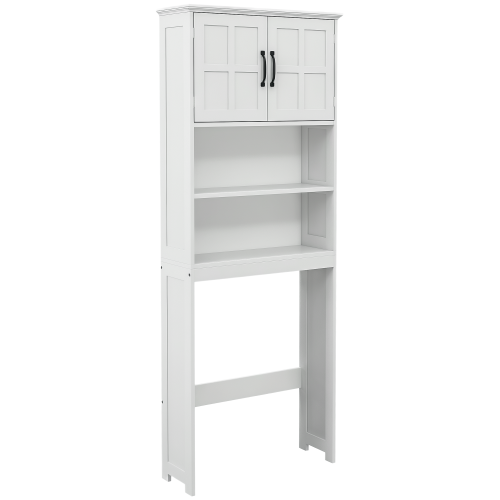
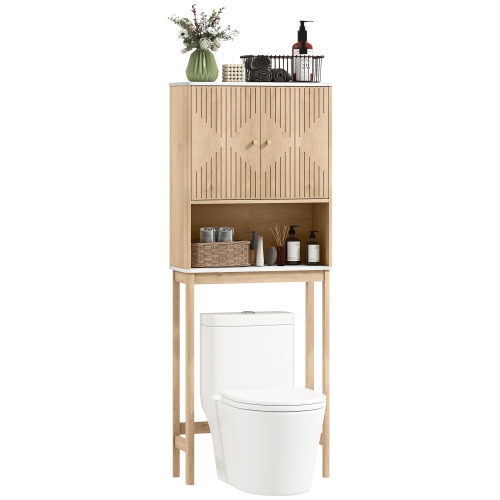
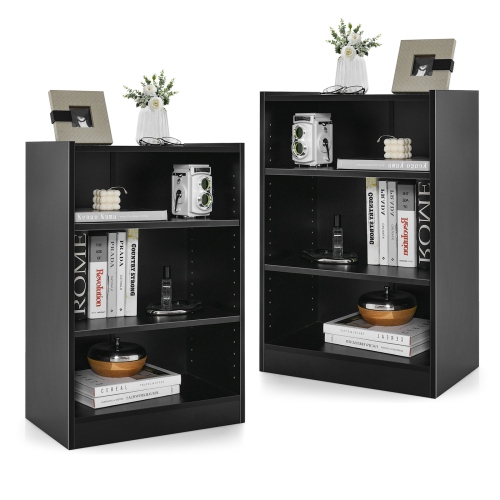

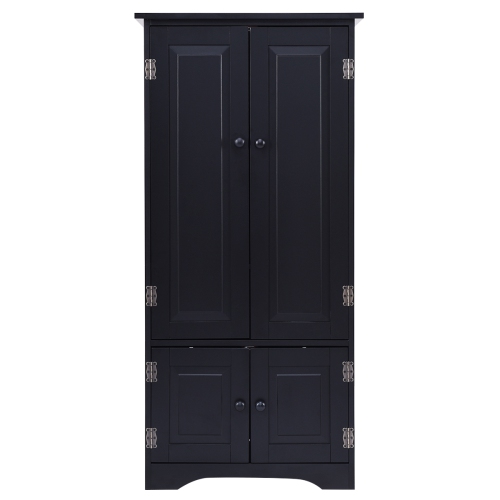
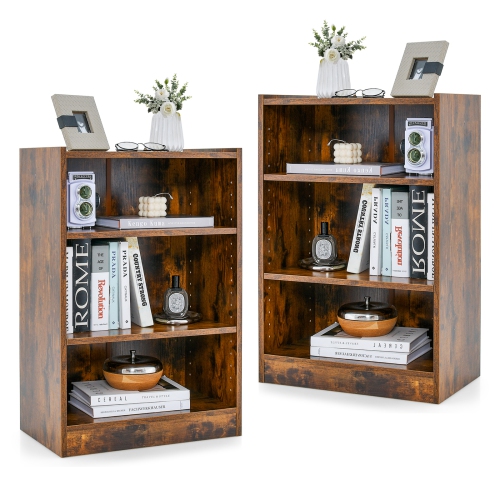
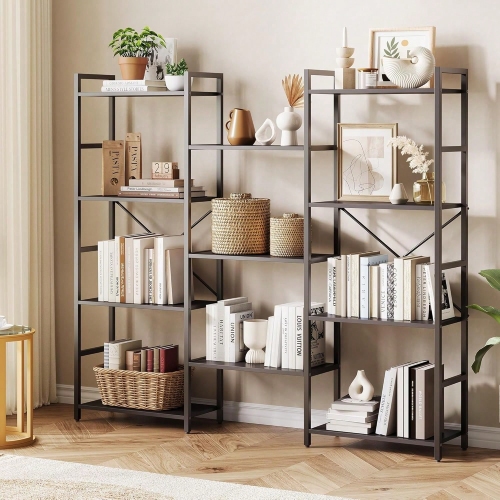
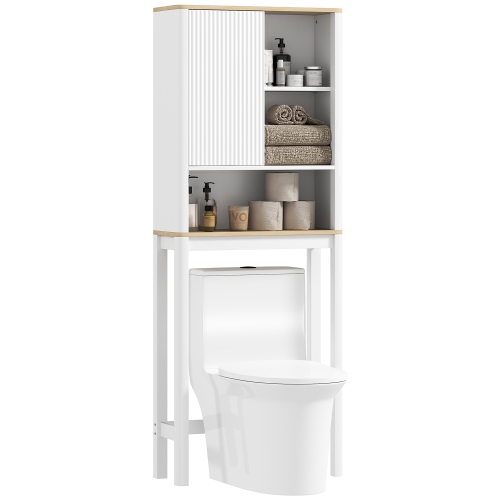
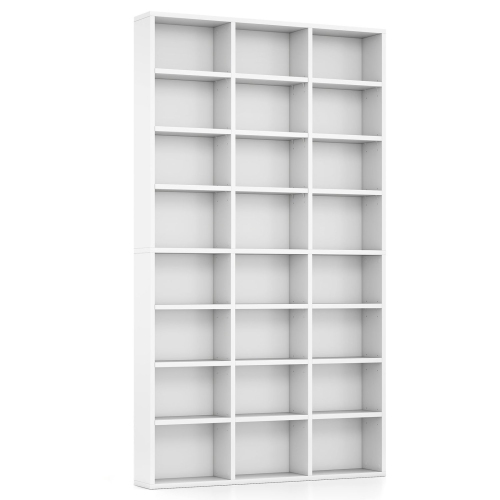
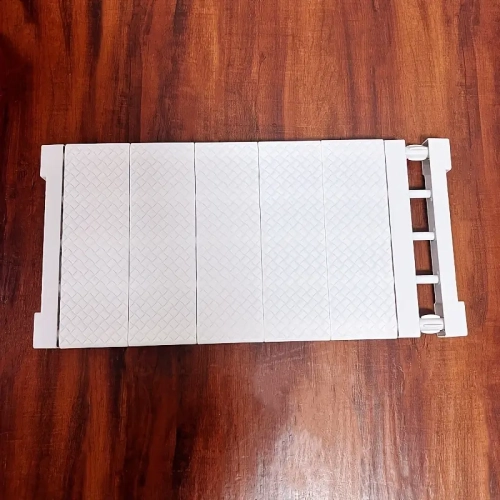
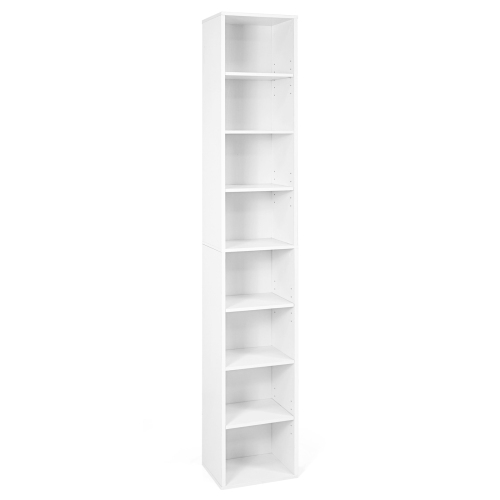
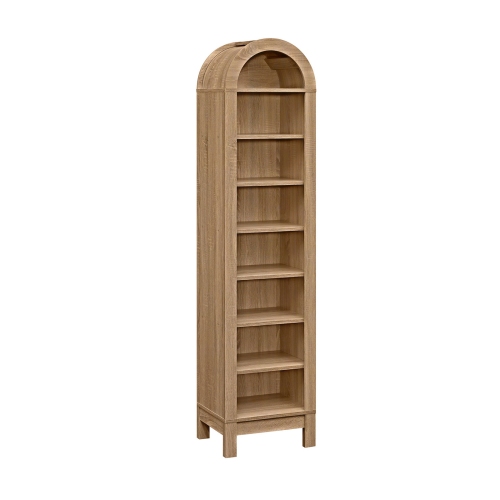
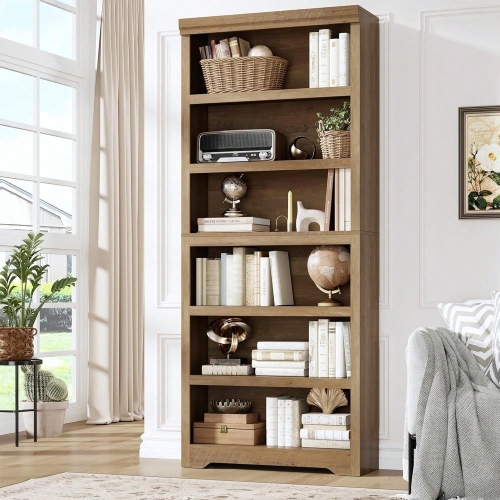
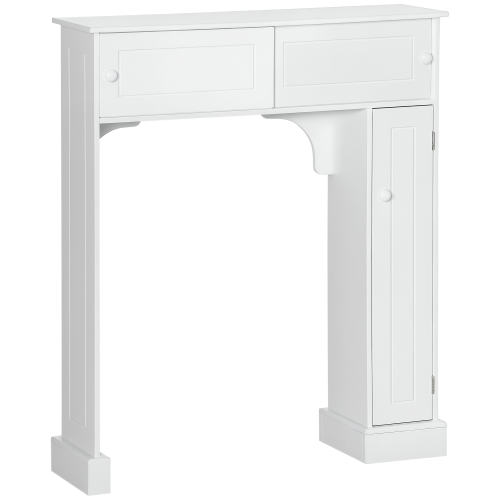
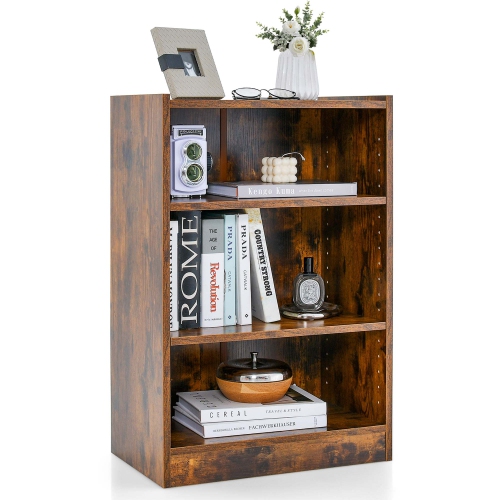
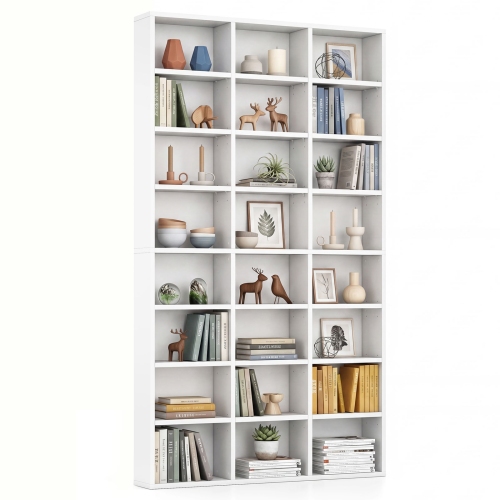
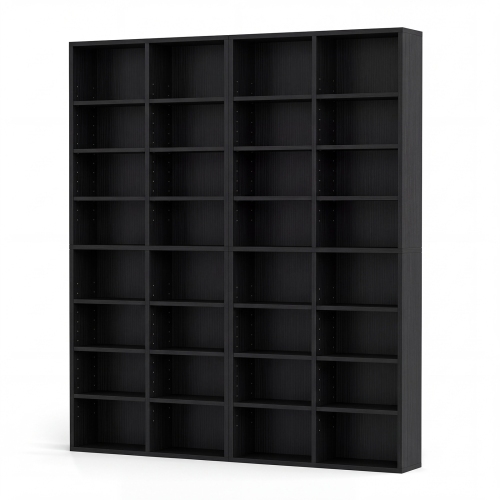
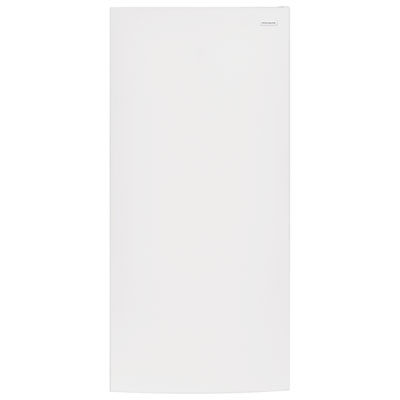
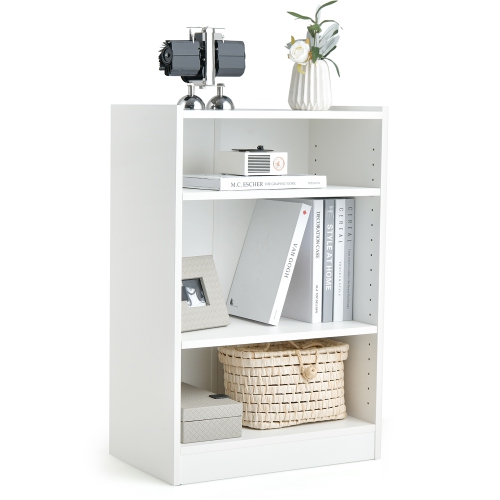
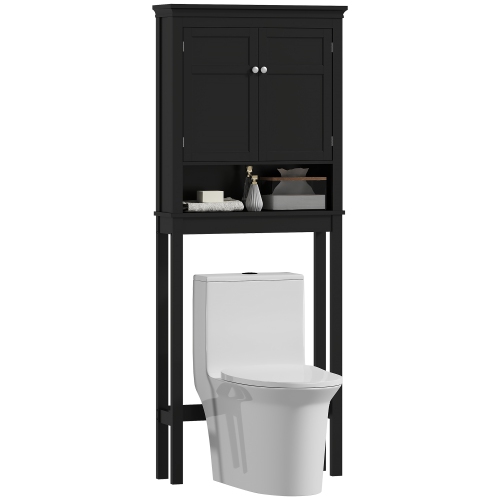
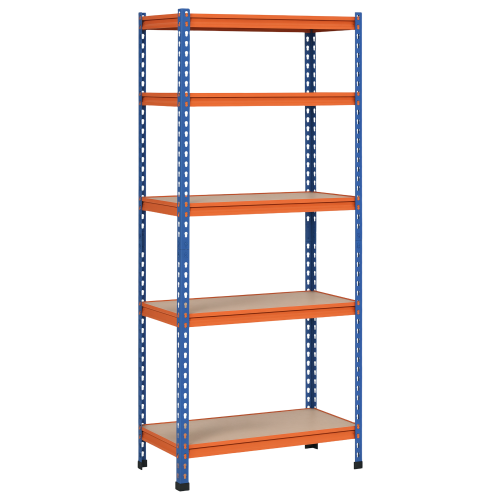
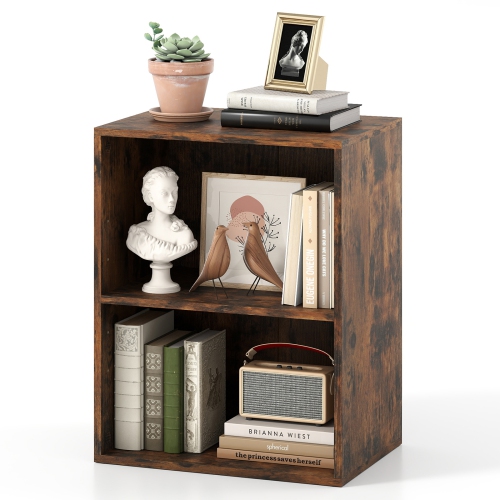
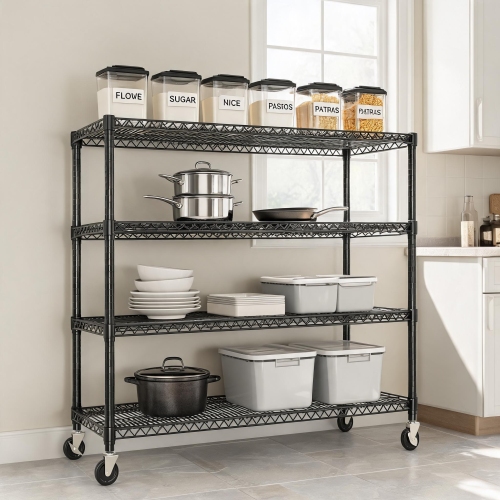
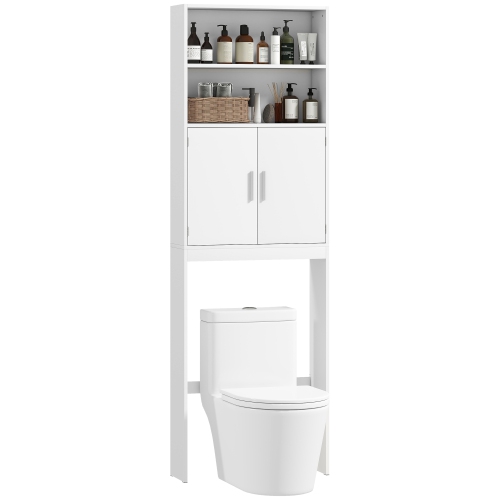
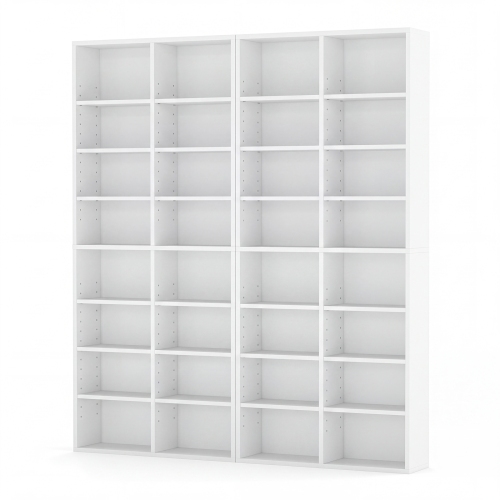
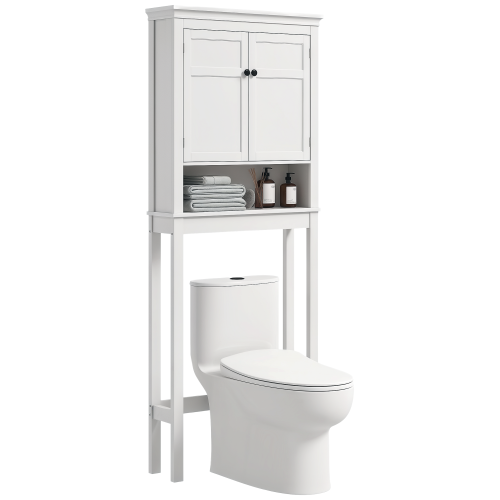
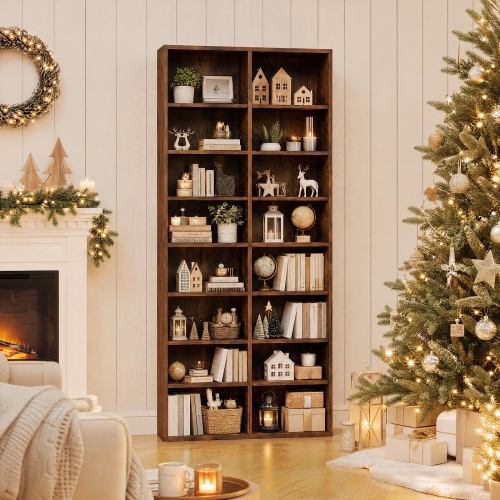
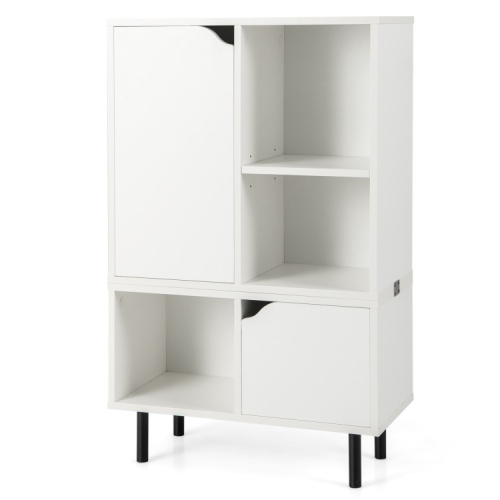
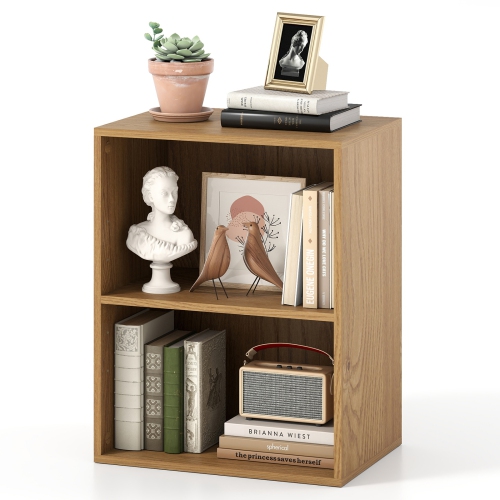
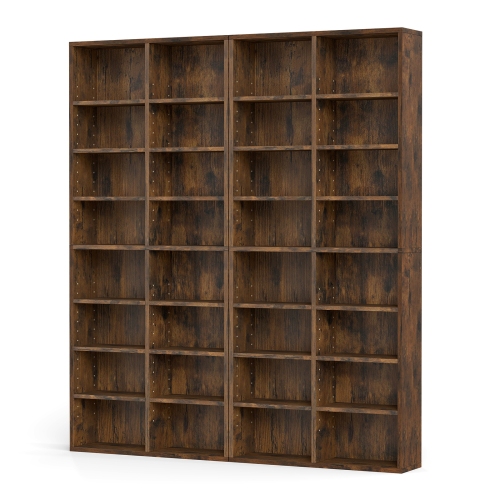
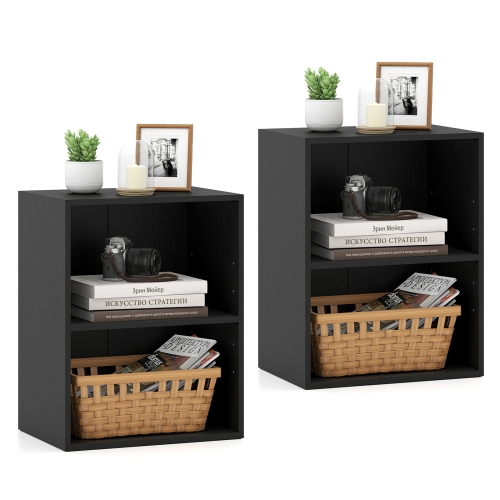
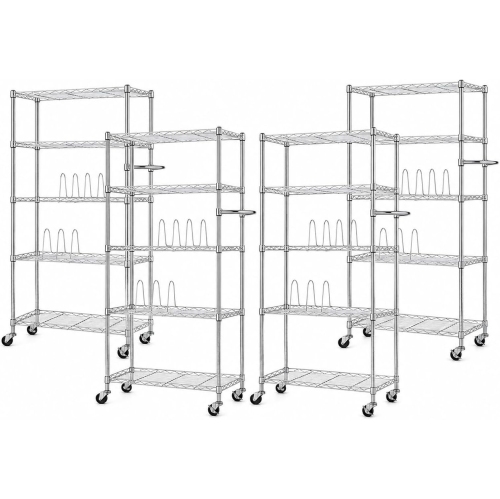
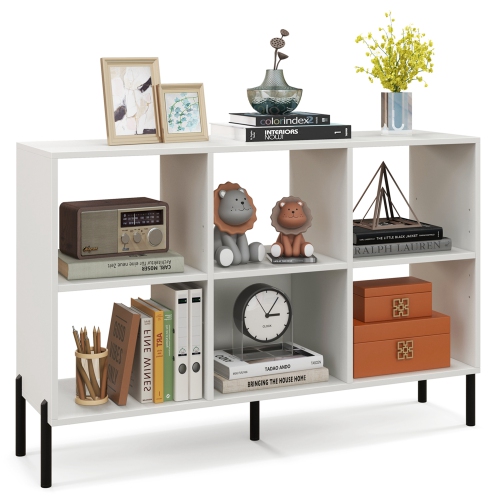
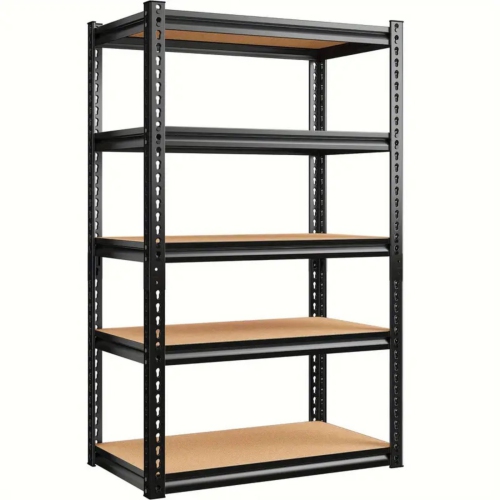

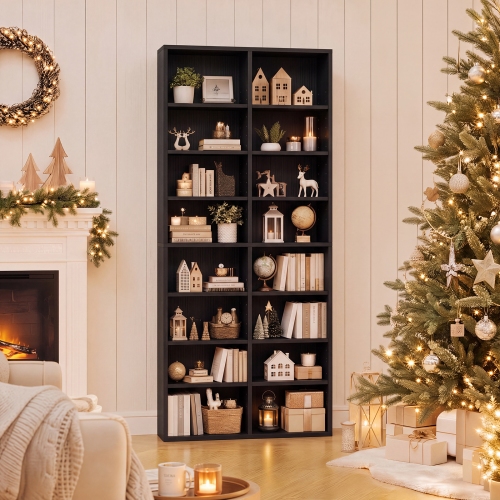
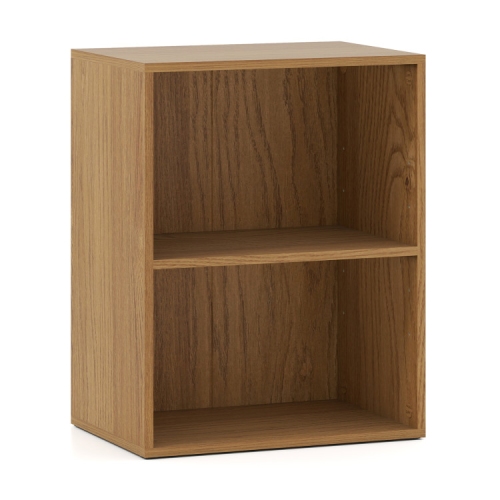
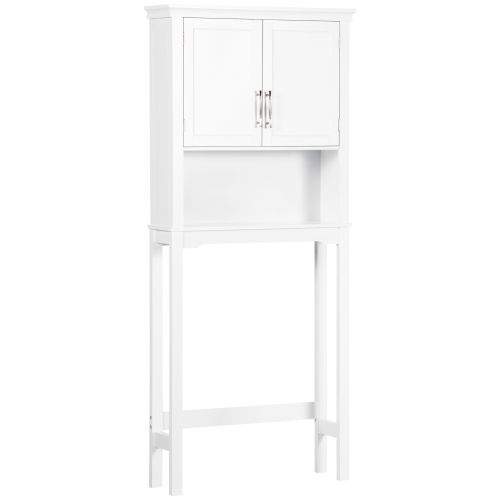
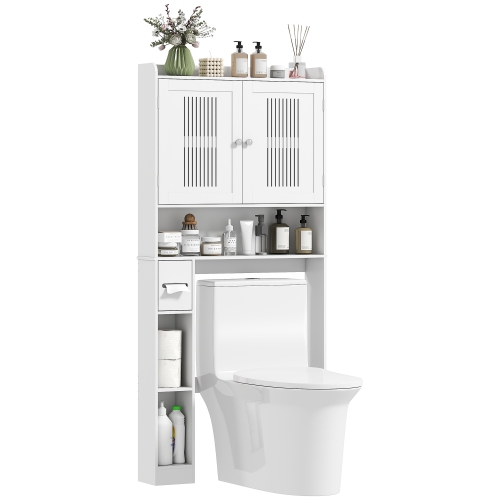
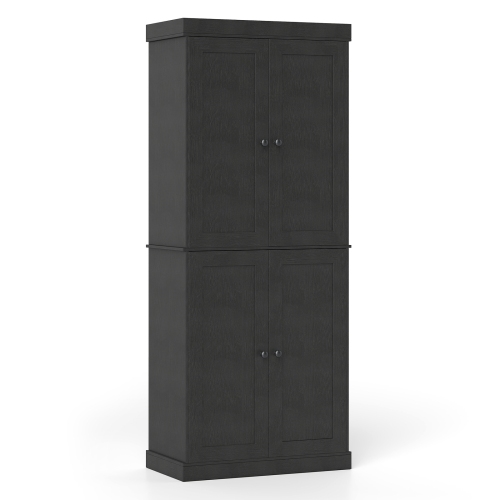
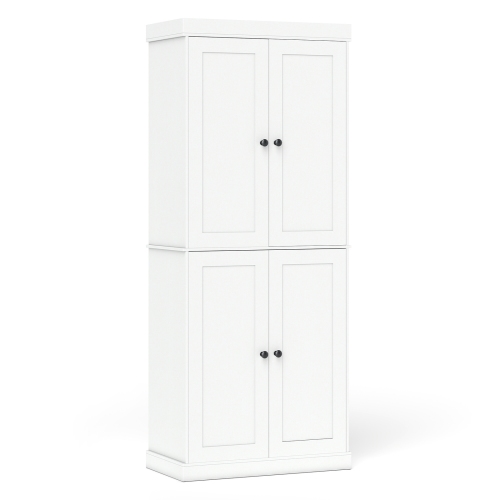
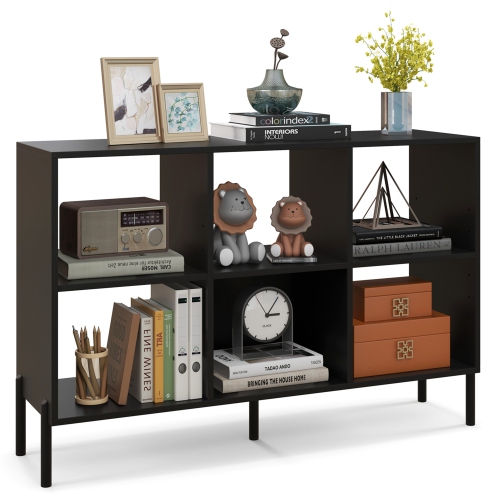
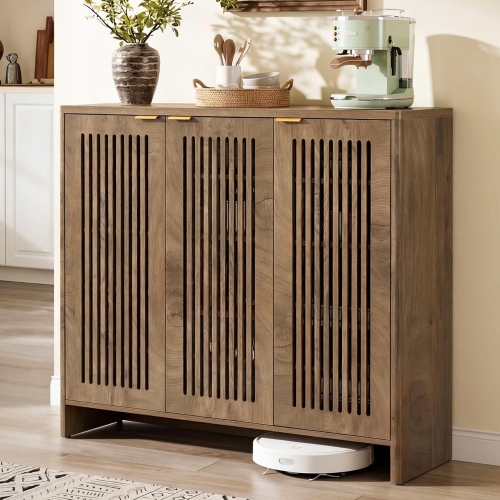
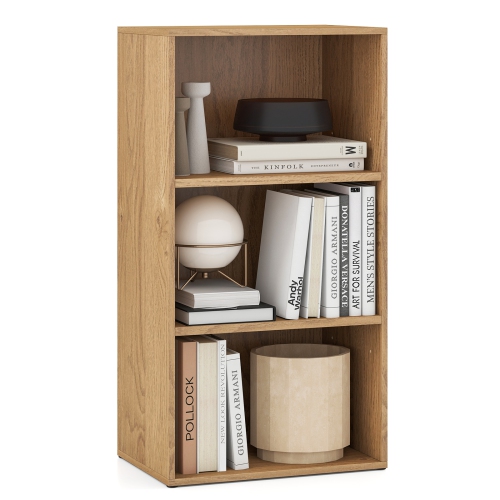
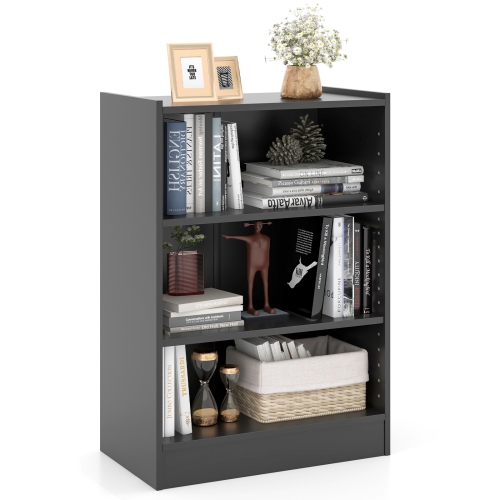
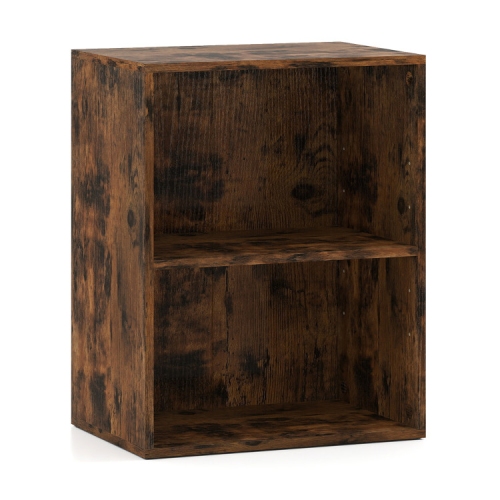
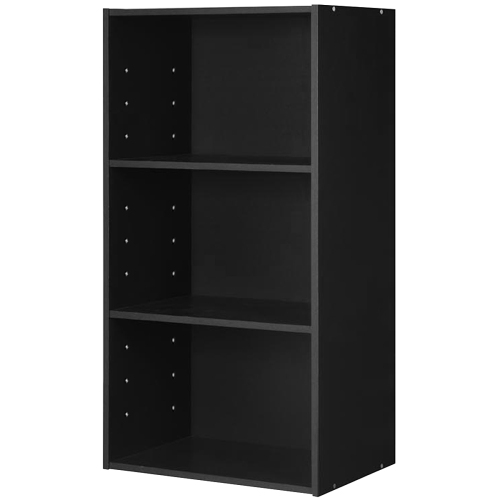
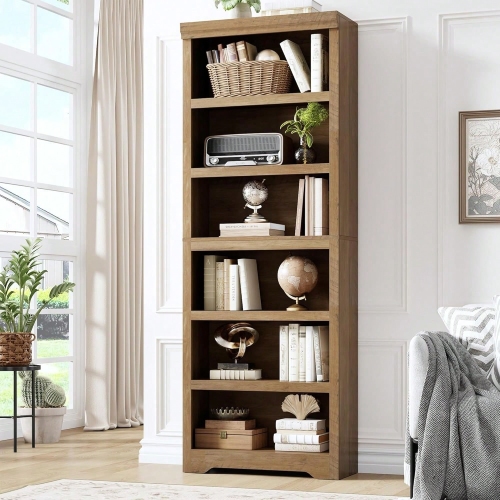
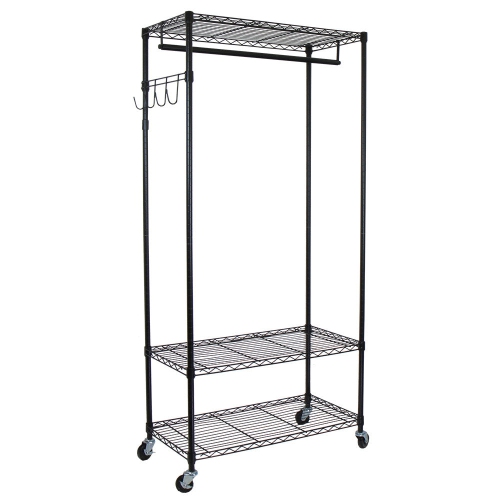
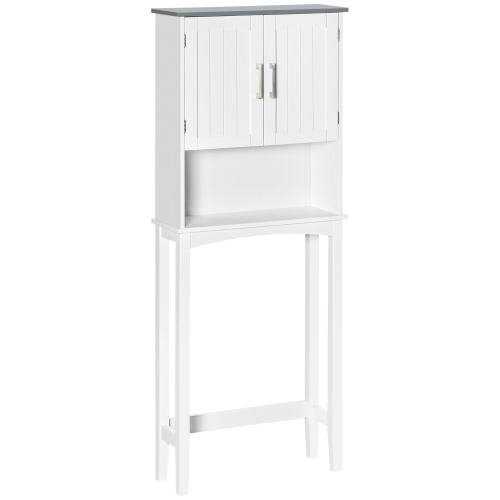
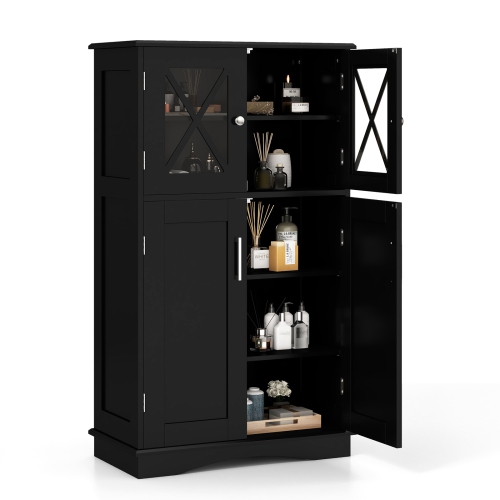
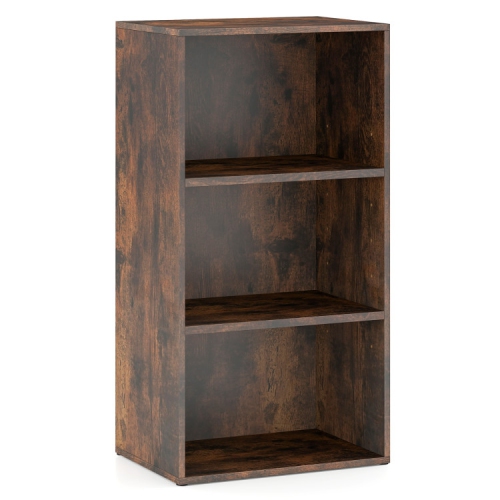
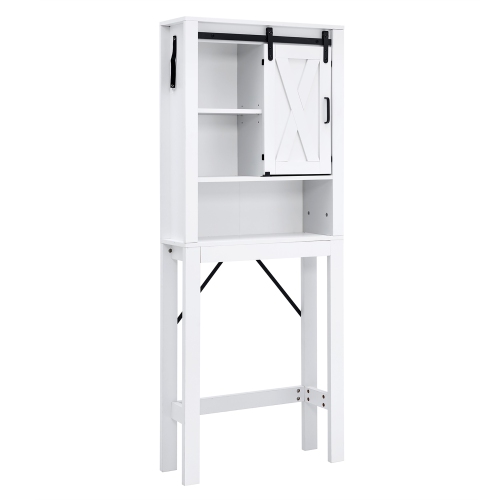
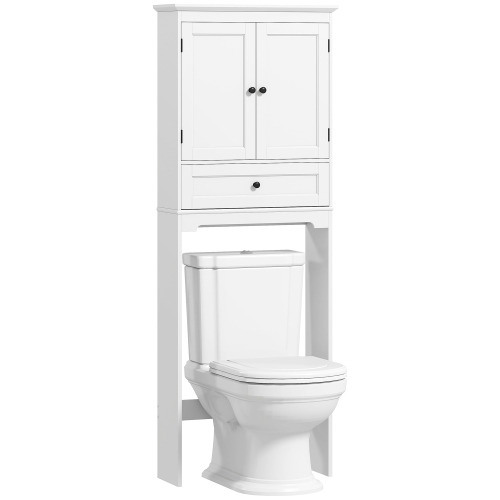
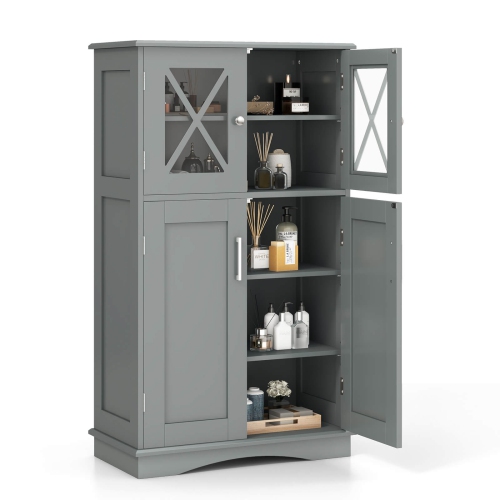
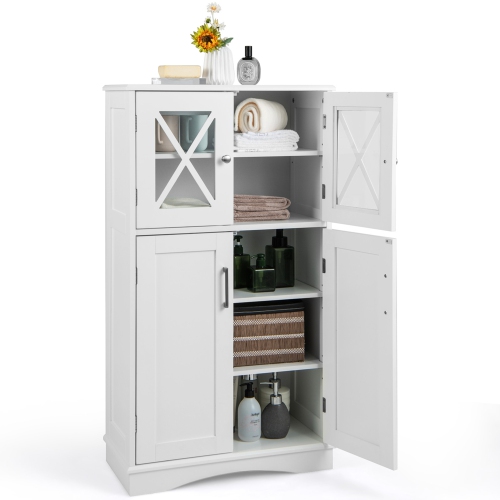
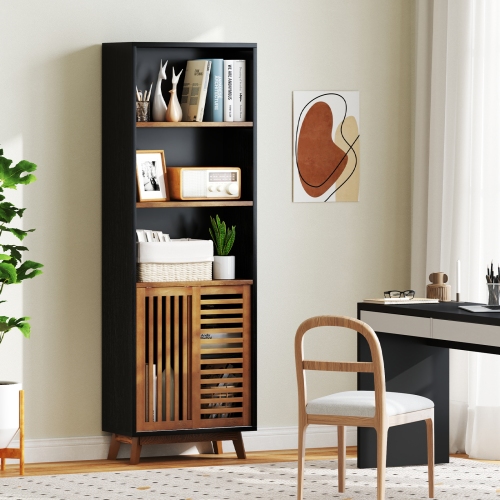
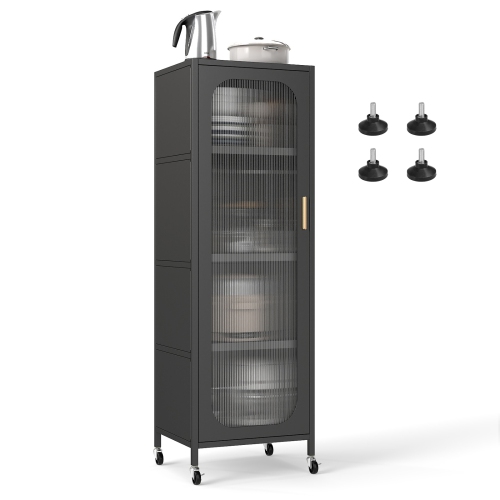
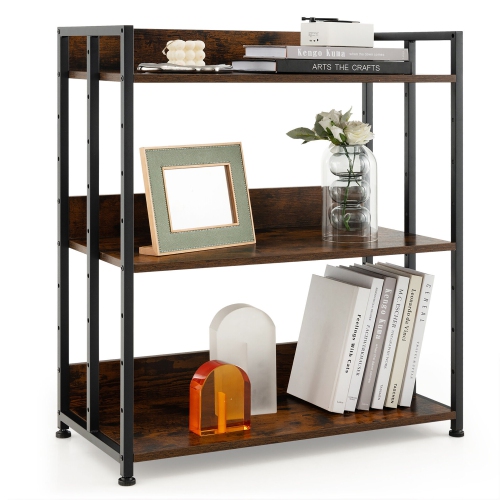
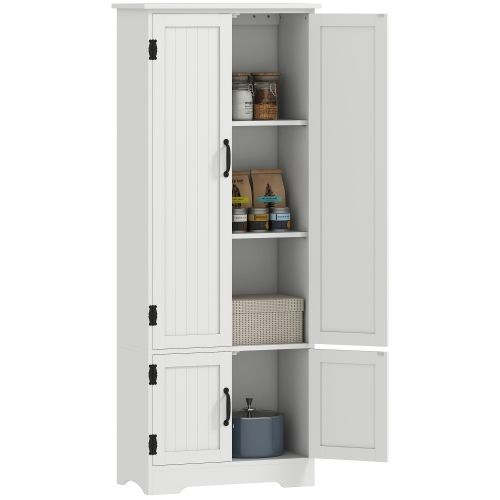
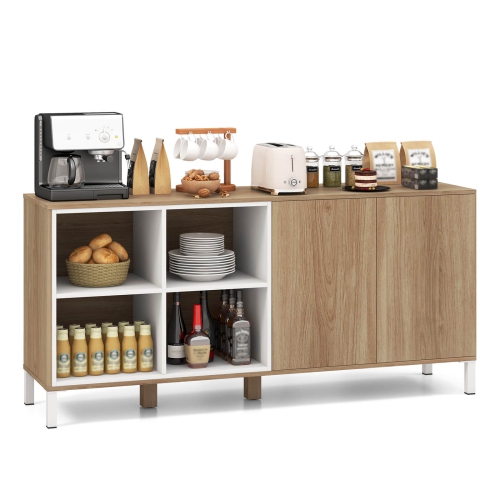
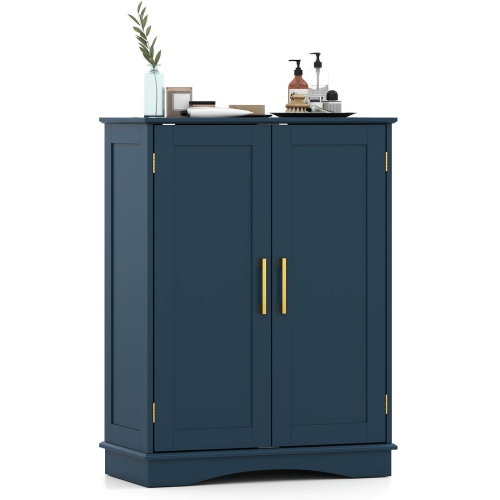
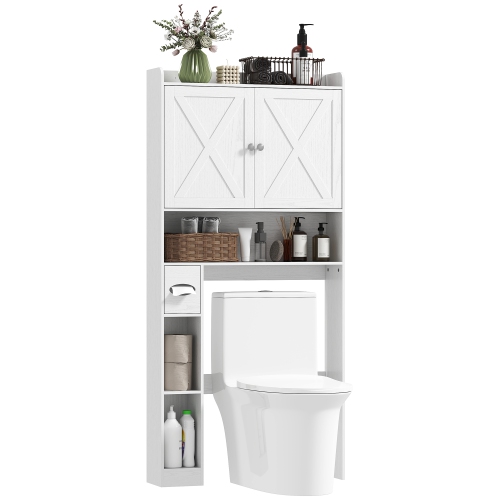
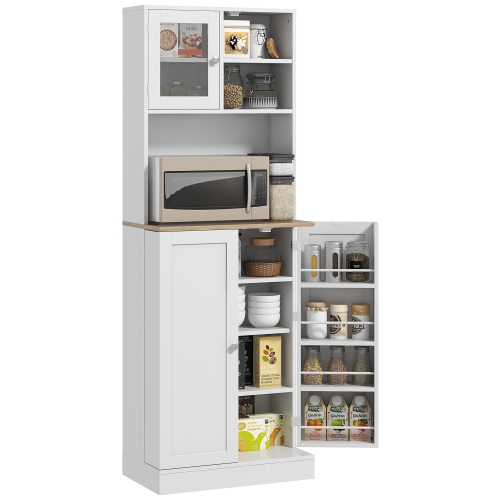
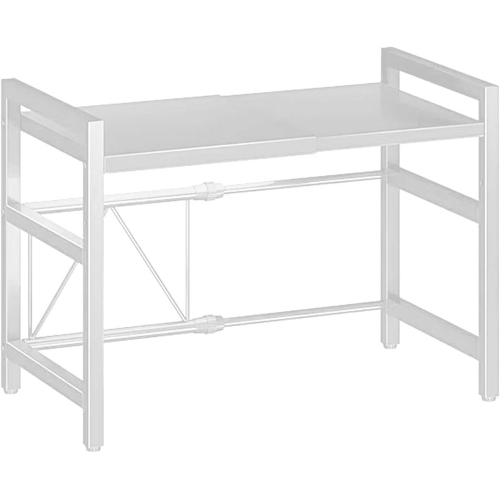
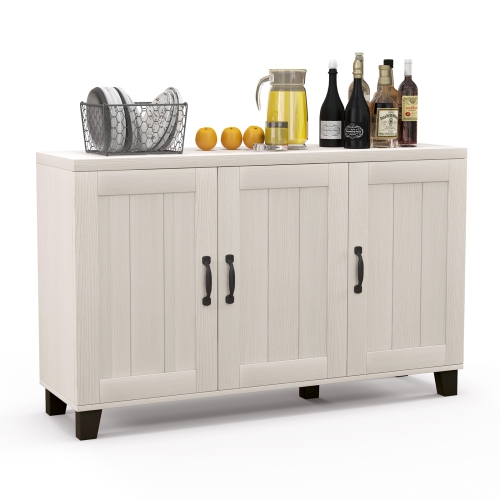

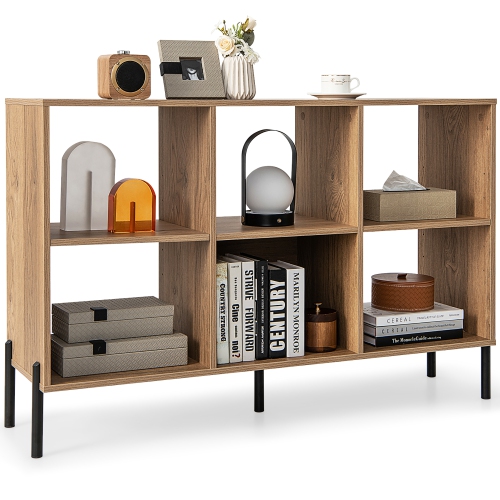

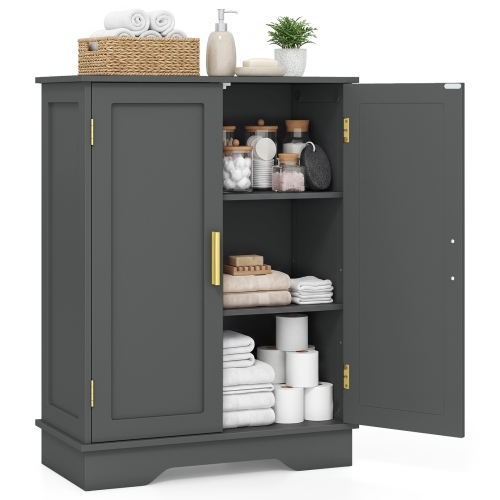
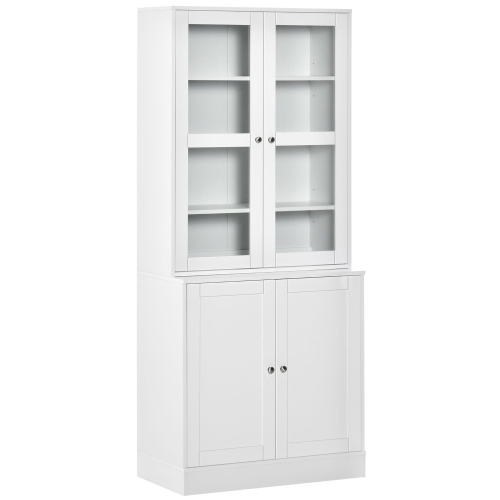
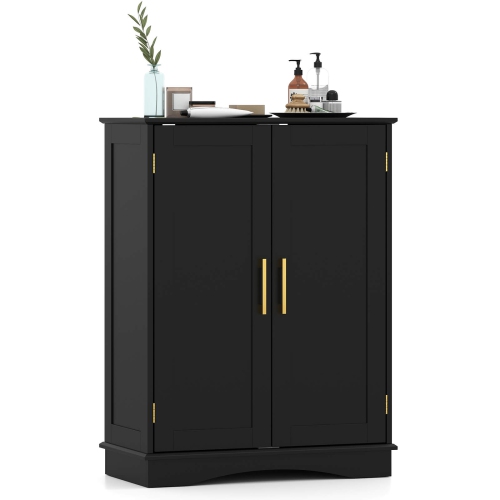
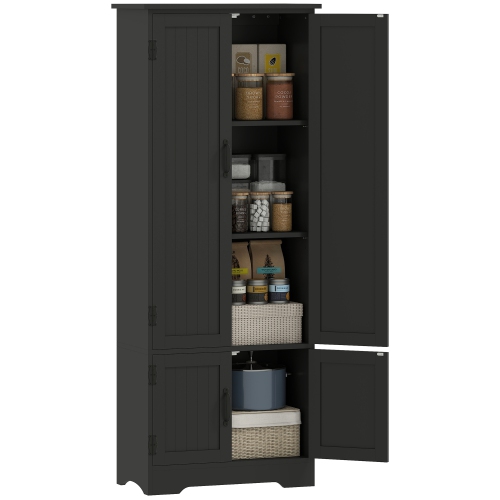
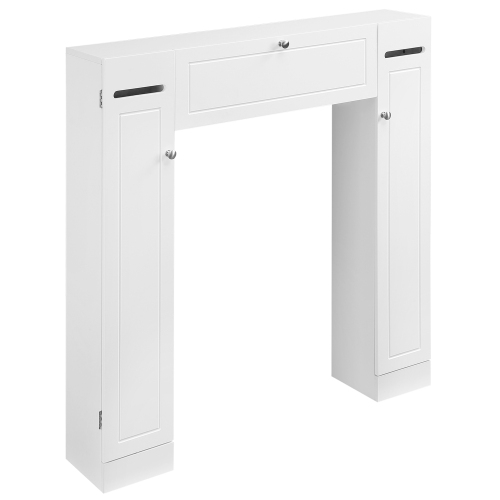

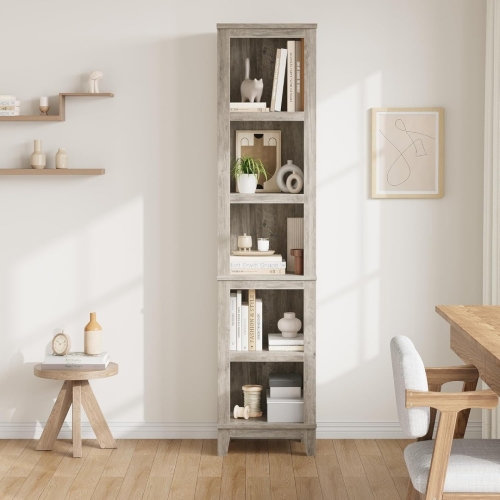
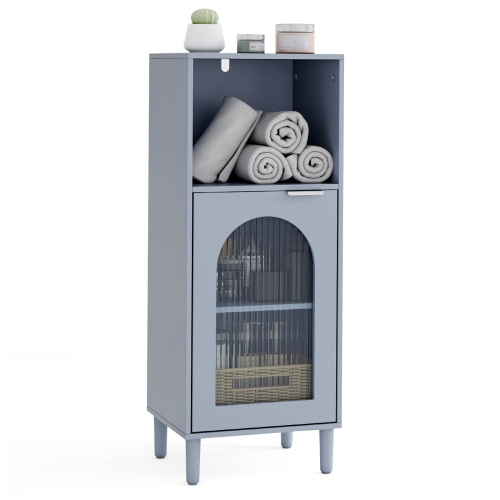
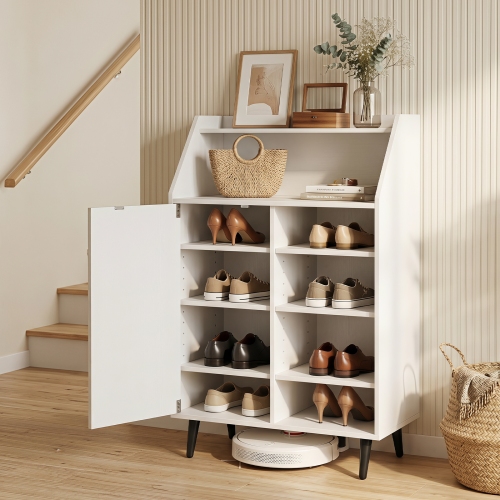
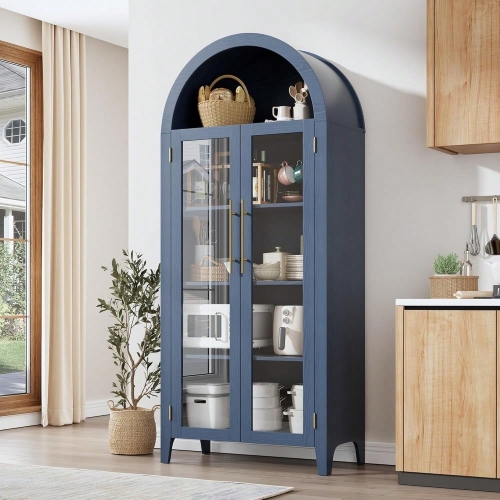
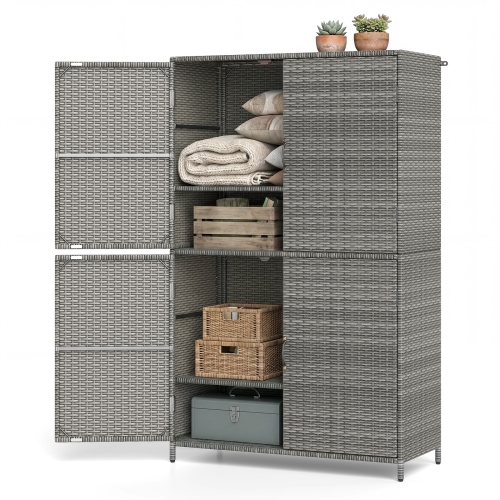
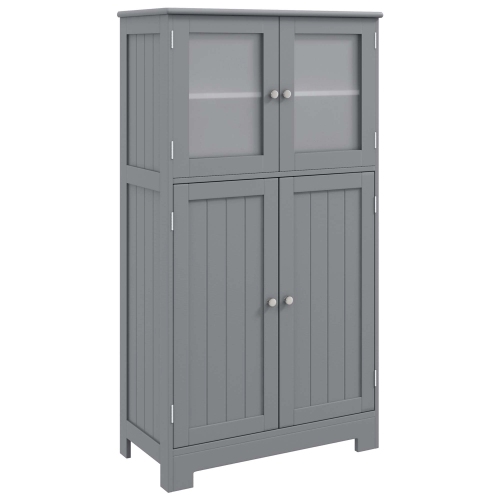
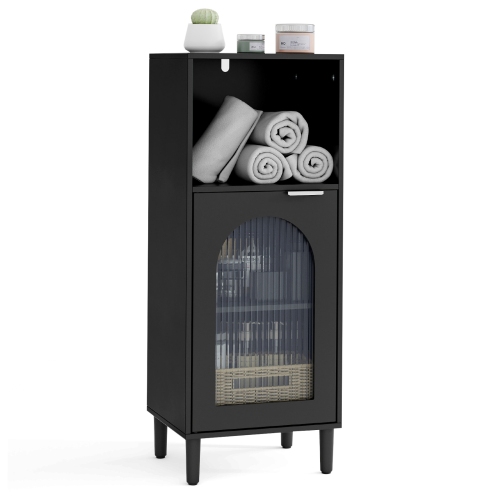
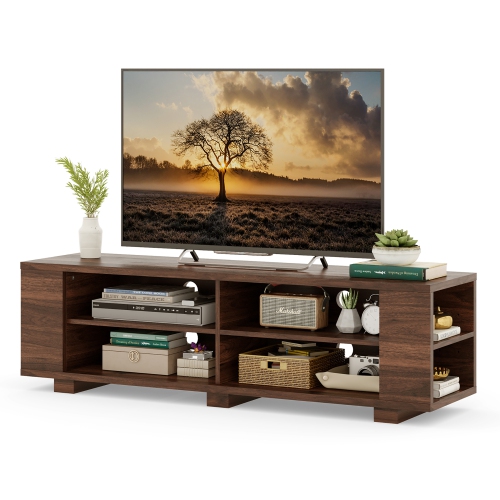
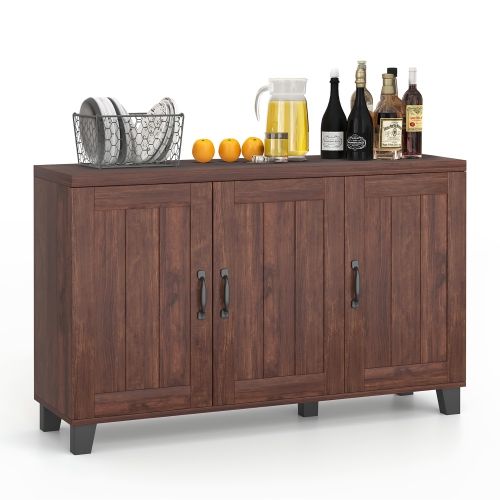
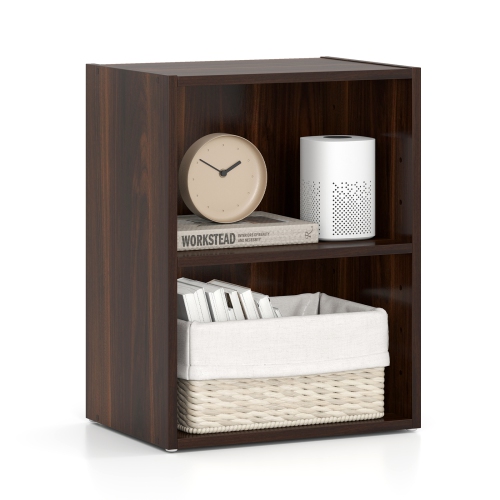
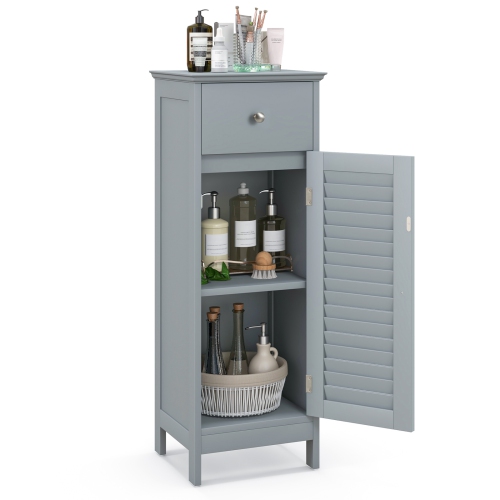
Shelf spacing that adapts as your storage needs change
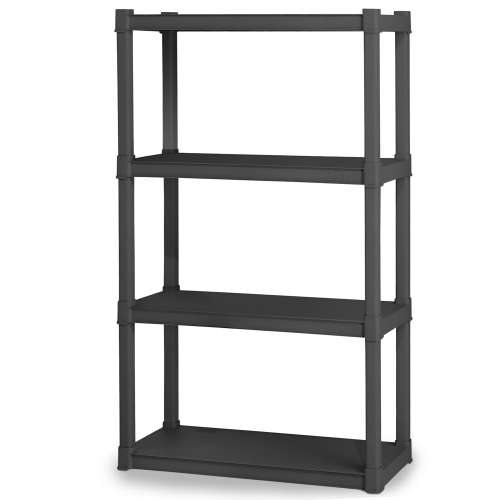
Adjustable storage shelves provide flexible storage by allowing shelf heights to move within a frame or support system. Instead of fitting everything into identical openings, the spacing can accommodate tall containers, shallow baskets, folded linens, small appliances, or storage bins of different sizes. That flexibility makes adjustable shelving useful in pantries, laundry rooms, garages, home offices, and living spaces where the contents may change over time. A pantry might need a generous opening for a countertop appliance and closely spaced shelves for smaller containers, while a utility area may benefit from room for bulky supplies below and lighter household essentials above. Freestanding shelving units create storage without requiring a full built-in installation, although wall anchoring may still be necessary for safety. Wall-mounted systems leave the floor below open, provided the wall structure and mounting hardware can support the intended load. The right fit involves more than overall height and width: shelf depth determines whether a bin sits fully supported, whether a basket handle projects into a walkway, and whether smaller objects remain easy to see at the back. In a narrow laundry area, a shallower unit can preserve access to appliance doors and controls. In a garage, deeper shelving may suit larger containers, but it still needs to leave room to move safely around the space. Baseboards, outlets, door swings, overhead obstructions, and the clearance needed to lift containers off a shelf all affect how comfortably a unit fits. Adjustable does not always mean that every shelf moves independently or that the full interior height is usable. Some frames have fixed structural levels, while others offer a series of slots, holes, or grooves for repositioning. The distance between those adjustment points influences how closely the shelf spacing can match the contents. A little clearance above frequently handled objects makes everyday storage easier to use than a tightly packed arrangement that requires shifting several things to reach one container.
Materials and construction shape how adjustable shelving looks, feels, and performs under load. Steel frames are common in utility shelving, with finishes that vary in their resistance to scratches and corrosion. Coated wire shelves provide an open surface that allows air to circulate and makes it easier to see stored contents, but narrow objects and small container feet may need a compatible liner for stable support. Solid shelves offer a continuous surface for books, baskets, and other contents that do not sit neatly on wire. Wood and engineered wood can suit furnished rooms, while their surface finish, edge protection, and resistance to moisture deserve attention in spaces where spills or damp cleaning supplies are likely. Plastic shelving is often lightweight and easy to wipe down, although its suitability for dense loads depends on the design and stated capacity rather than the material alone. For any construction, the load rating is an important distinction: a capacity listed for one shelf is not necessarily the same as the capacity for the complete unit. Ratings may also depend on evenly distributed weight, a particular assembly configuration, or the use of required supports. A compact stack of books or a heavy appliance concentrates weight differently from a row of lightly filled baskets. Heavier contents generally belong on lower levels, with weight spread across the shelf surface and kept within the manufacturer’s limits. Shelf thickness, cross-bracing, upright strength, and the quality of the connections all contribute to a stable structure. Levelling feet can help compensate for minor floor unevenness when included, but they are not a substitute for a sound, suitable floor. Units fitted with castors may have different load limits when stationary and moving. Taller shelving, particularly in homes with children or pets, needs the anchoring specified by the manufacturer. Shelves should never serve as steps, and frequently used supplies are most convenient at a height that does not require climbing or stretching.
Everyday usability also depends on the details of assembly, adjustment, and care. Some adjustable storage shelves use clips or sleeves on upright posts, while others rely on shelf pins, slotted supports, or bolted connections. Tool-free assembly can simplify setup, but the supports still need to be correctly seated and locked in place. The ease of moving a shelf later matters just as much as the initial build: certain designs allow individual levels to be repositioned, while others require more of the frame to be taken apart. Shelves should be emptied before adjustment, with all supports reset at matching heights and checked before the contents are returned. Open shelving keeps supplies visible and accessible, making it useful for shared households, craft spaces, and home offices where several people need to find things quickly. Matching baskets or clearly labelled containers can keep small accessories together without hiding the layout of the storage system. In a living area, shelf colour and finish help determine whether the unit blends into the room or becomes a more noticeable feature. For storage behind doors, Adjustable Shelf Cabinets offer adjustable interior space with a closed front that keeps contents out of view. Care requirements vary by material and finish, but regular dusting, prompt attention to spills, and cleaning according to the manufacturer’s directions help protect shelf surfaces and connections. Moisture should not be left sitting along unsealed edges or around metal joints, and abrasive cleaners can damage some finishes. Periodic checks for loose fasteners, displaced clips, bending, or surface wear are especially useful after moving a unit or changing what it holds. Flexible shelving earns its place when it fits both the room and the routines around it: baskets slide out cleanly, larger containers have enough headroom, and regularly used supplies stay within comfortable reach. A well-matched combination of dimensions, shelf spacing, materials, and load capacity provides practical storage that can be rearranged as household needs develop.
Top selling and popular products
-
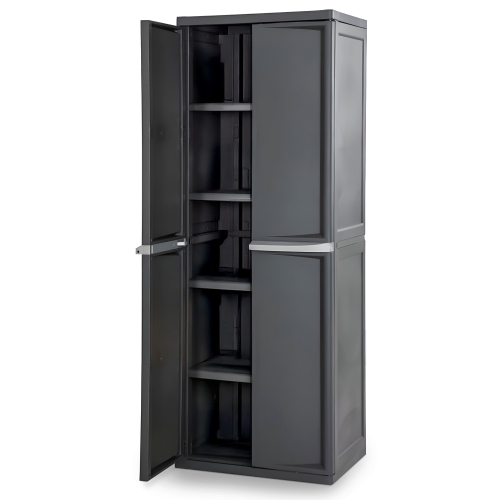 Your price for this item is $577.99
-
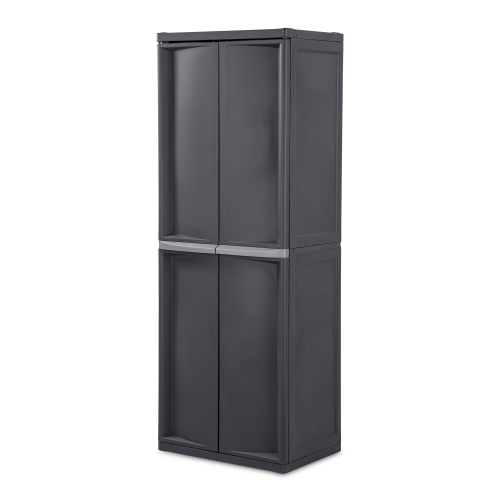 Your price for this item is $1167.99
-
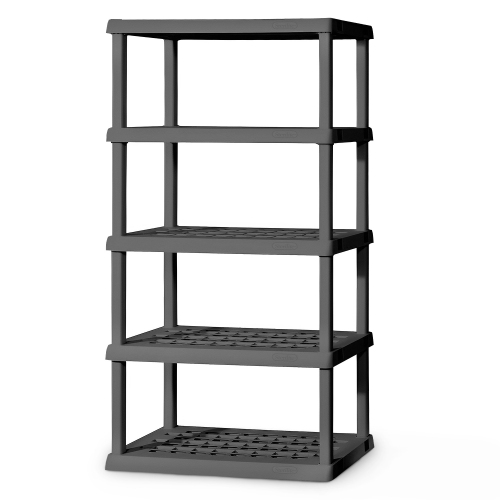 Your price for this item is $331.99
-
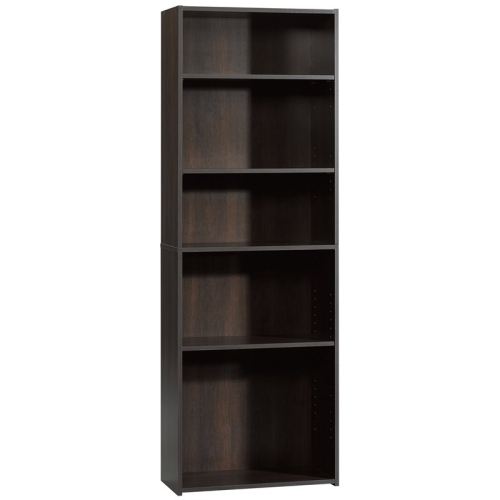 Your price for this item is $208.99
-
 Your price for this item is $171.99
-
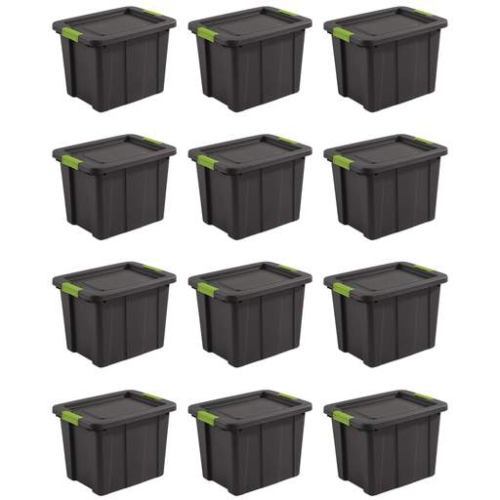 Your price for this item is $592.99
-
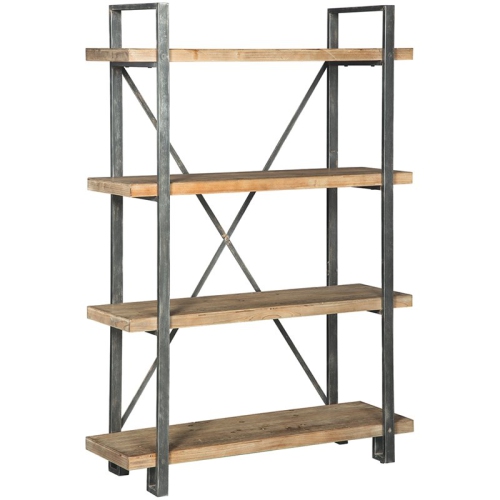 Your price for this item is $599
-
 Your price for this item is $229.99
Discover more categories related to Adjustable Storage Shelves
Top Collections:
Best Black Friday Deals This Year, Best Black Friday Deals On Electronics, Kindle Devices, Dyson Airwrap, Best Cameras for Sports Photography, Best Budget Office Chairs, Canon G7X Cameras, PS5 Pro Consoles, Best Black Friday Deals On Apple Products, XBOX One S Consoles
Some products may be subject to Environmental Handling Fees
(EHF) depending on your province.
Learn more about EHFs.