Adjustable Metal Storage Racks
Adjustable Metal Storage Racks offer a versatile solution for organizing spaces of all sizes, from garages and workshops to kitchens and offices. With their sturdy construction and customizable shelving, these racks are ideal for keeping items neatly arranged and easily accessible. Whether you need extra storage for tools, pantry goods, or office supplies, Adjustable Metal Storage Racks help maximize your available space while maintaining a clean and tidy environment. Explore a variety of options to find the perfect fit for your organizational needs.
Sort
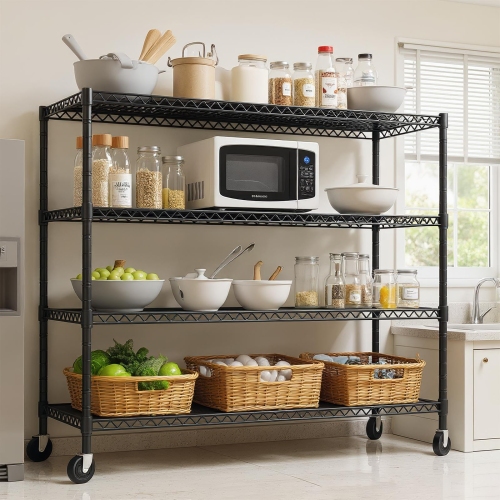
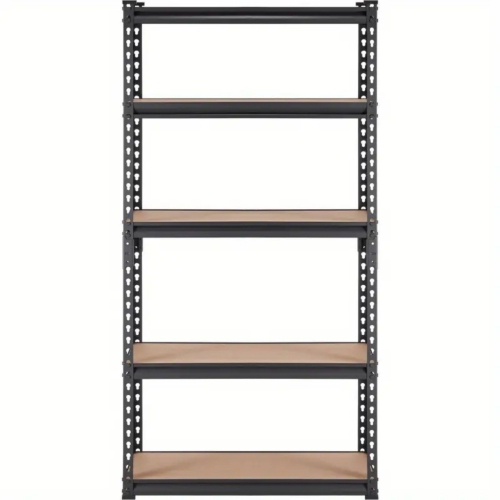
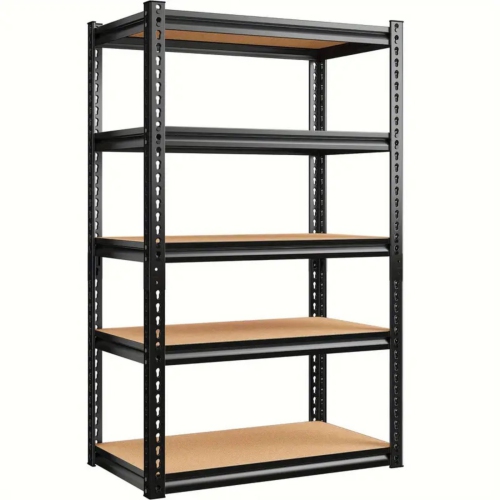
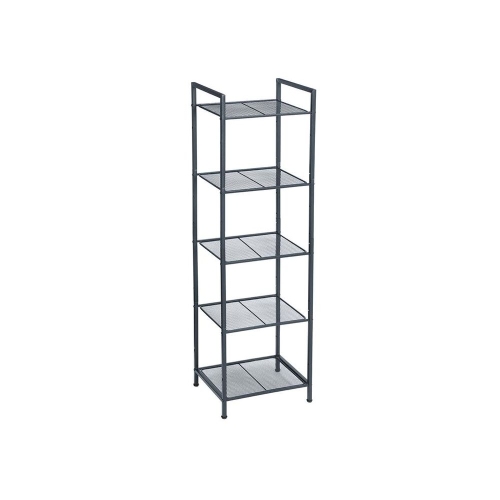
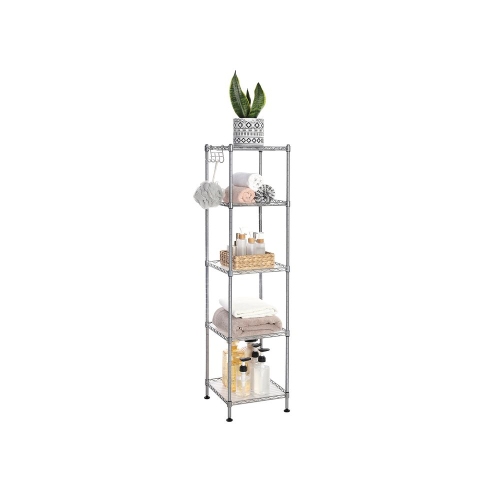
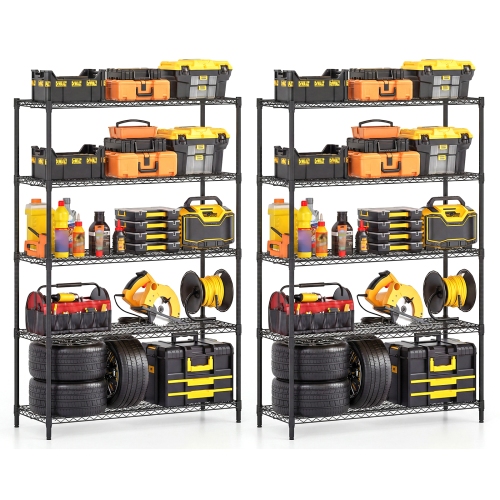
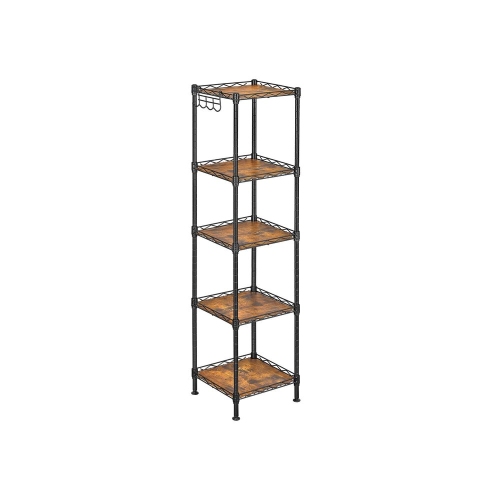
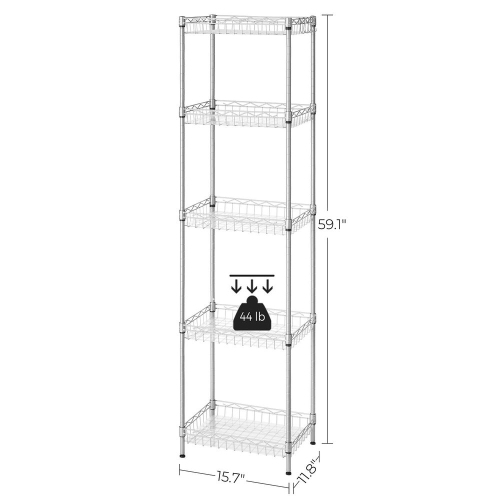
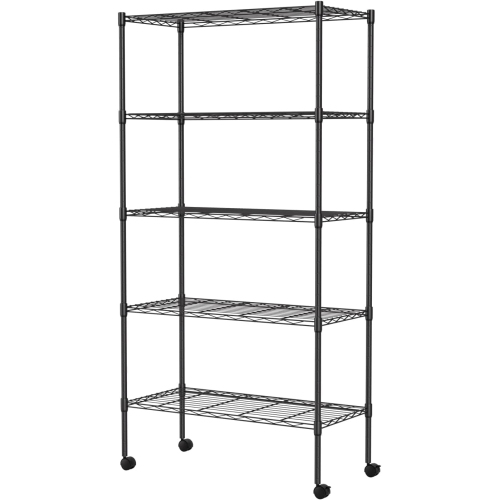
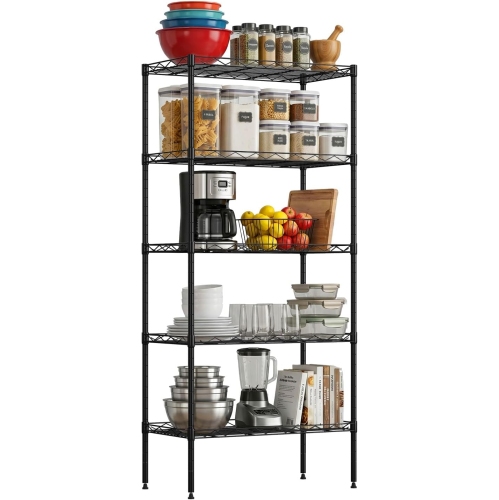
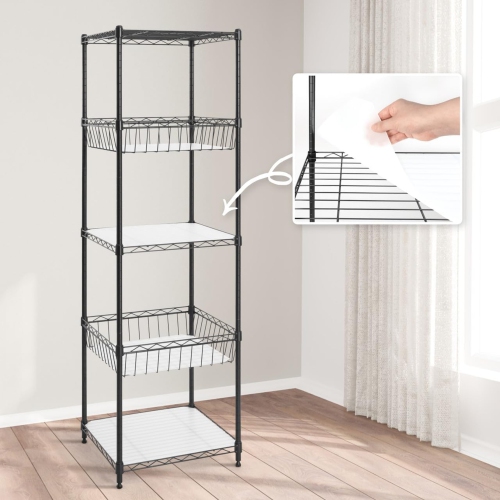
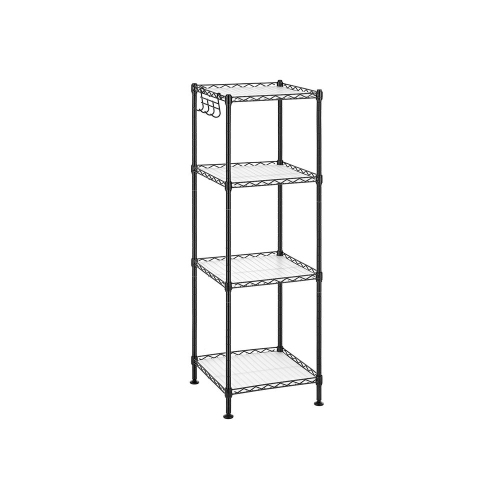
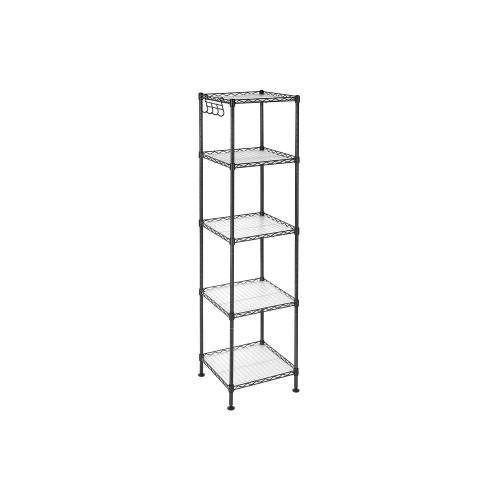
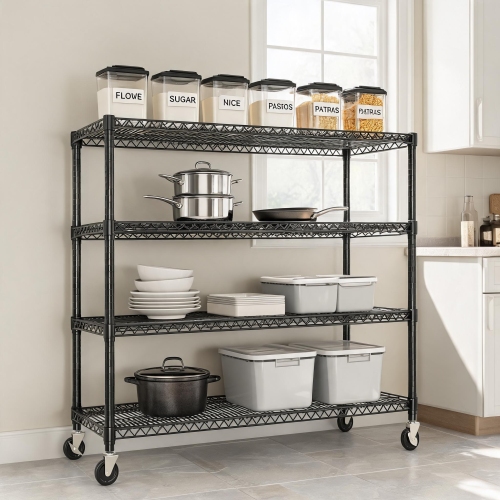
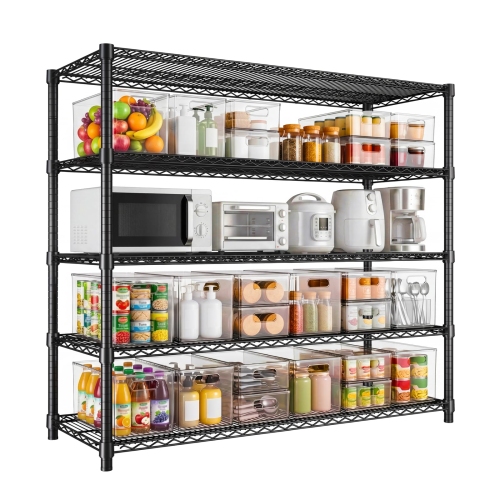
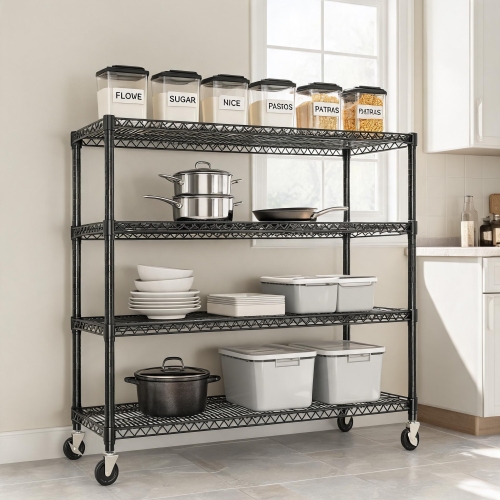
Shelf spacing that adapts to what you store
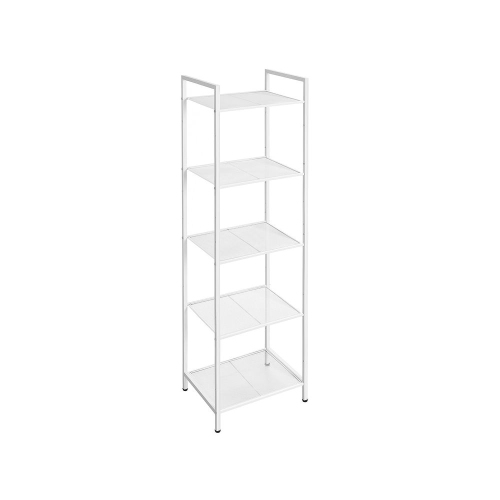
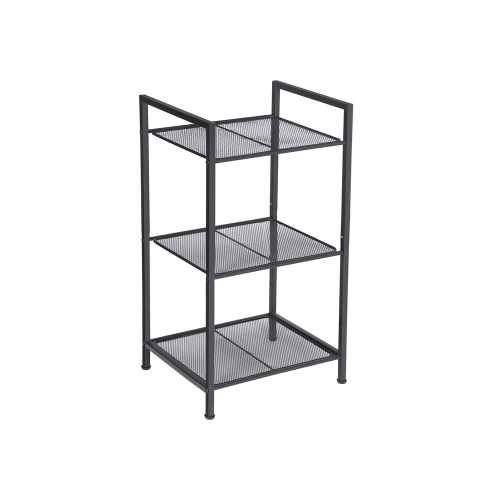
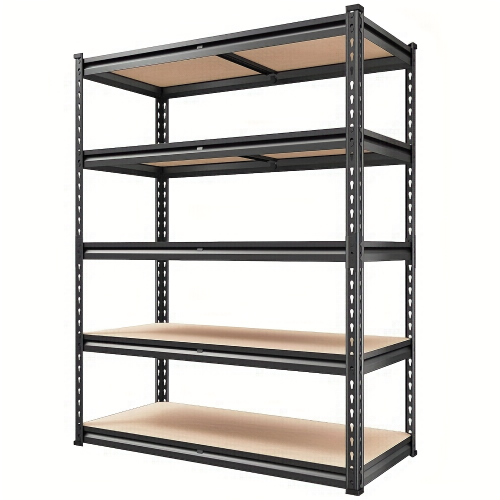
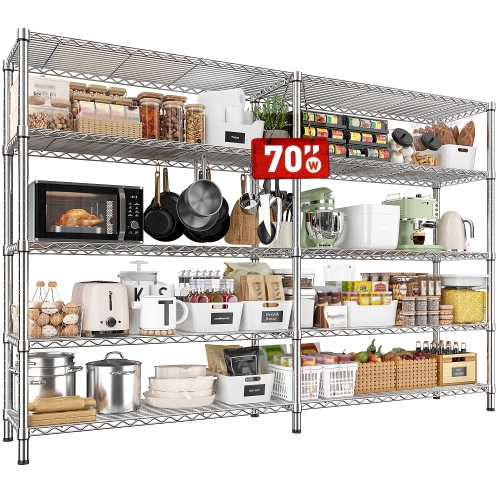
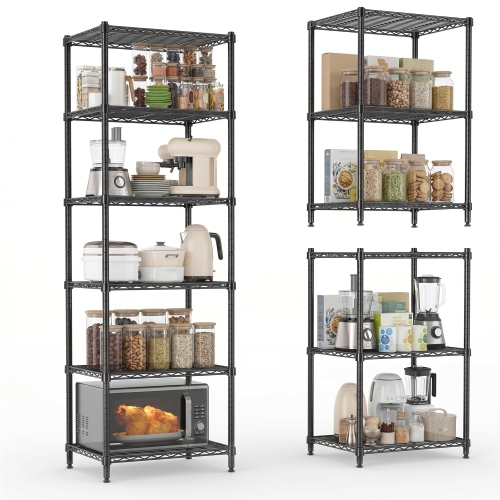
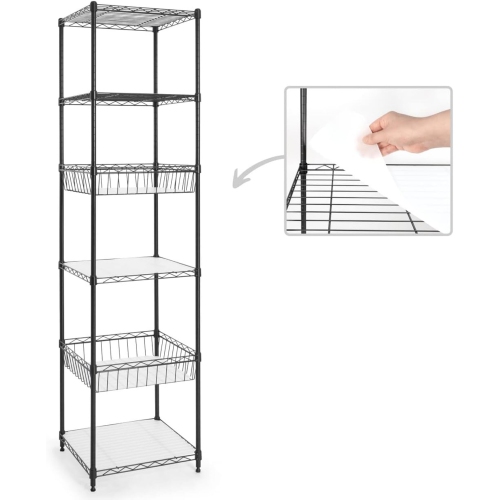
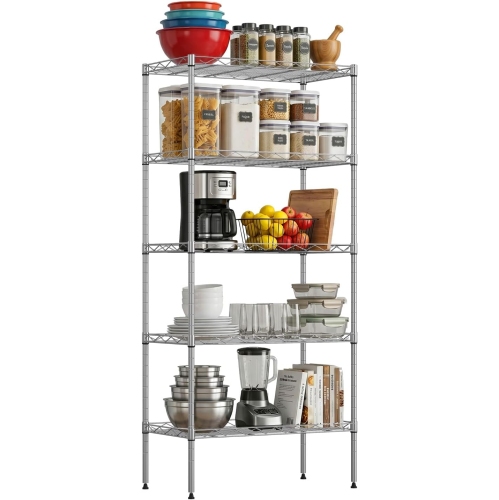
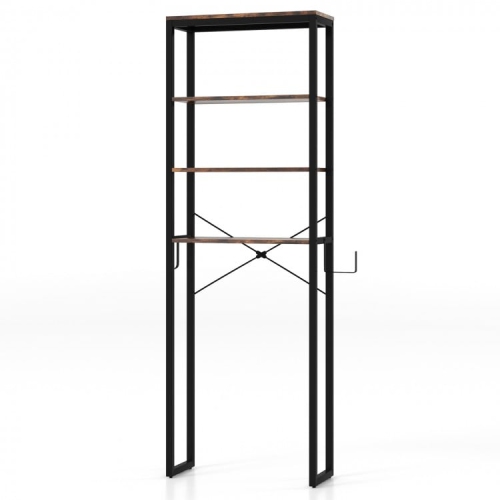
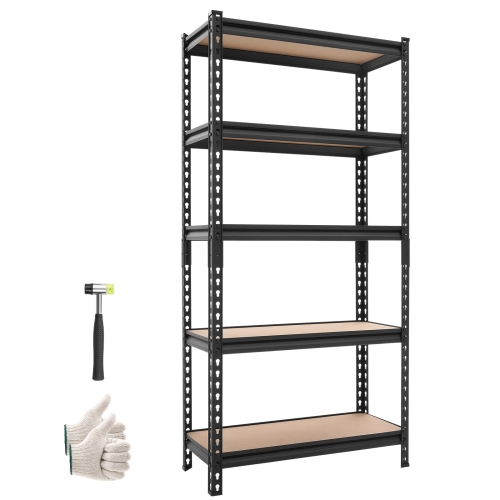
Adjustable metal storage racks make practical use of vertical space while leaving room to change the layout as storage needs develop. A shelf that holds short containers today can be repositioned for a taller appliance, a tool case, or a stack of storage bins later, depending on the rack’s adjustment system. That flexibility suits utility rooms, pantries, garages, workshops, and home offices, especially where a fixed-height bookcase leaves awkward gaps above smaller belongings. Open shelving keeps labels visible and frequently used supplies within reach, making it easier to find a cleaning cloth, packing tape, or an extra cable without emptying a cupboard. The construction affects how the rack feels in daily use. Steel frames are common where strength and rigidity matter, while stainless steel may suit spaces where moisture resistance and frequent wiping are priorities. Chrome-plated finishes offer a bright appearance, and powder-coated finishes provide a coloured surface that can coordinate with nearby cabinets or work surfaces. These finishes have different care requirements, and none should be assumed suitable for outdoor exposure unless the manufacturer specifies it. Wire shelves allow airflow and make it easy to see contents from different angles, though narrow feet and small loose objects may need a compatible liner or tray. Solid shelves offer a continuous surface for containers and equipment, but their material and finish still need to match the intended load and use. Some metal-framed racks use wood-based shelf panels rather than metal decks, so the frame material alone does not describe the whole unit. Shelf thickness, support bars, connection points, and the overall frame design all contribute to stability and durability. For a household organizing a laundry area or a small business arranging supplies, the most useful configuration is one that accommodates the actual shapes and weights being stored, rather than simply filling an empty wall.
A good fit involves more than the rack’s stated width and height. Depth determines whether a shelving unit sits neatly beside a freezer or projects into a walkway, while the usable space between uprights determines whether a particular bin will slide onto the shelf. Baseboards, pipes, outlets, door swings, and overhead obstructions can all affect placement. Enough clearance above a shelf makes a meaningful difference when lifting out a lidded container rather than just sliding it forward. Adjustment increments matter, too: closely spaced positions offer finer control over shelf height, while wider intervals may leave more unused space around shorter objects. Some designs use sleeves or clips on posts, while others rely on slotted uprights, brackets, or bolted connections. Each system has its own assembly requirements, and shelves should be repositioned only as directed, with their contents removed first. Weight ratings deserve the same attention as dimensions. A stated capacity may apply to one evenly loaded shelf, the entire rack, or a stationary configuration, and those figures are not interchangeable. Concentrated weight from a compact machine or a dense stack of materials can place different demands on a shelf than a row of evenly spaced containers. Heavier belongings generally belong on lower shelves, with lighter supplies above, while the total load must remain within the manufacturer’s limits. Levelling feet can help a compatible rack sit properly on a slightly uneven floor; they are not a substitute for a sound, suitable surface. Casters add mobility for some layouts, but can change the load rating and require attention to wheel locks, floor transitions, and clearance. For spaces centred on tools, automotive supplies, and larger containers, Adjustable Garage Storage Racks offer a more focused category to explore. Whether a rack is freestanding or designed for securing to a wall, installation should follow its instructions, including any required anchoring, with suitable hardware for the wall construction.
Everyday usefulness often comes down to how easily the shelving supports a familiar routine. In a pantry, adjustable spacing can separate tall cereal containers from shorter jars without leaving every shelf at the same height. In a laundry room, a rack can keep folded linens apart from cleaning supplies, with potentially harmful substances stored securely and out of children’s reach. A home office may benefit from shallow shelves for labelled supply boxes, while a hobby space may need deeper surfaces for equipment cases and unfinished projects. Small loose pieces are easier to manage in contained trays or bins than directly on an open wire deck. Frequently handled belongings are usually easiest to reach between waist and shoulder height, provided the arrangement also respects weight limits and stability requirements. Clear labels and consistent container sizes can make shared storage easier to maintain without requiring every shelf to look identical. Care is generally straightforward, but it should suit both the metal finish and any shelf inserts. Dust and grit can be removed with a soft cloth or brush, followed by cleaning according to the manufacturer’s directions. A mild cleaning solution may be appropriate for some surfaces, while abrasive pads and harsh chemicals can damage coatings or leave marks. Spills should be wiped up promptly, and surfaces dried where directed, particularly around joints and beneath liners where moisture can remain unnoticed. Wood-based panels need their own care and should not be treated as though they have the same moisture resistance as the frame. Periodic checks of fasteners, shelf supports, feet, and casters help identify looseness or wear before the rack is loaded again. Bent components, damaged connectors, or significant corrosion warrant attention rather than simply shifting weight to another shelf. With suitable dimensions, an appropriate load rating, and a layout that reflects daily habits, adjustable metal shelving can provide orderly, accessible storage that changes along with the space.
Top selling and popular products
-
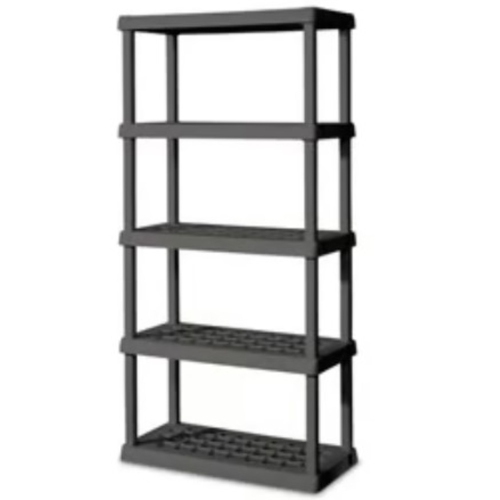 Your price for this item is $1332.99
-
 Your price for this item is $351.99
-
 Your price for this item is $159.99
-
 Your price for this item is $189.99
-
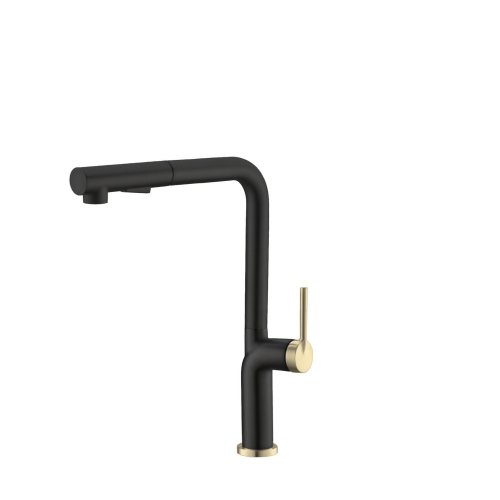 Your price for this item is $274
-
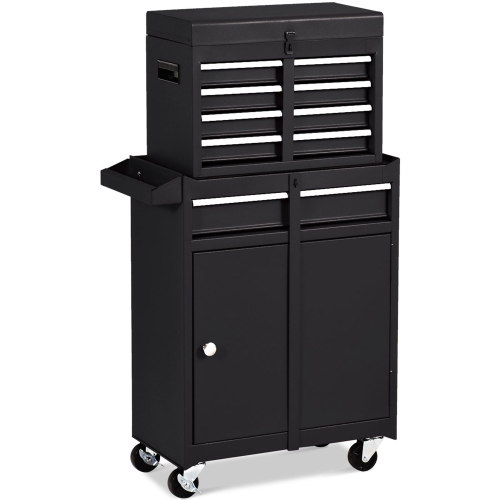 Your price for this item is $189.99
-
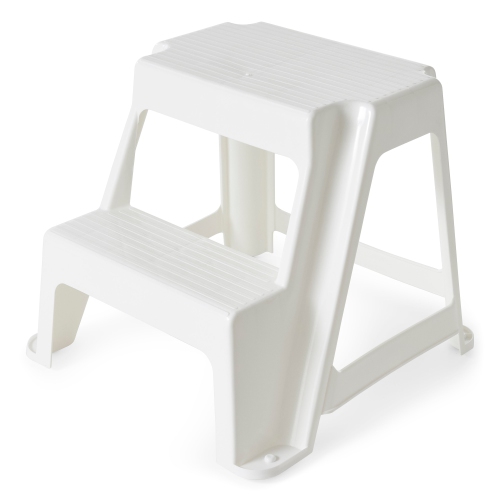 Your price for this item is $182.99
-
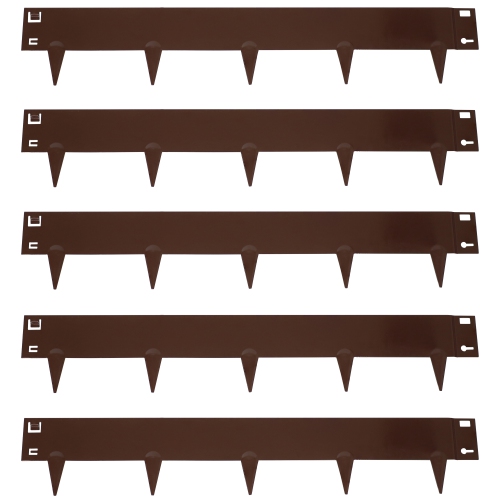 Your price for this item is $146.05
Discover more categories related to Adjustable Metal Storage Racks
Top Collections:
Best Black Friday Deals This Year, Best Black Friday Deals On Electronics, Kindle Devices, Dyson Airwrap, Best Cameras for Sports Photography, Best Black Friday Deals On Apple Products, PS5 Pro Consoles, Portable Snow Blowers, Canon G7X Cameras, Pokémon 30th Celebration Cards
Some products may be subject to Environmental Handling Fees
(EHF) depending on your province.
Learn more about EHFs.