Affordable Table Lamps
Looking to brighten up your space without breaking the bank? Our collection of affordable table lamps is here to illuminate your home in style. Whether you're looking for a sleek and modern design or a classic and timeless piece, we have a wide range of options to suit every taste and budget. From desk lamps perfect for your home office to bedside lamps that create a cozy ambiance, our selection offers something for everyone. Discover the perfect lighting solution to add both functionality and flair to any room in your home with our affordable table lamps.
Sort
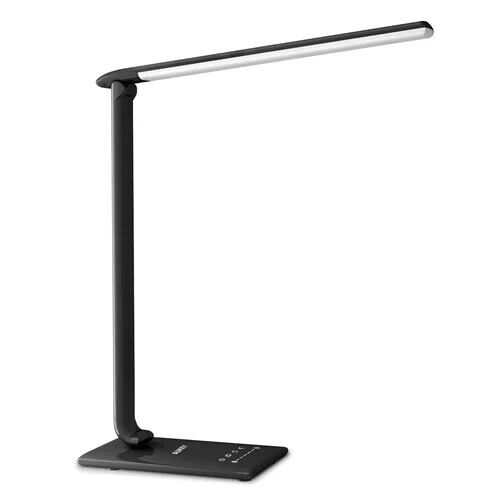
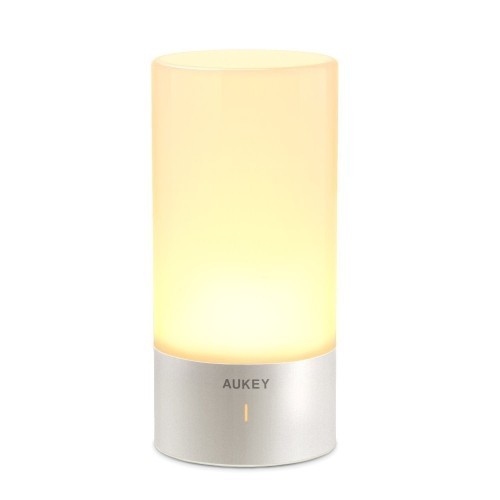
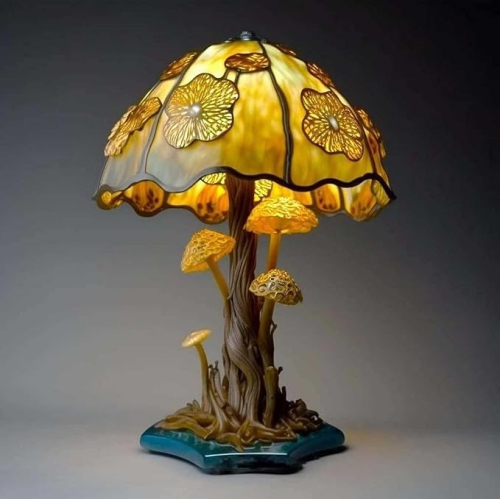
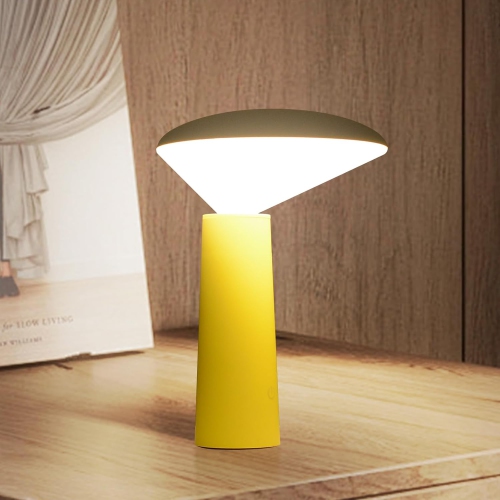
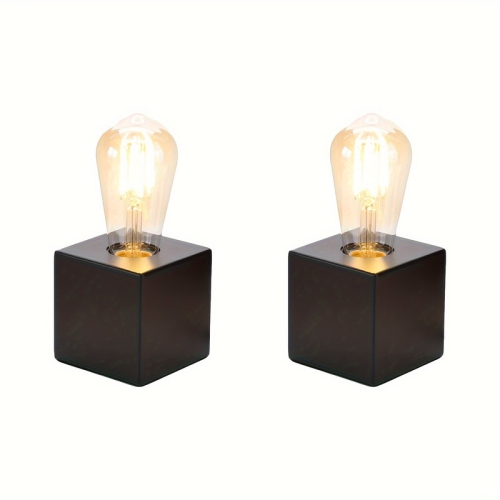
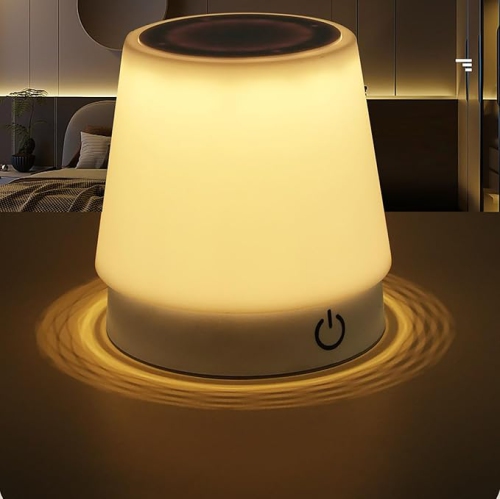
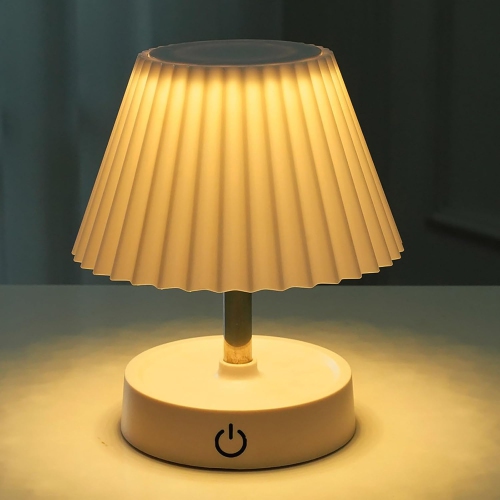
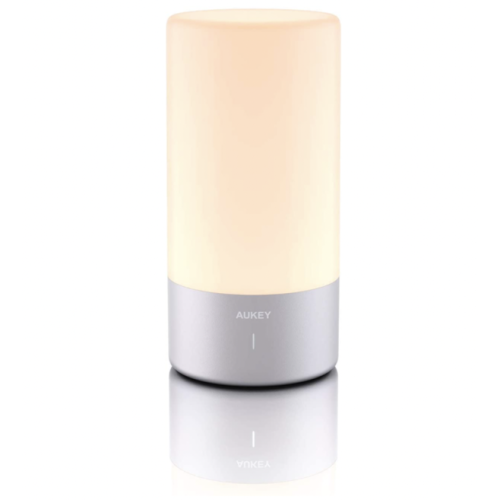

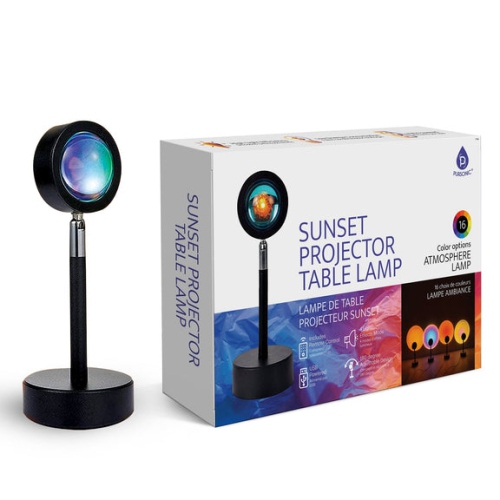
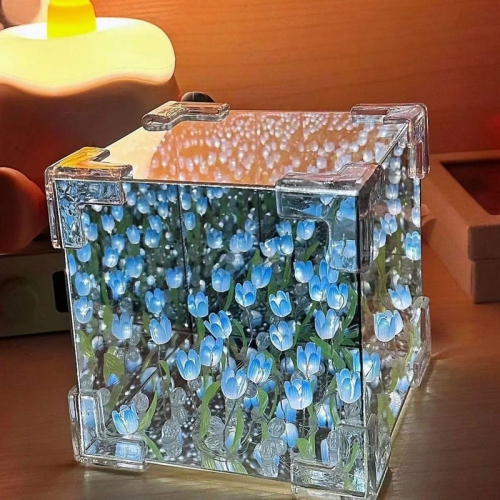
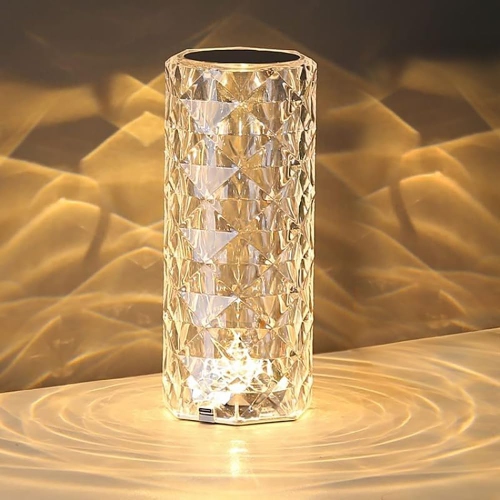
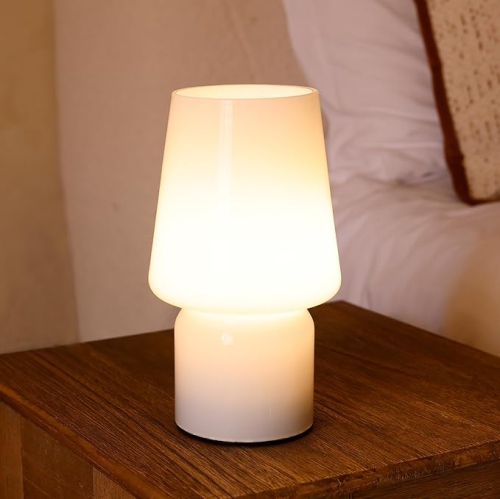
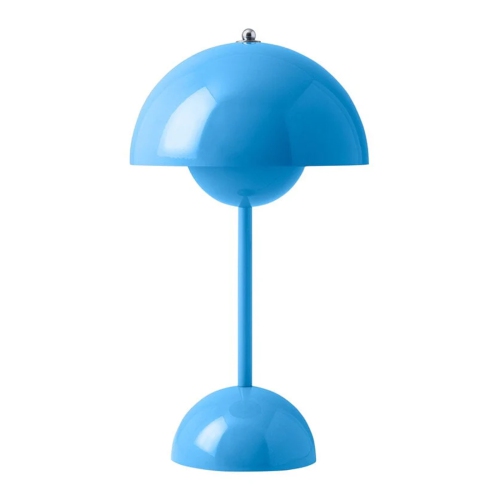
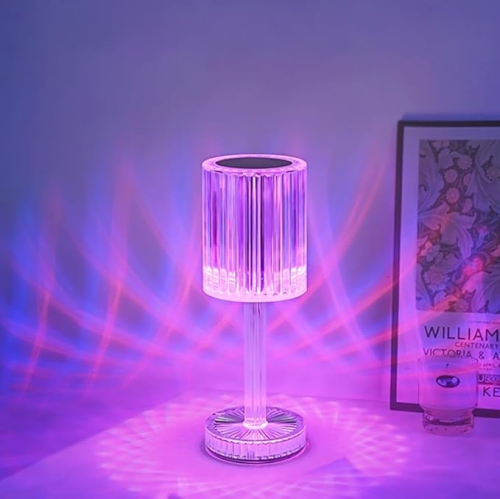
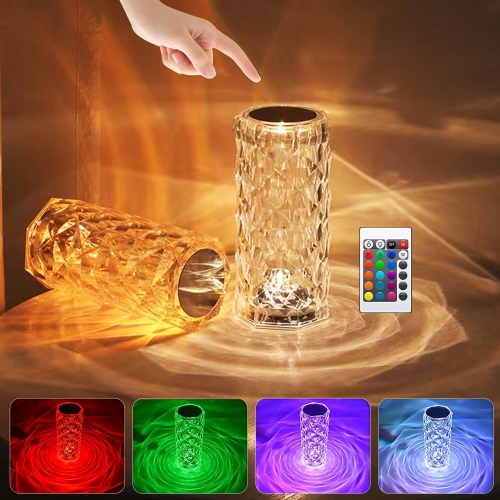
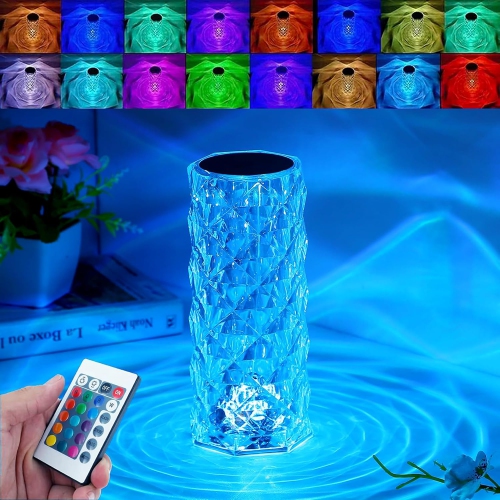
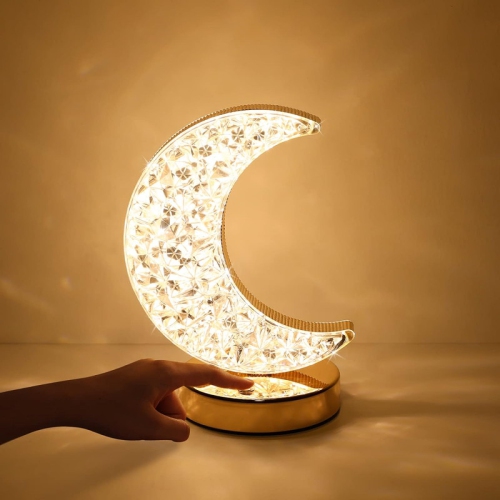
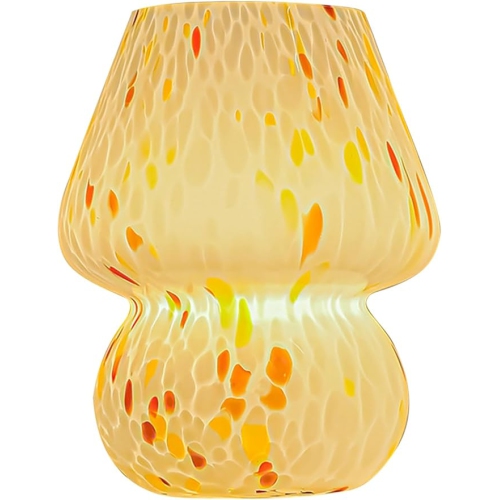
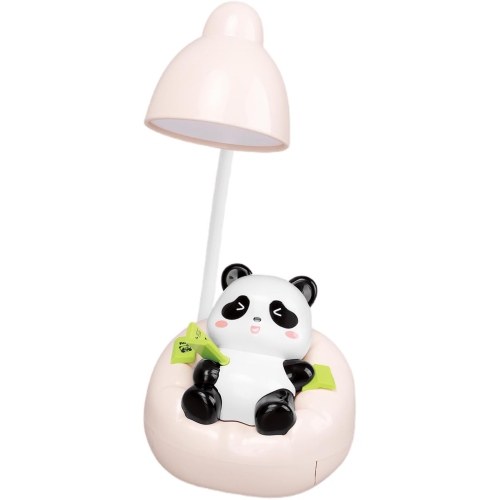
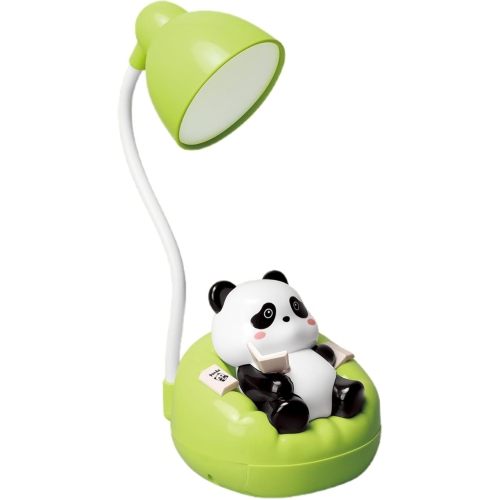
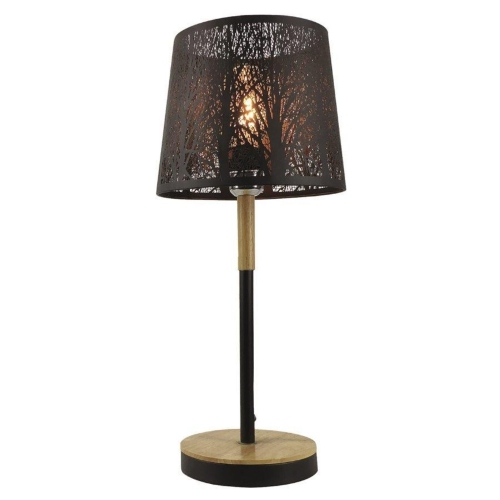
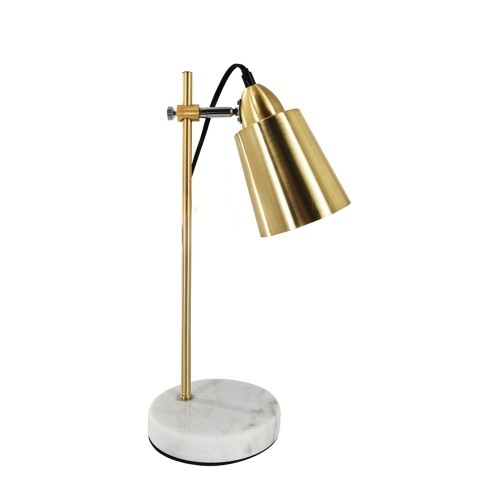

How lamp shades shape light for everyday tasks
Affordable table lamps bring light closer to everyday activities, whether that means reading a few pages in bed, sorting mail on a hallway console, or settling into an armchair during the cooler months. Unlike overhead lighting, a table lamp creates a smaller pool of light that helps define a particular part of a room. The right shape and shade can make a bedside corner feel restful or give a living room a welcoming glow without lighting every surface equally. Intended use matters as much as appearance: a lamp for reading needs to put useful light on the page, while one placed on a sideboard may serve mainly as soft background lighting. Fabric shades often diffuse light through their sides, although the weave, lining, and colour affect how much light passes through. Opaque metal shades tend to direct more light towards a work surface, while frosted glass can soften the appearance of the bulb. A pale shade generally produces a different effect from a dark, densely woven shade, even when both use the same bulb. Proportion also changes how a lamp feels in a room. A compact base leaves space for a glass of water and a phone on a narrow nightstand; a broader base can look more balanced on a substantial end table. The full width of the shade matters, particularly beside a wall or along a busy walkway where an overhang could get bumped. For seated reading, a useful starting point is a shade positioned so that the bare bulb is hidden from normal eye level while light still reaches the book. Bedroom lighting benefits from similar attention to sightlines, especially when one person reads while another rests. Matching lamps can give either side of a bed a tidy, balanced appearance, but different shapes can work together when their heights, finishes, or shade colours share something in common. In a small apartment, a well-proportioned lamp can add character without taking over a surface needed for daily use.
Materials give table lamps much of their visual character and influence how they stand up to regular handling. Ceramic bases can have a smooth glazed finish or a more textured surface, bringing a sense of weight and substance to a bedside table or console. Glass bases keep a room feeling visually open, though fingerprints and dust may be more noticeable on clear surfaces. Metal can suit both simple and more traditional rooms, with painted, brushed, and polished finishes each catching light differently. Wood adds grain and warmth, while moulded plastic can make a lamp lighter and easier to move between suitable indoor spaces. Actual stability depends on the base design and weight distribution, not simply the material. A broad, well-balanced base is especially useful on a frequently used side table, and a sound connection between the stem, socket, and shade helps keep the lamp sitting straight. In homes with children or pets, placement away from edges and clear routing of the cord are important considerations. A lamp should sit on a level, stable surface, with its cord kept out of walking routes and away from places where it could be pulled. Shade construction deserves attention too: a neatly finished seam, a firm frame, and a secure fitting help preserve its shape through ordinary use. Care is usually straightforward, but it varies by finish. With the lamp unplugged and the bulb cool, a soft, dry cloth can remove dust from many bases. Fabric shades may respond well to gentle dusting with a soft brush, while delicate fibres, paper shades, and textured finishes need the care method specified by the manufacturer. Liquid should stay away from sockets, switches, and electrical components. Removable shades and replaceable bulbs can make routine upkeep simpler, provided replacement parts match the lamp’s fittings and specifications. For rooms that could use a more distinctive accent, Unique Table Lamps offer another way to explore expressive shapes and finishes while keeping scale, light direction, and everyday use in mind.
The way a table lamp operates can make a noticeable difference to how comfortably it fits into a routine. A switch near the socket may be easy to reach on an open end table but awkward behind a wide shade on a crowded nightstand. An inline cord switch needs to fall somewhere accessible rather than slipping behind furniture. Touch controls can be convenient beside a bed, while adjustable arms or tilting shades can help direct light towards a crossword, sewing project, or study notes. These features vary by design, as do dimming options and bulb requirements. A dimmable lamp needs a compatible bulb unless its light source is integrated, and not every LED bulb works with every dimmer. For lamps with replaceable bulbs, the socket type, permitted bulb shape, and maximum wattage should match the manufacturer’s specifications. Brightness is expressed in lumens, whereas watts describe power use, so the two measurements answer different questions. Colour temperature affects the feel of the light: warm white often suits winding down in a bedroom or living room, while a more neutral white may be preferable for focused tasks. The shade and nearby wall colours also influence the final effect. A lamp beside a television works best when its placement avoids distracting reflections on the screen; beside a computer, light should reach the work area without shining directly into the user’s eyes. Corded designs need a suitably placed outlet, while rechargeable designs depend on battery life, charging time, and the brightness setting used. Indoor lamps belong in the locations specified by their manufacturer, rather than on a damp patio or close to splashing water. For students setting up a study corner, renters furnishing a first apartment, or anyone refreshing a guest room, table lamps provide a practical finishing touch. They can also make thoughtful housewarming gifts when the recipient’s room size and preferred style are known. A simple silhouette, comfortable light, and easy-to-reach controls are qualities that remain useful long after the furniture has been rearranged.
Materials give table lamps much of their visual character and influence how they stand up to regular handling. Ceramic bases can have a smooth glazed finish or a more textured surface, bringing a sense of weight and substance to a bedside table or console. Glass bases keep a room feeling visually open, though fingerprints and dust may be more noticeable on clear surfaces. Metal can suit both simple and more traditional rooms, with painted, brushed, and polished finishes each catching light differently. Wood adds grain and warmth, while moulded plastic can make a lamp lighter and easier to move between suitable indoor spaces. Actual stability depends on the base design and weight distribution, not simply the material. A broad, well-balanced base is especially useful on a frequently used side table, and a sound connection between the stem, socket, and shade helps keep the lamp sitting straight. In homes with children or pets, placement away from edges and clear routing of the cord are important considerations. A lamp should sit on a level, stable surface, with its cord kept out of walking routes and away from places where it could be pulled. Shade construction deserves attention too: a neatly finished seam, a firm frame, and a secure fitting help preserve its shape through ordinary use. Care is usually straightforward, but it varies by finish. With the lamp unplugged and the bulb cool, a soft, dry cloth can remove dust from many bases. Fabric shades may respond well to gentle dusting with a soft brush, while delicate fibres, paper shades, and textured finishes need the care method specified by the manufacturer. Liquid should stay away from sockets, switches, and electrical components. Removable shades and replaceable bulbs can make routine upkeep simpler, provided replacement parts match the lamp’s fittings and specifications. For rooms that could use a more distinctive accent, Unique Table Lamps offer another way to explore expressive shapes and finishes while keeping scale, light direction, and everyday use in mind.
The way a table lamp operates can make a noticeable difference to how comfortably it fits into a routine. A switch near the socket may be easy to reach on an open end table but awkward behind a wide shade on a crowded nightstand. An inline cord switch needs to fall somewhere accessible rather than slipping behind furniture. Touch controls can be convenient beside a bed, while adjustable arms or tilting shades can help direct light towards a crossword, sewing project, or study notes. These features vary by design, as do dimming options and bulb requirements. A dimmable lamp needs a compatible bulb unless its light source is integrated, and not every LED bulb works with every dimmer. For lamps with replaceable bulbs, the socket type, permitted bulb shape, and maximum wattage should match the manufacturer’s specifications. Brightness is expressed in lumens, whereas watts describe power use, so the two measurements answer different questions. Colour temperature affects the feel of the light: warm white often suits winding down in a bedroom or living room, while a more neutral white may be preferable for focused tasks. The shade and nearby wall colours also influence the final effect. A lamp beside a television works best when its placement avoids distracting reflections on the screen; beside a computer, light should reach the work area without shining directly into the user’s eyes. Corded designs need a suitably placed outlet, while rechargeable designs depend on battery life, charging time, and the brightness setting used. Indoor lamps belong in the locations specified by their manufacturer, rather than on a damp patio or close to splashing water. For students setting up a study corner, renters furnishing a first apartment, or anyone refreshing a guest room, table lamps provide a practical finishing touch. They can also make thoughtful housewarming gifts when the recipient’s room size and preferred style are known. A simple silhouette, comfortable light, and easy-to-reach controls are qualities that remain useful long after the furniture has been rearranged.
Top selling and popular products
-
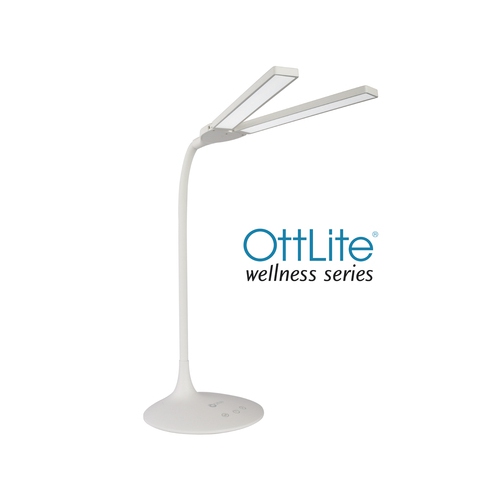 Your price for this item is $114.95
 -
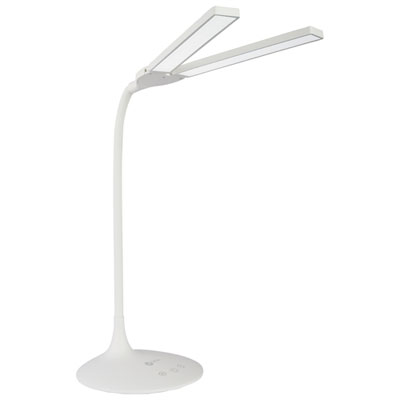 Your price for this item is $79.99
 -
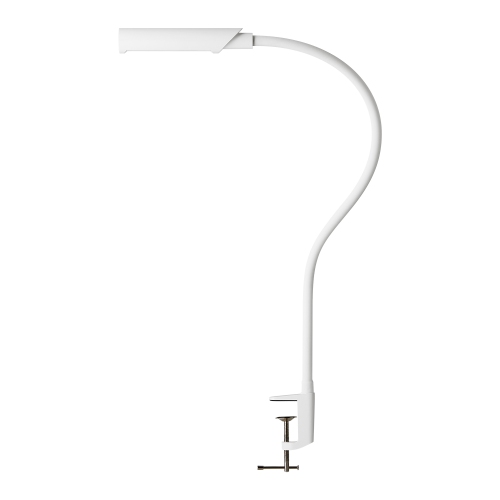 Your price for this item is $79
 -
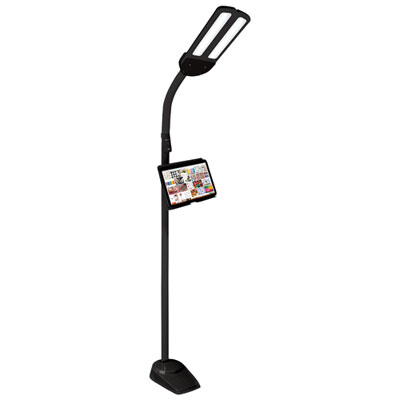 Your price for this item is $279.99
 -
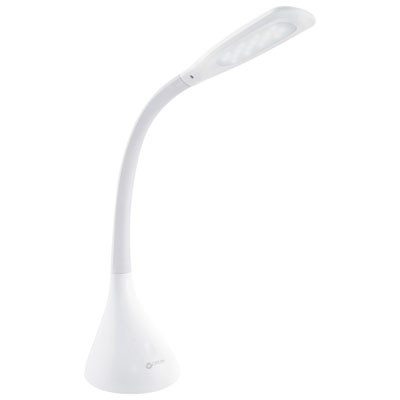 Your price for this item is $59.99
 -
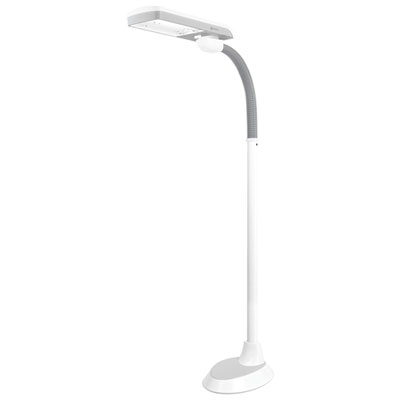 Your price for this item is $199.99
 -
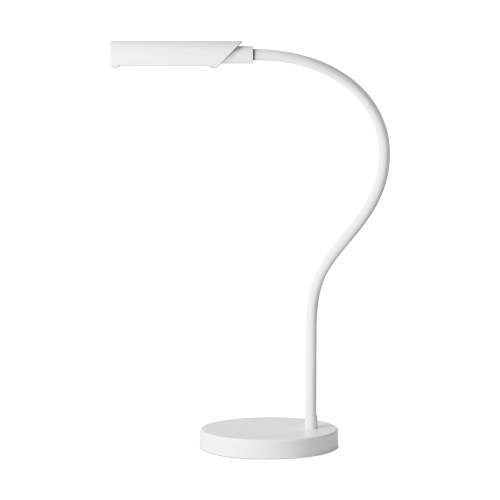 Your price for this item is $119
 -
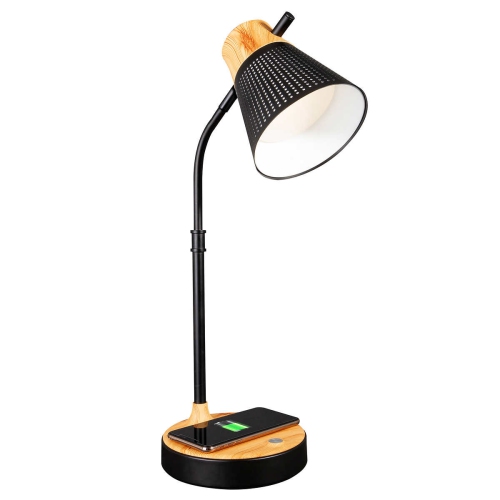 Your price for this item is $112.98
Discover more categories related to Affordable Table Lamps
Top Collections:
Pokemon Centers, Kindle Devices, Best Budget Office Chairs, Apple iPhones 16, Best Laptops for Writers, iPhone 15 Apple, Canon G7X Cameras, Refurbished Apple Laptops, Alarm Clock, Motorola Razr Phones
Some products may be subject to Environmental Handling Fees
(EHF) depending on your province.
Learn more about EHFs.