Air Mattresses
Air mattresses are a great way to provide a comfortable sleeping surface in a variety of settings. Whether you’re camping, hosting overnight guests, or just looking for a more comfortable sleep solution, air mattresses offer an easy and affordable way to get a good night’s rest. If you're looking for an air mattress, here are some of the best options to consider.
Sort


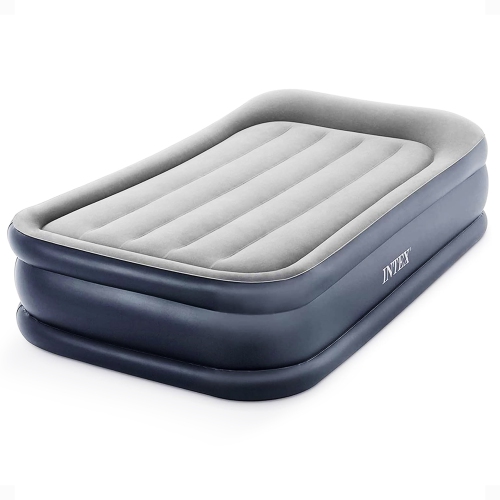
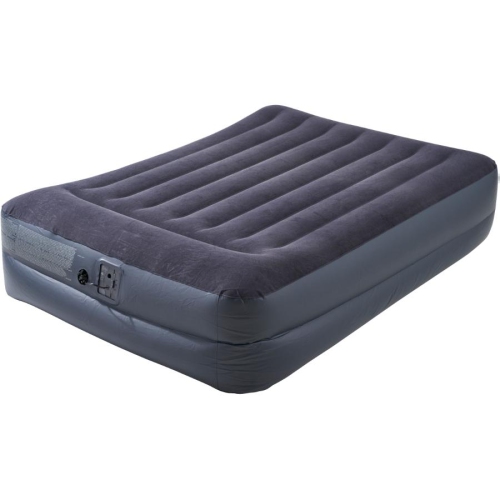

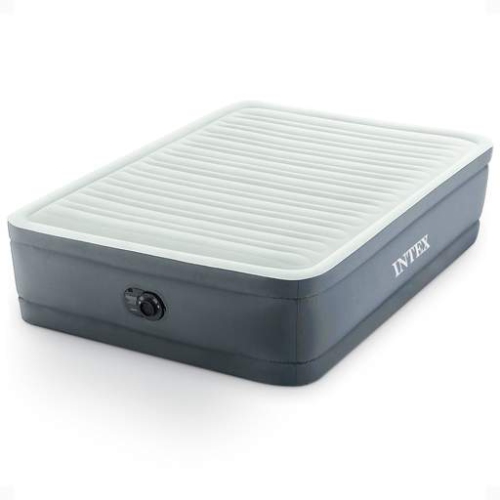

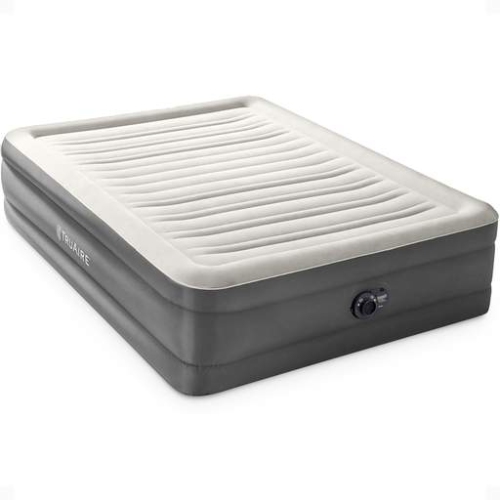
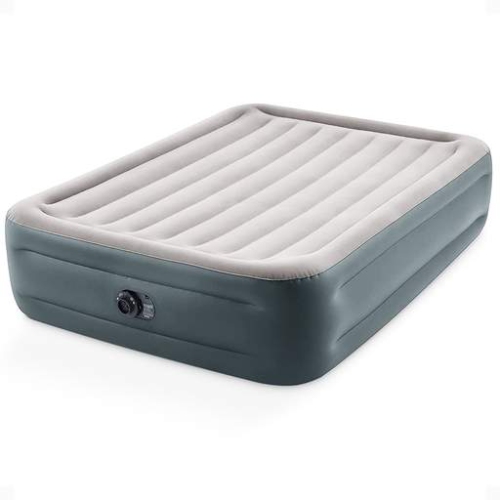


A welcoming guest bed that packs away afterwards
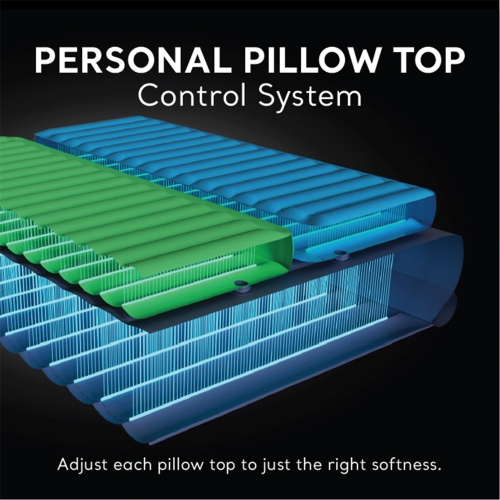
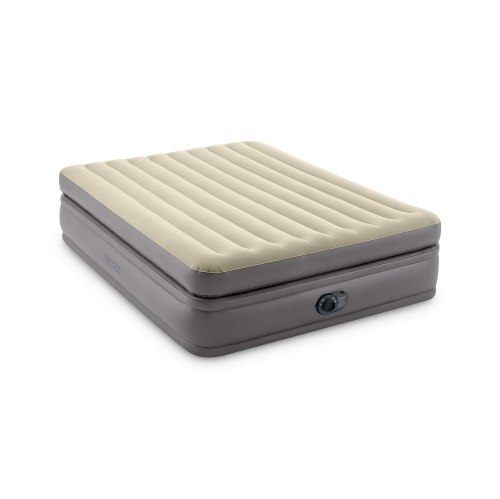
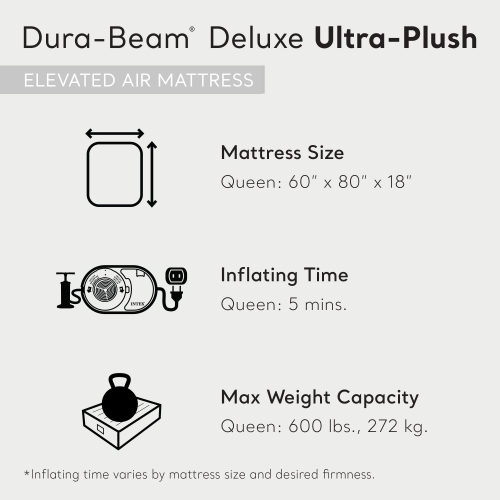
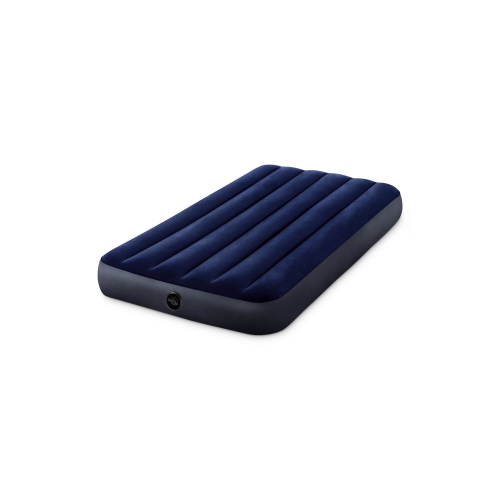
Air mattresses are inflatable beds that provide a temporary sleeping surface for overnight guests, camping trips, sleepovers, and stays away from home. Filled with air rather than springs or foam alone, they can be deflated and packed away when the room needs to return to everyday use. That flexibility makes an air bed useful in a condo without a dedicated guest room, a home office that occasionally welcomes visitors, or a tent where packed size matters. Twin, double, and queen air mattresses accommodate different sleeping arrangements, but the stated size is only part of the fit. Actual inflated length and width determine whether a bed leaves room to walk around a desk, fits between other furniture, or sits comfortably inside a tent without pressing against its walls. For two sleepers, width and the combined weight capacity deserve attention; a larger sleeping surface does not automatically mean a higher weight limit. Mattress height also changes the experience. Low-profile designs sit closer to the ground and can be practical where overhead space or carrying weight is limited. Raised air mattresses have a taller profile that may make sitting down and standing up more comfortable, although a higher bed is not necessarily firmer or more supportive. Internal air chambers, beams, or coils help distribute weight and maintain the mattress’s shape. Some designs include reinforced edges or a shaped perimeter, but these features should not be assumed to support sitting in the same way as a conventional bed frame. Comfort depends on the combination of construction, inflation level, bedding, and the sleeper’s preferences. A slightly softer surface may feel more comfortable to one person, while another prefers a firmer feel within the manufacturer’s inflation limits. Air mattresses are generally intended for temporary sleeping, so their suitability for frequent or extended use depends on the design and its stated purpose. For visiting adults, older children, and occasional travellers, a well-fitted air bed can turn an otherwise unused patch of floor into a welcoming place to sleep.
Materials and construction influence how an inflatable mattress feels, handles, and holds up over repeated use. Air beds may be made from PVC, thermoplastic polyurethane, or layered synthetic materials, with seams and valves designed to contain air under the pressure of normal use. A flocked top adds a soft, textured finish and can help bedding stay in place, while smooth surfaces are often easier to wipe clean. Neither finish replaces a fitted sheet, and a washable mattress protector can help keep the sleeping surface clean between guests. Internal supports matter as much as the outer material: beams and interconnected chambers help limit bulging and spread the sleeper’s weight across the bed. Where specifications include a maximum load, that limit applies to the total load on the mattress, not a separate allowance for each person. Pump design is another important distinction. A built-in electric pump keeps inflation equipment together and can simplify setup in a room with a suitable outlet. Some integrated pumps also draw air out during deflation, reducing the effort needed before folding. Other mattresses use a separate pump, which offers flexibility but requires a compatible valve connection. For beds without an integrated pump, Inflatable Mattress Pumps include different power and operating options suited to different setups. Mains-powered pumps need an appropriate electrical supply, rechargeable pumps need sufficient charge, and manual hand or foot pumps work without an outlet. USB-powered designs also require a power source that meets their stated requirements; a connector that fits does not by itself confirm compatibility. Inflation time varies with mattress size, pump output, and the desired firmness, so setup involves more than comparing a single advertised time. The final adjustment is often what makes the bed comfortable: enough air to support the sleeper without exceeding the specified fill level. Some initial softening can result from the material stretching, rather than a puncture, although repeated pressure loss calls for checking the valve, seams, and sleeping surface.
Everyday handling plays a large part in the durability of an air mattress. A clear, level space helps protect the underside from sharp grit, furniture hardware, and other small objects that can be easy to miss on the floor. For camping, a suitable ground layer can reduce contact with abrasive surfaces, while the mattress’s full dimensions should leave enough room for bags and access to the tent door. At home, allowing space around the bed keeps it from rubbing against furniture and gives guests a clear route when getting up. Pets’ claws, sharp accessories, and dragging a filled mattress across the floor can damage its outer layer. Bedding should suit both the sleeping area and the mattress depth: a sheet that fits a shallow bed may pull loose on a raised design, while excess fabric can bunch beneath the sleeper. A familiar pillow and clean, breathable sheets often make a temporary bed feel more settled without complicating storage. Cleaning is usually straightforward, but the care directions for the material and pump take priority. Many surfaces can be wiped with a soft cloth and mild soap, then left to dry completely before packing; electrical pump components should not be immersed. Deflating the mattress fully and folding it without forcing tight creases helps it fit into its storage bag without unnecessary strain. A dry storage area away from sharp objects protects it between uses, and keeping compatible repair supplies with the bed can be helpful if a small, repairable puncture develops. Before a guest arrives or a trip begins, inflating the mattress in advance allows time to confirm that it holds air and that the pump works as expected. Air beds are not substitutes for an approved infant sleep surface, and they should not be used as flotation devices. With the right dimensions, suitable pumping arrangements, and careful storage, an air mattress can remain a practical part of a household’s guest setup or camping equipment without permanently taking over valuable floor space.
Top selling and popular products
-
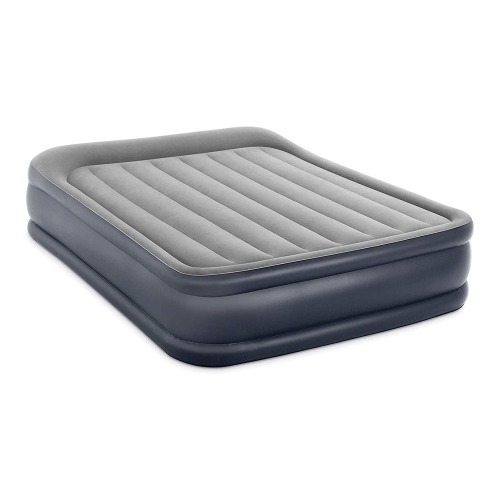 Your price for this item is $140.99
-
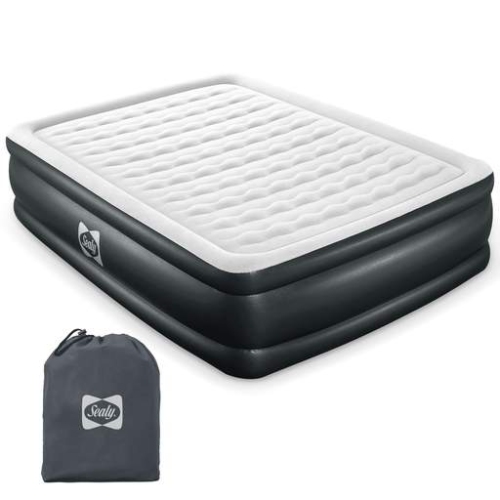 Your price for this item is $215.99
-
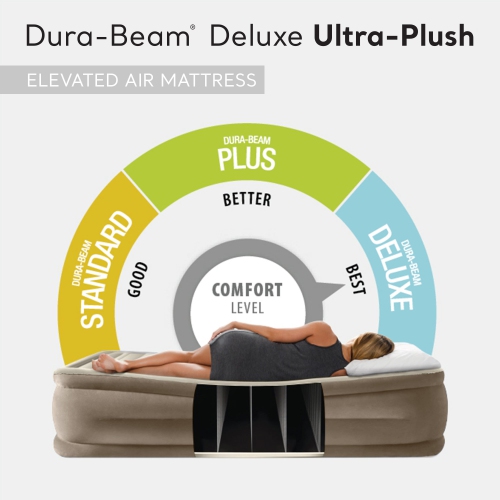 Your price for this item is $137.99
-
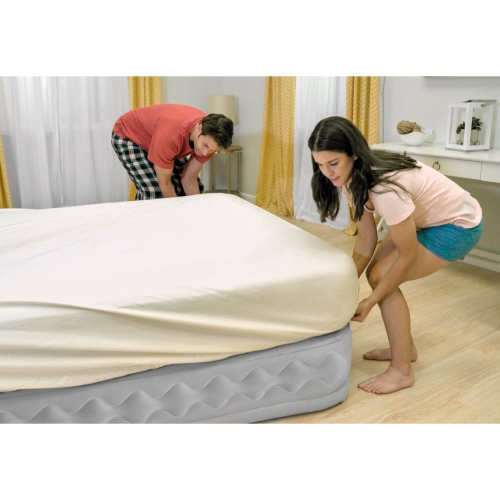 Your price for this item is $177.99
-
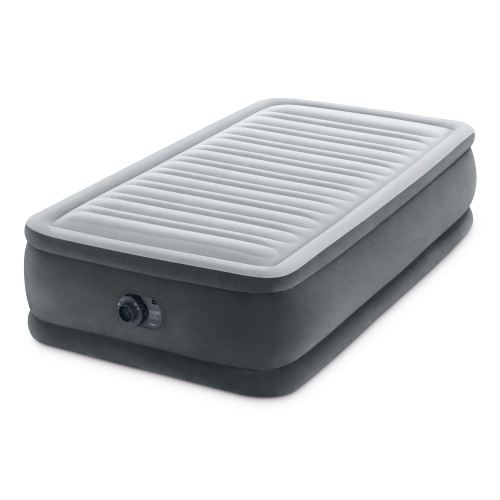 Your price for this item is $100.99
-
 Your price for this item is $64.99
-
 Your price for this item is $175.99
-
 Your price for this item is $149.99
Discover more categories related to Air Mattresses
Top Collections:
Pokemon Centers, Best Cameras for Sports Photography, Kindle Devices, Samsung Galaxy Phones, Canon G7X Cameras, Pokémon 30th Celebration Cards, Refurbished Apple Laptops, iPhone 15 Apple, Laptops for Students, Budget Smartphones
Some products may be subject to Environmental Handling Fees
(EHF) depending on your province.
Learn more about EHFs.