Queen Air Mattresses
If you're looking for the perfect sleeping solution that offers comfort, versatility, and convenience, look no further than these queen air mattresses. Whether you're hosting guests overnight or planning a camping adventure, these inflatable beds provide a comfortable and supportive surface for a restful night's sleep. With their easy-to-use design and adjustable firmness levels, these queen air mattresses are a practical choice for almost any situation.
Sort



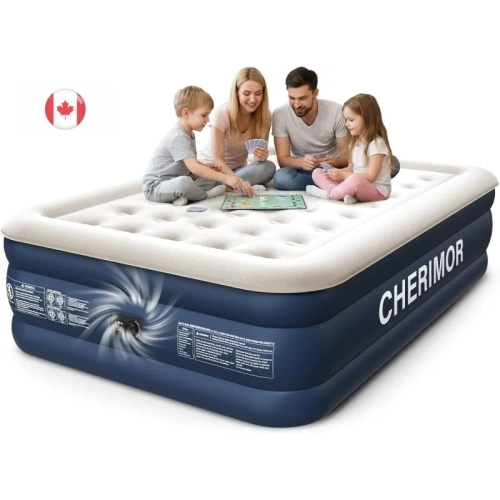
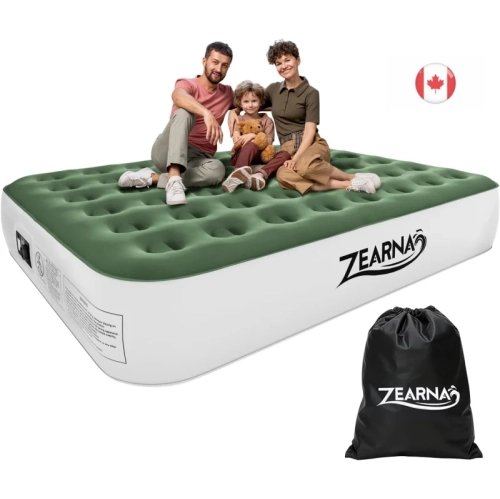
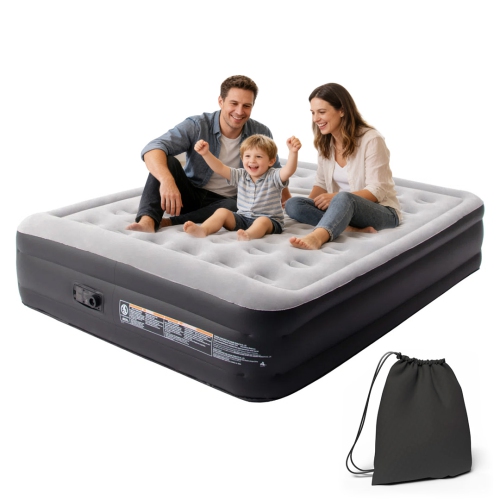
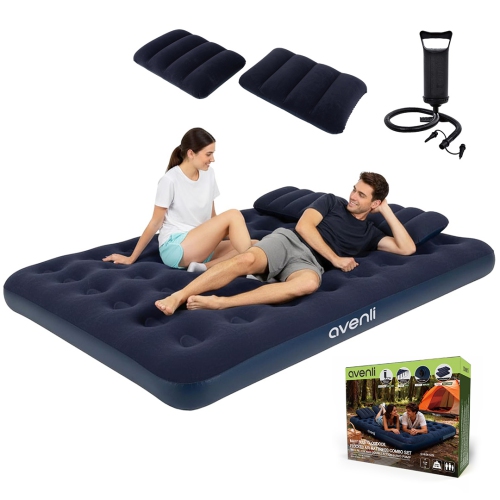
Space for two that packs away between visits
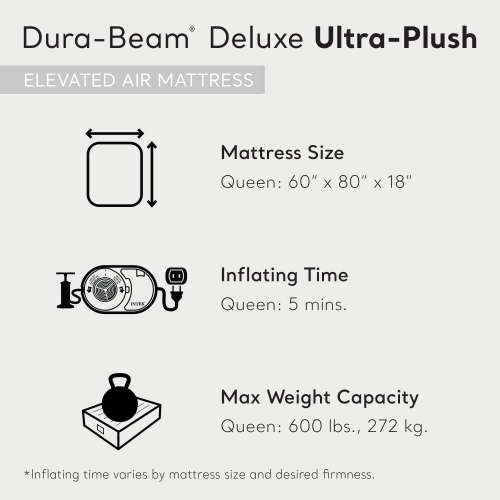
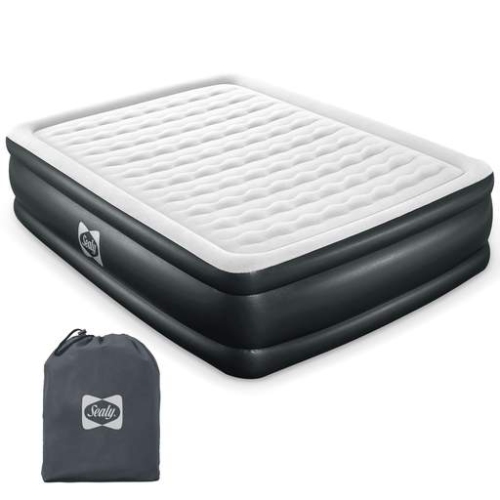
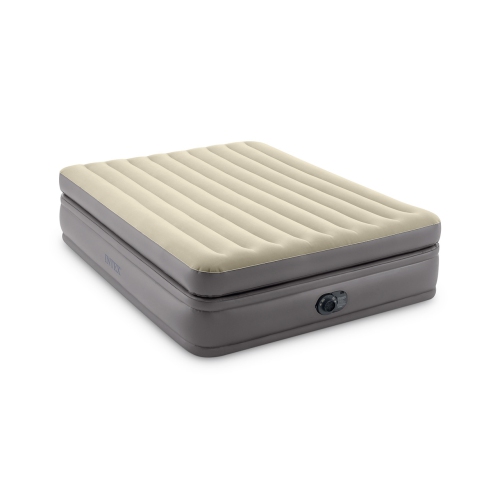
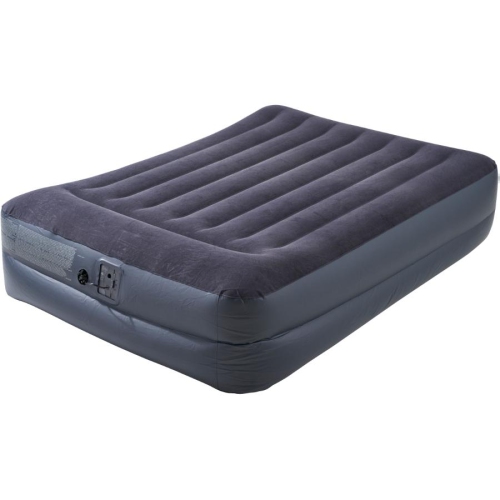
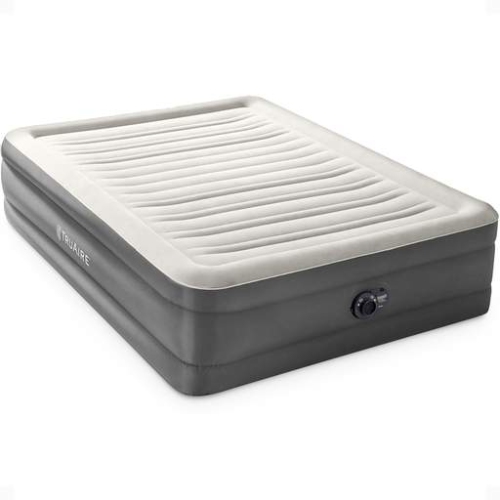
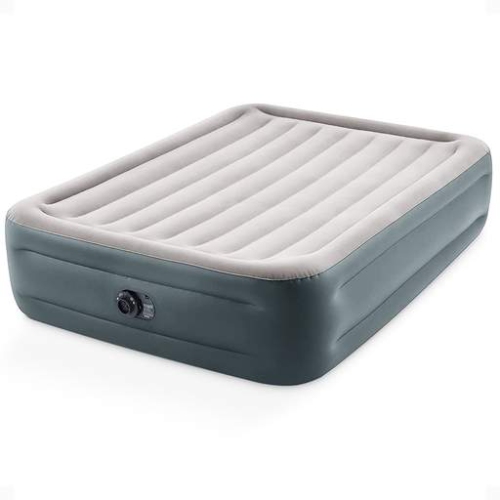
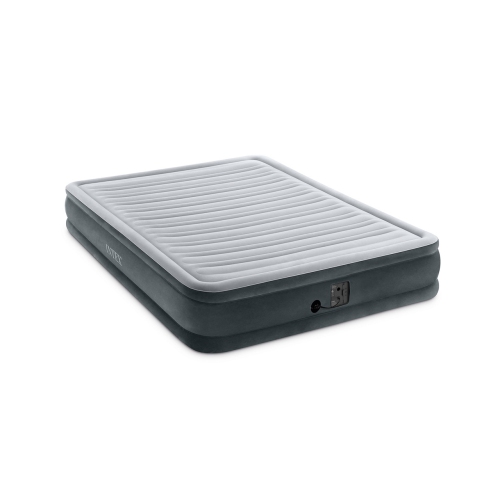
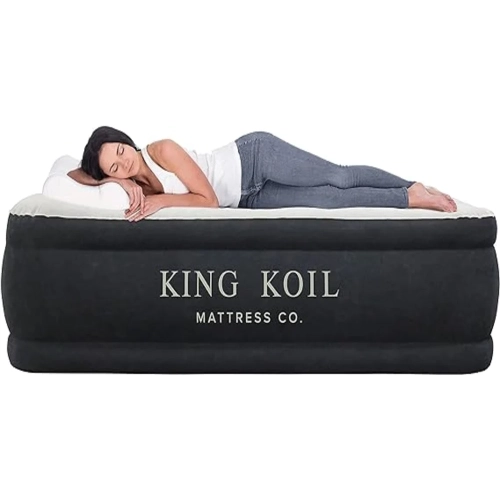
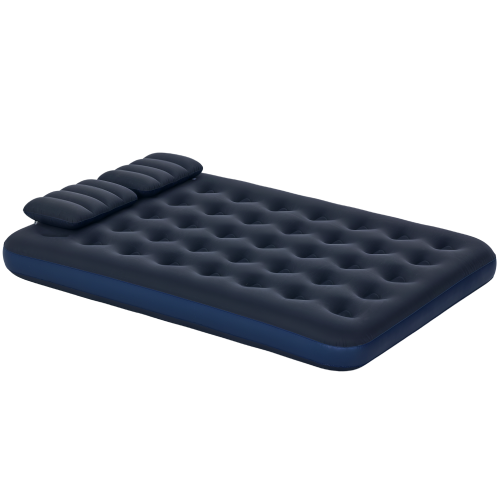
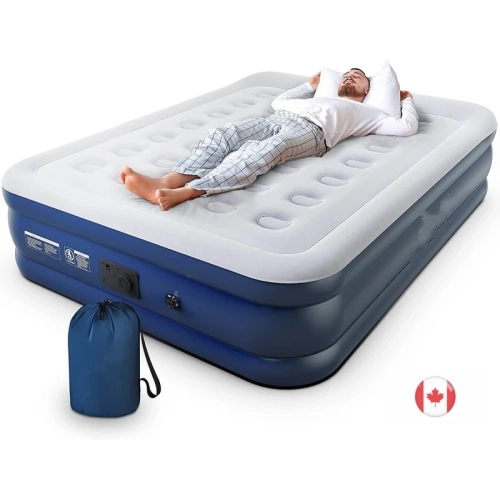
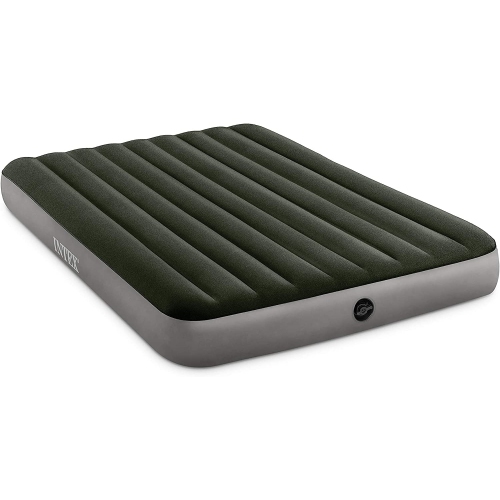
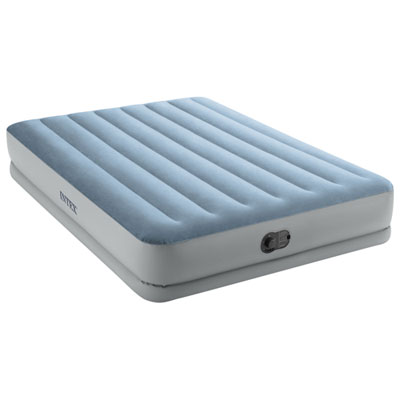
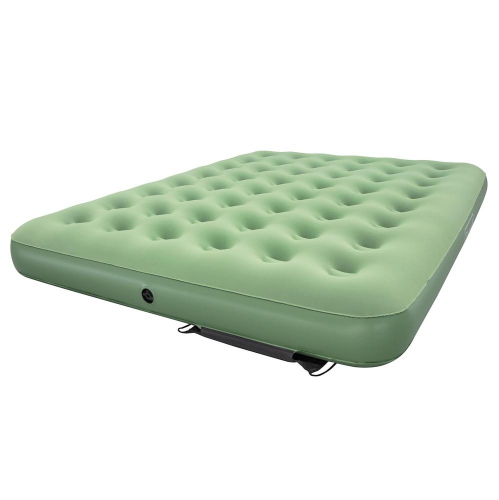
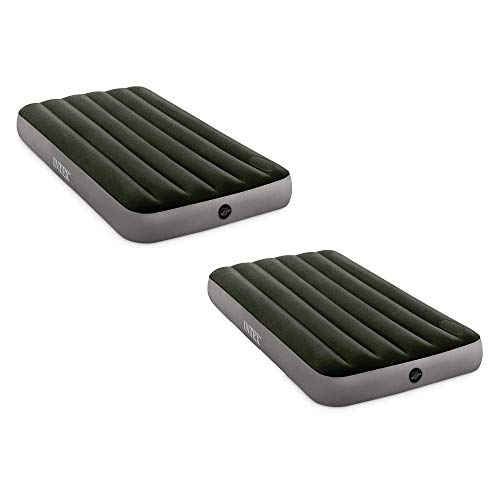
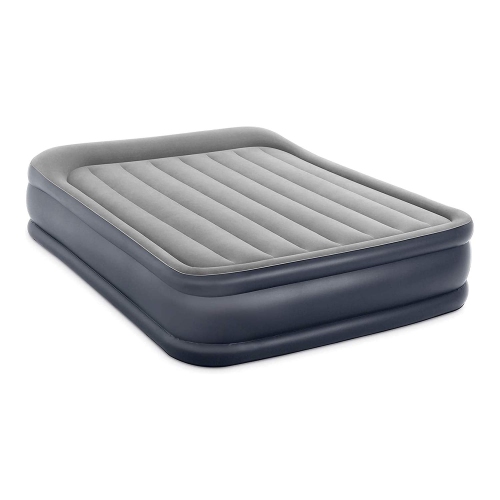
Queen air mattresses provide a temporary sleeping space with room to stretch out, then deflate for storage when the floor is needed again. A standard queen air mattress measures approximately 60 inches wide by 80 inches long, or 152 by 203 centimetres, although exact dimensions vary by design. That footprint generally suits two adults or one sleeper who prefers extra room, provided the mattress’s stated weight capacity accommodates everyone using it. For overnight guests, visits with family, or a move between homes, a queen inflatable mattress can turn a spare room or clear section of a living room into a practical sleeping area. The familiar queen dimensions also make it easier to pair the mattress with bedding, though mattress height and corner shape affect how securely fitted sheets sit. Low-profile designs keep the sleeping surface close to the floor and can be easier to pack, while raised designs offer a taller surface that may make sitting down and standing up more comfortable. Neither height nor thickness alone determines support: internal construction, inflation level, and the condition of the base surface all contribute to how the bed feels. Features found across queen size air mattresses include flocked sleeping surfaces, built-in pumps, and reinforced internal supports, with different combinations suited to different routines. A mattress that stays in a guest room between visits serves a different purpose from one carried to a cottage or packed for camping. For either setting, the usable space matters as much as the stated bed size. Allow clearance for doors, a walking route beside the bed, and access to the pump or valve. In a tent, check the actual floor dimensions and wall slope rather than relying on the tent’s person rating. A queen footprint can occupy most of a smaller tent, leaving limited space for bags and other belongings. At home, moving a coffee table aside may create enough space, but the mattress should still sit clear of sharp furniture edges.
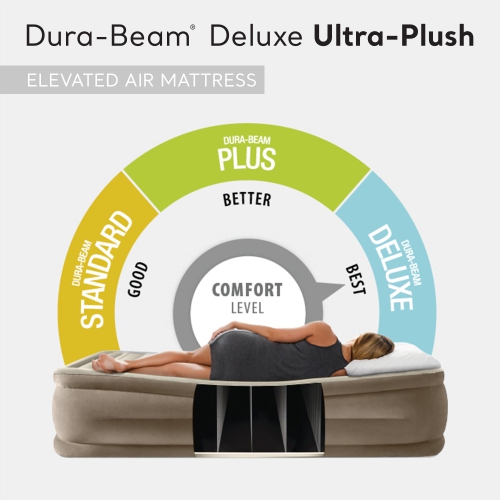
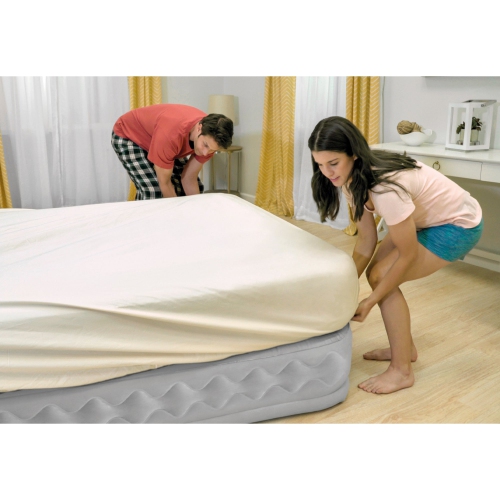
The materials and structure of a queen air mattress influence its feel, weight, and resistance to everyday wear. Many inflatable beds use PVC, while some use thermoplastic polyurethane or other layered materials; the manufacturer’s specifications identify the construction and any particular care requirements. A flocked top has a soft, slightly textured finish that can help bedding stay in place, but it does not replace a sheet or washable protector. Beneath the surface, air chambers, beams, coils, or tensioned fibres help maintain the mattress’s shape and distribute weight. Their arrangement can affect how evenly the bed supports sleepers and how much movement is noticeable when someone changes position. Reinforced edges may provide a more defined sleeping area, although an inflatable edge will not necessarily feel as stable as the side of a conventional mattress. For two people sharing the bed, adequate width and a suitable combined weight limit are especially important. The stated capacity should account for all loads placed on the mattress, following the manufacturer’s directions, rather than being treated as a target to reach. Firmness is usually adjusted by adding or releasing air within the recommended inflation range. More air does not automatically mean better comfort, and overinflation can strain seams. A properly inflated mattress should hold its intended shape without being filled beyond the maker’s instructions. Bedding adds another layer of comfort: a fitted sheet with an appropriate pocket depth, a light protector, and familiar pillows can make a temporary bed feel more settled. On particularly tall designs, check whether the fitted sheet is intended to wrap around the full mattress or attach around a defined upper section. A compatible topper may soften the sleeping surface, but its dimensions and tendency to shift need consideration. For guests who find low beds difficult to use, a raised mattress can be helpful, though anyone who needs a firm transfer surface may be better served by a conventional bed. Air mattresses are generally intended for temporary use unless the manufacturer specifically states otherwise, and they are not safe sleep surfaces for infants.
Pump type often makes the biggest difference to the setup routine. A built-in electric pump keeps inflation equipment attached to the mattress and can be convenient in a guest room with an accessible outlet. Some designs also use the pump to remove air, helping the mattress fold into a more manageable bundle. External pumps offer flexibility, but the nozzle must fit the valve, and the pump must be suitable for the mattress. Battery-powered, rechargeable, USB-powered, and manual options have different power requirements; a USB connection does not necessarily mean a pump has an internal battery. For use away from an outlet, confirm how the pump receives power and whether a compatible manual option is permitted. Inflation time and pump noise vary, so setting up the bed before guests are ready to sleep avoids a noisy task at bedtime. The first setup is also a useful opportunity to check the valve closure, inspect the seams, and allow any initial material stretching described in the instructions. Some softening during early use can reflect stretching rather than a puncture, but repeated loss of firmness warrants inspection. Keeping the mattress on a clean, smooth surface helps protect its underside from grit, splinters, and other sharp debris. Pets’ claws, dragging across the floor, and jumping on the inflated bed can damage the material or put unnecessary stress on joins. For cleaning, follow the care label and use a soft cloth with a suitable mild cleaner where permitted, keeping moisture away from electrical components. Let the mattress dry fully before packing it, then deflate and fold it as directed without forcing tight creases around the pump housing. Store it away from sharp objects in its carry bag or another suitable protective container. A compatible repair patch can address certain small punctures, but damaged seams, valves, or pumps may need a different remedy. With appropriate setup and careful storage, a queen air mattress can remain a useful part of a household’s guest-sleeping arrangements.
The materials and structure of a queen air mattress influence its feel, weight, and resistance to everyday wear. Many inflatable beds use PVC, while some use thermoplastic polyurethane or other layered materials; the manufacturer’s specifications identify the construction and any particular care requirements. A flocked top has a soft, slightly textured finish that can help bedding stay in place, but it does not replace a sheet or washable protector. Beneath the surface, air chambers, beams, coils, or tensioned fibres help maintain the mattress’s shape and distribute weight. Their arrangement can affect how evenly the bed supports sleepers and how much movement is noticeable when someone changes position. Reinforced edges may provide a more defined sleeping area, although an inflatable edge will not necessarily feel as stable as the side of a conventional mattress. For two people sharing the bed, adequate width and a suitable combined weight limit are especially important. The stated capacity should account for all loads placed on the mattress, following the manufacturer’s directions, rather than being treated as a target to reach. Firmness is usually adjusted by adding or releasing air within the recommended inflation range. More air does not automatically mean better comfort, and overinflation can strain seams. A properly inflated mattress should hold its intended shape without being filled beyond the maker’s instructions. Bedding adds another layer of comfort: a fitted sheet with an appropriate pocket depth, a light protector, and familiar pillows can make a temporary bed feel more settled. On particularly tall designs, check whether the fitted sheet is intended to wrap around the full mattress or attach around a defined upper section. A compatible topper may soften the sleeping surface, but its dimensions and tendency to shift need consideration. For guests who find low beds difficult to use, a raised mattress can be helpful, though anyone who needs a firm transfer surface may be better served by a conventional bed. Air mattresses are generally intended for temporary use unless the manufacturer specifically states otherwise, and they are not safe sleep surfaces for infants.
Pump type often makes the biggest difference to the setup routine. A built-in electric pump keeps inflation equipment attached to the mattress and can be convenient in a guest room with an accessible outlet. Some designs also use the pump to remove air, helping the mattress fold into a more manageable bundle. External pumps offer flexibility, but the nozzle must fit the valve, and the pump must be suitable for the mattress. Battery-powered, rechargeable, USB-powered, and manual options have different power requirements; a USB connection does not necessarily mean a pump has an internal battery. For use away from an outlet, confirm how the pump receives power and whether a compatible manual option is permitted. Inflation time and pump noise vary, so setting up the bed before guests are ready to sleep avoids a noisy task at bedtime. The first setup is also a useful opportunity to check the valve closure, inspect the seams, and allow any initial material stretching described in the instructions. Some softening during early use can reflect stretching rather than a puncture, but repeated loss of firmness warrants inspection. Keeping the mattress on a clean, smooth surface helps protect its underside from grit, splinters, and other sharp debris. Pets’ claws, dragging across the floor, and jumping on the inflated bed can damage the material or put unnecessary stress on joins. For cleaning, follow the care label and use a soft cloth with a suitable mild cleaner where permitted, keeping moisture away from electrical components. Let the mattress dry fully before packing it, then deflate and fold it as directed without forcing tight creases around the pump housing. Store it away from sharp objects in its carry bag or another suitable protective container. A compatible repair patch can address certain small punctures, but damaged seams, valves, or pumps may need a different remedy. With appropriate setup and careful storage, a queen air mattress can remain a useful part of a household’s guest-sleeping arrangements.
Top selling and popular products
-
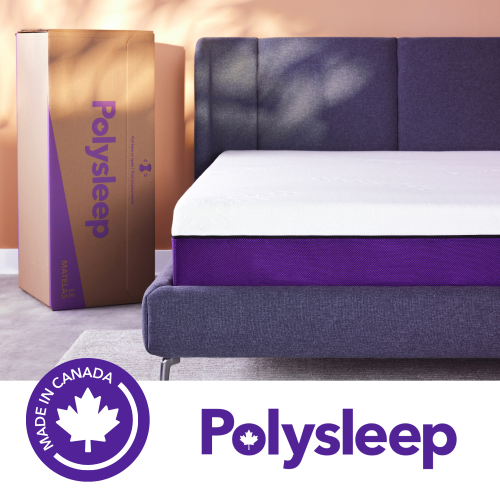 Your price for this item is $1195
 -
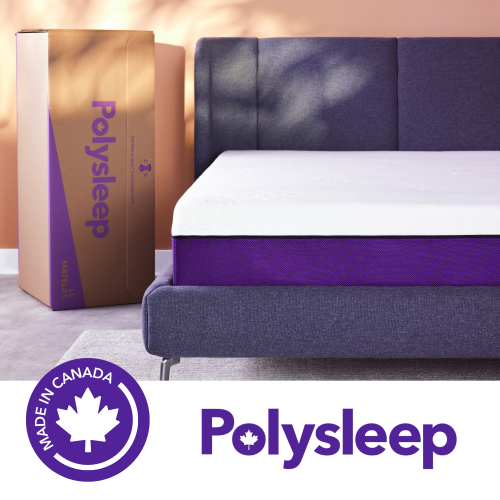 Your price for this item is $1395
 -
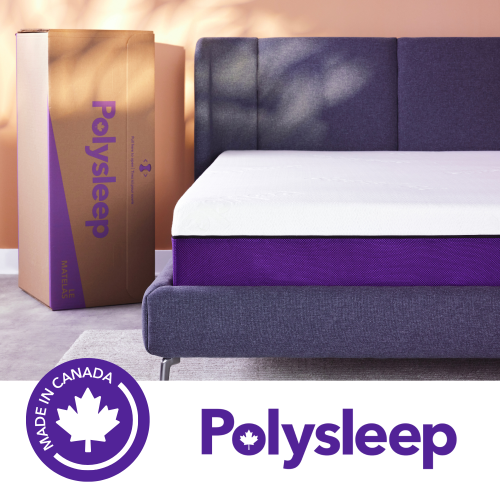 Your price for this item is $1095
 -
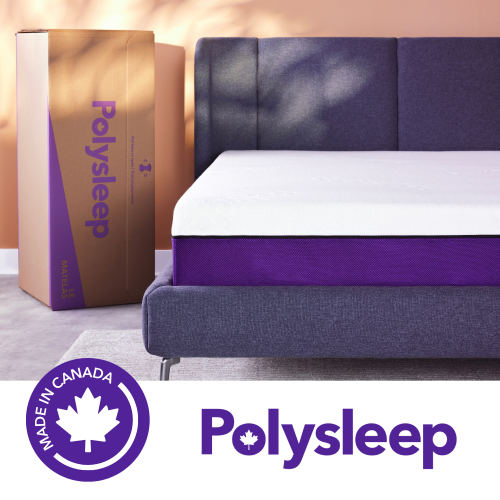 Your price for this item is $945
 -
 Your price for this item is $1199
 -
 Your price for this item is $1395
 -
 Your price for this item is $895
 -
 Your price for this item is $920
Discover more categories related to Queen Air Mattresses
Top Collections:
Pokemon Centers, Kindle Devices, Best Budget Office Chairs, Apple iPhones 16, Best Laptops for Writers, iPhone 15 Apple, Canon G7X Cameras, Refurbished Apple Laptops, Alarm Clock, Motorola Razr Phones
Some products may be subject to Environmental Handling Fees
(EHF) depending on your province.
Learn more about EHFs.