Aluminum Wok
If you're looking to elevate your cooking game, these aluminum woks are a must-have addition to your kitchen. With their durable construction and excellent heat conductivity, these aluminum woks allow for quick and even cooking, making them perfect for stir-frying, sautéing, and deep frying. Here are some great options for you.
Sort
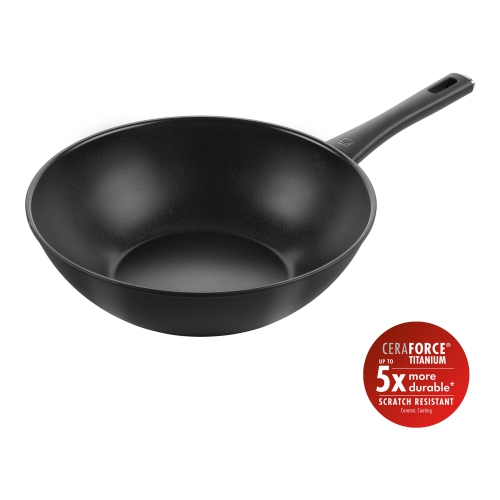
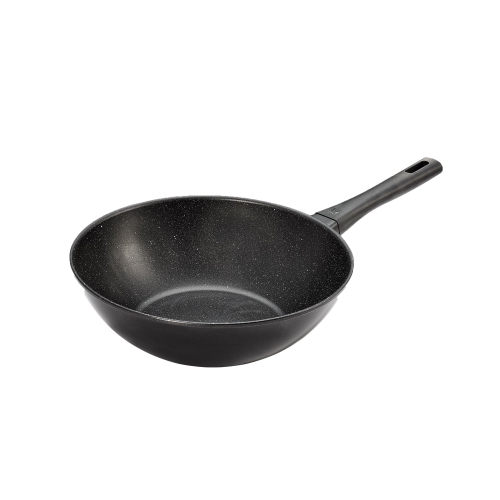
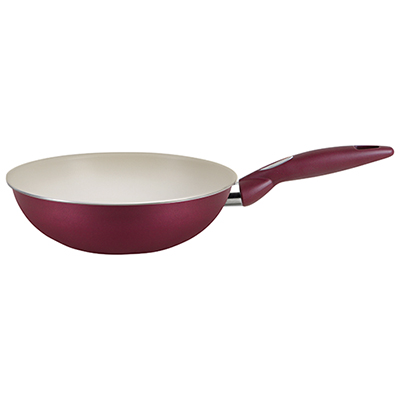
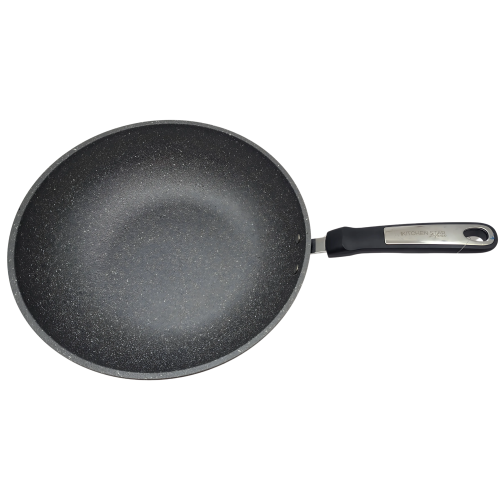
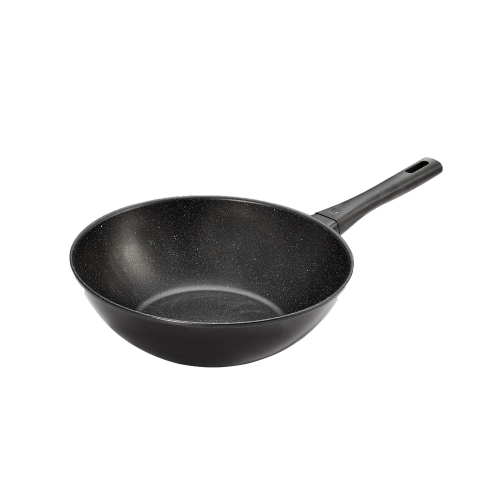
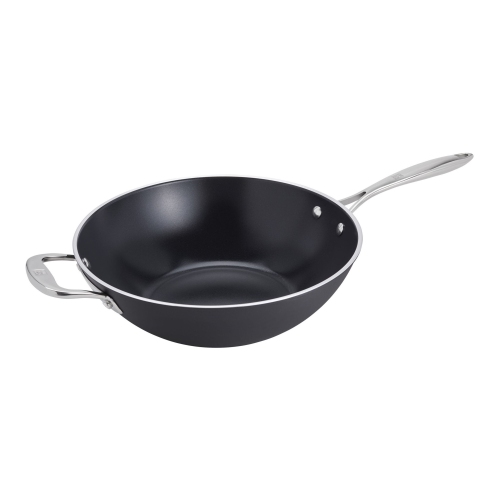
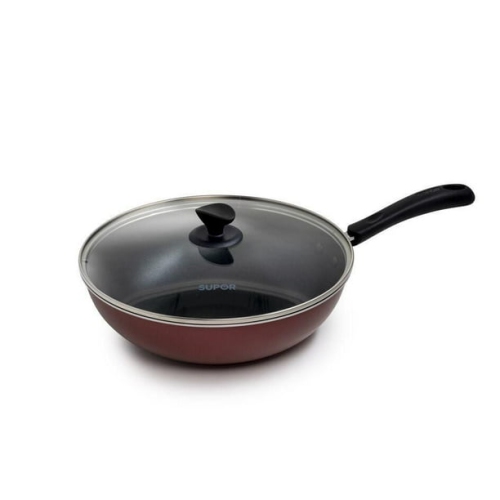
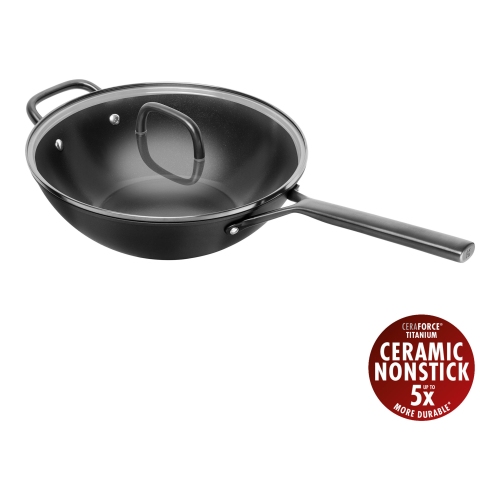
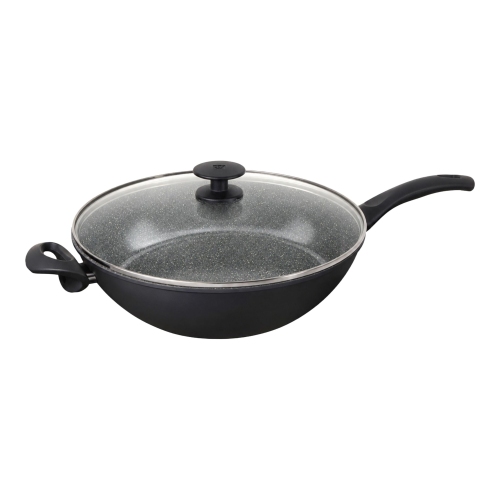
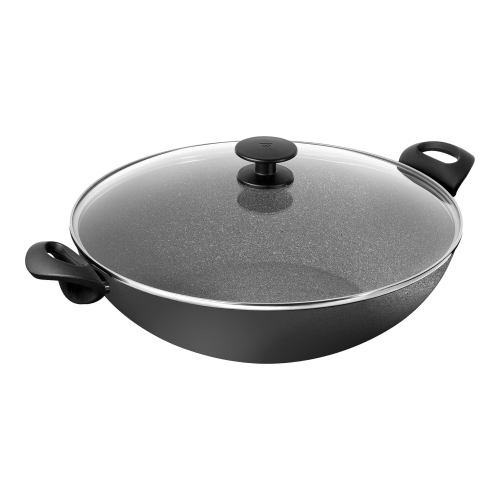
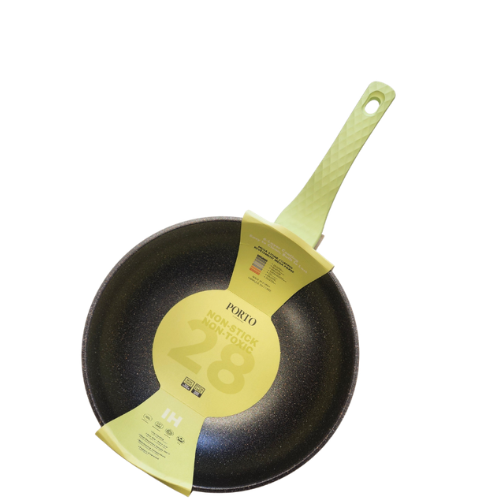
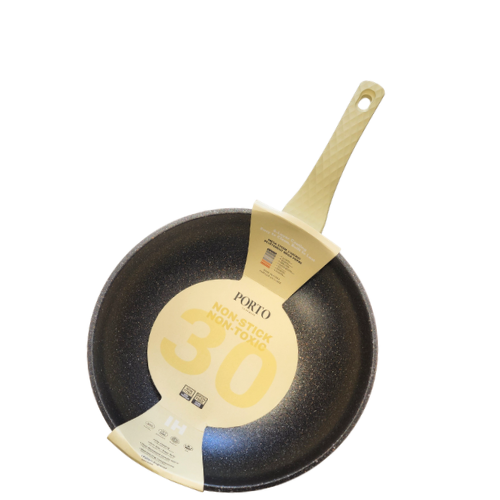
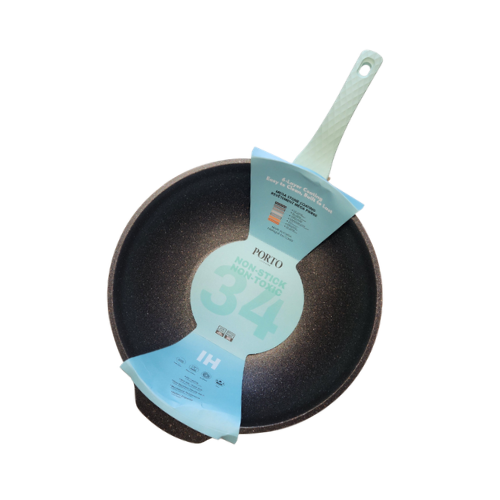
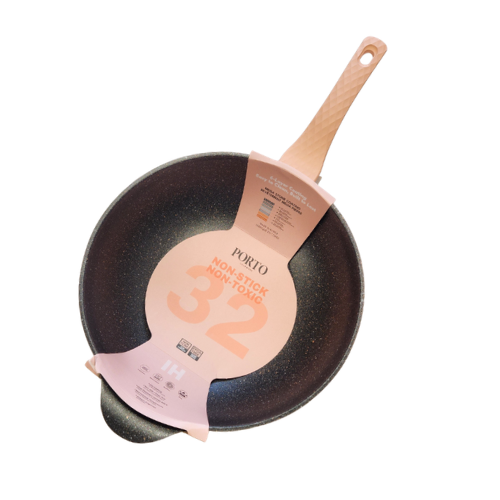
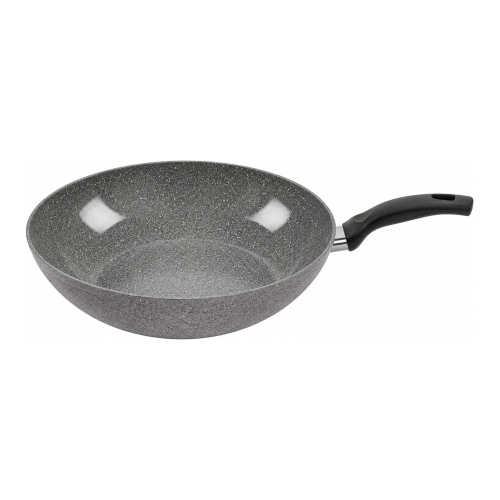
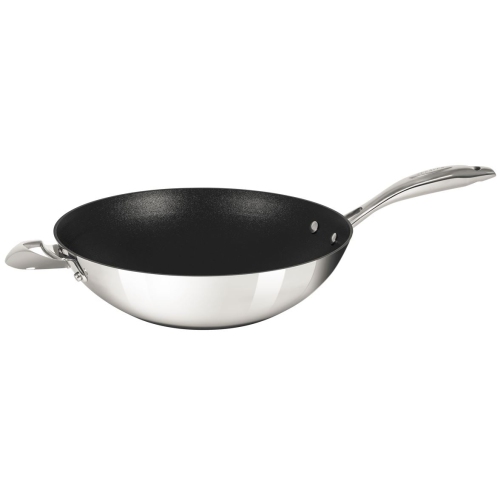
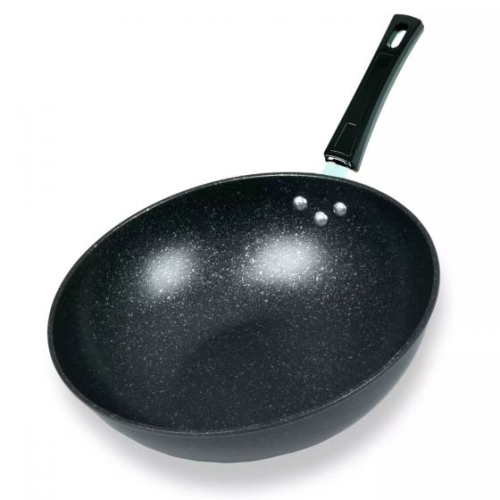
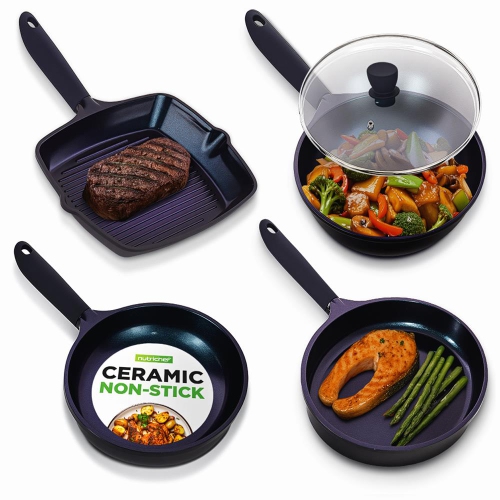
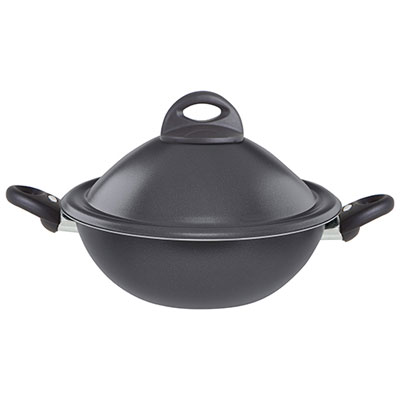
Quick heating and easy handling for everyday meals
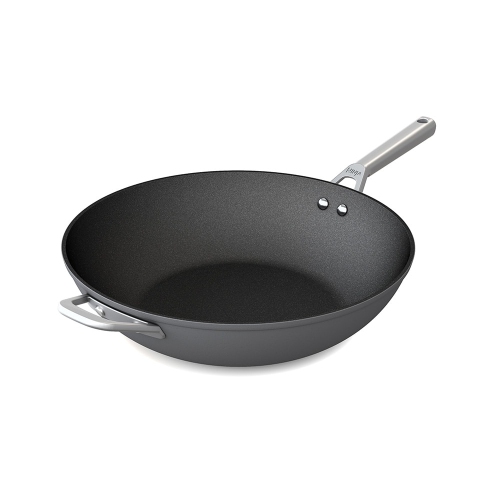
An Aluminum Wok is a practical choice for cooks who want quick heat, easy handling, and plenty of room for everyday meals. Aluminum spreads heat rapidly across the cooking surface, helping vegetables stay crisp, proteins brown nicely, and sauces come together without the long preheating period associated with heavier cookware. Its light weight is especially useful when you are lifting the pan to drain noodles, move food from the stovetop to the table, or gently toss ingredients through a stir-fry. A spacious, sloped shape gives you room to arrange ingredients in different heat zones: keep food moving at the centre while pushing cooked pieces up the sides, where they can stay warm without continuing to cook as quickly. This makes an aluminum wok useful for much more than classic stir-fries. Use it for fried rice, noodle dishes, sautéed greens, dumplings, seared shrimp, fajita-style vegetables, curries, and one-pan meals that need generous capacity. During the cooler months, it can also be handy for warming larger batches of food when friends or family gather around the kitchen. The lighter construction can be a welcome alternative to bulky cookware for apartment kitchens, compact storage spaces, older cooks, students, or anyone who prefers not to manoeuvre a heavy pan with one hand. It may also make a thoughtful gift for a first apartment, a new home, or a cook building a practical collection of everyday pans. When choosing an aluminum wok, consider the diameter, depth, handle design, cooking surface, and the type of stovetop in your kitchen. A smaller wok can suit one or two portions and is easier to store, while a larger size gives vegetables and noodles enough room to cook without crowding. Crowding traps steam and can leave food soft instead of lightly browned, so capacity matters if you regularly prepare meals for several people.
Many aluminum woks feature a non-stick or ceramic-coated interior, which helps food release easily and simplifies cleanup. These coatings are also useful for delicate ingredients such as fish, tofu, eggs, and thinly sliced vegetables that can catch on bare metal. If you choose coated cookware, use wood, silicone, or other utensils recommended for non-stick surfaces rather than metal tools that may scratch the interior. A lid can be valuable for steaming greens, finishing thicker cuts of meat, or keeping noodles warm while you prepare the rest of the meal. A helper handle may make a larger wok easier to lift, particularly when it is filled with food, while a long, comfortable handle can provide better control during tossing and stirring. Check the base of the pan carefully before buying, since stovetop compatibility varies. Some aluminum woks are designed for gas, electric, or smooth-top ranges, while others include a magnetic base for induction cooking. If your cooktop is induction, look for clear induction compatibility rather than assuming that every aluminum pan will work. Aluminum itself is not magnetic, so an induction-ready base is essential. It is also worth thinking about how the wok will be stored: a removable handle, hanging loop, or stackable shape can be useful where cupboard space is limited. Uncoated aluminum can react with strongly acidic ingredients such as tomatoes, citrus, vinegar, or wine, potentially affecting flavour or the appearance of the pan. Coated interiors help address this concern, but care instructions still vary by design. Read the manufacturer’s guidance for oven use, maximum temperature, dishwasher compatibility, and whether the lid or handle can be exposed to heat. Even when a pan is labelled dishwasher-safe, hand washing with warm, soapy water and a soft sponge can help preserve the finish. Allow the wok to cool before washing, avoid abrasive pads, and remove stuck-on food by soaking it rather than scraping aggressively.
An Aluminum Wok fits naturally into a cooking routine built around fresh ingredients and quick preparation. Start by cutting everything before the pan goes on the burner, since the fast response of aluminum means food can move quickly once the wok is hot. Arrange sliced meat, vegetables, aromatics, noodles, and sauce in separate bowls or small piles so each ingredient can be added at the right time. Heat the wok according to its care instructions, add oil suited to the cooking temperature, and avoid filling it beyond a comfortable level. A small batch of chicken or beef can sear more effectively than a crowded pan, and vegetables such as broccoli, peppers, snow peas, mushrooms, and carrots keep more texture when they have room to cook. Add ingredients that take longer first, then finish with quick-cooking greens, herbs, or sauce. The sloped sides make it easy to push food away from the hottest centre while you cook the next addition. For a simple weeknight meal, toss in cooked rice, scrambled egg, vegetables, and a savoury sauce; for a relaxed weekend dinner, use the wok to prepare several shared dishes without reaching for a series of pans. The compact handling and quick heating can also appeal to campers using suitable portable cooking equipment, although the wok and heat source should always be used only in accordance with safety instructions. If you enjoy cookware with a different feel and a heavier build, explore a Cast Iron Wok for an alternative cooking experience. Whichever style suits your kitchen, choose a wok that matches your stovetop, portion sizes, storage space, and preferred care routine. With the right size and surface, an aluminum wok can become the pan you reach for when dinner needs to move from chopping board to table with less fuss and plenty of flavour.
Many aluminum woks feature a non-stick or ceramic-coated interior, which helps food release easily and simplifies cleanup. These coatings are also useful for delicate ingredients such as fish, tofu, eggs, and thinly sliced vegetables that can catch on bare metal. If you choose coated cookware, use wood, silicone, or other utensils recommended for non-stick surfaces rather than metal tools that may scratch the interior. A lid can be valuable for steaming greens, finishing thicker cuts of meat, or keeping noodles warm while you prepare the rest of the meal. A helper handle may make a larger wok easier to lift, particularly when it is filled with food, while a long, comfortable handle can provide better control during tossing and stirring. Check the base of the pan carefully before buying, since stovetop compatibility varies. Some aluminum woks are designed for gas, electric, or smooth-top ranges, while others include a magnetic base for induction cooking. If your cooktop is induction, look for clear induction compatibility rather than assuming that every aluminum pan will work. Aluminum itself is not magnetic, so an induction-ready base is essential. It is also worth thinking about how the wok will be stored: a removable handle, hanging loop, or stackable shape can be useful where cupboard space is limited. Uncoated aluminum can react with strongly acidic ingredients such as tomatoes, citrus, vinegar, or wine, potentially affecting flavour or the appearance of the pan. Coated interiors help address this concern, but care instructions still vary by design. Read the manufacturer’s guidance for oven use, maximum temperature, dishwasher compatibility, and whether the lid or handle can be exposed to heat. Even when a pan is labelled dishwasher-safe, hand washing with warm, soapy water and a soft sponge can help preserve the finish. Allow the wok to cool before washing, avoid abrasive pads, and remove stuck-on food by soaking it rather than scraping aggressively.
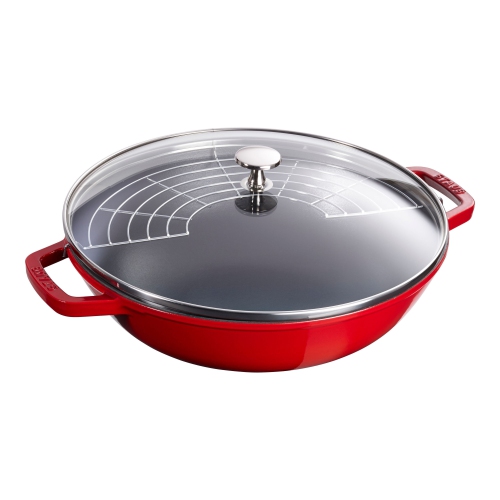
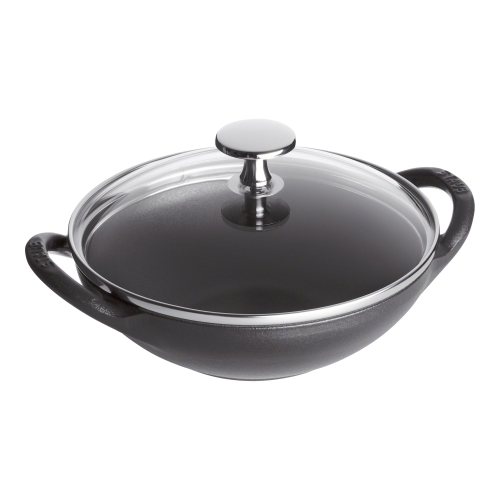
An Aluminum Wok fits naturally into a cooking routine built around fresh ingredients and quick preparation. Start by cutting everything before the pan goes on the burner, since the fast response of aluminum means food can move quickly once the wok is hot. Arrange sliced meat, vegetables, aromatics, noodles, and sauce in separate bowls or small piles so each ingredient can be added at the right time. Heat the wok according to its care instructions, add oil suited to the cooking temperature, and avoid filling it beyond a comfortable level. A small batch of chicken or beef can sear more effectively than a crowded pan, and vegetables such as broccoli, peppers, snow peas, mushrooms, and carrots keep more texture when they have room to cook. Add ingredients that take longer first, then finish with quick-cooking greens, herbs, or sauce. The sloped sides make it easy to push food away from the hottest centre while you cook the next addition. For a simple weeknight meal, toss in cooked rice, scrambled egg, vegetables, and a savoury sauce; for a relaxed weekend dinner, use the wok to prepare several shared dishes without reaching for a series of pans. The compact handling and quick heating can also appeal to campers using suitable portable cooking equipment, although the wok and heat source should always be used only in accordance with safety instructions. If you enjoy cookware with a different feel and a heavier build, explore a Cast Iron Wok for an alternative cooking experience. Whichever style suits your kitchen, choose a wok that matches your stovetop, portion sizes, storage space, and preferred care routine. With the right size and surface, an aluminum wok can become the pan you reach for when dinner needs to move from chopping board to table with less fuss and plenty of flavour.
Top selling and popular products
-
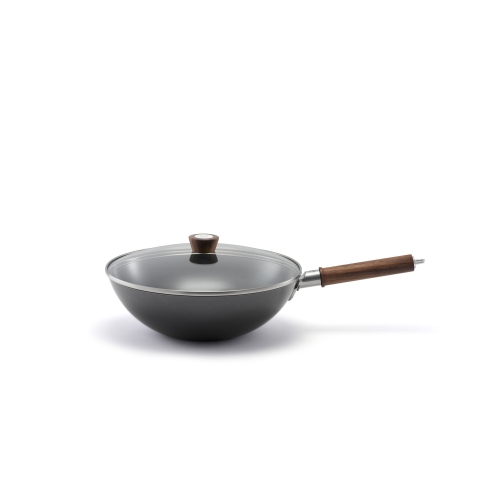 Your price for this item is $229.99
 -
 Your price for this item is $304.25
 -
 Your price for this item is $349.99
 -
 Your price for this item is $129.99
 -
 Your price for this item is $229.99
 -
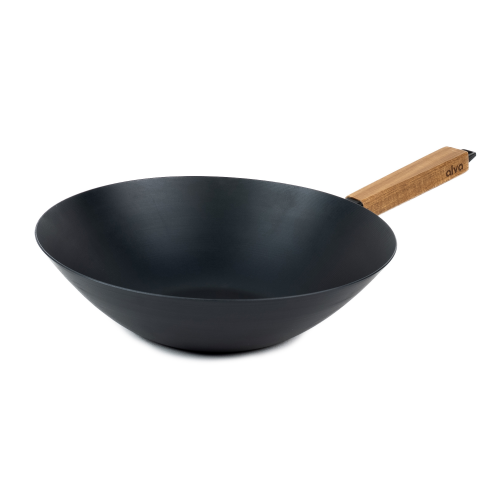 Your price for this item is $189
 -
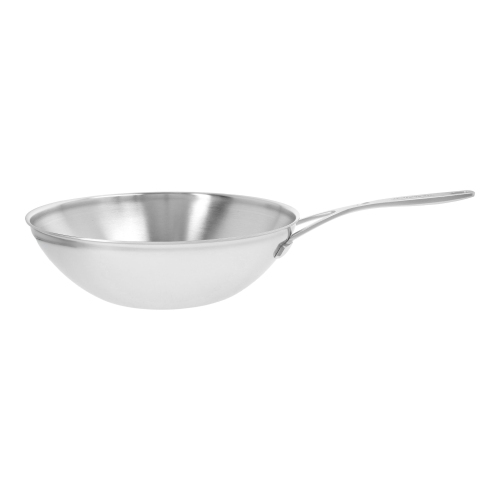 Your price for this item is $289.99
 -
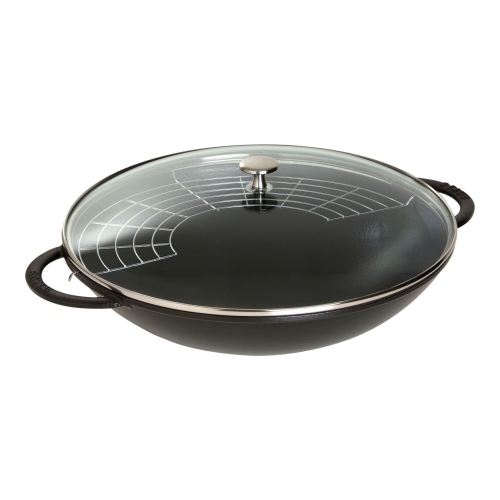 Your price for this item is $399.99
Discover more categories related to Aluminum Wok
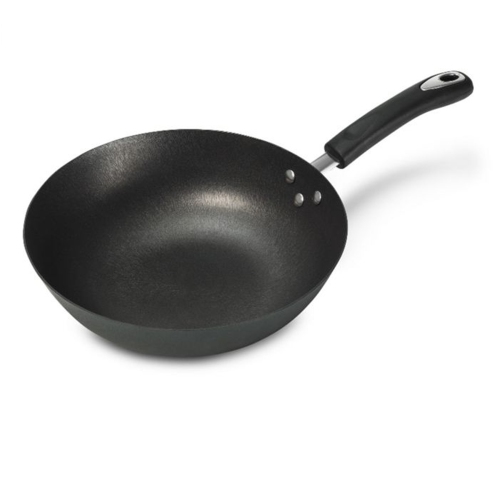
Top Collections:
Pokemon Centers, Kindle Devices, Best Budget Office Chairs, Canon G7X Cameras, Apple iPhones 16, Samsung Galaxy Phones, Refurbished Apple Laptops, Laptops for Students, iPhone 15 Apple, Budget Smartphones
Some products may be subject to Environmental Handling Fees
(EHF) depending on your province.
Learn more about EHFs.