Non Stick Pots
Upgrade your cooking game with our selection of non-stick pots. Whether you're a seasoned chef or just starting in the kitchen, these pots are designed to make your cooking experience effortless and enjoyable. Discover the convenience and performance of non-stick pots today and elevate your culinary creations to new heights.
Sort
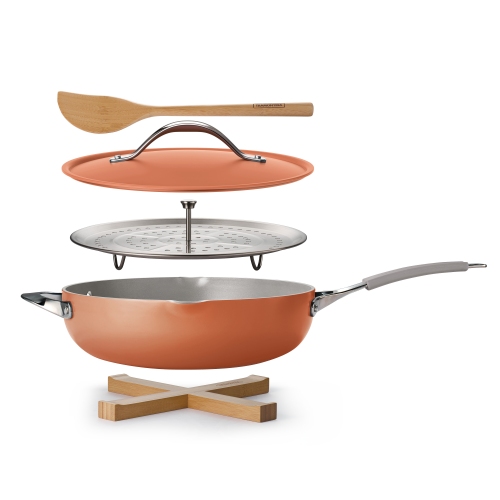
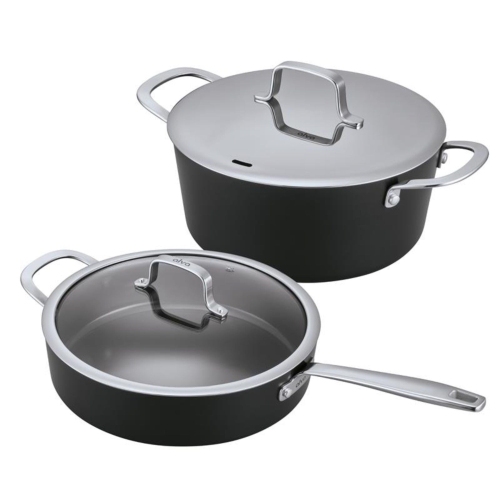
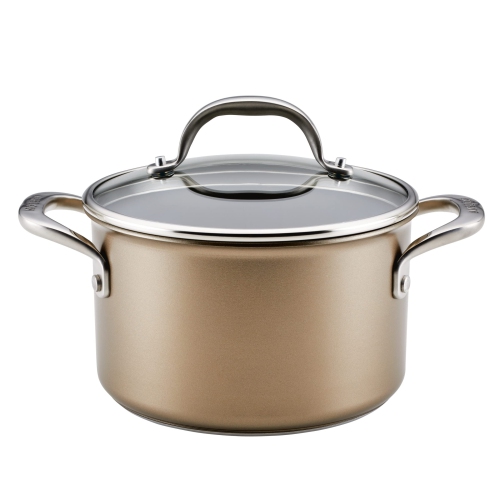
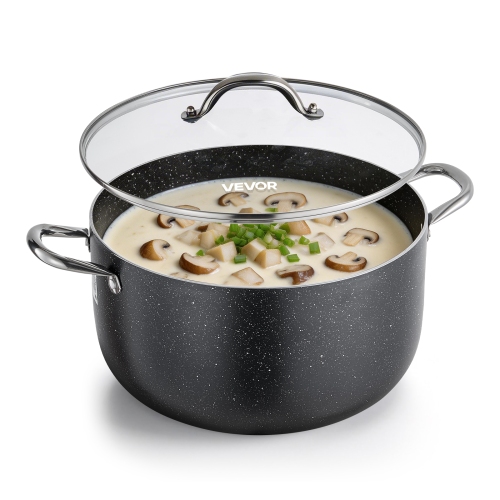
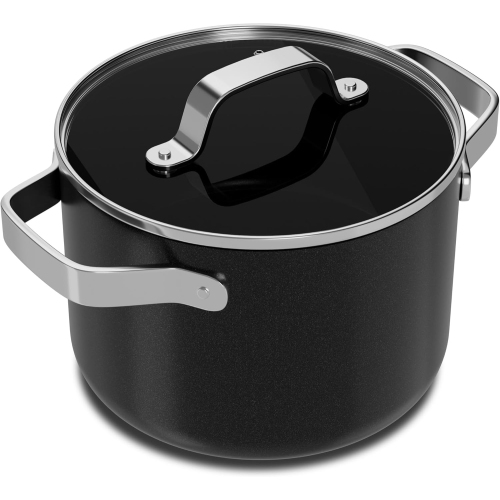

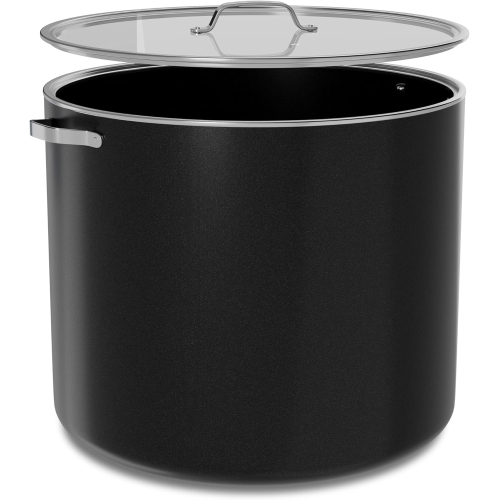
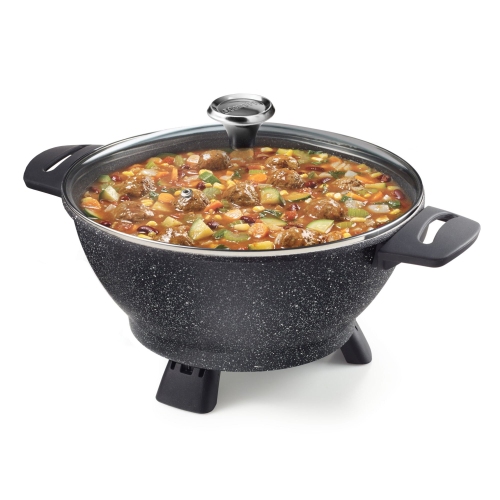
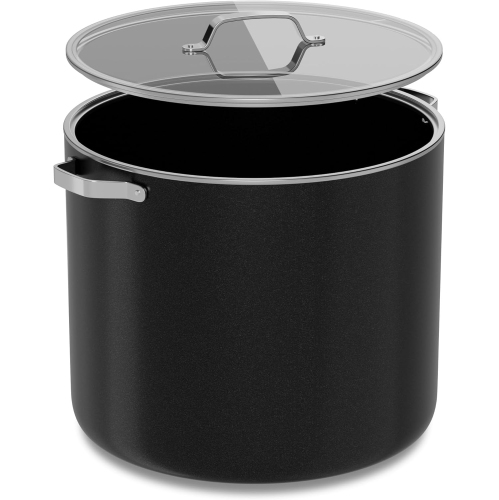
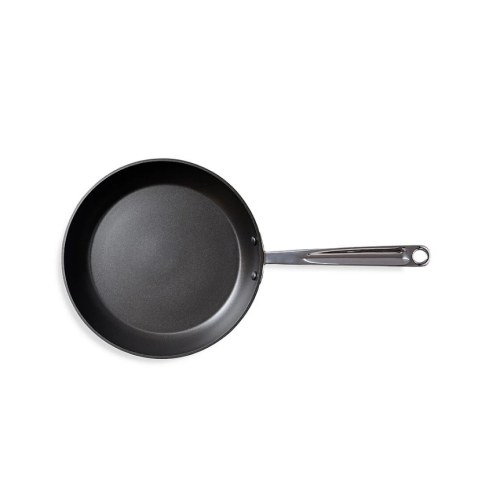
From porridge to soup with less sticking
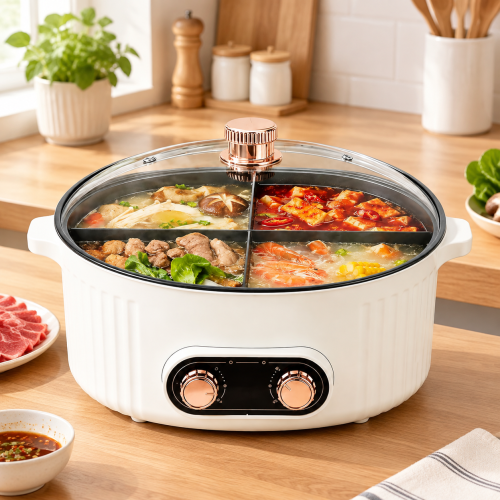
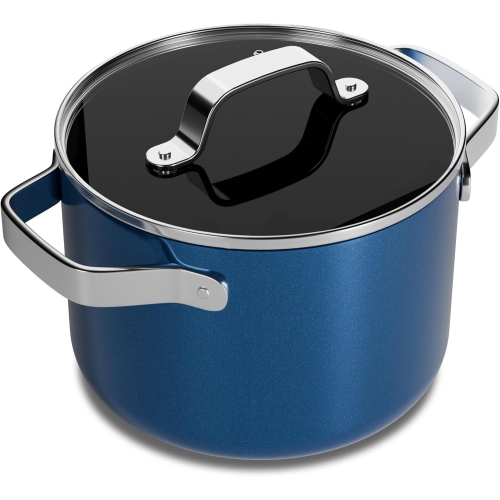
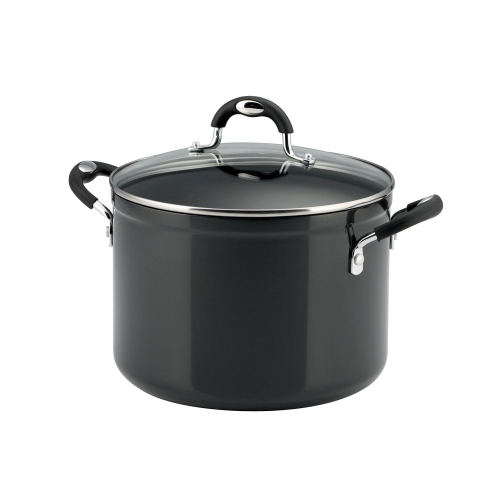
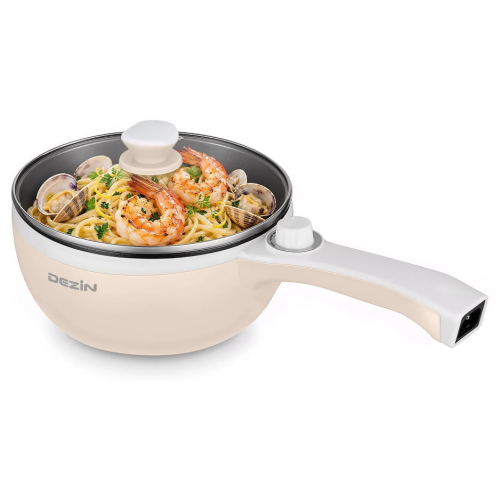
Non-stick pots bring easy food release to everyday cooking, from a small portion of porridge to a generous batch of lentil soup. Their coated interiors help keep ingredients from clinging to the cooking surface and can make washing up simpler, particularly after preparing foods such as rice, custard, or a thick cheese sauce. The most useful shape and capacity depend on what goes into the pot and how many people are eating. A compact saucepan suits reheating gravy, warming milk, or preparing a side dish, while a larger pot gives pasta, potatoes, and soups the room they need. Capacity is usually expressed in litres, but the proportions matter as much as the stated volume. A wide pot offers more surface area for stirring and reducing sauces, whereas a taller shape holds generous quantities without taking up as much horizontal space. Some headroom above the ingredients makes it easier to stir without splashing, especially when oats or starchy water begin to foam. For households preparing several parts of a meal at once, a few complementary sizes can be more practical than several pots with similar capacities. A lid helps retain moisture during simmering, and a transparent lid allows a quick check on bubbling sauce or rice without lifting it. Vented lids can release some steam, although they do not eliminate the need to monitor the contents. Pouring rims, straining lids, and interior measurement markings can add convenience when their design suits the task. The weight of a full pot also deserves attention: a vessel that feels manageable when empty becomes considerably heavier once it holds water and vegetables. A long handle can make a small saucepan easy to manoeuvre, while two side handles or an additional helper handle provide a more balanced grip on larger pots. These details shape how comfortably cookware fits into the rhythm of a kitchen, whether it is used for quick lunches, family dinners, or meals prepared ahead.
Materials and construction influence how non-stick pots heat, how they handle, and where they can be used. Aluminum is common because it conducts heat readily and keeps the overall weight manageable. Hard-anodized aluminum has a hardened surface, although the durability of the non-stick interior still depends on its coating and care. A substantial base can help distribute heat more evenly, reducing concentrated hot spots that might scorch a creamy sauce before the rest has warmed through. Stainless steel may appear in the exterior or base construction, providing structural strength or compatibility with certain cooktops. The coating itself is a separate consideration. Traditional non-stick coatings often use PTFE, while ceramic non-stick coatings use a different surface technology; both are intended to support food release, but neither name alone establishes how long that performance will last. Granite-style descriptions often refer to a speckled coating or appearance rather than a pot made from solid granite. Specific material and coating information is therefore more useful than a decorative finish name. Compatibility also goes beyond the interior surface. Induction cooking requires a suitable magnetic base, so an aluminum pot needs an induction-compatible construction to work on that type of cooktop. A flat, smooth base is important on glass cooking surfaces, where lifting rather than sliding the pot helps reduce the risk of scratches. Matching the base to the heating element supports more controlled cooking and helps keep heat away from handles. Oven use depends on the complete assembly, including the coating, handles, lid, and lid knob; a metal body does not automatically make every component suitable for the same heat level. Handle shape and clearance matter, too. There should be enough space to grip securely with an oven mitt when necessary, without bringing fingers too close to the pot wall. A well-fitted lid should sit securely while remaining easy to lift away from escaping steam.
Everyday habits have a significant effect on the useful life of non-stick pots. Moderate heat is generally well suited to their coated surfaces, particularly for gently thickening sauces, cooking grains, and reheating leftovers with frequent stirring. Prolonged heating while empty can damage a coating, so the cookware’s care instructions should determine appropriate heat settings and cooking methods. Non-stick interiors can reduce the amount of fat needed for food release in some recipes, but they do not prevent food from burning if a pot boils dry or a thick mixture is left unattended. Wooden spoons and heat-resistant silicone utensils are gentle options for stirring, while metal tools and cutting food inside the pot can scratch surfaces that are not designed for them. After cooking, allowing the pot to cool before washing helps avoid abrupt temperature changes. A soft sponge, mild dish soap, and a short soak can loosen residue without aggressive scrubbing. Even when dishwasher use is permitted, handwashing may help preserve the finish over repeated use; the manufacturer’s directions remain the best reference for each piece. Storage matters as well. A soft protector between nested pots helps keep one base from rubbing against another coated interior, and a cupboard arrangement that avoids forcing handles into place makes cookware easier to reach. Deep scratches, peeling, or flaking are signs that a coated pot needs replacement rather than more vigorous cleaning. For a first apartment, a shared household, or a housewarming gift, practical sizes and compatibility with the recipient’s cooktop are more useful than a large collection of overlapping pieces. Pots can also complement skillets and other pieces within Non Stick Cookware, allowing different vessels to handle different parts of a meal. A small saucepan for gravy, a medium pot for rice, and a larger vessel for soup each serve a distinct purpose. The right combination supports familiar recipes, comfortable handling, and straightforward cleanup without crowding the cupboard.
Top selling and popular products
-
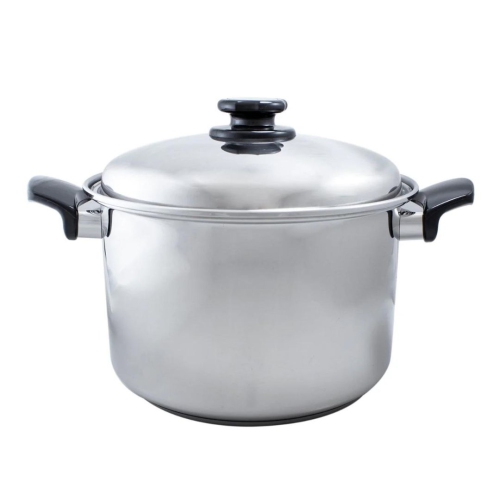 Your price for this item is $321.99
-
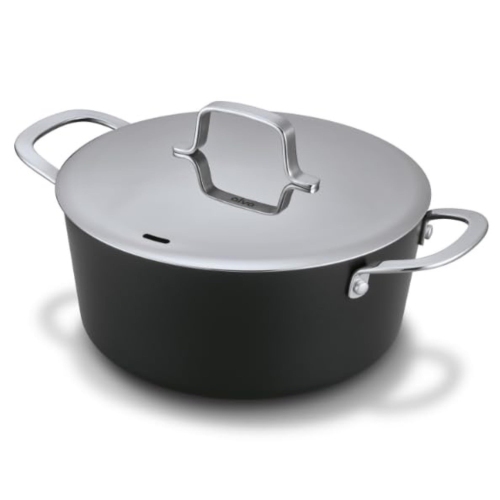 Your price for this item is $229
-
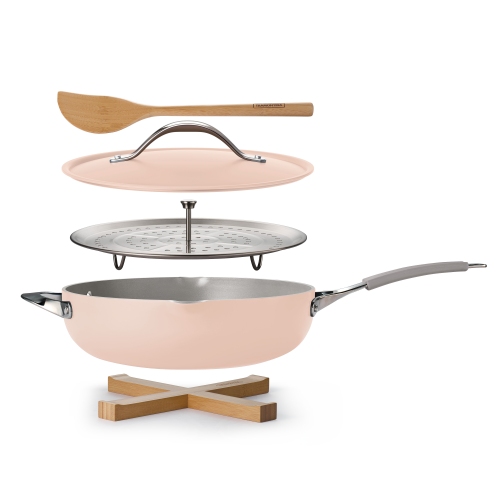 Your price for this item is $144.57
-
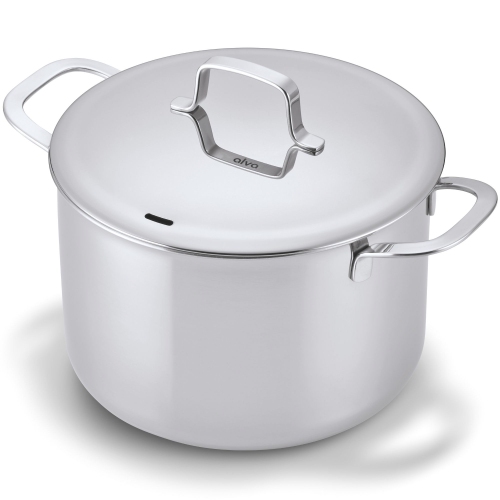 Your price for this item is $289
-
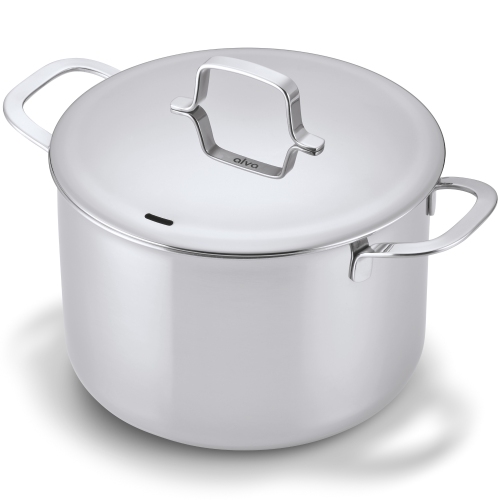 Your price for this item is $329
-
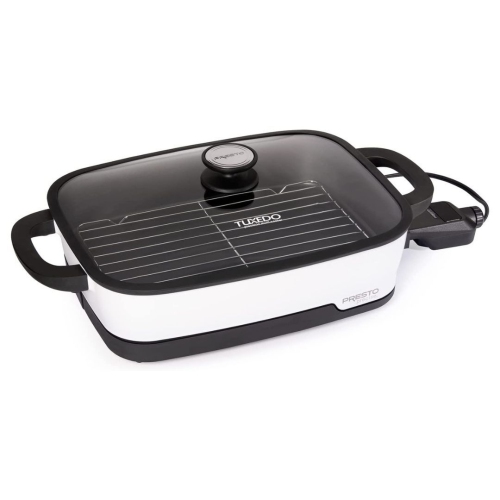 Your price for this item is $382.99
-
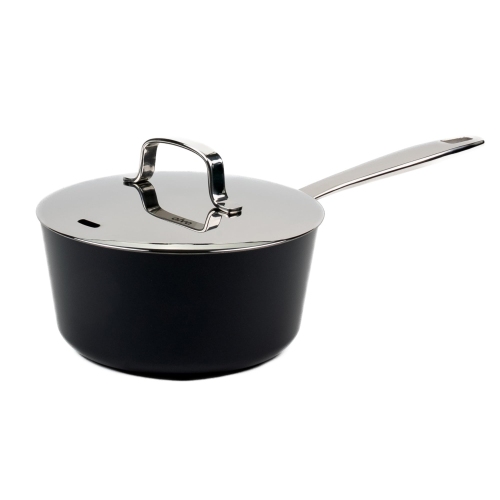 Your price for this item is $189
-
 Your price for this item is $439.99
Discover more categories related to Non Stick Pots
Top Collections:
Best Black Friday Deals This Year, Best Black Friday Deals On Electronics, Kindle Devices, Pokemon Centers, Best Black Friday Deals On Apple Products, Best Cameras for Sports Photography, Dyson Airwrap, Pokémon 30th Celebration Cards, Apple iPhone 17 Pro, Canon G7X Cameras
Some products may be subject to Environmental Handling Fees
(EHF) depending on your province.
Learn more about EHFs.