Cast Iron Wok
Discover the perfect addition to your kitchen with a versatile cast iron wok. Ideal for stir-frying, deep-frying, steaming, and more, a cast iron wok offers durability and excellent heat retention for all your cooking needs. Whether you're a seasoned chef or just starting to explore the world of Asian cuisine, a cast iron wok is a must-have tool that will elevate your culinary skills to new heights. Explore our selection of high-quality cast iron woks and bring the authentic flavors of Asian cooking into your home kitchen today.
Sort
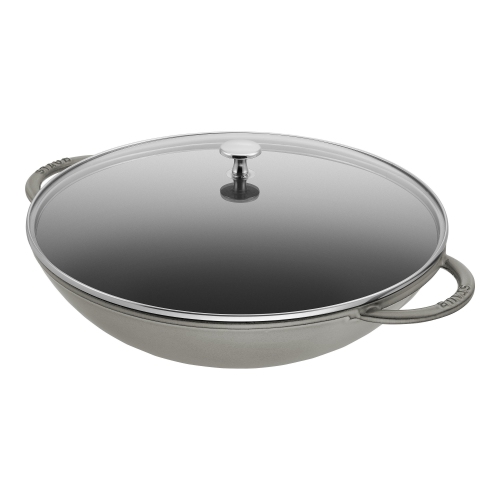
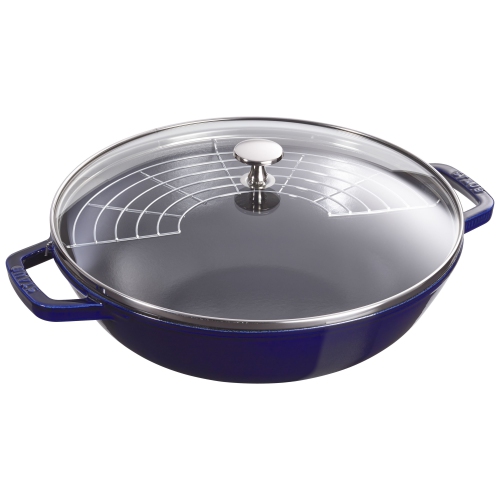
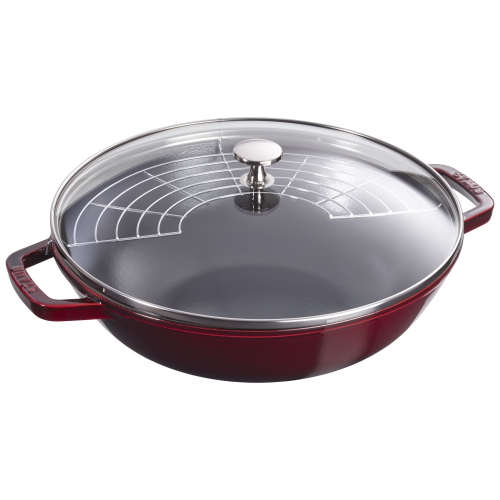
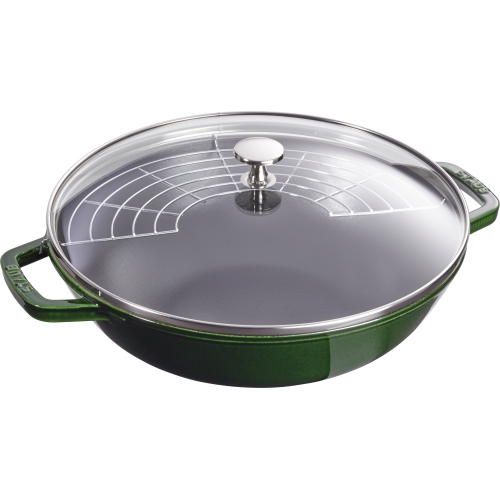
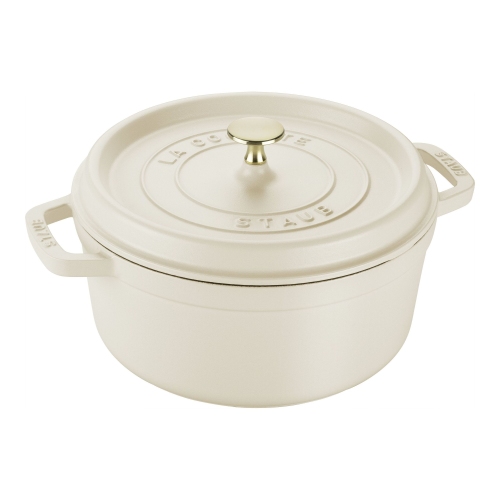
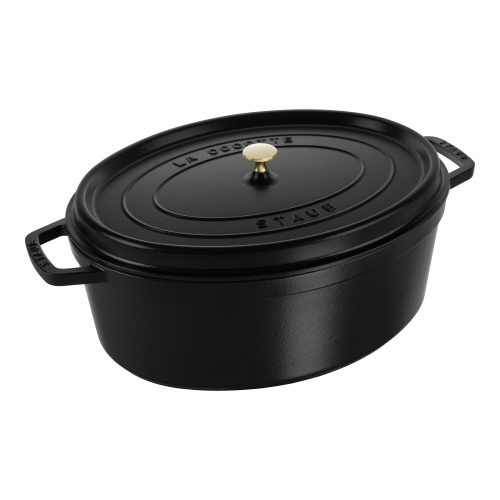
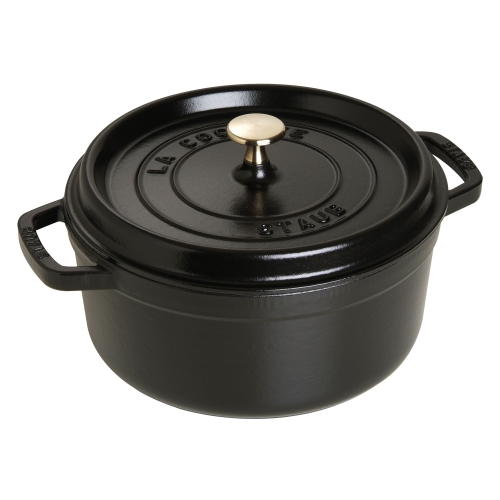
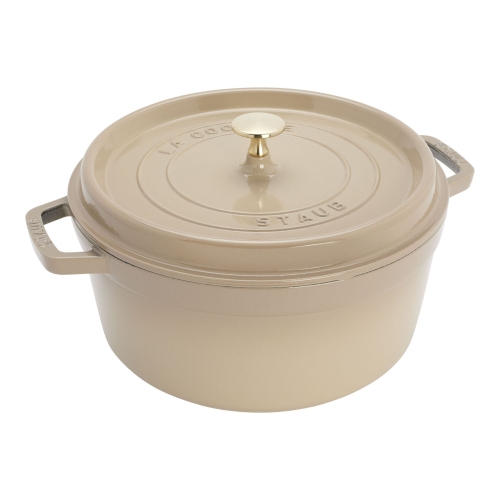
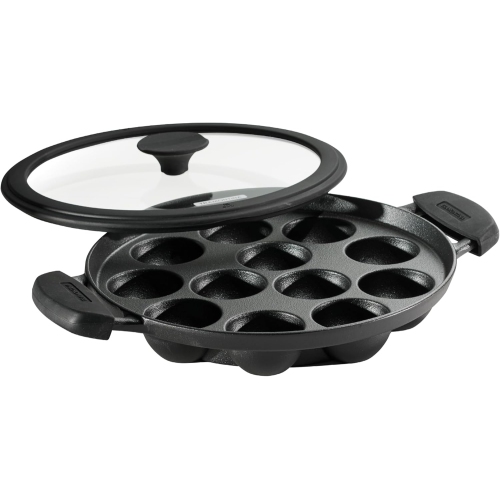
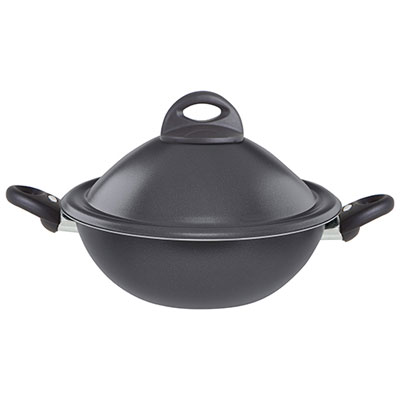
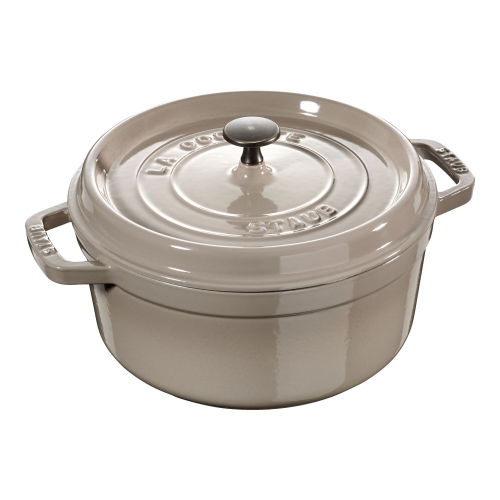
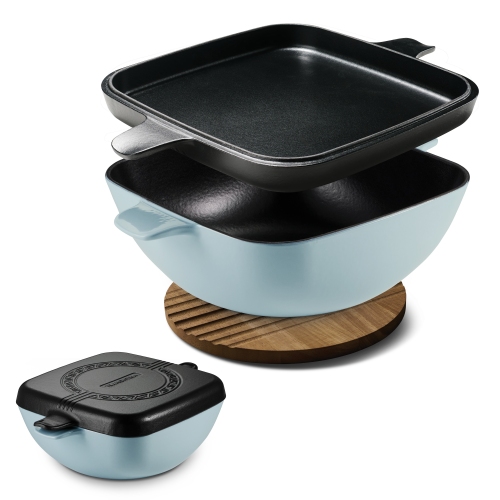
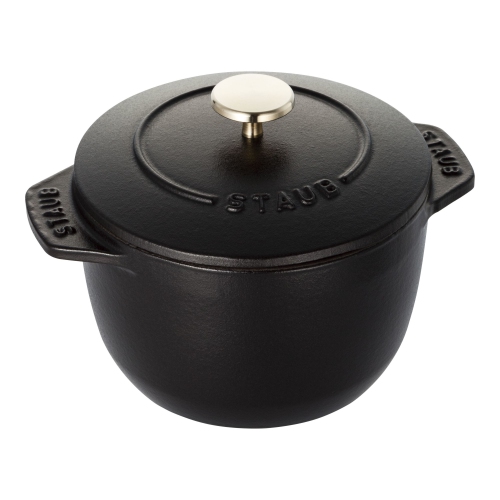
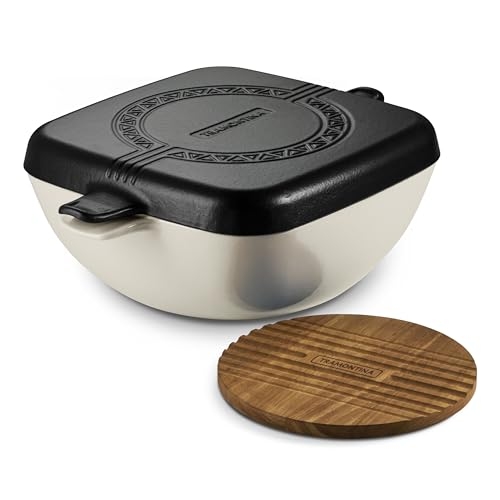
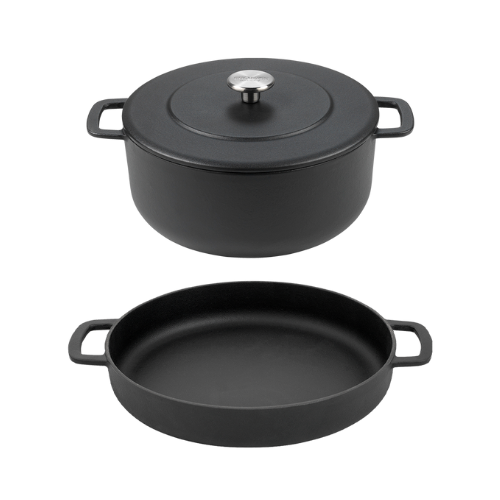
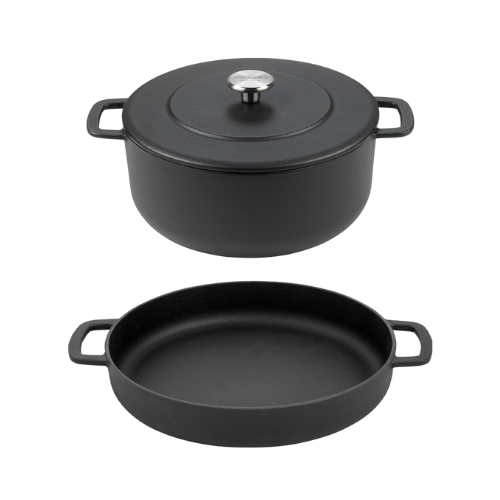
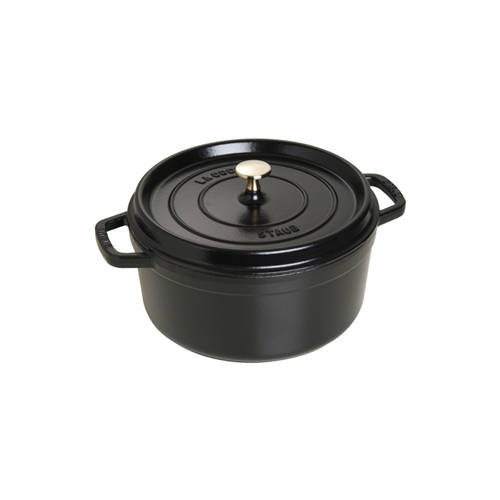
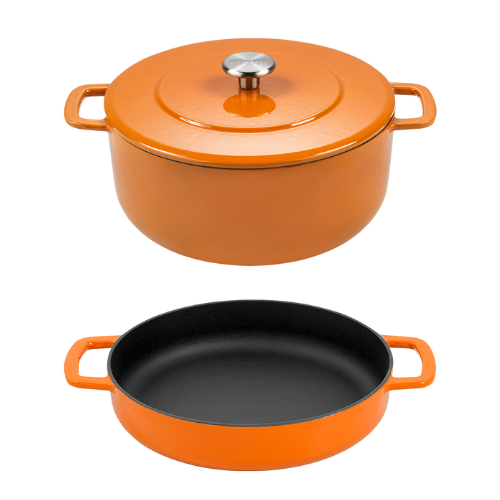
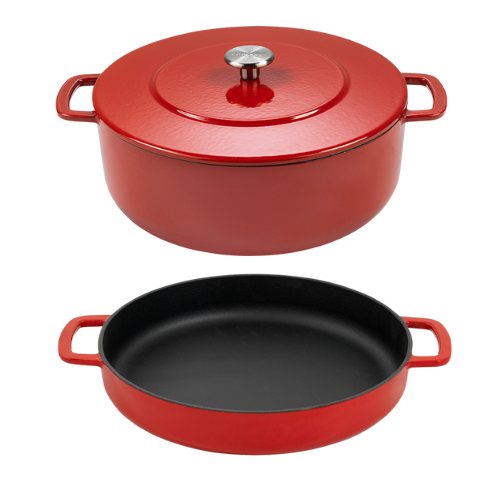

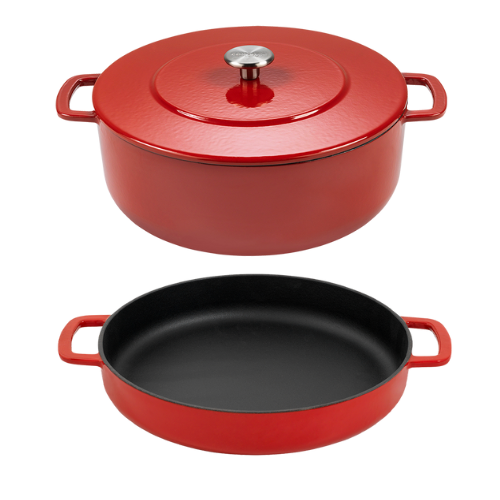
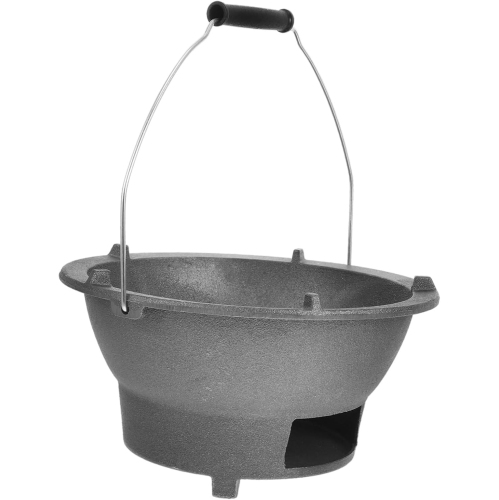
Steady heat for deeply browned, family-sized meals
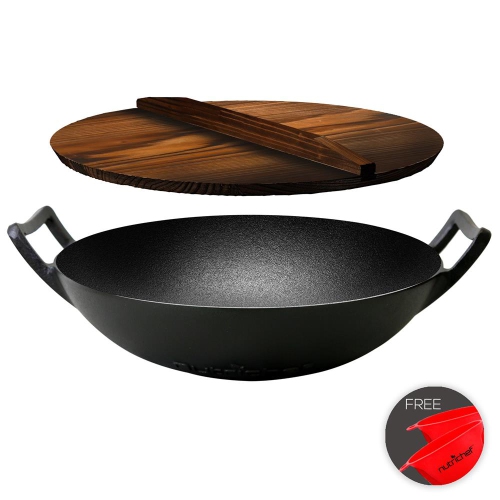
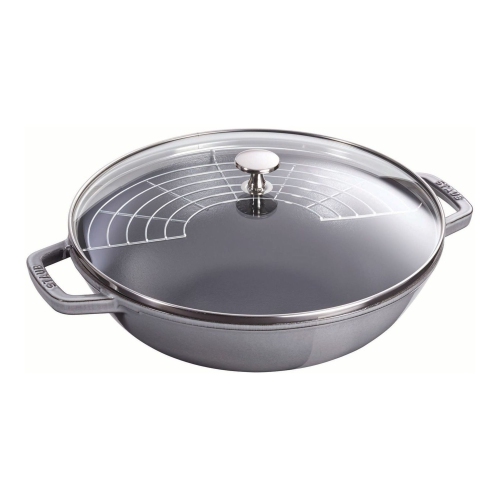
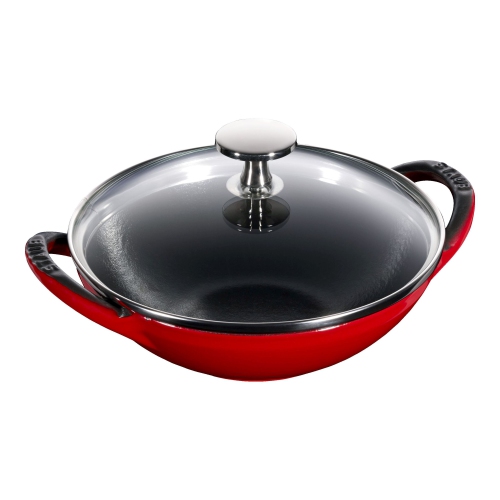
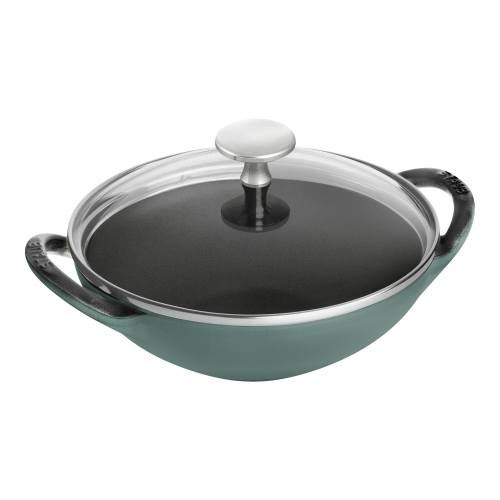
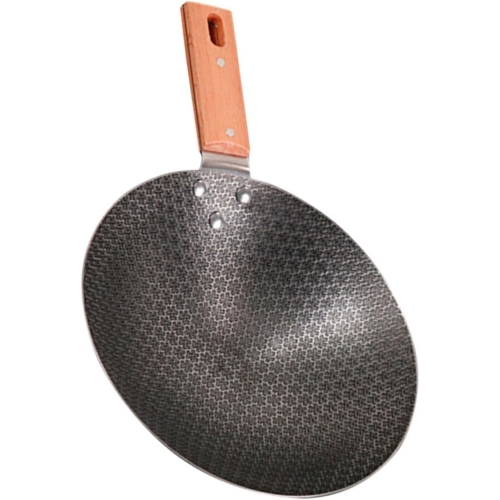
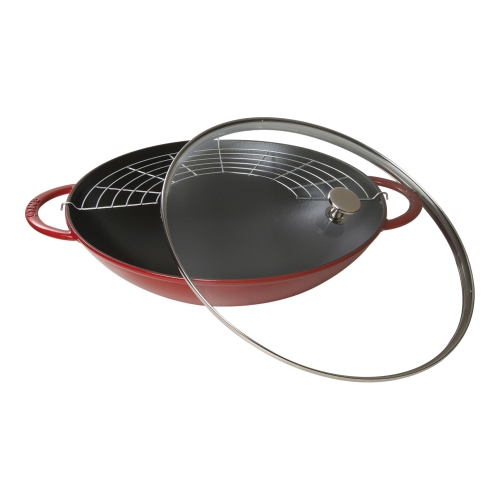
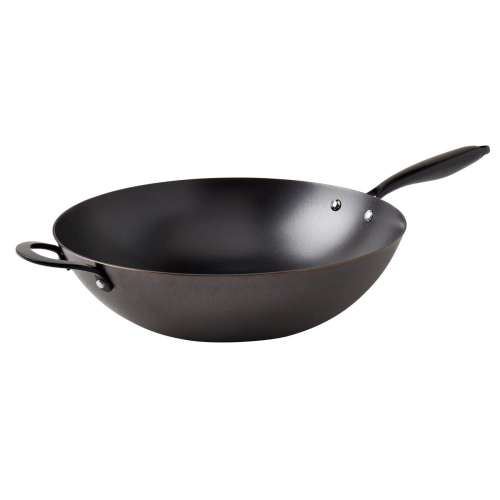
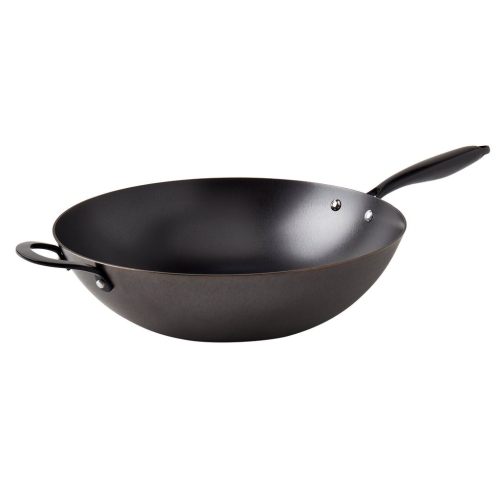
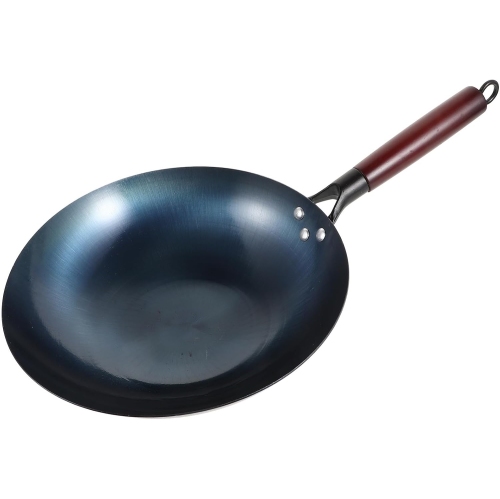
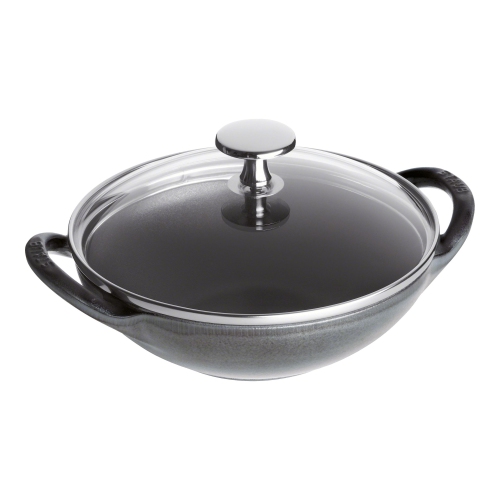
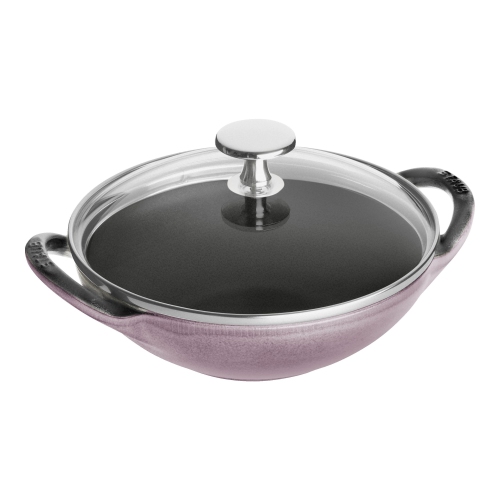
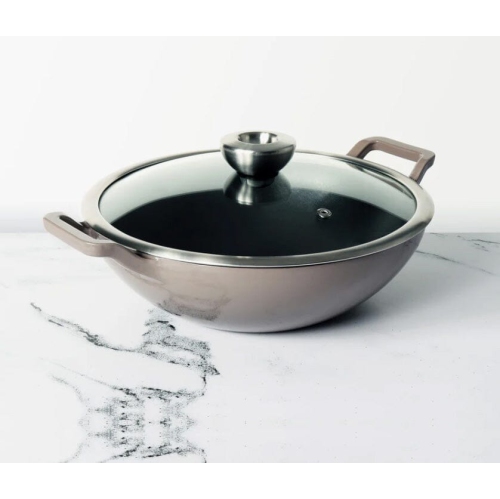
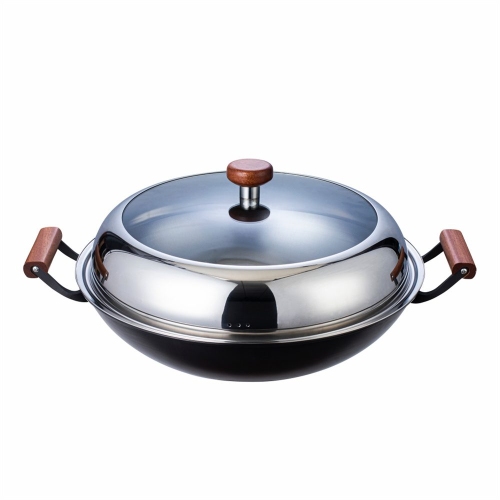
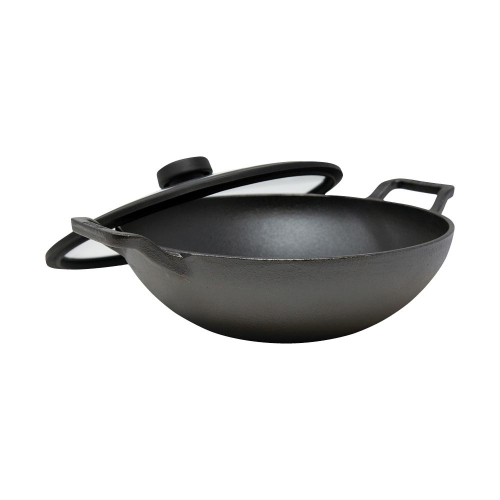
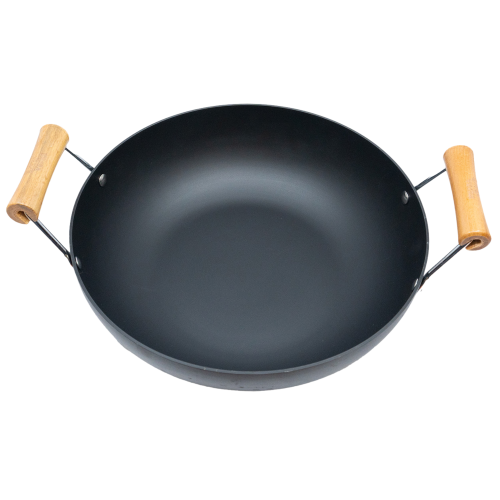
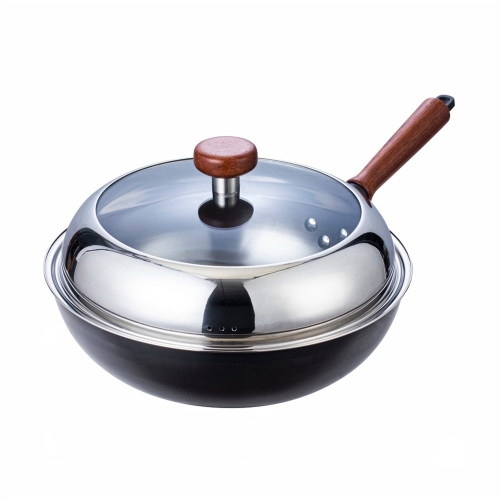
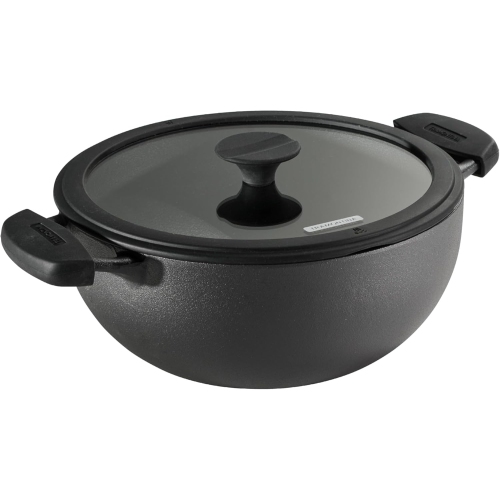
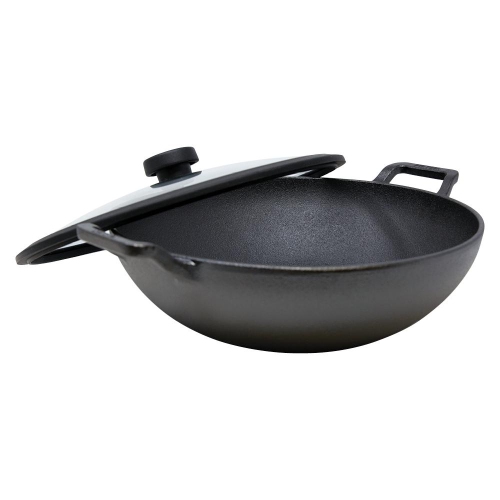
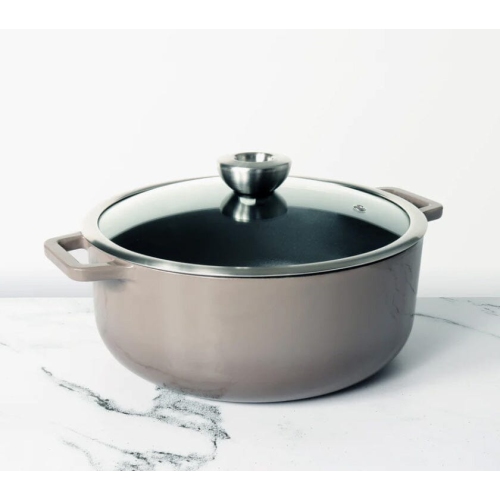
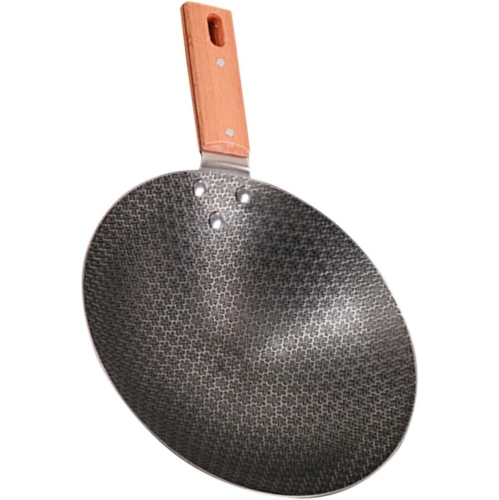
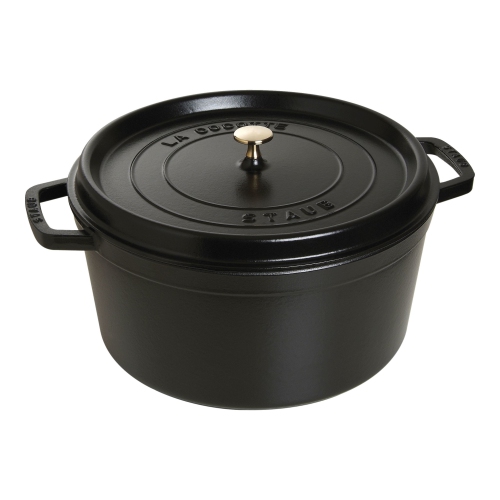
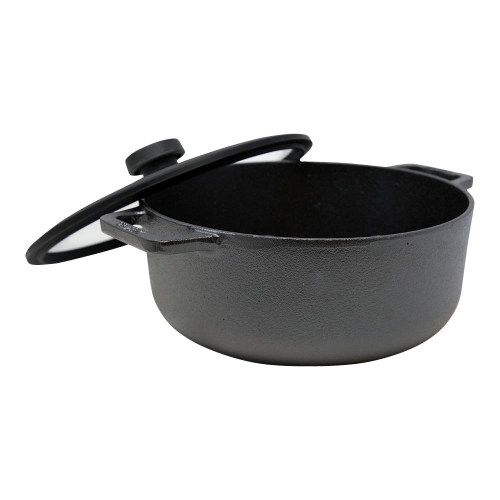
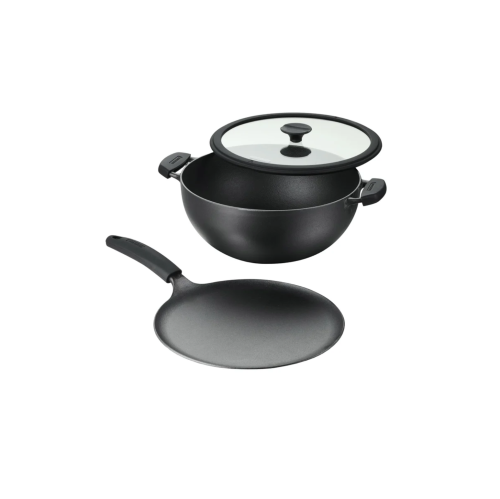
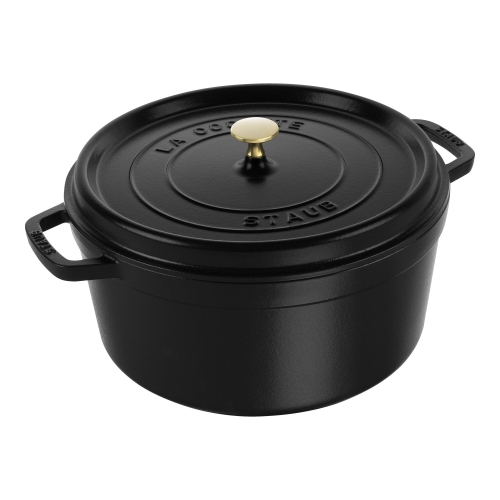
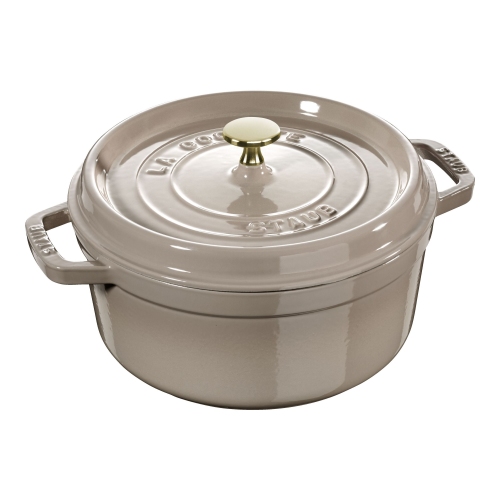
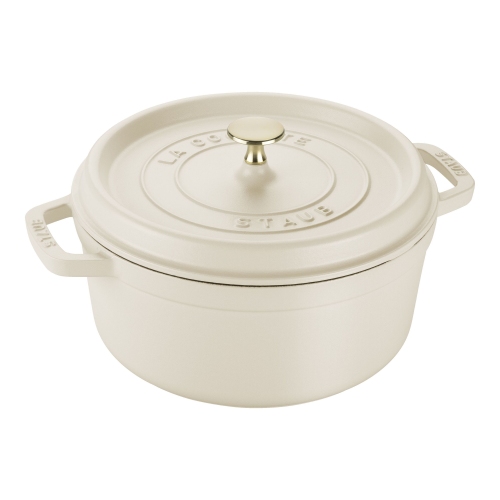
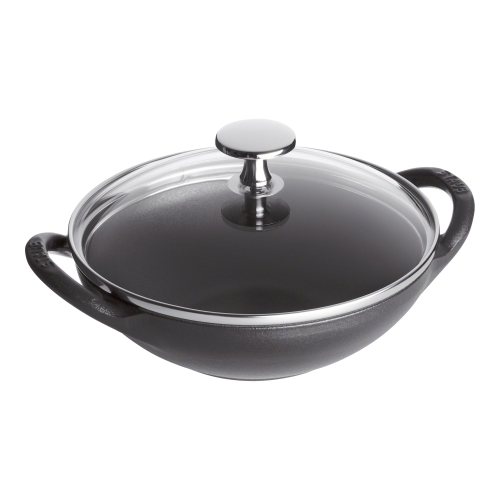
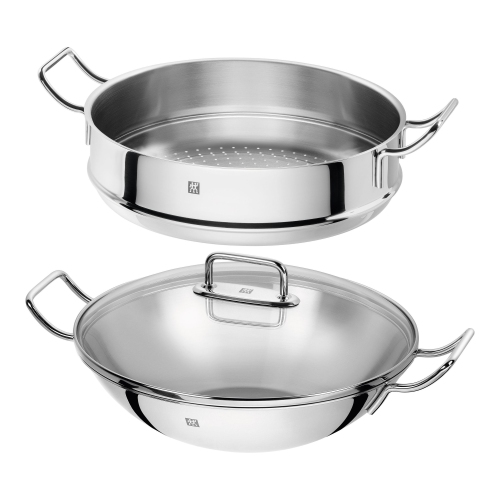
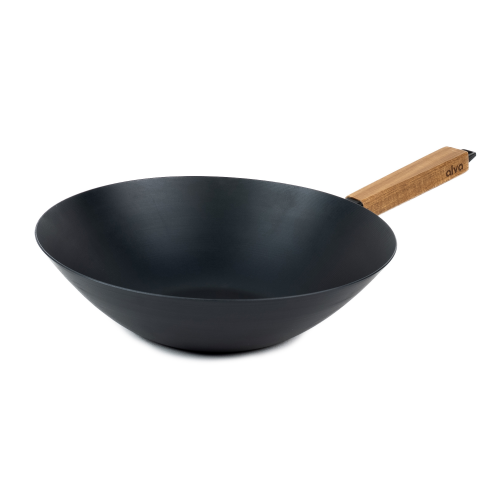
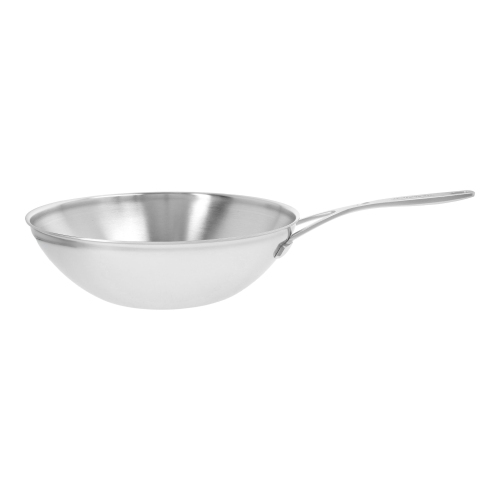
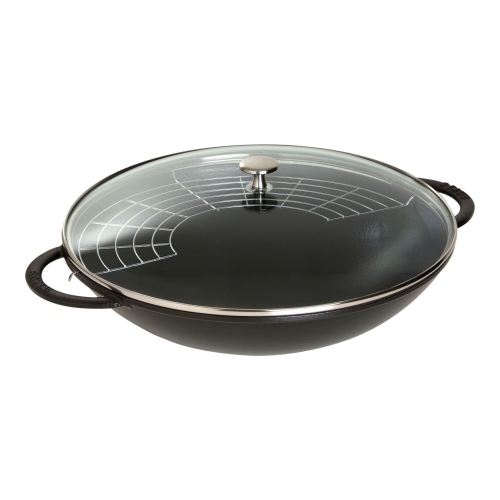
A cast iron wok brings the generous cooking surface and curved profile of a traditional wok together with the substantial heat retention of cast iron. It is designed for cooks who enjoy high-heat meals with deeply browned edges, crisp vegetables, and rich, concentrated flavour. Once heated, the heavy iron holds its temperature steadily, which can be especially helpful when adding several ingredients at once. Chicken, beef, tofu, mushrooms, peppers, snow peas, noodles, and rice can all be cooked in the roomy centre and along the sloped sides, giving you space to sear, stir, simmer, and keep finished ingredients warm. Cast iron woks are also well suited to deep-frying, shallow-frying, braising, and one-pan meals that move from the stovetop to the table. Their weight makes them less suited to the quick tossing motion often associated with restaurant-style stir-frying, but that same weight gives them a reassuring stability on the burner. Food can be stirred with a wooden, silicone, or heat-resistant utensil while the wok stays firmly in place. The shape is particularly useful for cooking for a family, preparing several portions for lunches, or serving a hearty meal when the weather turns cooler and appetites call for something warm and savoury. Depending on the design, a wok may have a flat base for use on electric, gas, ceramic, or induction cooktops, while some models are intended for specific cooking surfaces. Checking the base and manufacturer’s instructions before buying helps ensure the wok will sit securely and heat properly in your kitchen. A lid can add even more versatility for steaming vegetables, finishing dumplings, simmering sauces, or gently braising meat, while side handles make a large, heavy vessel easier to move when it is empty or only lightly filled.
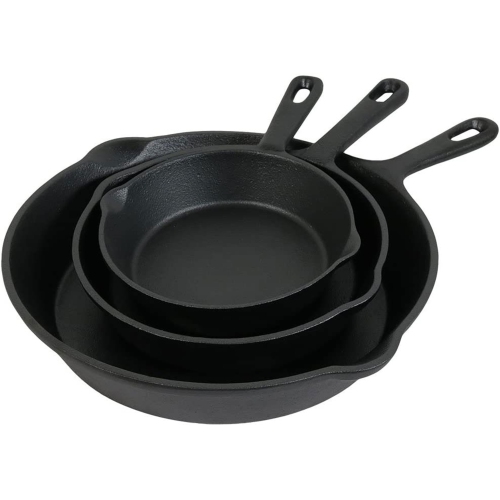
When choosing a cast iron wok, consider the size, shape, handle style, finish, and the kinds of meals you prepare most often. A compact wok can suit a smaller household or a cook with limited storage, while a wider model offers more room for browning ingredients without overcrowding. Overcrowding causes food to release moisture and steam instead of developing the caramelized edges associated with wok cooking, so a larger cooking surface can be helpful when preparing a family-sized stir-fry. Keep in mind that cast iron is considerably heavier than carbon steel, especially after adding oil, vegetables, or a full batch of food. A sturdy handle, helper handle, or two-handled design can make lifting and transferring safer. Pre-seasoned cast iron is ready for initial use after a thorough wash and dry, although its cooking surface will generally improve with regular use and careful maintenance. To build or refresh the seasoning, apply a very thin coating of neutral cooking oil to clean, dry iron, heat the wok until the oil begins to smoke lightly, then wipe away any visible excess and let the cookware cool. Several light applications are more effective than one thick layer, which can become sticky. A well-maintained surface helps food release more easily and adds a dark, durable finish over time. Enameled interiors offer a different cooking experience and typically do not require traditional seasoning, so the finish should be considered alongside your preferred cooking habits. Cast iron also heats more slowly than lighter cookware and responds less quickly when the burner temperature changes. Preheating patiently before adding oil or food can make a noticeable difference, particularly for stir-frying and searing. If you are comparing cookware for similar recipes, Cast Iron Frying Pans may be useful for flatter cooking surfaces and meals that do not need the wok’s sloping sides.
Care is an important part of owning a cast iron wok. After cooking, allow the cookware to cool enough to handle safely, then wash it with hot water and use a stiff brush or suitable scrubber to remove food residue. Avoid leaving cast iron soaking for long periods, as prolonged exposure to water can encourage rust, and avoid harsh cleaners that may strip away a carefully developed finish. A small amount of mild dish soap can be used when needed, particularly after cooking sticky sauces or oily foods, provided the wok is rinsed and dried thoroughly. Place the clean wok over low heat for a few minutes to evaporate remaining moisture, then wipe the interior with a very light coating of cooking oil before storing it in a dry cupboard. If rust appears, it can usually be scrubbed away before the surface is washed, dried, and reseasoned. These straightforward habits make a cast iron wok a dependable addition to a busy kitchen, whether it is used for quick vegetable stir-fries, weekend fried rice, slow-cooked curries, crispy wings, or a bubbling meal shared straight from the cookware. It can also be a thoughtful gift for someone setting up a first kitchen, exploring Asian-inspired home cooking, hosting family dinners, or building a collection of durable cookware. Because it supports so many cooking methods, a cast iron wok can move comfortably from everyday meals to relaxed gatherings during the cooler months, bringing the aromas of toasted garlic, ginger, sesame, and sizzling vegetables into the kitchen.
When choosing a cast iron wok, consider the size, shape, handle style, finish, and the kinds of meals you prepare most often. A compact wok can suit a smaller household or a cook with limited storage, while a wider model offers more room for browning ingredients without overcrowding. Overcrowding causes food to release moisture and steam instead of developing the caramelized edges associated with wok cooking, so a larger cooking surface can be helpful when preparing a family-sized stir-fry. Keep in mind that cast iron is considerably heavier than carbon steel, especially after adding oil, vegetables, or a full batch of food. A sturdy handle, helper handle, or two-handled design can make lifting and transferring safer. Pre-seasoned cast iron is ready for initial use after a thorough wash and dry, although its cooking surface will generally improve with regular use and careful maintenance. To build or refresh the seasoning, apply a very thin coating of neutral cooking oil to clean, dry iron, heat the wok until the oil begins to smoke lightly, then wipe away any visible excess and let the cookware cool. Several light applications are more effective than one thick layer, which can become sticky. A well-maintained surface helps food release more easily and adds a dark, durable finish over time. Enameled interiors offer a different cooking experience and typically do not require traditional seasoning, so the finish should be considered alongside your preferred cooking habits. Cast iron also heats more slowly than lighter cookware and responds less quickly when the burner temperature changes. Preheating patiently before adding oil or food can make a noticeable difference, particularly for stir-frying and searing. If you are comparing cookware for similar recipes, Cast Iron Frying Pans may be useful for flatter cooking surfaces and meals that do not need the wok’s sloping sides.
Care is an important part of owning a cast iron wok. After cooking, allow the cookware to cool enough to handle safely, then wash it with hot water and use a stiff brush or suitable scrubber to remove food residue. Avoid leaving cast iron soaking for long periods, as prolonged exposure to water can encourage rust, and avoid harsh cleaners that may strip away a carefully developed finish. A small amount of mild dish soap can be used when needed, particularly after cooking sticky sauces or oily foods, provided the wok is rinsed and dried thoroughly. Place the clean wok over low heat for a few minutes to evaporate remaining moisture, then wipe the interior with a very light coating of cooking oil before storing it in a dry cupboard. If rust appears, it can usually be scrubbed away before the surface is washed, dried, and reseasoned. These straightforward habits make a cast iron wok a dependable addition to a busy kitchen, whether it is used for quick vegetable stir-fries, weekend fried rice, slow-cooked curries, crispy wings, or a bubbling meal shared straight from the cookware. It can also be a thoughtful gift for someone setting up a first kitchen, exploring Asian-inspired home cooking, hosting family dinners, or building a collection of durable cookware. Because it supports so many cooking methods, a cast iron wok can move comfortably from everyday meals to relaxed gatherings during the cooler months, bringing the aromas of toasted garlic, ginger, sesame, and sizzling vegetables into the kitchen.
Top selling and popular products
-
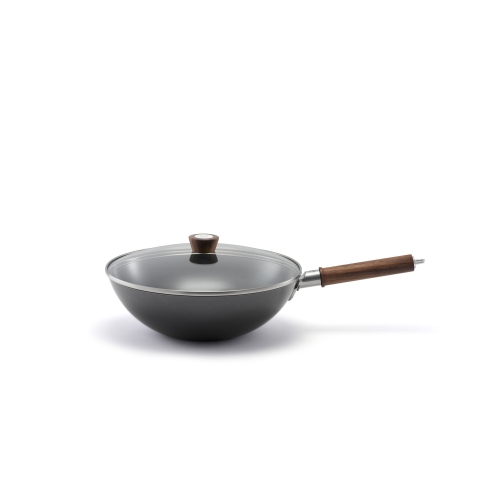 Your price for this item is $229.99
 -
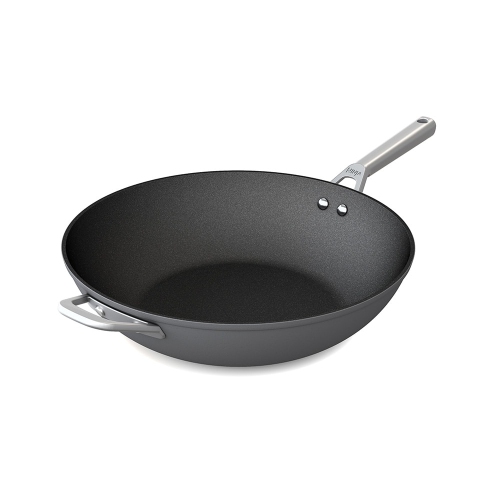 Your price for this item is $304.25
 -
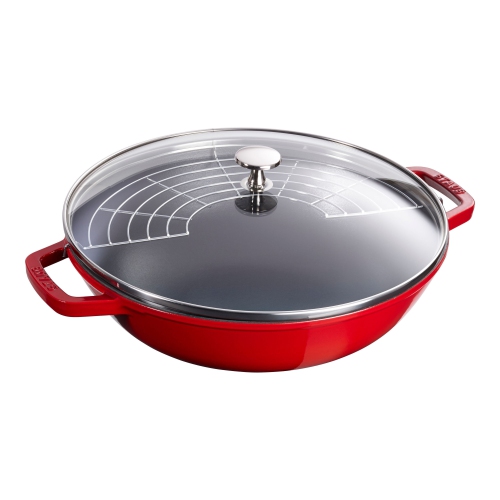 Your price for this item is $349.99
 -
 Your price for this item is $129.99
 -
 Your price for this item is $229.99
 -
 Your price for this item is $189
 -
 Your price for this item is $289.99
 -
 Your price for this item is $399.99
Discover more categories related to Cast Iron Wok
Top Collections:
Pokemon Centers, Kindle Devices, Best Budget Office Chairs, Canon G7X Cameras, Apple iPhones 16, Samsung Galaxy Phones, Refurbished Apple Laptops, Laptops for Students, iPhone 15 Apple, Budget Smartphones
Some products may be subject to Environmental Handling Fees
(EHF) depending on your province.
Learn more about EHFs.