Anti Slip Rugs
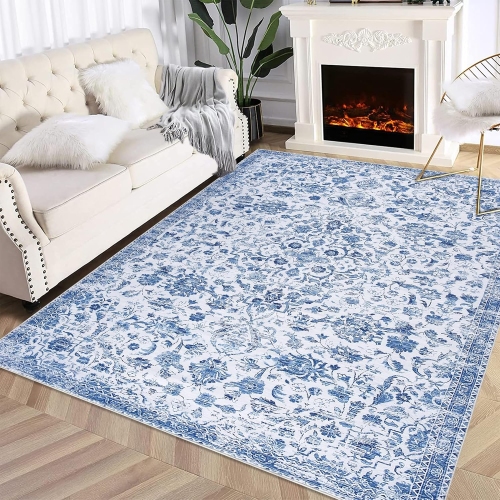
Create a safer and more secure environment in your home with our selection of anti-slip rugs. Perfect for high-traffic areas or homes with children and pets, these rugs provide stability and prevent slips and falls. Say goodbye to constantly adjusting your rug thanks to the anti-slip technology that keeps them securely in place. With various sizes, styles, and colors available, you can find the perfect anti-slip rug to complement your decor while adding an extra layer of safety to your space.
Sort
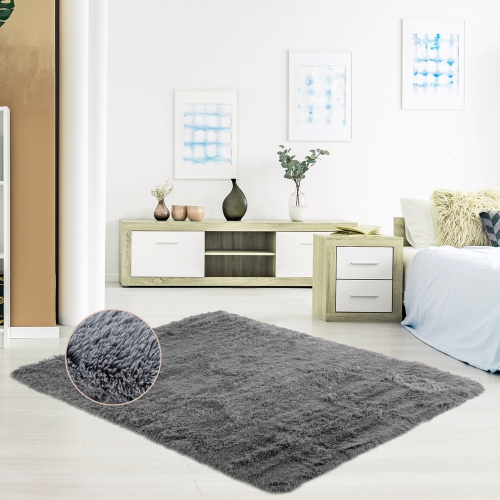
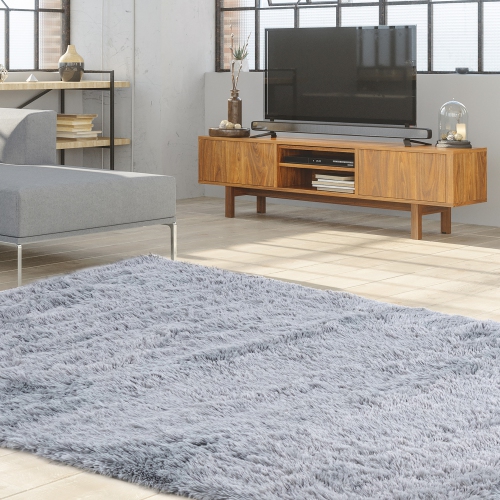
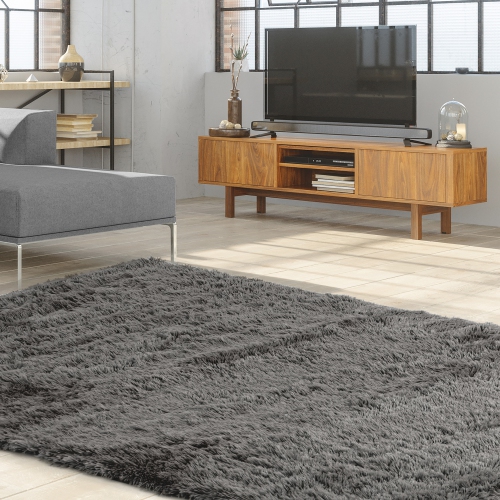


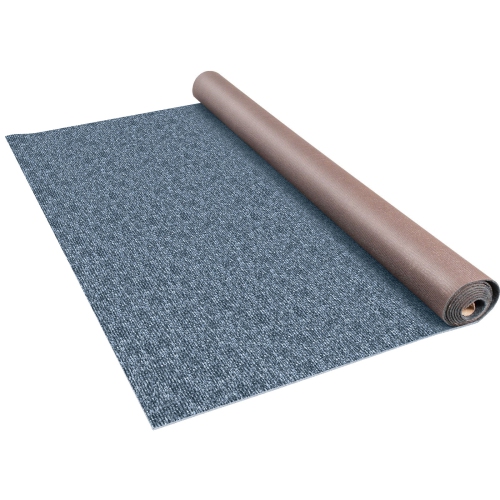
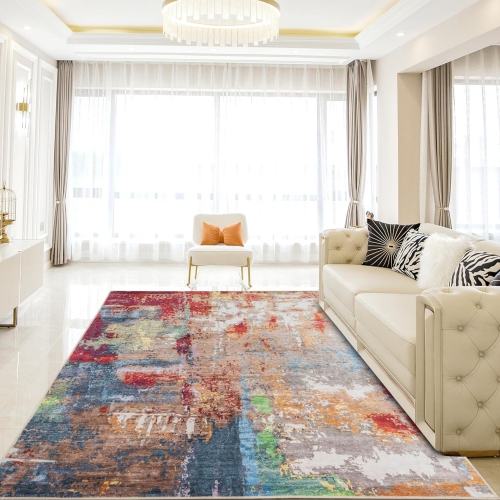
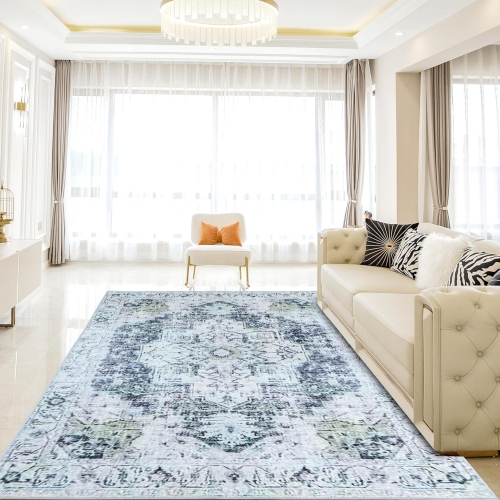
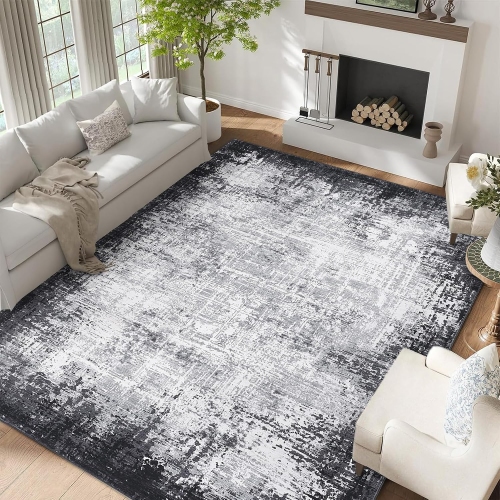


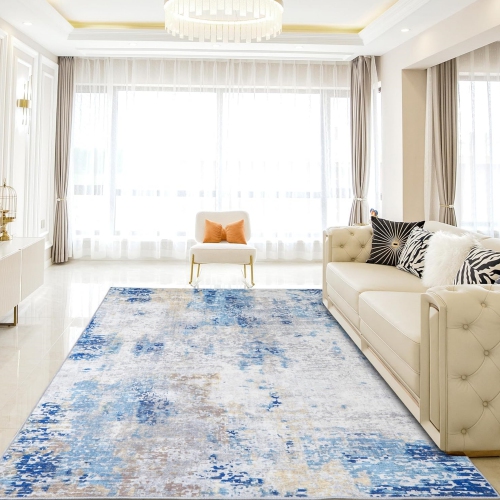
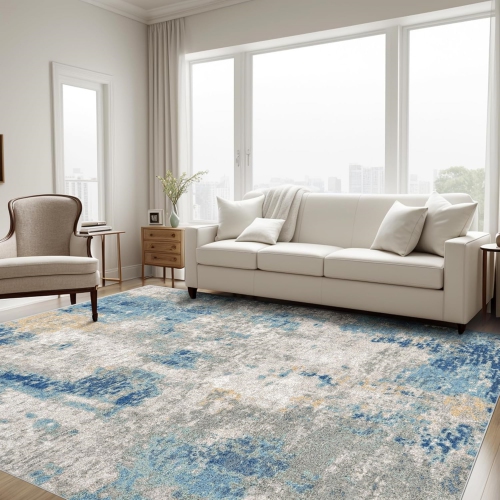

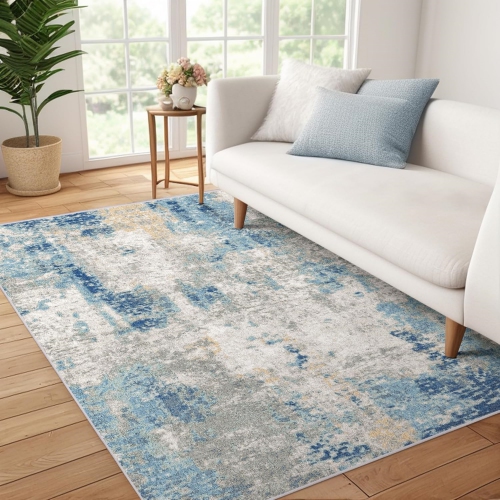
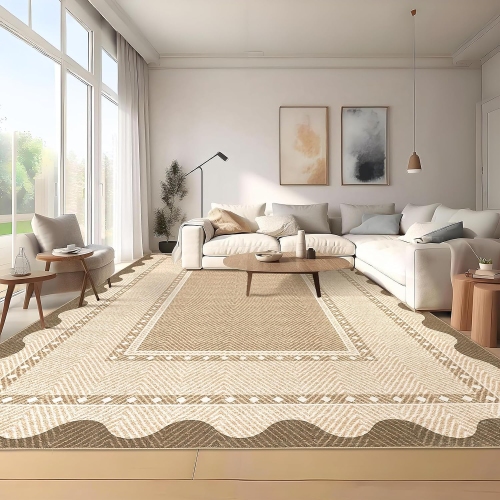

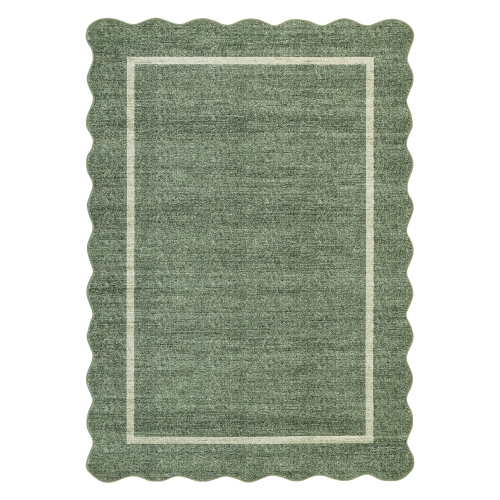


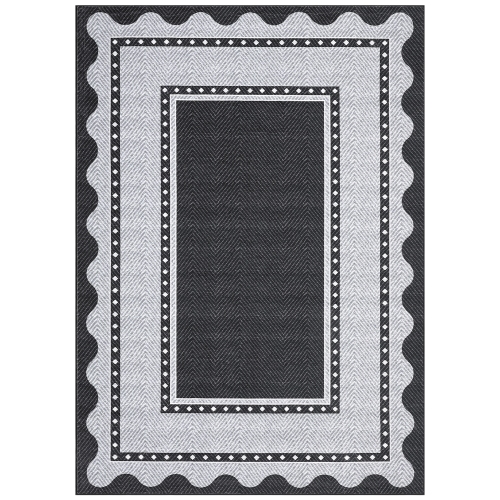
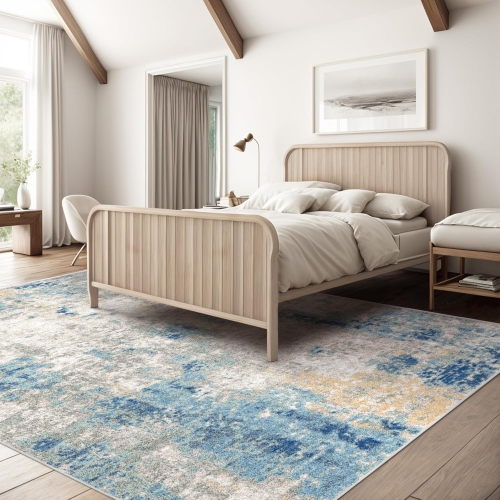
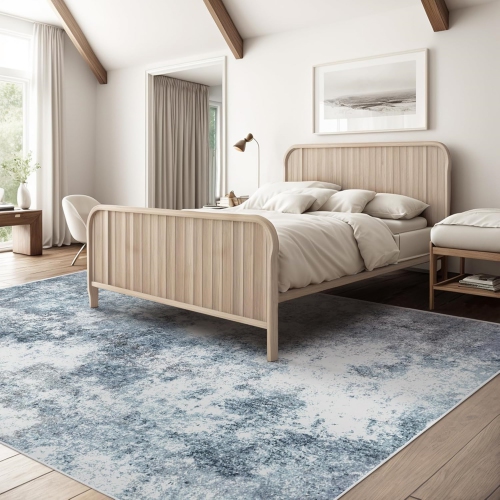

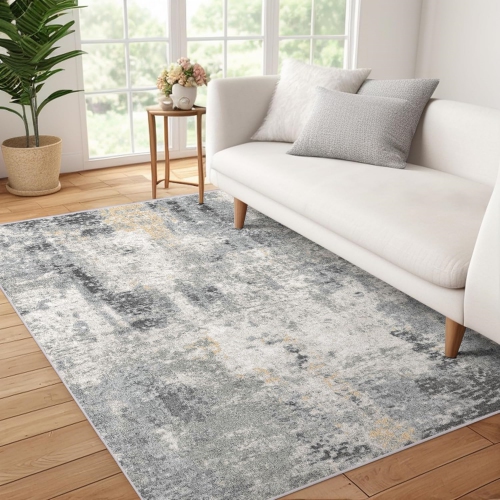
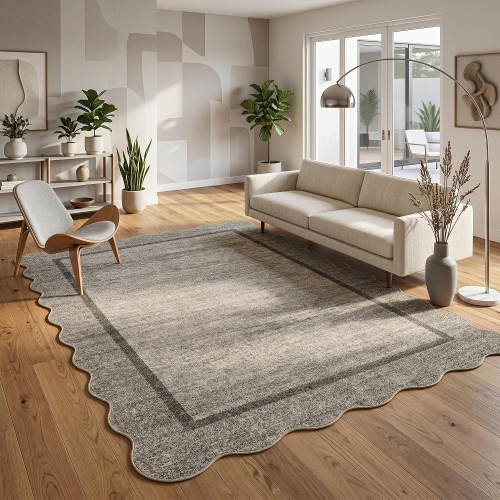
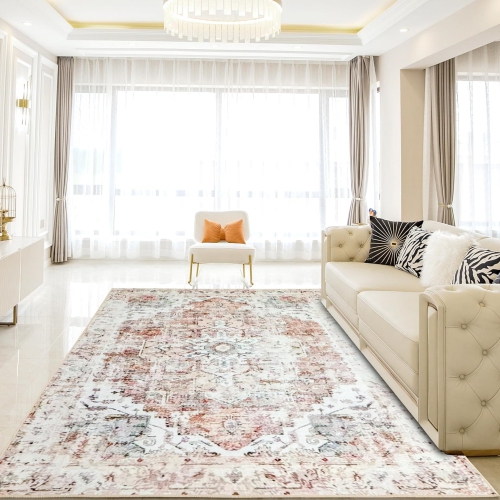

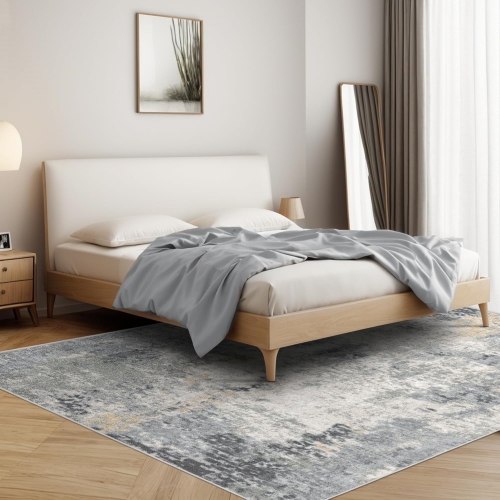
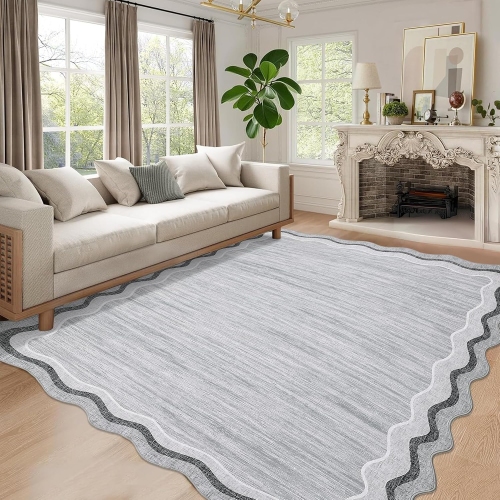
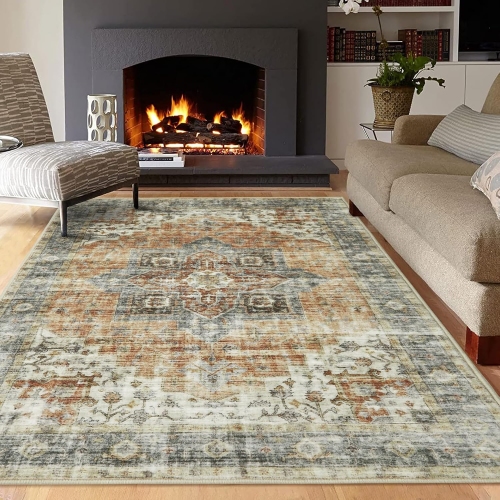
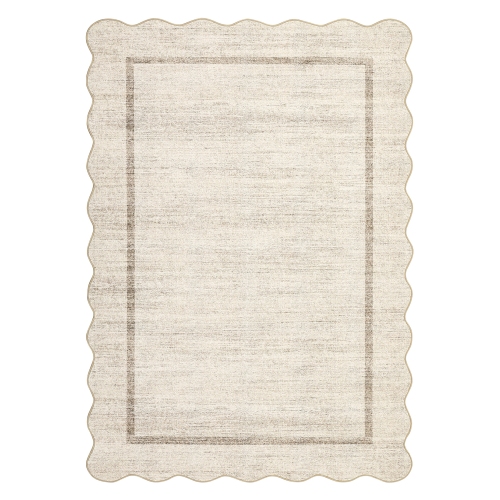
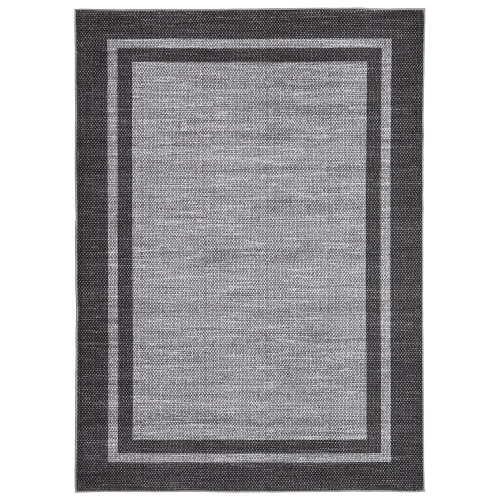
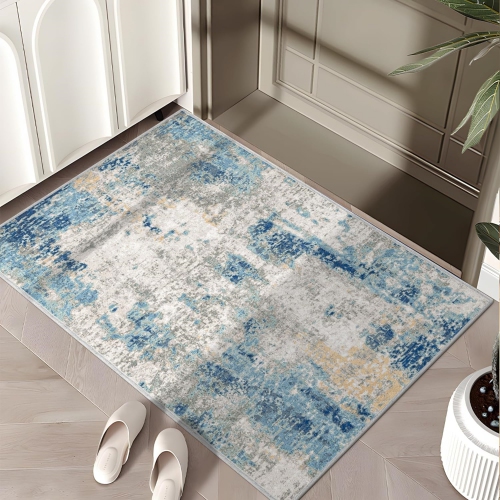
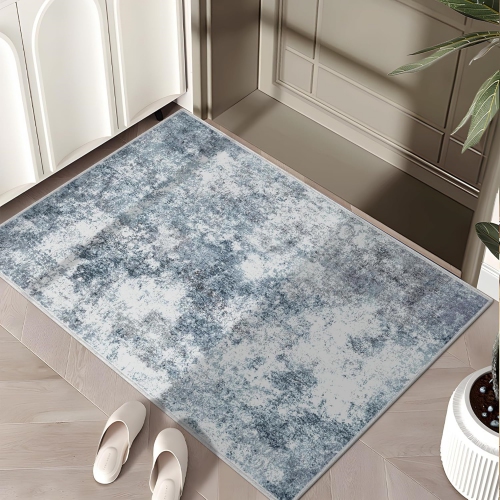
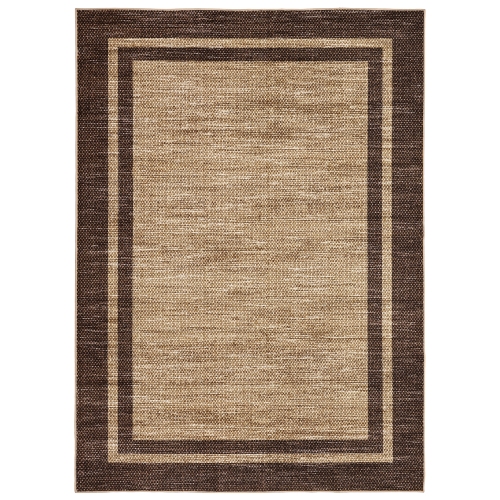
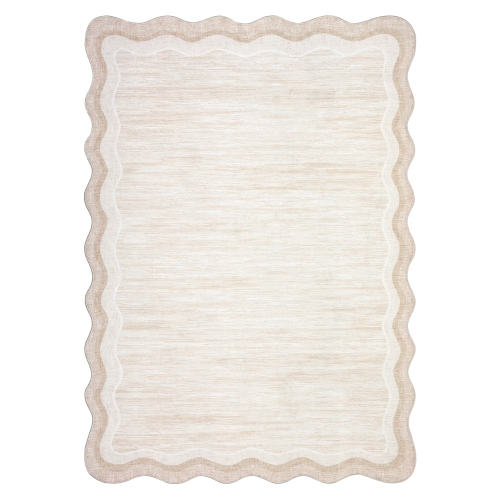
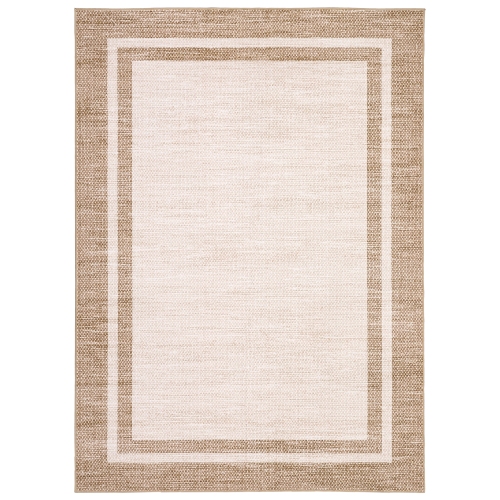
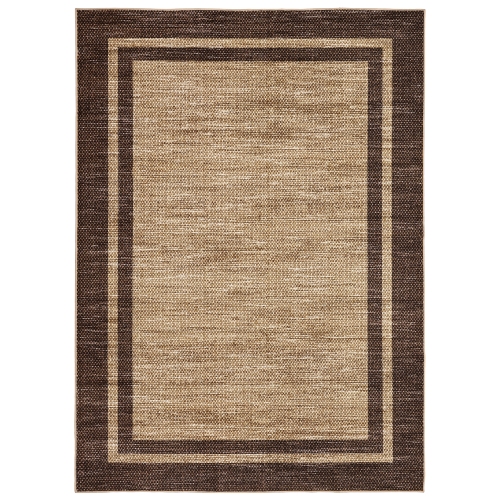
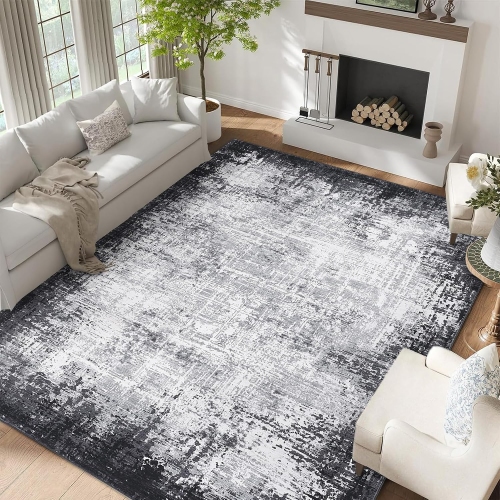
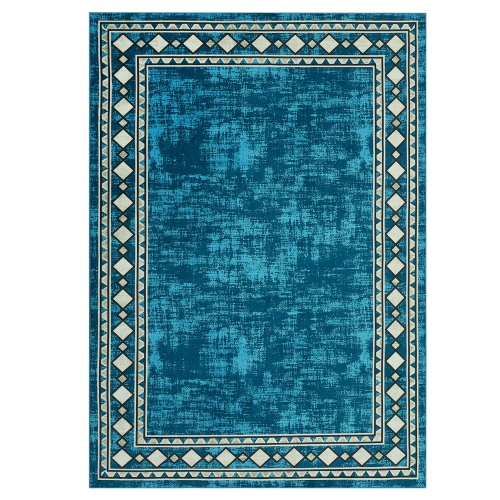
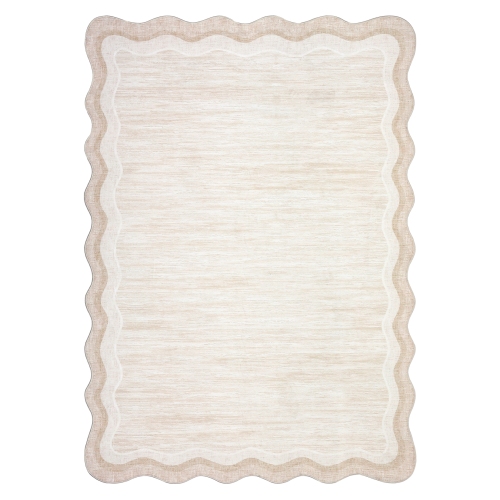
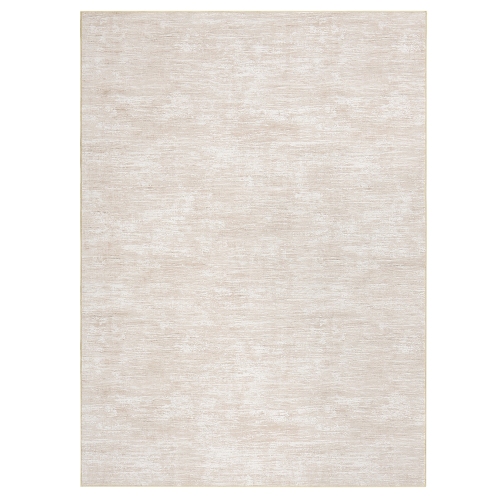
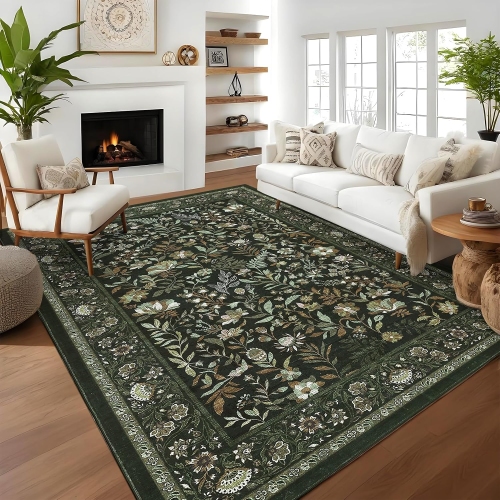
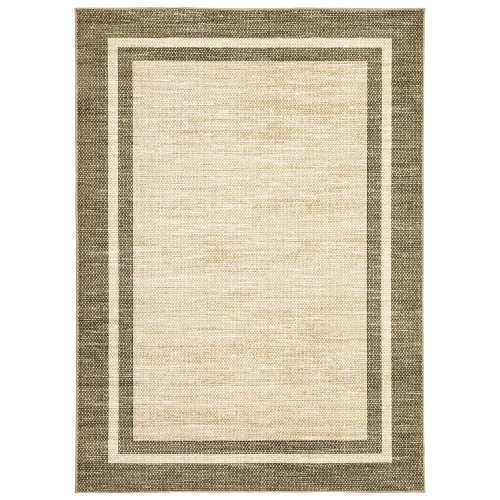
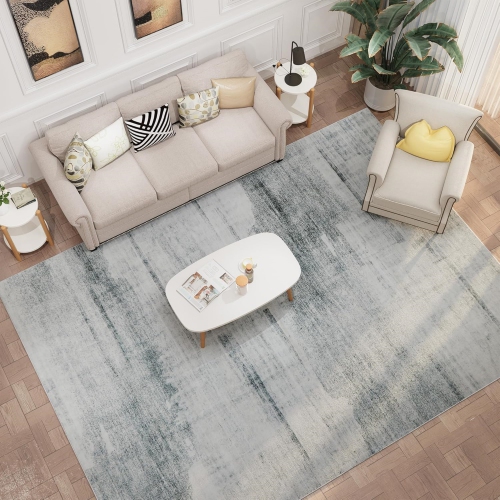

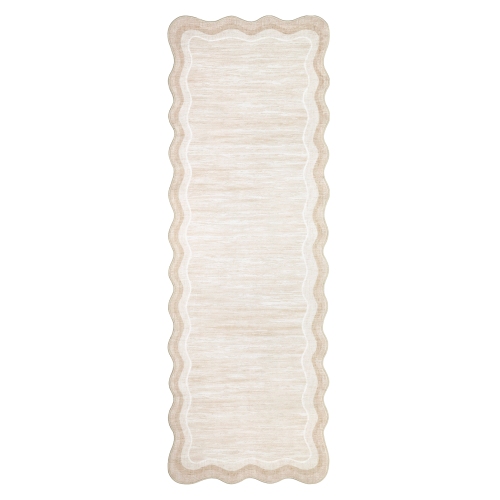
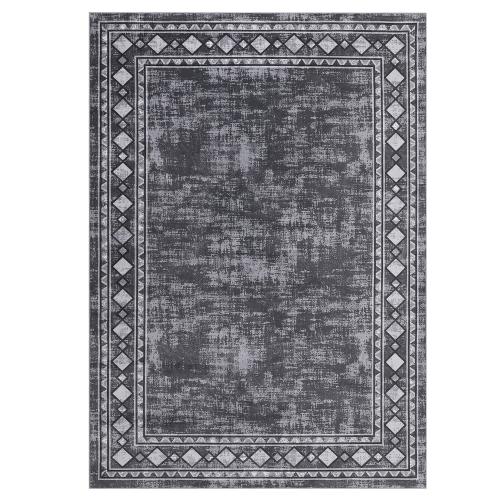
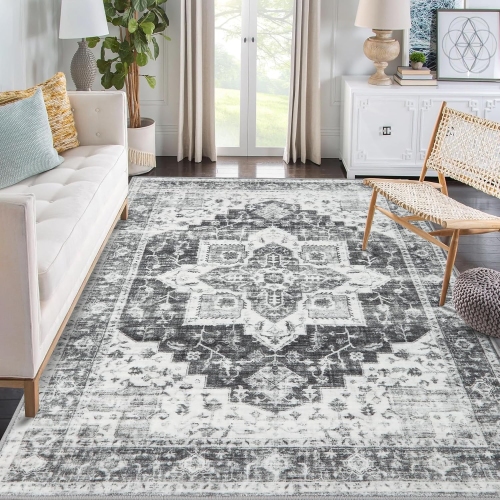
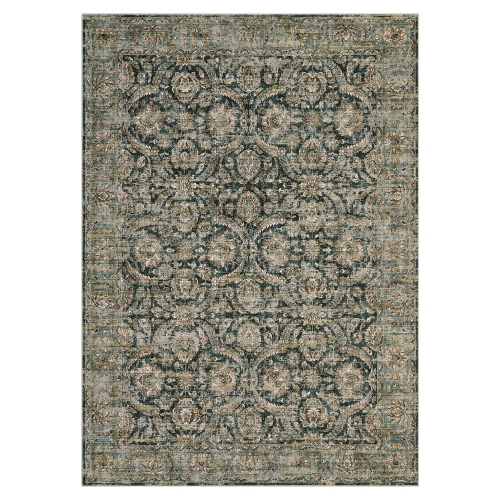
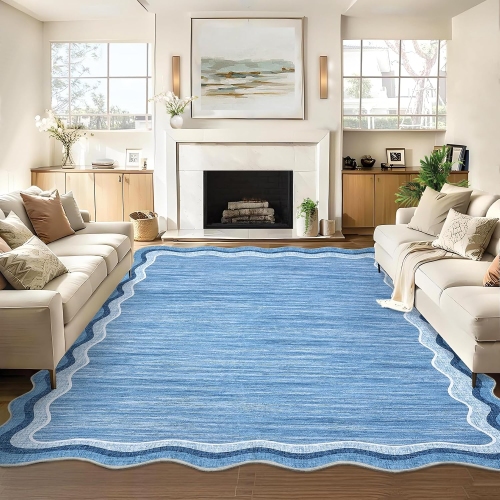
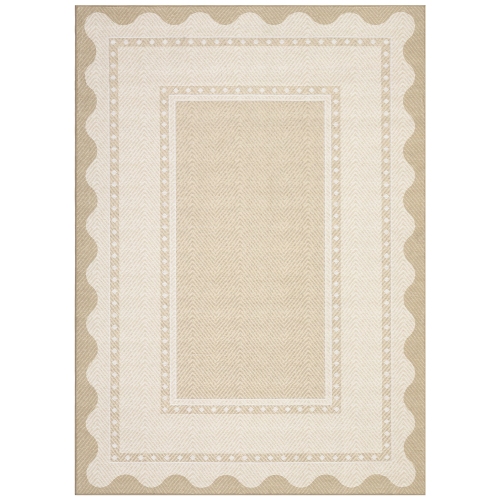
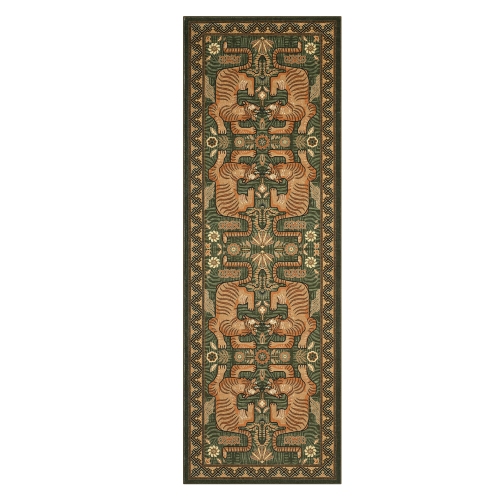
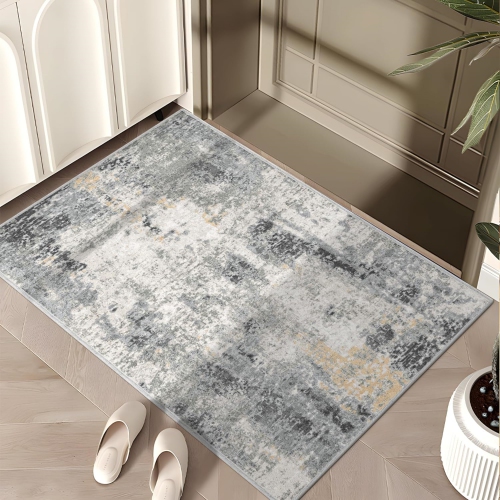
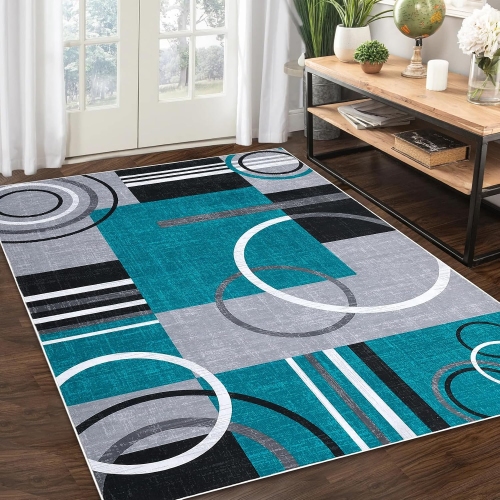
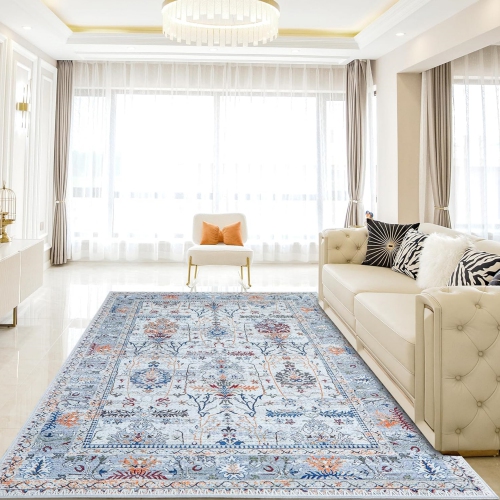
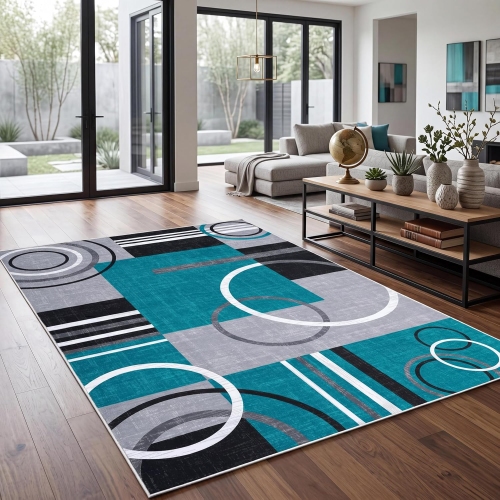
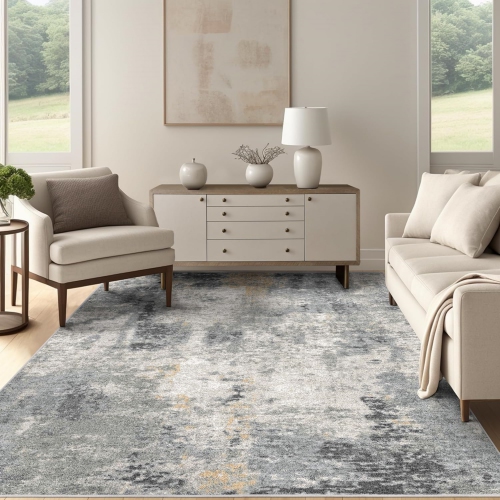
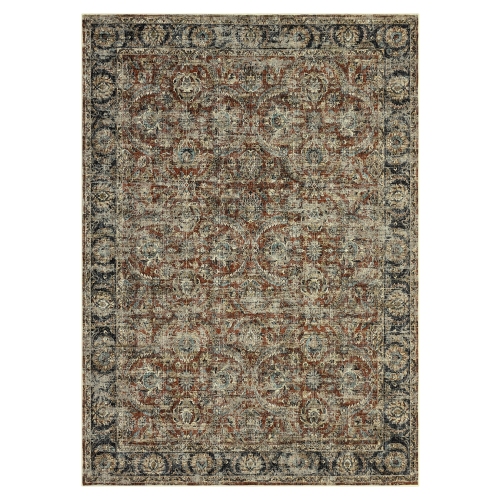
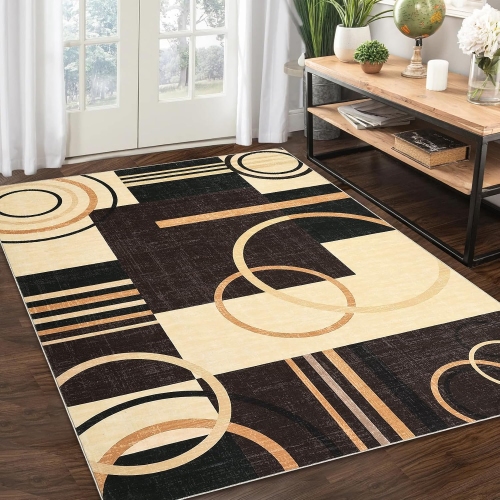
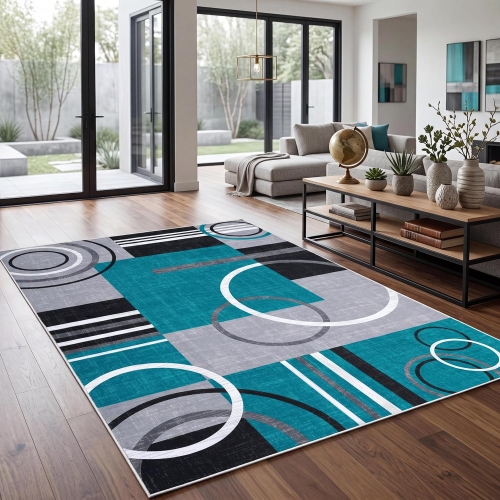
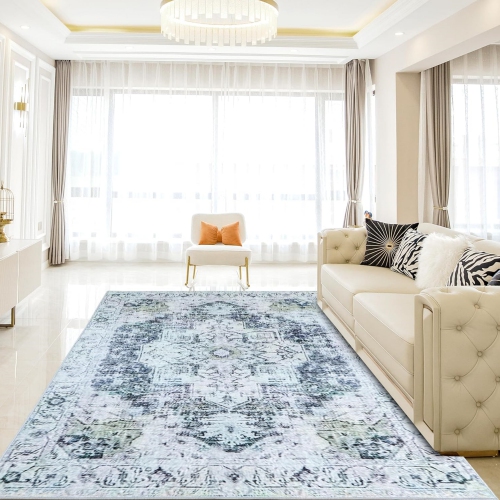
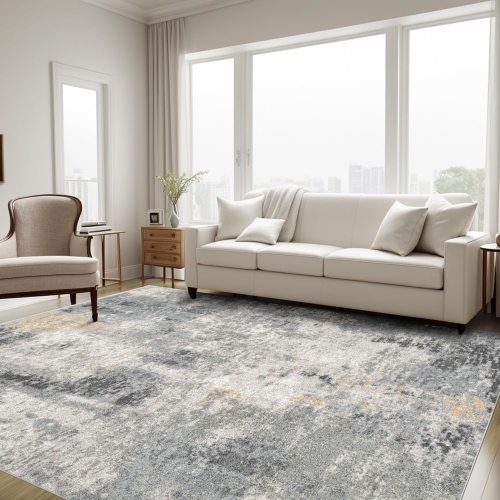
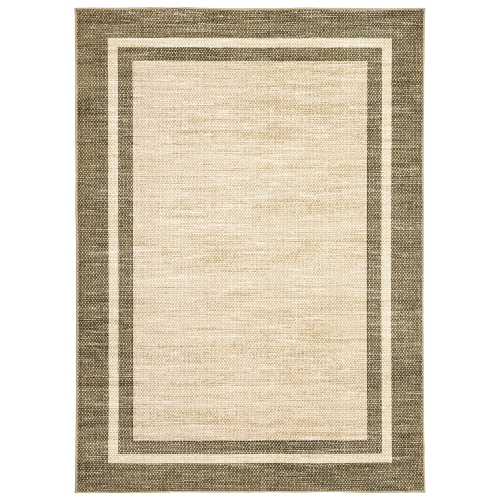
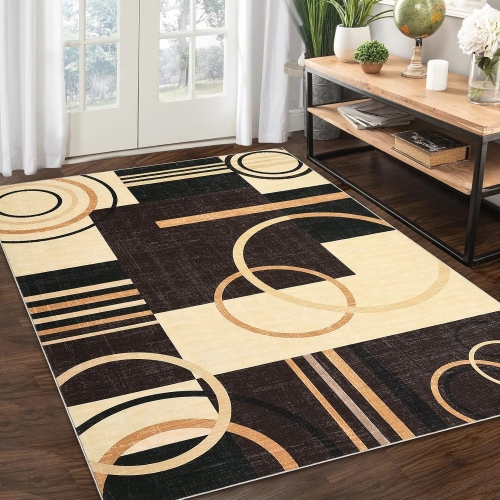
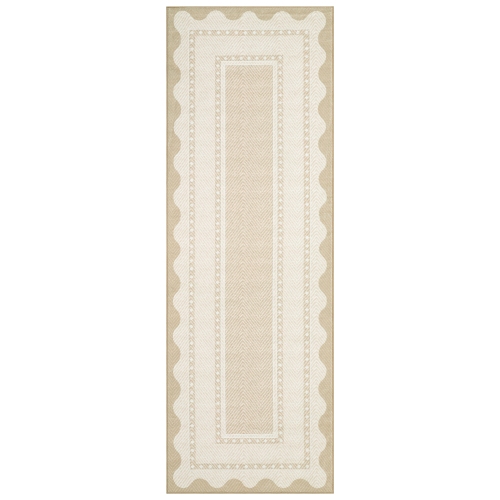
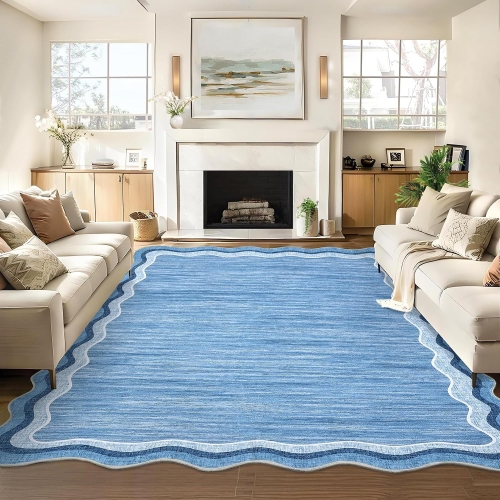
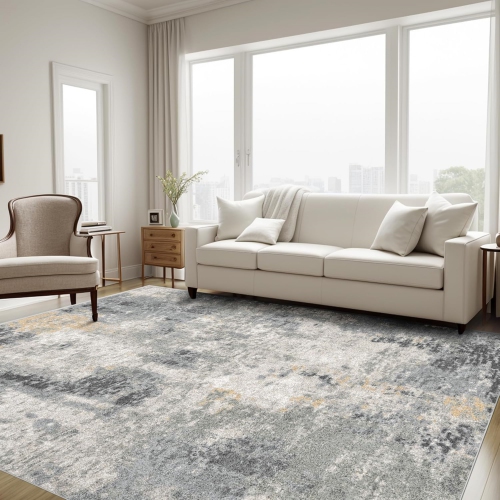
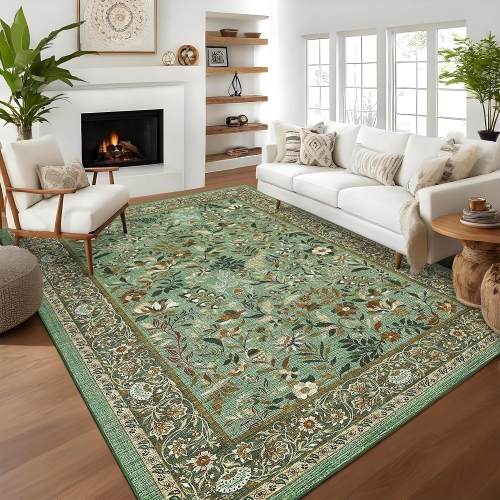
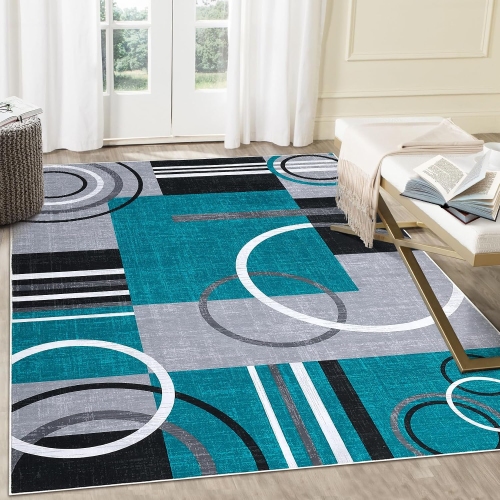
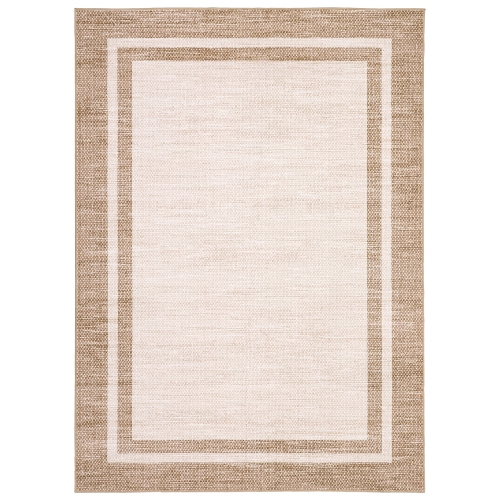
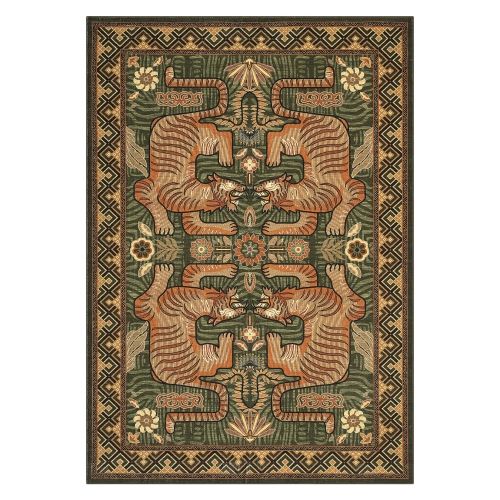
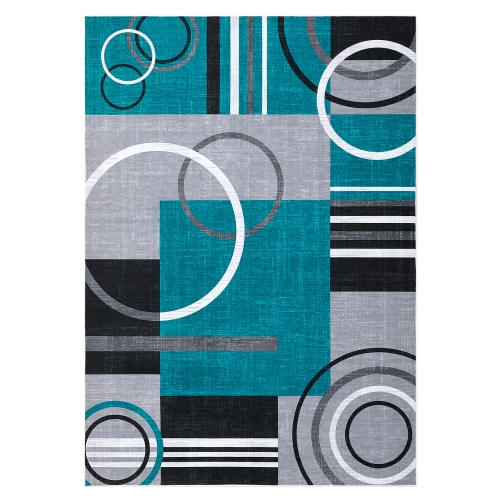
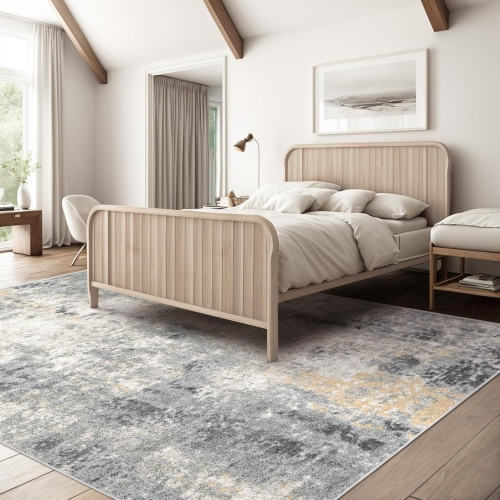
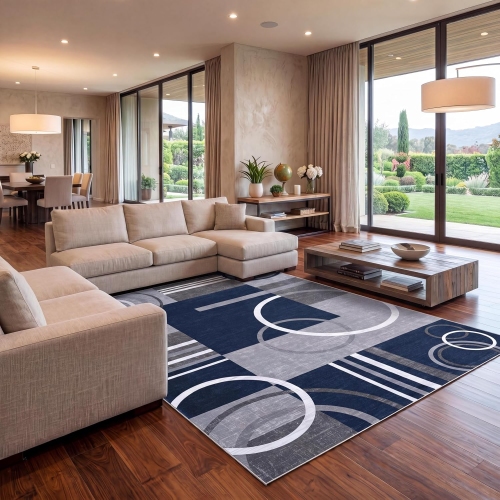
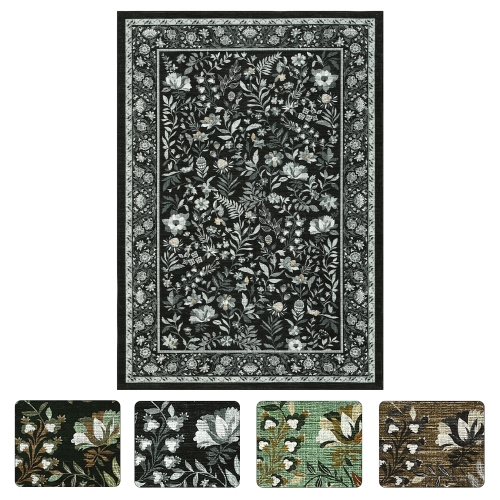
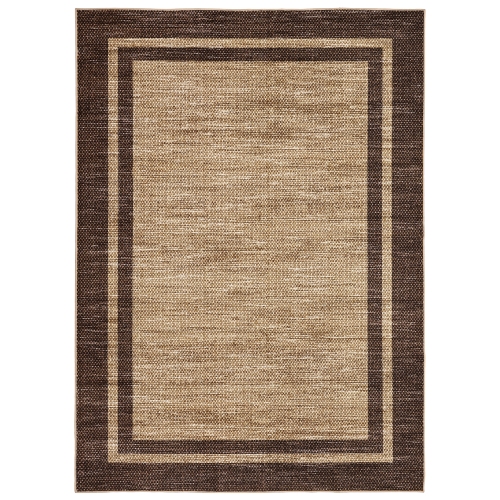
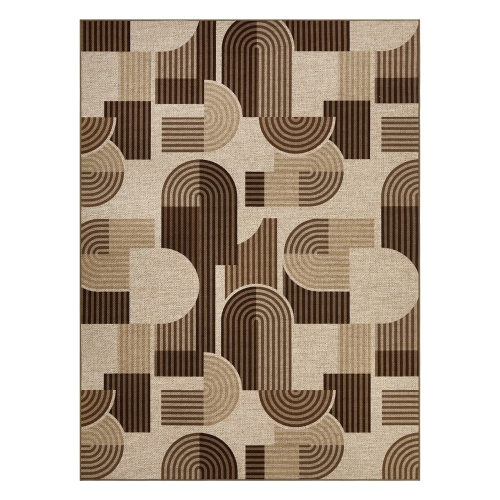
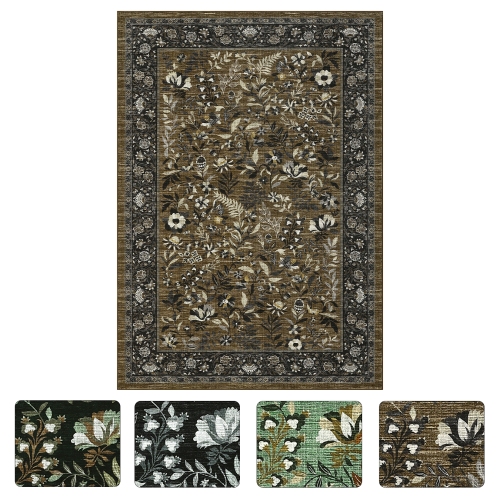
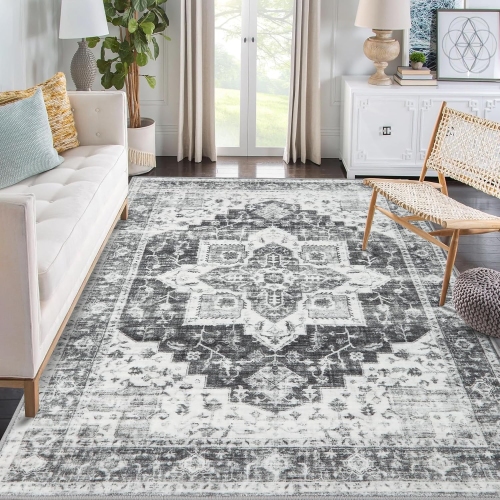
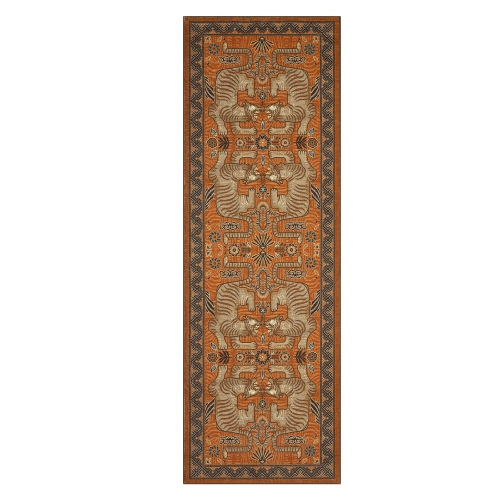
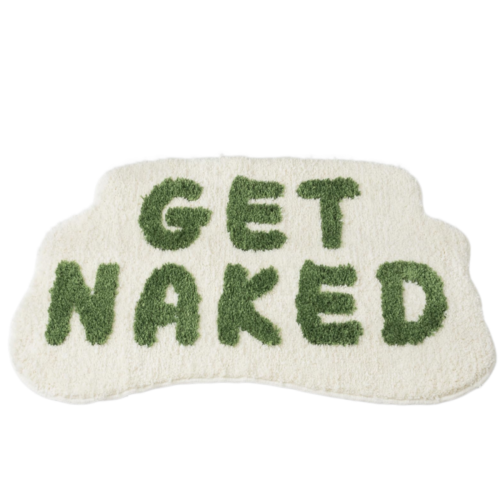
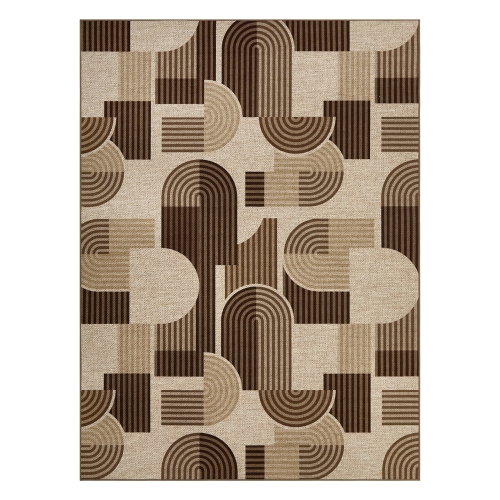
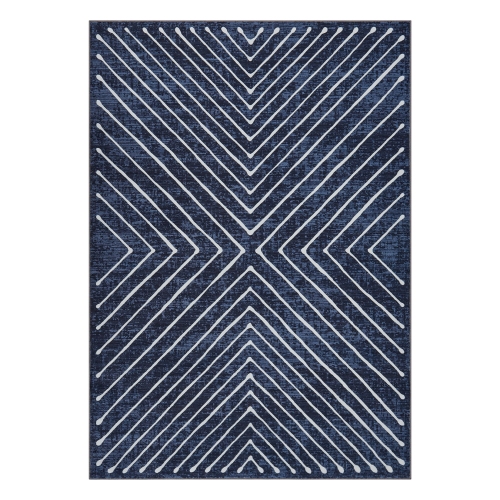
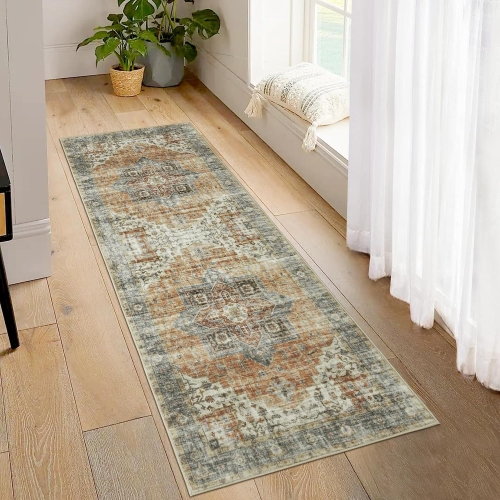
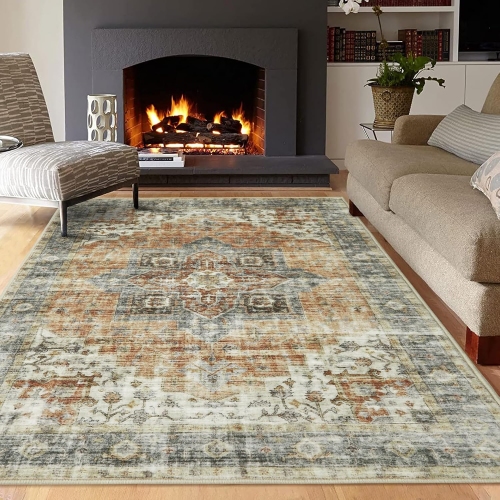
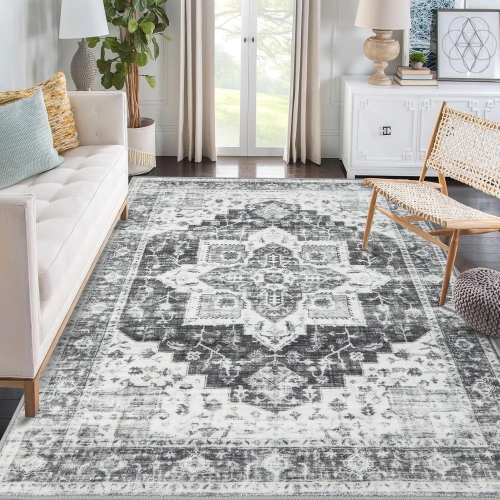
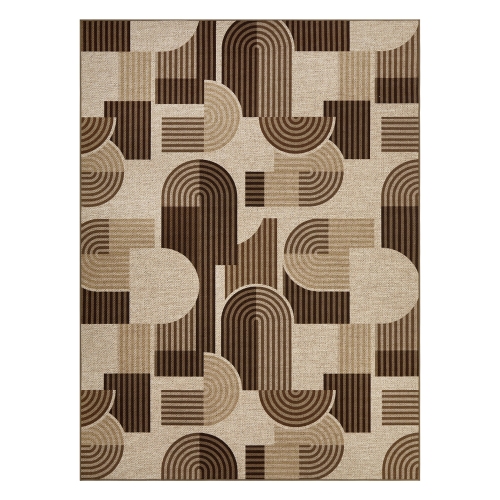
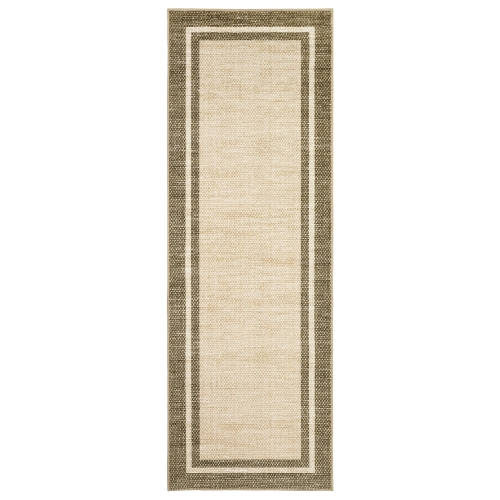
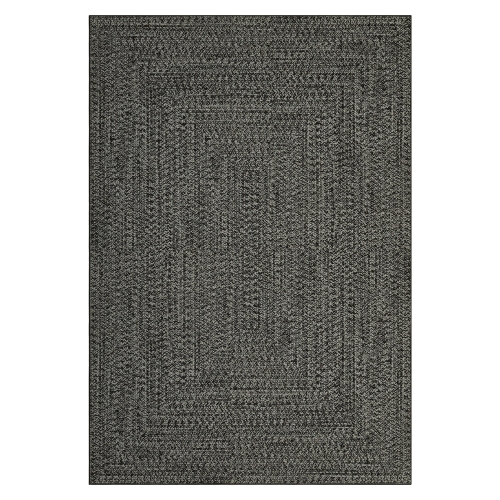
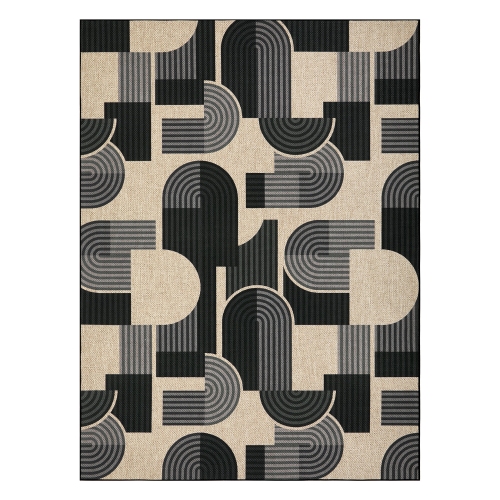
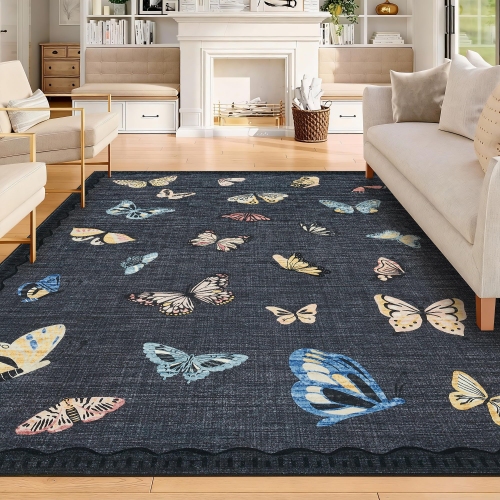

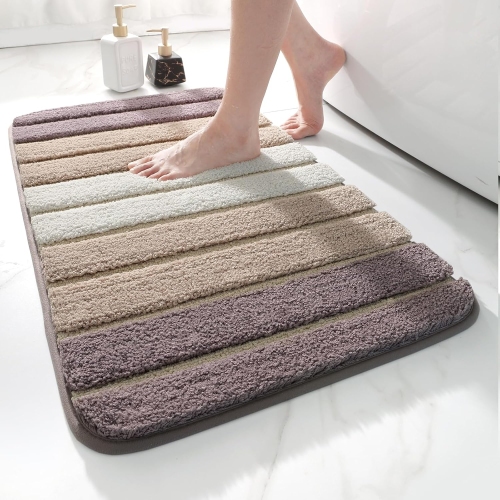
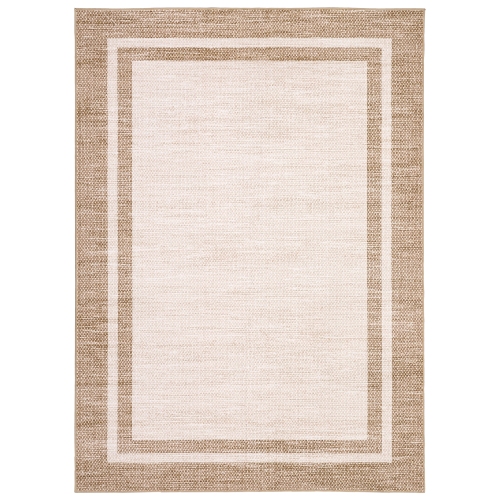
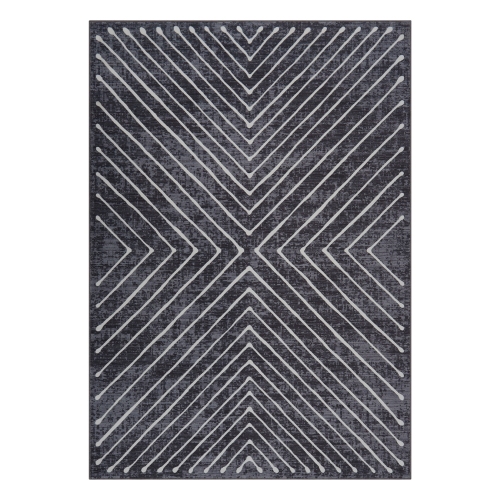
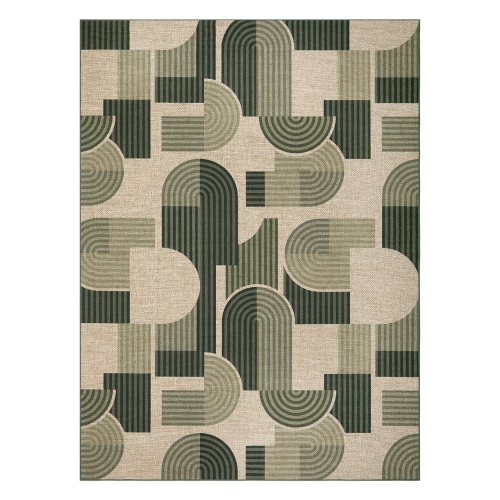
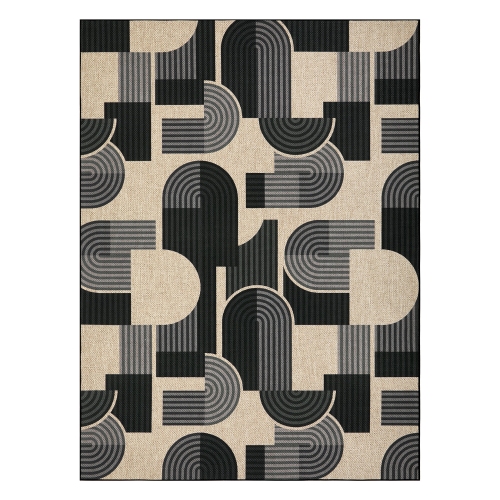
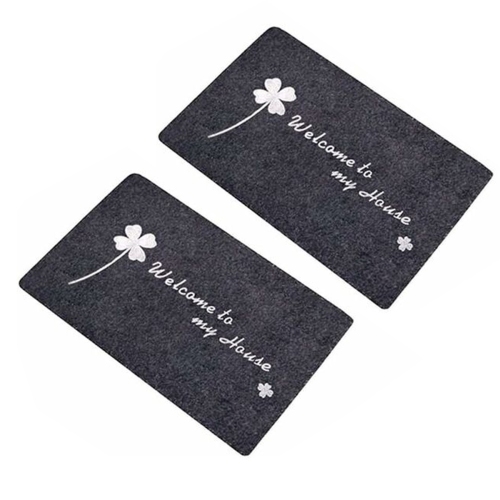
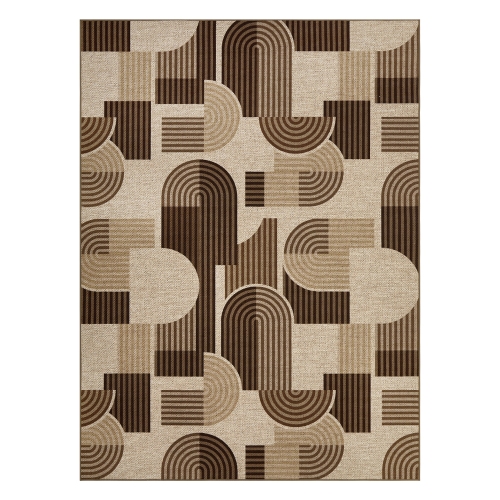


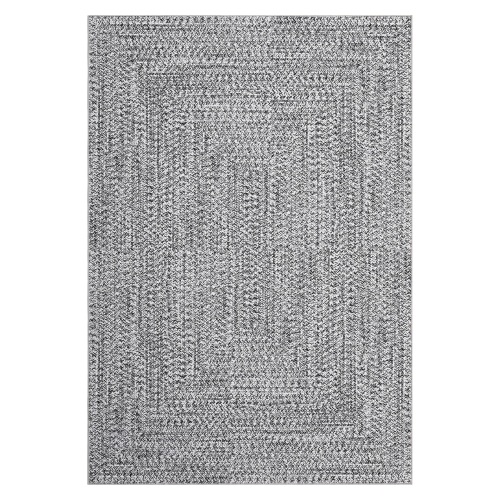
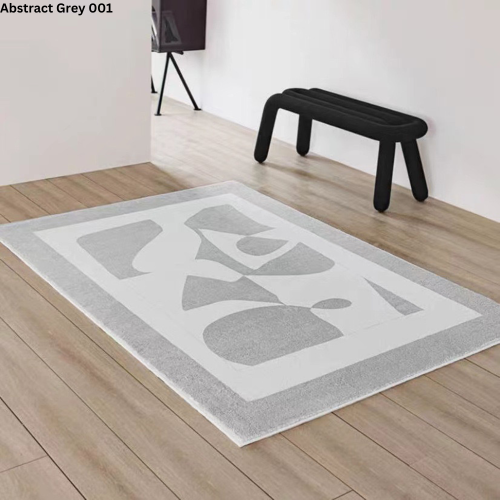
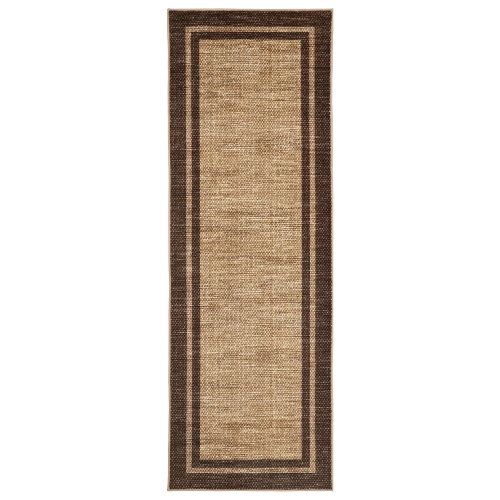
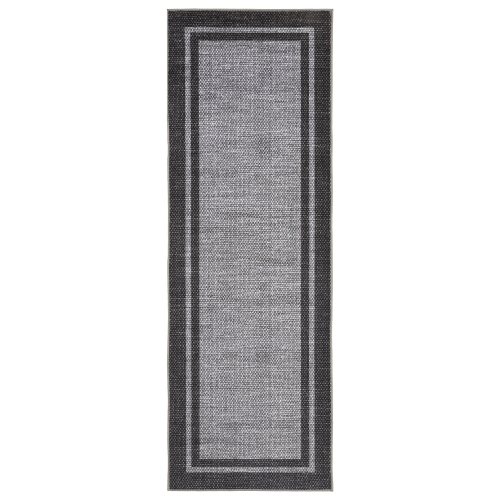
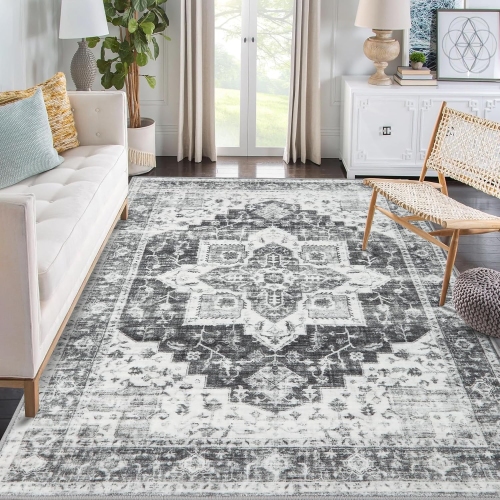
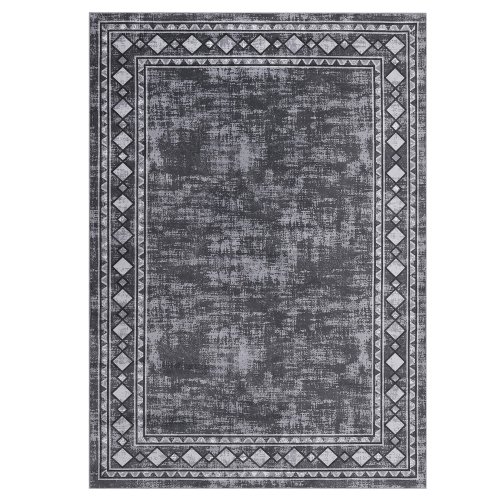
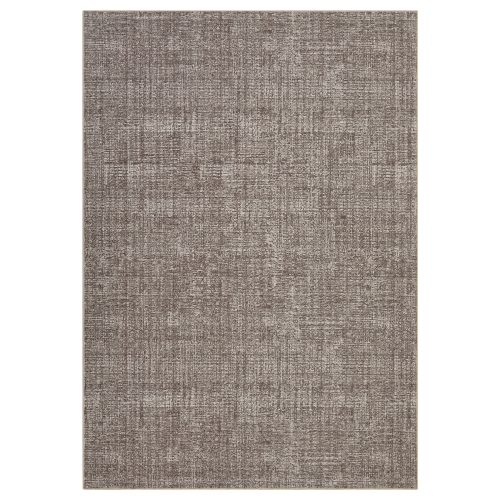
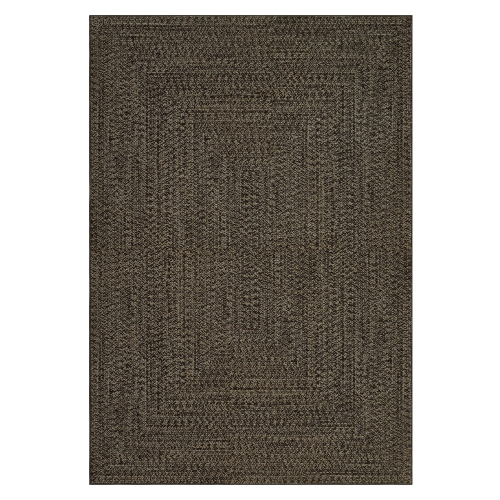
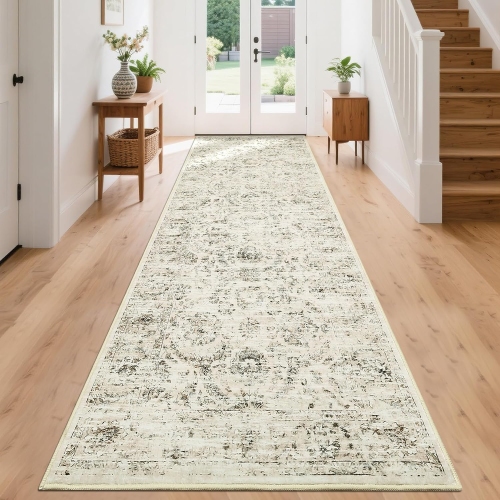
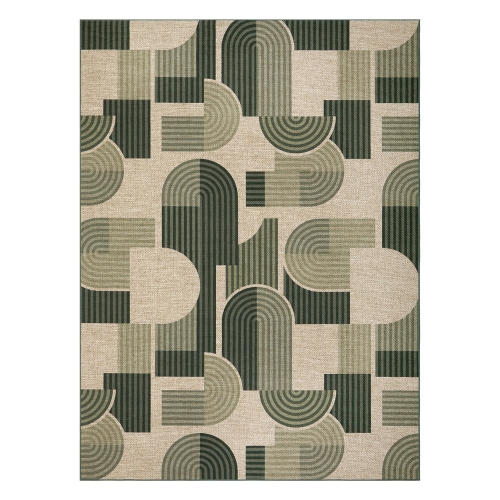
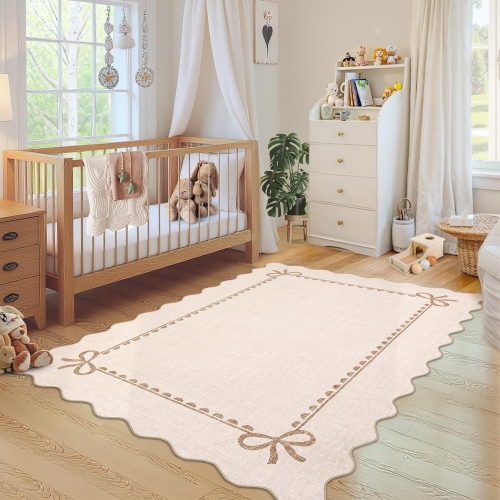
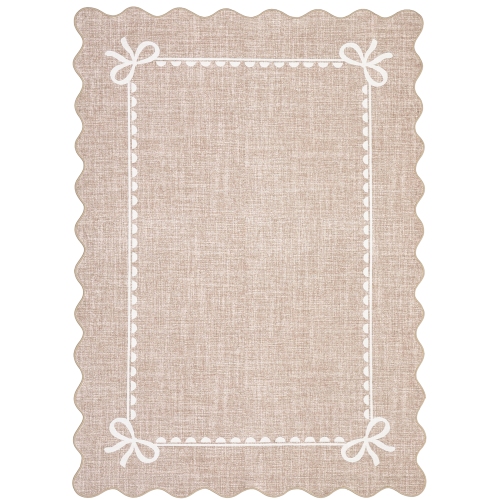
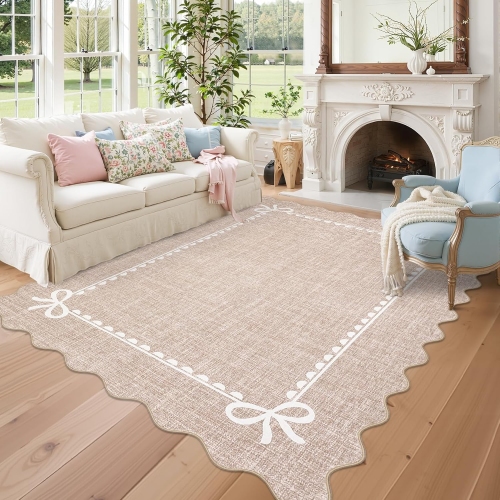
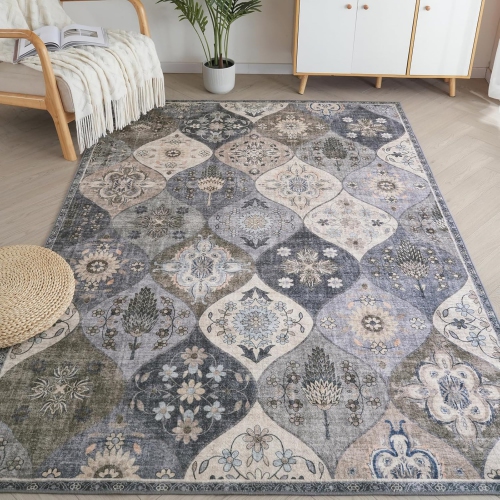
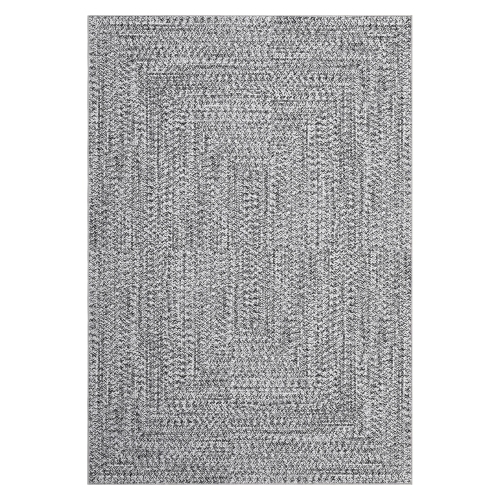
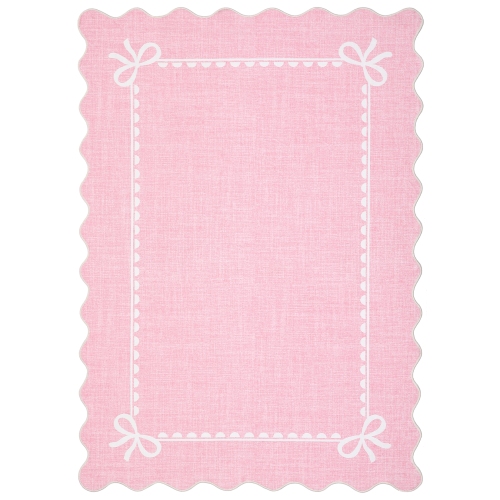
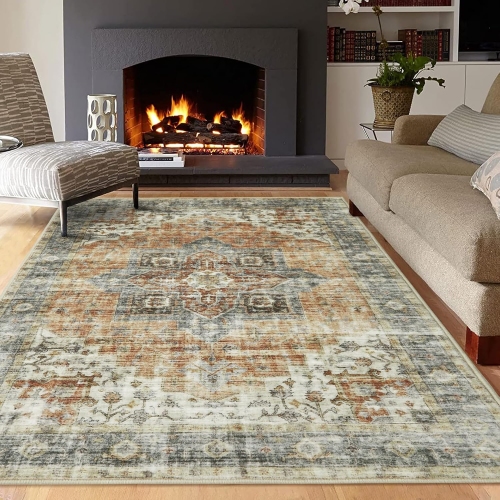
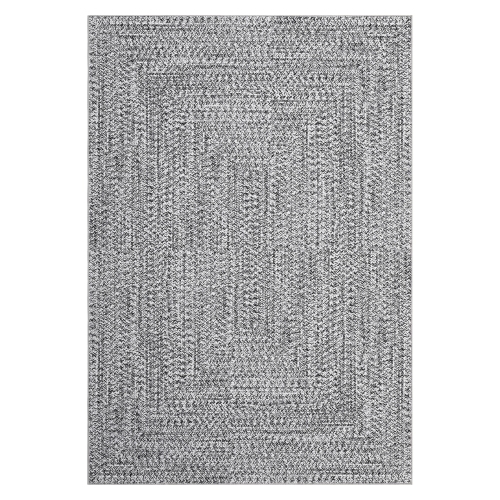
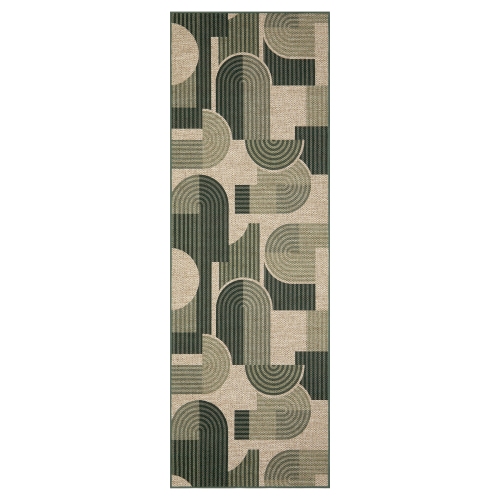
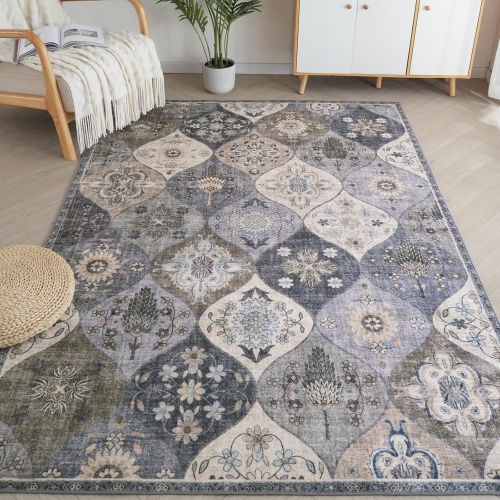
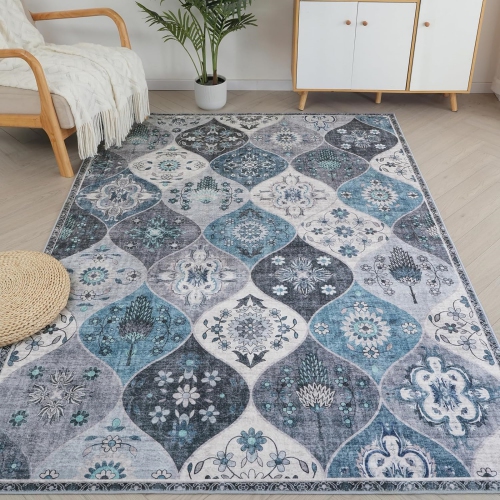
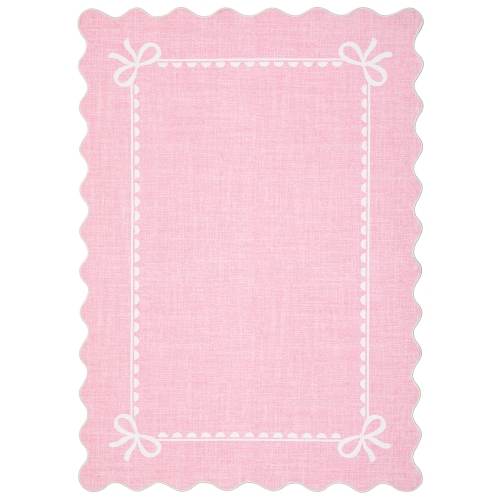
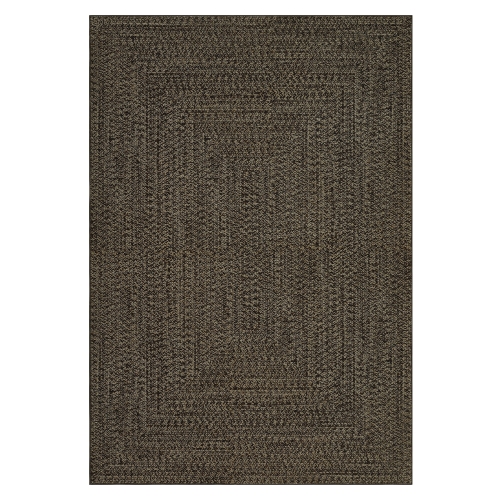
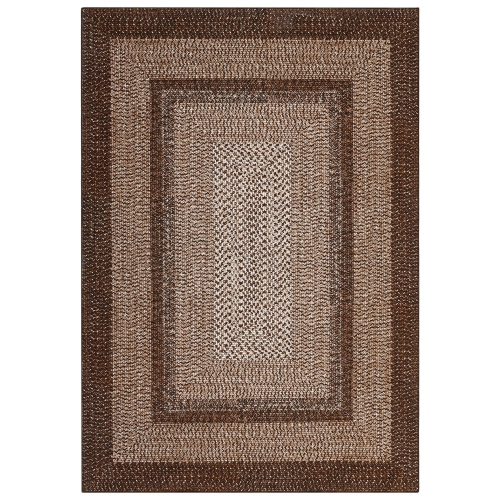
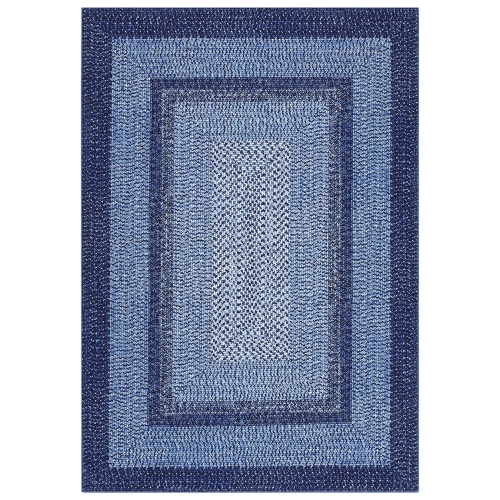
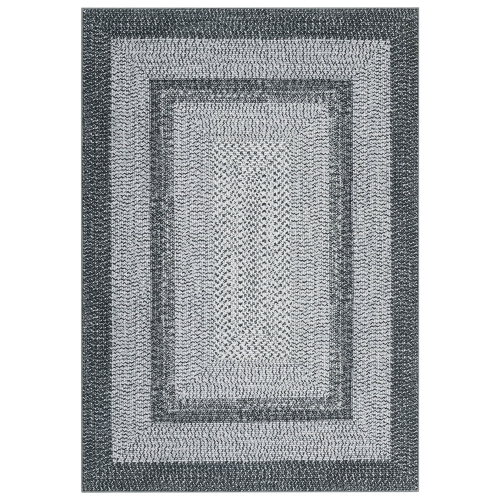
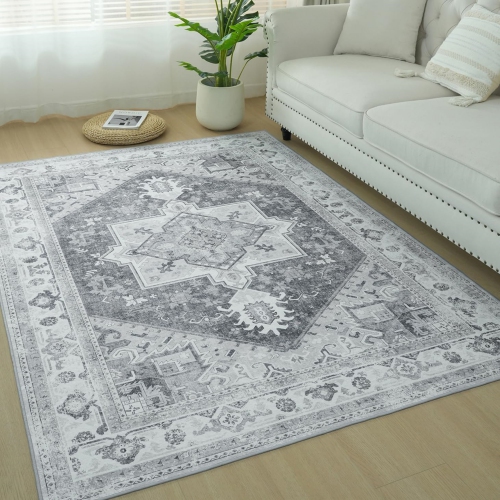
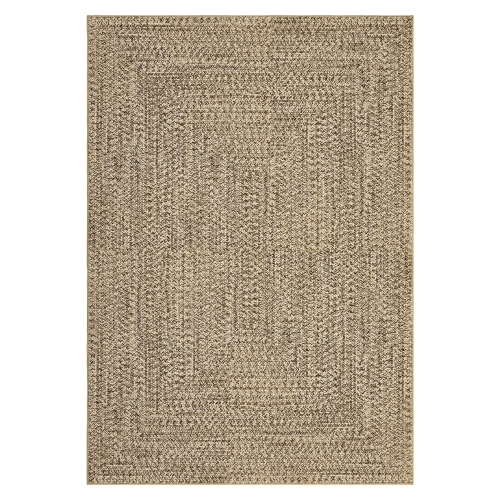
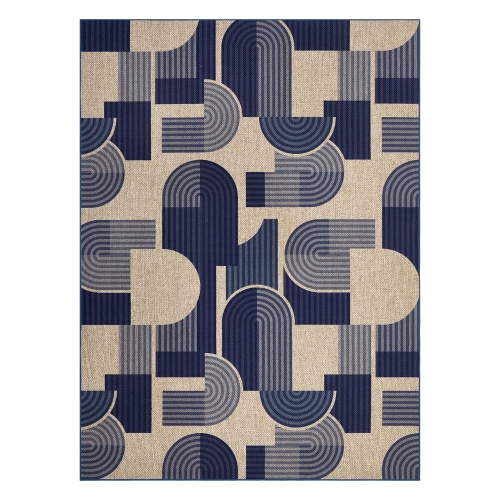
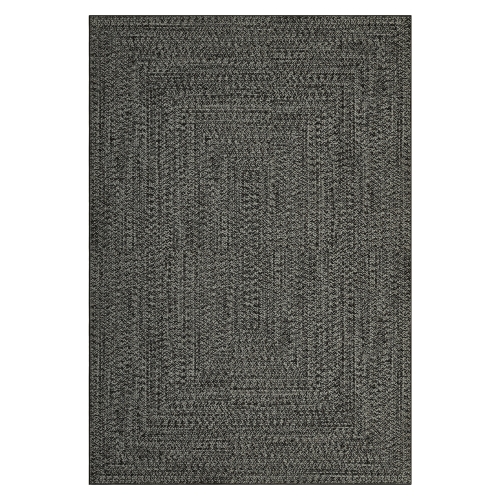
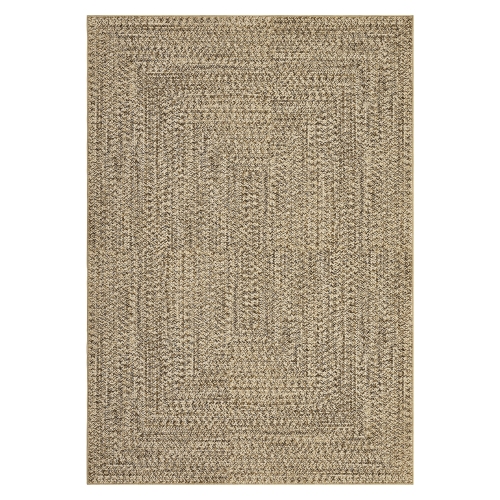
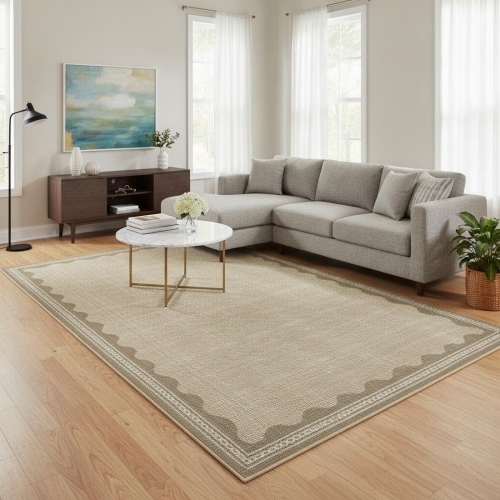

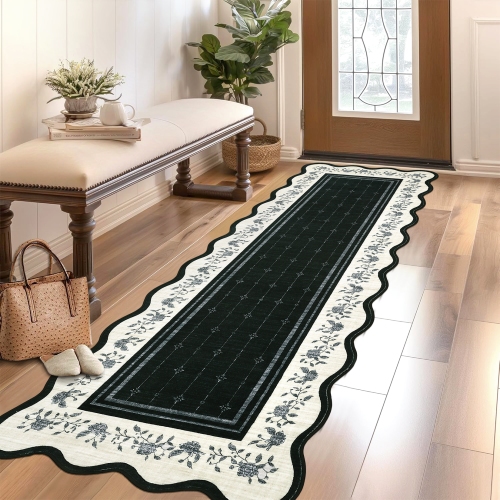
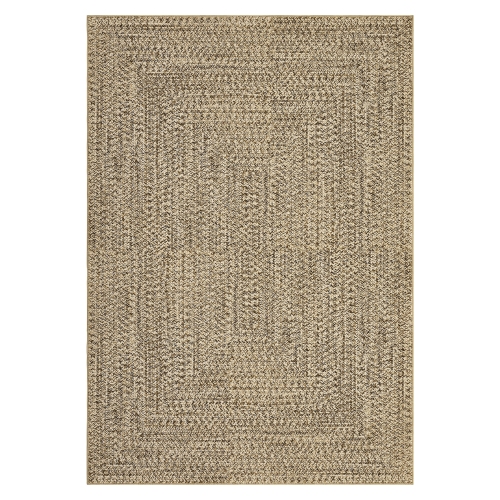
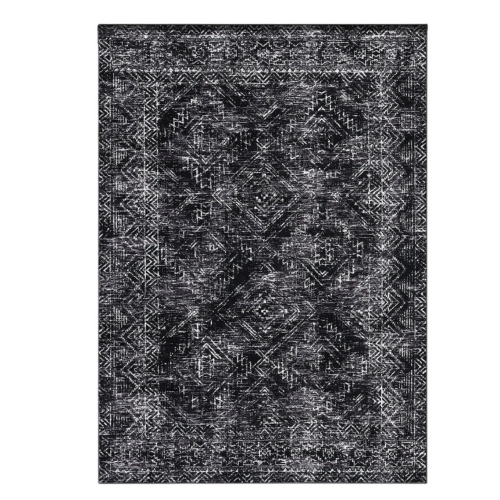
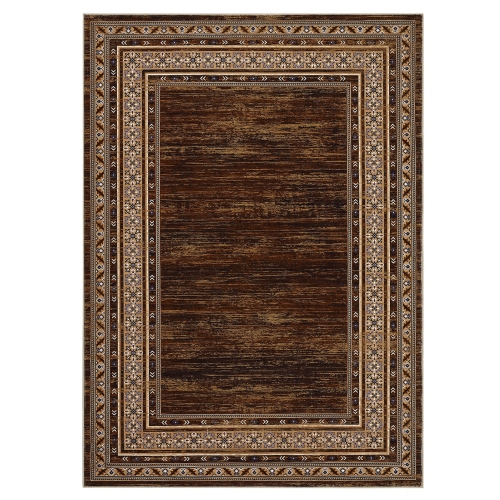
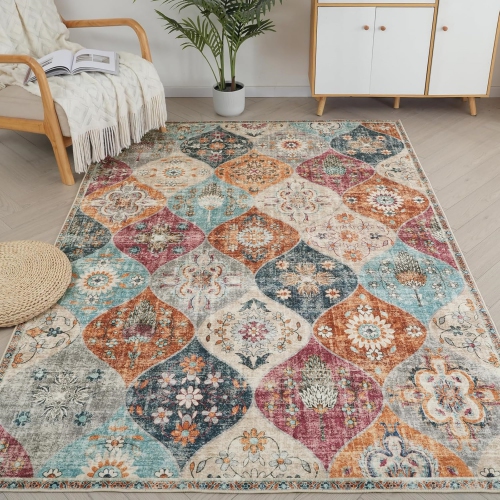
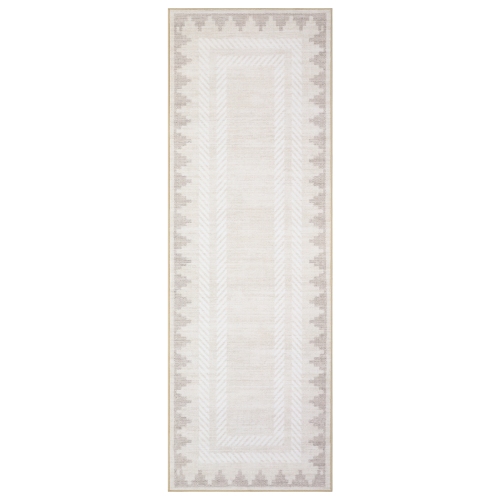
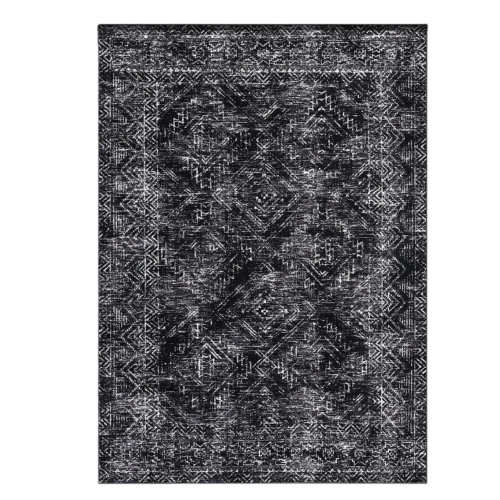
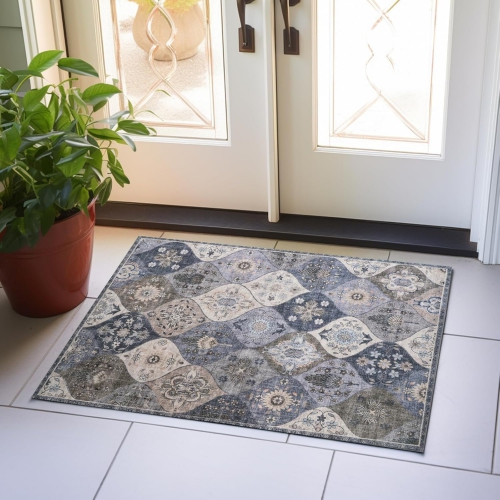
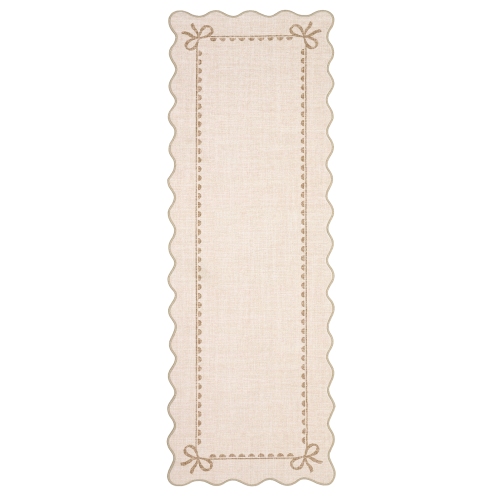
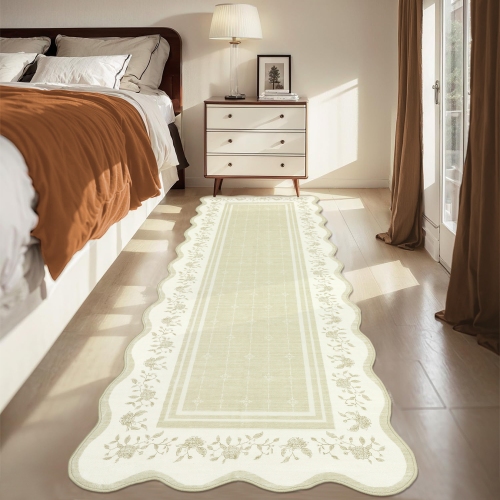
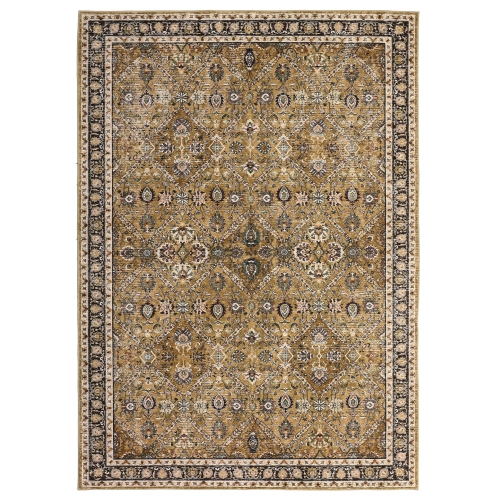
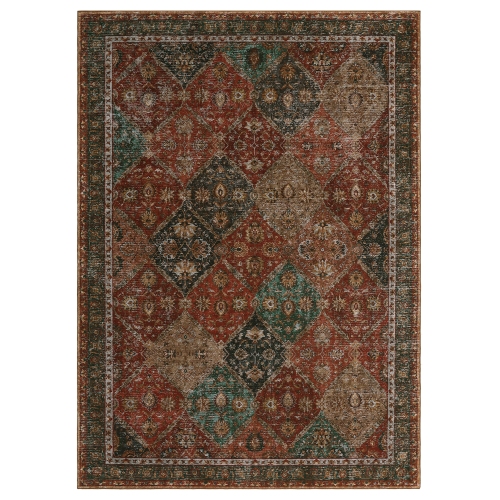
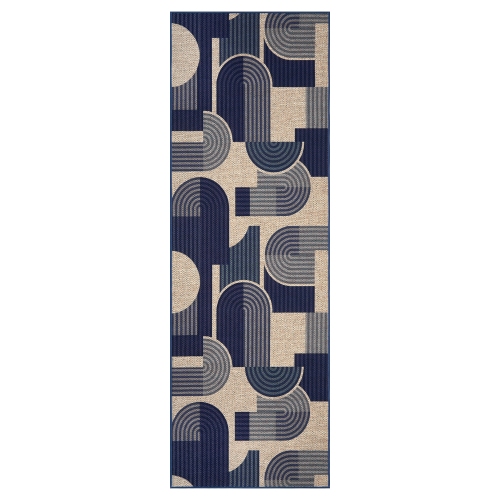
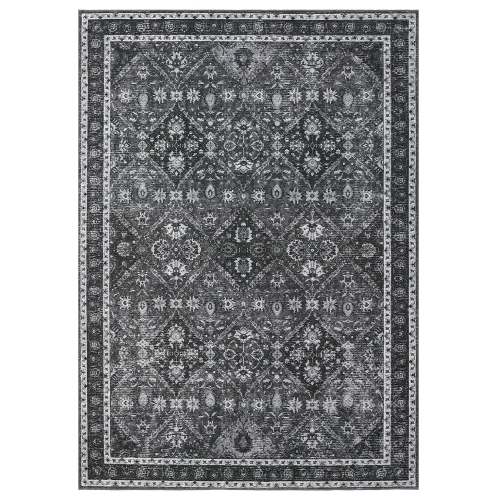
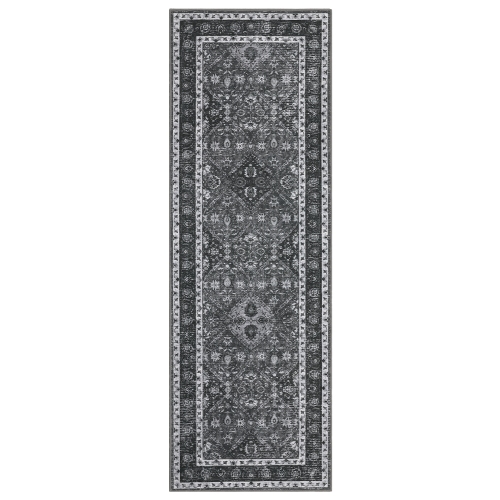
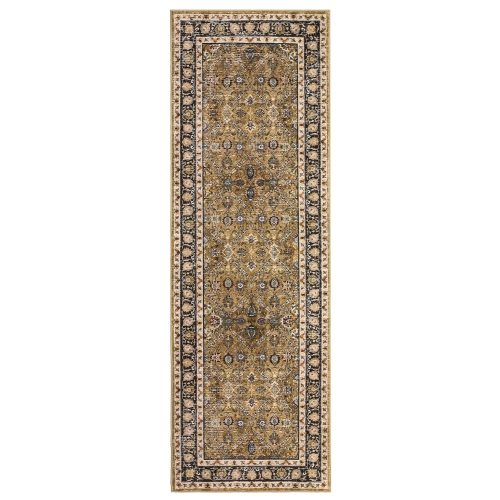
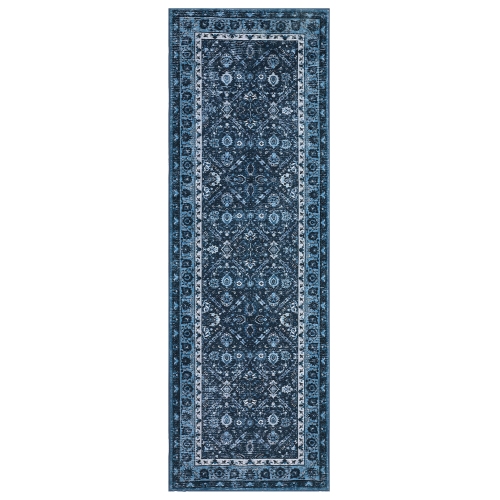
Why rug backing matters as much as softness
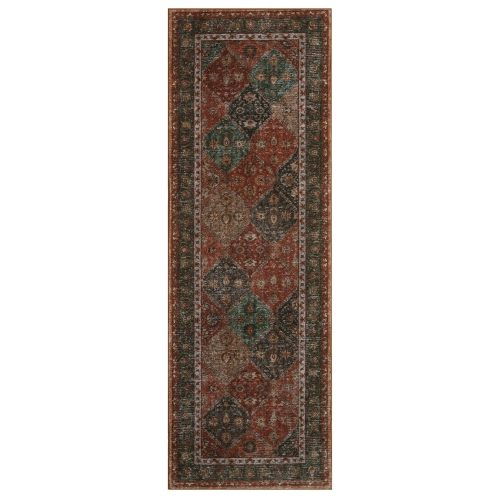
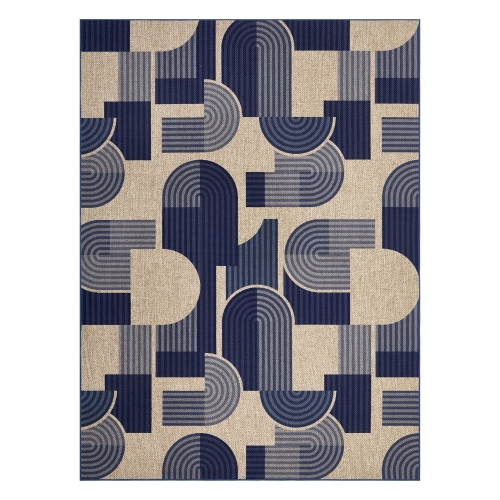
Anti-slip rugs combine a decorative textile surface with a backing designed to reduce movement against the floor. Rubber, latex, and TPR, or thermoplastic rubber, are common backing materials, although the amount of grip depends on the rug’s construction, the flooring beneath it, and how clean and dry both surfaces are. A textured underside can help a hallway runner stay aligned or keep a small bedside rug from sliding when someone steps onto it. That added stability can be useful in busy households, particularly where children play, pets move between rooms, or several people regularly pass through the same space. Anti-slip does not mean slip-proof, however, and a grippy backing cannot compensate for curled corners, a damp floor, or a rug placed where it obstructs a doorway. Some rugs have an integrated backing, while others need a separate rug pad suited to both the rug and the floor. These are different constructions, so a soft underside alone should not be mistaken for a grip layer. Floor compatibility matters just as much as traction: certain rubber or latex backings can react with some finishes or leave marks, particularly when moisture becomes trapped underneath. Manufacturer guidance for both the flooring and the rug helps establish whether the pairing is suitable. This is especially relevant when considering Non Slip Rugs for Hardwood Floors, where protecting the finish is part of choosing the right backing. Tile, laminate, and vinyl also have their own care requirements, and a backing described as suitable for one surface should not automatically be assumed suitable for another. Where a separate pad is needed, it should lie completely beneath the rug without protruding into the walking area. A flat, well-supported rug with edges that settle neatly against the floor is generally more practical than one that bunches, even if its backing feels tacky to the touch.
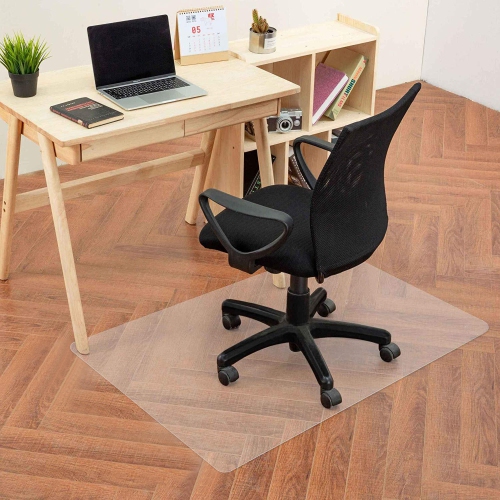
The surface fibres and pile height shape how an anti-slip rug feels and how comfortably it fits into daily routines. Polyester can provide a soft surface with clear colour and pattern definition, while nylon is often used where resilience under regular foot traffic matters. Polypropylene is another common synthetic fibre, valued for its resistance to moisture absorption, although spills still need attention and the backing may have different care limits from the face fibres. Cotton offers a familiar woven feel, but its absorbency and potential for shrinkage make the care label important. A plush surface can feel comfortable beside a bed or beneath a living room seating area, while a low-pile or flatwoven construction is often easier to accommodate under moving chairs and opening doors. Descriptions such as velvet-like or faux cashmere refer to feel rather than a guarantee of fibre content, so the material details give a clearer picture of what to expect. Size and placement have an equally noticeable effect. A narrow runner can define the route through a hallway, but it needs enough clearance around doors and should not create an awkward raised edge at a turn. In a dining space, a rug large enough to keep chair legs supported when chairs are pulled back is less likely to catch or fold during use. Beneath a desk, a thin profile can make chair movement easier, though rolling-chair suitability depends on the construction. In kitchens, a washable runner may offer a softer standing surface near a counter, provided it stays clear of appliance doors and does not obstruct movement. Bathroom placement calls for extra attention: an ordinary anti-slip area rug is not necessarily intended for wet floors or use beside a shower. Patterns, heathered colours, and textured weaves can make everyday lint or crumbs less conspicuous, while solid colours create a quieter visual effect. Neither appearance replaces regular cleaning, but both can influence how tidy a frequently used space looks between cleanings.
Care requirements deserve attention because the face fibres and the grip backing do not always tolerate the same treatment. A machine-washable label should apply to the complete rug, not simply to its textile surface, and the rug’s dimensions and wet weight need to suit the washing machine’s capacity. Some constructions require spot cleaning or professional cleaning instead. Following the stated washing and drying instructions helps limit shrinkage, distortion, and damage to the backing; high heat or unsuitable cleaning agents can affect certain grip materials. After cleaning, the rug and the floor beneath it should be fully dry before the rug is put back into place. Routine vacuuming removes grit that can work into the pile or collect underneath, while an appropriate suction setting helps avoid lifting lightweight edges. Fringe, loose loops, and raised textures may need gentler handling than a tightly woven surface. Spills are best addressed promptly with a method appropriate to the fibre, rather than vigorous scrubbing that can spread a mark or roughen the pile. For homes with pets, a shorter pile can make shed hair easier to remove, while tightly constructed surfaces may be less tempting for claws to catch than loose loops. No rug is immune to scratching, chewing, or repeated accidents, so easy cleaning and sound construction are more useful considerations than broad claims of being pet-proof. Durability also involves the underside: cracking, flaking, hardening, or a noticeable loss of grip can signal that the backing is no longer performing as intended. Periodically lifting the rug makes it possible to clear trapped dust, inspect the floor, and check for moisture or discolouration. Rotating it, when its shape and placement allow, can help distribute wear from familiar walking routes. The most useful anti-slip rugs balance dependable floor contact with a comfortable surface, manageable care, and proportions that suit the room. Whether placed beside a bed, along a passage, or beneath a seating arrangement, that combination supports an inviting space without making the rug difficult to live with.
Top selling and popular products
-
 Your price for this item is $130.55
-
 Your price for this item is $129.15
-
 Your price for this item is $130.55
-
 Your price for this item is $129.15
-
 Your price for this item is $129.15
-
 Your price for this item is $130.55
-
 Your price for this item is $144.99
-
 Your price for this item is $103.99
Discover more categories related to Anti Slip Rugs
Top Collections:
Best Black Friday Deals This Year, Best Black Friday Deals On Electronics, Kindle Devices, Dyson Airwrap, Best Cameras for Sports Photography, Best Budget Office Chairs, Canon G7X Cameras, PS5 Pro Consoles, Best Black Friday Deals On Apple Products, XBOX One S Consoles
Some products may be subject to Environmental Handling Fees
(EHF) depending on your province.
Learn more about EHFs.