Non Slip Rugs for Hardwood Floors
Non slip rugs for hardwood floors offer a stylish and practical solution for enhancing the comfort and safety of your living spaces. Perfect for any room in your home, these rugs are designed to stay securely in place, helping to minimize shifting and bunching on smooth surfaces. With a wide variety of colors, patterns, and sizes available, it’s easy to find the perfect match for your décor while enjoying added peace of mind. Explore options that bring both function and flair to your hardwood floors.
Sort
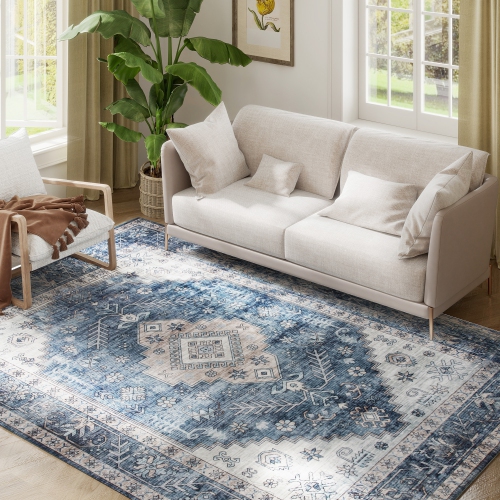
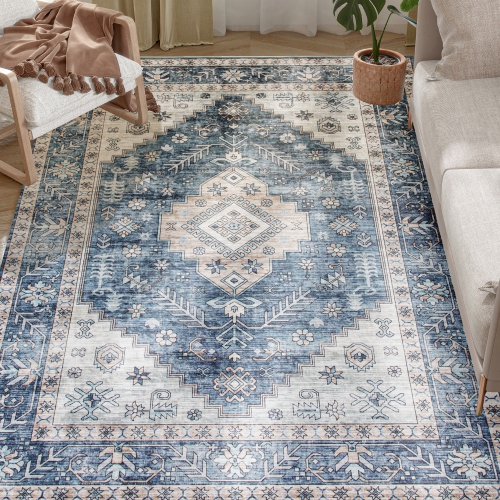

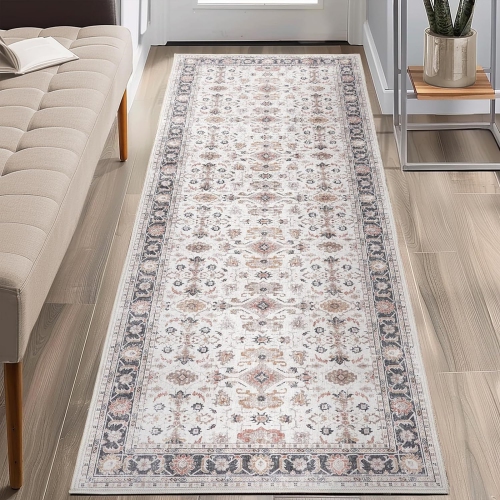
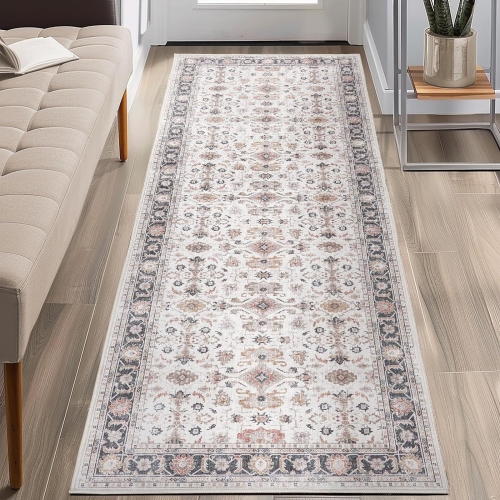

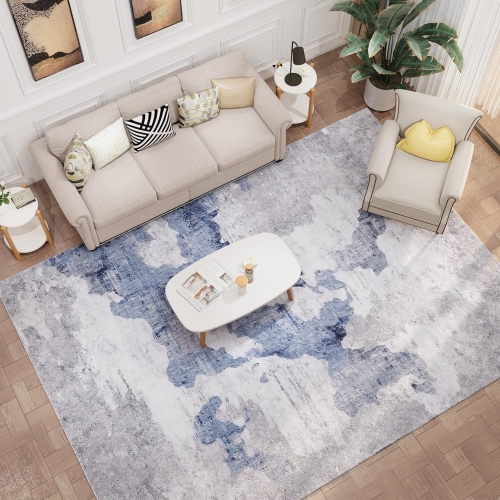
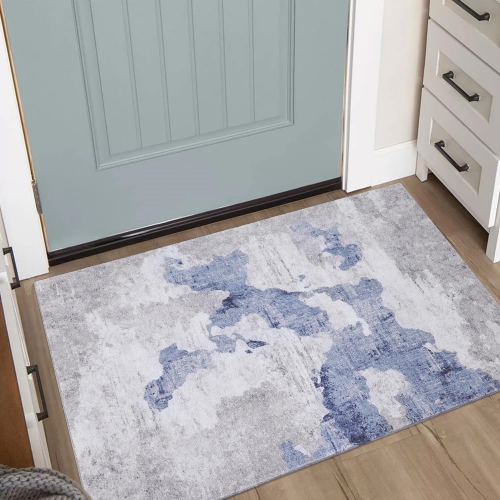
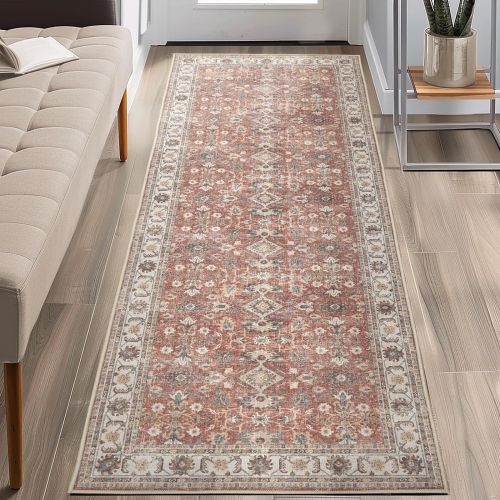
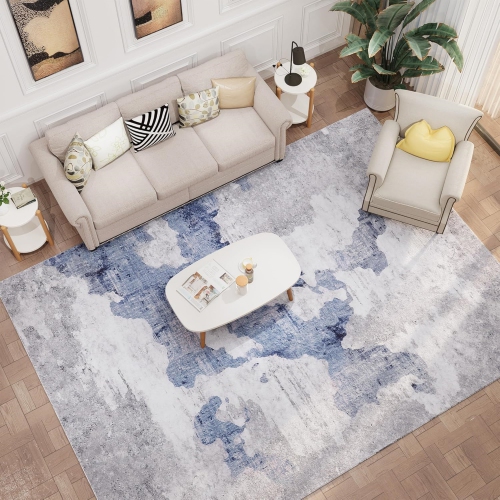
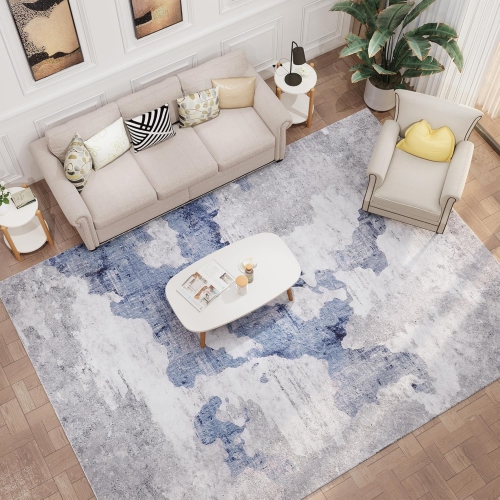
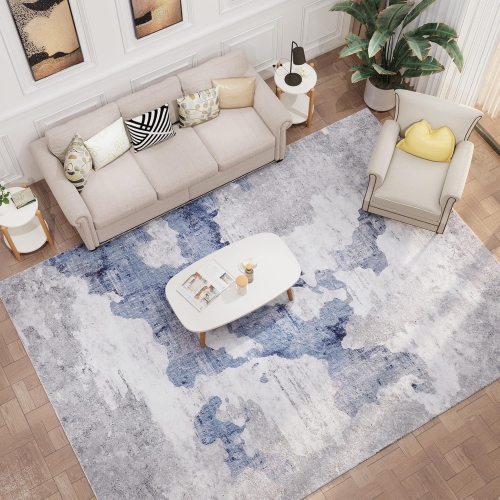
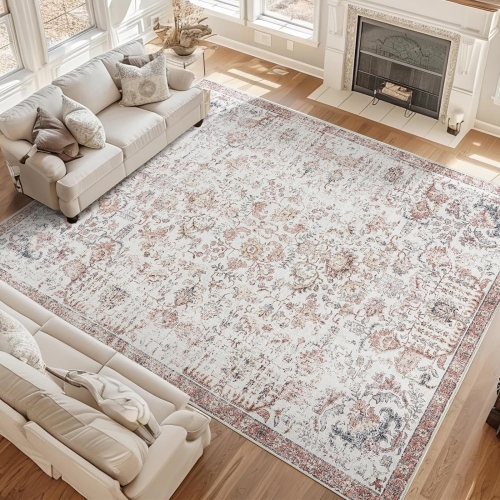
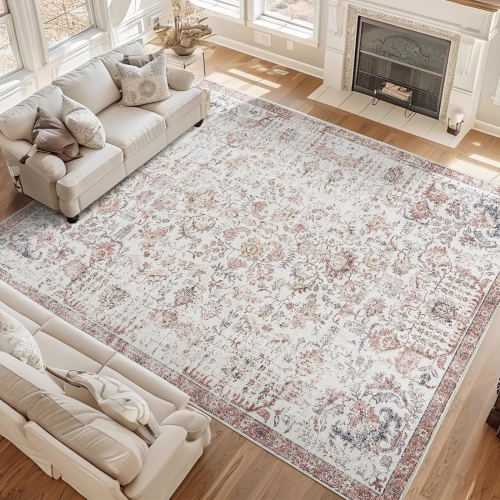
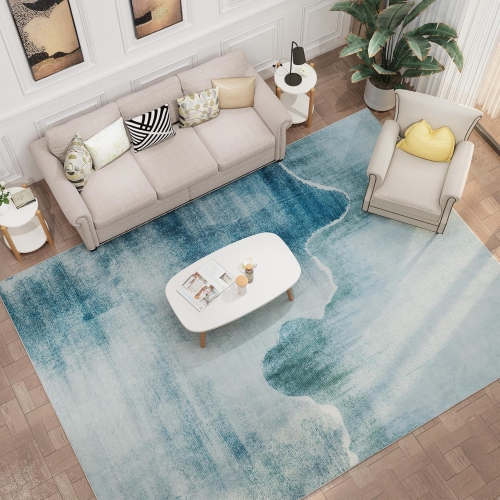
Rug backing matters as much as softness underfoot
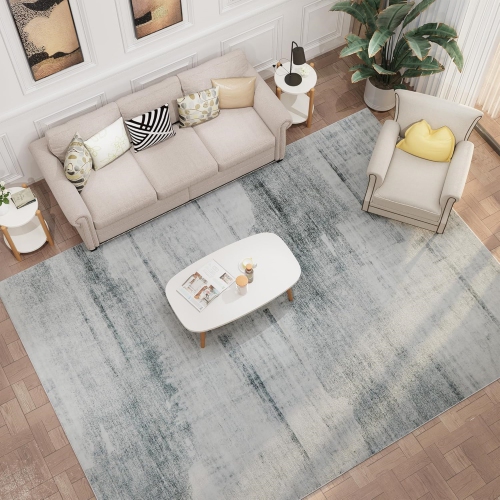
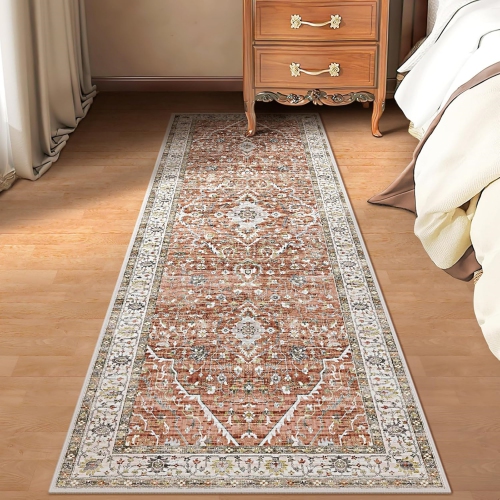
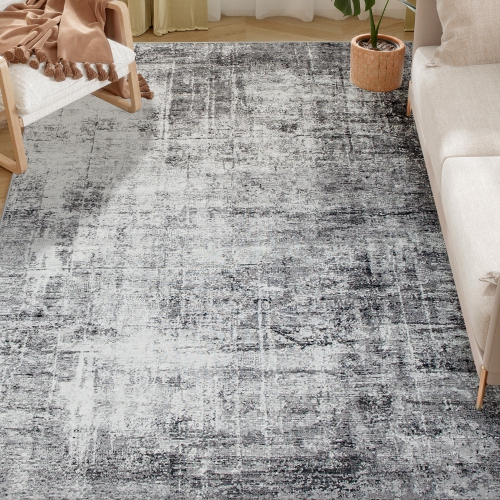
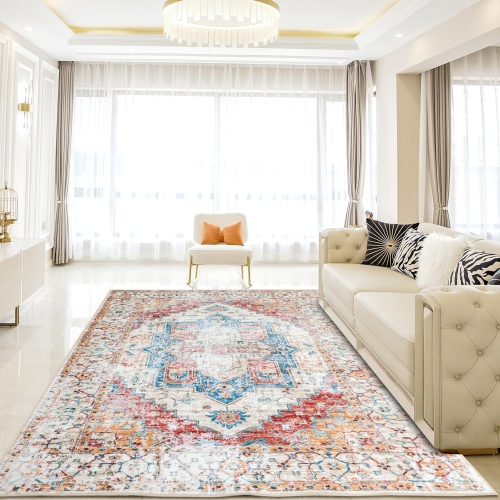
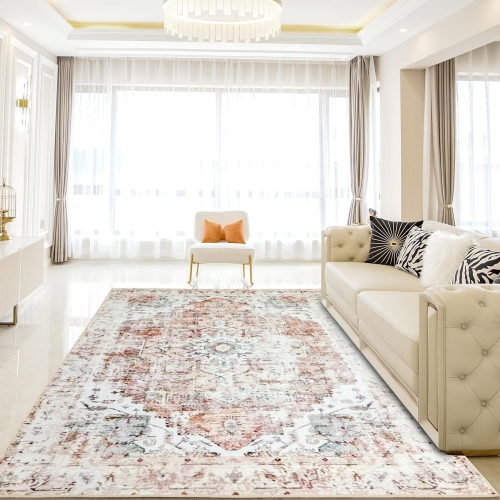
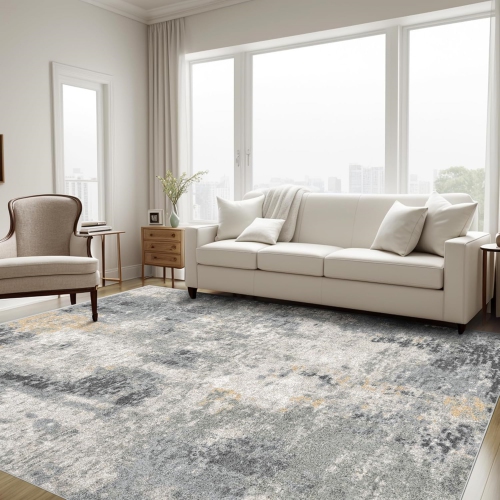
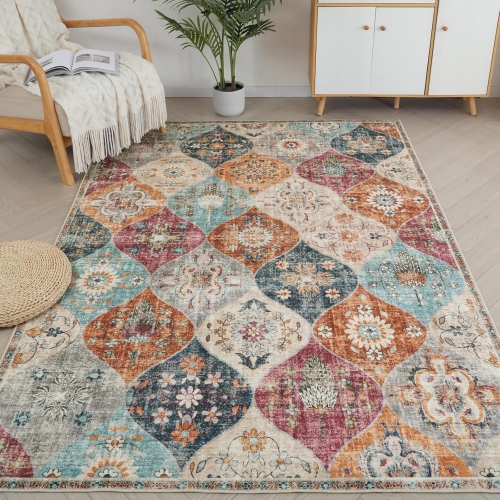
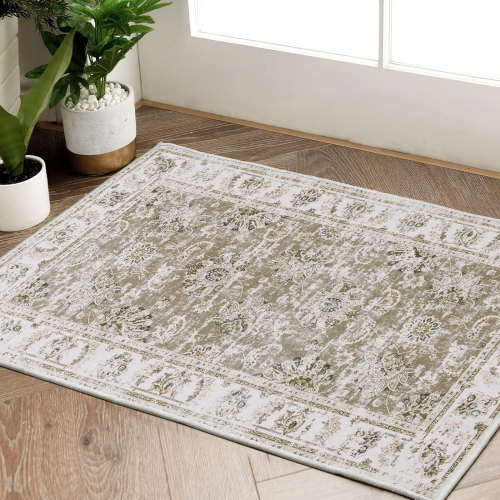
Non-slip rugs for hardwood floors bring softness, colour, and traction to rooms where a loose rug can shift under everyday foot traffic. Their defining feature is a backing designed to help the rug stay in place, although grip depends on the backing material, the floor finish, and the condition of both surfaces. A rug with an integrated non-slip backing offers a different setup from an ordinary area rug paired with a separate grip pad: the first combines the surface and backing in one piece, while the second lets the cushioning and grip layer be selected separately. Neither approach makes a rug completely slip-proof, and both need a flat fit on a clean, dry floor. In a hallway, a low-profile runner can soften footsteps without adding much height beneath a door. Beside a bed, a small rug creates a comfortable landing spot on cool mornings. A larger area rug can anchor living room seating and make the space feel more inviting, especially during the cooler months when more time is spent indoors. These rugs suit busy family homes, apartments, and quieter spaces alike, with different constructions serving different routines. A tightly woven surface may be practical beneath a dining table, where chair legs move frequently and crumbs need to be vacuumed, while a softer pile can feel pleasant in a reading corner. For homes with children or pets, secure edges and straightforward cleaning often matter as much as the pattern. Shoppers exploring Anti Slip Rugs will find that the important distinction is not simply whether a rug feels grippy to the touch, but whether its backing is suitable for the intended floor and room. A well-matched rug adds comfort while helping limit movement, and an appropriate protective layer can reduce direct contact between a rough rug underside and the hardwood finish. Grit beneath any rug can still scratch a floor, so protection also depends on regular cleaning rather than on the rug alone.
Materials affect how a non-slip rug feels, how it wears, and how much care it needs. Synthetic fibres such as polyester, polypropylene, and nylon are common in everyday rugs, with performance varying by fibre, weave, and treatment. Polyester often has a soft hand and holds colour well, polypropylene generally resists moisture absorption, and nylon is valued for its resilience under repeated foot traffic. Cotton can offer a lighter, more casual feel, while wool provides warmth and a springy texture but may require more particular cleaning. A washable construction can be useful near an entrance or in a household with frequent spills, though “washable” does not always mean suitable for every home washing machine. Rug dimensions, dry weight, backing, and the machine’s capacity all affect whether washing at home is practical. The underside deserves just as much attention as the face fibres when hardwood is involved. Rubber, latex, and other grip coatings differ in formulation, and some can react with certain finishes, leave marks, or adhere over time. Natural rubber is not automatically compatible with every wood floor, and felt alone generally provides cushioning rather than reliable slip resistance. Clear care information from both the rug or pad manufacturer and the flooring manufacturer is more useful than a broad claim that a material is safe for wood. Newly finished floors may also need a curing period before any covering is placed over them. In entrances, damp footwear adds another consideration: an absorbent surface may catch moisture, but that moisture should not remain against the wood. A rug should be lifted and dried when needed, with the floor allowed to dry fully before it is replaced. Where a separate pad is used, matching it to the rug size and keeping it slightly inside the edges helps avoid an exposed border. Extra thickness is not always better; too much cushioning can make edges more noticeable or interfere with door clearance.
Size, shape, and placement determine whether a rug fits naturally into daily life. A runner should follow the walking route without bunching against a threshold, and a bedside rug should extend into the area where feet actually land rather than disappear almost entirely beneath the bed. In a living room, a rug large enough to sit beneath the front legs of the main seating pieces can create a more settled arrangement than a small rectangle floating between them. Dining spaces need room for chairs to move back while remaining on the rug, which helps avoid catching legs on the edge. Measurements are especially useful around floor vents, door swings, and narrow passages, where even a modest change in size or pile height can affect movement. People using walkers or other mobility aids may find firm, low-profile surfaces easier to cross than thick, plush pile, but any rug that curls, wrinkles, or shifts can become an obstacle. Bound edges, an even weave, and a backing that remains intact are practical details to assess alongside colour and texture. Subtle patterns and mixed tones can make everyday lint and footprints less conspicuous, while a smooth, closely woven surface may release pet hair more easily than long pile or open loops. Care habits help preserve both appearance and grip: regular vacuuming removes abrasive particles, and occasional cleaning underneath prevents dust from building up between the backing and the floor. Vacuum settings should suit the rug construction, particularly around fringes and edges. Spills are best addressed according to the care label, without soaking the hardwood below. After washing, the rug and its backing need to be thoroughly dry before returning to the floor. Periodic checks for curled corners, hardened backing, shedding grip material, or marks on the wood can reveal wear before it becomes more troublesome. With suitable materials, sensible dimensions, and care matched to the household, a non-slip rug can provide a comfortable surface for everything from getting dressed in the morning to settling down beside the sofa at the end of the day.
Materials affect how a non-slip rug feels, how it wears, and how much care it needs. Synthetic fibres such as polyester, polypropylene, and nylon are common in everyday rugs, with performance varying by fibre, weave, and treatment. Polyester often has a soft hand and holds colour well, polypropylene generally resists moisture absorption, and nylon is valued for its resilience under repeated foot traffic. Cotton can offer a lighter, more casual feel, while wool provides warmth and a springy texture but may require more particular cleaning. A washable construction can be useful near an entrance or in a household with frequent spills, though “washable” does not always mean suitable for every home washing machine. Rug dimensions, dry weight, backing, and the machine’s capacity all affect whether washing at home is practical. The underside deserves just as much attention as the face fibres when hardwood is involved. Rubber, latex, and other grip coatings differ in formulation, and some can react with certain finishes, leave marks, or adhere over time. Natural rubber is not automatically compatible with every wood floor, and felt alone generally provides cushioning rather than reliable slip resistance. Clear care information from both the rug or pad manufacturer and the flooring manufacturer is more useful than a broad claim that a material is safe for wood. Newly finished floors may also need a curing period before any covering is placed over them. In entrances, damp footwear adds another consideration: an absorbent surface may catch moisture, but that moisture should not remain against the wood. A rug should be lifted and dried when needed, with the floor allowed to dry fully before it is replaced. Where a separate pad is used, matching it to the rug size and keeping it slightly inside the edges helps avoid an exposed border. Extra thickness is not always better; too much cushioning can make edges more noticeable or interfere with door clearance.
Size, shape, and placement determine whether a rug fits naturally into daily life. A runner should follow the walking route without bunching against a threshold, and a bedside rug should extend into the area where feet actually land rather than disappear almost entirely beneath the bed. In a living room, a rug large enough to sit beneath the front legs of the main seating pieces can create a more settled arrangement than a small rectangle floating between them. Dining spaces need room for chairs to move back while remaining on the rug, which helps avoid catching legs on the edge. Measurements are especially useful around floor vents, door swings, and narrow passages, where even a modest change in size or pile height can affect movement. People using walkers or other mobility aids may find firm, low-profile surfaces easier to cross than thick, plush pile, but any rug that curls, wrinkles, or shifts can become an obstacle. Bound edges, an even weave, and a backing that remains intact are practical details to assess alongside colour and texture. Subtle patterns and mixed tones can make everyday lint and footprints less conspicuous, while a smooth, closely woven surface may release pet hair more easily than long pile or open loops. Care habits help preserve both appearance and grip: regular vacuuming removes abrasive particles, and occasional cleaning underneath prevents dust from building up between the backing and the floor. Vacuum settings should suit the rug construction, particularly around fringes and edges. Spills are best addressed according to the care label, without soaking the hardwood below. After washing, the rug and its backing need to be thoroughly dry before returning to the floor. Periodic checks for curled corners, hardened backing, shedding grip material, or marks on the wood can reveal wear before it becomes more troublesome. With suitable materials, sensible dimensions, and care matched to the household, a non-slip rug can provide a comfortable surface for everything from getting dressed in the morning to settling down beside the sofa at the end of the day.
Top selling and popular products
-
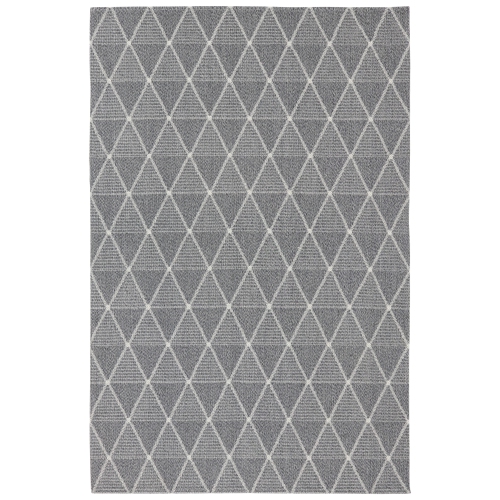 Your price for this item is $130.55
 -
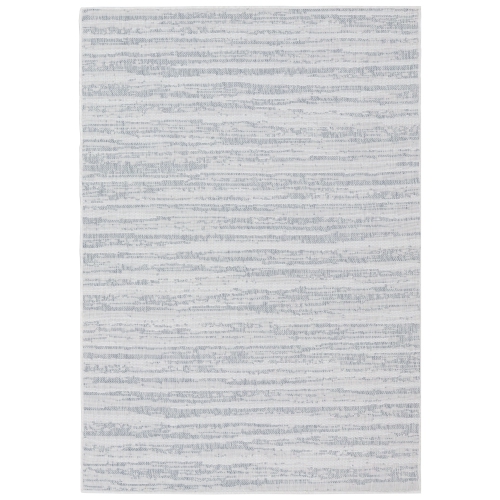 Your price for this item is $129.15
 -
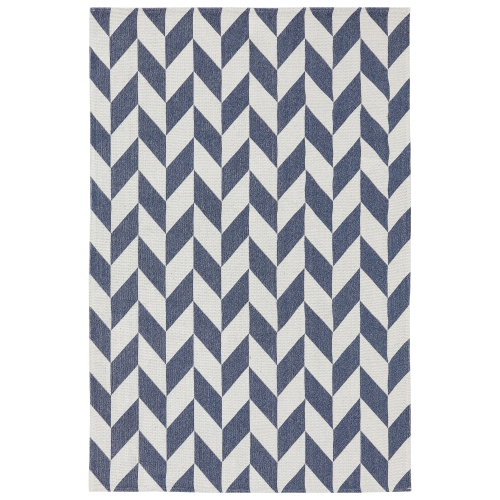 Your price for this item is $130.55
 -
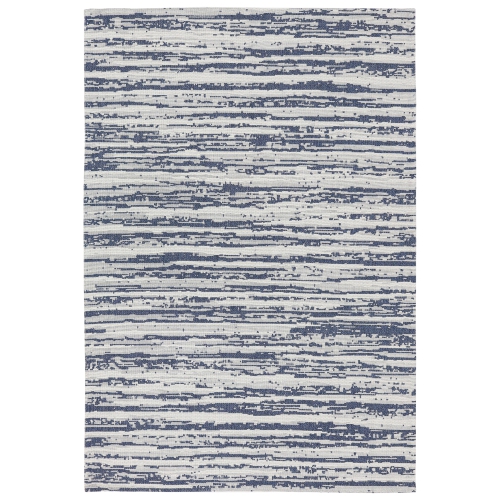 Your price for this item is $130.55
 -
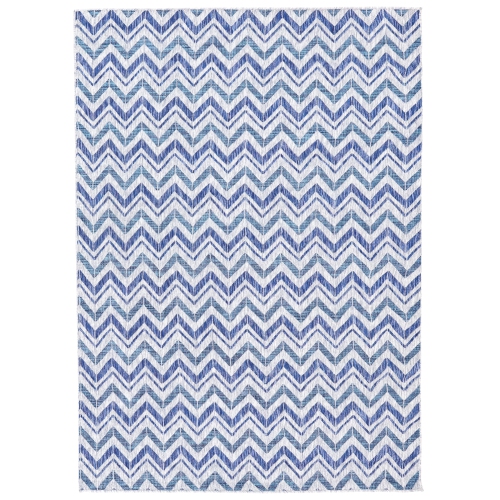 Your price for this item is $129.15
 -
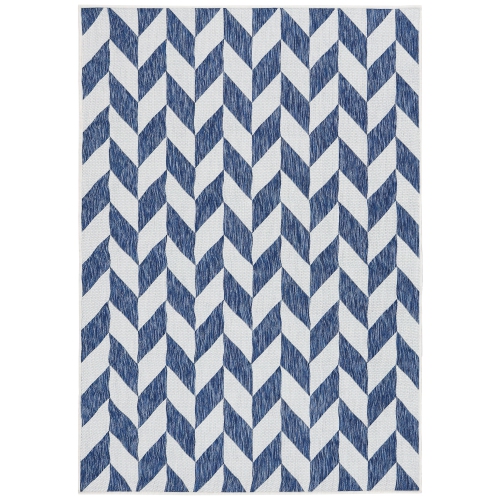 Your price for this item is $129.15
 -
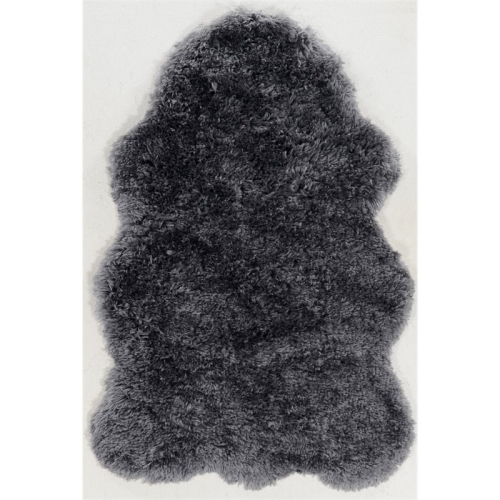 Your price for this item is $269.46
 -
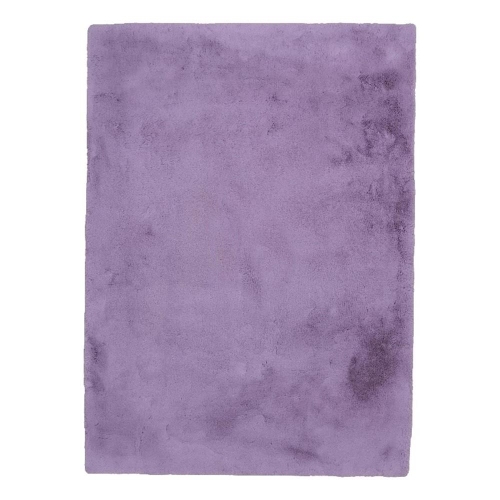 Your price for this item is $219.8
Discover more categories related to Non Slip Rugs for Hardwood Floors
Top Collections:
Pokemon Centers, Kindle Devices, Best Budget Office Chairs, Apple iPhones 16, Best Laptops for Writers, iPhone 15 Apple, Canon G7X Cameras, Refurbished Apple Laptops, Alarm Clock, Motorola Razr Phones
Some products may be subject to Environmental Handling Fees
(EHF) depending on your province.
Learn more about EHFs.