Antique Clocks
Antique clocks are timeless pieces that add a touch of elegance and history to any space. Whether you're a seasoned collector or simply looking to enhance your home decor, these exquisite timepieces offer both functionality and charm. From intricately designed mantel clocks to stately grandfather clocks, the craftsmanship and detail of antique clocks make them unique additions to your living space. Explore our selection of antique clocks and discover the perfect piece to complement your style.
Sort


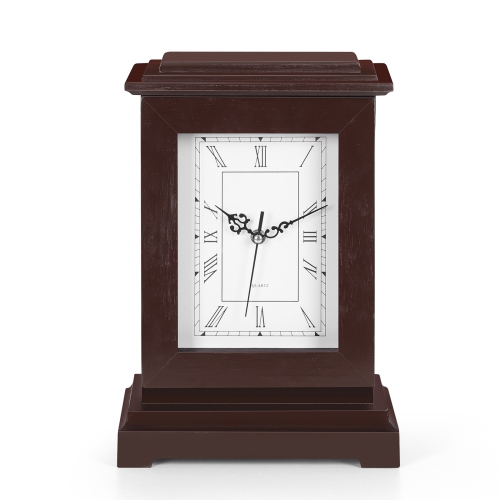


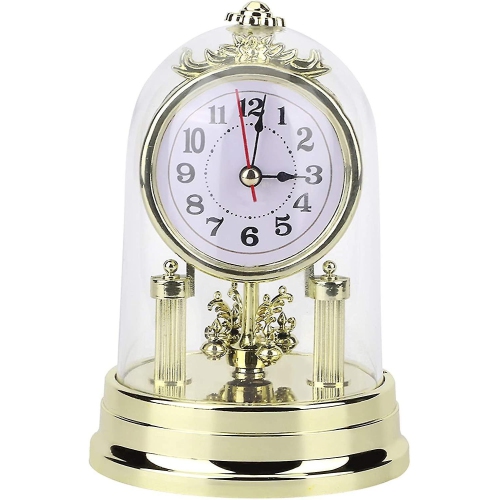


The character, mechanics, and care behind traditional timepieces
Antique clocks bring the character of another era into an entryway, living room, office, bedroom, or dining space. Unlike modern digital timekeepers, traditional clocks are often appreciated for the way they combine function with craftsmanship, decorative detail, and a sense of history. Many mechanical designs use a carefully arranged system of gears, springs, pendulums, or weights to measure the passing hours, while their cases may feature carved wood, aged-looking finishes, glass panels, metal accents, or ornamental faces. A tall grandfather clock can become a commanding focal point in a room, with a vertical silhouette that suits a hallway or a spacious living area. Mantel clocks offer a more compact presence for a shelf, console, or fireplace surround, and carriage-style clocks are easy to move from one room to another when you want to refresh a display. Cuckoo clocks add a particularly distinctive touch, pairing a wooden house-shaped case with a small bird that appears to mark the hour. When browsing antique clocks, consider the overall scale of the room, the available wall or floor space, and the visual relationship between the clock and nearby furniture. A clock with a richly detailed case may be best suited to a classic, traditional, or collected interior, while a simpler aged finish can work comfortably alongside contemporary furnishings. Pay attention to the clock face as well: large numerals can make the time easy to read from across the room, while Roman numerals, decorative hands, and aged-style markings can add to the period-inspired appearance. For a related look that works especially well in kitchens, foyers, workshops, and family rooms, explore Vintage Wall Clocks.
The sound and movement of an antique clock can be just as important as its appearance. Some designs are quiet and understated, making them suitable for a bedroom, reading nook, or home office, while others include a noticeable tick, chime, or hourly strike that gives a room an unmistakable sense of presence. Before choosing a clock, think about where it will be placed and how its sound may fit into the household. A chiming design can feel warm and familiar in a dining room or front hall, particularly when it becomes part of the daily rhythm of the home, but a quieter option may be more comfortable beside a bed or work desk. Mechanical clocks may require more attention than battery-operated styles, so it is helpful to understand how the movement is powered and whether the clock needs winding, weights, pendulum adjustment, or other regular care. Floor clocks need a stable, level surface and enough clearance for doors, weights, or pendulums to operate safely. Mantel and shelf clocks should sit securely on a firm, balanced surface away from edges, direct heat, and excessive moisture. If a clock has delicate moving parts, original-style mechanisms, or intricate woodwork, avoid opening the case or applying household cleaners without knowing the appropriate care method. Dust can often be removed gently with a soft, dry cloth, but internal cleaning, oiling, timing adjustments, and repairs are best handled by a qualified clock professional. This is especially important for older mechanical pieces, since forcing a stuck hand, moving a pendulum incorrectly, or using the wrong lubricant can affect the gears and reduce accurate timekeeping. A clock that has been properly maintained can continue to serve as a reliable timepiece while also preserving the visual details that make it feel distinctive.
Antique clocks can be meaningful additions for collectors, homeowners furnishing a heritage-style space, and anyone who enjoys objects with a storybook quality. They can also make memorable gifts for a housewarming, anniversary, retirement, wedding, birthday, or milestone celebration, particularly when the recipient appreciates traditional décor, woodworking, architecture, or the gentle rituals of winding and setting a mechanical movement. A mantel clock can be a thoughtful choice for someone moving into a first home because it adds polish without taking up much floor space. A carriage-style clock may suit a frequent host, office professional, or traveller who enjoys a portable decorative accent, while a grandfather clock can mark a major family occasion and become a lasting feature in a shared home. For a gift, consider the recipient’s existing décor, the amount of room available, and their tolerance for sound and maintenance. It is also worth checking how the clock is powered, whether it includes a pendulum or weights, how the chime can be adjusted, and whether the face can be read easily in the intended location. In a room with natural wood furniture, choose a finish that complements rather than competes with the surrounding tones; in a brighter or more modern space, an aged case can provide contrast and warmth. During the cooler months, when more time is often spent indoors, the soft tick or measured chime of a clock can make a living area feel especially welcoming, while as the weather warms, a smaller design can add character to a porch-adjacent entryway or open-plan room when protected from outdoor exposure. Whether selected as a decorative focal point, a dependable way to track the hours, or a keepsake for someone special, antique clocks offer an inviting blend of timekeeping, craftsmanship, and personality.
Top selling and popular products
-
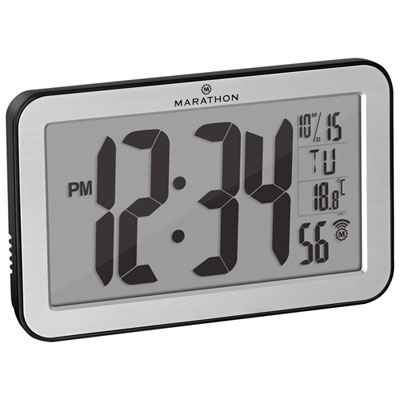 Your price for this item is $44.99
-
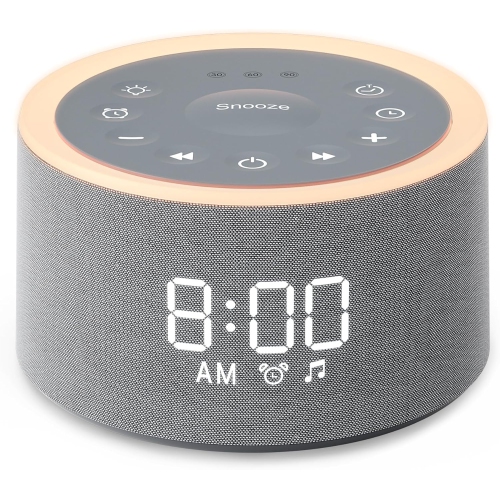 Your price for this item is $44.99
-
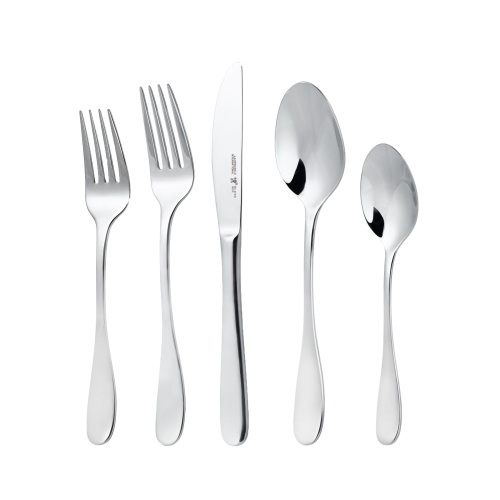 Your price for this item is $89.99
-
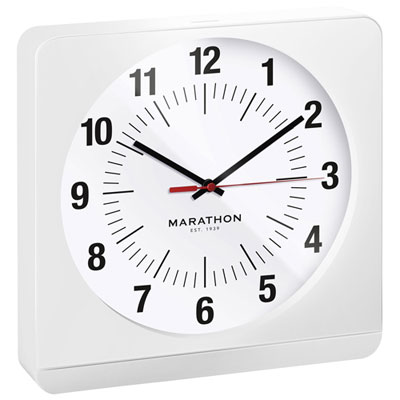 Your price for this item is $114.99
-
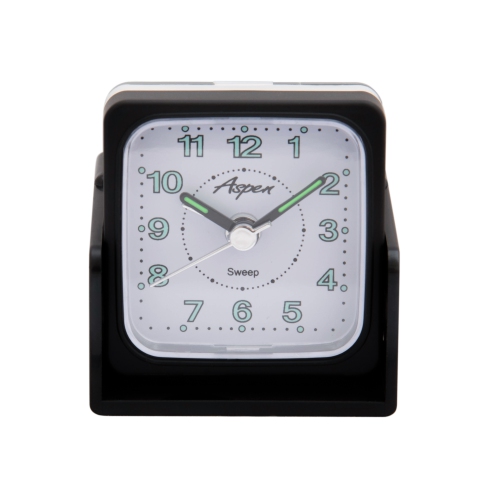 Your price for this item is $19.95
-
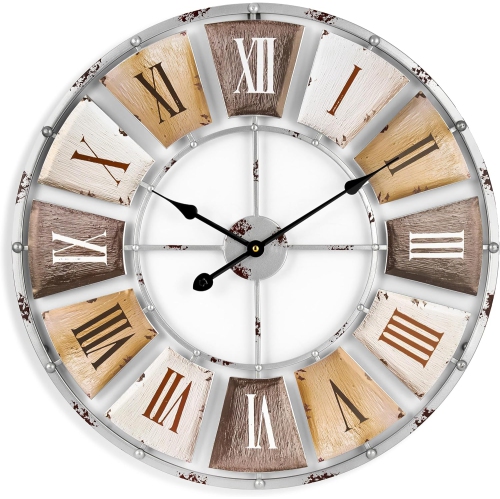 Your price for this item is $79.99
-
 Your price for this item is $45.99
-
 Your price for this item is $19.99
Discover more categories related to Antique Clocks


Top Collections:
Pokemon Centers, Best Cameras for Sports Photography, Kindle Devices, Samsung Galaxy Phones, Canon G7X Cameras, Pokémon 30th Celebration Cards, Refurbished Apple Laptops, iPhone 15 Apple, Laptops for Students, Budget Smartphones
Some products may be subject to Environmental Handling Fees
(EHF) depending on your province.
Learn more about EHFs.