Mantel Clocks
Elevate your home décor with the timeless charm of mantel clocks. Perfect for adding a touch of classic elegance to any room, mantel clocks blend seamlessly with both traditional and modern interiors. Whether displayed on a fireplace mantel, shelf, or side table, these decorative timepieces make a stylish statement while helping you keep track of time. Discover a variety of mantel clocks in different designs and finishes to complement your unique space.
Sort


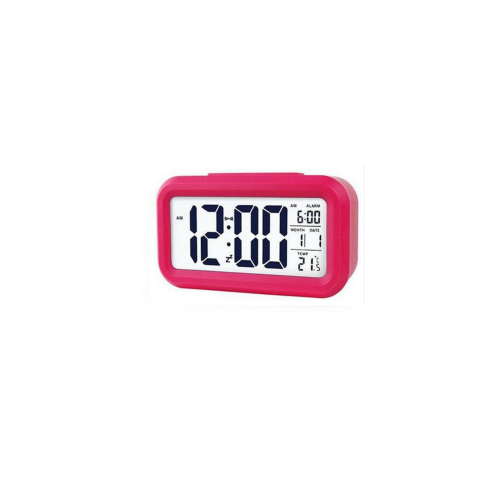


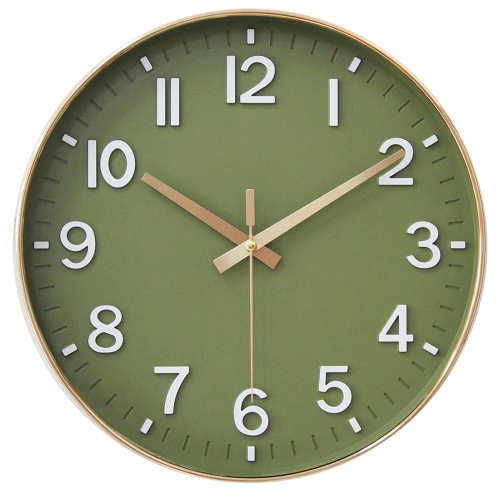
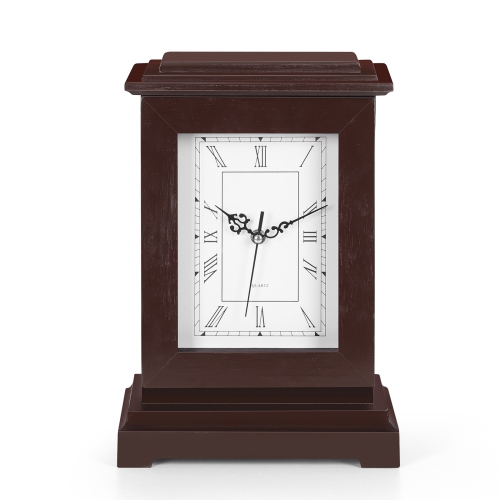


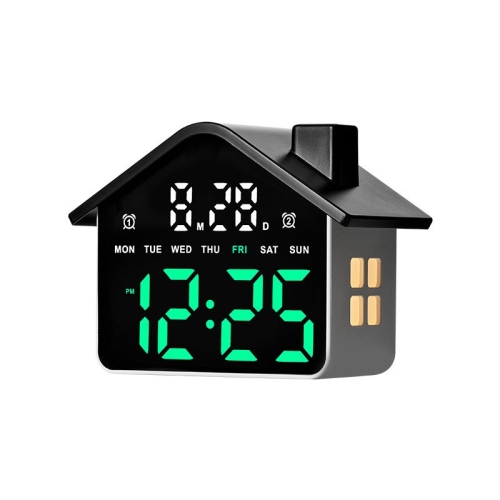
A timepiece that feels at home beyond the fireplace
Mantel clocks are freestanding timepieces designed to sit on a fireplace mantel, shelf, sideboard, or other raised surface. Their cases give them a finished appearance without the need for wall mounting, making them as much a furnishing accent as a practical way to tell time. Traditional designs often feature arched tops, carved details, and Roman numerals, while contemporary styles favour simple faces, straight edges, and restrained ornamentation. A tambour mantel clock has a rounded central case with a base that extends outward on either side, creating the familiar low, sweeping silhouette associated with classic sitting rooms. More upright bracket-style cases bring a different sense of proportion, particularly beside tall books or framed artwork. Wooden mantel clocks can add visual warmth through grain, colour, and finish; metal cases offer anything from a polished accent to a darker industrial look. Glass panels may reveal a pendulum or movement, while stone and ceramic cases create a more substantial or sculptural presence. The material named in a description does not always tell the whole story: solid wood, wood veneer, and wood-look finishes have different construction and care requirements, even when their colours appear similar. Walnut and cherry may describe either the wood itself or the finish, so construction details matter when a particular material is important. Within the wider category of Decorative Clocks, mantel designs stand out for their stable bases and suitability for furniture-top display. They can anchor a balanced arrangement above a fireplace, give a bookcase a clear focal point, or bring an easy-to-read time display to a home office. A clock does not need a fireplace to look at home; a console in an entryway or a dining room cabinet can serve just as well. The strongest fit usually comes from matching the clock’s proportions and character to the surface it will occupy rather than matching every finish in the room.
The movement determines how a mantel clock keeps time and much of what it is like to live with. Quartz mantel clocks use a battery-powered movement and generally require little attention beyond setting the hands and replacing batteries as directed. Mechanical mantel clocks rely on a wound spring and need winding at the interval specified for the movement. Some owners enjoy that hands-on routine, along with the sound and visible activity of a traditional mechanism; others prefer a clock that asks for less regular involvement. Neither the case style nor the presence of a pendulum reliably identifies the movement. A traditional wooden case can house a quartz mechanism, and a pendulum in a battery-operated clock may be ornamental rather than responsible for timekeeping. Sound deserves particular attention in a room used for reading, sleeping, or video calls. A quartz movement is not necessarily silent: some produce a distinct tick, while others use a quieter continuous-sweep mechanism. A silent or non-ticking designation is more useful than assuming all battery-powered clocks sound alike, although sensitivity to faint mechanical noise varies. Chiming mantel clocks add another layer, with some sounding on the hour and others playing sequences at quarter-hour intervals. Westminster-style chimes are a familiar example, but melodies and strike patterns depend on the mechanism. Volume adjustment, a chime-off setting, and automatic nighttime silencing can make a chiming clock easier to accommodate in a shared household, where supported. For a clock near a bedroom or an open-plan workspace, those controls may matter more than an elaborate case. Readability is equally practical. Dark hands against a pale dial, clear hour markings, and limited ornamentation around the face can make the time easier to see from across a room. Roman numerals create a traditional impression, while Arabic numerals often feel more direct and familiar. Glass reflections and slender hands can affect legibility, so consider the usual viewing distance and nearby lighting rather than judging the dial only at close range.
Size and placement influence both appearance and everyday use. Check the full height, width, and depth of a mantel clock, including projecting feet, finials, and the widest part of the case. A narrow shelf needs enough usable depth to support the entire base, not just the central body. Leave room behind or beside the clock for battery access, winding, and any door that opens to reach the dial or mechanism. Above a fireplace, clearance from artwork or a mirror helps prevent a tall case from looking crowded, while a broad, low design can sit comfortably beneath a larger picture. A level, stable surface is important, especially for mechanical movements that depend on correct positioning. Follow the clock maker’s placement requirements and the fireplace manufacturer’s clearance guidance; an active fireplace may make a mantel unsuitable for a particular clock. Direct sunlight, soot, moisture, and repeated handling can also affect finishes and mechanisms. Routine care usually begins with a soft, dry cloth for the case and careful cleaning of glass according to the manufacturer’s directions. Spraying cleaner directly onto the clock can allow liquid to enter seams or reach the dial, and abrasive materials may scratch clear panels or polished surfaces. Mechanical movements may need periodic professional servicing; household lubricants are not a substitute for clock maintenance. Before moving a clock, follow any instructions for securing its pendulum or other moving parts, and lift it by the main case rather than a handle or ornamental detail. For households with young children or pets, a secure location away from shelf edges is especially important for heavy or breakable cases. Mantel clocks can also make thoughtful housewarming, wedding, anniversary, or retirement gifts when the recipient’s taste and daily habits are considered. Someone furnishing a first home may appreciate straightforward battery operation, while a person who enjoys traditional craftsmanship may welcome a winding ritual. A well-chosen mantel clock suits not only the room’s appearance but also the way its owner wants to see, hear, and keep time.
Top selling and popular products
-
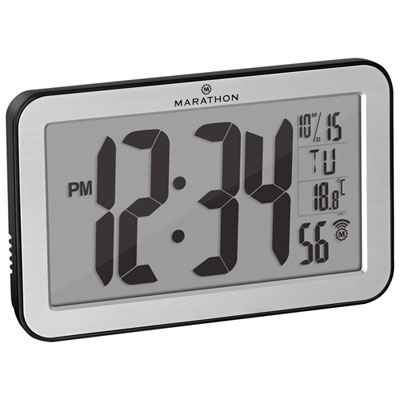 Your price for this item is $44.99
-
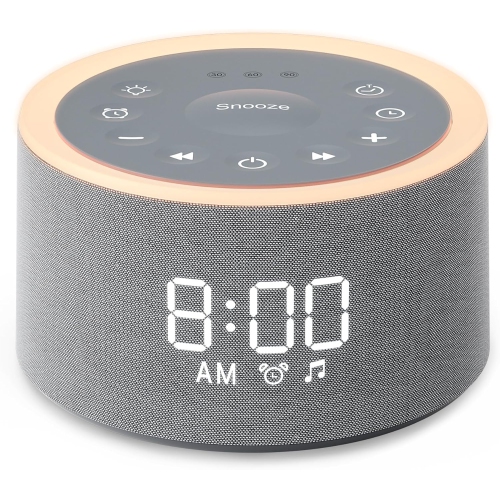 Your price for this item is $44.99
-
 Your price for this item is $89.99
-
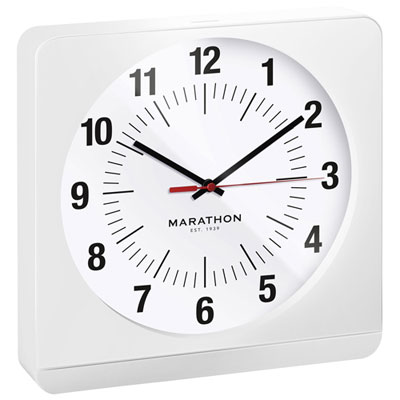 Your price for this item is $114.99
-
 Your price for this item is $19.95
-
 Your price for this item is $79.99
-
 Your price for this item is $45.99
-
 Your price for this item is $19.99
Discover more categories related to Mantel Clocks


Top Collections:
Pokemon Centers, Best Cameras for Sports Photography, Kindle Devices, Samsung Galaxy Phones, Canon G7X Cameras, Pokémon 30th Celebration Cards, Refurbished Apple Laptops, iPhone 15 Apple, Laptops for Students, Budget Smartphones
Some products may be subject to Environmental Handling Fees
(EHF) depending on your province.
Learn more about EHFs.