Antique Furniture
Discover the timeless charm of antique furniture at Best Buy. Our collection showcases an exquisite array of carefully curated pieces that exude elegance and character. From intricately carved wooden cabinets to ornate Victorian chairs, each item tells a unique story and adds a touch of vintage allure to almost any space. Whether you're a collector or simply looking to infuse your home with a touch of old-world charm, our selection of antique furniture is sure to captivate your imagination and elevate your interior design. Explore the beauty of the past and bring a touch of history into your living spaces with our exceptional range of antique furniture.
Sort
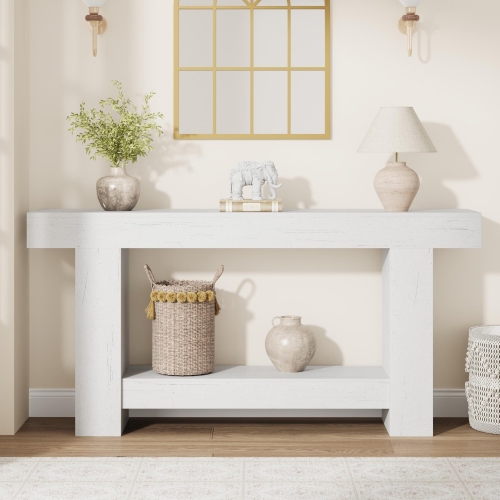
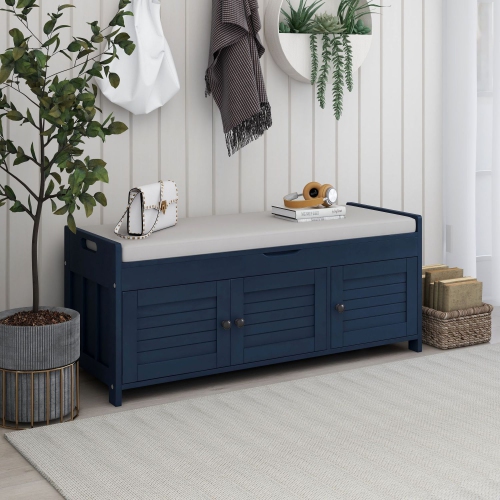
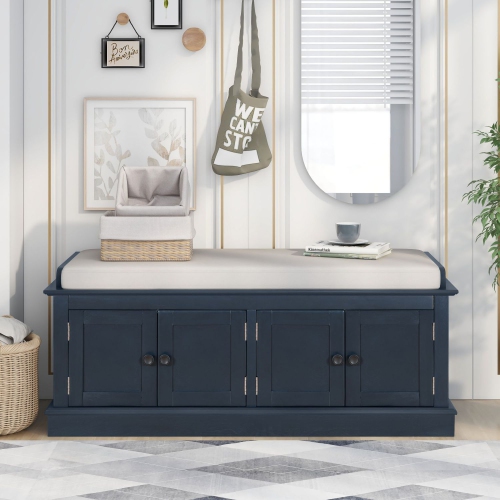
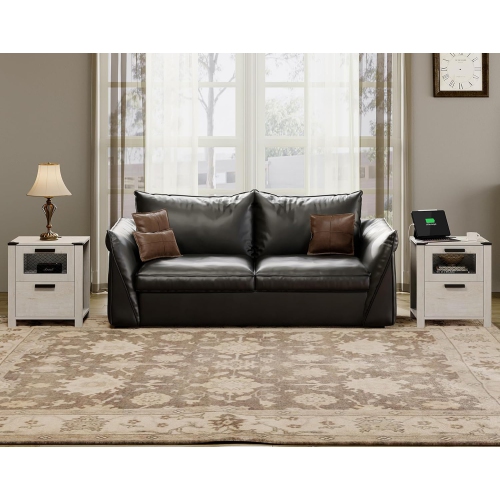
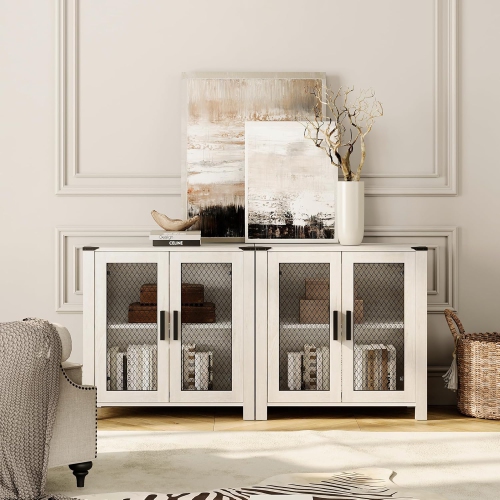
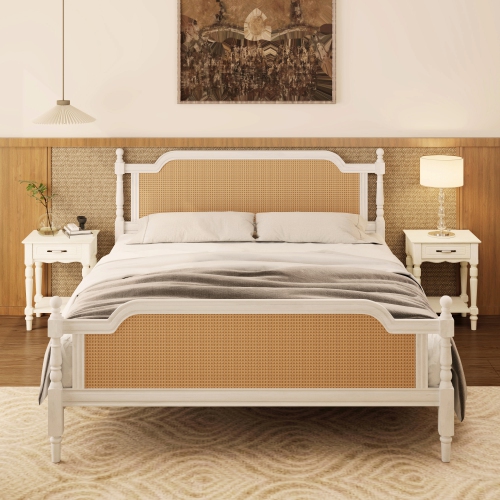
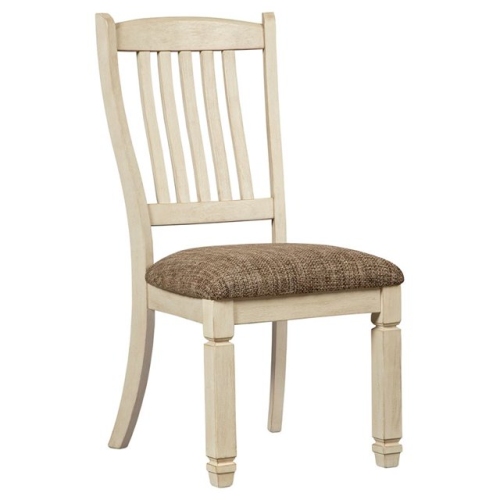
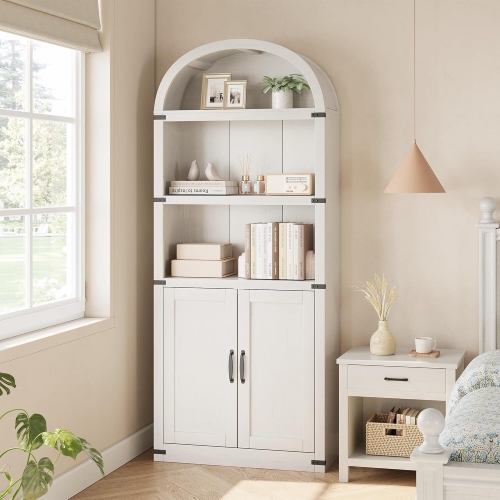
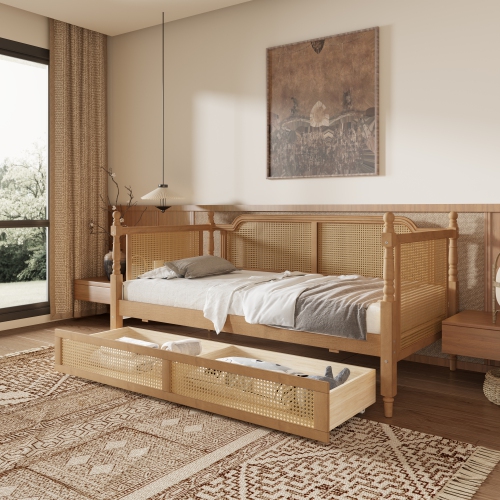
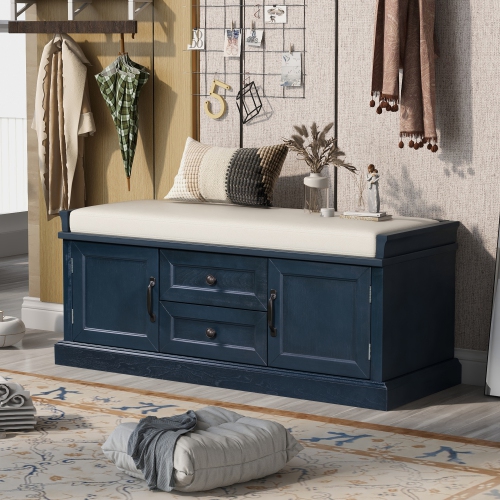
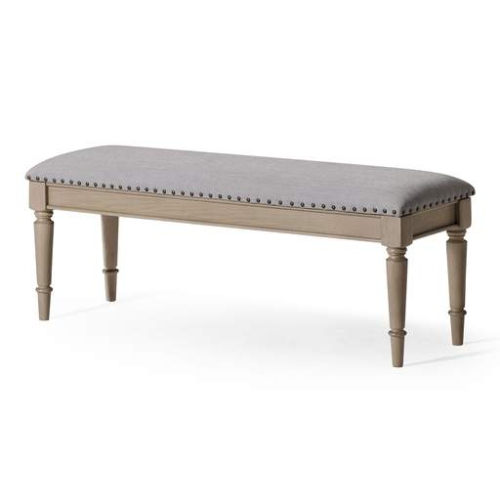

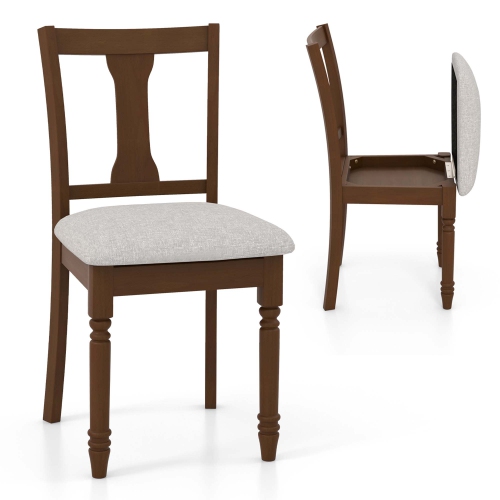
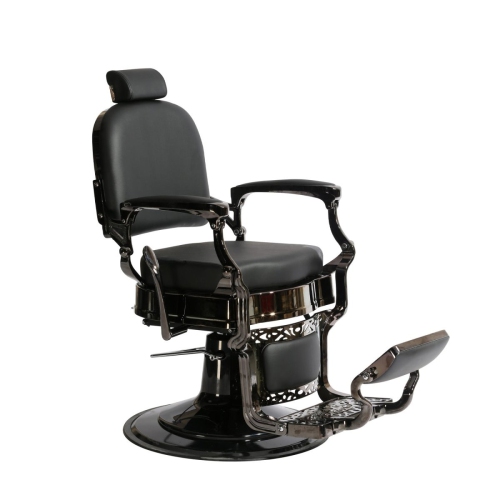
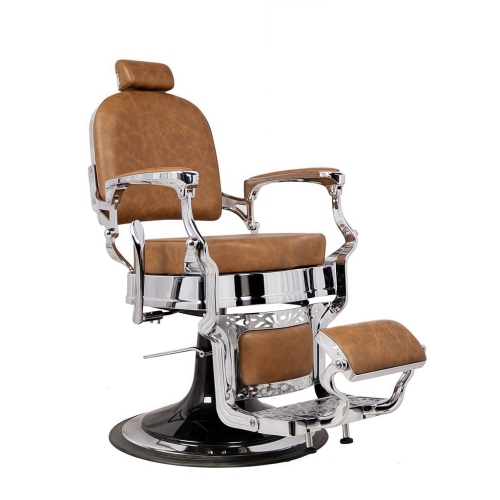
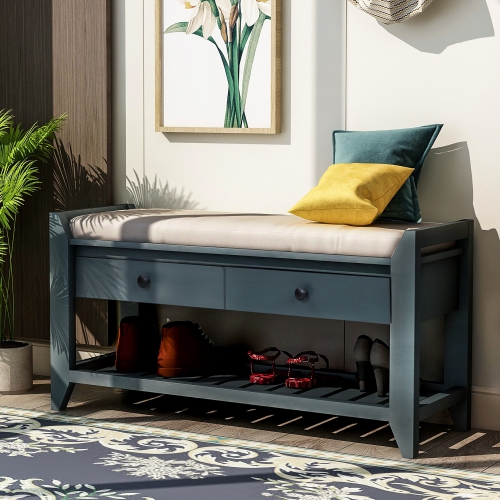
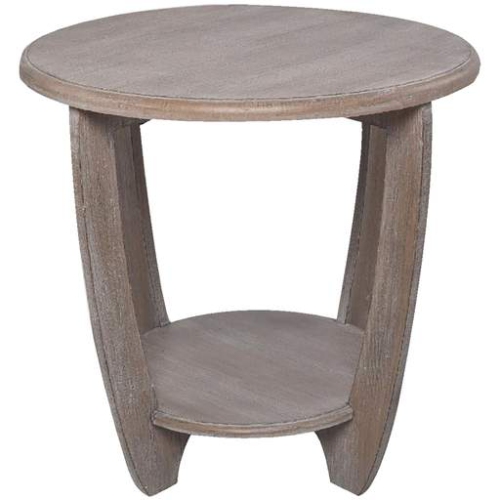
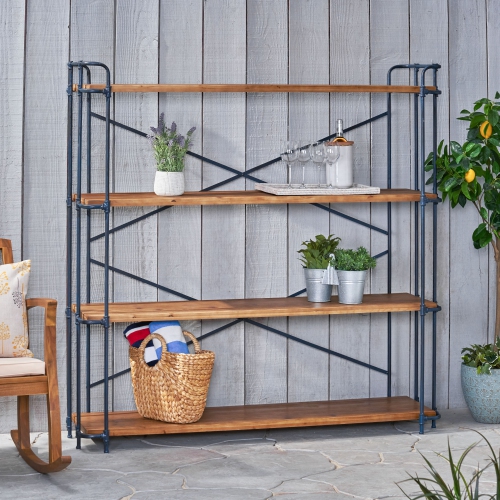
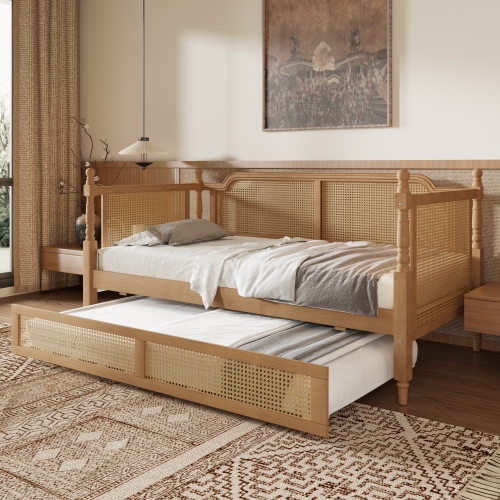
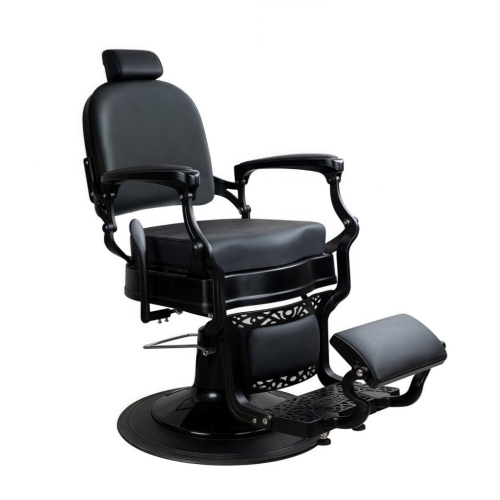
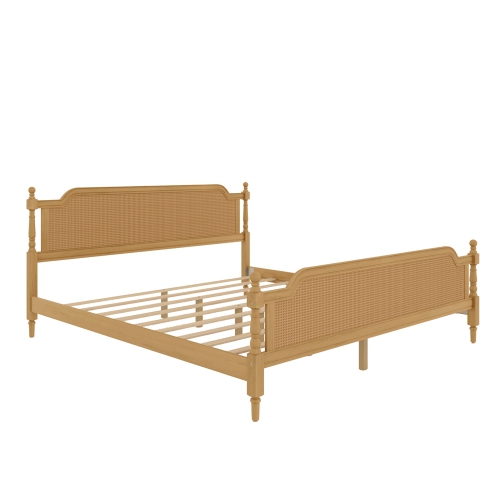
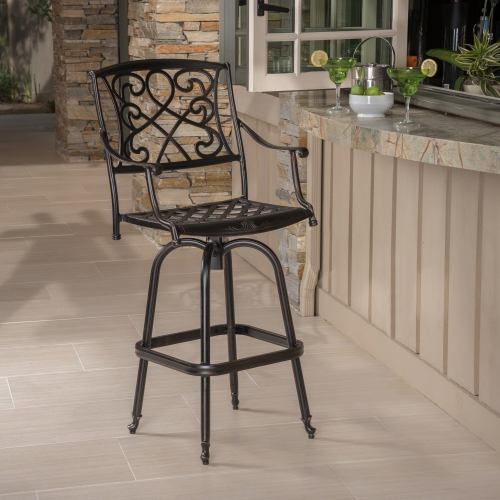
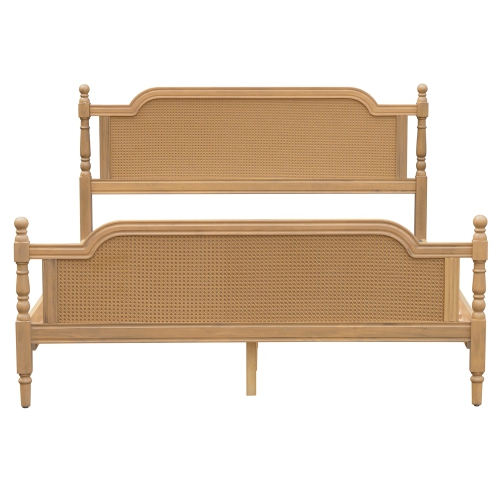
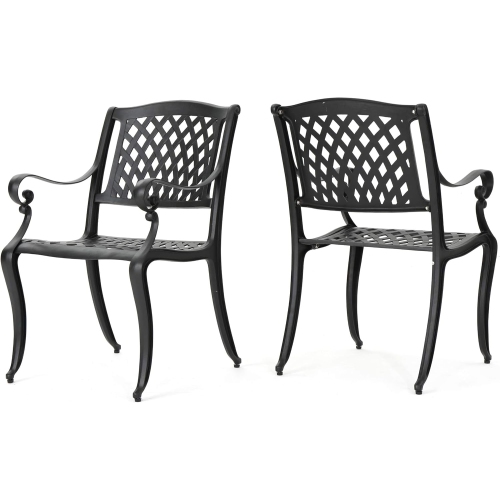
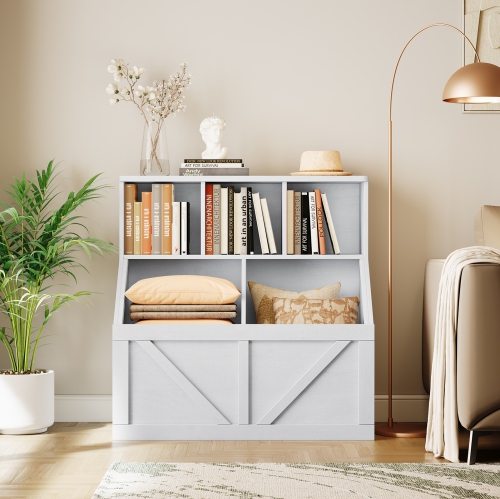
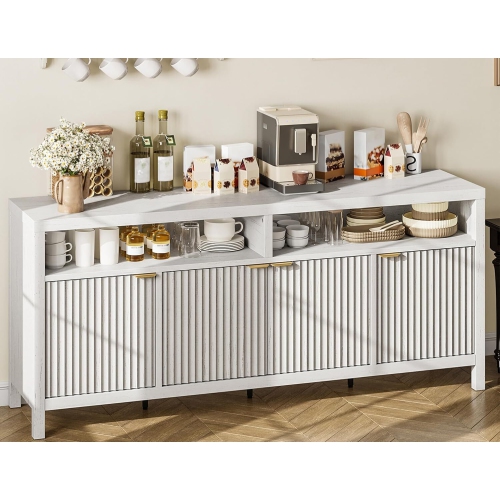
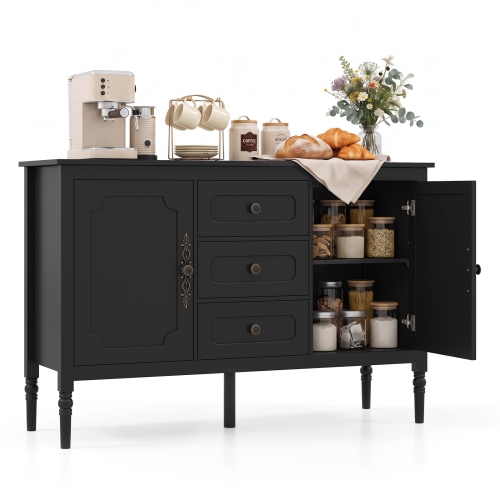
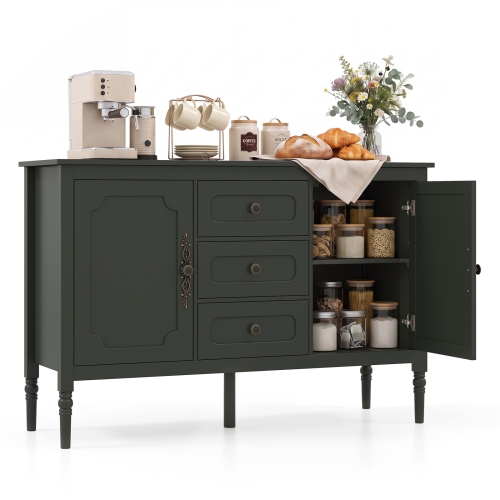
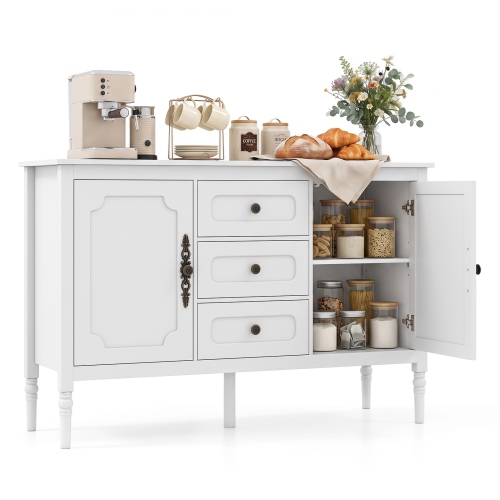
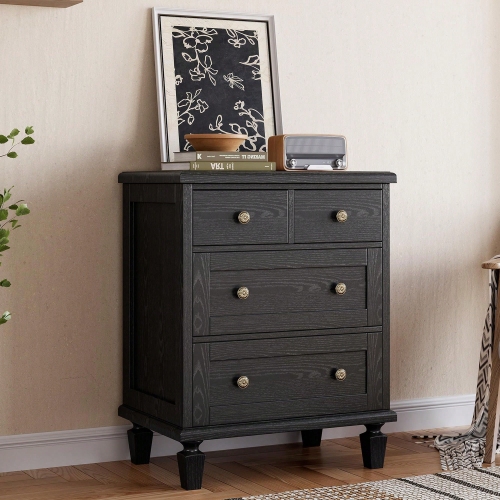
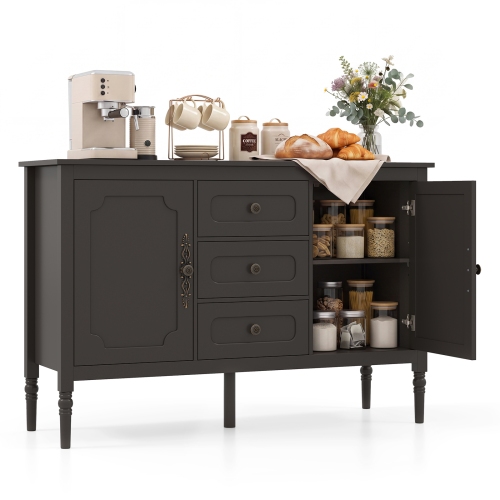
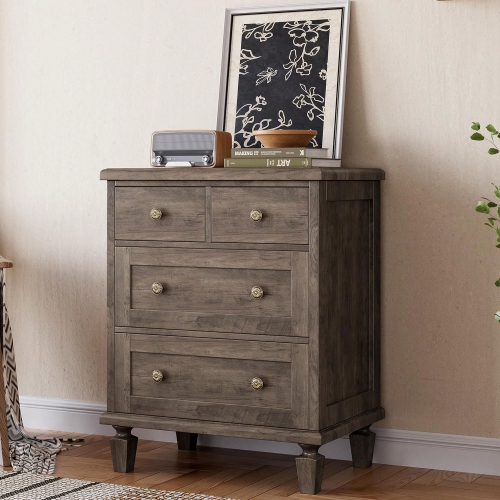
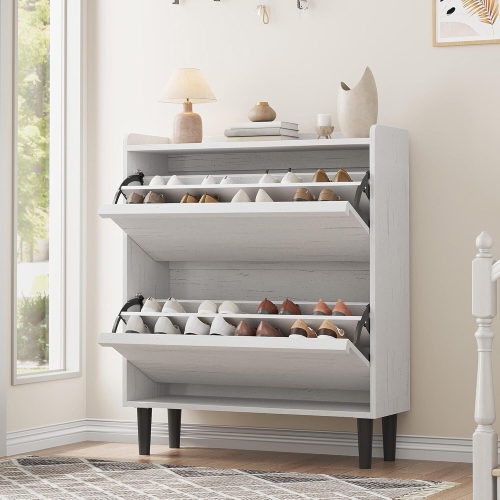
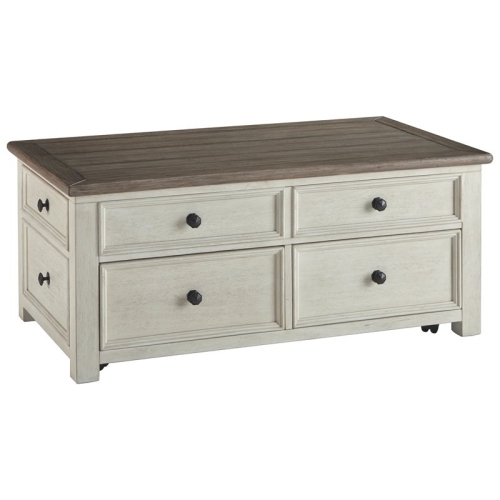
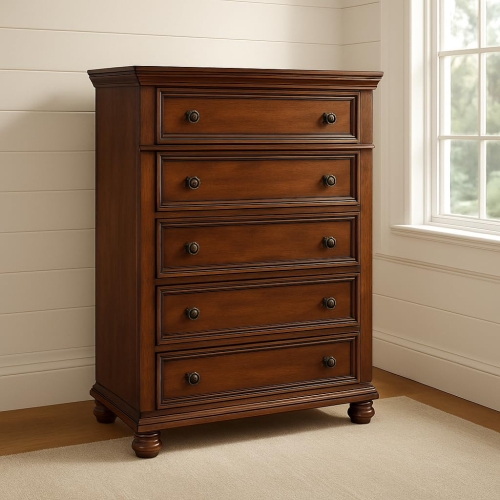

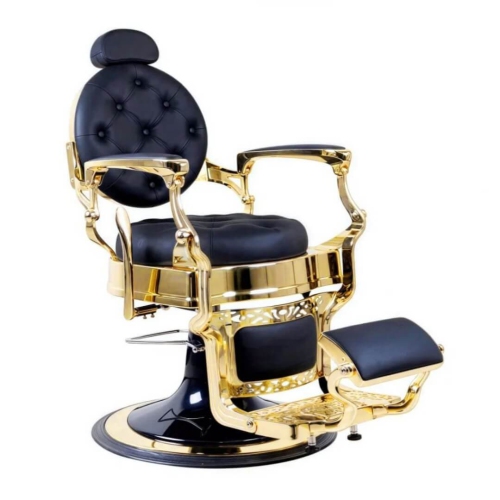
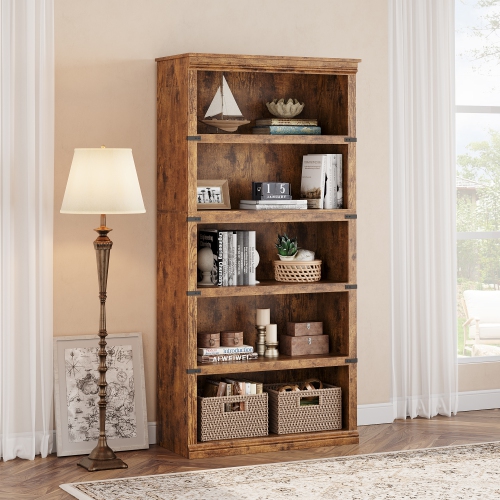
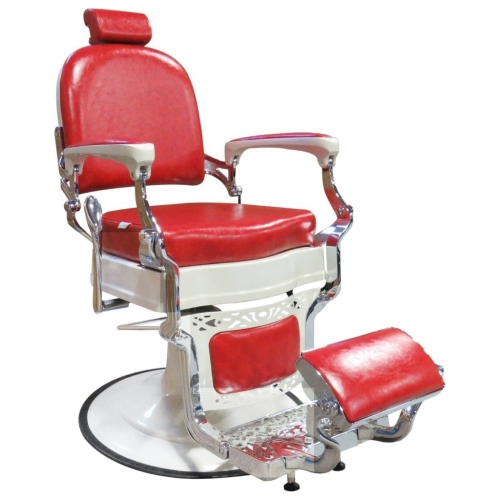
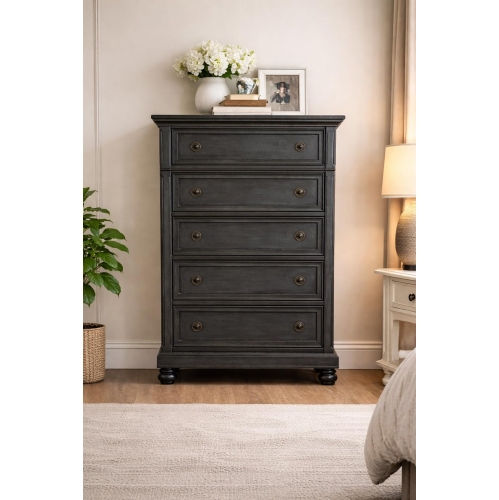
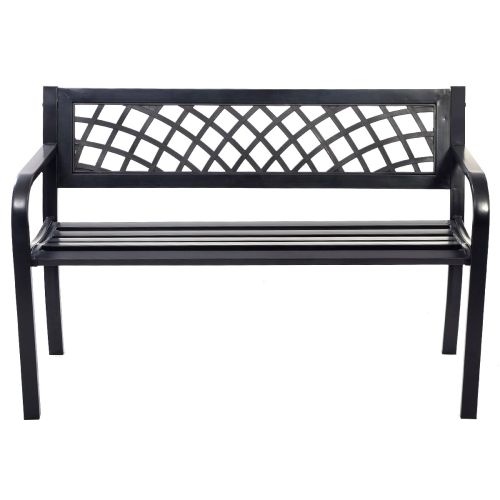
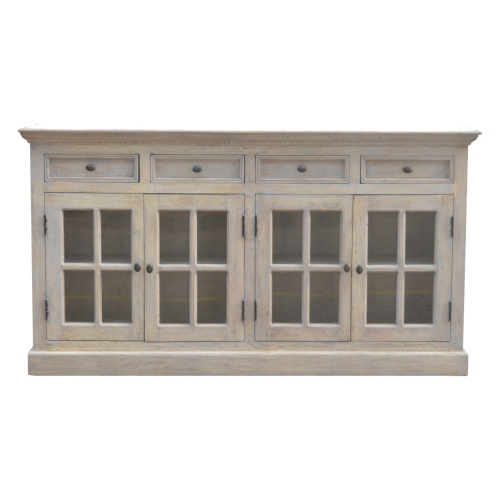
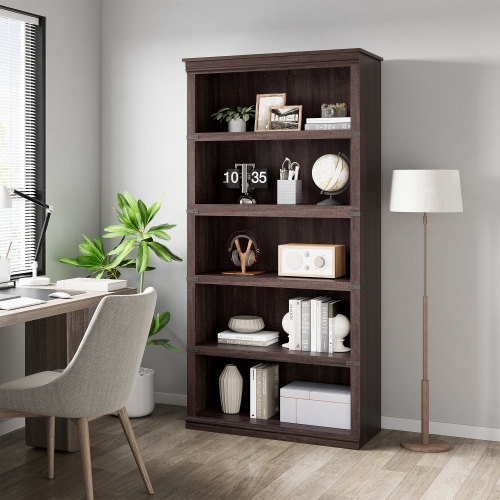
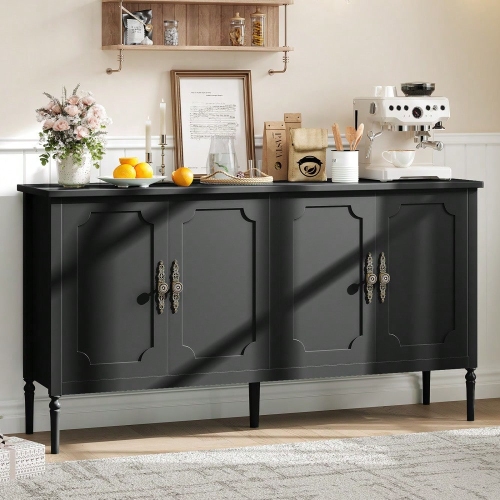
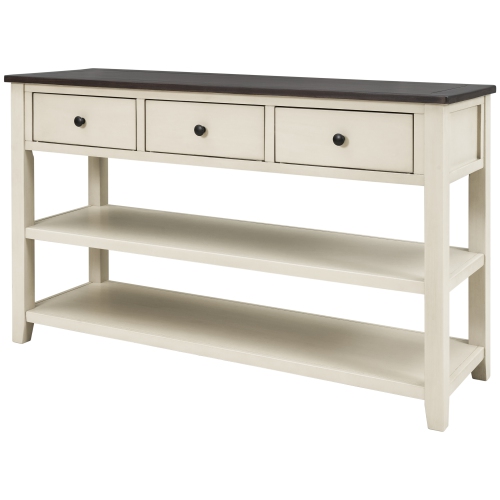
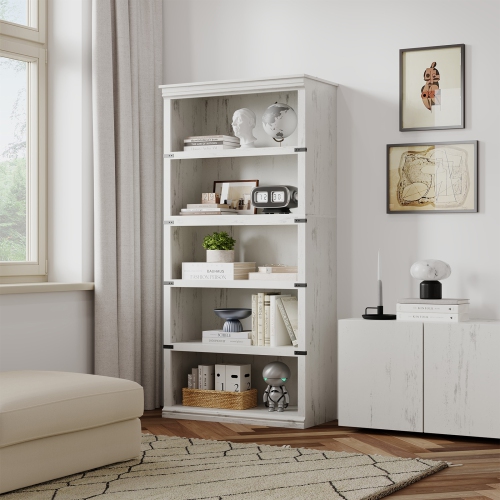
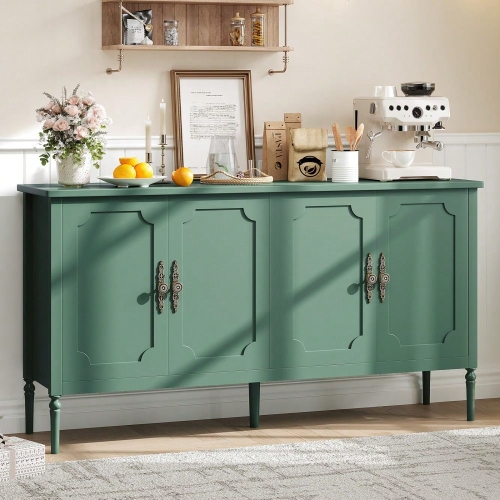
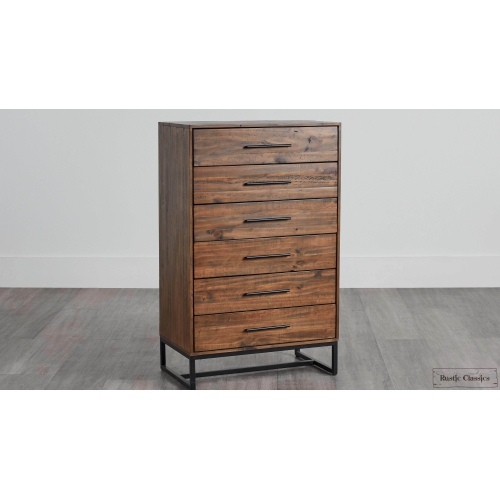
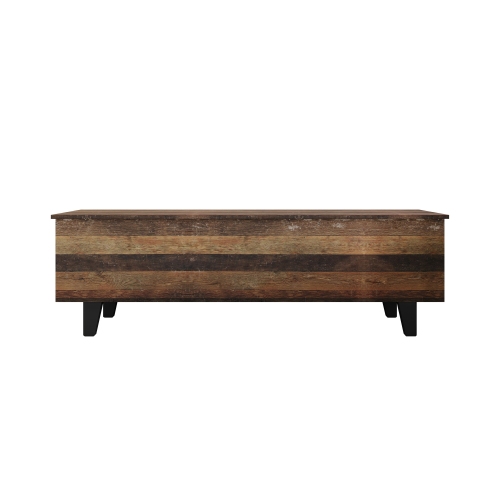
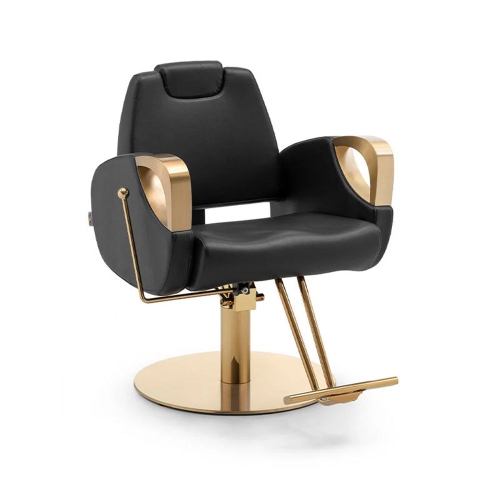
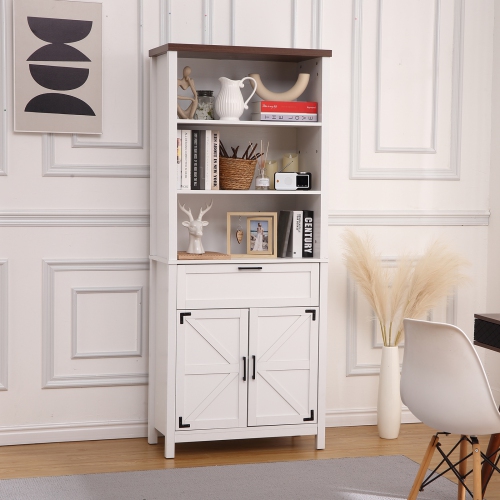
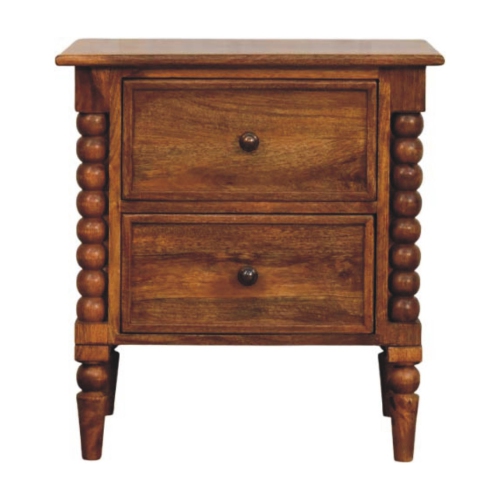
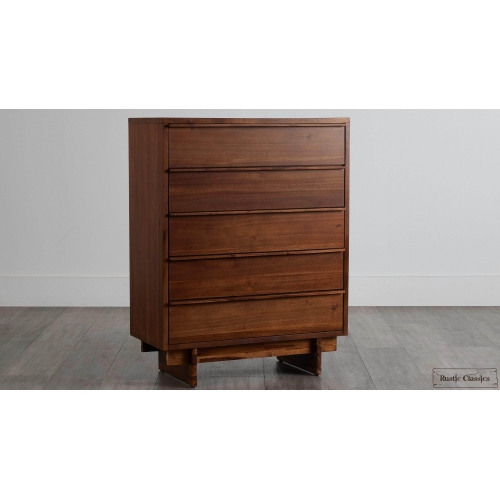
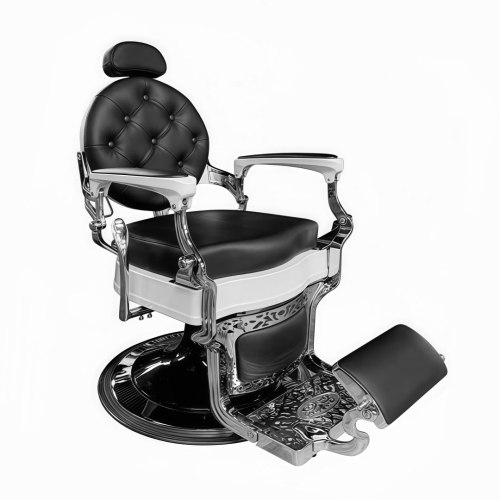
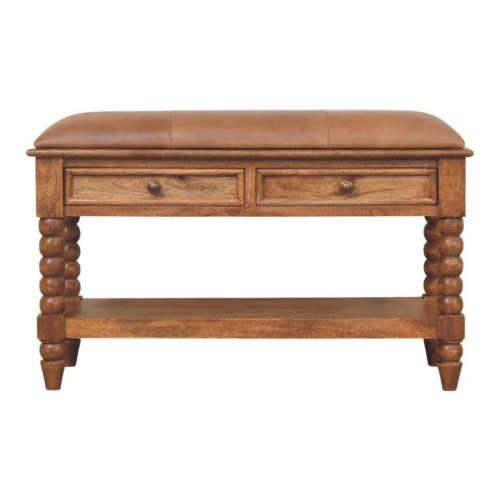
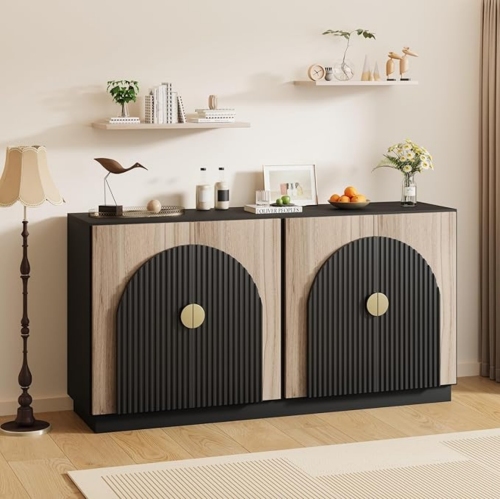
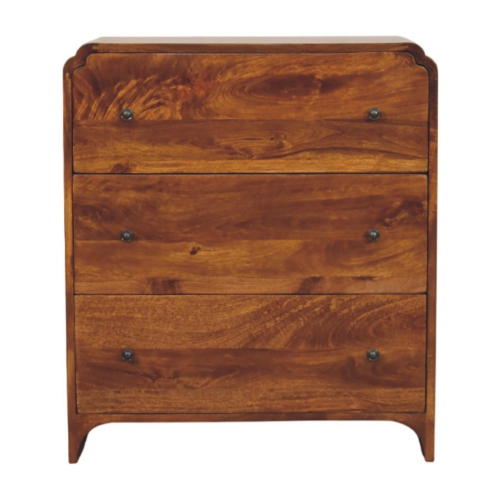
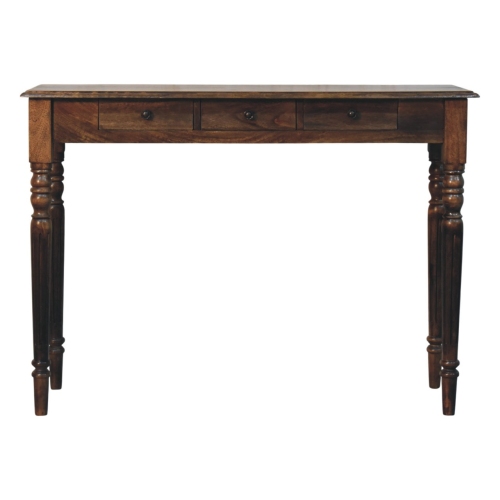
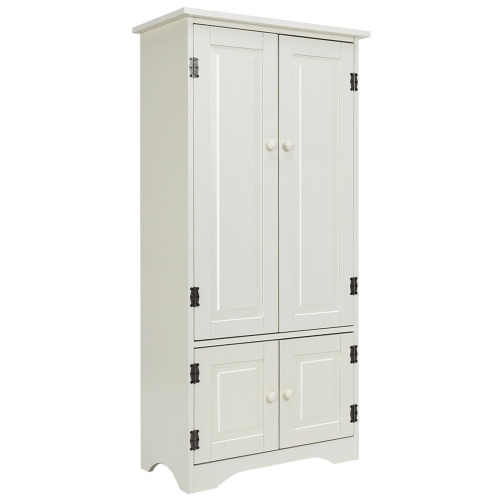
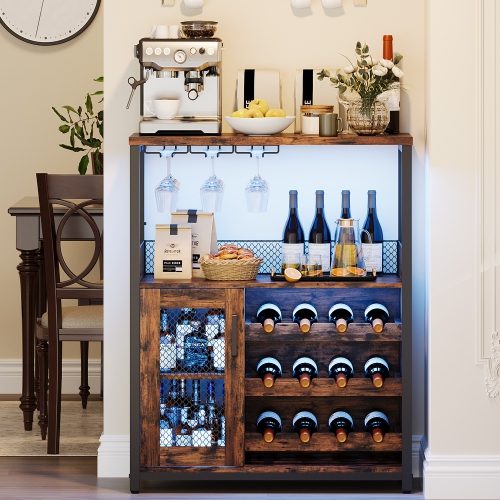

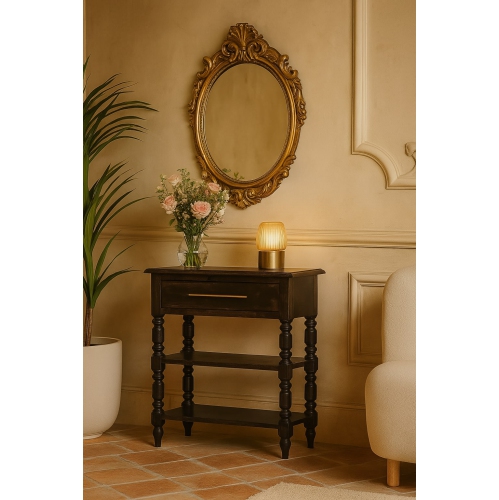
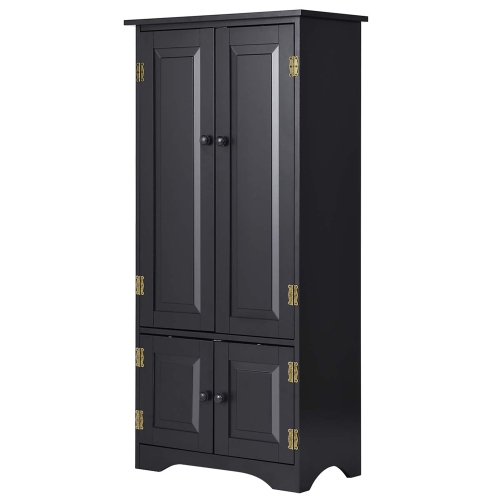
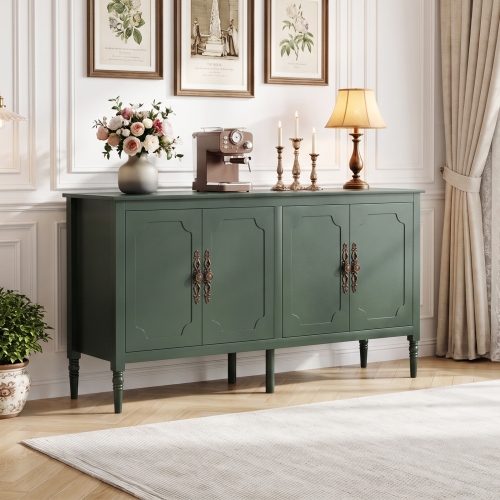

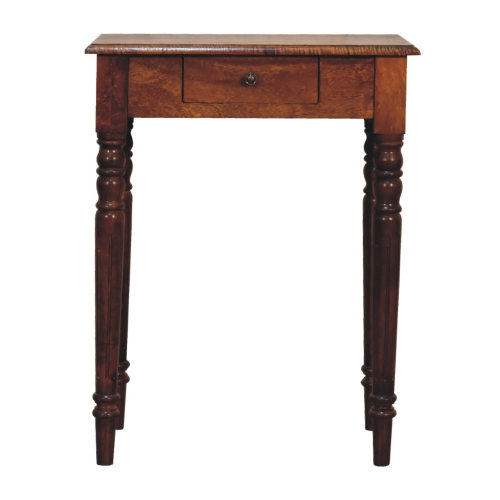
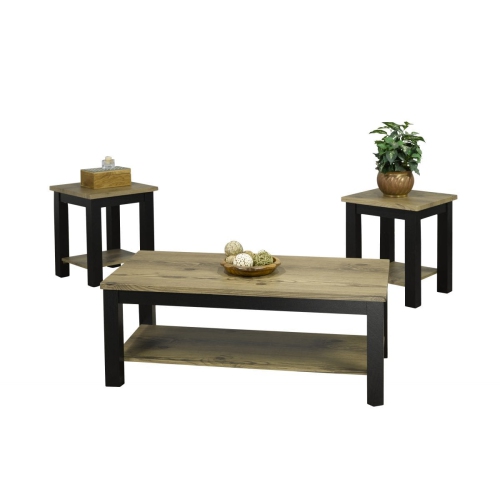
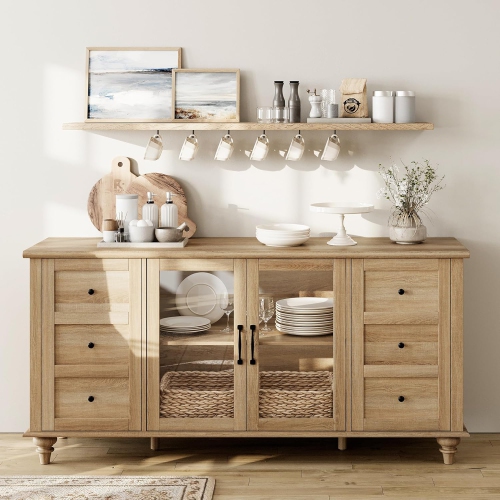
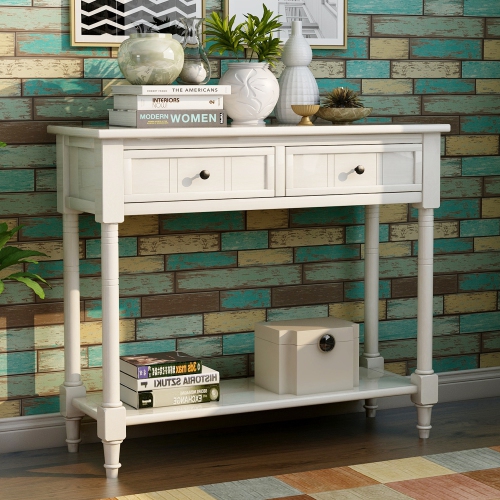
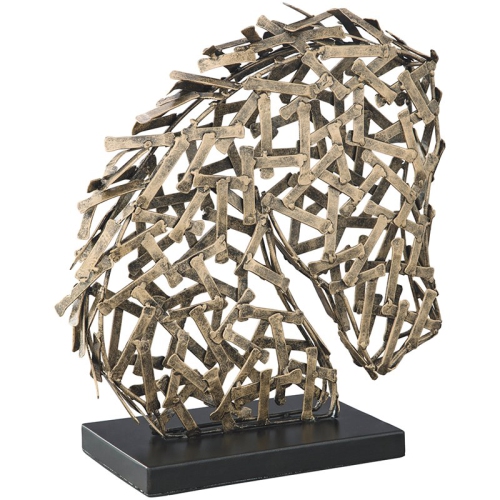
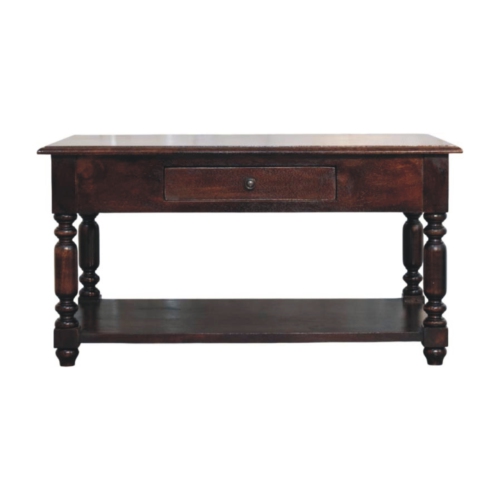
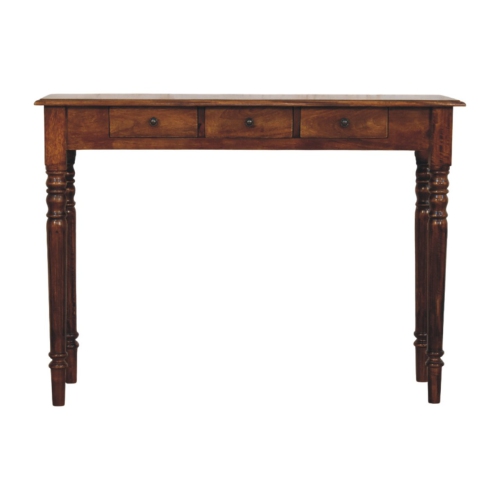
The details that distinguish antiques from reproductions
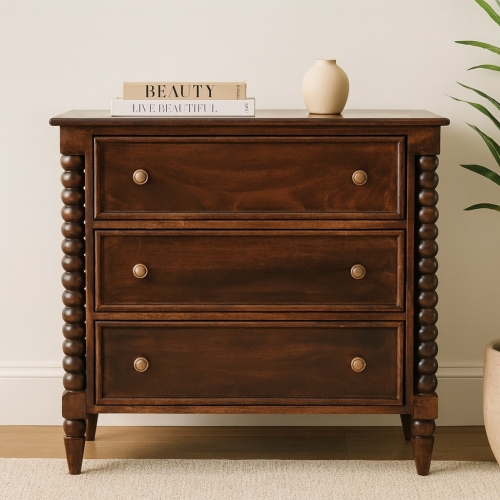
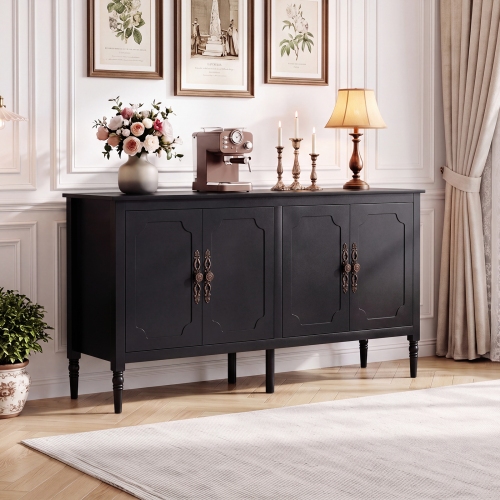
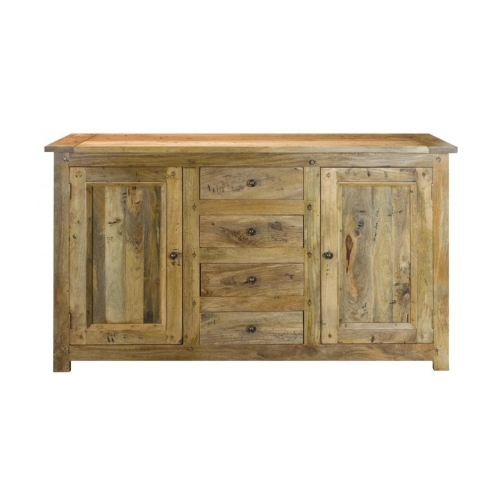
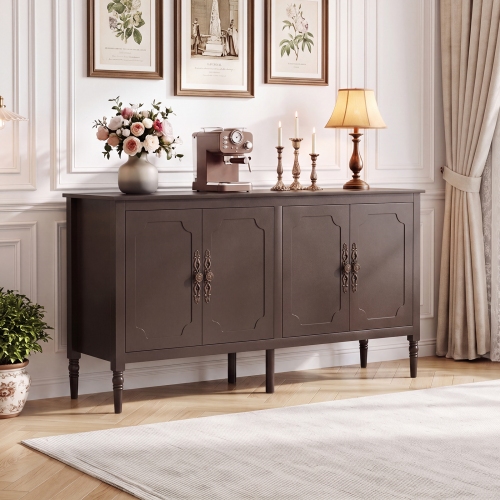
Antique furniture brings the proportions, craftsmanship, and decorative details of earlier periods into everyday living spaces. The term generally refers to furniture that is at least 100 years old, while antique-style furniture uses historical design influences without necessarily having that age. Vintage furniture is a broader description for older pieces and is not automatically antique. These distinctions matter because an original cabinet, a restored chest, and a newly made reproduction can share a similar appearance while differing in construction, condition, and care requirements. Georgian-inspired forms often feature balanced proportions, restrained ornament, and rich wood tones; Victorian furniture can include elaborate carving, turned legs, and substantial silhouettes. French influences range from the curved lines associated with Louis XV designs to the straighter profiles and classical details of Louis XVI styling. Not every room needs ornate furniture to achieve a traditional character. A simple panelled cupboard or a table with gently shaped legs can introduce the same sense of history in a quieter way. Materials help define that character: oak often displays a pronounced grain, walnut offers warm brown colouring, and mahogany is associated with deep reddish-brown tones. Wood species alone does not establish age or quality, and a dark finish is not proof that furniture is old. Veneer also has a long history in fine furniture, allowing decorative grain patterns and inlaid details that would be difficult to achieve with solid boards alone. Solid wood, veneered surfaces, brass fittings, marble tops, and upholstered panels each contribute different textures and practical qualities. On genuinely old furniture, patina may include softened edges, subtle colour variation, and wear around handles or frequently touched surfaces. Those marks can be part of its appeal, but decorative distressing on a newer piece serves a different purpose. Documented history, construction details, and the extent of restoration provide more useful context than appearance alone. The result is a furniture category that spans formal statement pieces, modest everyday forms, and historical styling adapted to modern homes.
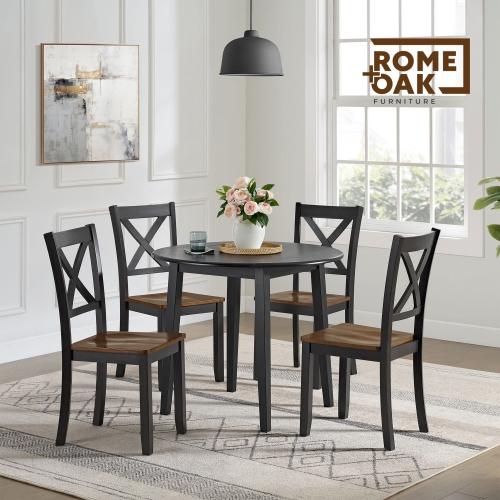
The strongest fit between antique furniture and a room comes from how the piece will be used, not simply how much space it occupies. A dining table needs room for chairs to pull out comfortably, while a sideboard needs clearance for doors and drawers to open without blocking a walkway. In a condo or apartment, a shallow cabinet can provide useful storage without projecting too far into the room; in a larger dining area, a substantial dresser or buffet can give an otherwise open wall a clear purpose. Overall measurements are only part of the picture. Doorways, stair turns, lifts, and removable components affect whether furniture can reach its intended location. Interior dimensions matter too: an older cupboard may have shelves suited to folded linens rather than tall serving pieces, and a writing desk may have less knee clearance than a contemporary workstation. Furniture used for a computer or television needs suitable support, practical cable access, and room for the equipment to function properly. Seating deserves equally close attention because the height of a seat, the angle of its back, and the position of its arms all influence comfort. Antique Style Chairs can introduce shaped backs, turned legs, or upholstered seats alongside a simpler table, allowing historical detail to become a focal point without matching every piece in the room. Consistent proportions and a few repeated colours often create a more comfortable arrangement than an entire room filled with competing decorative features. A carved wood chair beside a plain reading lamp, or a traditional chest beneath a contemporary print, gives each element room to stand out. Upholstery adds another layer of choice: tightly woven fabrics can suit frequent use, while textured or patterned coverings bring depth to occasional seating. For households with children or pets, accessible corners, stable frames, secure fittings, and fabrics suited to daily contact are especially relevant. Tall cabinets and chests need appropriate anti-tip anchoring, and heavily used seating needs sound joints rather than a decorative appearance alone.
Durability depends on the relationship between materials, construction, condition, and daily use. A thick tabletop does not compensate for a loose base, just as attractive upholstery does not reveal everything about the frame beneath it. Drawers that move smoothly, doors that sit correctly, secure handles, and firm chair joints all contribute to furniture that feels dependable in use. Traditional construction methods such as dovetail joints, mortise-and-tenon connections, and panelled backs can offer useful clues about how a piece was built, although no single detail proves its age. Repairs and replacement parts are also part of many older pieces’ histories; their significance depends on the quality of the work and whether the furniture is intended for collecting, display, or everyday service. Care is most effective when it suits the actual surface rather than a general assumption about wood. Waxed, oiled, shellacked, lacquered, and painted finishes can respond differently to moisture and cleaning products. Routine dusting with a soft cloth, prompt attention to spills, and protective pads beneath objects help limit avoidable marks. Coasters and trivets are particularly useful on tables where drinks or serving dishes are placed, while felt beneath decorative objects reduces scratching when arrangements change. Prolonged direct sunlight can alter wood colour and fade upholstery, and furniture positioned beside heating vents may experience uneven drying. For valuable or delicate antiques, specialist advice is preferable to aggressive polishing, stripping, or improvised repairs, which can remove original surface details. Intended use helps determine how much delicacy is practical: a hall table holding keys faces different demands from dining chairs used several times a day. Antique furniture also appeals to people furnishing a first home, adding character to an established room, or marking a housewarming or wedding with a lasting gift. For a gift, the recipient’s measurements, preferred finishes, and appetite for upkeep matter as much as the historical style. Whether the appeal lies in warm wood grain, graceful proportions, or the individuality of an older surface, a successful piece combines visual character with a clear role in the home.
Top selling and popular products
-
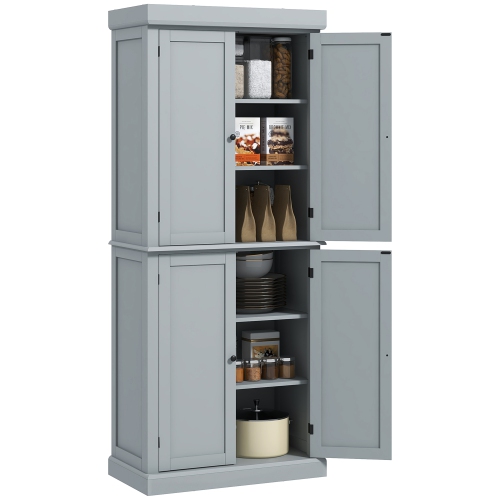 Your price for this item is $285
-
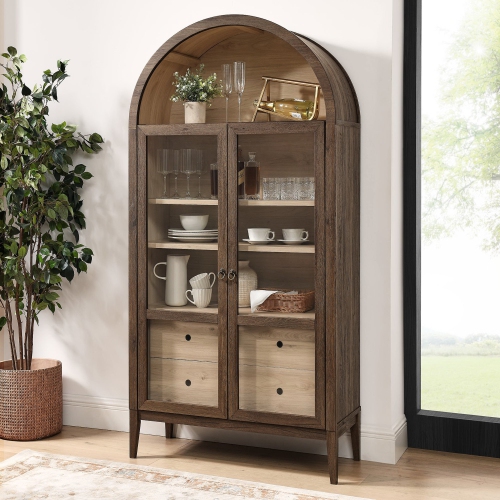 Your price for this item is $1155.71
-
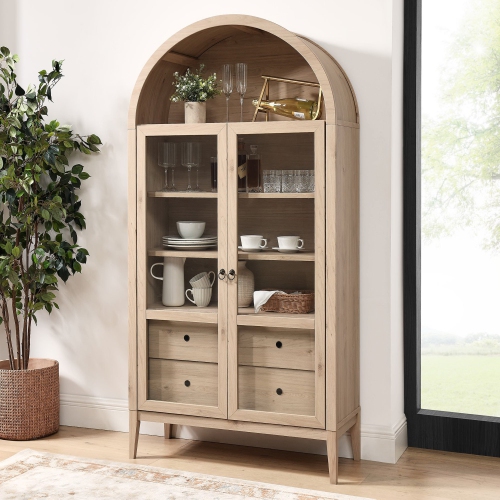 Your price for this item is $1155.71
-
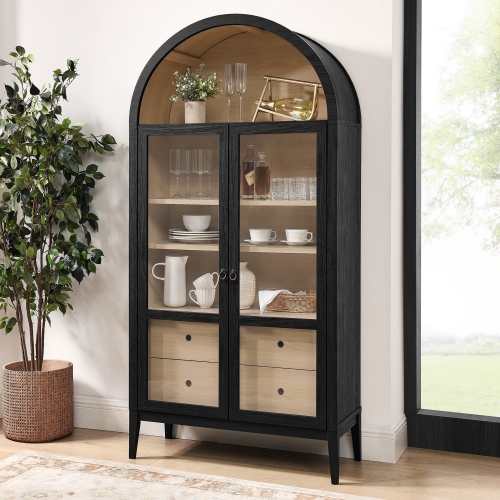 Your price for this item is $1155.71
-
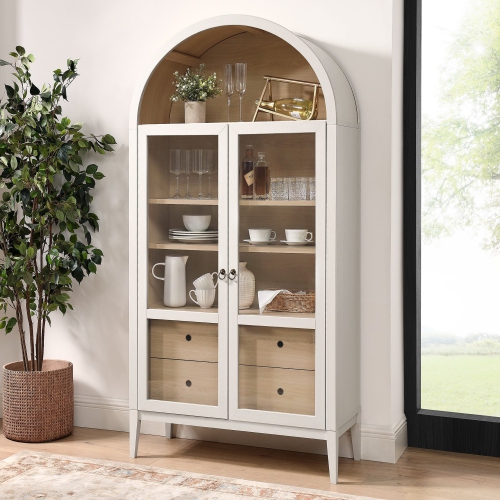 Your price for this item is $1155.71
-
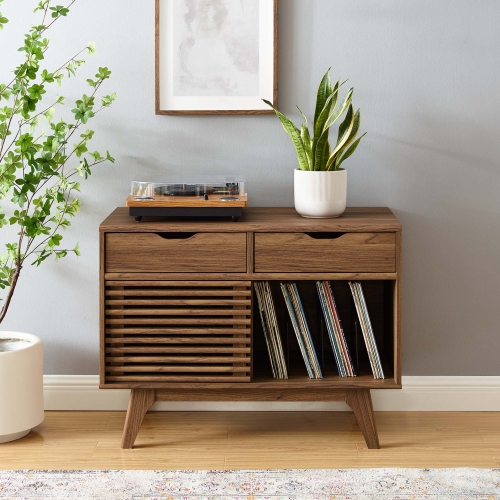 Your price for this item is $452.93
-
 Your price for this item is $155.99
-
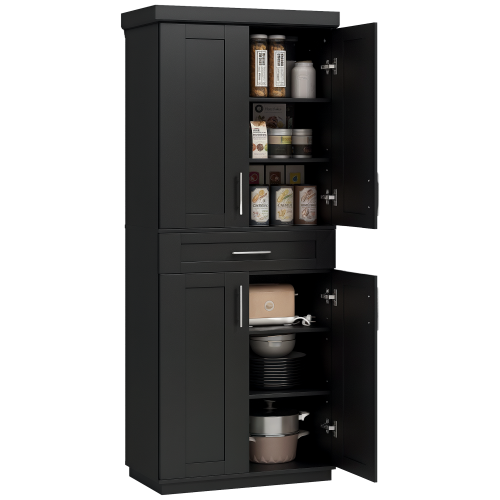 Your price for this item is $269.99
Discover more categories related to Antique Furniture

Top Collections:
Best Black Friday Deals This Year, Best Black Friday Deals On Electronics, Kindle Devices, Best Black Friday Deals On Apple Products, Best Budget Office Chairs, Best Cameras for Sports Photography, Dyson Airwrap, Canon G7X Cameras, Best Laptops for Writers, Samsung Galaxy Phones
Some products may be subject to Environmental Handling Fees
(EHF) depending on your province.
Learn more about EHFs.