Antique Rugs
Step into a world of timeless elegance and exquisite craftsmanship with our collection of antique rugs. Each rug tells a story of tradition and artistry, showcasing intricate patterns and rich hues that have stood the test of time. Whether you're looking to add a touch of history to your home decor or seeking a statement piece for your space, these antique rugs offer unparalleled beauty and sophistication. Explore our curated selection and discover the perfect piece to elevate your living space with a touch of vintage charm.
Sort
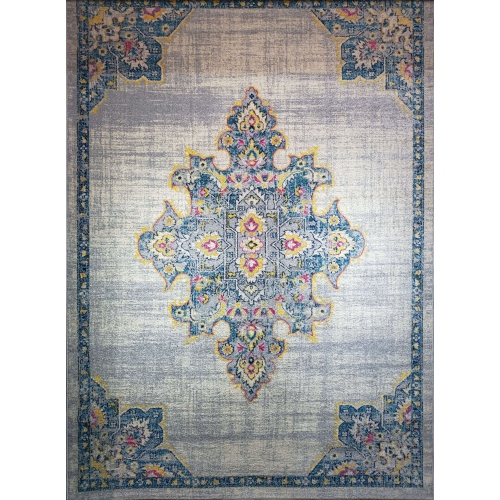
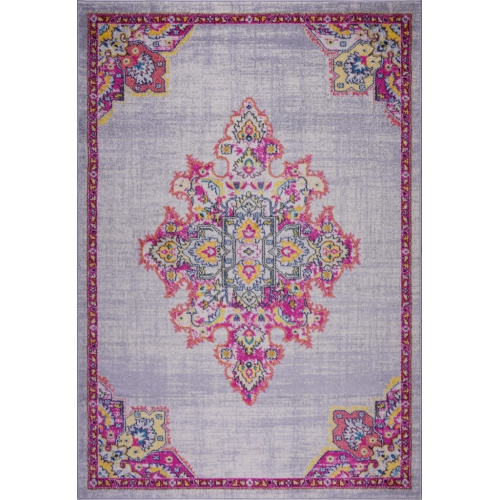
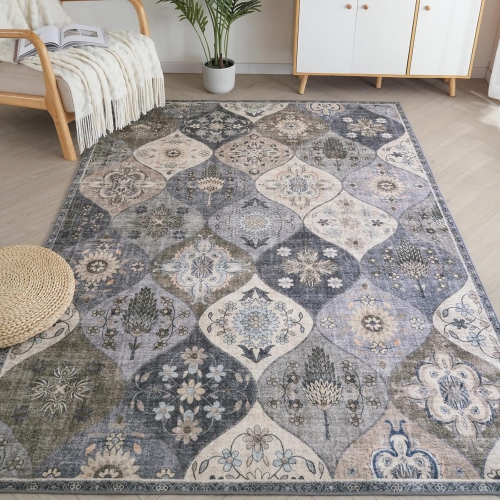
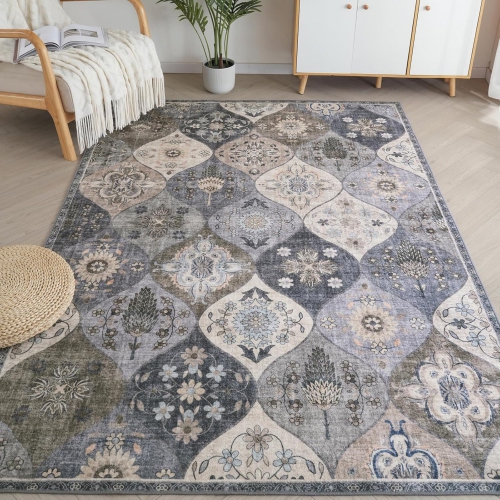






A rug’s character comes from more than age
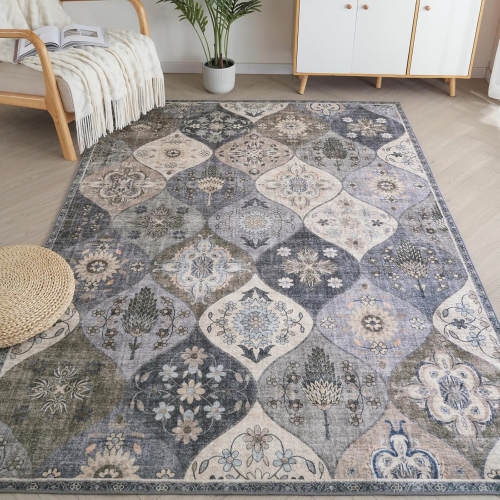
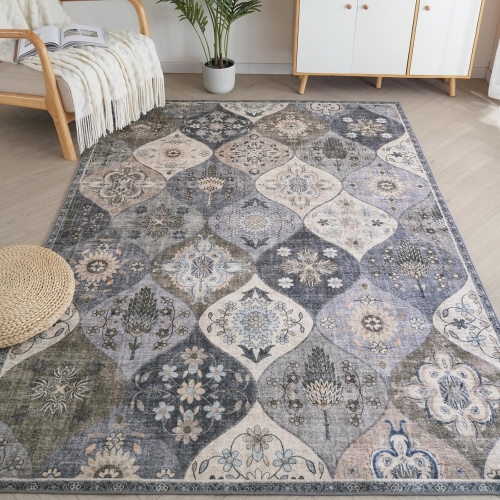
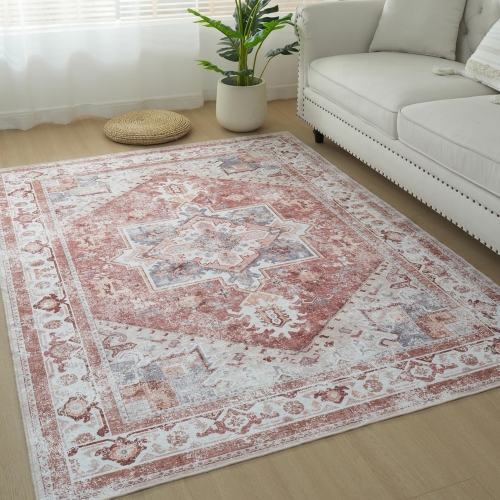
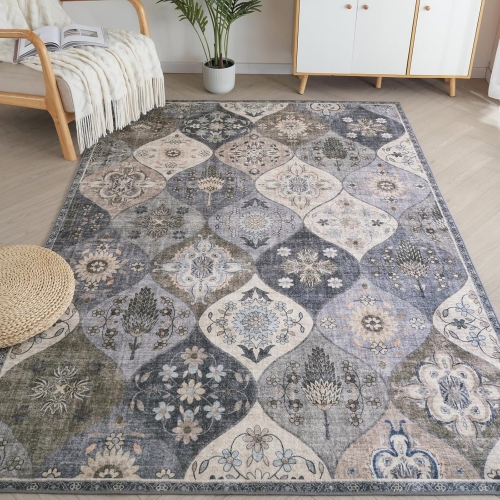
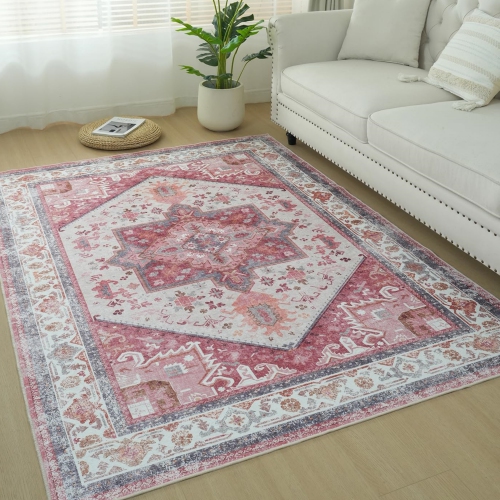
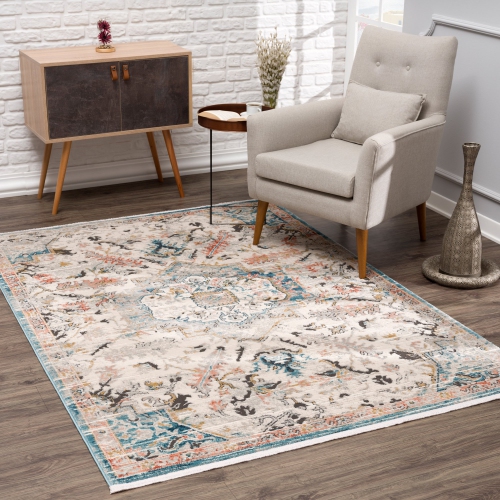
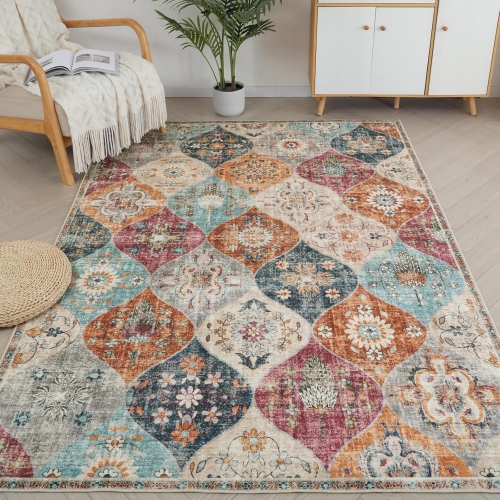
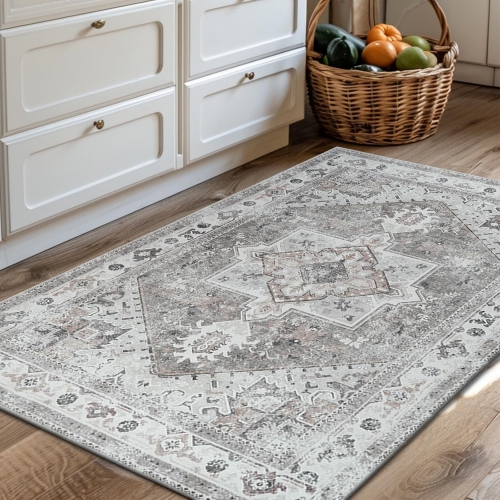
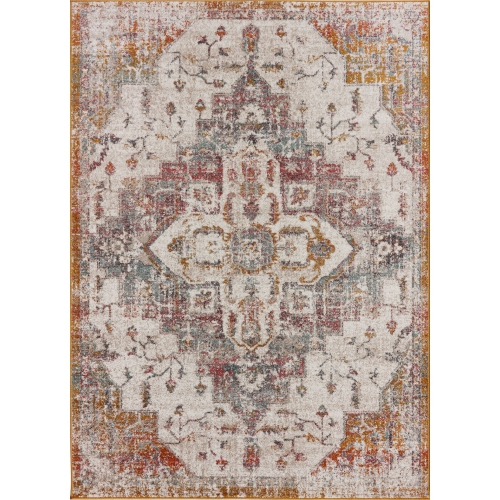
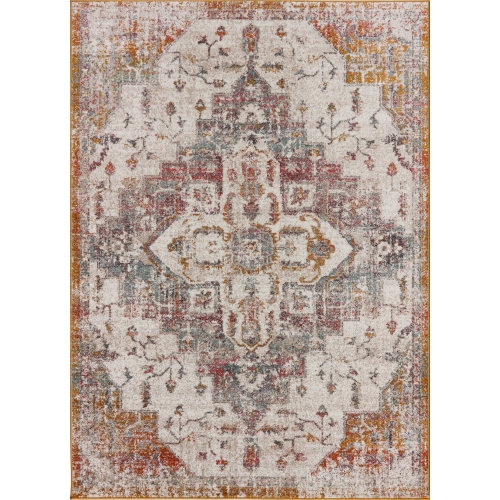
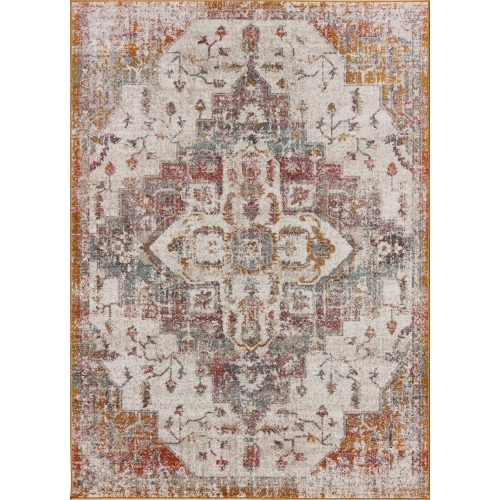
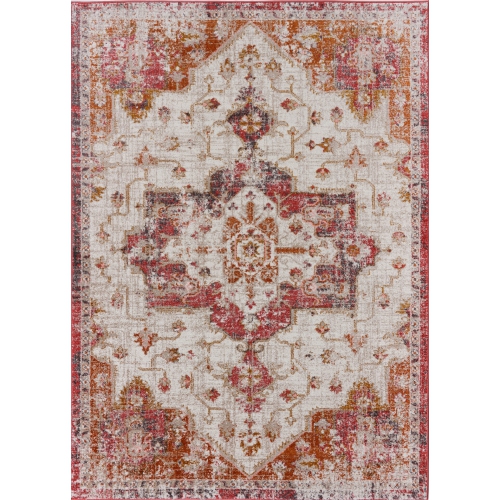
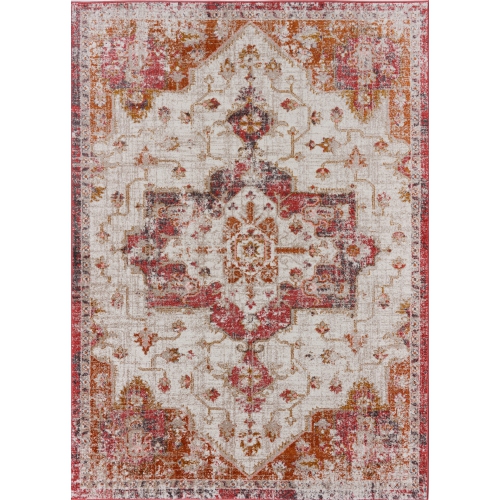
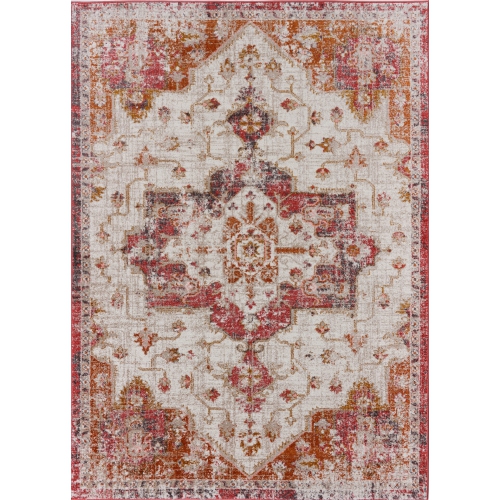
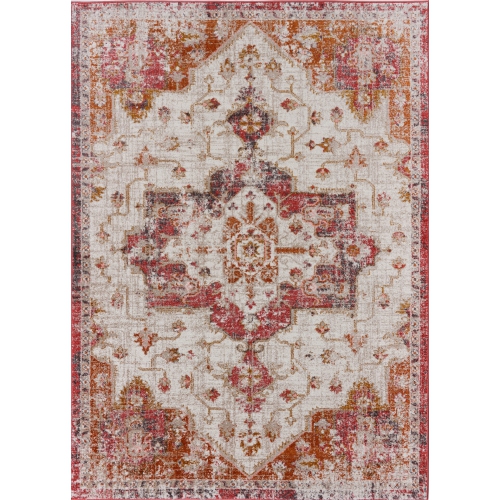
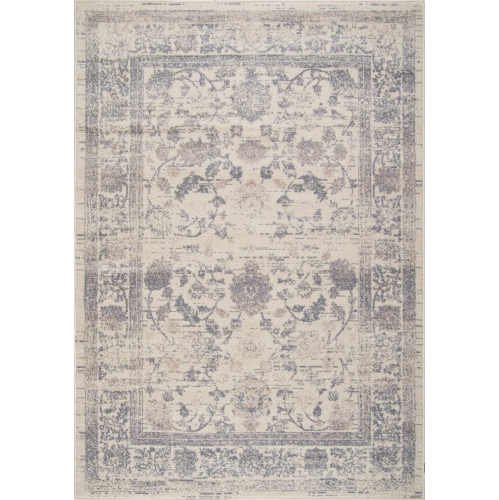
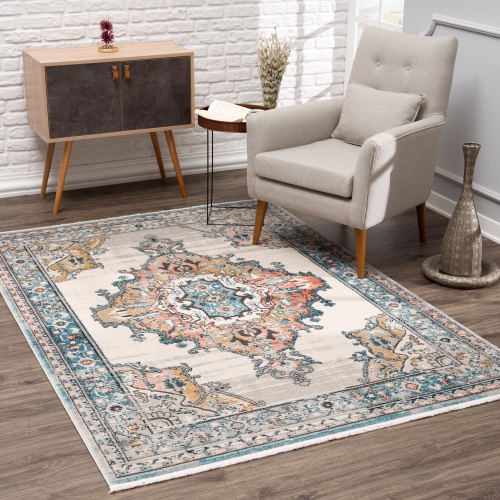
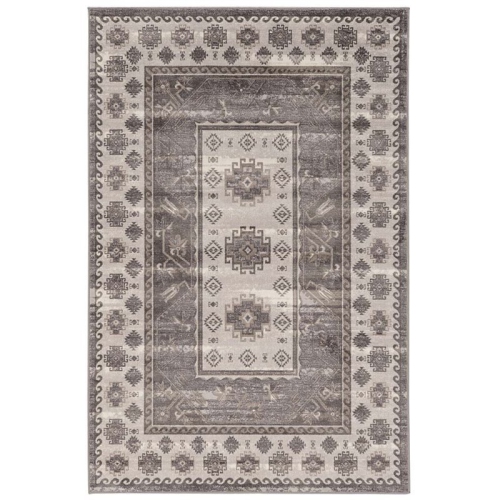
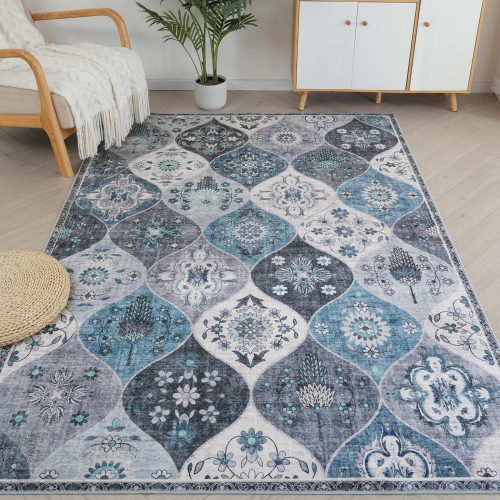
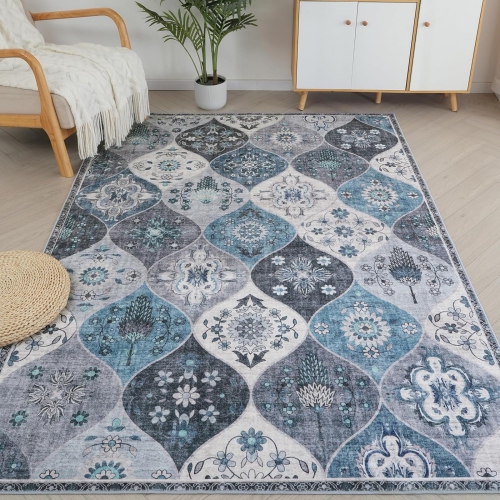
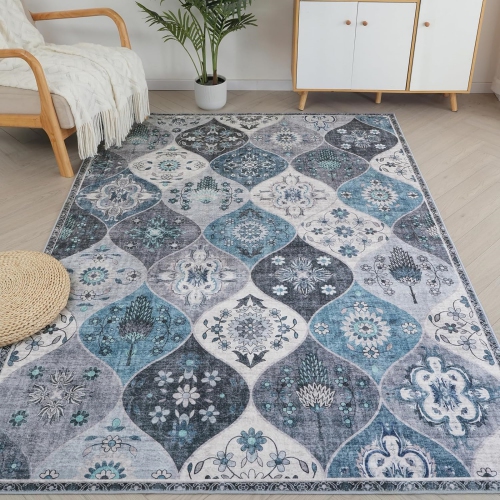
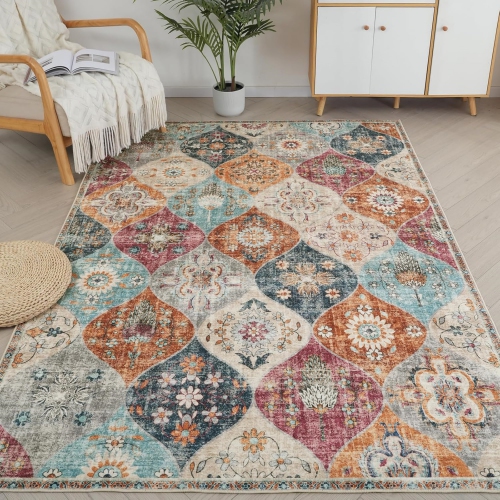
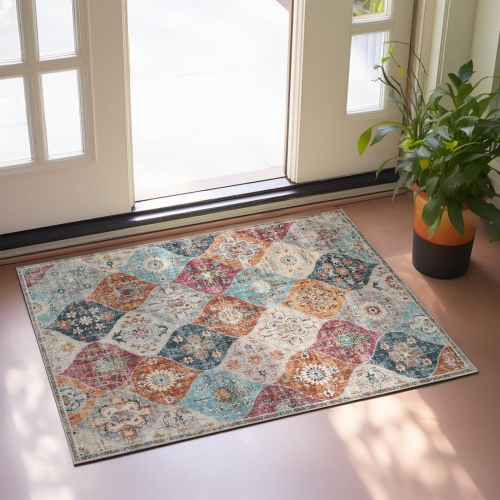
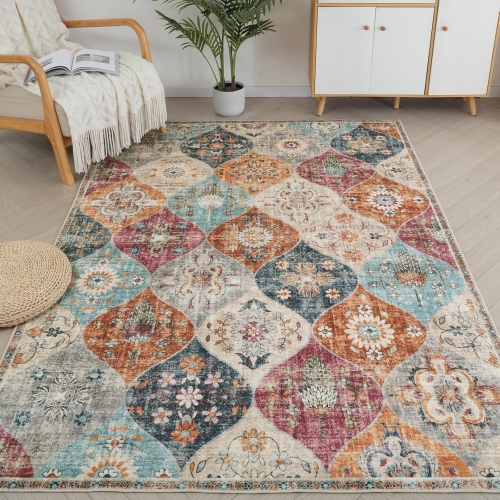
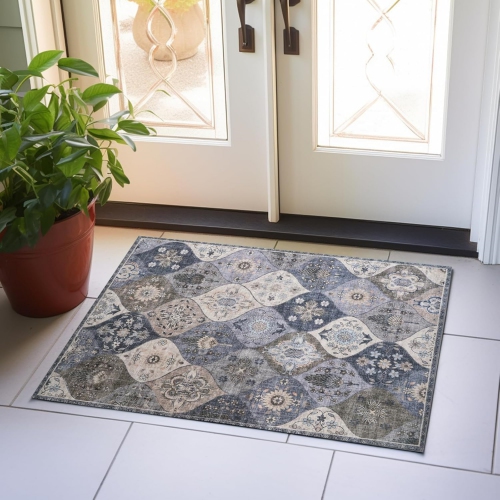
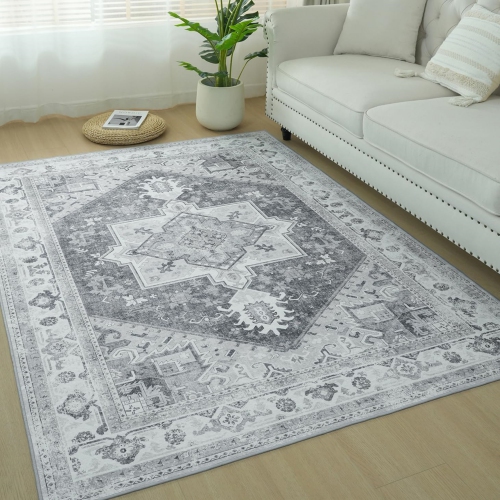
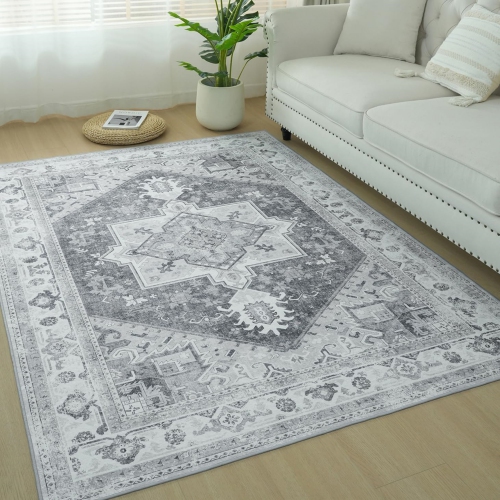
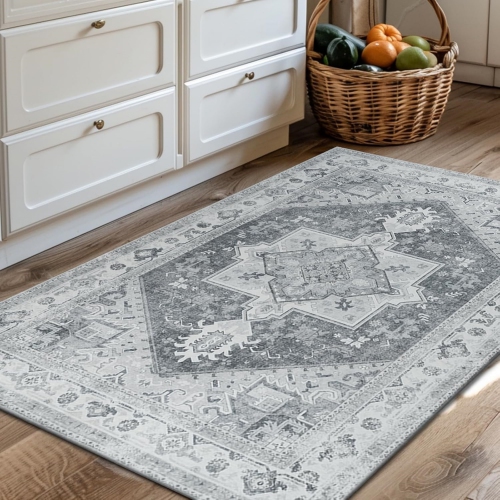
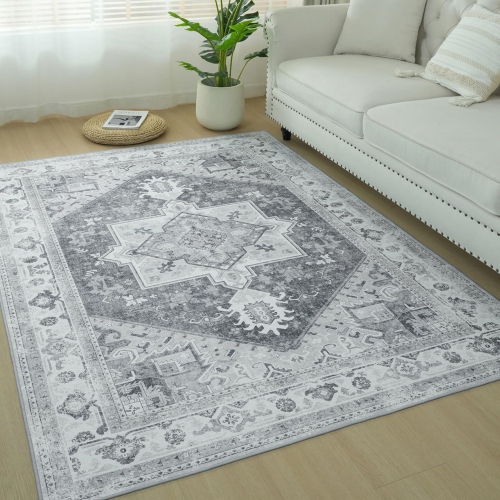
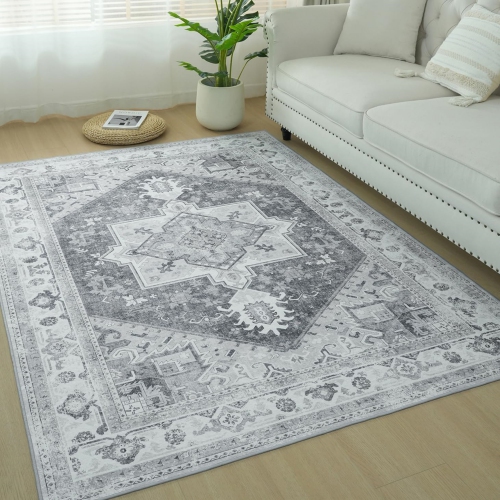
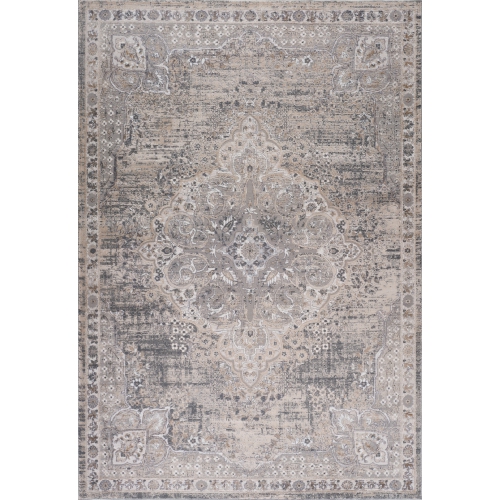
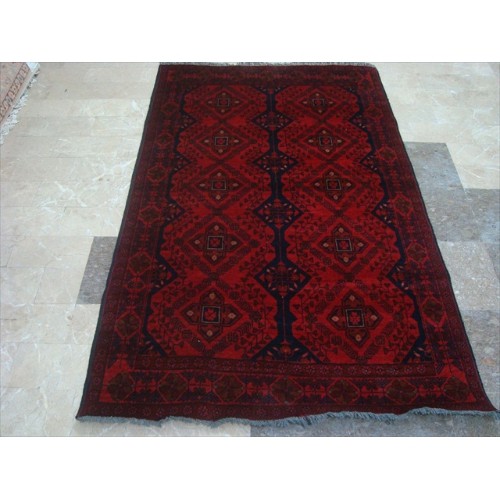
Antique rugs bring the detail of woven textiles into everyday rooms, with patterns and surface character shaped by both craftsmanship and age. In common collecting terminology, an antique rug is generally at least 100 years old, while vintage usually describes a younger piece from an earlier period. An antique-style rug is different: it is newly made to suggest the appearance of an older textile, often through softened colours, traditional motifs, or a distressed finish. That distinction matters when choosing between a historical furnishing and a traditional look for daily use. Age alone does not establish quality or origin; construction, materials, condition, repairs, and documented history all contribute to a rug’s character. Hand-knotted Persian rugs, including weaving traditions associated with Tabriz, Bijar, and Sarouk, are known for distinctive combinations of floral designs, medallions, repeating patterns, and borders, though examples vary considerably within each tradition. Other antique rugs may feature angular geometric forms, open fields of colour, or small motifs arranged in rhythmic rows. Wool is a common pile material, valued for its springy feel and ability to retain texture, while cotton often forms the underlying warp and weft. Silk may appear in the pile or as fine accents, bringing a sheen that changes with the viewing angle. Some rugs combine several fibres, so the stated composition is more useful than appearance alone. Hand-knotting can produce a sturdy textile, but it does not make an old rug immune to wear, and a higher knot count is not a complete measure of quality. A well-balanced drawing, secure foundation, and sound edges can matter just as much. Gentle fading and small variations in colour may give an antique rug depth without making it look uniform or newly finished. Uneven colour can also reflect differences between dye batches rather than age, so a mellow palette should not be treated as proof of authenticity. For shoppers drawn especially to wool texture and the appearance of older textiles, Vintage Wool Rugs offers a related theme, while the distinction between antique, vintage, and newly made remains important.
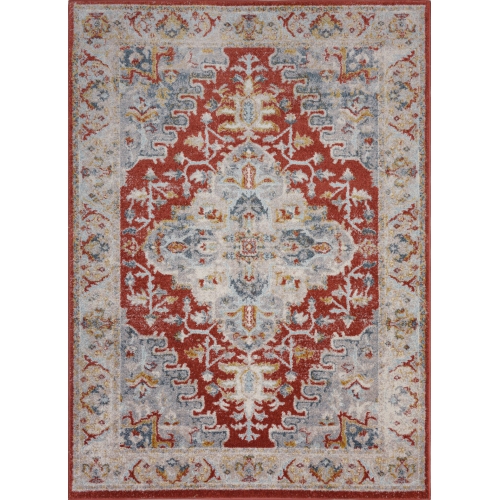
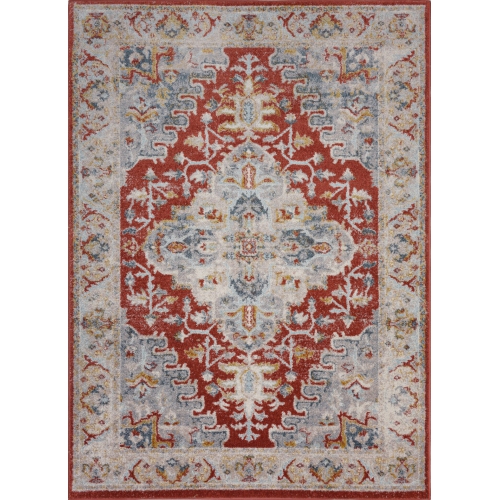
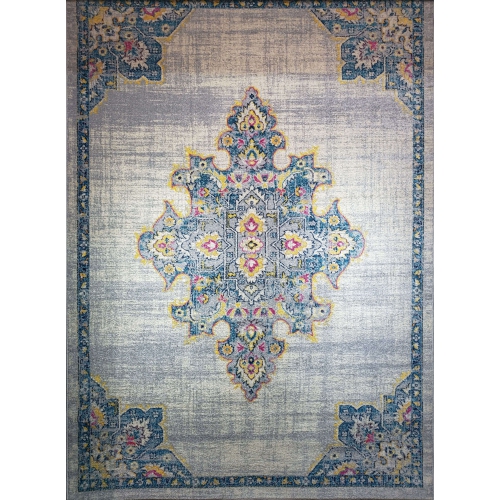
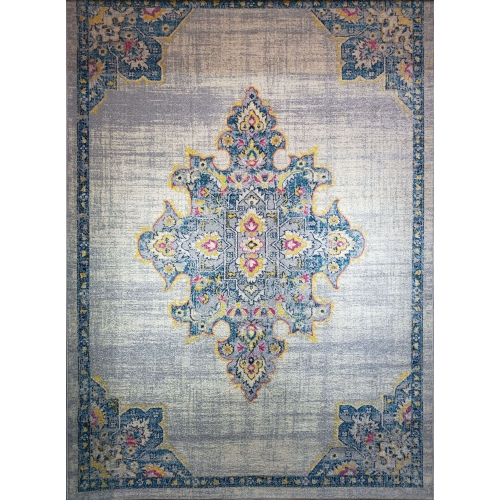
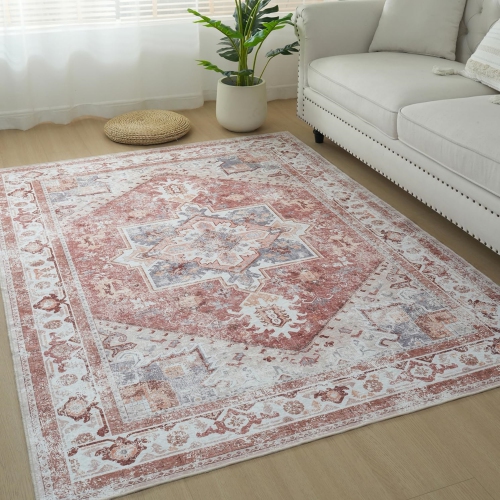
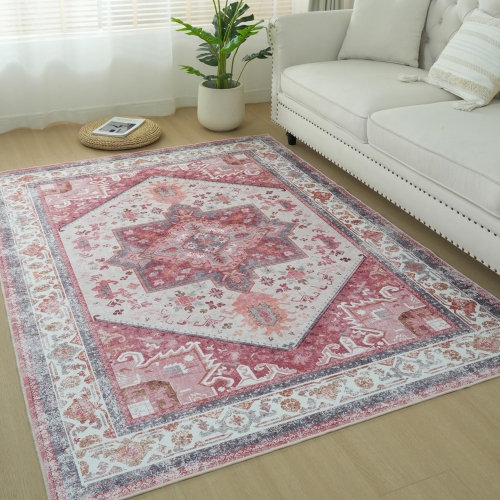
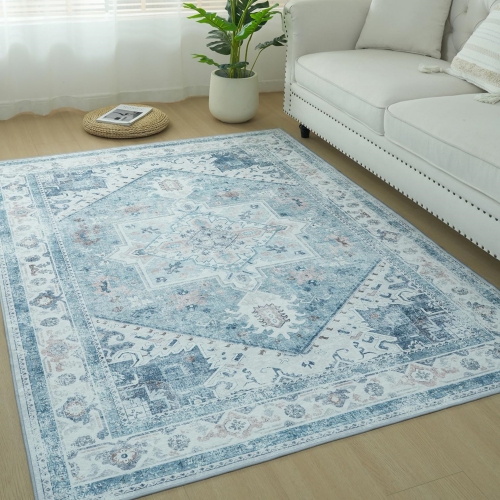
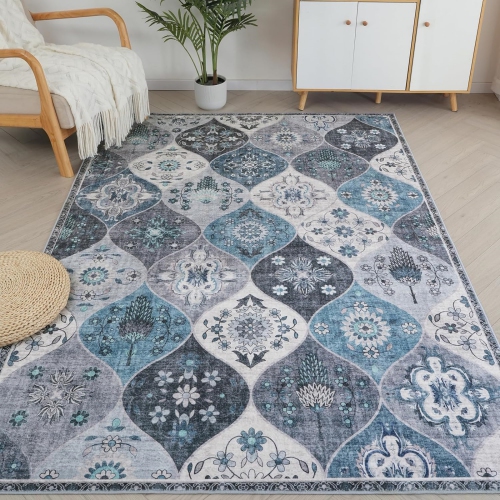
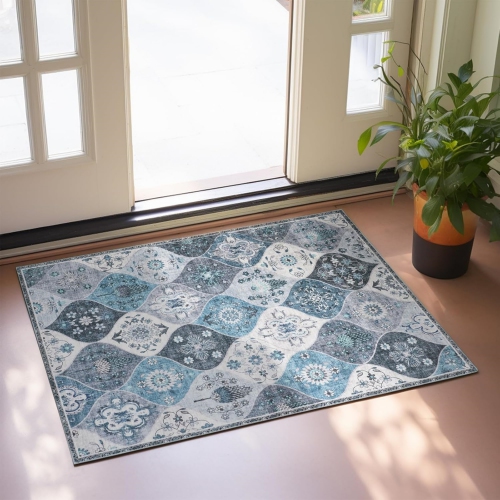
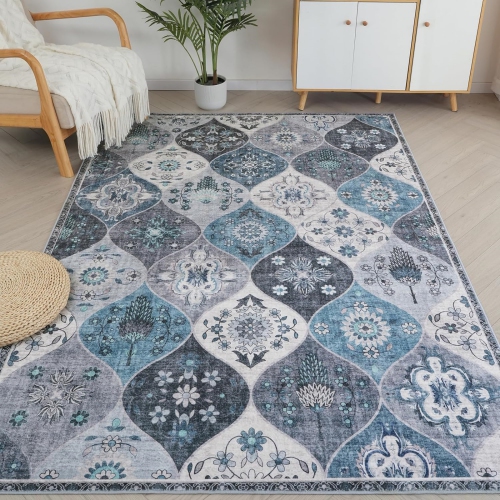
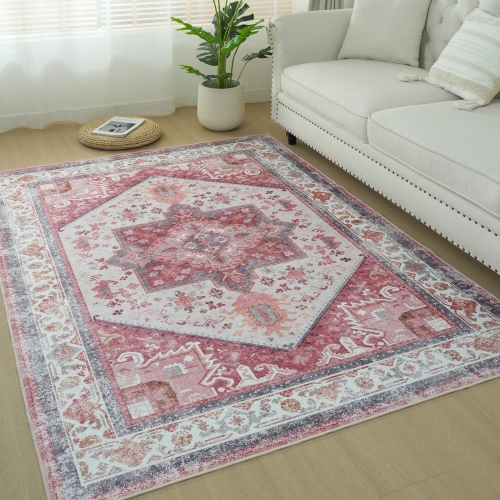
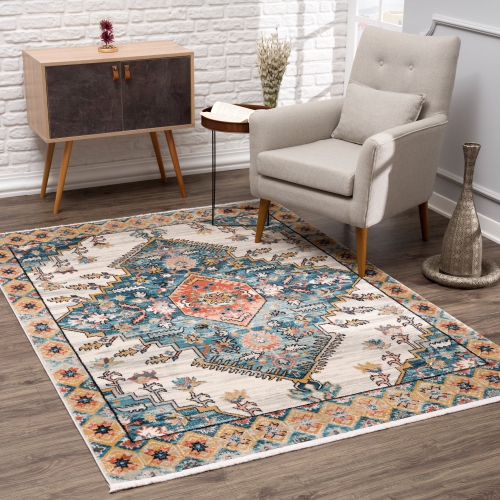
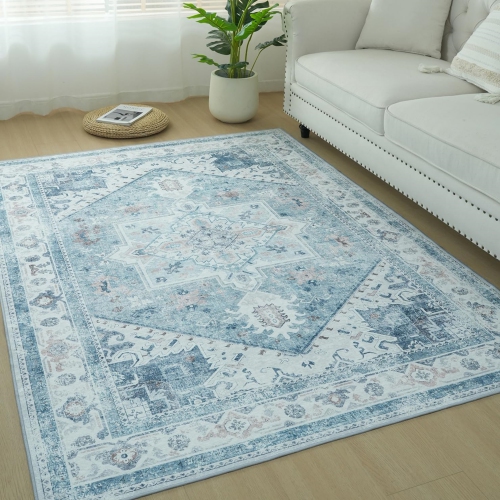
The right proportions help an antique area rug feel like part of the room rather than an isolated accent. In a living room, a rug that reaches beneath the front legs of the sofa and nearby chairs can connect the seating arrangement while leaving some flooring visible around it. A smaller rug can work beside a reading chair or beneath a compact coffee table, particularly when its pattern deserves a clear view. Dining areas need a different approach: allowing roughly 24 to 30 inches of rug beyond each side of the table generally helps chair legs remain on the rug when pulled out, although larger chairs may require more space. A sound, relatively even surface is important here, since chair movement can catch loose threads or strain weakened sections. In a bedroom, placement should account for where feet land beside the bed and whether doors or drawers need clearance. Runners suit narrow layouts, but their width and length should leave room for door swings and avoid awkward transitions at thresholds. Antique textiles are not always perfectly rectangular, so actual measurements are more dependable than a nominal size category. Fringe may also be excluded from the listed dimensions. Painter’s tape on the floor can make these differences easier to picture before settling on a layout. Colour and pattern influence how the space feels as much as size does. A faded red medallion can give plain upholstery a focal point, while an intricate blue-and-cream pattern can sit comfortably beside oak furniture and simple linen curtains. In an already patterned room, repeating one rug colour in a cushion or lampshade can create a connection without matching every detail. Low pile can offer a flatter profile beneath furniture, but thinness should not be confused with sound condition. For busy family rooms, hallways, and homes with pets, a sturdy wool rug in good condition may be more practical than a fragile silk textile. Particularly delicate examples are better suited to quieter spaces where their surfaces and edges receive less repeated contact.
Caring for antique rugs starts with understanding what the textile can safely tolerate. Worn pile, brittle fibres, loose fringe, splits, and previous repairs can all affect how a rug should be placed and cleaned. Fringe is often an extension of the rug’s structural warp rather than an added trim, so pulling or cutting it can cause more than a cosmetic change. A suitable rug pad can cushion the textile, limit movement, and reduce friction against the floor; its material should be compatible with the flooring finish and its dimensions should keep it hidden beneath the rug. Padding improves support but cannot strengthen a damaged foundation. Heavy furniture may also need appropriate coasters to spread pressure, especially where narrow legs would otherwise press into a small area. Regular care is usually gentle rather than intensive. Where the condition permits, low-suction vacuuming with a suction-only attachment can lift loose dust without the agitation of a powered brush, and fringe should stay clear of the vacuum head. Fragile areas may require a specialist’s approach instead. Spills deserve prompt attention: blot with a clean, white absorbent cloth rather than rubbing, and avoid saturating the fibres. Old dyes may bleed when wet, making household stain removers, steam cleaning, and home washing risky without a professional assessment. A cleaner experienced with antique textiles can assess fibre type, colourfastness, and structural condition before choosing a method. Periodic rotation can distribute foot traffic and light exposure, while protection from prolonged direct sunlight helps limit uneven fading. Clean, dry storage also matters, particularly for wool, which can be vulnerable to moth damage when left undisturbed. These care needs make antique rugs especially appealing to people who enjoy living with older furnishings and giving them thoughtful attention. They can also make meaningful housewarming or milestone gifts for someone who appreciates woven art, provided the recipient’s room dimensions, taste, and ability to care for the textile are understood. Whether placed beneath a favourite chair or used to anchor a larger seating area, an antique rug works best when its history, physical condition, and everyday purpose are considered together.
The right proportions help an antique area rug feel like part of the room rather than an isolated accent. In a living room, a rug that reaches beneath the front legs of the sofa and nearby chairs can connect the seating arrangement while leaving some flooring visible around it. A smaller rug can work beside a reading chair or beneath a compact coffee table, particularly when its pattern deserves a clear view. Dining areas need a different approach: allowing roughly 24 to 30 inches of rug beyond each side of the table generally helps chair legs remain on the rug when pulled out, although larger chairs may require more space. A sound, relatively even surface is important here, since chair movement can catch loose threads or strain weakened sections. In a bedroom, placement should account for where feet land beside the bed and whether doors or drawers need clearance. Runners suit narrow layouts, but their width and length should leave room for door swings and avoid awkward transitions at thresholds. Antique textiles are not always perfectly rectangular, so actual measurements are more dependable than a nominal size category. Fringe may also be excluded from the listed dimensions. Painter’s tape on the floor can make these differences easier to picture before settling on a layout. Colour and pattern influence how the space feels as much as size does. A faded red medallion can give plain upholstery a focal point, while an intricate blue-and-cream pattern can sit comfortably beside oak furniture and simple linen curtains. In an already patterned room, repeating one rug colour in a cushion or lampshade can create a connection without matching every detail. Low pile can offer a flatter profile beneath furniture, but thinness should not be confused with sound condition. For busy family rooms, hallways, and homes with pets, a sturdy wool rug in good condition may be more practical than a fragile silk textile. Particularly delicate examples are better suited to quieter spaces where their surfaces and edges receive less repeated contact.
Caring for antique rugs starts with understanding what the textile can safely tolerate. Worn pile, brittle fibres, loose fringe, splits, and previous repairs can all affect how a rug should be placed and cleaned. Fringe is often an extension of the rug’s structural warp rather than an added trim, so pulling or cutting it can cause more than a cosmetic change. A suitable rug pad can cushion the textile, limit movement, and reduce friction against the floor; its material should be compatible with the flooring finish and its dimensions should keep it hidden beneath the rug. Padding improves support but cannot strengthen a damaged foundation. Heavy furniture may also need appropriate coasters to spread pressure, especially where narrow legs would otherwise press into a small area. Regular care is usually gentle rather than intensive. Where the condition permits, low-suction vacuuming with a suction-only attachment can lift loose dust without the agitation of a powered brush, and fringe should stay clear of the vacuum head. Fragile areas may require a specialist’s approach instead. Spills deserve prompt attention: blot with a clean, white absorbent cloth rather than rubbing, and avoid saturating the fibres. Old dyes may bleed when wet, making household stain removers, steam cleaning, and home washing risky without a professional assessment. A cleaner experienced with antique textiles can assess fibre type, colourfastness, and structural condition before choosing a method. Periodic rotation can distribute foot traffic and light exposure, while protection from prolonged direct sunlight helps limit uneven fading. Clean, dry storage also matters, particularly for wool, which can be vulnerable to moth damage when left undisturbed. These care needs make antique rugs especially appealing to people who enjoy living with older furnishings and giving them thoughtful attention. They can also make meaningful housewarming or milestone gifts for someone who appreciates woven art, provided the recipient’s room dimensions, taste, and ability to care for the textile are understood. Whether placed beneath a favourite chair or used to anchor a larger seating area, an antique rug works best when its history, physical condition, and everyday purpose are considered together.
Top selling and popular products
-
 Your price for this item is $130.55
 -
 Your price for this item is $129.15
 -
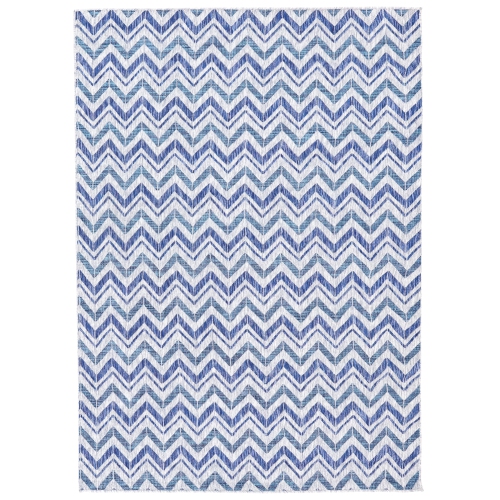 Your price for this item is $129.15
 -
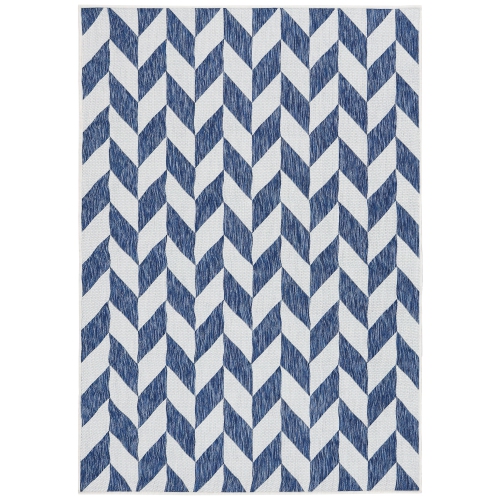 Your price for this item is $129.15
 -
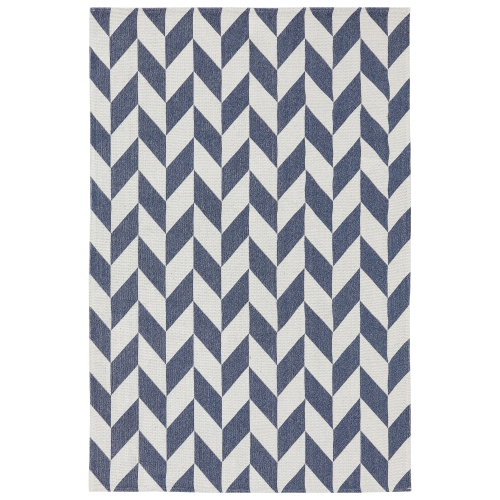 Your price for this item is $130.55
 -
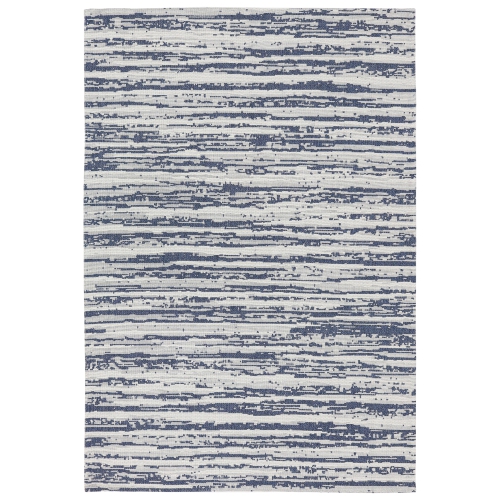 Your price for this item is $130.55
 -
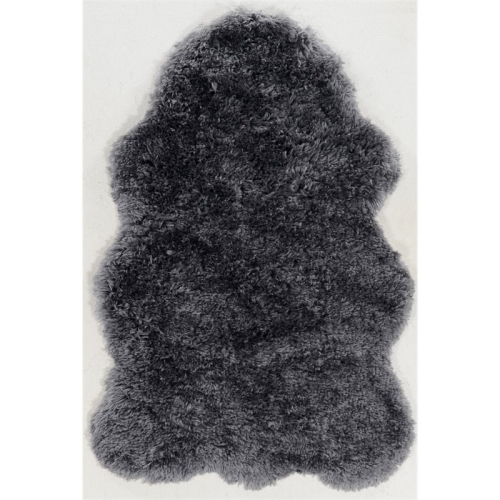 Your price for this item is $266.82
 -
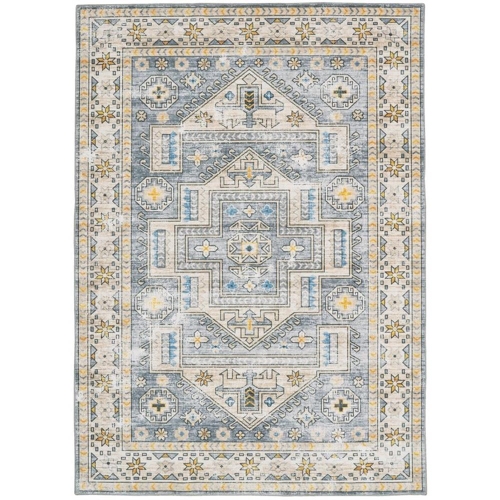 Your price for this item is $349.92
Discover more categories related to Antique Rugs
Top Collections:
Pokemon Centers, Budget 4K TVs, Kindle Devices, Canon G7X Cameras, Apple iPhones 16, iPhone 15 Apple, Laptops for Business Work, Flip Phones, Xiaomi Phones, Refurbished Apple Laptops
Some products may be subject to Environmental Handling Fees
(EHF) depending on your province.
Learn more about EHFs.