Antique Wooden End Tables
Add a touch of vintage charm to your living space with our collection of antique wooden end tables. Whether you're looking for a rustic farmhouse vibe or a more traditional aesthetic, our selection has something to suit almost every taste. Explore our range of antique wooden end tables and discover the perfect addition to your home decor.
Sort


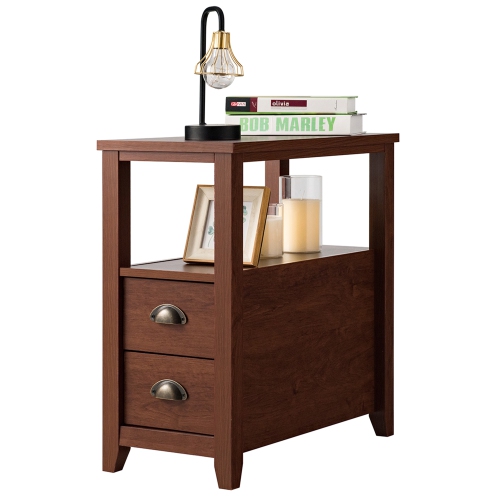
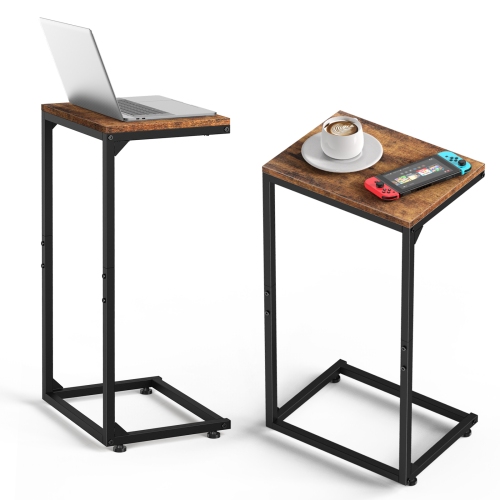


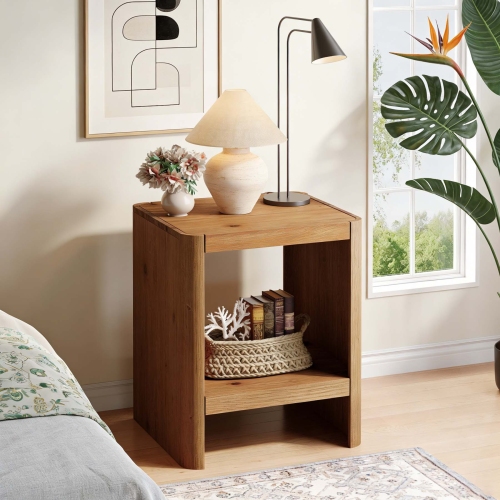
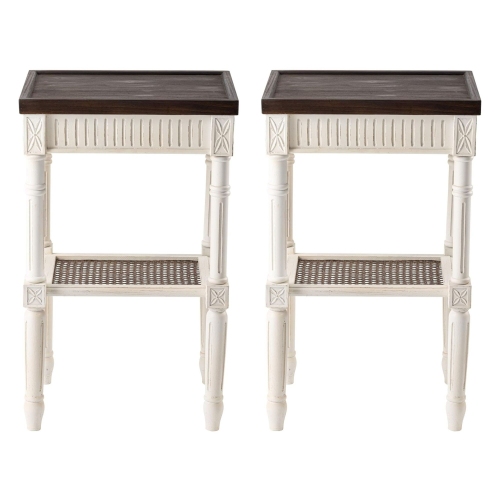
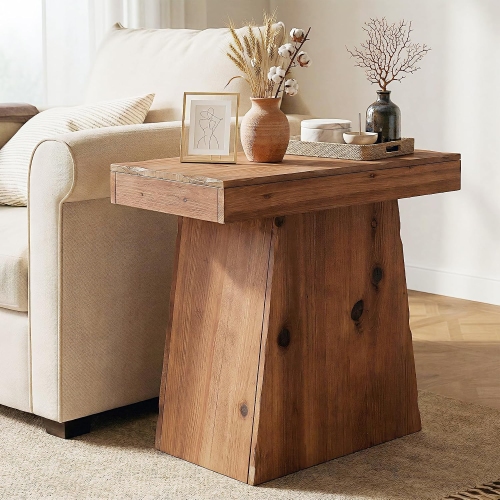
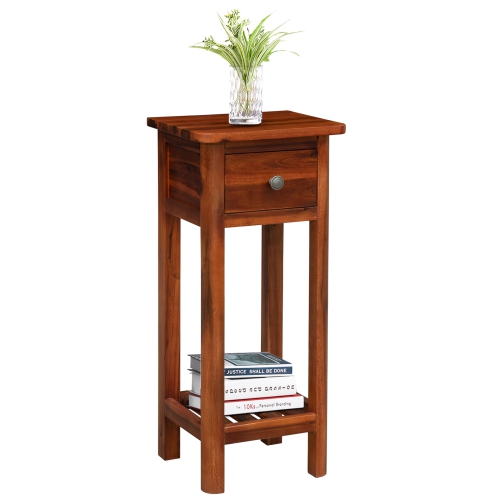
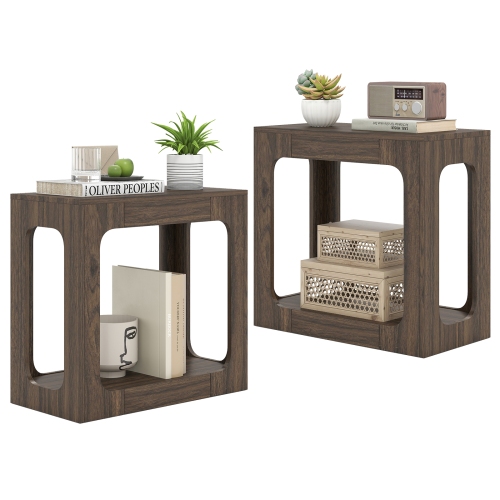
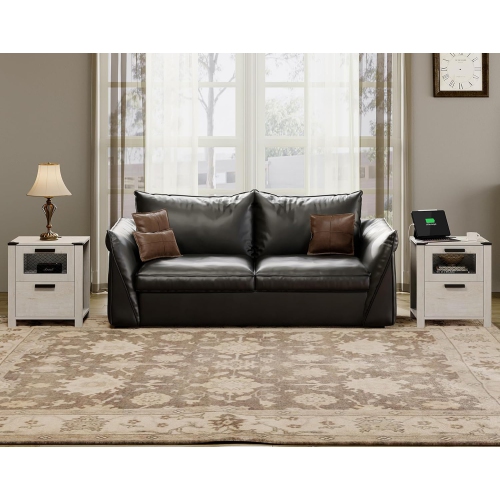
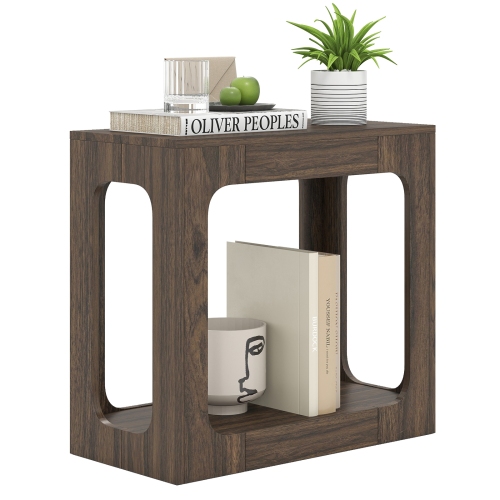

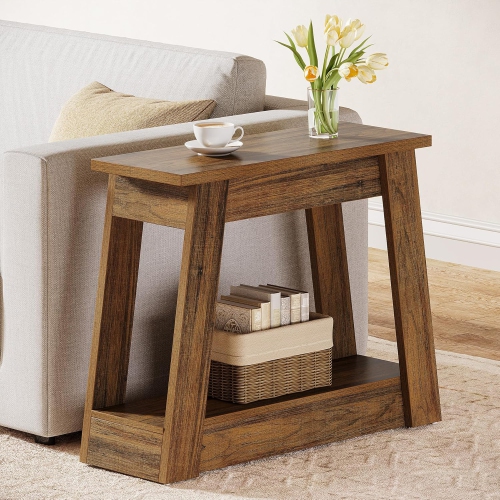
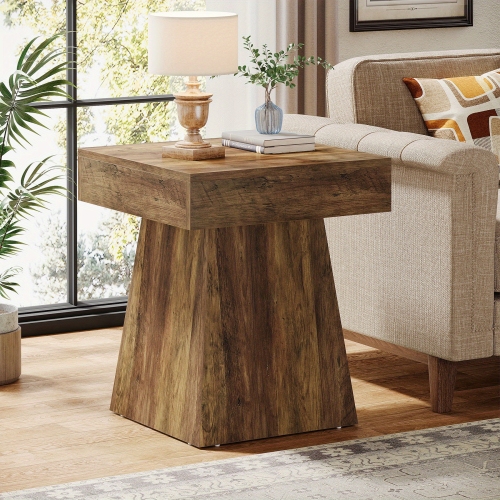


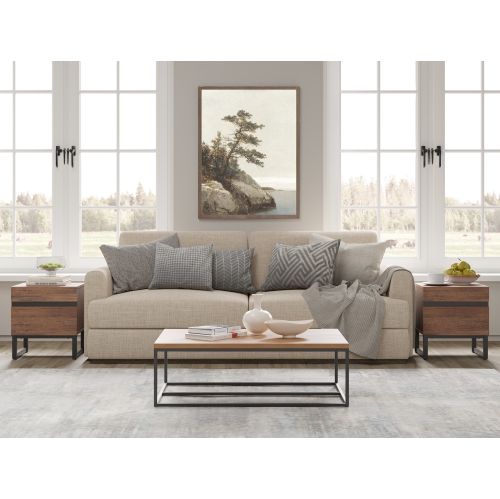

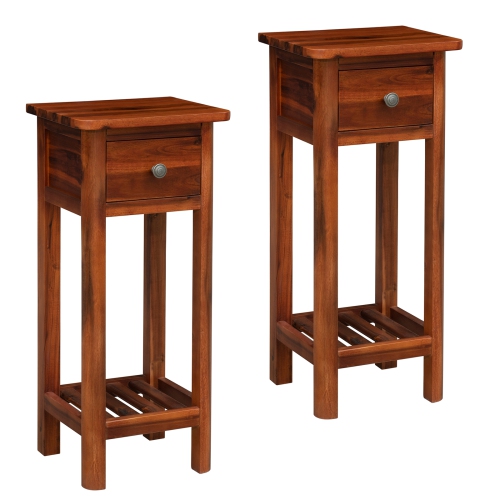
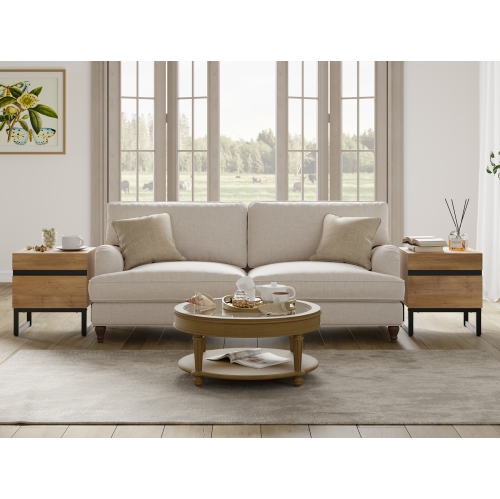
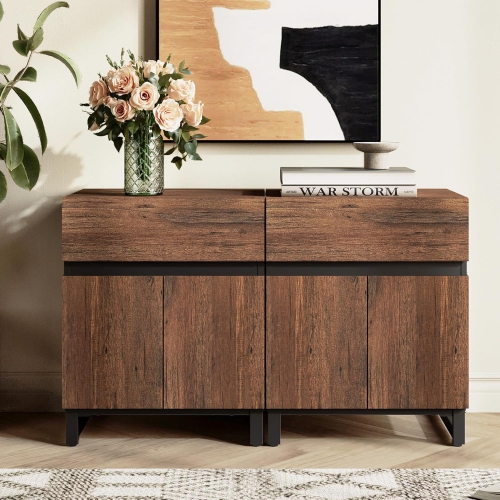
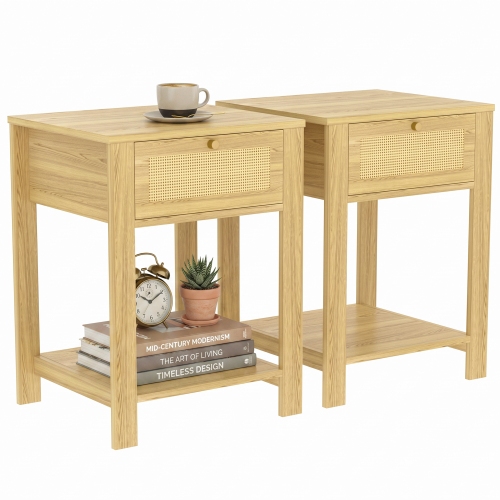
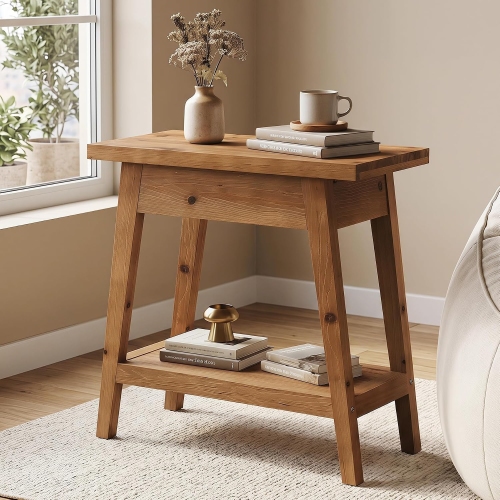
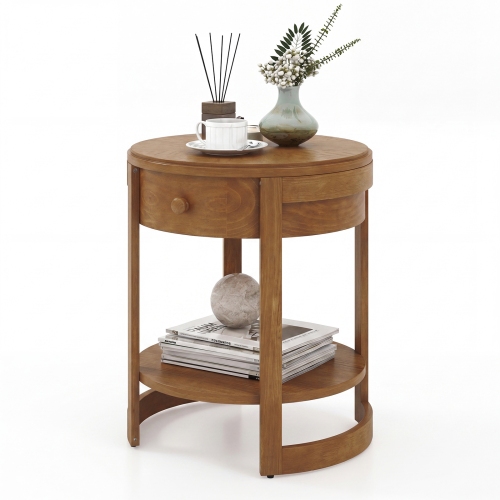
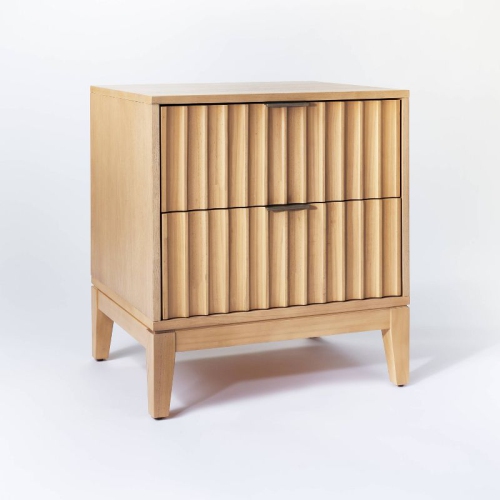

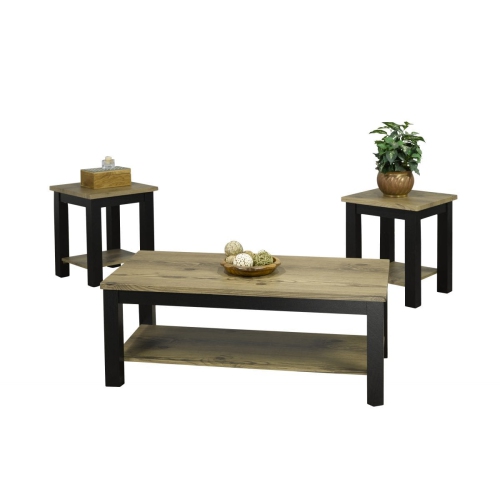

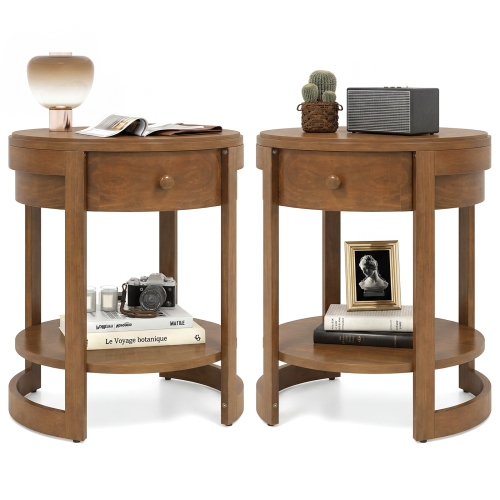

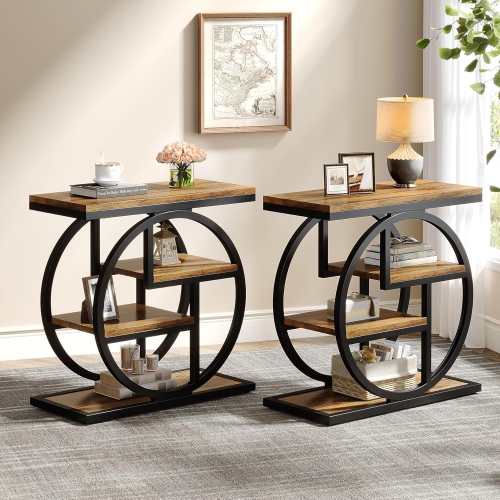
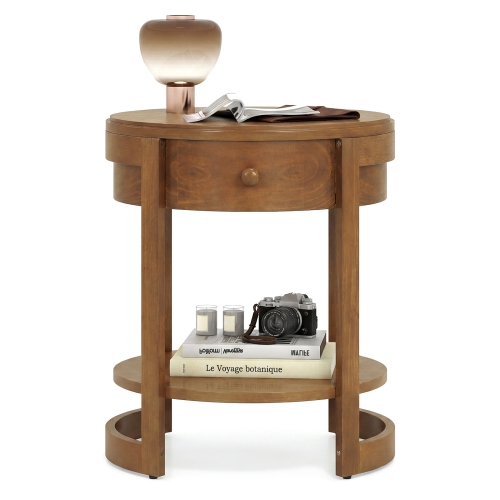










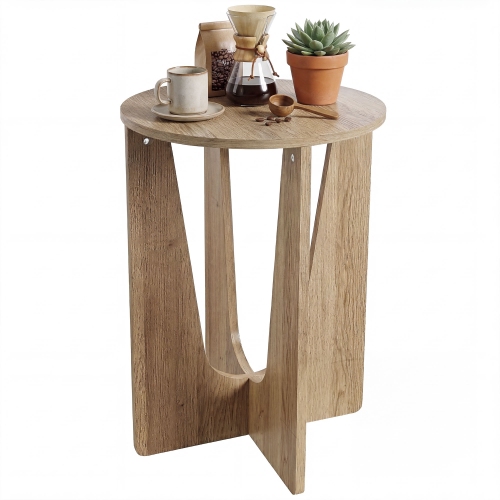

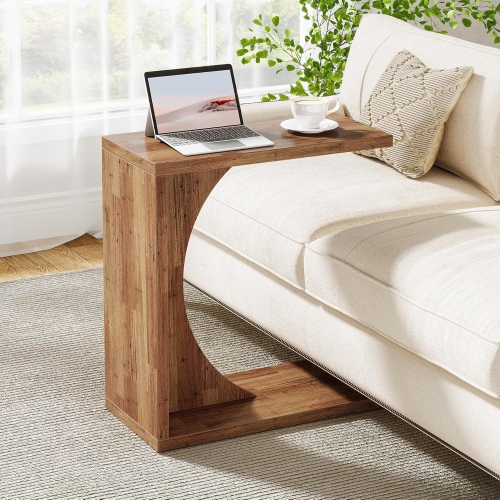

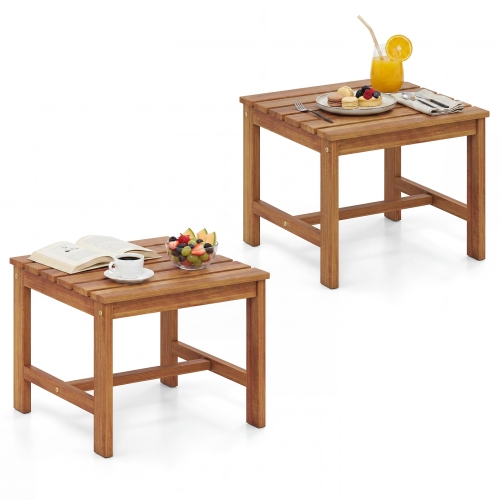

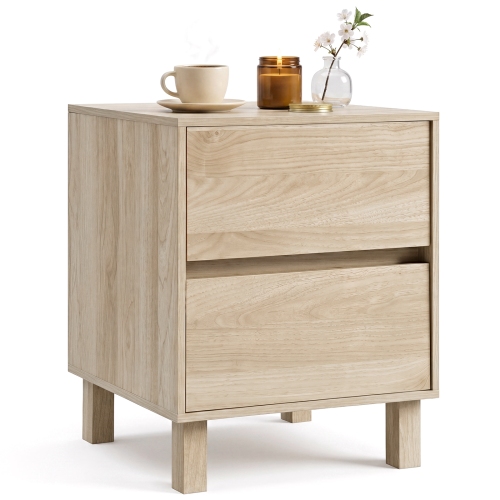

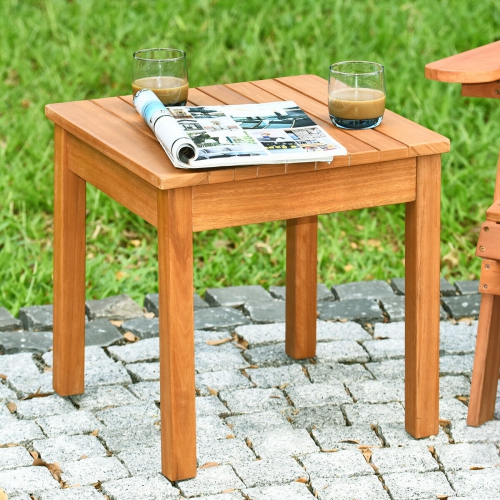
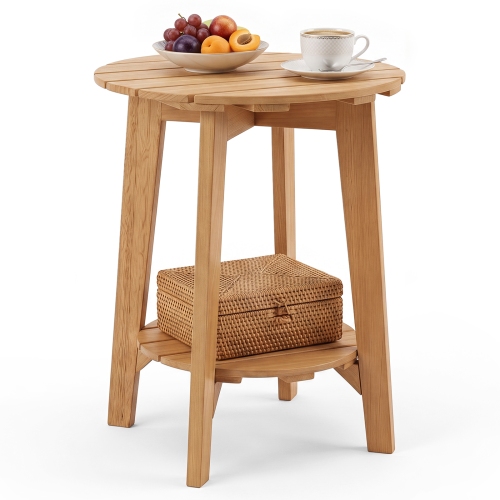
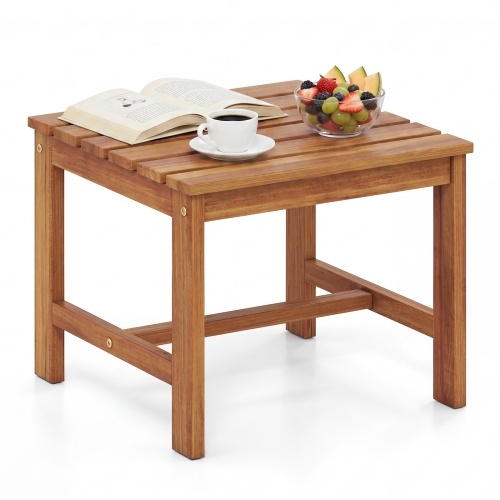
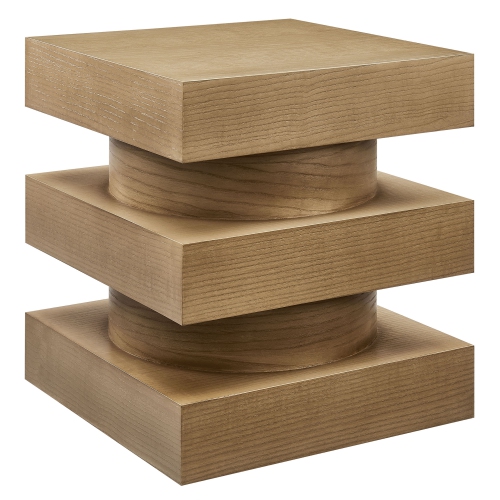
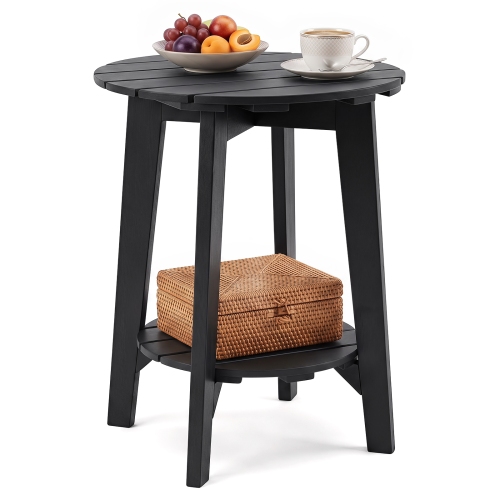
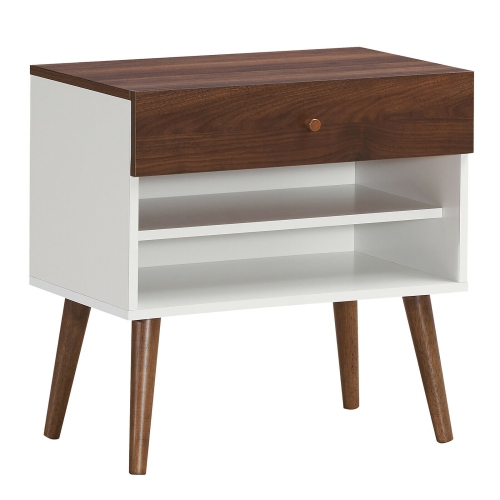
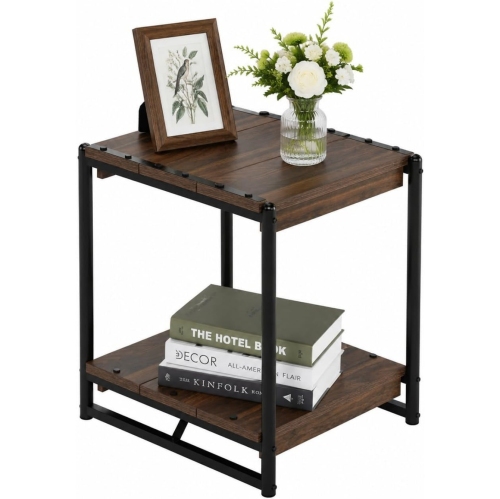


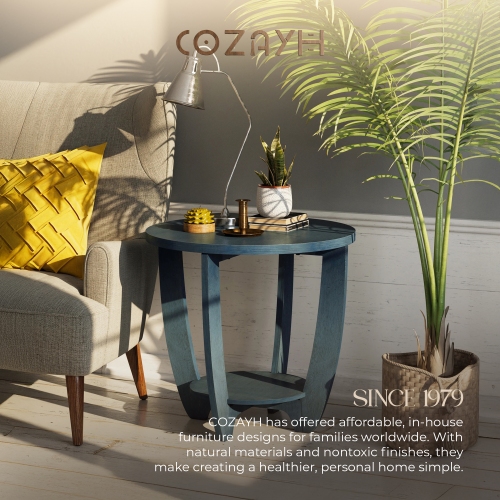
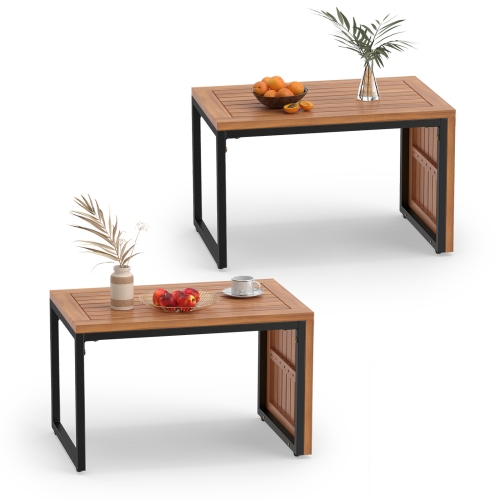
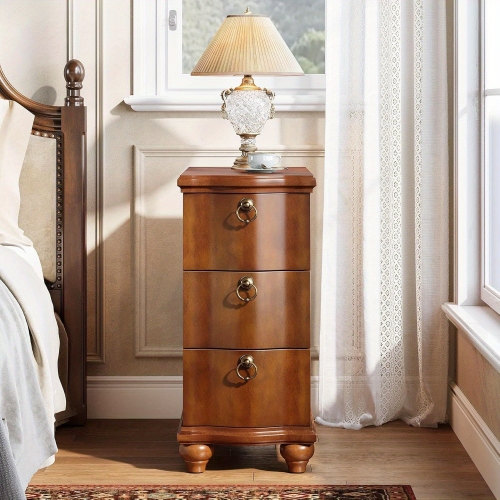

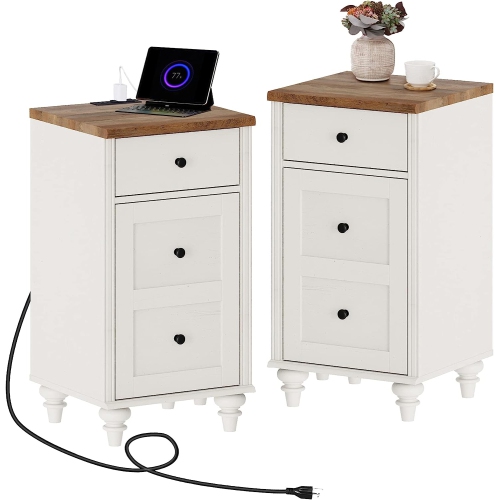
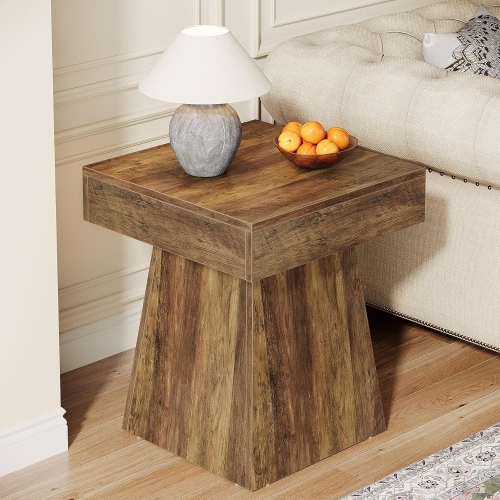

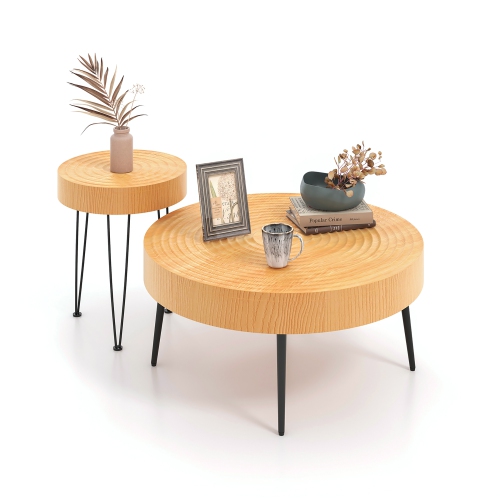


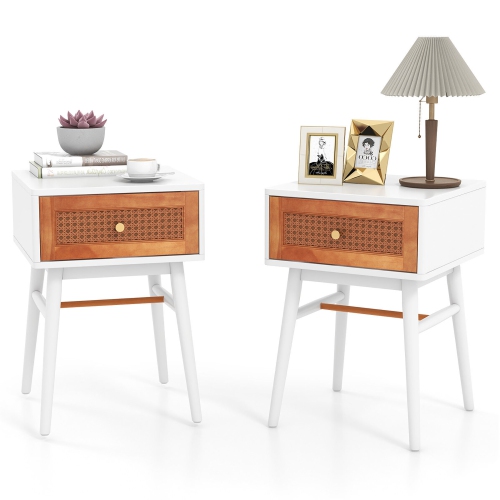


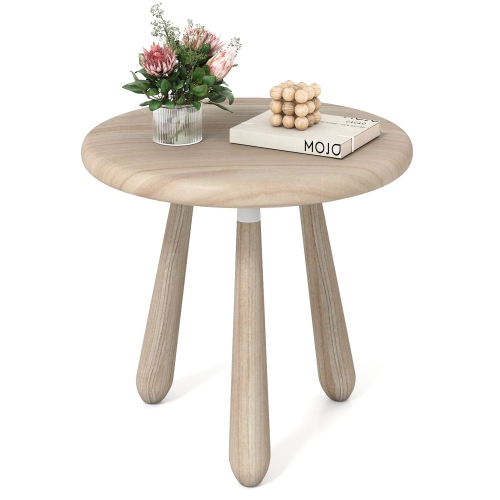


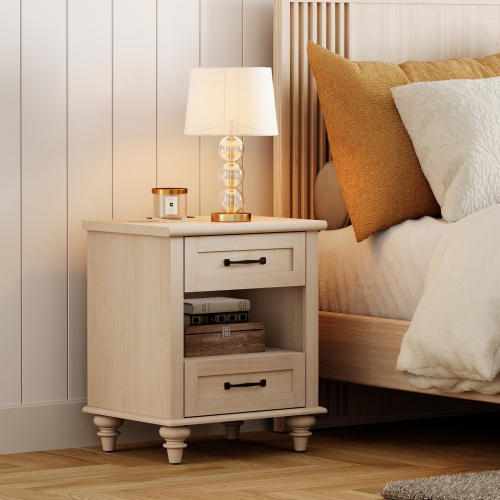
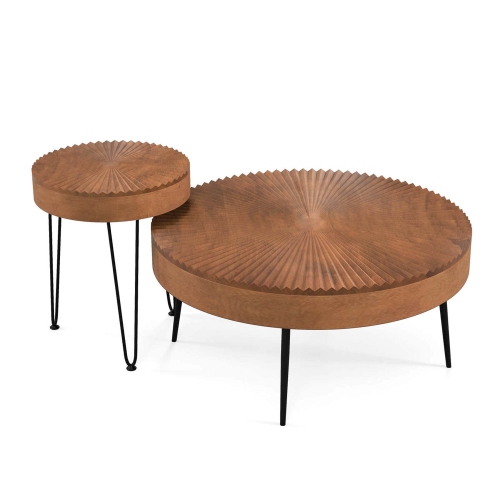
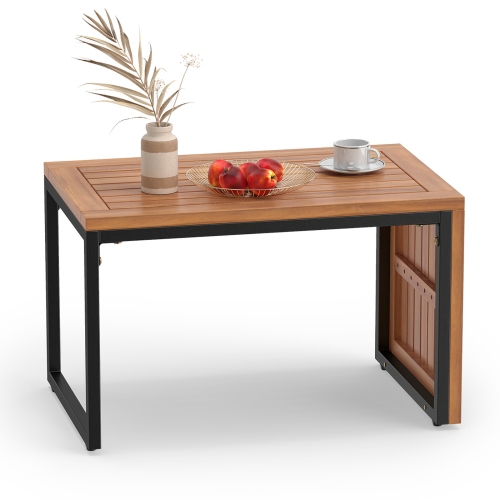

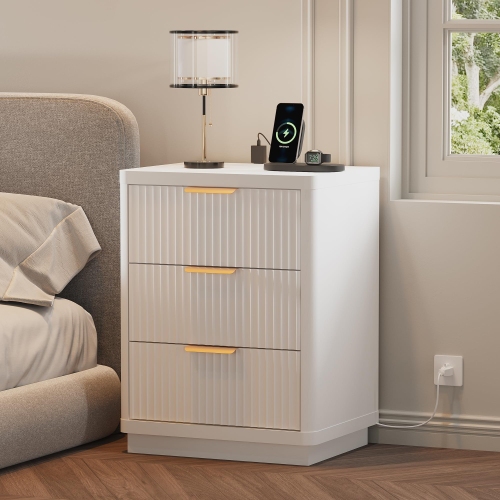

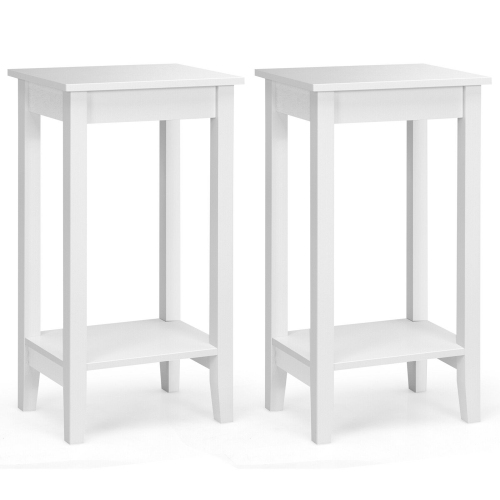

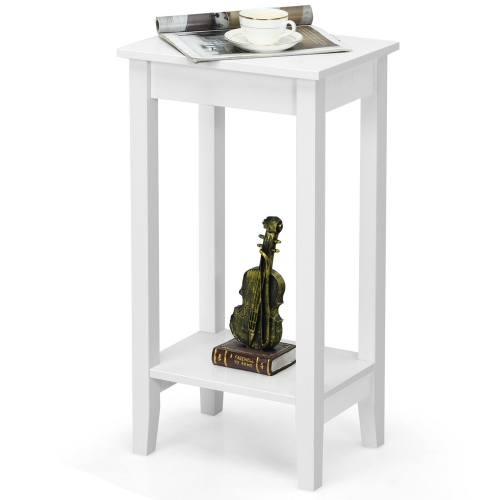
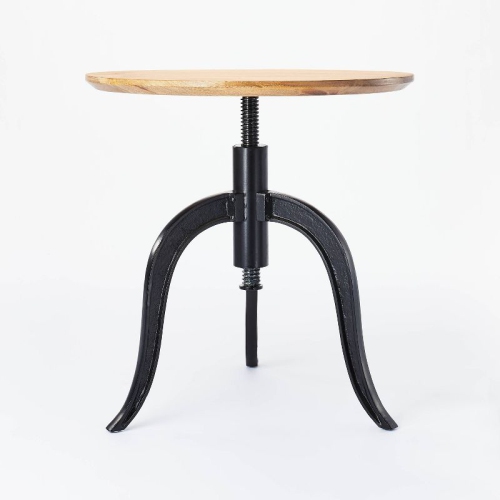

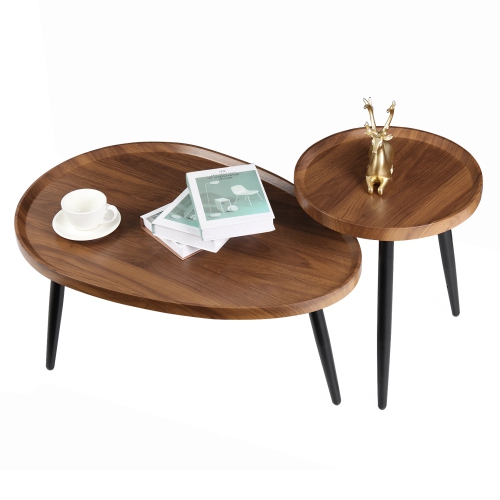
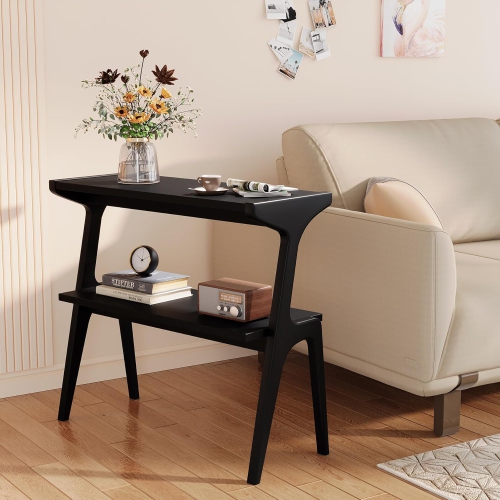


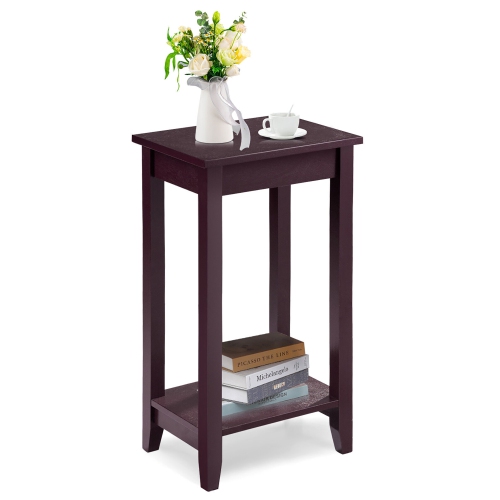
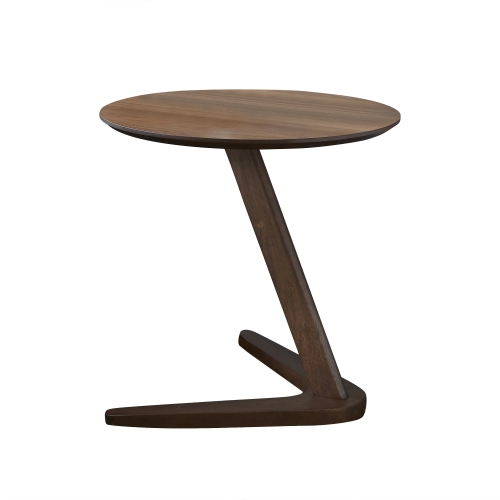


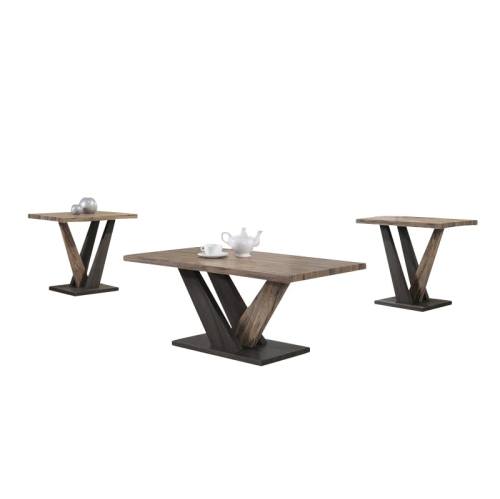
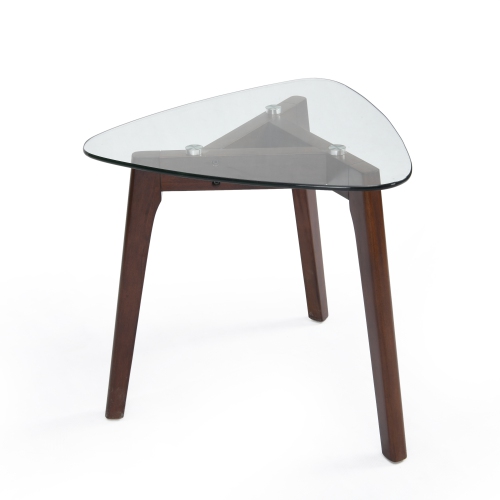
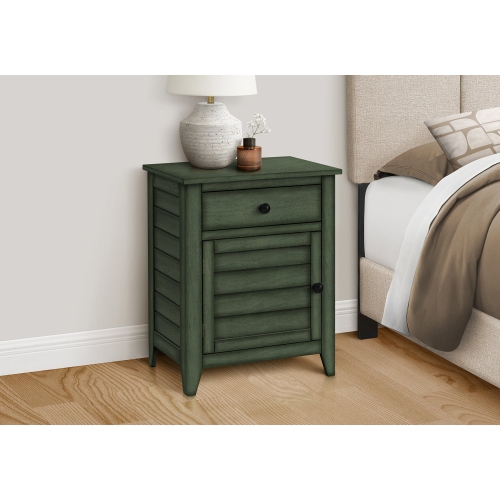

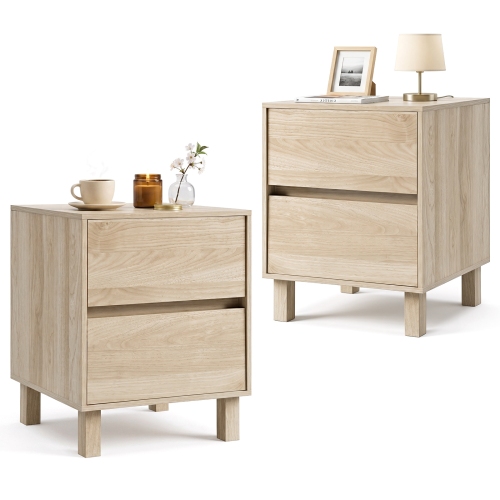
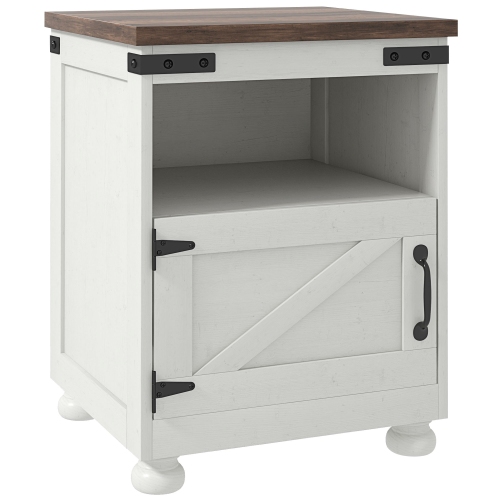

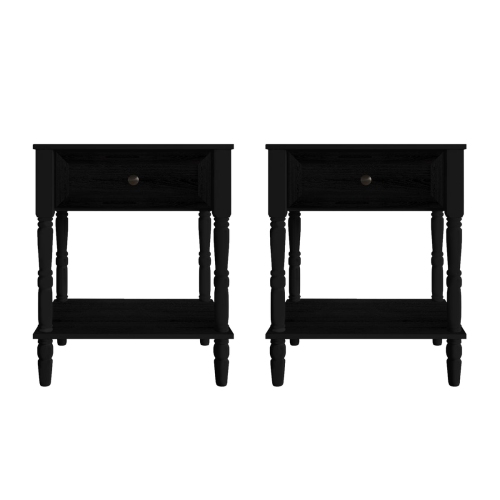

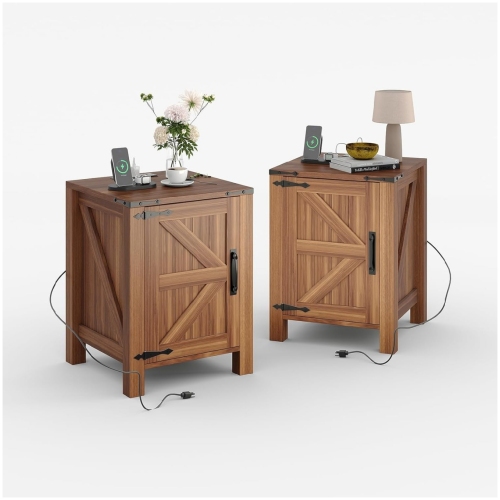
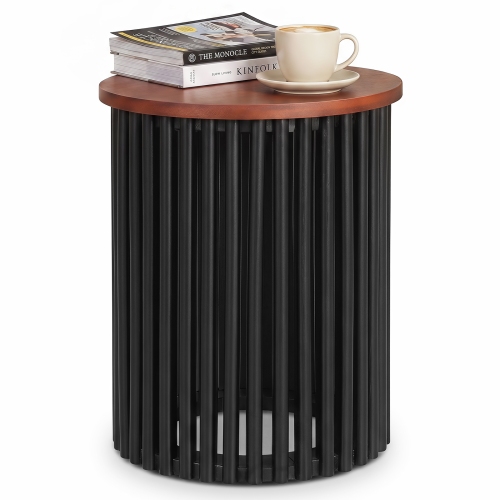

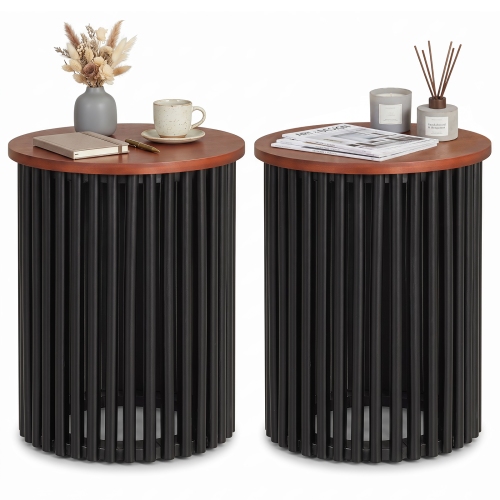
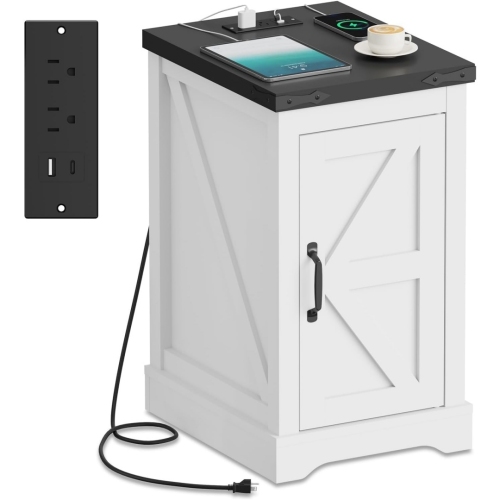
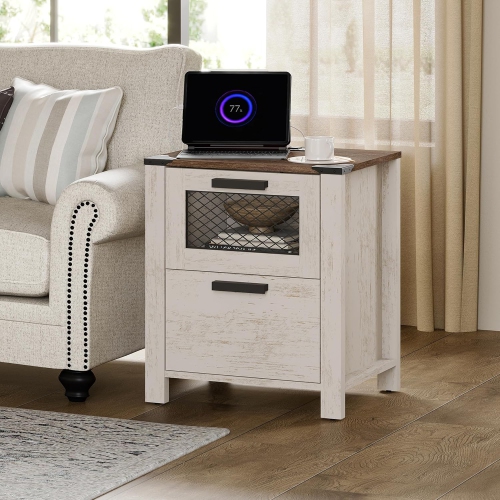


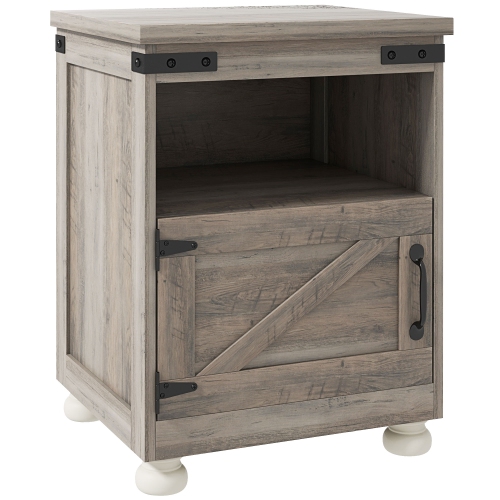
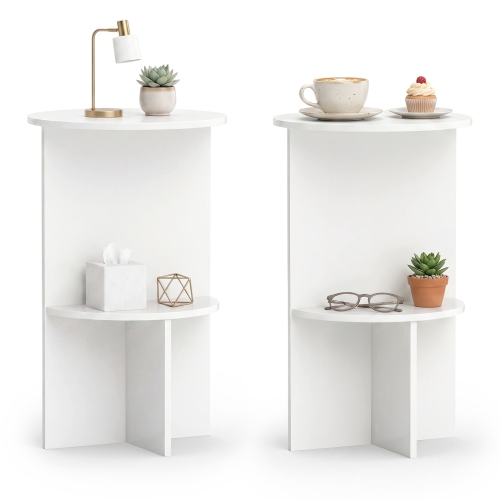


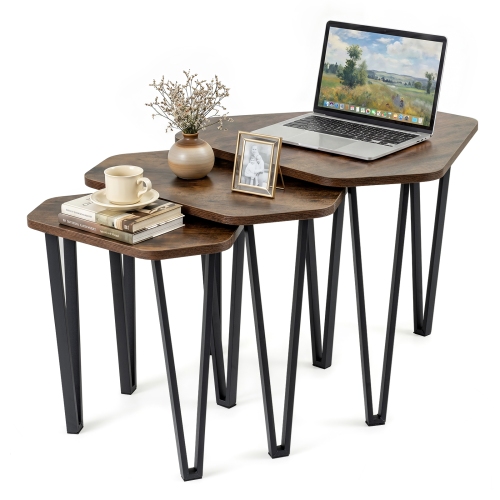
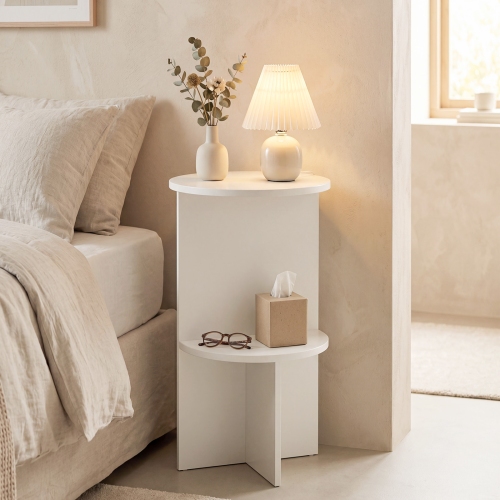

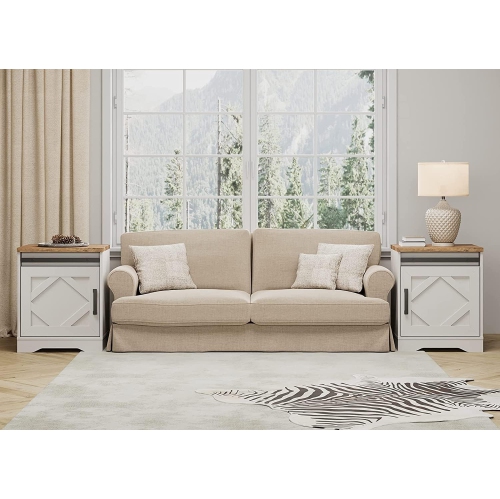
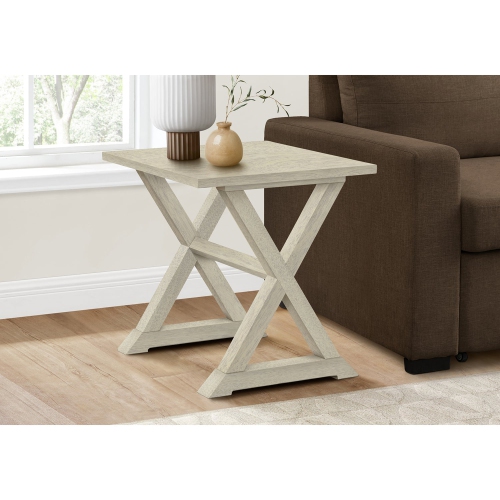


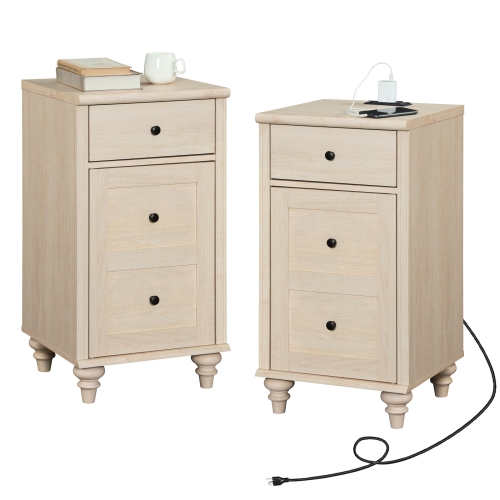
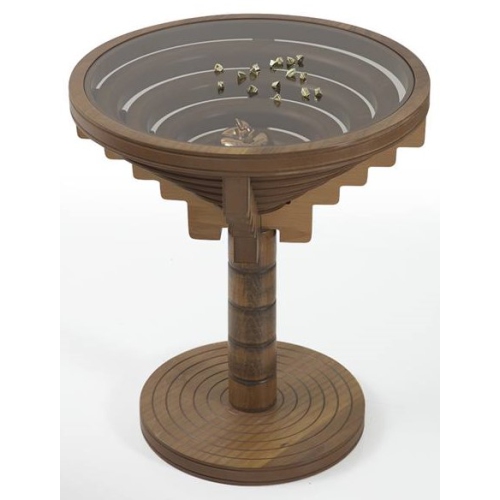
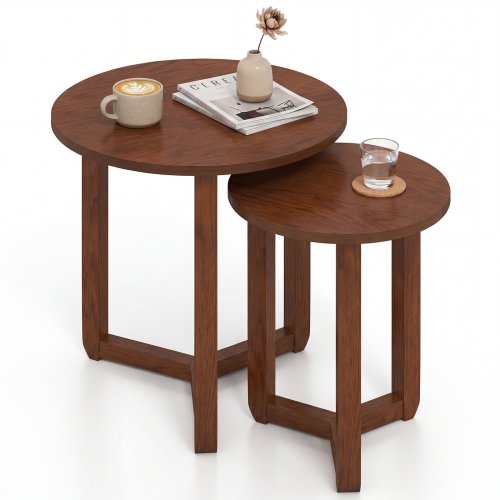

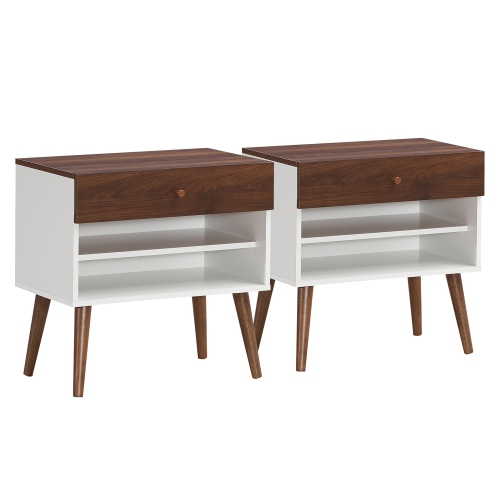

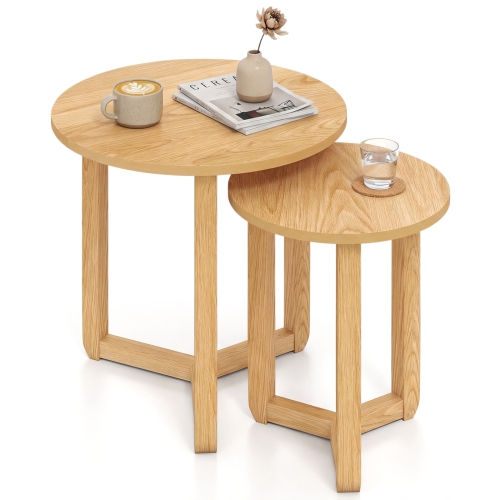


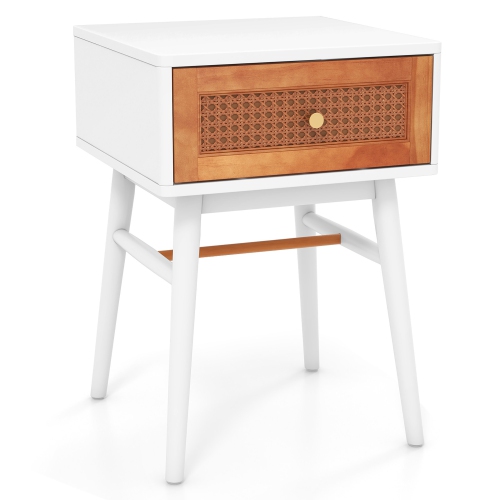


The details that distinguish age from antique style
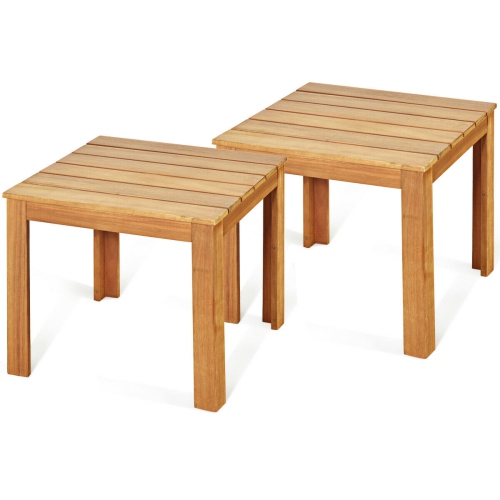
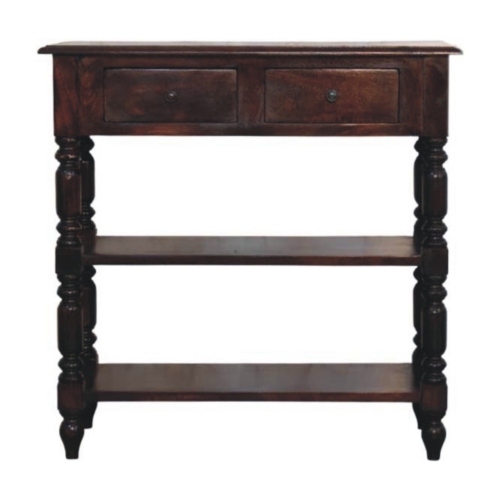
Antique wooden end tables bring the texture of natural wood and the character of traditional furniture into a compact, useful form. Positioned beside a sofa, armchair, or bed, they provide a convenient surface for a reading lamp, a book, or a cup of tea without taking up the space of a larger cabinet. Their appeal often lies in details that reward a closer look: the curve of a shaped apron beneath the top, a turned spindle leg, a brass drawer pull, or grain that runs across a carefully fitted panel. In furniture terminology, an antique is generally understood to be at least 100 years old, while antique-style furniture is newly made to reflect earlier designs. Vintage is a broader description and does not, by itself, establish that a table is an antique. These distinctions matter because age, construction, condition, and suitability for everyday use are separate qualities. A dark stain or distressed finish can suggest age, but neither proves it. Genuine older wood may develop a patina through handling, light exposure, and changes to its finish over time; reproductions may recreate a similar appearance through finishing techniques. Historical influences also give wooden side tables noticeably different personalities. Victorian-inspired designs often feature turned legs, shaped edges, and carved details, while Arts and Crafts designs tend towards straightforward lines, visible joinery, and an emphasis on wood grain. Georgian-influenced forms may have balanced proportions, slender legs, and restrained ornament, although designs vary considerably within every period. Nesting tables offer another familiar traditional form, with smaller tables fitting beneath a larger one until extra surfaces are needed. For rooms that combine wooden furniture with other materials, the broader Antique End Tables category provides a related point of reference. Whether used as a quiet supporting piece or a distinctive accent, an antique wooden end table adds interest through its proportions and workmanship rather than needing to match every furnishing around it.
Wood species and construction help shape both the appearance and the practical qualities of an antique wooden end table. Oak commonly shows prominent grain and, when quarter-sawn, can display distinctive ray patterns that catch the light across the surface. Walnut often has warm brown colouring and varied grain, while mahogany is associated with reddish-brown tones and has long been used in finely detailed furniture. Cherry can deepen in colour with age and exposure to light, and pine is generally softer, making dents and signs of handling more noticeable. Stain, finish, and past repairs can alter how any of these woods look, so colour alone is not a reliable way to identify the species. Solid wood and wood veneer both have a place in traditional furniture making. A veneer is a thin layer of wood applied over a supporting material, sometimes arranged to create matched grain patterns or intricate inlay. Its presence does not automatically indicate poor quality; the condition of the veneer, the supporting structure, and the quality of assembly are more useful considerations. Lifted edges, bubbling, and missing sections deserve attention because repairs can require specialist work. With solid wood, small movements across the grain are normal as indoor humidity changes, but substantial splits or loose joints can affect stability. Dovetailed drawers, mortise-and-tenon joints, and wooden pegs can offer clues about construction, yet no single detail confirms a table’s age. Slightly uneven carving, wear around a drawer pull, or older-looking hardware should be considered alongside documented history and the overall structure rather than treated as proof. For daily use, a level stance, secure legs, and a drawer that opens without excessive force matter more than an untouched appearance. A sound table with a few surface marks may serve comfortably beside a favourite chair, while a delicate table with fragile inlay may be better suited to holding a lightweight display. Restoration can improve usability, although refinishing or replacing original components may affect historical character and collectible value. Clear information about repairs and alterations helps distinguish ordinary wear from issues that could limit everyday function.
The right fit depends as much on the surrounding furniture as it does on the table itself. Beside a sofa or armchair, a tabletop close to the height of the arm usually keeps a drink or reading glasses within comfortable reach. A table that sits much lower can require an awkward bend, while one that stands well above the arm may feel intrusive. In a bedroom, the height of the mattress provides a useful reference for reaching a bedside lamp. Width and depth also deserve attention: a narrow table can suit a tight gap beside seating, but the top still needs enough room for the intended lamp base and everyday essentials. Round tops soften the outline beside an upholstered chair, while square or rectangular tops often make efficient use of space against a wall. Allow room for walking past, opening drawers, and routing a lamp cord without stretching it across a pathway. A lower shelf can hold reading material, and a small drawer keeps remotes or charging cables out of sight. In a shared living room, sturdy proportions may be more practical than slender legs or projecting carvings, especially where children or pets frequently pass. Care should suit the finish rather than follow a single routine for all old wood. Gentle dusting with a soft cloth is a sensible starting point; standing water, abrasive cleaners, and vigorous scrubbing can damage vulnerable surfaces. Coasters and protective pads help prevent moisture rings, heat marks, and scratches, while felt beneath a lamp base reduces friction when it is moved. Direct sunlight and placement beside a heating vent can contribute to uneven fading or wood movement. Wax, oil, and polish are not interchangeable treatments, so an unidentified or historically significant finish is best assessed before applying a product. For a housewarming gift or a furniture enthusiast, dimensions, condition, and the recipient’s existing room style are especially useful considerations. A thoughtfully chosen wooden end table can support familiar daily routines while giving a room a sense of depth, warmth, and individual character.
Top selling and popular products
-
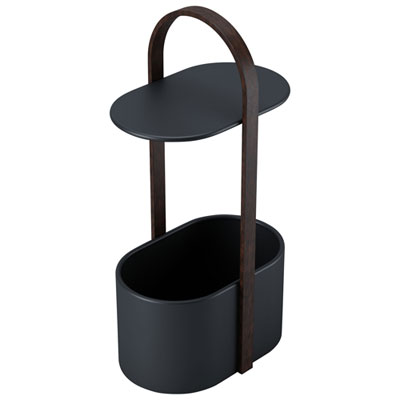 Your price for this item is $93.98
-
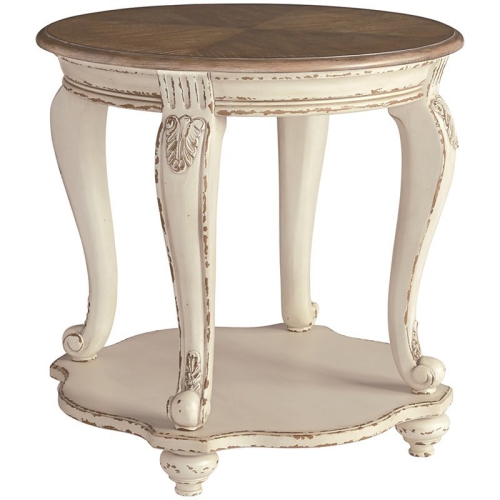 Your price for this item is $369
-
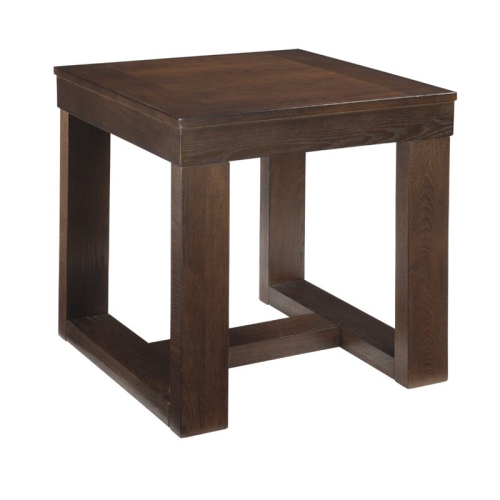 Your price for this item is $199
-
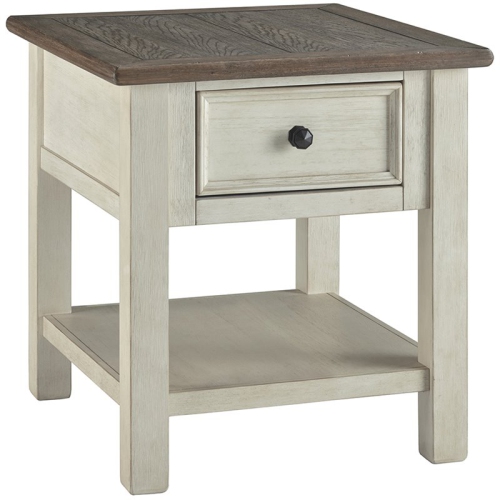 Your price for this item is $399
-
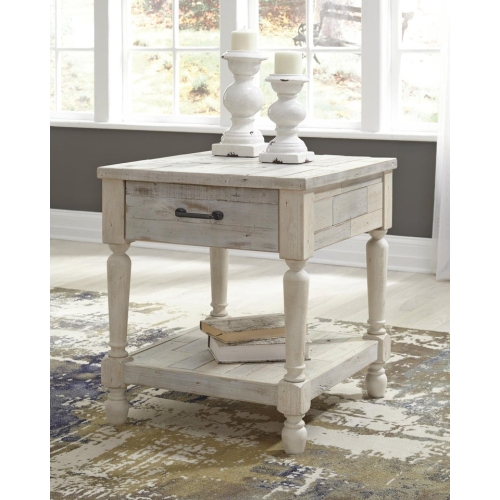 Your price for this item is $249
-
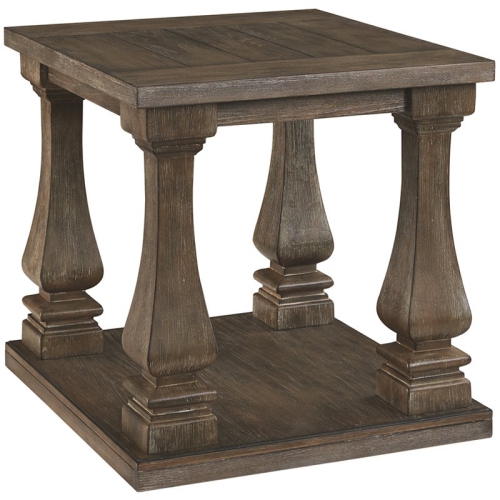 Your price for this item is $375
-
 Your price for this item is $452.99
-
 Your price for this item is $224.99
Discover more categories related to Antique Wooden End Tables


Top Collections:
Pokemon Centers, Kindle Devices, Best Cameras for Sports Photography, Pokémon 30th Celebration Cards, Apple iPhones 16, Canon G7X Cameras, iPhone 15 Apple, Flip Phones, Samsung Galaxy Phones, Alarm Clock
Some products may be subject to Environmental Handling Fees
(EHF) depending on your province.
Learn more about EHFs.