Area Rugs for Hardwood Floors
Enhance the beauty and comfort of your home with area rugs for hardwood floors. These stylish additions help define spaces, add warmth, and bring a touch of personality to any room. Whether you're looking to create a cozy living area or protect your flooring in high-traffic zones, area rugs for hardwood floors offer an easy way to update your décor while complementing the natural elegance of your wood surfaces. Discover a wide variety of sizes, patterns, and colors to suit every taste and space.
Sort
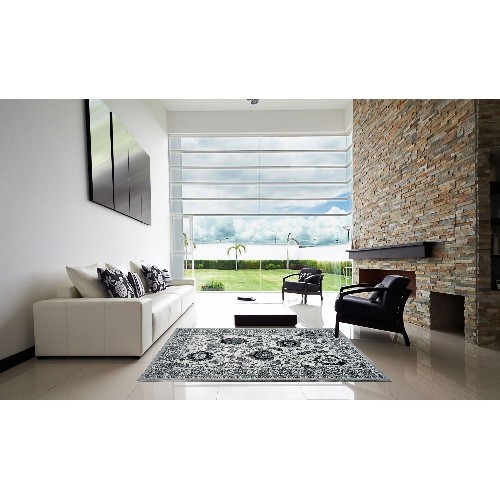
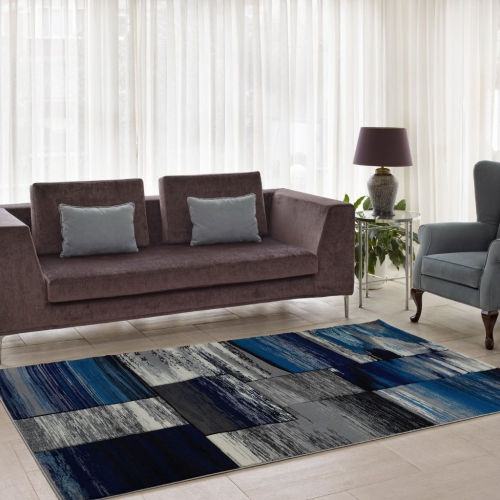

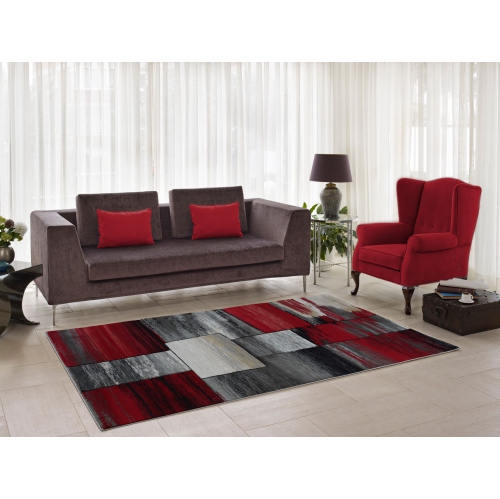
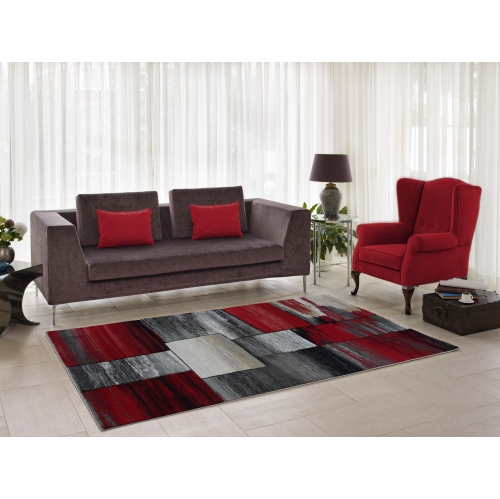

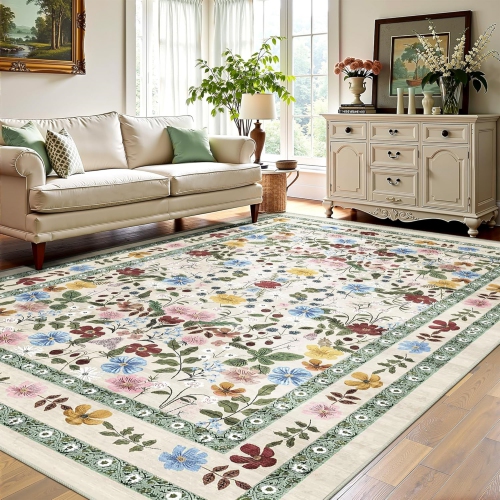
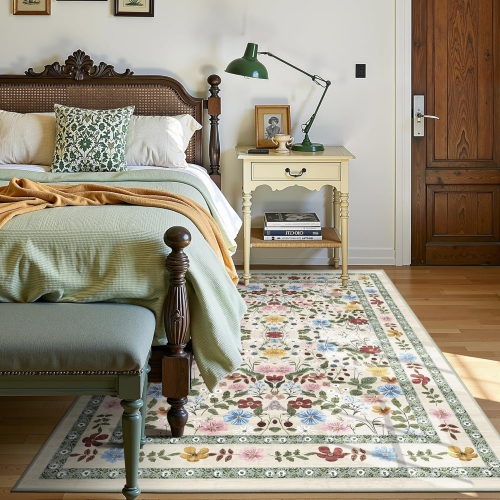
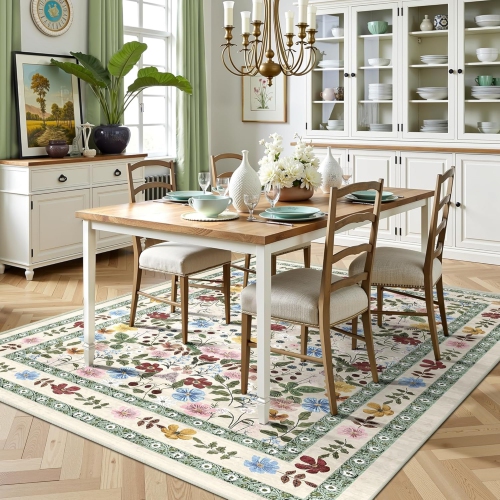
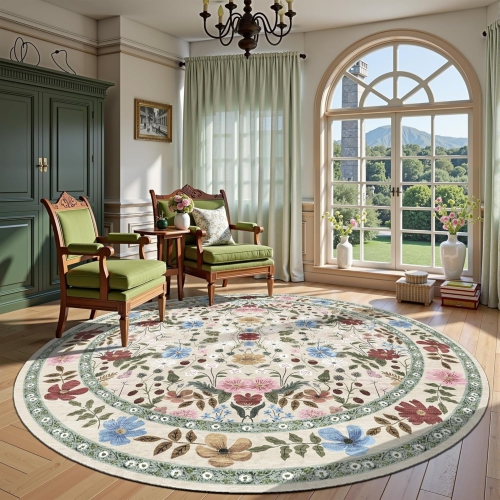
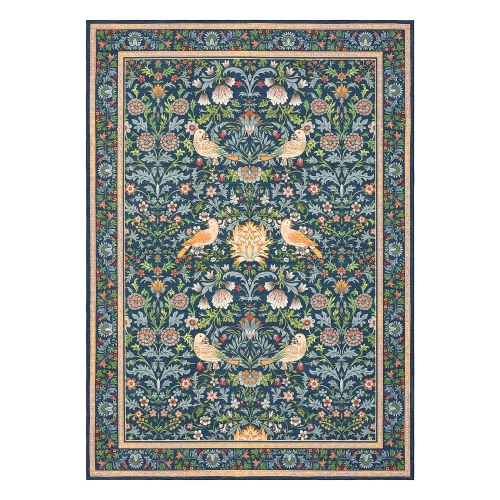
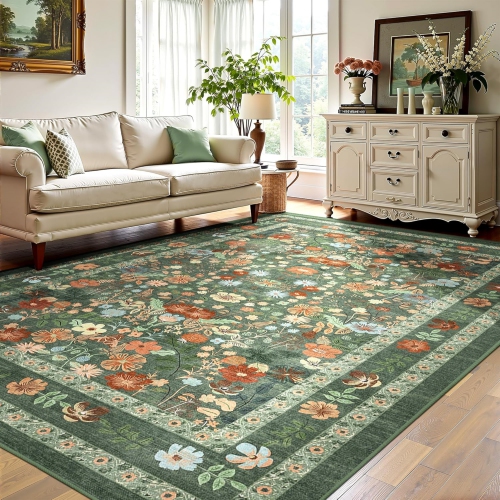
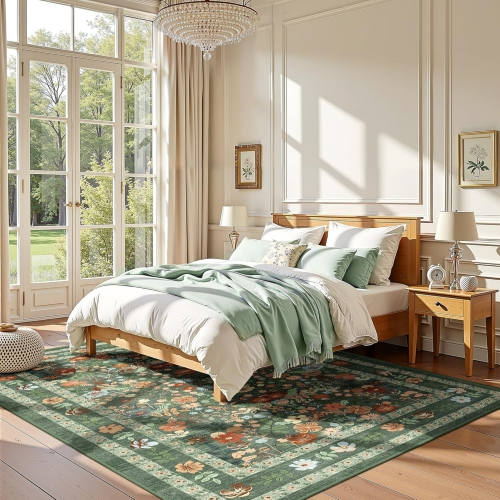
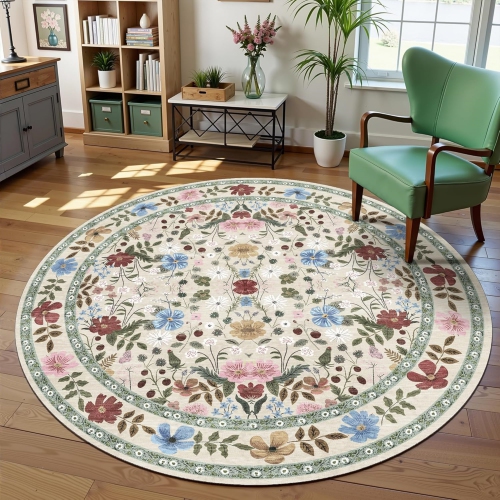
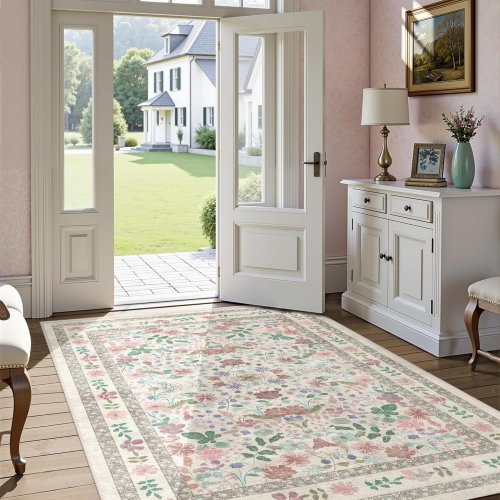
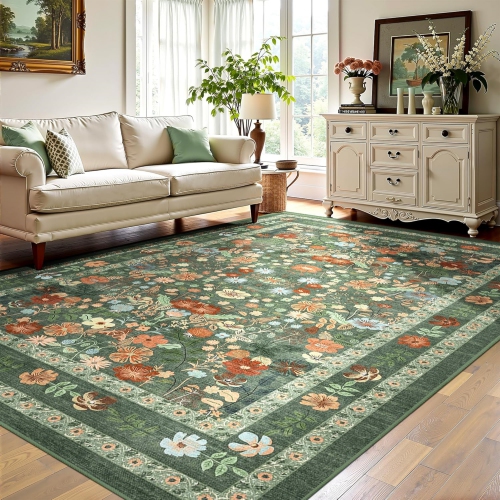
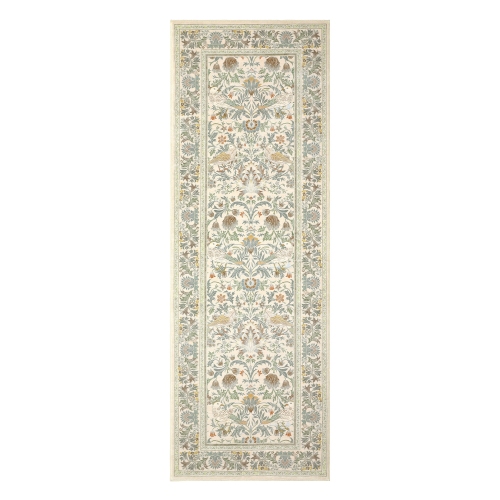
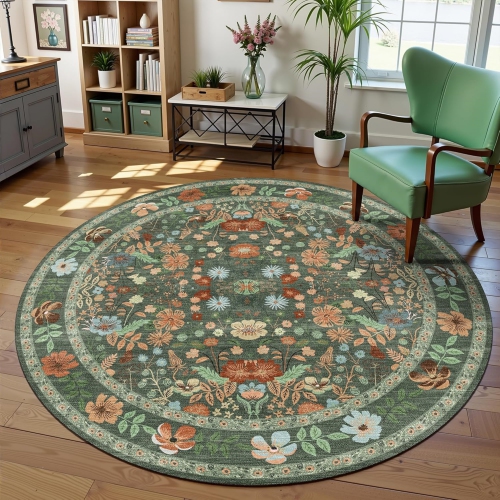
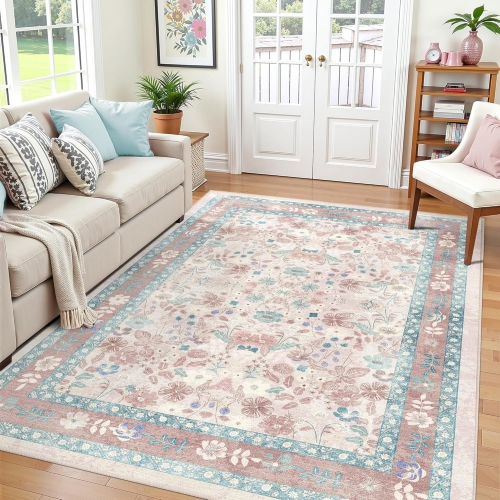
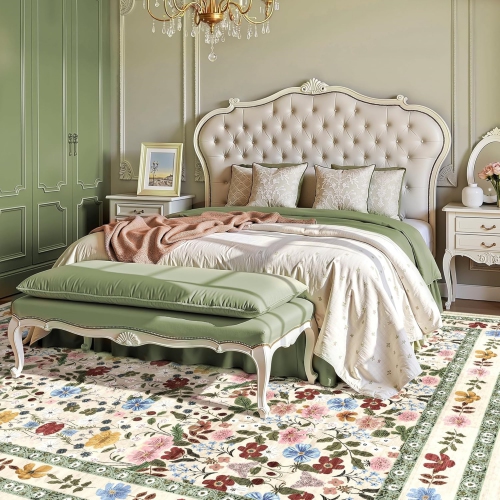
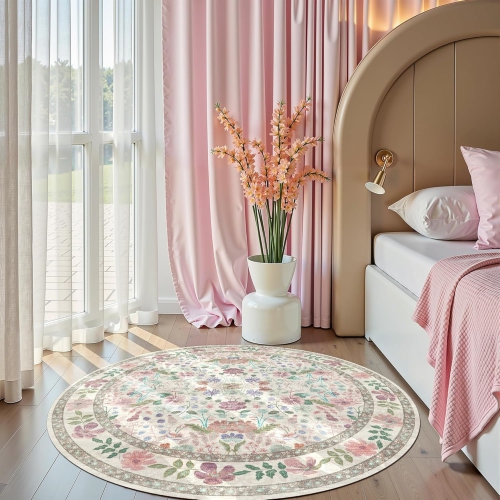
There’s more to a soft rug than its weave
Area rugs for hardwood floors add softness, define living spaces, and help reduce everyday wear from footsteps and moving furniture. A suitable rug balances comfort, fit, and ease of care with a backing or rug pad that is compatible with the floor’s finish. The underside matters as much as the visible weave: a rug that feels soft underfoot can still have a coarse backing that needs a protective layer between it and the wood. In a living room, an area rug can bring a sofa, accent chairs, and coffee table into one seating area while leaving the surrounding hardwood visible. In a bedroom, it creates a softer landing beside the bed; beneath a dining table, it introduces colour and texture without covering the entire floor. Materials influence how each of these spaces feels and functions. Wool offers a springy texture and natural resilience, although some wool rugs shed loose fibres, particularly early in use. Cotton is often lighter and easier to move, with care requirements that depend on the weave, construction, and backing. Polypropylene and polyester are common choices for spaces where spills and frequent cleaning are part of daily life, while nylon is valued for its ability to recover from compression. No fibre is automatically stain-proof, and a washable label should always be checked against the full care instructions. Jute and sisal bring a textured, woven appearance, but their coarser fibres and sensitivity to moisture make floor protection and placement especially important. Viscose can have a silky sheen, though it generally needs gentler treatment and is less forgiving of spills than many other fibres. Colour and pattern also affect everyday practicality. A softly varied pattern can make small crumbs and minor marks less noticeable, while a plain, pale surface may show them more readily. Against richly grained hardwood, a quiet weave can let the wood remain a feature; on a more uniform floor, a patterned rug can give the room a focal point.
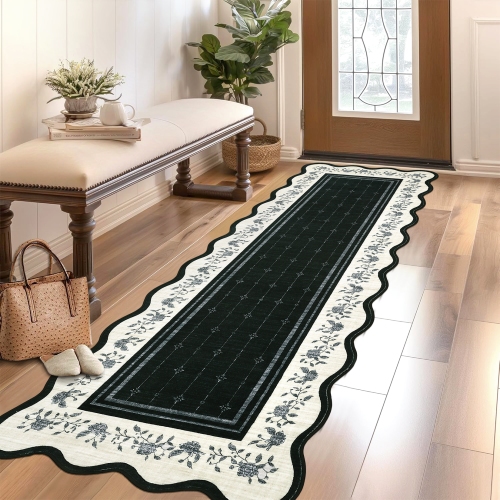
Size and placement help an area rug feel connected to the room rather than like an isolated patch of fabric. In a seating area, a rug large enough to sit beneath the front legs of the sofa and nearby chairs usually creates a more cohesive arrangement than one tucked only under the coffee table. Dining spaces need enough rug beyond the tabletop for chair legs to remain supported when someone pulls a chair out to sit down. Bedrooms can accommodate a larger rug extending beyond the sides and foot of the bed, or smaller rugs beside the areas used most often. Runners suit hallways and narrow spaces, provided they leave doorways, vents, and walking routes clear. Measuring the room and marking the proposed outline with removable tape makes it easier to picture the fit before choosing dimensions. Pile height matters, too: a thick rug may interfere with a door, catch beneath rolling furniture, or create an awkward edge along a busy route. Low-pile and flatwoven styles often suit dining areas and workspaces where chairs need to move, while a deeper pile can provide a cushioned feel in a lounge or bedroom. On hardwood, grip requires attention beyond the rug’s size. When comparing Non Slip Rugs for Hardwood Floors, check whether the backing is approved for the specific floor finish and whether a separate pad is recommended. Some rubber, latex, PVC, or adhesive materials can react with certain finishes or leave marks, so a generic non-slip claim is not a guarantee of compatibility. A felt pad can add cushioning, but felt alone may not provide enough grip. Combination pads vary in their construction and suitability. A pad should sit slightly inside the rug’s edges, remain flat, and be used only on a clean, dry floor. Newly finished hardwood may also need a curing period before rugs are placed, according to the flooring manufacturer’s directions.
Day-to-day care affects both the appearance of the rug and the condition of the hardwood underneath. Fine grit can work through a weave or collect along an edge, where repeated foot traffic may rub it against the finish. Regular vacuuming, using settings appropriate for the rug’s fibres and construction, helps remove that debris before it builds up. Fringe, loose loops, and delicate surfaces may need a suction-only attachment rather than an aggressive rotating brush. Periodically lifting the rug and pad allows the exposed floor to be cleaned with a method approved for its finish, and gives an opportunity to check for trapped moisture, residue, or wear. Spills need prompt attention: blot rather than scrub, avoid soaking the rug in place, and keep cleaning solutions from pooling on the wood. If moisture reaches the underside, separate the rug and pad from the floor and let every layer dry thoroughly before putting them back. Machine-washable rugs still need to meet the washing machine’s capacity limits, and their pads may have different care requirements. Professional cleaning may be more appropriate for large, delicate, or heavily soiled rugs. Rotating a rug periodically can distribute foot traffic and furniture pressure more evenly, although rugs and furniture may still leave visible differences where surrounding hardwood receives more light. For households with children, a stable, easy-to-clean surface can make a shared play area more comfortable without replacing the hardwood beneath it. Pet owners may prefer a dense, lower pile that is easier to vacuum and less likely to catch claws than a loose looped texture. In a home office, a flat surface that works with the desk chair is often more useful than a plush pile. The most practical choice suits the people using the room, the furniture sitting on it, and the care routine the household can comfortably maintain.
Top selling and popular products
-
 Your price for this item is $130.55
-
 Your price for this item is $129.15
-
 Your price for this item is $130.55
-
 Your price for this item is $129.15
-
 Your price for this item is $129.15
-
 Your price for this item is $130.55
-
 Your price for this item is $144.99
-
 Your price for this item is $103.99
Discover more categories related to Area Rugs for Hardwood Floors
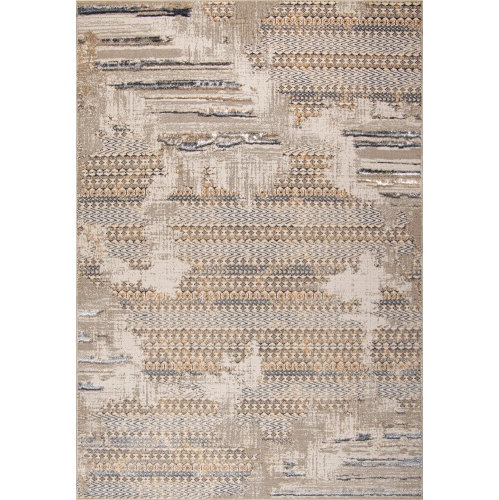
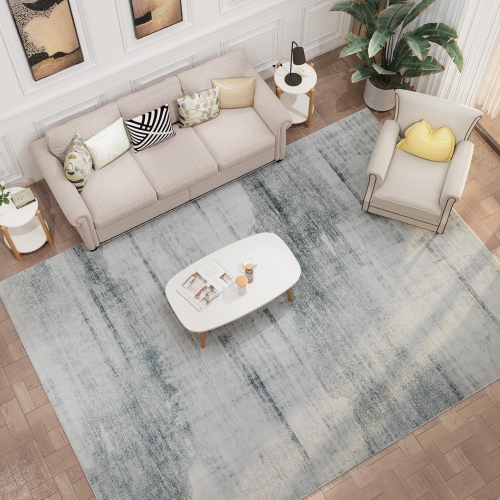
Top Collections:
Best Black Friday Deals This Year, Best Black Friday Deals On Electronics, Kindle Devices, Dyson Airwrap, Best Cameras for Sports Photography, Best Budget Office Chairs, Canon G7X Cameras, PS5 Pro Consoles, Best Black Friday Deals On Apple Products, XBOX One S Consoles
Some products may be subject to Environmental Handling Fees
(EHF) depending on your province.
Learn more about EHFs.