Art Deco Tables
Add a touch of timeless elegance to your living space with our stunning collection of art deco tables. Whether you're looking for a statement coffee table, a chic console table, or a sophisticated end table, art deco tables offer the perfect combination of form and function. Elevate your home decor with these stunning pieces that exude sophistication and bring a touch of vintage charm to almost any room.
Sort
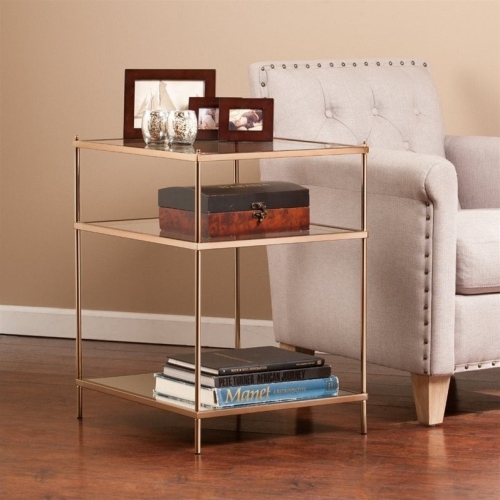
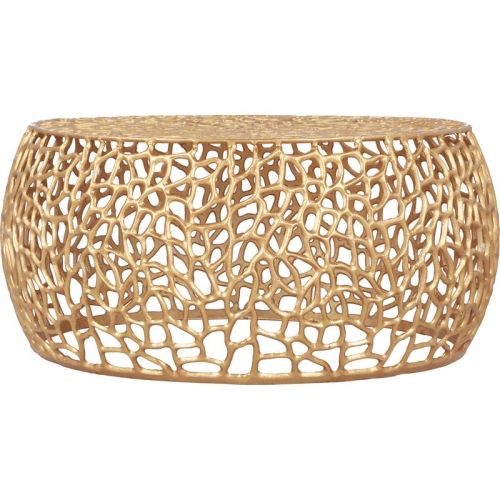
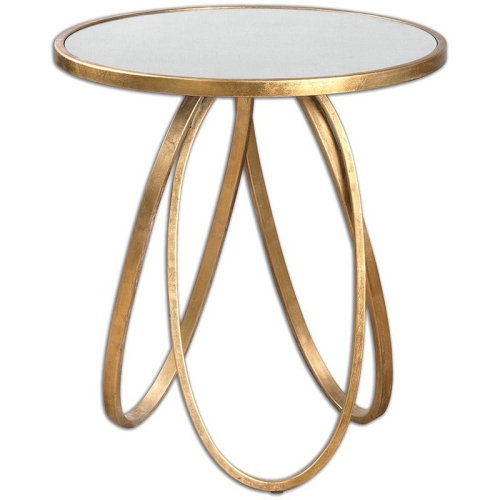
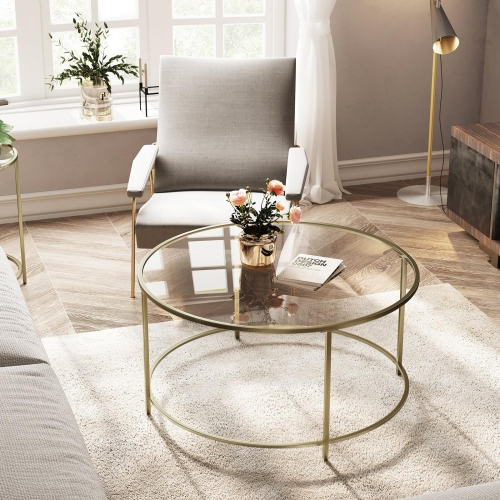
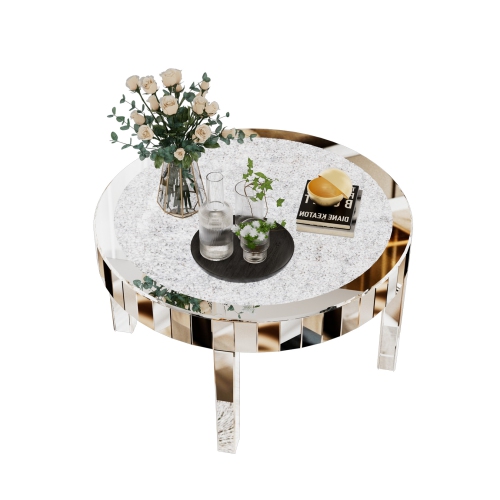
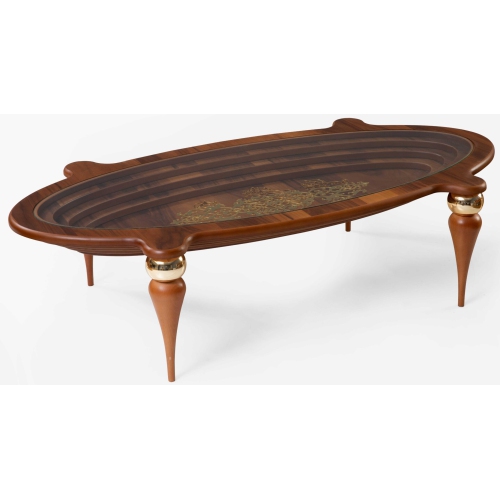
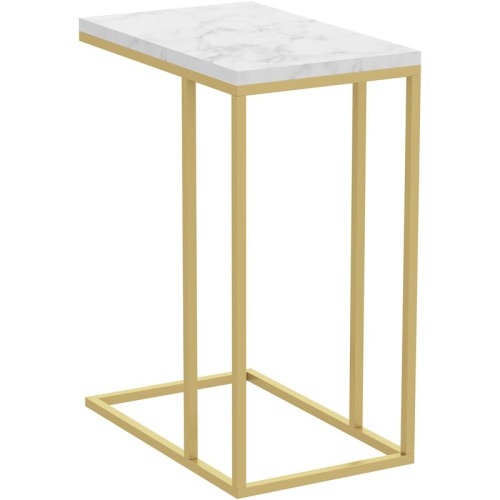
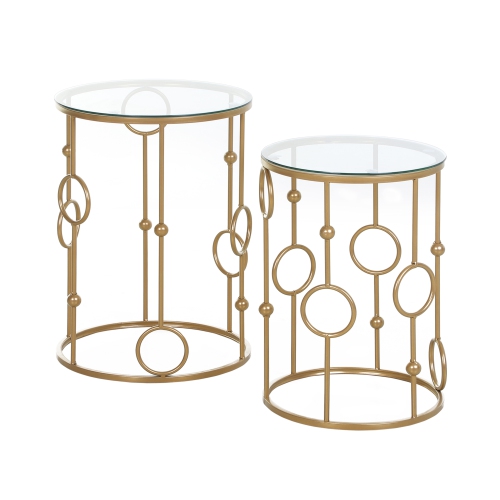
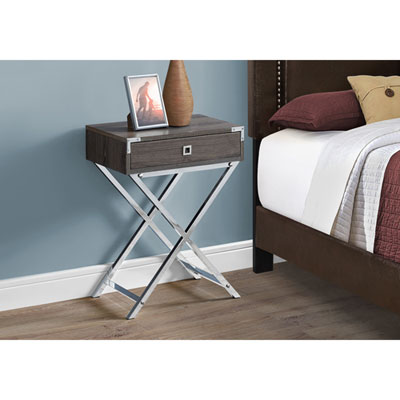
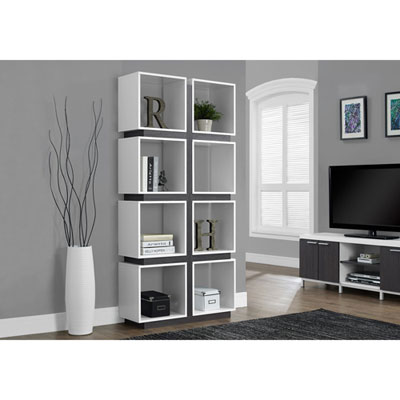
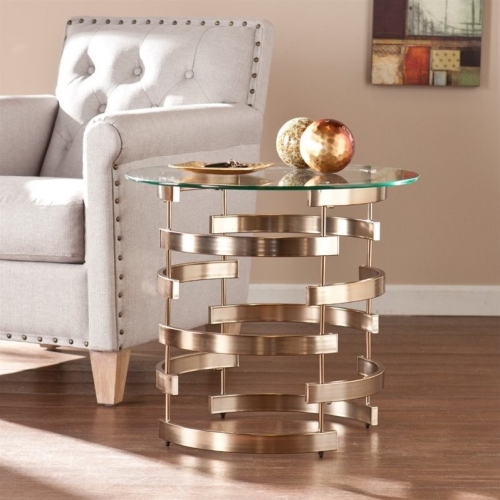
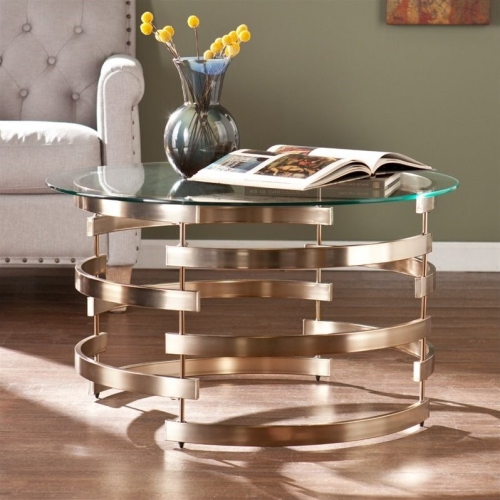
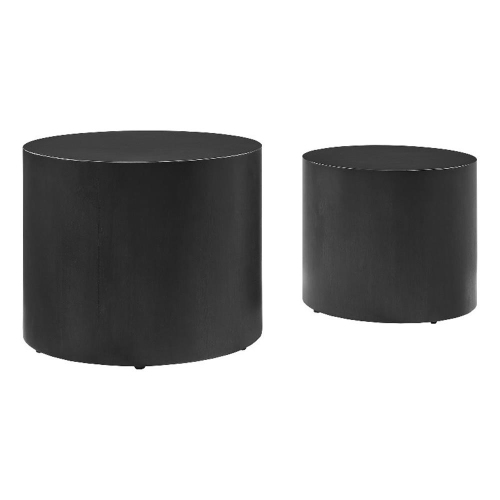
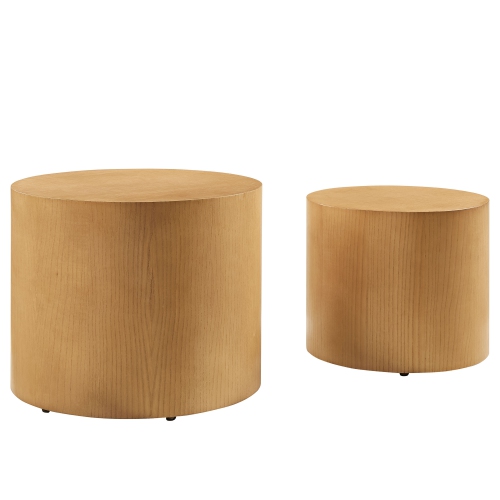
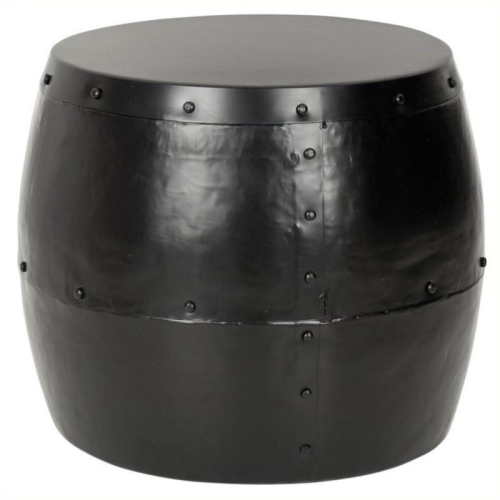
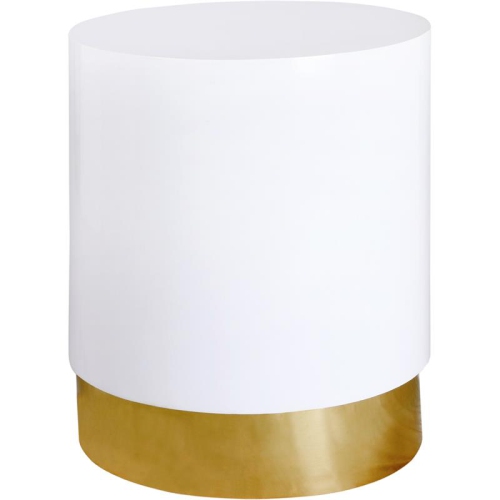
Geometric shapes and sculptural bases meet everyday living
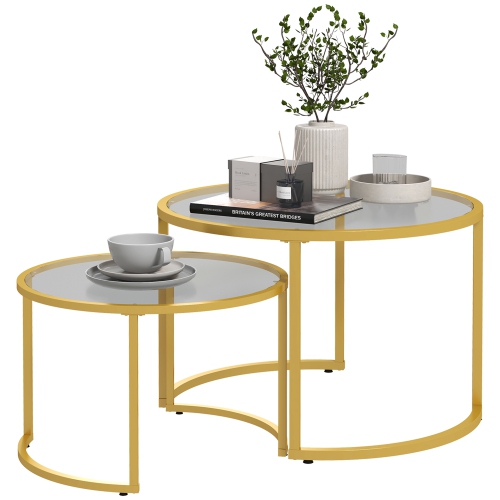
Art deco tables bring geometric shapes, contrasting materials, and sculptural bases into everyday living spaces. Rooted in the design movement of the 1920s and 1930s, the style draws its character from symmetry, stepped profiles, sweeping curves, and polished surfaces rather than elaborate carved ornament. A circular tabletop on a tiered pedestal, an octagonal surface framed in dark wood, or a rectangular dining table with contrasting inlays can all express this distinctive look. Common materials associated with the style include walnut, figured wood veneers, glass, marble, lacquer, brass, and chrome. Burl and bird’s-eye grain patterns add movement to otherwise orderly forms, while metal trim creates a crisp outline around a top or base. Not every table needs all of these details: a restrained combination of dark wood and a curved support can feel just as characteristic as a mirrored surface with a gleaming frame. Coffee tables often serve as the visual centre of a seating area, giving a sofa and armchairs a shared focal point. Side tables carry the same design language into a smaller footprint, providing a place for a reading lamp or a cup beside a favourite chair. Console tables suit entrances, hallways, and the space behind a sofa, where a shallow top can hold a tray for keys without taking over the walkway. Dining tables translate the style into a larger gathering surface, with patterned veneers or substantial pedestal bases lending definition to the room. These forms work in more than period-inspired interiors. A geometric table can bring structure to a room with soft upholstery, while a warm walnut finish can balance glass and metal furnishings. For a broader mix of accent furniture, Decorative Tables offer another way to explore shapes and finishes that complement a room’s existing character. The strongest connection is usually a repeated detail, such as a curved edge, a similar wood tone, or a matching metal finish, rather than an exact match across every piece.
Materials influence both the appearance of an art deco table and how comfortably it fits into daily routines. Solid wood offers natural variation in grain and colour, although its surface can still dent, scratch, or respond to changes in indoor humidity. Wood veneer is a thin layer of real wood applied over a supporting core; it allows richly figured grain to cover broad surfaces and is not, by itself, a sign of poor construction. Well-finished edges, secure joints, and a stable base matter more than the material name alone. Veneered surfaces need particular care around seams and edges, where standing moisture can cause damage, and aggressive sanding can wear through the thin outer layer. Lacquered finishes produce the smooth sheen closely associated with this style, but dark, glossy surfaces tend to make fingerprints and fine scratches more noticeable. Glass tops keep the outline visually light and reveal the shape of the base beneath them. Where glass is used, specifications such as tempered construction, edge finishing, and attachment method are worth checking rather than assuming from photographs. Marble brings distinctive veining and considerable weight, with natural differences between surfaces. It can also stain or develop dull marks from acidic spills, so care requirements depend on the stone and its finish. A marble-look surface may need a different cleaning routine from natural stone. Brass and chrome details introduce contrast, but plated, painted, and solid-metal components should not be treated interchangeably. A soft cloth and the manufacturer’s recommended cleaning method are safer starting points than abrasive pads or general-purpose polish. Coasters beneath drinks, protective pads under lamps, and prompt attention to spills help preserve the finish without obscuring the tabletop. For a dining surface used for homework, shared meals, and occasional craft projects, practical protection matters as much as visual impact. A beautiful grain pattern or reflective top remains easier to enjoy when everyday care fits naturally into the household routine.
Size and proportion determine whether an art deco table feels like a useful part of the room or an obstacle within it. Measure the intended position with surrounding furniture in place, including the space needed to open drawers, pull out chairs, and move through adjoining doorways. Painter’s tape on the floor can help show how an octagonal coffee table or broad pedestal will occupy the space; the widest point of the base can matter as much as the tabletop. Beside a sofa, a side table works comfortably when its surface is close to the arm height, keeping a drink or book within easy reach. A coffee table generally feels most accessible when its top sits around the height of the sofa cushions or slightly lower, with enough separation for legs and a clear walking route. Rounded edges may make circulation easier in a compact seating arrangement, although the table still needs to be stable and suited to the household. In a dining area, allow room for chairs to slide back and check the clearance beneath the apron, not just the overall table height. A central pedestal may free up space near the corners, but a wide base can compete with feet or chair legs. Extension mechanisms, where present, also need sufficient room to operate. For smaller homes, a narrow console or compact accent table can introduce the style without requiring a complete furniture change. In shared living spaces, a lower shelf or drawer can keep remotes, reading glasses, and charging cables off the main surface, provided storage does not interfere with legroom or access. Weight, assembly requirements, and the route through stairwells or lifts deserve attention before bringing a substantial stone or wood table home. An accent table can also make a thoughtful housewarming or wedding gift when the recipient’s measurements and taste are known. Whether used for entertaining, reading, or everyday meals, the most satisfying choice pairs the style’s bold geometry with a size, finish, and layout that feel effortless to live with.
Materials influence both the appearance of an art deco table and how comfortably it fits into daily routines. Solid wood offers natural variation in grain and colour, although its surface can still dent, scratch, or respond to changes in indoor humidity. Wood veneer is a thin layer of real wood applied over a supporting core; it allows richly figured grain to cover broad surfaces and is not, by itself, a sign of poor construction. Well-finished edges, secure joints, and a stable base matter more than the material name alone. Veneered surfaces need particular care around seams and edges, where standing moisture can cause damage, and aggressive sanding can wear through the thin outer layer. Lacquered finishes produce the smooth sheen closely associated with this style, but dark, glossy surfaces tend to make fingerprints and fine scratches more noticeable. Glass tops keep the outline visually light and reveal the shape of the base beneath them. Where glass is used, specifications such as tempered construction, edge finishing, and attachment method are worth checking rather than assuming from photographs. Marble brings distinctive veining and considerable weight, with natural differences between surfaces. It can also stain or develop dull marks from acidic spills, so care requirements depend on the stone and its finish. A marble-look surface may need a different cleaning routine from natural stone. Brass and chrome details introduce contrast, but plated, painted, and solid-metal components should not be treated interchangeably. A soft cloth and the manufacturer’s recommended cleaning method are safer starting points than abrasive pads or general-purpose polish. Coasters beneath drinks, protective pads under lamps, and prompt attention to spills help preserve the finish without obscuring the tabletop. For a dining surface used for homework, shared meals, and occasional craft projects, practical protection matters as much as visual impact. A beautiful grain pattern or reflective top remains easier to enjoy when everyday care fits naturally into the household routine.
Size and proportion determine whether an art deco table feels like a useful part of the room or an obstacle within it. Measure the intended position with surrounding furniture in place, including the space needed to open drawers, pull out chairs, and move through adjoining doorways. Painter’s tape on the floor can help show how an octagonal coffee table or broad pedestal will occupy the space; the widest point of the base can matter as much as the tabletop. Beside a sofa, a side table works comfortably when its surface is close to the arm height, keeping a drink or book within easy reach. A coffee table generally feels most accessible when its top sits around the height of the sofa cushions or slightly lower, with enough separation for legs and a clear walking route. Rounded edges may make circulation easier in a compact seating arrangement, although the table still needs to be stable and suited to the household. In a dining area, allow room for chairs to slide back and check the clearance beneath the apron, not just the overall table height. A central pedestal may free up space near the corners, but a wide base can compete with feet or chair legs. Extension mechanisms, where present, also need sufficient room to operate. For smaller homes, a narrow console or compact accent table can introduce the style without requiring a complete furniture change. In shared living spaces, a lower shelf or drawer can keep remotes, reading glasses, and charging cables off the main surface, provided storage does not interfere with legroom or access. Weight, assembly requirements, and the route through stairwells or lifts deserve attention before bringing a substantial stone or wood table home. An accent table can also make a thoughtful housewarming or wedding gift when the recipient’s measurements and taste are known. Whether used for entertaining, reading, or everyday meals, the most satisfying choice pairs the style’s bold geometry with a size, finish, and layout that feel effortless to live with.
Top selling and popular products
-
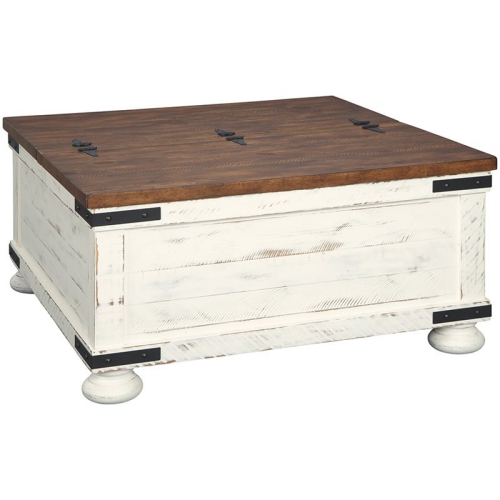 Your price for this item is $1030.03
 -
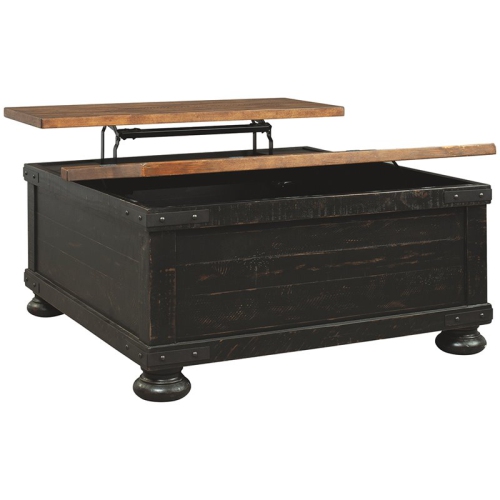 Your price for this item is $1070.91
 -
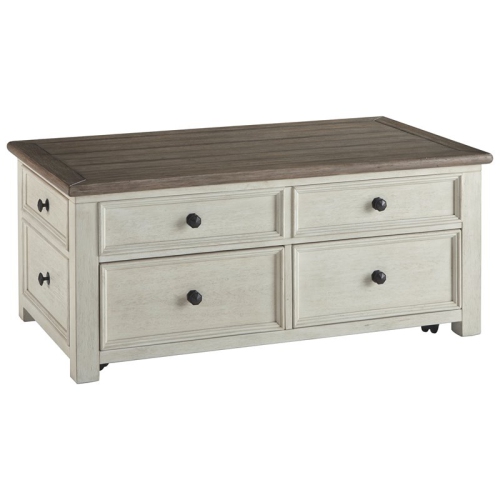 Your price for this item is $949
 -
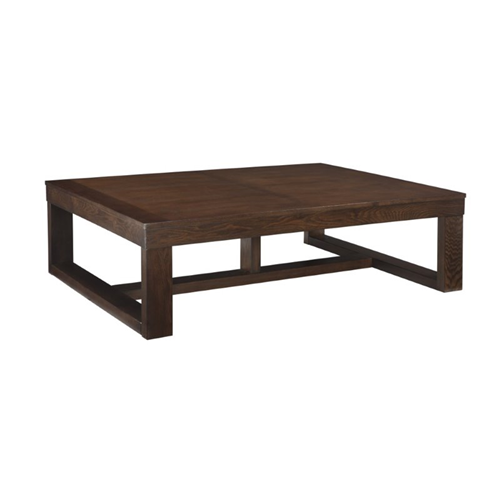 Your price for this item is $449
 -
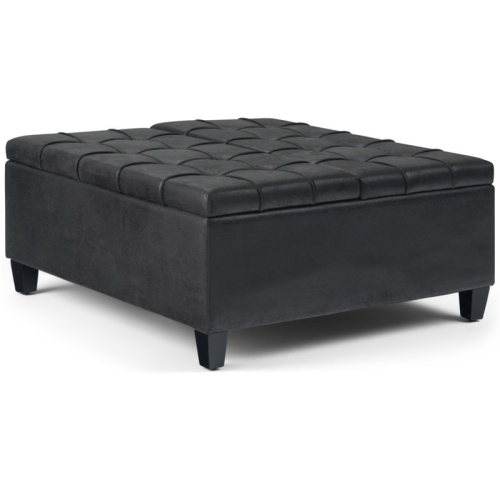 Your price for this item is $1042.91
 -
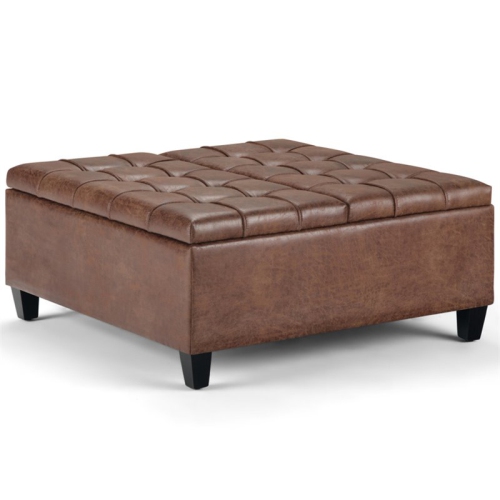 Your price for this item is $1013.77
 -
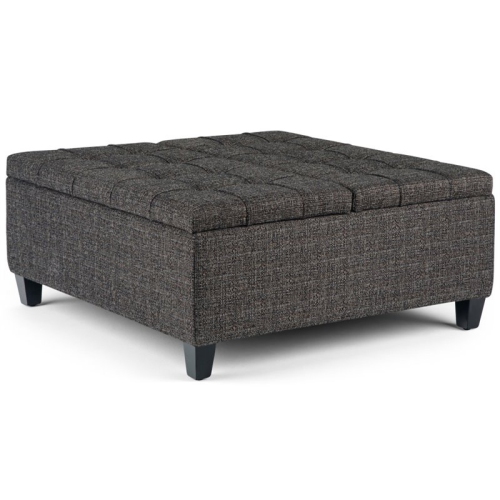 Your price for this item is $1021.17
 -
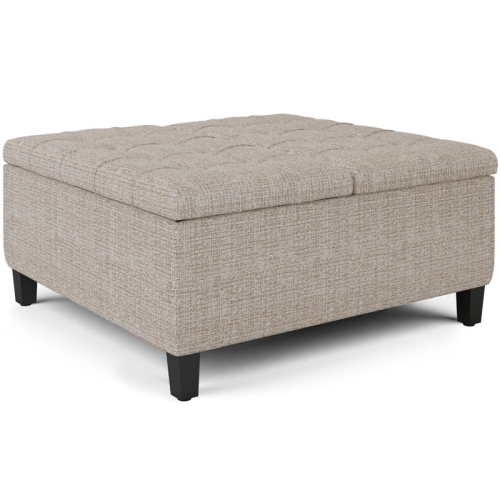 Your price for this item is $1022.03
Discover more categories related to Art Deco Tables
Top Collections:
Pokemon Centers, Kindle Devices, Best Budget Office Chairs, Apple iPhones 16, Best Laptops for Writers, iPhone 15 Apple, Canon G7X Cameras, Refurbished Apple Laptops, Alarm Clock, Motorola Razr Phones
Some products may be subject to Environmental Handling Fees
(EHF) depending on your province.
Learn more about EHFs.