Decorative Tables
Looking to add a touch of style and functionality to your living space? Look no further than our collection of decorative tables. These versatile pieces are designed to elevate the aesthetic appeal of almost any room while providing a practical surface for displaying decor, holding lamps, or storing essentials. From sleek and modern designs to rustic and vintage-inspired options, our wide range of decorative tables offers something for every taste and interior design preference. Whether you're looking for a coffee table to anchor your living room or an accent table to complement your bedroom decor, explore our selection and find the perfect piece to enhance your home's ambiance.
Sort
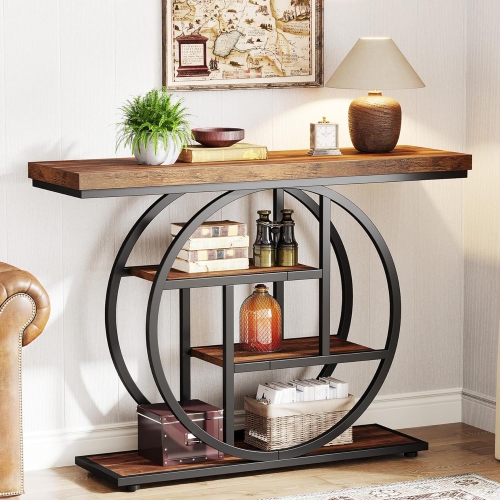


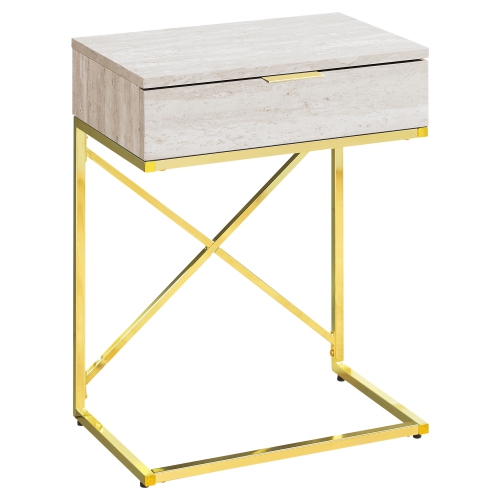

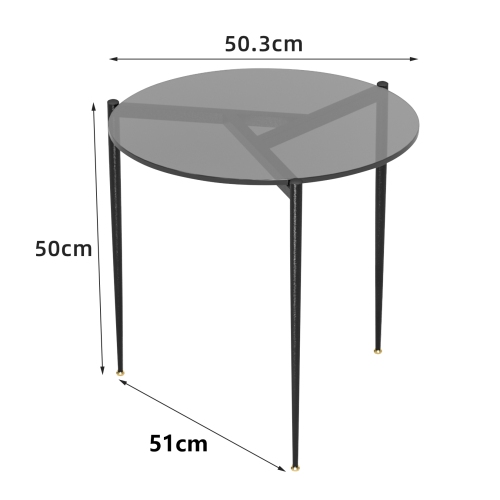
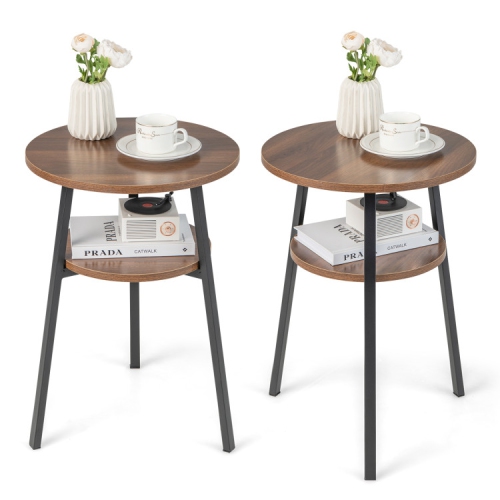
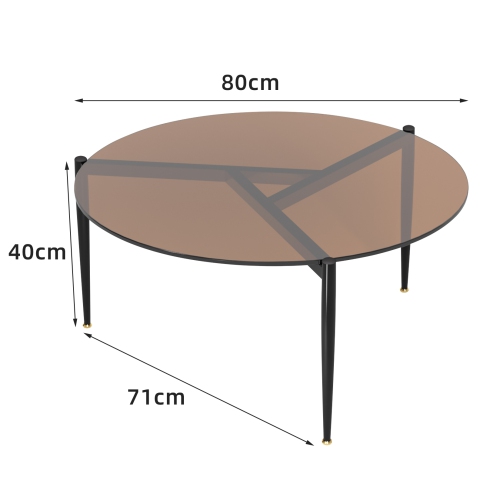
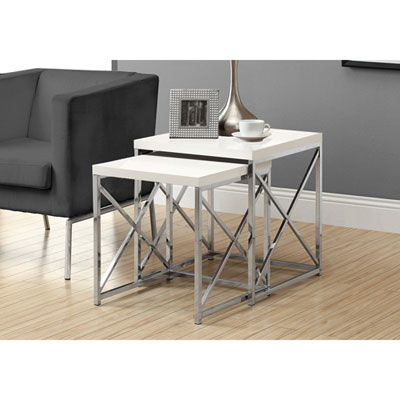

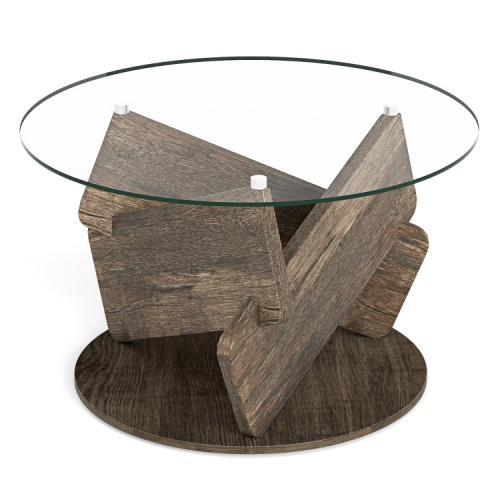
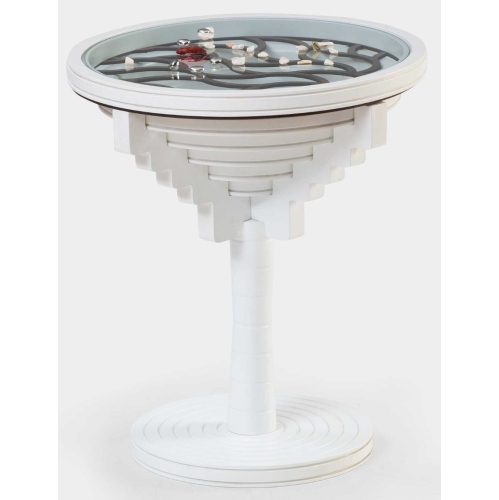

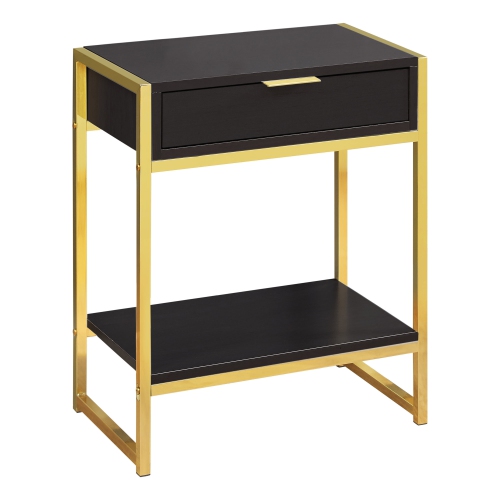
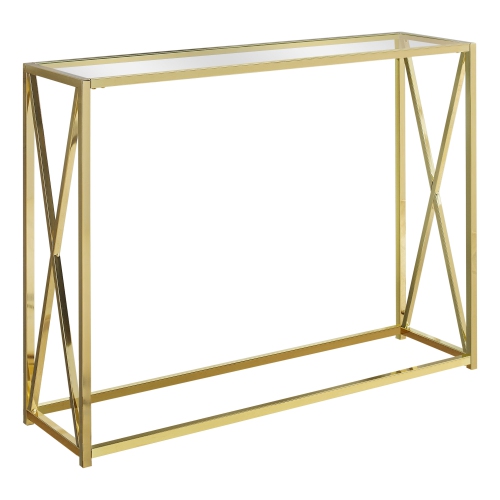
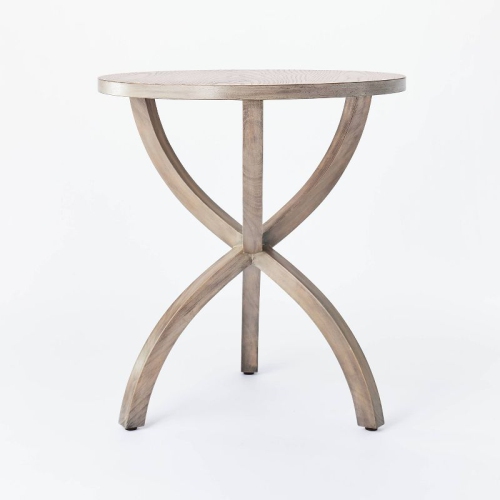

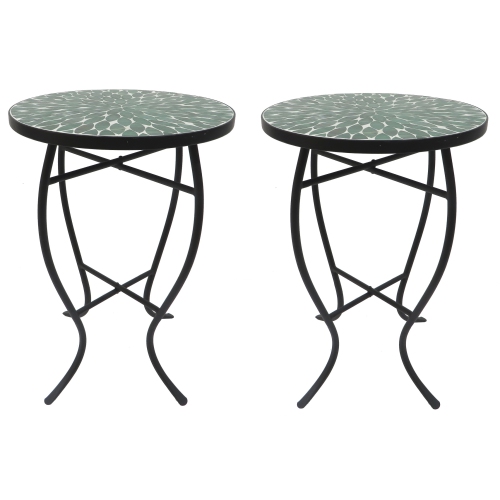
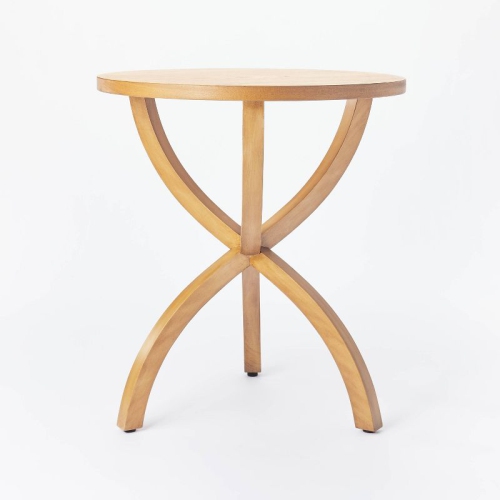
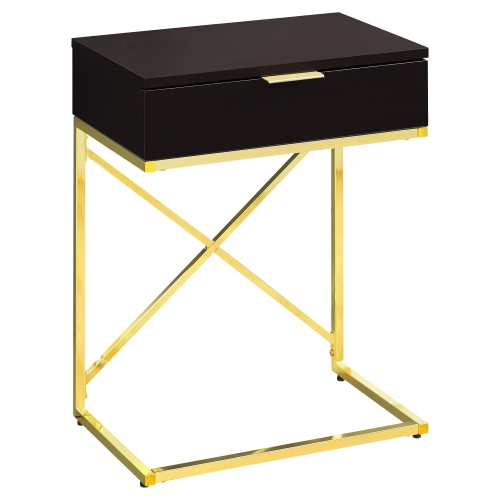
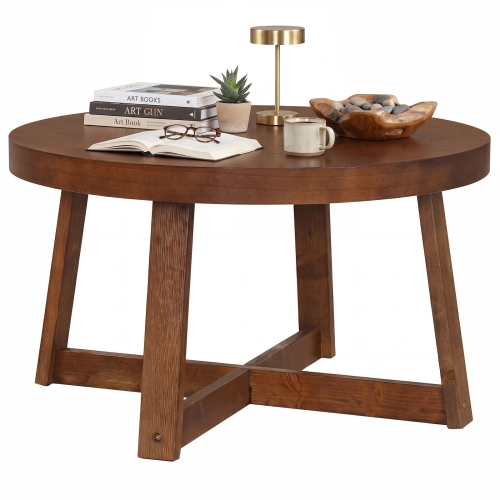
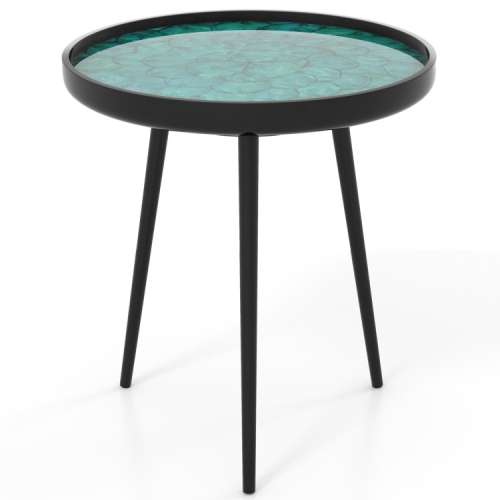


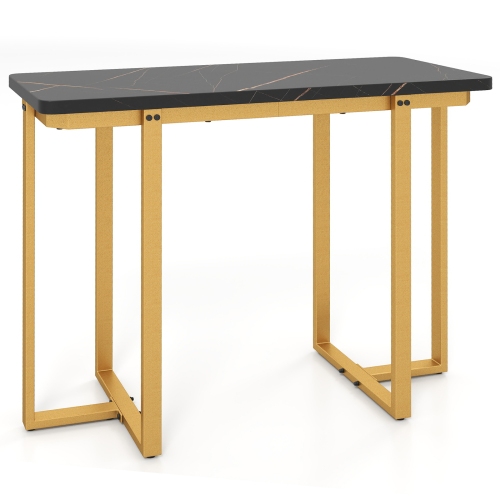


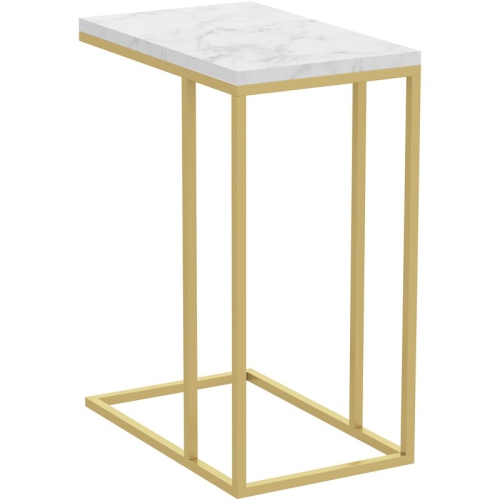
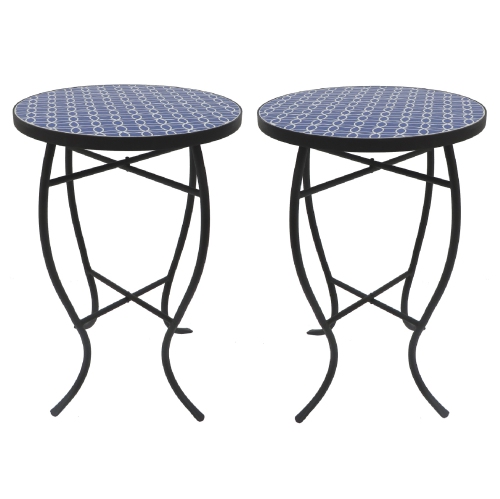
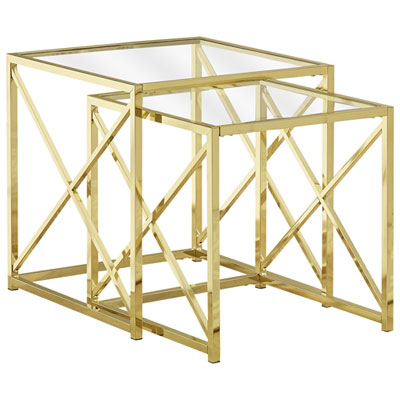
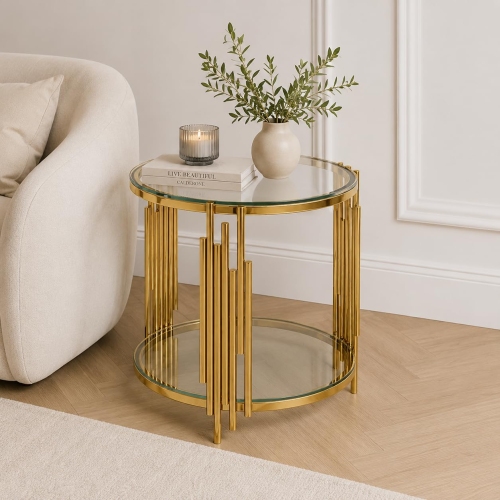
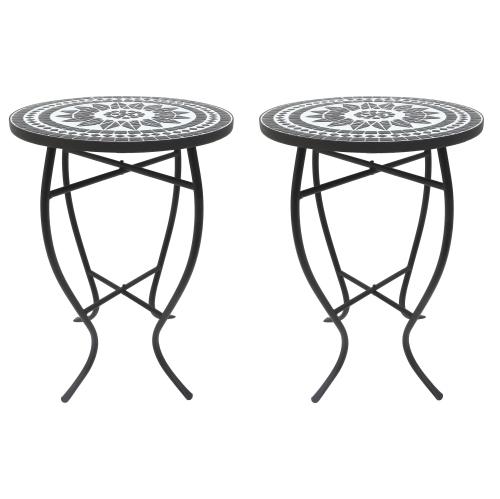
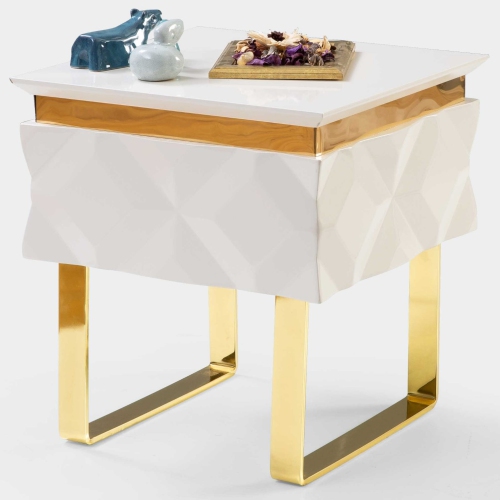
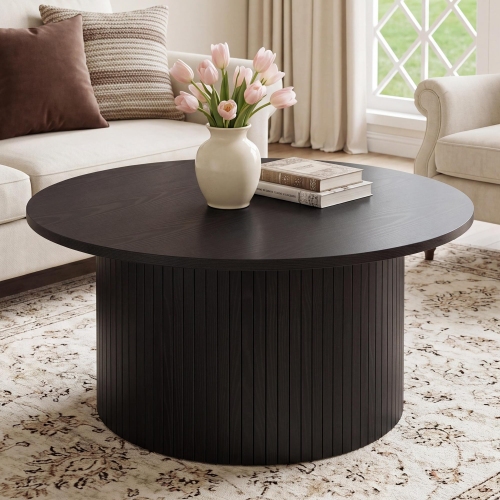
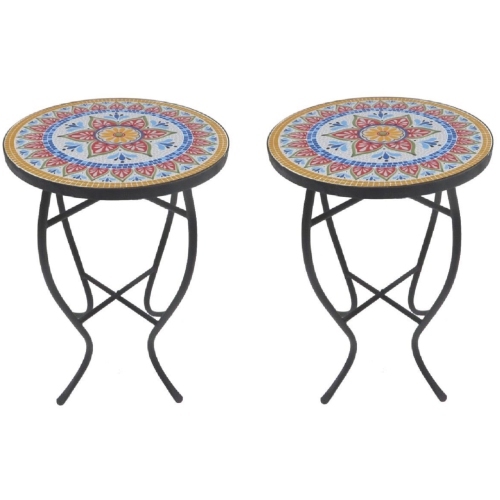
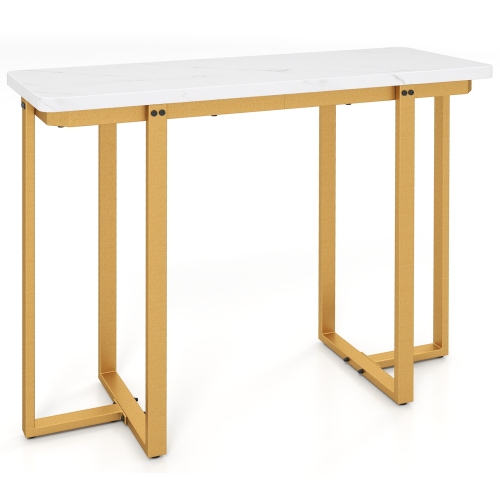
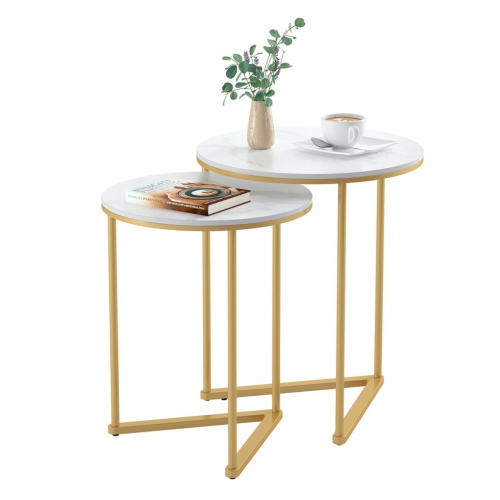
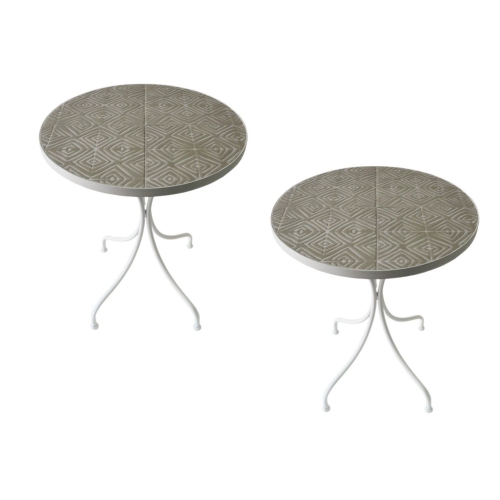
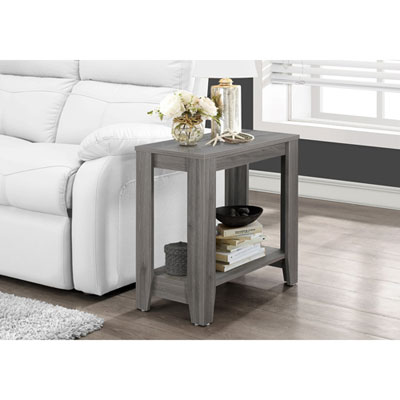
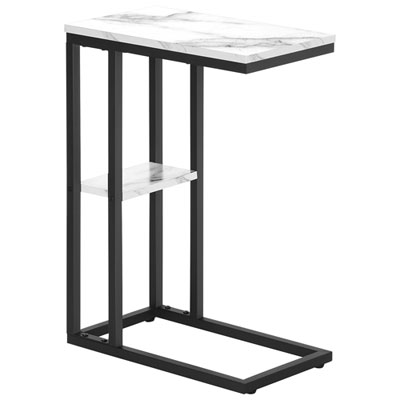

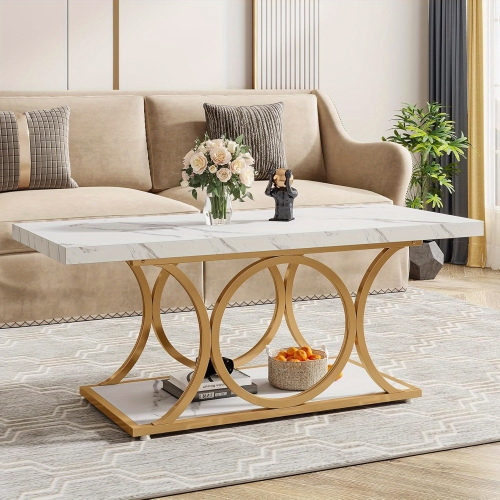
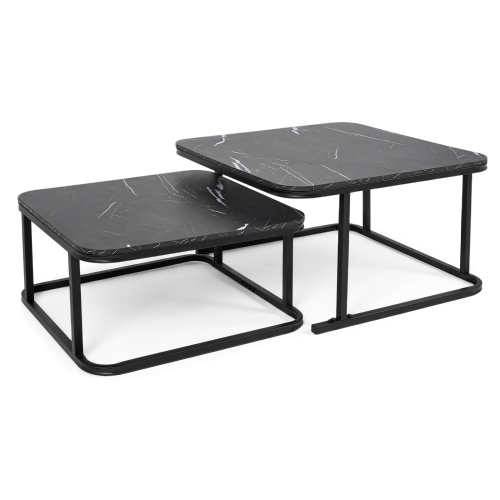
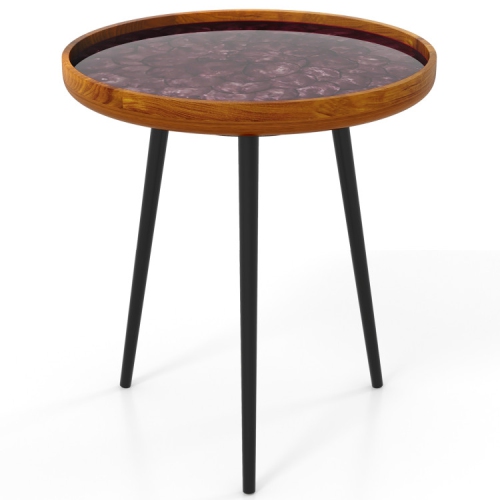
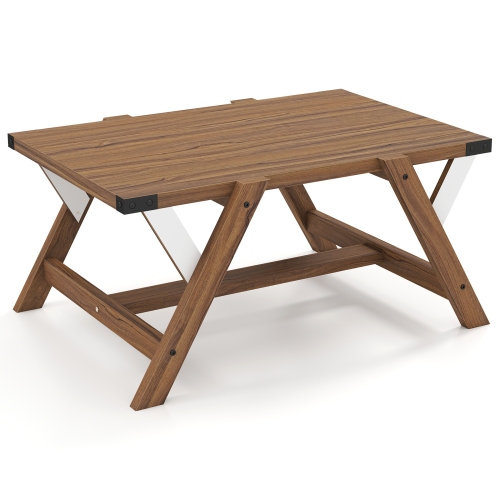
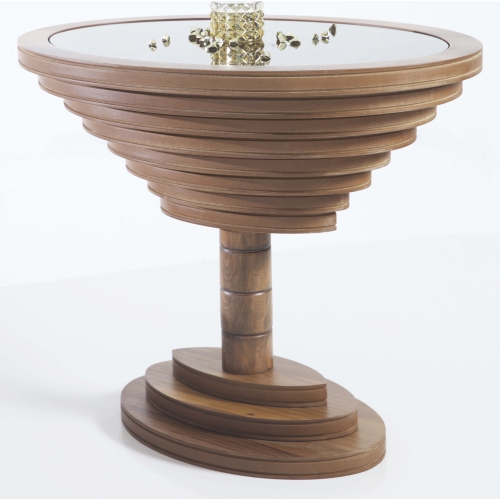
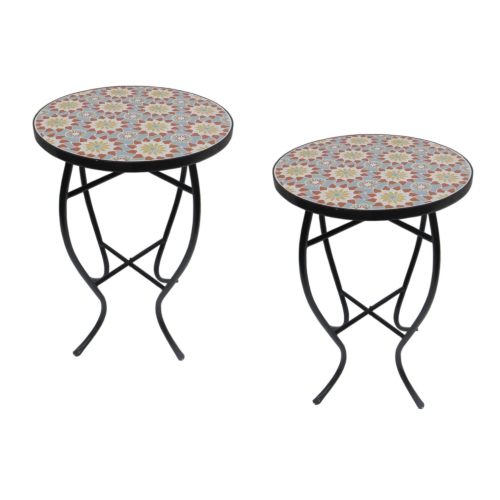
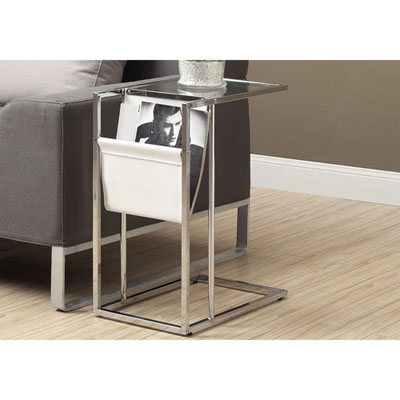
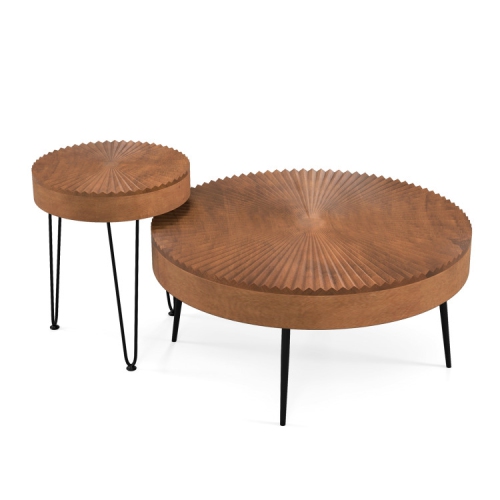
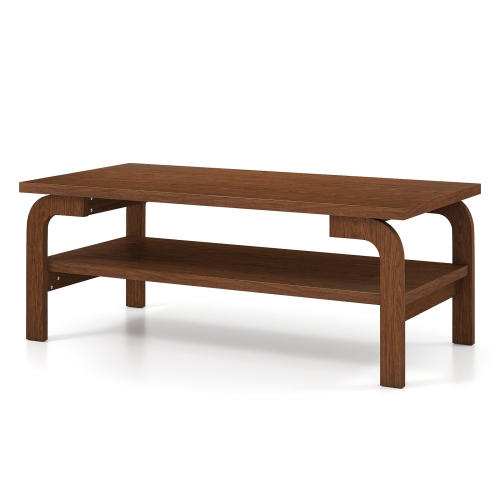
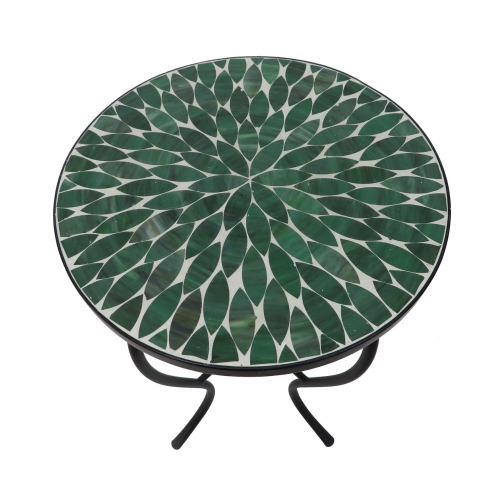
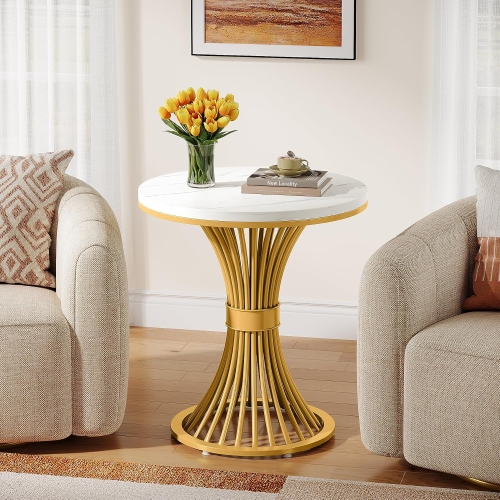
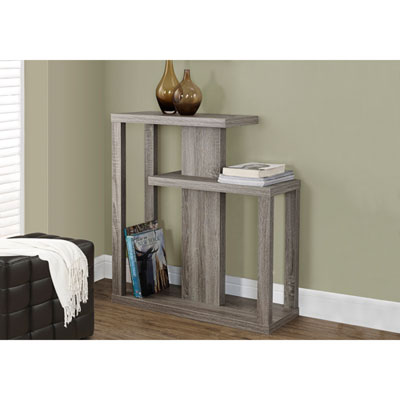
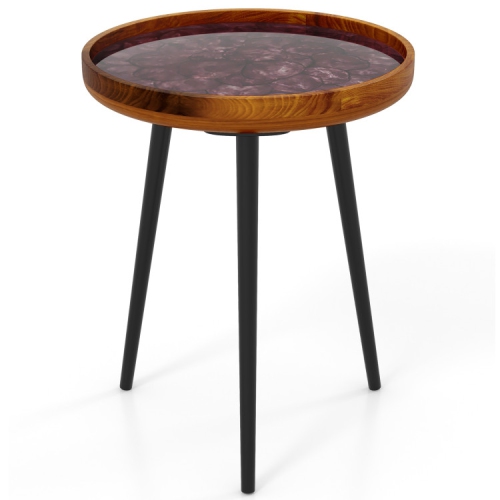
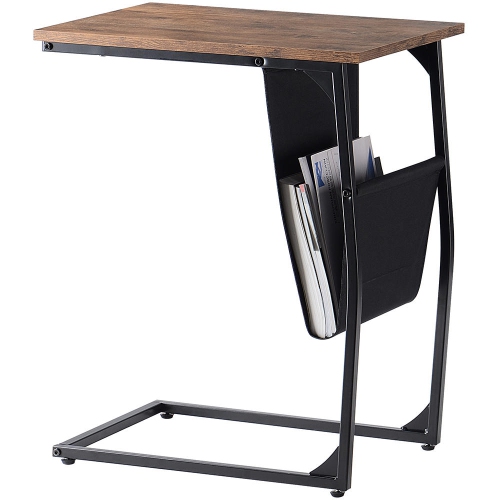

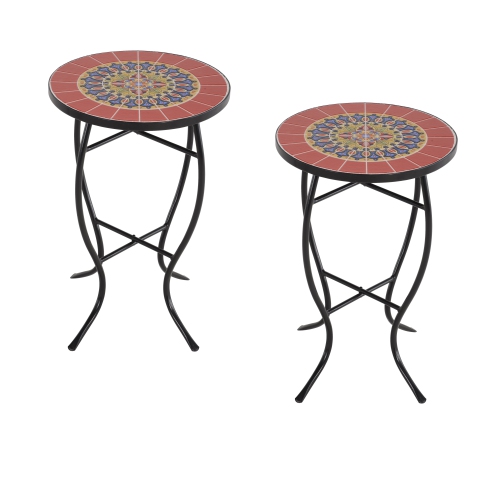
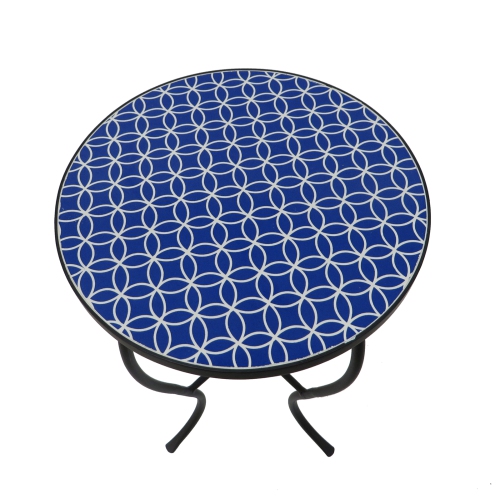
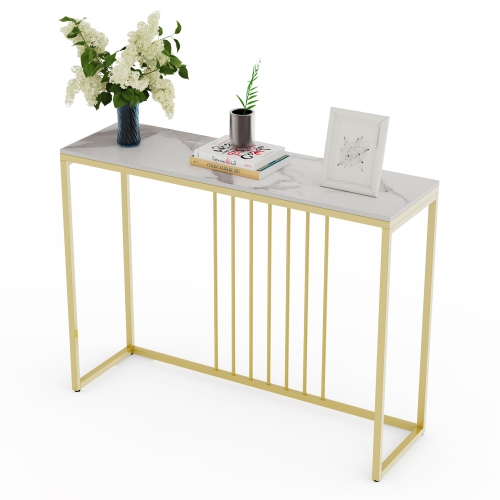
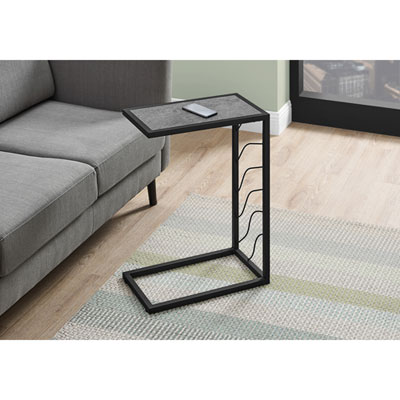
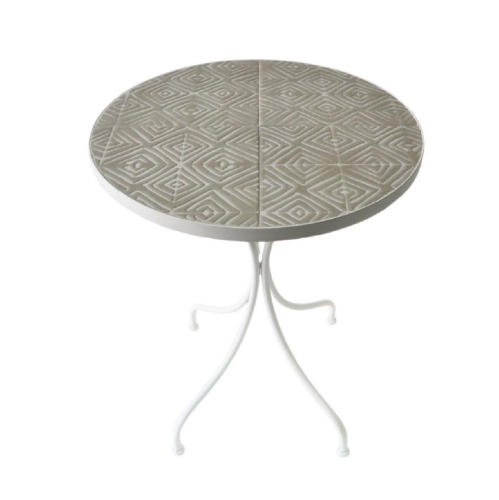


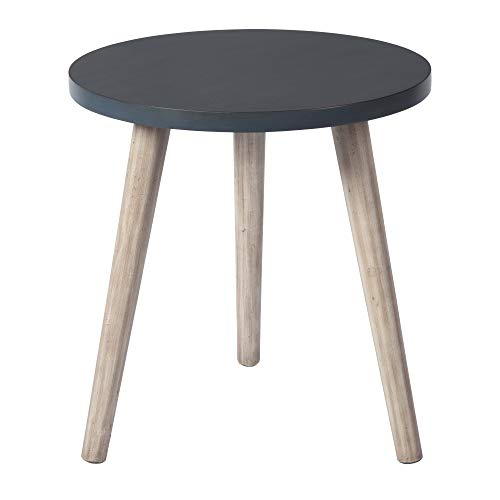
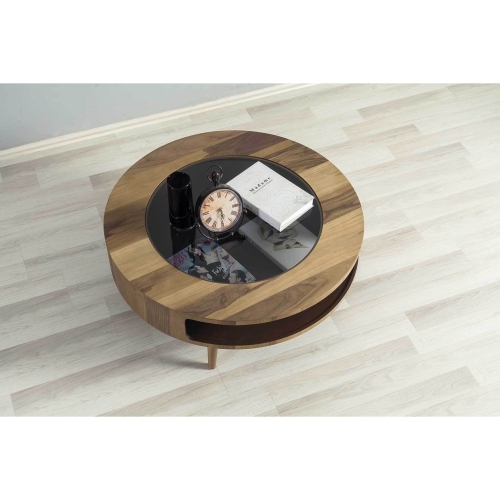
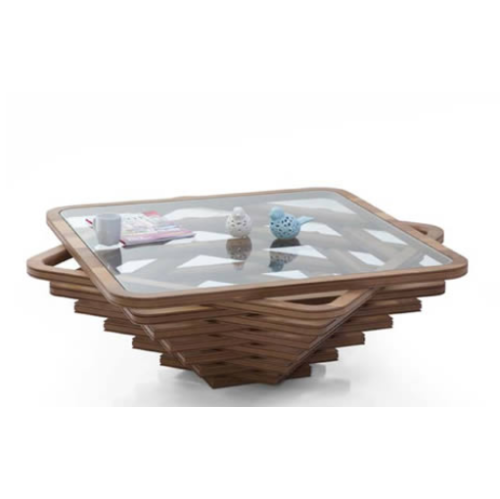
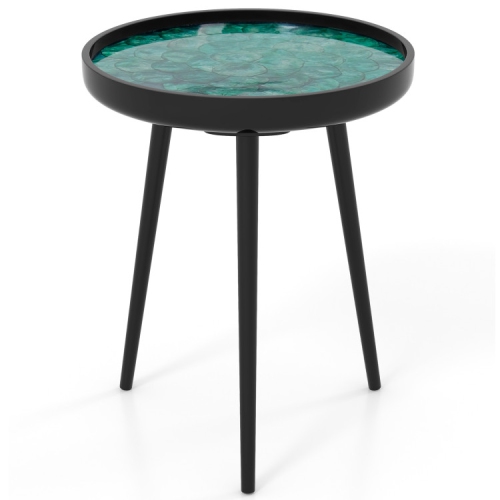
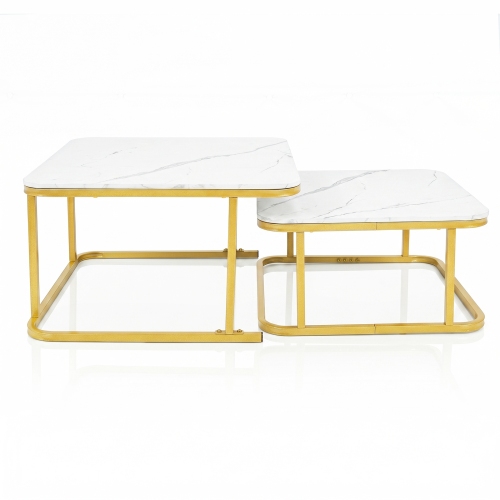

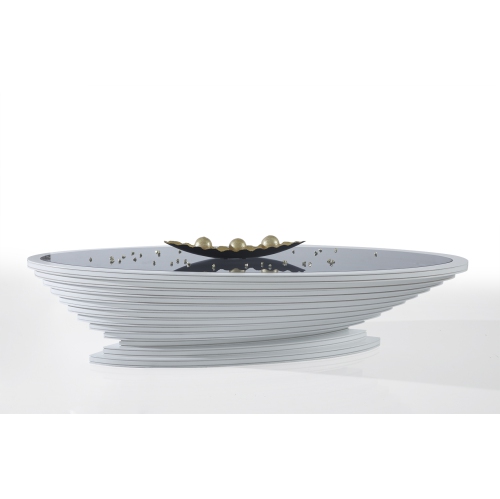
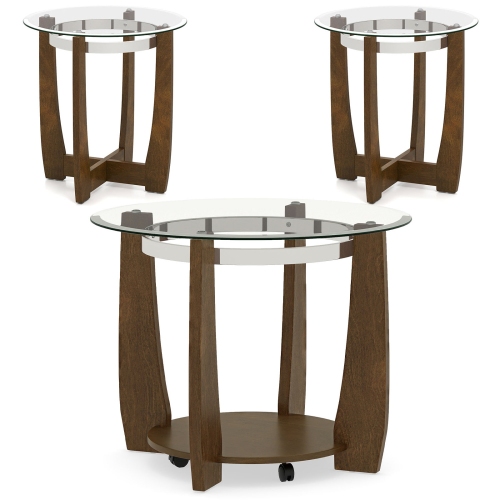

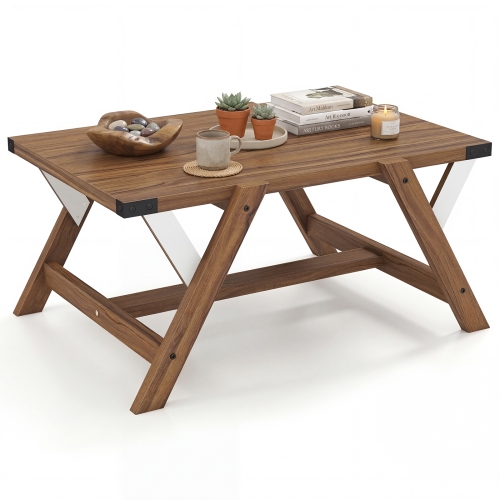
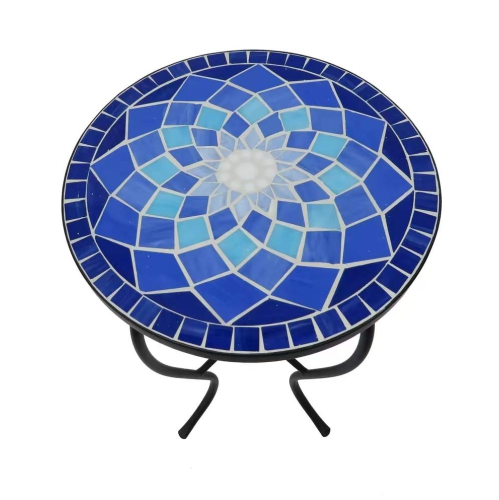
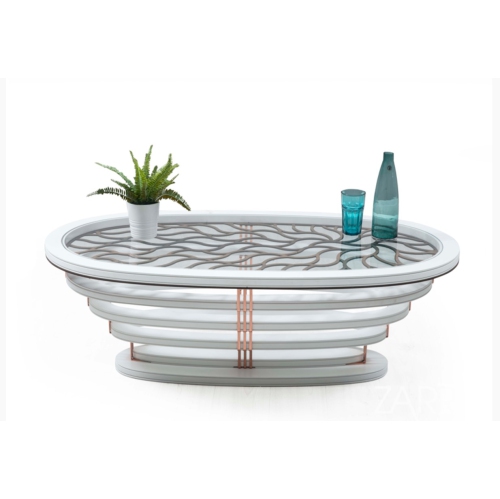
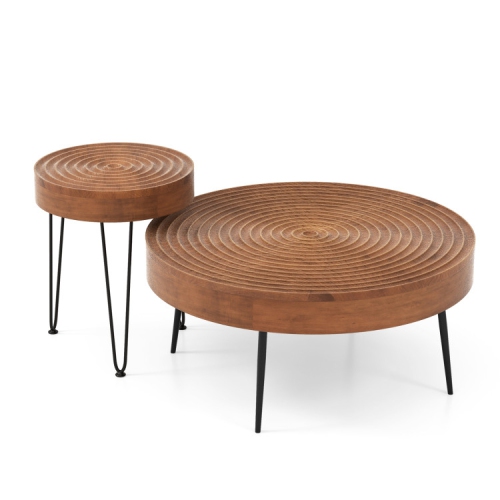
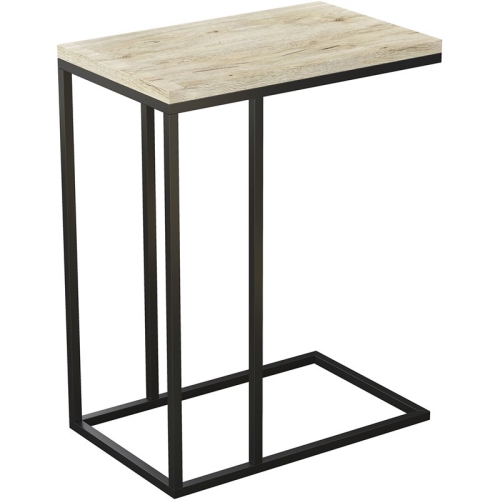
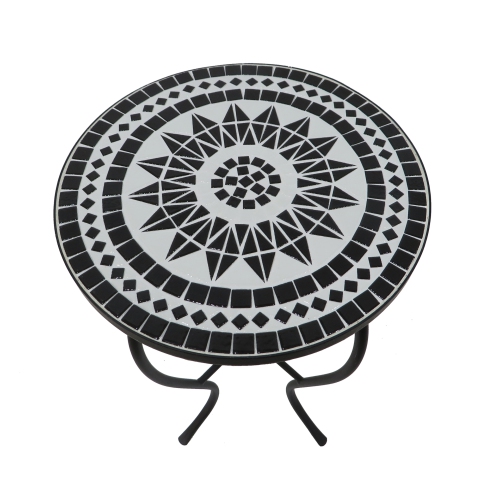
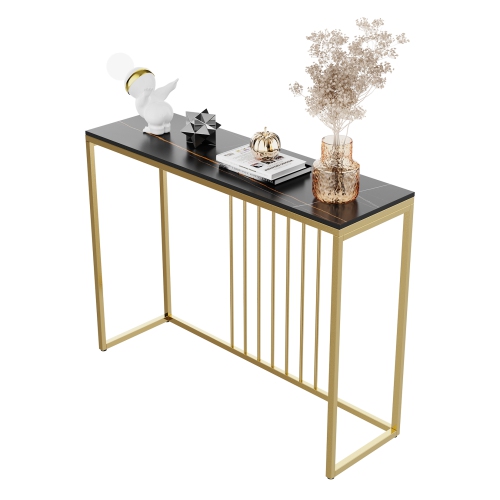
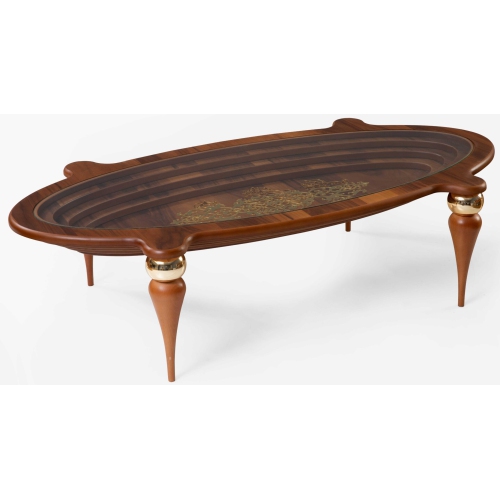
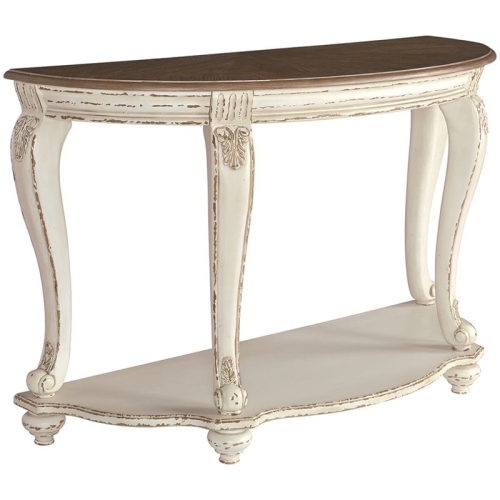
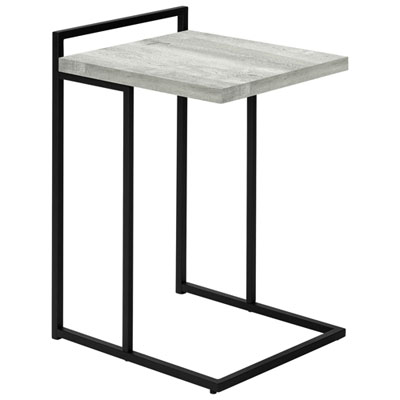
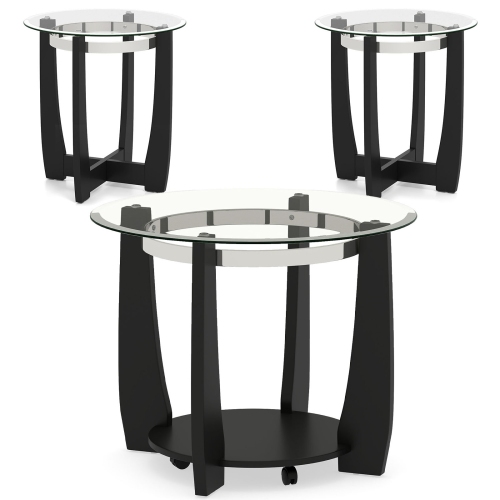
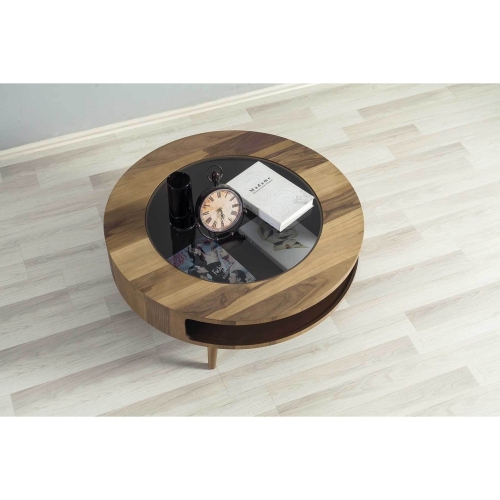
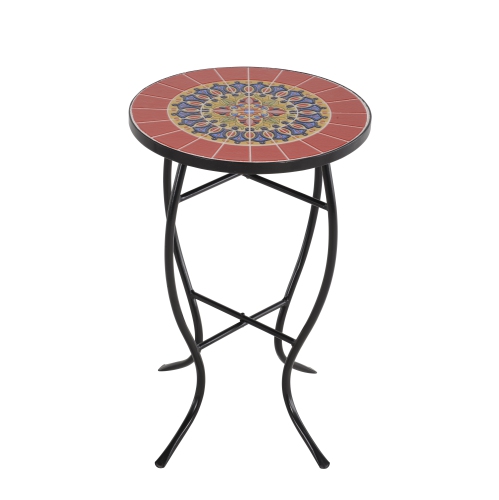
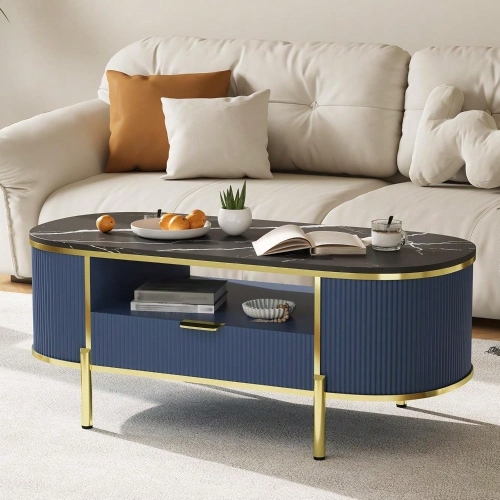
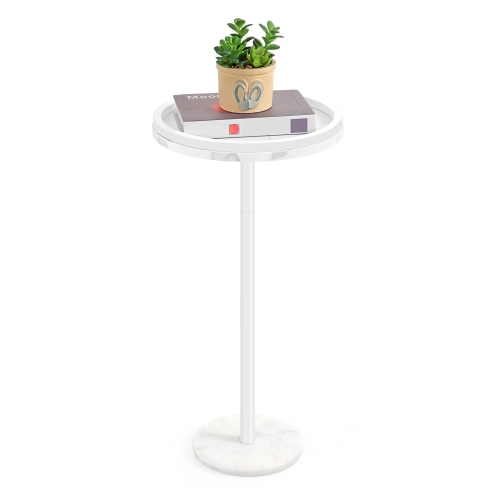
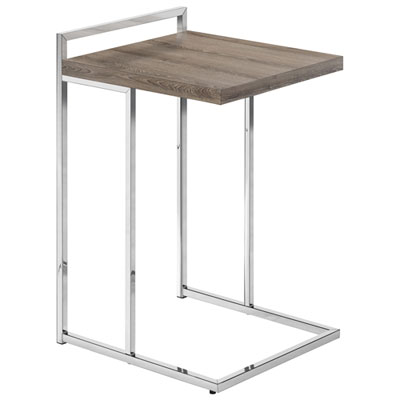
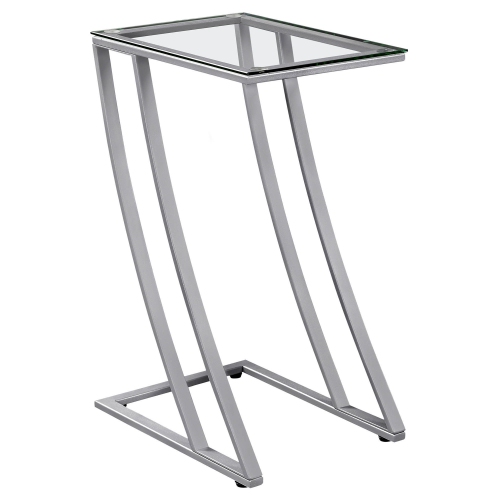
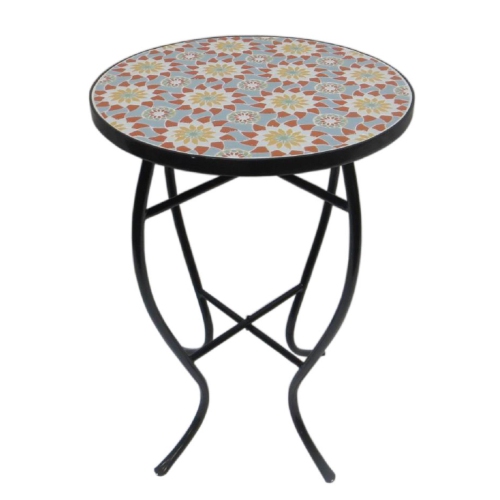
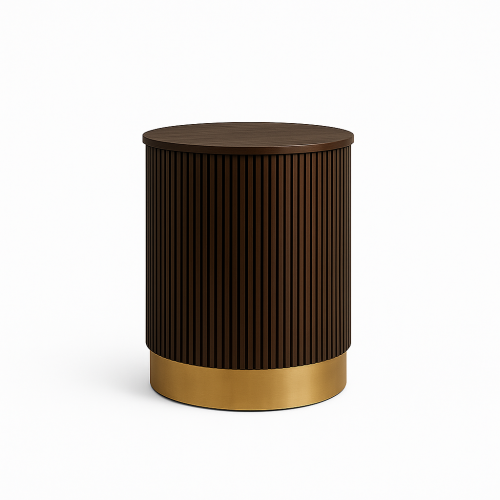
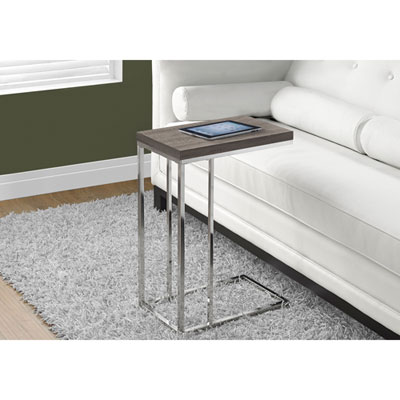
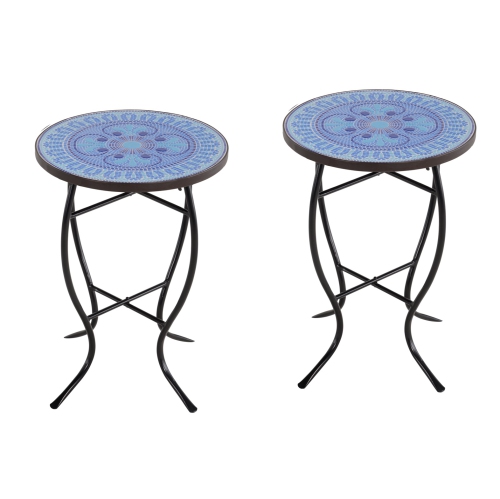
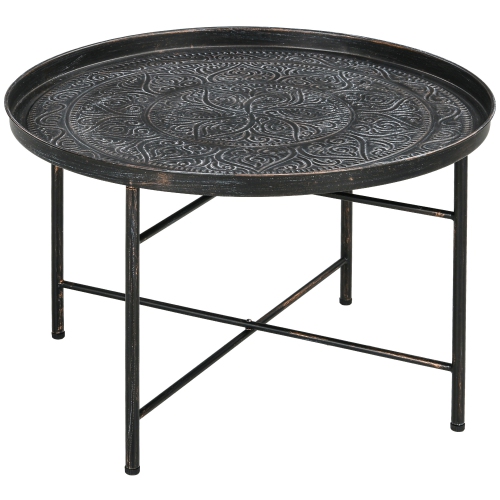
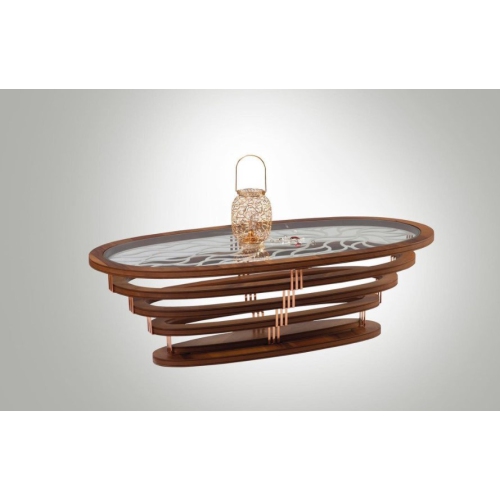
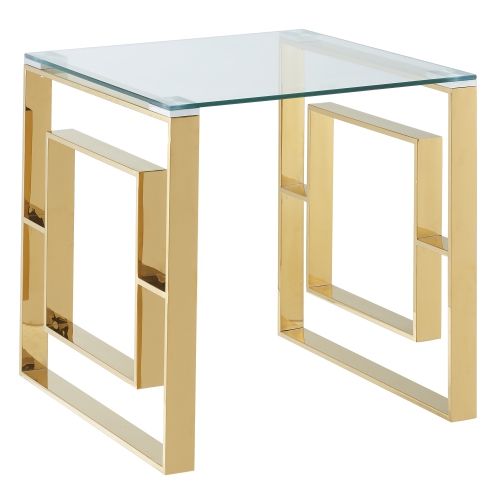
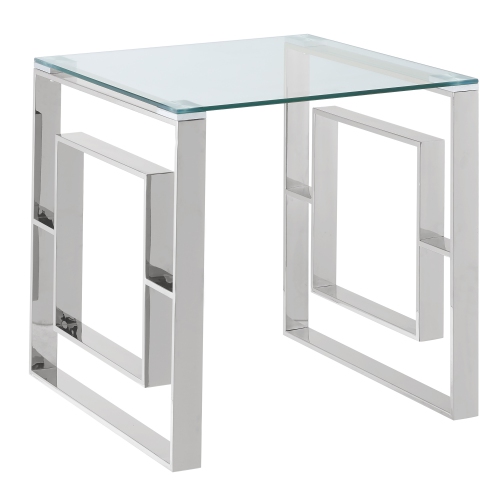
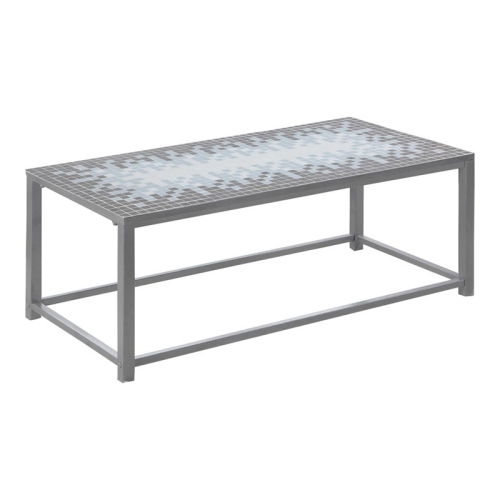
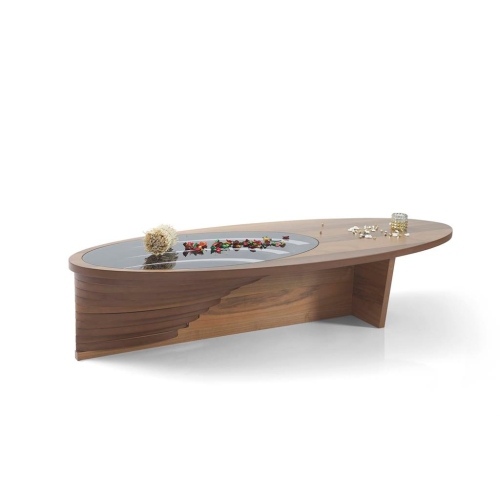
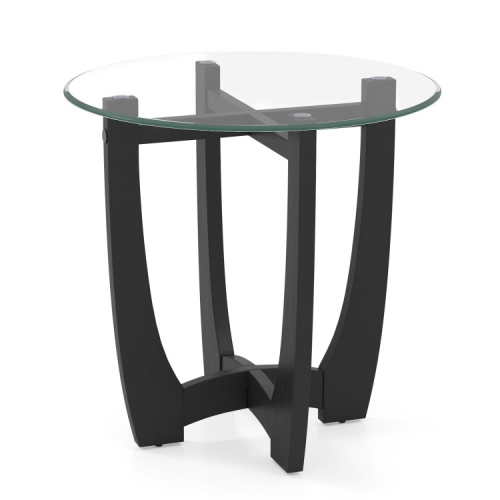
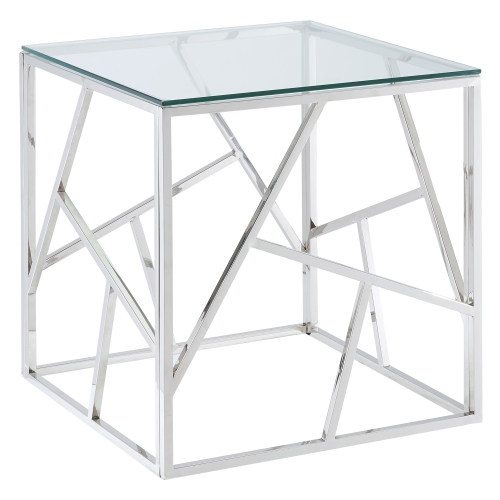
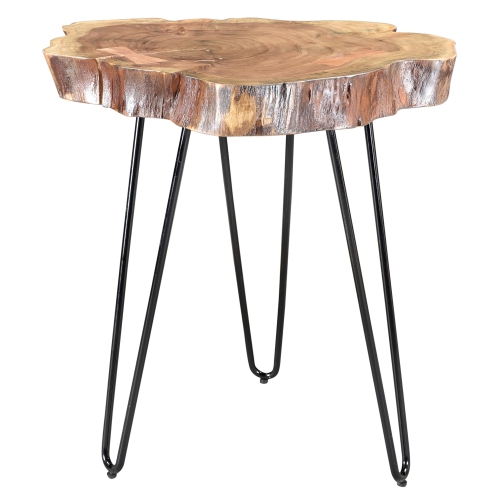
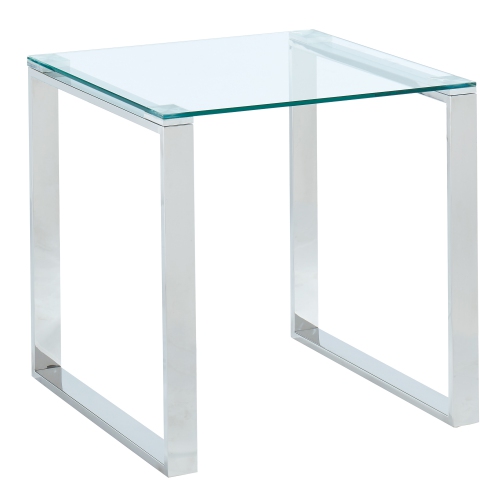
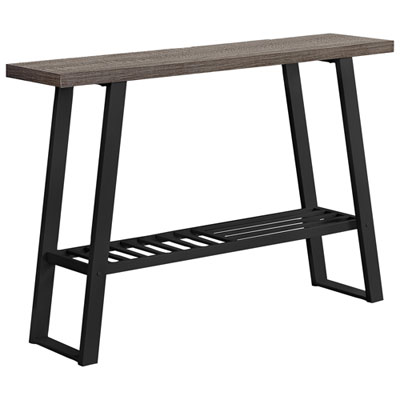
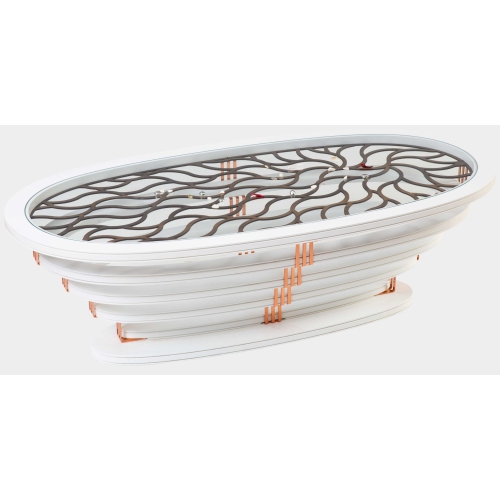
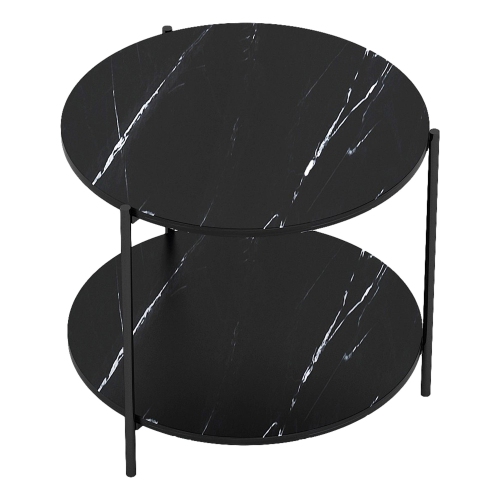
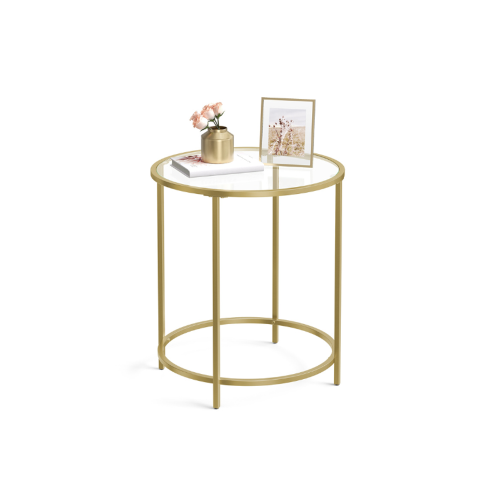
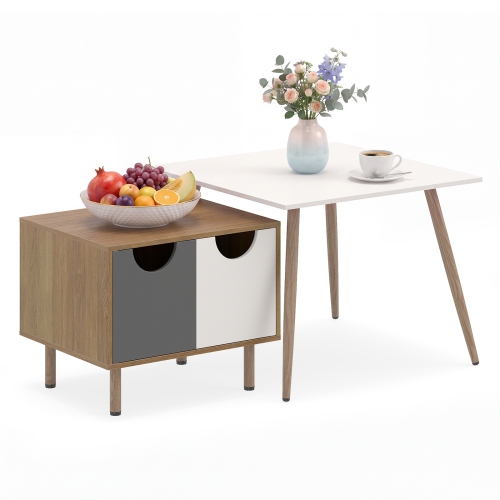
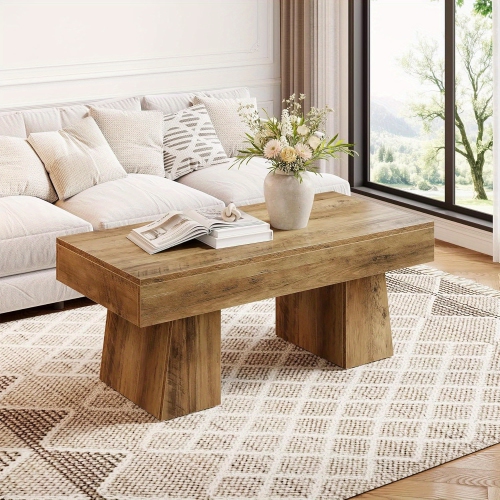

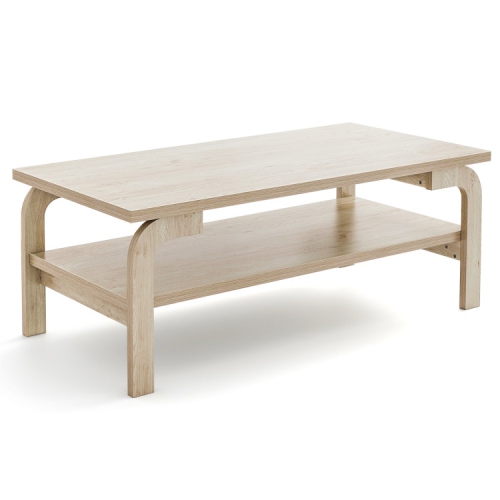
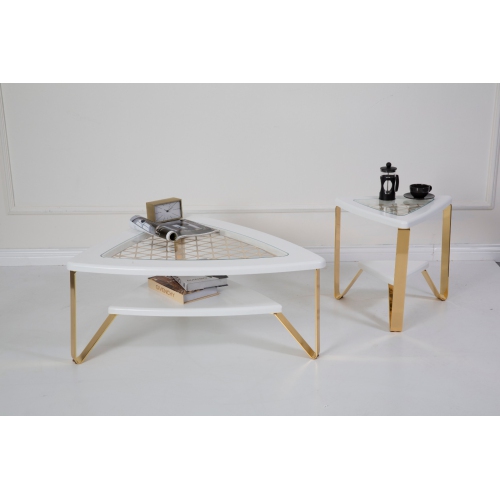
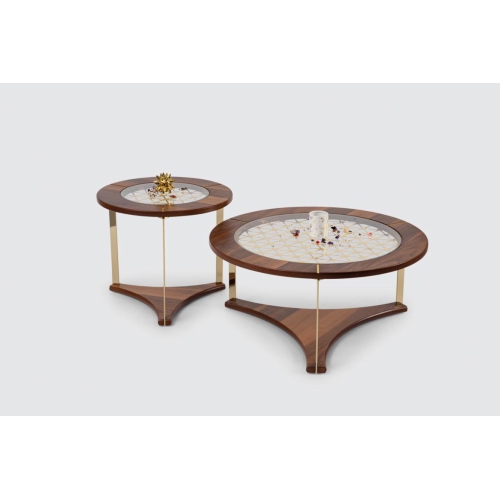
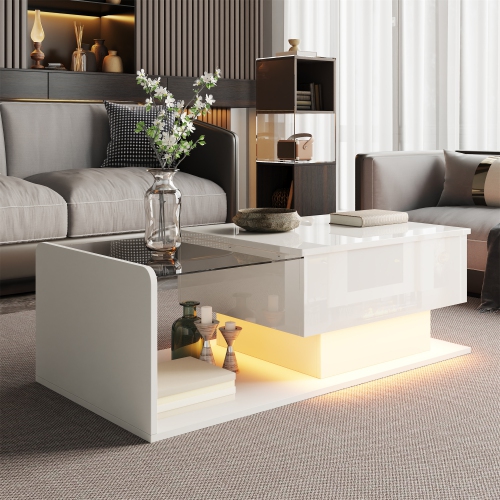
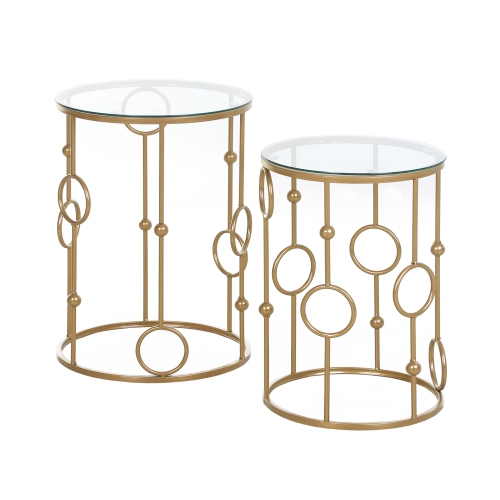
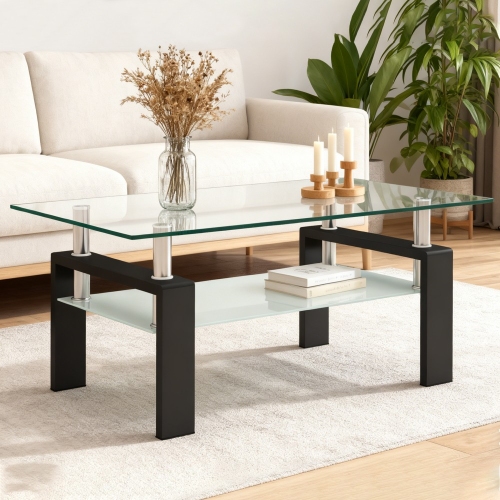
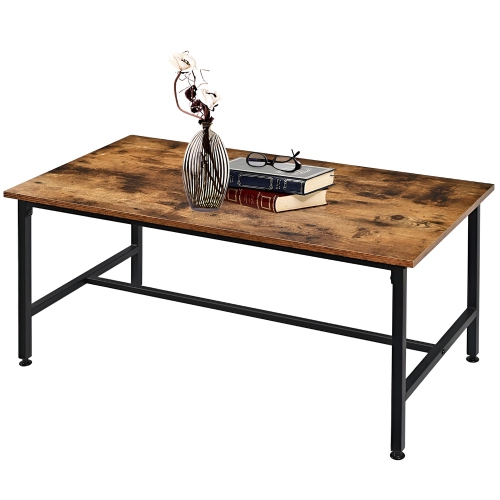

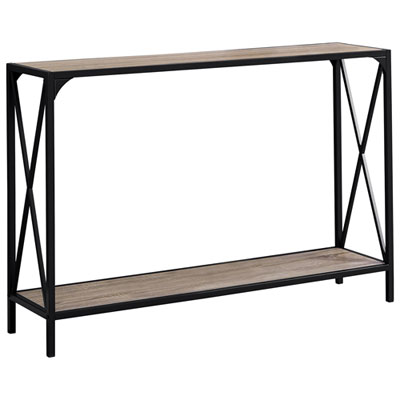
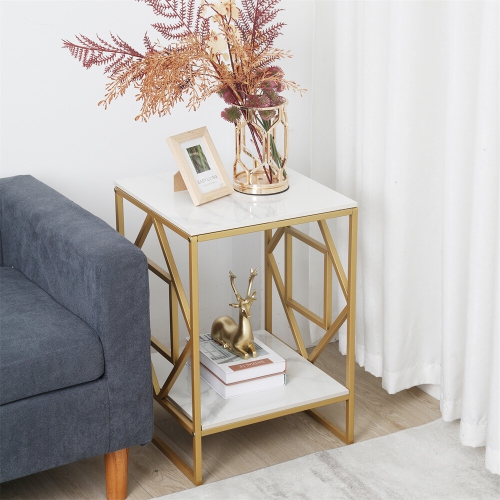
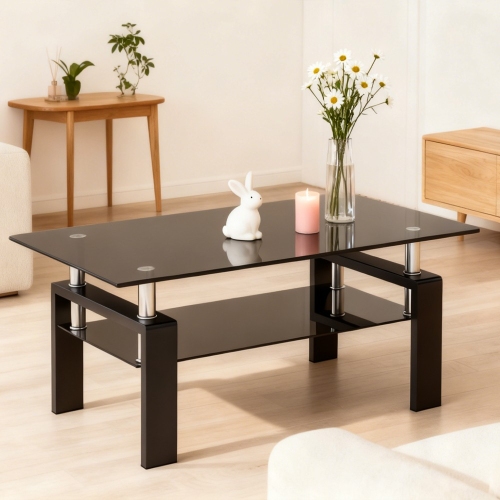

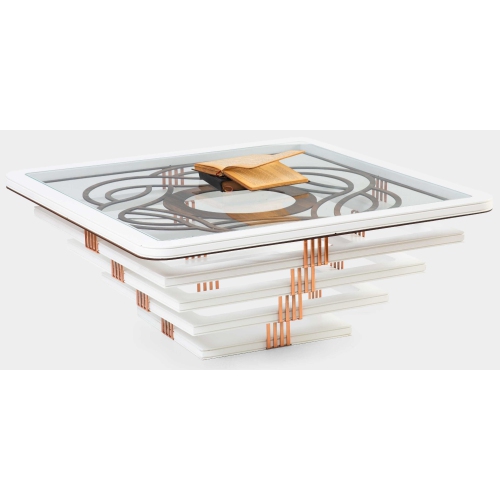
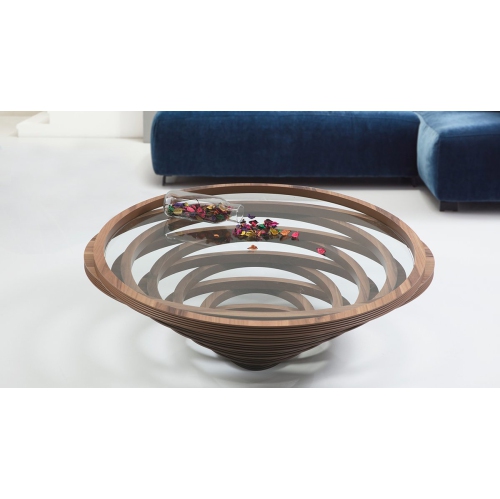
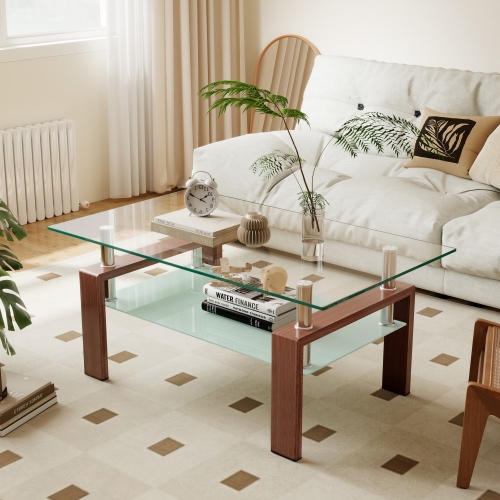
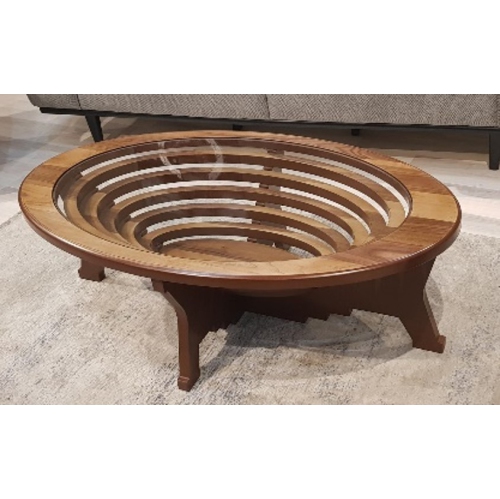

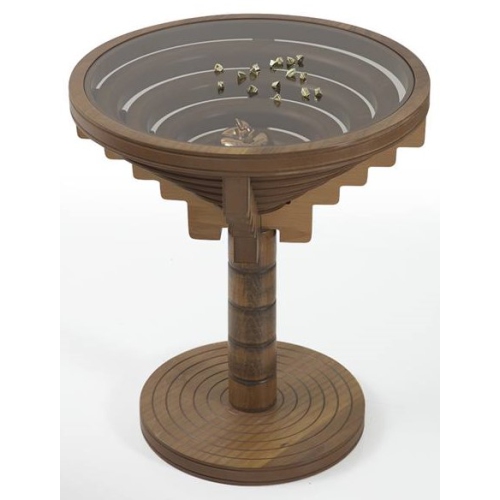
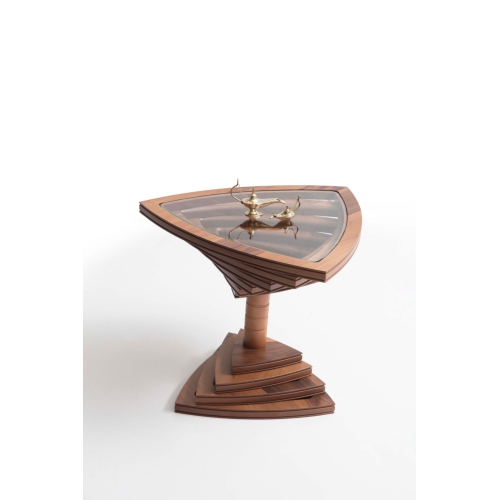
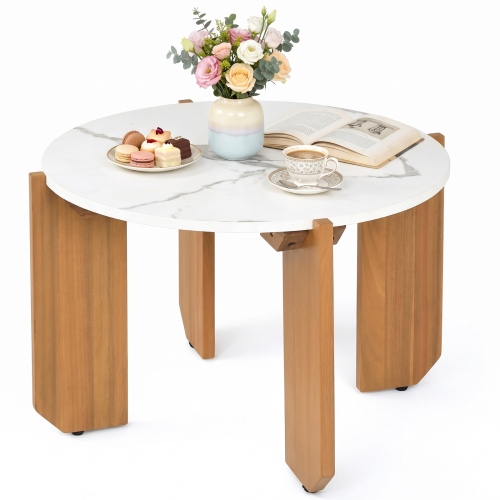
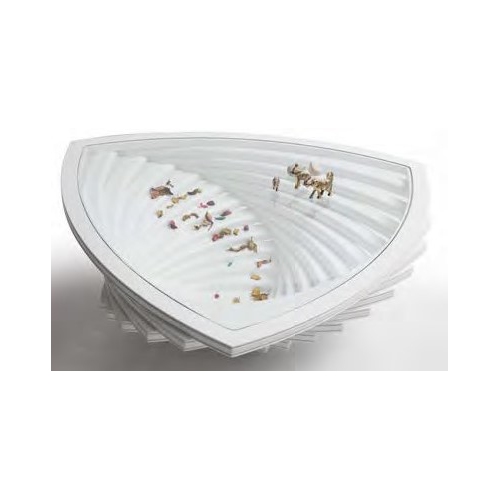
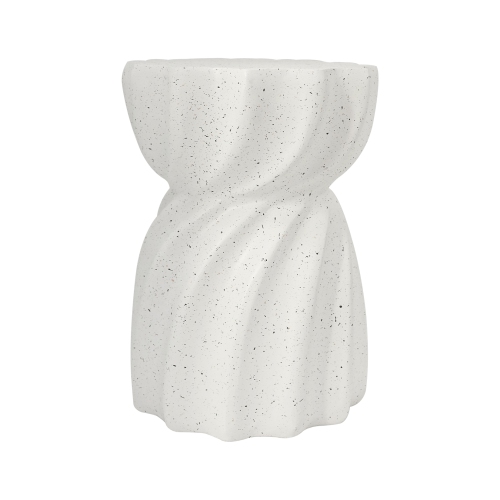
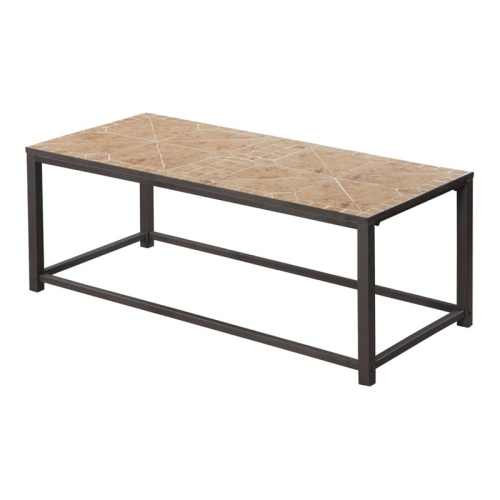
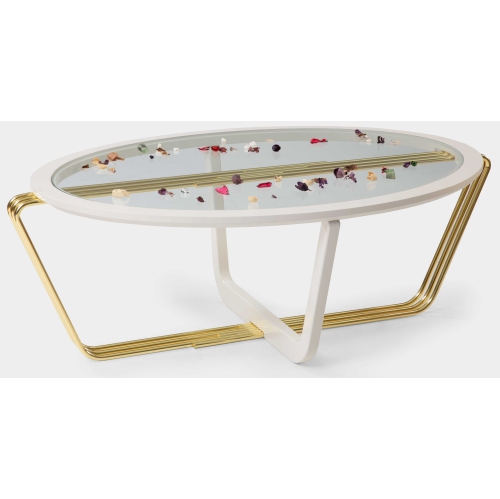
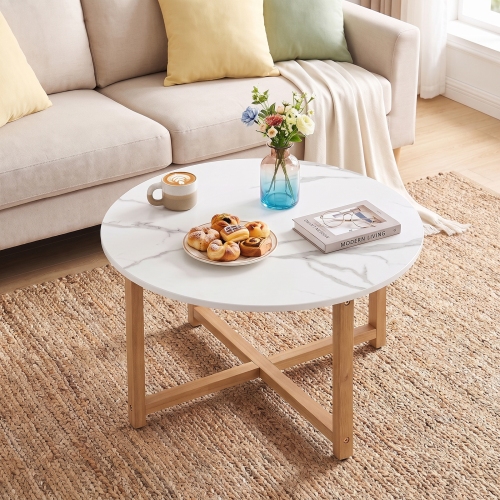
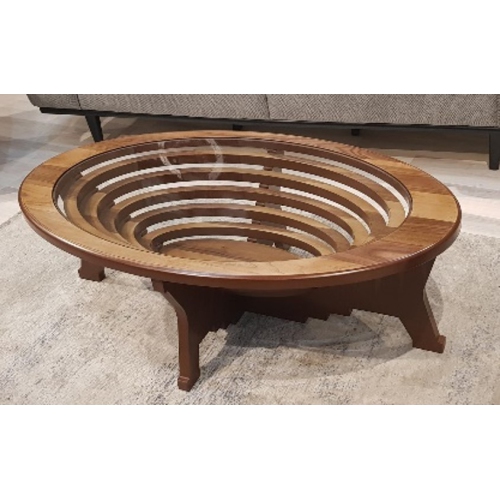

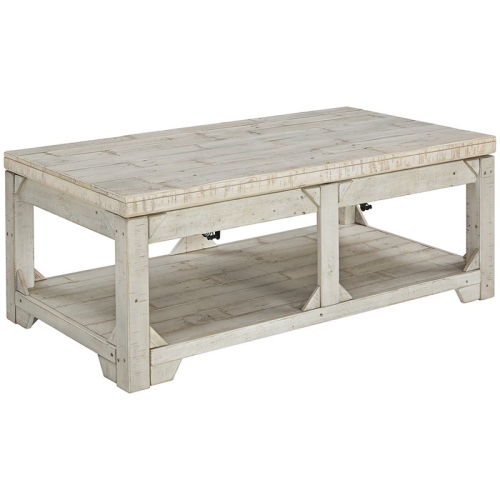
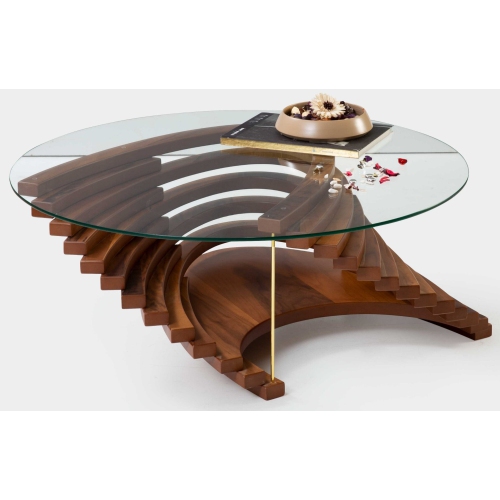
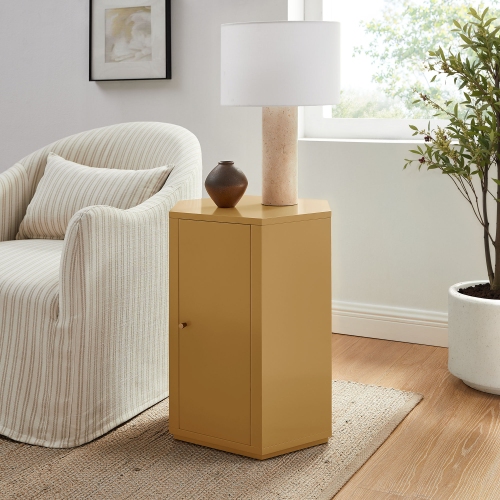
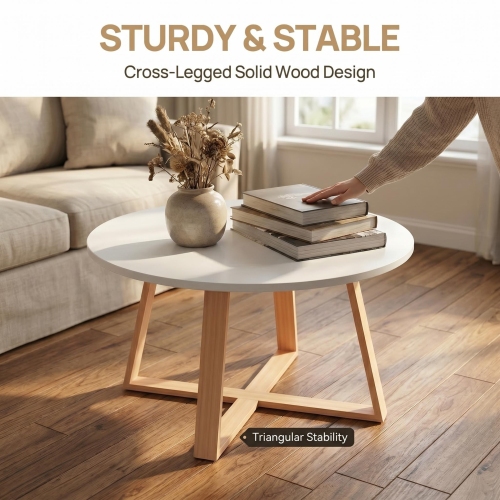
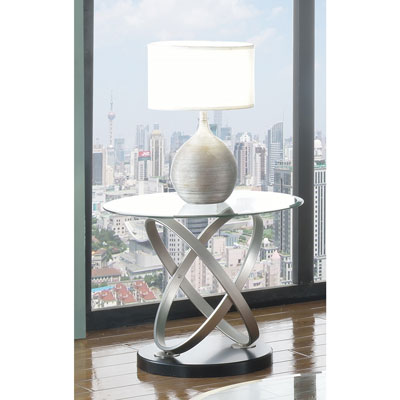

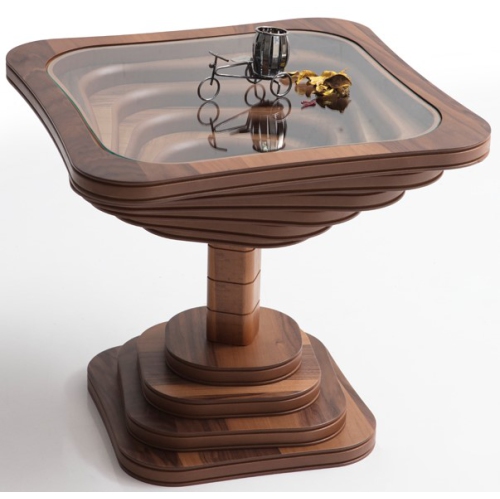
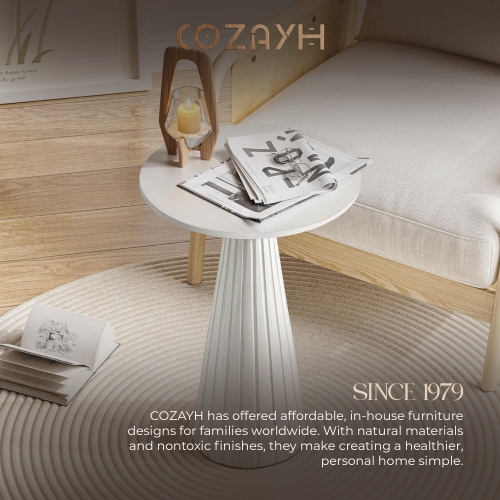

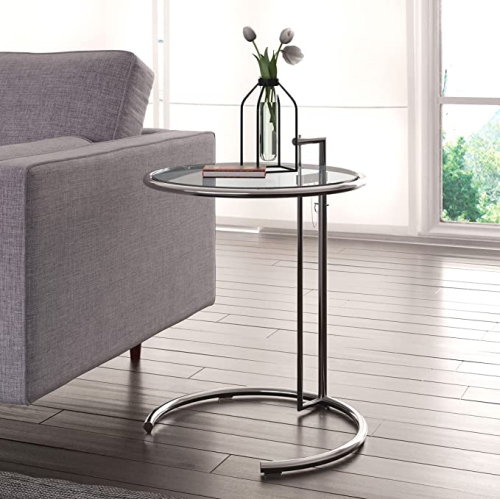
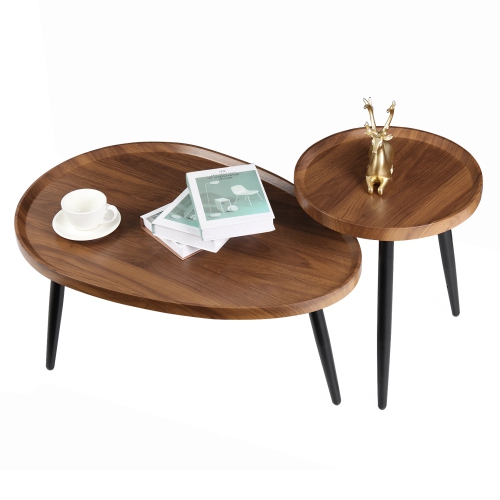
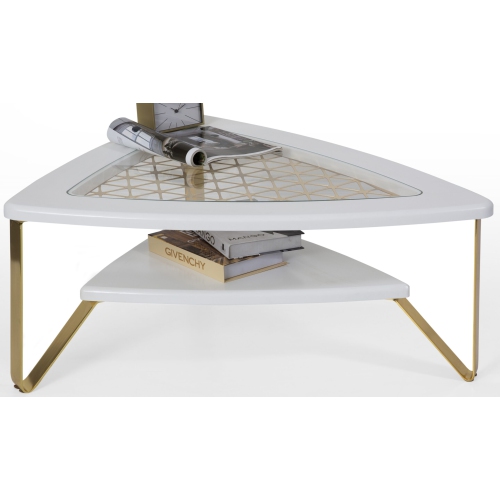
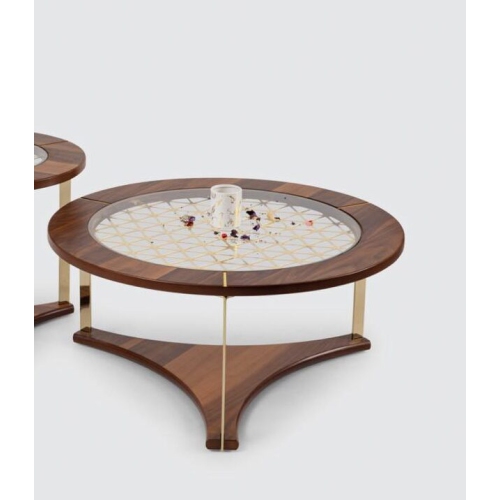
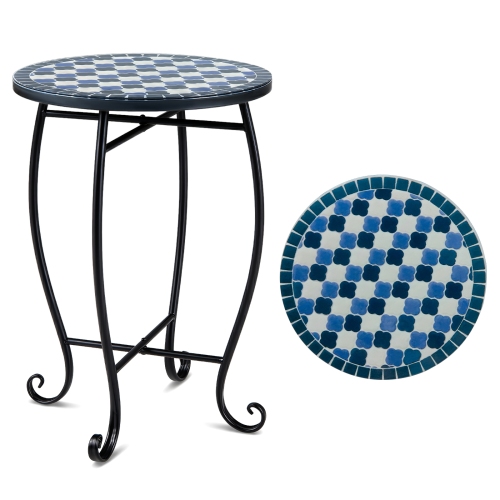

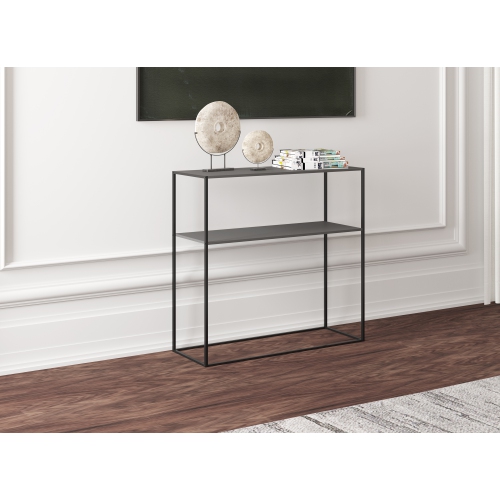

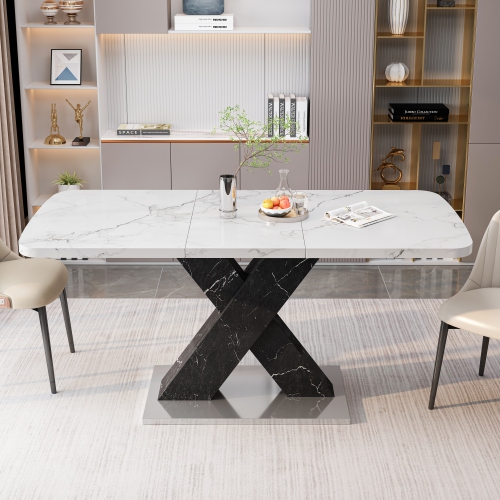
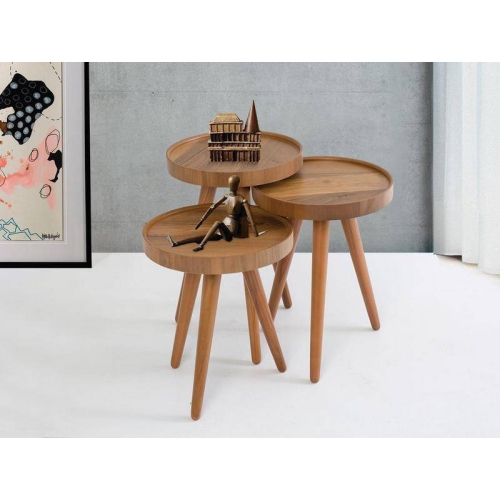


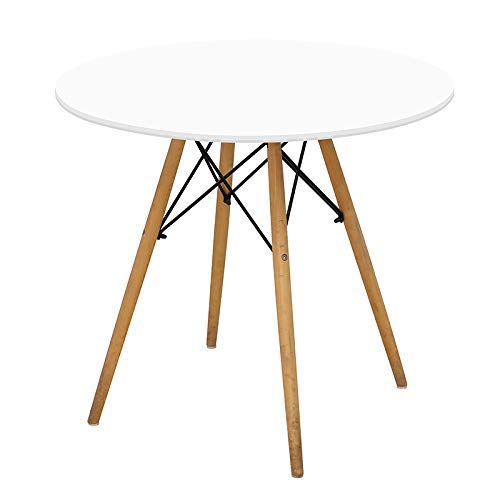
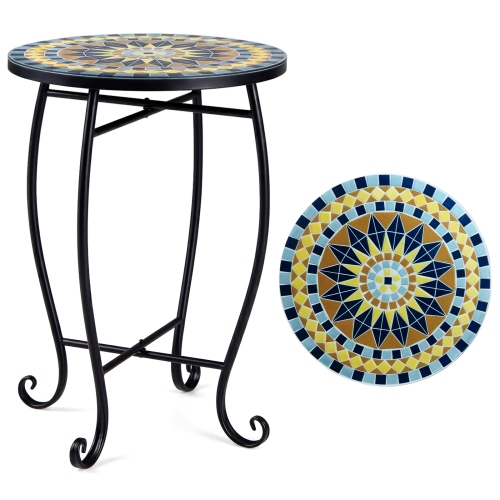
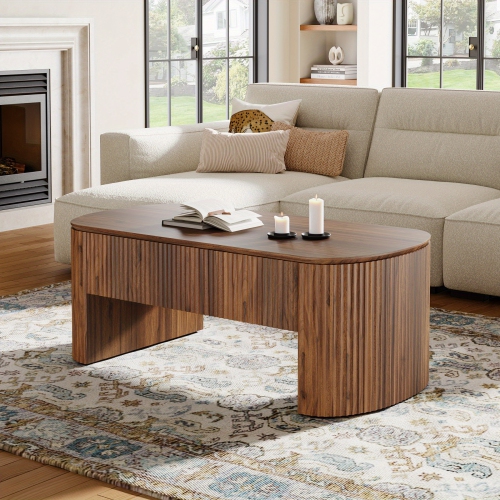
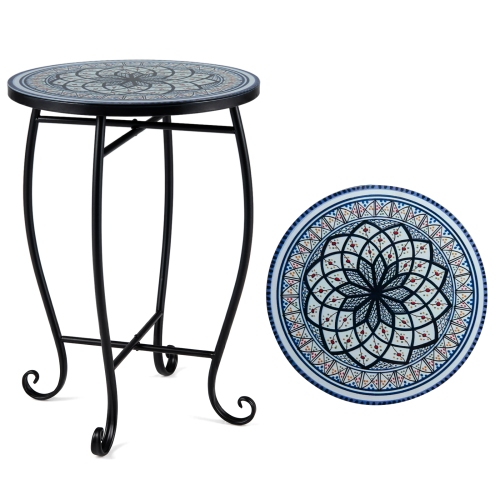
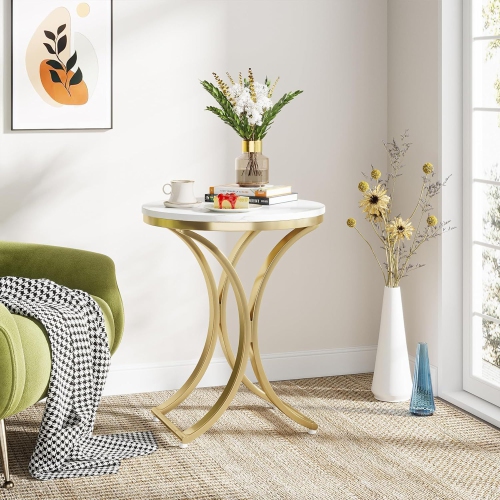

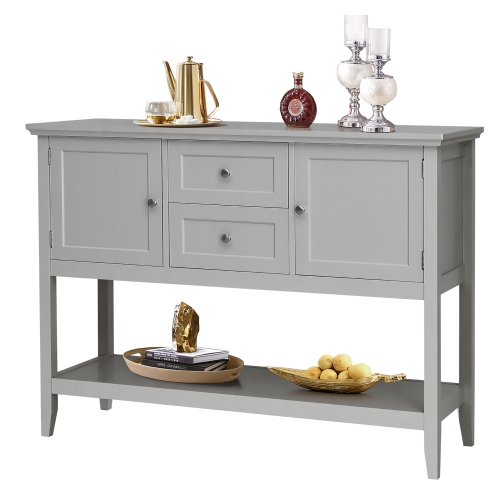
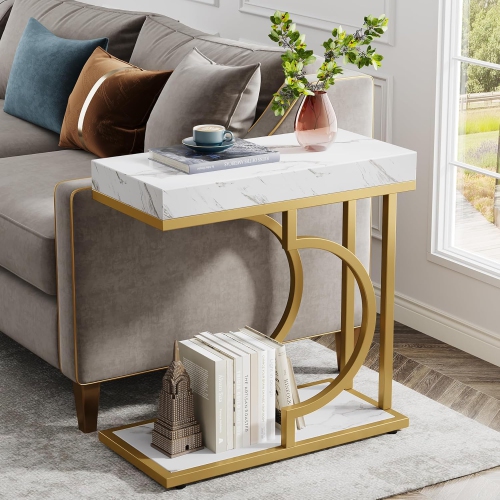
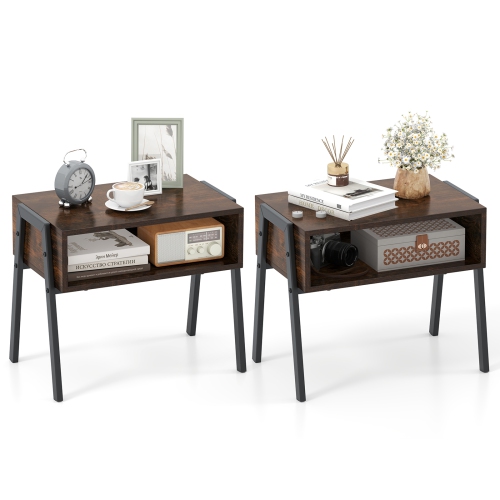
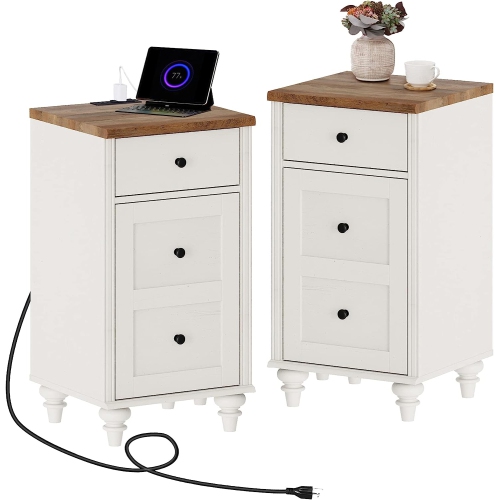
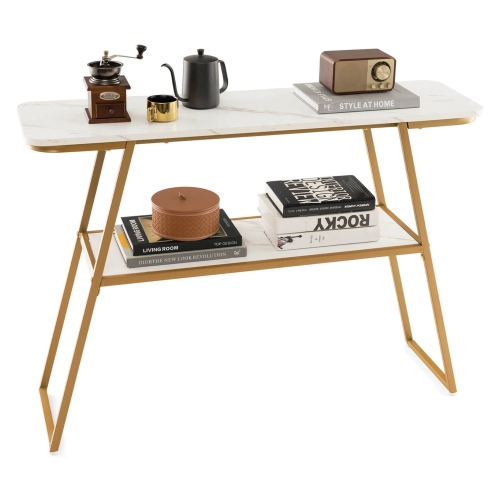
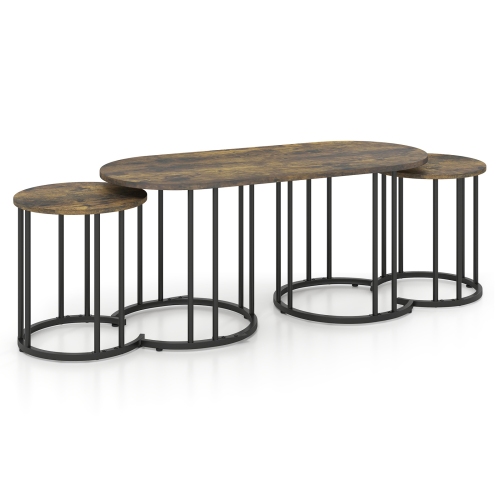
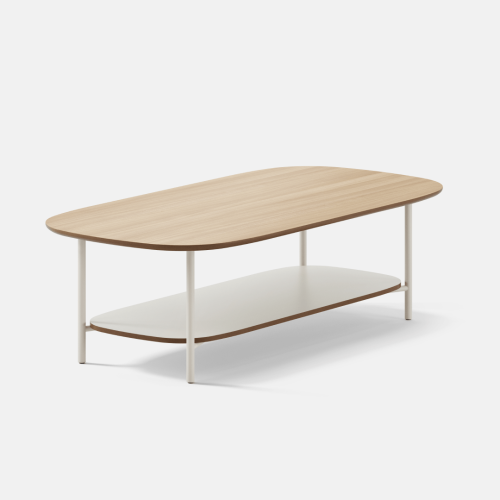
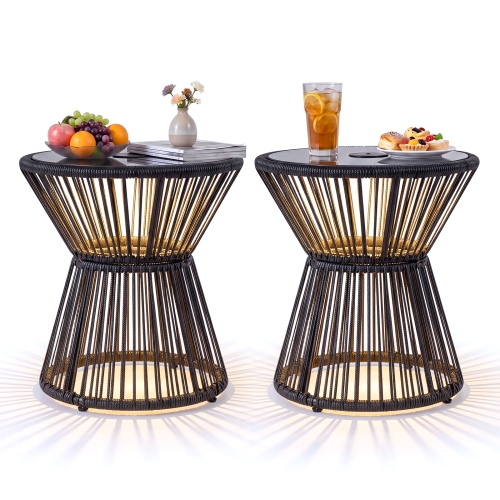
Small tables with character and everyday purpose
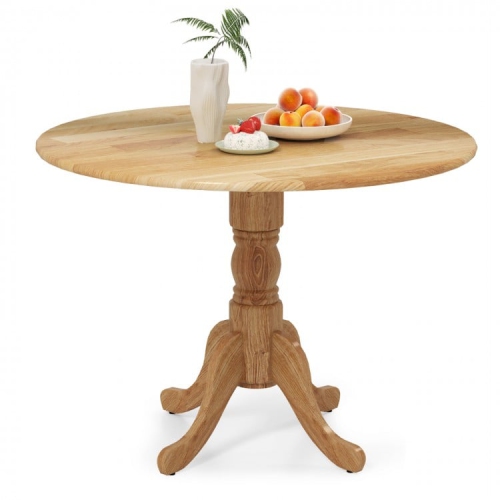
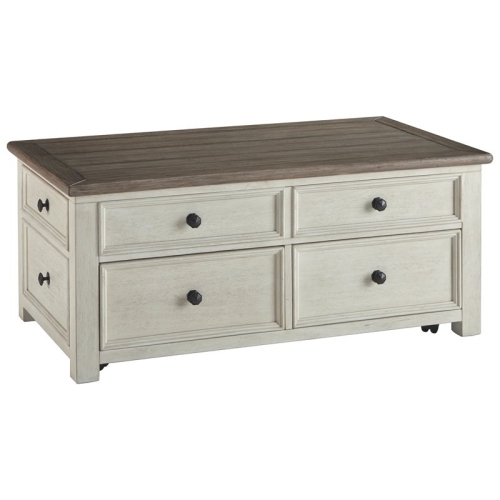
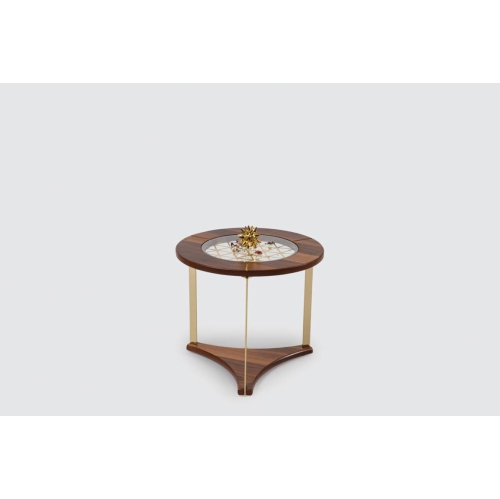
Decorative tables are accent, side, and console tables that combine visual character with useful surface space throughout the home. They provide a place for lighting, books, framed photographs, or everyday essentials while helping a room feel considered and complete. Unlike a dining table or a full-size desk, a decorative table usually plays a supporting role, filling the space beside a chair, behind a sofa, or along an entryway wall. A small round accent table can soften a seating arrangement dominated by straight lines, while a narrow console creates a welcoming focal point without taking over a hallway. Beside a reading chair, a table gives a lamp and a cup a proper home; near the front door, it can keep keys and mail together rather than scattered across other furniture. Shape, proportion, and the base design all influence how a table feels in its setting. Slender legs and an open frame leave more of the floor visible, whereas a pedestal or substantial plinth gives the piece a stronger presence. Curved edges can make a compact corner feel less crowded, and a rectangular top often sits neatly against a wall or sofa back. Style can be expressed through subtle details rather than elaborate decoration: a fluted apron, a rounded lip, an inset top, or an interesting grain pattern may be enough to distinguish the piece. Wood tones can add warmth to rooms with upholstered seating, while glass and metal introduce contrast among softer textures. When browsing Home Decor Tables, a useful starting point is the relationship between the table and the furnishings around it. Repeating a metal finish from a lamp or echoing the curve of an armchair can connect the arrangement without making every piece match. Leaving part of the tabletop clear also allows its shape and finish to remain visible, balancing display with the everyday purpose of having somewhere to set things down.
Materials influence the appearance, weight, care requirements, and everyday durability of decorative tables. Solid wood brings natural variation in grain and colour, so even a simple silhouette can have considerable character. Its response to moisture and changes in indoor humidity makes the finish and placement important, particularly near a sink, a radiator, or strong direct sunlight. Wood veneer provides a real wood surface over a supporting core, while engineered wood can accommodate a wide range of finishes and shapes; resistance to scratches or spills depends on the construction and surface treatment rather than the material name alone. Painted and laminated finishes offer different looks, from an understated matte surface to a smooth, light-reflecting top. Metal bases can create crisp lines or sculptural curves, though their weight, finish, and floor contact points deserve attention. Glass tops help keep sightlines open and allow a distinctive base or patterned rug to remain visible beneath them. Fingerprints and smudges tend to show readily on glass, and exposed edges need thoughtful placement in busy rooms. Stone and ceramic surfaces bring texture and visual depth, but hardness does not make every surface resistant to chips, stains, or heat. Natural stone may need sealing, and its care requirements vary by type and finish. For any material, the manufacturer's cleaning instructions are the best reference for suitable products and methods. A soft cloth, prompt attention to spills, and coasters or protective pads can help preserve many finishes, while abrasive cleaners may dull or damage them. Construction matters just as much as the tabletop: secure joints, a stable base, and a stated weight capacity appropriate to the intended load support dependable use. A broad top on a very narrow base may need more careful positioning than its footprint suggests. Where floors are uneven, adjustable feet can help if included in the design, and suitable floor protectors can reduce marking without compromising stability. Tables intended for indoor use should remain indoors unless their specifications explicitly permit another setting.
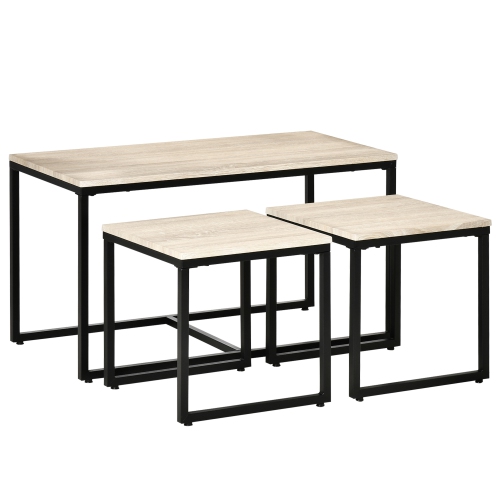
The right fit depends on how a decorative table will be used, not simply whether it occupies an empty space. Beside a sofa, a top close to the height of the arm generally makes a drink or remote easier to reach, although the best position also depends on seat depth and the user's reach. A console behind seating should be proportionate to the sofa and leave comfortable access around it; in an entrance, its depth matters as much as its length. Measuring the available floor area, nearby door swings, and the route people take through the room helps distinguish a useful addition from an obstacle. A cardboard outline on the floor can make the proposed footprint easier to judge, especially beside a recliner or an opening cabinet door. In a compact condo, nesting tables offer flexible surface space, provided the smaller table can be moved out without blocking a walkway. A lower shelf can hold reading material, while a drawer keeps small belongings out of sight; open storage feels lighter but leaves its contents visible. For a shared living room, the practical details may include space for more than one person to put down a glass, an accessible charging cable, or enough room for a lamp base without crowding everything else. Cables should stay clear of walking routes, and any built-in electrical features should be used according to their instructions. Homes with children or pets benefit from careful attention to stability, corners, breakable tops, and reachable decorative objects. Tall or narrow tables may require anchoring where specified, and decorative tables should not be treated as seats or steps unless designed for that purpose. As a housewarming or wedding gift, a table is most personal when its dimensions, finish, and function suit the recipient's space. Whether it supports a quiet reading corner or brings definition to an entryway, a well-chosen decorative table earns its place through both its appearance and its usefulness.
Top selling and popular products
-
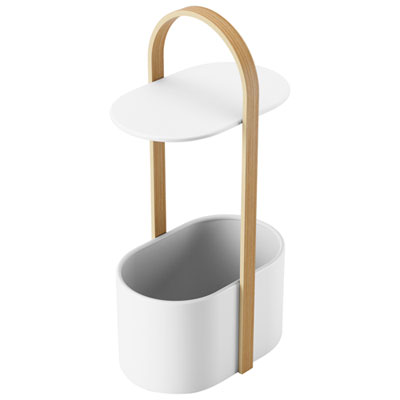 Your price for this item is $69.98
-
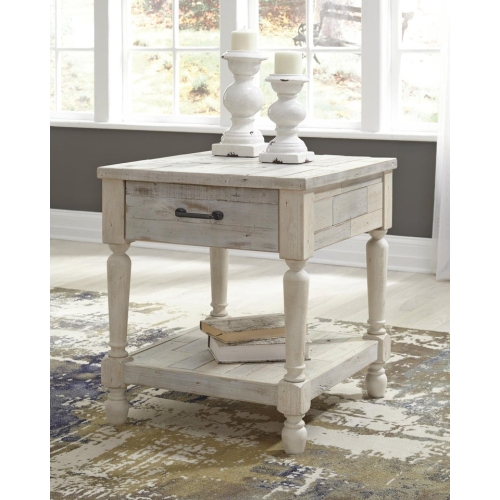 Your price for this item is $159
-
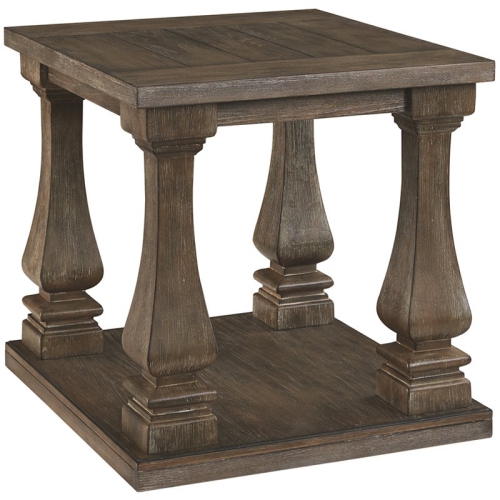 Your price for this item is $375
-
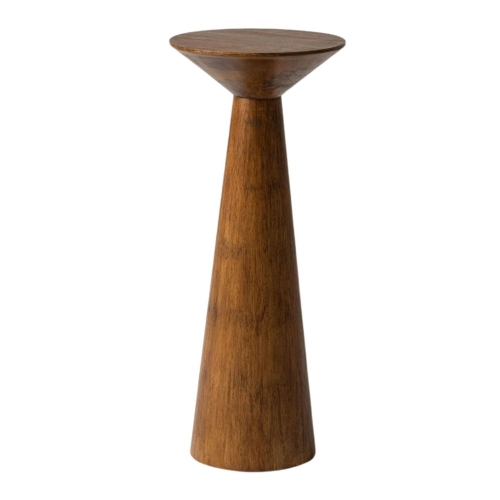 Your price for this item is $181.99
-
 Your price for this item is $199
-
 Your price for this item is $211.99
-
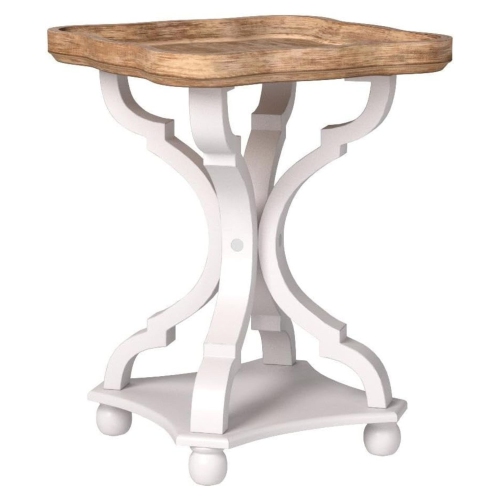 Your price for this item is $233.99
-
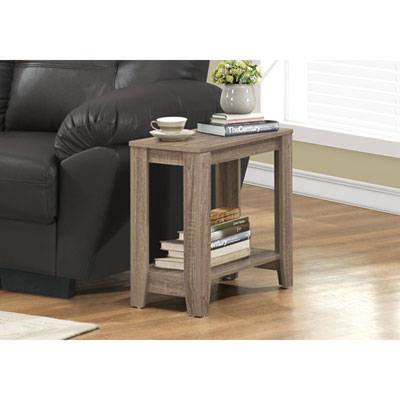 Your price for this item is $121.99
Discover more categories related to Decorative Tables
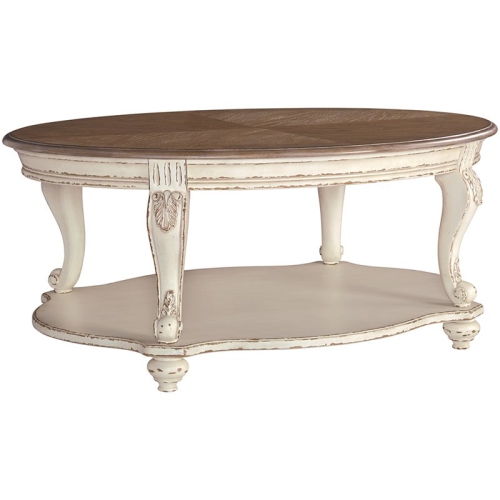
Top Collections:
Best Black Friday Deals This Year, Best Black Friday Deals On Electronics, Kindle Devices, Dyson Airwrap, Best Cameras for Sports Photography, Best Budget Office Chairs, Canon G7X Cameras, PS5 Pro Consoles, Best Black Friday Deals On Apple Products, XBOX One S Consoles
Some products may be subject to Environmental Handling Fees
(EHF) depending on your province.
Learn more about EHFs.