Artificial Pine Trees
Transform your home into a winter wonderland with our collection of artificial pine trees. Whether you're looking to add a touch of festive cheer or create a cozy ambiance, these lifelike trees are the perfect addition to your holiday decor. Crafted with attention to detail, our artificial pine trees offer the beauty and charm of real evergreens without the hassle of maintenance. From compact tabletop options to grand statement pieces, find the perfect tree to suit your style and space. Explore our wide range of artificial pine trees and bring the magic of the season into your home today.
Sort

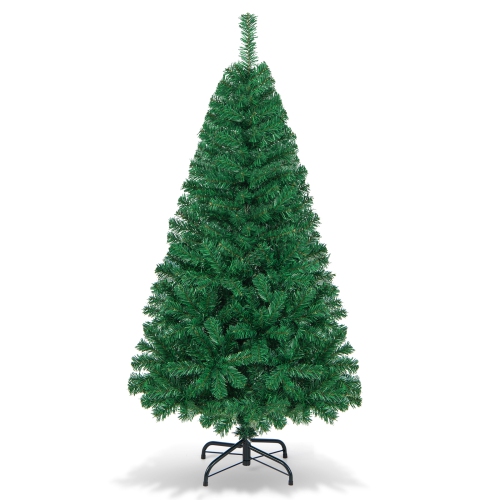
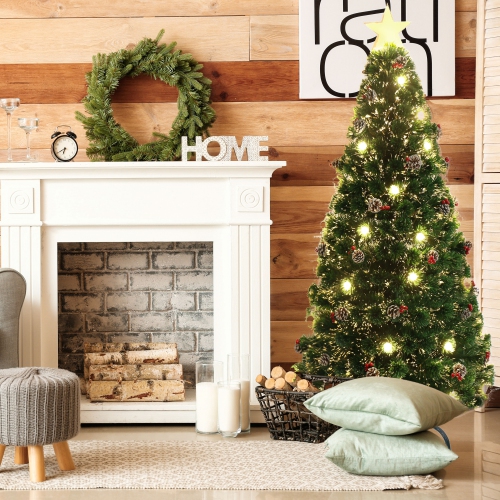
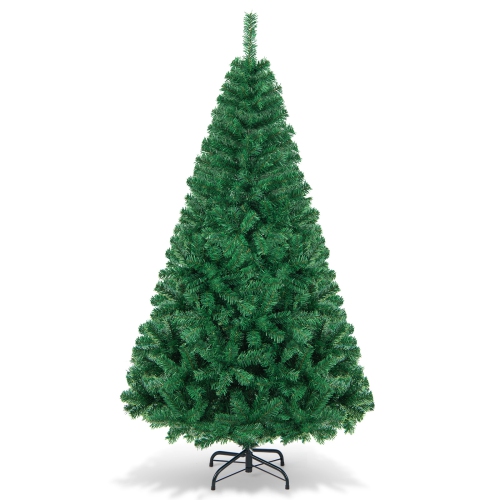
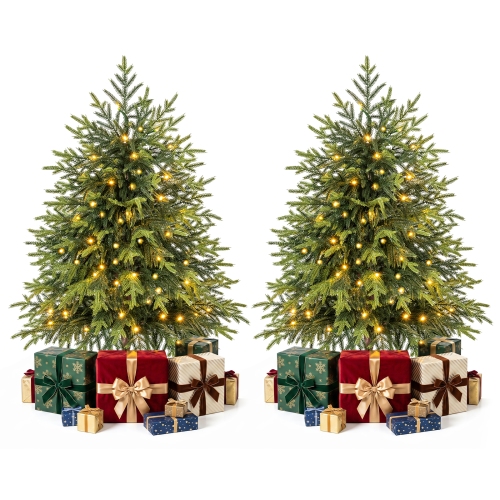
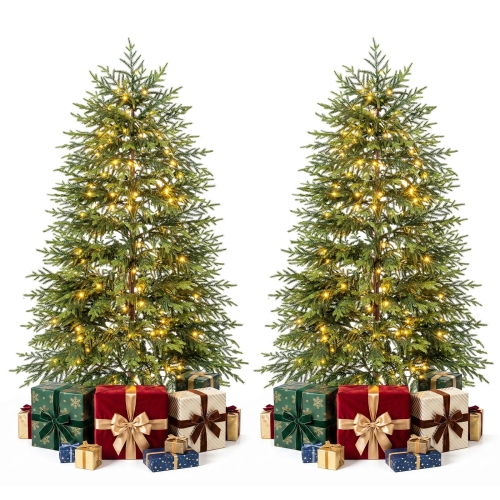
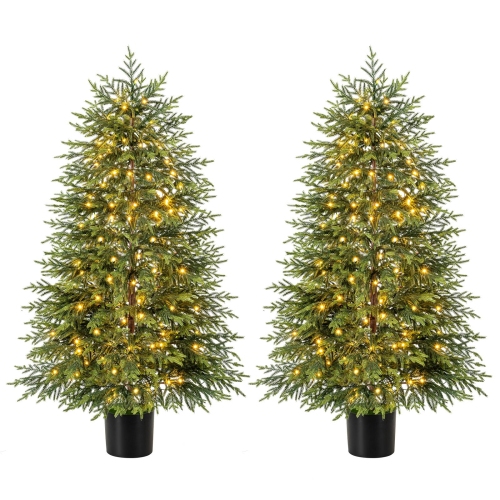
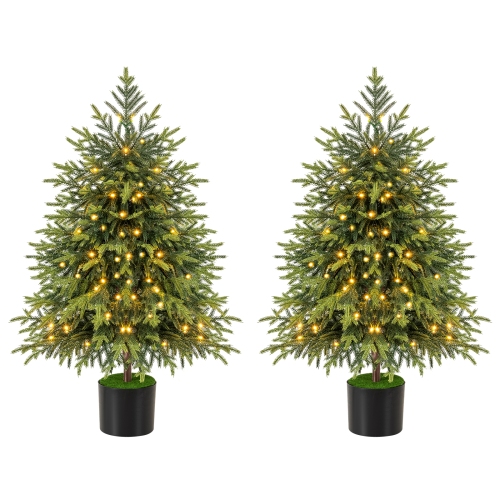
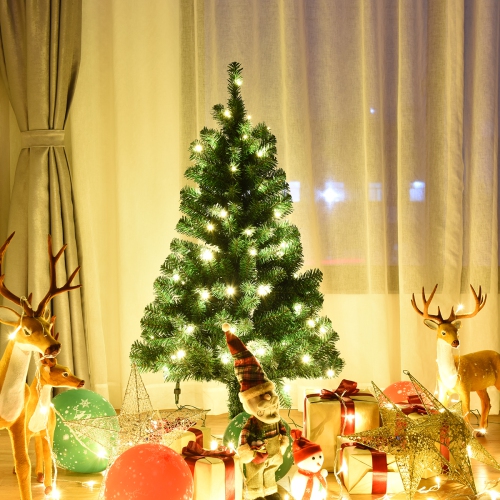


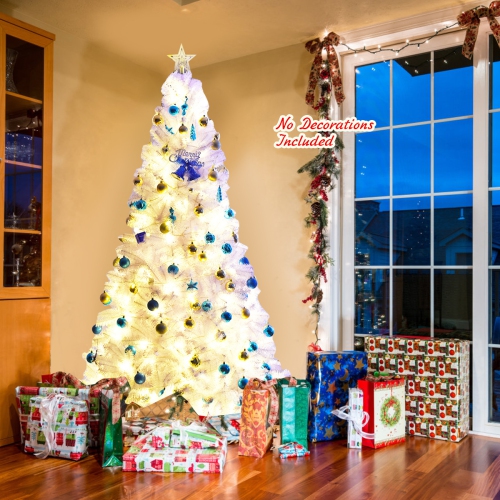

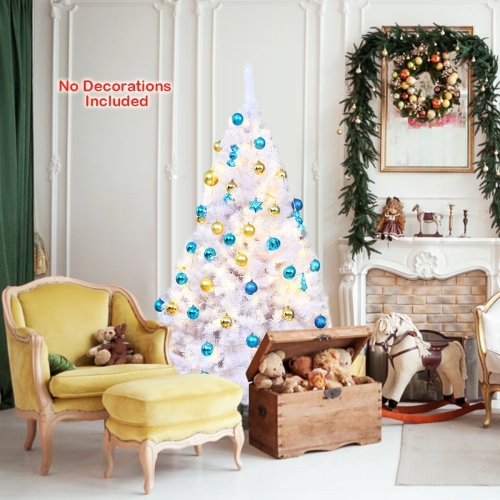

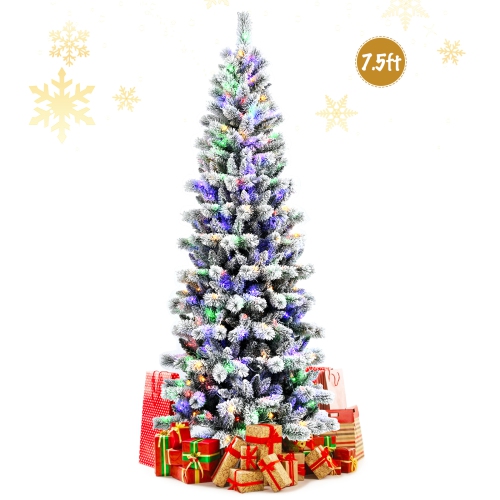
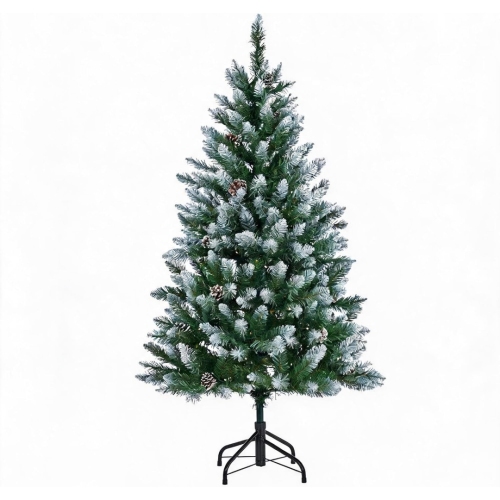
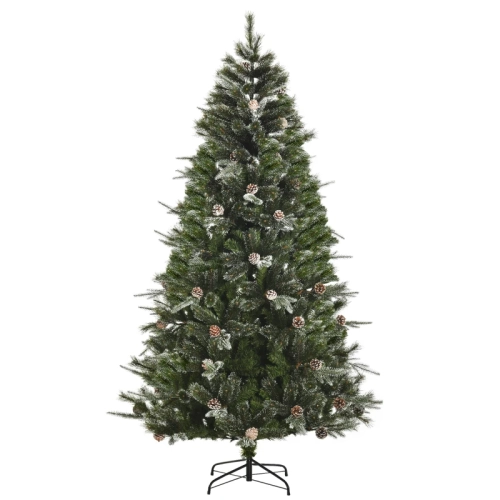
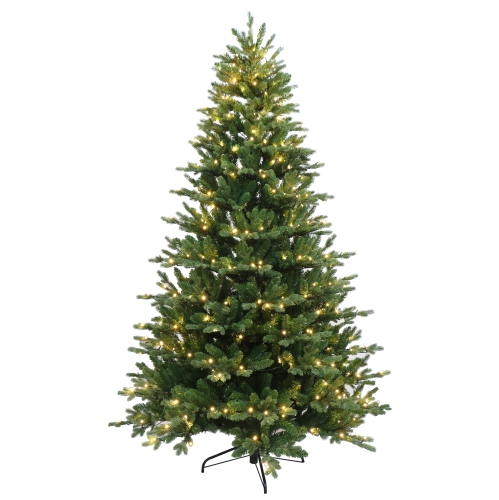

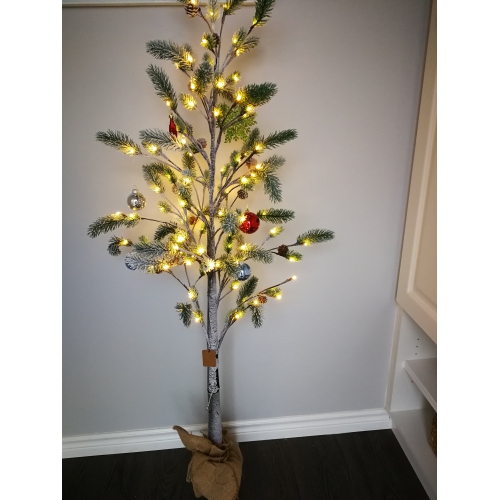



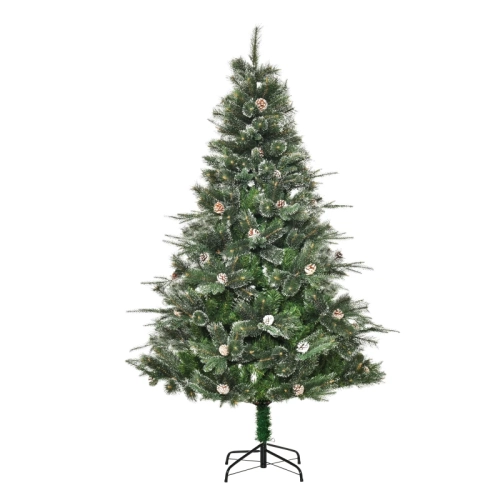
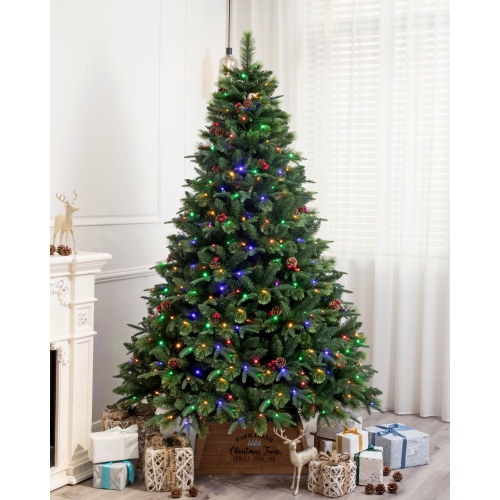

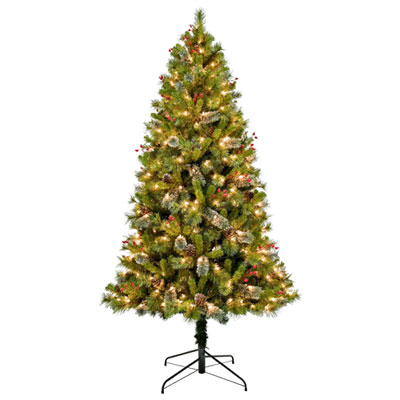
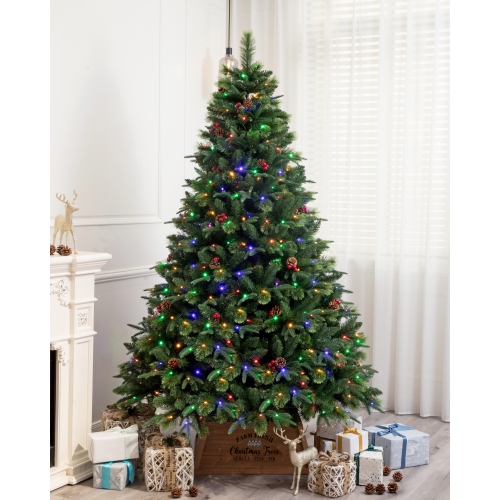

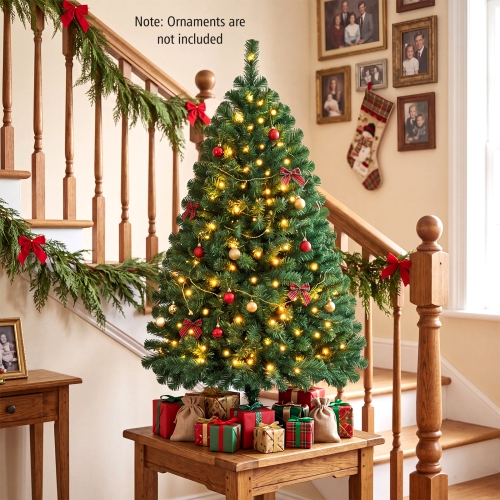
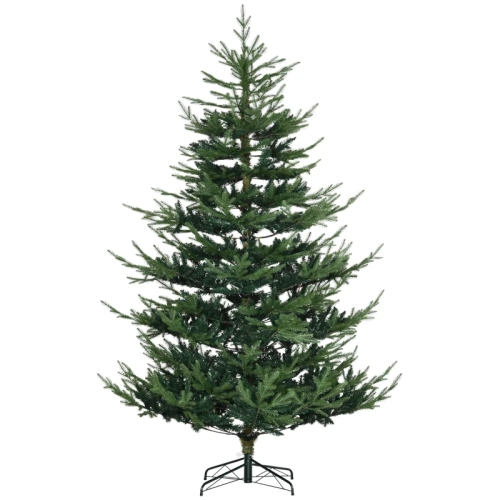
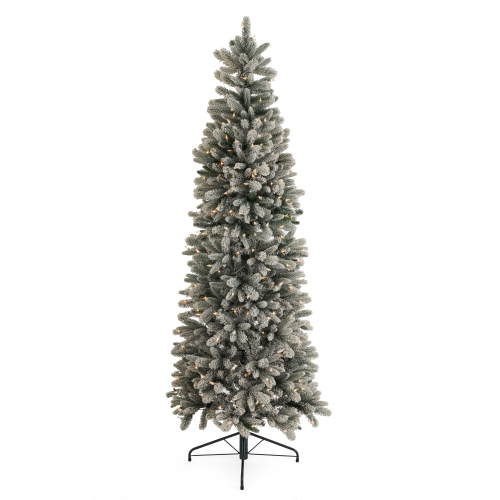

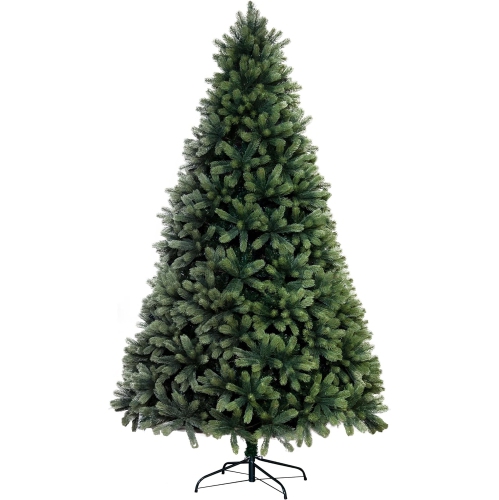
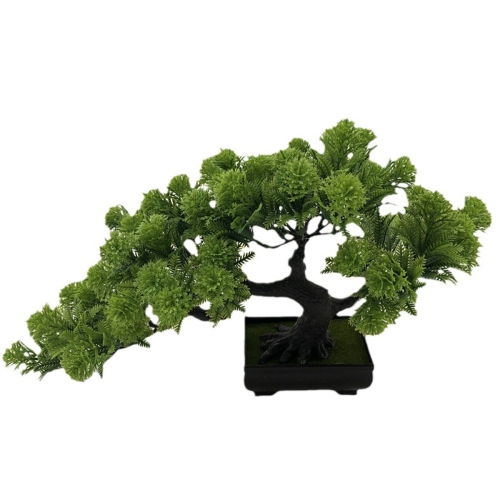
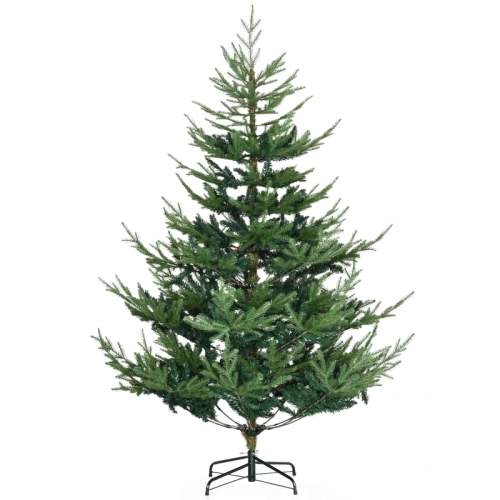
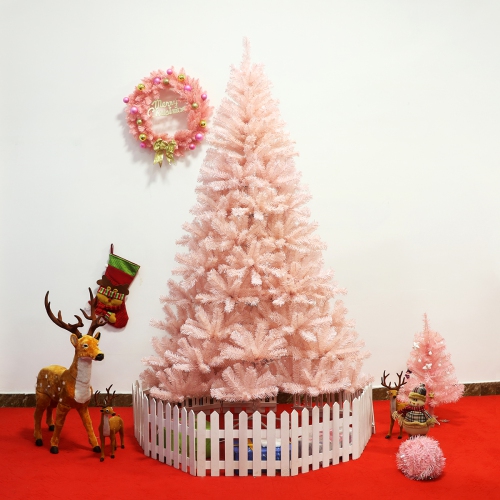

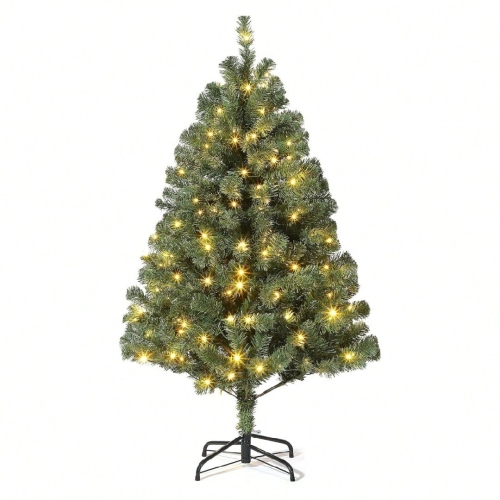
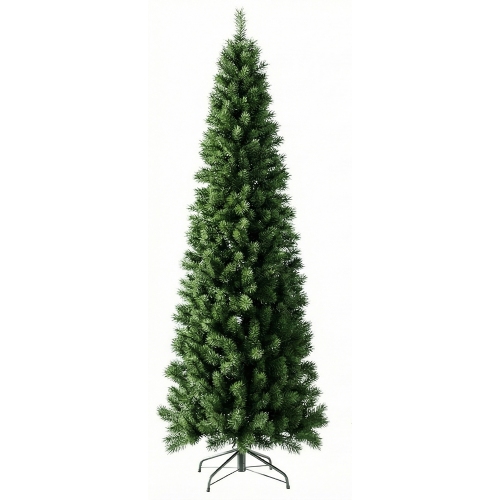
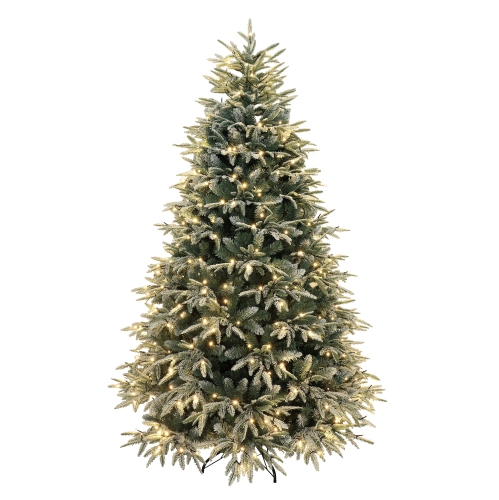
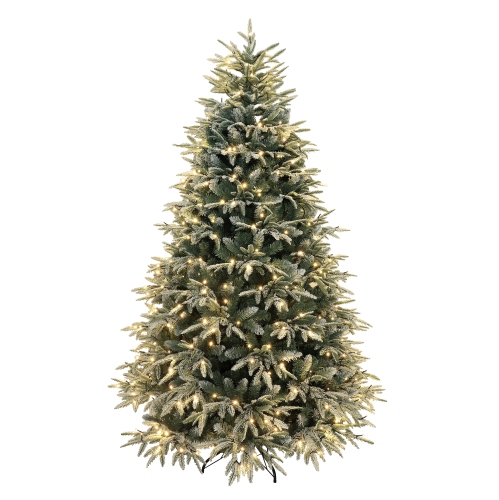
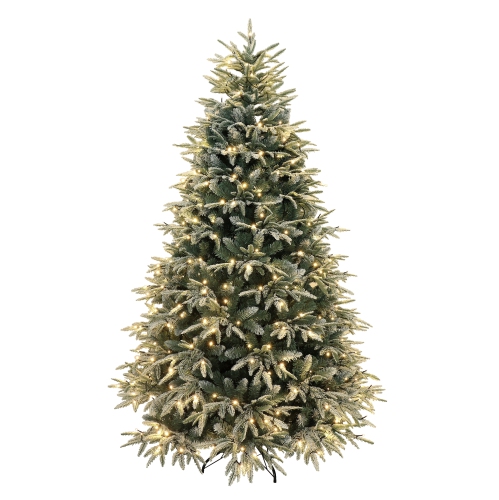
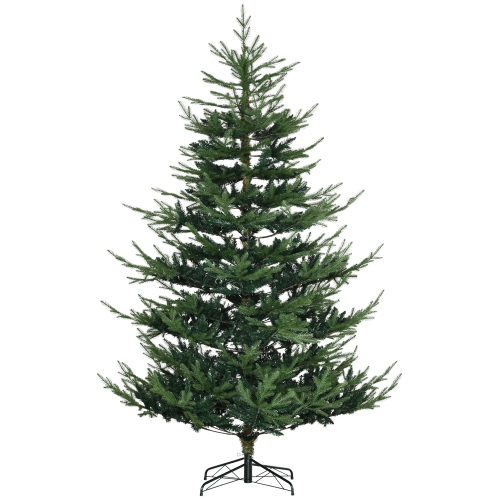
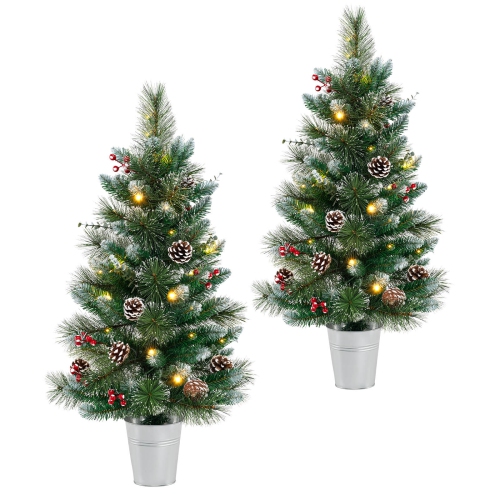
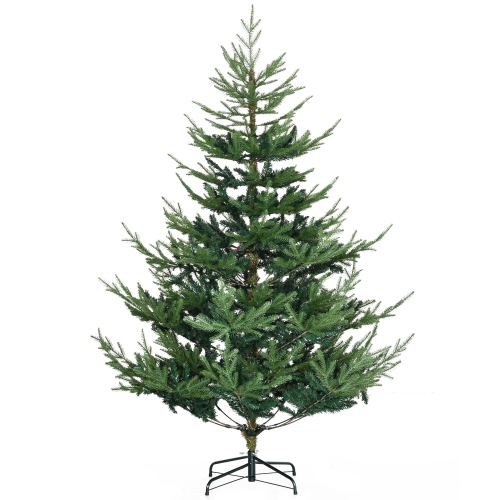
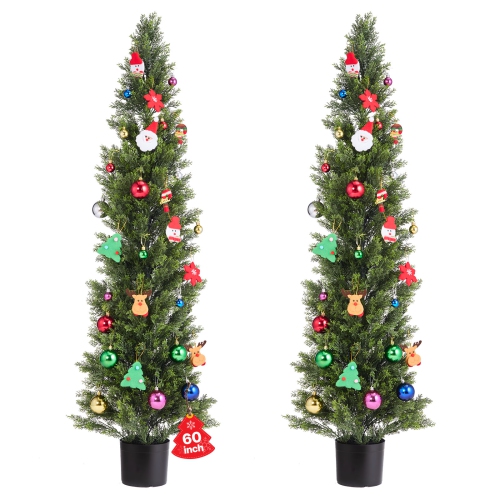

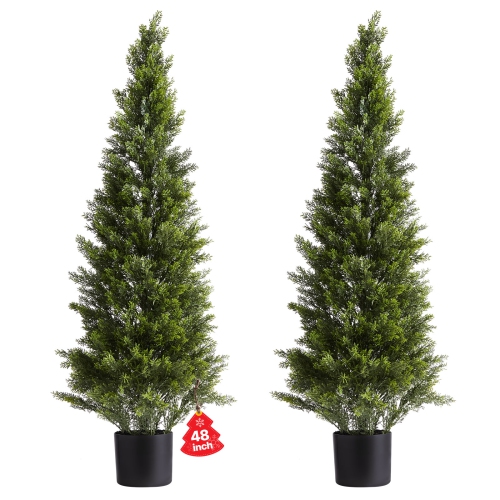

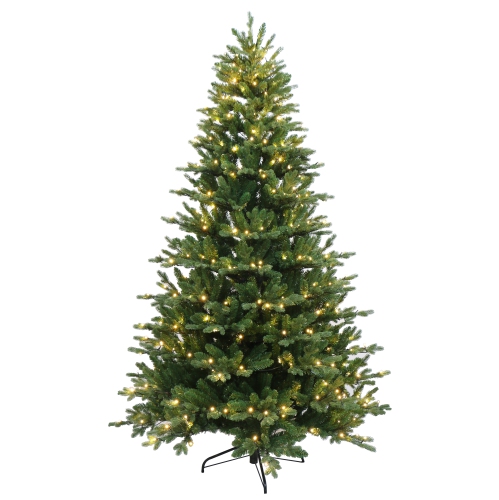
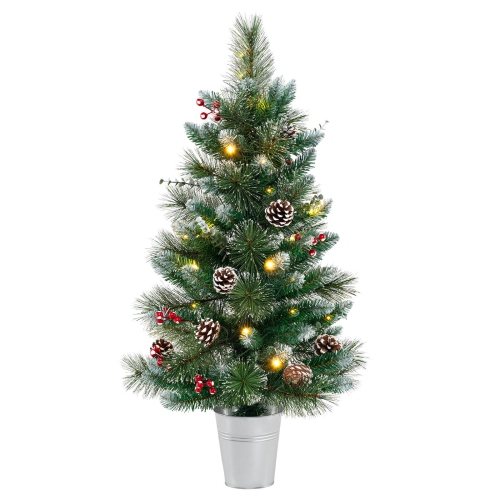
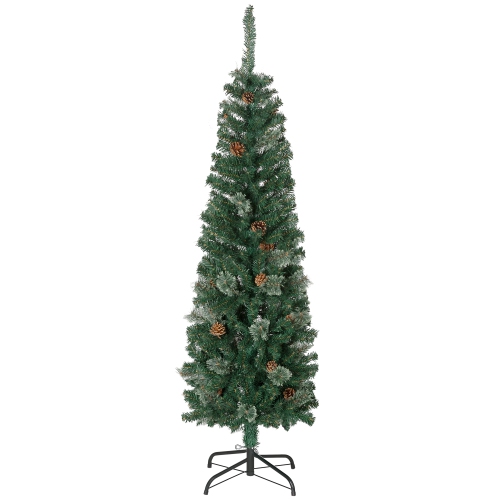
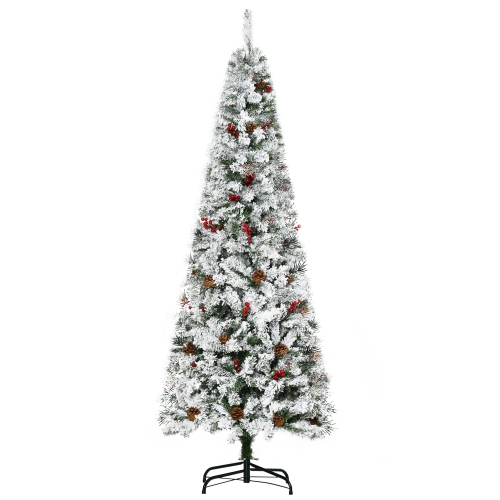
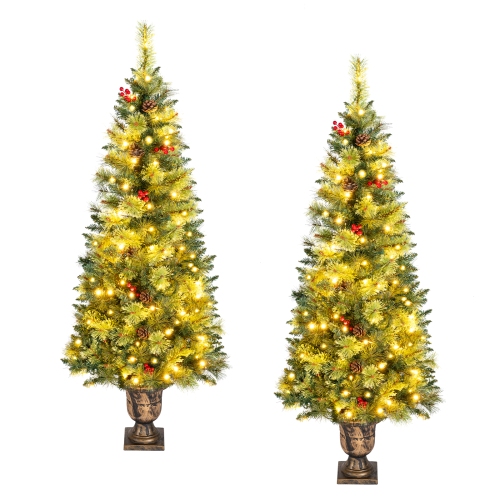

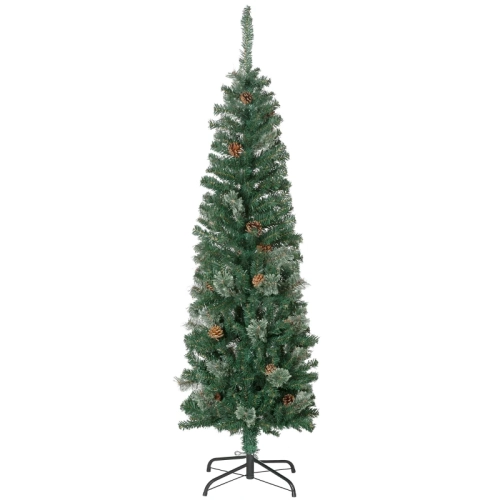



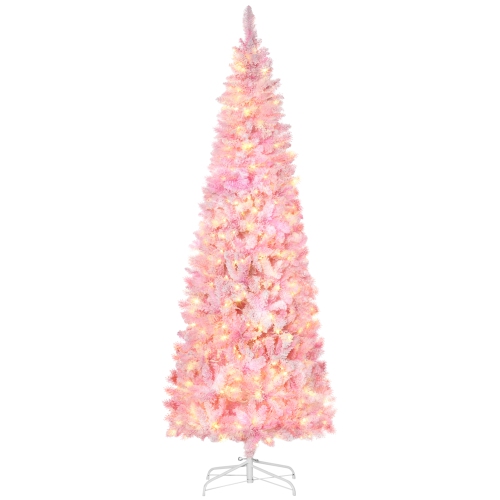
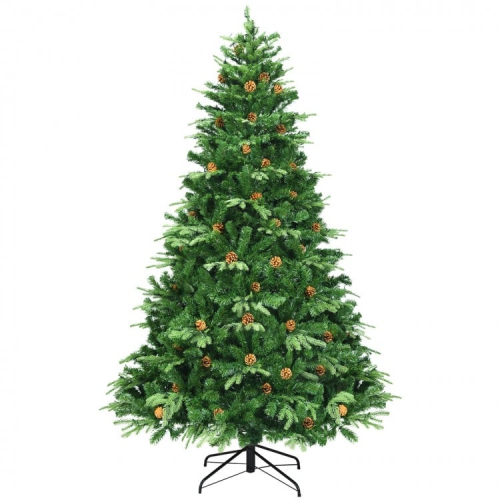
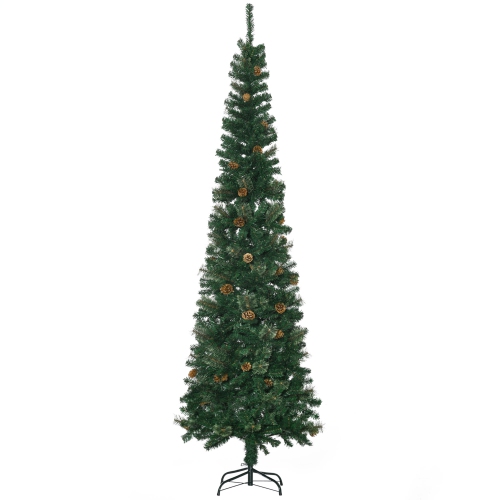

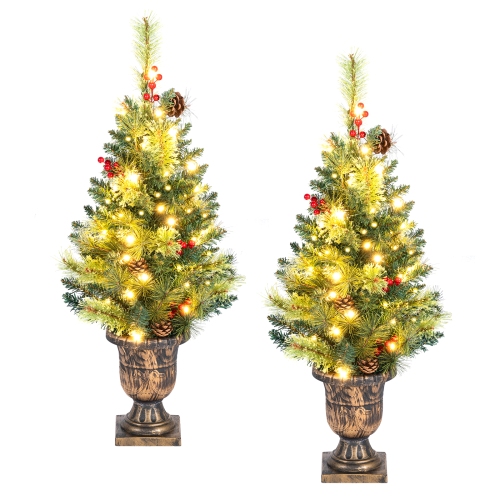
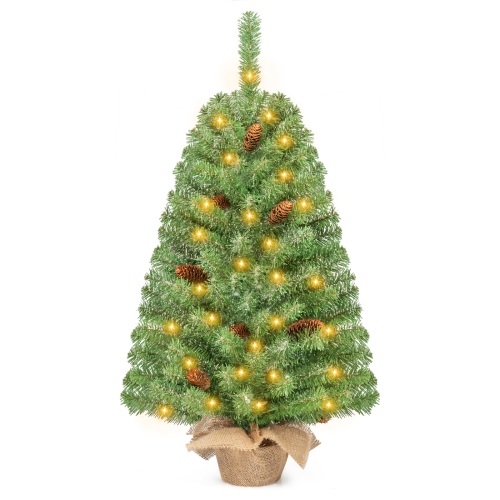
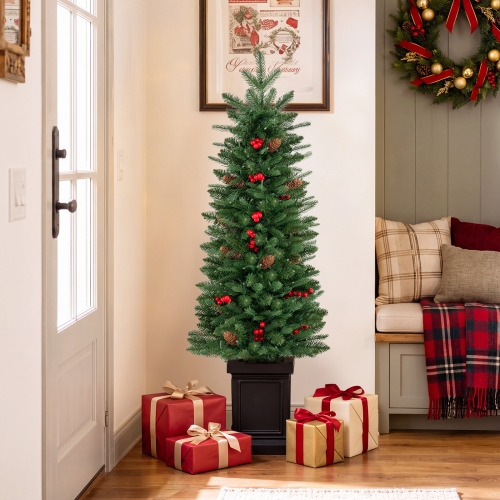
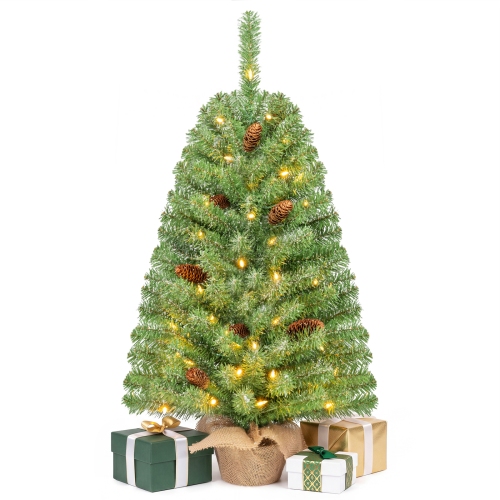
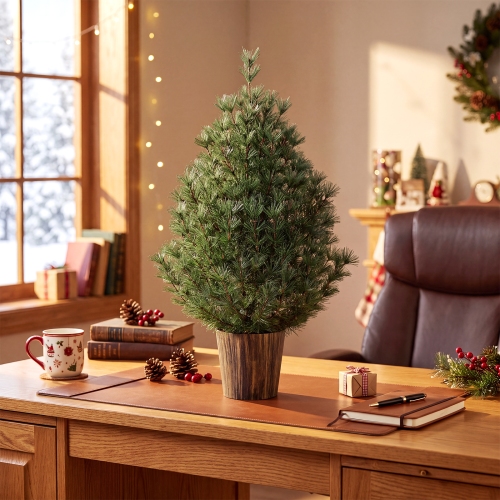
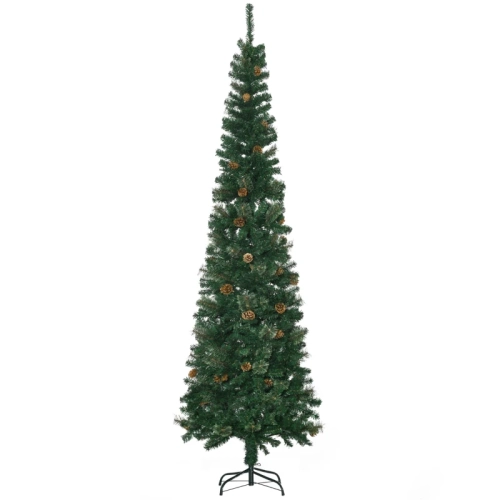
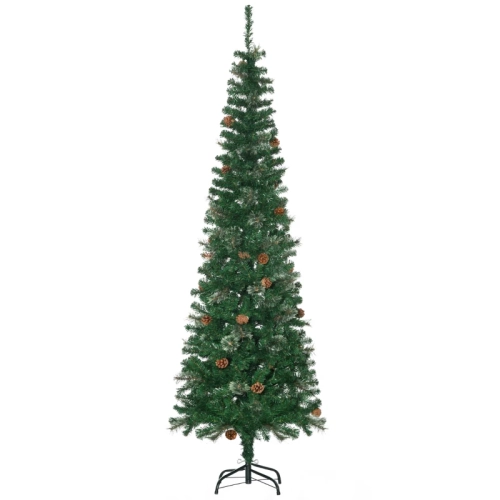

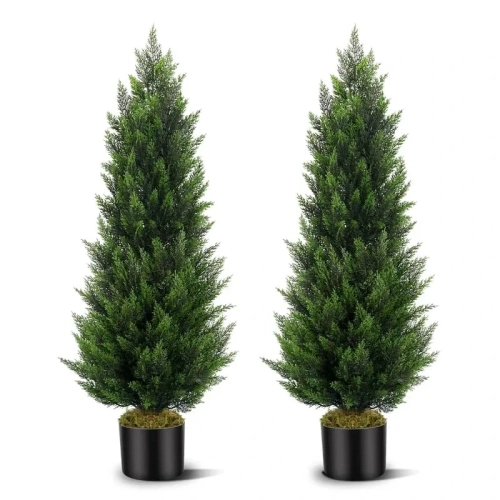
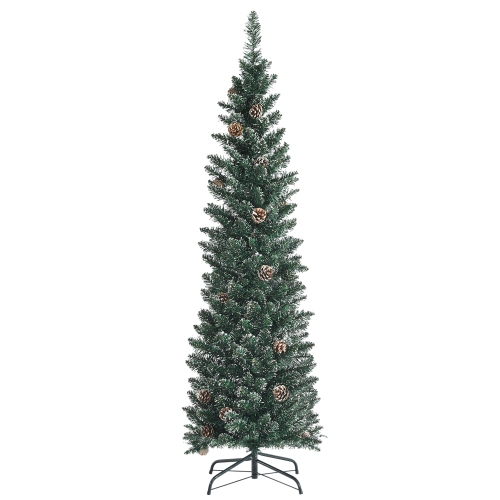
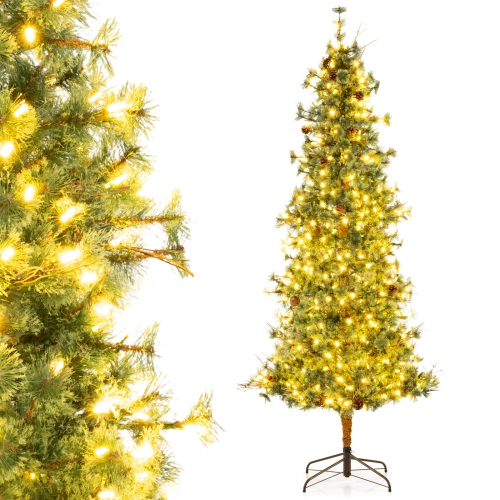
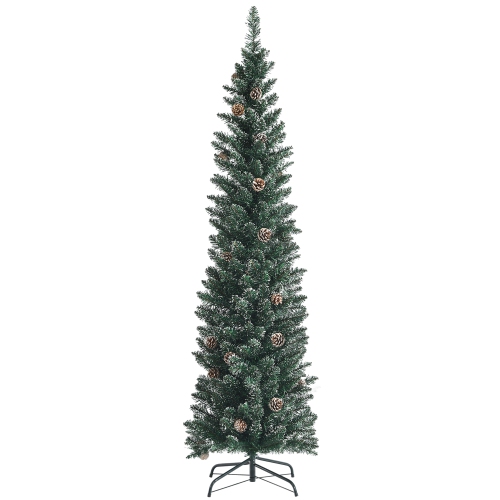
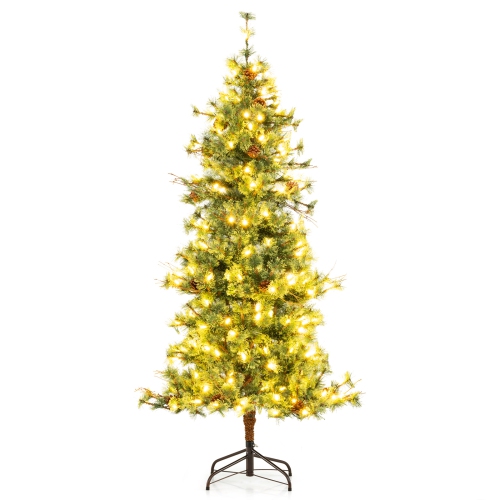
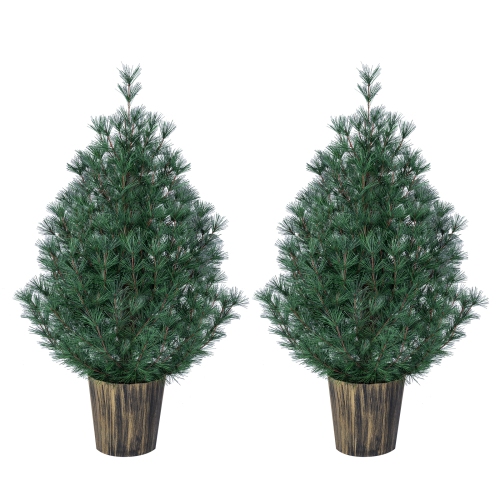
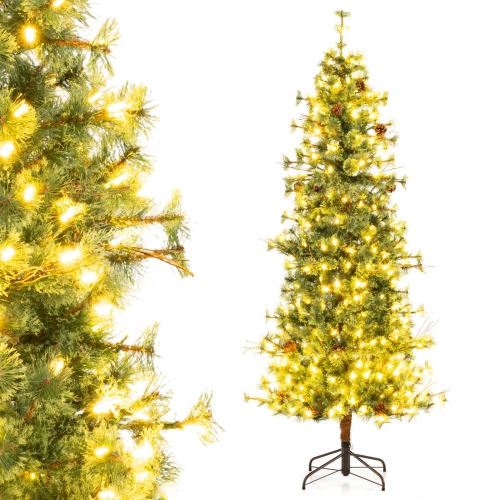
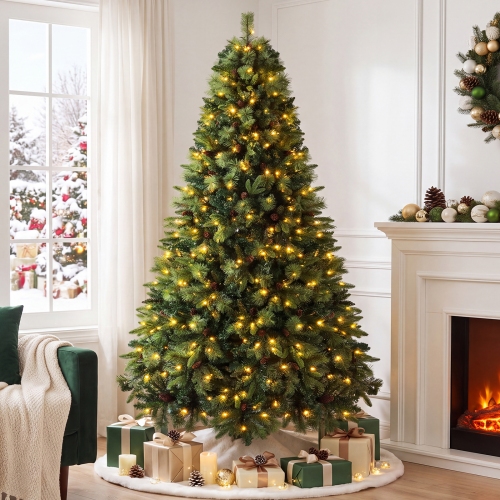


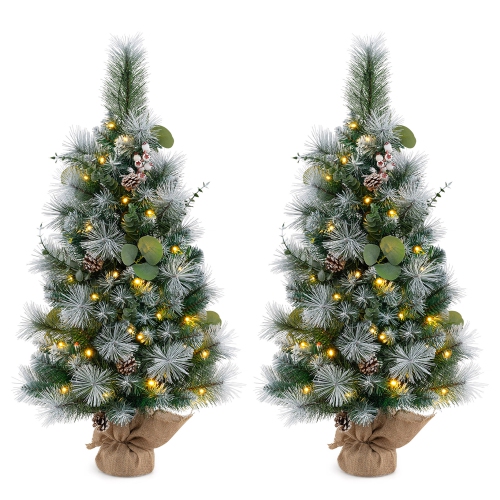
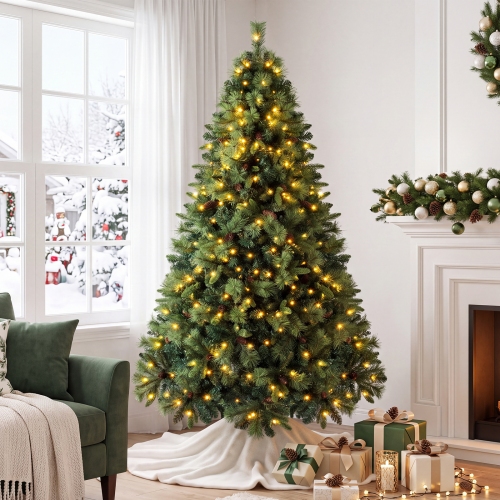
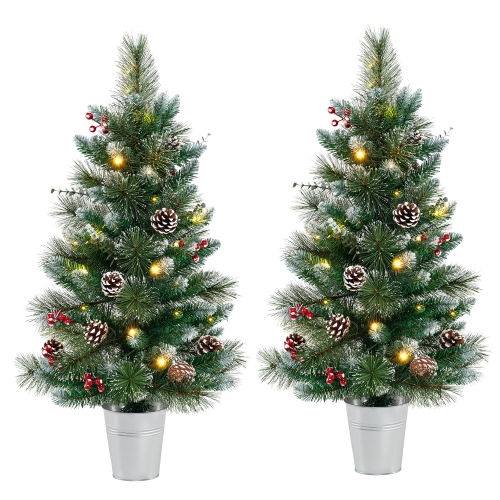
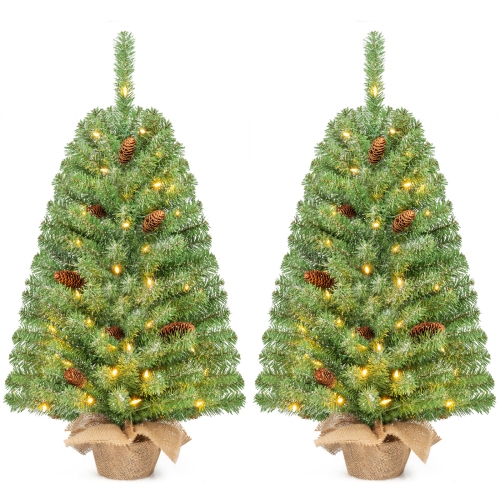
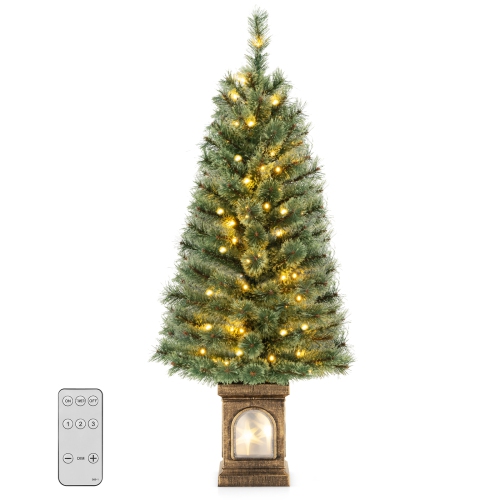
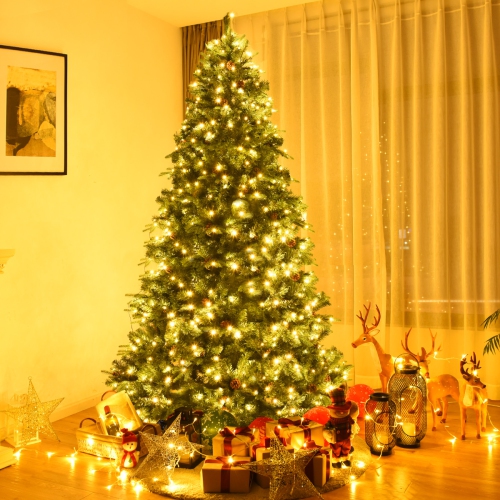


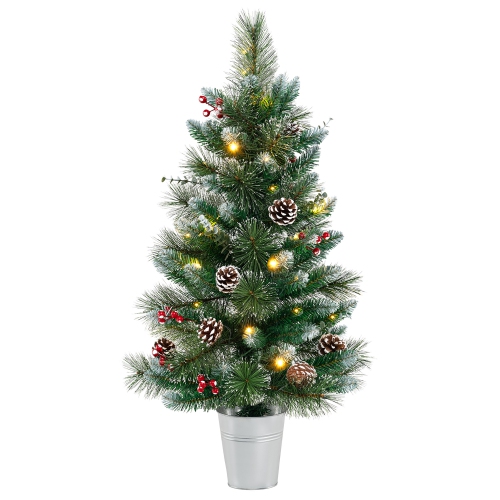
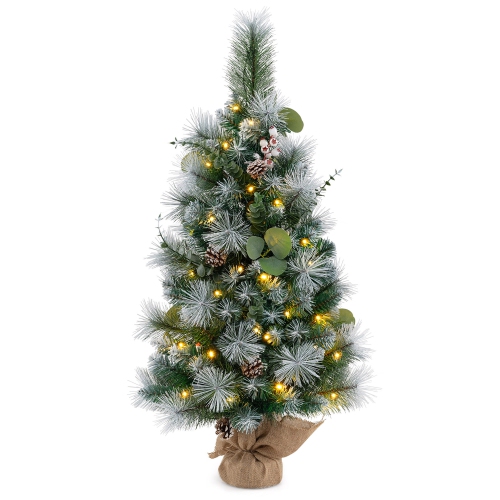

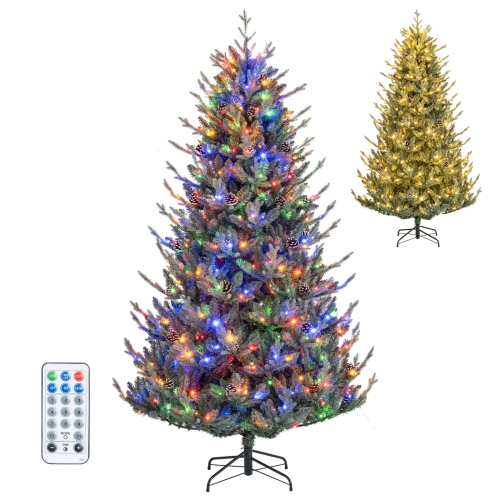
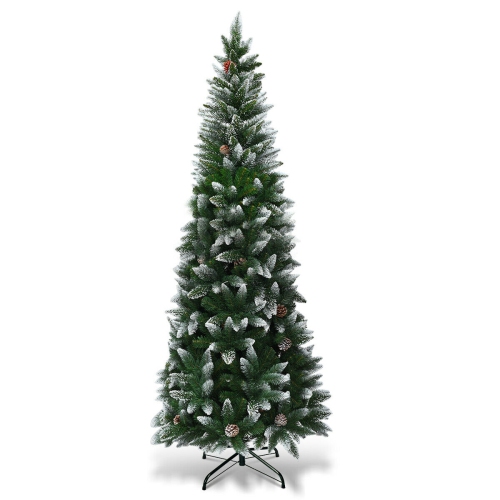
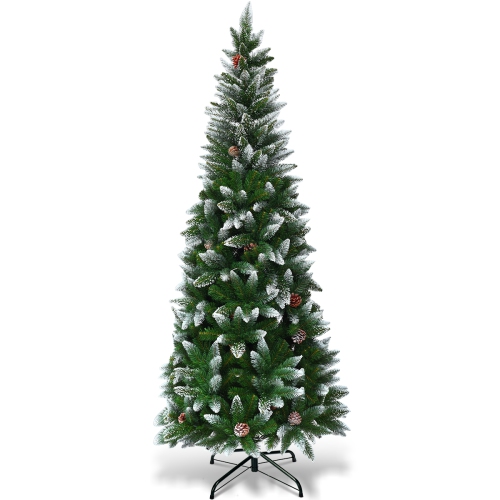
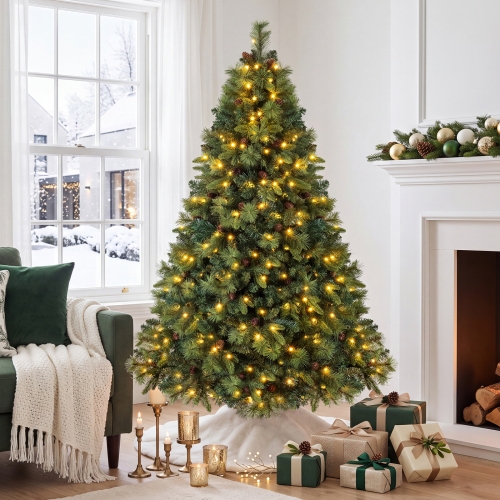
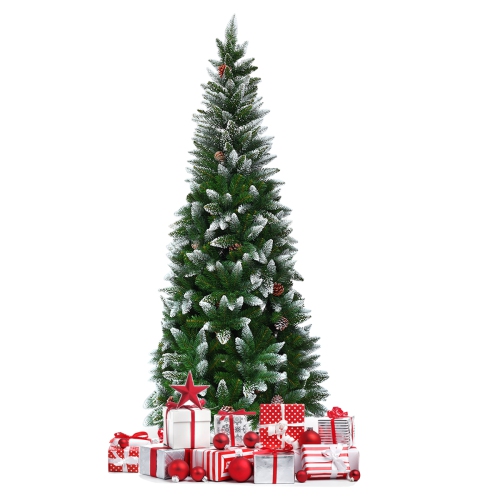
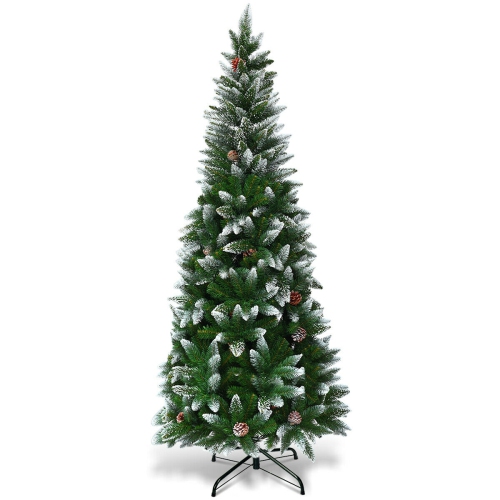
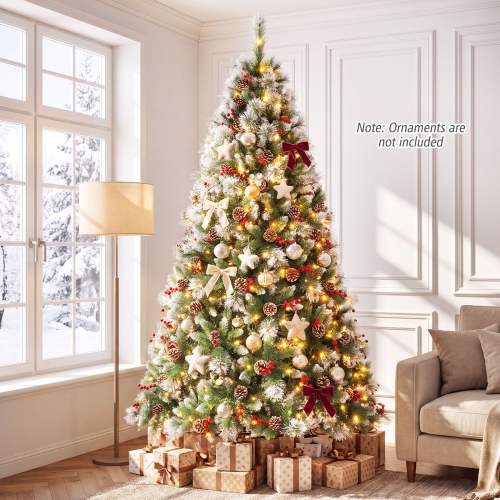
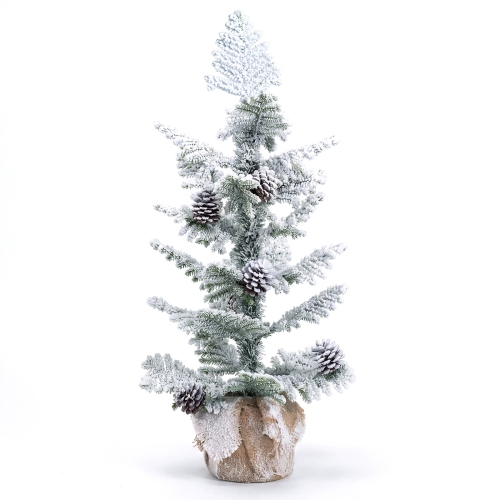
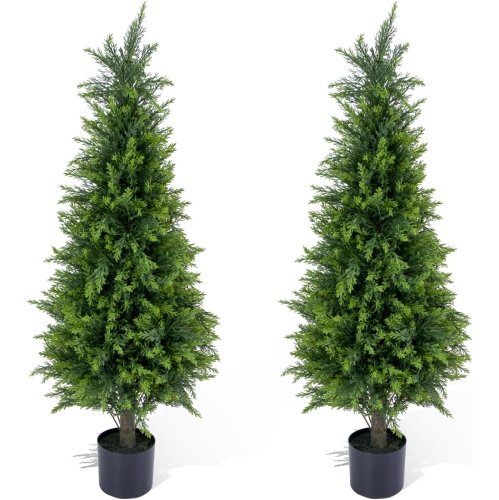
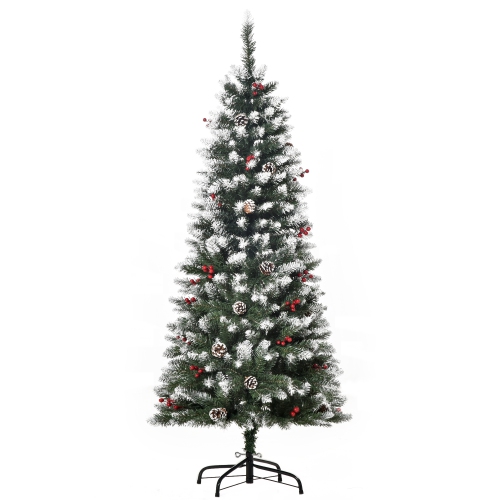
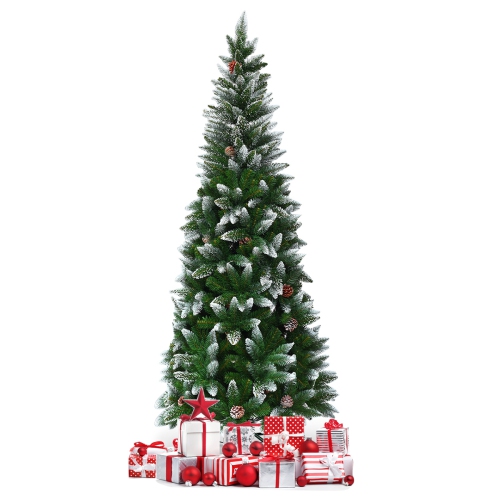

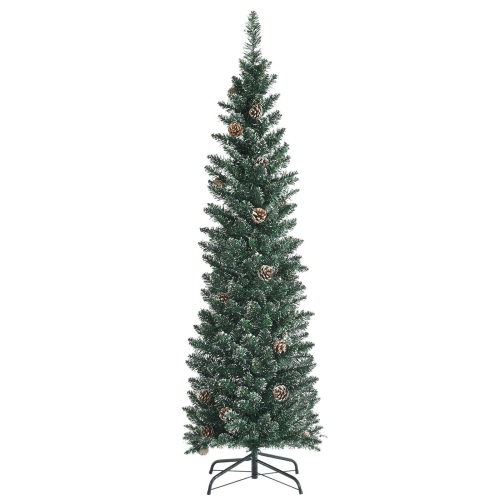
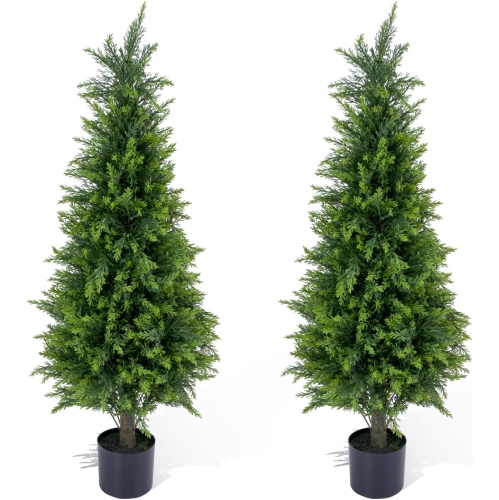
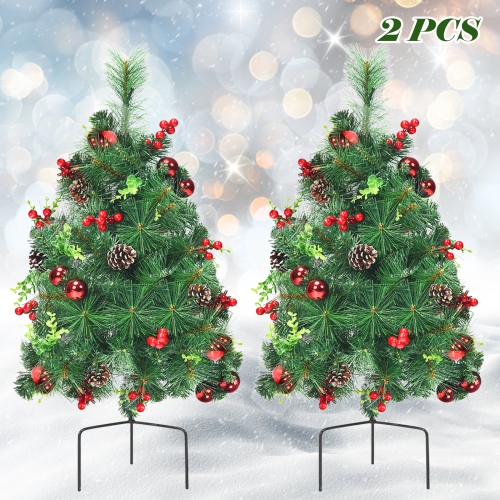
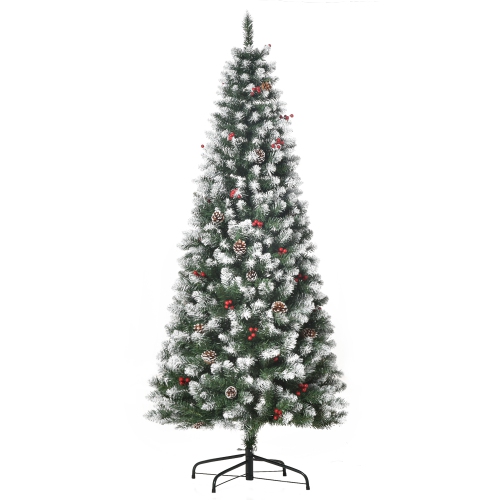
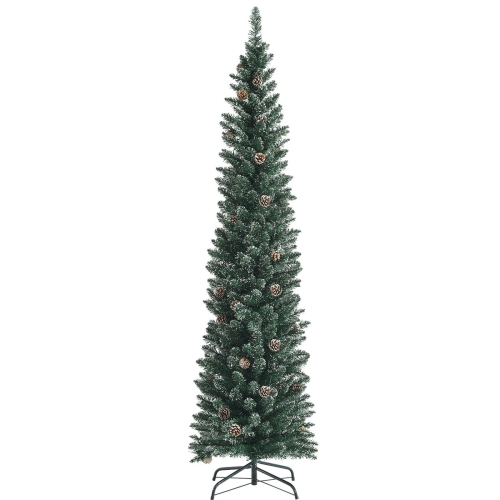
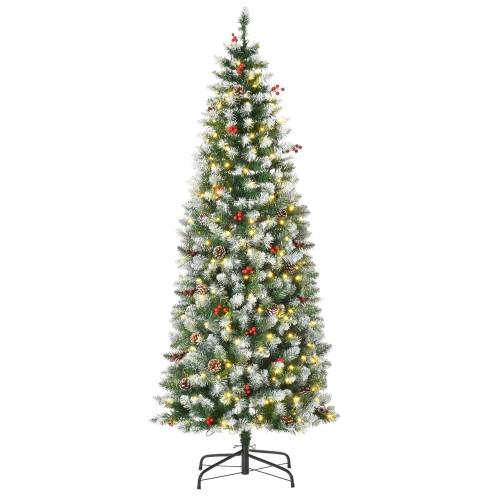
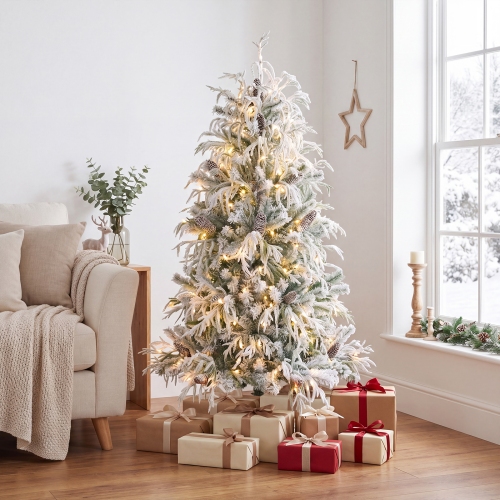
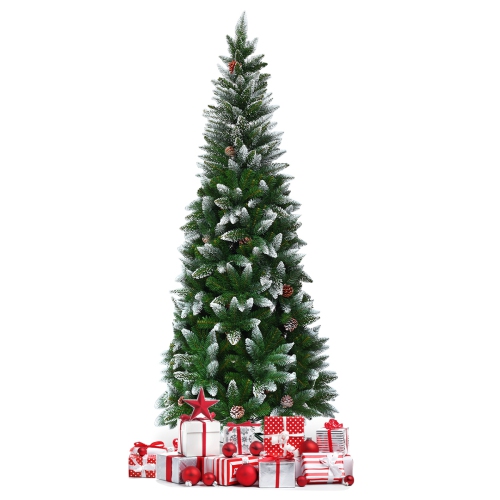
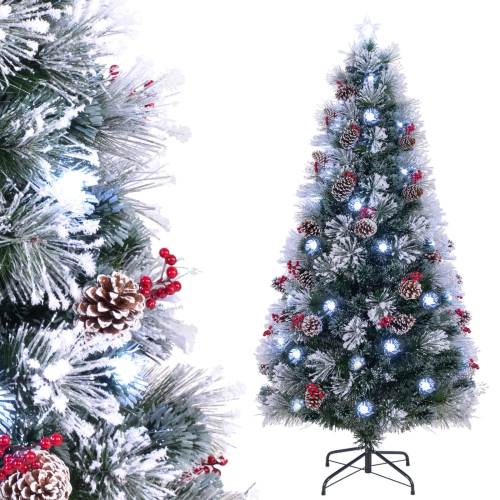
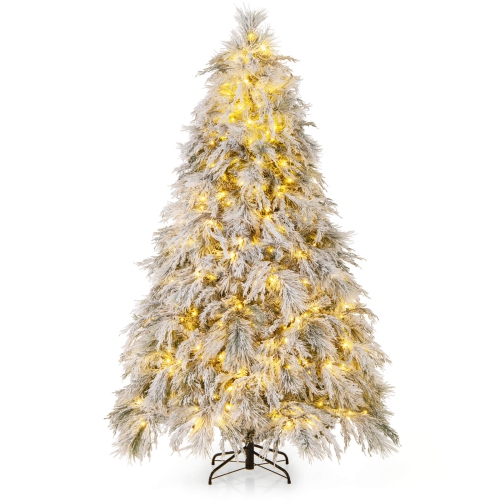
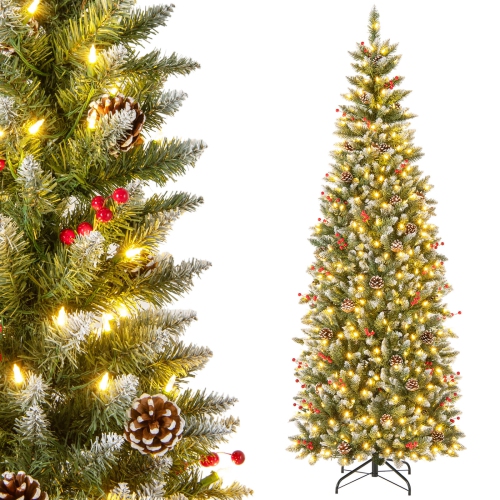
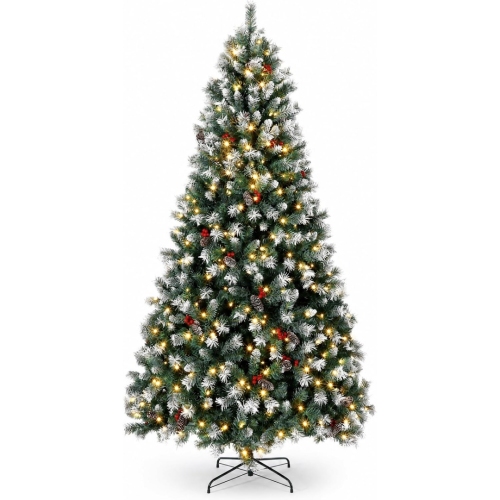
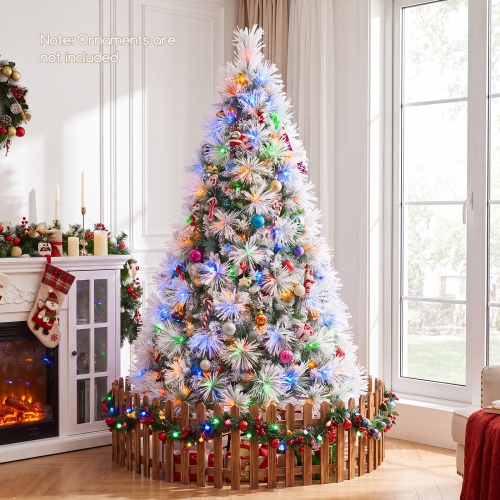

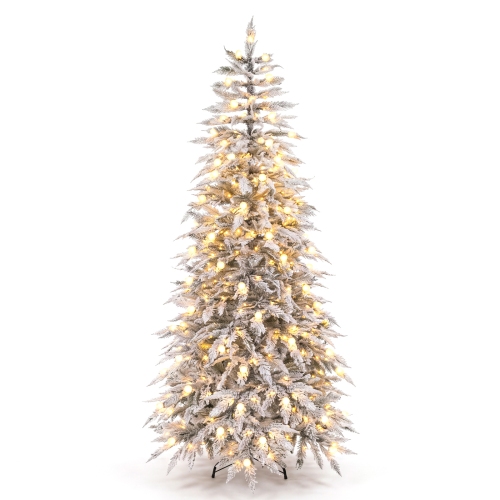
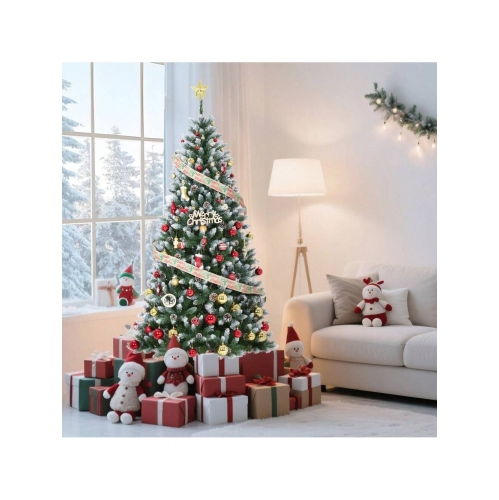

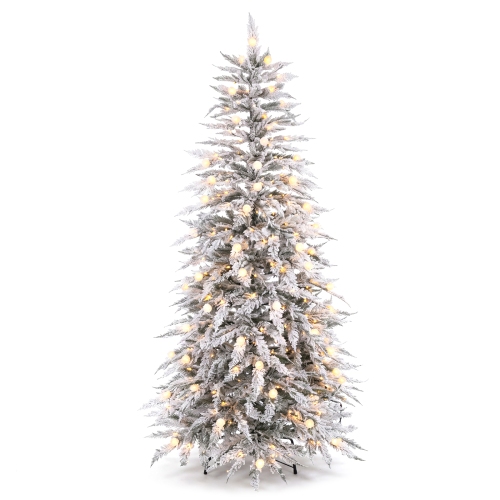
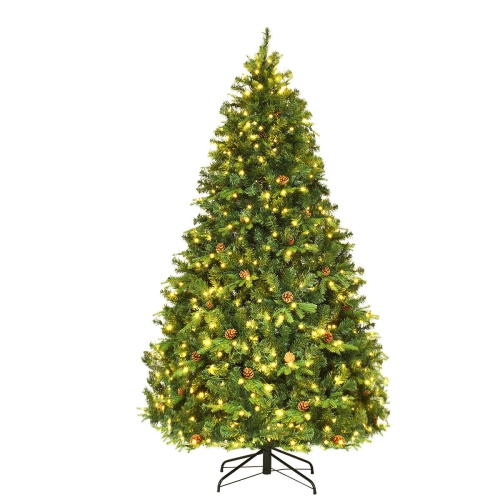
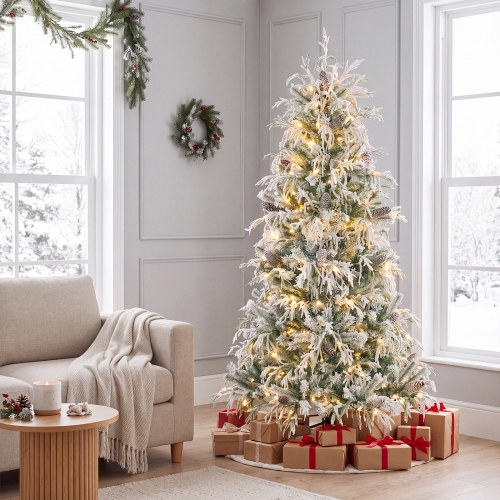
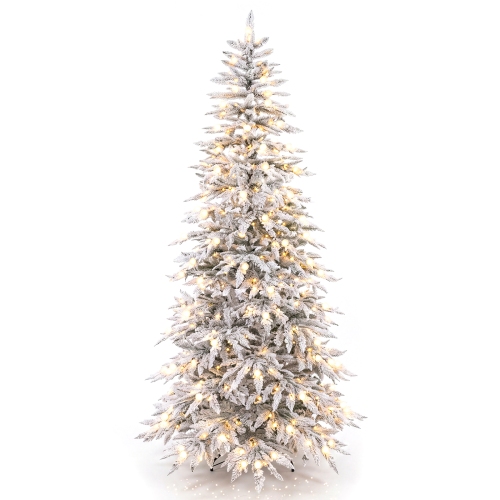
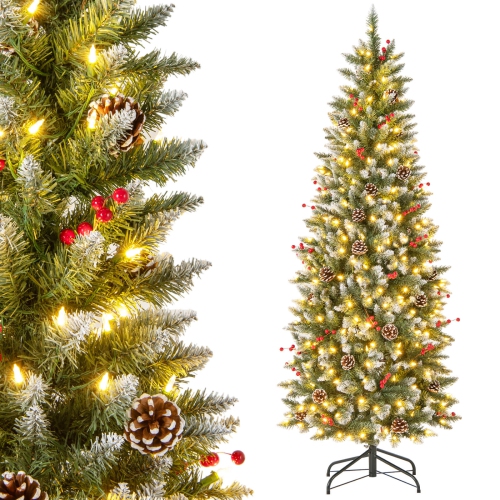
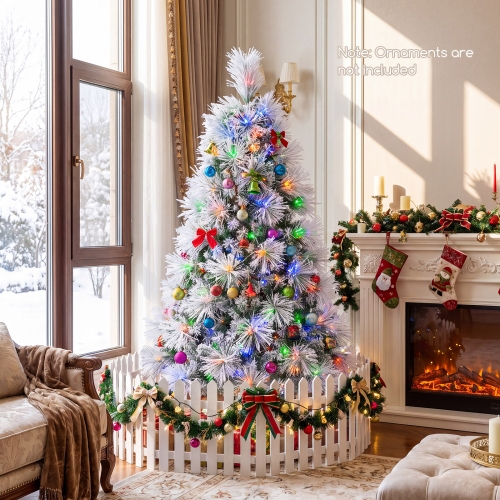
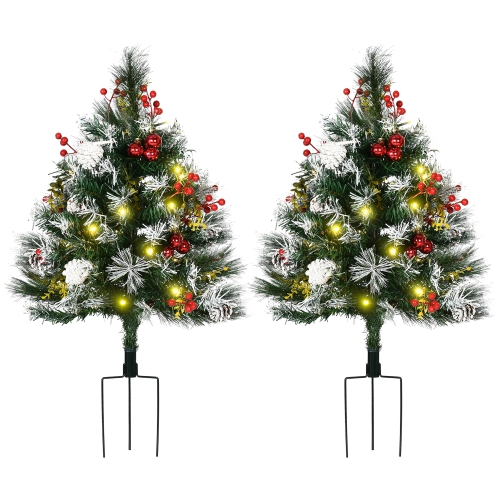

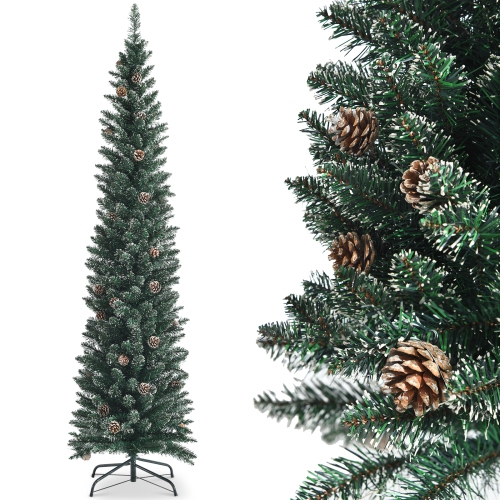
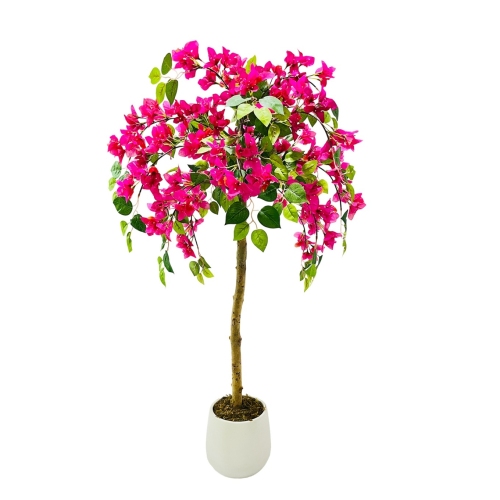
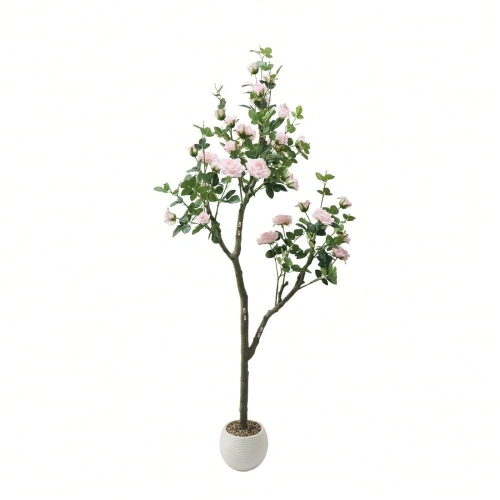
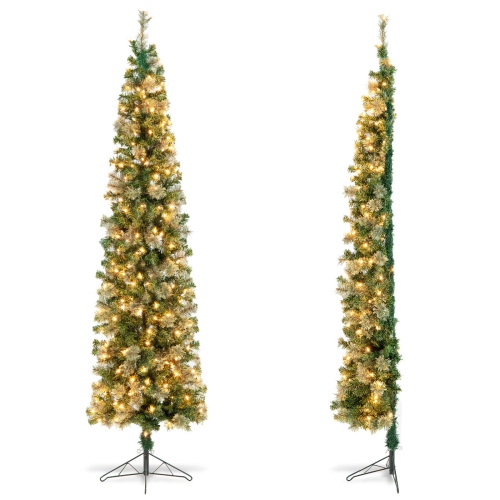
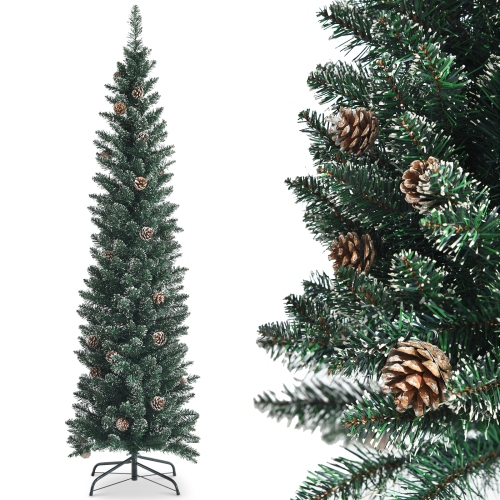
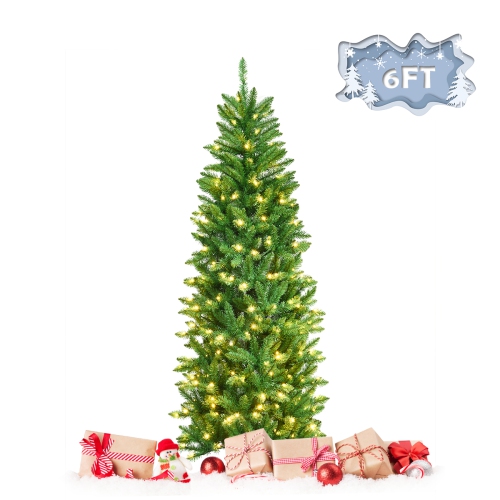
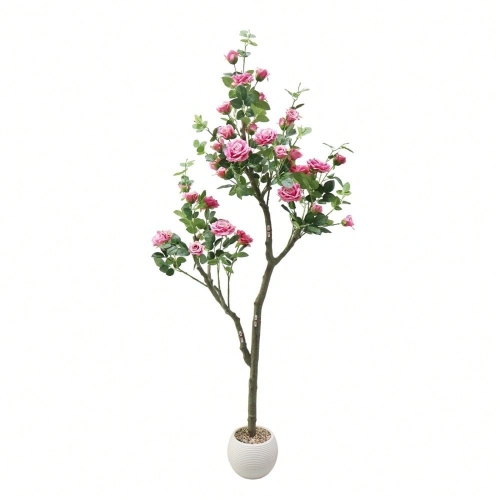
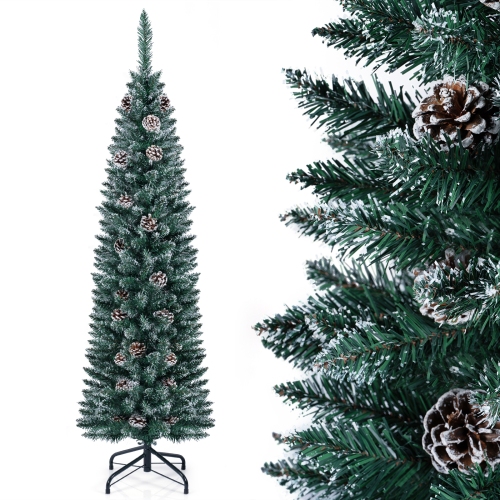
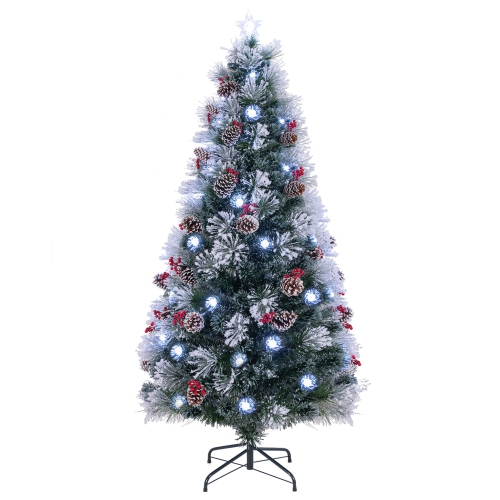

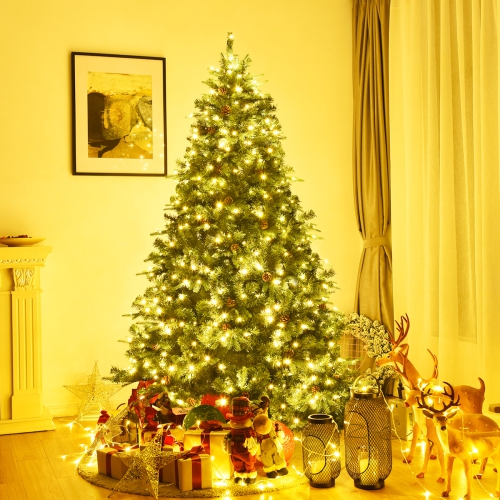
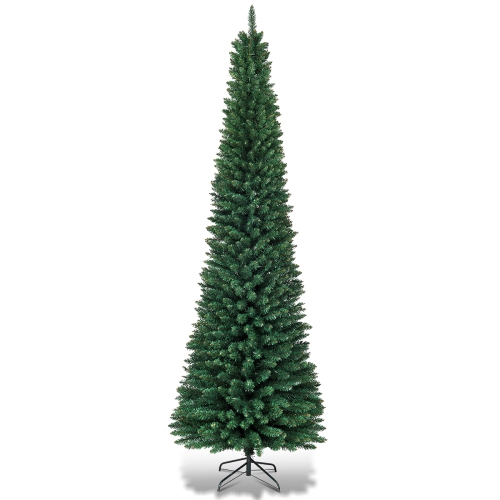
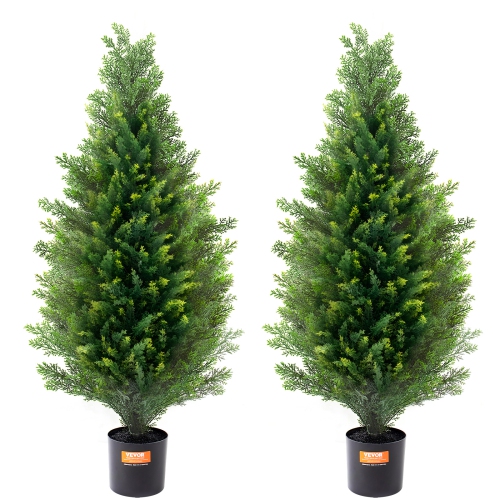
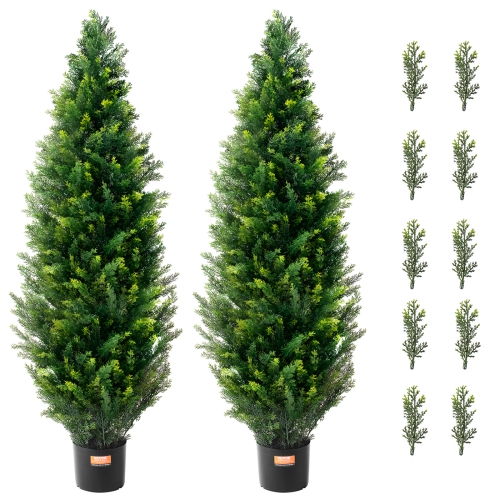
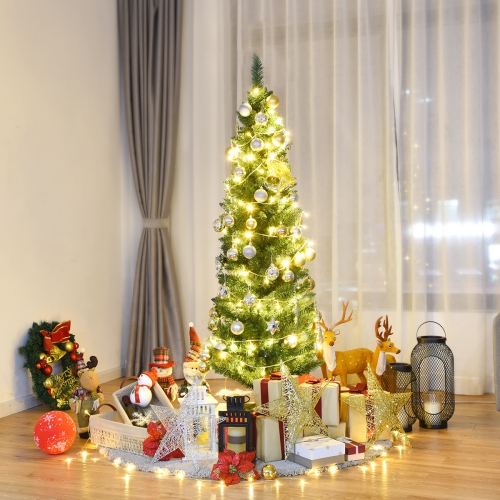
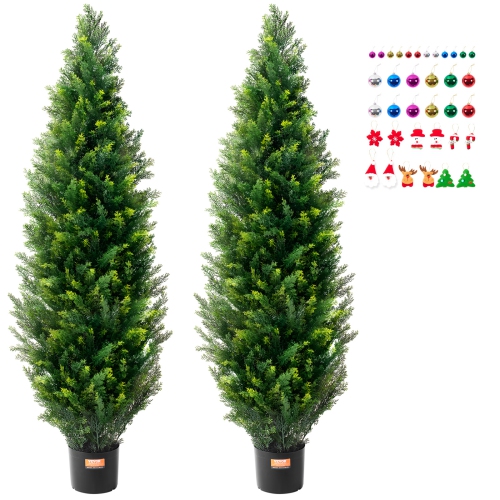
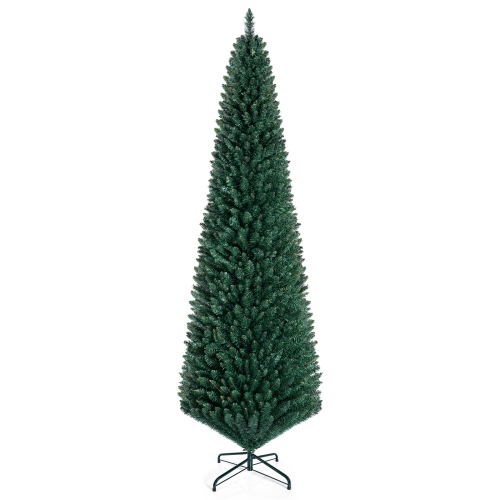
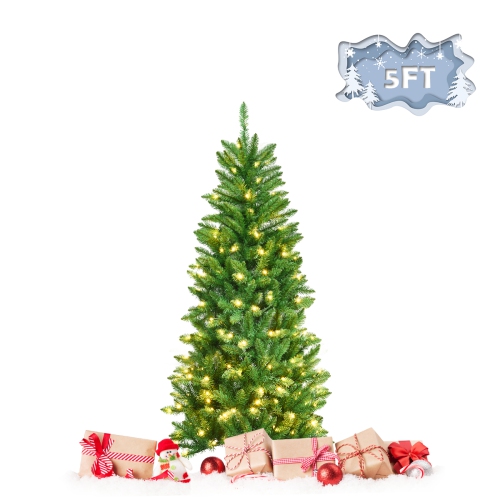
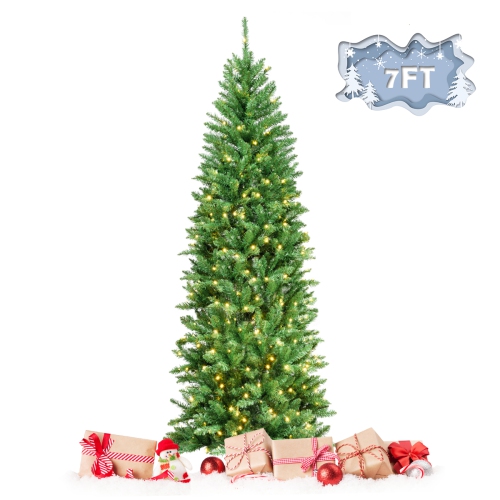
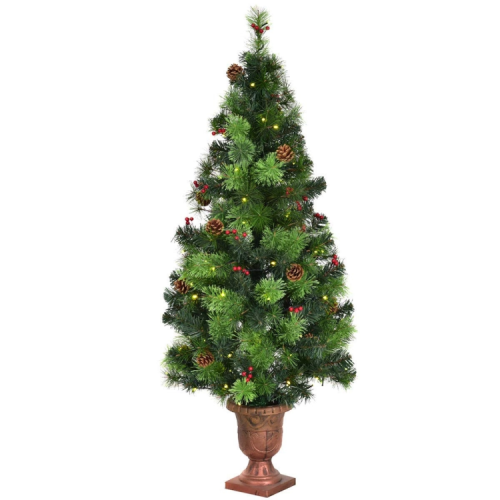

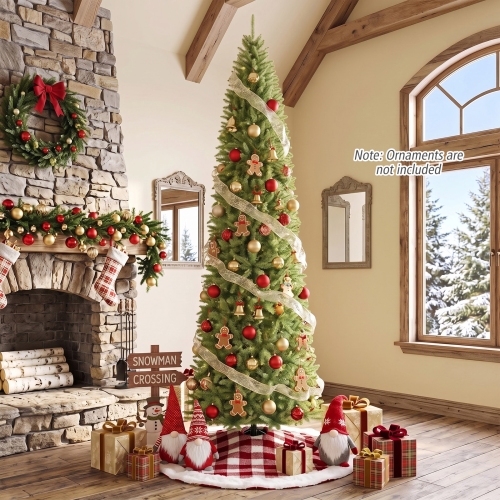
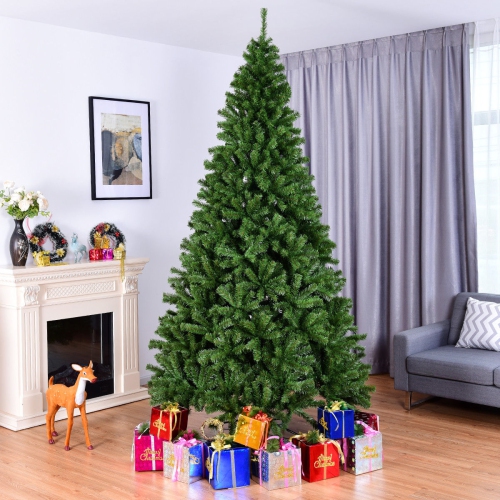
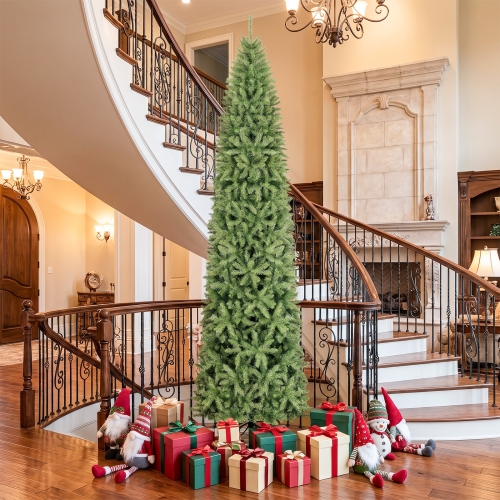
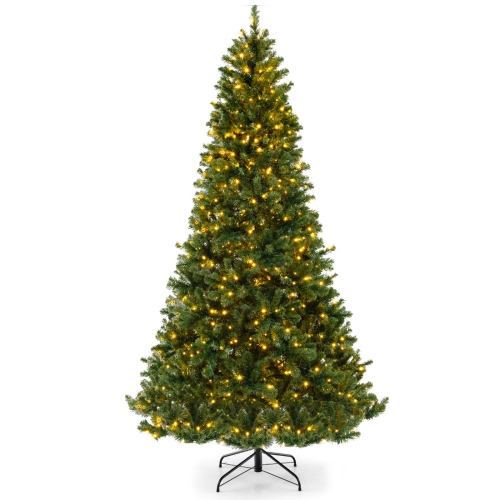





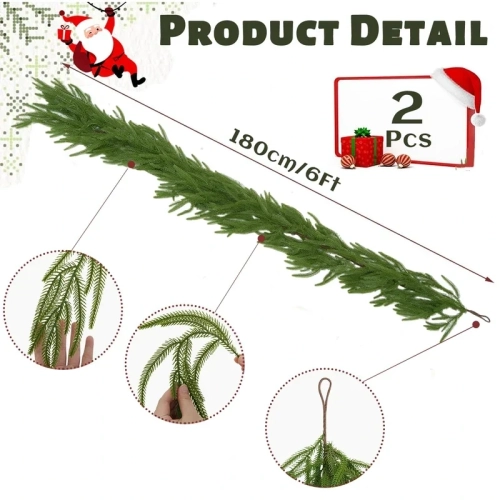
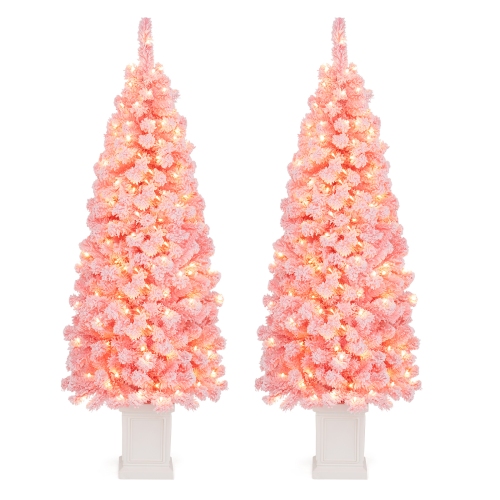
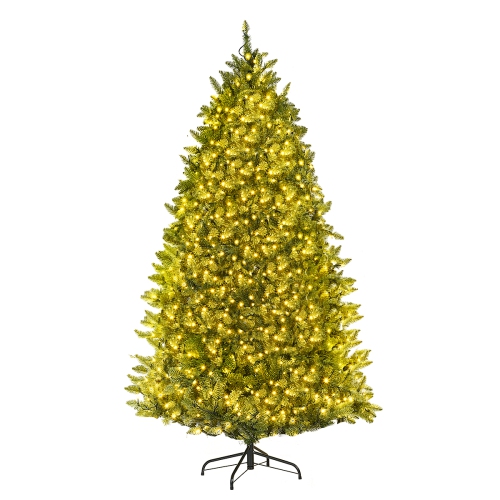
Lifelike pine greenery for holidays and everyday interiors
Artificial pine trees are decorative trees made with synthetic needles, shaped branches, and a supporting trunk or frame to recreate the appearance of living pines. They range from small potted accents for shelves and tabletops to full-height trees that give a living room, entryway, or reception area a strong focal point. Some have the dense, conical outline associated with Christmas decorating, while others feature open branches, slender trunks, or the soft, layered appearance of a Norfolk pine. That variety makes artificial pine trees useful for both holiday displays and everyday interiors. A compact tree can add height beside a reading chair without requiring a sunny window, while a pair of matching potted trees can frame a doorway or reception desk. Their appearance depends on more than their overall shape. Moulded polyethylene, often called PE, can reproduce dimensional needle clusters and detailed branch tips, while polyvinyl chloride, or PVC, foliage can help create fullness. Some designs combine these materials, placing more detailed tips where they are most visible and denser foliage closer to the trunk. Variations in green tones, brown stems, textured bark, and carefully placed pine cones can give a tree a less uniform appearance. For an airy look, visible spaces between the branches can be just as important as dense coverage. For a fuller backdrop, closely layered foliage helps conceal the centre pole and supports a more continuous outline. Artificial pine trees need no watering, pruning, or access to daylight, which suits busy households, offices, and rooms where a living tree would be difficult to maintain. They still benefit from occasional cleaning and careful handling. A small potted style can also make a thoughtful housewarming gift for someone who enjoys greenery but prefers not to take on plant care, especially when its size and finish suit the recipient’s space.
Proportion matters as much as height when an artificial pine tree becomes part of a furnished room. The stated height may include the stand or pot, so the complete dimensions help establish how a tree will sit beneath a ceiling, beside a window, or on a console. A Christmas display also needs room for any topper, while a tabletop tree should leave enough clearance beneath nearby shelves. Width is equally important: branches that look comfortably contained in a photograph may extend into a walkway once fully arranged. Slim profiles suit corners and smaller rooms, whereas broad, layered silhouettes need space for their lower branches to spread. A stable base is particularly valuable near household activity, and a decorative basket or outer planter should accommodate the original support without compromising balance. Pot finishes influence the overall effect, too. A simple dark container lets the foliage stand out, while a textured planter can help a small tree feel like a permanent part of the room. For holiday decorating, Artificial Christmas Trees include pine-inspired shapes that provide a backdrop for lights, garlands, and ornaments. Unlit designs allow more freedom over light colour and placement; pre-lit designs reduce the amount of separate string lighting to arrange. Electrical ratings, connection details, and lighting functions vary, so those details matter when comparing designs. Branch construction also affects setup and use. Hinged branches usually fold down from a central pole, while other trees use individually attached sections. Flexible tips allow shaping, but ornament support depends on the strength and spacing of the branches rather than tip count alone. Open branches can give larger ornaments room to hang freely, while denser foliage suits smaller decorations distributed across the surface. In either case, separating compressed tips and working gradually around each section helps reveal the intended shape. Viewing the tree from the doorway, rather than only at arm’s length, makes uneven patches and an off-centre silhouette easier to notice.
Intended placement is an important distinction between indoor and outdoor artificial pine trees. Indoor designs are suited to sheltered rooms, but they should not be assumed suitable for a porch, balcony, or garden. Outdoor use calls for an explicit rating for that purpose, including suitable foliage, structural components, and lighting where fitted. UV resistance can help limit fading from sunlight, although it does not mean a tree will retain its original colour indefinitely. A covered entrance can still expose a tree to moisture and wind, and a lightweight decorative pot may need a manufacturer-approved method of securing it. Large trees should never obstruct exits, stairs, or access to doors. Indoors, keeping foliage away from fireplaces, heaters, candles, and other heat sources helps protect both the tree and its surroundings. Flame-retardant materials are not fireproof, and any built-in lights should be used according to their electrical and safety instructions. Households with children or pets may prefer a position away from busy play areas, with cords managed carefully and small decorative parts kept out of reach. Routine care is generally straightforward: light dusting with a soft cloth or brush helps preserve the texture and colour of the needles. Cleaning methods differ by material, and flocked finishes or wired lighting can require more cautious treatment than plain foliage. For trees that are packed away between displays, gentle disassembly protects branch joints and electrical connections. Dry, covered storage helps keep dust off the foliage, while a suitably sized bag or box avoids crushing the tips. Storing the sections without forcing the branches into sharp bends can make the next setup easier. Durable construction, sound joints, and careful storage all contribute to a tree’s useful life, whether it serves as a year-round accent in a home office or returns as the centrepiece of a family’s Christmas decorations.
Top selling and popular products
-
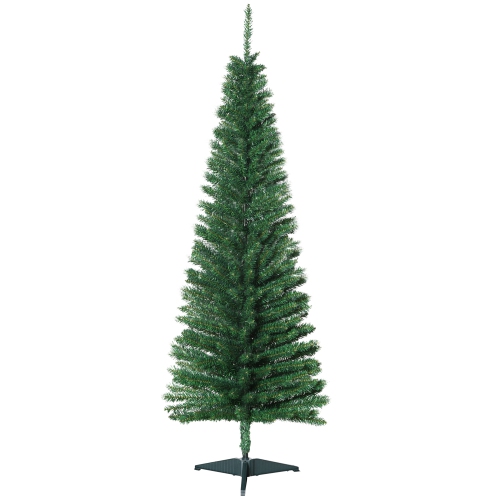 Your price for this item is $49.99
-
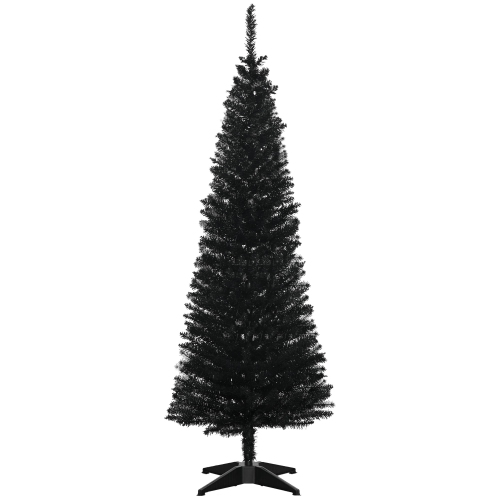 Your price for this item is $51.99
-
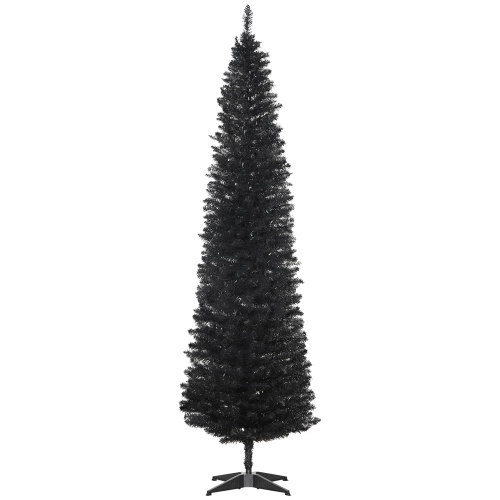 Your price for this item is $69.99
-
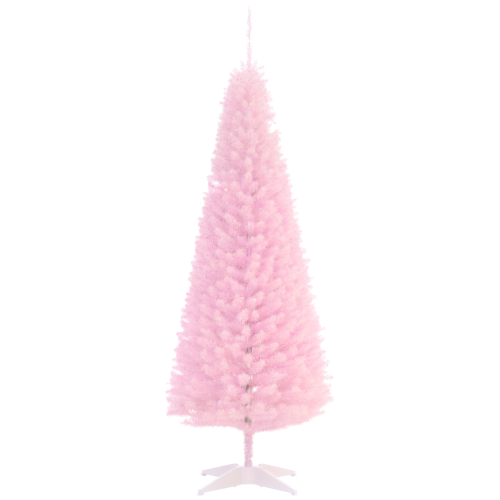 Your price for this item is $48
-
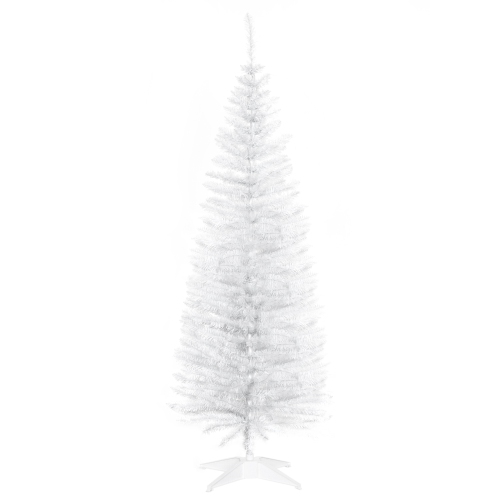 Your price for this item is $49.99
-
 Your price for this item is $125.99
-
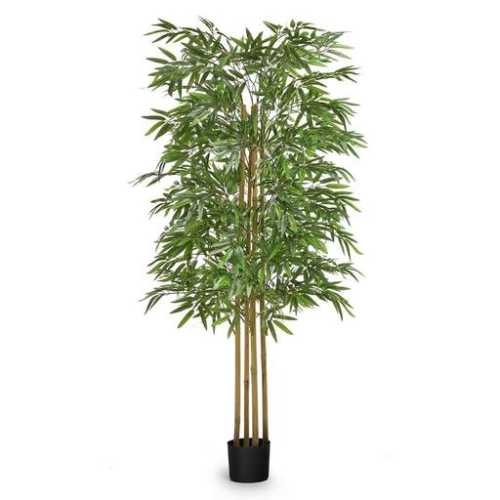 Your price for this item is $167.99
-
 Your price for this item is $107.99
Discover more categories related to Artificial Pine Trees


Top Collections:
Best Black Friday Deals This Year, Best Black Friday Deals On Electronics, Kindle Devices, Dyson Airwrap, Best Cameras for Sports Photography, Best Black Friday Deals On Apple Products, PS5 Pro Consoles, Portable Snow Blowers, Canon G7X Cameras, Pokémon 30th Celebration Cards
Some products may be subject to Environmental Handling Fees
(EHF) depending on your province.
Learn more about EHFs.