Artistic Home Accessories
Transform your living space into a gallery of style with this collection of artistic home accessories. Elevate your home decor with unique and eye-catching pieces that blend form and function seamlessly. From abstract sculptures to modern vases, each item is carefully curated to add a touch of sophistication and creativity to every room. Whether you're looking to make a bold statement or simply enhance your existing aesthetic, this selection of artistic home accessories offers something for every taste and style.
Sort

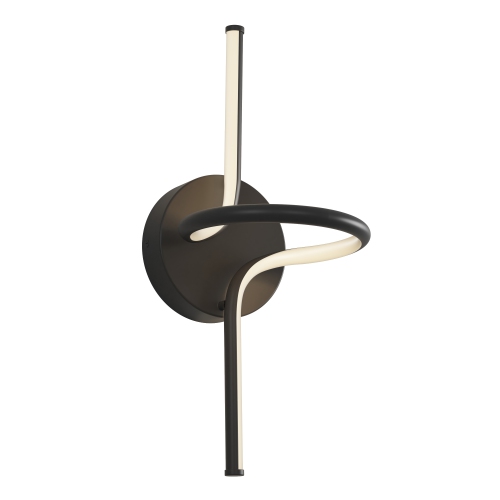
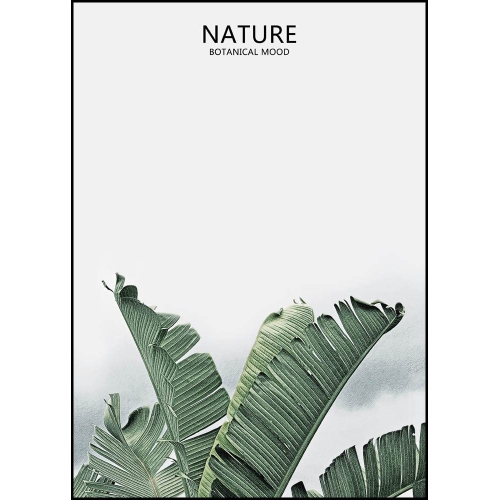
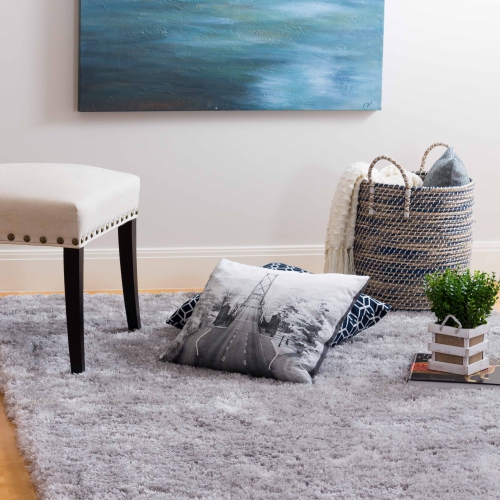
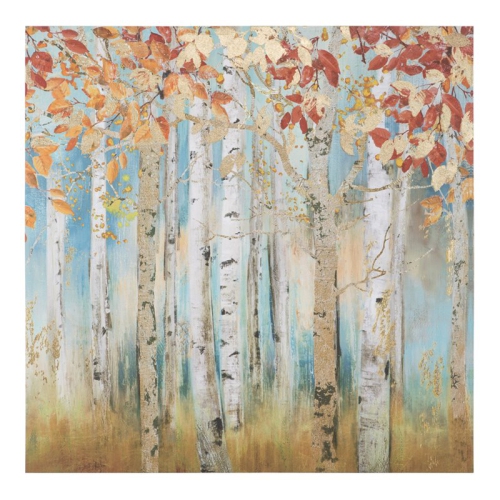
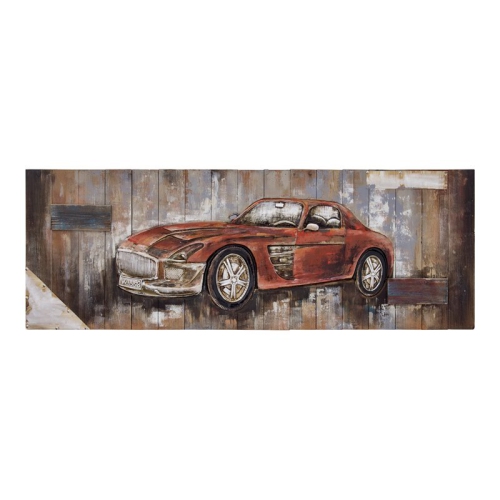
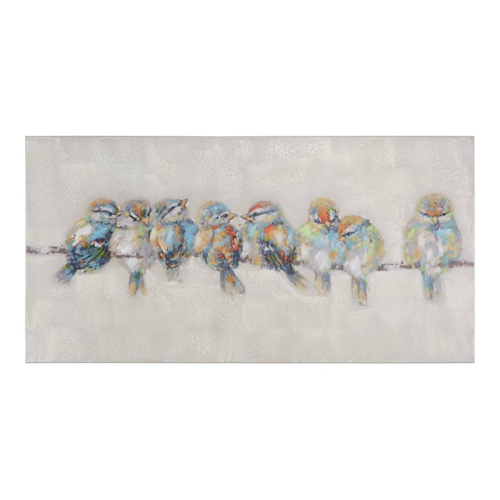
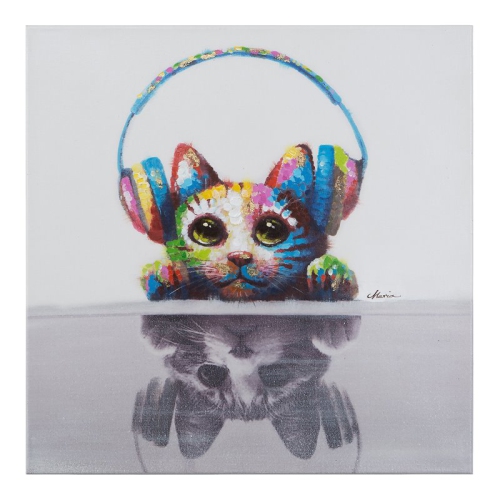
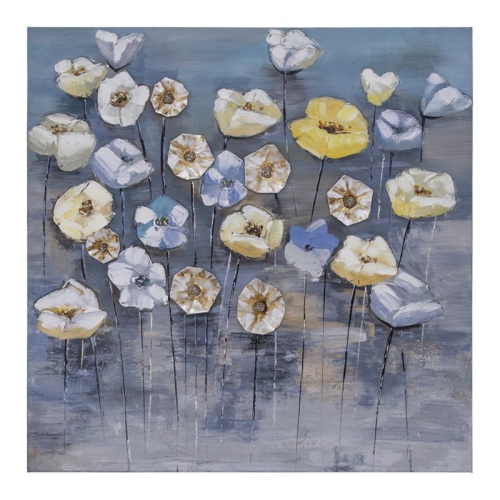
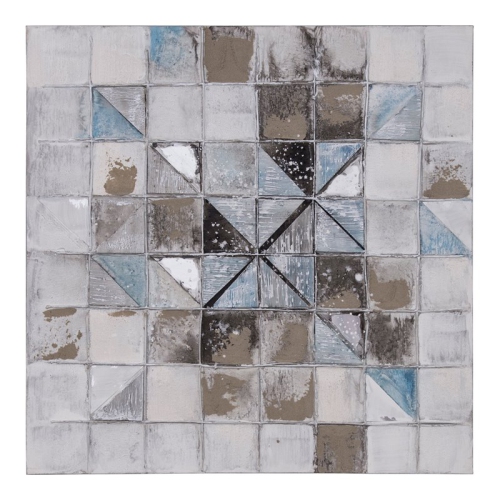
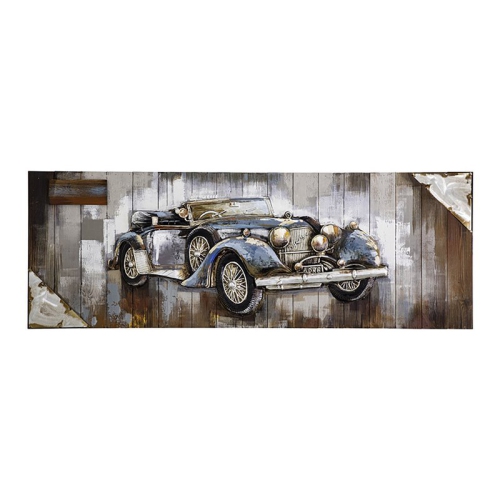
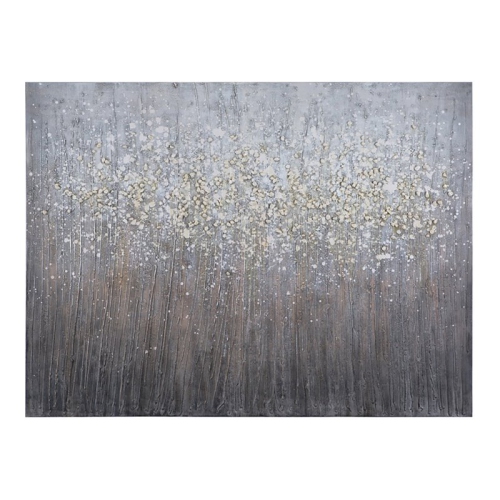
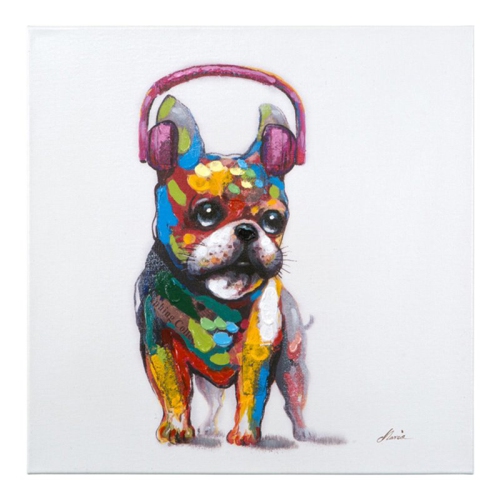
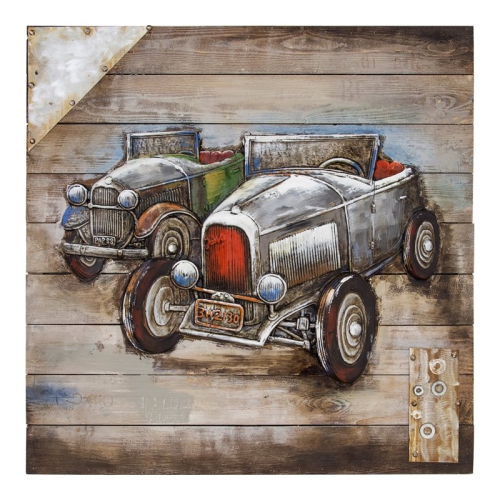
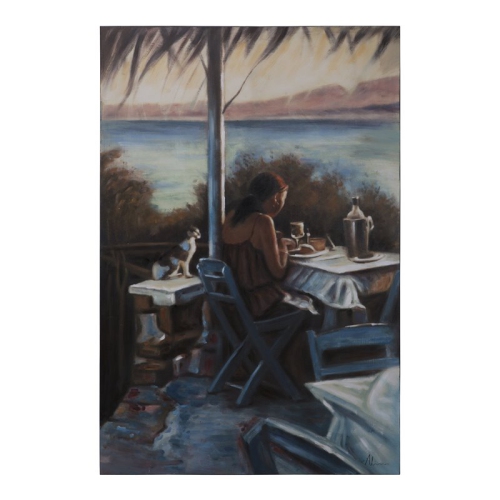
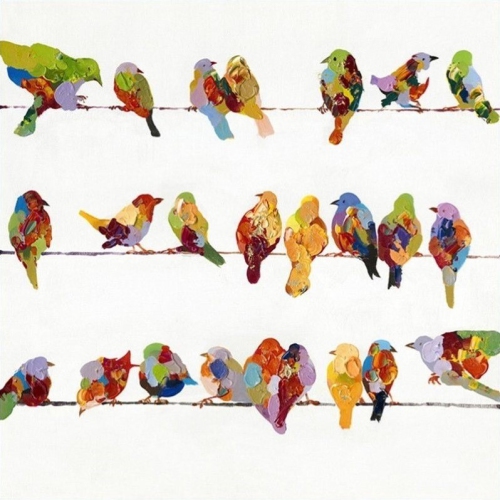

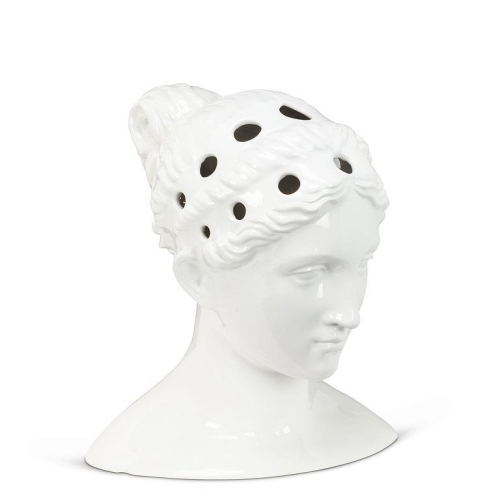
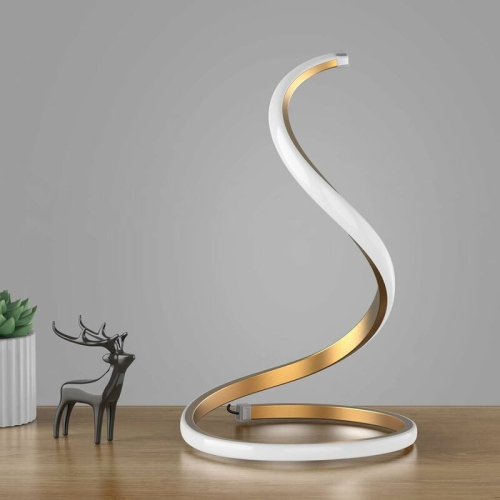
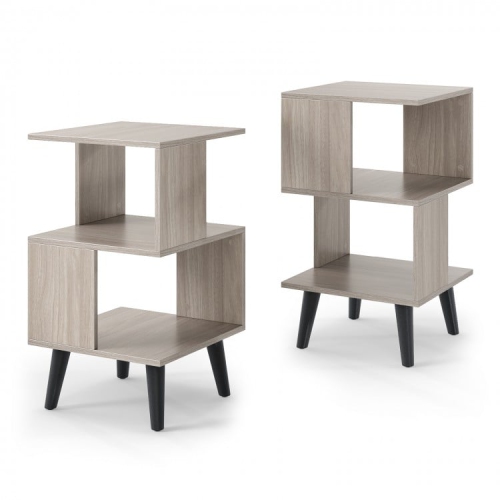
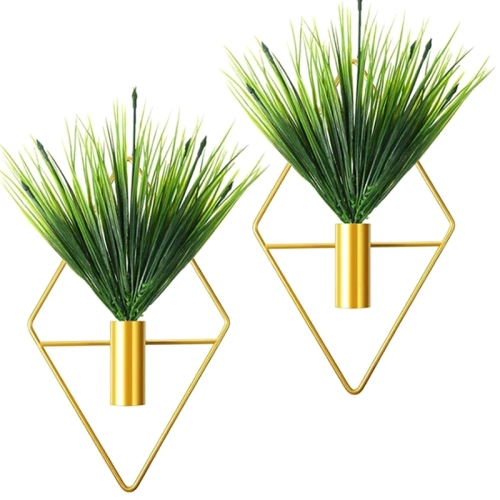
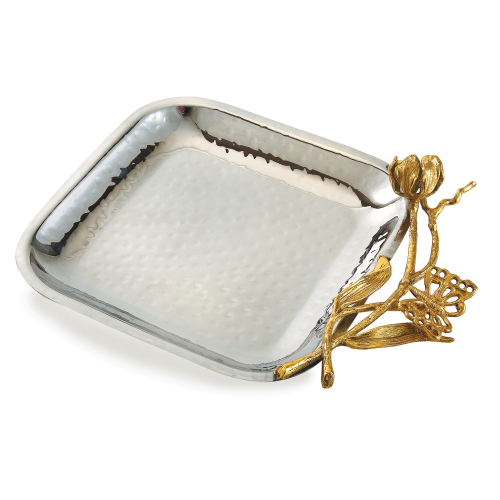
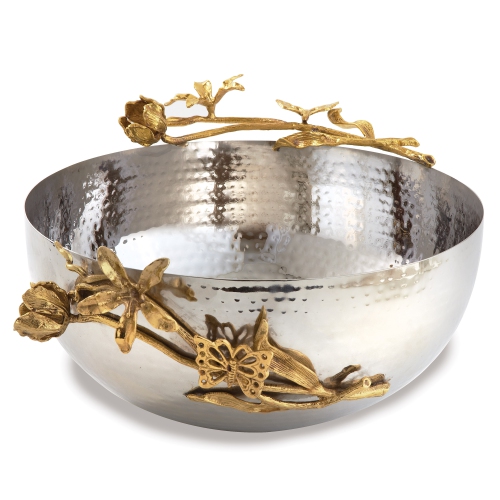
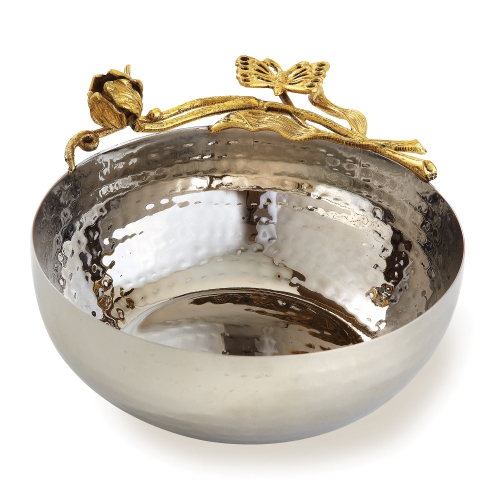
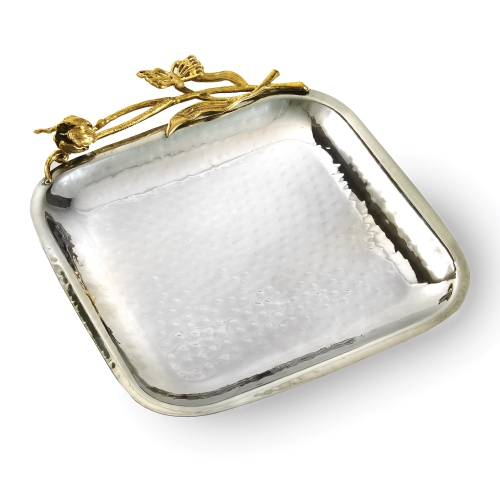
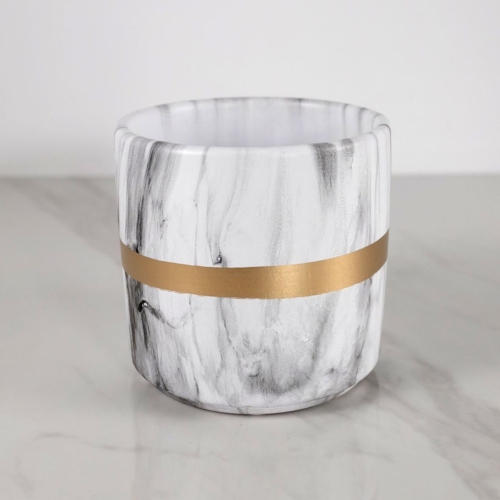
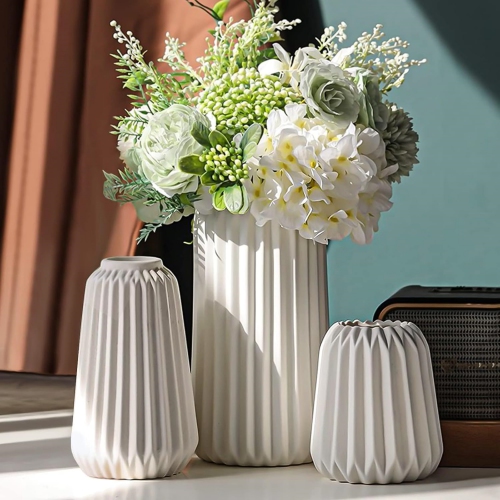
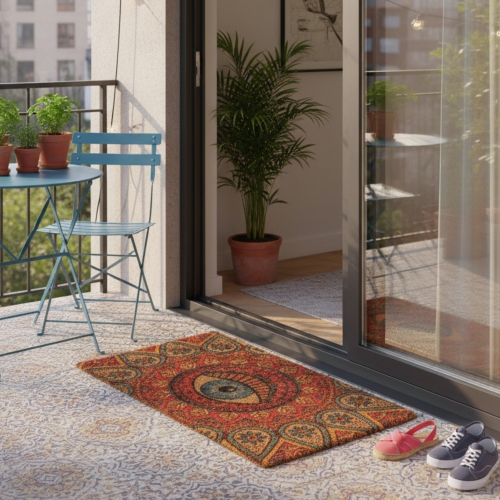
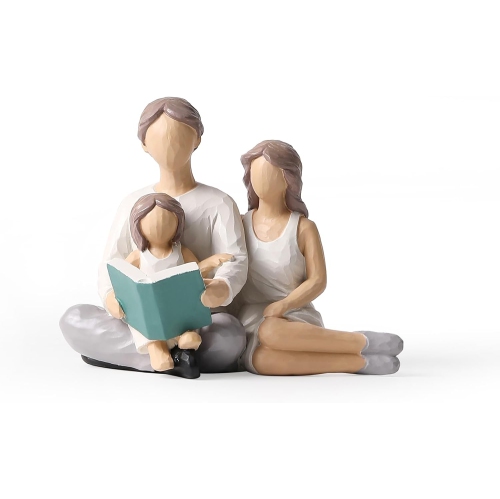
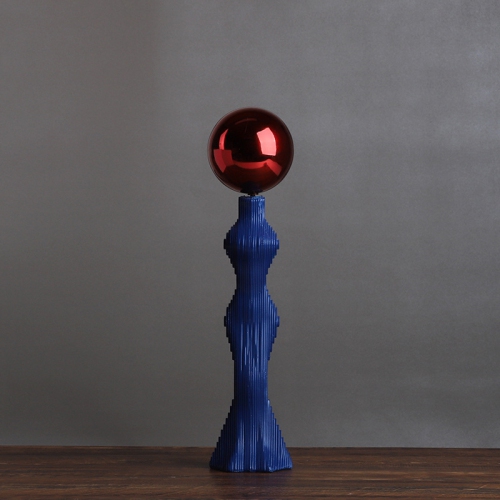
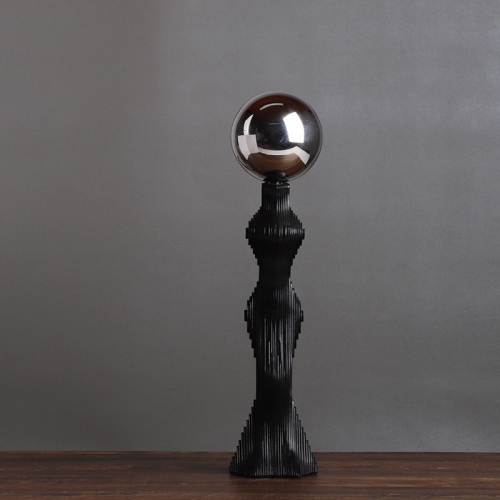
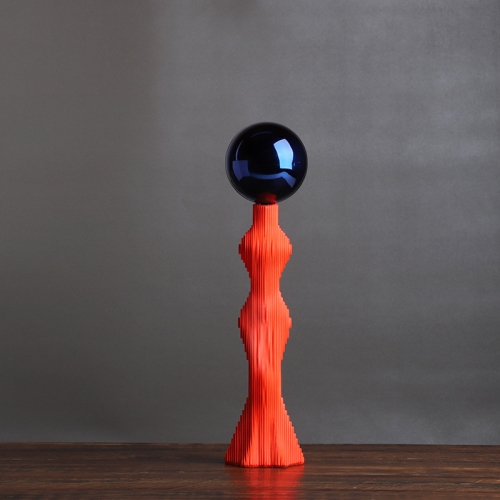
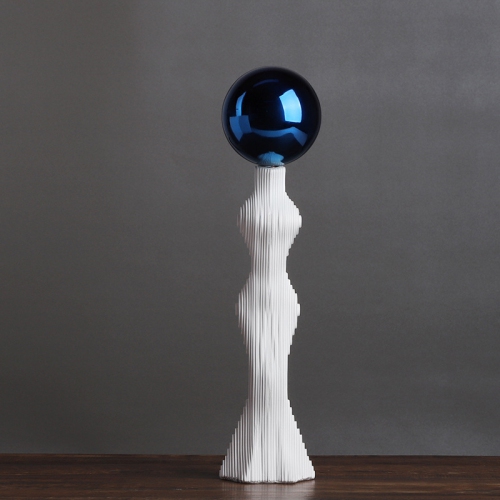
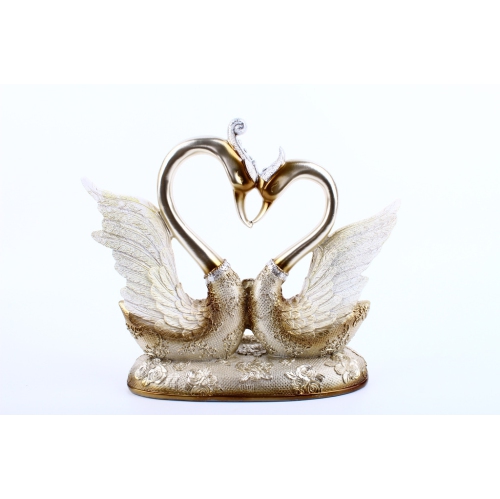
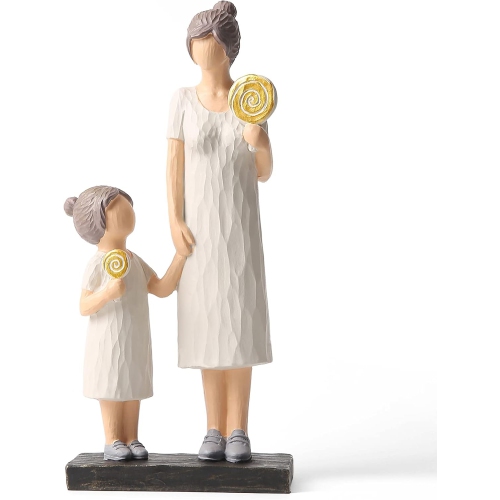
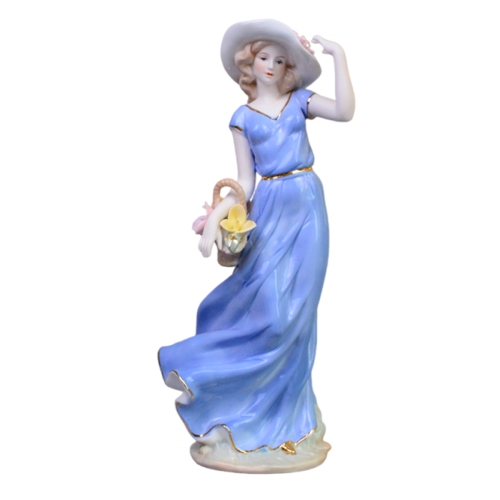
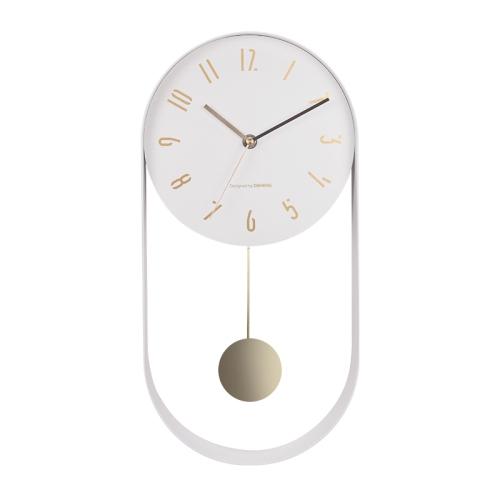
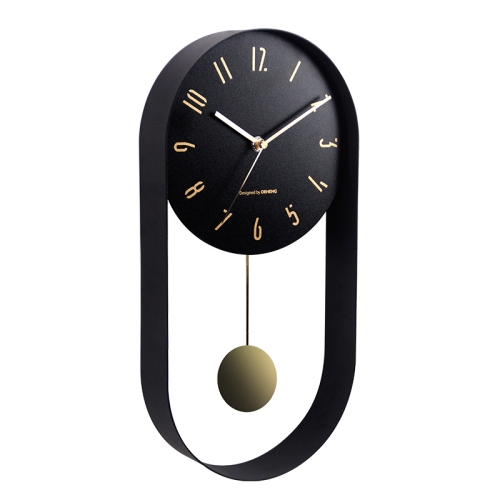
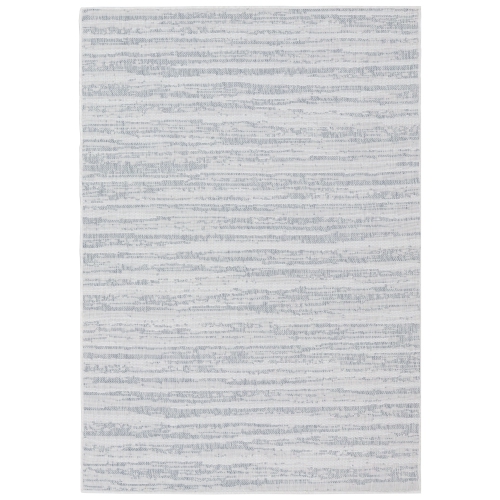


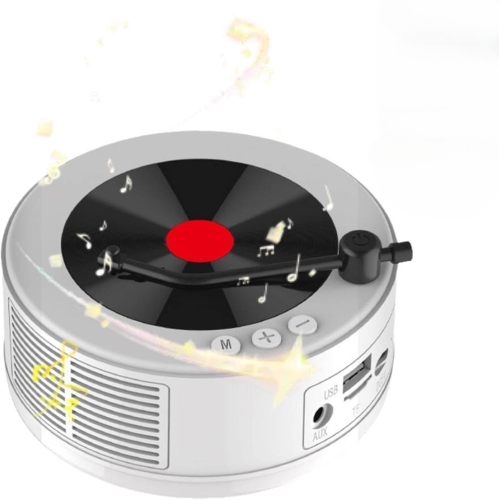
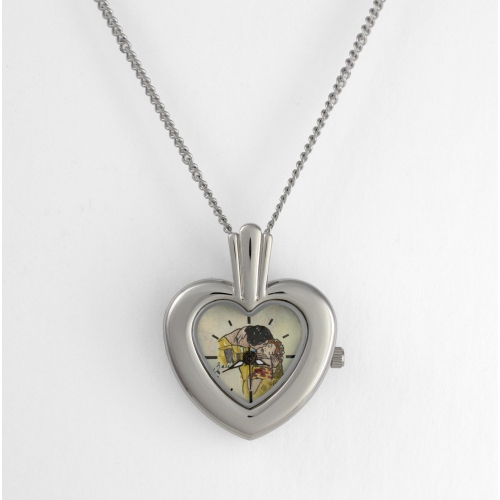
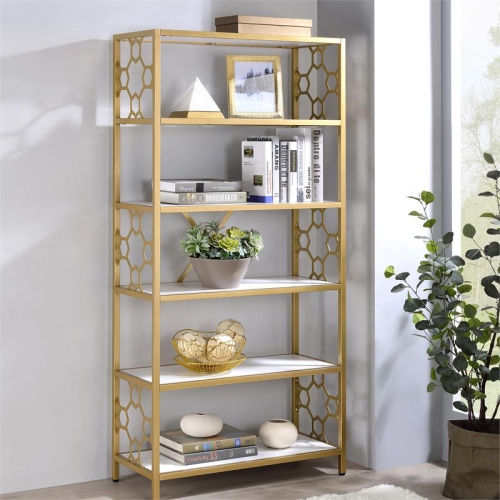
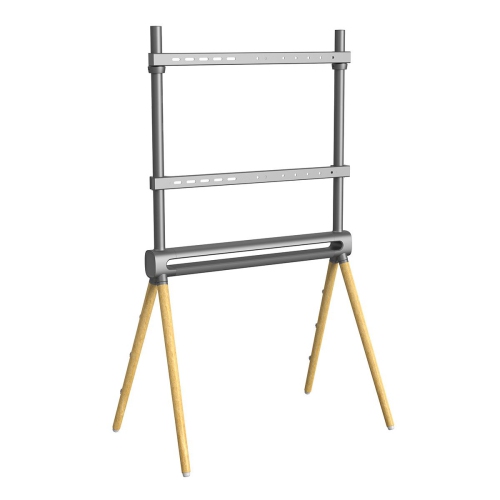
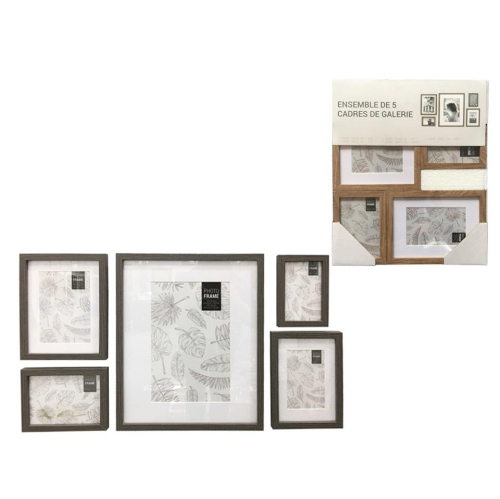
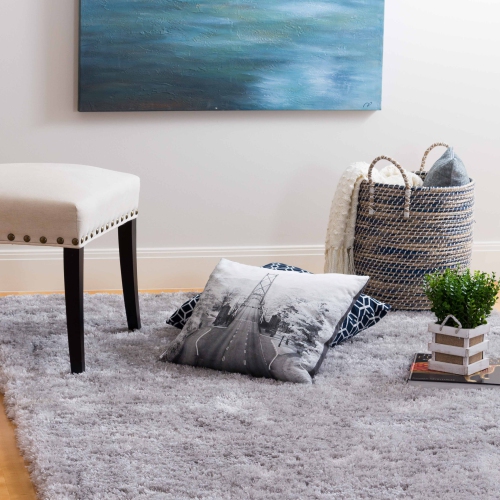
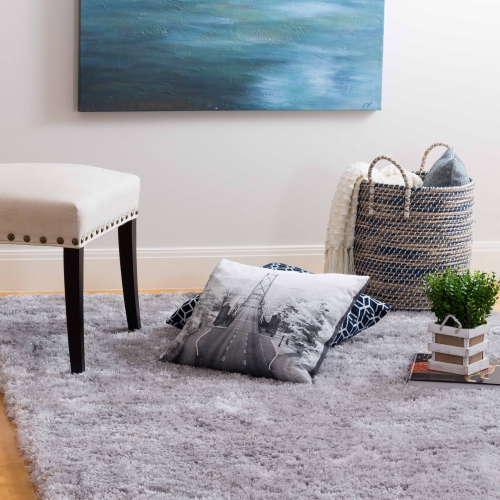
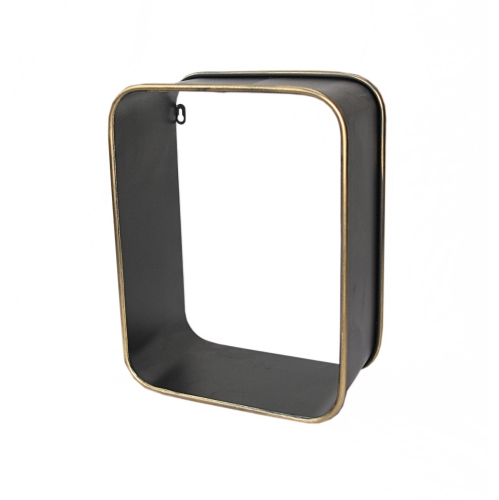
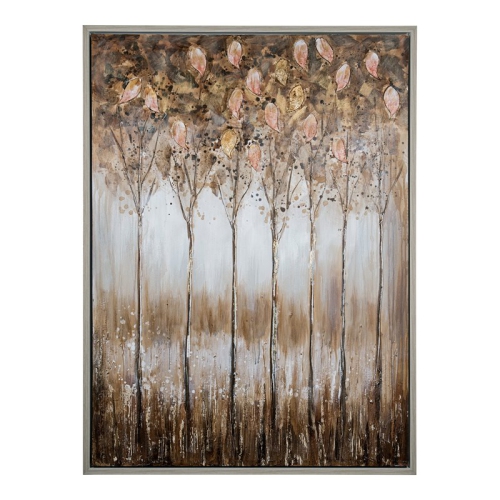

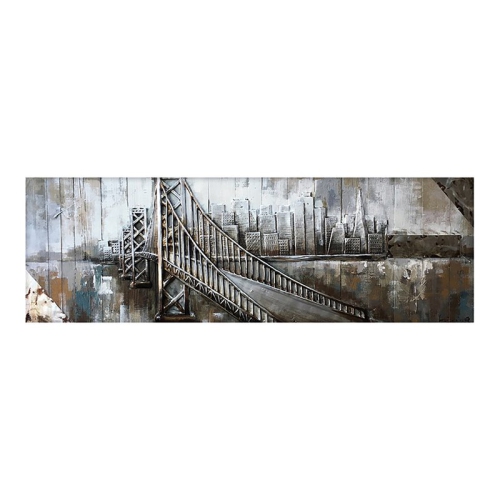

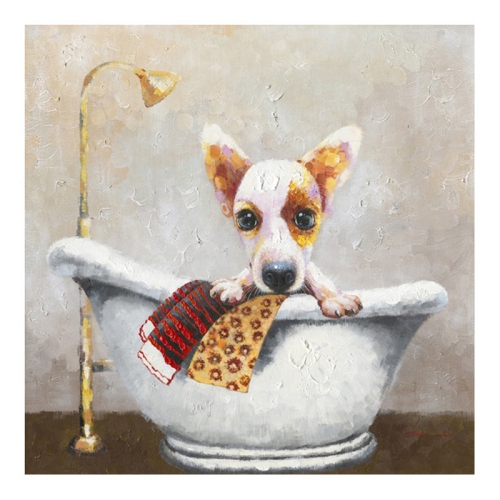
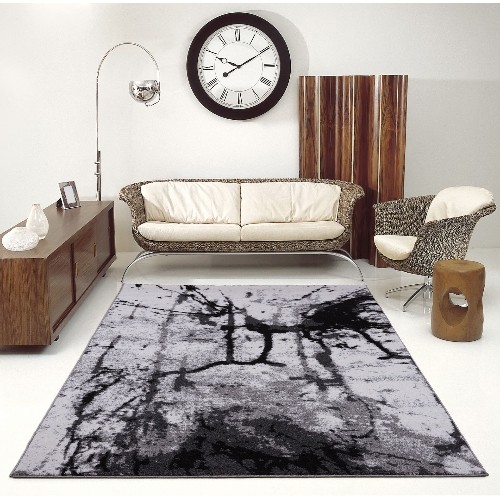
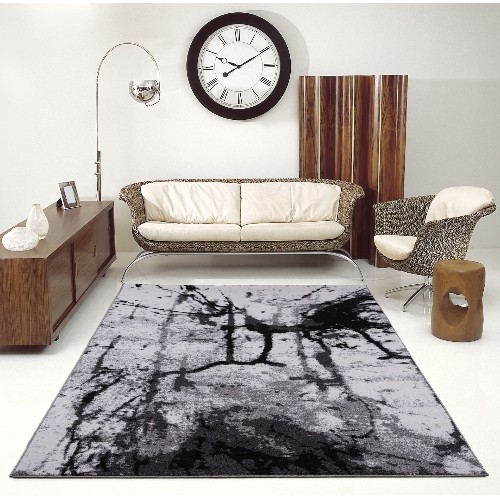
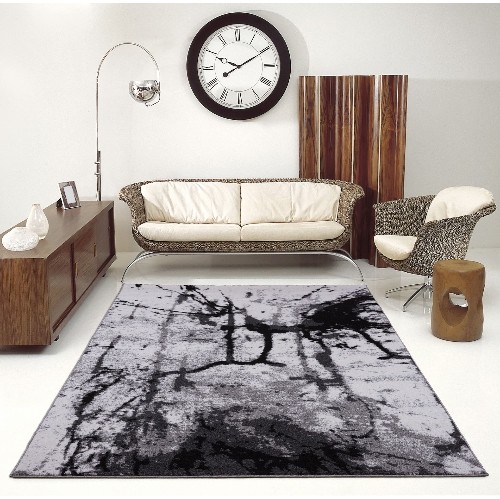

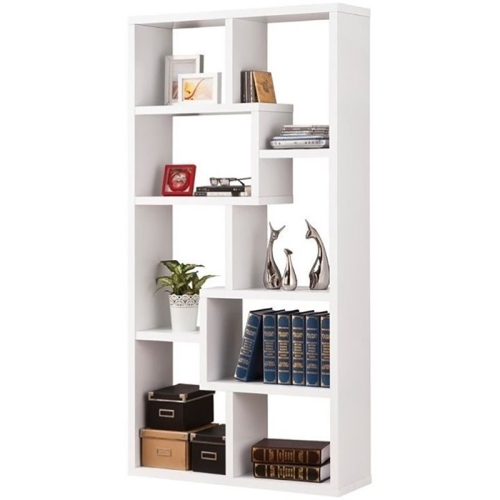
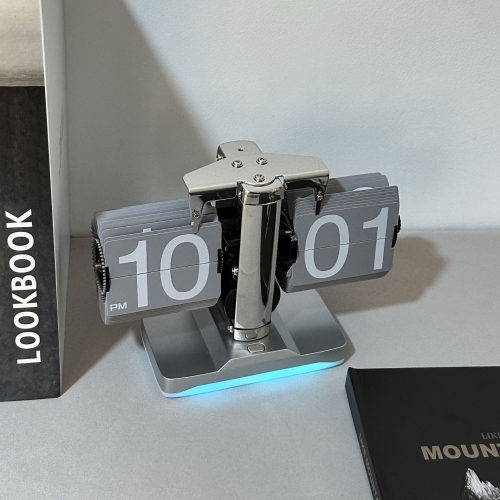
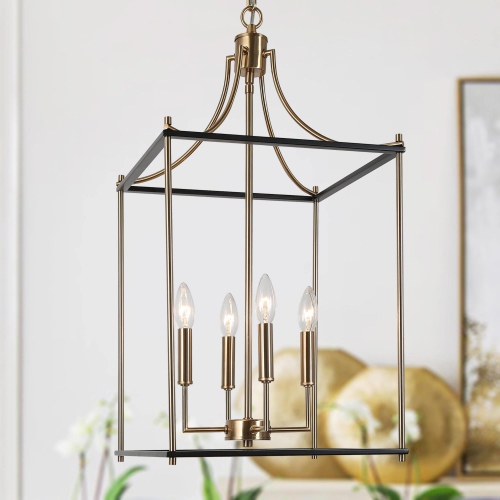
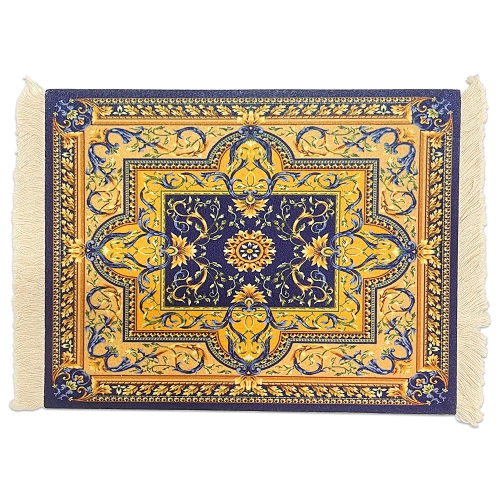
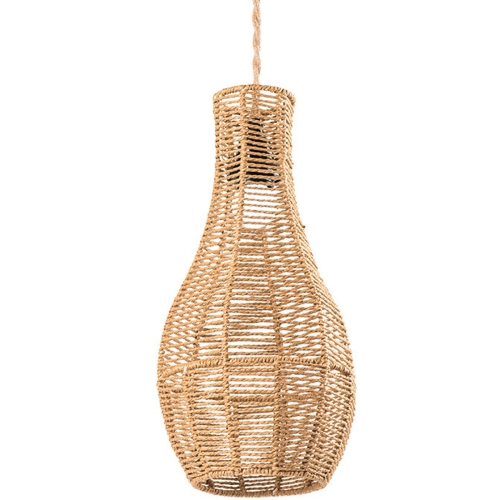
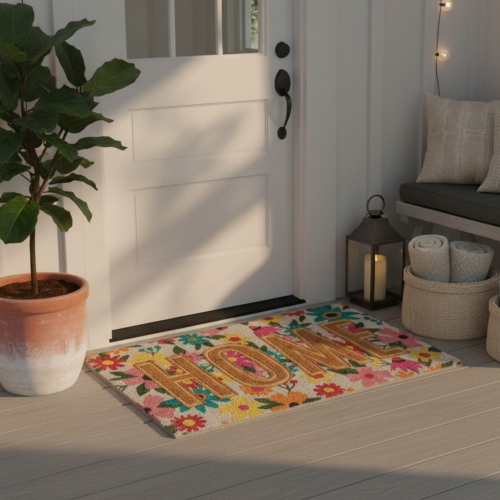
Texture, scale, and placement give rooms personal character
Artistic home accessories bring personality, texture, and a sense of discovery to the rooms where everyday life unfolds. Rather than serving only a practical purpose, these decorative accents can act as small expressions of taste, memory, and imagination. A sculptural piece on a console, an expressive accent on a bookcase, or a beautifully shaped object on a coffee table can give a space a focal point without requiring a complete redesign. Look for forms that create visual movement, such as curved silhouettes, irregular contours, layered shapes, or details inspired by nature and architecture. Materials also play an important role in how an accessory feels within a room. Ceramic can add a soft, handcrafted quality; glass can bring lightness and reflect surrounding colour; metal can introduce a polished or graphic note; and stone-inspired finishes can add weight and grounding. Combining contrasting textures, such as smooth surfaces with ribbed, hammered, matte, or glossy details, creates depth and keeps a display from looking flat. Artistic home accessories work well in living rooms, bedrooms, entryways, home offices, dining areas, and reading corners, where a carefully chosen accent can make the space feel more complete. When browsing Home Accessories, consider the mood you want to create as well as the available surface area. A serene room may benefit from restrained shapes and neutral finishes, while a more eclectic setting can accommodate expressive colour, unusual proportions, and a mix of decorative styles. The most successful pieces are often those that complement the room without blending into the background entirely.
Scale and placement are just as important as colour and material. Before choosing an accessory, measure the shelf, tabletop, mantel, or cabinet where it will be displayed, allowing enough room around it so the object remains easy to see and the surrounding area does not feel crowded. A tall accent can draw the eye upward on a low console, while a lower arrangement may be more comfortable on a dining surface or beside seating. Varying heights is an effective way to create a display with rhythm: use a low tray or platform, a medium-height decorative form, and a taller piece positioned slightly behind the others. Stacked books, display risers, or existing shelves can help create this layered effect while making each item easier to appreciate. For a balanced arrangement, group an uneven number of pieces and repeat at least one element, such as a colour, finish, shape, or material, across the display. This creates a sense of connection without making every accessory match. Standalone statement pieces often look best with generous breathing room, particularly when their shape is intricate or their finish catches the light. In smaller rooms, a single expressive accent can have more impact than several competing items. In larger open spaces, a few related pieces can help define zones and carry a design theme from one area to another. Think about how the room is used throughout the day as well: accessories placed near an entryway should leave clear space for movement, while objects displayed in a home office should sit securely away from frequently used equipment, cords, and work surfaces. During the cooler months, when people tend to spend more time indoors, artistic accents can make a comfortable room feel especially personal and inviting without changing its essential function.
These accessories can also be thoughtful gifts for someone settling into a new home, refreshing a room, celebrating a milestone, or developing a personal decorating style. A versatile decorative accent is often a welcome choice for a host, a first-home owner, a creative friend, or a family member who enjoys making their surroundings feel distinctive. When selecting a gift, consider the recipient’s existing space and preferences. Neutral finishes and classic silhouettes are generally easy to place, while bold colours, playful forms, or unusual textures may suit someone with a more expressive style. If you know the room where the piece will be used, think about the colours already present and whether the recipient prefers minimalist, contemporary, traditional, rustic, or eclectic décor. Size matters for gifting as well, since a compact accent is easier to display in an apartment, dorm room, office, or shared home. Artistic accessories can be arranged seasonally without becoming tied to a single occasion: place them among books and framed photographs, pair them with warm lighting, or move them between rooms as your needs change. They can add a finished touch to a quiet reading nook, provide a conversation point in a social space, or make a practical area such as a desk or entry table feel more considered. Choose pieces that are easy to position, stable on their intended surface, and suited to the level of care the recipient is likely to provide. With attention to proportion, texture, placement, and personal style, decorative accessories can turn overlooked corners into inviting areas and help a home tell a more individual story.
Scale and placement are just as important as colour and material. Before choosing an accessory, measure the shelf, tabletop, mantel, or cabinet where it will be displayed, allowing enough room around it so the object remains easy to see and the surrounding area does not feel crowded. A tall accent can draw the eye upward on a low console, while a lower arrangement may be more comfortable on a dining surface or beside seating. Varying heights is an effective way to create a display with rhythm: use a low tray or platform, a medium-height decorative form, and a taller piece positioned slightly behind the others. Stacked books, display risers, or existing shelves can help create this layered effect while making each item easier to appreciate. For a balanced arrangement, group an uneven number of pieces and repeat at least one element, such as a colour, finish, shape, or material, across the display. This creates a sense of connection without making every accessory match. Standalone statement pieces often look best with generous breathing room, particularly when their shape is intricate or their finish catches the light. In smaller rooms, a single expressive accent can have more impact than several competing items. In larger open spaces, a few related pieces can help define zones and carry a design theme from one area to another. Think about how the room is used throughout the day as well: accessories placed near an entryway should leave clear space for movement, while objects displayed in a home office should sit securely away from frequently used equipment, cords, and work surfaces. During the cooler months, when people tend to spend more time indoors, artistic accents can make a comfortable room feel especially personal and inviting without changing its essential function.
These accessories can also be thoughtful gifts for someone settling into a new home, refreshing a room, celebrating a milestone, or developing a personal decorating style. A versatile decorative accent is often a welcome choice for a host, a first-home owner, a creative friend, or a family member who enjoys making their surroundings feel distinctive. When selecting a gift, consider the recipient’s existing space and preferences. Neutral finishes and classic silhouettes are generally easy to place, while bold colours, playful forms, or unusual textures may suit someone with a more expressive style. If you know the room where the piece will be used, think about the colours already present and whether the recipient prefers minimalist, contemporary, traditional, rustic, or eclectic décor. Size matters for gifting as well, since a compact accent is easier to display in an apartment, dorm room, office, or shared home. Artistic accessories can be arranged seasonally without becoming tied to a single occasion: place them among books and framed photographs, pair them with warm lighting, or move them between rooms as your needs change. They can add a finished touch to a quiet reading nook, provide a conversation point in a social space, or make a practical area such as a desk or entry table feel more considered. Choose pieces that are easy to position, stable on their intended surface, and suited to the level of care the recipient is likely to provide. With attention to proportion, texture, placement, and personal style, decorative accessories can turn overlooked corners into inviting areas and help a home tell a more individual story.
Top selling and popular products
-
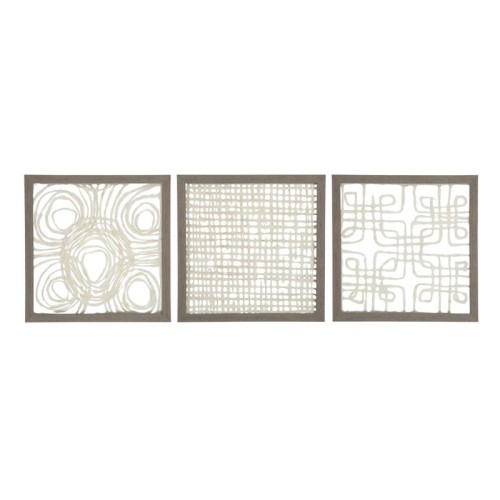 Your price for this item is $369.72
 -
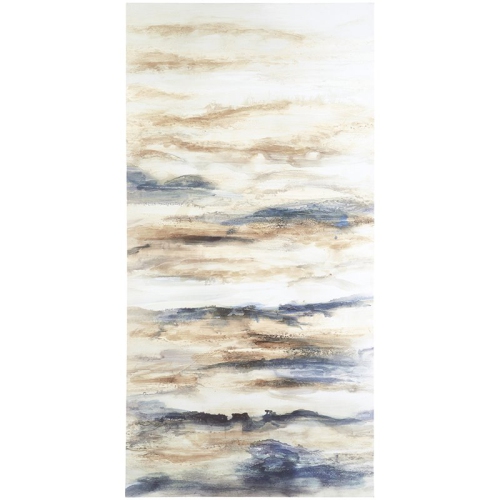 Your price for this item is $460.23
 -
 Your price for this item is $399
 -
 Your price for this item is $308.17
 -
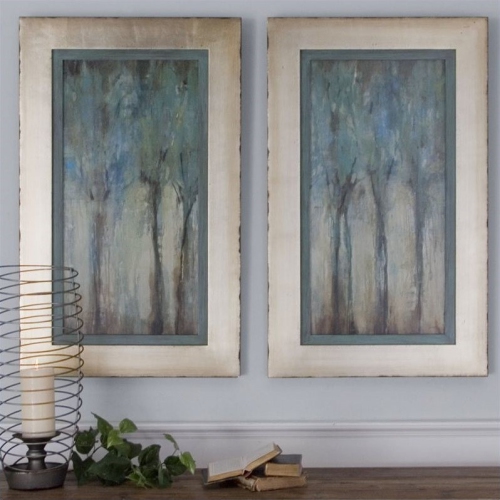 Your price for this item is $629.36
 -
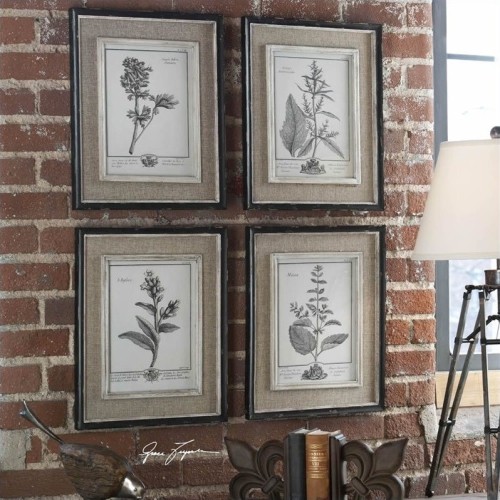 Your price for this item is $443.53
 -
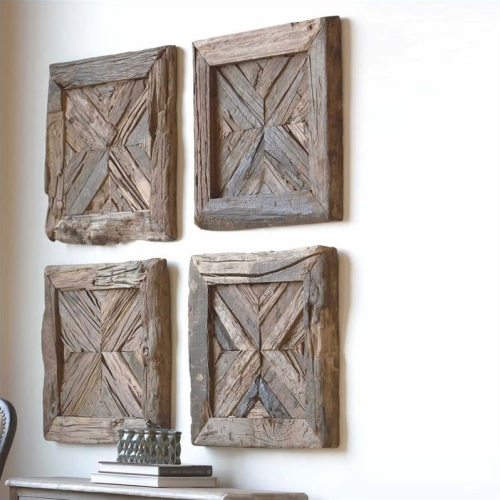 Your price for this item is $385.72
 -
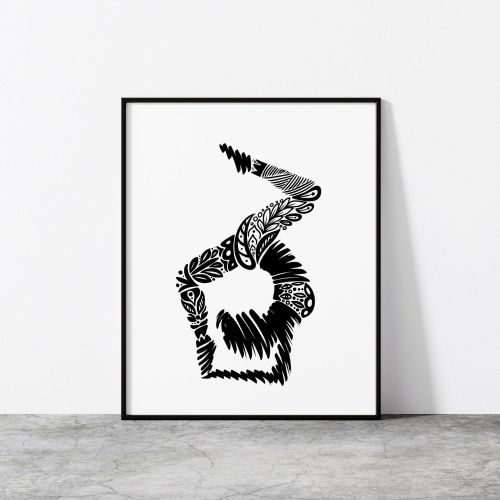 Your price for this item is $37.5
Discover more categories related to Artistic Home Accessories
Top Collections:
Best Laptops for Video Editing, Pokemon Centers, Samsung Z Fold, Kindle Devices, Best Cell Phones Under $300, Best Laptops for Writers, Best Budget Office Chairs, Best Cell Phones Under $500, Best Laptop Computers for Students, iPhone 15 Apple
Some products may be subject to Environmental Handling Fees
(EHF) depending on your province.
Learn more about EHFs.