Automatic Cat Litter Boxes
Make cleaning up after your furry friend a breeze with an automatic cat litter box. Say goodbye to the hassle of daily scooping and odors lingering in your home. These innovative devices are designed to automatically remove waste, keeping your cat's litter box fresh and clean with minimal effort on your part. Explore our selection of automatic cat litter boxes to find the perfect solution for you and your feline companion.
Sort

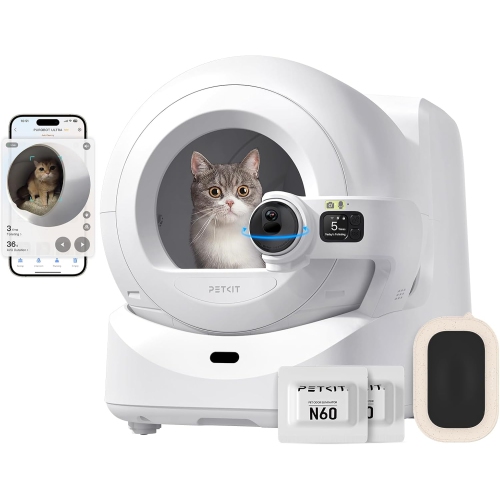
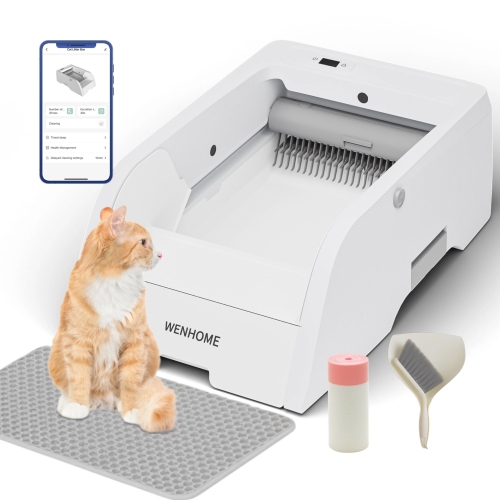
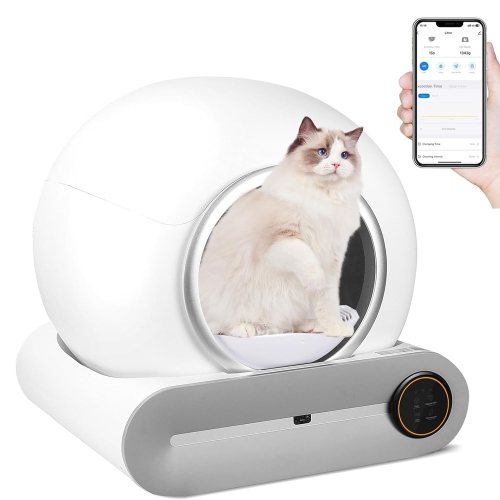
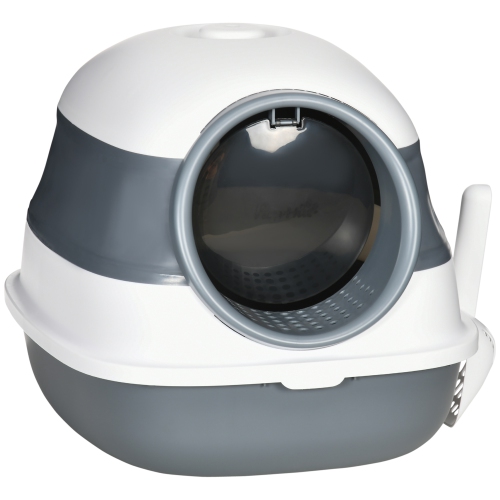
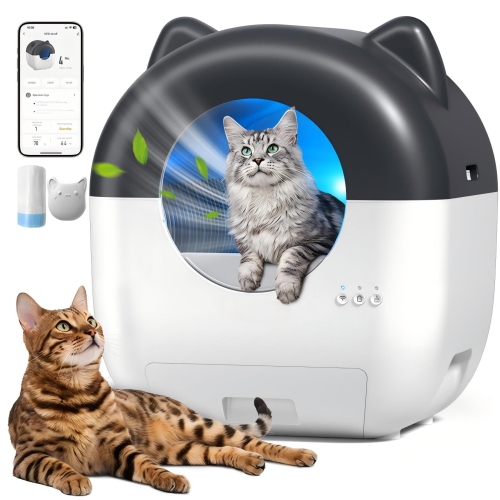
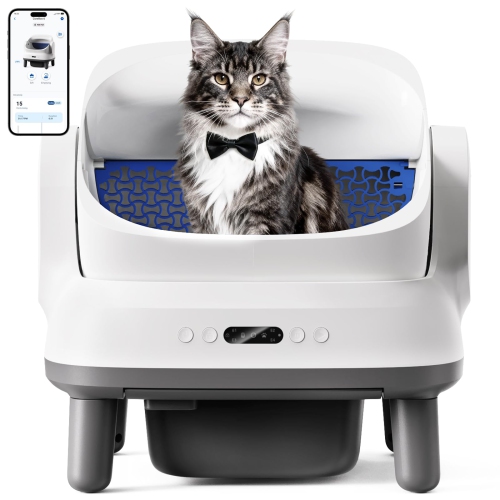
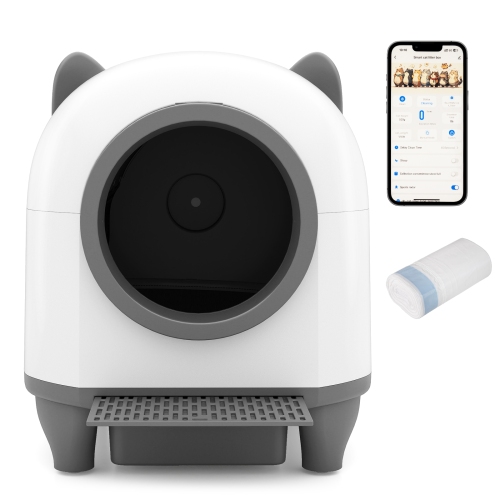
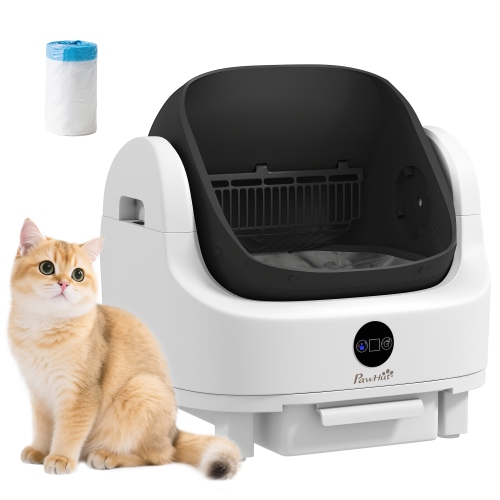
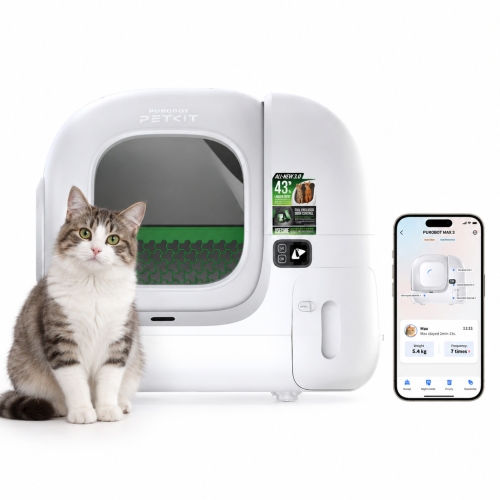
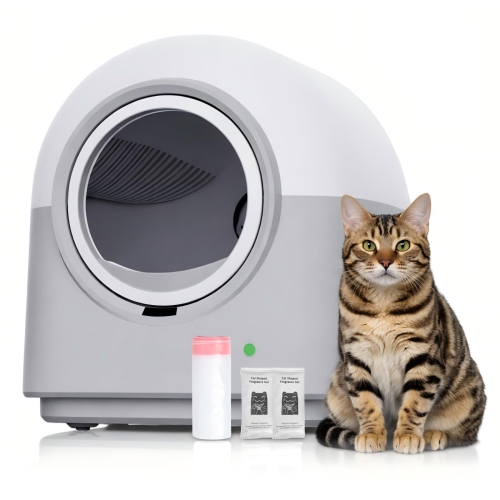
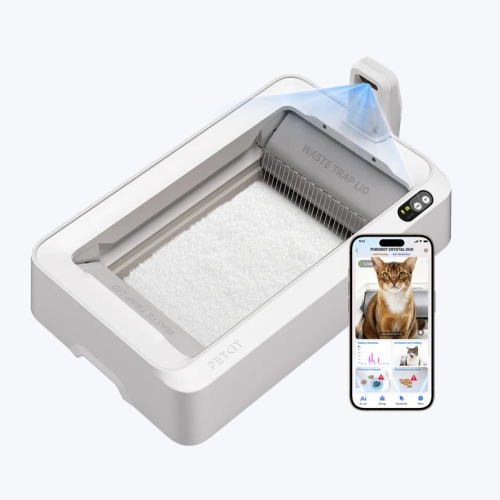
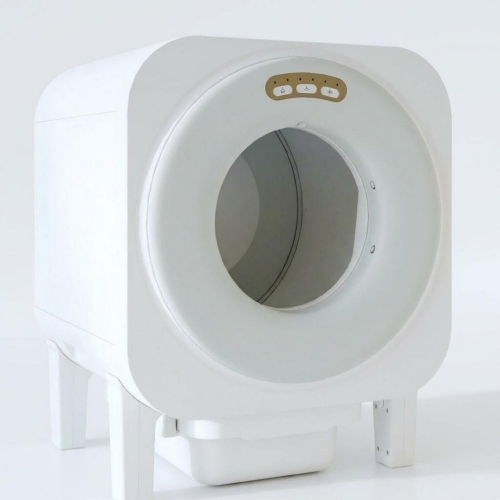
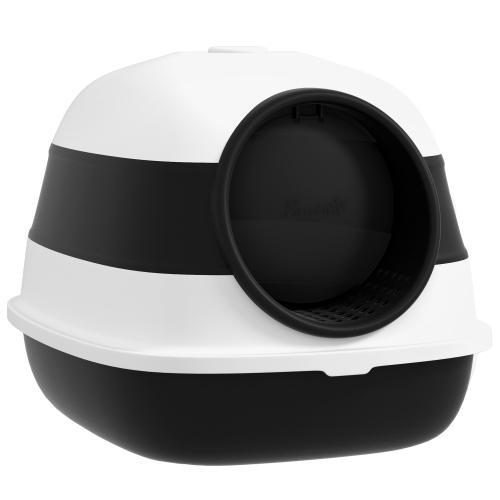
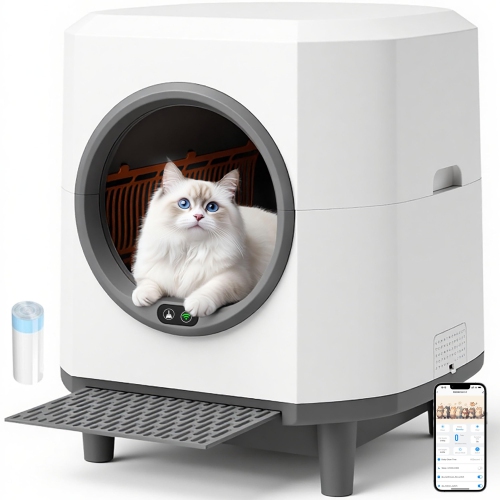
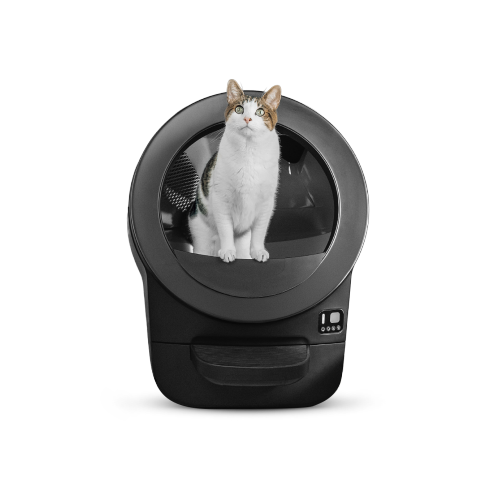
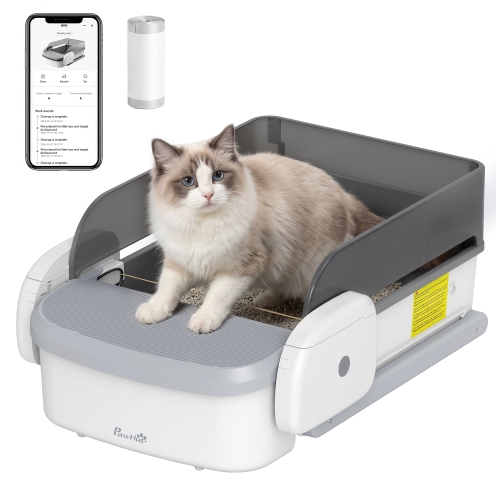
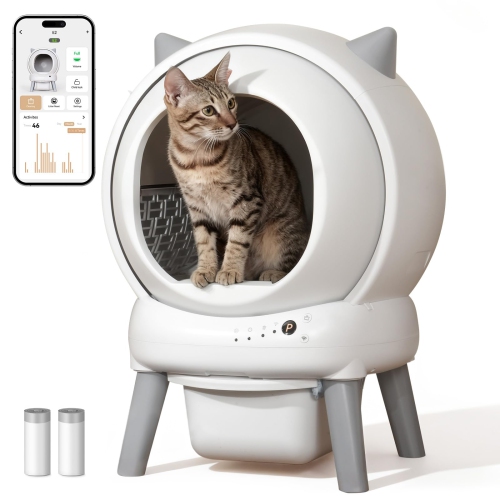
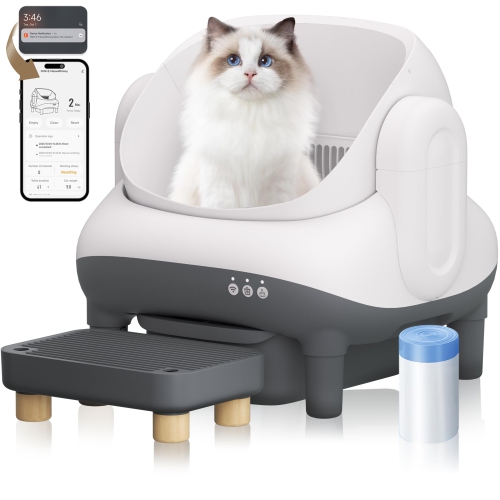
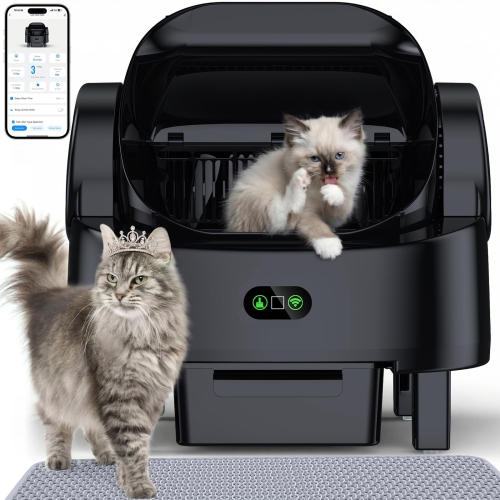
Less scooping starts with the right fit for your cat
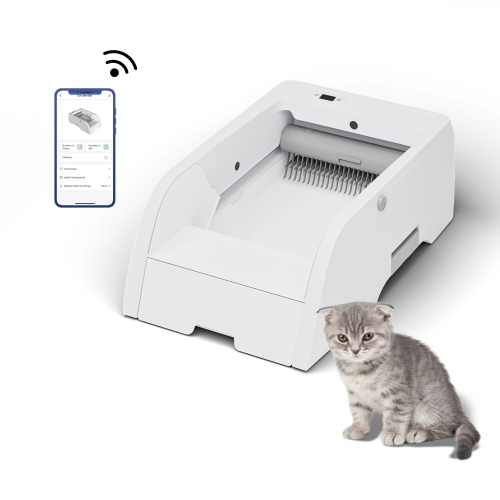
Automatic cat litter boxes separate soiled litter from clean litter and move waste into a collection compartment, reducing the need for daily hand scooping. Depending on the design, a rotating chamber, rake, or similar mechanism runs after a cat leaves the box, often following a delay that gives clumping litter time to set. Many designs also include covered waste drawers, filters, or other odour-management features that help contain smells between emptying sessions. The result is a more consistent cleaning routine, although automatic operation does not eliminate the need to remove collected waste, replenish litter, and wash the box. These products can suit busy households, people who find frequent scooping physically difficult, and anyone looking to make an everyday pet-care task more manageable. A good fit starts with the cat rather than the motor or app. Interior dimensions need to allow enough room to enter, turn around, dig, and squat comfortably; a roomy-looking outer shell does not always mean a spacious litter area. Entry height also matters for older cats, cats with limited mobility, and pets accustomed to walking straight into a low-sided tray. Enclosed chambers may appeal to some cats, while others prefer a more open design with a clear view of the room. Placement deserves the same attention as size. The box needs a level surface, access to a suitable power outlet, and enough clearance for moving parts and drawer removal. A narrow space beside a washing machine may accommodate the footprint but leave too little room to empty the waste compartment comfortably. Noise is another practical consideration, particularly near bedrooms or quiet resting spots. Cleaning-cycle delays and scheduling controls can help keep motor sounds from becoming an unwelcome interruption, provided the settings remain appropriate for the cat’s routine. Presence detection, weight limits, and safety shut-offs vary by design, so suitability depends on the manufacturer’s stated requirements, especially for kittens or very small cats.
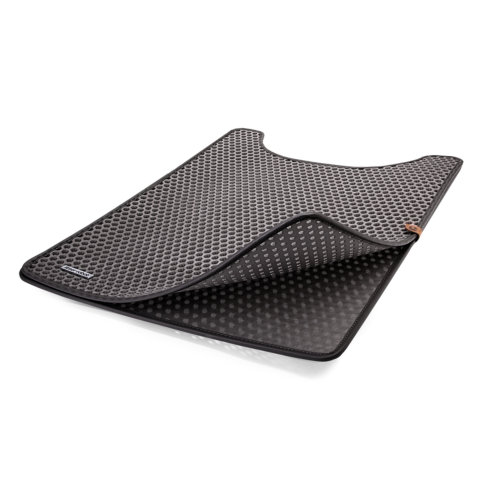
Litter compatibility has a direct effect on how reliably an automatic cat litter box works. Some mechanisms require clumping litter with particular grain characteristics, while others use a different litter format or a dedicated tray system. A litter that performs well in a conventional pan may form clumps that are too soft, too large, or too sticky for an automatic sifter. Filling to the specified level helps the mechanism separate waste properly without straining against excess litter or leaving too little material for digging. Tracking also remains part of daily life with cats: entry steps, textured platforms, and a nearby litter mat can help catch granules before they spread across the floor. Odour control depends on several elements working together, including prompt waste separation, the fit of the collection drawer, appropriate litter, and regular emptying. A covered compartment can reduce exposure to collected waste, but it cannot compensate indefinitely for an overfilled drawer or residue inside the chamber. Connected features add another layer of convenience for households interested in Smart Cat Litters. Depending on the design, an app may show cleaning activity, send drawer reminders, or record visits to the box. These functions can be useful when several people share pet-care duties, helping prevent the familiar situation in which everyone assumes someone else has emptied the drawer. Wi-Fi requirements, app compatibility, and access to controls without a phone are worth checking, particularly when a pet sitter will be helping. Visit records or weight estimates may offer useful observations, but they are not medical assessments, and identifying individual cats in a shared box may have limitations. Changes in toileting habits still deserve direct attention and veterinary advice where appropriate. For homes with more than one cat, cleaning frequency, usable space, and waste capacity all matter, but one automatic unit should not automatically be treated as a replacement for access to several well-positioned litter boxes.
Durability and ease of care often become most noticeable after the first few weeks of use. Smooth, non-porous plastic surfaces are easier to wipe down than deeply textured corners, while removable trays, accessible rakes, and clearly separated electrical components can make thorough cleaning less awkward. Seals, liners, filters, and other replaceable parts also affect the ongoing routine, particularly when a cat tends to scratch vigorously or urinate against the sides. A well-fitting drawer helps contain waste, and secure components reduce the chance of litter working its way into gaps. Even with automated sifting, damp residue can build up on surfaces where clumps form or pass through the mechanism. Cleaning methods should follow the manufacturer’s directions, with power disconnected before maintenance and electrical parts kept dry. Strongly fragranced cleaners can leave an unfamiliar scent in a space where cats rely heavily on smell, so suitable cleaning products and thorough drying are important. The amount of lifting involved is another practical detail: a removable chamber may be easier to clean, but its size and weight still need to suit the person handling it. Introducing an automatic box is usually easier when the cat can investigate it without a cleaning cycle starting unexpectedly. Where the manufacturer’s directions allow, leaving automatic cycling off initially and keeping a familiar litter box nearby can make the transition less abrupt. Cats should never be forced into the chamber, and a reluctant pet may need more time or a different style of box altogether. Continued access to a conventional box is also useful during cleaning, power interruptions, or servicing. The strongest everyday benefit of an automatic litter box is not the removal of all responsibility; it is the reduction of repetitive scooping while maintaining a usable toileting space between checks. A design that matches the cat’s size, habits, and confidence, with parts that are straightforward to empty and clean, is more likely to become a dependable part of the household routine than one chosen for connected features alone.
Top selling and popular products
-
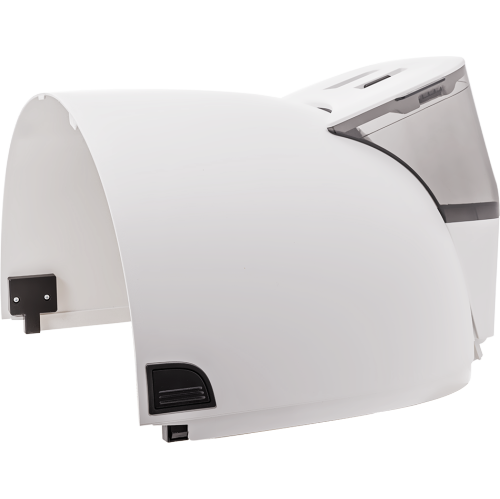 Your price for this item is $175
-
 Your price for this item is $95
-
 Your price for this item is $56.7
-
 Your price for this item is $75
-
 Your price for this item is $449
-
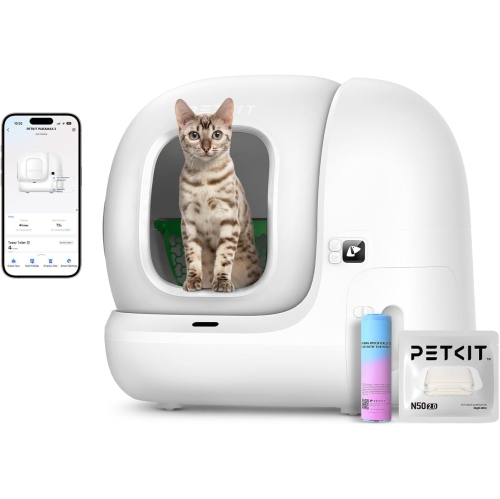 Your price for this item is $549.99
-
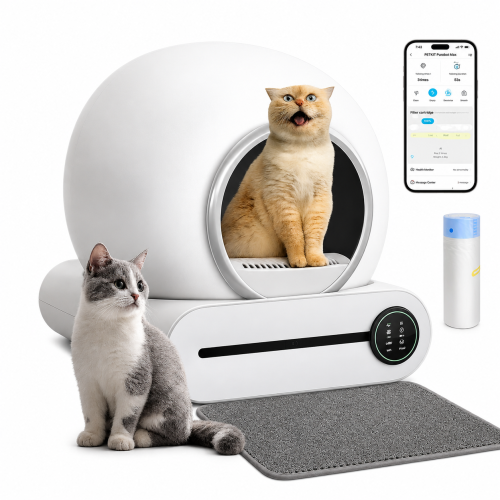 Your price for this item is $279.97
-
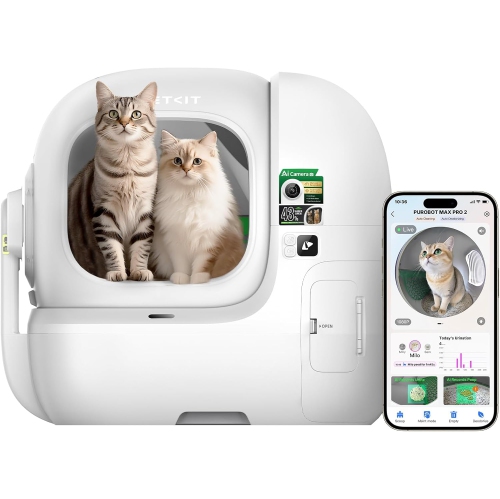 Your price for this item is $799.99
Discover more categories related to Automatic Cat Litter Boxes
Top Collections:
Best Black Friday Deals This Year, Best Black Friday Deals On Electronics, Kindle Devices, Pokemon Centers, Best Black Friday Deals On Apple Products, Best Cameras for Sports Photography, Dyson Airwrap, Pokémon 30th Celebration Cards, Apple iPhone 17 Pro, Canon G7X Cameras
Some products may be subject to Environmental Handling Fees
(EHF) depending on your province.
Learn more about EHFs.