Smart Cat Litters
Smart Cat Litter offers a convenient and modern solution for pet owners looking to simplify their cat care routine. Designed with innovation in mind, these products help make litter box maintenance easier and more efficient. Whether you have one cat or multiple feline companions, Smart Cat Litter is engineered to elevate your home’s cleanliness and comfort. Explore a variety of options to find the perfect fit for your household’s needs.
Sort


![GLOWWISE Automatic Cat Litter Box Self-Cleaning Open Top, [Odor-Free] Litiere Pour Chat Autonettoyant, Electric Cat Litter Box w App Control, For](https://multimedia.bbycastatic.ca/multimedia/products/500x500/198/19807/19807884.jpeg)
What self-cleaning boxes and colour-changing litter actually do
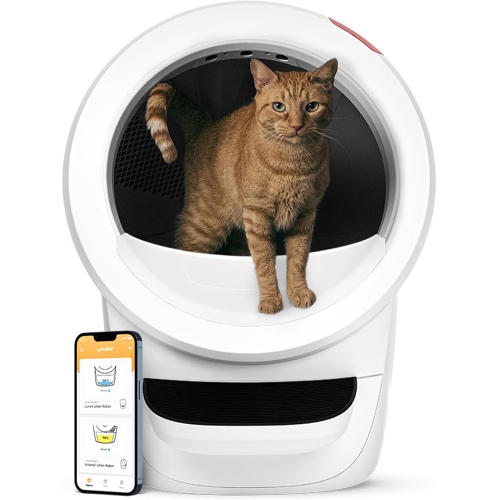
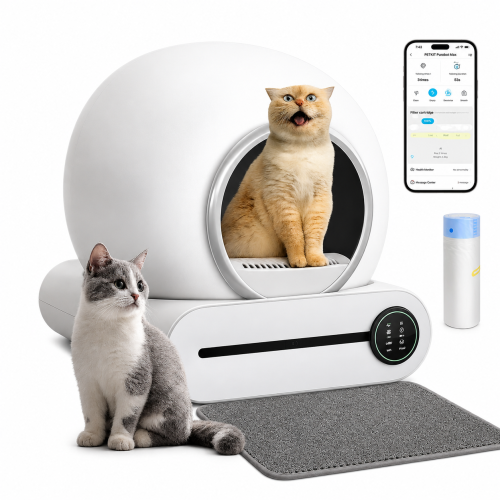
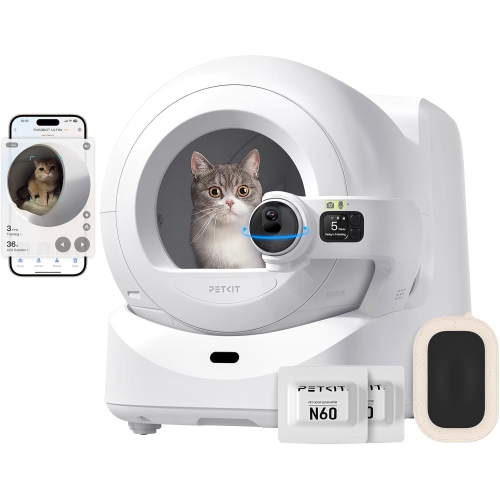
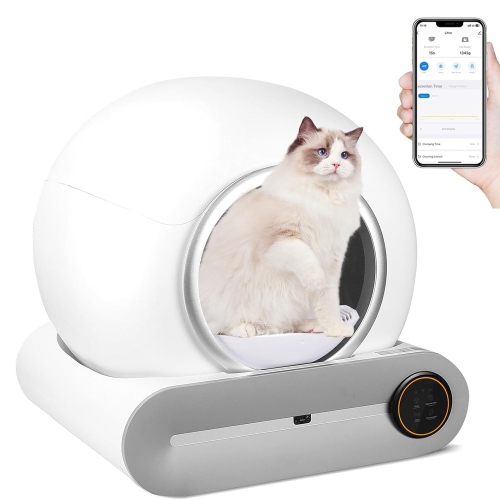
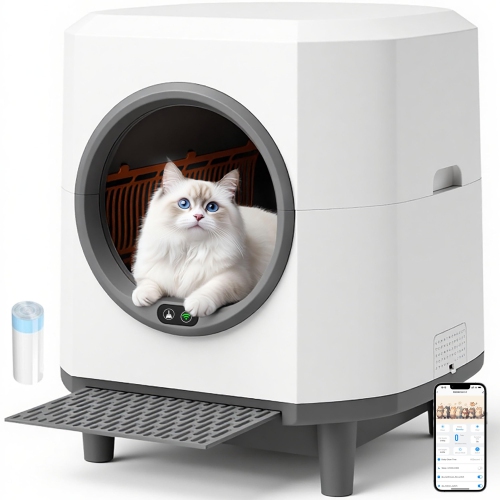
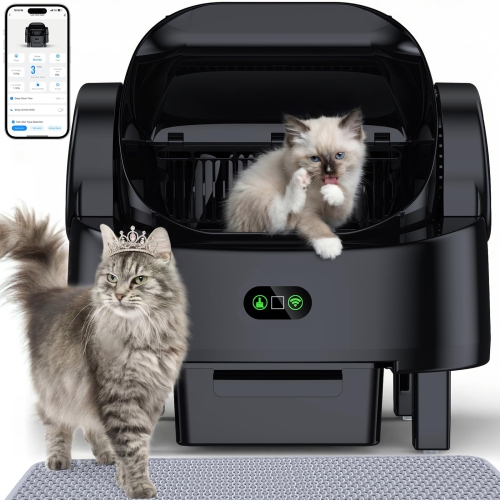
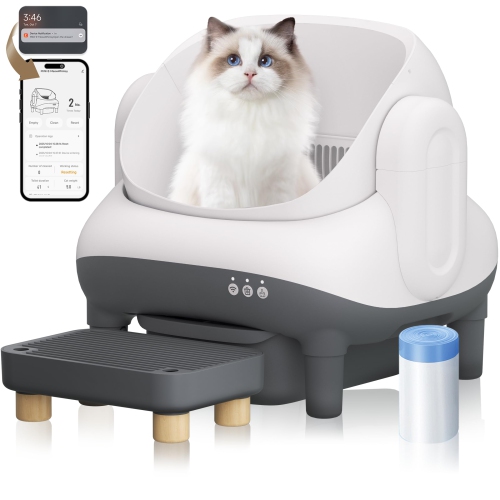
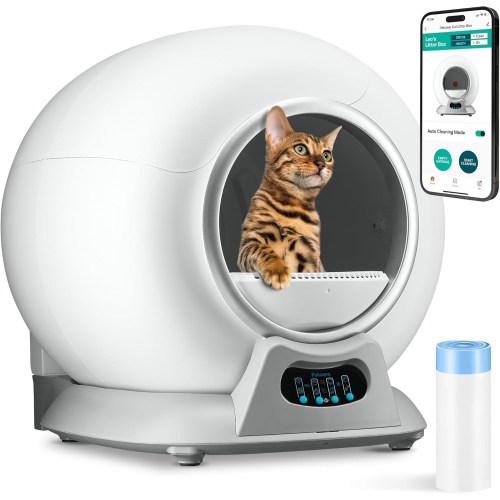
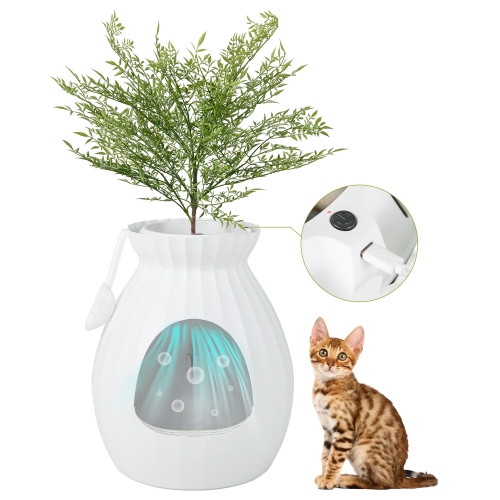
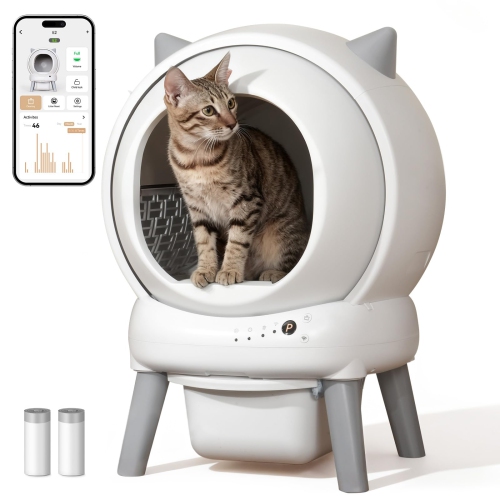
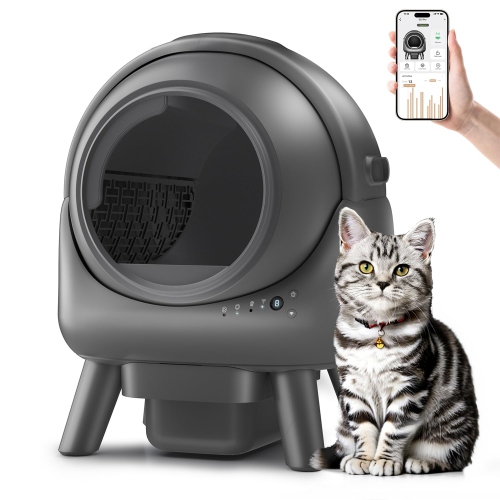
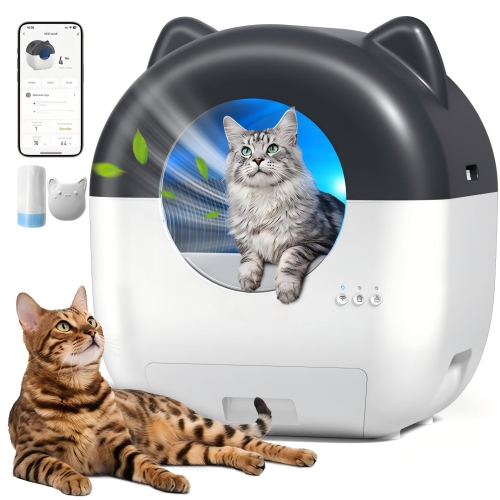
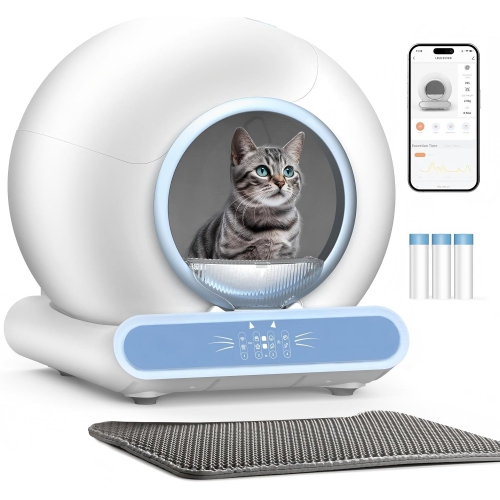
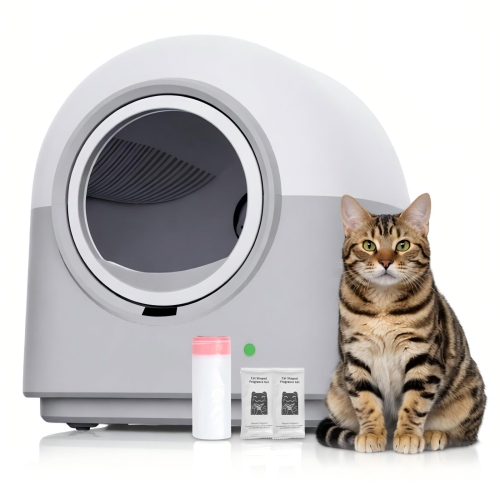
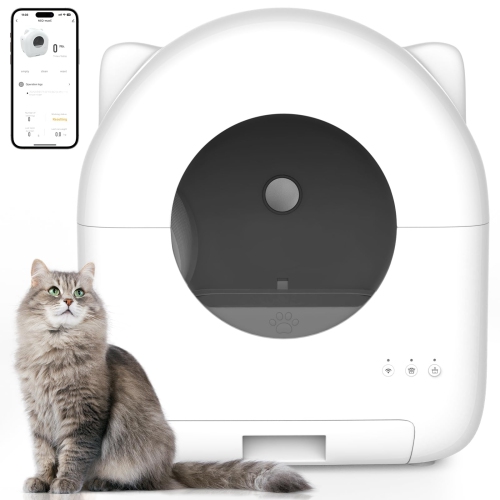
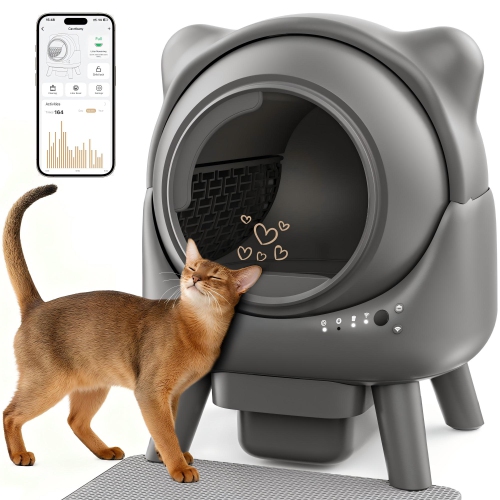
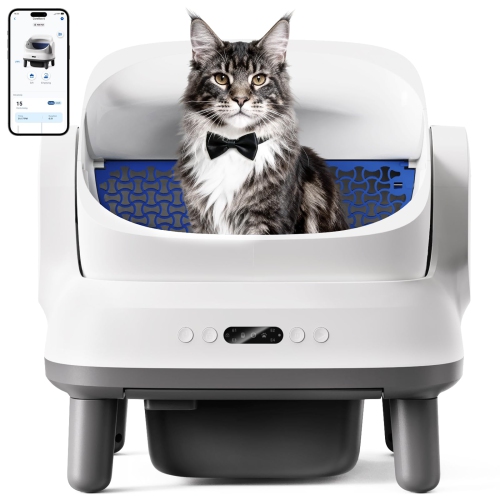
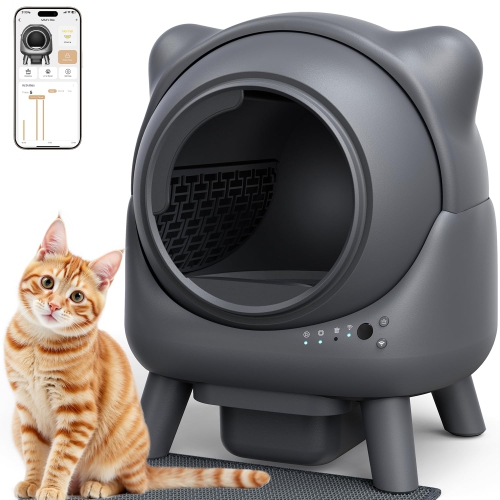
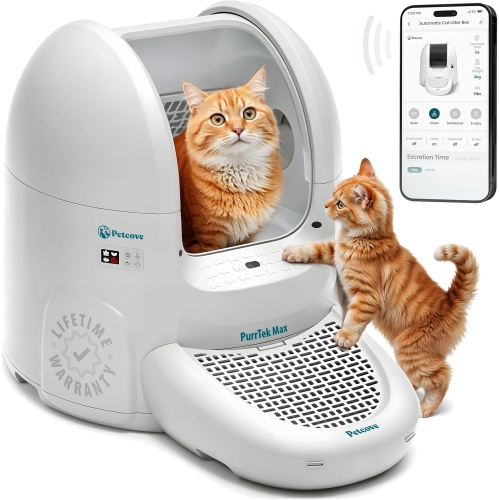
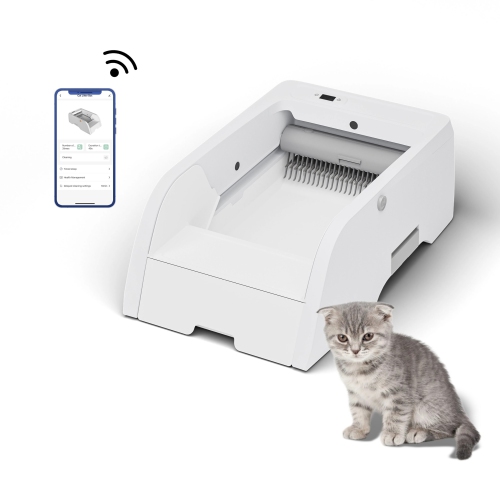
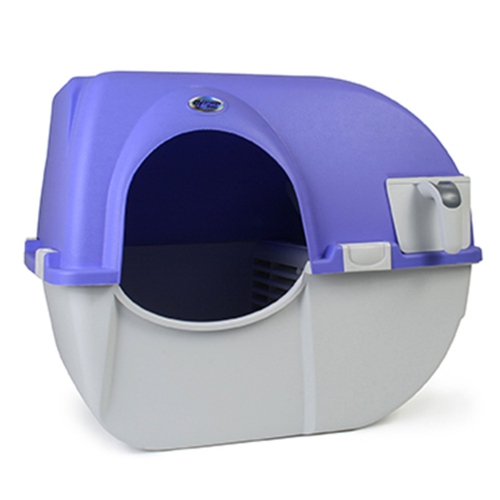
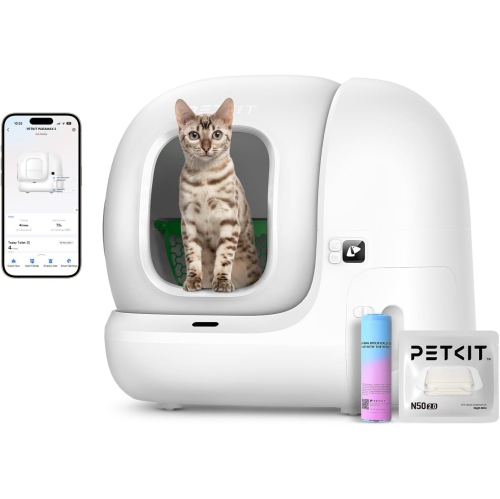
Smart cat litter products bring together the absorbent material cats use and the technology that helps manage their litter area. The term can describe connected, self-cleaning litter boxes, as well as litter with added functions such as colour-changing indicators. These are different product types: an automatic litter box handles waste mechanically, while the litter itself absorbs moisture, forms clumps, or provides a visible indicator, depending on its composition. A connected box may also send activity updates to a phone, but features vary, and not every automatic model includes an app. For households where scooping competes with work, family responsibilities, or limited mobility, automated waste removal can make daily upkeep more manageable. Depending on the design, a rake, rotating chamber, or other sifting mechanism separates waste from usable litter after a cat leaves, then moves it into a collection compartment. That process can leave a cleaner surface for the next visit, although the compartment still needs emptying and the box still needs regular washing. Some connected designs record visits, estimate a cat’s weight, or send alerts when attention is needed. These records may help make a change in routine more noticeable, especially when several people share pet-care duties. They cannot diagnose illness, and a change in litter habits warrants attention rather than reliance on an app alone. Colour-changing litter has similar limits: any visible change needs to be understood according to its instructions and discussed with a veterinarian when appropriate. For a wider view of tray shapes and enclosure styles, Cat Litter Boxes includes the broader category beyond connected systems. The practical appeal of smart litter care is not the screen or motor on its own. It is the combination of a comfortable place for the cat, a suitable litter material, and maintenance that fits the household.
Litter compatibility is central to how well an automatic system works. Many sifting designs need a clumping litter that produces firm waste clumps small enough to move through the mechanism without smearing or breaking apart. Others use a particular crystal material, tray, or refill format, so clay, plant-based granules, pellets, and crystals should not be treated as interchangeable. Granule size, litter weight, clumping time, and the specified fill level can all affect performance. A lightweight material may behave differently from a denser one during a cleaning cycle, while adding too much litter can interfere with movement or sensing. The manufacturer’s stated compatibility matters more than a general claim that a litter suits automatic boxes. Material preferences matter to cats, too. A fine texture may feel familiar to a cat accustomed to sand-like litter, whereas a larger pellet or strongly scented material may require an adjustment or simply prove unsuitable. Fragrance-free options avoid adding perfume to the litter area, and lower-dust materials may help limit airborne particles during pouring and digging, without making the area dust-free. Tracking remains a separate consideration: granules can travel on paws even when a box handles waste automatically. A stable litter mat with a comfortable surface can help catch loose material near the entrance, provided it does not obstruct access. Box fit deserves equal attention. Exterior measurements do not always reveal how much room a cat has inside a curved chamber, and an entrance that looks generous may lead into a relatively compact usable space. Cats need room to enter, turn, dig, and settle without feeling crowded. A large adult cat may need a more spacious interior, while an older cat with stiff joints may find a low entrance easier to navigate. Kittens and small cats may fall below an automatic box’s stated minimum weight or age requirements. Matching the design to the animal’s size and movement is more useful than choosing by appearance alone.
Living with a smart litter box involves its footprint, sound, cleaning access, and connection needs as much as its automated functions. A unit placed beside a laundry cupboard needs enough clearance for its moving parts, drawer removal, and any lid or panel that opens during washing. A nearby suitable outlet is usually necessary for powered designs, and cords need routing away from chewing and foot traffic. App-connected functions may require a compatible phone and a particular Wi-Fi band; basic operation during an internet interruption varies by model. Motor noise can also affect placement and acceptance. A quiet corner with an easy exit may suit a hesitant cat better than a busy passage where people walk past during every visit. Introducing a different box gradually, with the familiar tray still accessible, can give a cat time to investigate the entrance, scent, and sound without pressure. Occupancy sensors and cleaning delays are important features to assess, but their presence does not replace following the operating instructions, observing the cat’s response, or keeping sensors clean. In a multi-cat home, a cleaner litter surface may be useful between visits, yet one automated unit does not automatically meet every cat’s needs. Separate litter locations remain important when cats avoid sharing, and app-based identification may be less reliable when animals have similar weights. Routine care includes removing collected waste, replenishing litter to the correct level, wiping accessible surfaces, and cleaning washable parts at the stated intervals. Electrical components need to stay dry unless the instructions explicitly permit another cleaning method. Smooth, sturdy surfaces, removable trays, and accessible corners can make this work less awkward; seals, filters, liners, and moving parts may also need periodic attention or replacement. An enclosed waste compartment can help contain odours, but it cannot substitute for emptying and washing. For someone considering smart litter equipment as a gift, the recipient’s space, willingness to maintain it, and cat’s established preferences matter more than the novelty of phone alerts. A well-matched setup supports an ordinary, repeatable routine: comfortable access for the cat, useful information for the caregiver, and waste handling that remains straightforward after the first few days.
Litter compatibility is central to how well an automatic system works. Many sifting designs need a clumping litter that produces firm waste clumps small enough to move through the mechanism without smearing or breaking apart. Others use a particular crystal material, tray, or refill format, so clay, plant-based granules, pellets, and crystals should not be treated as interchangeable. Granule size, litter weight, clumping time, and the specified fill level can all affect performance. A lightweight material may behave differently from a denser one during a cleaning cycle, while adding too much litter can interfere with movement or sensing. The manufacturer’s stated compatibility matters more than a general claim that a litter suits automatic boxes. Material preferences matter to cats, too. A fine texture may feel familiar to a cat accustomed to sand-like litter, whereas a larger pellet or strongly scented material may require an adjustment or simply prove unsuitable. Fragrance-free options avoid adding perfume to the litter area, and lower-dust materials may help limit airborne particles during pouring and digging, without making the area dust-free. Tracking remains a separate consideration: granules can travel on paws even when a box handles waste automatically. A stable litter mat with a comfortable surface can help catch loose material near the entrance, provided it does not obstruct access. Box fit deserves equal attention. Exterior measurements do not always reveal how much room a cat has inside a curved chamber, and an entrance that looks generous may lead into a relatively compact usable space. Cats need room to enter, turn, dig, and settle without feeling crowded. A large adult cat may need a more spacious interior, while an older cat with stiff joints may find a low entrance easier to navigate. Kittens and small cats may fall below an automatic box’s stated minimum weight or age requirements. Matching the design to the animal’s size and movement is more useful than choosing by appearance alone.
Living with a smart litter box involves its footprint, sound, cleaning access, and connection needs as much as its automated functions. A unit placed beside a laundry cupboard needs enough clearance for its moving parts, drawer removal, and any lid or panel that opens during washing. A nearby suitable outlet is usually necessary for powered designs, and cords need routing away from chewing and foot traffic. App-connected functions may require a compatible phone and a particular Wi-Fi band; basic operation during an internet interruption varies by model. Motor noise can also affect placement and acceptance. A quiet corner with an easy exit may suit a hesitant cat better than a busy passage where people walk past during every visit. Introducing a different box gradually, with the familiar tray still accessible, can give a cat time to investigate the entrance, scent, and sound without pressure. Occupancy sensors and cleaning delays are important features to assess, but their presence does not replace following the operating instructions, observing the cat’s response, or keeping sensors clean. In a multi-cat home, a cleaner litter surface may be useful between visits, yet one automated unit does not automatically meet every cat’s needs. Separate litter locations remain important when cats avoid sharing, and app-based identification may be less reliable when animals have similar weights. Routine care includes removing collected waste, replenishing litter to the correct level, wiping accessible surfaces, and cleaning washable parts at the stated intervals. Electrical components need to stay dry unless the instructions explicitly permit another cleaning method. Smooth, sturdy surfaces, removable trays, and accessible corners can make this work less awkward; seals, filters, liners, and moving parts may also need periodic attention or replacement. An enclosed waste compartment can help contain odours, but it cannot substitute for emptying and washing. For someone considering smart litter equipment as a gift, the recipient’s space, willingness to maintain it, and cat’s established preferences matter more than the novelty of phone alerts. A well-matched setup supports an ordinary, repeatable routine: comfortable access for the cat, useful information for the caregiver, and waste handling that remains straightforward after the first few days.
Top selling and popular products
-
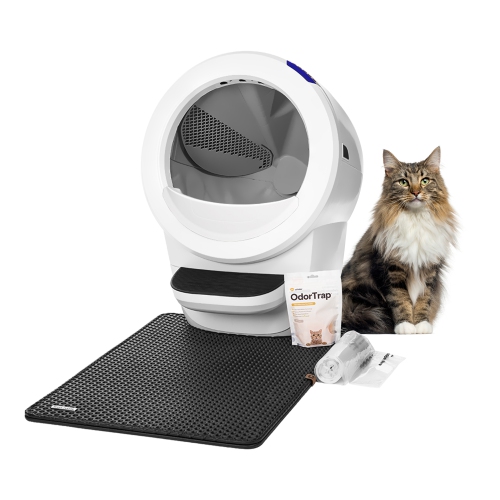 Your price for this item is $1199
 -
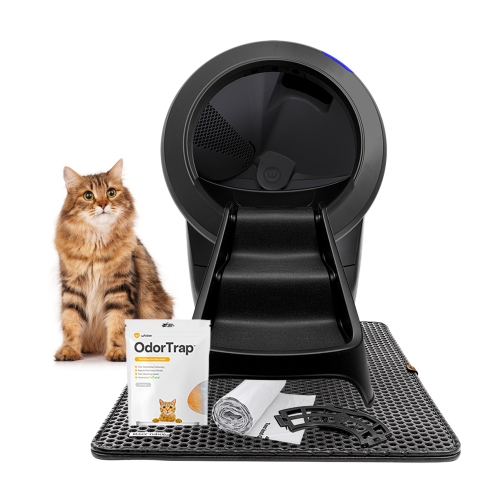 Your price for this item is $1299
 -
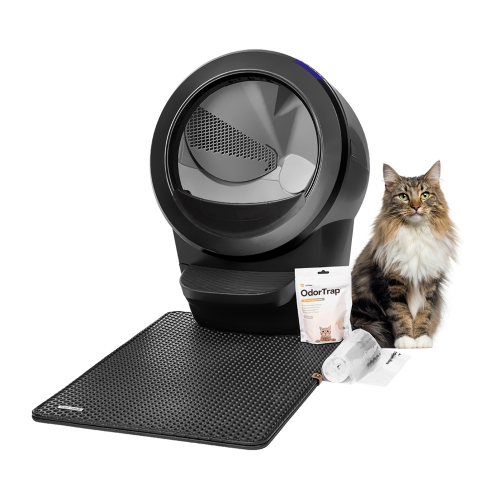 Your price for this item is $1199
 -
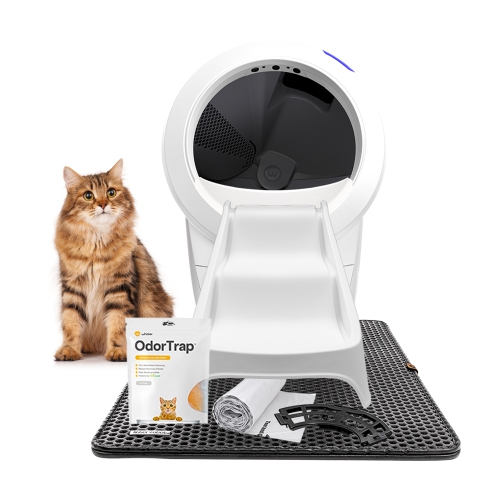 Your price for this item is $1299
 -
 Your price for this item is $159.99
 -
 Your price for this item is $204.99
 -
 Your price for this item is $629.99
 -
 Your price for this item is $9.99
Discover more categories related to Smart Cat Litters
Top Collections:
Pokemon Centers, Kindle Devices, Best Budget Office Chairs, Apple iPhones 16, Canon G7X Cameras, iPhone 15 Apple, Alarm Clock, Refurbished Apple Laptops, Flip Phones, Best Laptops for Writers
Some products may be subject to Environmental Handling Fees
(EHF) depending on your province.
Learn more about EHFs.