Backyard Awnings
Transform your outdoor space into a cozy oasis with this selection of backyard awnings. Whether you're looking to create a shaded retreat for lounging on sunny days or want to enhance your outdoor dining experience, this range of awnings offers both style and functionality. From retractable options for customizable coverage to durable materials that withstand the elements, these awnings are designed to elevate your outdoor living area while providing protection from the sun's harsh rays.
Sort
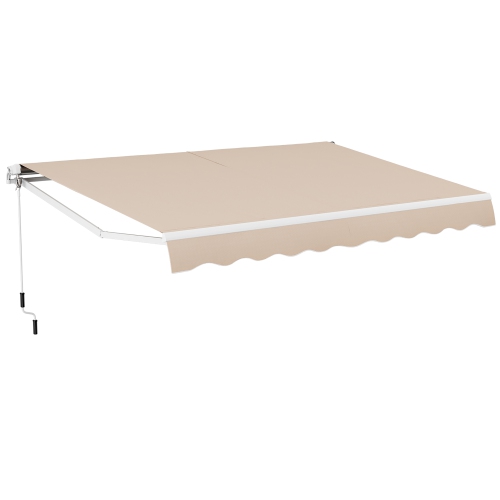
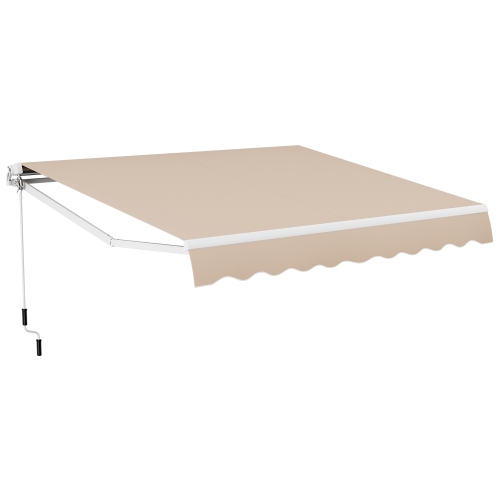
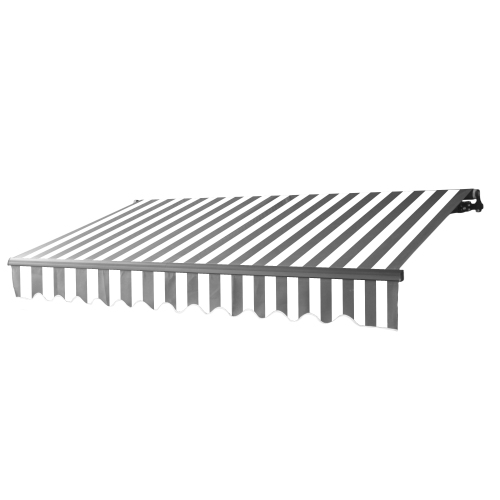
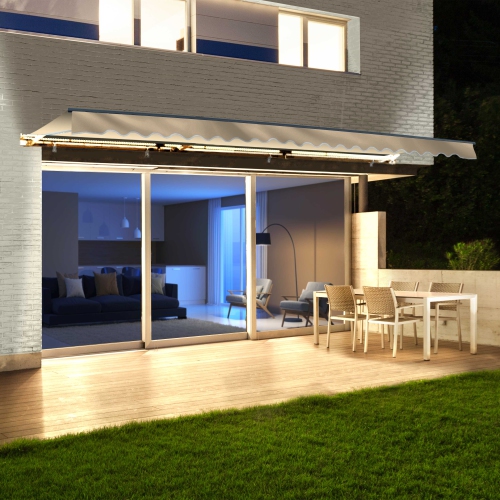


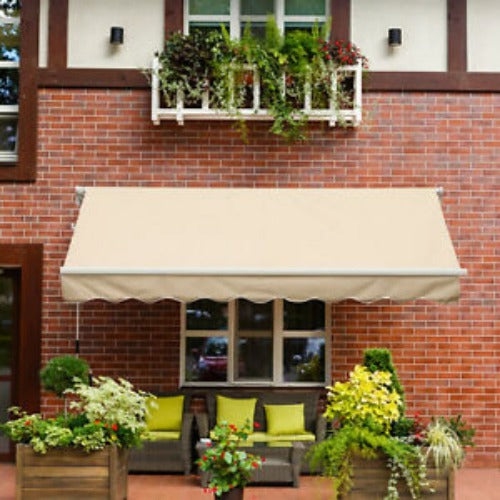
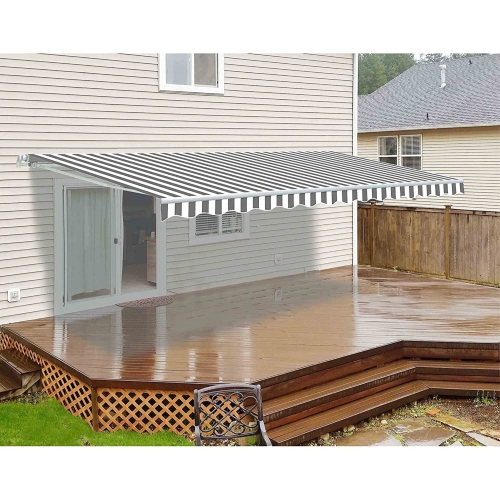


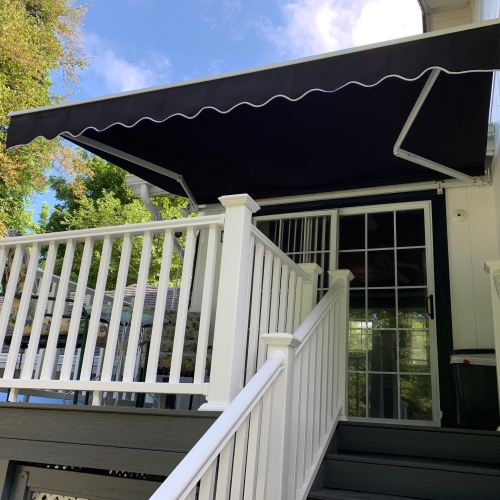
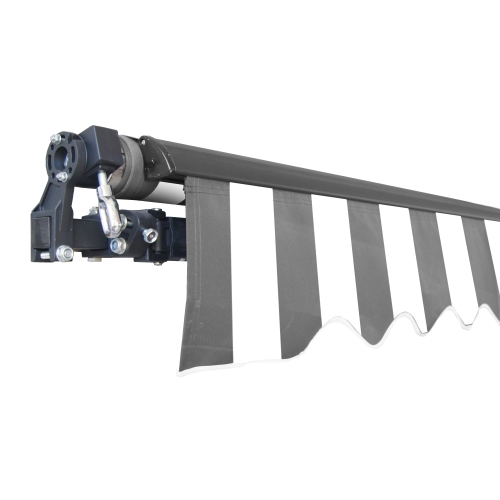
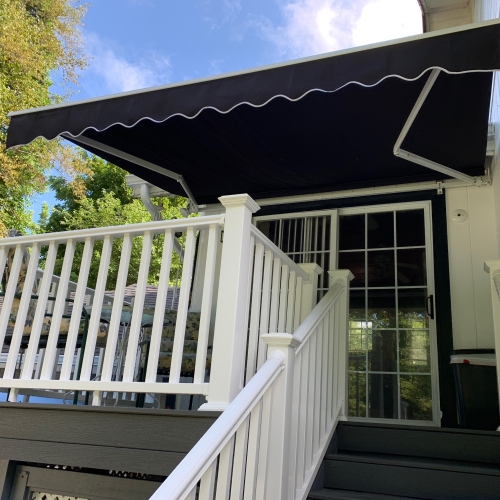
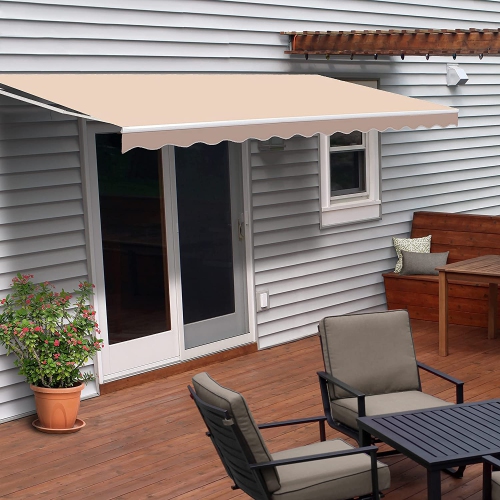



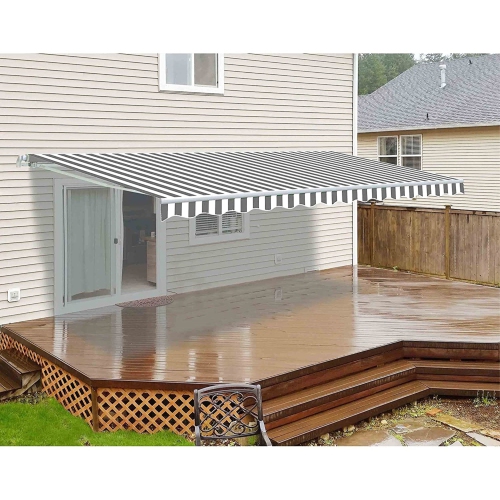
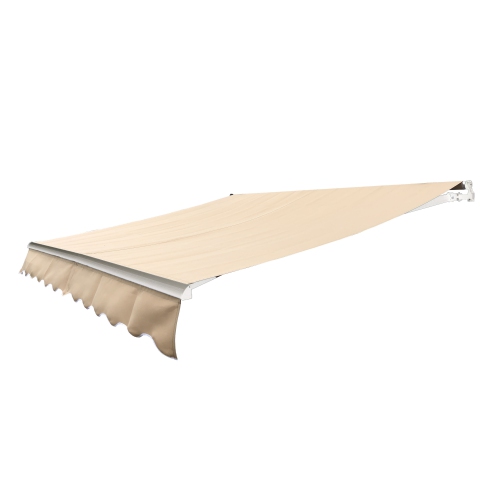
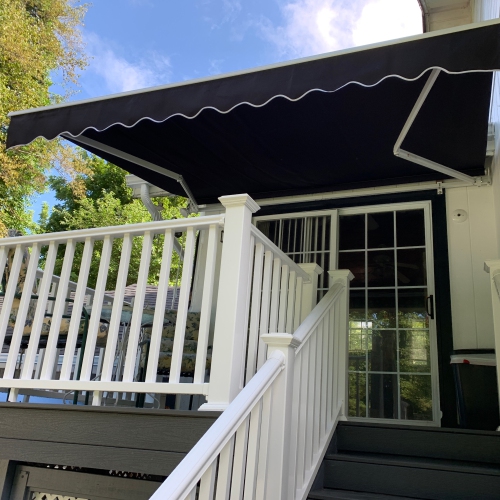
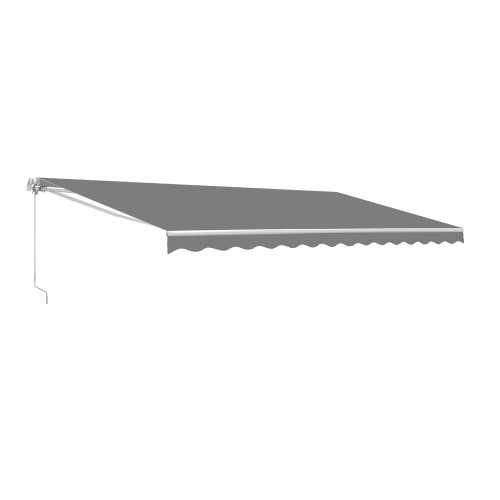

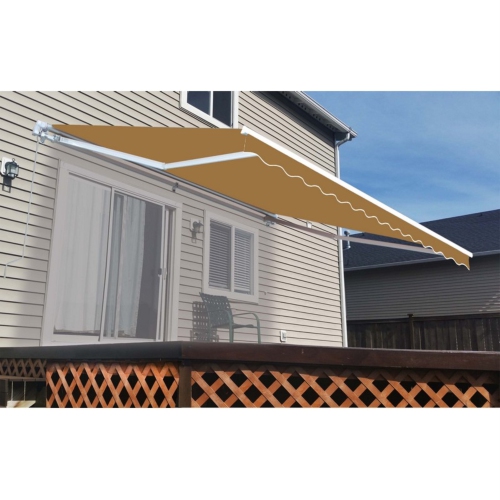



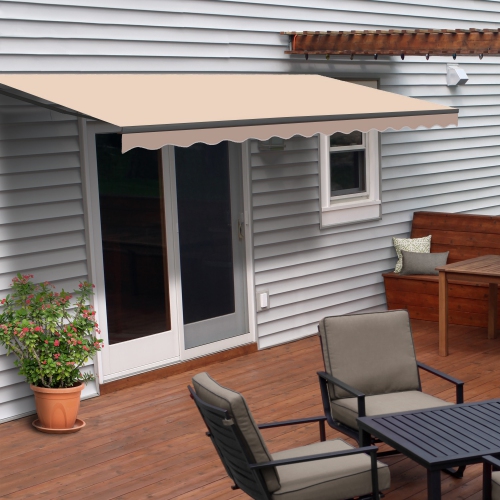


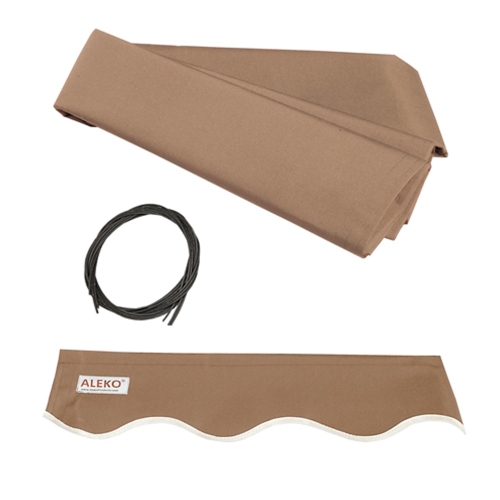

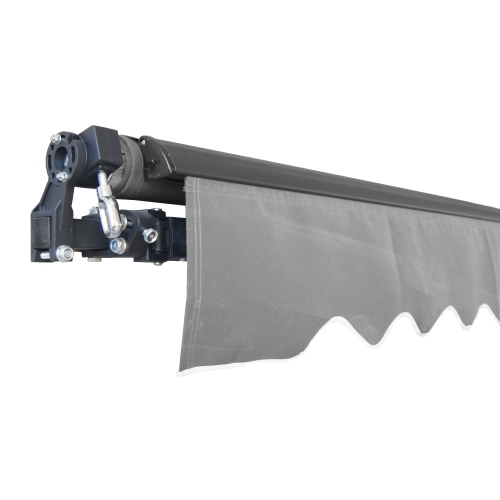

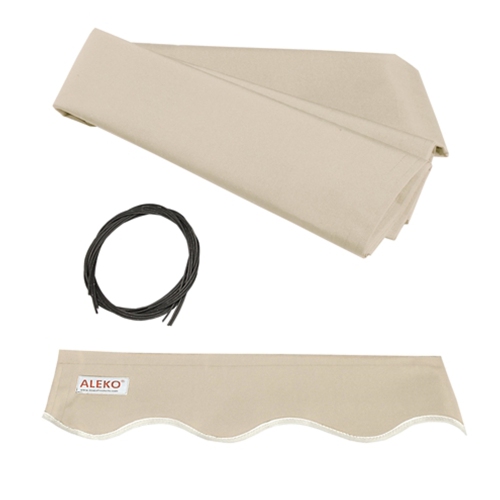
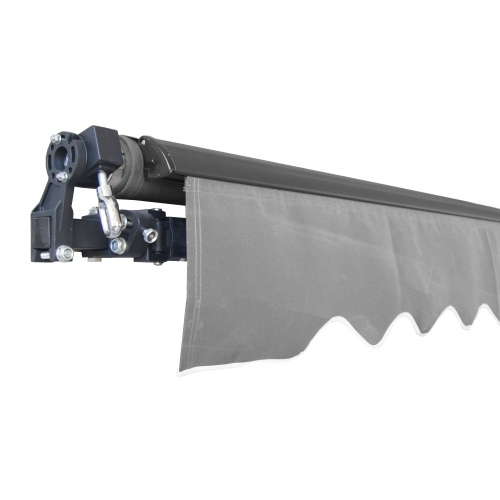
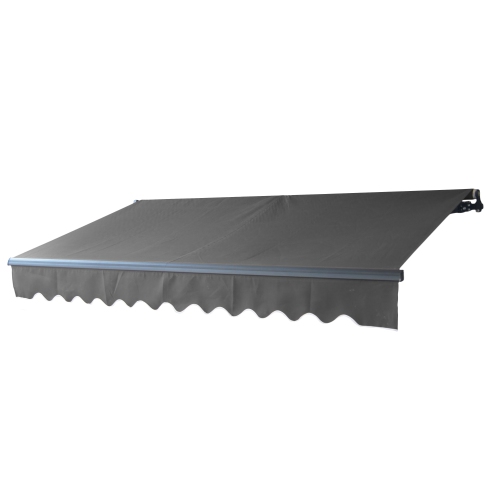
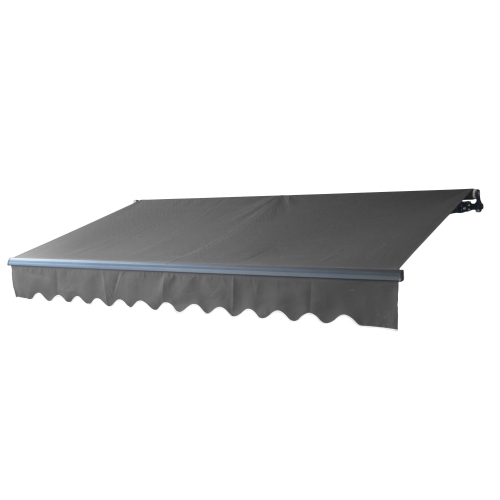
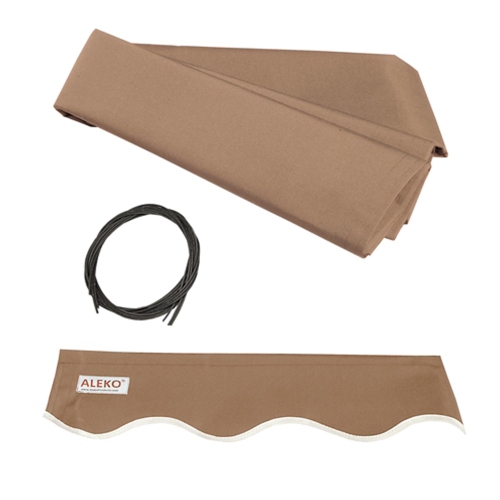
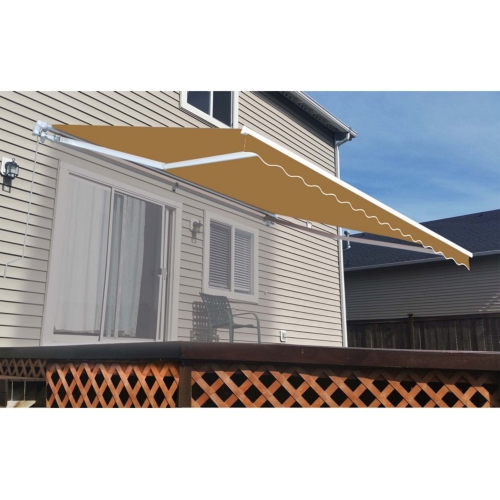
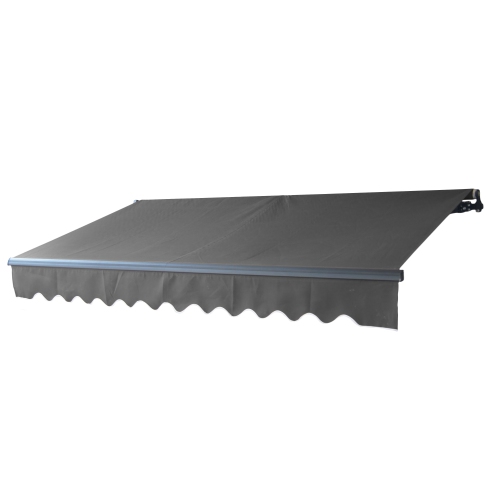




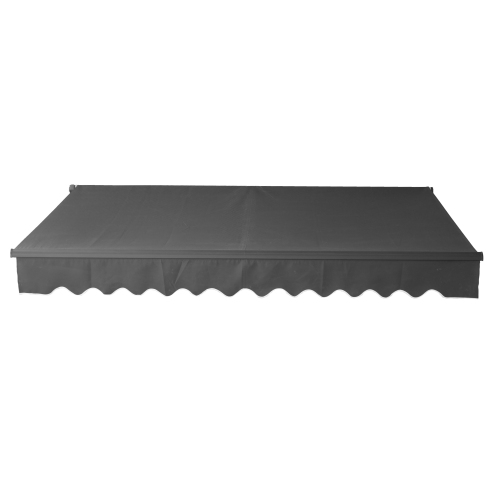
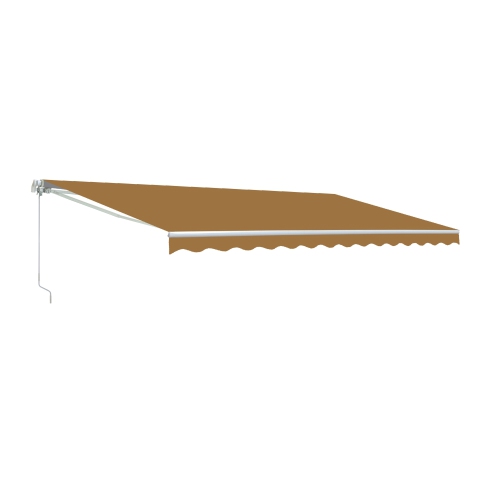


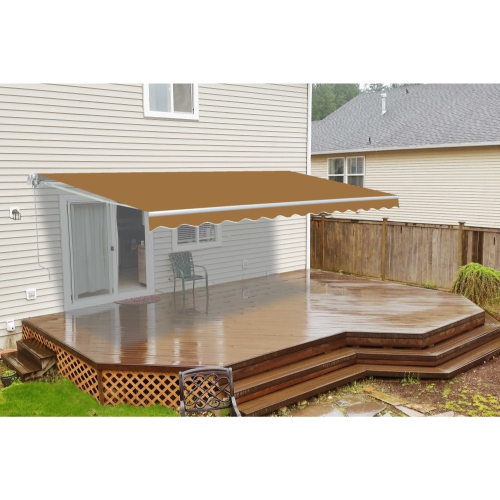


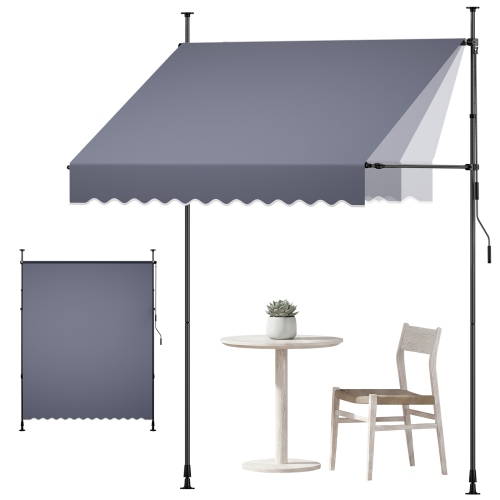
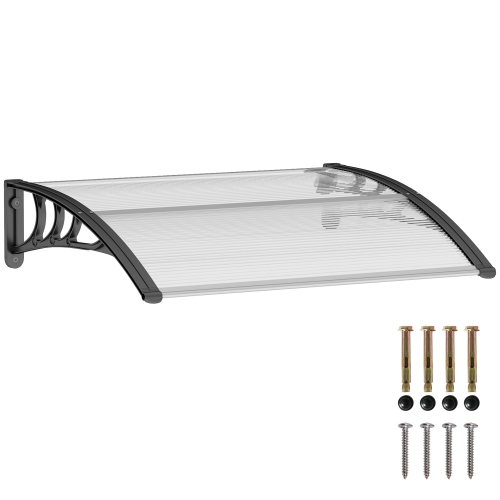

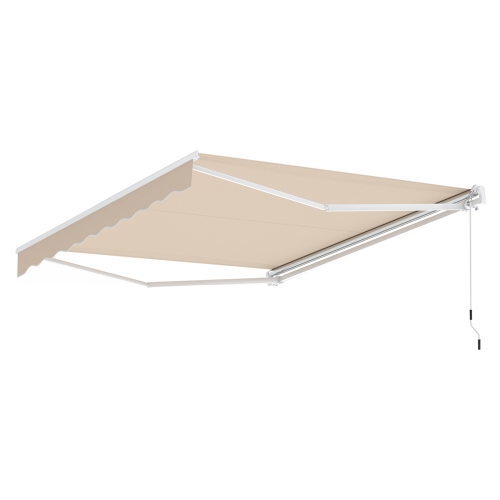
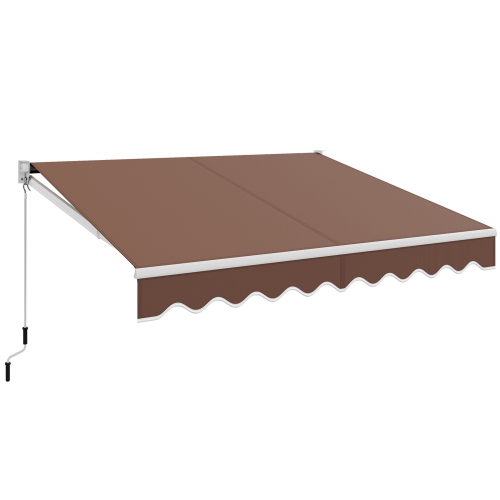
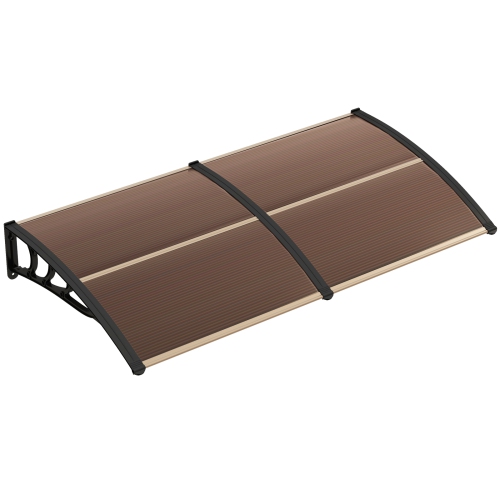
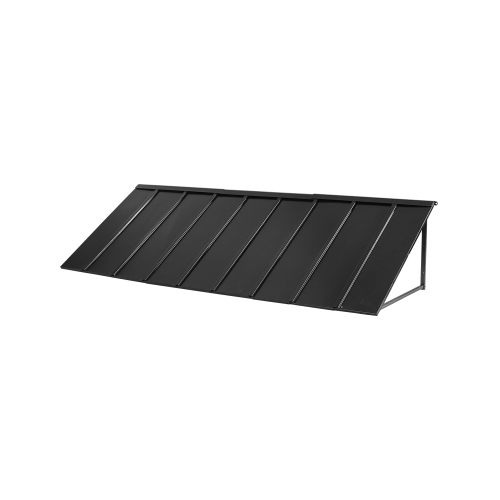
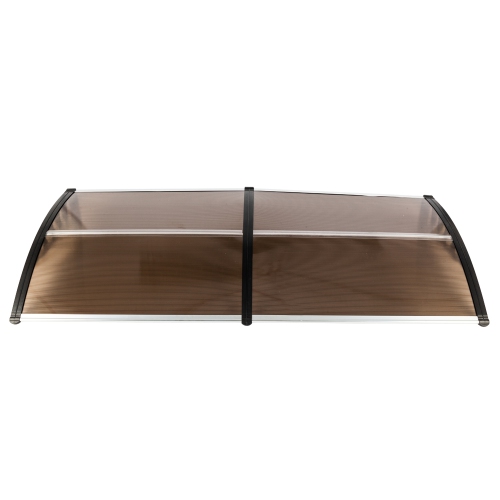
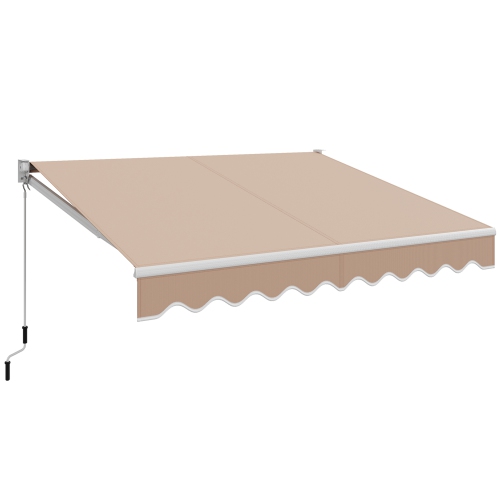
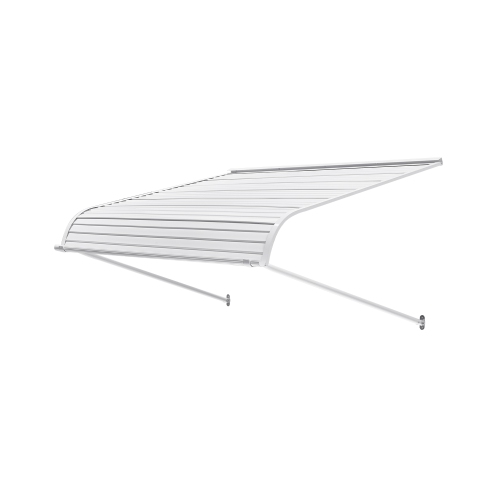
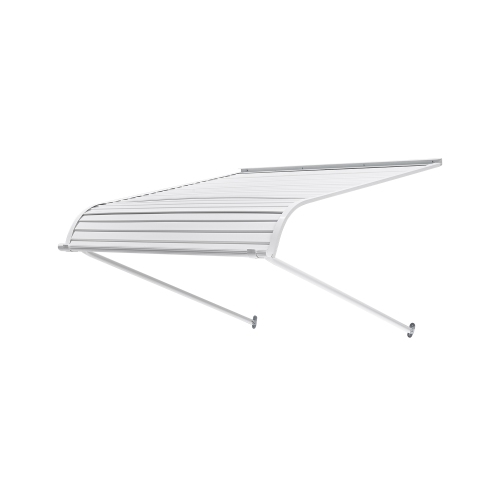
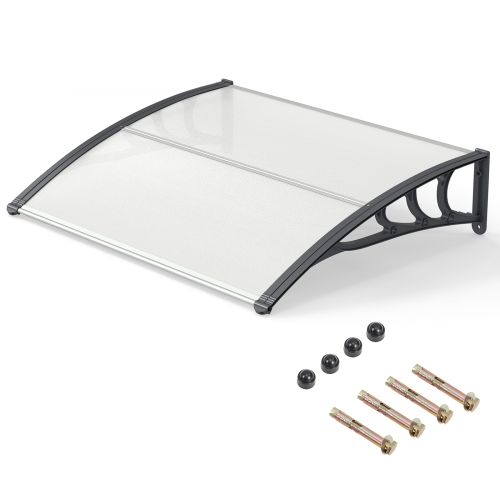
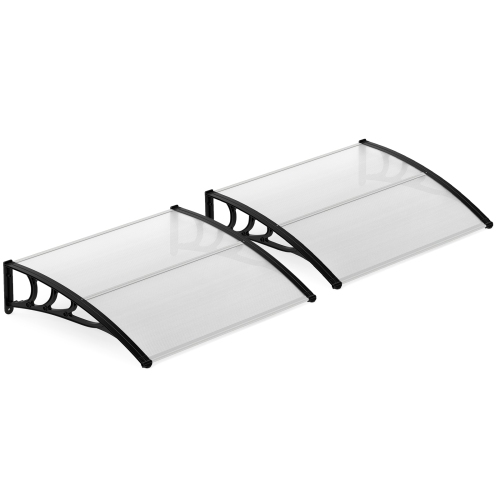

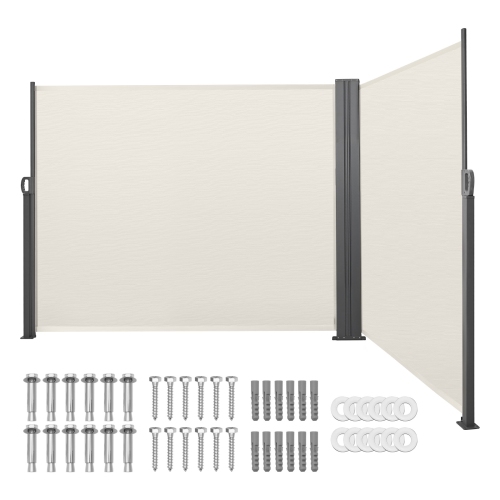

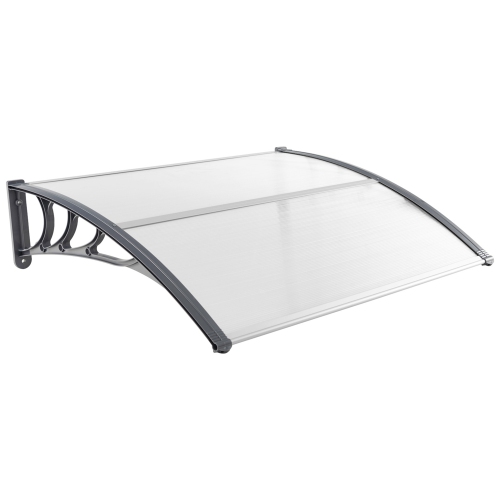
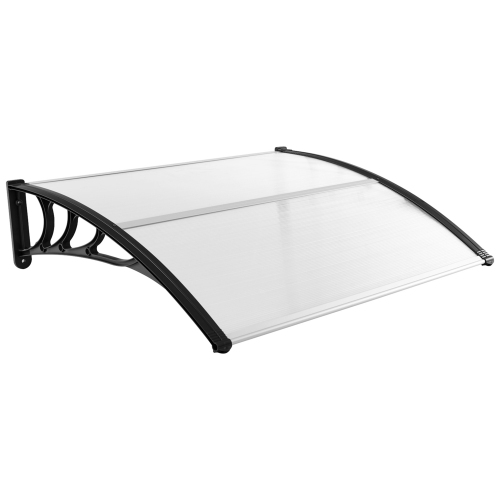

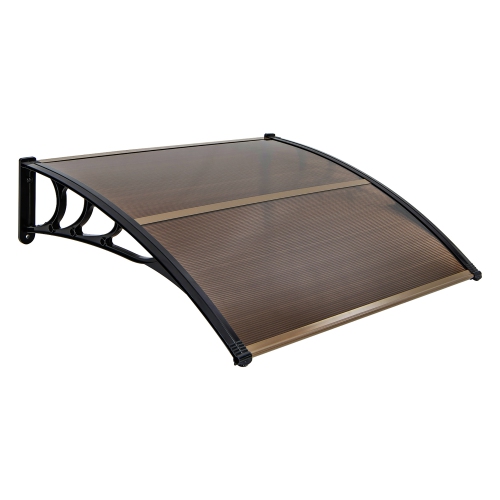





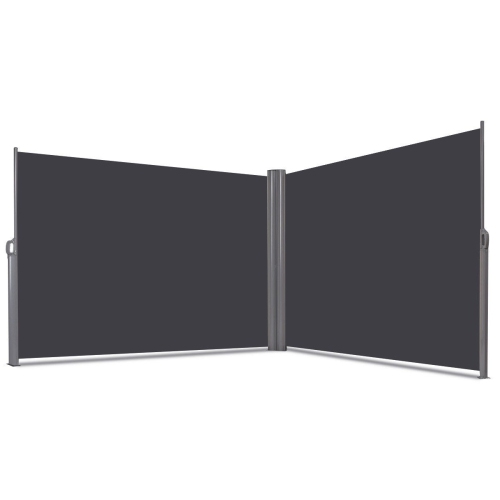

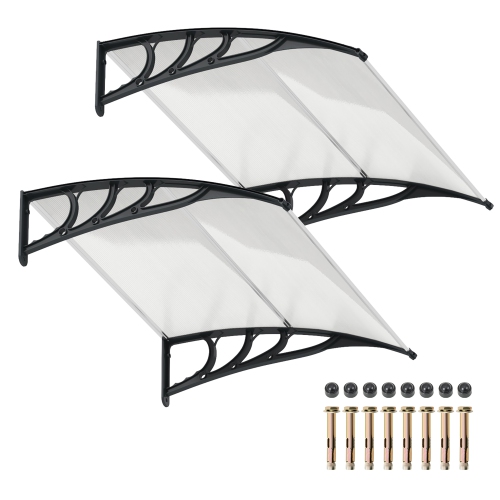

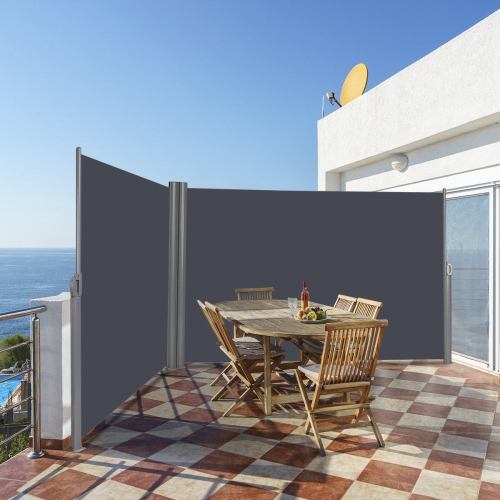

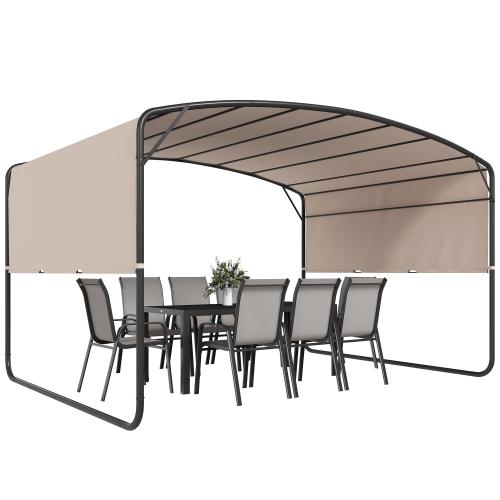

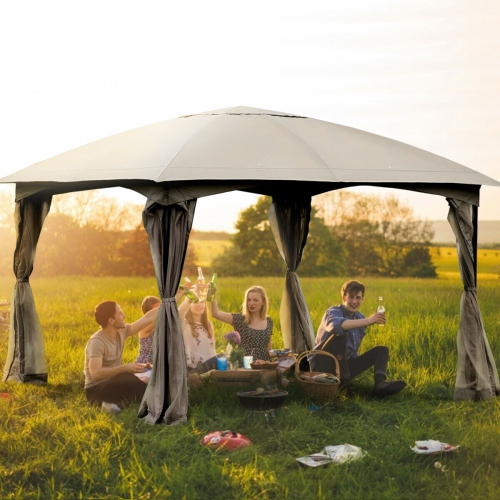


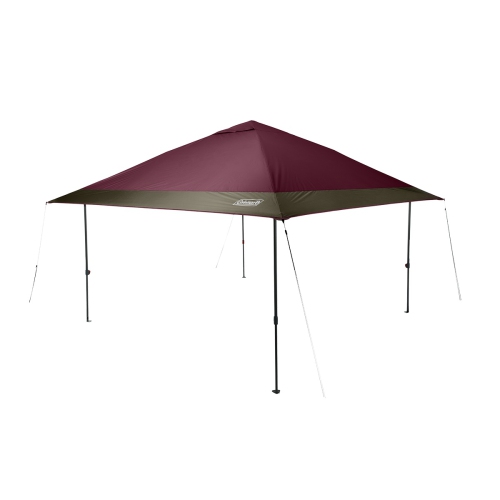
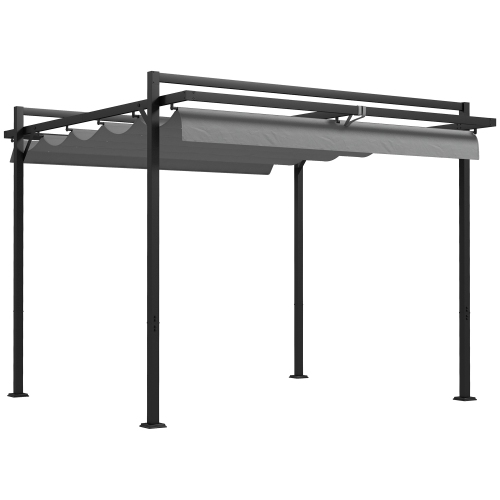
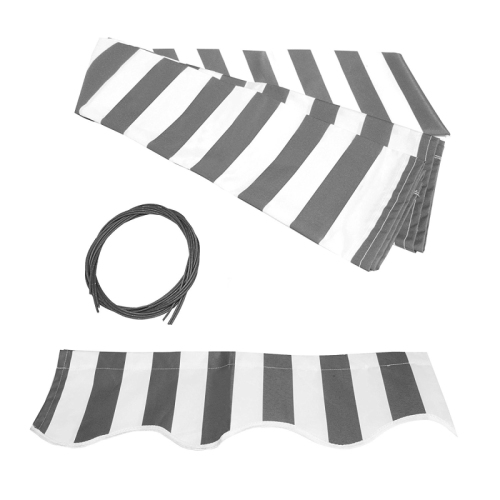

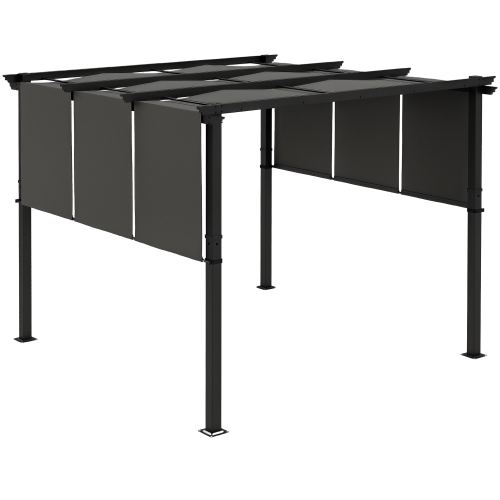
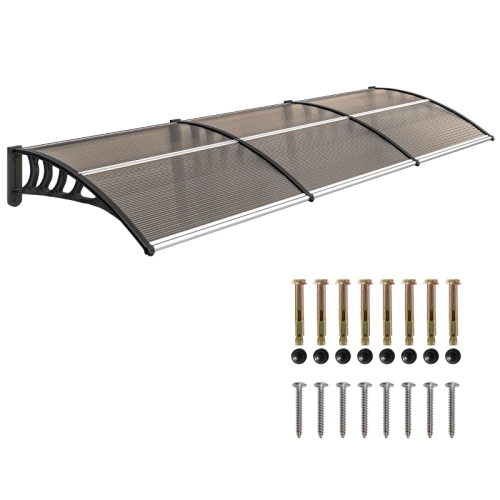


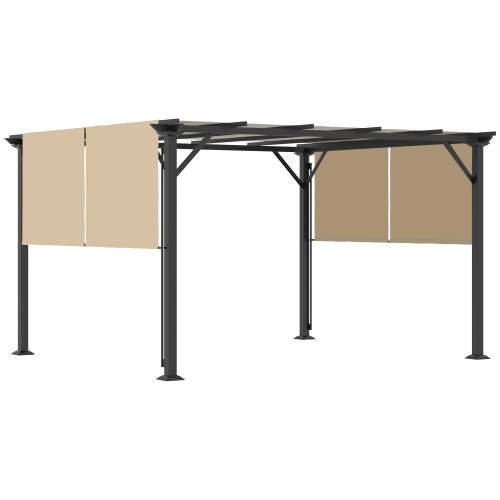

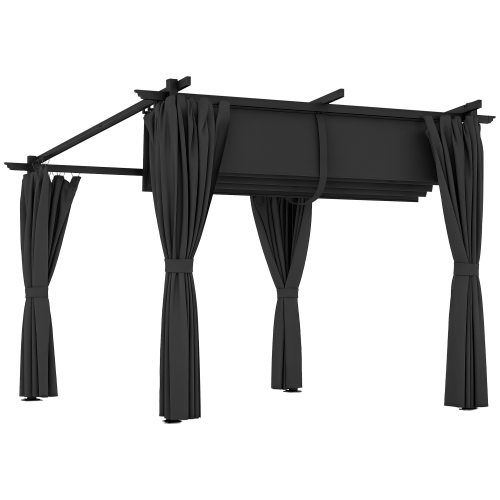
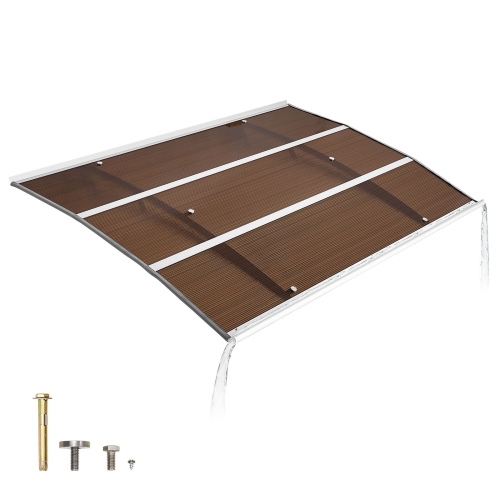
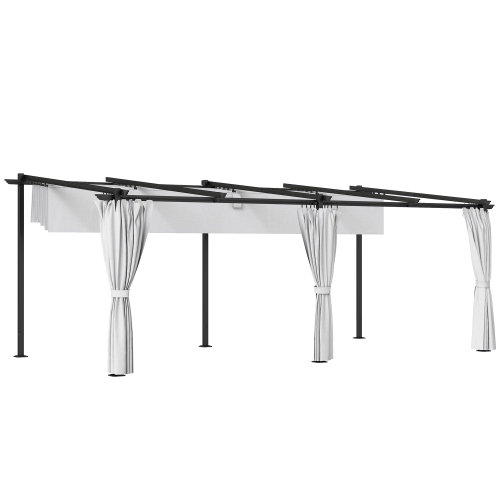
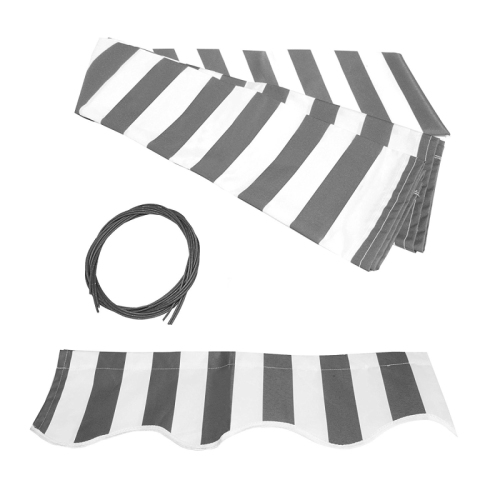


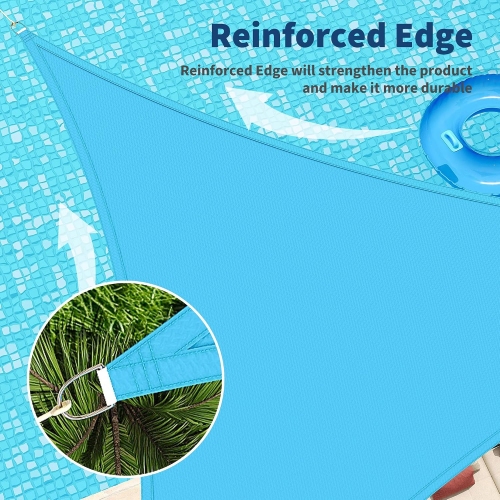
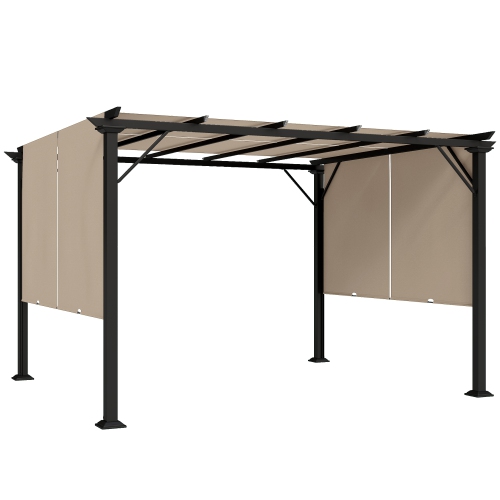
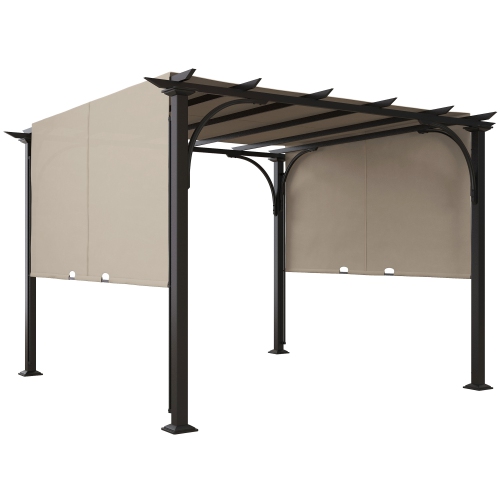

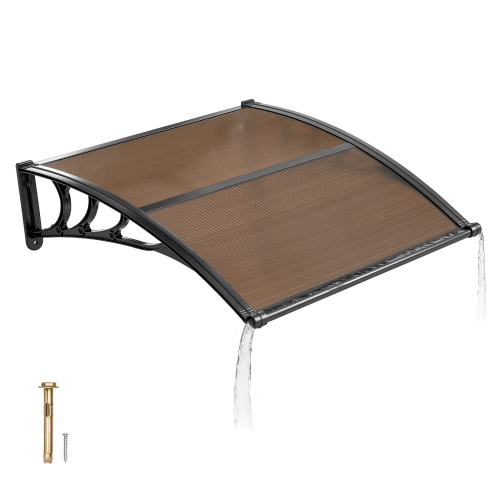


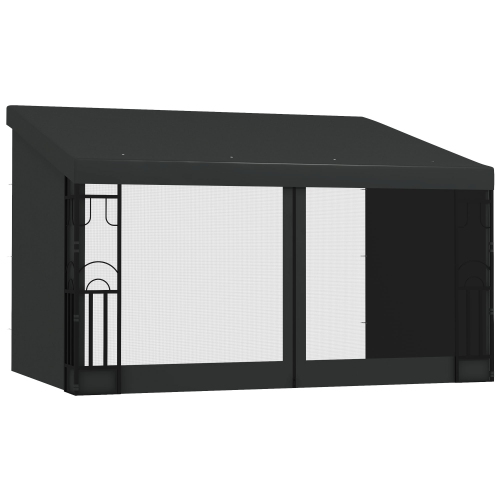

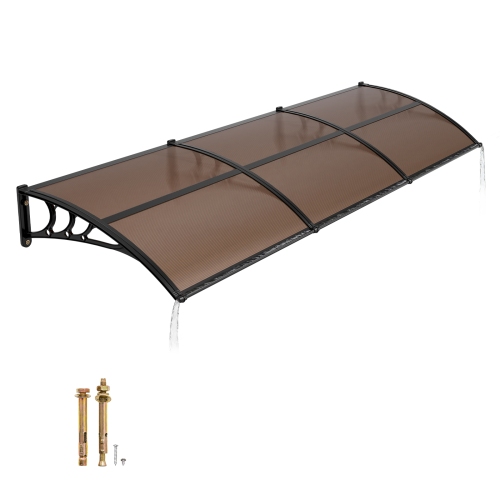

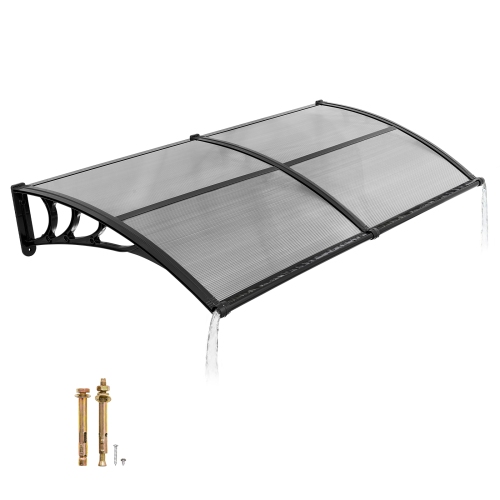
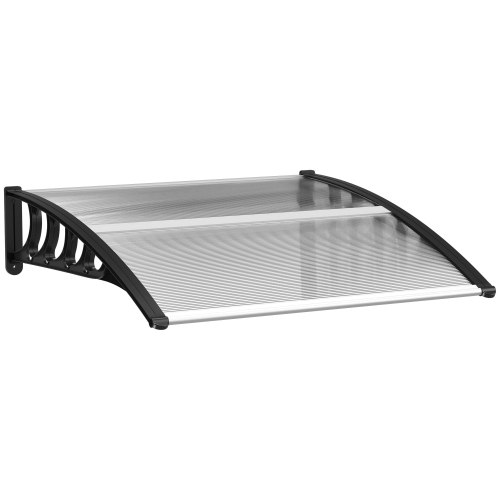
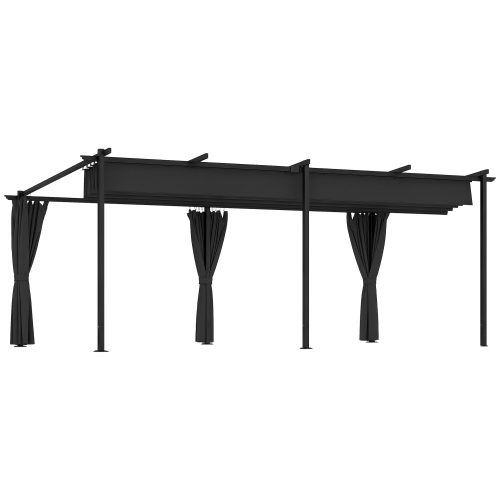
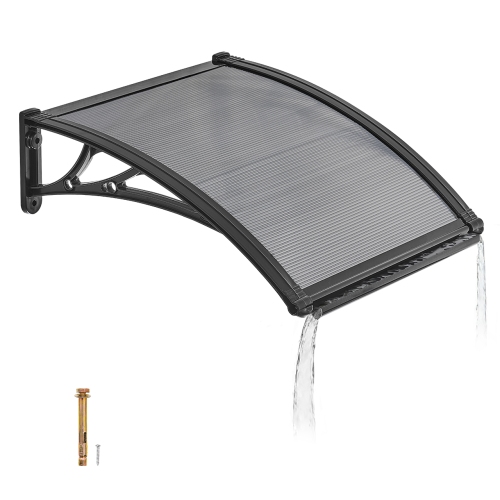
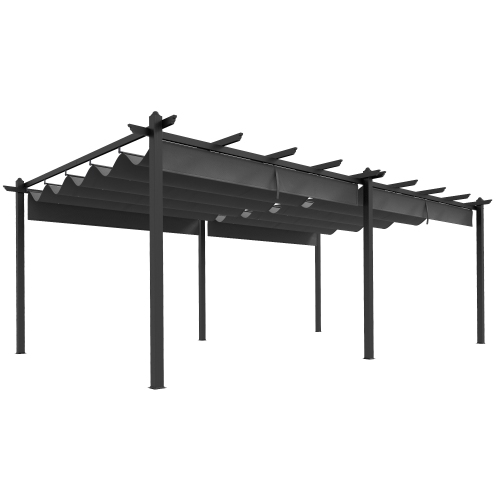

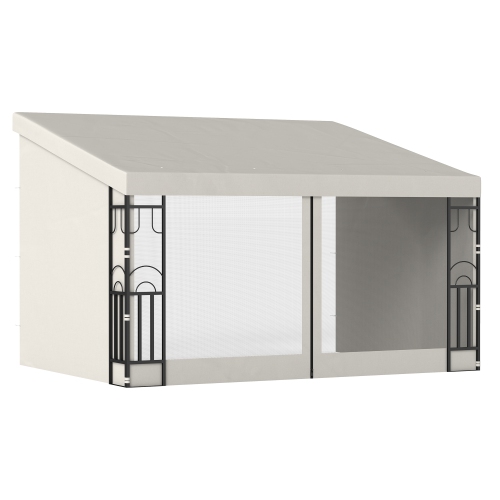
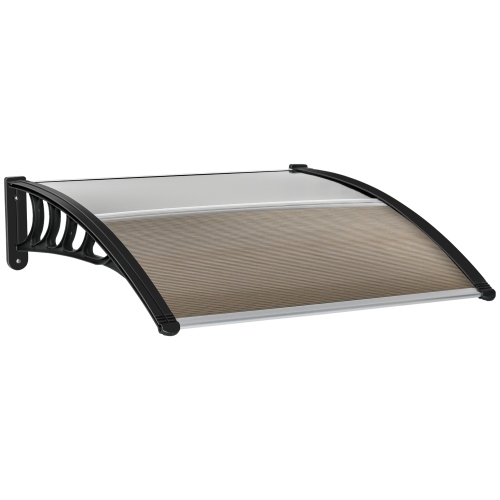
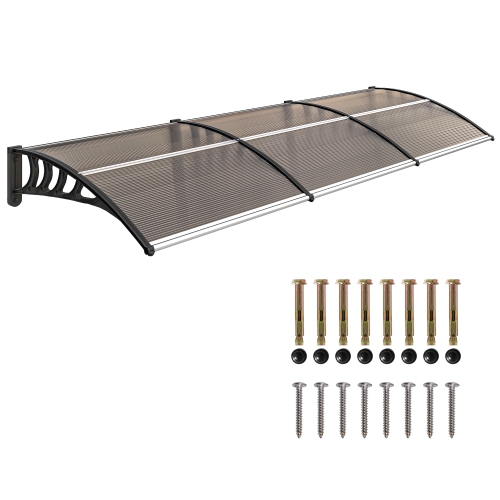
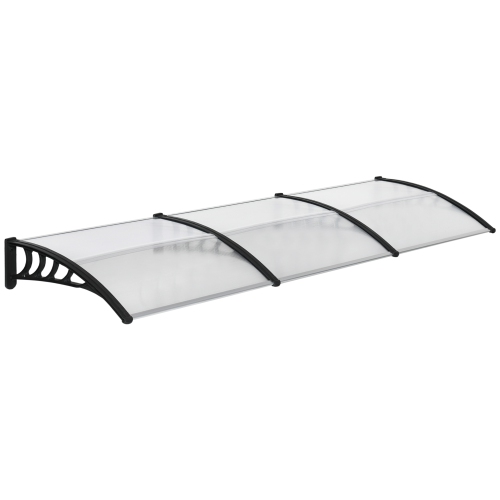

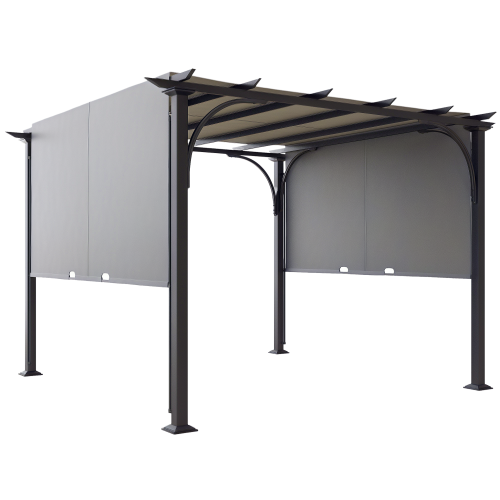
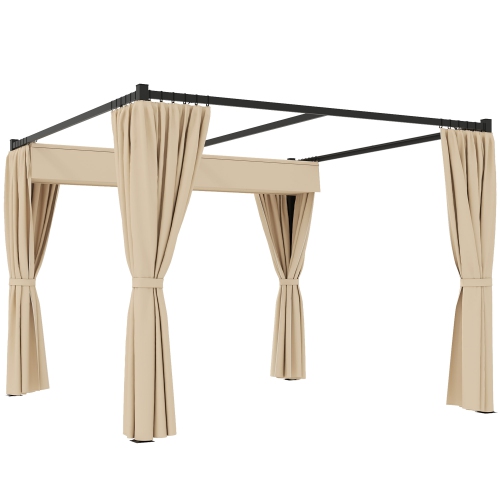


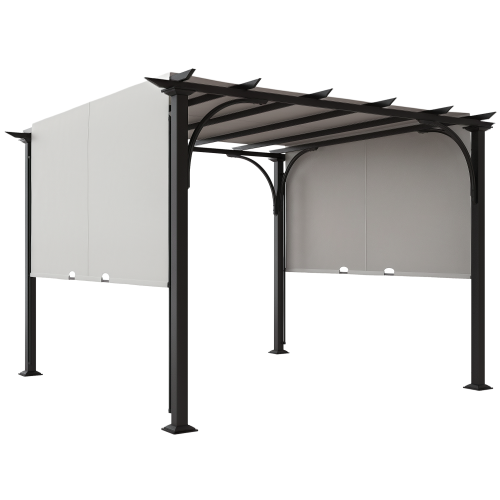

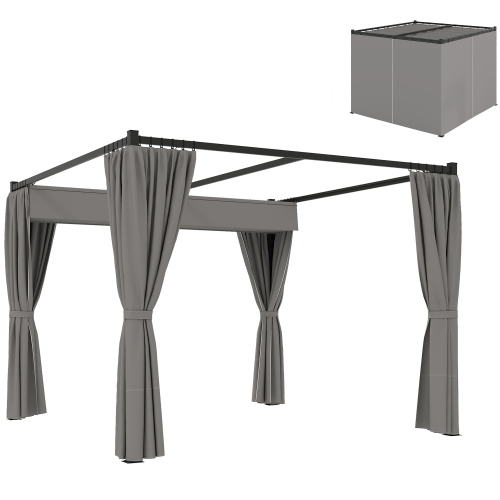


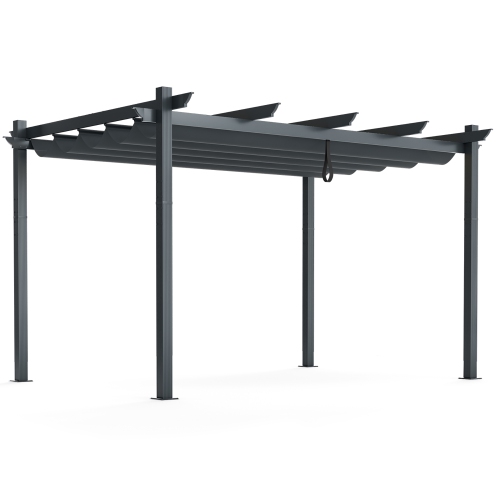
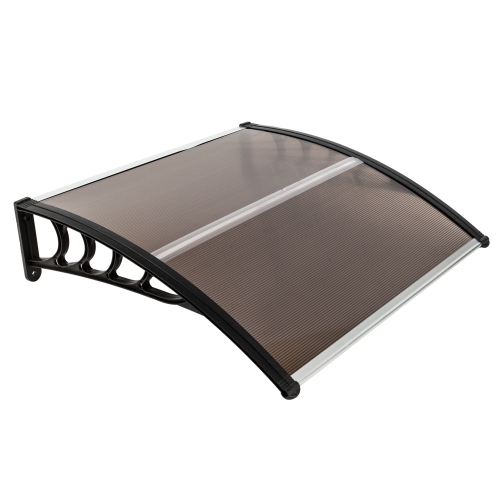


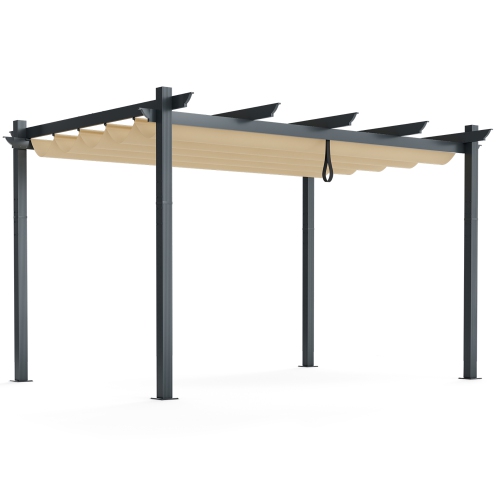

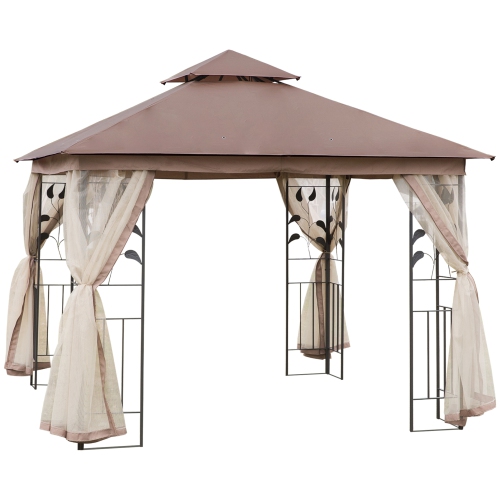
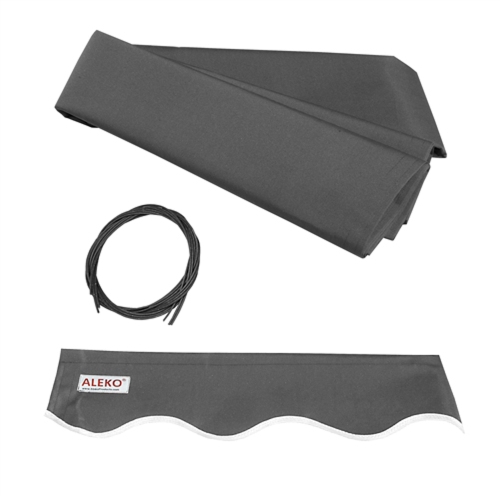

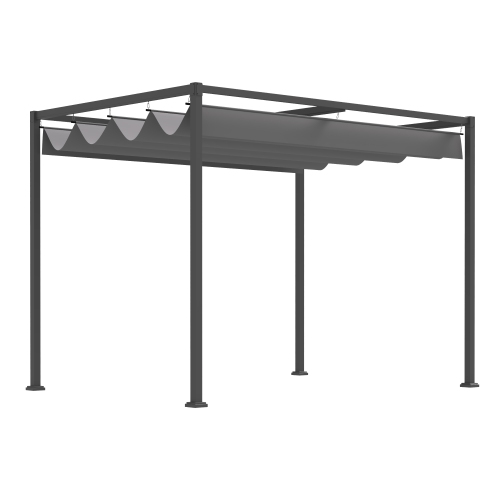
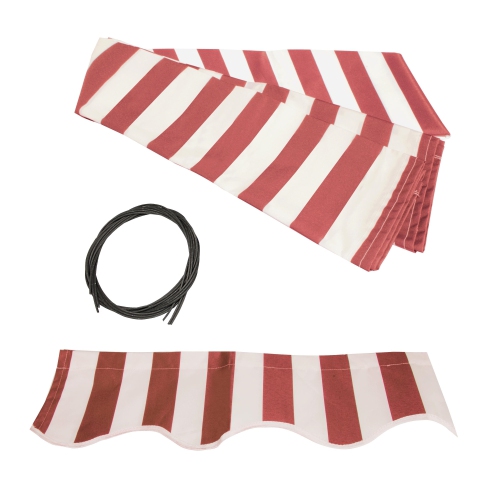

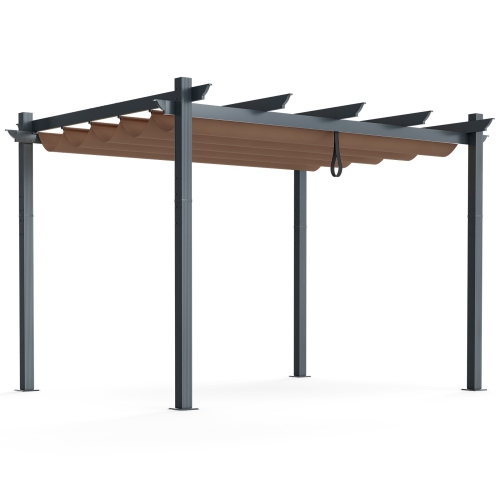
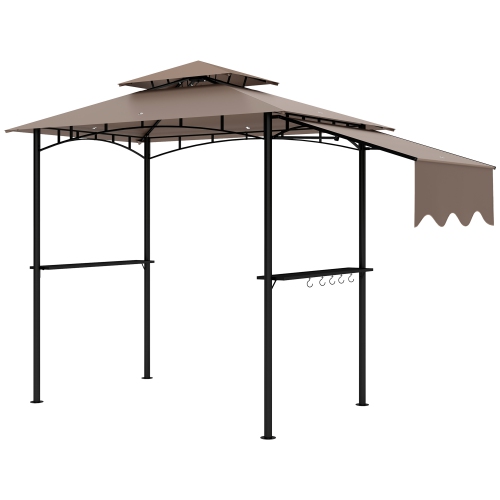
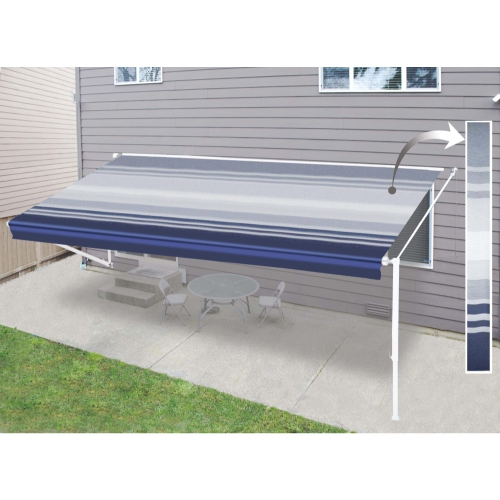

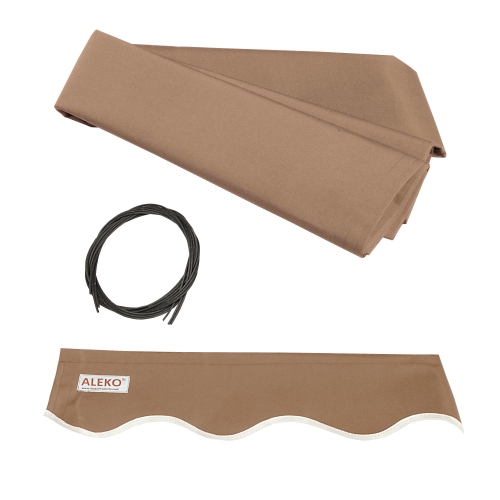
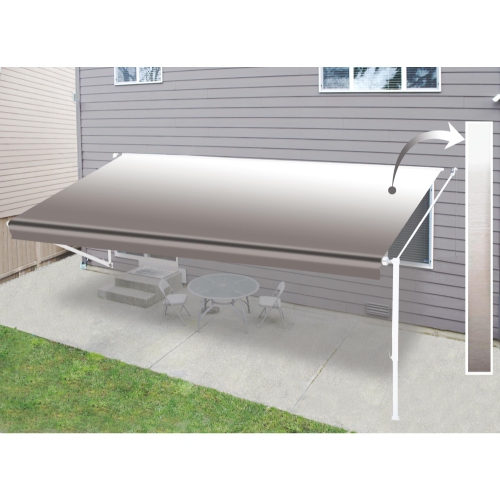

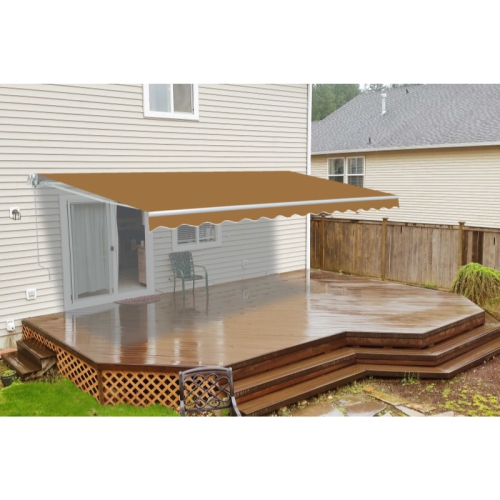

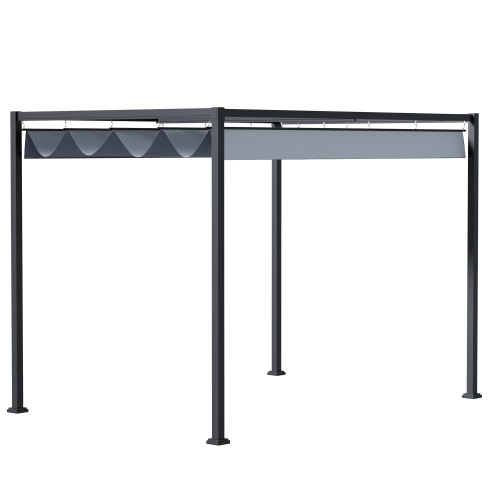


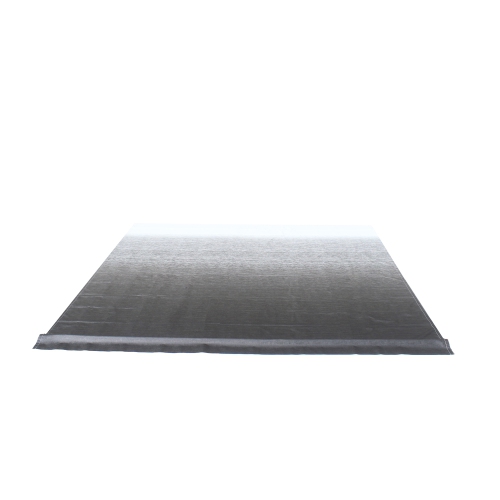
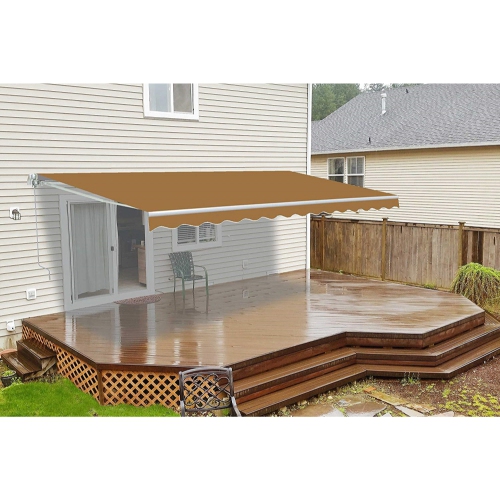
Shade for outdoor gatherings without taking up floor space
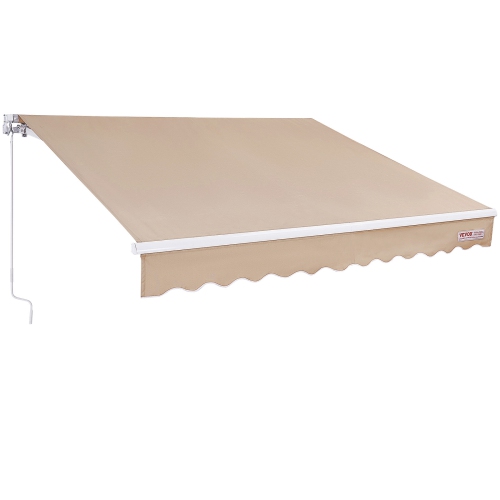
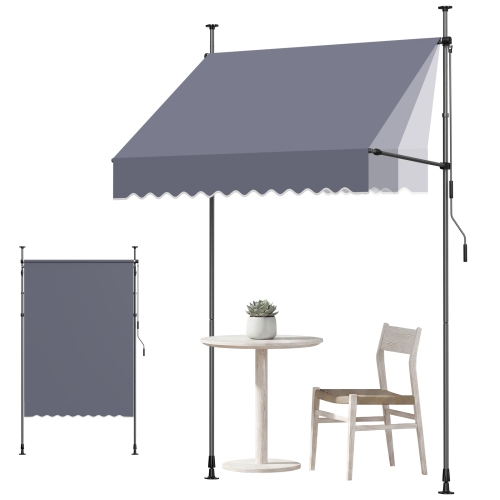
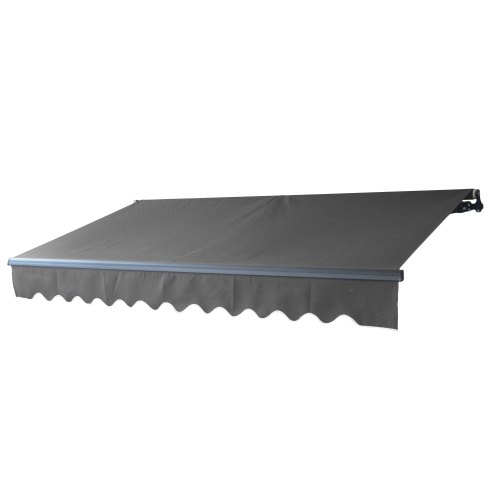
Backyard awnings bring shade to the places where outdoor life naturally gathers: a dining table beside the house, a pair of reading chairs on the deck, or a patio just beyond the kitchen door. Unlike an umbrella with a base that occupies floor space, a wall-mounted awning can shelter a broad seating area while leaving room to move chairs, carry serving trays, and walk between the house and garden. That open space is especially useful on a narrow deck, where even a small obstruction can interrupt the path around a table. Retractable designs offer flexibility, extending when shade is wanted and drawing back when an open view or more daylight is preferable. Fixed awnings provide permanent coverage, although their suitability for year-round exposure depends on their construction and rated load limits. For households that use the backyard for several activities, the right proportions matter as much as the style. A canopy that shades an empty dining table may leave seated guests beyond its edge once the chairs are pulled out. A lounge area needs coverage where people actually sit, not simply over the centre of the furniture arrangement. The direction the yard faces also affects how useful an awning will be, since low-angle sunlight can reach beneath the front or sides even when the canopy is fully extended. Projection, mounting height, and adjustable pitch all influence the resulting shade, but an awning cannot block sunlight from every direction throughout the day. Families sharing meals, people taking a quiet reading break, and hosts arranging an outdoor gathering may each want a different balance of coverage and openness. For spaces that extend beyond the backyard, Home Awnings also belong in the conversation about coordinating shade around doors, windows, and other outdoor areas. In the backyard itself, the most useful design feels like part of the space rather than something everyone must work around.
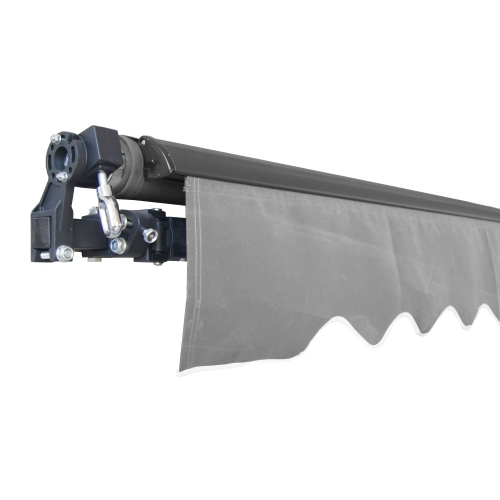
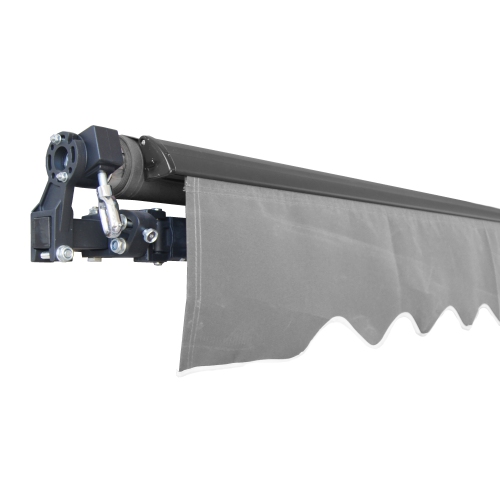
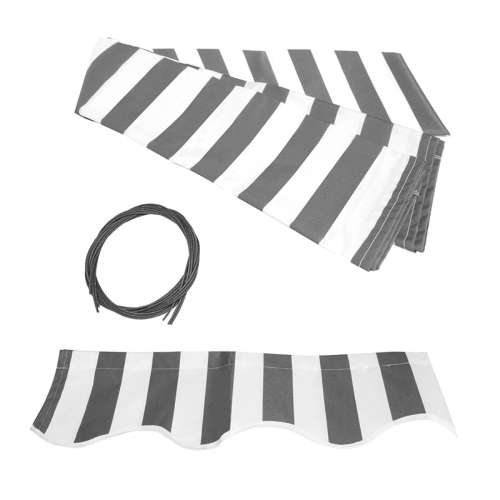
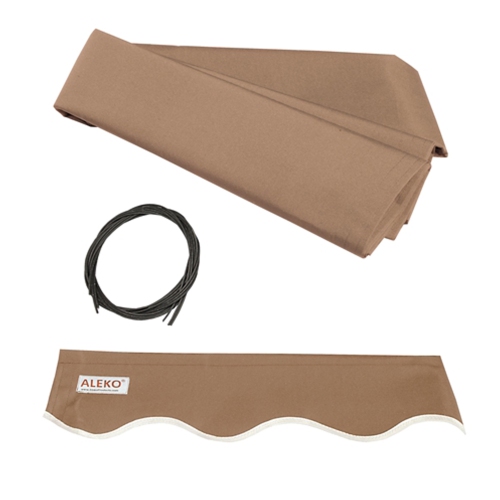
Fabric and frame construction shape both the appearance of backyard awnings and the attention they need over time. Acrylic and polyester are common canopy materials, with differences in weave, coating, and fabric weight affecting their performance. Solution-dyed acrylic is often chosen for colour retention, while coated polyester can offer water resistance; the stated specifications remain more informative than the fibre name alone. Water-resistant fabric is not necessarily waterproof, and a canopy intended mainly for shade should not be treated as dependable rain shelter. Seams, drainage angle, and the overall design also affect how water behaves on the surface. Where sun protection is a priority, a stated ultraviolet protection factor provides more useful information than fabric thickness or colour by itself. Shade can make a seating area more comfortable, but reflected and angled sunlight can still reach beneath an awning. Visually, a plain neutral canopy sits quietly against brick or siding, while stripes can give a simple deck a more defined character. Lighter shades tend to keep the space beneath feeling bright, although pollen, leaf marks, and other surface dirt may be more noticeable. Frames commonly use aluminum or steel, and each depends on sound construction, suitable finishes, and secure connections for lasting performance. Aluminum is relatively lightweight and resists rust, while steel components benefit from intact protective coatings, particularly around joints and fasteners. A full cassette can enclose the retracted fabric and arms, while partial or open designs leave more of the assembly exposed. This distinction can matter when the mounting position sits directly beneath trees or lacks shelter from the roofline. Manual crank operation offers straightforward control without an electrical connection, provided the handle is within comfortable reach. Motorized operation can make frequent adjustments easier, especially across a wider patio, but it introduces power requirements and electrical components. Optional controls and sensors vary by design and should not be assumed to replace supervision or the operating limits stated by the manufacturer.
A good fit begins with the relationship between the awning, the building, and the furniture below it. Overall width is only one part of that fit: extended projection, required mounting clearance, and the space needed for moving arms all affect whether a design suits a particular wall. A patio door needs enough clearance to open properly, and exterior lights, vents, downspouts, and roof overhangs can complicate placement. The supporting structure matters just as much as the visible surface. Brick veneer, siding, and stucco are not interchangeable mounting bases, and appropriate brackets and fasteners depend on the structure behind them as well as the manufacturer's requirements. Professional installation may be appropriate where structural attachment is uncertain or electrical work is involved. Renters and condominium owners may also need permission before altering an exterior wall. Once installed, an awning works best as part of a considered backyard layout, with clear walking routes and adequate separation from barbecues, fire features, and other heat sources according to the relevant safety instructions. Day-to-day care is usually less complicated when the canopy is easy to inspect and operate. Loose leaves and grit can be removed gently before they settle into folds, and many fabrics can be cleaned with mild soap and water when permitted by their care instructions. Harsh cleaners, abrasive brushes, and pressure washing can damage coatings or fibres. Letting fabric dry before it remains retracted helps reduce the chance of mildew and odours; if it must be closed while damp, reopening it to dry when conditions allow is helpful. Retractable awnings generally need to be drawn in before strong winds, heavy rain, or snow, within the limits specified for the design. Fixed structures also have load limits and should not be assumed to support accumulated snow. Occasional checks of brackets, joints, fabric edges, and moving parts can reveal wear before it interferes with operation. With appropriate placement and care, a backyard awning provides a defined, comfortable setting for everyday outdoor routines without taking over the patio.
Top selling and popular products
-
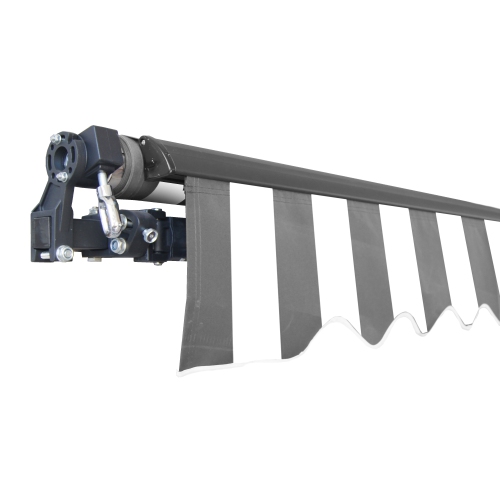 Your price for this item is $625
-
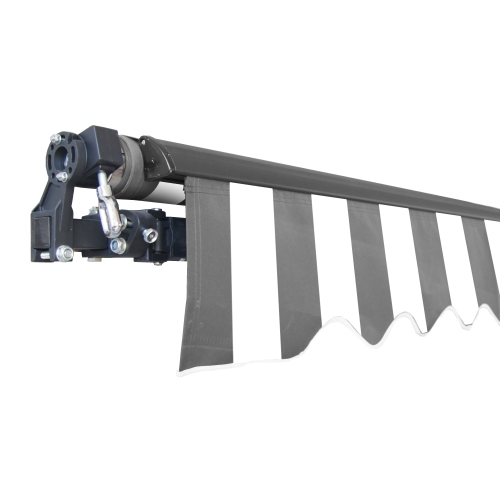 Your price for this item is $819
-
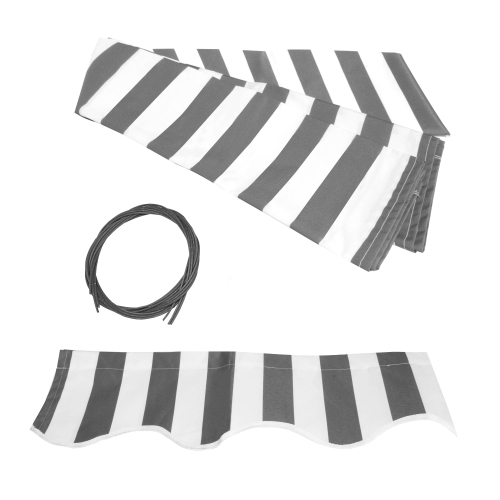 Your price for this item is $749
-
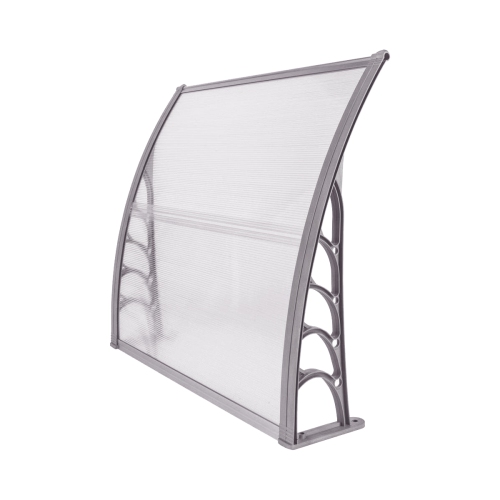 Your price for this item is $65.99
-
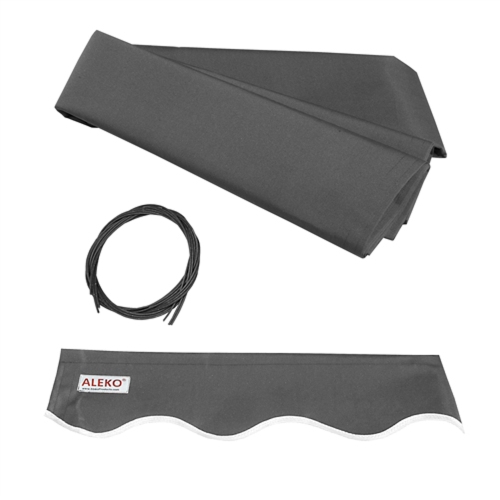 Your price for this item is $176
-
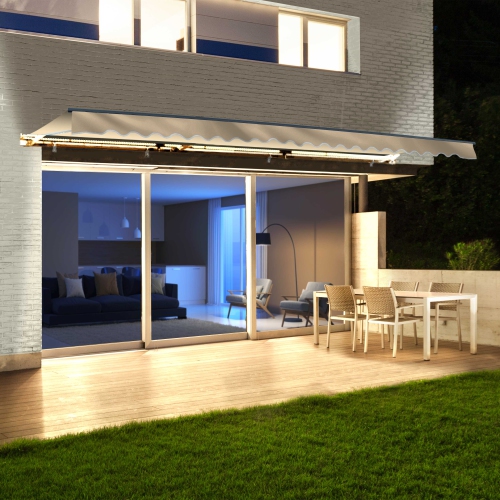 Your price for this item is $1029
-
 Your price for this item is $819
-
 Your price for this item is $321.99
Discover more categories related to Backyard Awnings
Top Collections:
Pokemon Centers, Kindle Devices, Best Cameras for Sports Photography, Pokémon 30th Celebration Cards, Canon G7X Cameras, Samsung Galaxy Phones, iPhone 15 Apple, Best Black Friday Deals On Electronics, Jackery Power Stations, Solar Generators for Home
Some products may be subject to Environmental Handling Fees
(EHF) depending on your province.
Learn more about EHFs.