Balance Ball Chairs
Balance ball chairs are an increasingly popular seating option for people who are looking for a comfortable and supportive chair that can improve posture and promote good spinal health. These chairs are designed to provide support and stability while allowing users to engage their core muscles and improve balance. Here are some great options available.
Sort
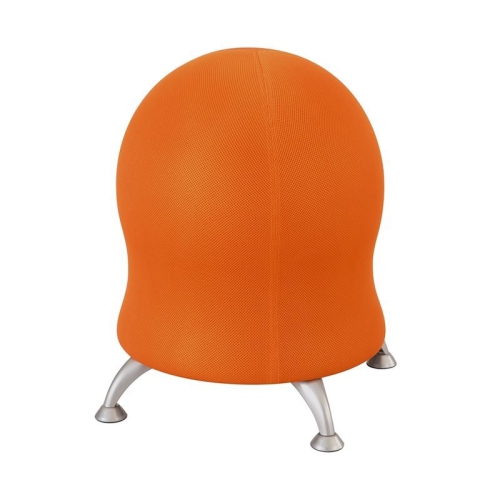
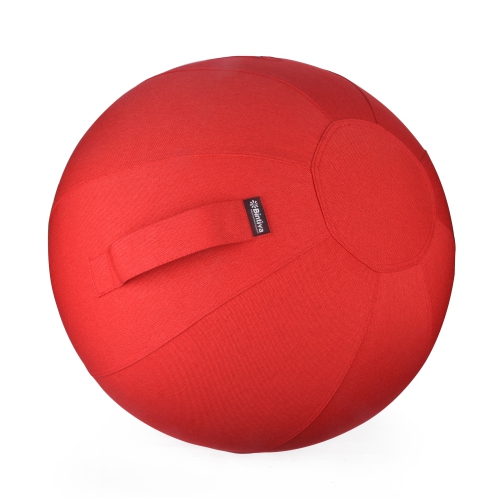
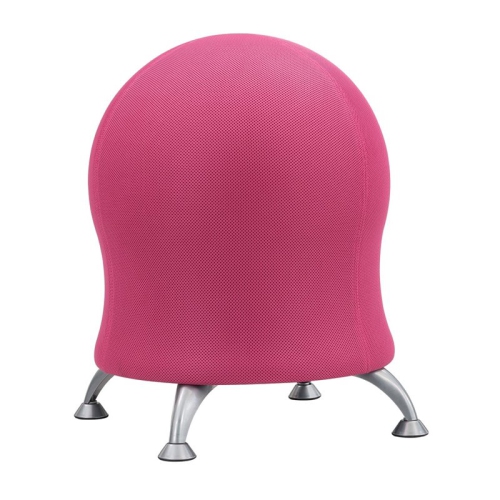
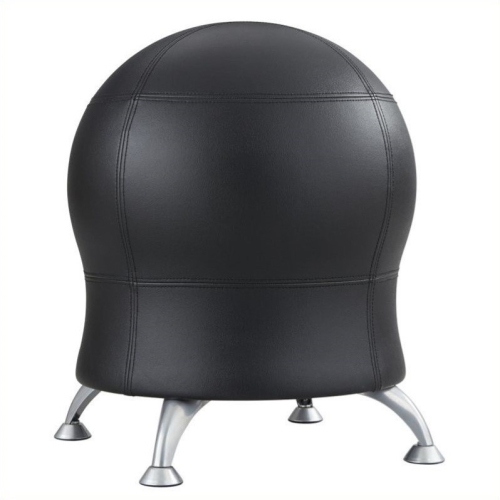
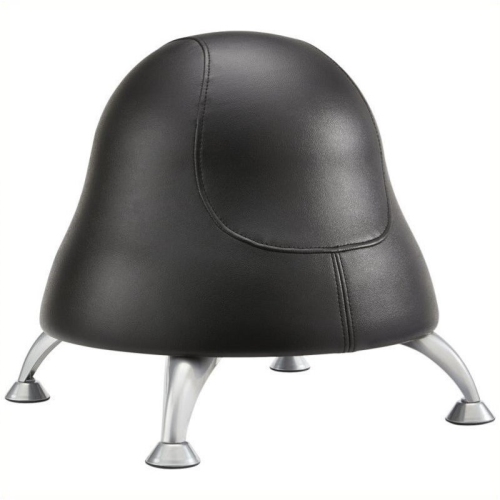
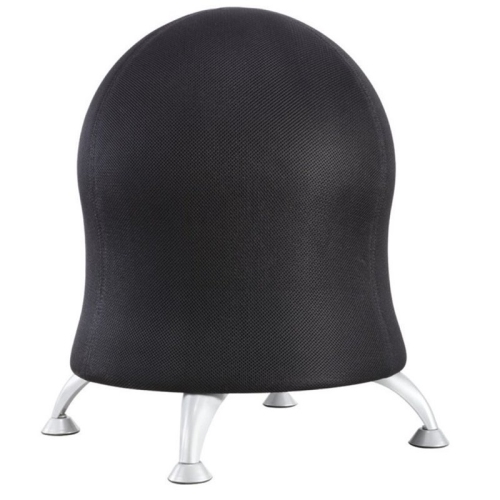
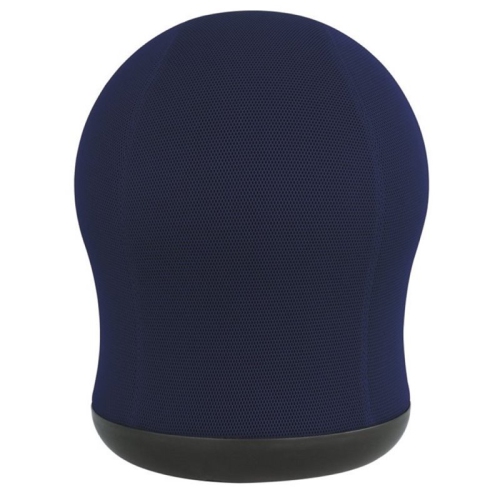

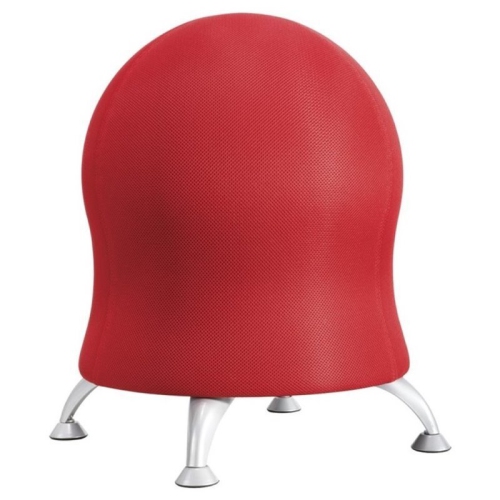
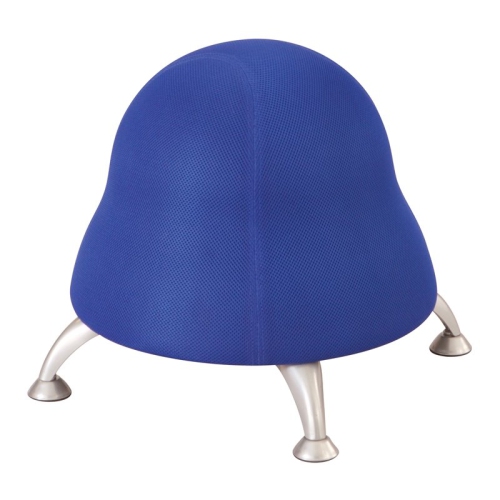
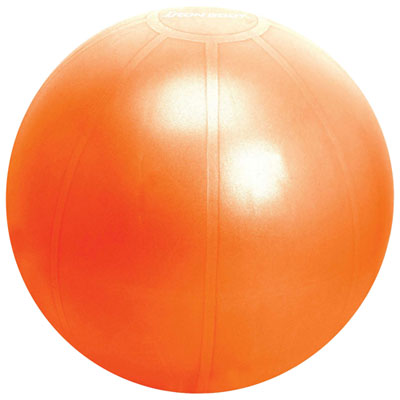
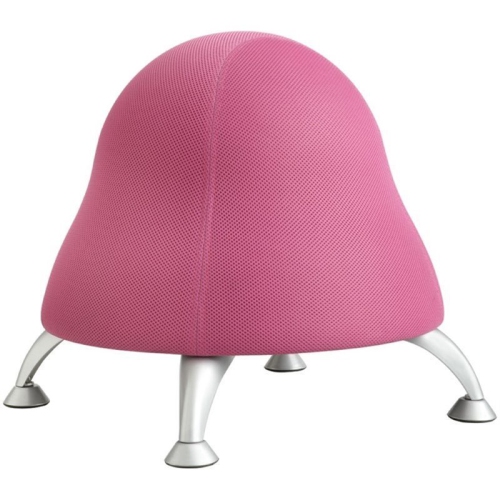

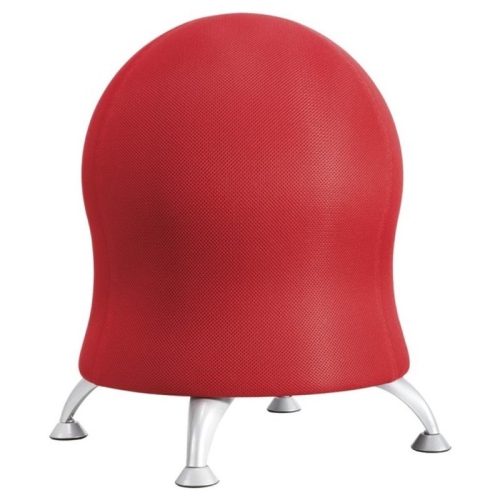
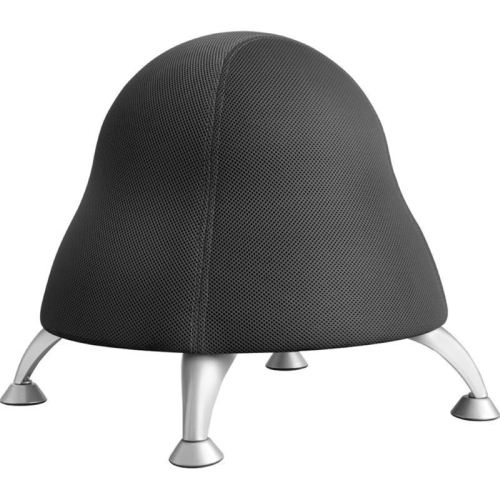
How active seating fits workspaces, workouts and daily routines
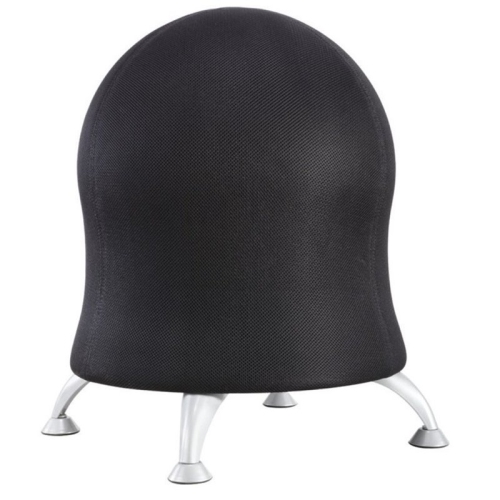
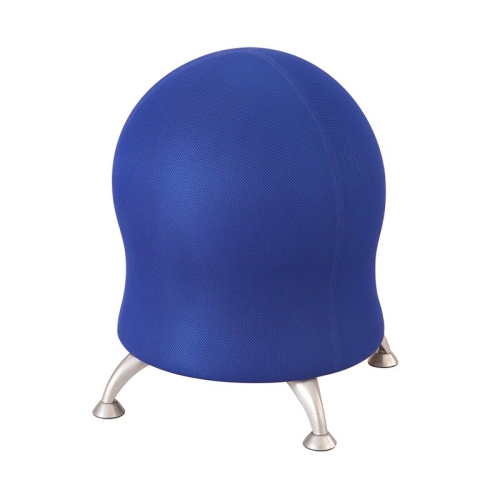
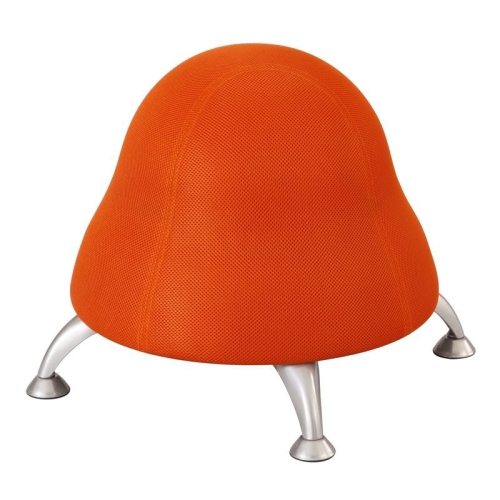
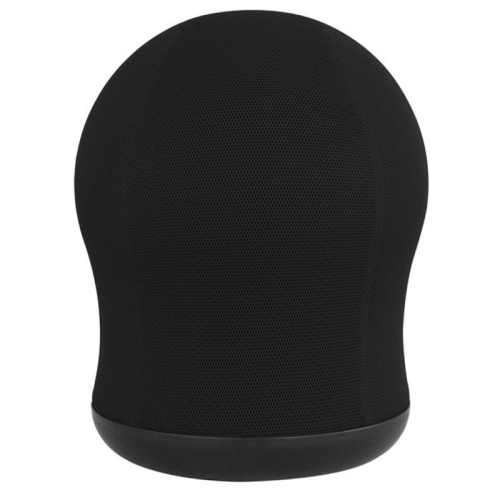
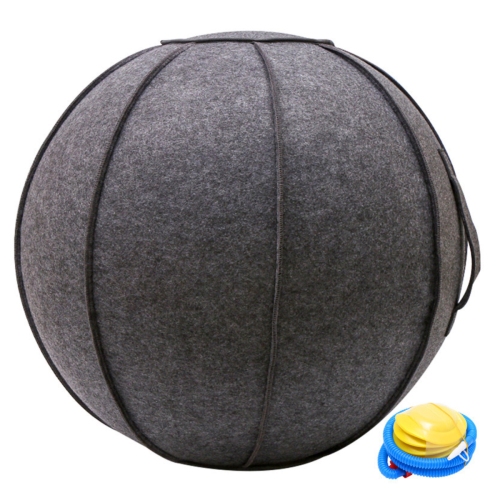
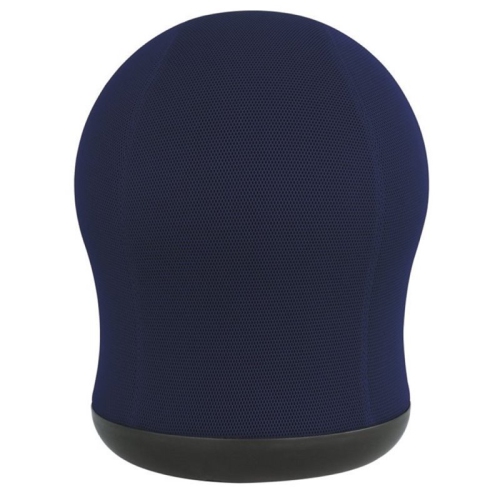
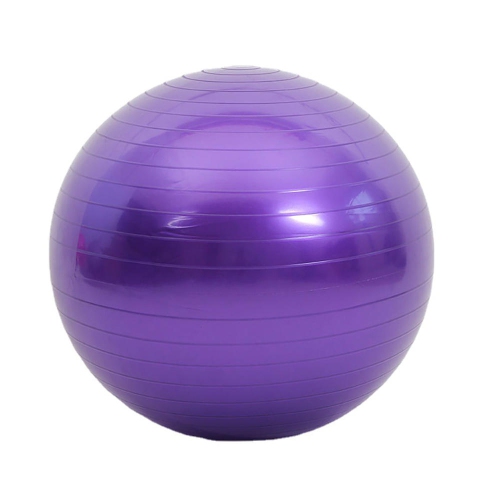
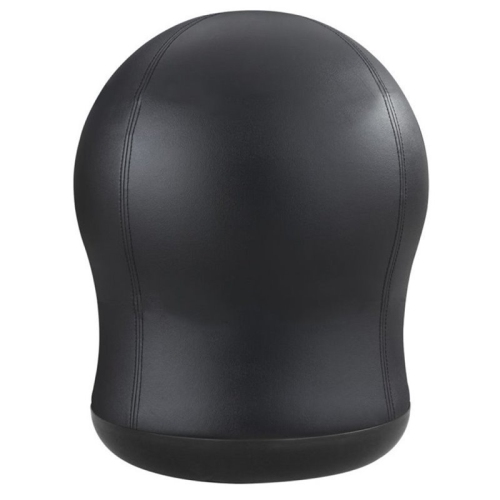
Balance ball chairs bring the movement of a stability ball into a more structured seating format for home offices, study areas, creative workspaces and other places where you spend time at a desk. A typical design combines an exercise ball with a supportive base, frame or caster system, helping the ball stay in position while still allowing the small, natural movements associated with active sitting. As you shift your weight, your abdominal and back muscles may engage to help you maintain balance, while the rounded seat can encourage a more upright posture than a deeply cushioned chair. These chairs can be a practical choice for people who enjoy changing positions throughout the day, want a more dynamic alternative to conventional seating or are building a flexible home workout space. Some designs include a backrest, while others have a backless profile that allows greater freedom of movement. Certain models also let you remove the ball for stretching, balance exercises or other floor-based activities. If you are comparing a balance ball chair with a standalone stability ball, explore the range of Exercise Balls to consider how each format may suit your space and routine. Balance ball chairs can also make thoughtful gifts for students, remote workers, artists, crafters and anyone who likes to add gentle movement to sedentary tasks. They can be especially useful during the cooler months, when more work, study and recreation may take place indoors. Rather than replacing every other type of chair, a balance ball chair is best viewed as one option in a varied seating routine, giving you another way to sit, stretch and reset during a busy day.
Fit is one of the most important considerations when choosing a balance ball chair. Check the recommended user height and weight range, then compare the overall dimensions with the available space beneath and around your desk. When seated, your hips should generally be level with or slightly higher than your knees, with both feet resting comfortably on the floor and your knees positioned at about a right angle. A seat that is too low can make it harder to maintain a neutral posture, while one that is too high may leave your feet unsupported and place extra pressure on the backs of your legs. Proper inflation affects the feel as well: an underinflated ball may feel unstable and make it difficult to sit at a comfortable working height, while an overinflated ball can feel firm and limit the controlled movement many people prefer. Follow the supplied inflation instructions and check the ball periodically, since temperature changes and regular use can affect air pressure. For a shared workspace, an adjustable or easily repositioned design may be useful, particularly if people of different heights will use it. A backrest can provide extra support during reading, typing or longer seated tasks, whereas a backless design may appeal to users who want to engage their core and move more freely. Bases with a broad footprint can add stability, while caster wheels can make it easier to move between a desk, table or exercise area. Look for smooth-rolling wheels that lock when needed, especially on hard flooring, and consider whether the frame will fit comfortably under your desk without forcing your legs into an awkward position. A washable or removable cover can be convenient for everyday use, particularly in a busy household, and a built-in or included pump can simplify initial setup and occasional adjustments.
Balance ball chairs are intended for active, attentive sitting rather than uninterrupted use from morning until night. If you are new to this style of seating, begin with short sessions of roughly 10 to 20 minutes and alternate with a standard chair, standing, walking or gentle stretching. Over time, some users may feel comfortable extending sessions to around 20 to 30 minutes, but comfort and control should guide the pace. Muscle fatigue can affect posture, and slouching or leaning heavily to one side may reduce the benefits of an active seat. Keep your desk, monitor and keyboard positioned so that your shoulders can stay relaxed, your elbows remain near your sides and your eyes are directed comfortably towards the screen. A clear area around the chair is helpful because it allows you to step away safely and reduces the chance of catching a wheel or frame on nearby furniture. Inspect the ball, base, seams and fasteners from time to time, and stop using the chair if you notice damage, unusual deflation or instability. Children should use these products only with suitable supervision and according to the manufacturer’s age and size guidance. Anyone managing persistent back pain, balance concerns, an injury or another condition that may affect safe seating should seek advice from a qualified healthcare professional before using one. With the right size, inflation level and setup, a balance ball chair can add variety to a home office, study nook or hobby room while encouraging regular posture changes. It can also be a useful addition to a compact fitness area, allowing the same ball to support light movement and stretching when work is finished.
Fit is one of the most important considerations when choosing a balance ball chair. Check the recommended user height and weight range, then compare the overall dimensions with the available space beneath and around your desk. When seated, your hips should generally be level with or slightly higher than your knees, with both feet resting comfortably on the floor and your knees positioned at about a right angle. A seat that is too low can make it harder to maintain a neutral posture, while one that is too high may leave your feet unsupported and place extra pressure on the backs of your legs. Proper inflation affects the feel as well: an underinflated ball may feel unstable and make it difficult to sit at a comfortable working height, while an overinflated ball can feel firm and limit the controlled movement many people prefer. Follow the supplied inflation instructions and check the ball periodically, since temperature changes and regular use can affect air pressure. For a shared workspace, an adjustable or easily repositioned design may be useful, particularly if people of different heights will use it. A backrest can provide extra support during reading, typing or longer seated tasks, whereas a backless design may appeal to users who want to engage their core and move more freely. Bases with a broad footprint can add stability, while caster wheels can make it easier to move between a desk, table or exercise area. Look for smooth-rolling wheels that lock when needed, especially on hard flooring, and consider whether the frame will fit comfortably under your desk without forcing your legs into an awkward position. A washable or removable cover can be convenient for everyday use, particularly in a busy household, and a built-in or included pump can simplify initial setup and occasional adjustments.
Balance ball chairs are intended for active, attentive sitting rather than uninterrupted use from morning until night. If you are new to this style of seating, begin with short sessions of roughly 10 to 20 minutes and alternate with a standard chair, standing, walking or gentle stretching. Over time, some users may feel comfortable extending sessions to around 20 to 30 minutes, but comfort and control should guide the pace. Muscle fatigue can affect posture, and slouching or leaning heavily to one side may reduce the benefits of an active seat. Keep your desk, monitor and keyboard positioned so that your shoulders can stay relaxed, your elbows remain near your sides and your eyes are directed comfortably towards the screen. A clear area around the chair is helpful because it allows you to step away safely and reduces the chance of catching a wheel or frame on nearby furniture. Inspect the ball, base, seams and fasteners from time to time, and stop using the chair if you notice damage, unusual deflation or instability. Children should use these products only with suitable supervision and according to the manufacturer’s age and size guidance. Anyone managing persistent back pain, balance concerns, an injury or another condition that may affect safe seating should seek advice from a qualified healthcare professional before using one. With the right size, inflation level and setup, a balance ball chair can add variety to a home office, study nook or hobby room while encouraging regular posture changes. It can also be a useful addition to a compact fitness area, allowing the same ball to support light movement and stretching when work is finished.
Top selling and popular products
-
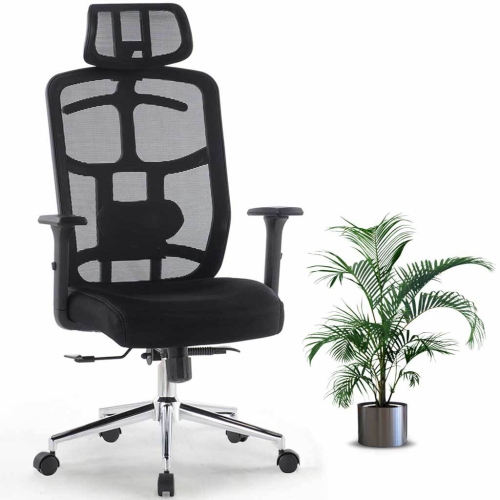 Your price for this item is $114.99
 -
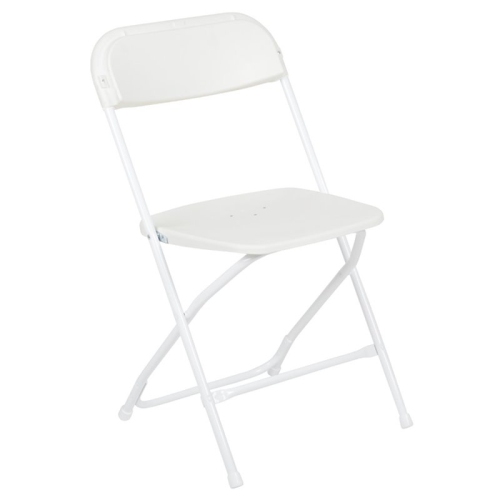 Your price for this item is $123
 -
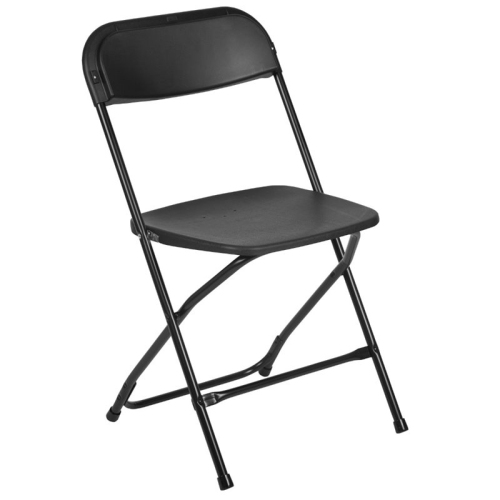 Your price for this item is $139.99
 -
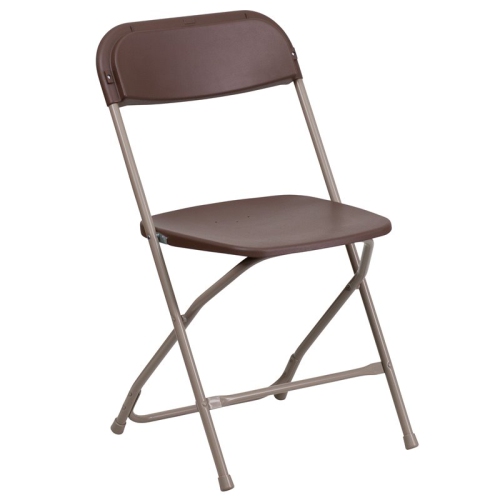 Your price for this item is $139.99
 -
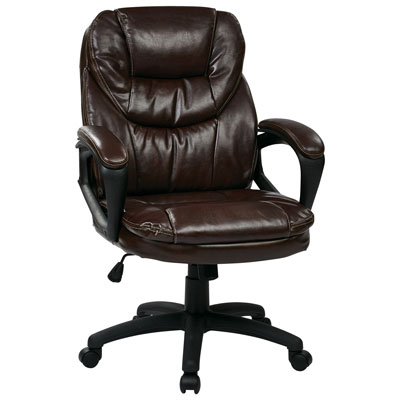 Your price for this item is $203.98
 -
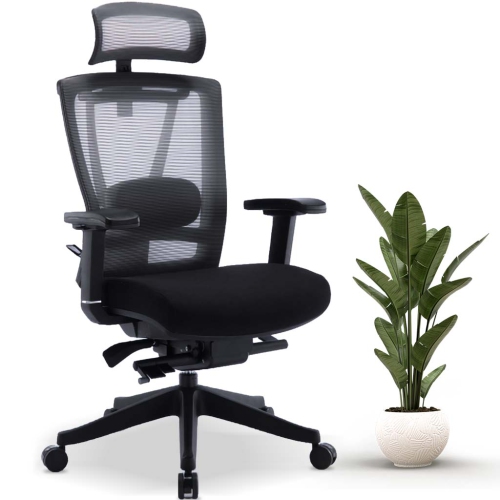 Your price for this item is $379.99
 -
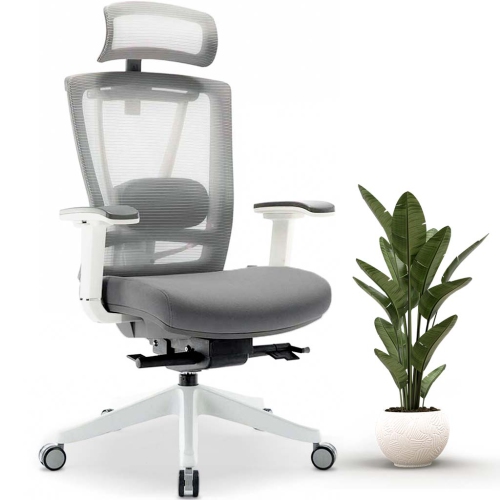 Your price for this item is $379.99
 -
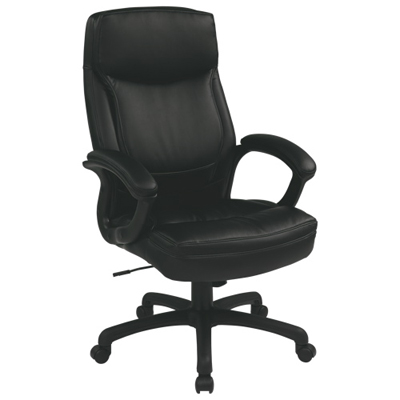 Your price for this item is $594.99
Discover more categories related to Balance Ball Chairs
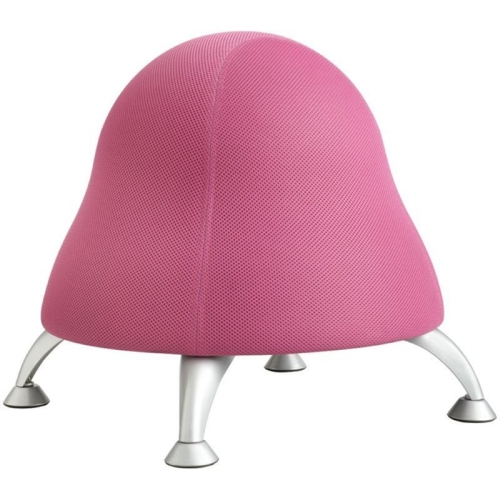
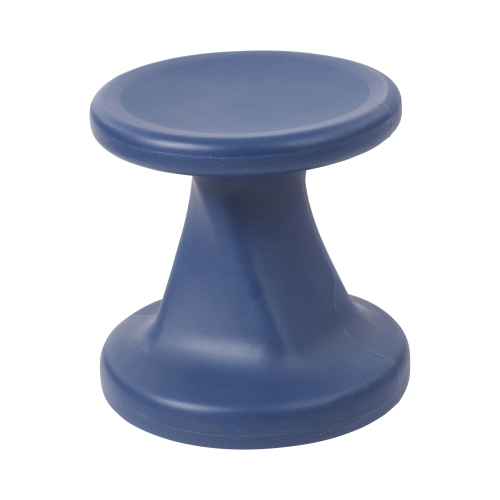
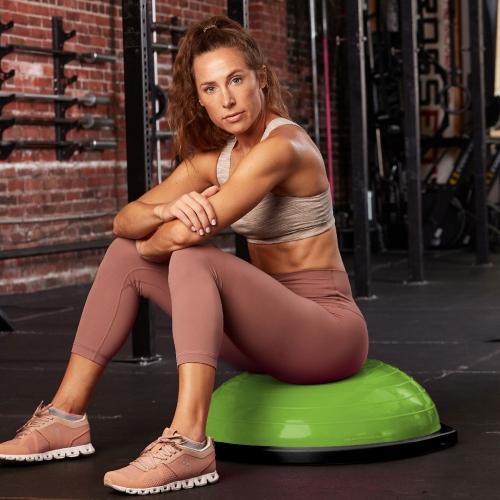
Top Collections:
Pokemon Centers, Kindle Devices, Best Budget Office Chairs, Apple iPhones 16, Best Laptops for Writers, iPhone 15 Apple, Canon G7X Cameras, Refurbished Apple Laptops, Alarm Clock, Motorola Razr Phones
Some products may be subject to Environmental Handling Fees
(EHF) depending on your province.
Learn more about EHFs.