Balcony Flooring Tiles
Transform your balcony into a stylish and functional outdoor oasis with our selection of balcony flooring tiles. Whether you're looking to create a cozy space for morning coffee or an inviting area for entertaining guests, these versatile tiles are the perfect solution. With a range of materials, colors, and patterns to choose from, you can easily customize your balcony to suit your personal style. Durable, easy to install, and weather-resistant, these flooring tiles are designed to withstand the elements while adding a touch of elegance to your outdoor living space.
Sort
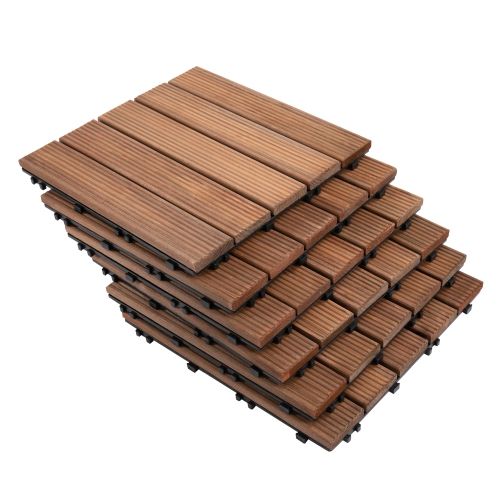

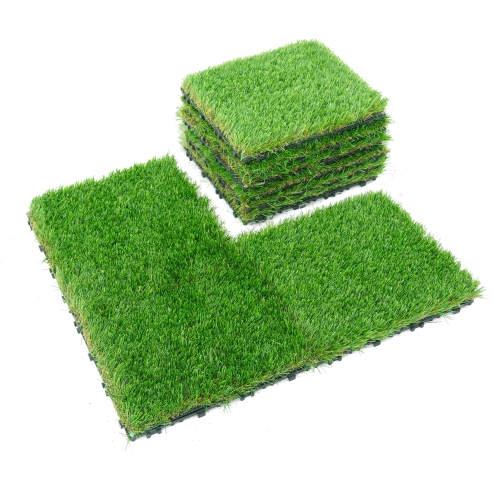
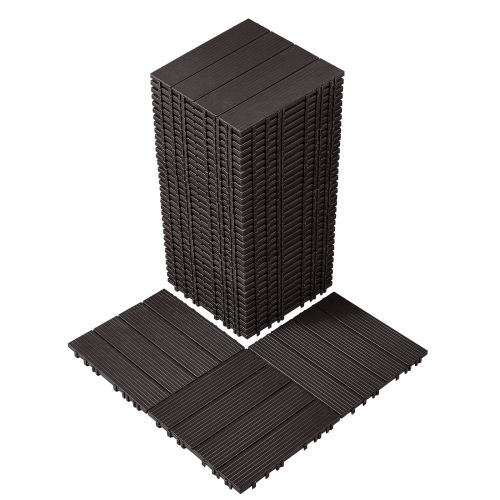
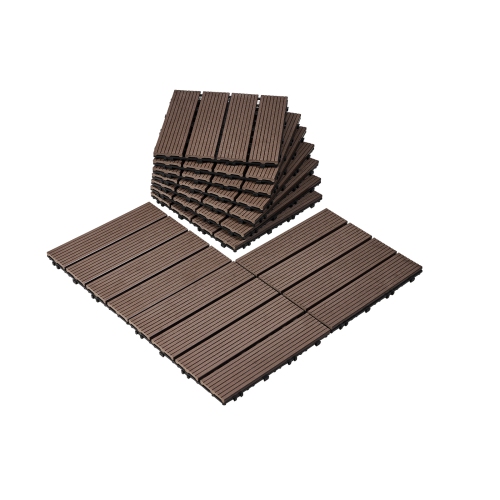



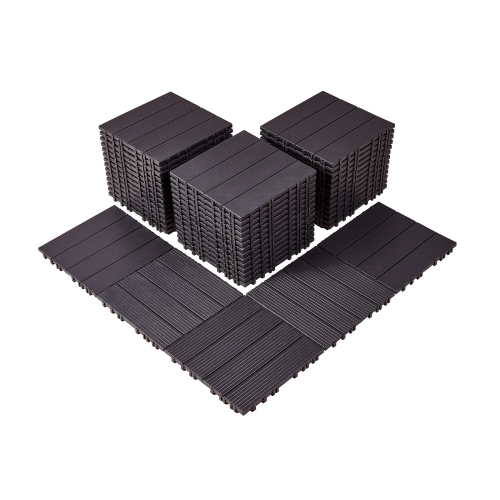
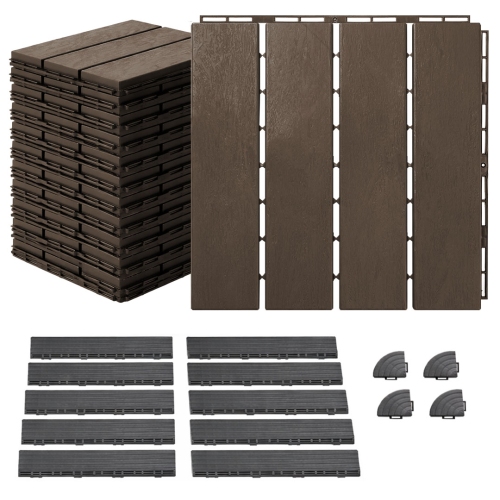
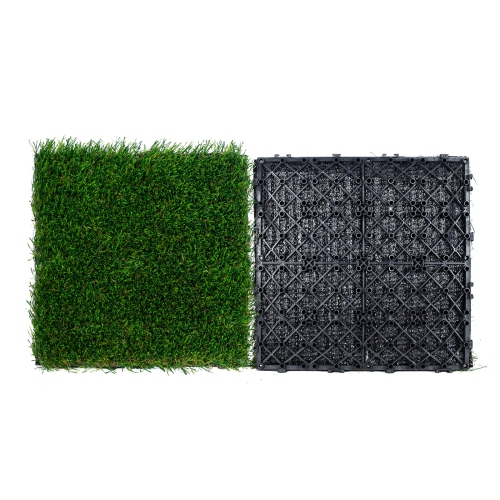
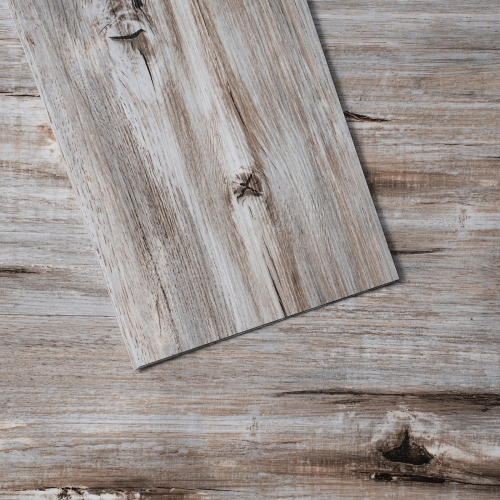
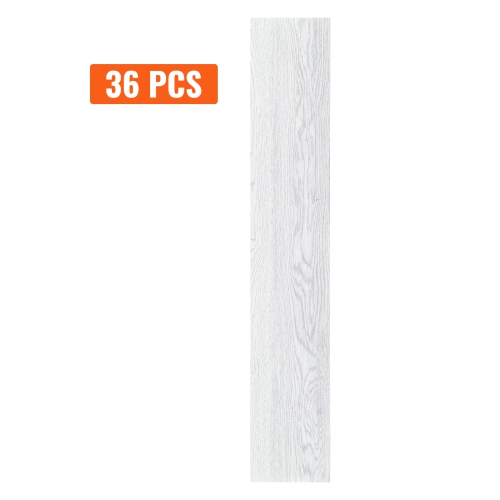
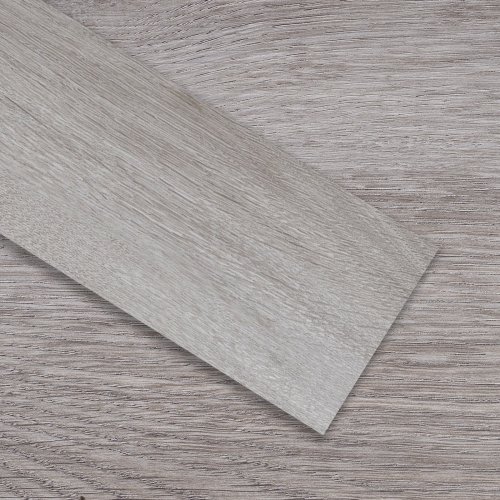
From plain concrete to a more inviting balcony
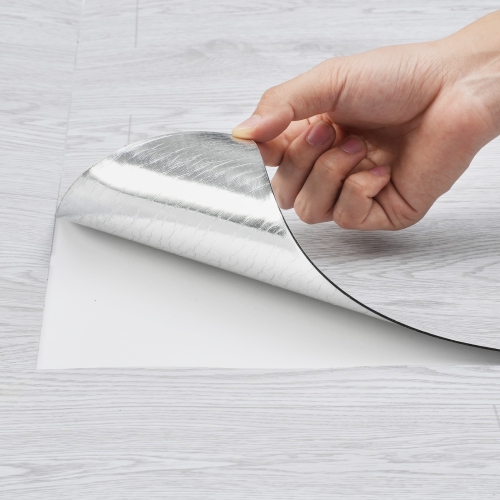
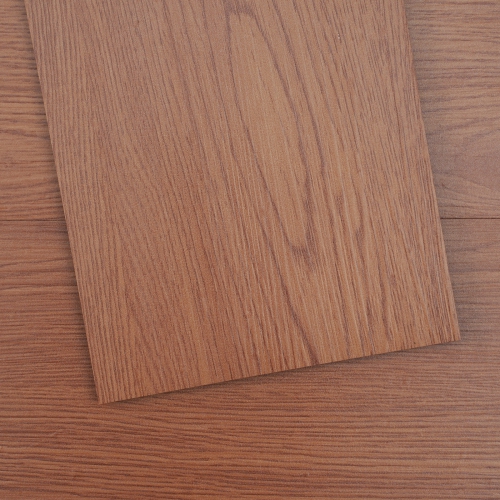
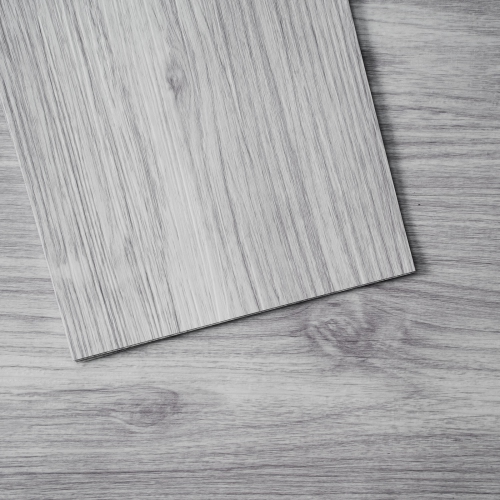
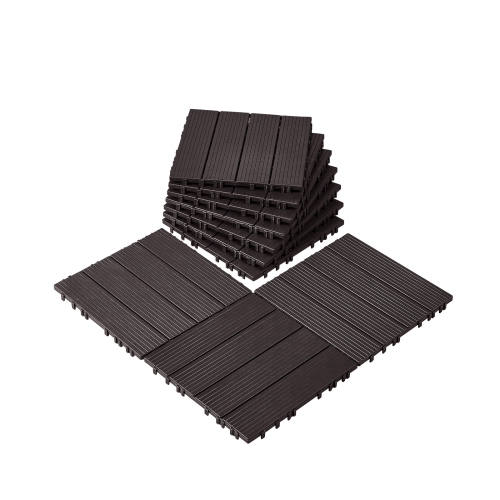
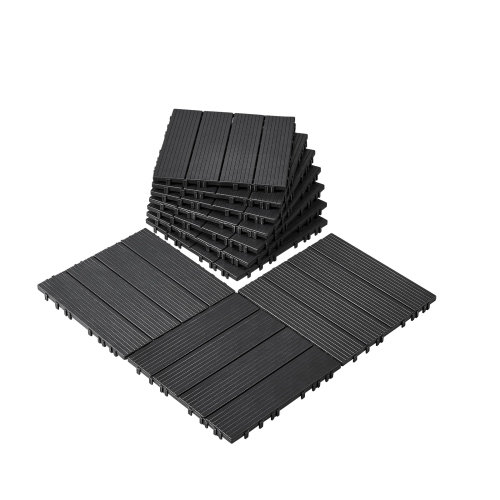
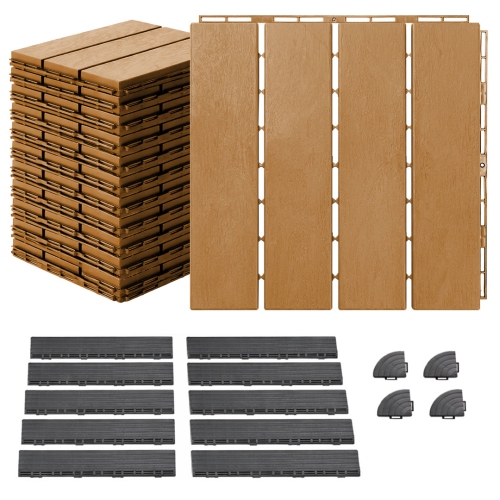
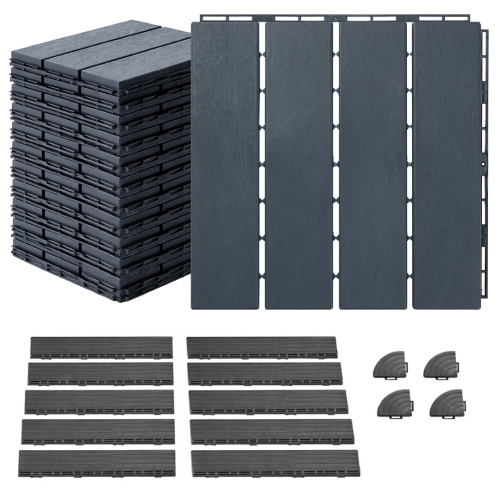
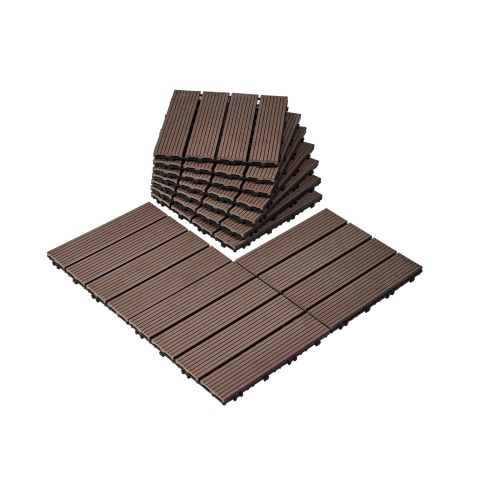
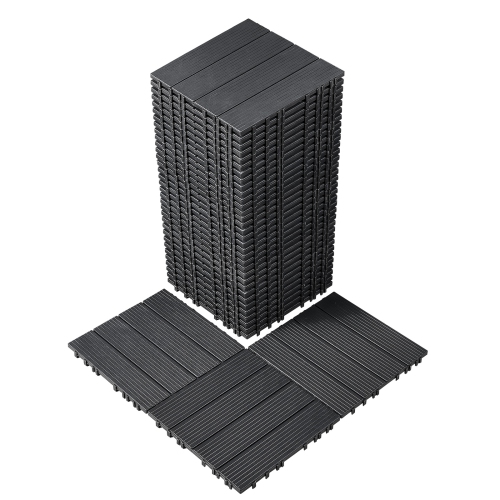
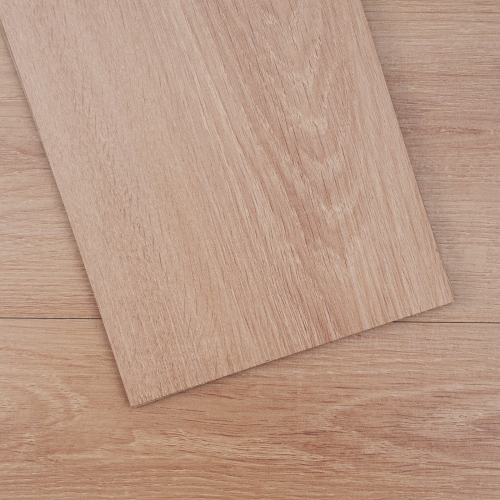
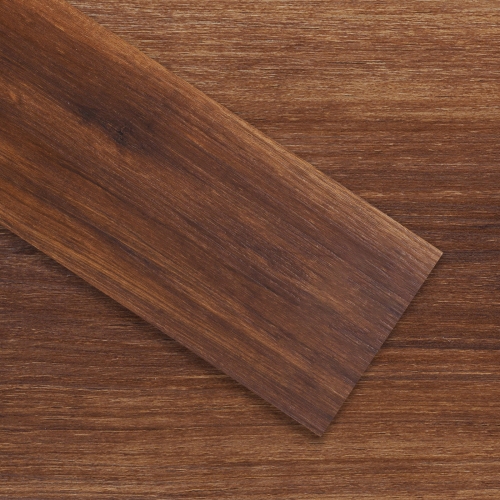
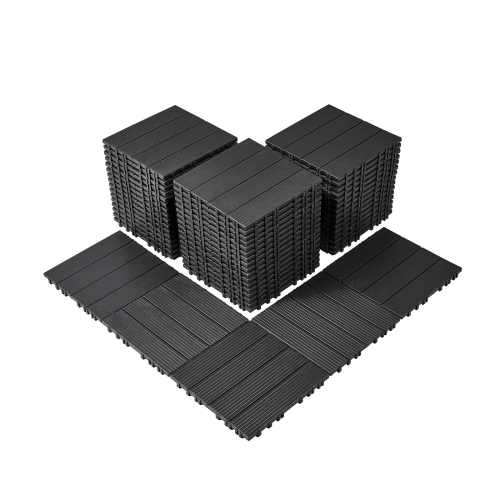
Balcony flooring tiles create a finished surface over a suitable existing balcony floor, turning plain concrete into a more inviting setting for a bistro table, a reading chair, or a row of planters. Many designs use interlocking edges that connect individual sections into a floating covering rather than a permanently bonded floor. Depending on the design, this can make installation possible without adhesive or grout, although trimming edges and fitting around obstacles may require tools. The modular format is especially useful in compact outdoor spaces, where a small change in texture or colour can make the whole area feel more intentional. Wood tiles bring natural grain and variation, while composite tiles can offer a wood-like appearance with different maintenance requirements. Plastic and polypropylene designs range from slatted surfaces to open grids, and artificial grass tiles provide a distinctly different texture underfoot. Some tile systems also feature stone or ceramic surfaces on interlocking bases, with weight and installation requirements that deserve particular attention on a balcony. The choice is about more than appearance: surface texture, overall thickness, drainage, and suitability for outdoor exposure all affect how the flooring works in daily use. A narrow balcony used mainly for morning coffee has different demands from a larger space with dining furniture and frequently moved chairs. Browsing Balcony Tiles can help bring those material and layout differences into focus. Warm wood tones pair naturally with woven seating, while grey or charcoal finishes can give metal furniture a simple, coordinated backdrop. Alternating the direction of compatible slatted tiles creates a checkerboard effect; keeping the slats aligned produces a more continuous visual line. For renters and condo residents, removable flooring may be appealing, but a floating installation still needs to comply with the lease, building rules, and any restrictions on coverings placed over the original balcony surface.
Material construction has a direct effect on comfort, care, and durability. Natural wood balcony tiles may need periodic cleaning and a suitable protective treatment, depending on the wood species and finish. Their colour can change with exposure, and the manufacturer's care directions help distinguish normal surface changes from signs that maintenance is needed. Composite flooring combines materials in formulations that vary, so resistance to staining, fading, and scratching should be assessed from the stated specifications rather than assumed from the category alone. Plastic tiles are often relatively light and easy to handle, but their load capacity, rigidity, and resistance to ultraviolet exposure differ by design. Open-grid surfaces allow water to pass through, while slatted tiles commonly have gaps above a raised base. Neither feature replaces the balcony's existing drainage system: water must still have an unobstructed route along the underlying surface to the drain. Artificial grass tiles offer a lawn-like look without loose soil, though fibres can hold crumbs, leaves, and pet hair and may need brushing or rinsing as directed. Stone and ceramic surfaces can offer a firm, textured finish, but suitability for outdoor use, freezing conditions, and the balcony's permitted load should be confirmed before installation. Across all materials, a textured surface is not a guarantee against slipping, particularly when wet or covered with debris. Surface temperatures can also vary with material, colour, and direct sunlight, which matters for bare feet and pets. Furniture introduces another practical consideration. A broad chair foot distributes pressure differently from a narrow metal leg, and a heavy planter can concentrate weight over a small area. Tiles need a base and load rating suited to their intended use, with furniture pads or supports where recommended. For a balcony that doubles as a quiet seating area and a place to tend container plants, a finish that tolerates routine spills and is straightforward to clean may matter more than an elaborate pattern.
Fit is where balcony deck tiles differ most from simply laying down an outdoor rug. Coverage depends on the usable floor area, the dimensions of each tile, and the layout around doorways, railing posts, corners, and drains. Pack coverage is more useful than tile count alone, since individual tile sizes vary. Allowance for cuts and spare pieces depends on the shape of the space and the chosen pattern; a rectangular balcony generally produces less offcut material than one with angled edges or several posts. Tiles from different systems are not necessarily compatible, even when their dimensions look similar, because connector shapes and finished heights can differ. Overall tile thickness needs to leave adequate clearance beneath an opening door and must not obstruct threshold drainage openings or other building features. A stable, properly sloped underlying floor is equally important. Interlocking flooring is a surface covering, not a repair for loose concrete, a damaged waterproof membrane, or an uneven base, and it does not make a balcony watertight. Required edge gaps allow for movement, while compatible border pieces, where offered, can give exposed edges a neater finish and reduce abrupt transitions. Access to drains should remain practical rather than buried beneath a layout that is difficult to lift. Everyday care usually centres on removing grit, clearing fallen debris, and cleaning spills with products suitable for the tile material. Dirt trapped beneath the covering may also need attention, following the system's removal and reassembly instructions. Pressure washing, harsh cleaners, and abrasive brushes are not suitable for every finish or backing. Where removal or storage is recommended, modular sections can be easier to manage than a continuous covering, although repeated disassembly should follow the connector design's limitations. These details help distinguish flooring chosen mainly for its appearance from flooring that fits the way a balcony is actually used. A well-matched surface leaves room for doors to open, chairs to move, and water to drain, while giving an outdoor seating area a cohesive, comfortable foundation.
Material construction has a direct effect on comfort, care, and durability. Natural wood balcony tiles may need periodic cleaning and a suitable protective treatment, depending on the wood species and finish. Their colour can change with exposure, and the manufacturer's care directions help distinguish normal surface changes from signs that maintenance is needed. Composite flooring combines materials in formulations that vary, so resistance to staining, fading, and scratching should be assessed from the stated specifications rather than assumed from the category alone. Plastic tiles are often relatively light and easy to handle, but their load capacity, rigidity, and resistance to ultraviolet exposure differ by design. Open-grid surfaces allow water to pass through, while slatted tiles commonly have gaps above a raised base. Neither feature replaces the balcony's existing drainage system: water must still have an unobstructed route along the underlying surface to the drain. Artificial grass tiles offer a lawn-like look without loose soil, though fibres can hold crumbs, leaves, and pet hair and may need brushing or rinsing as directed. Stone and ceramic surfaces can offer a firm, textured finish, but suitability for outdoor use, freezing conditions, and the balcony's permitted load should be confirmed before installation. Across all materials, a textured surface is not a guarantee against slipping, particularly when wet or covered with debris. Surface temperatures can also vary with material, colour, and direct sunlight, which matters for bare feet and pets. Furniture introduces another practical consideration. A broad chair foot distributes pressure differently from a narrow metal leg, and a heavy planter can concentrate weight over a small area. Tiles need a base and load rating suited to their intended use, with furniture pads or supports where recommended. For a balcony that doubles as a quiet seating area and a place to tend container plants, a finish that tolerates routine spills and is straightforward to clean may matter more than an elaborate pattern.
Fit is where balcony deck tiles differ most from simply laying down an outdoor rug. Coverage depends on the usable floor area, the dimensions of each tile, and the layout around doorways, railing posts, corners, and drains. Pack coverage is more useful than tile count alone, since individual tile sizes vary. Allowance for cuts and spare pieces depends on the shape of the space and the chosen pattern; a rectangular balcony generally produces less offcut material than one with angled edges or several posts. Tiles from different systems are not necessarily compatible, even when their dimensions look similar, because connector shapes and finished heights can differ. Overall tile thickness needs to leave adequate clearance beneath an opening door and must not obstruct threshold drainage openings or other building features. A stable, properly sloped underlying floor is equally important. Interlocking flooring is a surface covering, not a repair for loose concrete, a damaged waterproof membrane, or an uneven base, and it does not make a balcony watertight. Required edge gaps allow for movement, while compatible border pieces, where offered, can give exposed edges a neater finish and reduce abrupt transitions. Access to drains should remain practical rather than buried beneath a layout that is difficult to lift. Everyday care usually centres on removing grit, clearing fallen debris, and cleaning spills with products suitable for the tile material. Dirt trapped beneath the covering may also need attention, following the system's removal and reassembly instructions. Pressure washing, harsh cleaners, and abrasive brushes are not suitable for every finish or backing. Where removal or storage is recommended, modular sections can be easier to manage than a continuous covering, although repeated disassembly should follow the connector design's limitations. These details help distinguish flooring chosen mainly for its appearance from flooring that fits the way a balcony is actually used. A well-matched surface leaves room for doors to open, chairs to move, and water to drain, while giving an outdoor seating area a cohesive, comfortable foundation.
Top selling and popular products
-
 Your price for this item is $199
 -
 Your price for this item is $418.99
 -
 Your price for this item is $481.99
 -
 Your price for this item is $226.99
 -
 Your price for this item is $133.99
 -
 Your price for this item is $69.45
 -
 Your price for this item is $562.99
 -
 Your price for this item is $26.99
Discover more categories related to Balcony Flooring Tiles
Top Collections:
Pokemon Centers, Kindle Devices, Best Budget Office Chairs, Apple iPhones 16, Best Laptops for Writers, iPhone 15 Apple, Canon G7X Cameras, Refurbished Apple Laptops, Alarm Clock, Motorola Razr Phones
Some products may be subject to Environmental Handling Fees
(EHF) depending on your province.
Learn more about EHFs.