Balcony Tiles
Transform your balcony into a stylish oasis with this selection of balcony tiles. Whether you're looking to create a cozy outdoor retreat or a modern entertaining space, these versatile tiles are the perfect solution for upgrading your outdoor living area. With a variety of colors, materials, and patterns to choose from, you can easily customize your balcony to suit your personal style. Durable, easy to install, and low maintenance, these balcony tiles are designed to withstand the elements while adding a touch of elegance to your outdoor space.
Sort



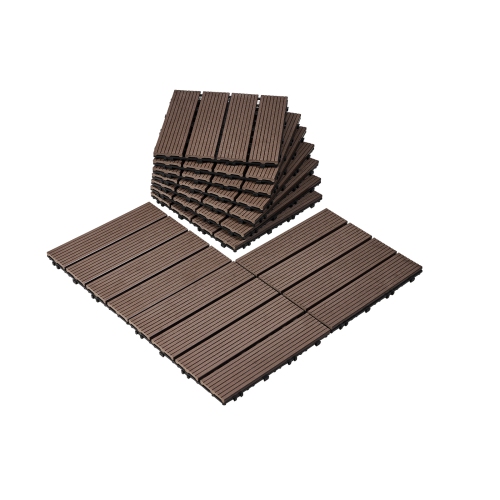
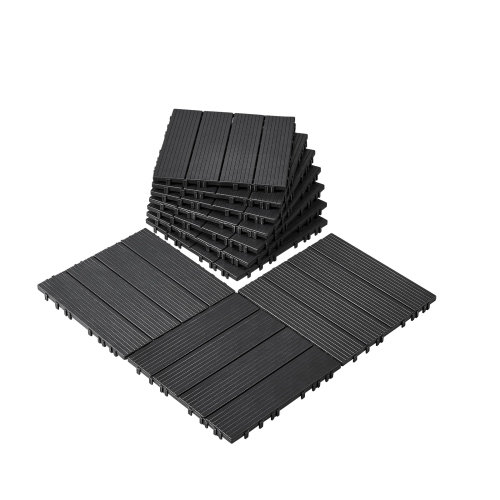

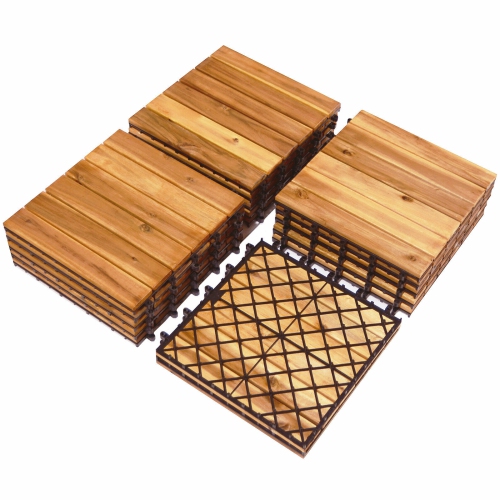
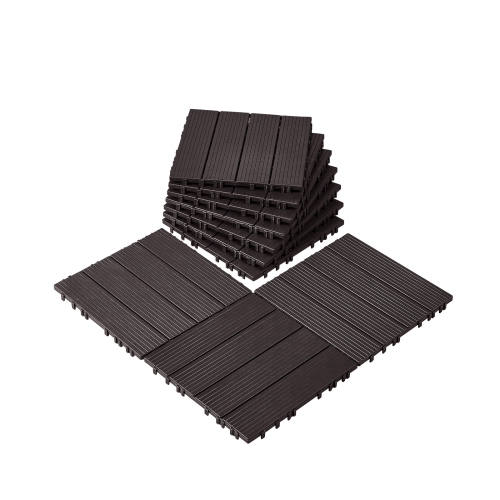
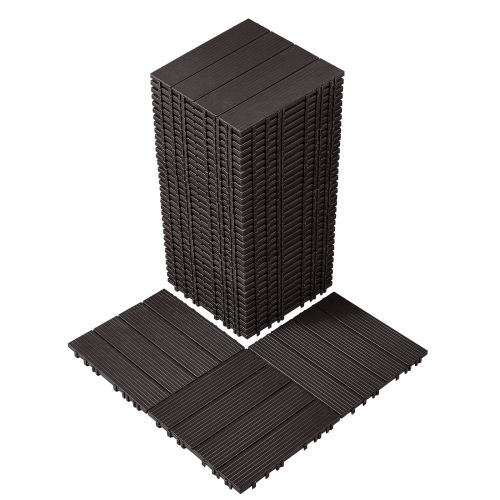
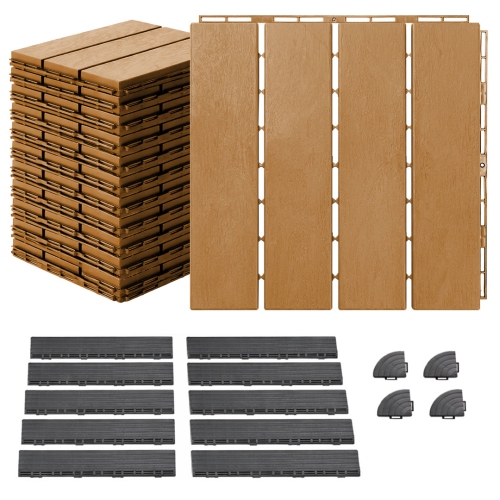
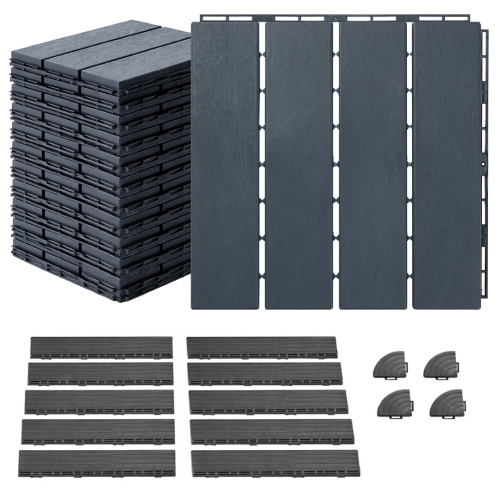
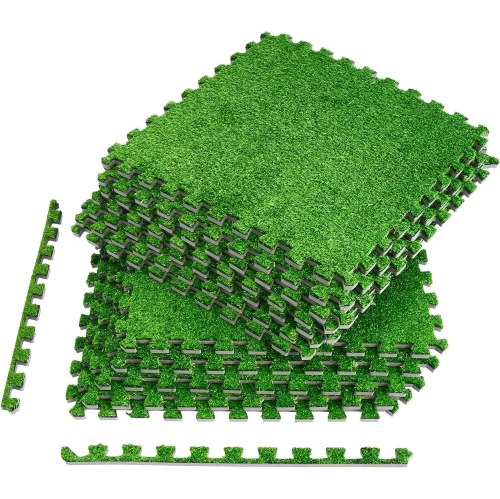
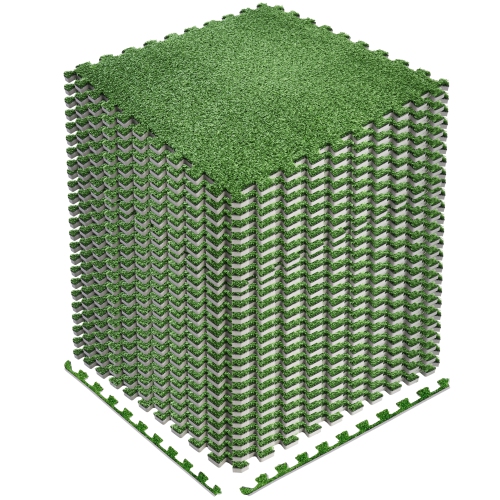


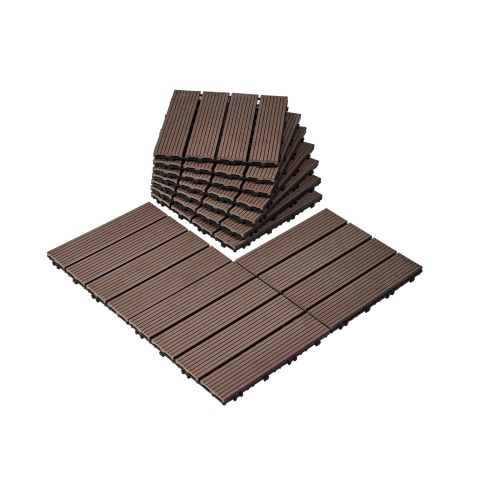
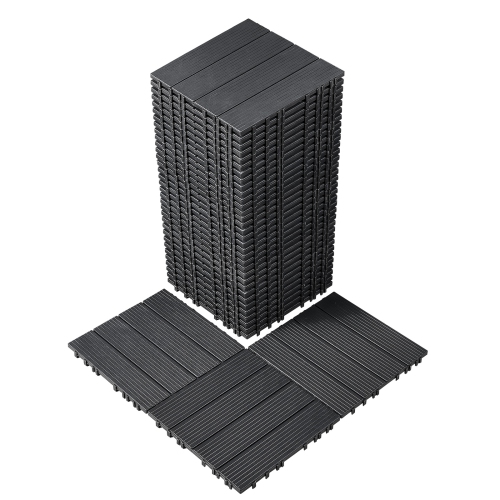
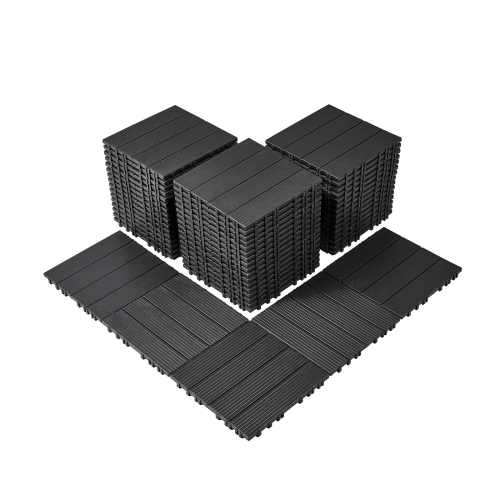
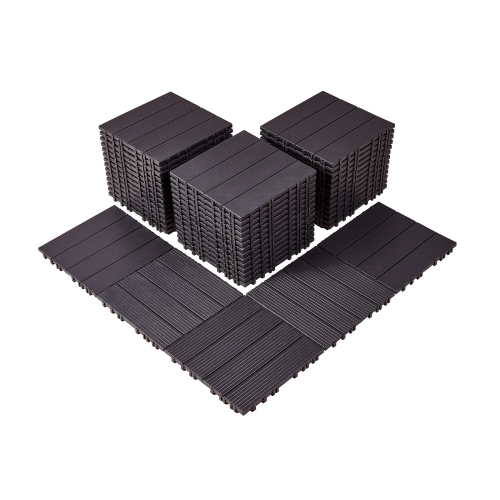
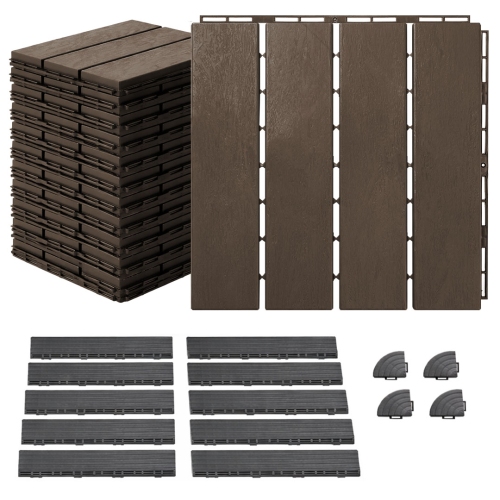
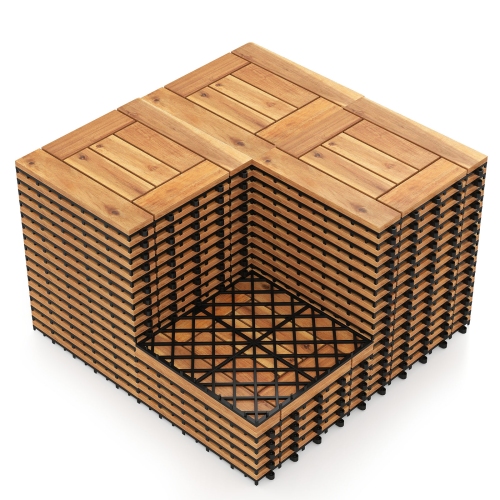

A finished balcony floor starts with the right fit
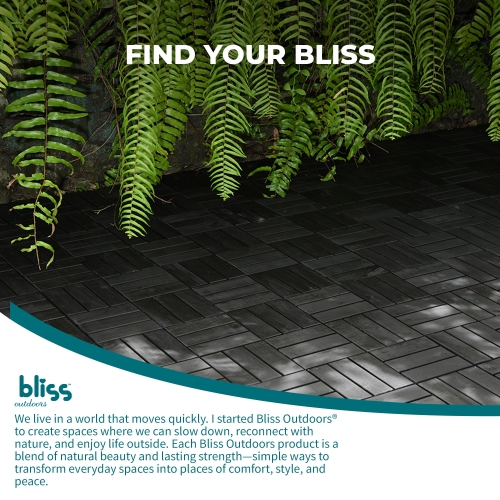
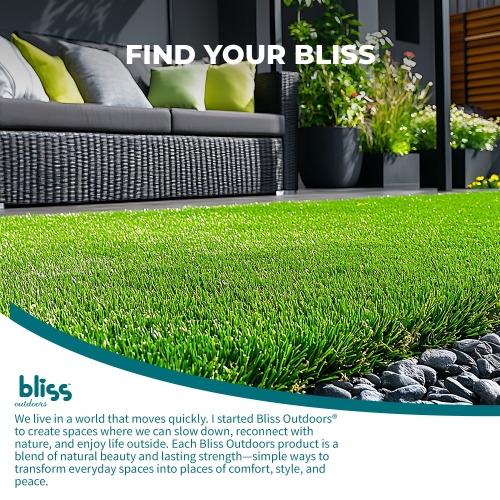
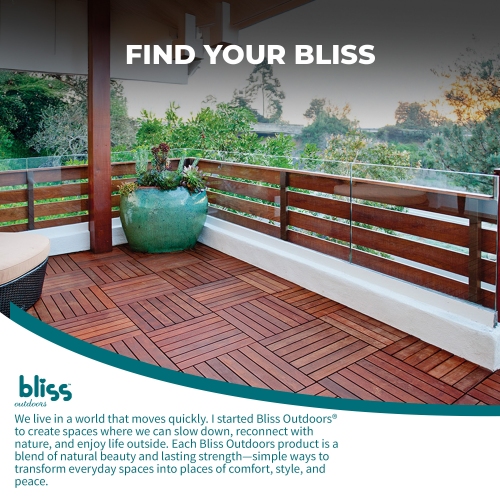
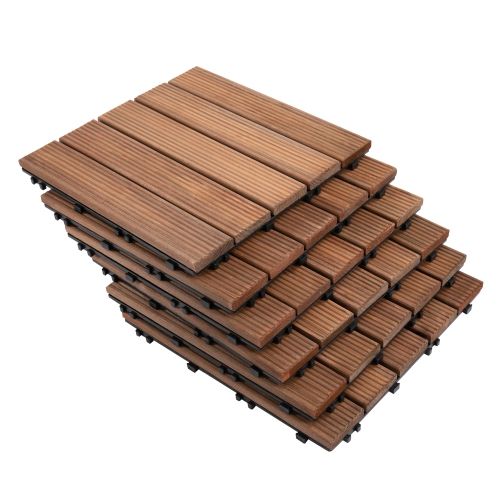
Balcony tiles give small outdoor spaces a more finished floor, turning a plain concrete slab into a comfortable setting for a bistro table, a reading chair, or a few planters. Designed for outdoor use, these modular floor coverings come in several material types, including natural wood, composite, plastic, rubber, and artificial grass. Many interlocking balcony tiles have connecting tabs that snap together over a firm, level surface, so the main sections can often be assembled without adhesive or tools. Cutting pieces to fit around posts, corners, or other obstacles may still require tools, and installation requirements vary by design. Unlike permanently bonded tile, a floating interlocking system may allow individual sections to be lifted for cleaning or replacement, making it a practical option for some renters and condominium residents where building rules permit removable floor coverings. The finished appearance can range from narrow wood slats with visible grain to smooth stone-look surfaces or a patch of green turf beneath a lounge chair. On a compact balcony, a consistent colour and pattern can make the floor feel less visually busy, while alternating compatible slat directions can add definition without introducing extra furnishings. Balcony tiles are generally intended to refresh a suitable existing surface rather than repair it: loose concrete, persistent puddles, damaged waterproofing, and unstable boards need attention separately. Their suitability also depends on exposure. A recessed balcony protected by an overhang has different demands from an open terrace that receives driving rain, strong sun, and blowing snow. For shoppers considering flooring across a patio, terrace, or other open-air space, Outdoor Tiles offers a broader category to explore alongside balcony-focused options. The most useful distinction is between a surface chosen mainly for its appearance and one whose construction, drainage, weight, and maintenance requirements also suit everyday life outdoors.
Material choice affects how balcony flooring looks, feels, and ages. Natural wood tiles, including hardwood varieties, bring variation in grain and tone that pairs well with woven seating, metal furniture, and leafy plants. Wood can change colour with exposure, and some finishes need periodic cleaning and oiling according to the manufacturer's directions to maintain their appearance. Composite tiles often combine wood fibres with plastic, offering a slatted look with care requirements that differ from solid wood. Their resistance to staining, fading, moisture, and scratching depends on the formulation and finish, rather than the material name alone. Plastic balcony tiles are typically lightweight and easy to handle, although their rigidity, surface texture, and performance in cold temperatures vary. Rubber tiles can offer a more forgiving feel underfoot, but outdoor suitability, water movement, and compatibility with the balcony's original surface remain important considerations. Artificial grass tiles add a soft-looking green area without planting, though the pile can collect debris and may become hot in direct sun. Porcelain and other rigid tile finishes have their own appeal, particularly where a clean, architectural look is preferred, but they require a system appropriate to the supporting surface and exposure. A tile intended for bonded installation is not interchangeable with a snap-together deck tile. For any material, texture matters near a doorway where shoes may track in rain or slush. An outdoor designation does not guarantee that a surface will remain slip-resistant when wet, icy, or covered with leaves. Darker colours may also feel noticeably warmer in sunshine, which is worth considering for bare feet and pets. A sheltered spot used for morning coffee may call for a different balance of softness, easy cleaning, and wear resistance than a busy balcony where chairs move frequently and planters are rearranged throughout the year. Manufacturer specifications help distinguish those practical differences beyond colour and pattern.
Fit involves more than matching the tile dimensions to the balcony's floor area. Overall tile height, including any raised base, affects clearance beneath an outward-opening door and can create a change in level at the threshold. Connecting tabs, edge pieces, and corner trims influence the finished footprint, while rail posts, angled walls, and drain locations can interrupt an otherwise straightforward layout. Tiles from different systems may not connect even when their stated dimensions match, so compatibility matters when combining finishes or replacing a section later. Where a design requires expansion space, the manufacturer's specified clearance is more reliable than a universal gap measurement because materials respond differently to temperature changes. Raised backing and open joints can help water pass beneath some interlocking tiles, but they do not replace the balcony's existing slope, drainage, or waterproof membrane. Water still needs an unobstructed route away, and the underside must be suitable for contact with the surface below. Building rules may also address floor coverings, fire performance, added weight, or installation methods, particularly in shared residential buildings. Day-to-day care is usually most manageable when sections remain accessible: leaves can collect beneath a slatted floor, soil can wash out of pots, and crumbs can settle between joints around an outdoor dining table. Cleaning methods should suit both the tile surface and its backing, with harsh chemicals, abrasive tools, and pressure washing used only where permitted by the manufacturer. Protective furniture feet can help limit scuffs, while stable plant stands can make cleaning beneath containers easier. During the cooler months, freeze-thaw exposure deserves particular attention, since trapped water and ice can affect both footing and material performance. Some tiles are designed to remain outdoors year-round; others may need seasonal removal or storage. Snow-clearing tools and de-icing products also need to be compatible with the chosen finish. With the right fit and care requirements, balcony tiles can make a modest outdoor area feel more comfortable and cohesive while leaving room for the everyday details that make it useful, from a folding chair by the railing to a tidy row of herb pots near the door.
Material choice affects how balcony flooring looks, feels, and ages. Natural wood tiles, including hardwood varieties, bring variation in grain and tone that pairs well with woven seating, metal furniture, and leafy plants. Wood can change colour with exposure, and some finishes need periodic cleaning and oiling according to the manufacturer's directions to maintain their appearance. Composite tiles often combine wood fibres with plastic, offering a slatted look with care requirements that differ from solid wood. Their resistance to staining, fading, moisture, and scratching depends on the formulation and finish, rather than the material name alone. Plastic balcony tiles are typically lightweight and easy to handle, although their rigidity, surface texture, and performance in cold temperatures vary. Rubber tiles can offer a more forgiving feel underfoot, but outdoor suitability, water movement, and compatibility with the balcony's original surface remain important considerations. Artificial grass tiles add a soft-looking green area without planting, though the pile can collect debris and may become hot in direct sun. Porcelain and other rigid tile finishes have their own appeal, particularly where a clean, architectural look is preferred, but they require a system appropriate to the supporting surface and exposure. A tile intended for bonded installation is not interchangeable with a snap-together deck tile. For any material, texture matters near a doorway where shoes may track in rain or slush. An outdoor designation does not guarantee that a surface will remain slip-resistant when wet, icy, or covered with leaves. Darker colours may also feel noticeably warmer in sunshine, which is worth considering for bare feet and pets. A sheltered spot used for morning coffee may call for a different balance of softness, easy cleaning, and wear resistance than a busy balcony where chairs move frequently and planters are rearranged throughout the year. Manufacturer specifications help distinguish those practical differences beyond colour and pattern.
Fit involves more than matching the tile dimensions to the balcony's floor area. Overall tile height, including any raised base, affects clearance beneath an outward-opening door and can create a change in level at the threshold. Connecting tabs, edge pieces, and corner trims influence the finished footprint, while rail posts, angled walls, and drain locations can interrupt an otherwise straightforward layout. Tiles from different systems may not connect even when their stated dimensions match, so compatibility matters when combining finishes or replacing a section later. Where a design requires expansion space, the manufacturer's specified clearance is more reliable than a universal gap measurement because materials respond differently to temperature changes. Raised backing and open joints can help water pass beneath some interlocking tiles, but they do not replace the balcony's existing slope, drainage, or waterproof membrane. Water still needs an unobstructed route away, and the underside must be suitable for contact with the surface below. Building rules may also address floor coverings, fire performance, added weight, or installation methods, particularly in shared residential buildings. Day-to-day care is usually most manageable when sections remain accessible: leaves can collect beneath a slatted floor, soil can wash out of pots, and crumbs can settle between joints around an outdoor dining table. Cleaning methods should suit both the tile surface and its backing, with harsh chemicals, abrasive tools, and pressure washing used only where permitted by the manufacturer. Protective furniture feet can help limit scuffs, while stable plant stands can make cleaning beneath containers easier. During the cooler months, freeze-thaw exposure deserves particular attention, since trapped water and ice can affect both footing and material performance. Some tiles are designed to remain outdoors year-round; others may need seasonal removal or storage. Snow-clearing tools and de-icing products also need to be compatible with the chosen finish. With the right fit and care requirements, balcony tiles can make a modest outdoor area feel more comfortable and cohesive while leaving room for the everyday details that make it useful, from a folding chair by the railing to a tidy row of herb pots near the door.
Top selling and popular products
-
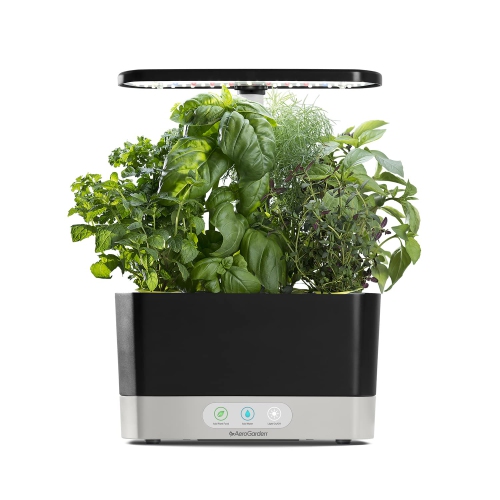 Your price for this item is $199
 -
 Your price for this item is $418.99
 -
 Your price for this item is $481.99
 -
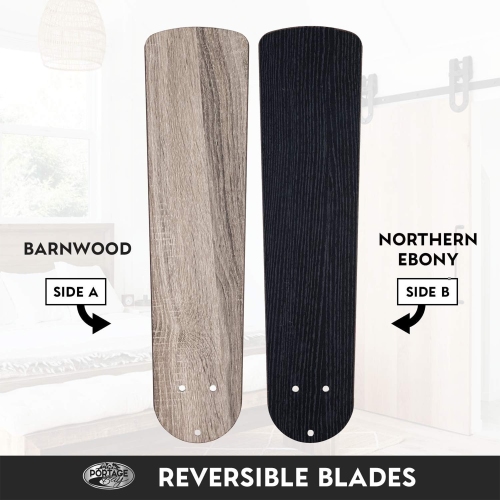 Your price for this item is $224.99
 -
 Your price for this item is $132.99
 -
 Your price for this item is $69.45
 -
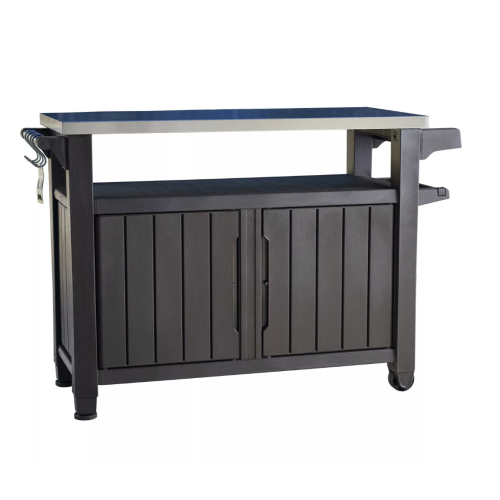 Your price for this item is $562.99
 -
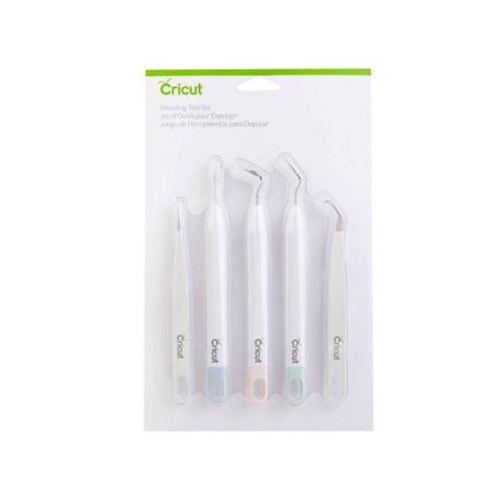 Your price for this item is $26.99
Discover more categories related to Balcony Tiles
Top Collections:
Pokemon Centers, Kindle Devices, Best Budget Office Chairs, Apple iPhones 16, Canon G7X Cameras, iPhone 15 Apple, Alarm Clock, Refurbished Apple Laptops, Flip Phones, Best Laptops for Writers
Some products may be subject to Environmental Handling Fees
(EHF) depending on your province.
Learn more about EHFs.