Outdoor Flooring Tiles
Transform your outdoor space into a stylish oasis with our selection of outdoor flooring tiles. Whether you're looking to revamp your patio, deck, or balcony, these versatile tiles are designed to withstand the elements while adding a touch of elegance to your outdoor living area. From durable materials to easy installation, discover a range of options to suit your aesthetic preferences and practical needs. Elevate your outdoor gatherings and create a welcoming atmosphere with our collection of outdoor flooring tiles.
Sort



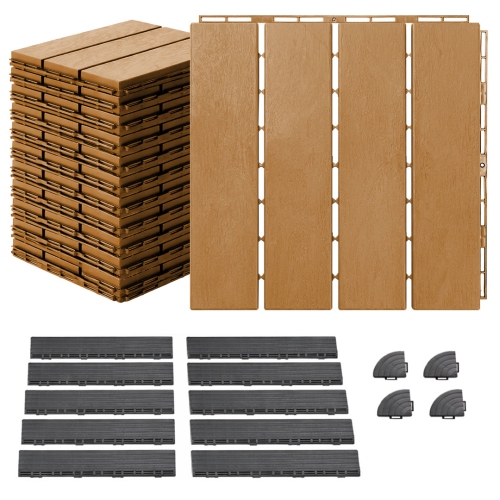
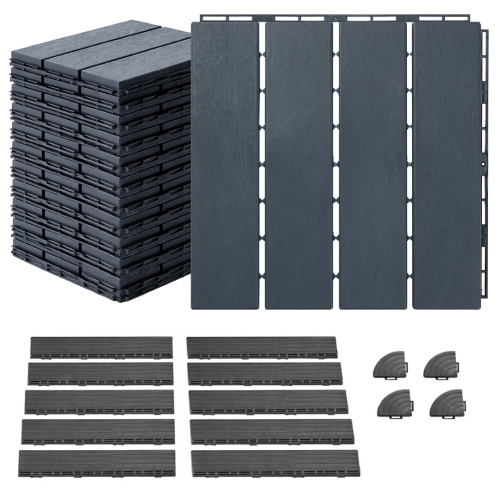
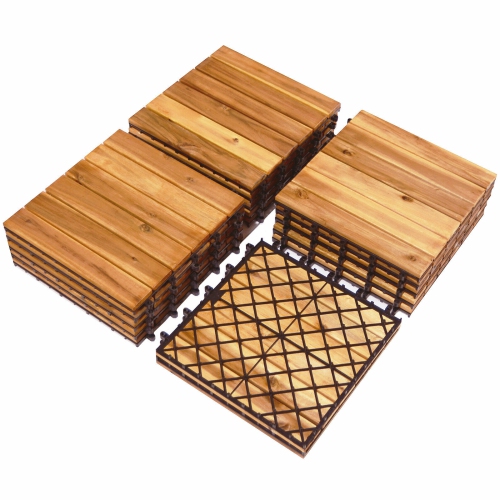
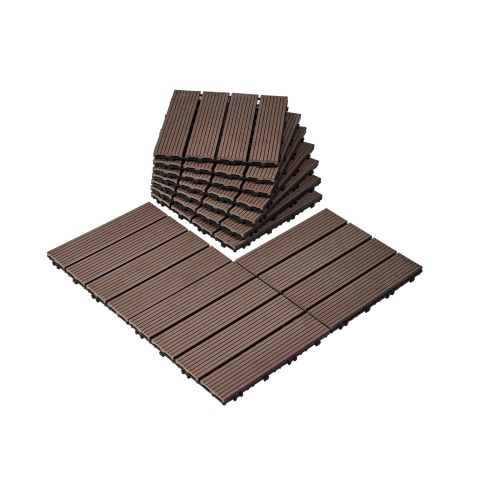
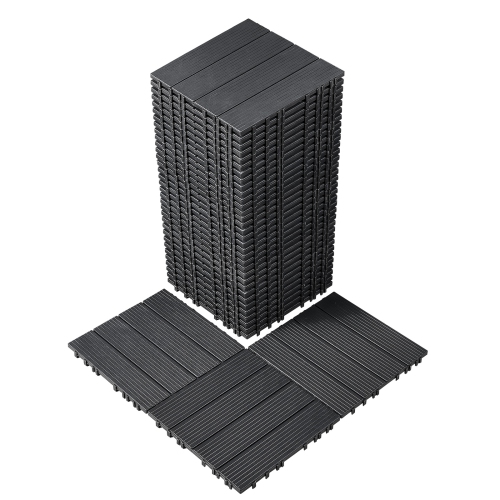
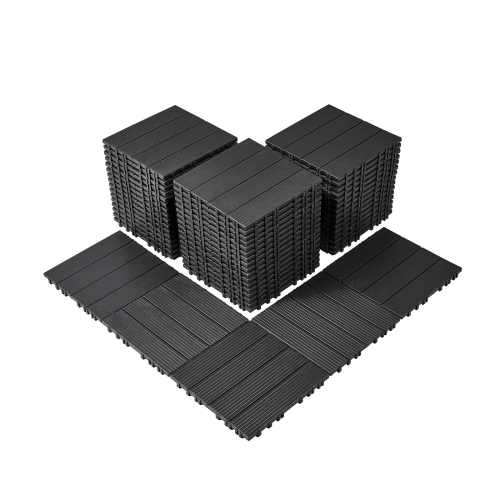
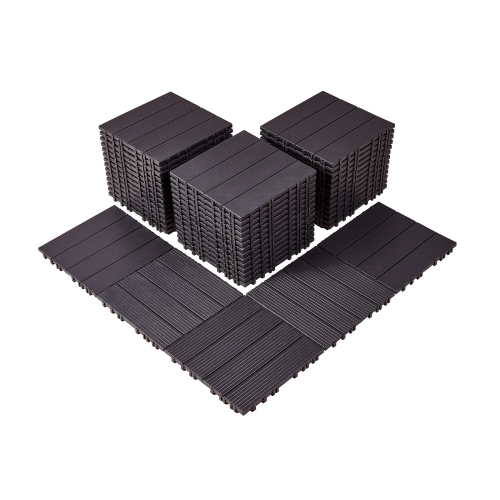
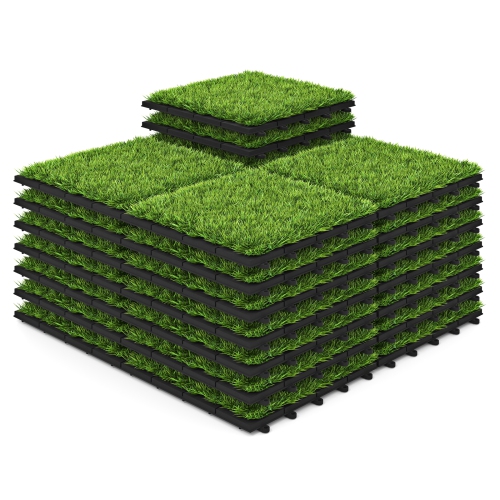
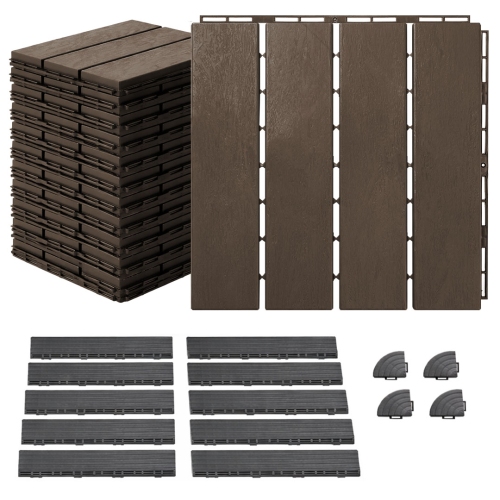
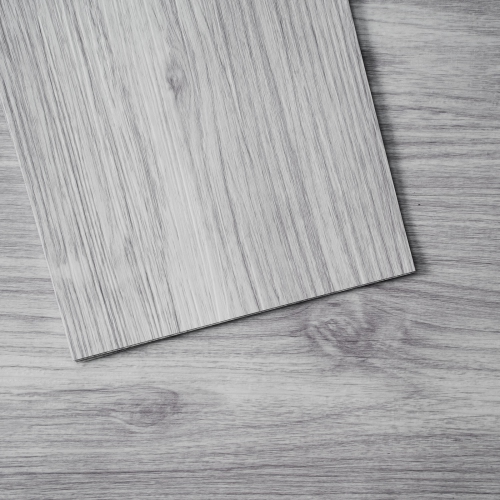
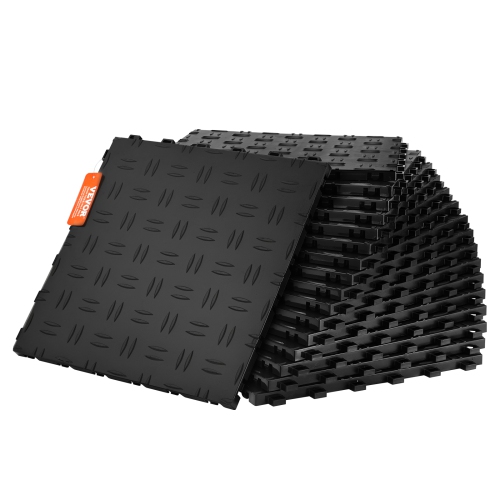
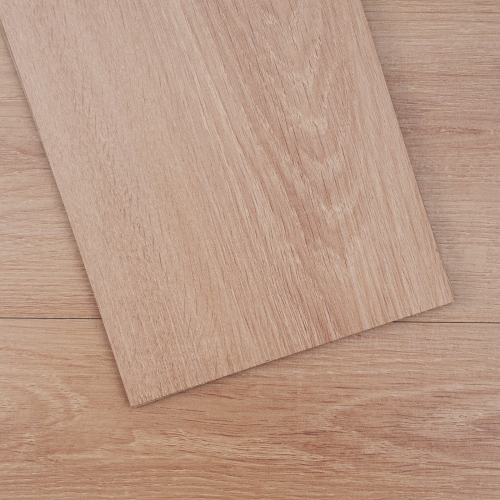
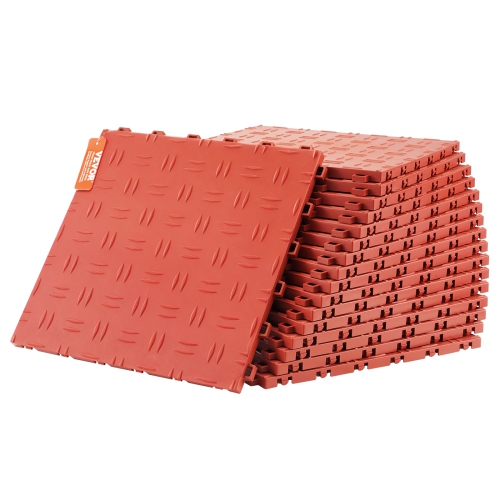
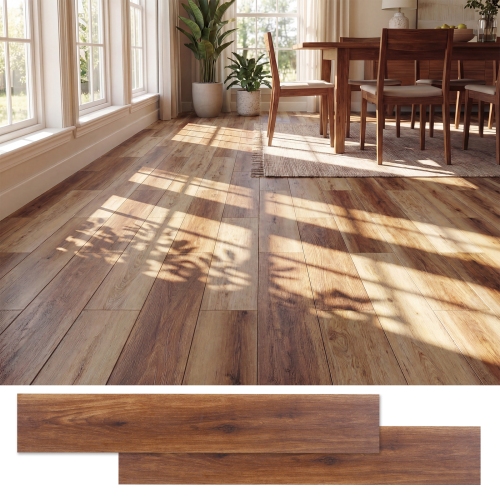
Material, drainage, and installation shape lasting outdoor spaces
Outdoor flooring tiles can transform a plain concrete pad, weathered deck, balcony, rooftop terrace, or garden sitting area into a more comfortable and finished outdoor space. They are useful for creating a defined place for patio furniture, a barbecue, dining chairs, planters, or a small lounge arrangement, while also helping bring visual continuity between the home and the yard. When choosing outdoor floor tiles, start by considering the surface underneath, the amount of exposure to rain and snow, and how the area will be used. A covered balcony has different requirements from an open patio that receives standing water and repeated freeze-thaw cycles. Tiles installed around a pool, hot tub, or exterior entrance should have a strongly textured, slip-resistant surface because moisture, splashes, and tracked-in snow can make smooth flooring hazardous. Look for flooring designed specifically for exterior use rather than indoor tile that may crack or become slippery outdoors. Porcelain pavers are a popular option because dense porcelain generally has very low water absorption, which helps reduce the risk of damage when moisture freezes and expands inside the material. For Canadian conditions, a water absorption rate near 0.5% or lower is often recommended for porcelain used outside, along with high freeze-thaw resistance. Thicker formats, including porcelain pavers around 2 centimetres thick, can also be better suited to patios and areas that need to withstand heavier loads, although the correct choice depends on the installation system and the manufacturer’s specifications. A textured finish is important for wet conditions, and safety ratings such as R11 can provide a useful point of comparison when reviewing products. The rating should not replace common sense, however: snow, frost, leaves, and spills can still reduce traction, so outdoor flooring should be kept clear and maintained throughout the cooler months.
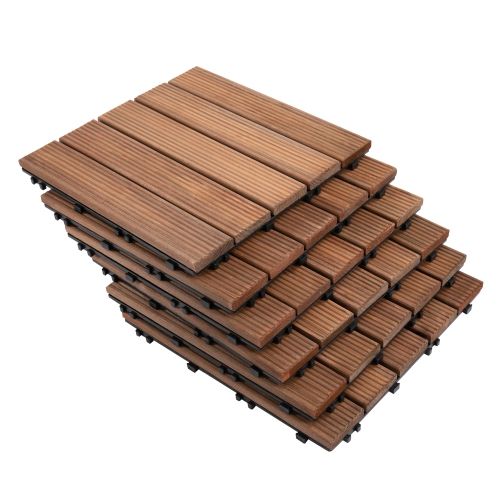
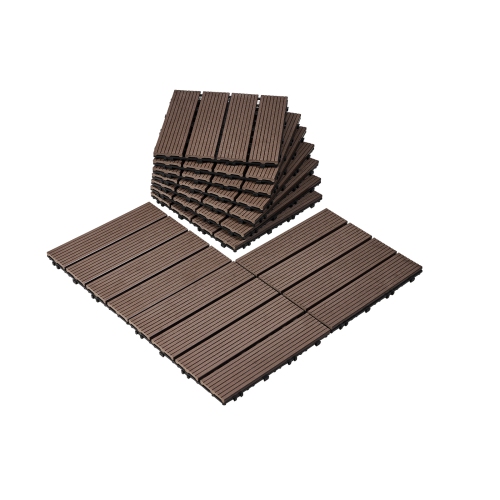
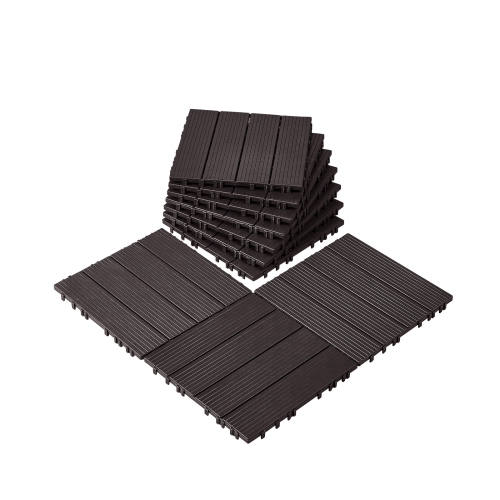
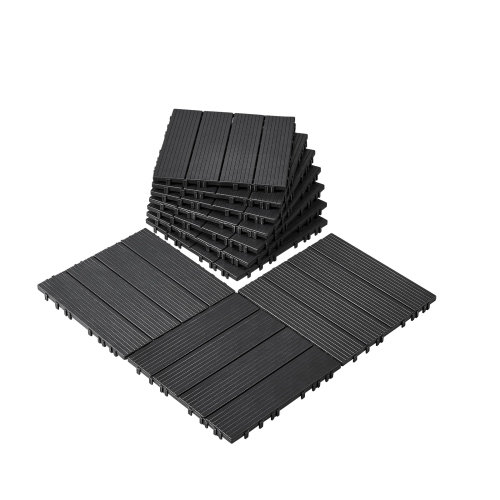
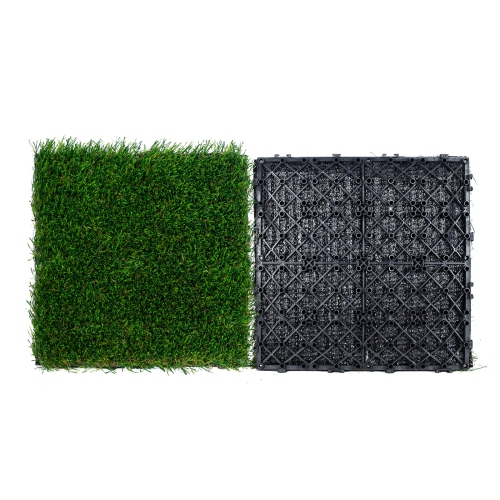
The installation method is just as important as the tile material. Interlocking wood deck tiles can be a convenient choice for refreshing a sound concrete balcony, existing patio, or level deck without committing to a mortar-based installation. Their snap-together construction can make layout straightforward, and the raised or gridded backing found on some styles may help water move away from the surface. They still require a stable, clean, and reasonably level base, and wood surfaces need appropriate care to preserve their appearance and performance. For permanent installations, exterior-rated porcelain or natural stone may be set over a properly prepared concrete slab or installed with a suitable mortar bed. Some systems use raised plastic pedestals, allowing tiles to sit above the supporting surface while creating space for drainage and access beneath the flooring. This approach can be especially useful on rooftops, terraces, and other areas where drainage, height, or access to the surface below must be considered. Bare soil generally needs more preparation than a patio or deck: the ground may need to be excavated, compacted, levelled, and fitted with an appropriate base before tiles are placed. Without adequate preparation, movement beneath the flooring can lead to uneven joints, rocking tiles, or cracking. Measure the area carefully before ordering, allowing for the tile dimensions, joint spacing, perimeter cuts, and any steps or unusual corners. It is also wise to check the tile’s intended load rating if the area will hold heavy furniture, large planters, or an outdoor kitchen. For inspiration when planning a seating or entertaining area, browse Outdoor Patio Tiles alongside the other flooring options available for exterior spaces.
Material, finish, and maintenance all shape how outdoor flooring looks and performs over time. Natural stone tiles such as slate, granite, and travertine bring varied colour, texture, and character to a patio, with each piece offering subtle differences that can make the finished area feel distinctive. Slate can provide a rugged, layered appearance, while granite is known for its dense structure and hard-wearing feel. Travertine has a softer, warmer look, though its pores and surface characteristics mean it may require more regular attention. Many natural stones benefit from sealing to help limit moisture penetration, staining, and surface wear; always follow the care instructions provided for the specific stone and finish. Porcelain is available in wood-look, stone-look, concrete-look, and patterned styles, making it possible to coordinate an outdoor area with siding, brick, indoor flooring, or patio furniture without using the same material throughout the property. Colour also matters in practical ways. Very dark tiles can become hot in direct sunlight, while pale surfaces may show dirt, leaves, and muddy footprints more readily. In a space used by children, older adults, or guests carrying food and drinks, a forgiving texture and straightforward cleaning routine can be more valuable than an especially polished appearance. Outdoor flooring tiles can make a thoughtful housewarming or home-improvement gift for someone setting up a first balcony, finishing a backyard entertaining area, or giving an aging patio a fresh surface, provided the recipient has a suitable base and knows the approximate measurements. Before installation, review the product’s exterior rating, freeze-thaw guidance, water absorption information, slip-resistance details, thickness, recommended substrate, and care requirements. During the cooler months, remove debris and avoid allowing water to collect in low spots; after periods of frost or heavy precipitation, inspect joints and edges for movement. With the right material and installation approach, outdoor flooring tiles can create a stable, inviting foundation for morning coffee, family meals, quiet reading, and gatherings as the weather changes.
The installation method is just as important as the tile material. Interlocking wood deck tiles can be a convenient choice for refreshing a sound concrete balcony, existing patio, or level deck without committing to a mortar-based installation. Their snap-together construction can make layout straightforward, and the raised or gridded backing found on some styles may help water move away from the surface. They still require a stable, clean, and reasonably level base, and wood surfaces need appropriate care to preserve their appearance and performance. For permanent installations, exterior-rated porcelain or natural stone may be set over a properly prepared concrete slab or installed with a suitable mortar bed. Some systems use raised plastic pedestals, allowing tiles to sit above the supporting surface while creating space for drainage and access beneath the flooring. This approach can be especially useful on rooftops, terraces, and other areas where drainage, height, or access to the surface below must be considered. Bare soil generally needs more preparation than a patio or deck: the ground may need to be excavated, compacted, levelled, and fitted with an appropriate base before tiles are placed. Without adequate preparation, movement beneath the flooring can lead to uneven joints, rocking tiles, or cracking. Measure the area carefully before ordering, allowing for the tile dimensions, joint spacing, perimeter cuts, and any steps or unusual corners. It is also wise to check the tile’s intended load rating if the area will hold heavy furniture, large planters, or an outdoor kitchen. For inspiration when planning a seating or entertaining area, browse Outdoor Patio Tiles alongside the other flooring options available for exterior spaces.
Material, finish, and maintenance all shape how outdoor flooring looks and performs over time. Natural stone tiles such as slate, granite, and travertine bring varied colour, texture, and character to a patio, with each piece offering subtle differences that can make the finished area feel distinctive. Slate can provide a rugged, layered appearance, while granite is known for its dense structure and hard-wearing feel. Travertine has a softer, warmer look, though its pores and surface characteristics mean it may require more regular attention. Many natural stones benefit from sealing to help limit moisture penetration, staining, and surface wear; always follow the care instructions provided for the specific stone and finish. Porcelain is available in wood-look, stone-look, concrete-look, and patterned styles, making it possible to coordinate an outdoor area with siding, brick, indoor flooring, or patio furniture without using the same material throughout the property. Colour also matters in practical ways. Very dark tiles can become hot in direct sunlight, while pale surfaces may show dirt, leaves, and muddy footprints more readily. In a space used by children, older adults, or guests carrying food and drinks, a forgiving texture and straightforward cleaning routine can be more valuable than an especially polished appearance. Outdoor flooring tiles can make a thoughtful housewarming or home-improvement gift for someone setting up a first balcony, finishing a backyard entertaining area, or giving an aging patio a fresh surface, provided the recipient has a suitable base and knows the approximate measurements. Before installation, review the product’s exterior rating, freeze-thaw guidance, water absorption information, slip-resistance details, thickness, recommended substrate, and care requirements. During the cooler months, remove debris and avoid allowing water to collect in low spots; after periods of frost or heavy precipitation, inspect joints and edges for movement. With the right material and installation approach, outdoor flooring tiles can create a stable, inviting foundation for morning coffee, family meals, quiet reading, and gatherings as the weather changes.
Top selling and popular products
-
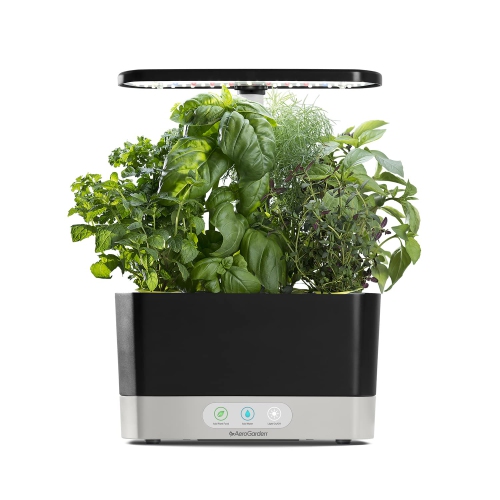 Your price for this item is $199
 -
 Your price for this item is $418.99
 -
 Your price for this item is $481.99
 -
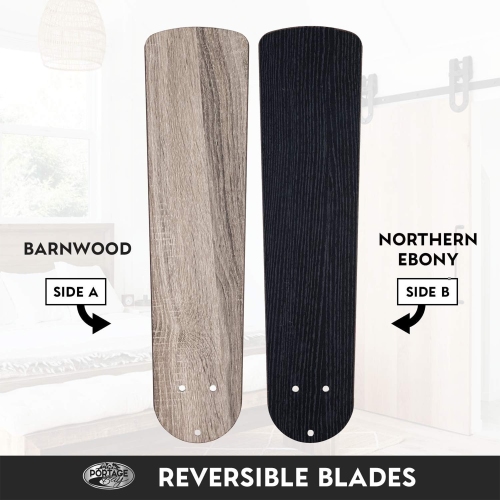 Your price for this item is $226.99
 -
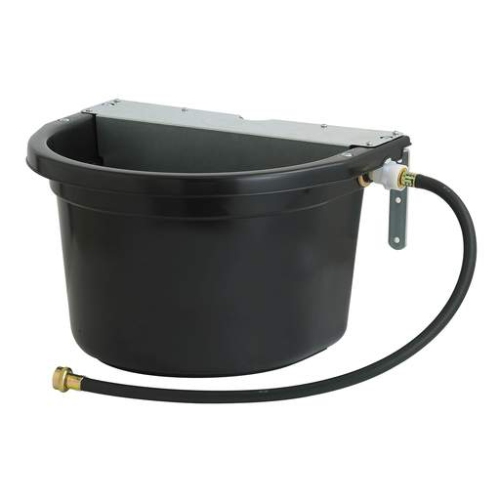 Your price for this item is $133.99
 -
 Your price for this item is $69.45
 -
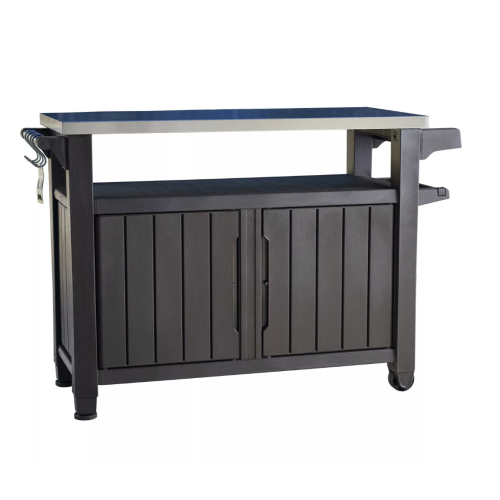 Your price for this item is $562.99
 -
 Your price for this item is $26.99
Discover more categories related to Outdoor Flooring Tiles
Top Collections:
Pokemon Centers, Kindle Devices, Best Budget Office Chairs, Apple iPhones 16, Best Laptops for Writers, iPhone 15 Apple, Canon G7X Cameras, Refurbished Apple Laptops, Alarm Clock, Motorola Razr Phones
Some products may be subject to Environmental Handling Fees
(EHF) depending on your province.
Learn more about EHFs.