Balcony Screens With Leaves
Create a lush and private oasis on your balcony with our selection of balcony screens featuring realistic leaf designs. These screens offer a perfect solution for adding a touch of nature to your outdoor space while providing privacy from neighbors and blocking out unwanted views. Whether you're looking to enjoy breakfast al fresco or simply relax in peace, these balcony screens with leaves are both functional and stylish, allowing you to transform your balcony into a serene retreat.
Sort
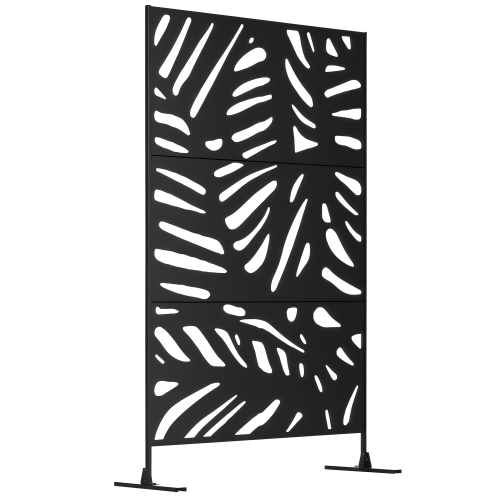
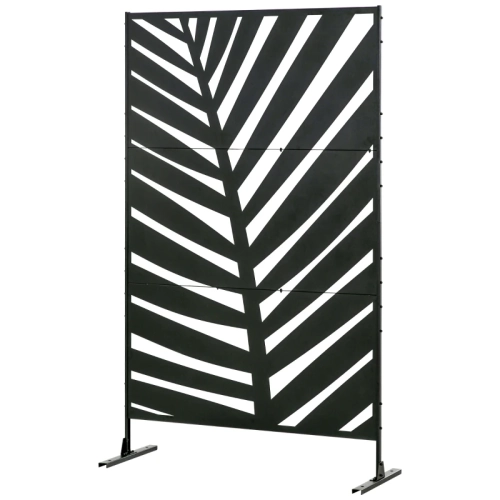
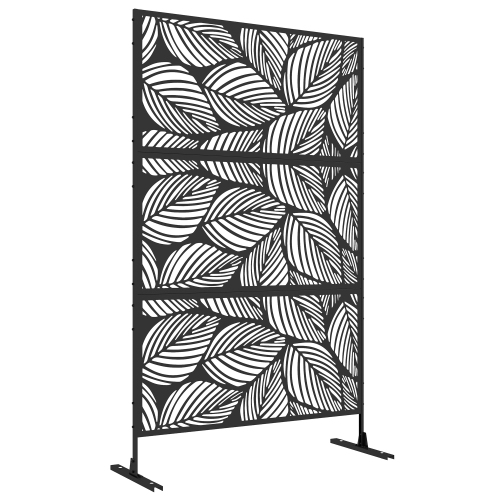
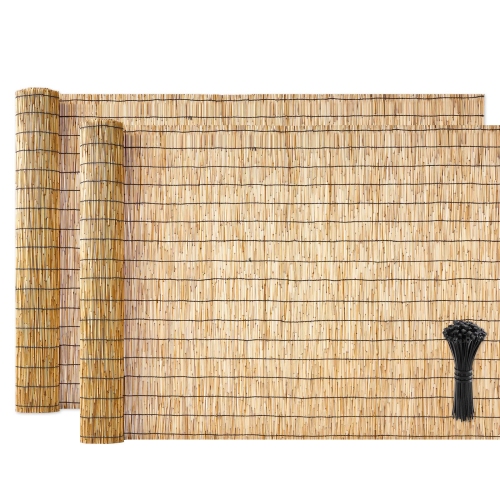
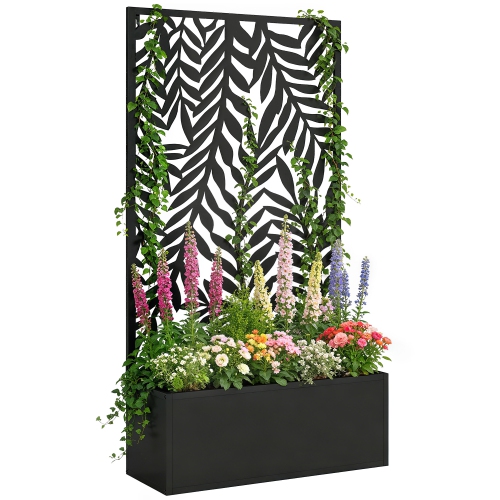
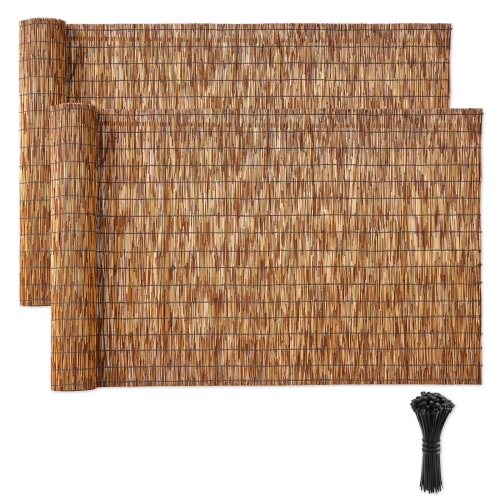
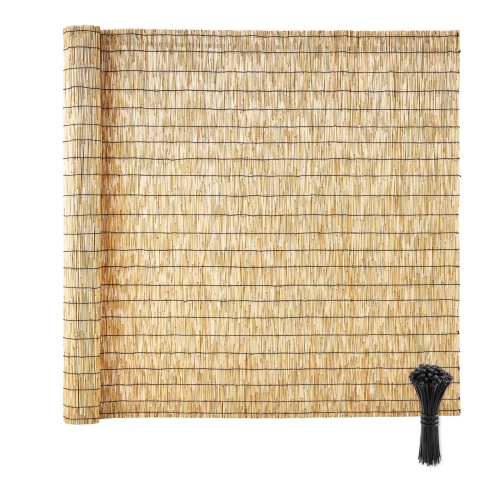
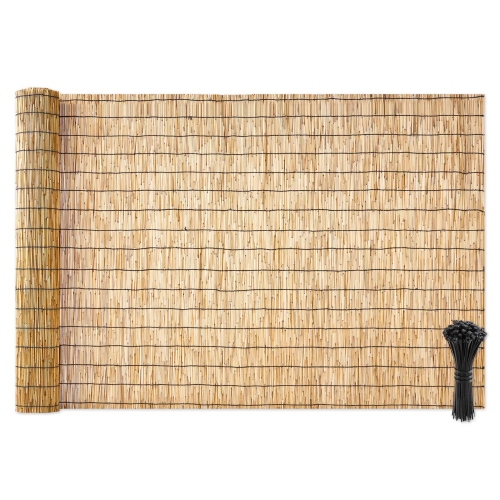
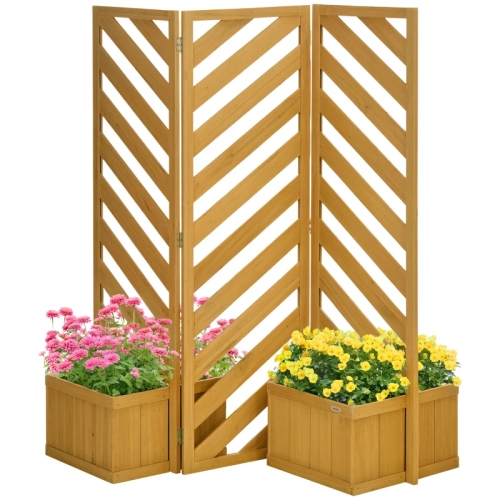
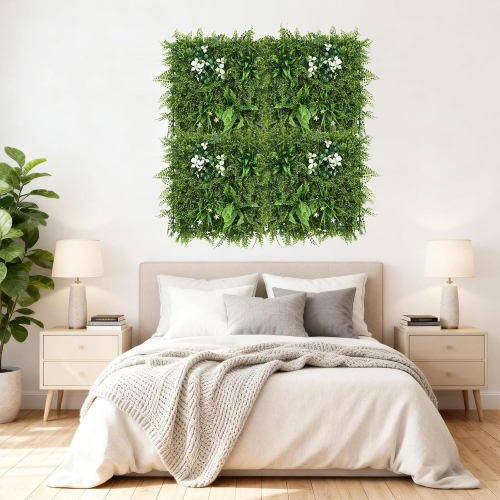
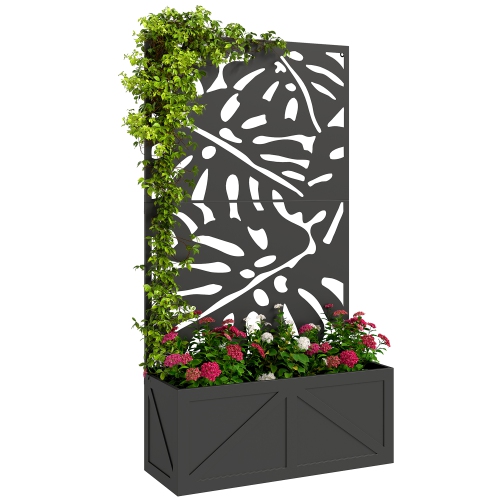
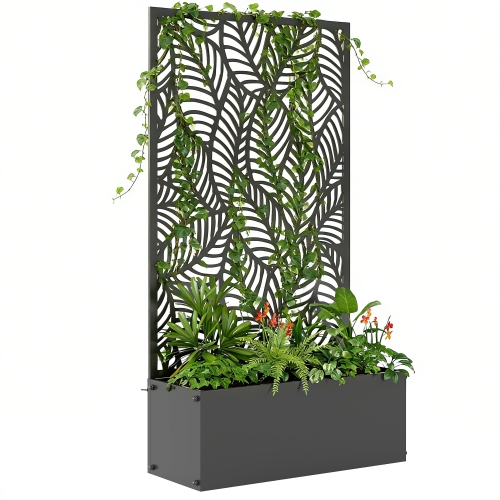
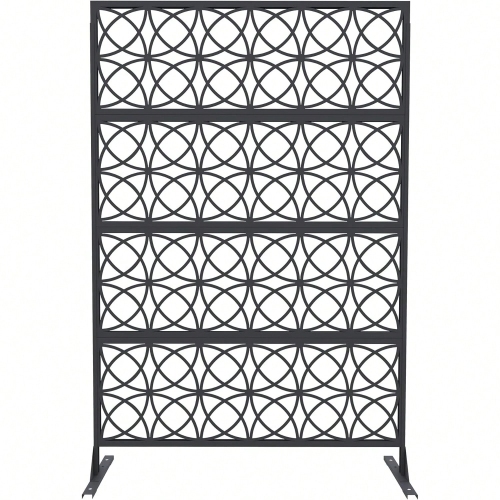

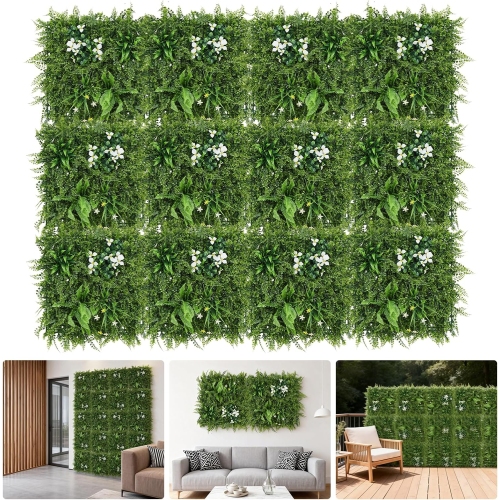
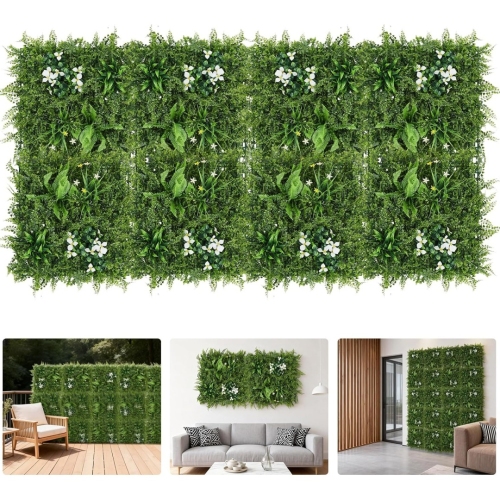
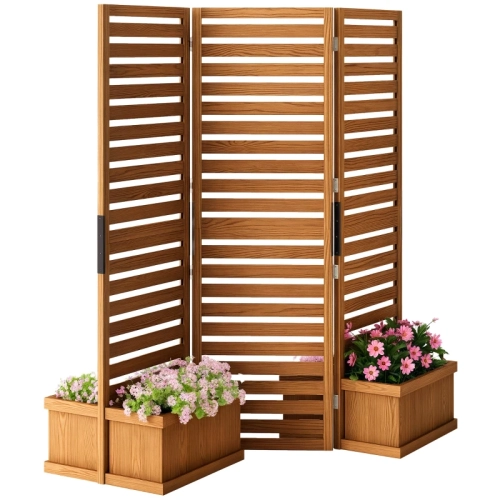

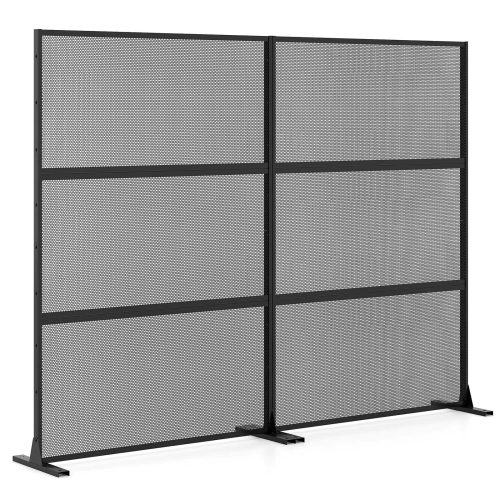
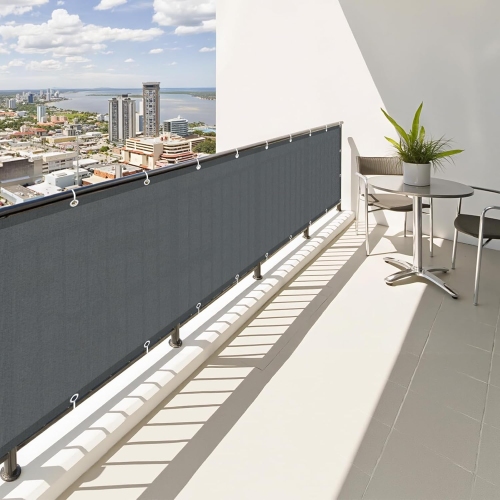
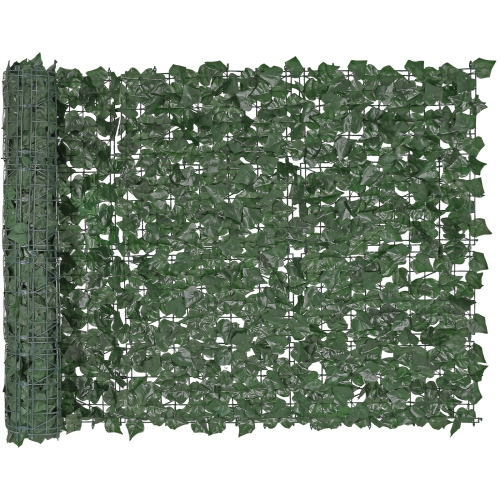
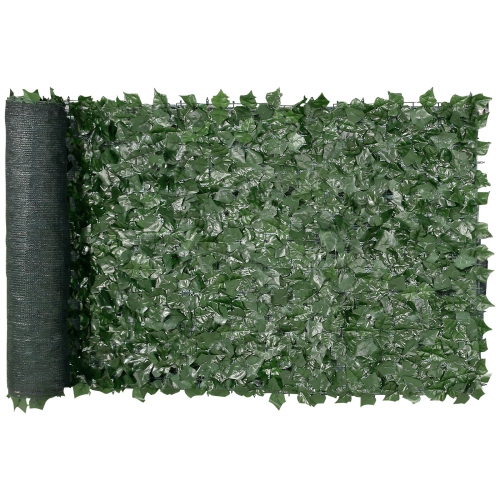
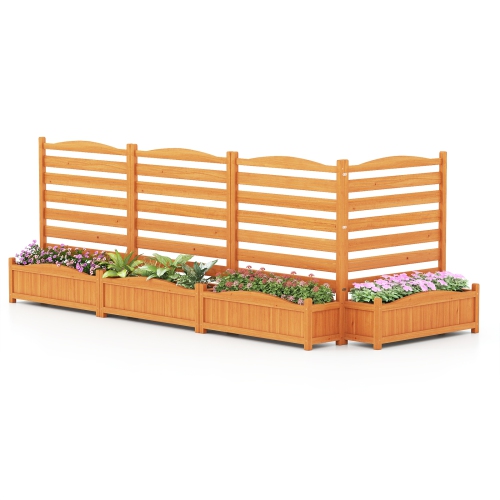
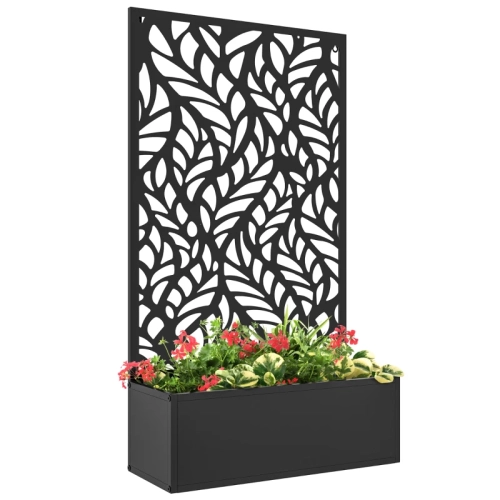
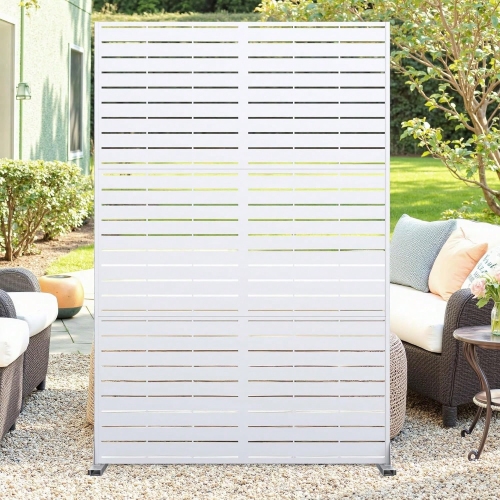
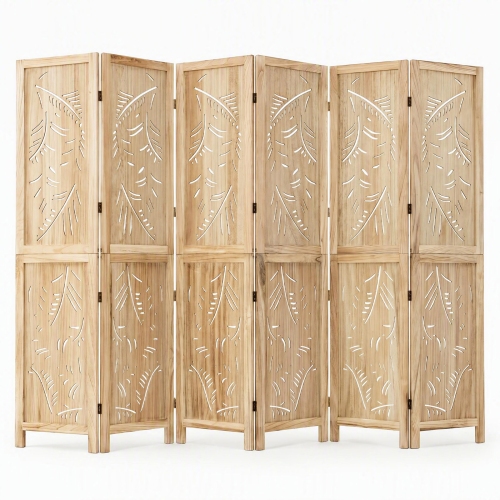
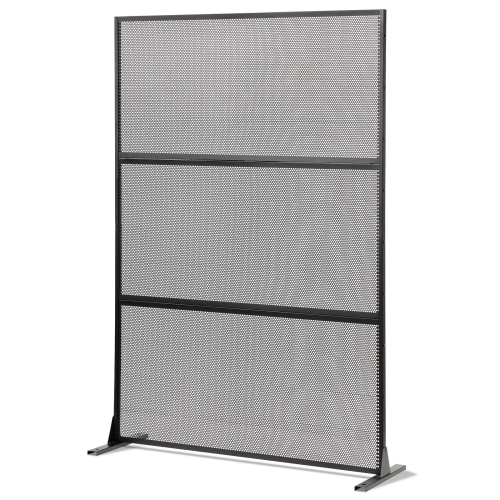
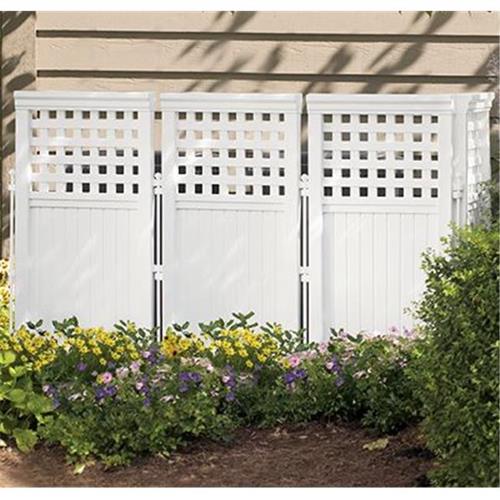
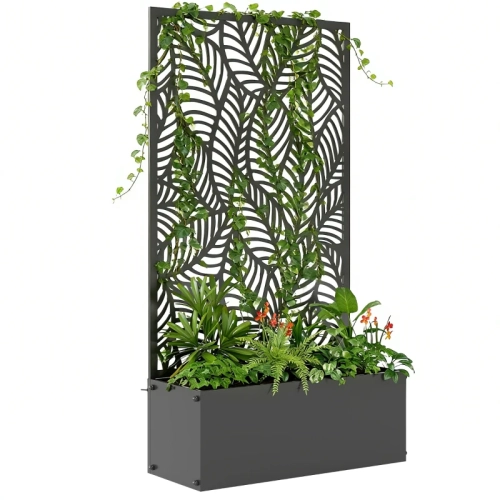
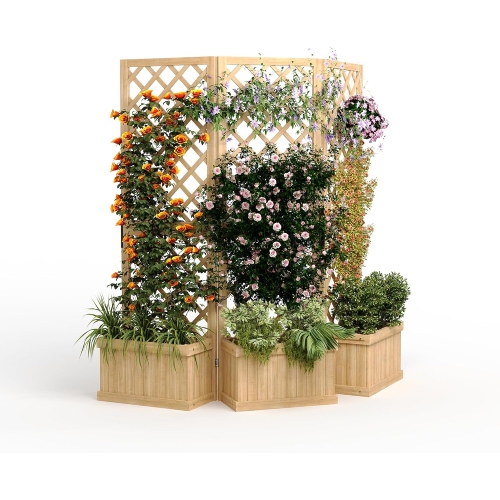
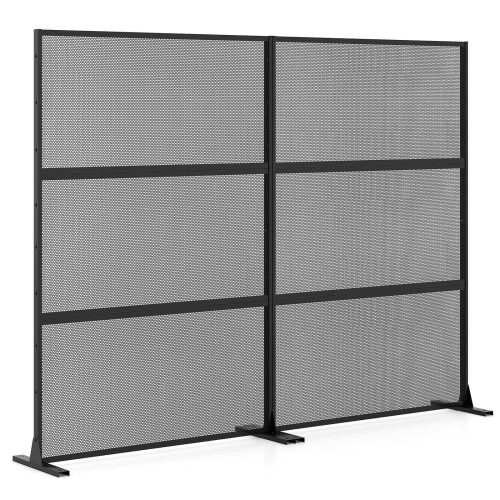
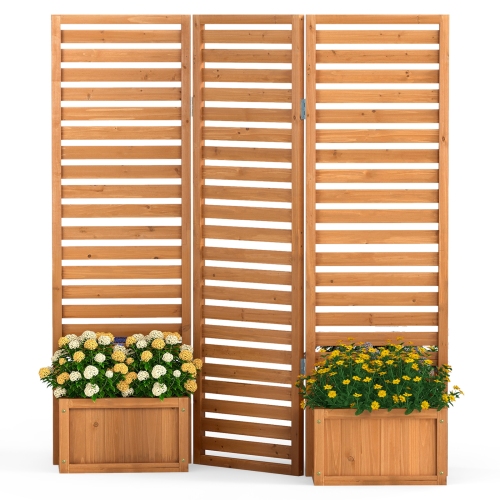
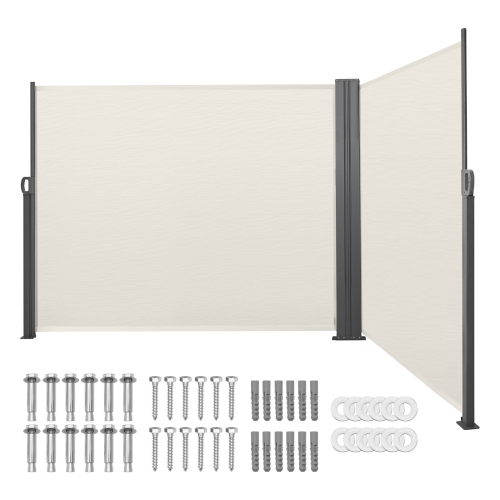
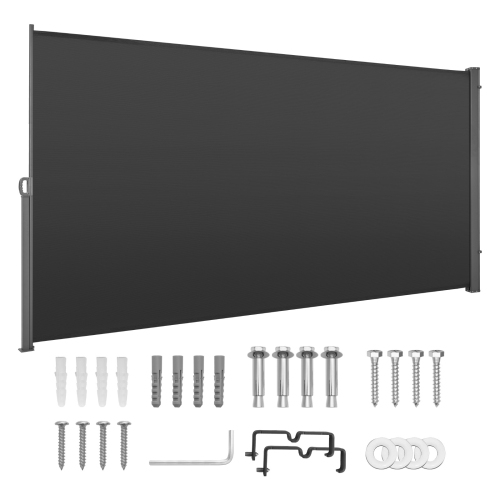
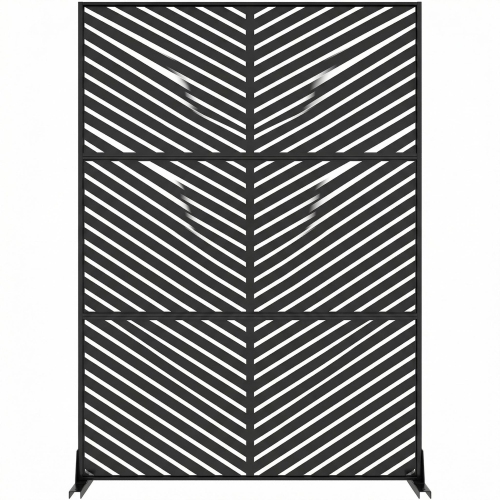
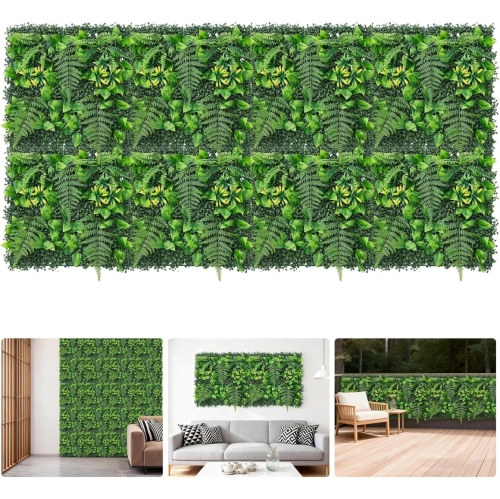
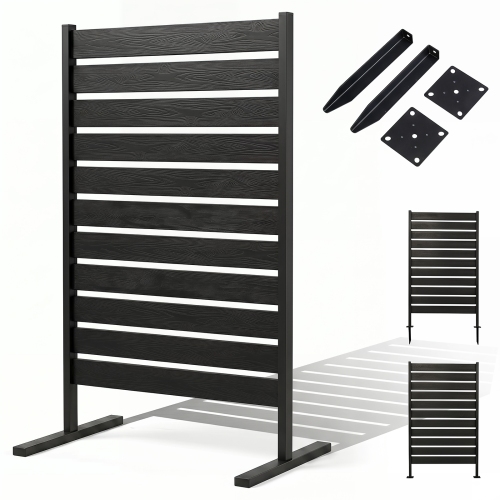
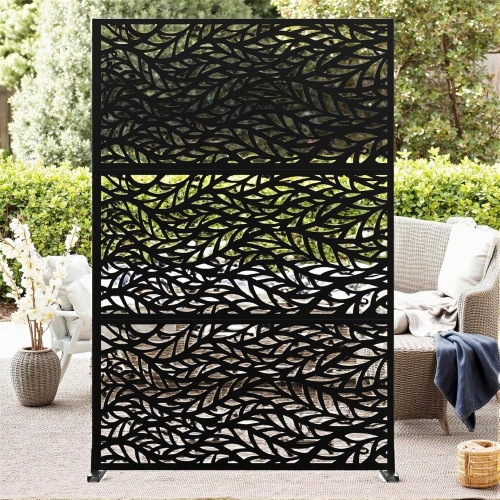
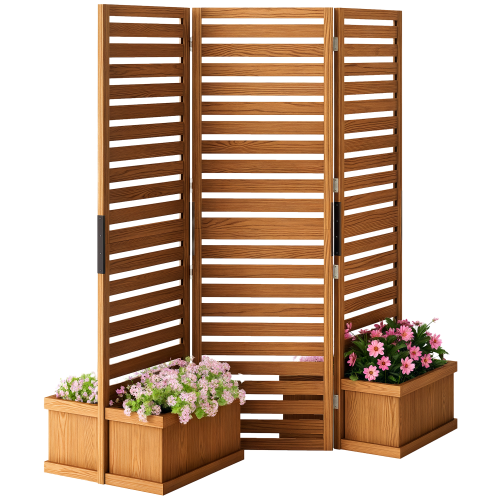
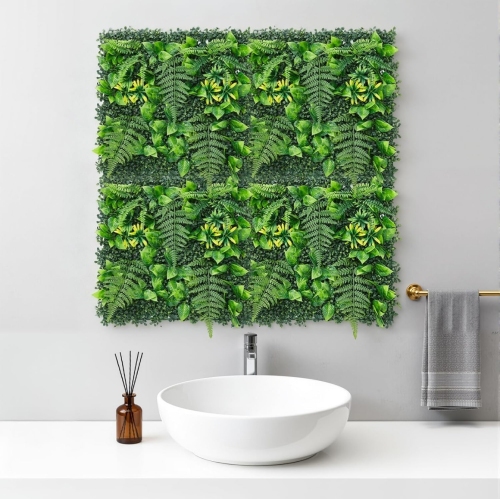
What to know about fit, airflow, and secure installation
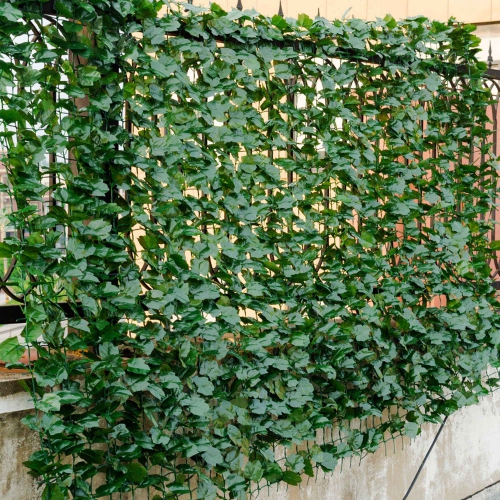
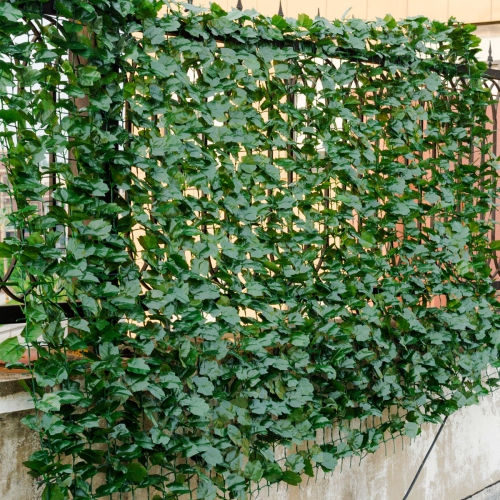
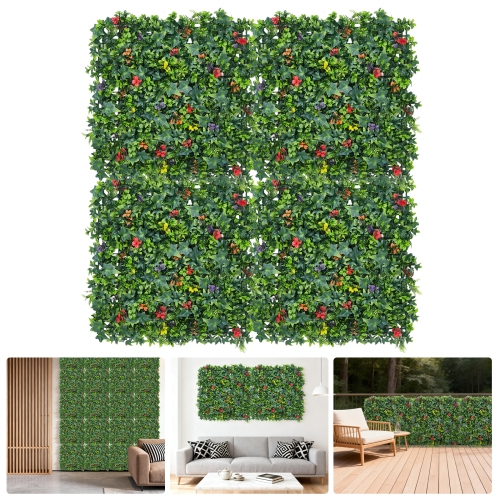
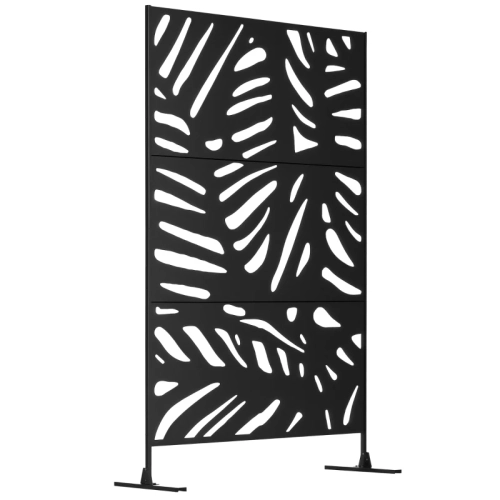
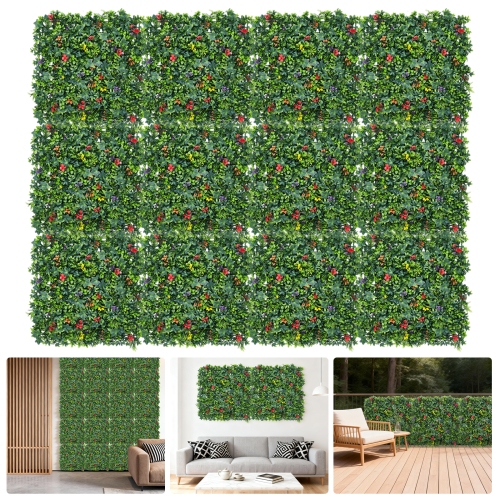
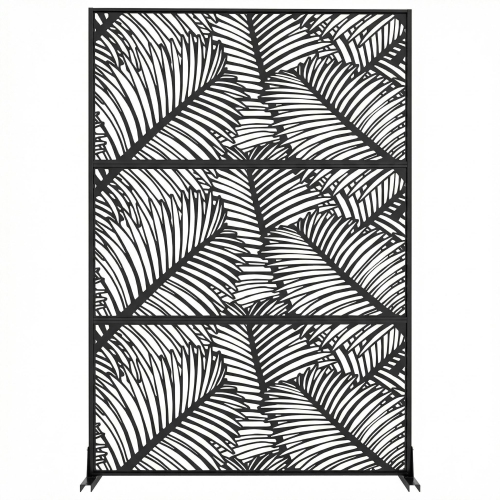
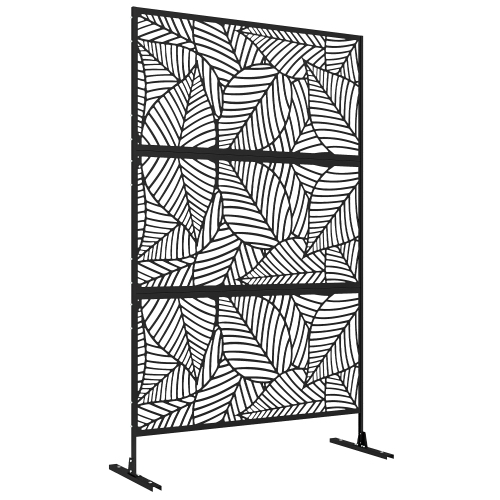
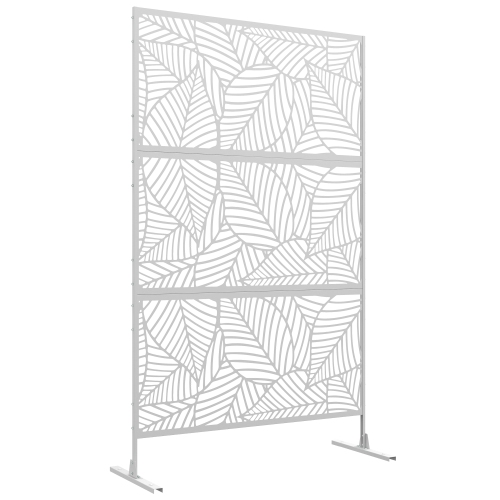
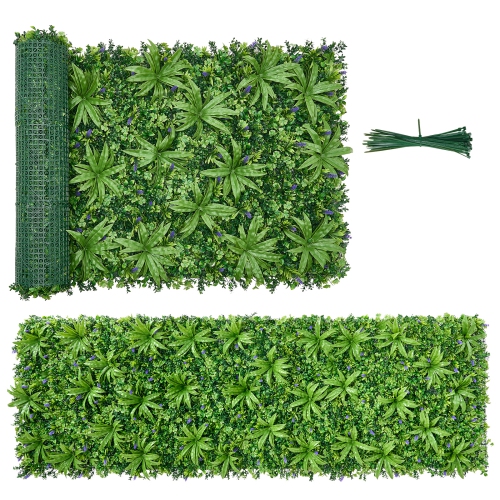
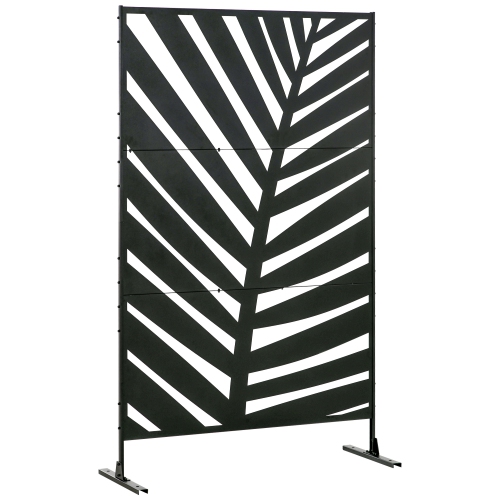
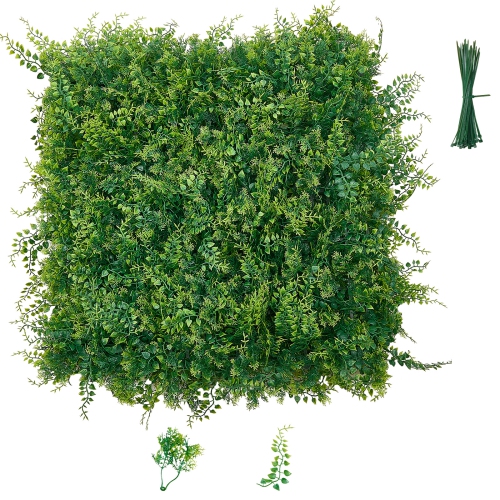
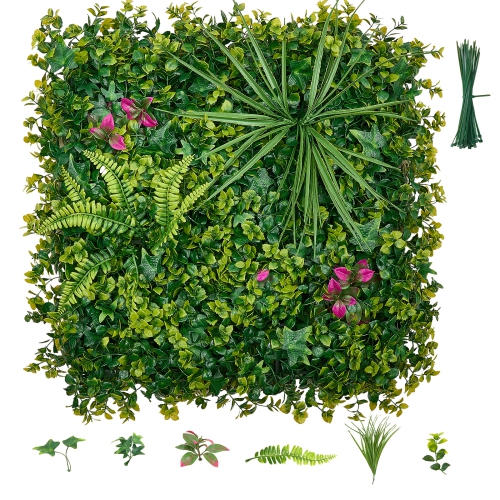
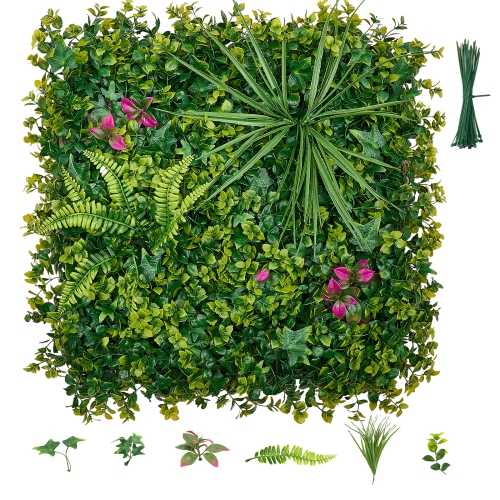
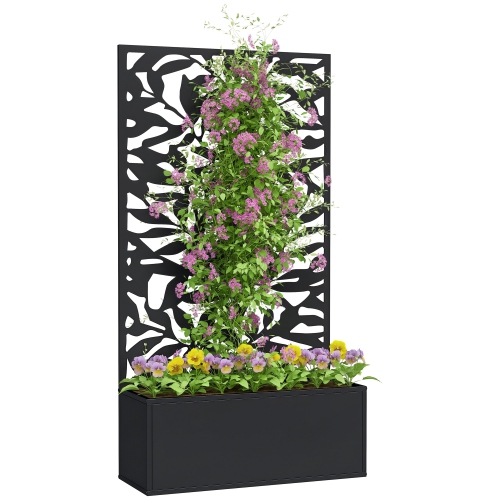
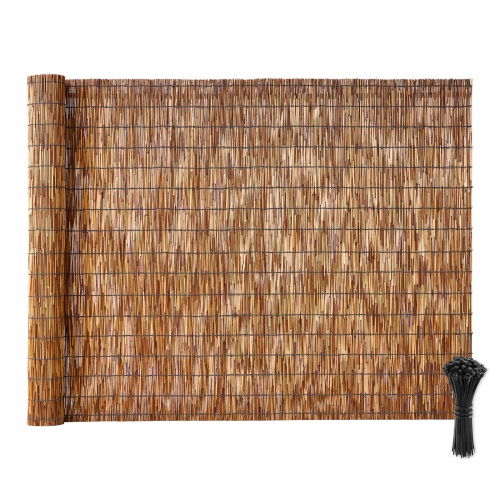
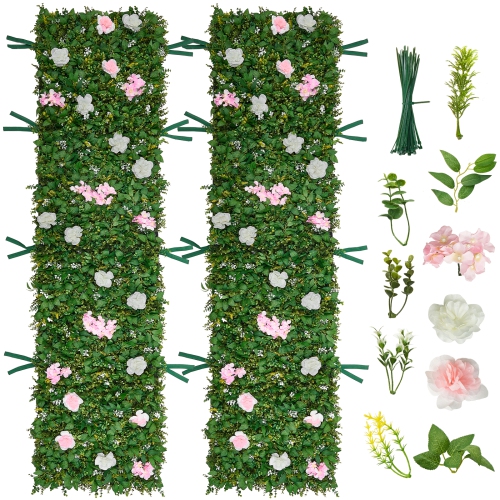
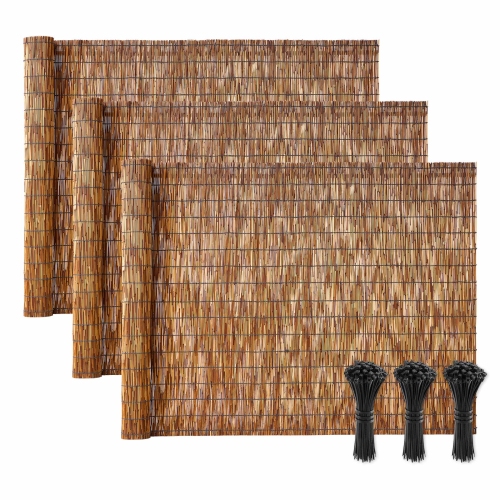
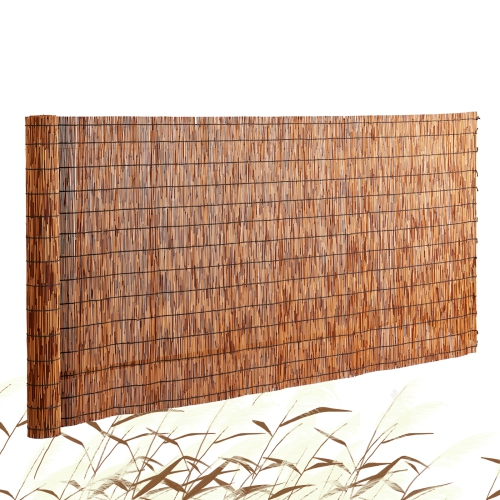
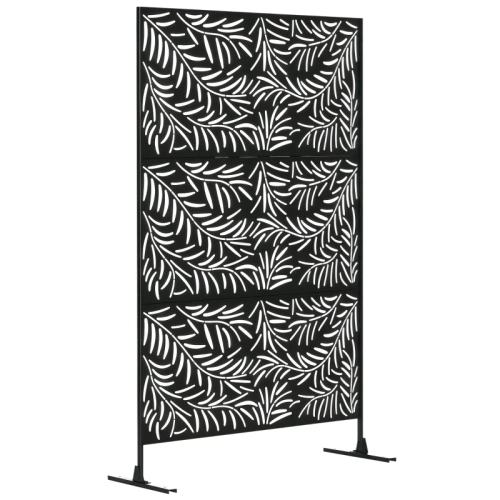
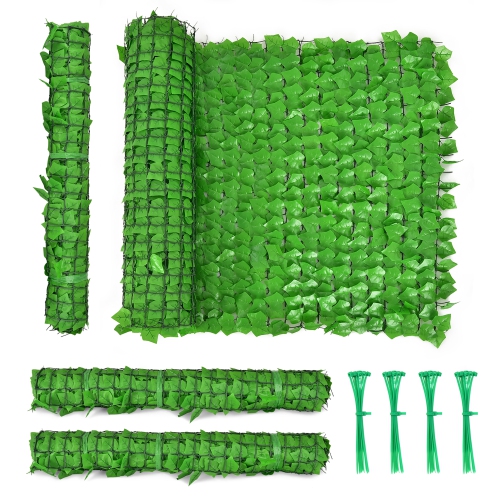
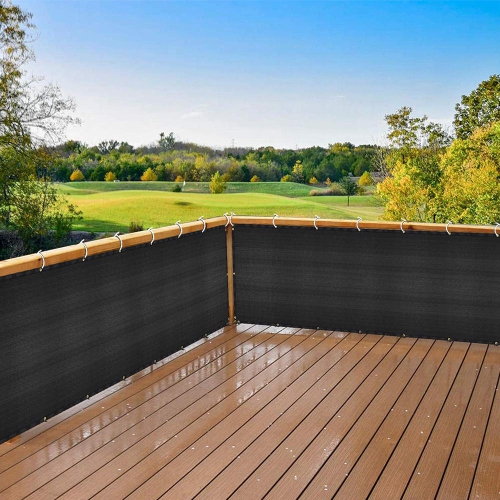
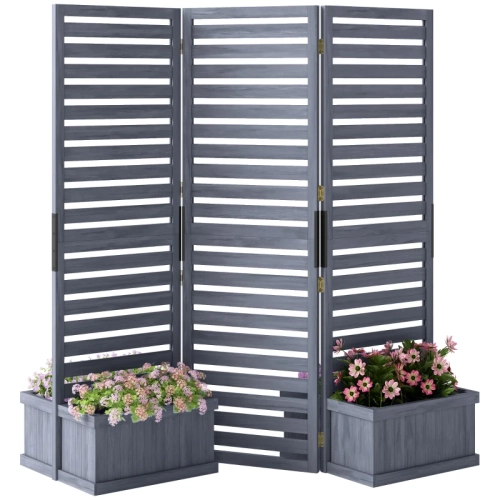
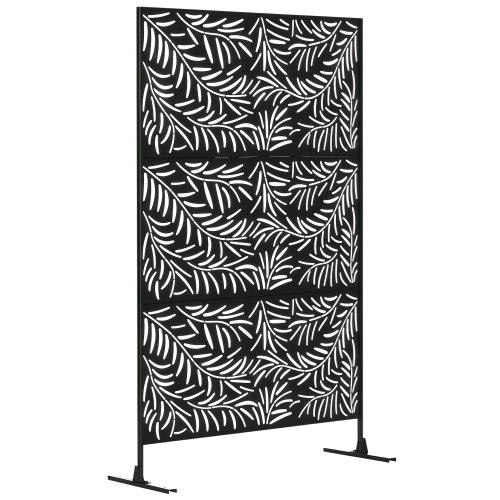
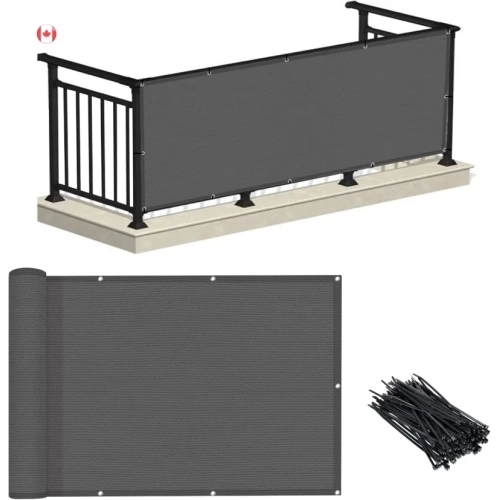
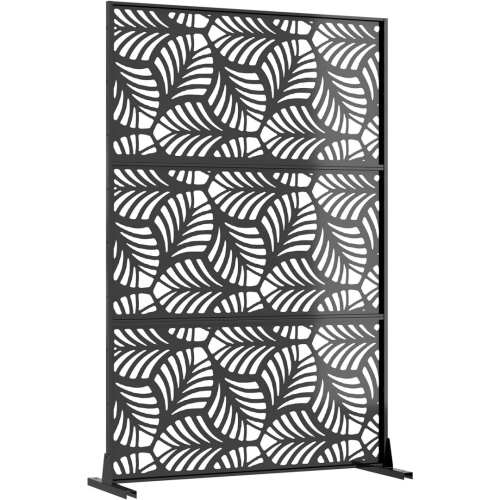
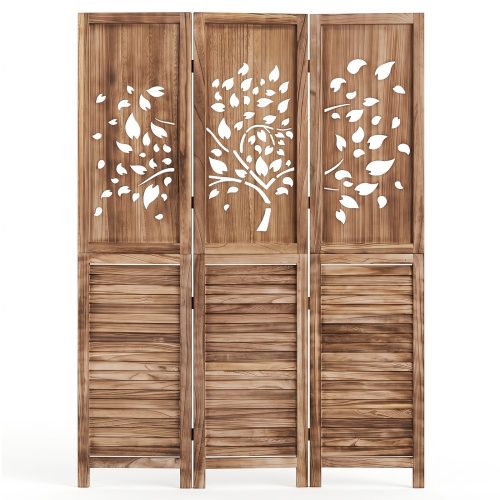
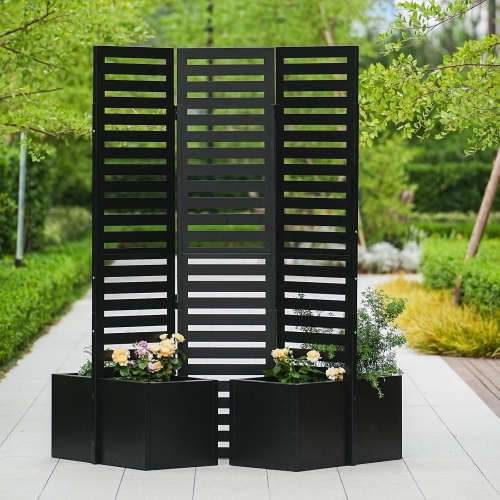
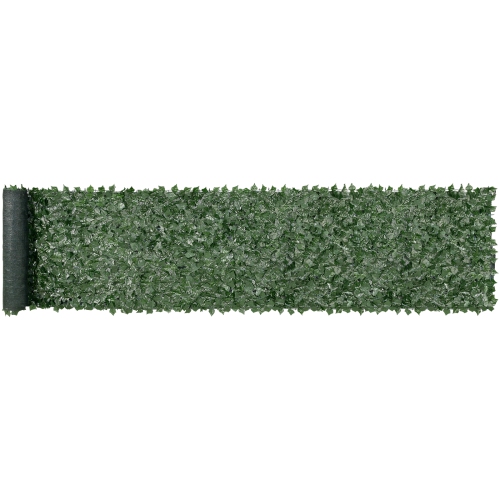
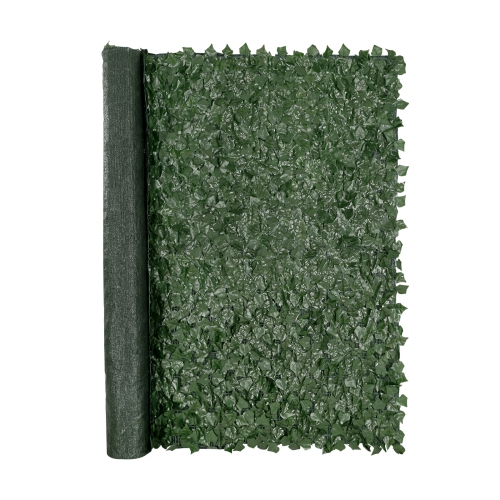
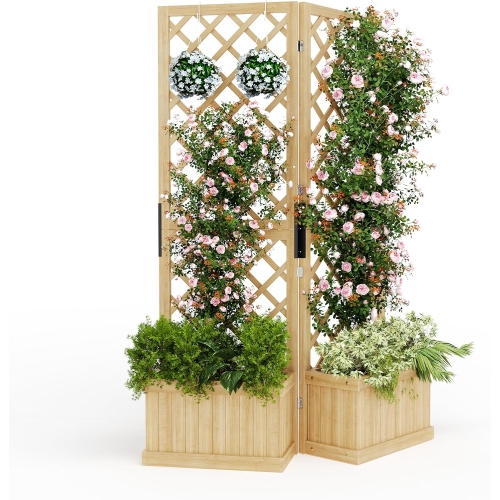
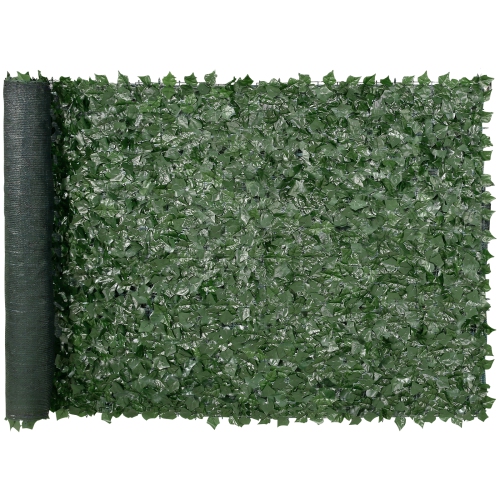
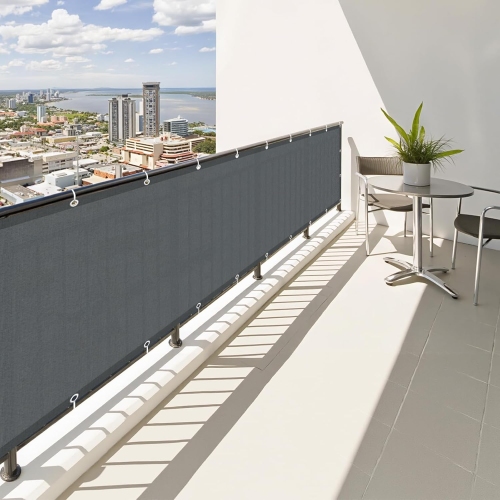
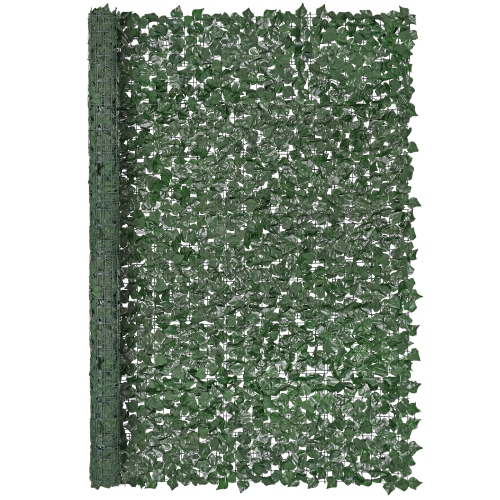
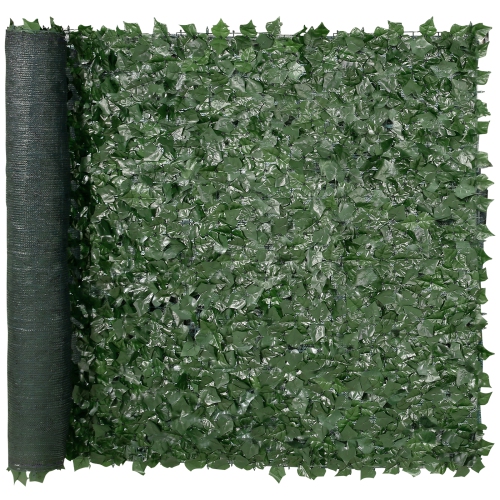
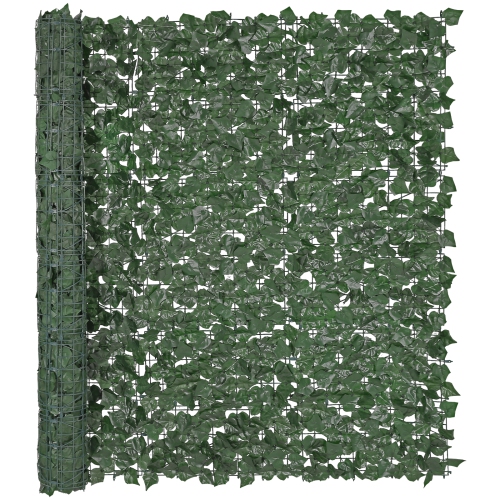
Balcony screens with leaves bring the look of a leafy garden to an outdoor space while adding a practical layer of privacy. They are designed for apartment balconies, condominium terraces, rental patios, rooftop decks, porches, and other areas where a railing alone may leave you exposed to nearby windows, walkways, or neighbouring balconies. Depending on the style, a screen may use artificial ivy, eucalyptus-style foliage, mixed green leaves, or a printed leaf pattern attached to a mesh or fabric backing. The result can soften the appearance of metal, glass, or plain wood railings and make a compact balcony feel more settled and inviting. These screens are useful for creating a little separation around a bistro table, reading chair, planter display, or outdoor storage area, and they can also help reduce the visual distraction of parking lots, brick walls, or busy streets. Because the leaves remain green without watering, trimming, or direct sunlight, they are convenient in spaces where living plants may be difficult to maintain. They can stay in place through changing conditions during the warmer and cooler months, although the care instructions and permitted outdoor use will vary by material. For more ways to define an outdoor area, browse Garden Screens.
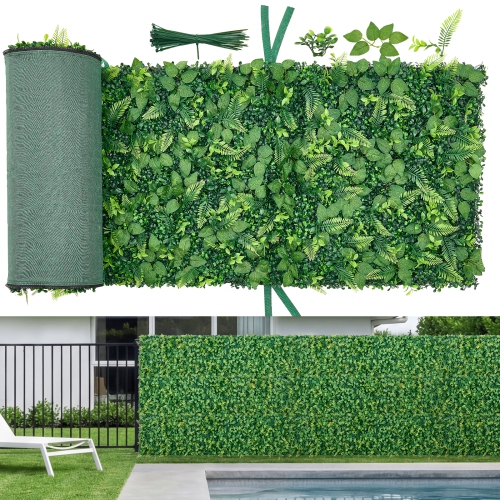
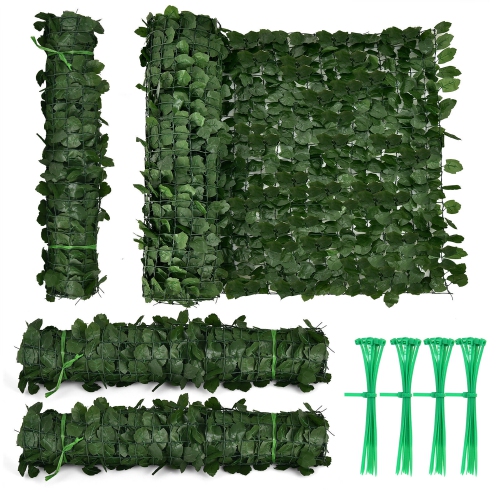
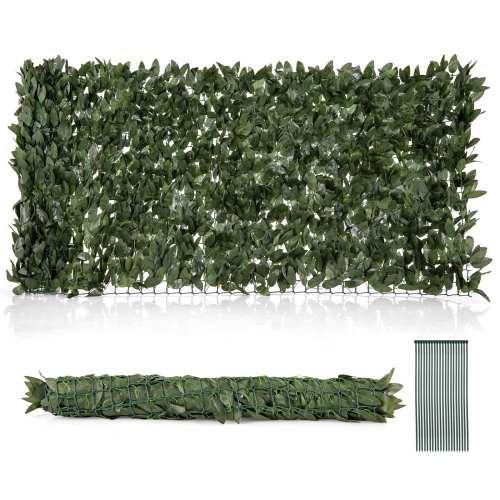
The most important purchase consideration is fit. Measure the full length of the railing and the height of the section you want to cover, then compare those measurements with the screen’s dimensions before ordering. Some leaf panels are made to be joined side by side, while others come as a continuous roll that can be trimmed to suit a particular balcony. Expandable trellis-style screens can be stretched or compressed, making them helpful for uneven spaces, corner balconies, and railings that do not match standard sizes. Mesh-backed foliage usually allows more air to pass through and can provide privacy without creating a completely solid surface. A printed fabric or vinyl-style screen offers a more consistent visual barrier and may do a better job of reducing wind, dust, or light splashing, but it can also catch more wind than an open mesh design. If your balcony is exposed, pay close attention to the backing, fastening points, and care information. UV-resistant materials can help the green colour and printed details remain attractive when exposed to sunlight, while weather-suitable construction is better suited to regular outdoor use. Look for neat edges, securely attached leaves, reinforced openings, and enough ties or fastening points for the size of the panel. Colour is another practical detail: deep mixed greens can blend with planters and foliage, while lighter leaves may brighten a shaded balcony. A natural-looking arrangement often has variation in leaf size and tone rather than a perfectly repeated pattern, especially when the screen will be viewed up close.
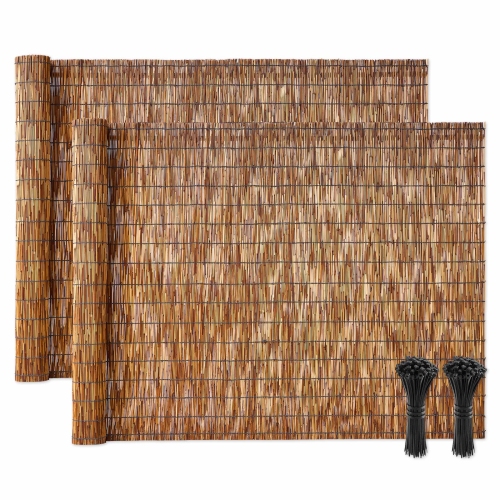
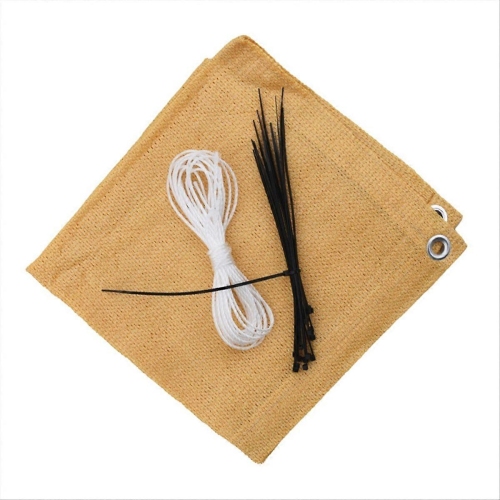
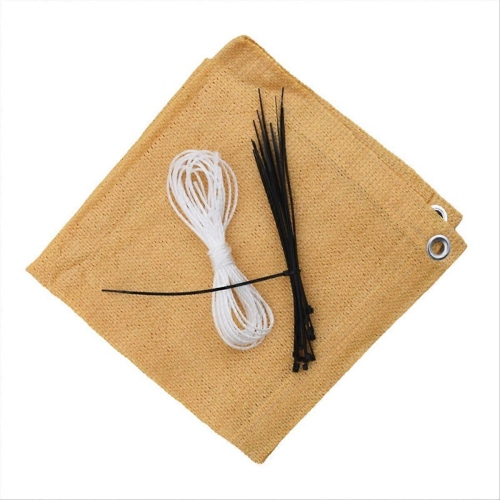
Installation is generally straightforward, but a careful setup makes the screen look better and helps it remain secure. Clean the railing first, hold the panel in position, and check that it does not interfere with doors, gates, drain openings, vents, lighting, or the balcony’s required safety features. Attach the screen at the top, middle, and bottom wherever possible, with additional fasteners near corners and along loose edges. Plastic zip ties, outdoor cord, clips, or other approved fasteners may be suitable depending on the railing material and the instructions supplied with the screen. Keep the ties snug without pulling so tightly that they distort the backing or damage the railing. Trim excess tie ends neatly and inspect the installation after the first windy day. A mesh screen with leafy coverage may be the better choice for a high or exposed balcony because it allows some airflow, while a solid panel should be secured with particular care and may not be appropriate in locations that experience strong gusts. Always follow condominium, rental, building, and local safety rules before attaching anything to a balcony railing, and avoid fastening to components that are not intended to carry extra load. During the cooler months, check for loose corners, accumulated moisture, dirt, or brittle fasteners, and remove or store the screen if the manufacturer recommends doing so in severe weather. Balcony screens with leaves can also make thoughtful gifts for someone moving into a first apartment, settling into a new condo, or creating a private outdoor nook for the first time. They suit the practical friend who enjoys morning coffee outside, the renter who wants a warmer-looking space without painting, or the host who would like a more comfortable setting for quiet dinners and casual visits. With the right measurements and secure installation, a leafy screen can turn an overlooked railing into a more secluded, welcoming backdrop for everyday outdoor living.
The most important purchase consideration is fit. Measure the full length of the railing and the height of the section you want to cover, then compare those measurements with the screen’s dimensions before ordering. Some leaf panels are made to be joined side by side, while others come as a continuous roll that can be trimmed to suit a particular balcony. Expandable trellis-style screens can be stretched or compressed, making them helpful for uneven spaces, corner balconies, and railings that do not match standard sizes. Mesh-backed foliage usually allows more air to pass through and can provide privacy without creating a completely solid surface. A printed fabric or vinyl-style screen offers a more consistent visual barrier and may do a better job of reducing wind, dust, or light splashing, but it can also catch more wind than an open mesh design. If your balcony is exposed, pay close attention to the backing, fastening points, and care information. UV-resistant materials can help the green colour and printed details remain attractive when exposed to sunlight, while weather-suitable construction is better suited to regular outdoor use. Look for neat edges, securely attached leaves, reinforced openings, and enough ties or fastening points for the size of the panel. Colour is another practical detail: deep mixed greens can blend with planters and foliage, while lighter leaves may brighten a shaded balcony. A natural-looking arrangement often has variation in leaf size and tone rather than a perfectly repeated pattern, especially when the screen will be viewed up close.
Installation is generally straightforward, but a careful setup makes the screen look better and helps it remain secure. Clean the railing first, hold the panel in position, and check that it does not interfere with doors, gates, drain openings, vents, lighting, or the balcony’s required safety features. Attach the screen at the top, middle, and bottom wherever possible, with additional fasteners near corners and along loose edges. Plastic zip ties, outdoor cord, clips, or other approved fasteners may be suitable depending on the railing material and the instructions supplied with the screen. Keep the ties snug without pulling so tightly that they distort the backing or damage the railing. Trim excess tie ends neatly and inspect the installation after the first windy day. A mesh screen with leafy coverage may be the better choice for a high or exposed balcony because it allows some airflow, while a solid panel should be secured with particular care and may not be appropriate in locations that experience strong gusts. Always follow condominium, rental, building, and local safety rules before attaching anything to a balcony railing, and avoid fastening to components that are not intended to carry extra load. During the cooler months, check for loose corners, accumulated moisture, dirt, or brittle fasteners, and remove or store the screen if the manufacturer recommends doing so in severe weather. Balcony screens with leaves can also make thoughtful gifts for someone moving into a first apartment, settling into a new condo, or creating a private outdoor nook for the first time. They suit the practical friend who enjoys morning coffee outside, the renter who wants a warmer-looking space without painting, or the host who would like a more comfortable setting for quiet dinners and casual visits. With the right measurements and secure installation, a leafy screen can turn an overlooked railing into a more secluded, welcoming backdrop for everyday outdoor living.
Top selling and popular products
-
 Your price for this item is $44.99
 -
 Your price for this item is $79
 -
 Your price for this item is $44.99
 -
 Your price for this item is $51.99
 -
 Your price for this item is $48
 -
 Your price for this item is $137.99
 -
 Your price for this item is $141.99
 -
 Your price for this item is $101.99
Discover more categories related to Balcony Screens With Leaves
Top Collections:
Pokemon Centers, Best Cameras for Sports Photography, Kindle Devices, Samsung Galaxy Phones, Canon G7X Cameras, Pokémon 30th Celebration Cards, Refurbished Apple Laptops, iPhone 15 Apple, Laptops for Students, Budget Smartphones
Some products may be subject to Environmental Handling Fees
(EHF) depending on your province.
Learn more about EHFs.