Bamboo Furniture
Create a serene and sustainable oasis in your home with our exquisite collection of bamboo furniture. Crafted from one of nature's most versatile and eco-friendly materials, our bamboo furniture pieces combine elegance with durability, making them the perfect choice for those seeking both style and sustainability. From sleek and modern designs to rustic and traditional pieces, our diverse selection offers something to suit every taste and complement any space. Shop for bamboo furniture pieces and transform your living area into a harmonious retreat that reflects your commitment to both style and the environment.
Sort
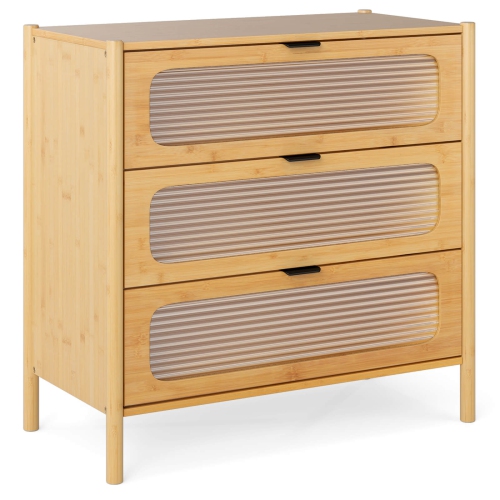
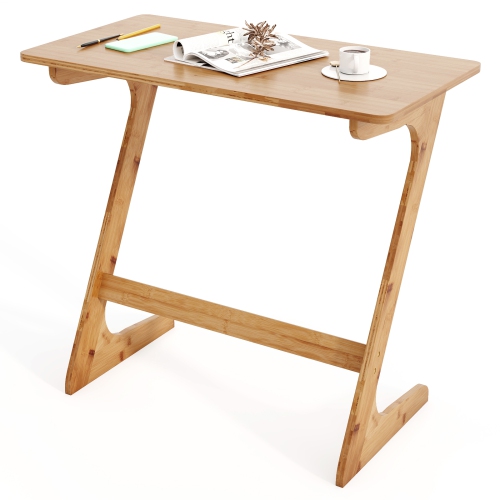
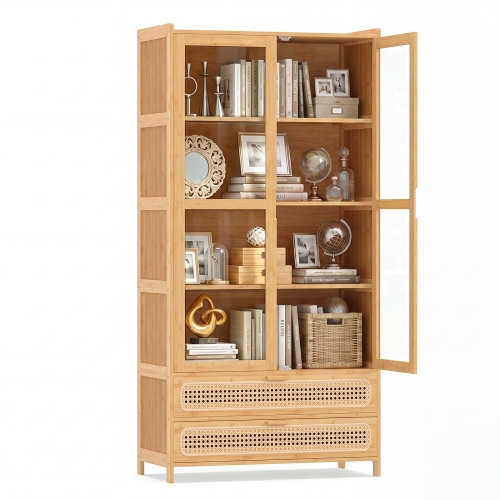
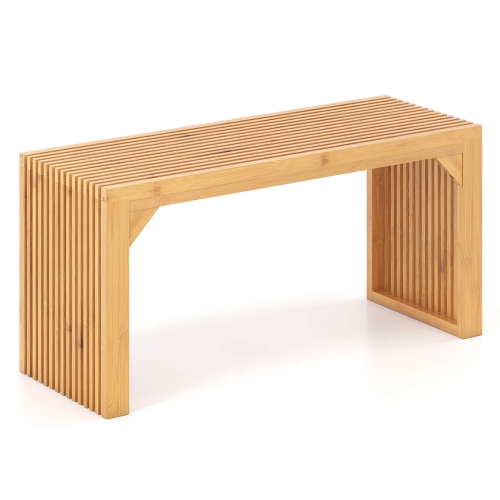
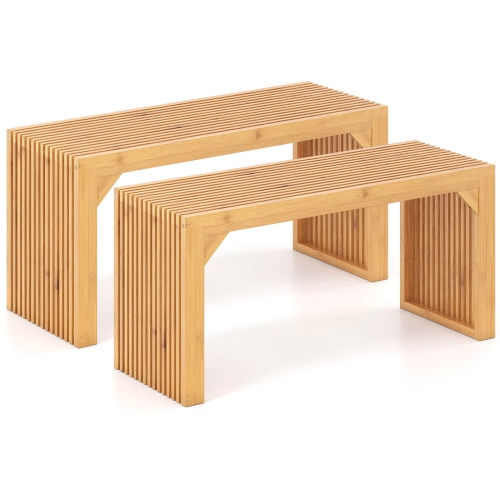
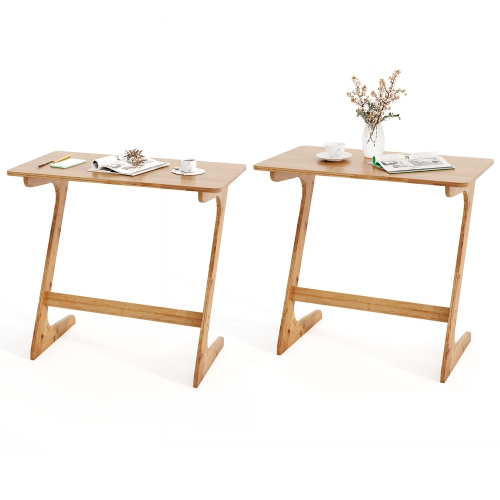
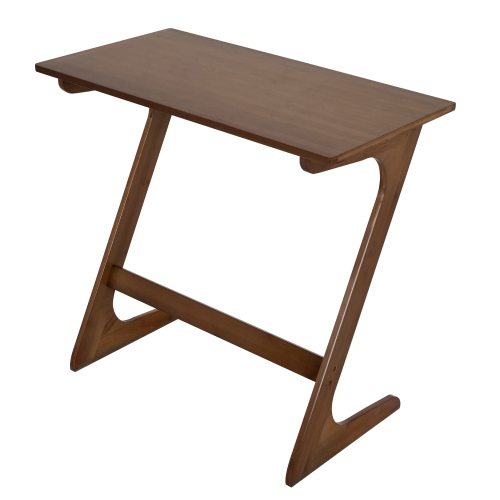
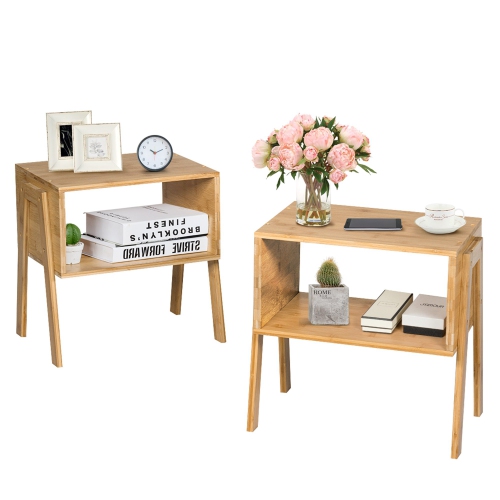
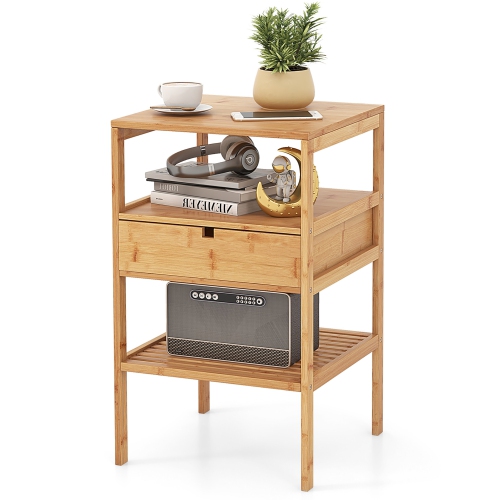
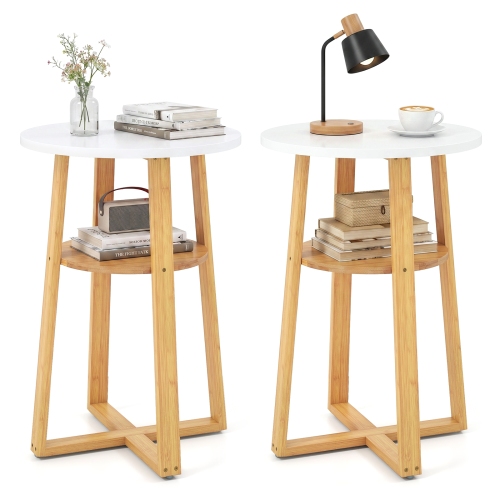
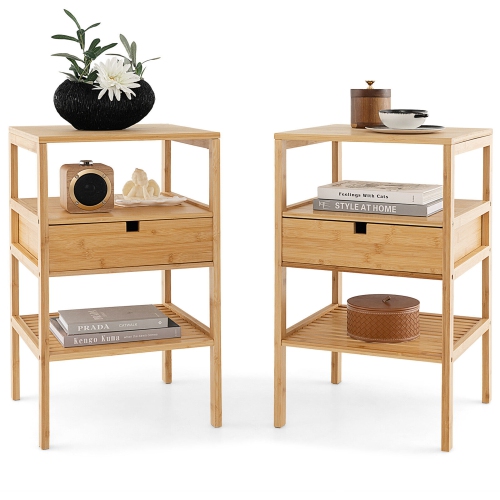
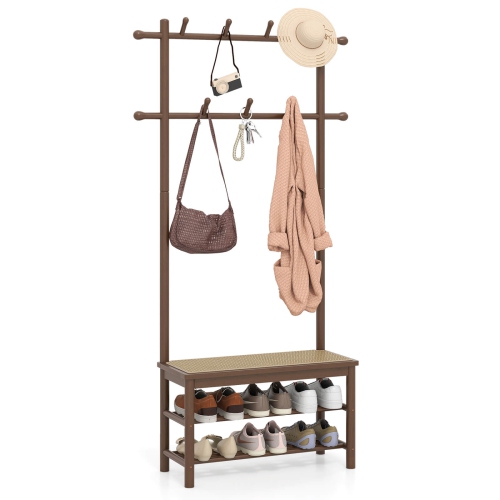
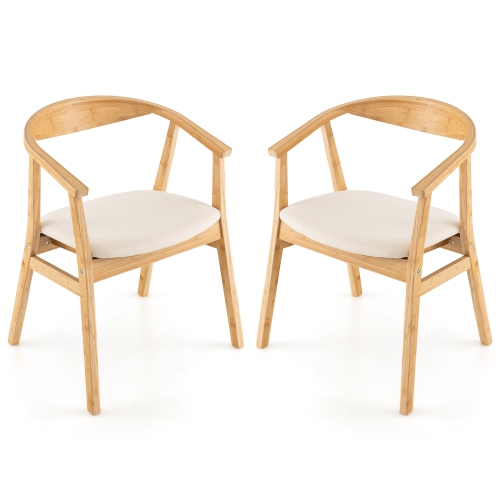
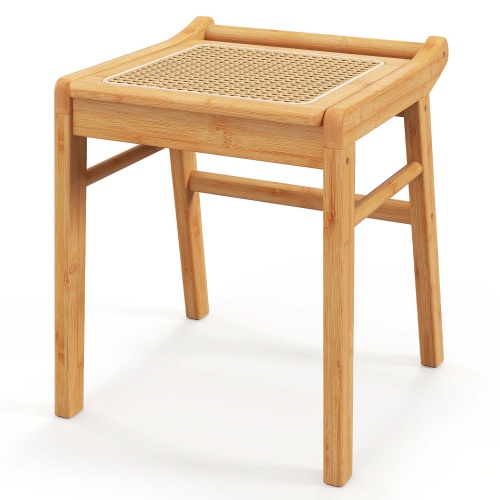
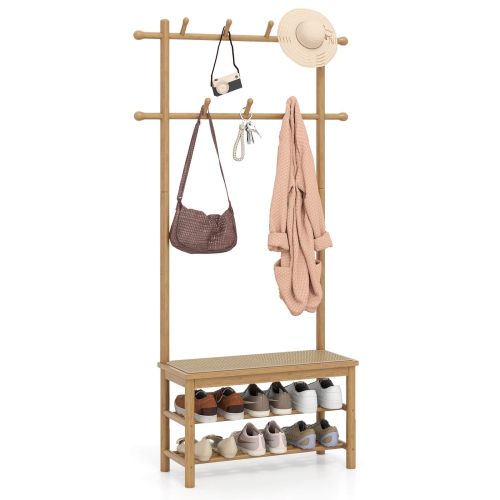
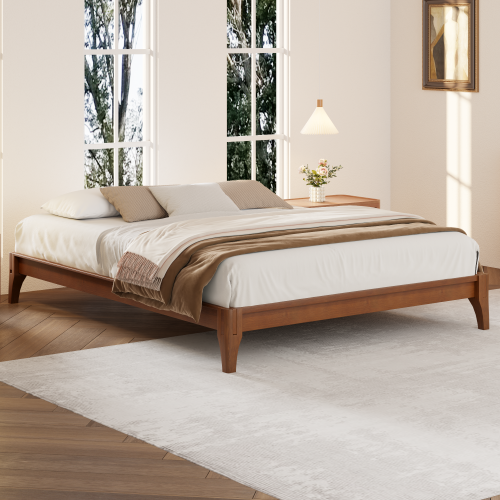
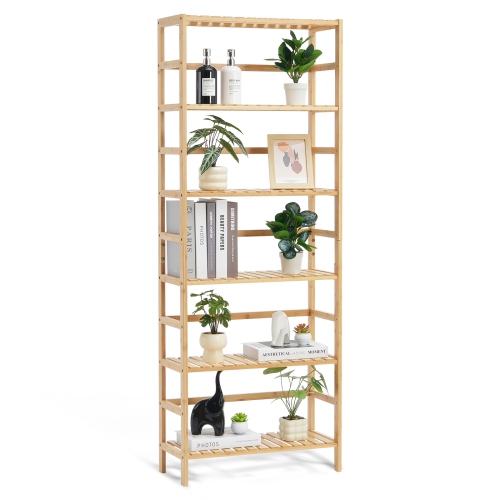

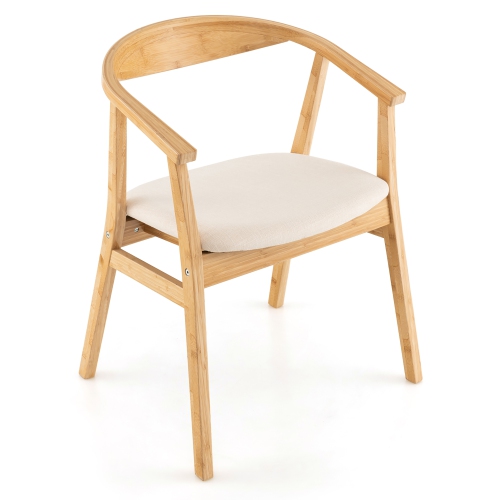
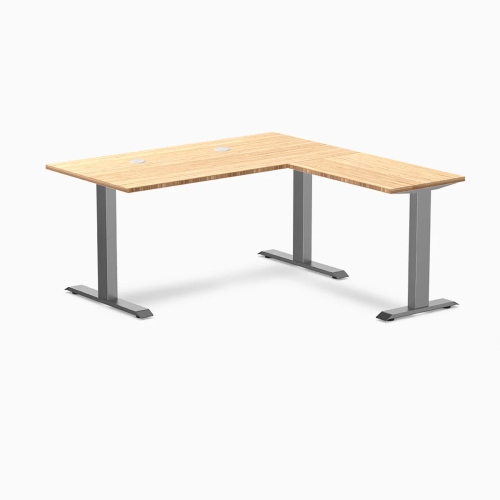
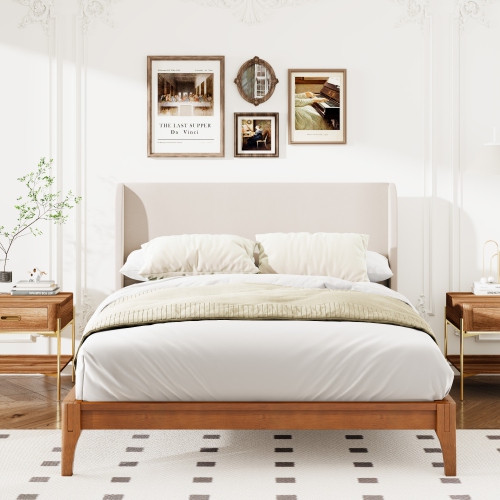
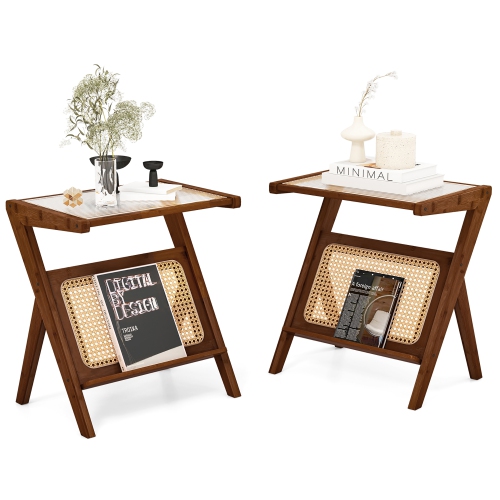
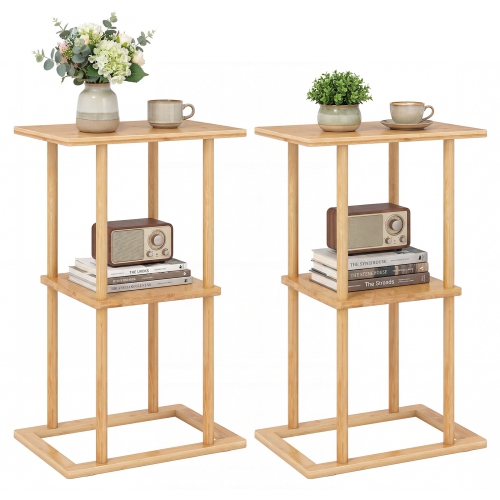
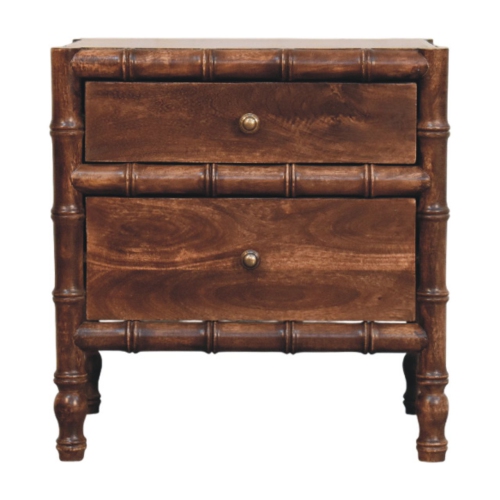
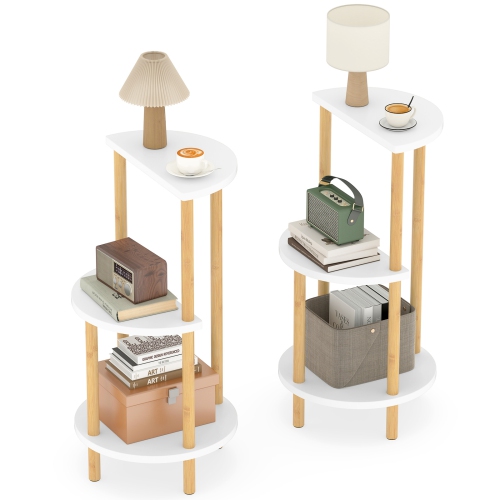
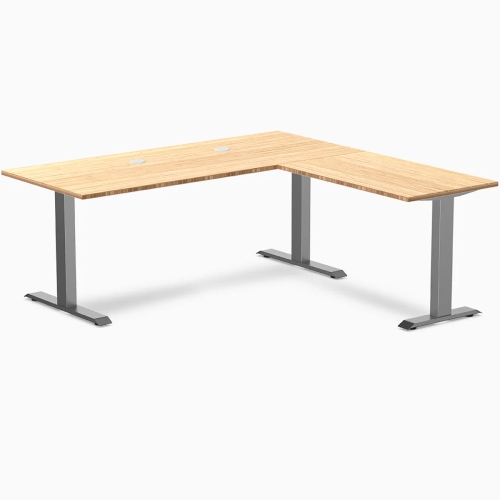
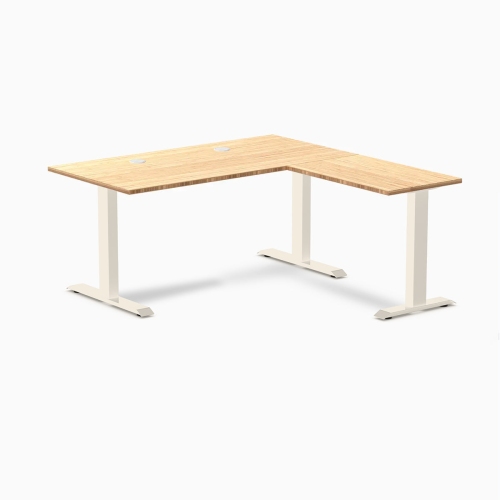
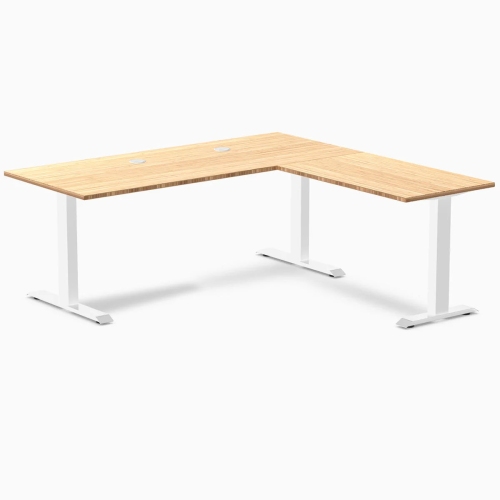
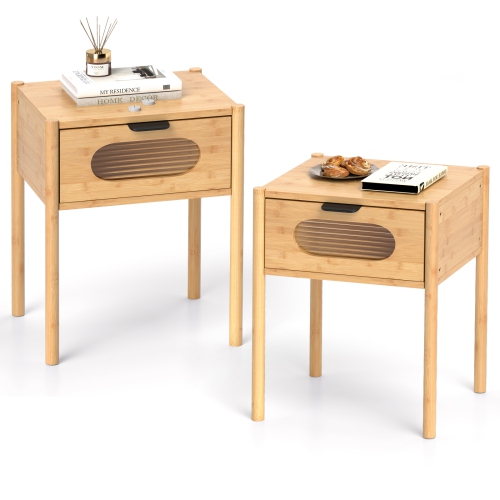
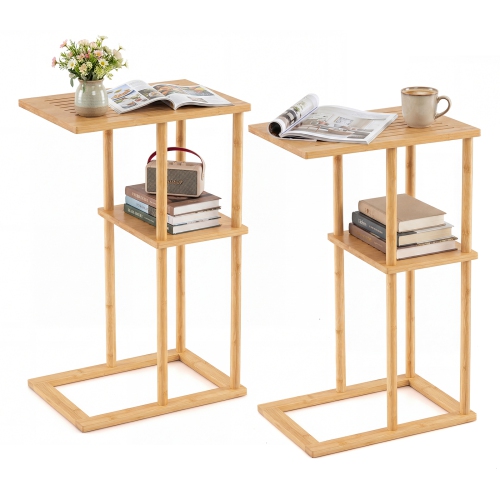
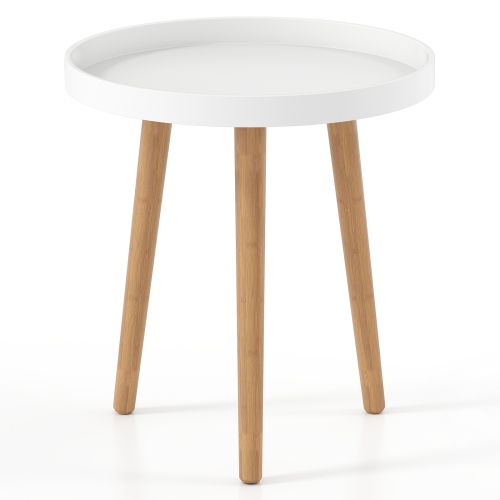
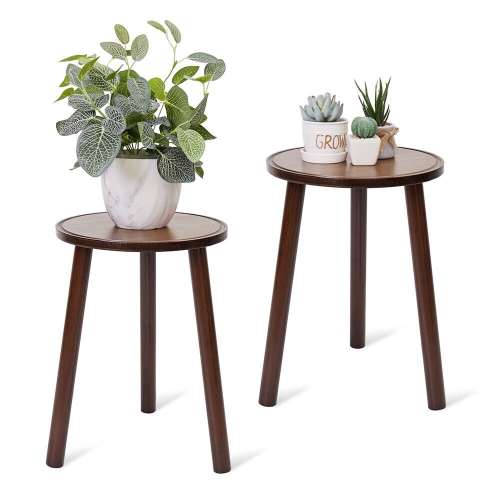
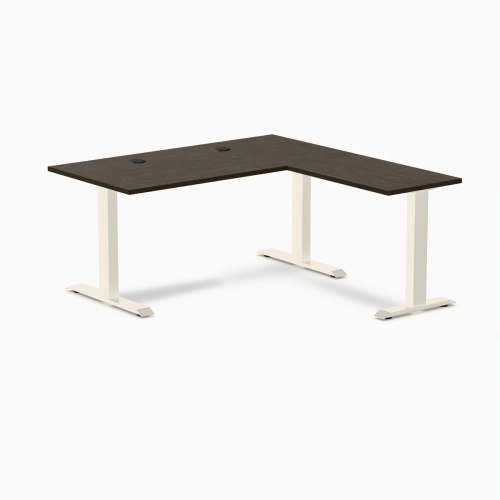
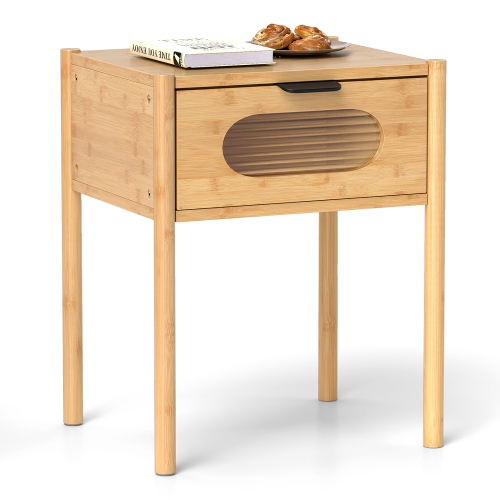
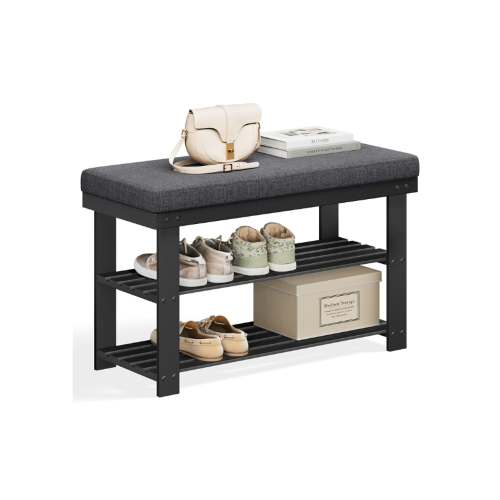
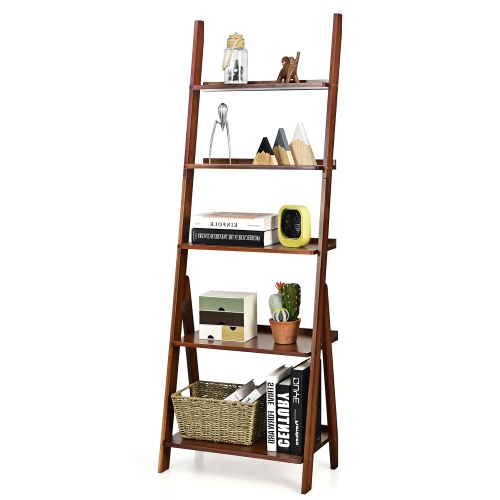
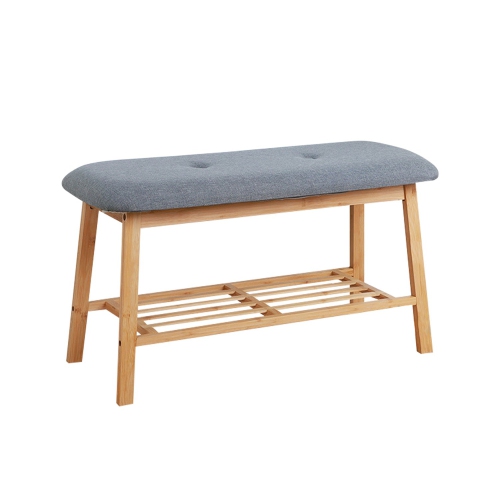
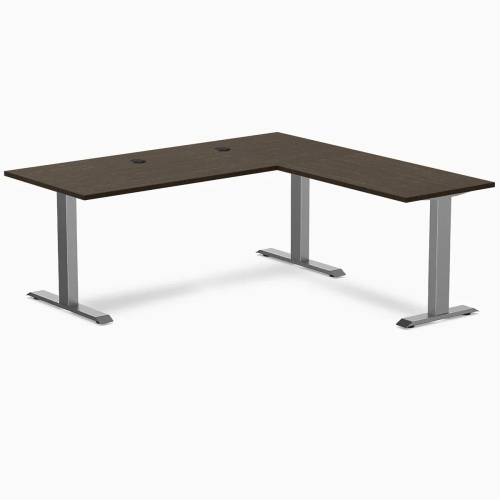
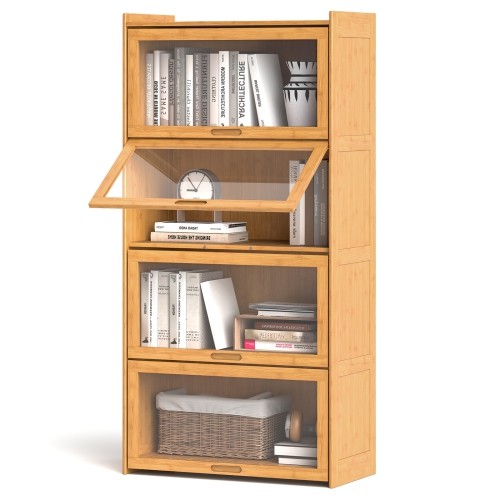
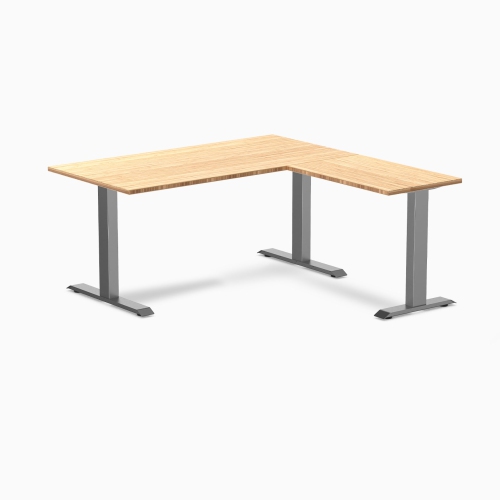



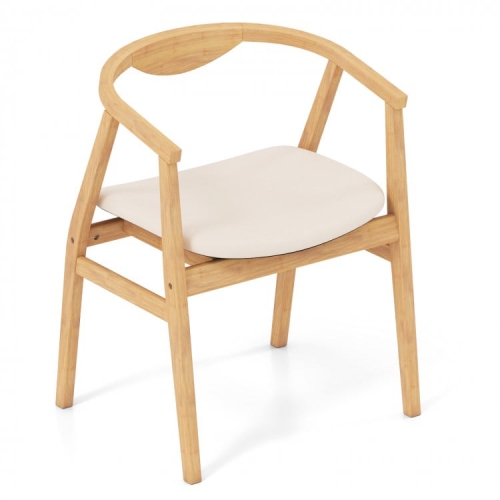
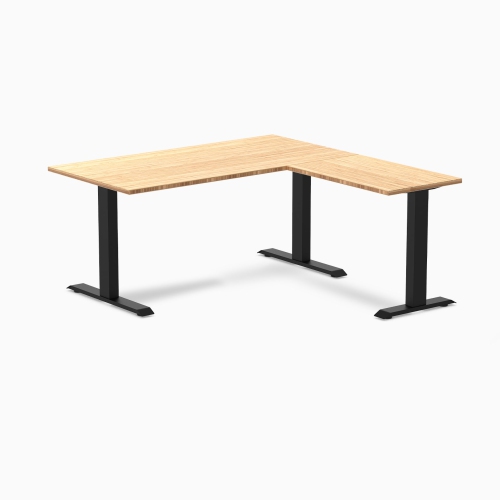
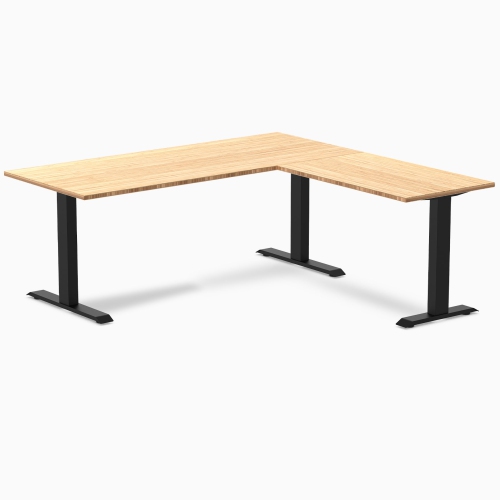
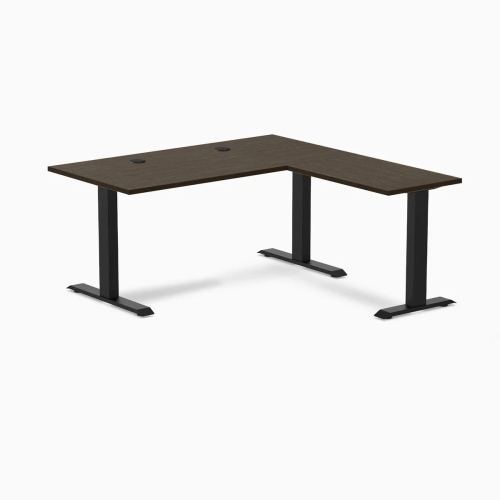





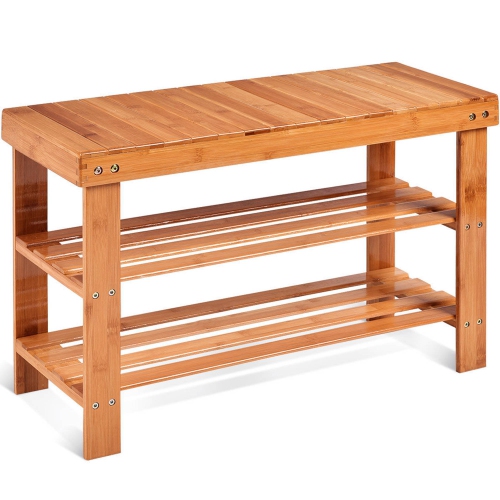
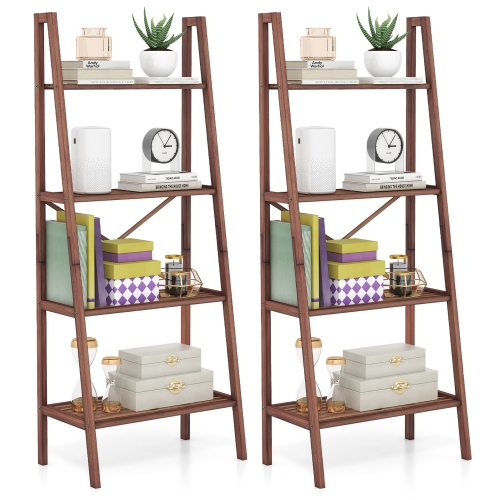
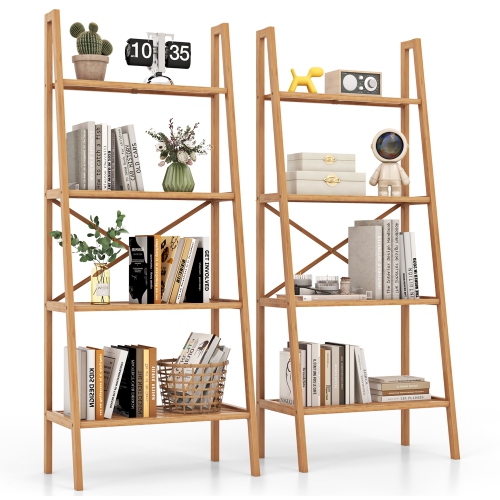
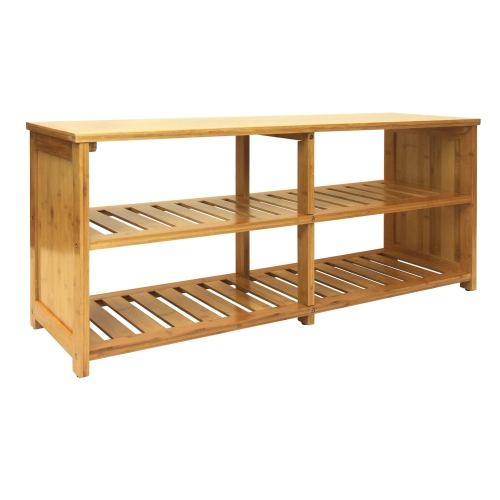
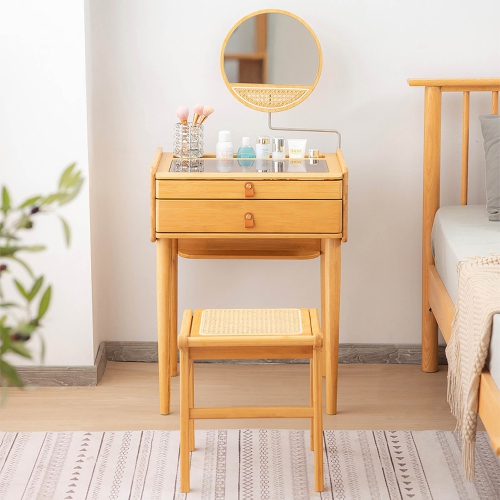
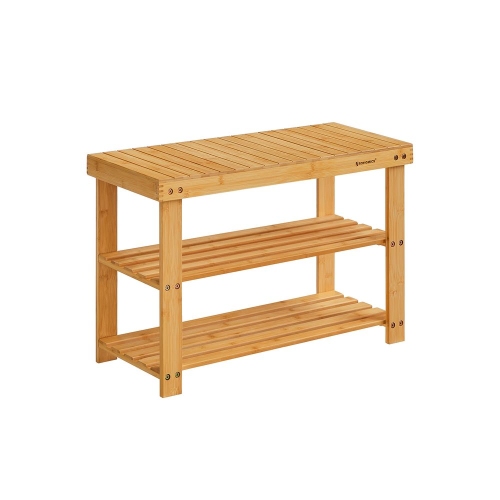
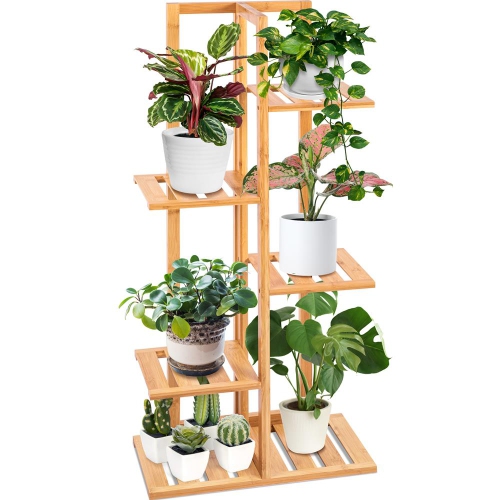
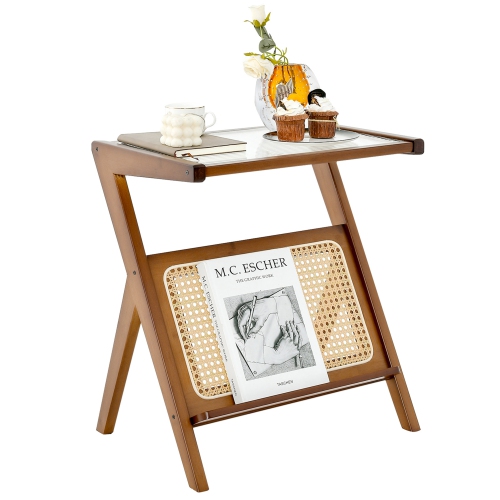
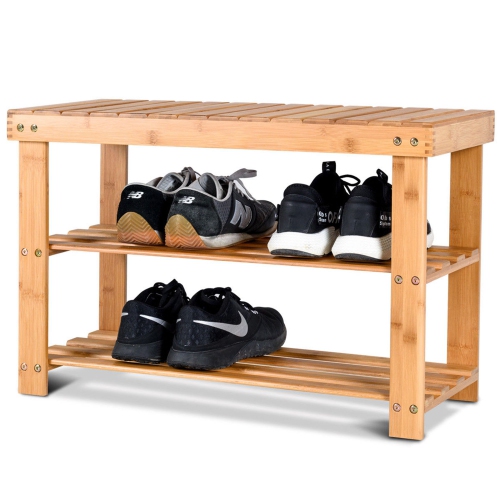
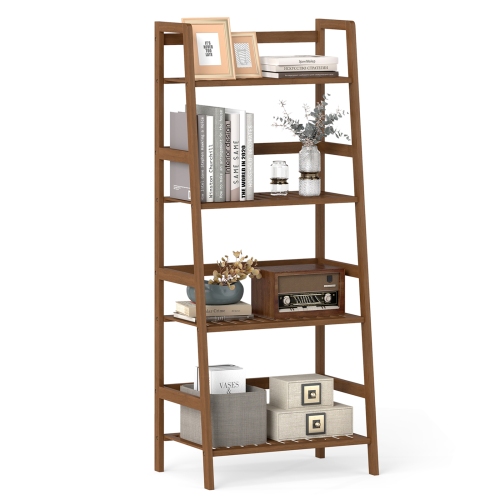
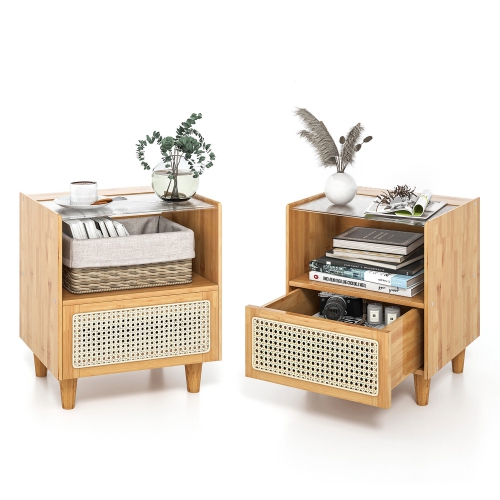
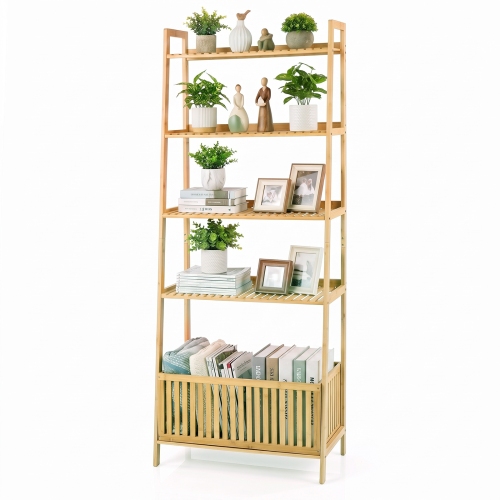
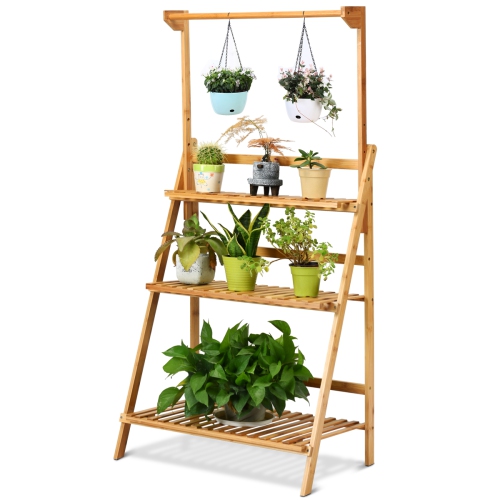
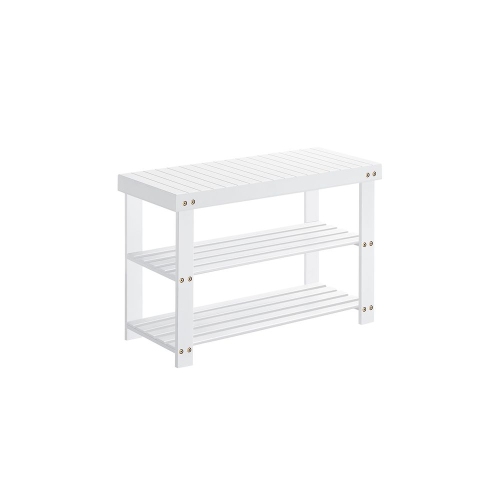
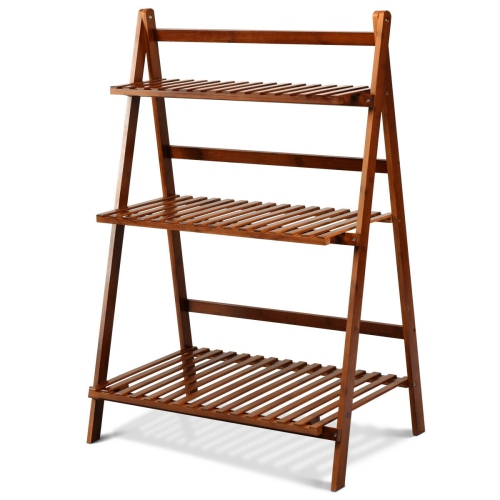
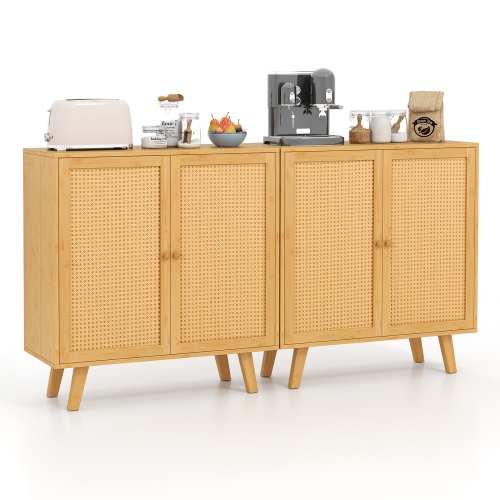
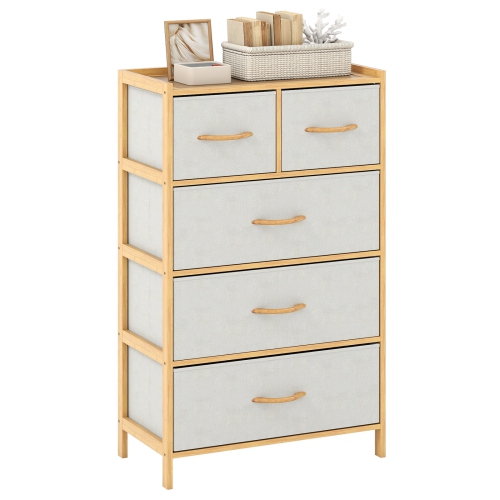
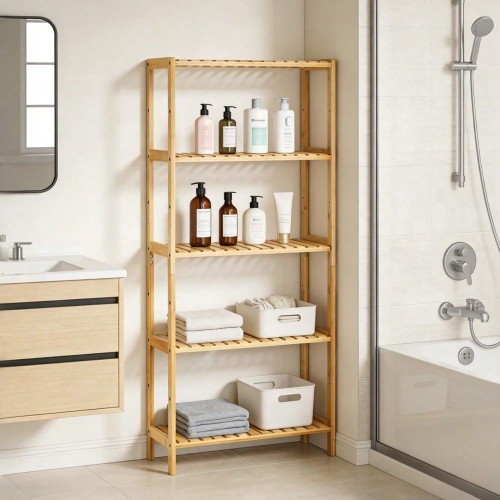

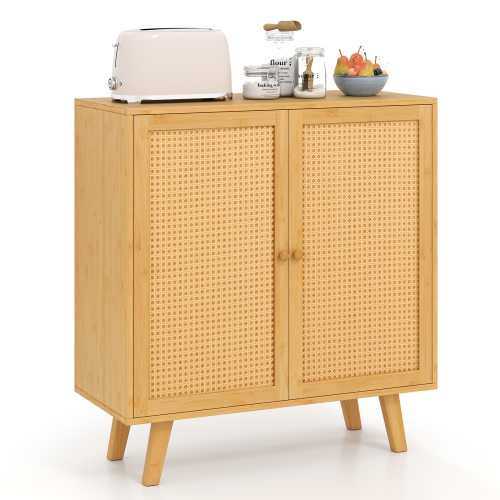
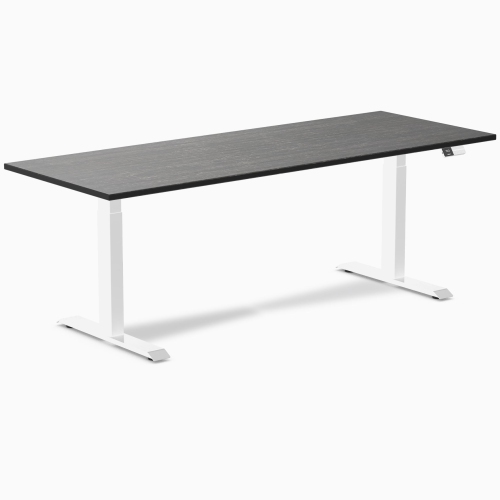

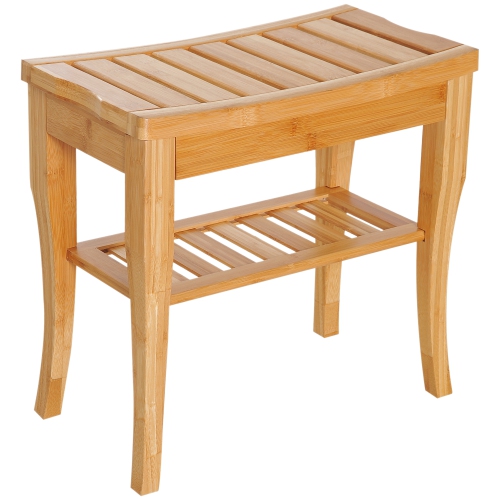
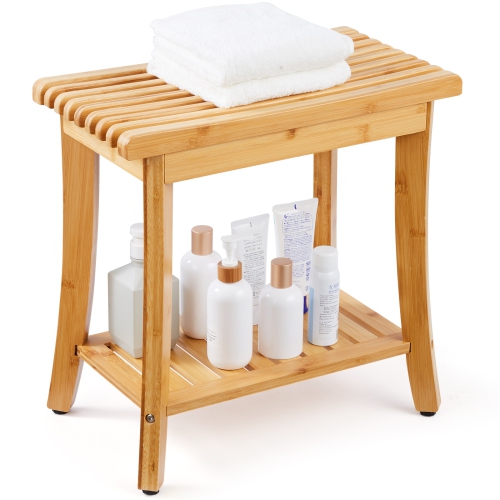

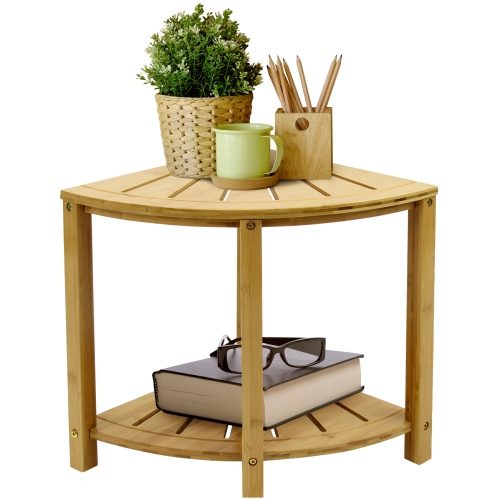
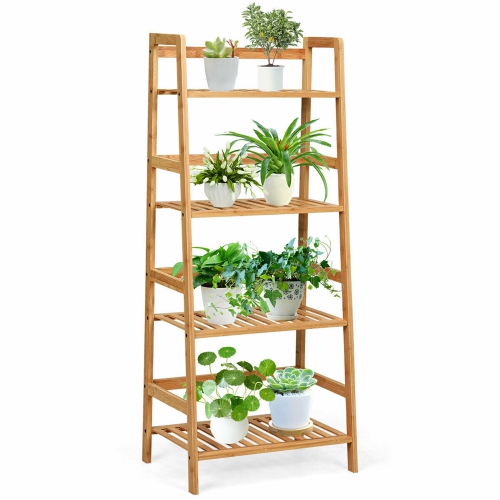
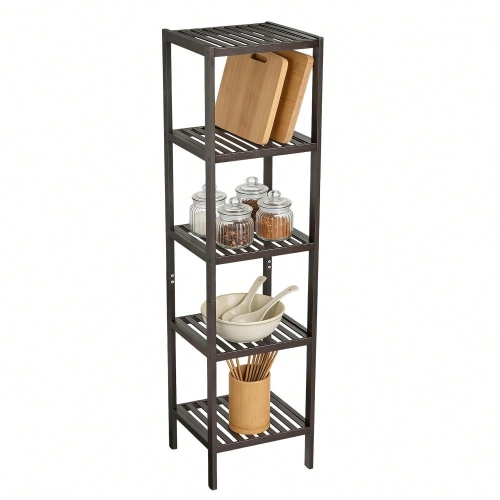

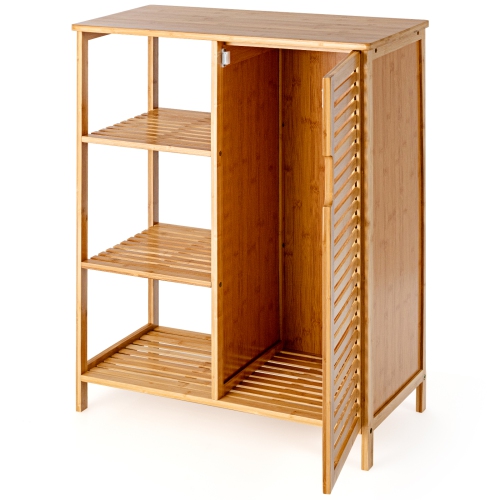
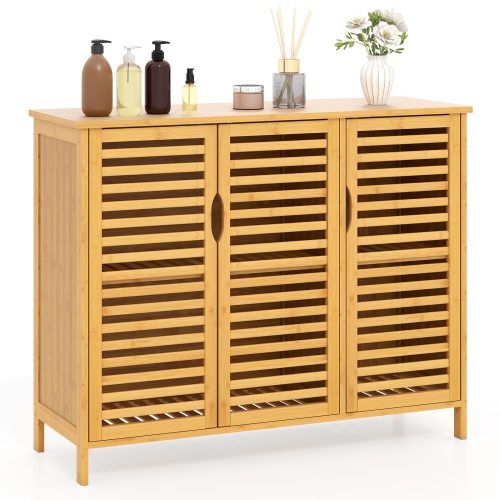
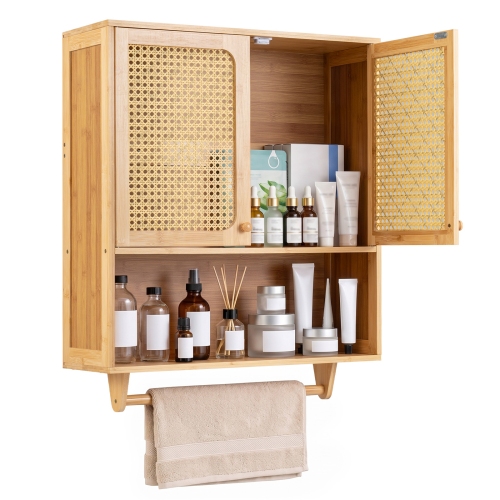

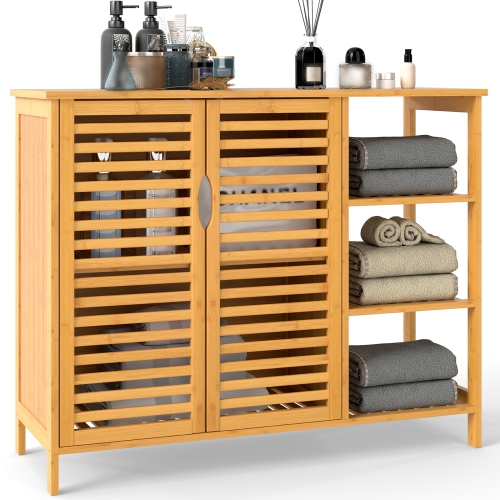
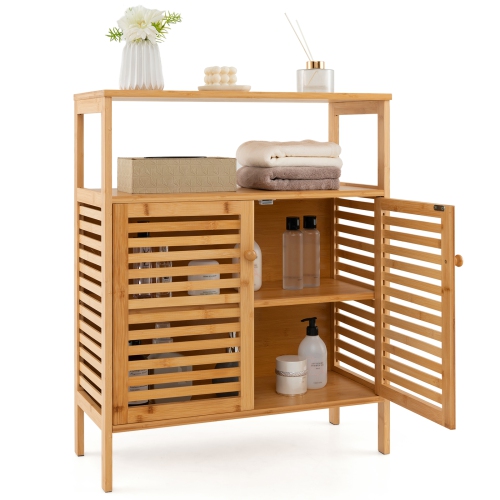

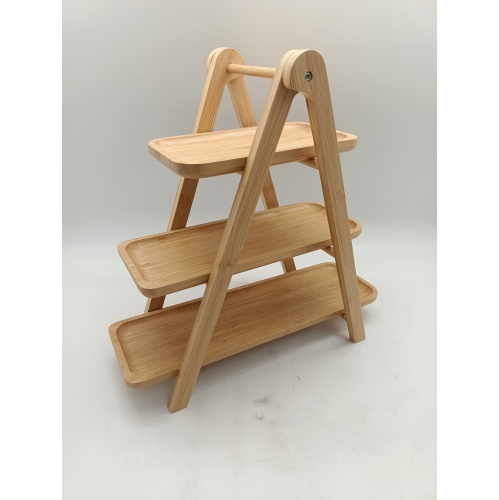
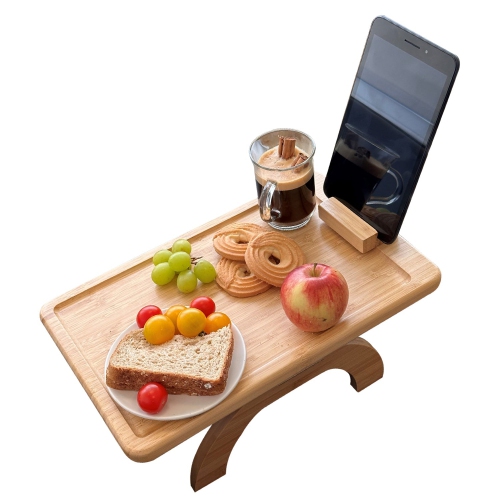

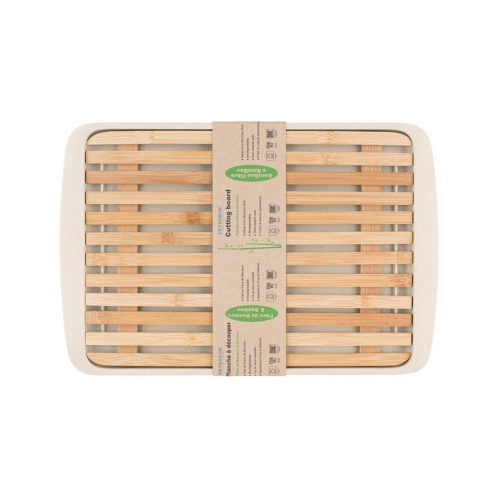
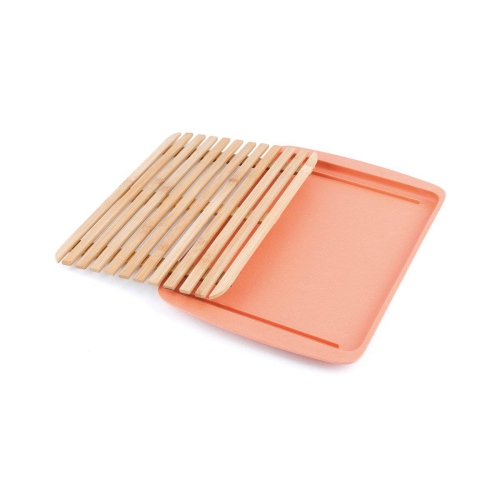
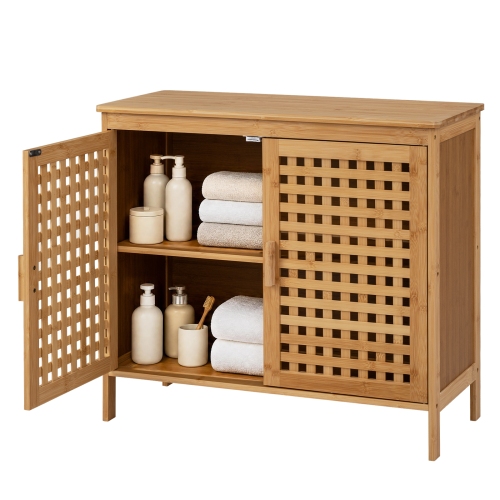
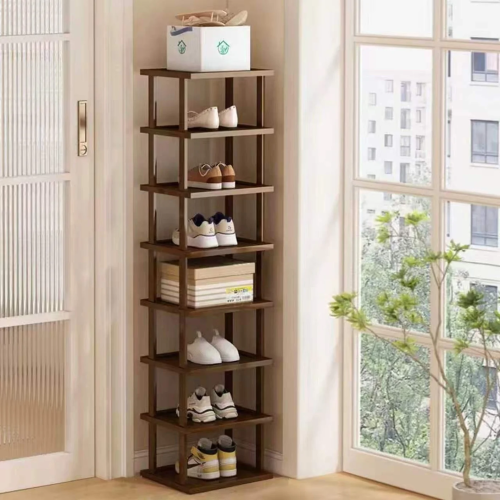
Why bamboo pieces can look and feel so different
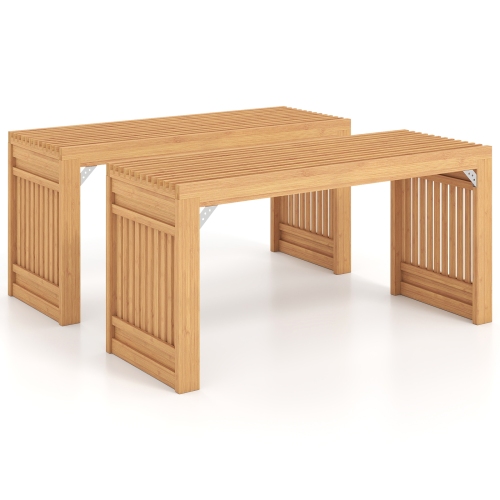
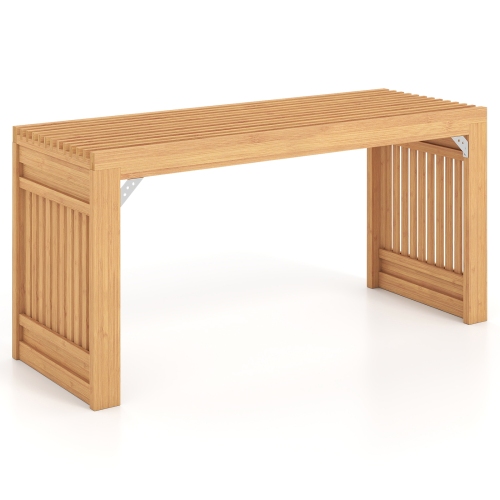
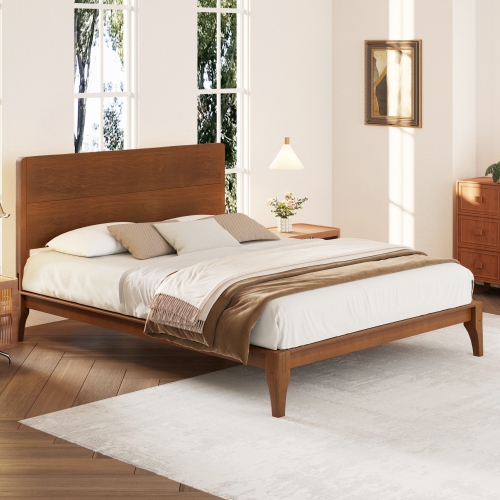
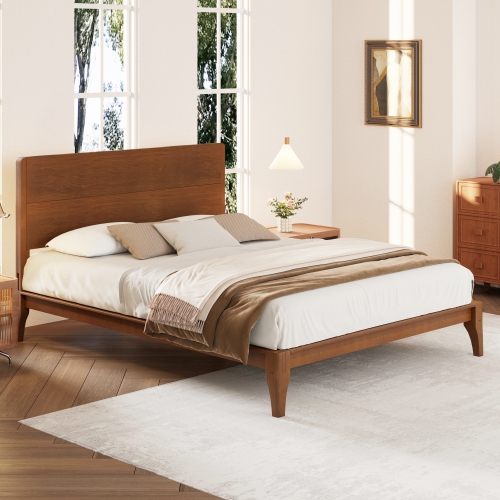
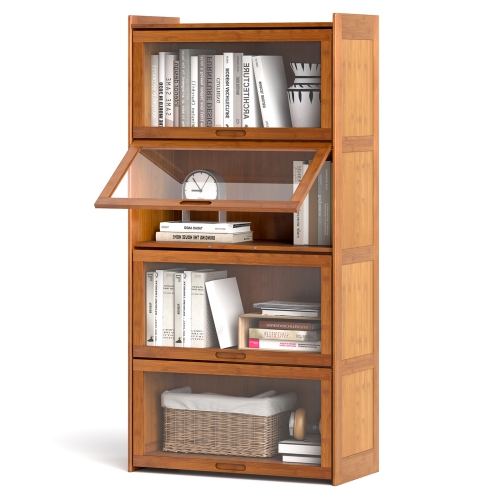
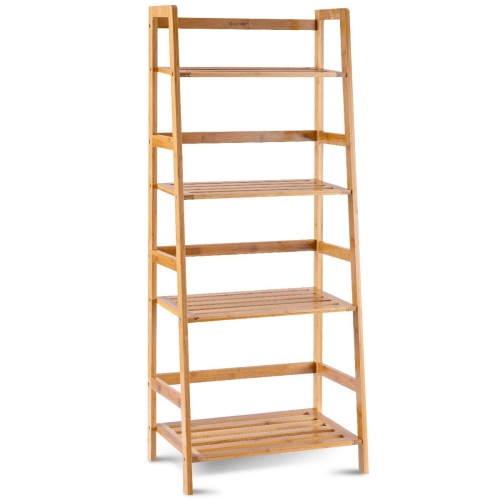
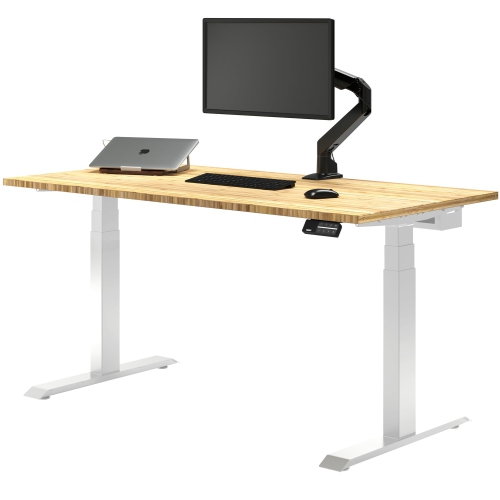
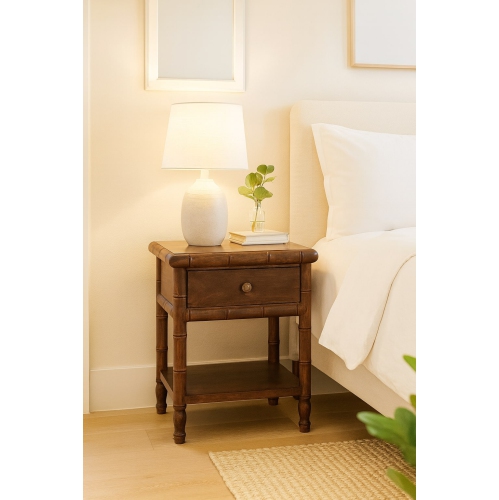
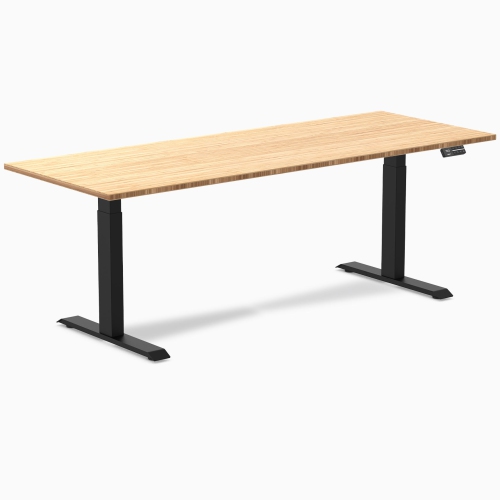
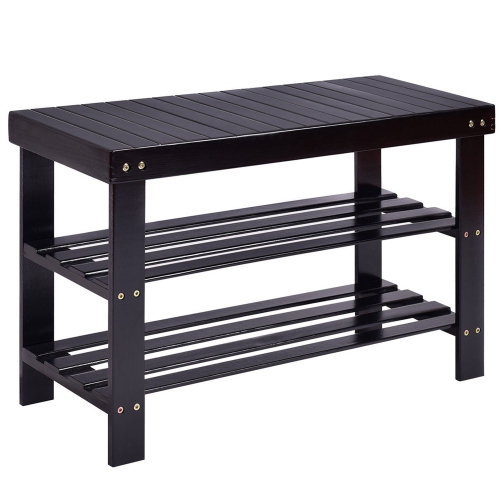
Bamboo furniture brings warm colour, visible grain, and a sense of lightness to living spaces, from compact condos to busy family homes. Although bamboo is a grass rather than a tree, its mature stalks can be processed into sturdy furniture components. Some designs retain the rounded shape and natural joints of the cane, while others use strips that are bonded and pressed into panels with a smooth, more uniform surface. These construction methods create quite different looks: rounded frames feel relaxed and airy, while laminated panels lend themselves to clean edges, flat surfaces, and streamlined storage. Colour can range from pale straw and honey to deeper brown, depending on processing, stain, and finish. The grain may appear fine and closely spaced or more pronounced, so bamboo pieces do not necessarily match simply because they share the same material. That variation can add depth to a room, especially alongside woven textiles, painted walls, metal accents, or upholstered seating. A pale finish can soften a space with dark flooring, while warmer tones sit comfortably beside cream fabrics and muted greens. Bamboo furniture can suit minimalist, coastal, rustic, and contemporary interiors without requiring every furnishing to follow the same style. Its appeal is practical as well as visual, but performance depends on the complete construction rather than the material name alone. Panel thickness, joint design, hardware, finish, and the way weight is supported all affect how a piece handles daily use. Bamboo can provide a firm, durable structure when properly manufactured and used as intended; it is not automatically scratchproof, waterproof, or suitable for every setting. Furniture described as bamboo may also include other materials in its shelves, backing, upholstery, or frame. Those combinations can influence weight, comfort, maintenance, and appearance. Understanding the distinction between an all-bamboo structure and a mixed-material design helps set realistic expectations for how furniture will look and feel in a home.
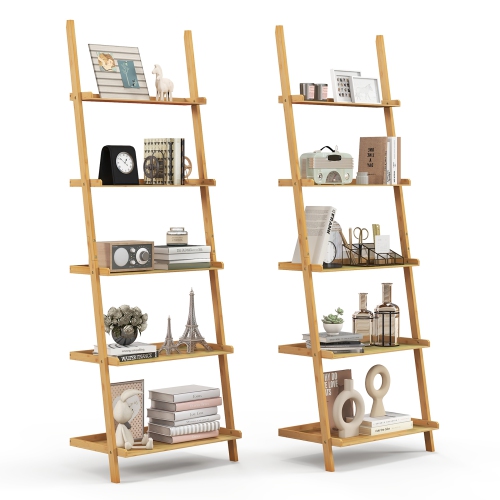
The best fit for bamboo furniture starts with the way a room is used. In a narrow entrance, a shallow footprint can leave room for boots, bags, and an opening door; in a living area, the same attention to depth helps preserve a comfortable path around seating. Overall measurements matter, but so do the less obvious clearances needed to open drawers, reach shelves, or pull a chair away from a table. Painter’s tape on the floor can make a proposed footprint easier to picture before rearranging the room. For seating, height, seat depth, back angle, and arm placement influence comfort much more than appearance alone. A firm, upright seat may work well for meals or a short conversation, while longer stretches of sitting may call for a shaped back and suitable cushioning. The broader category of Bamboo Chairs includes different seating styles, making dimensions and intended use useful points of comparison. Check that armrests can pass beneath a tabletop if chairs need to tuck away, and allow enough space behind them for someone to stand without blocking a walkway. For storage furniture, shelf spacing should suit what it will hold, whether that means folded linens, books, or baskets for everyday essentials. An open frame keeps contents within easy reach but also leaves them visible, whereas enclosed storage creates a quieter appearance. Weight limits deserve attention, particularly where a shelf will carry dense objects rather than lightweight accessories. Households with children or pets may favour smooth edges, stable bases, and finishes that are straightforward to wipe clean. Tall storage furniture needs appropriate anchoring according to its installation instructions. Bamboo furnishings can also make thoughtful housewarming or wedding gifts when the recipient’s space and preferences are known, though large pieces are usually best chosen together. For a student’s first apartment or a shared home, manageable dimensions and straightforward assembly can matter more than an elaborate design.
Care plays a large part in how bamboo furniture ages, especially through the cooler months when indoor heating can change humidity levels. Bamboo responds to moisture, and prolonged dampness or very dry conditions may contribute to movement, cracking, or joint problems. A steady indoor setting, away from direct heat sources and persistent moisture, is generally a better choice than a spot beside a radiator or against a damp wall. Strong sunlight can also alter colour over time, sometimes leaving a noticeable difference between exposed surfaces and areas covered by objects. For routine cleaning, a soft cloth removes dust without grinding grit into the finish. When a surface needs more attention, a lightly dampened cloth and a small amount of mild soap may be suitable if the manufacturer’s care directions allow it; follow with a dry cloth rather than leaving moisture to sit. Spills are best blotted promptly, including water that collects beneath plant pots or cold drinks. Coasters, placemats, and protective pads help separate the surface from condensation, hot dishes, and rough ceramic bases. Avoid soaking bamboo, using abrasive scrubbers, or applying strong cleaners that could dull or damage its coating. Oil is not a universal treatment: a sealed or lacquered surface may require different care from an unfinished one, and adding an unsuitable product can leave residue or change the appearance. Use only treatments appropriate to the stated finish. In kitchens and bathrooms, placement matters as much as cleaning, since repeated splashing and trapped moisture can affect furniture not designed for those conditions. Indoor bamboo furniture should not be assumed suitable for a balcony or patio simply because the material has an outdoor association; outdoor use requires a design and finish intended for that exposure. During moves, lifting rather than dragging helps protect legs, joints, and floors. Periodic checks of assembly hardware can address loosening from regular use, without overtightening fasteners. With suitable placement, sensible loading, and care matched to its finish, bamboo furniture can remain a useful, warm-looking part of everyday life.
Top selling and popular products
-
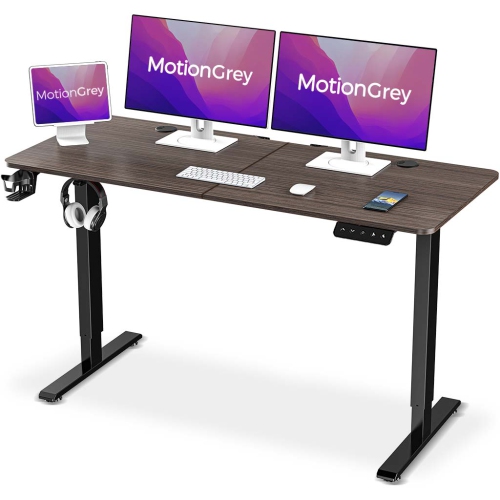 Your price for this item is $97.99
-
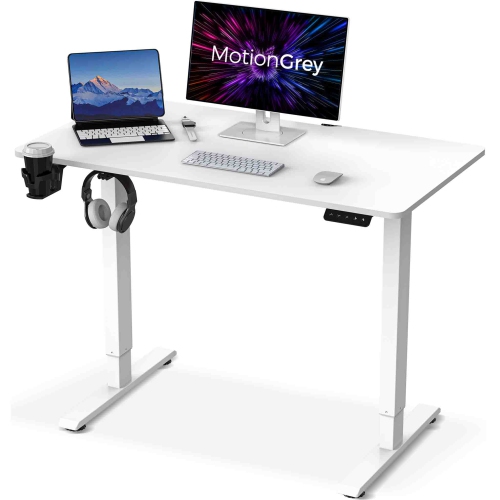 Your price for this item is $89.99
-
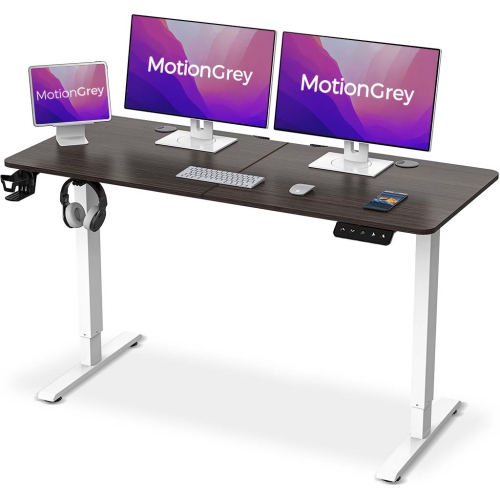 Your price for this item is $84.99
-
 Your price for this item is $97.99
-
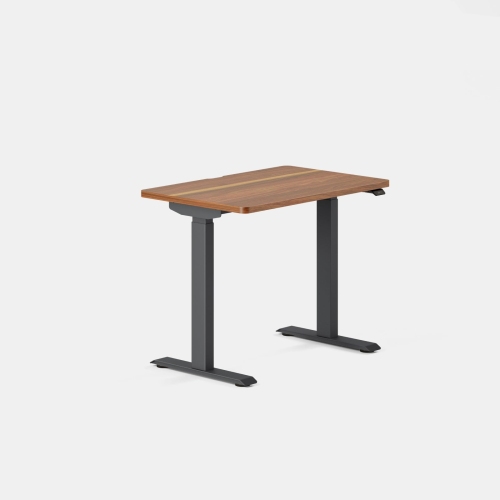 Your price for this item is $649
-
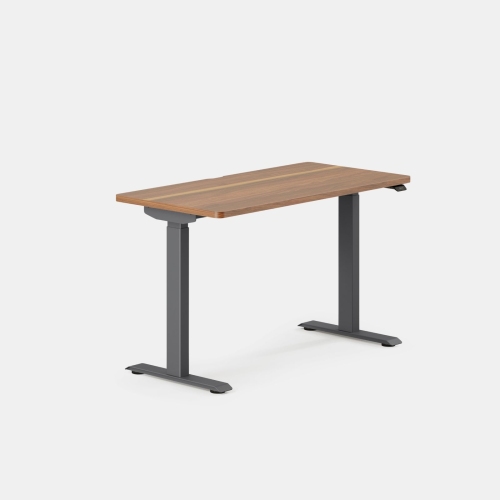 Your price for this item is $749
-
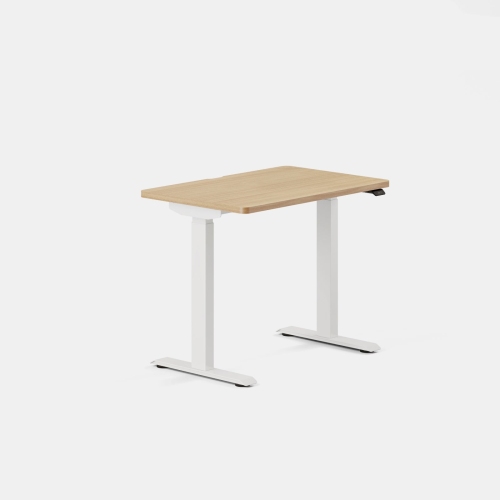 Your price for this item is $649
-
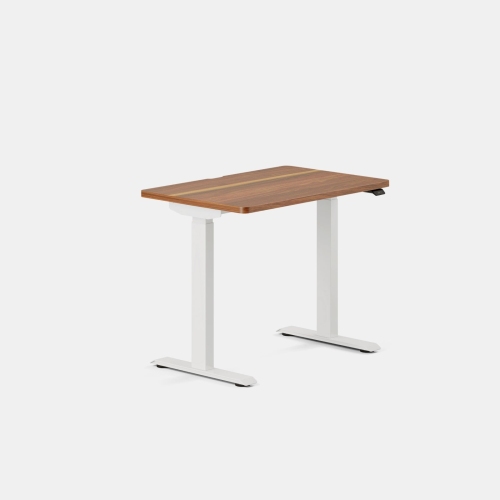 Your price for this item is $649
Discover more categories related to Bamboo Furniture
Top Collections:
Best Black Friday Deals This Year, Best Black Friday Deals On Electronics, Kindle Devices, Pokemon Centers, Best Black Friday Deals On Apple Products, Best Cameras for Sports Photography, Dyson Airwrap, Pokémon 30th Celebration Cards, Apple iPhone 17 Pro, Canon G7X Cameras
Some products may be subject to Environmental Handling Fees
(EHF) depending on your province.
Learn more about EHFs.