Bamboo Table Tops
Enhance your space with the natural beauty and durability of bamboo table tops. Perfect for adding a touch of eco-friendly elegance to your home or office, these versatile surfaces bring warmth and style to any room. Crafted from sustainable bamboo materials, our selection of table tops offers a blend of modern design and environmental consciousness. Whether you're looking to upgrade your dining area, workspace, or any other surface in need of a refresh, these bamboo table tops are sure to elevate your decor with their timeless appeal and sturdy construction.
Sort
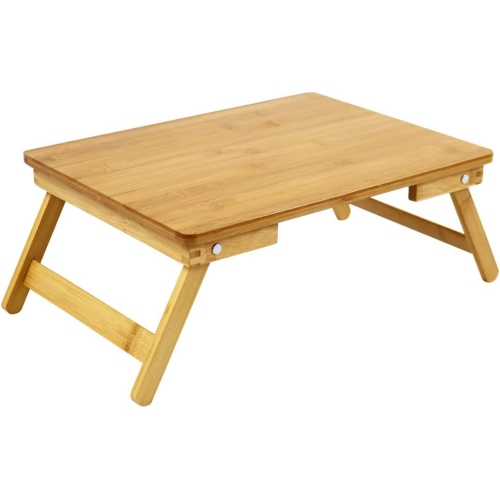
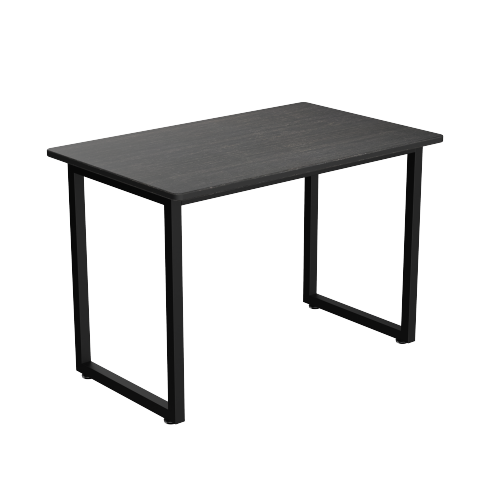
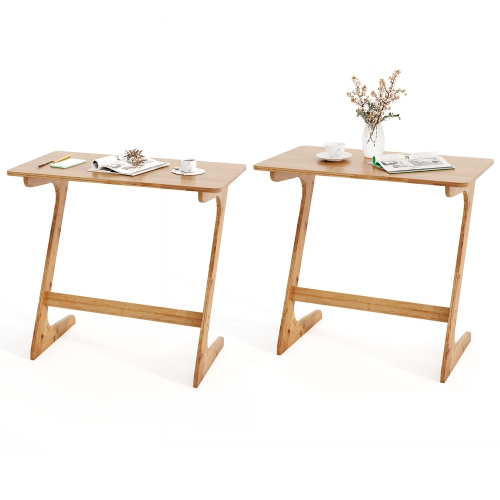
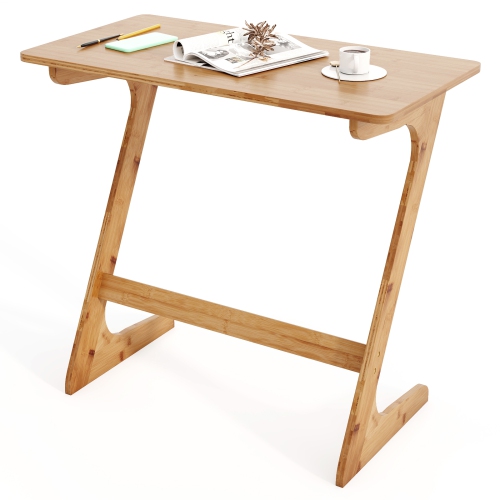
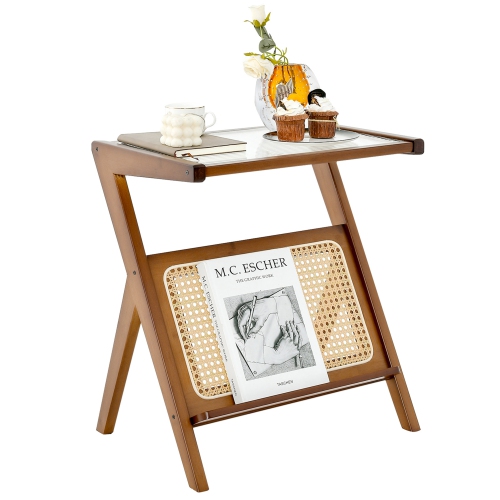
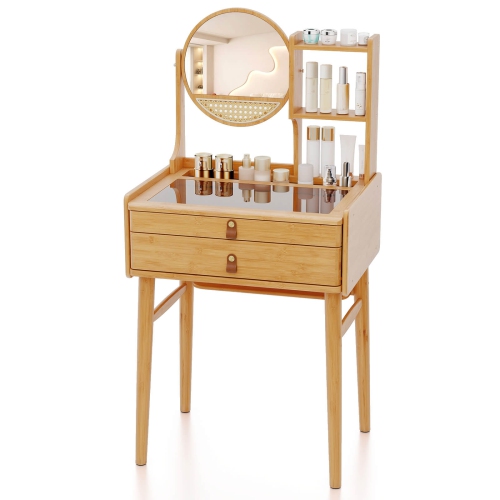

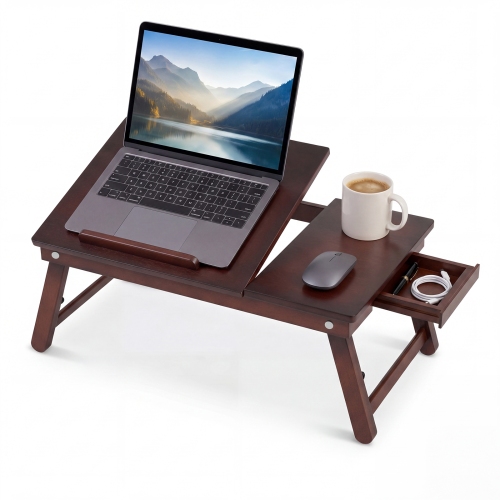
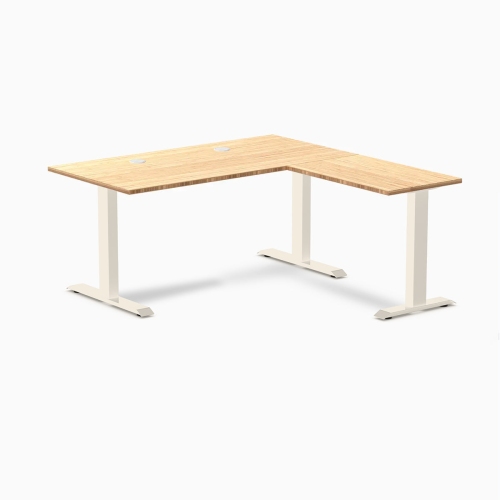
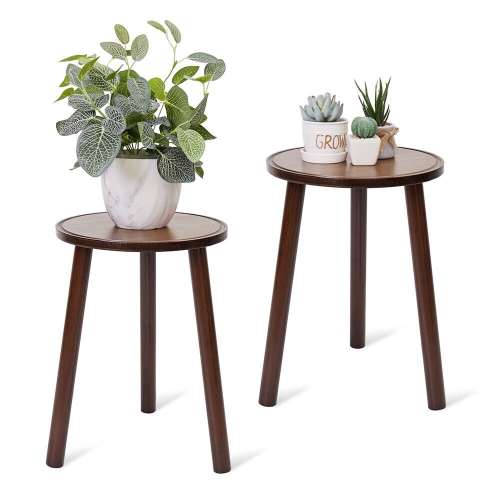
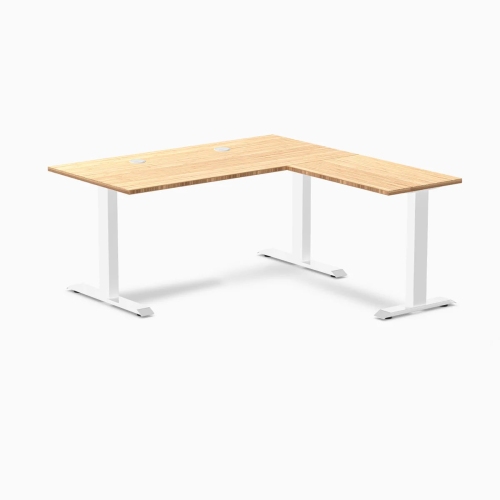
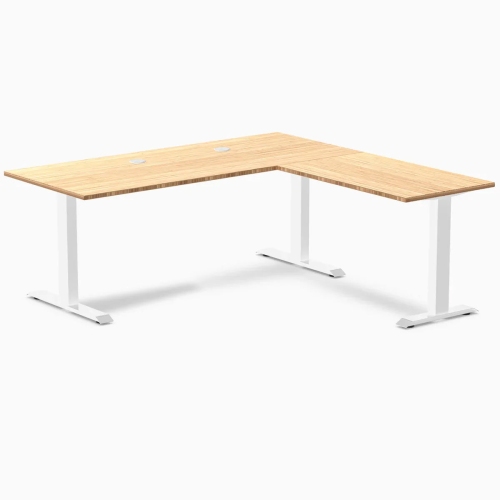
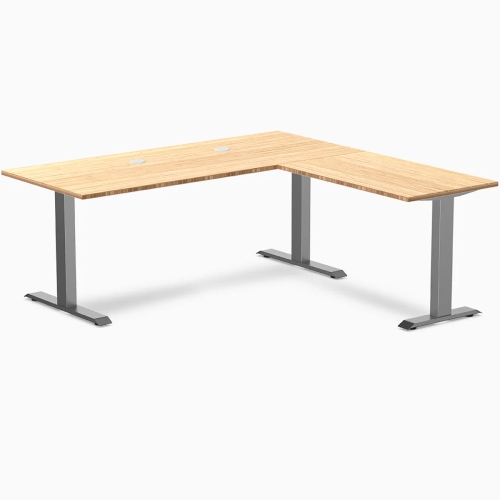
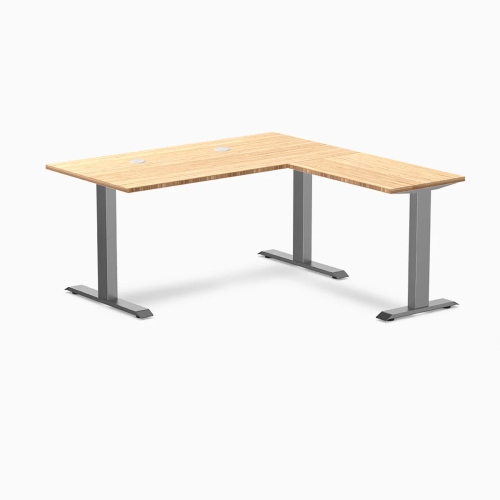
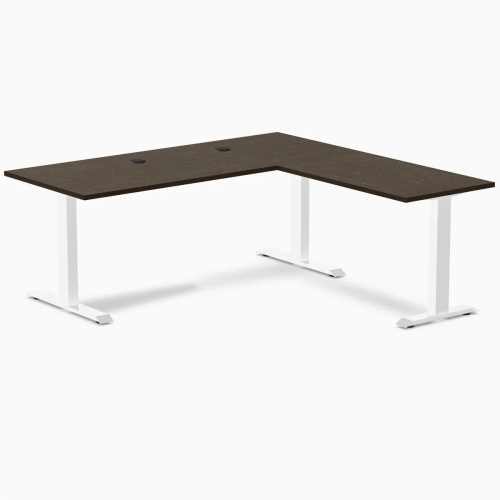
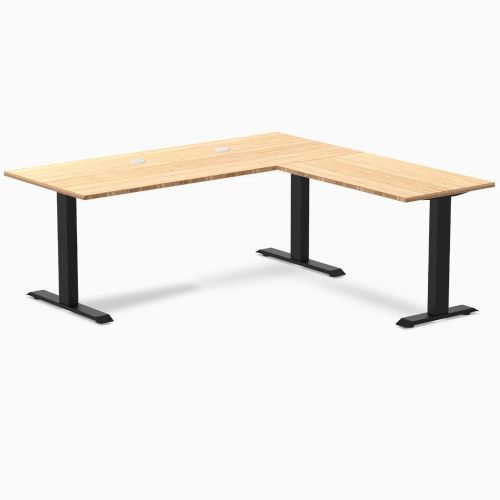
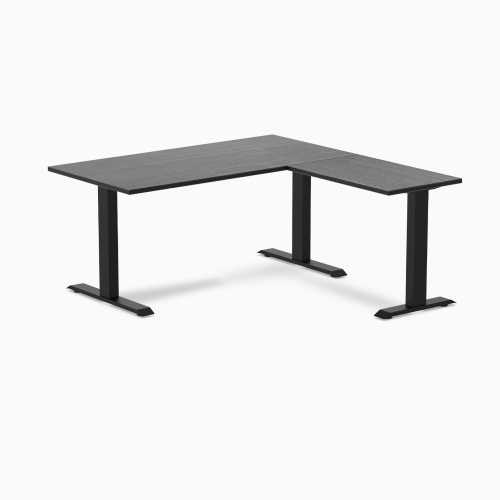
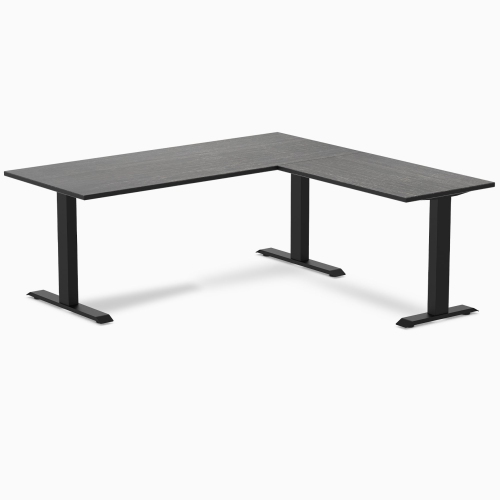
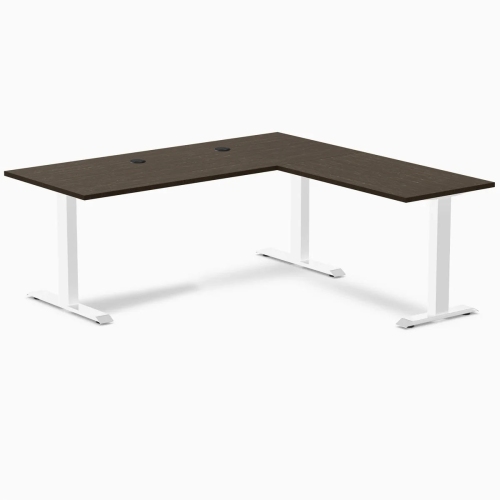
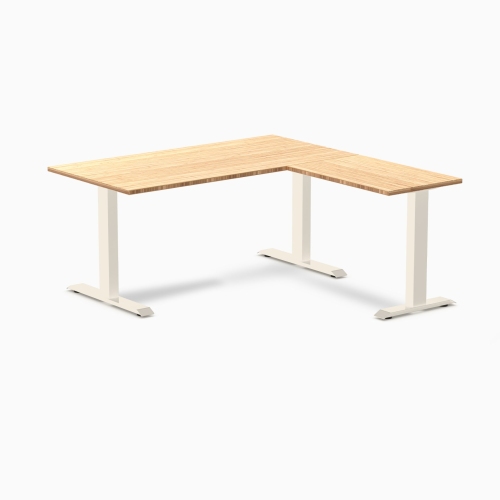
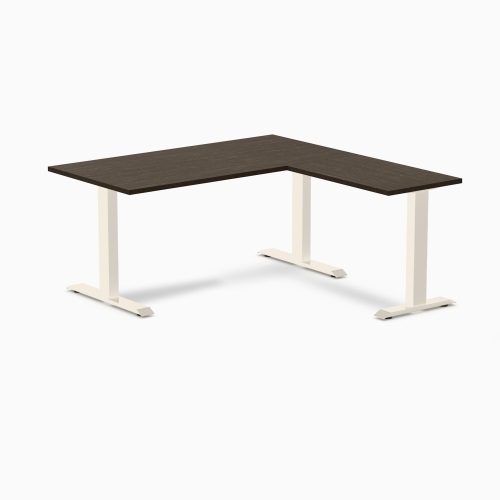
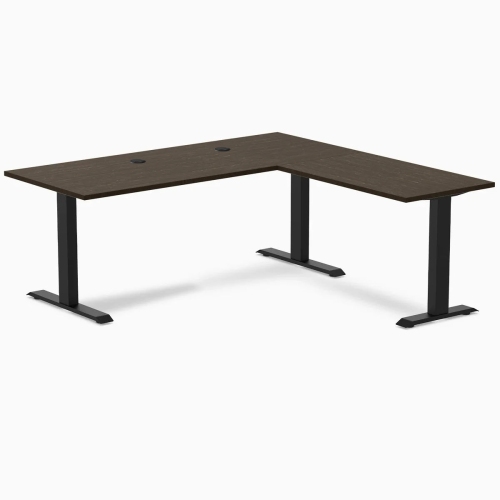
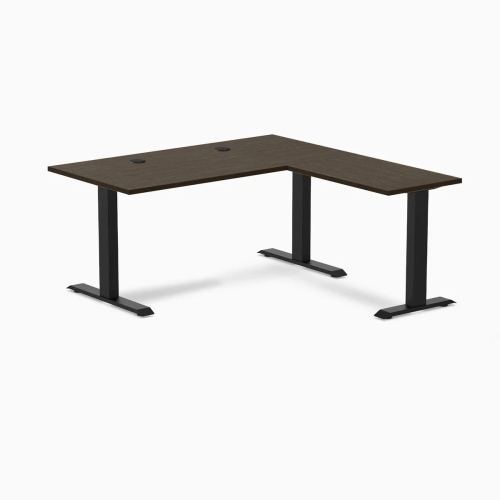
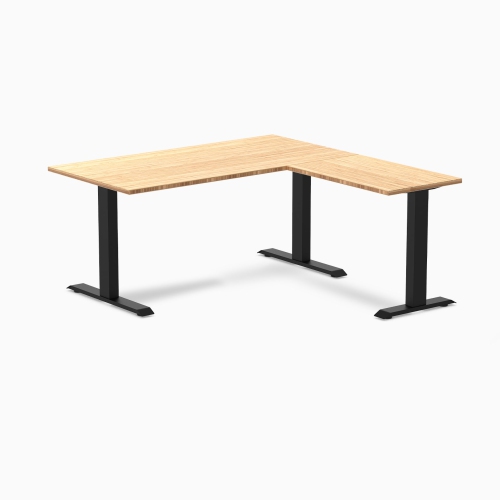
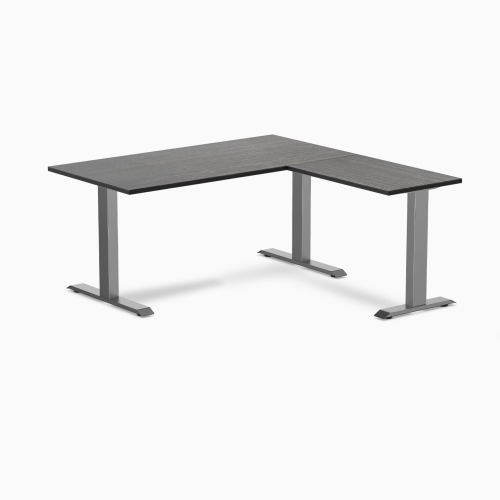
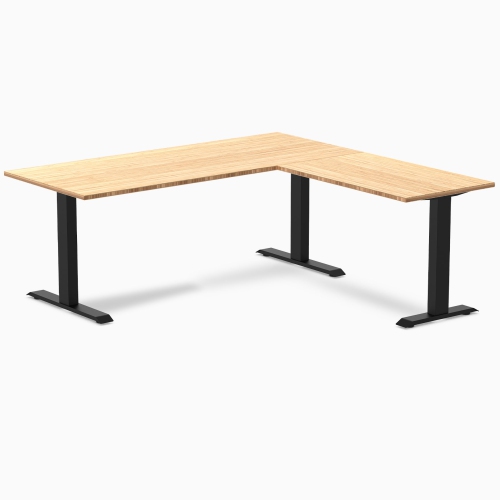
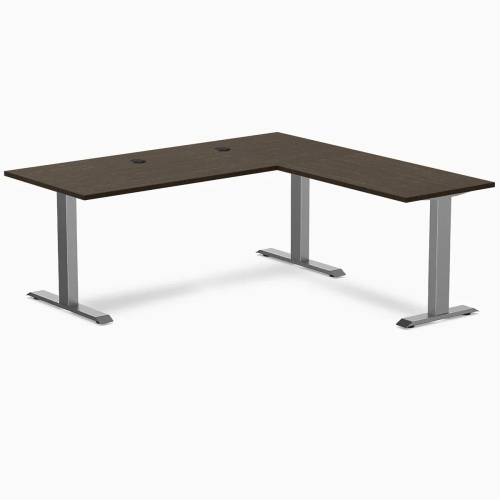
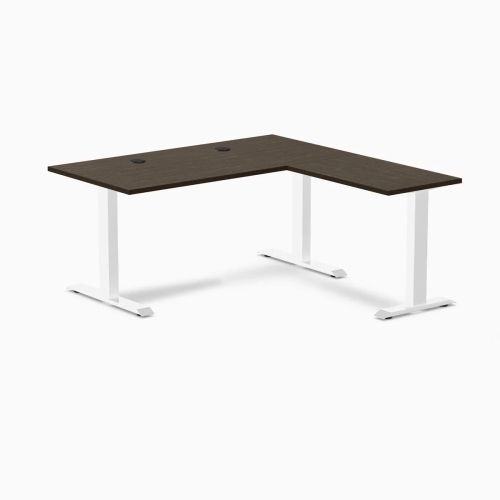
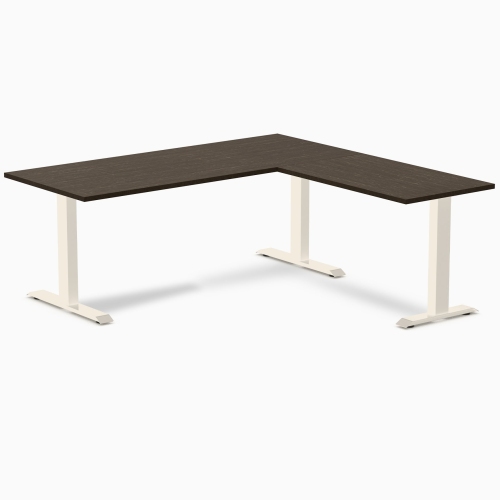
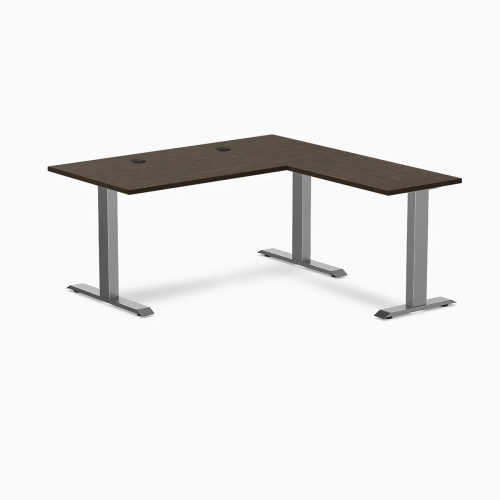
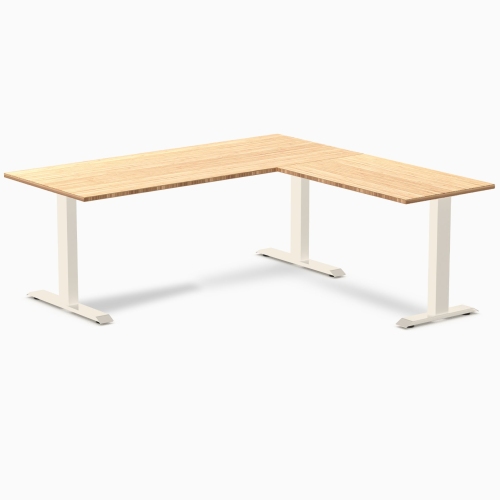
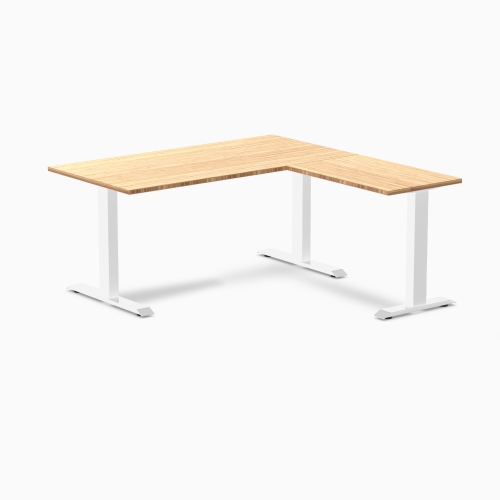
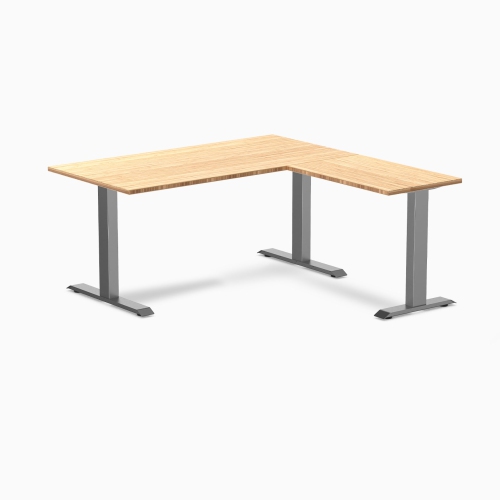


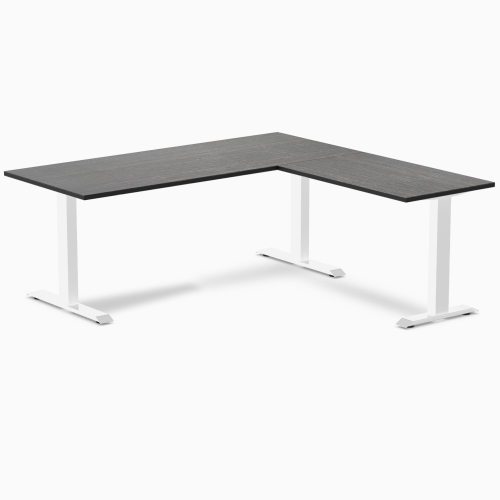
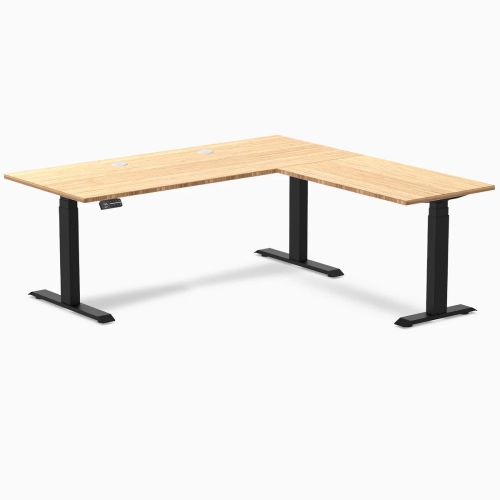
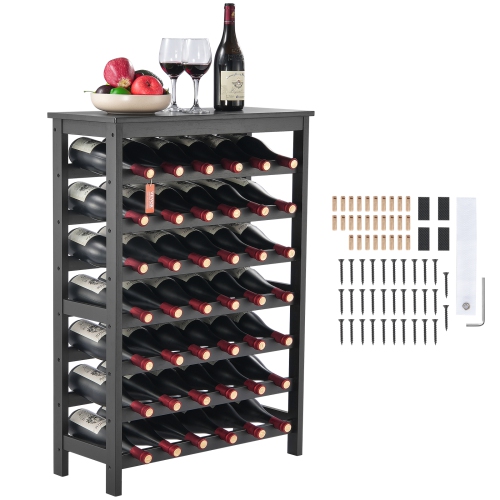
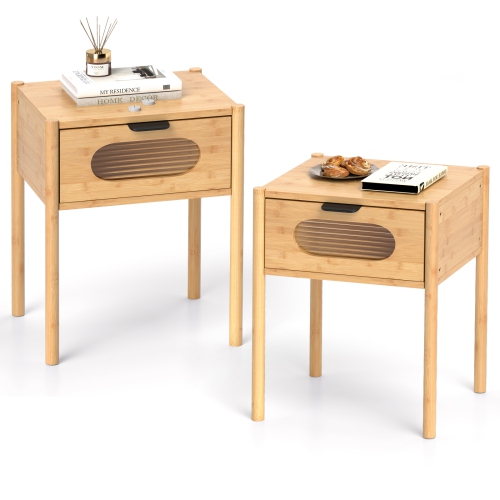

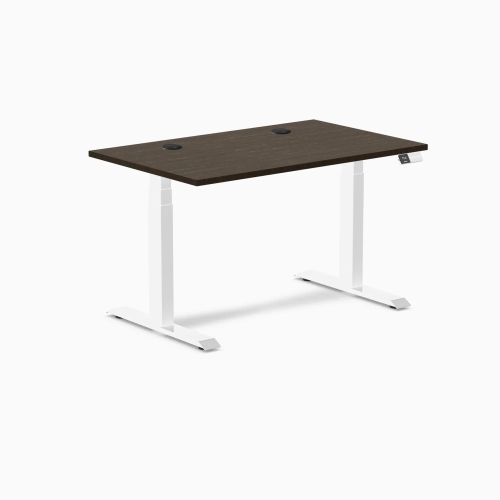
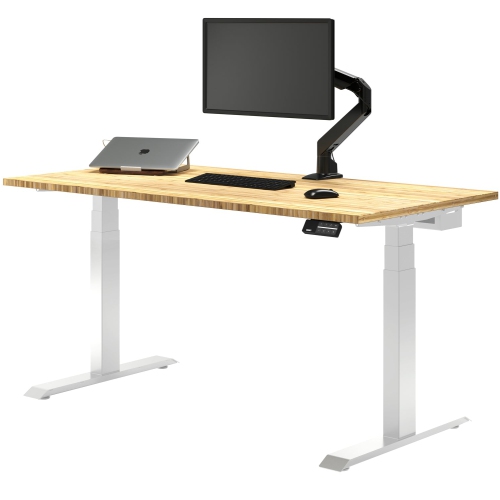
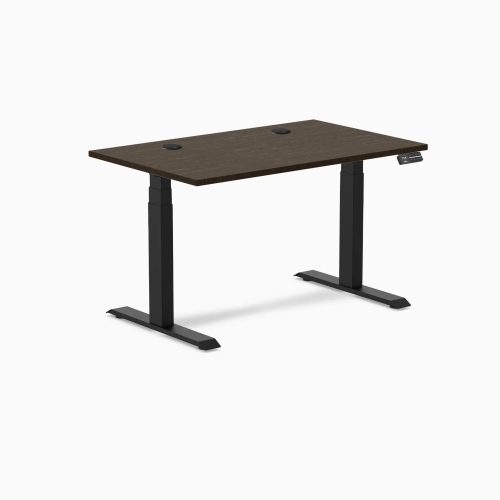
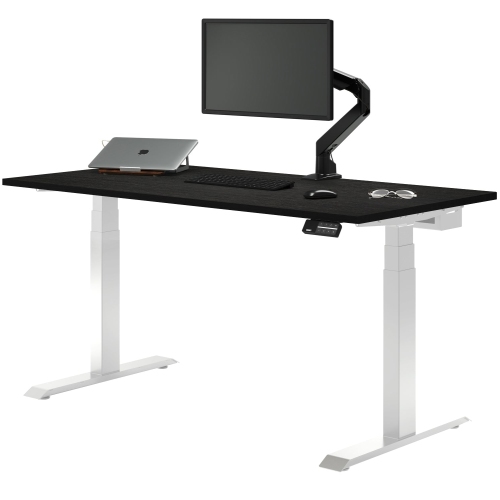
There’s more to bamboo than its warm grain
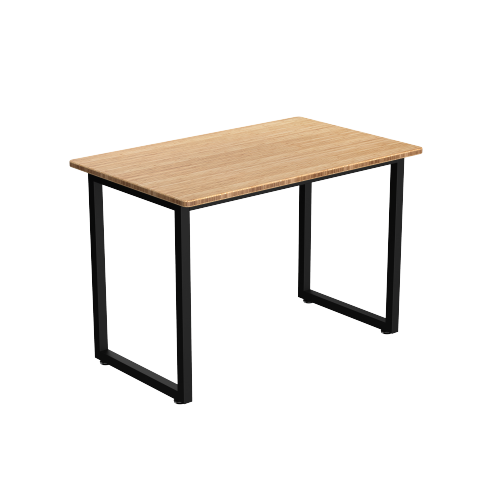
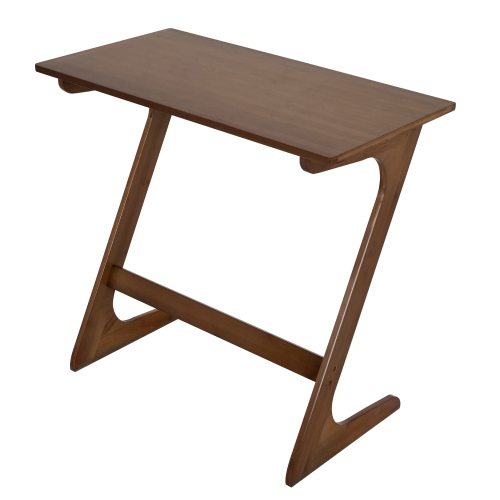
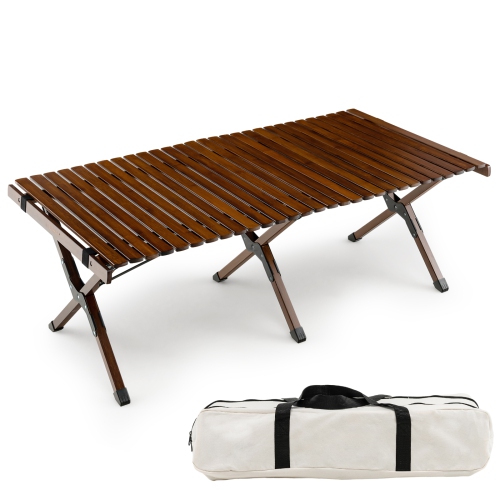
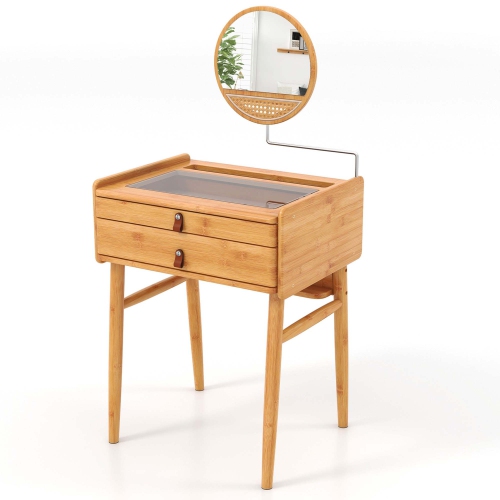
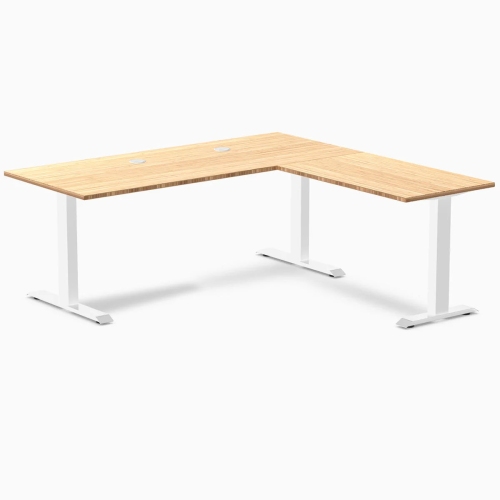
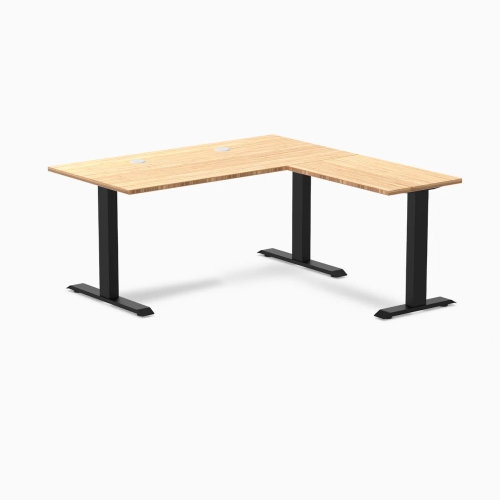
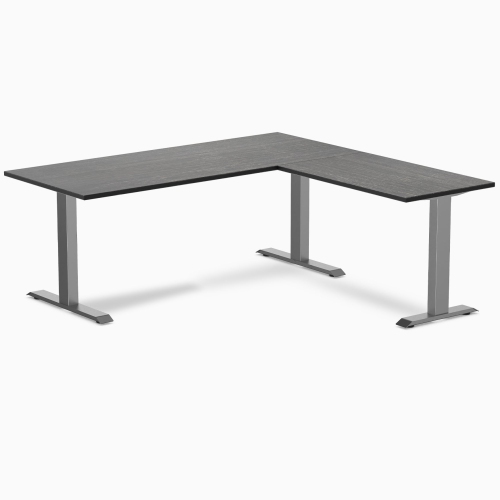
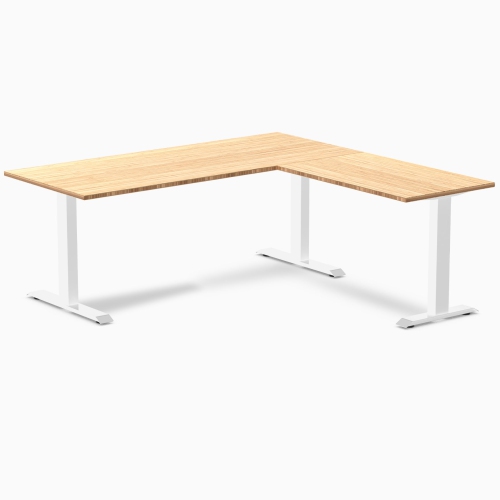
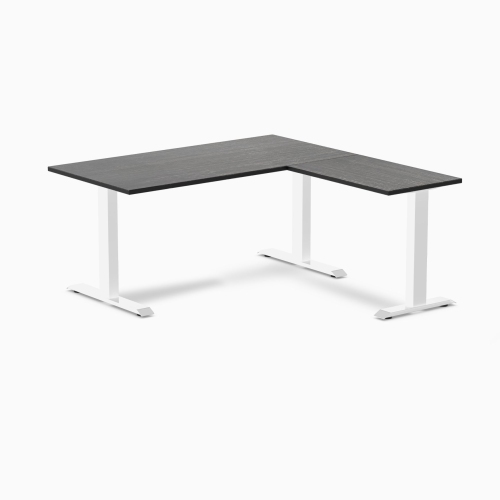
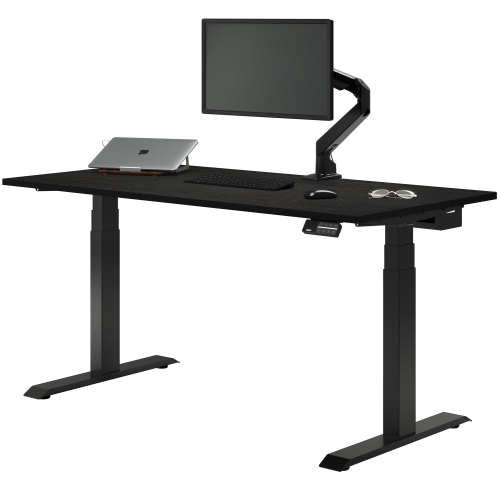
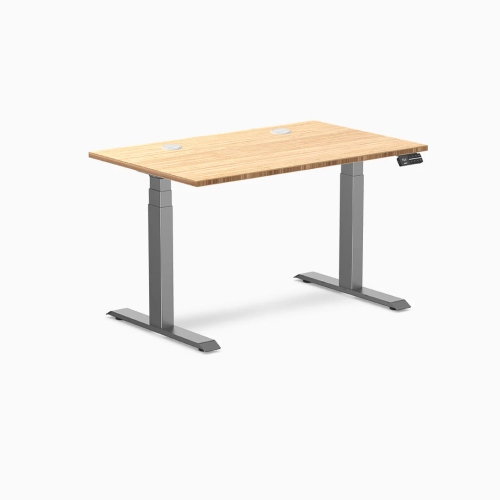
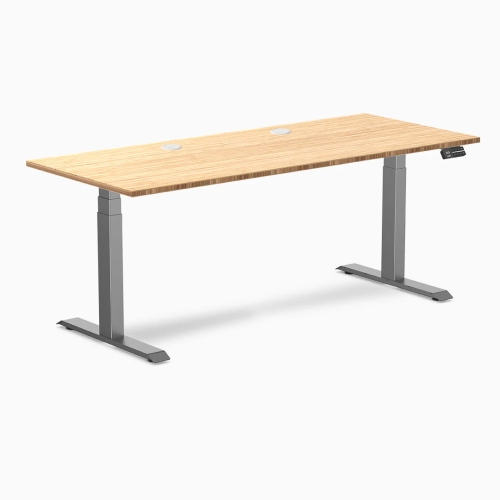
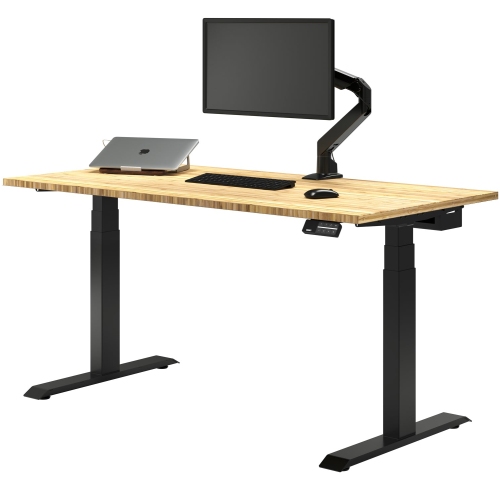
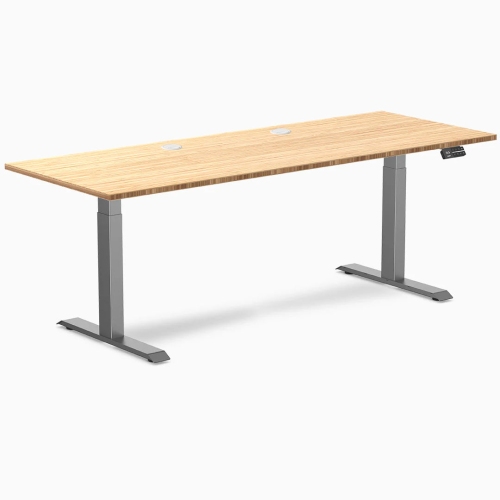
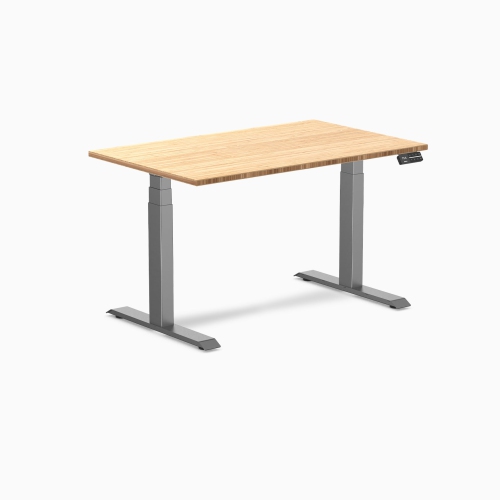
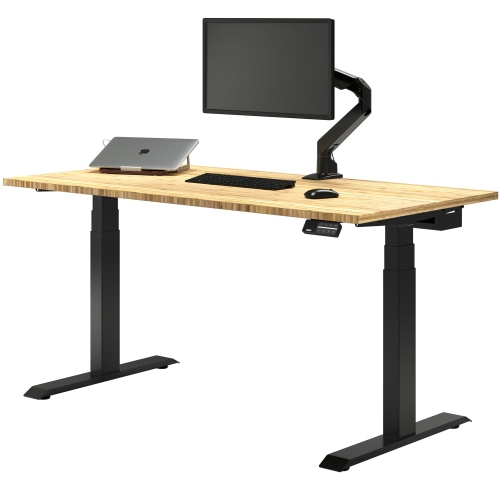
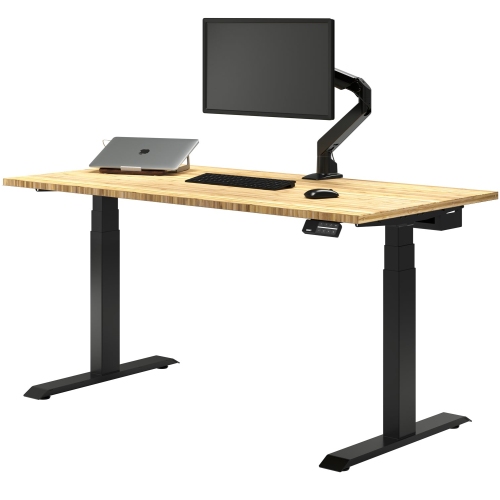
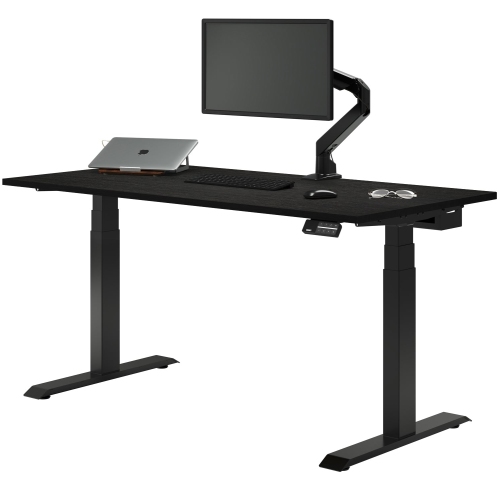
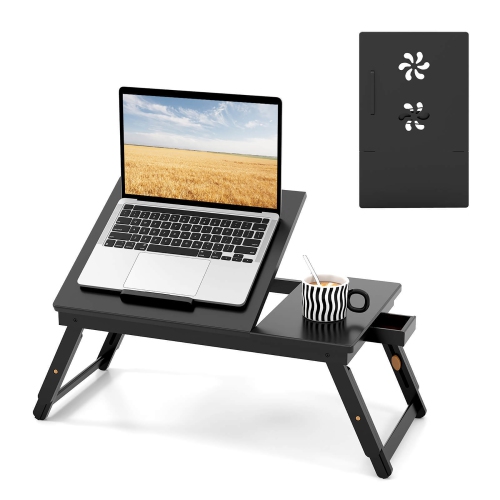
Bamboo table tops provide a practical surface for desks, dining tables, and multipurpose work areas, combining visible grain with a clean, understated appearance. Their warm tones can soften a metal desk frame, complement painted cabinetry, or bring texture to a room furnished with simple, straight-lined pieces. Although bamboo is a grass rather than a hardwood, it can be manufactured into rigid panels suitable for furniture. Many bamboo tops are made from strips bonded together, with the arrangement of those strips influencing the pattern across the surface and along the edges. Some have a fine, closely spaced grain; others show broader lines and more noticeable variations between sections. Colour can range from pale blond to deeper brown, depending on processing and finish, so bamboo does not have one uniform look. Construction matters as much as appearance: a laminated bamboo panel differs from a top with bamboo veneer over another core, particularly when it comes to exposed edges, drilling, and possible refinishing. The finish also affects how the surface feels and how it handles everyday spills and marks. A smooth, sealed top can suit a workspace where a keyboard, notebook, and coffee cup share the same area, while a larger surface can accommodate meals, homework, and board games at different points in the day. For a replacement project, a bamboo table top offers a way to change the look and function of an existing base without replacing the entire table. It is still a furniture component rather than a complete table, so the finished result depends on a suitable frame, secure attachment, and proportions that work together. In a home office, its grain can add visual warmth without competing with screens and accessories. In a dining nook or shared living space, it can provide a neutral backdrop for upholstered chairs, woven placemats, or colourful tableware, allowing the room’s other materials and finishes to remain part of the overall design.
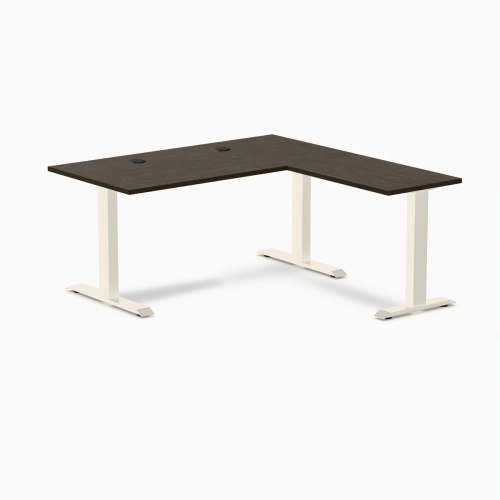
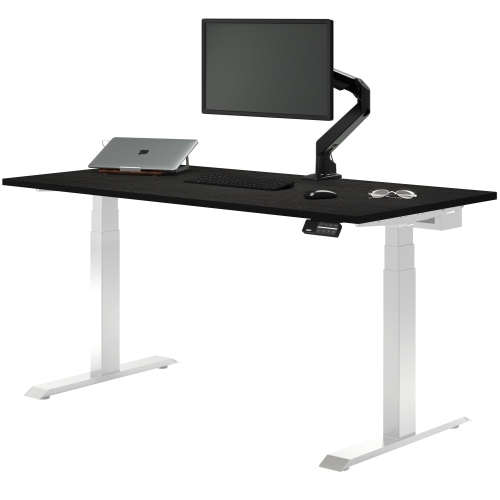
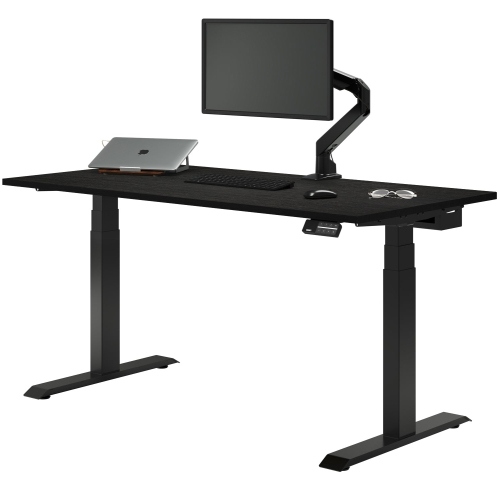
The right fit involves more than choosing a length that fits against a wall. Width, depth, thickness, shape, and the position of the supporting frame all influence how comfortably a bamboo table top works in daily use. A desk needs enough depth for the intended screen arrangement and a comfortable keyboard position, with space to keep cables from crowding the back edge. A dining surface needs room for place settings as well as shared dishes, and the base should leave adequate knee room for the people seated around it. In a compact room, rounded corners can make movement around the table feel less restrictive, while a rectangular top may sit more neatly within an alcove. Edge profiles affect comfort too: a softly rounded edge can feel gentler beneath forearms during a long writing session than a sharply defined one. When pairing a top with a standing desk frame, the frame’s supported size range, mounting pattern, and lifting capacity all matter. The combined weight of the top and everything placed on it must remain within the frame’s stated limits. Existing screw holes should not be assumed to line up with a different base, and screw length needs to suit the top’s thickness without reaching the finished face. A wider surface may also need additional support to avoid an excessive unsupported span. Monitor arms and other clamp-mounted accessories introduce separate fit considerations, including clamp clearance, edge thickness, and the strength of the attachment area. Cable trays and drawers beneath the surface need clearance from crossbars and moving parts. These details become especially important when a table serves several purposes: a spacious top is useful for spreading out paperwork, but less convenient if it blocks a doorway or prevents a chair from sliding underneath. Measuring the room, the base, and the working space together helps establish proportions that feel intentional rather than oversized. The most useful dimensions are those that support the actual routine, whether that means a focused workstation for one person or a shared table with room for several activities.
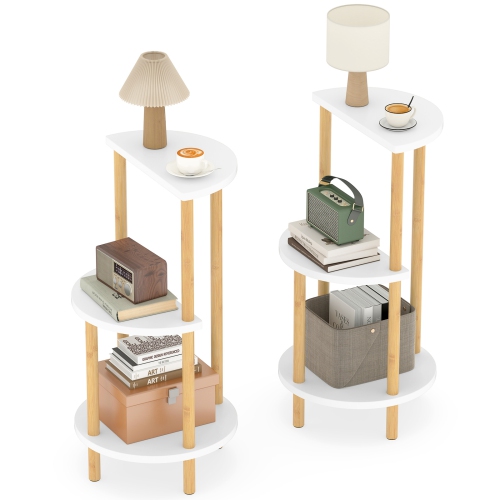
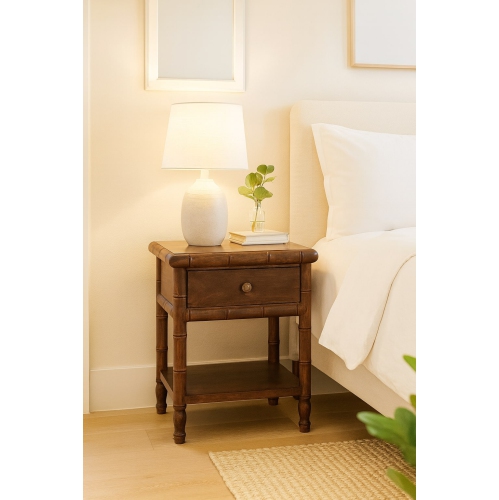
Bamboo table tops can stand up well to everyday use when their construction, finish, and support suit the task, but they are not immune to scratches, dents, or moisture damage. Durability varies with how the panel is made and finished, so the material name alone does not establish a top’s weight capacity or resistance to wear. A sealed surface generally makes routine cleaning easier, though it should not be treated as waterproof. Spilled drinks are best wiped up promptly, especially near seams, edges, and mounting holes where moisture may reach beneath the finish. A soft cloth, lightly dampened when necessary, is usually a sensible starting point for cleaning; the manufacturer’s care directions should determine which cleaners and treatments are appropriate. Abrasive pads and strong cleaning chemicals can damage some finishes, while furniture oils are not suitable for every sealed surface. Placemats, coasters, and protective pads help reduce marks from daily use, and trivets provide a barrier beneath hot dishes. For craft projects, a cutting mat protects the furniture surface from blades and concentrated pressure. A desk mat can serve a similar purpose beneath frequently moved accessories, particularly where a mouse, keyboard, or metal stand repeatedly contacts the same spot. Direct food preparation should be reserved for surfaces specifically intended for that purpose rather than assumed suitable because they contain bamboo. Longer-term care also depends on construction: some solid laminated tops may allow refinishing, while a thin veneer or particular factory coating can limit repair options. Visually, bamboo pairs easily with black or white frames, brushed metal, and soft textiles, without requiring every wooden surface in a room to match exactly. Bamboo Side Tables can carry a similar material into a seating area while keeping lamps, books, and drinks separate from the main work or dining surface. With suitable support and straightforward care, a bamboo top can become a dependable centre for meals, study, creative projects, and everyday household tasks.
Top selling and popular products
-
 Your price for this item is $97.99
-
 Your price for this item is $89.99
-
 Your price for this item is $84.99
-
 Your price for this item is $97.99
-
 Your price for this item is $649
-
 Your price for this item is $749
-
 Your price for this item is $649
-
 Your price for this item is $649
Discover more categories related to Bamboo Table Tops
Top Collections:
Best Black Friday Deals This Year, Best Black Friday Deals On Electronics, Kindle Devices, Pokemon Centers, Best Black Friday Deals On Apple Products, Best Cameras for Sports Photography, Dyson Airwrap, Pokémon 30th Celebration Cards, Apple iPhone 17 Pro, Canon G7X Cameras
Some products may be subject to Environmental Handling Fees
(EHF) depending on your province.
Learn more about EHFs.