Bar Stool In White
Bar stools are a great way to add extra seating to your home bar, and they can be used in a variety of ways. They are a great option for those who want to make the most of their space, as they can be tucked away under a counter when not in use. Bar stools in white provide a classic look that can be used in almost any type of decor. Here are some great options for you.
Sort
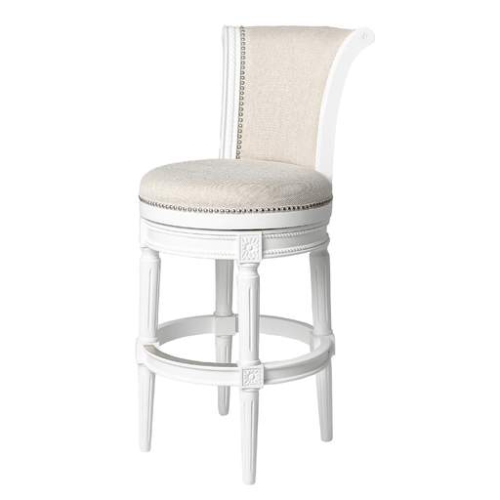
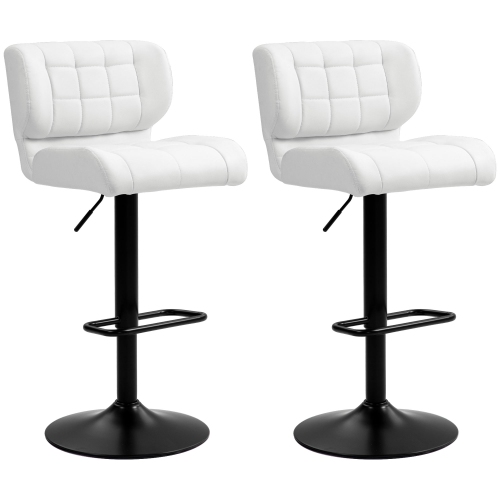
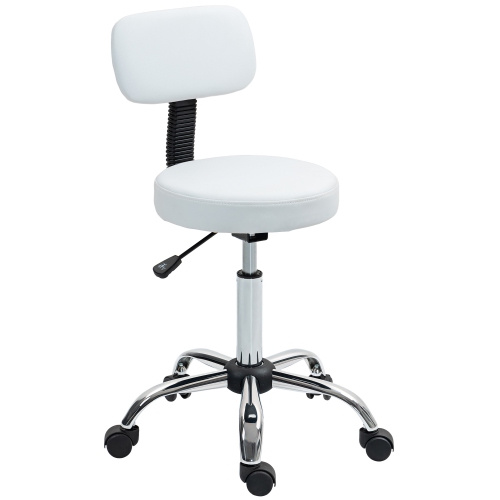
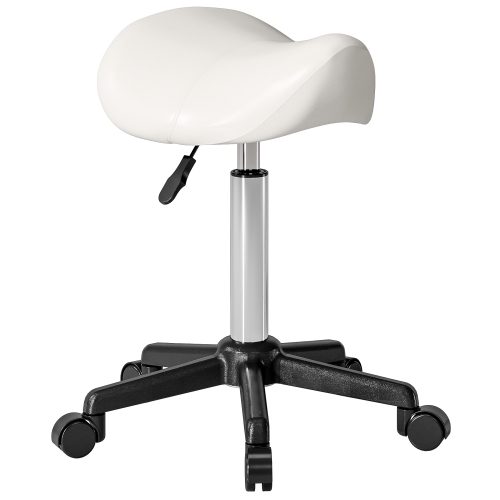
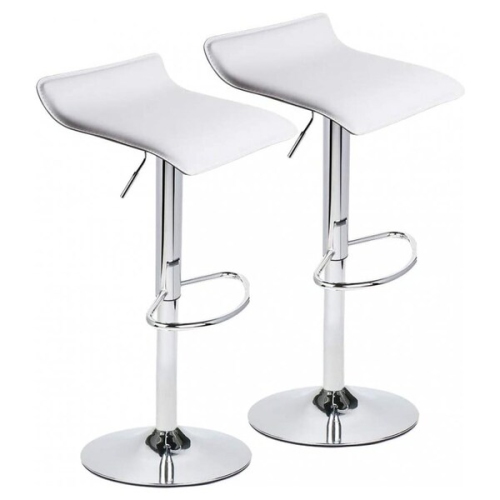
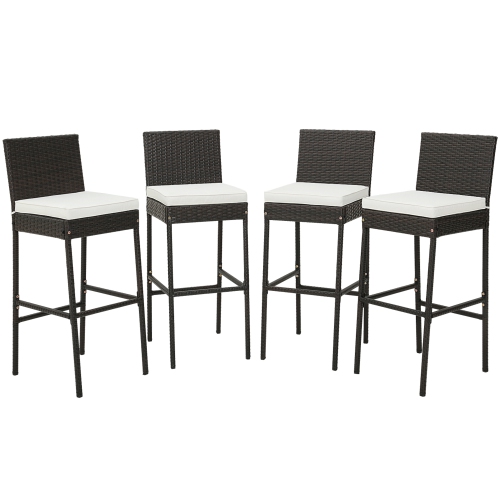
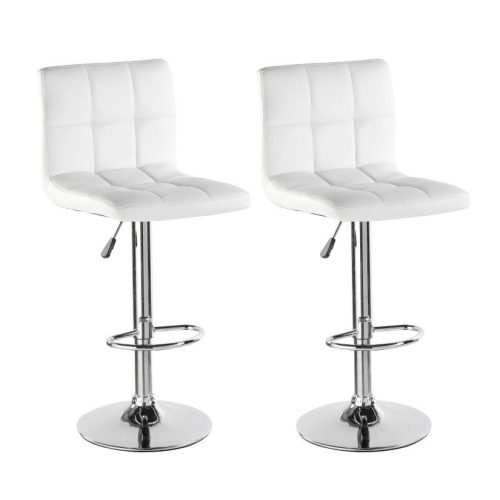
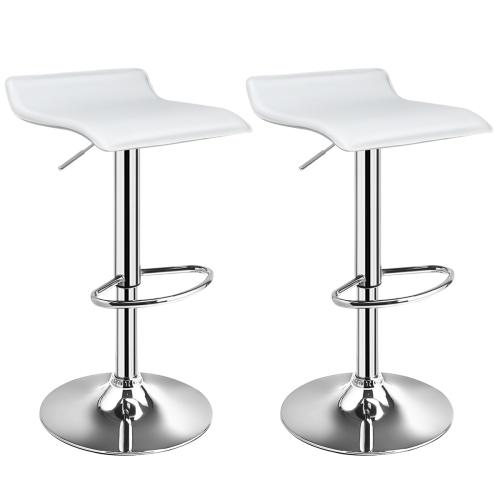


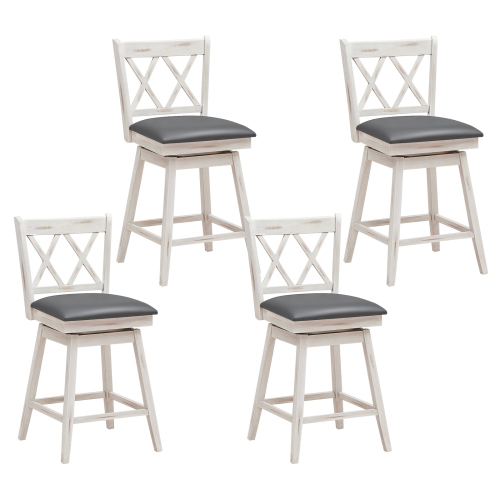
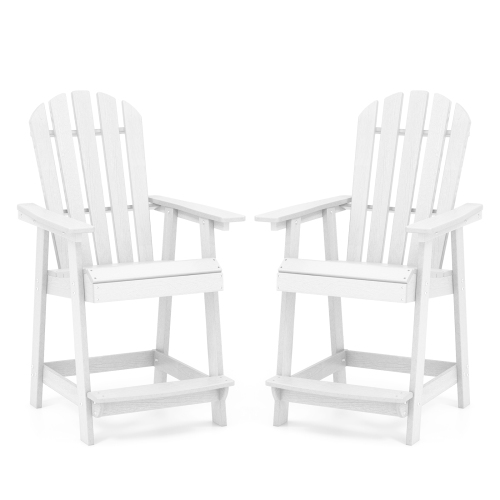
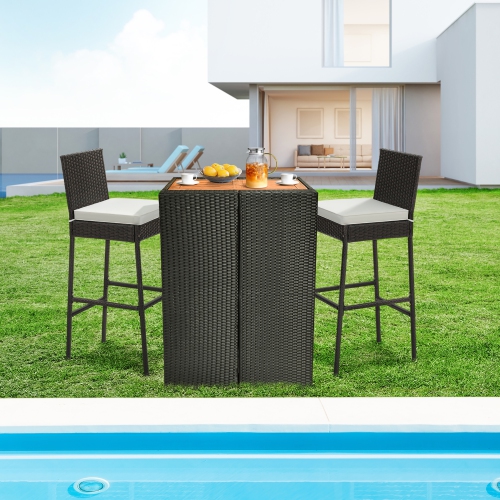
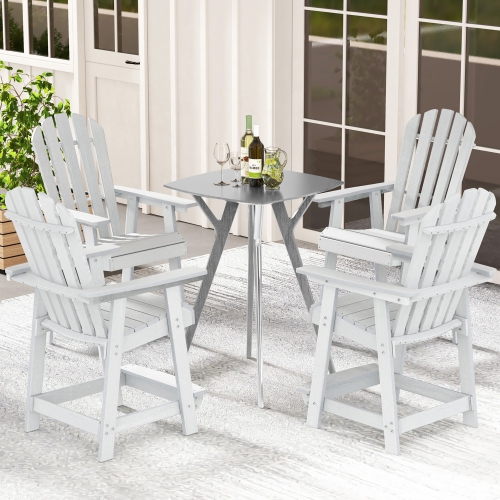
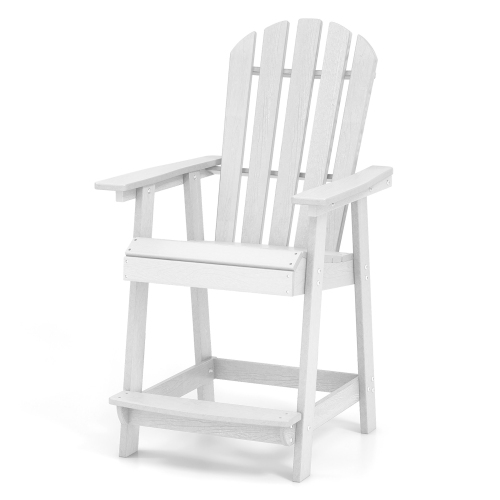
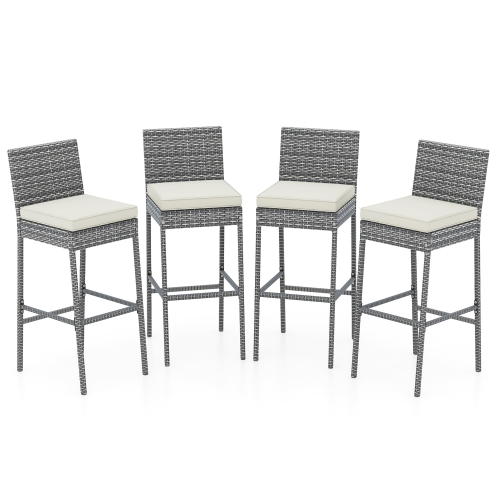
How white seating ties your kitchen finishes together
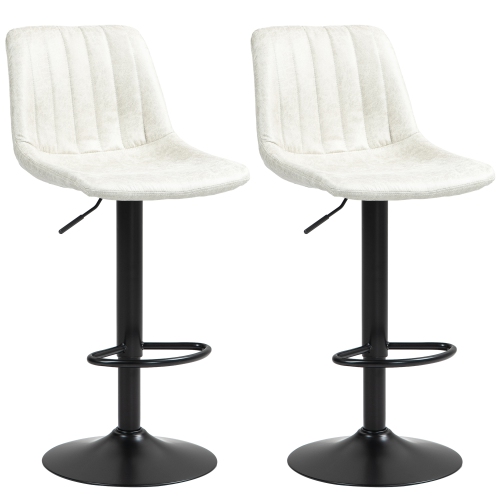
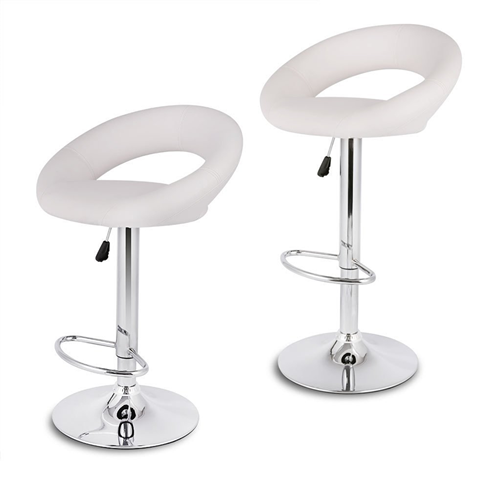
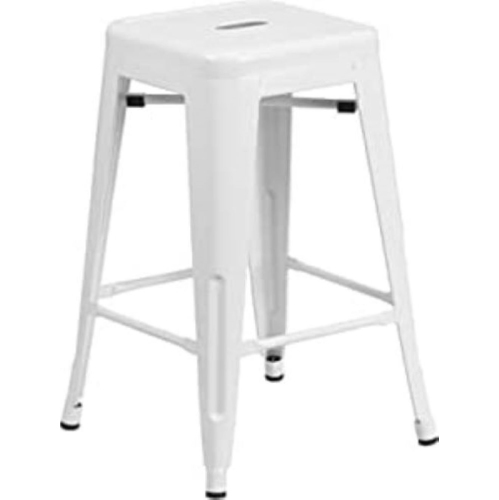
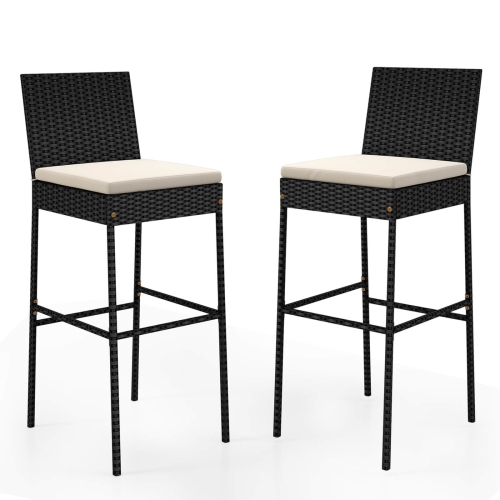
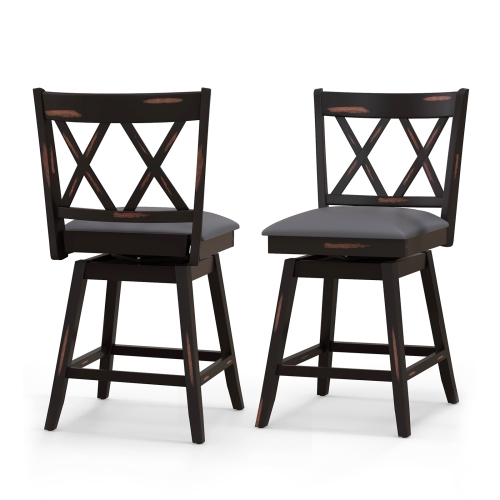
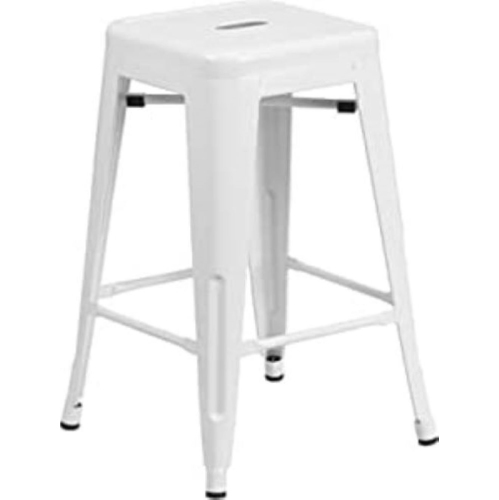
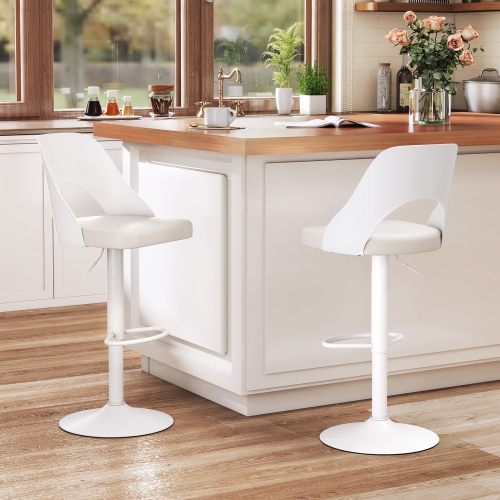
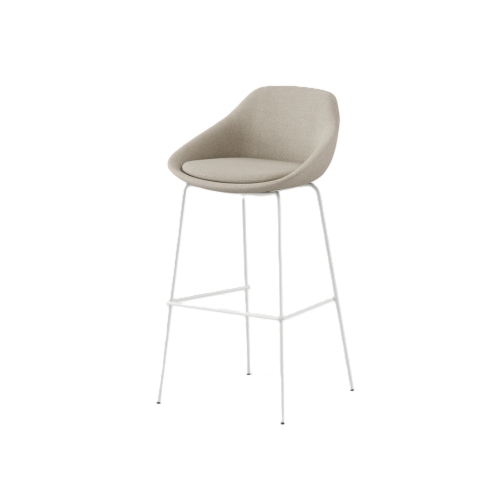
White bar stools bring a clean, light look to breakfast bars, kitchen islands, and home entertaining areas, with a colour that works across a wide range of interiors. Against dark cabinetry, white seating creates a clear contrast; beside pale wood or a light countertop, it keeps the room feeling visually connected. The effect depends on more than the seat colour. A white upholstered seat on slender black legs has a different presence from an all-white wooden stool, while a chrome base adds a reflective detail that can tie in with nearby fixtures. White may describe the seat, the frame, or the entire stool, so the placement of the colour matters when coordinating seating with cabinets, flooring, and dining furniture. Bright white tends to look crisp beside cool-toned finishes, while warmer off-white shades can sit more comfortably with cream cabinetry and natural wood. Nearby lighting can change how these shades appear, especially when several white finishes sit close together. Shape also influences the overall impression: rounded seats and curved backs soften straight cabinet lines, while square seats and simple frames suit a more structured layout. A Set Of White Bar Stools can create a coordinated row along an island without introducing several competing colours or silhouettes. Matching seating is particularly useful in an open-plan room where the kitchen remains visible from the dining and living areas. For a smaller space, an open back or slim frame can feel less visually bulky than a broad, fully upholstered design. A backless stool that slides beneath the countertop also keeps the edge of the room clearer between meals. Whether the space is used for morning coffee, a quick lunch, or conversation while dinner is prepared, white stools can provide everyday seating that feels connected to the rest of the home.
The distinction between bar height and counter height is especially important because the terms are sometimes used loosely. Counter-height stools generally have seats around 24 to 26 inches high and often suit a 36-inch countertop. Bar-height stools usually have seats around 28 to 30 inches high and are intended for taller surfaces, commonly around 40 to 42 inches. These are starting points rather than guarantees of fit: the distance from the seat to the underside of the surface is what determines usable legroom. About 10 to 12 inches of clearance is a common target, though a thick countertop, apron, or support bracket can reduce that space. Seat height should be measured from the floor to the top of the seat, not to the top of the backrest. For adjustable seating, the useful height range matters more than the maximum height alone, and an accessible adjustment lever makes shared seating easier to use. Width deserves the same attention. Allowing roughly 24 to 30 inches of countertop length per person can provide a useful planning range, with wider seats, armrests, and swivel movement often requiring more room. A stool also needs enough space behind it for someone to sit down and stand up without blocking a doorway or a main route through the kitchen. Armrests may add support during longer meals, but their height can prevent the stool from sliding beneath the surface. Backrests offer a more supported position for conversation or laptop use, while backless seating is often easier to tuck away after a short visit. A footrest is particularly valuable on taller stools, giving the feet somewhere to rest instead of leaving the legs hanging. Swivel seats can make it easier to turn towards the room without dragging the base across the floor. In homes with children, stable construction, suitable seat height, and supervision matter more than appearance, and a tall stool is not a substitute for age-appropriate child seating.
Materials and construction determine how white bar stools feel in daily use and how much care they need. Painted wood offers a familiar furniture finish, with visible grain or shaped legs adding texture to an otherwise simple colour scheme. Metal frames can provide a slimmer profile, while moulded plastic seats have fewer seams where crumbs can collect. None of these materials guarantees durability on its own; secure joints, a balanced base, an appropriate weight rating, and a finish suited to regular handling all contribute to dependable seating. Upholstered seats add cushioning for lingering over breakfast or working at the island, but the covering deserves close attention in a food preparation area. Woven fabrics can feel soft and comfortable, though spills may need prompt treatment to prevent marks from settling into the fibres. Coated upholstery can be easier to wipe after everyday splashes, but cleaning methods vary by material, and harsh cleaners may damage the surface. Removable covers, where included, should be cleaned according to their care labels rather than assumed to be machine washable. On white seating, coffee drips, tomato sauce, and colour transfer from dark denim can be more noticeable, making the care instructions especially relevant for busy households. A soft cloth and a manufacturer-approved cleaning method help protect painted and coated finishes; abrasive pads can leave scratches or dull patches. Floor contact points need attention too. Suitable protective pads can help limit marks on hard flooring, while trapped grit beneath a base can cause scratches when the stool moves. Periodic checks of accessible fasteners can help keep frequently used seating secure, following the assembly instructions for any tightening or adjustment. For everyday family meals, easy-clean surfaces and comfortable foot support may take priority. For a home bar used mainly for conversation, a supportive back and generous seat can matter more. The strongest fit brings together the right shade of white, practical proportions, and materials that suit how the seating will actually be used.
Top selling and popular products
-
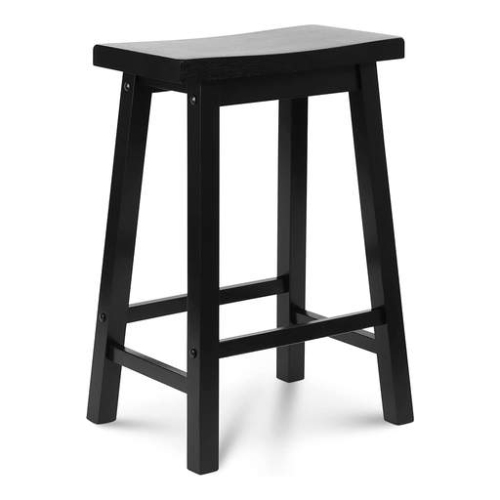 Your price for this item is $93.99
-
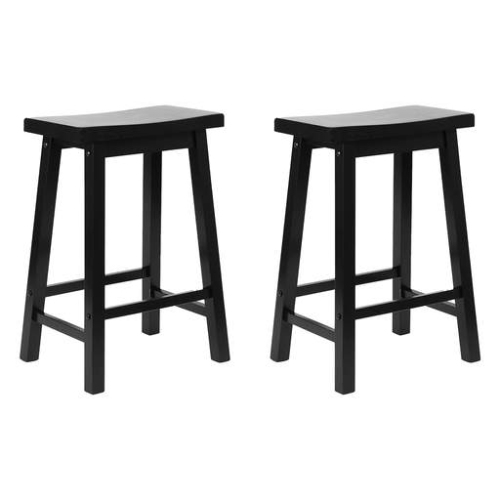 Your price for this item is $179.99
-
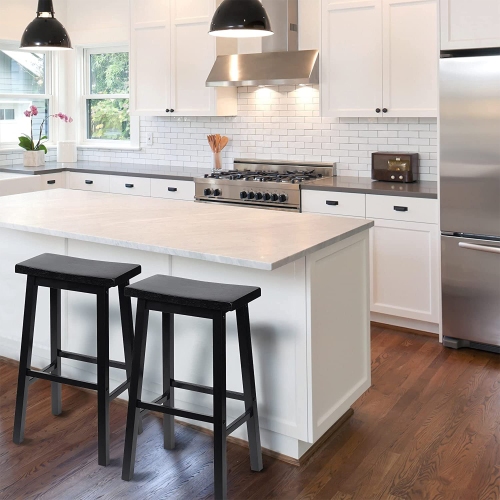 Your price for this item is $562.99
-
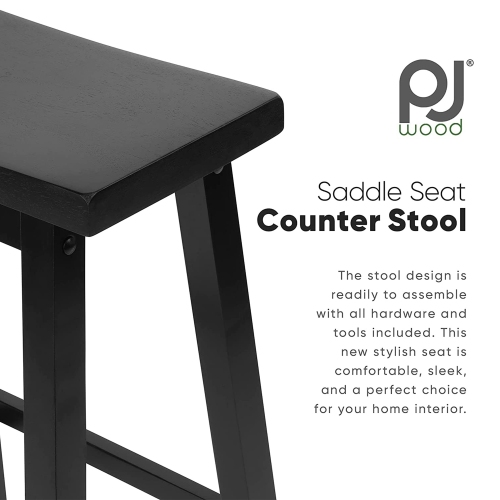 Your price for this item is $202.99
-
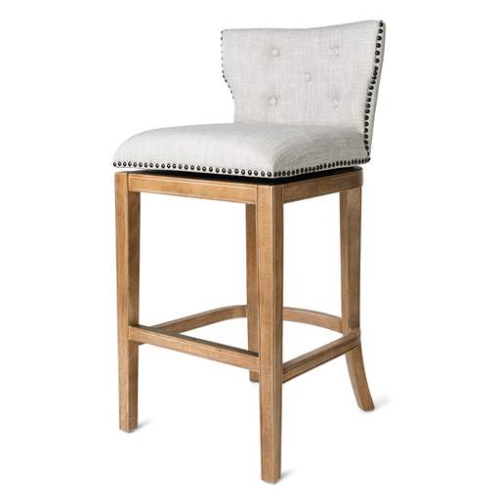 Your price for this item is $508.99
-
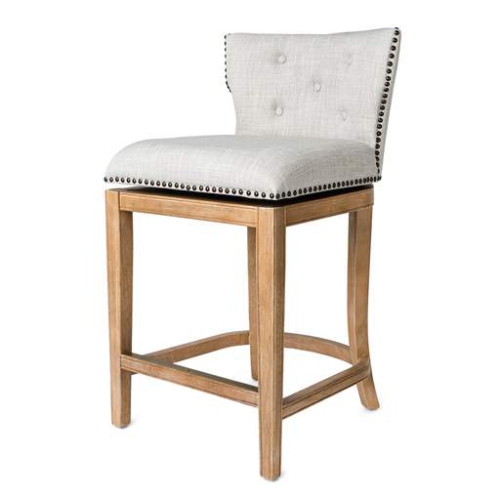 Your price for this item is $554.99
-
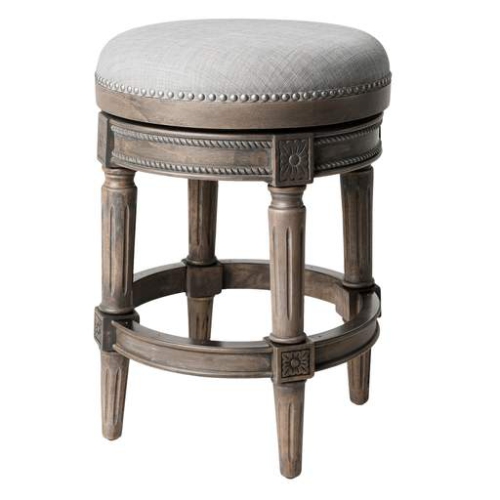 Your price for this item is $509.99
-
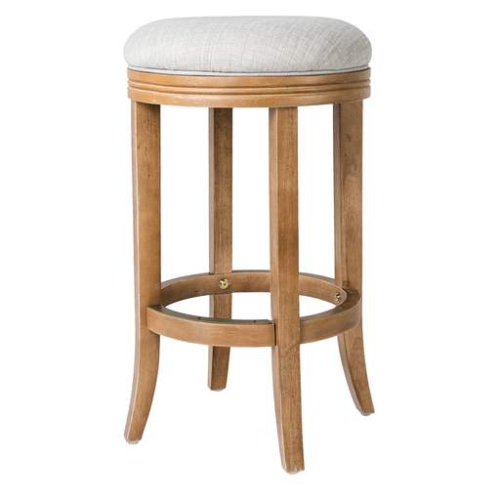 Your price for this item is $297.99
Discover more categories related to Bar Stool In White

Top Collections:
Best Black Friday Deals This Year, Best Black Friday Deals On Electronics, Kindle Devices, Best Black Friday Deals On Apple Products, Best Budget Office Chairs, Best Cameras for Sports Photography, Dyson Airwrap, Canon G7X Cameras, Best Laptops for Writers, Samsung Galaxy Phones
Some products may be subject to Environmental Handling Fees
(EHF) depending on your province.
Learn more about EHFs.