Barbecue Grill Cleaners
Keep your barbecue grill in top shape with our selection of high-quality barbecue grill cleaners. Say goodbye to grease, grime, and build-up with these powerful cleaners designed to effortlessly remove residue and leave your grill sparkling clean. Whether you prefer a spray, wipes, or brushes, we have the right cleaning solution to make maintenance a breeze. Enjoy a cleaner and more efficient grilling experience with our range of barbecue grill cleaners.
Sort
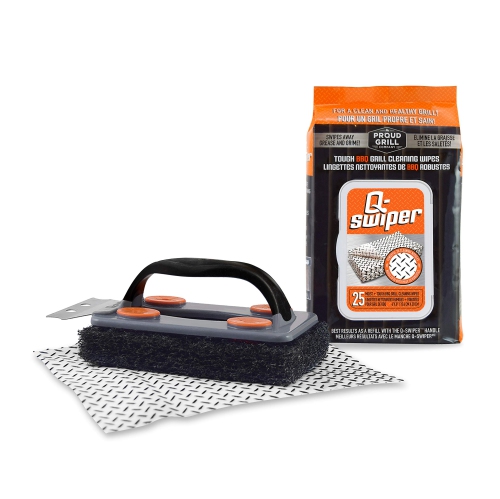
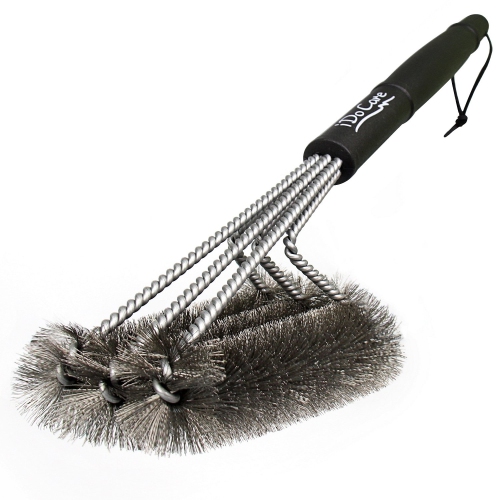
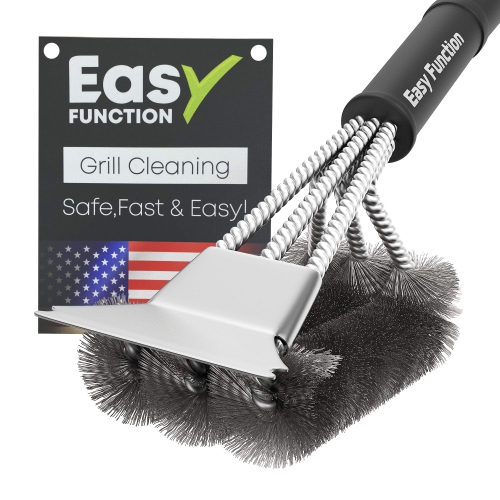

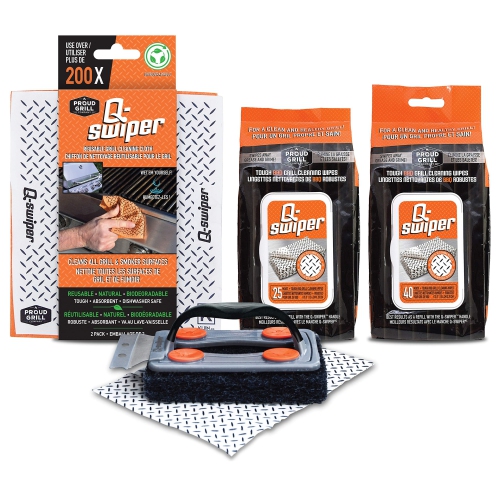

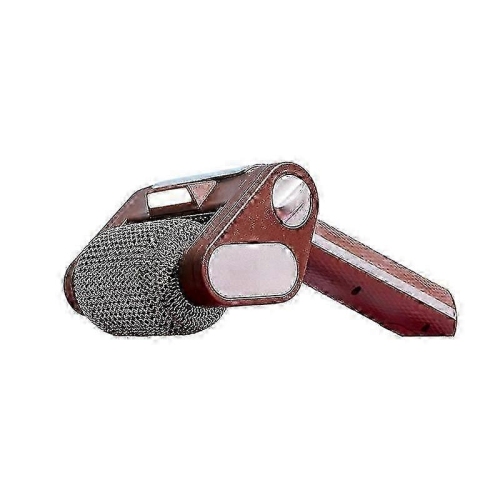
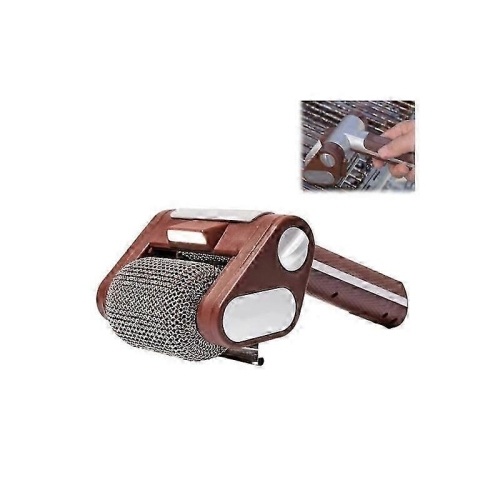
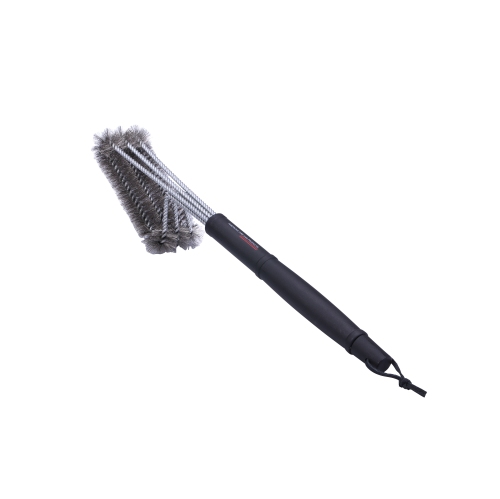
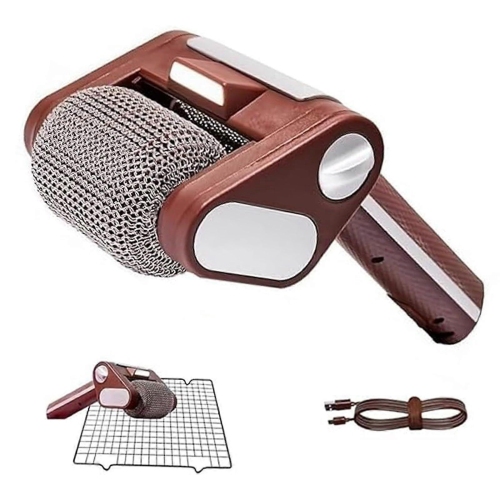
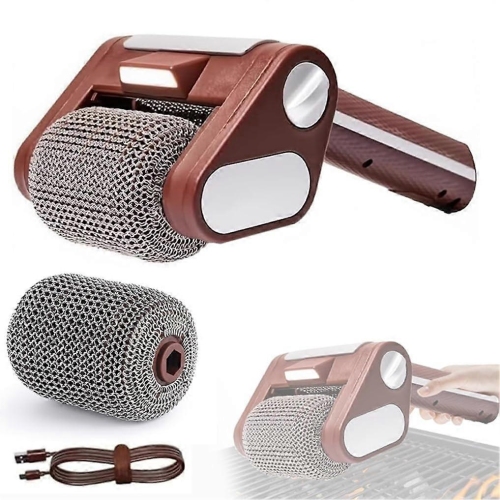
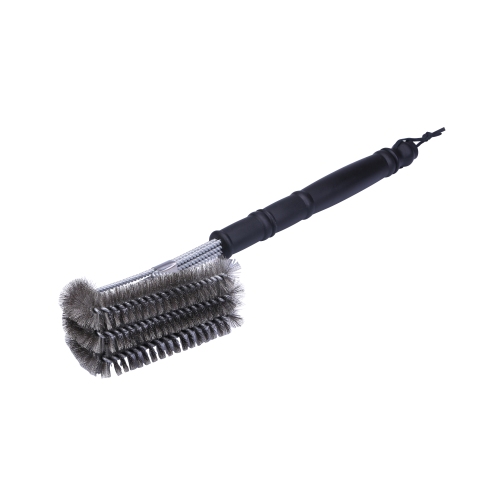
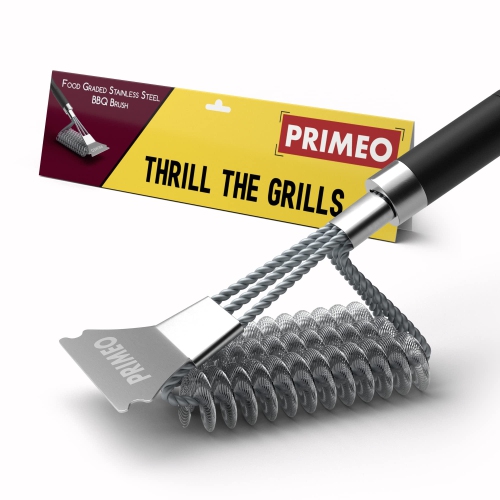

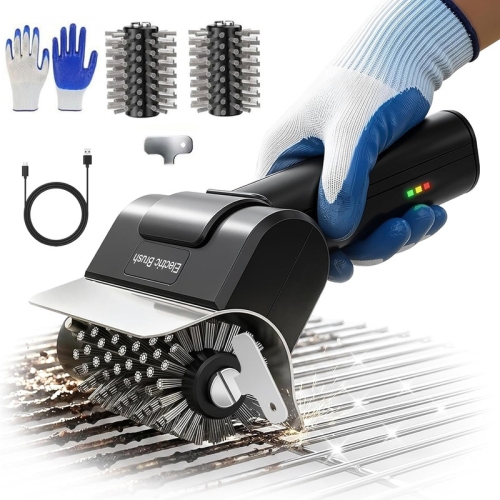
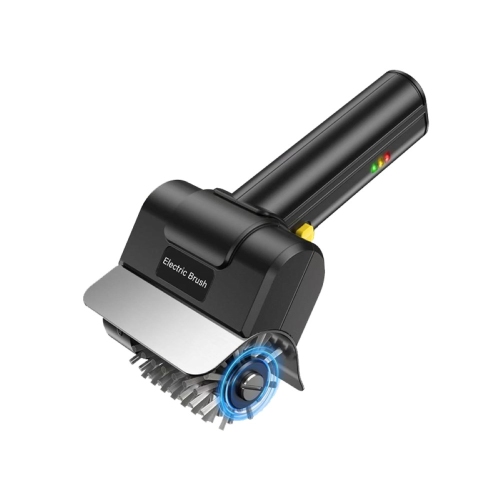
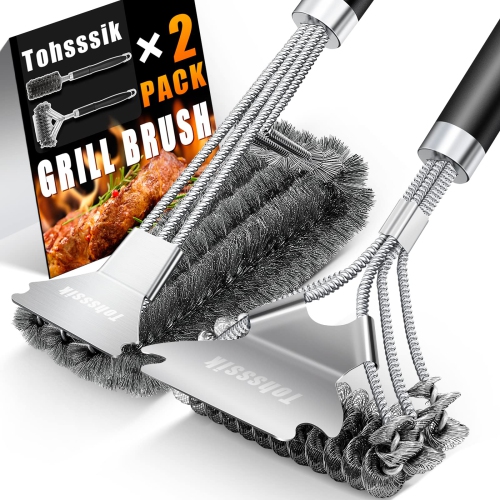
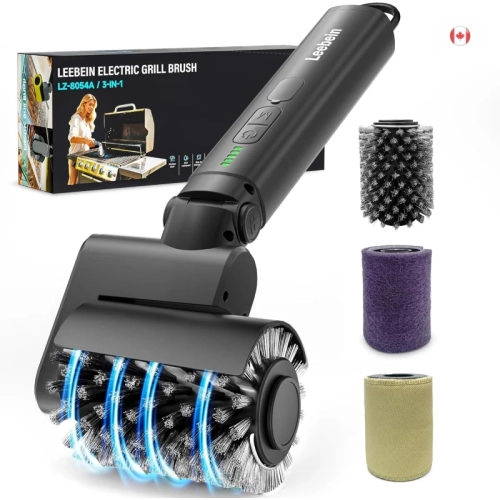

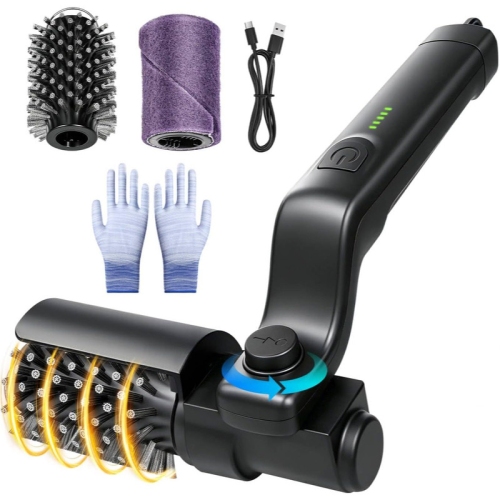
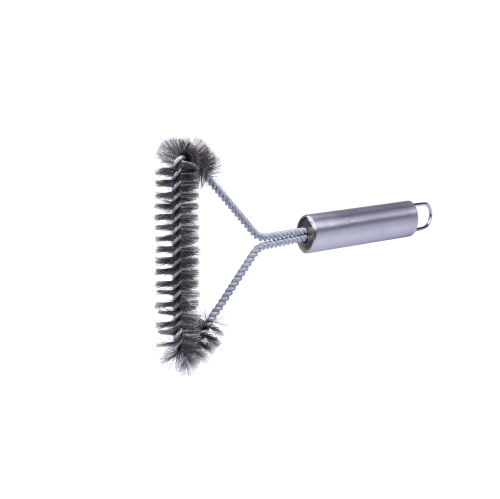
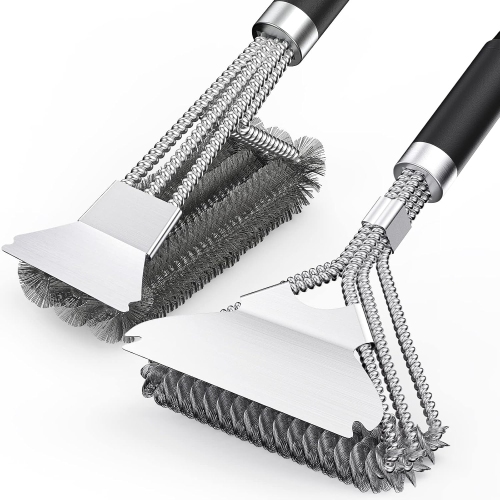
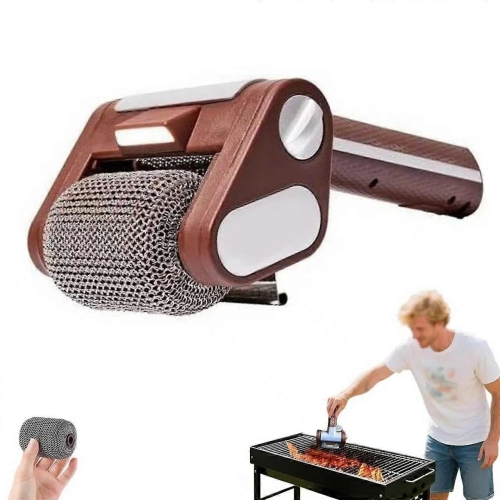

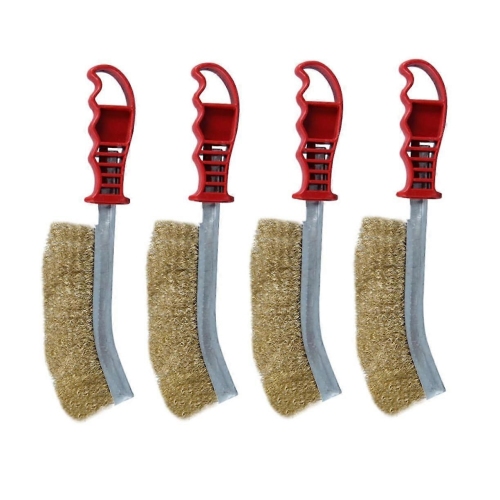
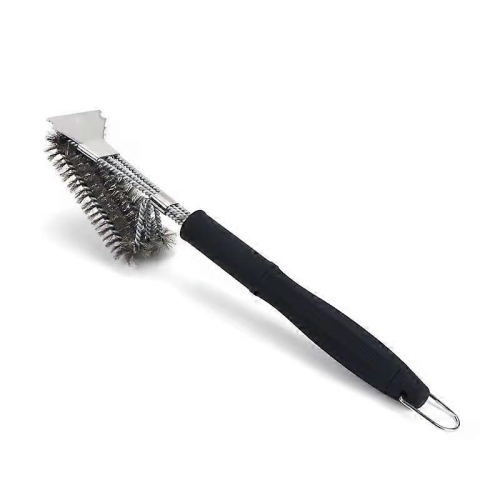
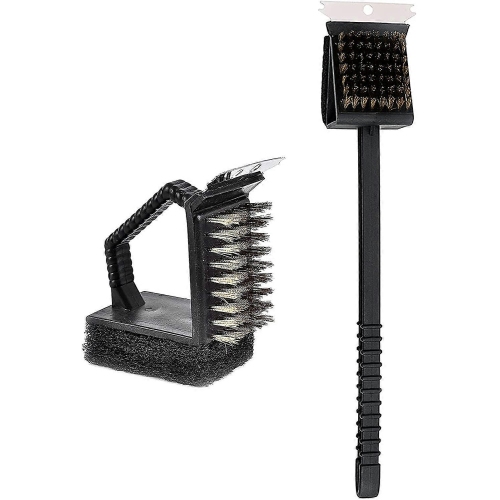
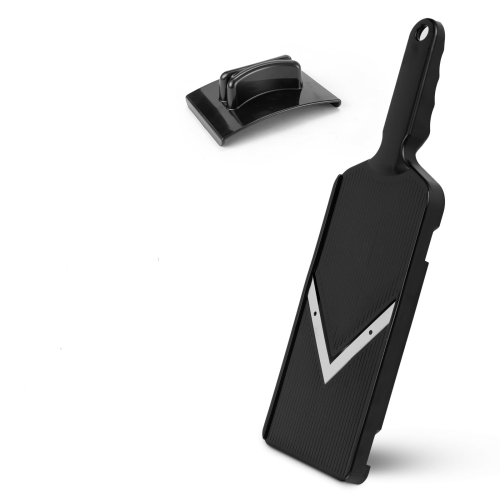
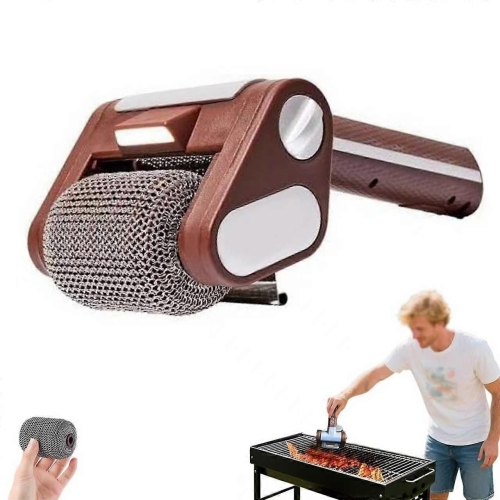
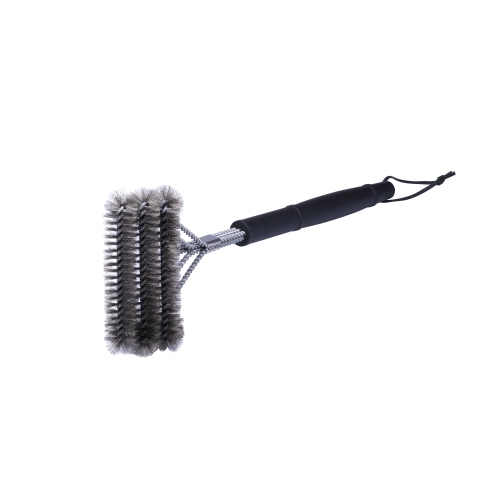
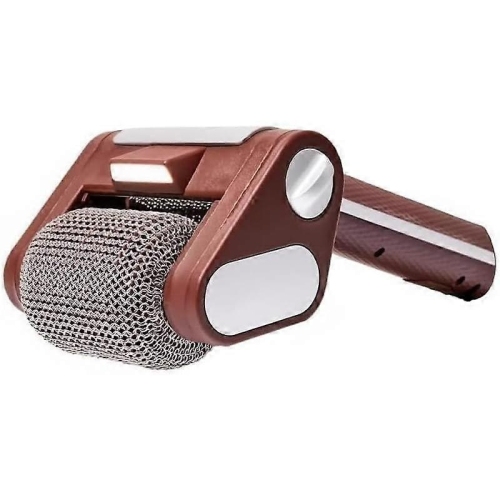
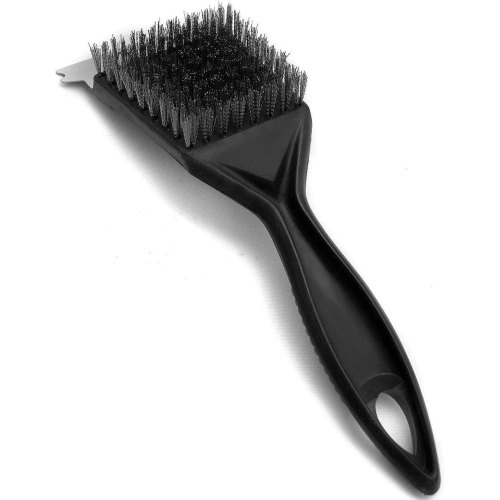

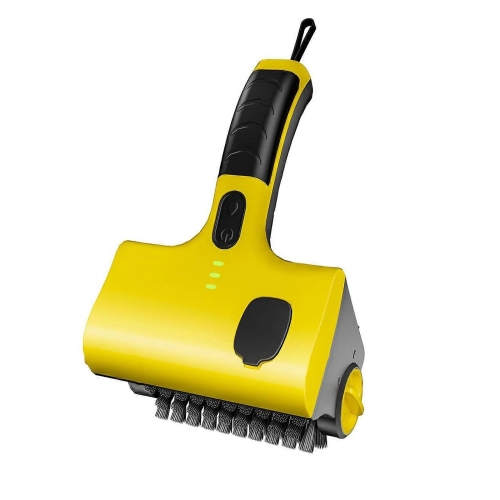
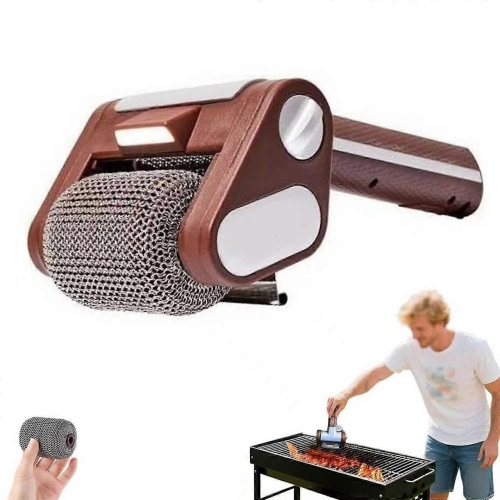


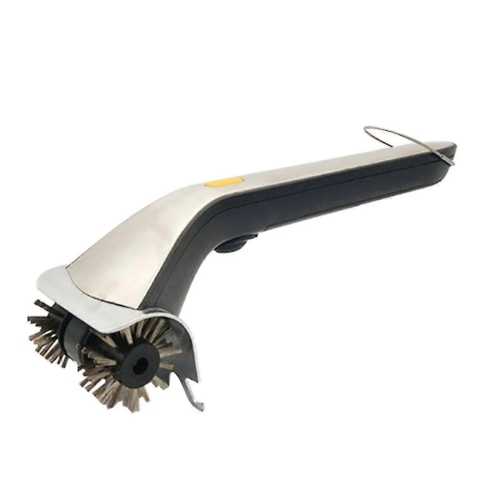
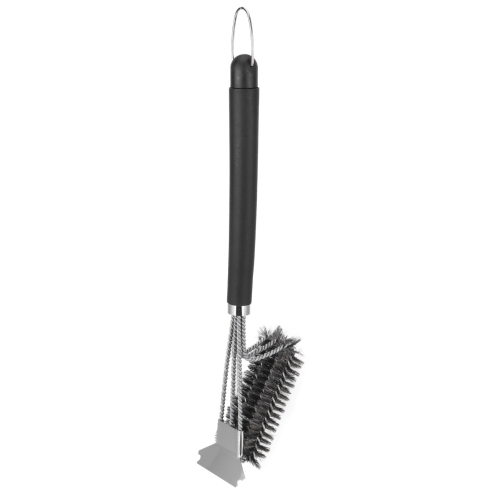
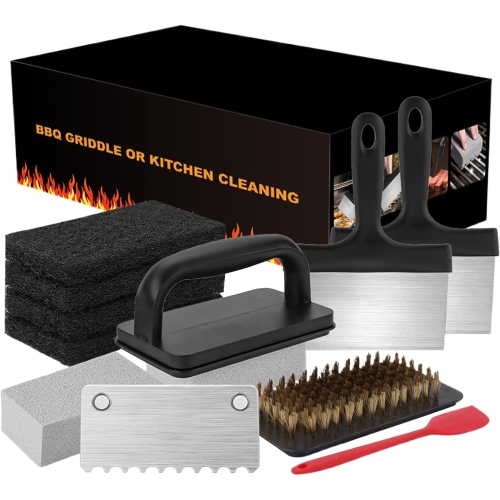
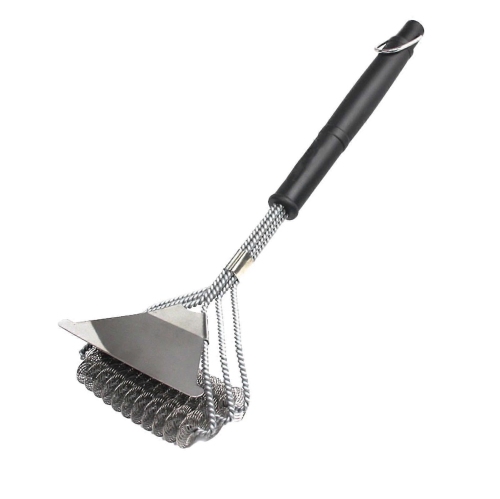
Why cleaning power is only part of grill care
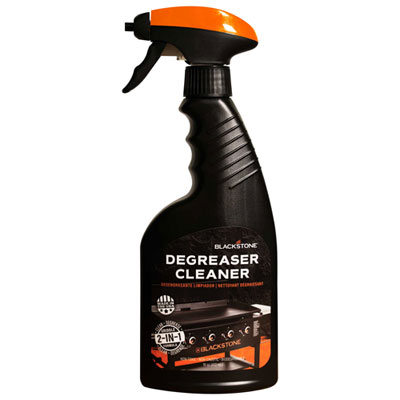
Barbecue grill cleaners help loosen grease, burned-on food, and smoke residue from compatible grill surfaces, making routine upkeep less demanding than scrubbing alone. The right choice depends on what needs cleaning: cooking grates with sticky barbecue sauce baked between the bars, a grease tray coated with drippings, or an exterior marked by fingerprints and splashes. Spray cleaners offer convenient coverage across broad surfaces, while foaming formulas can cling to vertical sections and the sides of grate bars when applied as directed. Gels may provide more controlled placement on stubborn patches, and liquid degreasers can suit removable components when their labels permit soaking. Concentrated formulas require the specified dilution rather than an improvised mixture; ready-to-use options remove that measuring step. These differences matter because a cleaner suited to heavy grease inside a cookbox may not be appropriate for a painted lid or a polished control panel. Material compatibility is especially important across stainless steel, porcelain-coated steel, cast iron, and cast aluminium. Stainless steel can still scratch or discolour when exposed to an unsuitable cleaner or abrasive tool, while chipped porcelain coatings can leave the metal underneath exposed. Cast iron cooking surfaces need particular attention because aggressive degreasing may strip away their protective seasoning along with unwanted residue. A cleaner intended for seasoned cast iron or a flat-top griddle should match the appliance manufacturer’s care requirements rather than simply promise strong grease removal. For exterior cleaning, a formula approved for the finish can help lift everyday marks without leaving an unwanted film. It is also worth distinguishing ordinary grease and food residue from rust, damaged coatings, or failing metal: cleaning products address buildup, not structural wear. Whether the barbecue handles quick family dinners or long cooking sessions for a crowd, a well-matched cleaner supports regular care without treating every surface as though it has the same needs.
Cleaning strength is only one part of choosing a barbecue cleaner. Application style, contact time, rinsing requirements, and access to the area being cleaned can make an equally noticeable difference. Narrow grate spacing, deep ridges, and awkward corners around removable cooking components may favour a spray pattern that reaches into gaps, while a targeted foam can make it easier to see where cleaner has been applied. A broad flat-top cooking surface presents a different task from a rack of round steel bars, and its care requirements may call for a dedicated griddle cleaner rather than a general grill degreaser. Likewise, residue inside a smoker can differ from a fresh grease splash on a barbecue shelf; compatibility should extend to the appliance and component, not just the material named on the bottle. Labels that clearly identify suitable surfaces, required contact time, and cleanup steps make these distinctions easier to assess. Products used on food-contact surfaces may require thorough rinsing with potable water, and a claim that a cleaner is suitable for cooking grates does not mean it can remain on them before food is added. Stronger formulas are not automatically better for every job, particularly where finishes, seals, or seasoned surfaces need gentler treatment. Fragrance is another consideration for anyone who prefers less scent around a cooking area, although fragrance-free wording alone does not establish that a formula is mild or suitable for every material. Safe handling remains tied to the label: some cleaners require gloves, eye protection, or ample ventilation, and application to hot surfaces is appropriate only when expressly permitted. Aerosols and other potentially flammable formulas need particular care around ignition sources. Different cleaning chemicals should never be mixed. For routine household use, clear directions and an easy-to-control dispenser can be more useful than an oversized container or a formula intended for a different cleaning task.
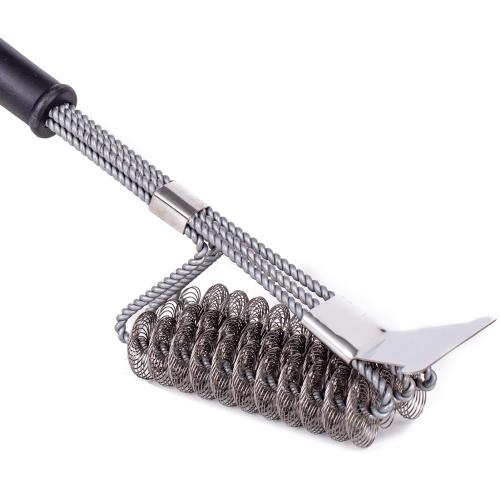
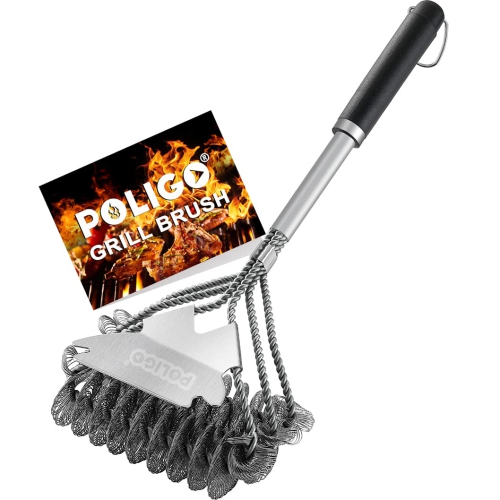
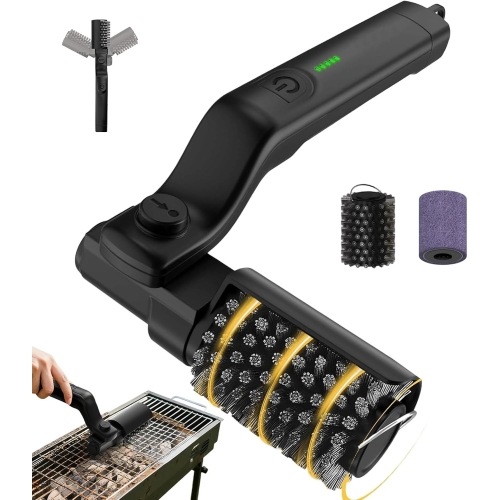
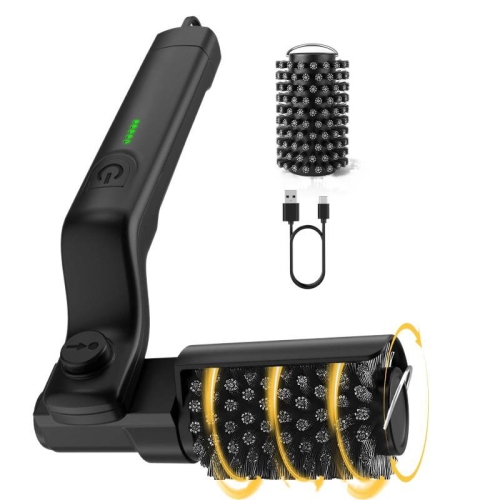
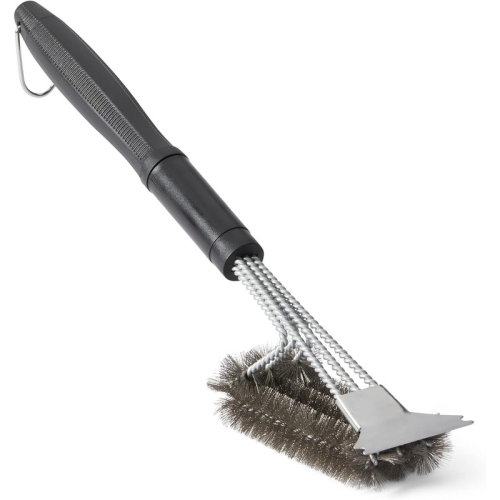
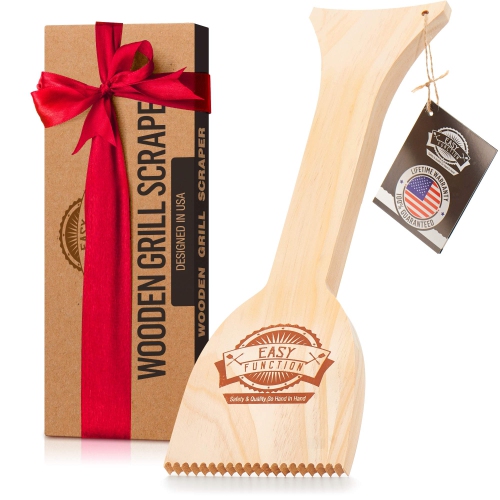
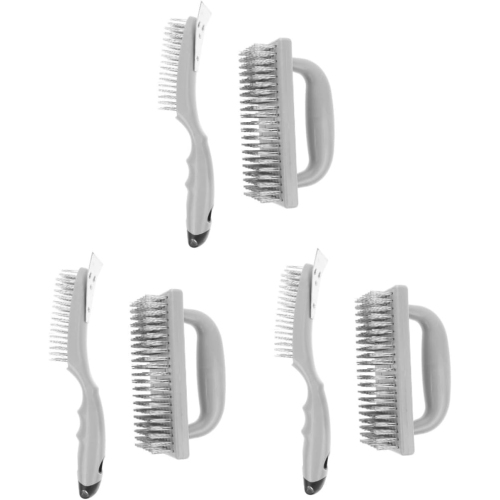
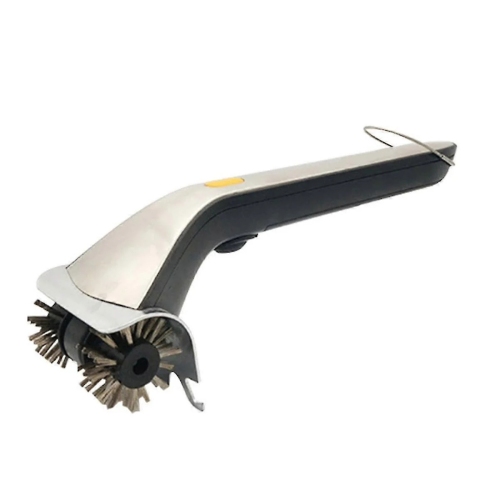
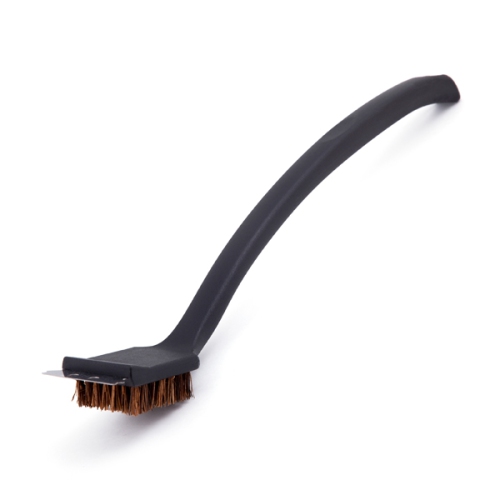
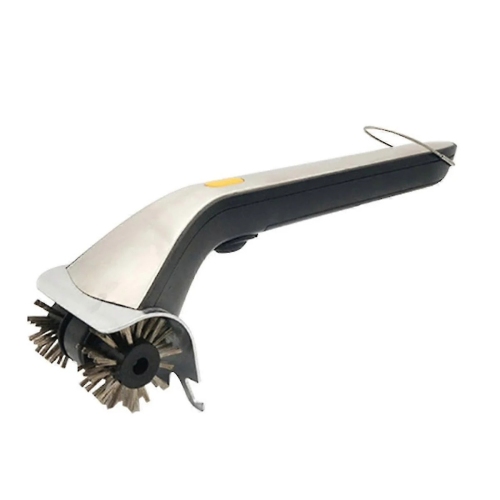
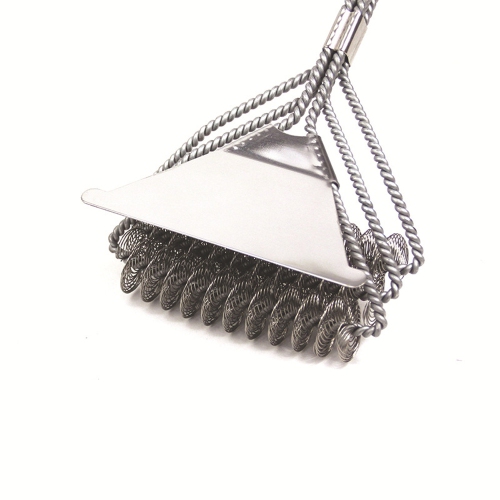
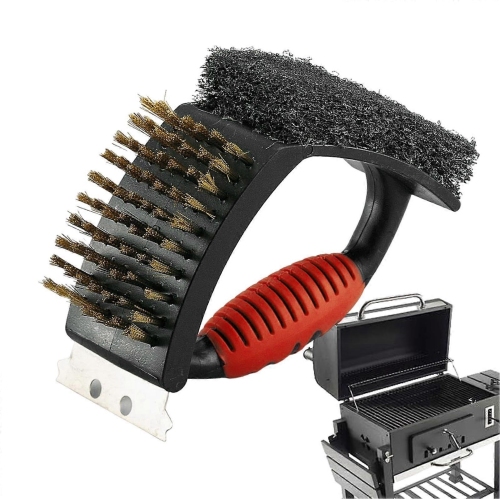
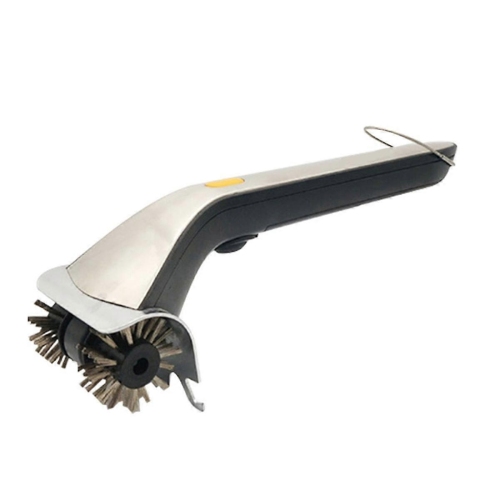
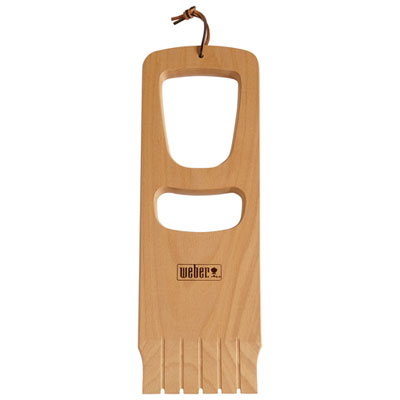
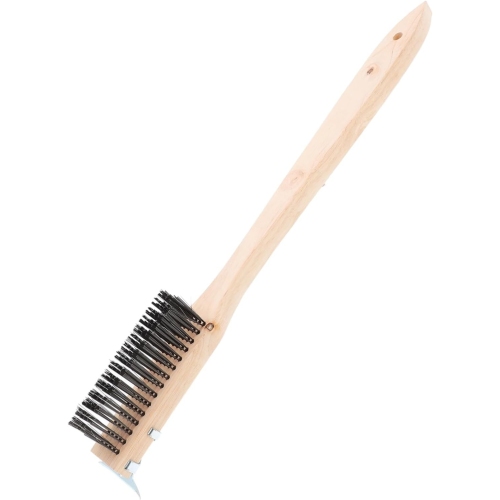
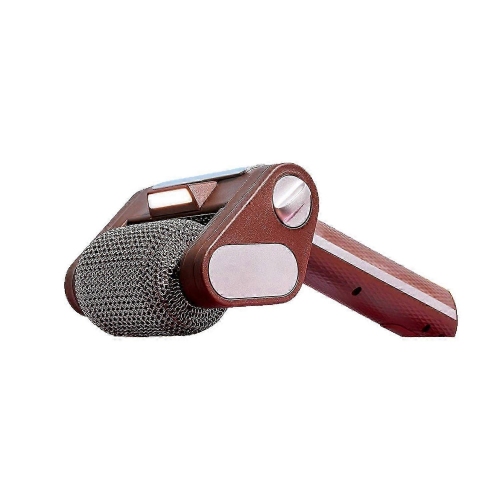
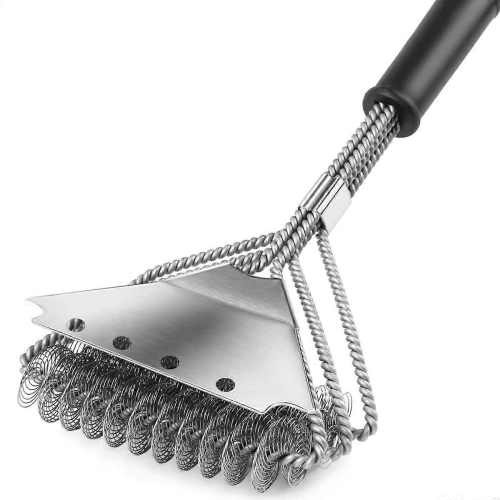
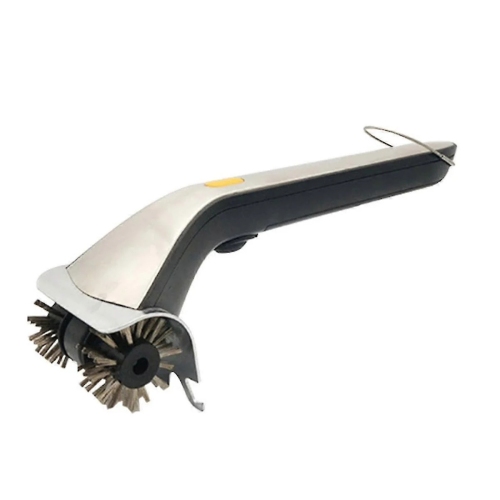
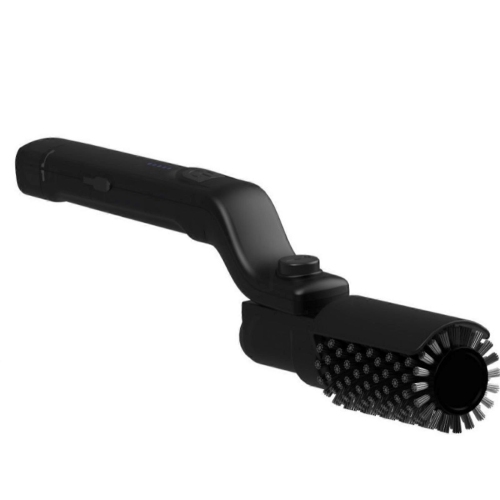
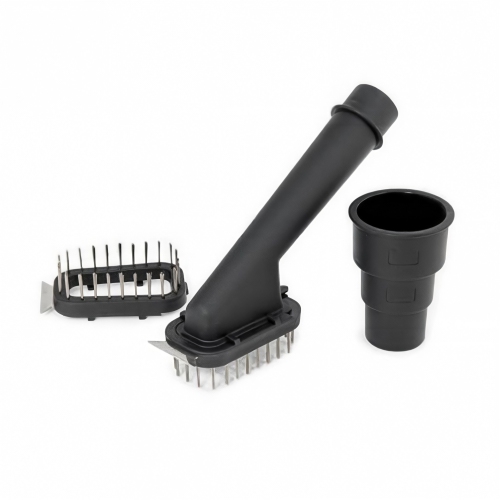
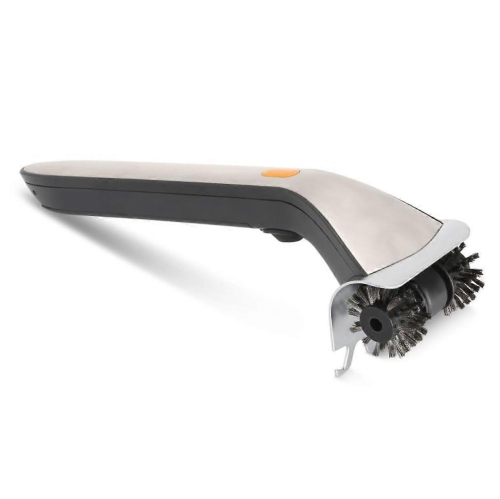
Cleaning tools complement the formula by helping lift loosened residue from the places it collects. A suitable scraper can address a stubborn patch, while a brush or pad can work along the bars and edges of a grate without requiring the same pressure everywhere. For matching a tool to grate shape and material, Barbecue Cleaning Brushes provide another part of a practical care setup. Brush-head width affects access between bars and around corners, handle length influences reach, and a comfortable grip can make a difference when cleaning a large cooking area. Tool material matters as much as handle design: an abrasive head that suits an uncoated metal surface may scratch a delicate finish, while nylon components have temperature limits that must be respected. Wire-bristle tools require inspection for loose or damaged bristles, along with a careful check of the cooking surface before food preparation. Bristle-free designs avoid loose wire bristles, but still need checking for wear, loose mesh, or damaged parts. Reusable pads, scrapers, and brushes also benefit from cleaning and drying according to their care directions, rather than being stored with grease trapped in the head. For bottled cleaners, a secure closure, intact sprayer, and readable label support dependable use over time; storage should follow the stated conditions and keep cleaning chemicals away from children, pets, and food. A compact spray bottle may be convenient for a smaller barbecue, while a larger container can suit frequent cleaning if its handling and storage requirements fit the household. People who grill regularly may value a compatible cleaner and durable tool as practical additions to their cooking equipment, and they can also make a useful gift when the recipient’s barbecue material and care preferences are known. The most useful combination is not necessarily the most aggressive: it is one that handles the usual residue, reaches the relevant surfaces, and leaves the barbecue ready for food preparation after the required cleanup.
Top selling and popular products
-
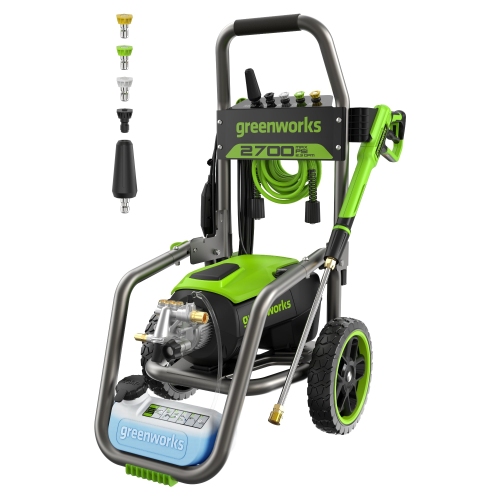 Your price for this item is $649.99
-
 Your price for this item is $70
-
 Your price for this item is $65
-
 Your price for this item is $70
-
 Your price for this item is $90
-
 Your price for this item is $75
-
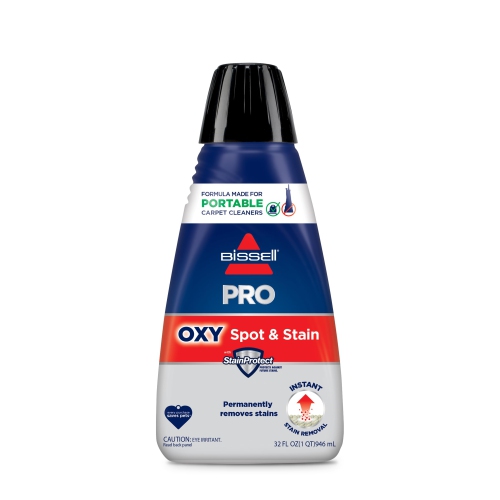 Your price for this item is $43.99
-
 Your price for this item is $65
Discover more categories related to Barbecue Grill Cleaners
Top Collections:
Best Black Friday Deals This Year, Best Black Friday Deals On Electronics, Kindle Devices, Best Black Friday Deals On Apple Products, Best Budget Office Chairs, Best Cameras for Sports Photography, Dyson Airwrap, Canon G7X Cameras, Best Laptops for Writers, Samsung Galaxy Phones
Some products may be subject to Environmental Handling Fees
(EHF) depending on your province.
Learn more about EHFs.