Bathroom Aids for Elderly
As we age, simple tasks like using the bathroom can become more challenging. That's where bathroom aids for the elderly come in, offering practical solutions to enhance safety and independence. From grab bars and raised toilet seats to shower chairs and commodes, these essential products are designed to provide peace of mind for both seniors and their caregivers. Browse our selection of bathroom aids tailored to meet the unique needs of the elderly, ensuring a comfortable and secure bathroom experience.
Sort
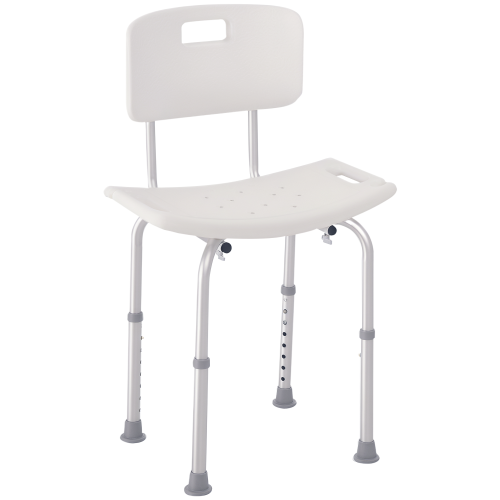
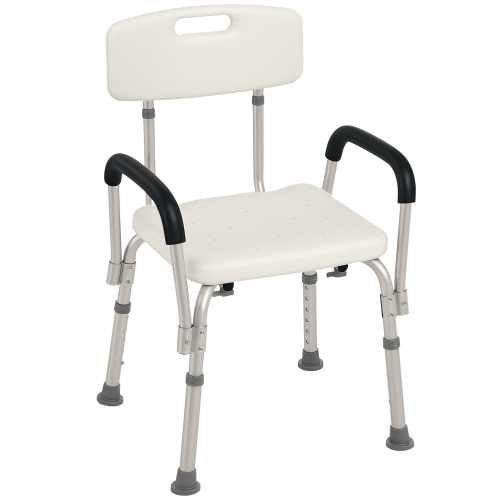
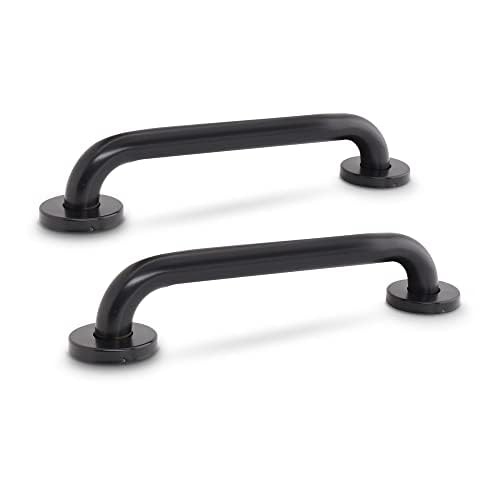
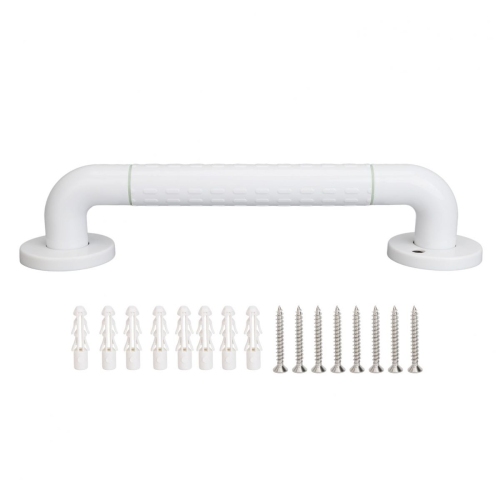

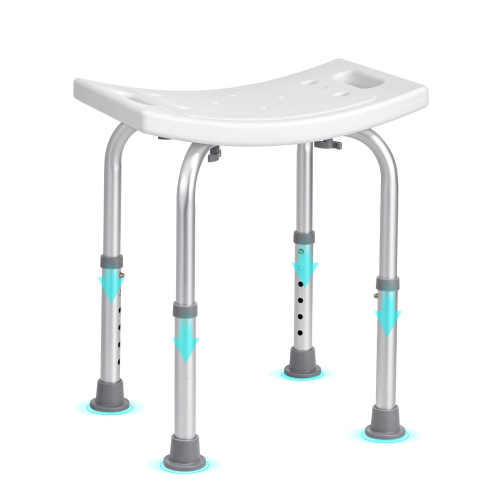
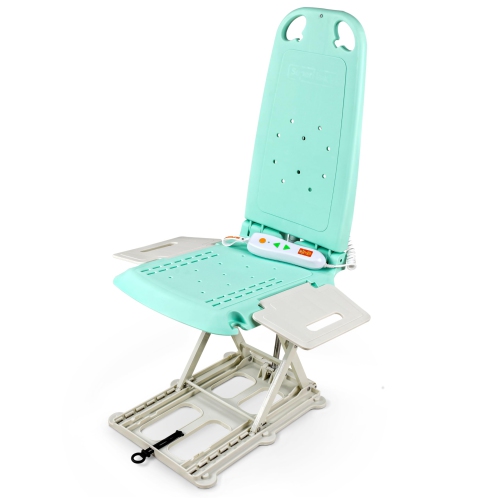
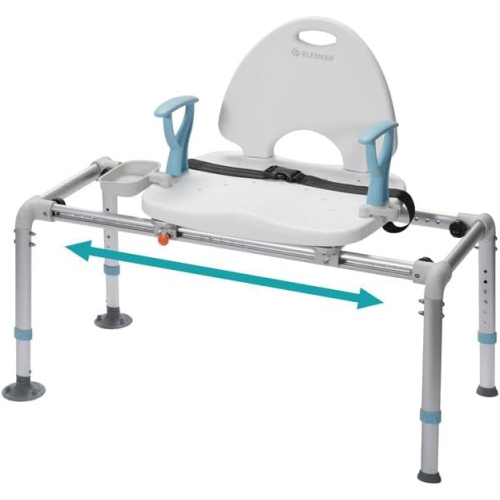
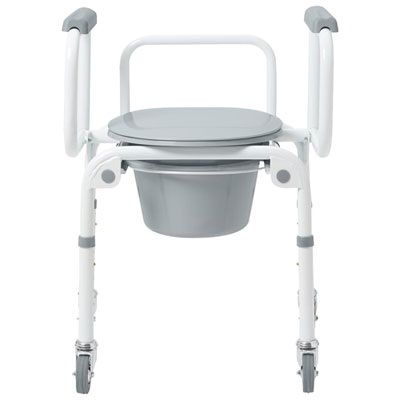
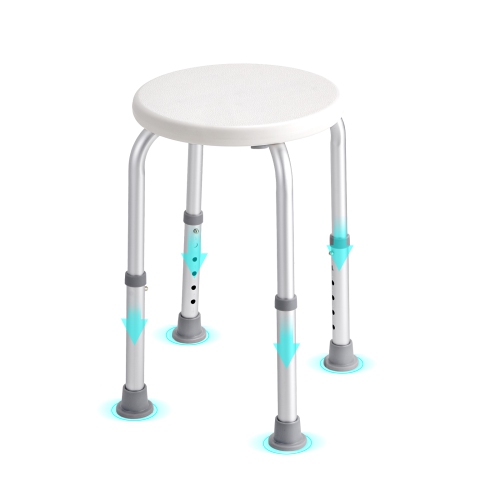
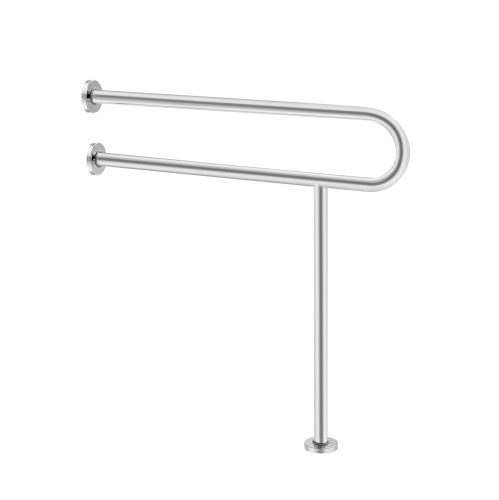
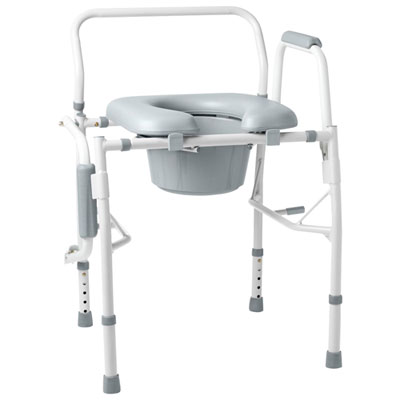
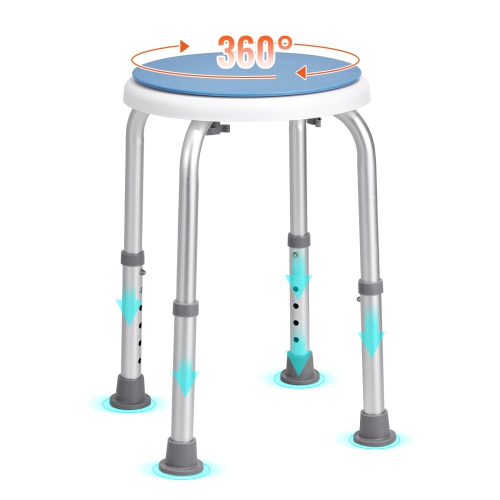
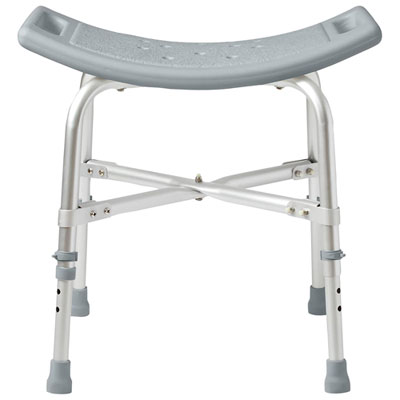
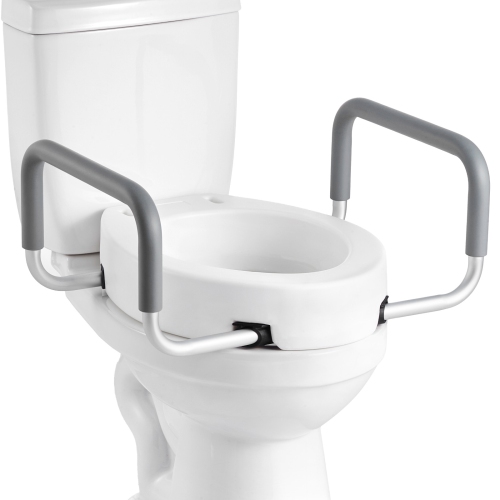
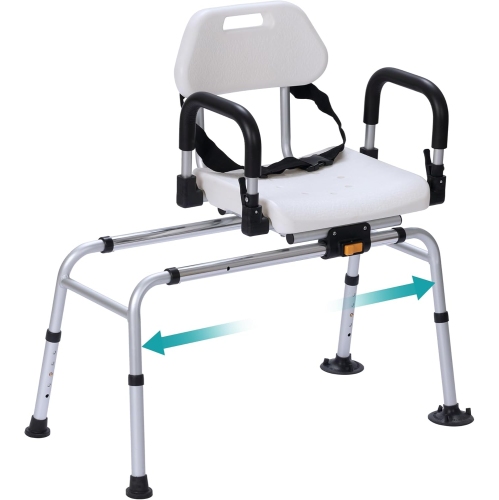
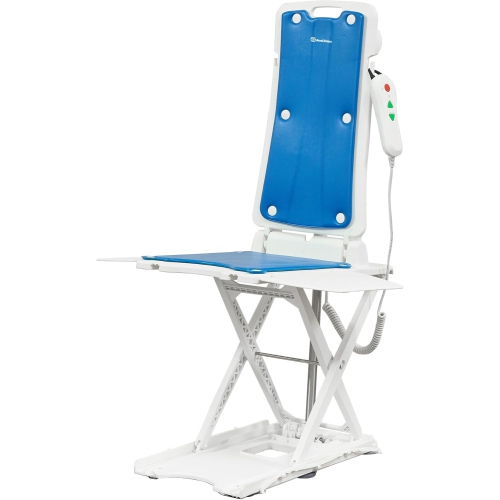
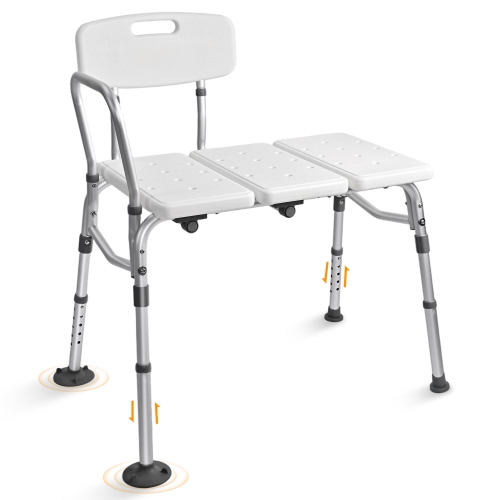
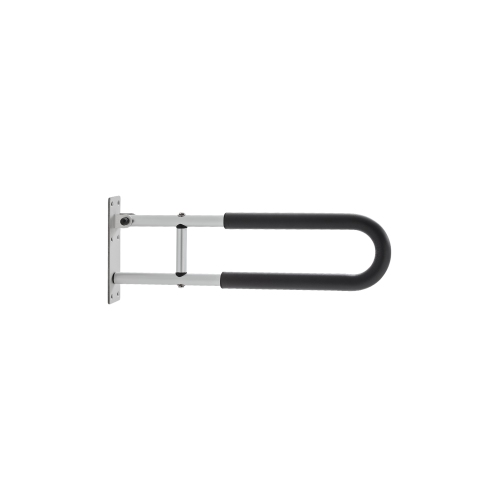
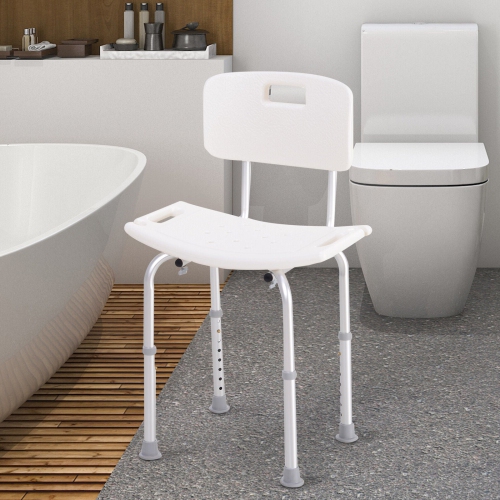
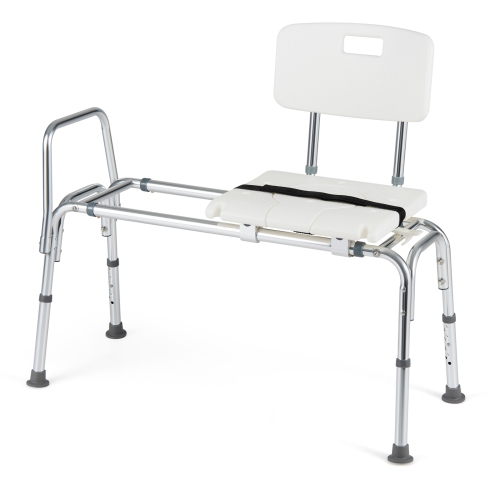
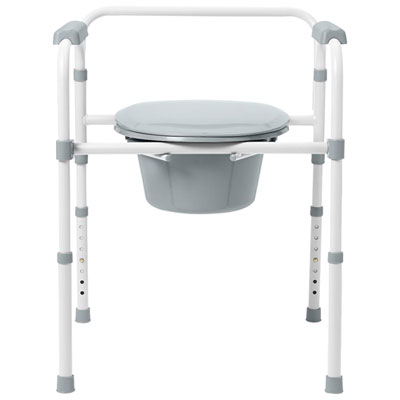
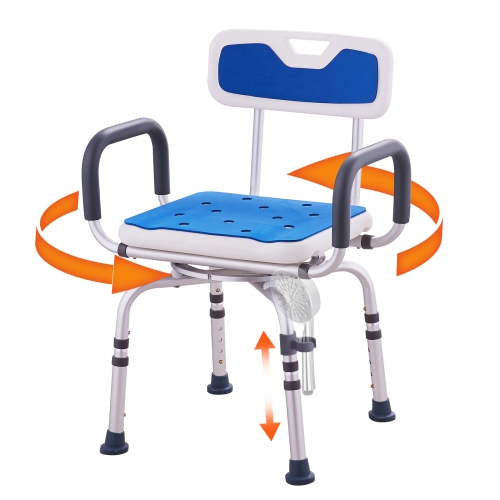
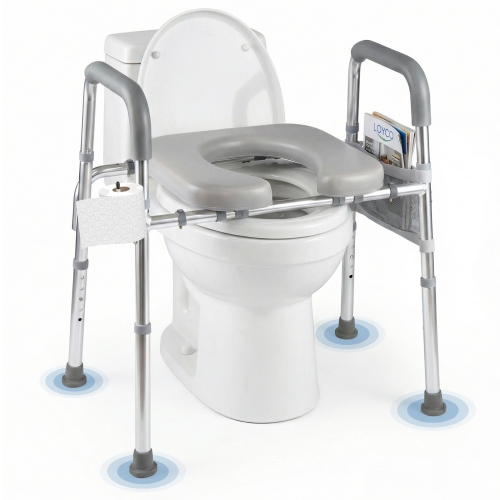
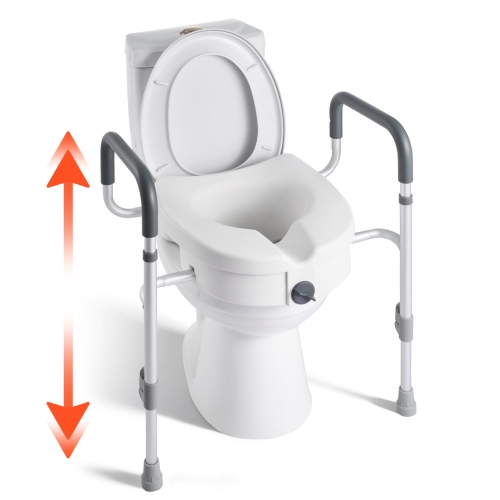
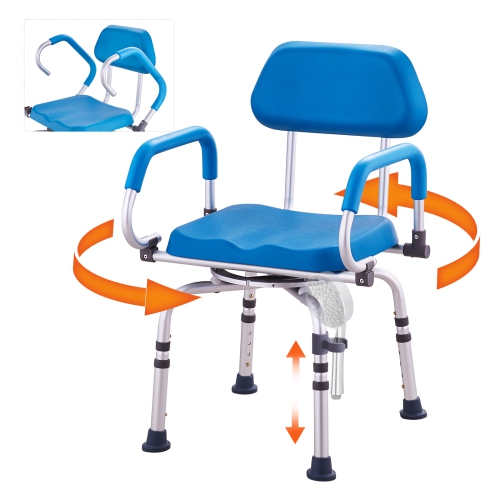
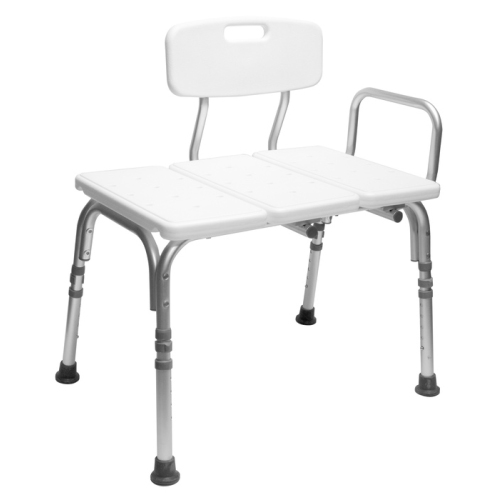
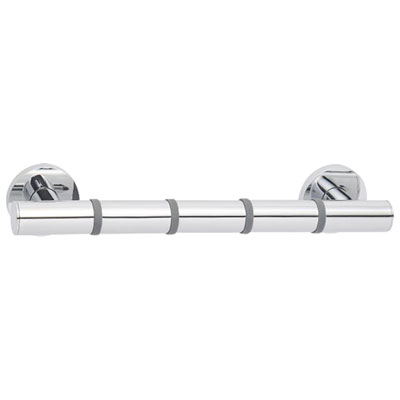
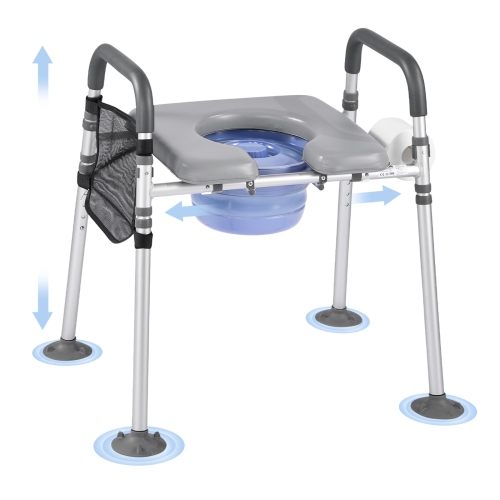


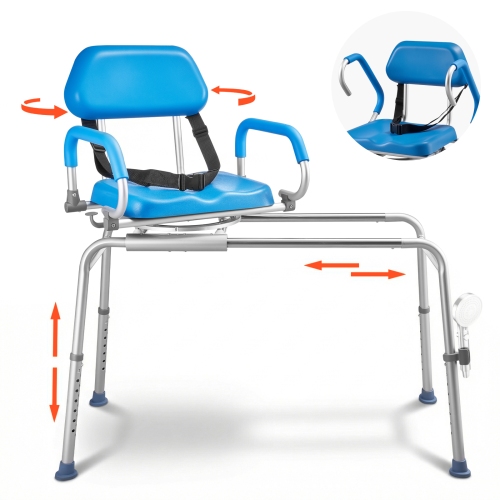
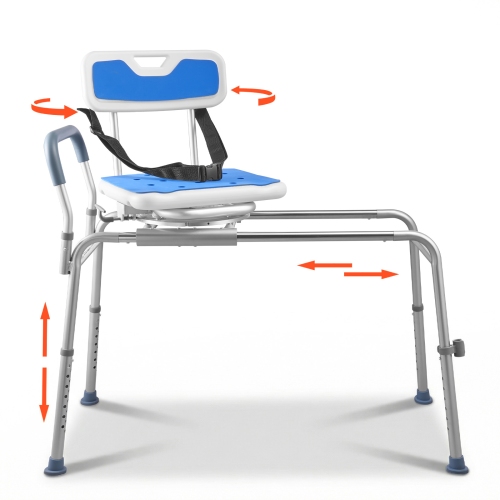
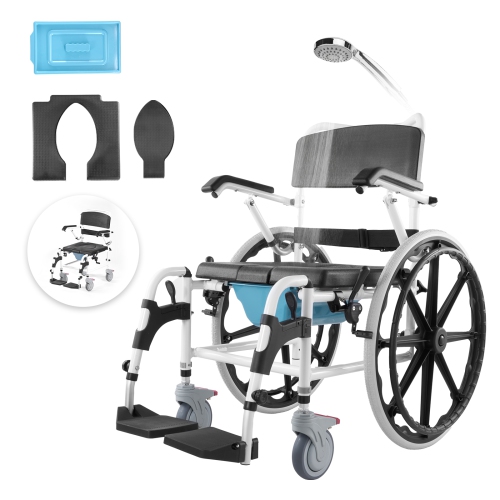
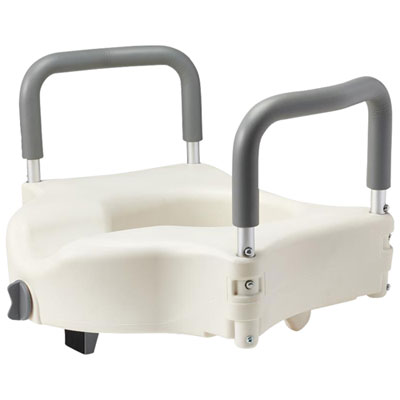
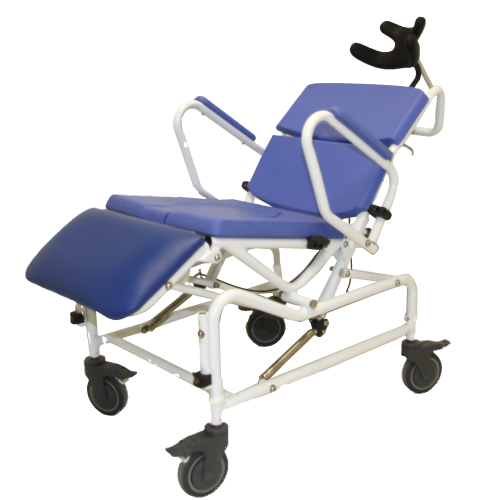
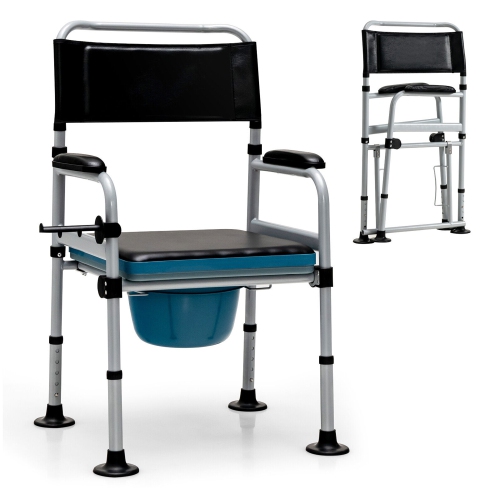

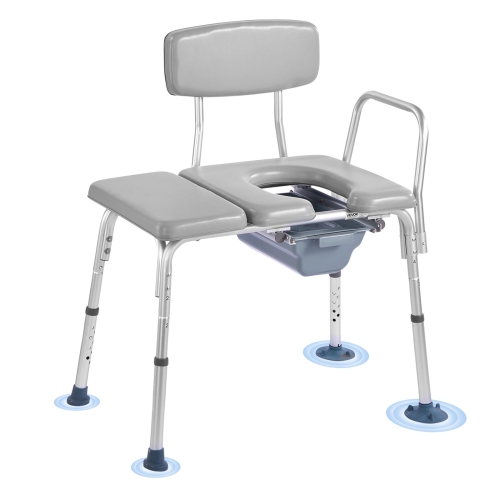
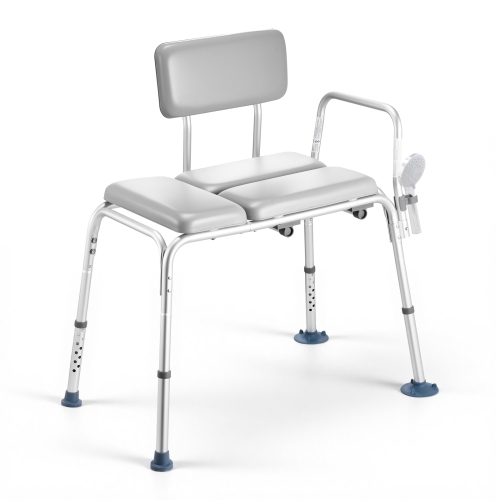
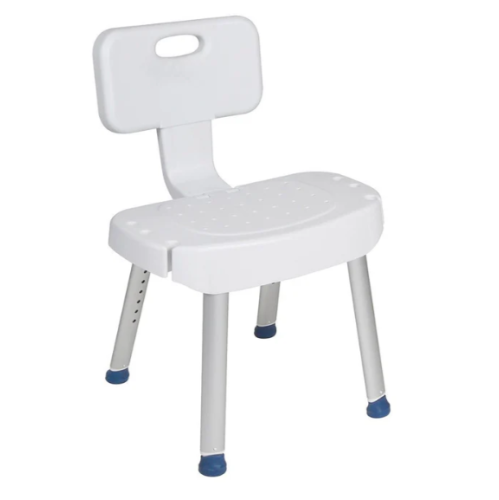
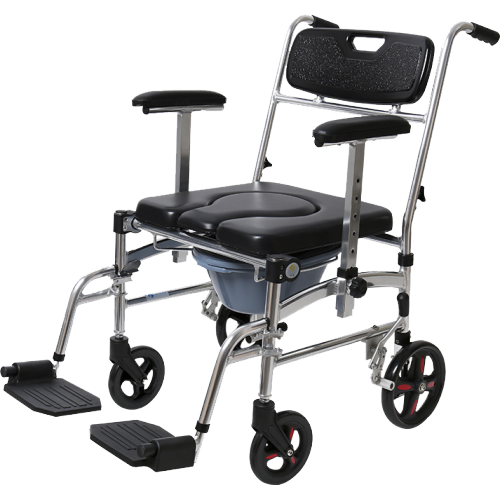
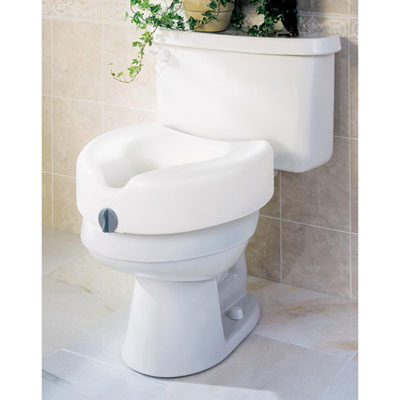
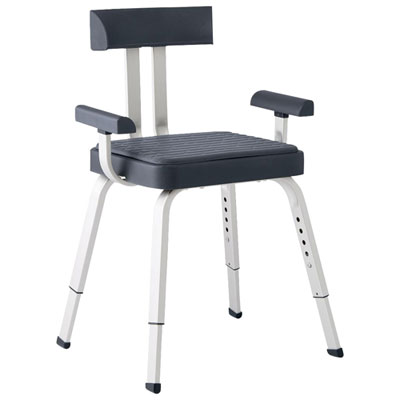
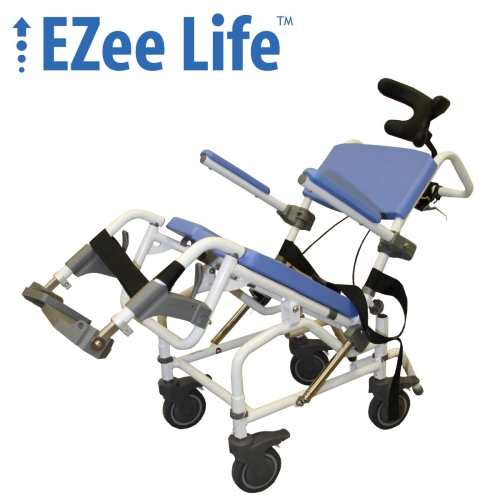

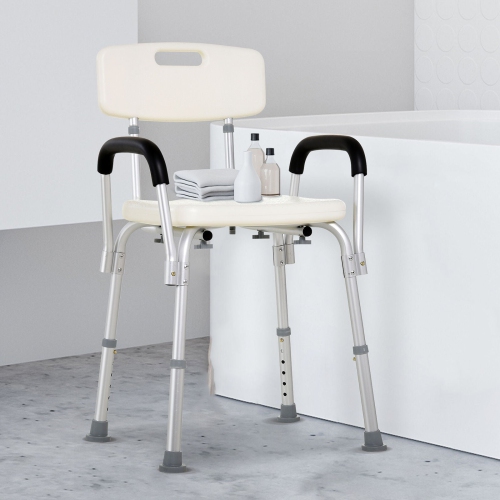
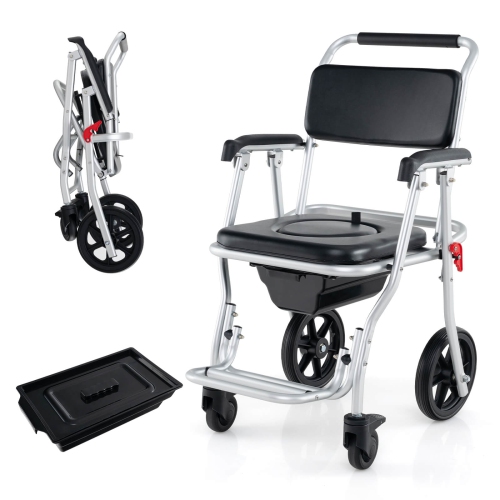
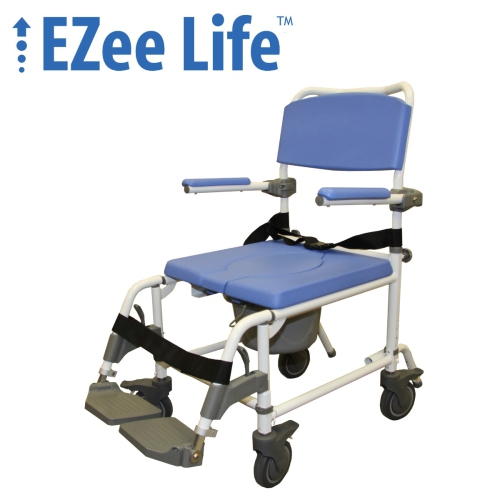
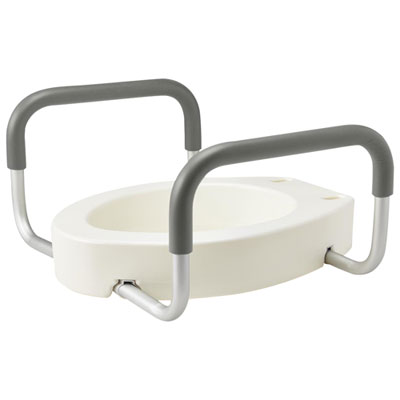
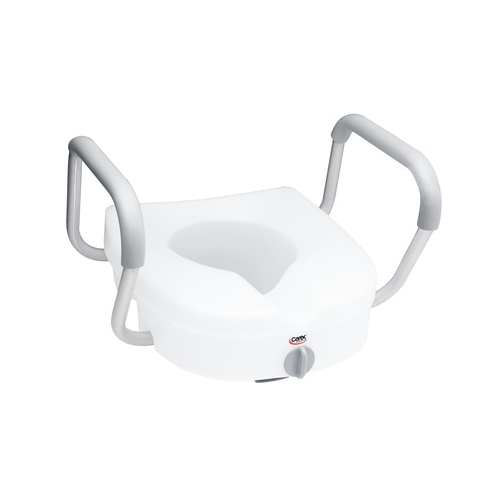

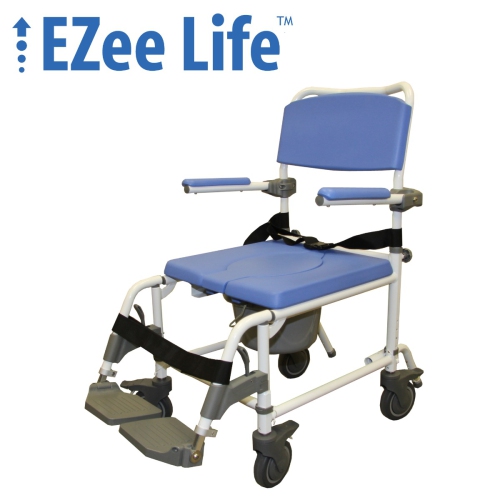
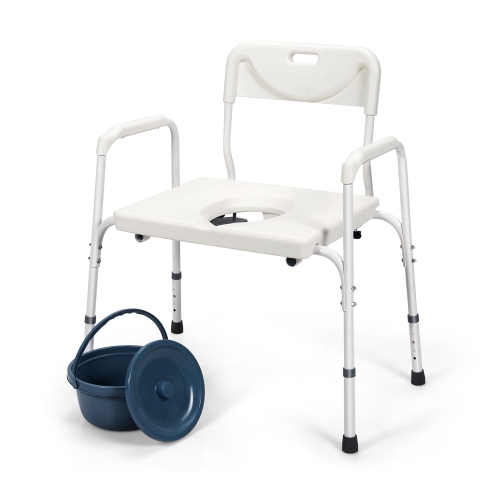




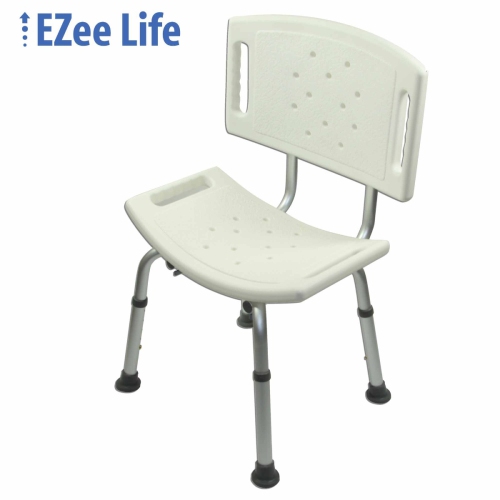
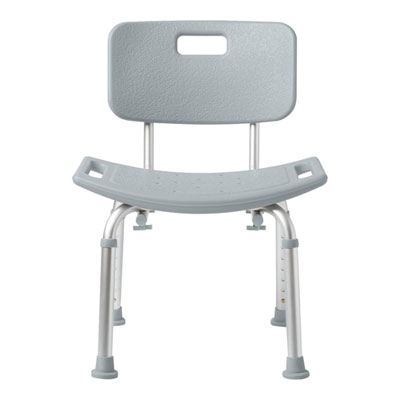
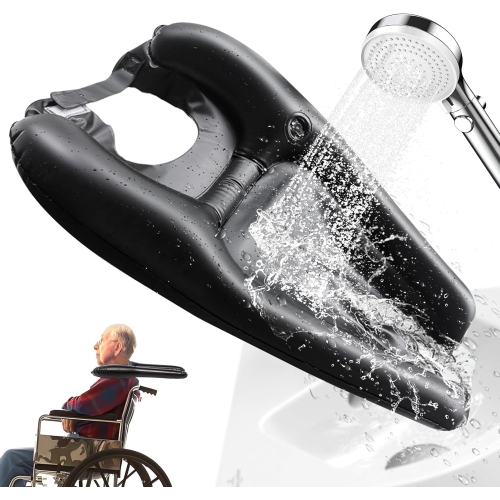
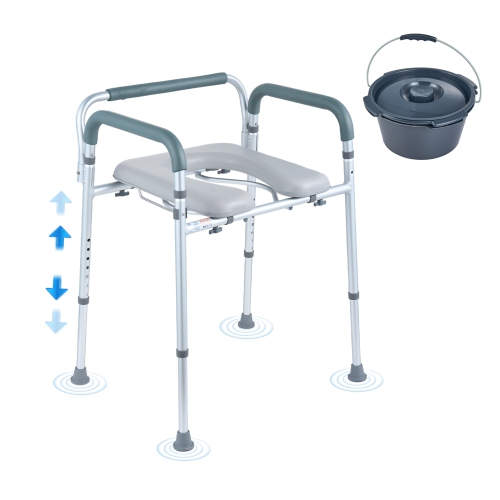
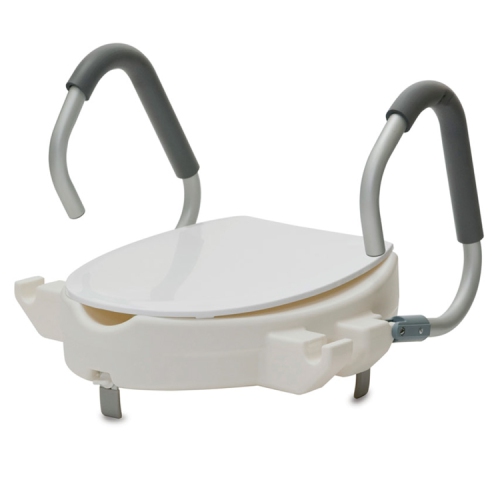
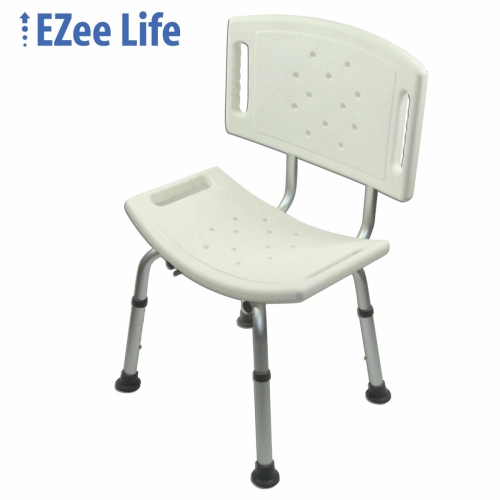
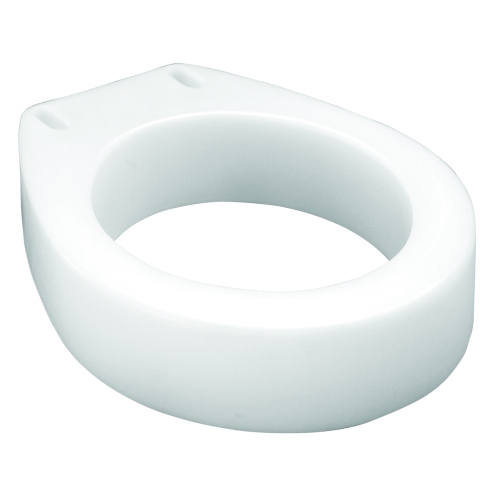
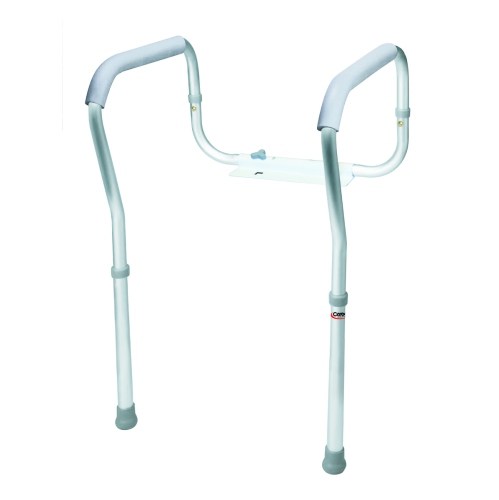
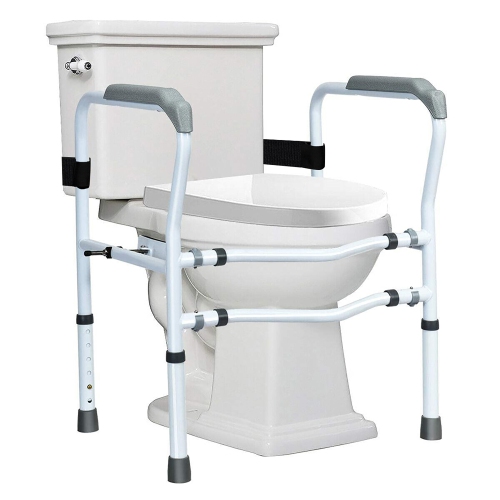
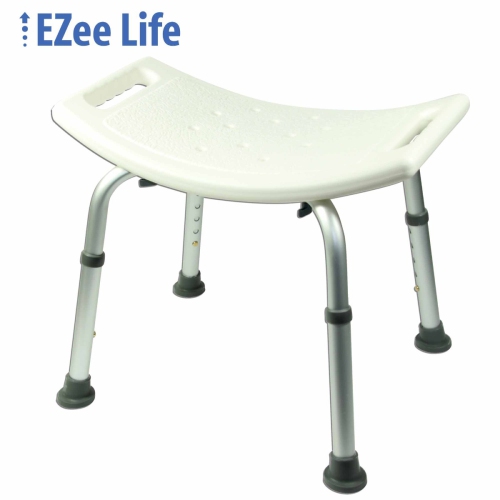

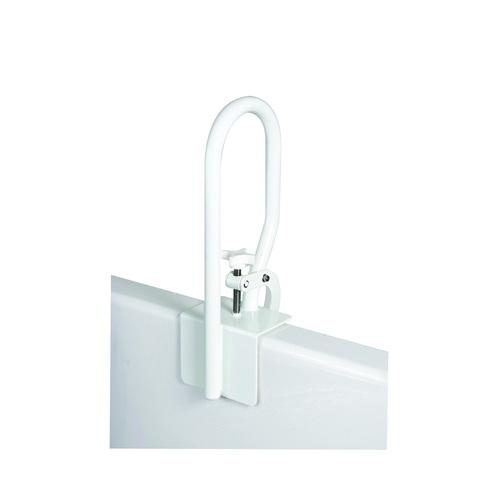
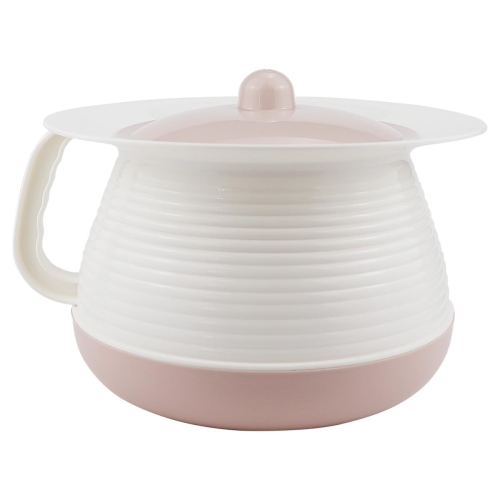
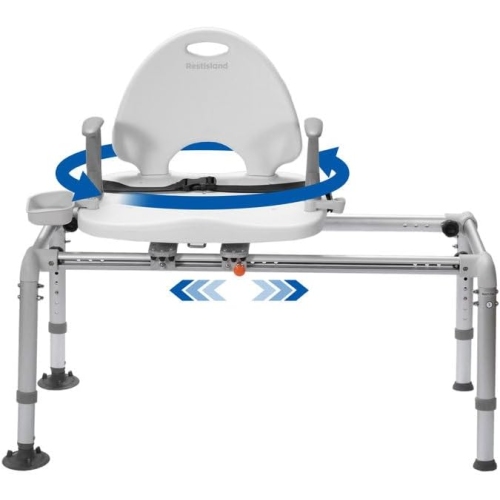
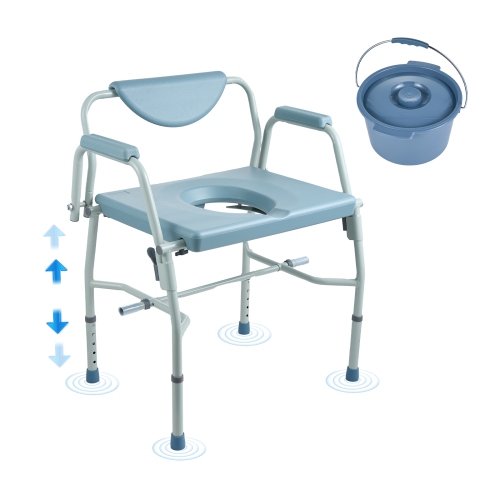
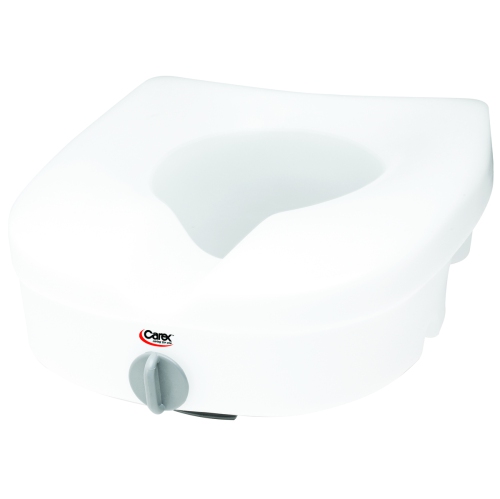
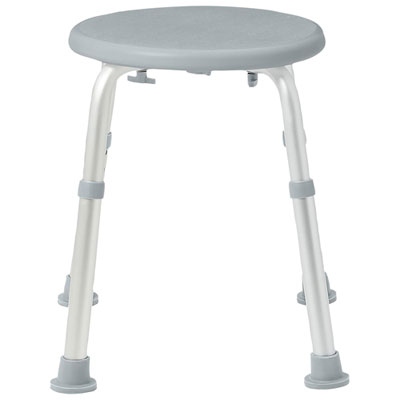
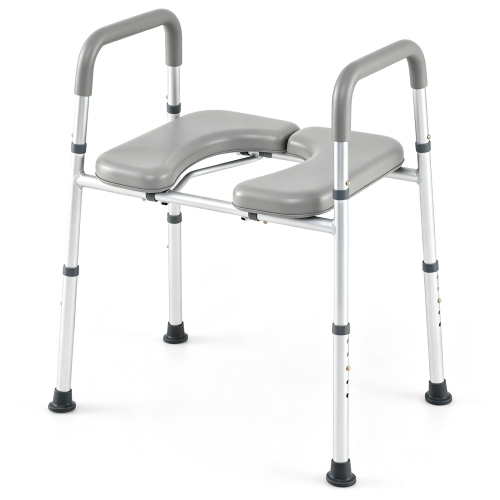
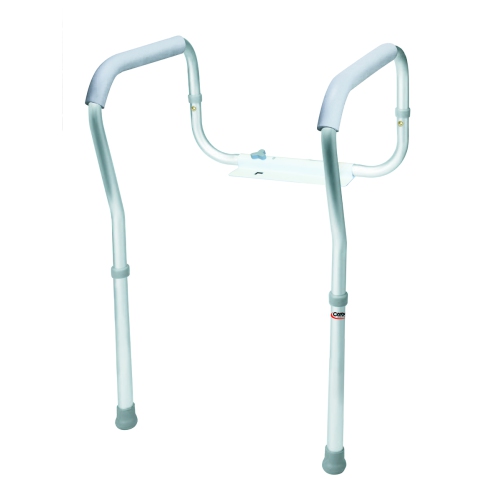
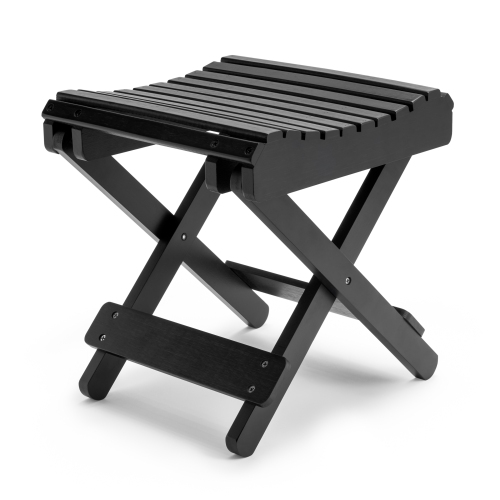
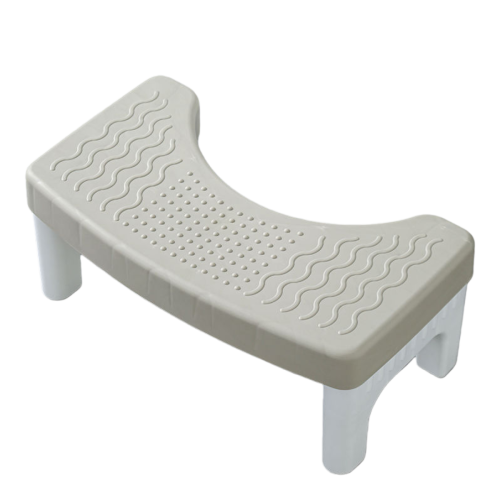
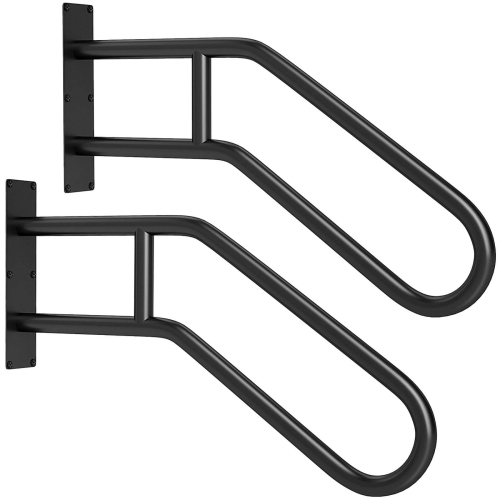
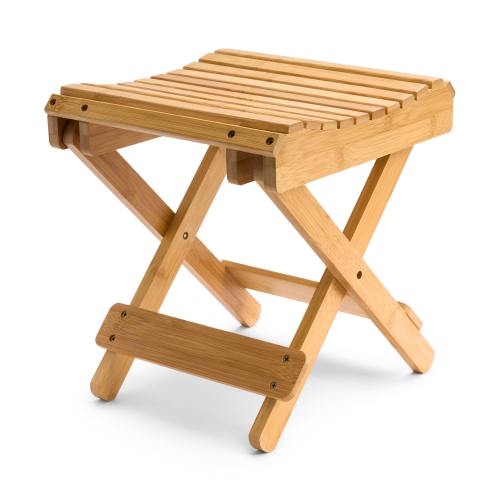
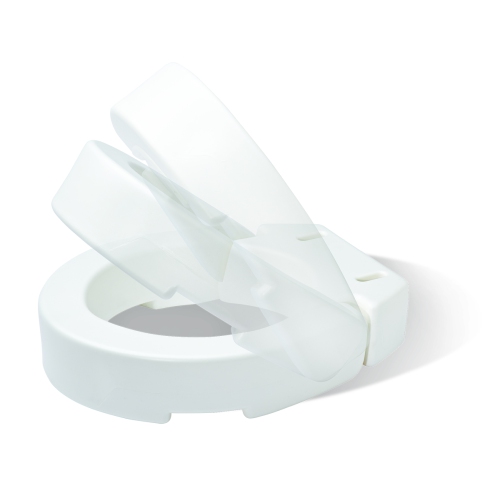
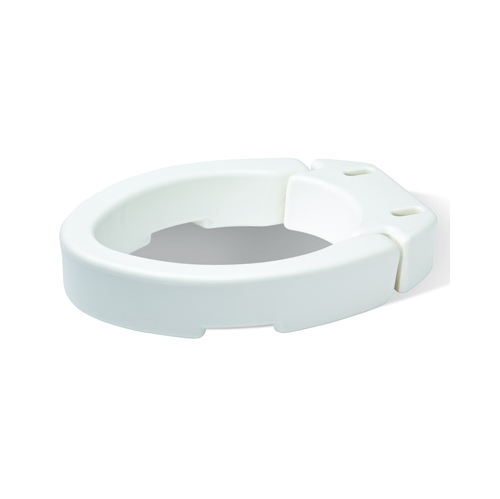
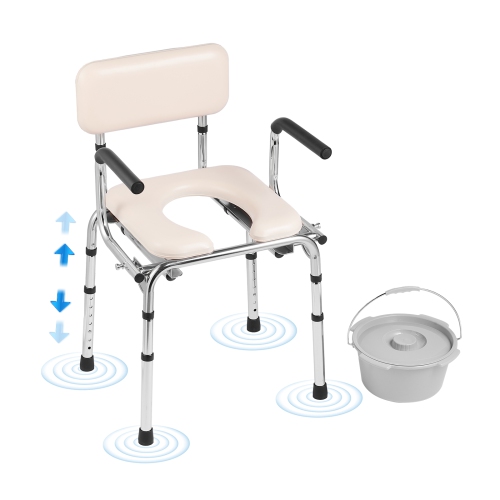
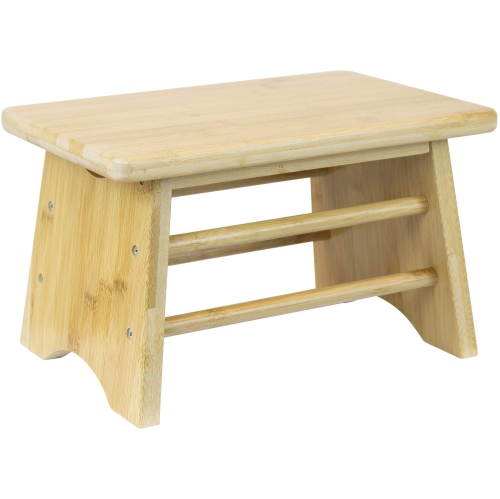
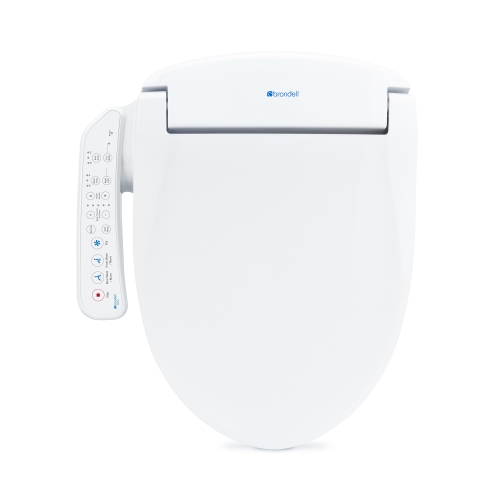
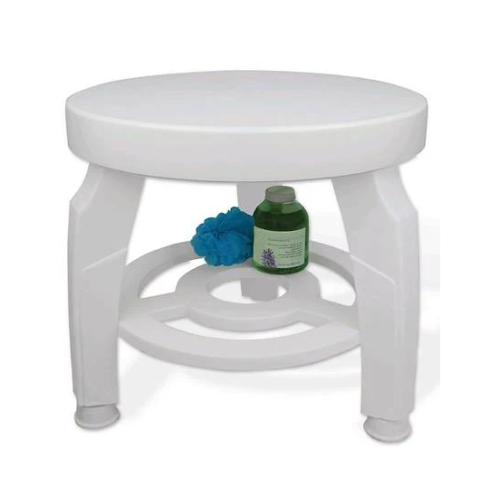
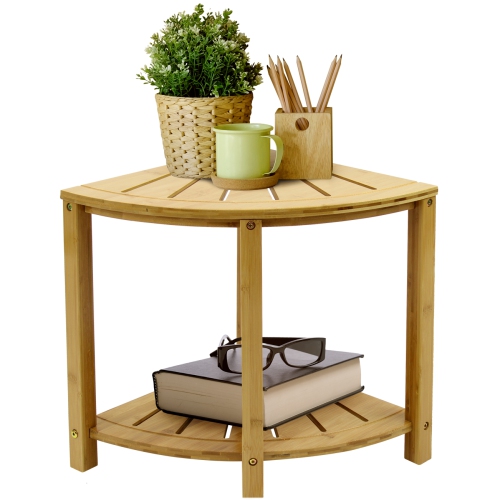
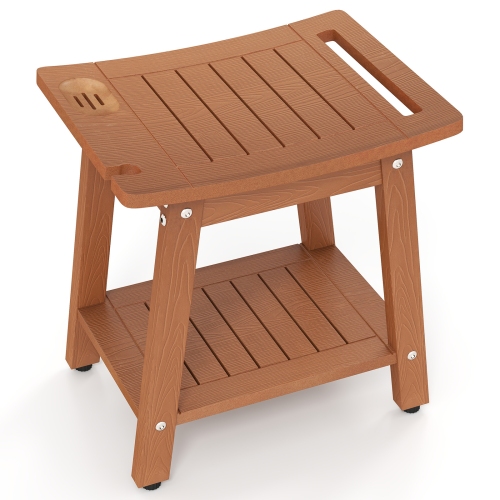
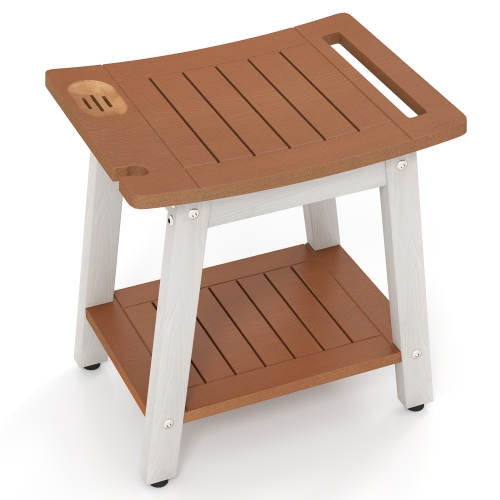
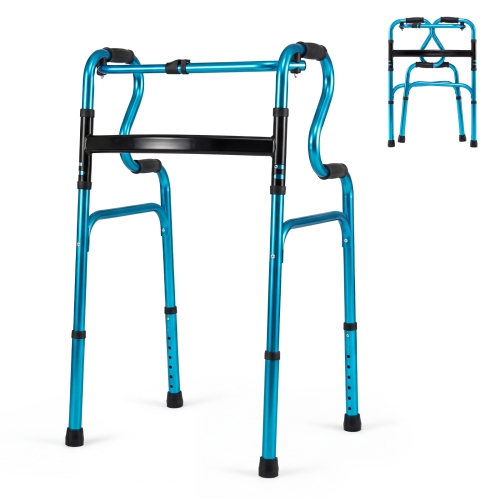
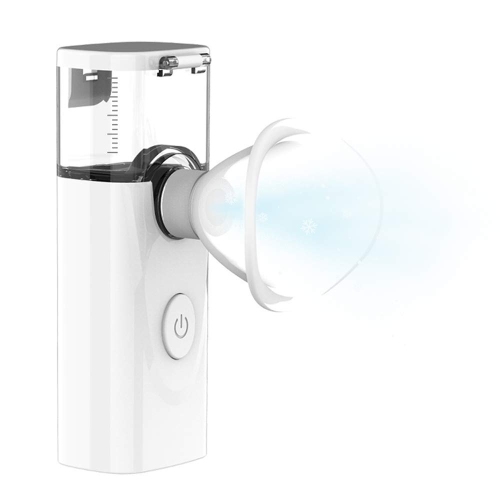
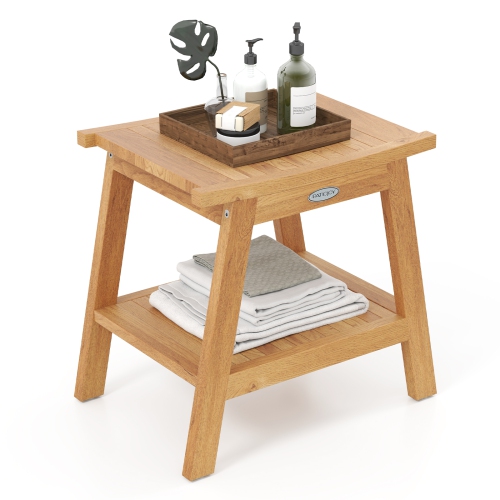
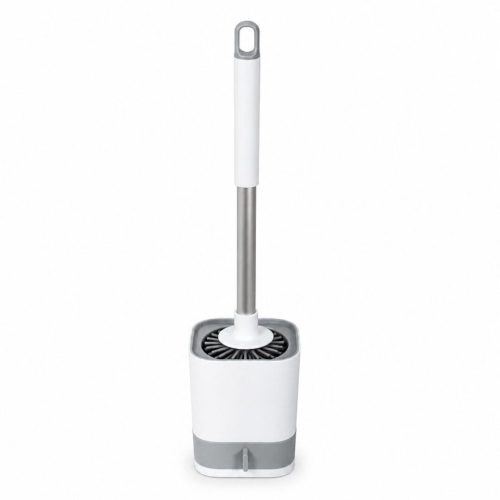
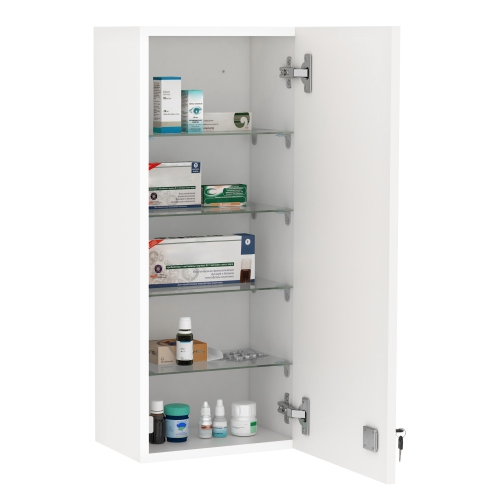
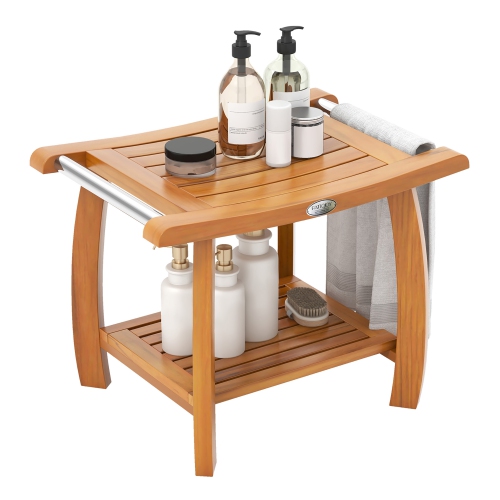
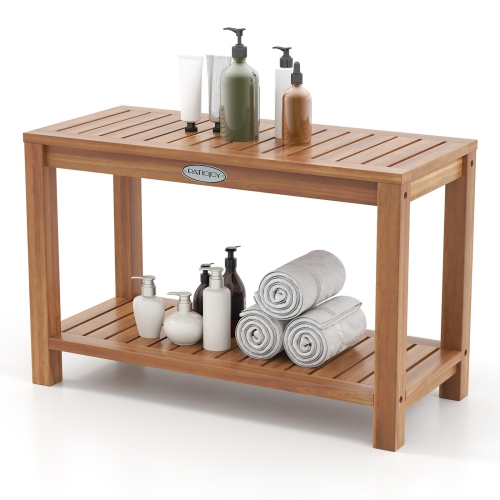
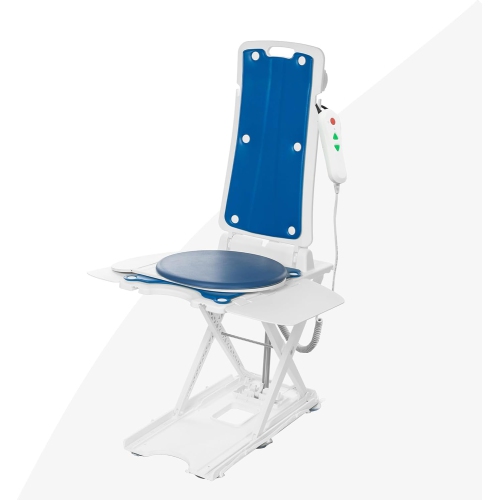
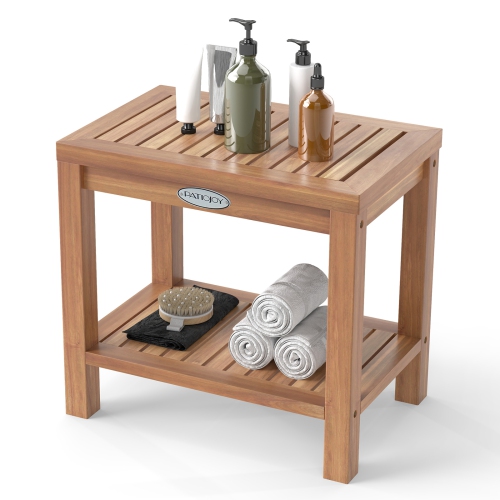
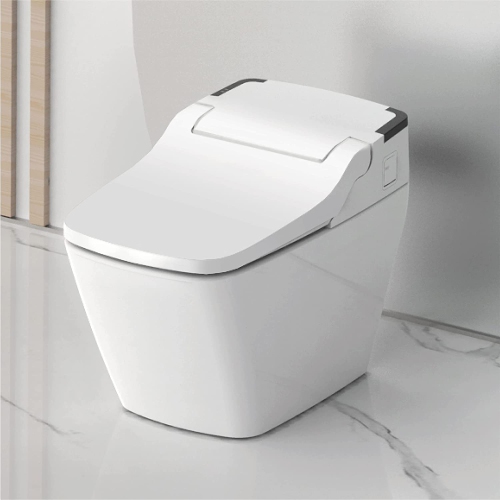
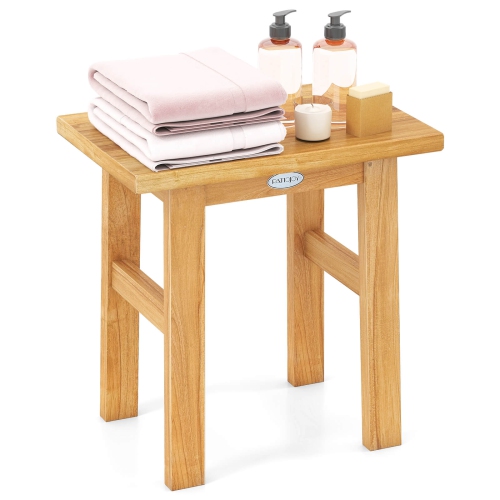
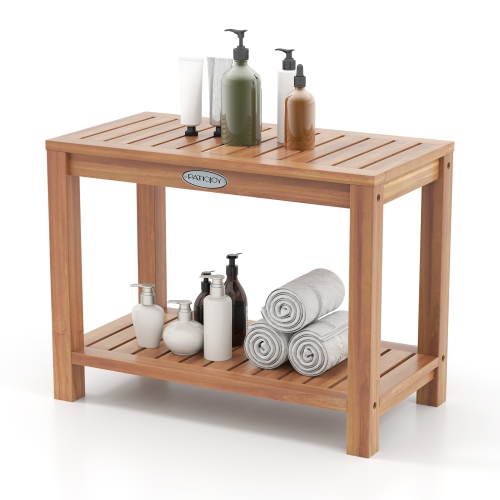
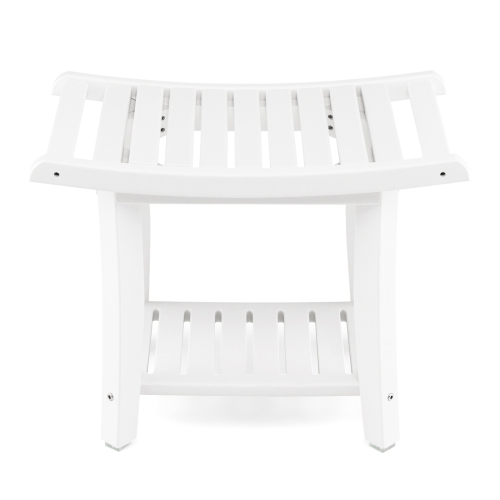

Thoughtful supports can ease challenging bathroom movements
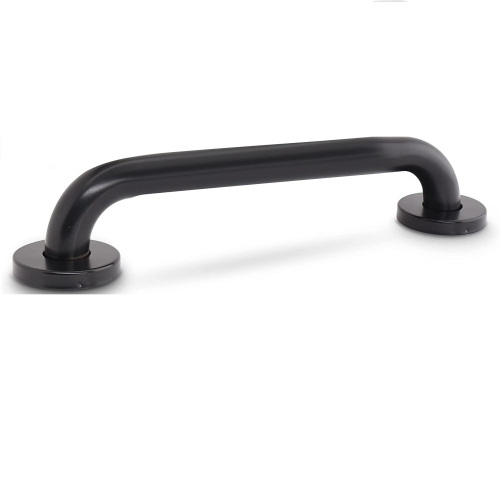
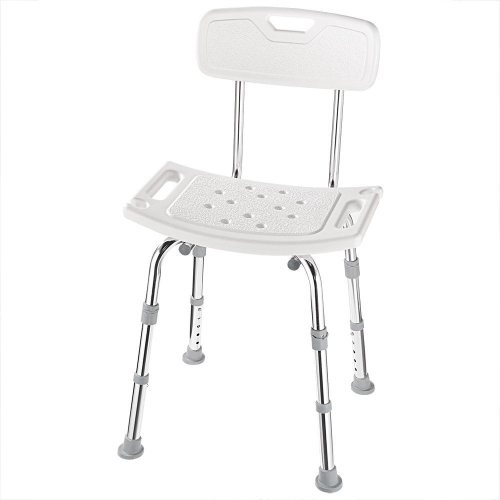
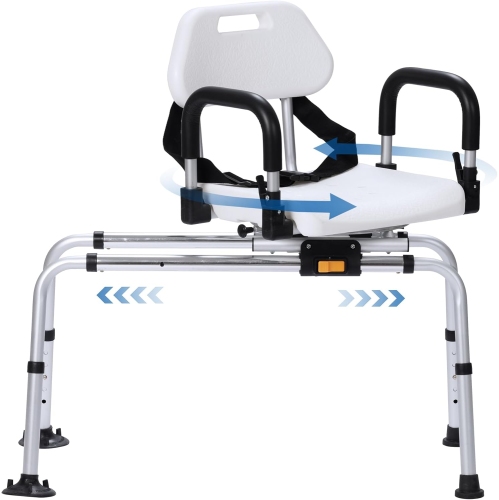
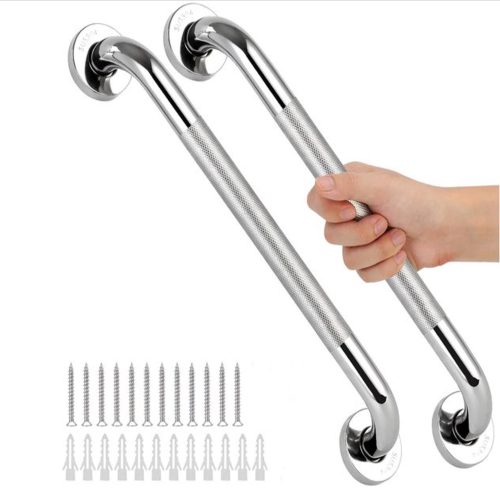
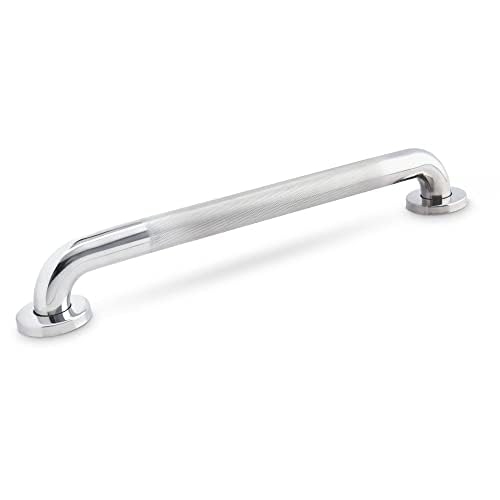
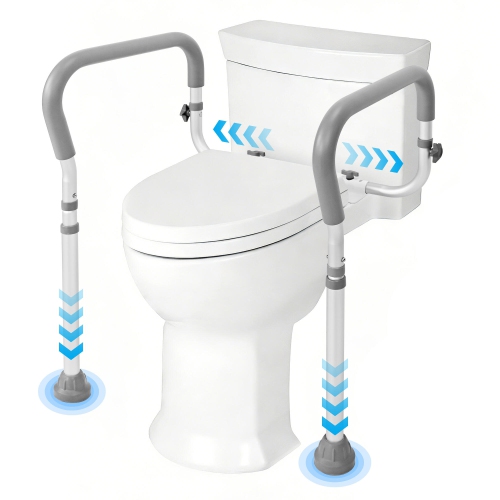
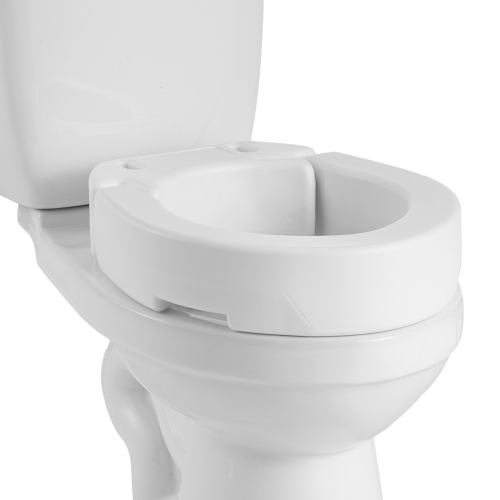
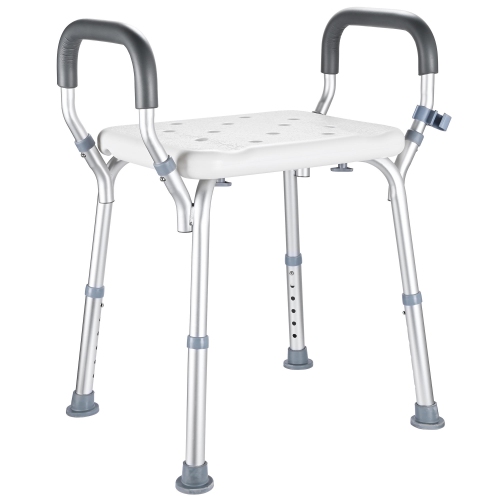
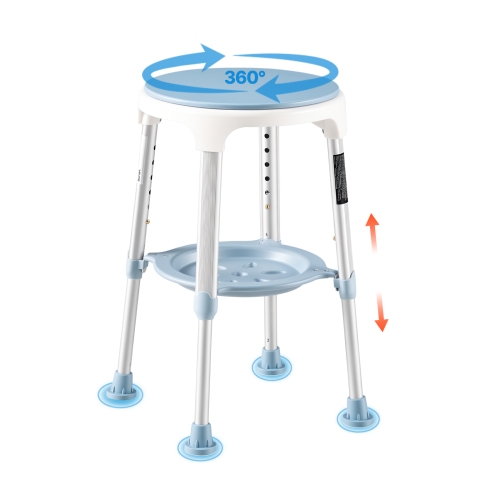
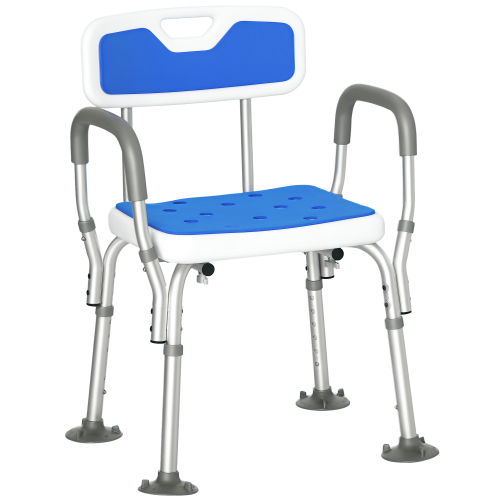
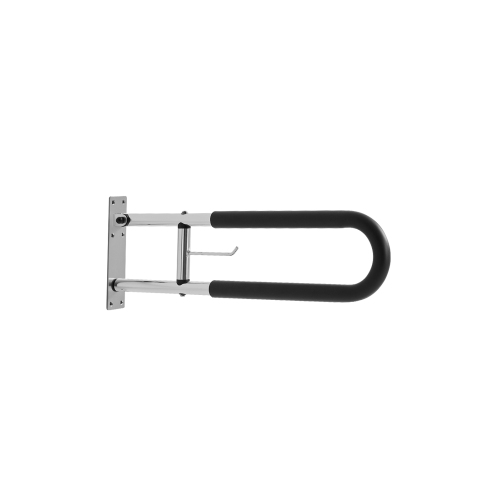
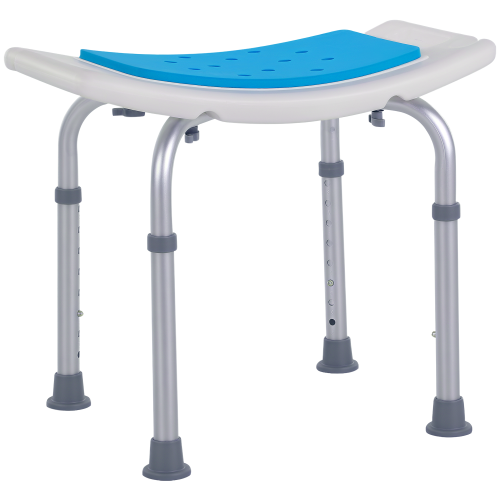
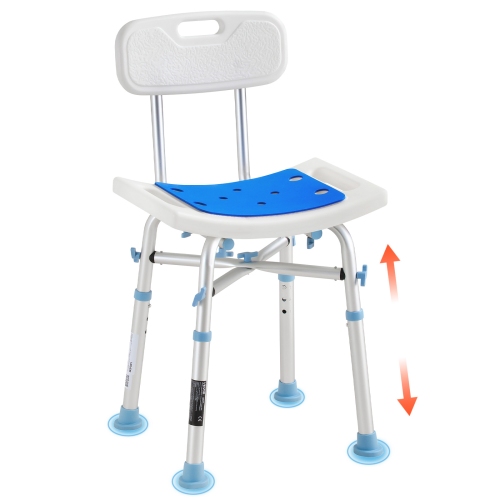
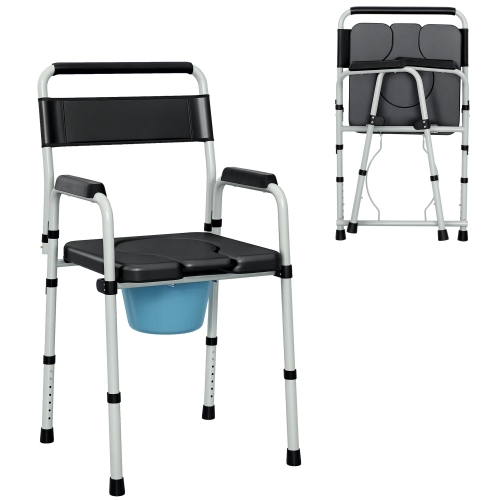
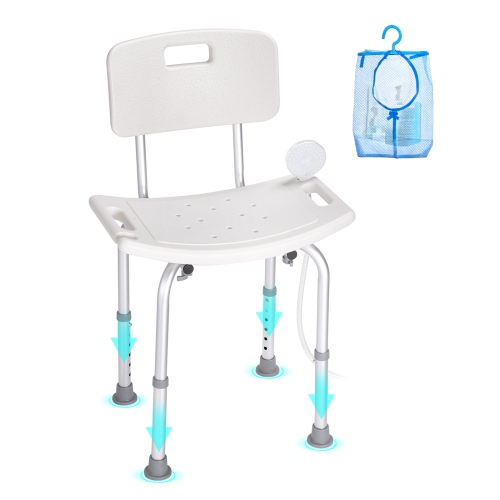
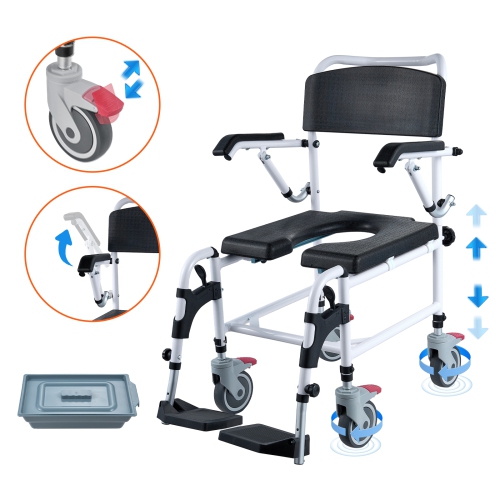
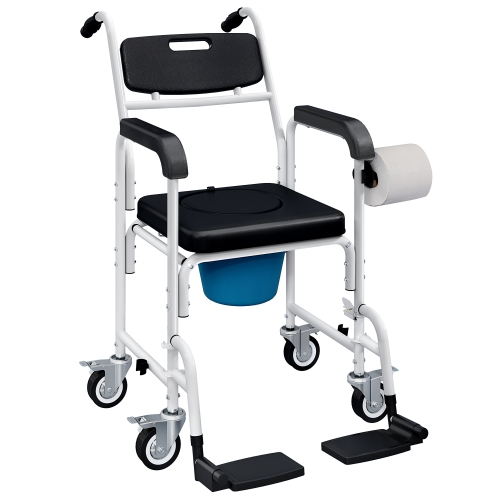
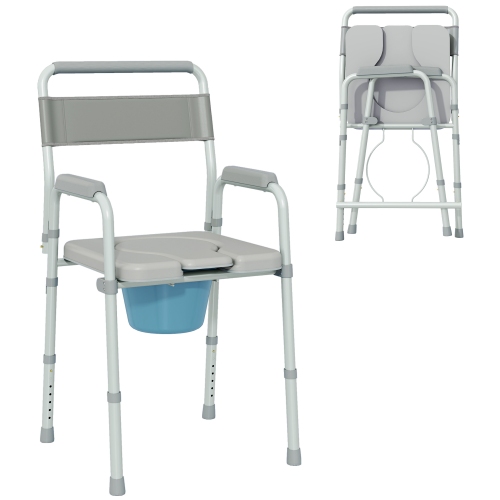
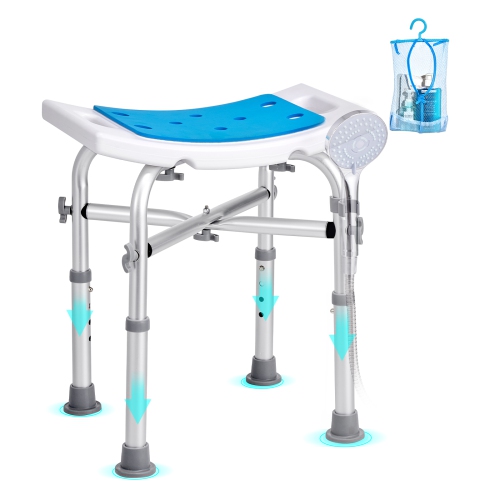
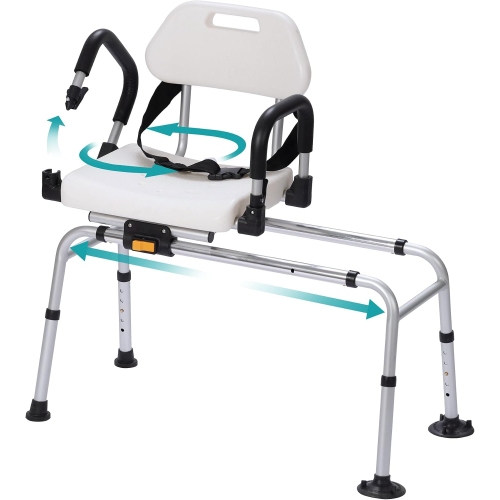
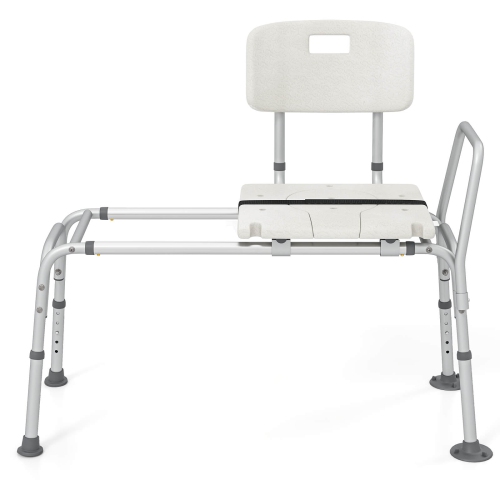
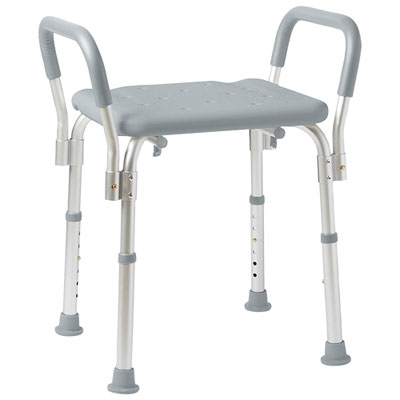
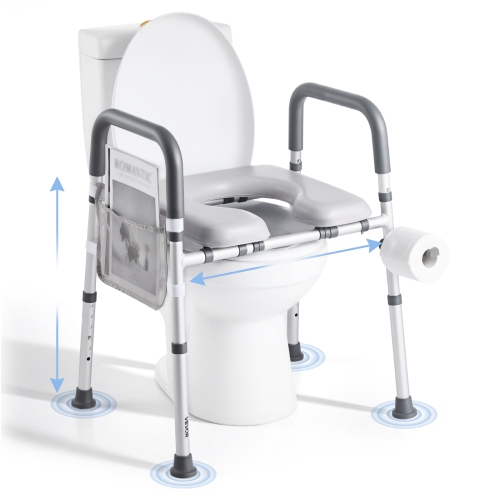
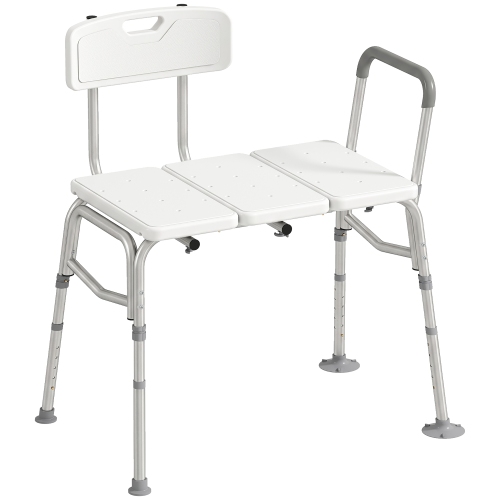
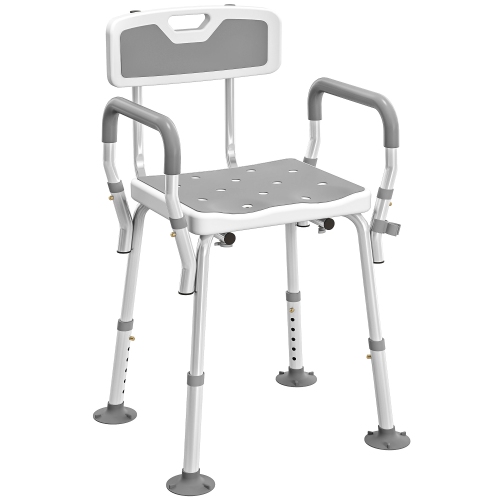
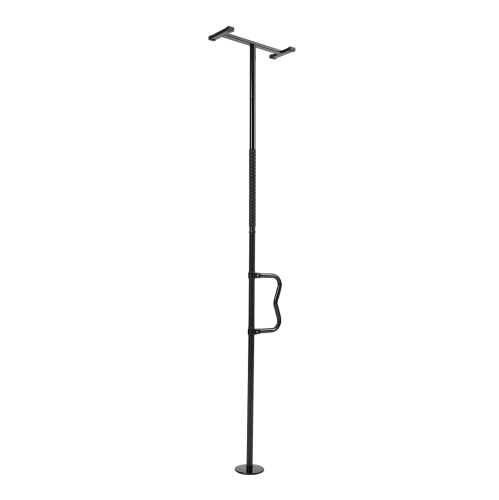
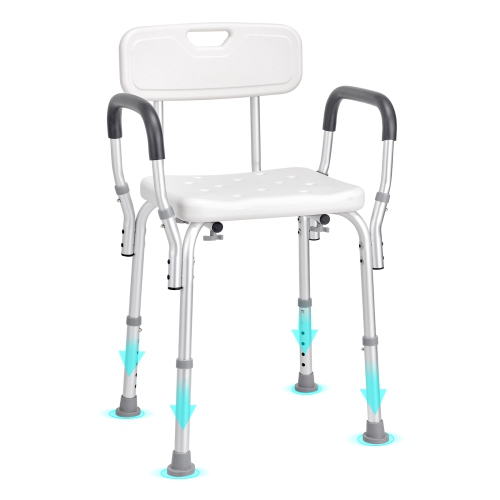
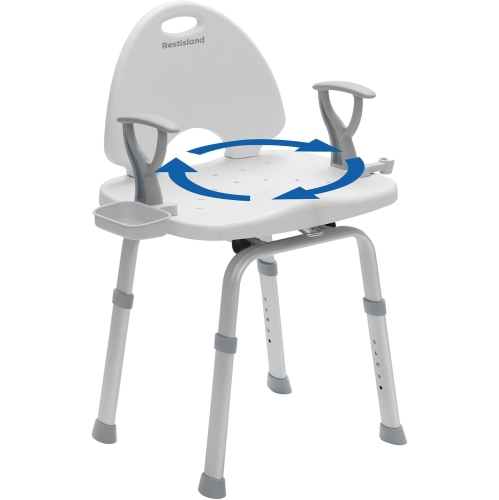
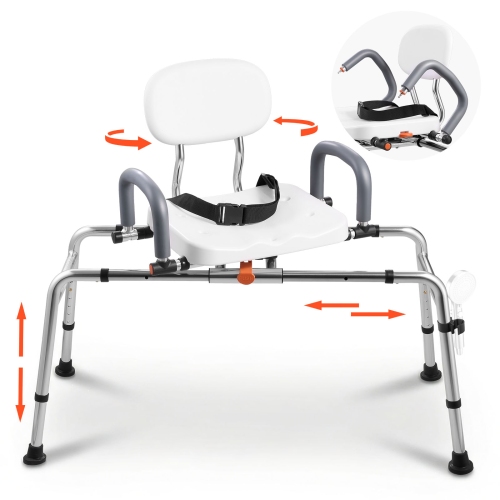
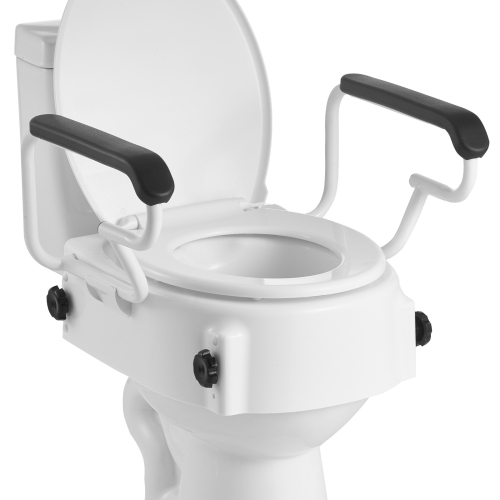
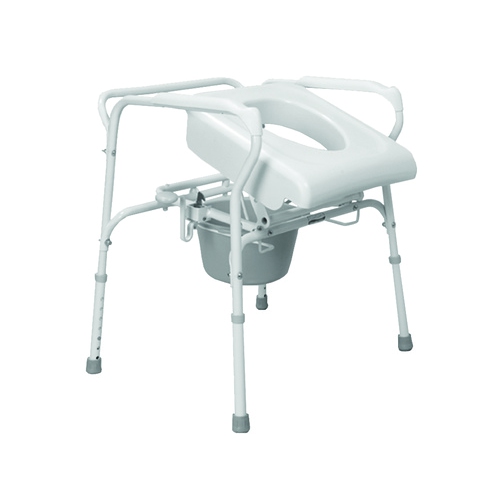
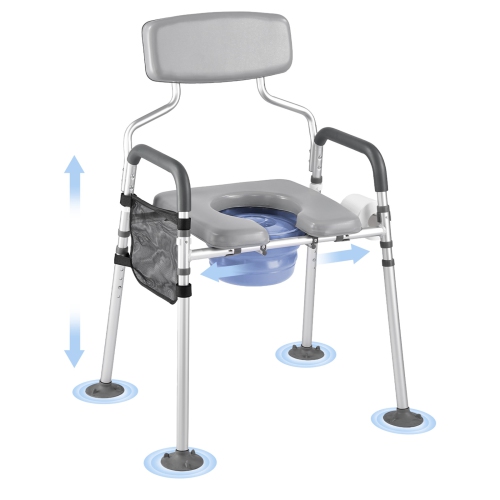
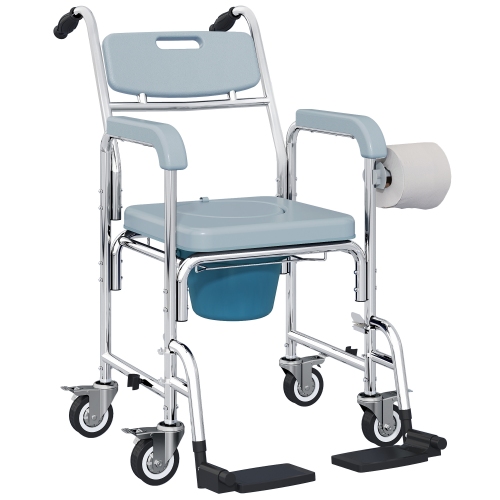
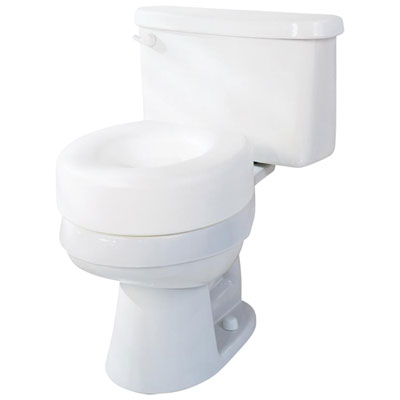
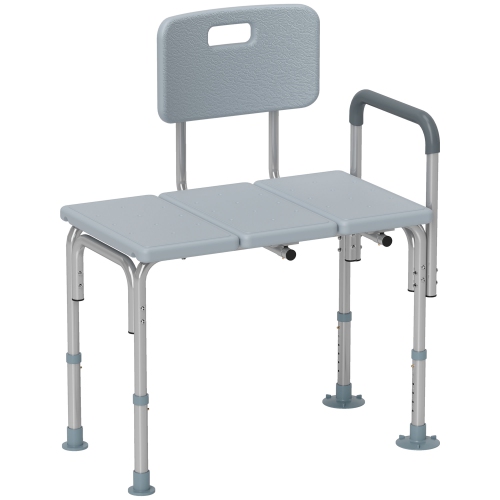
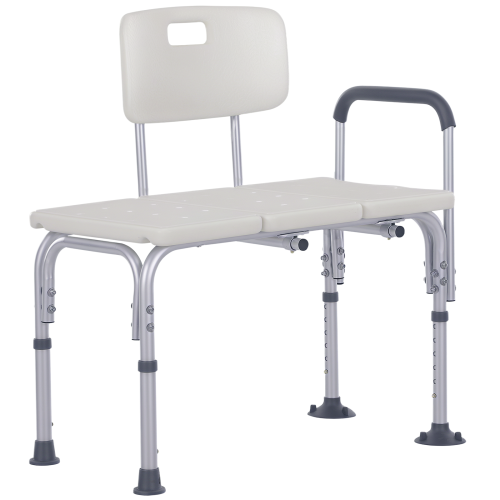
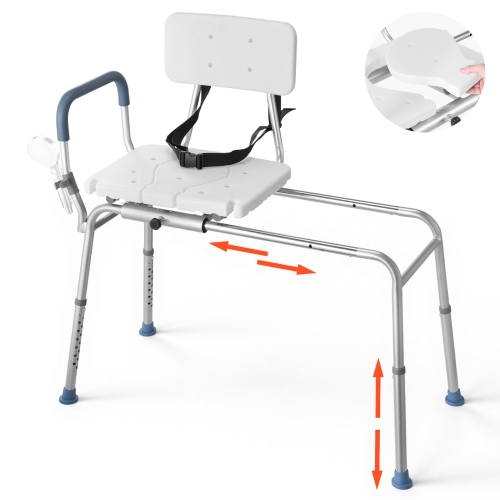
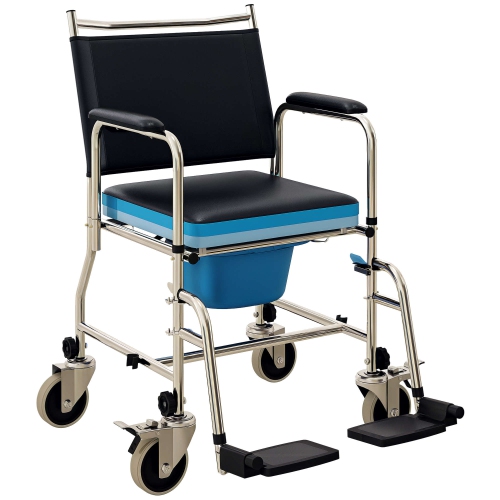
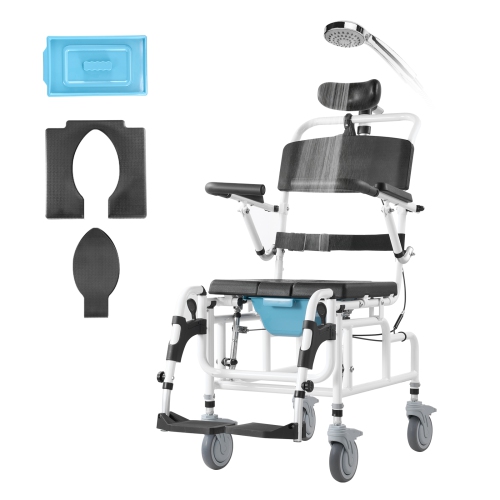
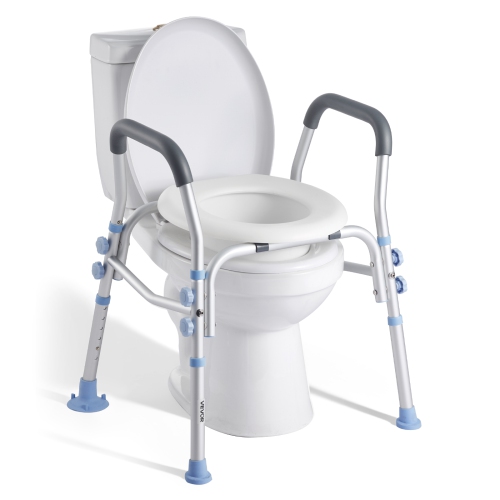
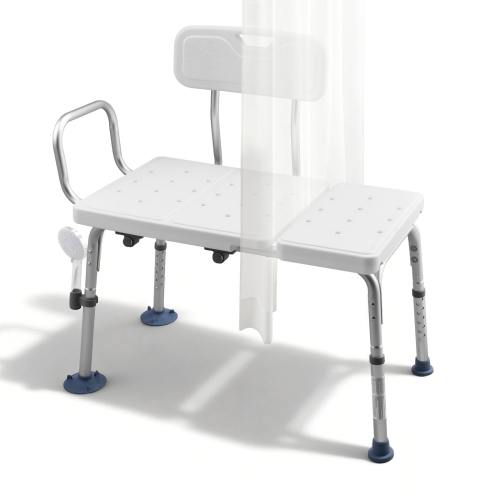
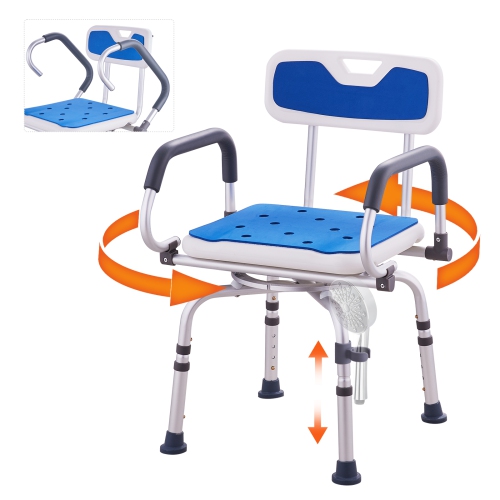
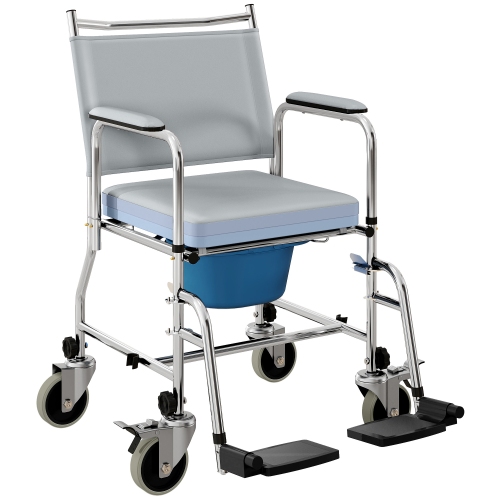
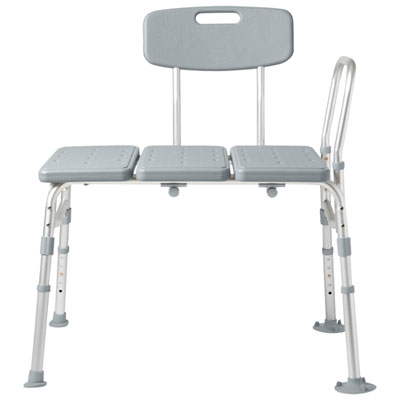
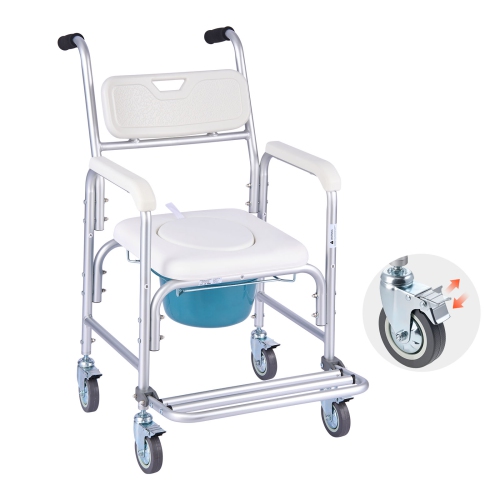
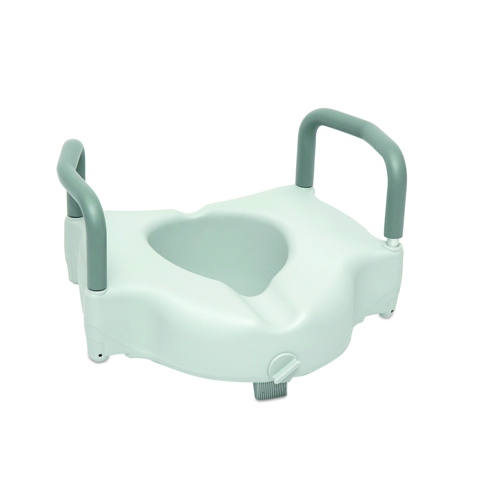
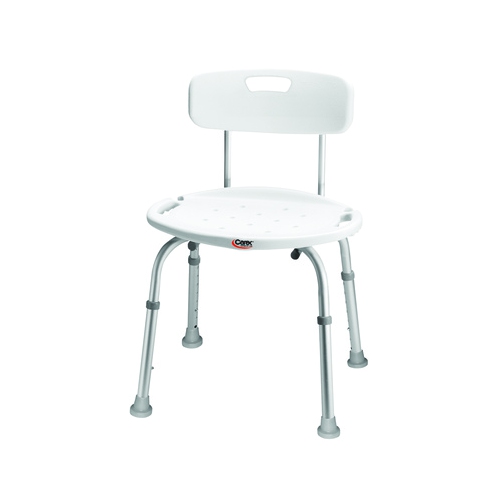
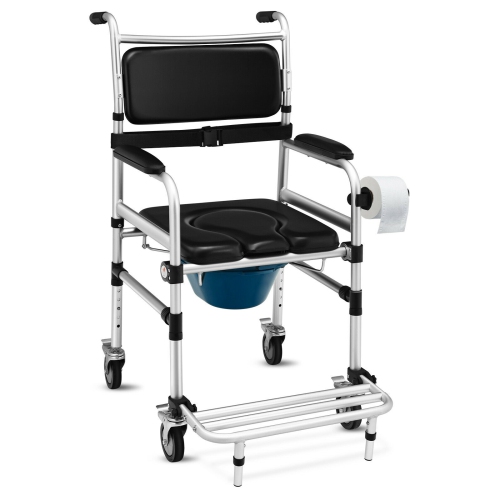
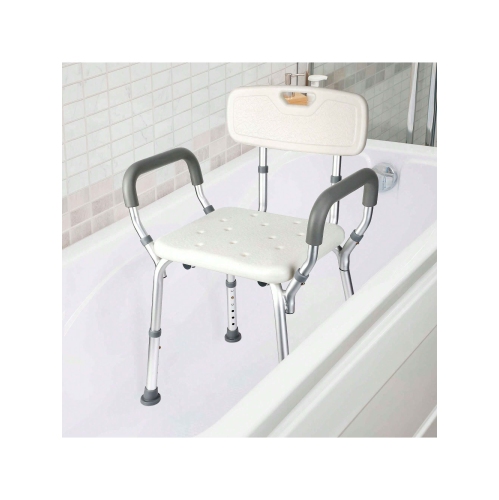
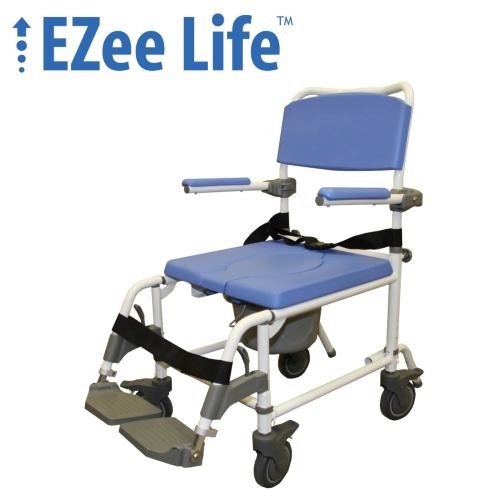
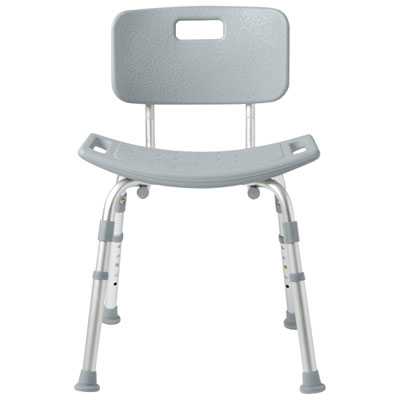
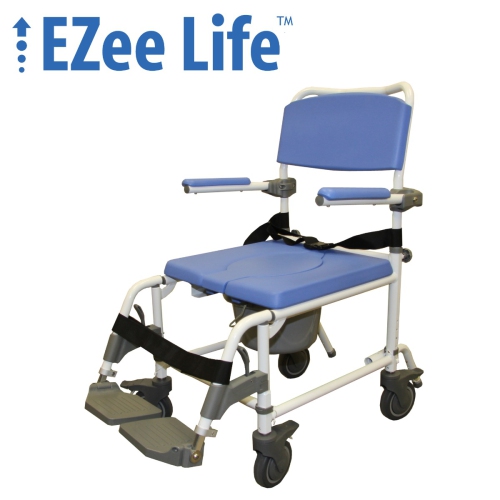
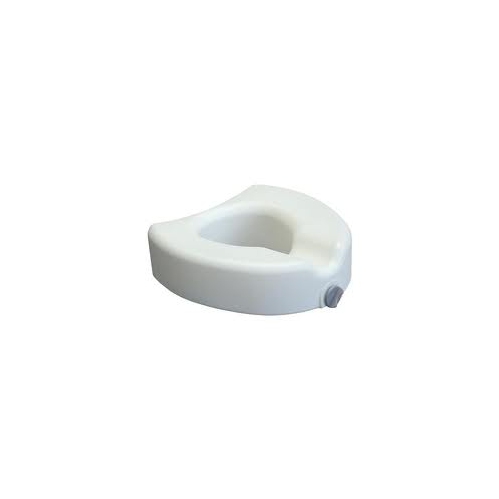
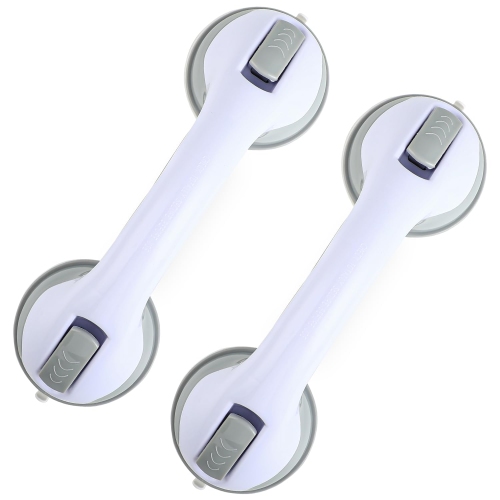
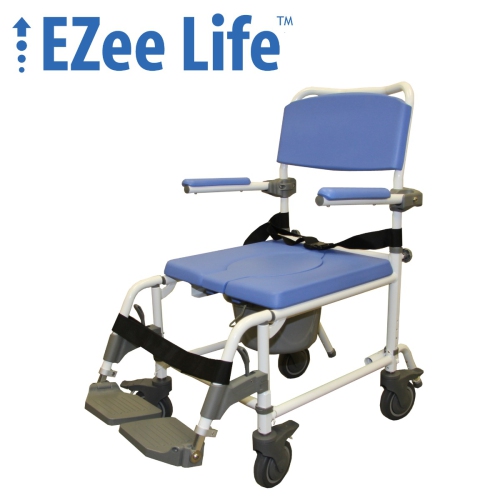
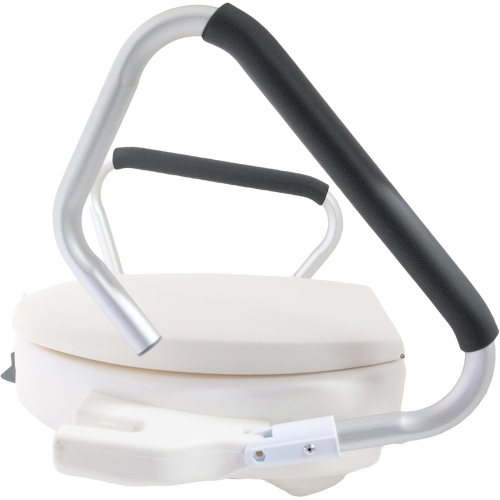
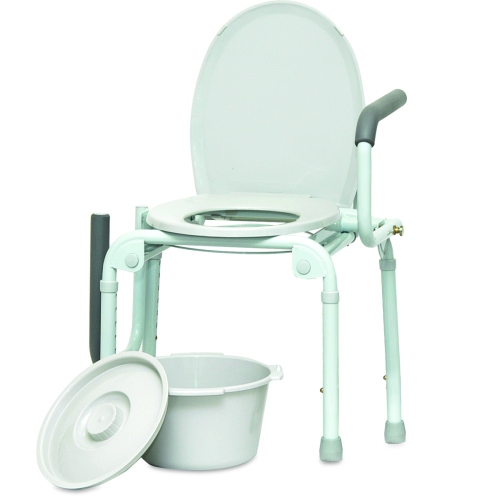
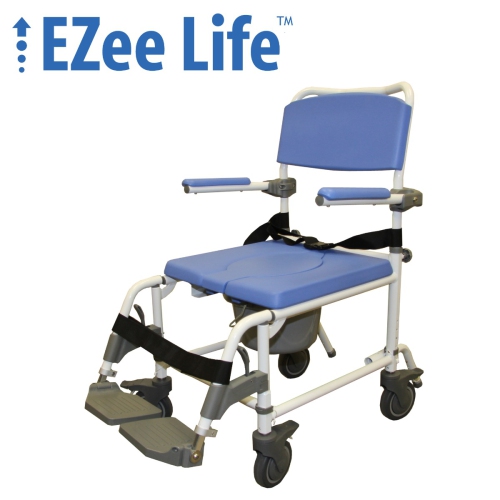
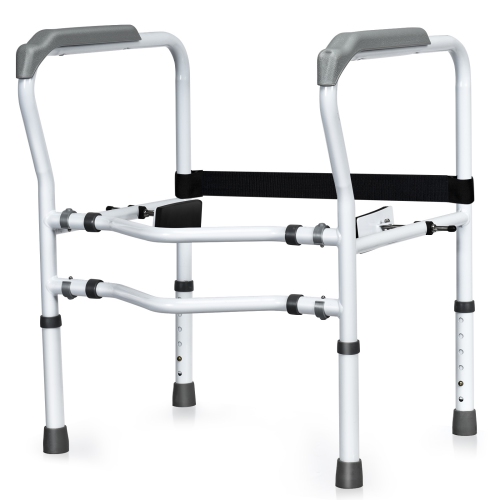
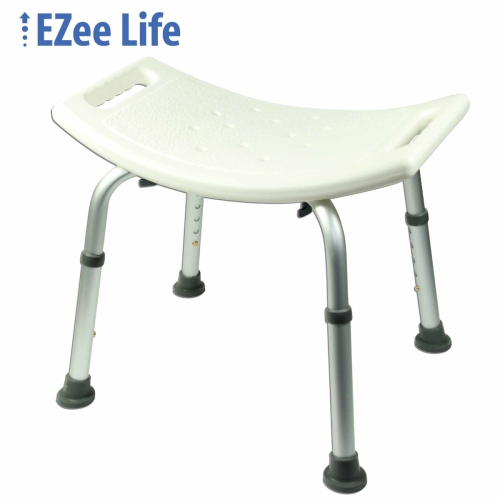
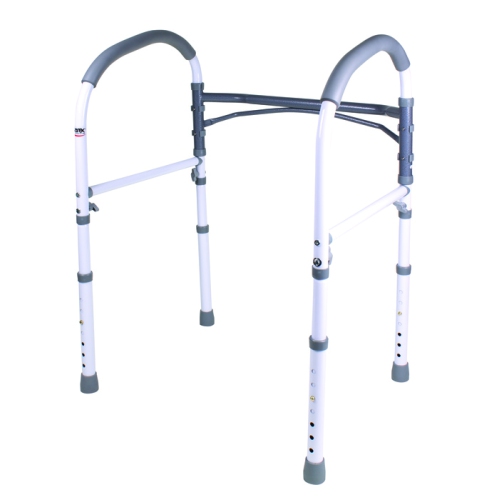
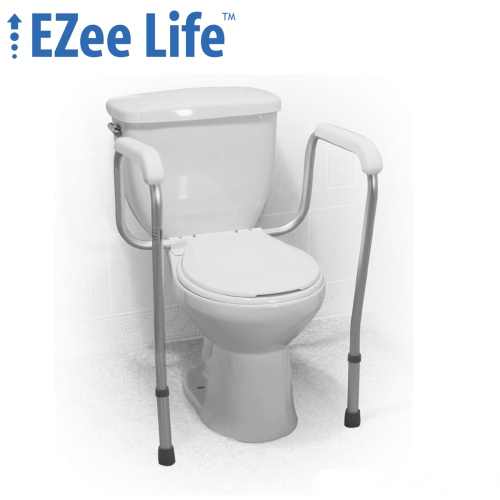
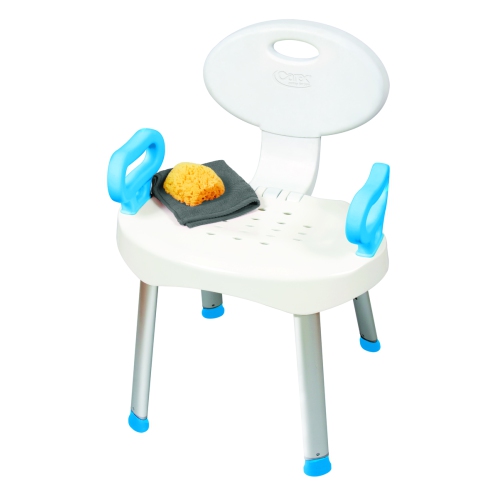
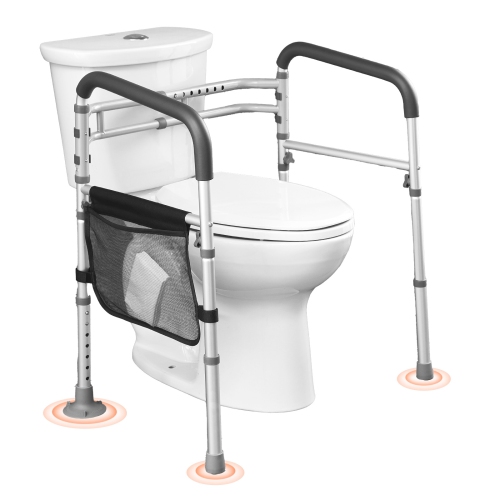
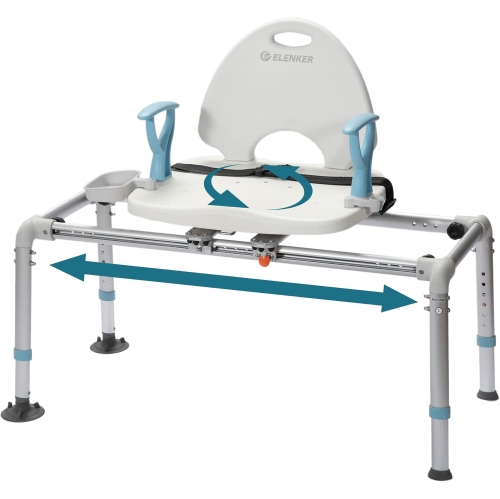
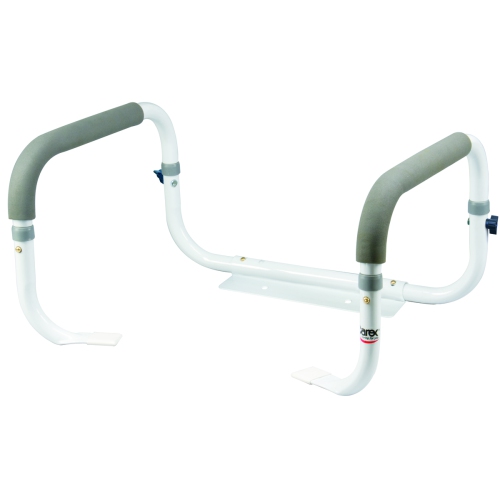
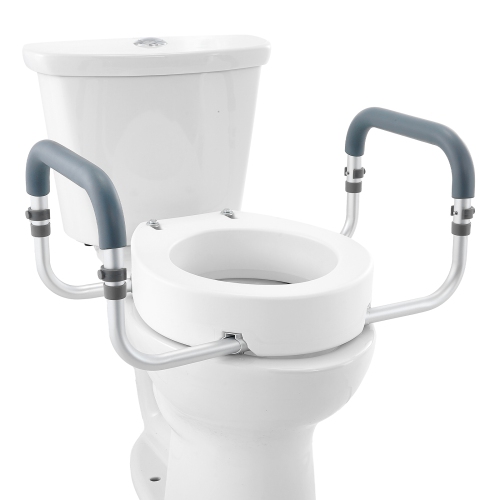
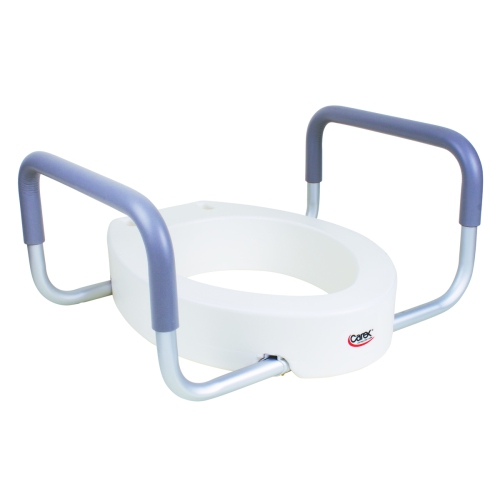
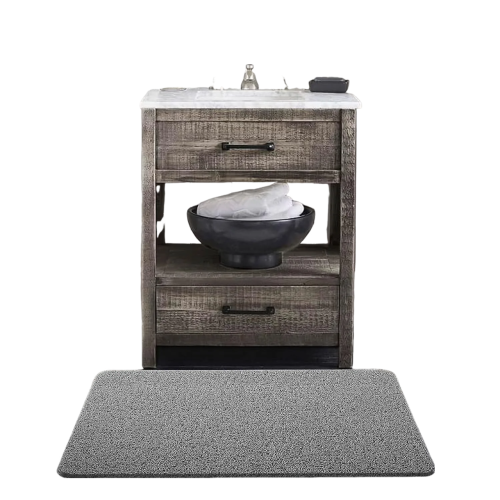
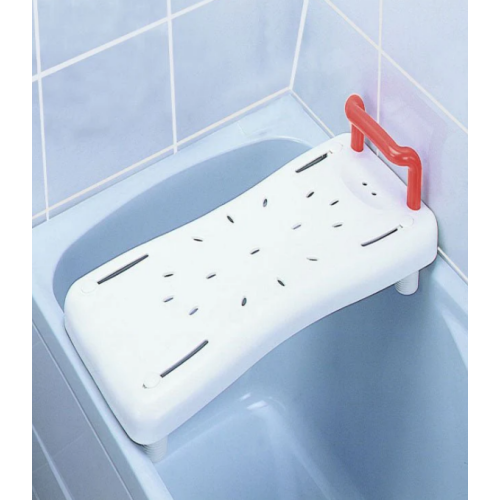
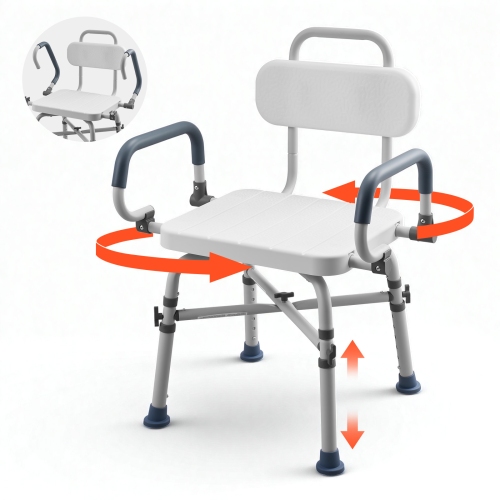
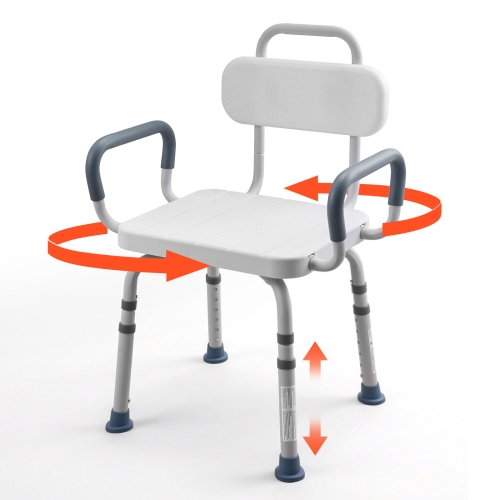
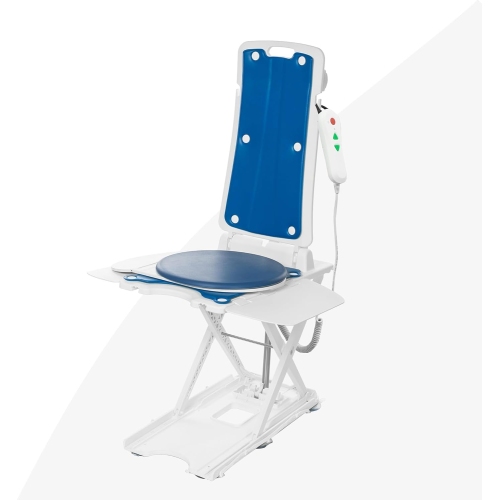
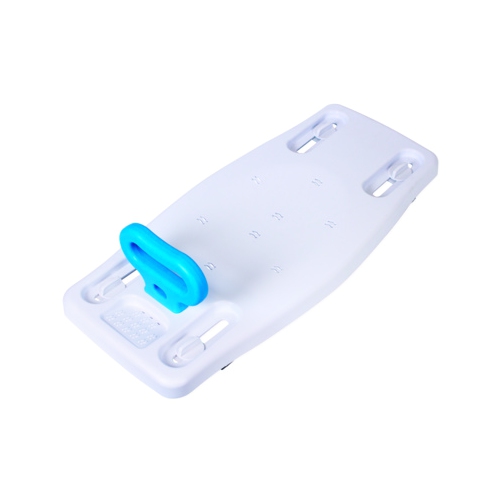
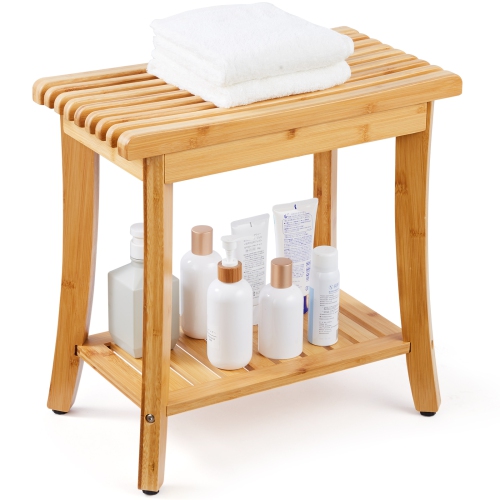
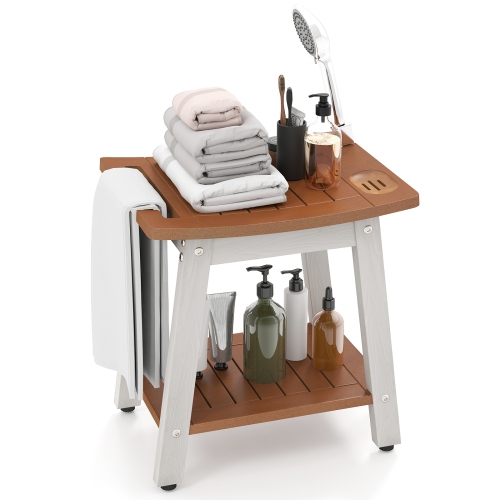
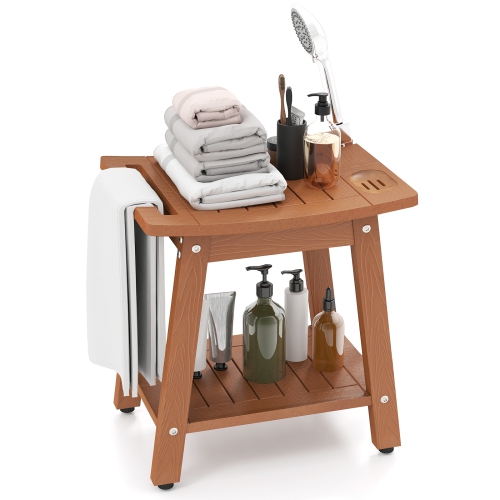
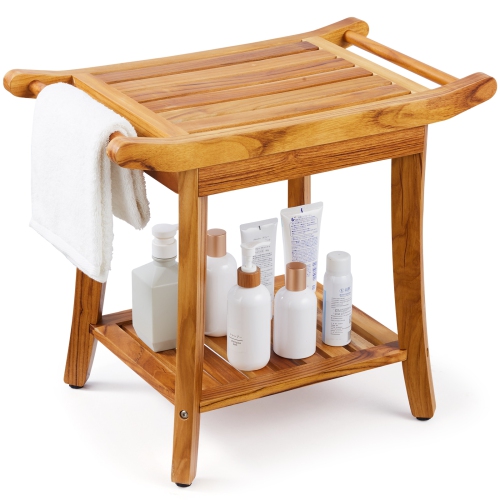
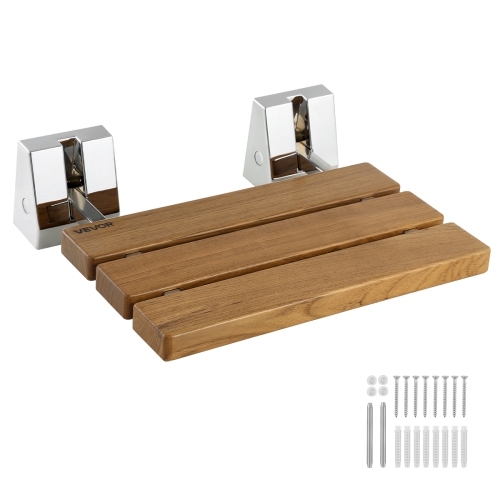
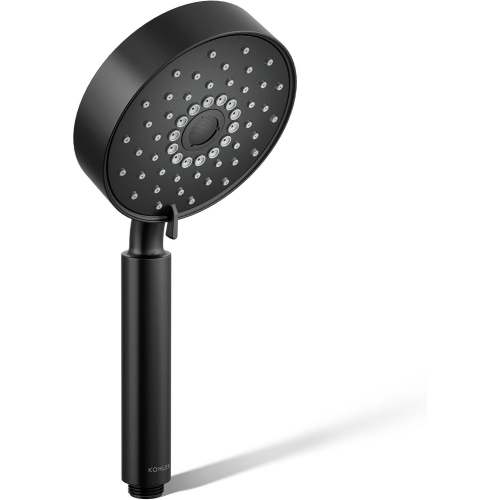
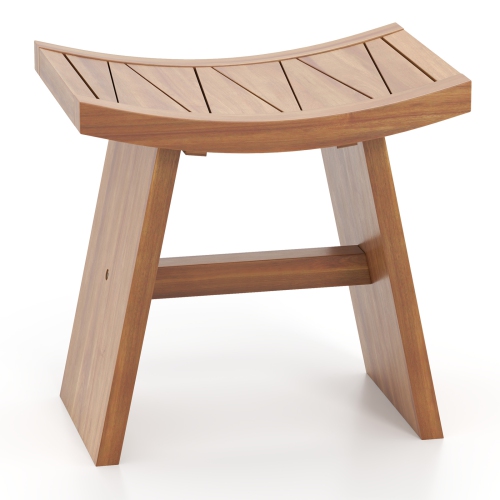
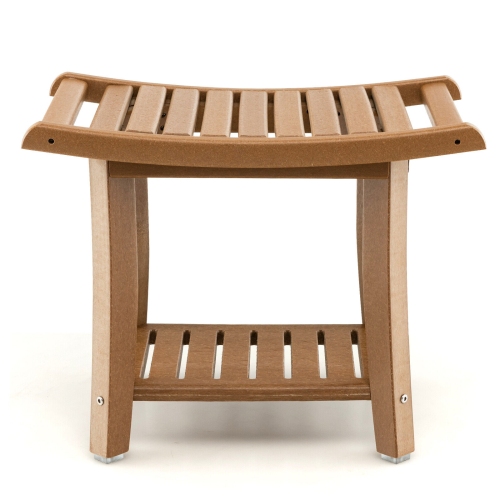
Bathroom aids for elderly adults can make everyday routines feel steadier, more comfortable and more manageable. The right equipment can support safe movement around wet floors, reduce the effort needed to sit or stand, and help a person maintain privacy and independence while bathing or using the toilet. These aids may be useful for seniors living at home, people recovering from surgery or an injury, and anyone with limited balance, strength, flexibility or mobility. They can also be thoughtful gifts for an older parent, grandparent, partner or friend, especially when chosen with the person’s daily routine and bathroom layout in mind. A bathroom that seems simple at first glance can include several challenging movements: stepping over a tub wall, lowering onto a low toilet, turning on a wet floor, or reaching for a towel after a shower. Small changes can make these tasks easier. Grab bars provide a stable handhold near the toilet, inside the shower or beside the tub entrance, while toilet safety rails offer arm support when sitting down or rising. Raised toilet seats add height to a standard toilet, which may reduce the depth of the bend needed at the knees and hips. A shower chair or bath bench lets the user wash while seated, helping conserve energy and reducing the need to stand on a slippery surface. For bathrooms with a bathtub, a tub transfer bench extends over the side so the user can sit first and then move across the tub wall instead of stepping over it. A handheld showerhead can make rinsing more convenient from a seated position, particularly when the controls and holder are within easy reach. Non-slip bath mats can add traction inside the tub or shower and on the floor outside, although they should lie flat, fit the area properly and be kept clean and dry between uses. For overnight needs or significant mobility limitations, a bedside commode can provide a nearby toileting option and reduce the need to walk to the bathroom in low light. A tension-mounted transfer pole may offer additional support in a suitable location without requiring a permanent grab bar, but it must be installed according to the manufacturer’s instructions and checked regularly for stability.
Choosing bathroom aids for seniors starts with observing the movements that feel difficult or uncertain. If standing from the toilet is tiring, consider the toilet height, available arm support and the amount of clearance around the fixture. If entering the shower is the main concern, compare the bathroom’s available space, the threshold height and whether a seated bathing aid can fit without blocking the door or controls. A tub transfer bench needs enough room to remain stable and should match the tub’s shape and height. Shower chairs and benches should have a suitable weight capacity, a stable base and a seat height that allows the user’s feet to rest securely on the floor or designated supports. Look for textured seating surfaces, drainage openings and adjustable legs where appropriate, and make sure rubber feet remain firmly in contact with the floor. Grab bars should be positioned where they can be reached naturally rather than simply placed where a wall is available. Because a grab bar must support a person’s body weight, wall-mounted options require secure attachment to suitable structural support; professional installation may be advisable, particularly when the wall construction or mounting location is uncertain. Keep frequently used toiletries, towels and controls within comfortable reach, improve lighting around the toilet and bathing area, and remove loose rugs or clutter that could catch a foot. A night light can help illuminate the path without creating glare, while a contrasting colour between key fixtures and the surrounding wall may make them easier to see. Bathroom aids are not one-size-fits-all, and equipment should be selected for the user’s height, weight, strength, balance and level of assistance. An occupational therapist, physiotherapist or other qualified health professional can help assess the room and recommend suitable supports, especially after a fall, hospital stay or change in mobility. Caregivers should also confirm that the user understands how each aid works and feels comfortable using it; a device that remains in the packaging or is placed too far away cannot provide meaningful support. For additional options that may help around the home and during daily activities, explore Mobility Aids for Seniors. With thoughtful placement and regular checks for loose parts, worn feet, cracks or moisture buildup, bathroom safety equipment can help create a calmer routine during the warmer season and the cooler months alike, giving seniors and caregivers greater confidence in one of the most frequently used rooms in the home.
Choosing bathroom aids for seniors starts with observing the movements that feel difficult or uncertain. If standing from the toilet is tiring, consider the toilet height, available arm support and the amount of clearance around the fixture. If entering the shower is the main concern, compare the bathroom’s available space, the threshold height and whether a seated bathing aid can fit without blocking the door or controls. A tub transfer bench needs enough room to remain stable and should match the tub’s shape and height. Shower chairs and benches should have a suitable weight capacity, a stable base and a seat height that allows the user’s feet to rest securely on the floor or designated supports. Look for textured seating surfaces, drainage openings and adjustable legs where appropriate, and make sure rubber feet remain firmly in contact with the floor. Grab bars should be positioned where they can be reached naturally rather than simply placed where a wall is available. Because a grab bar must support a person’s body weight, wall-mounted options require secure attachment to suitable structural support; professional installation may be advisable, particularly when the wall construction or mounting location is uncertain. Keep frequently used toiletries, towels and controls within comfortable reach, improve lighting around the toilet and bathing area, and remove loose rugs or clutter that could catch a foot. A night light can help illuminate the path without creating glare, while a contrasting colour between key fixtures and the surrounding wall may make them easier to see. Bathroom aids are not one-size-fits-all, and equipment should be selected for the user’s height, weight, strength, balance and level of assistance. An occupational therapist, physiotherapist or other qualified health professional can help assess the room and recommend suitable supports, especially after a fall, hospital stay or change in mobility. Caregivers should also confirm that the user understands how each aid works and feels comfortable using it; a device that remains in the packaging or is placed too far away cannot provide meaningful support. For additional options that may help around the home and during daily activities, explore Mobility Aids for Seniors. With thoughtful placement and regular checks for loose parts, worn feet, cracks or moisture buildup, bathroom safety equipment can help create a calmer routine during the warmer season and the cooler months alike, giving seniors and caregivers greater confidence in one of the most frequently used rooms in the home.
Top selling and popular products
-
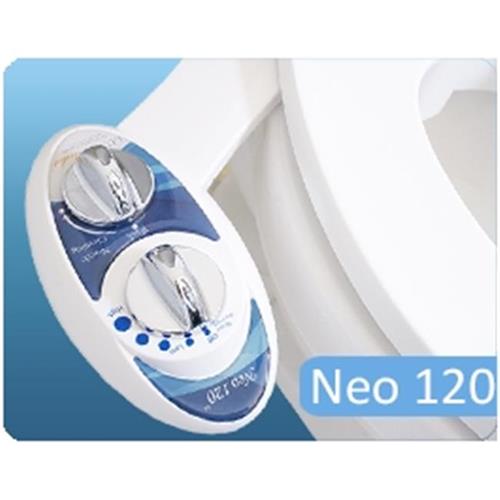 Your price for this item is $109.31
 -
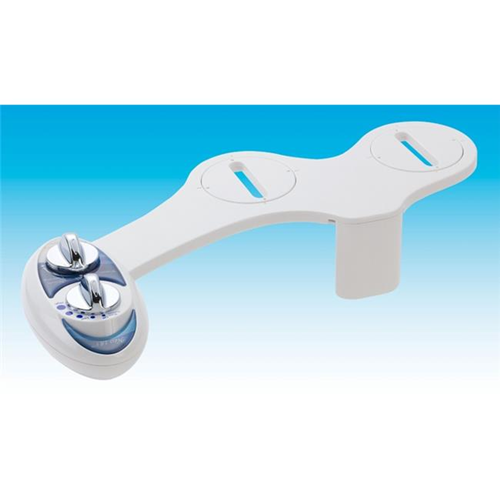 Your price for this item is $200.83
 -
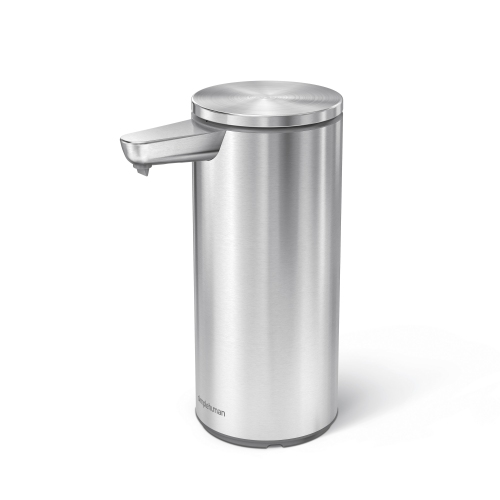 Your price for this item is $90
 -
 Your price for this item is $100
 -
 Your price for this item is $100
 -
 Your price for this item is $426.55
 -
 Your price for this item is $300
 -
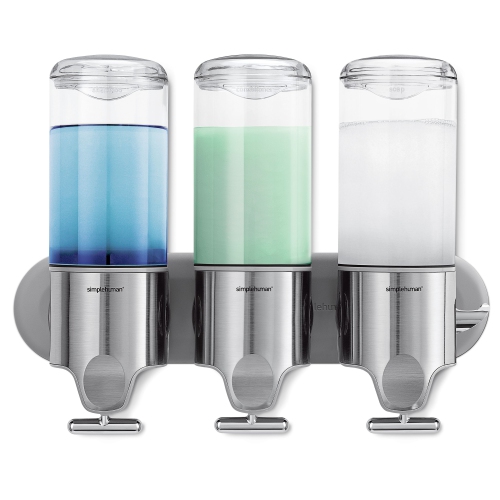 Your price for this item is $120
Discover more categories related to Bathroom Aids for Elderly
Top Collections:
Pokemon Centers, Best Cameras for Sports Photography, Kindle Devices, Samsung Galaxy Phones, Canon G7X Cameras, Pokémon 30th Celebration Cards, Refurbished Apple Laptops, iPhone 15 Apple, Laptops for Students, Budget Smartphones
Some products may be subject to Environmental Handling Fees
(EHF) depending on your province.
Learn more about EHFs.