Assistance Devices for Elderly
As we navigate through life, it's important to ensure that our loved ones receive the support and assistance they need, especially as they age. That's why we've curated a collection of innovative and reliable assistance devices designed specifically for the elderly. Shop from a range of solutions that empower our beloved elders to live life to the fullest, right here at Best Buy.
Sort
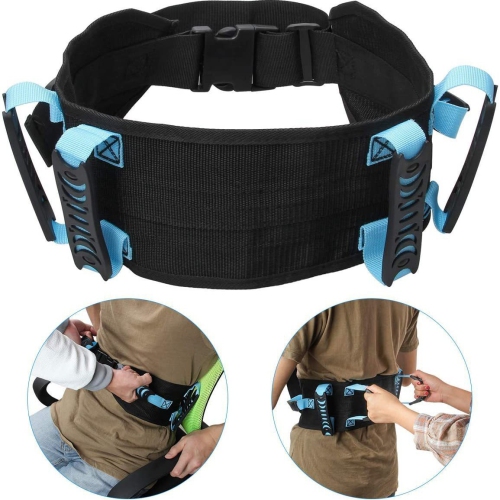
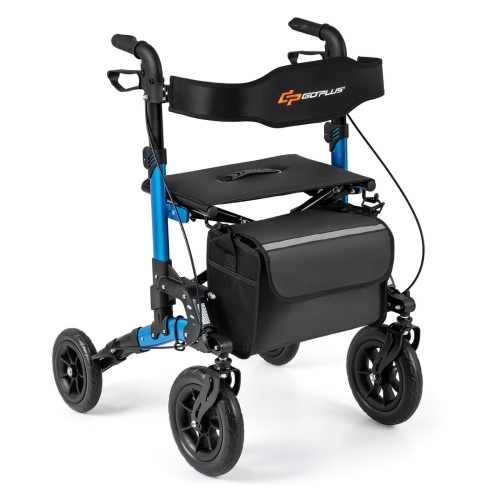
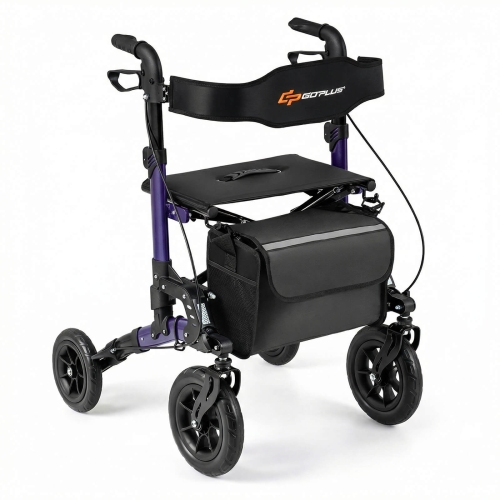

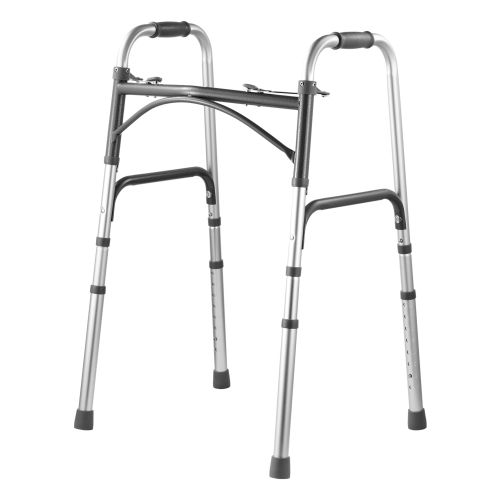
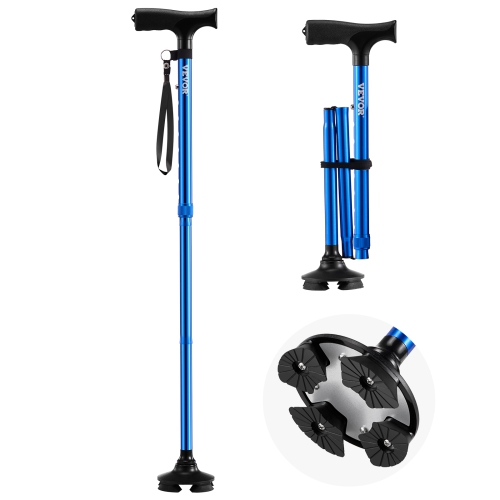
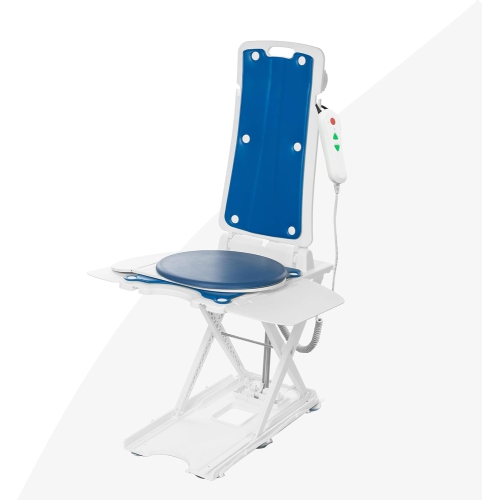
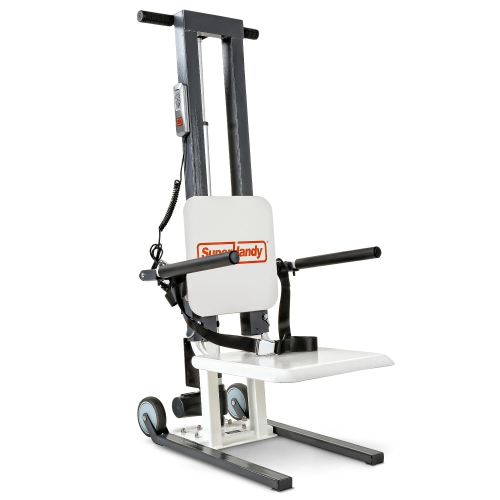

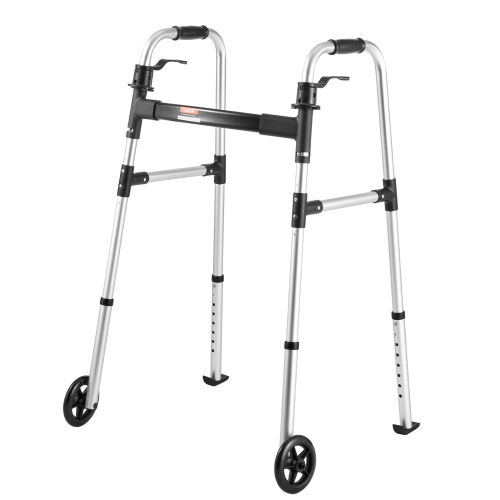



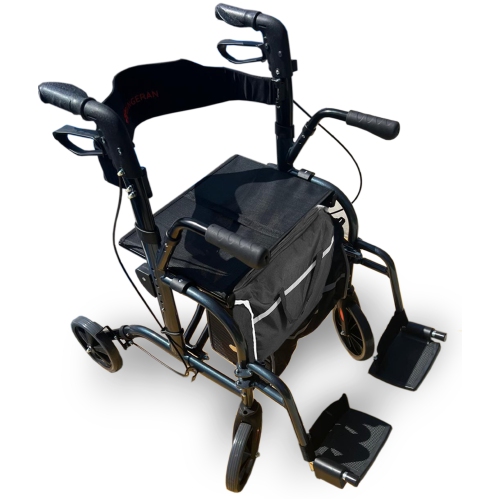
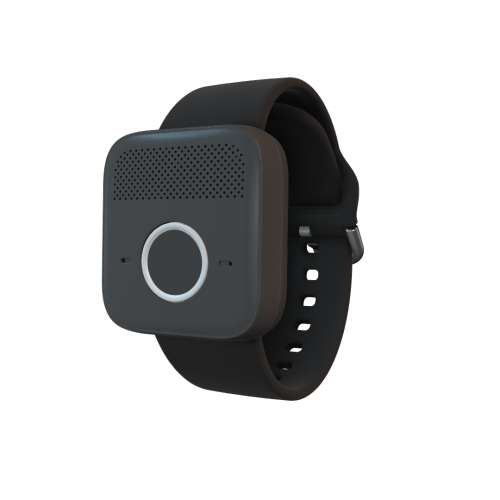
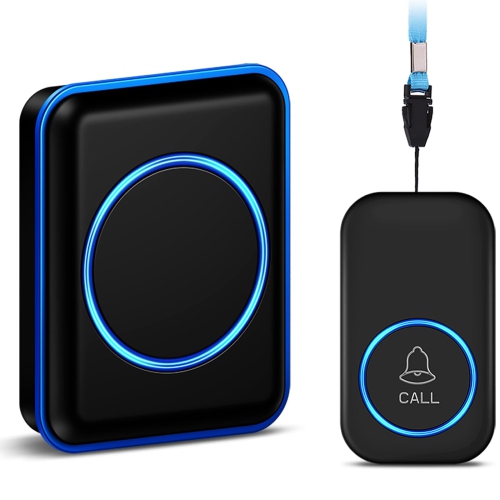
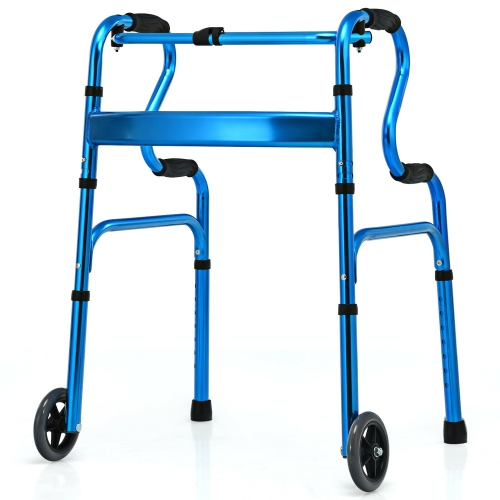

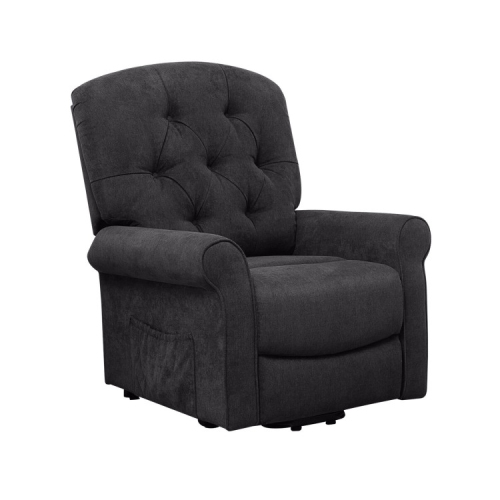
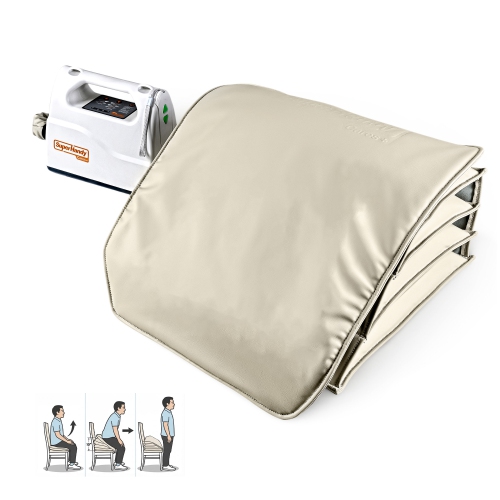
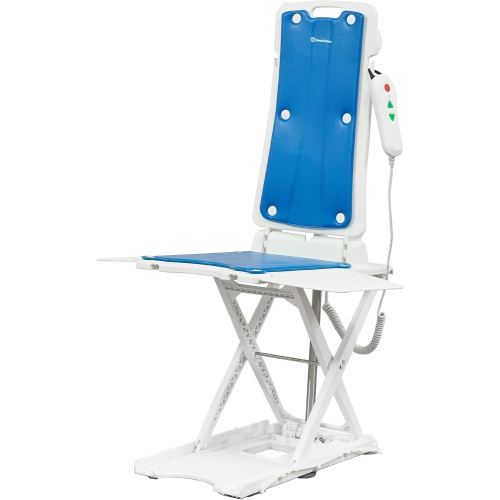
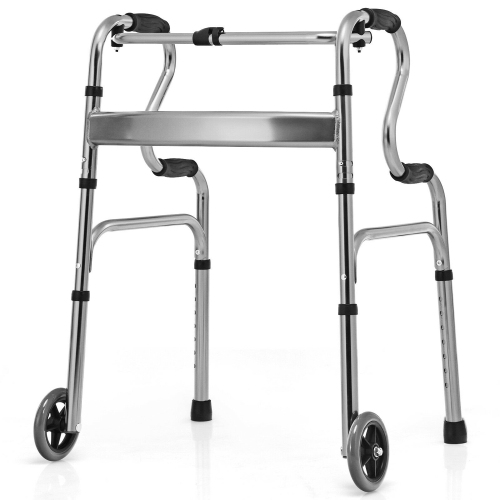



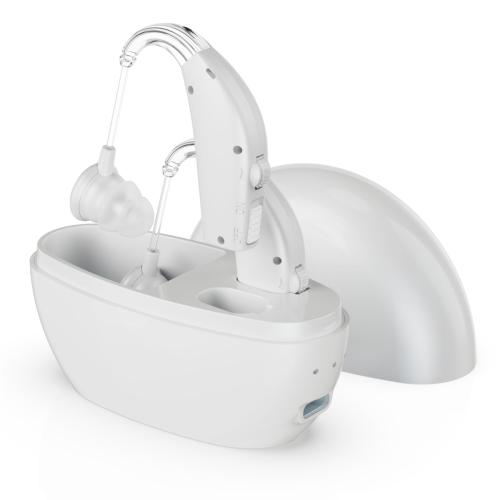

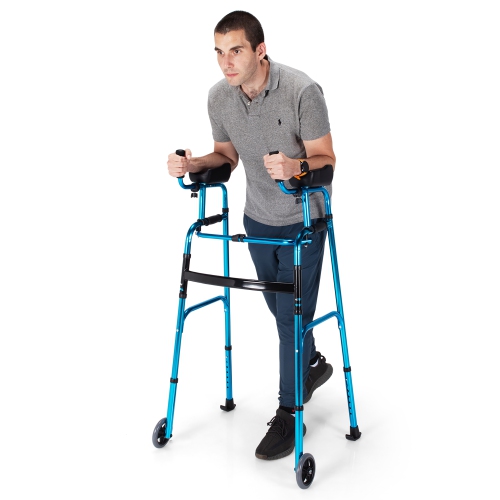
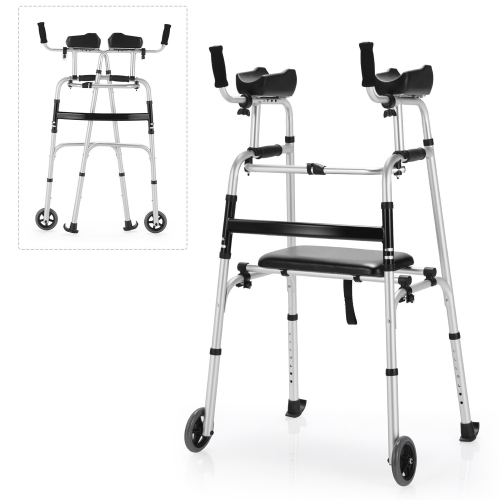
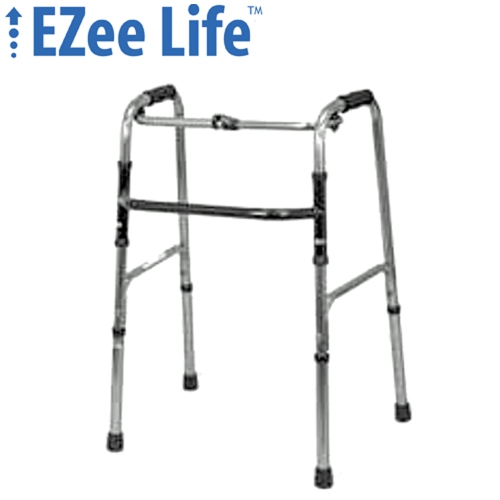





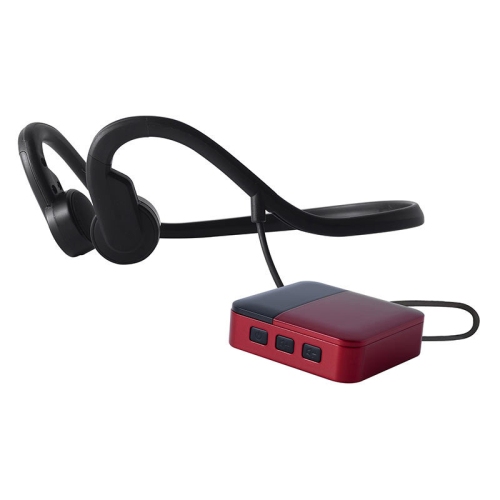
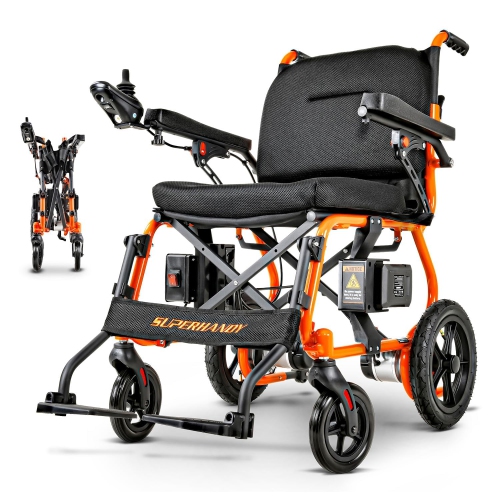
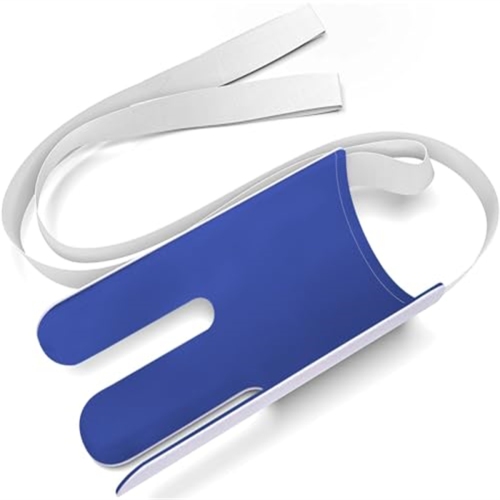
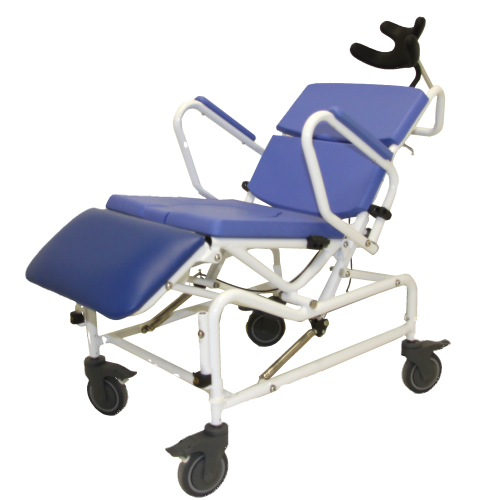
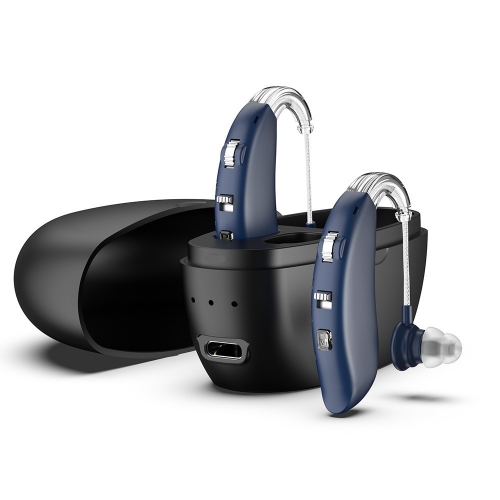
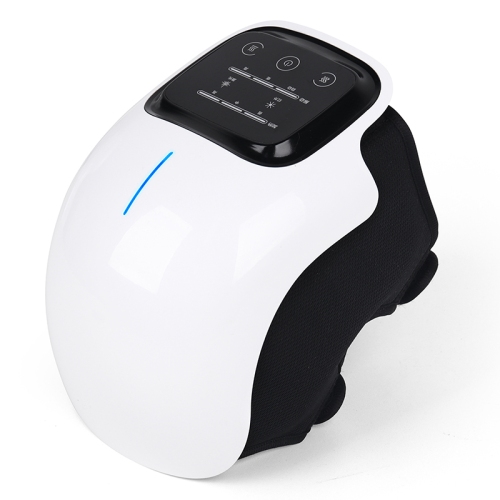
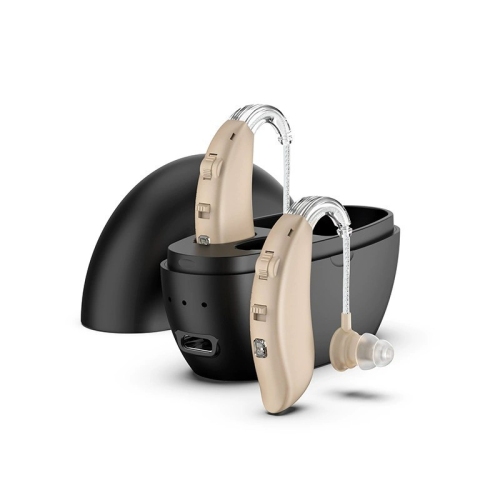
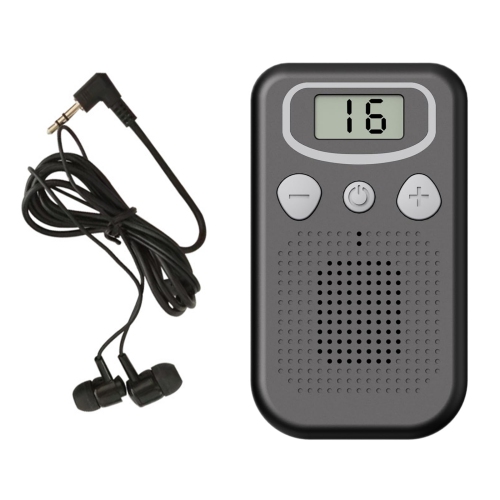
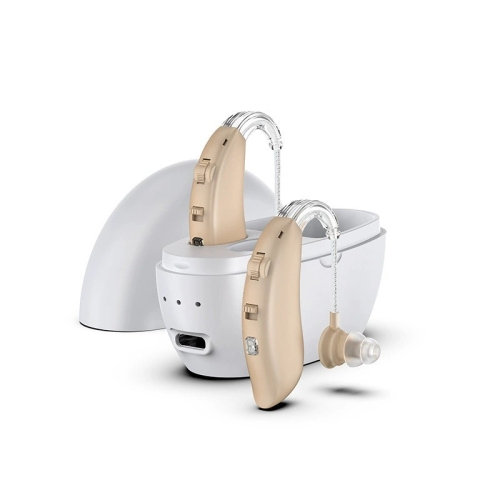
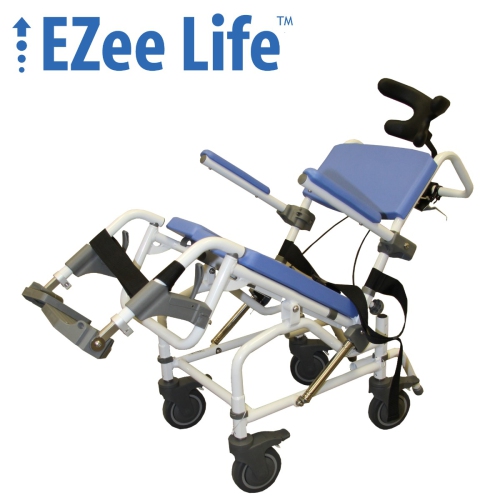
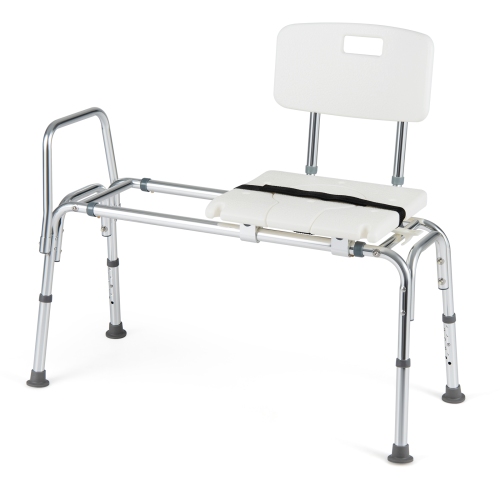
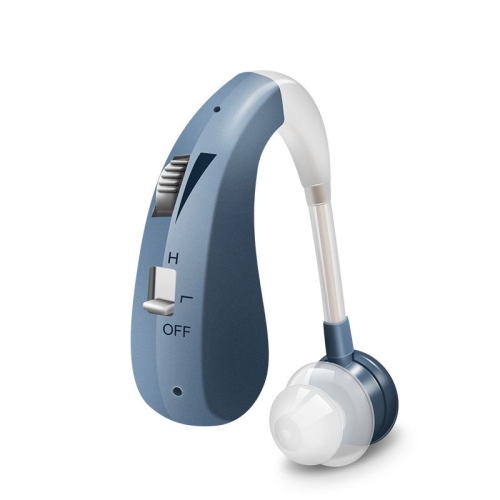




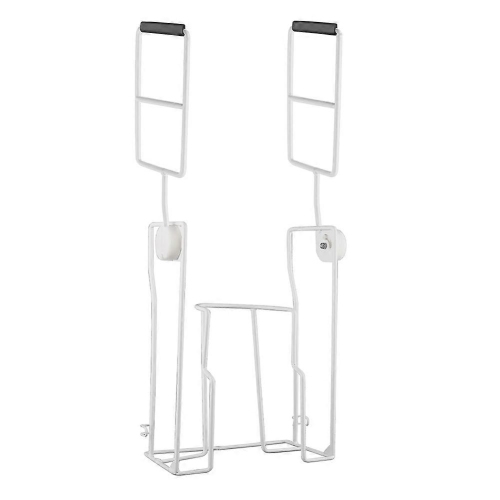
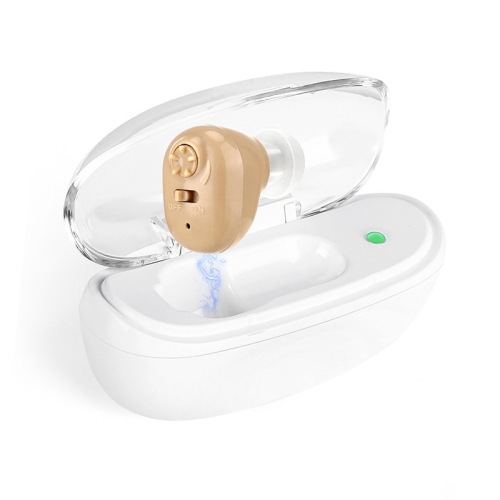
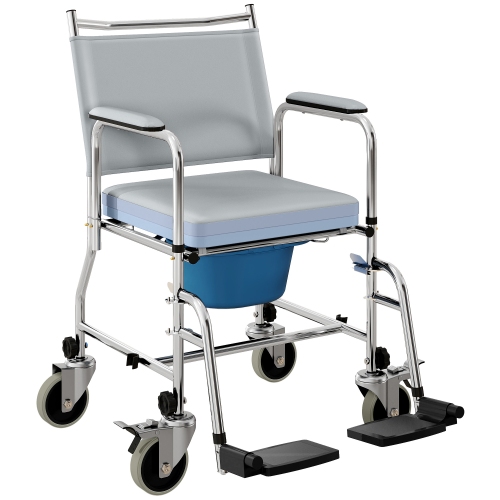
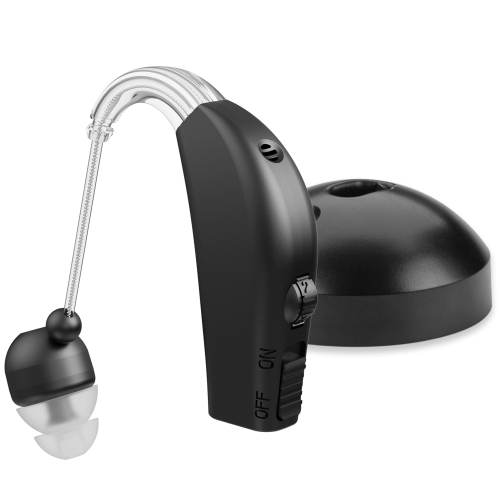
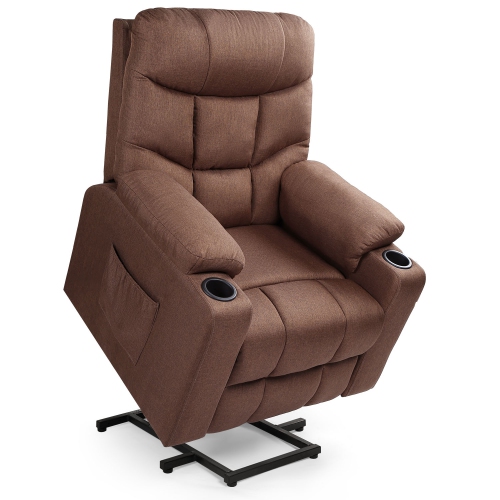
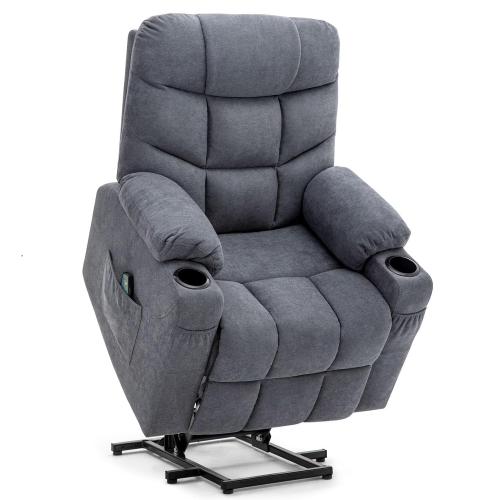

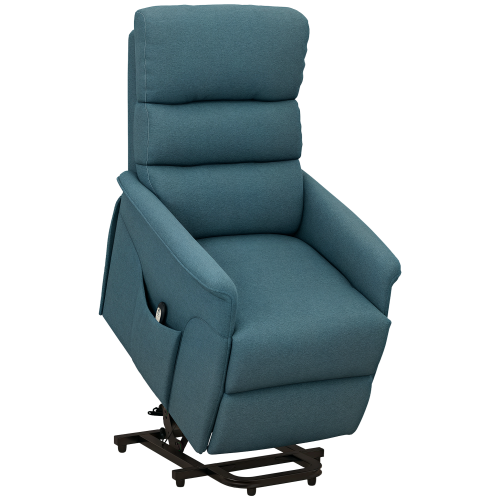
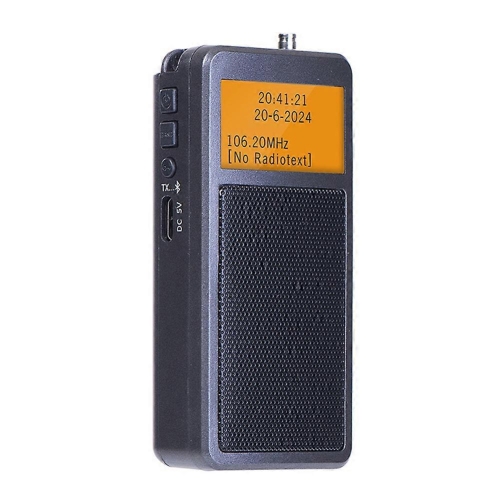
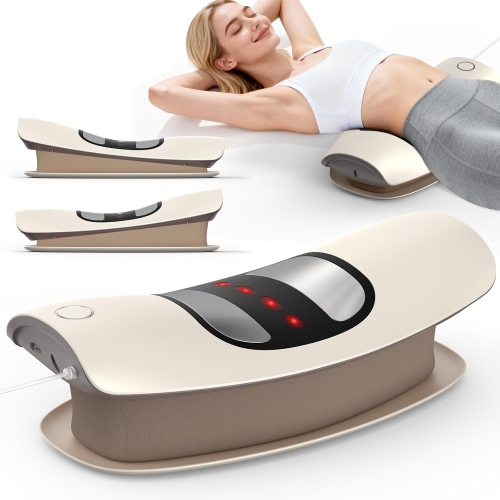
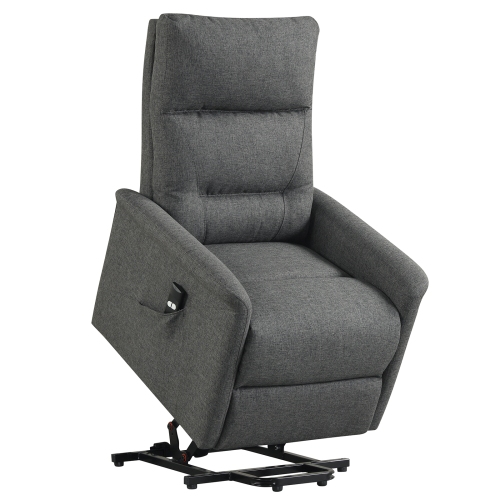
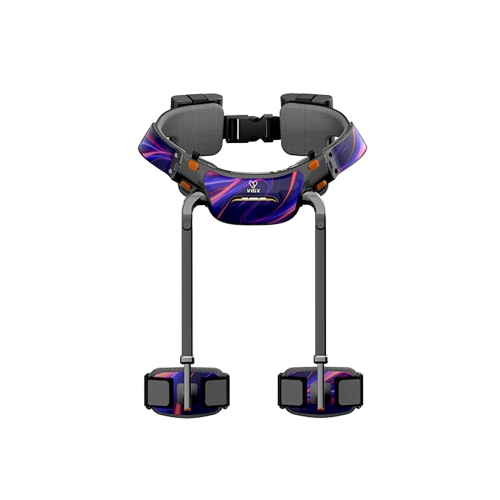
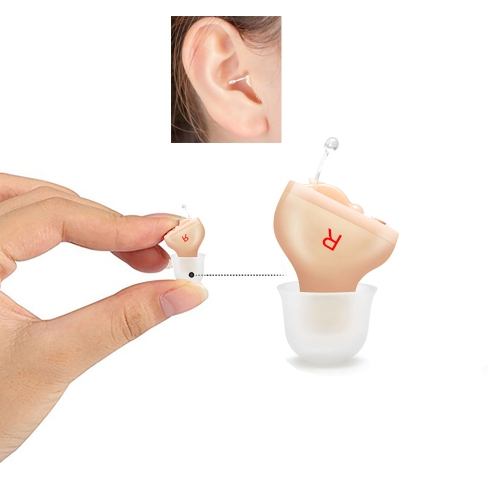
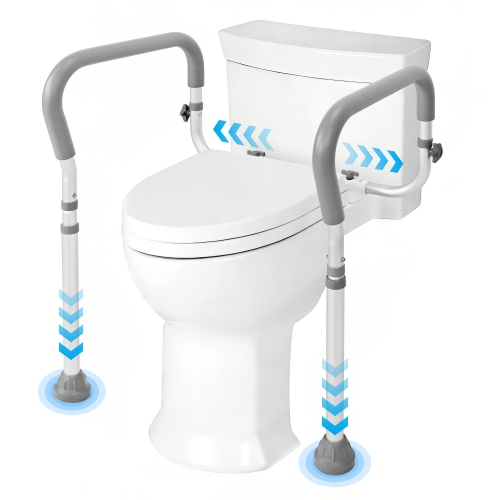








Practical support for movement, daily tasks and emergencies
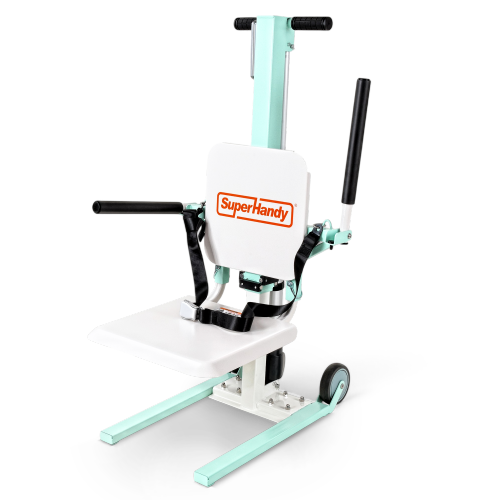
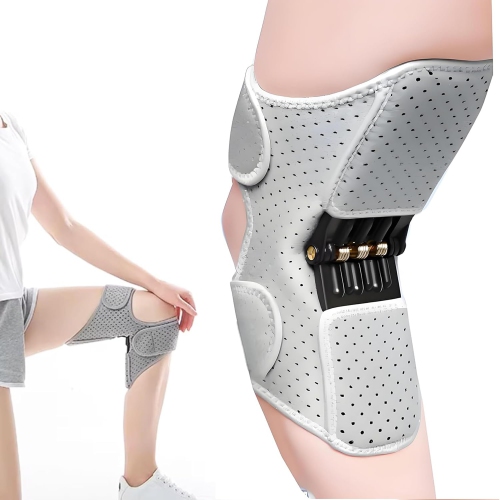
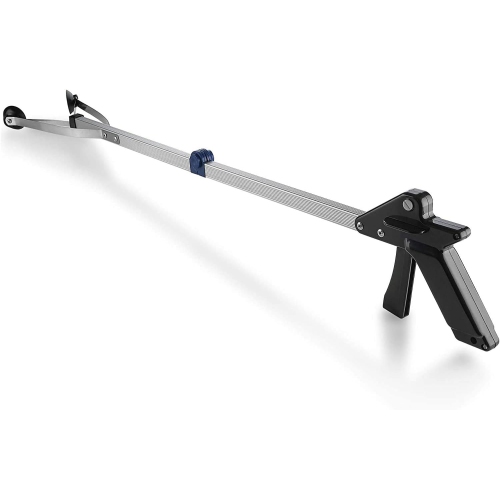
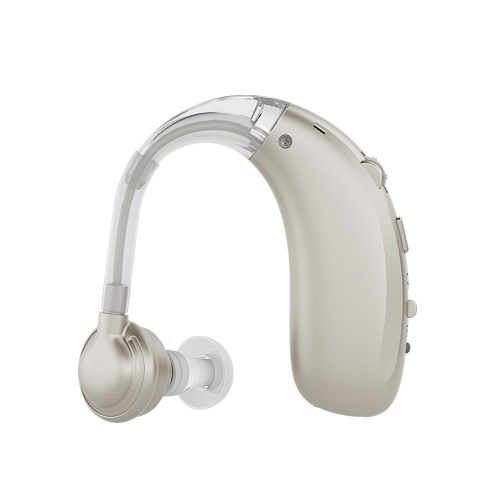
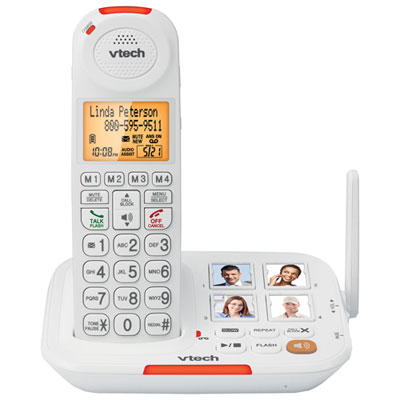
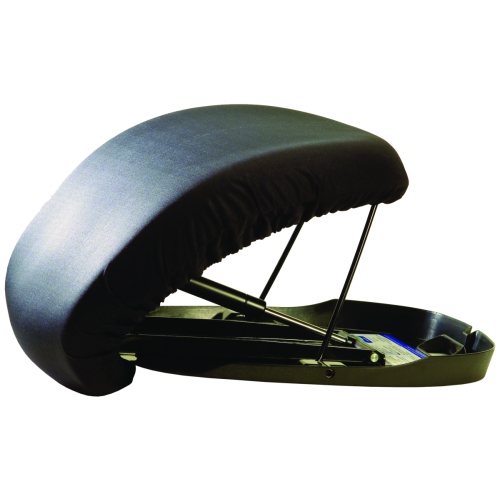
Assistance devices for elderly adults can make everyday routines feel steadier, more comfortable and more manageable, whether they are used at home, outdoors or while travelling. These products are designed to support independence with practical help for walking, standing, reaching, dressing, bathing and responding during an emergency. A person recovering from an injury may need temporary support, while someone living with reduced balance, joint stiffness, limited strength or a vision concern may benefit from assistance devices as part of a longer-term routine. Family members and caregivers may also choose these items as thoughtful gifts for a parent, grandparent or loved one who wants to remain active and confident at home. Start by considering the activity that feels most difficult. A walking aid can provide stability between rooms, a reacher can retrieve an item from a low shelf without repeated bending, and a stand-assist support can offer extra leverage when rising from a chair. For a broader selection of walking support and everyday mobility products, explore Mobility Aids for Seniors. The right choice should fit the person, the space and the way the device will be used rather than simply offering the most features.
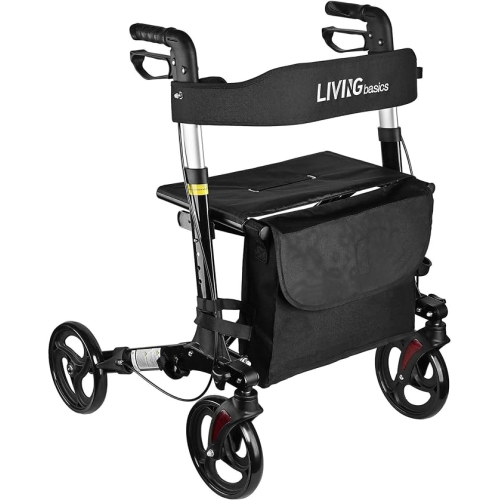
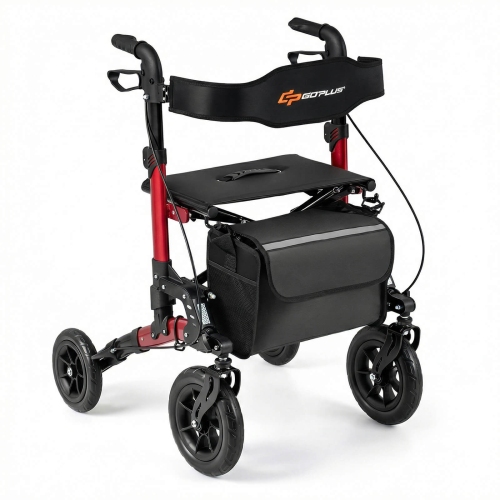
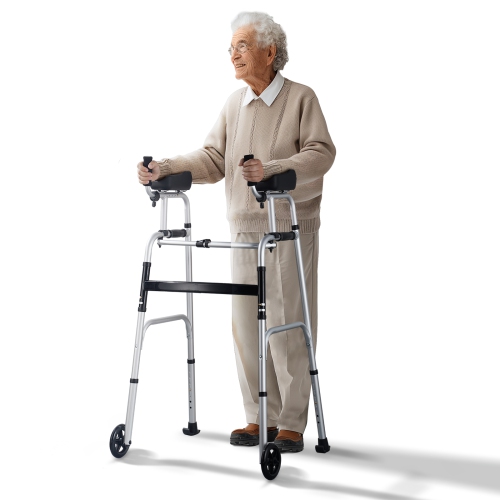
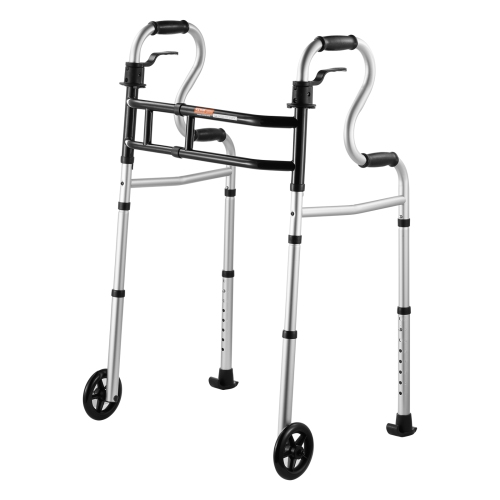
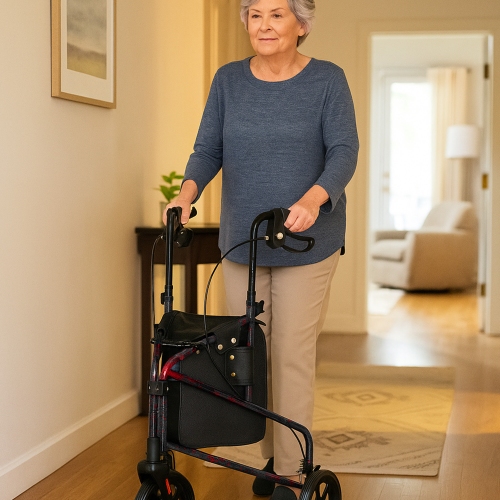
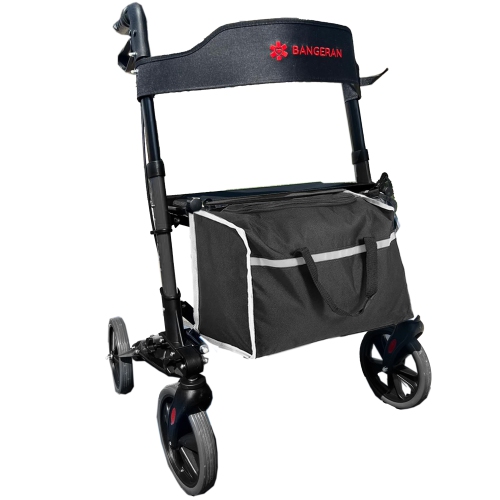
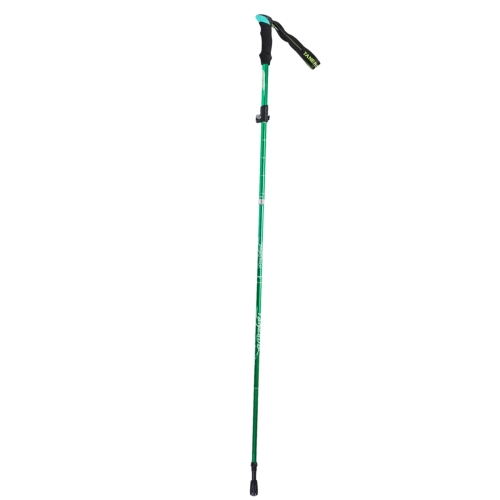
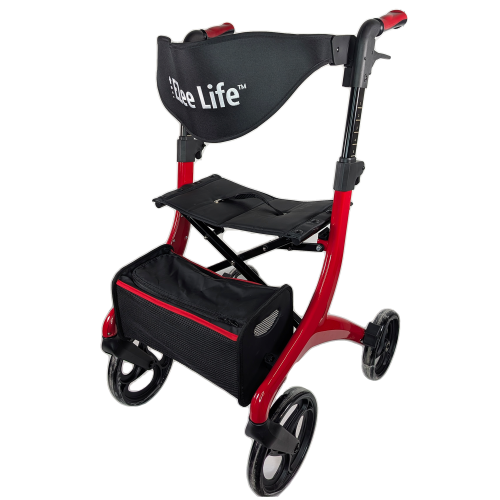
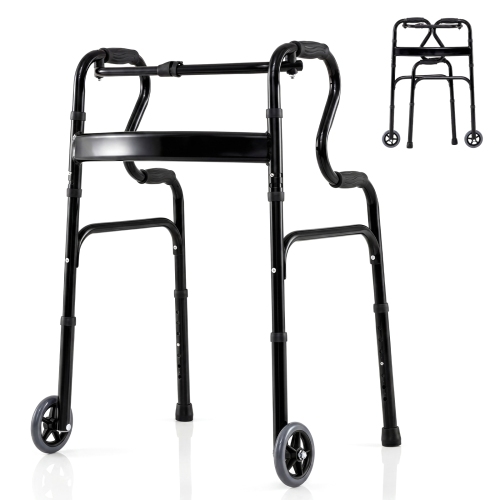
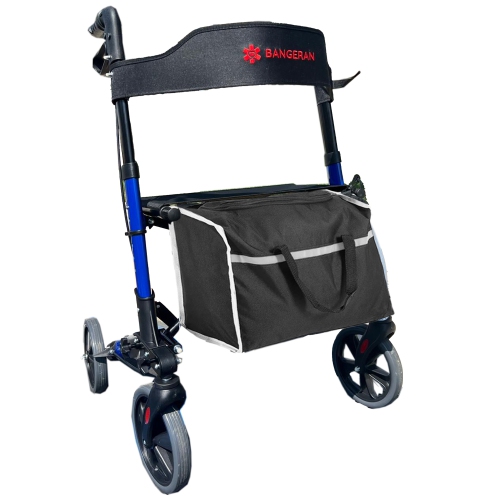
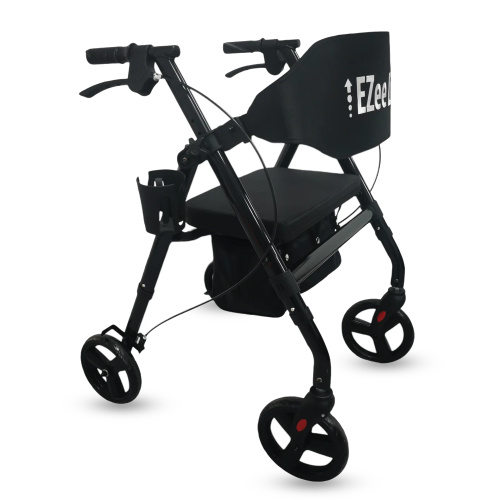
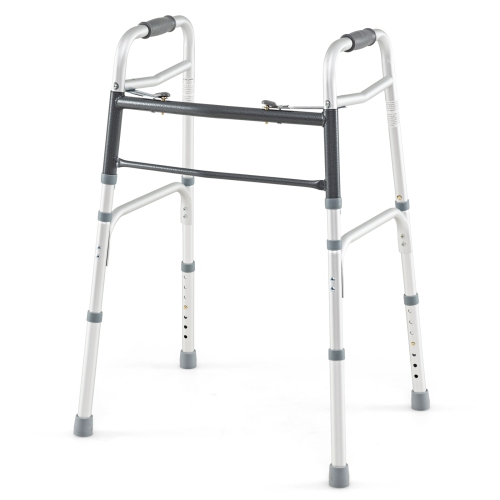
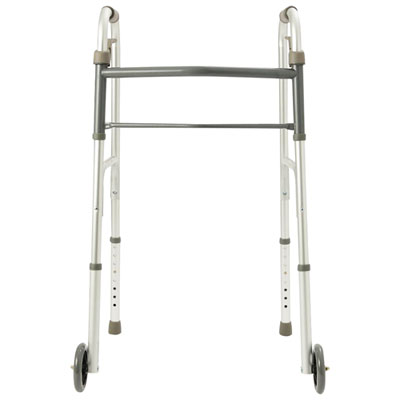
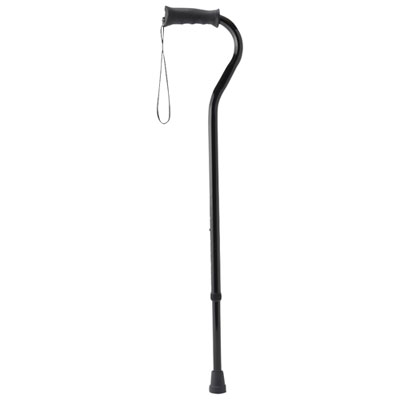
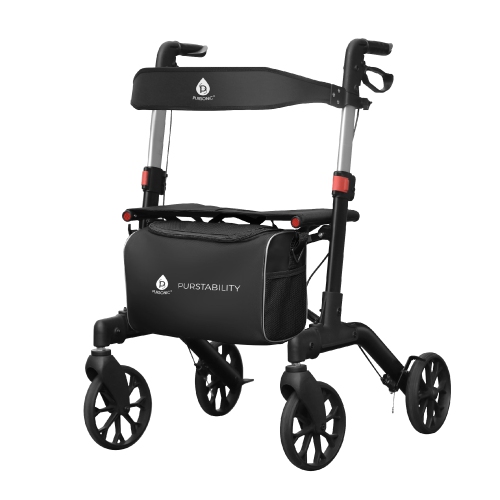
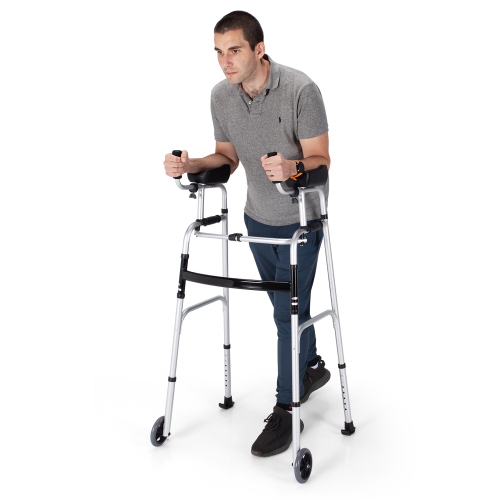
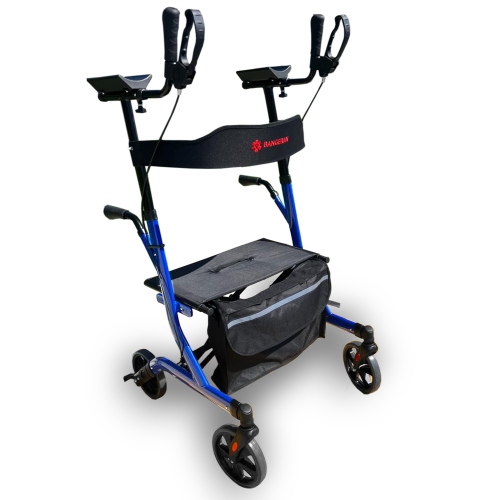
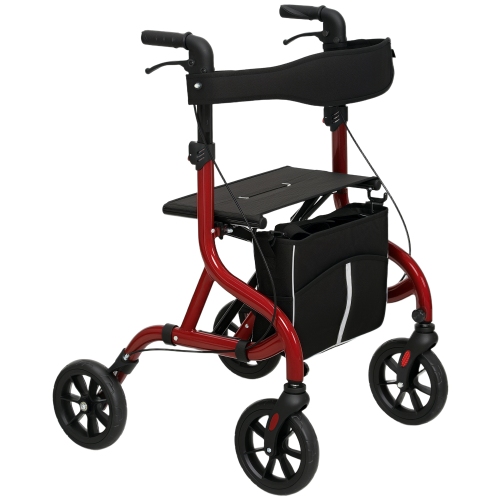
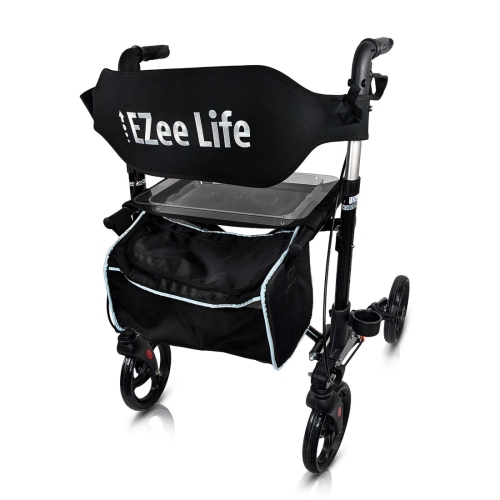
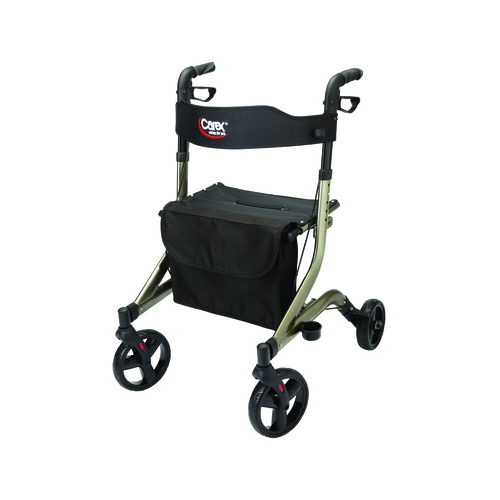
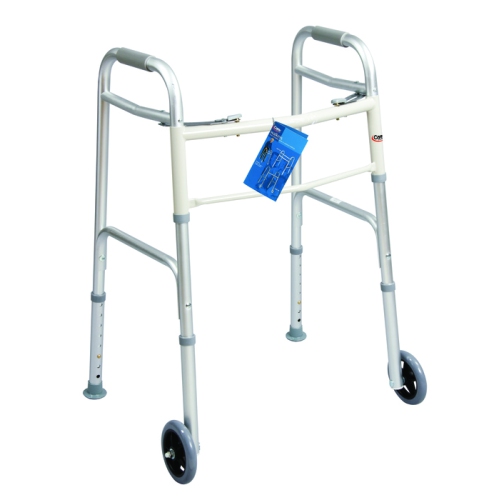
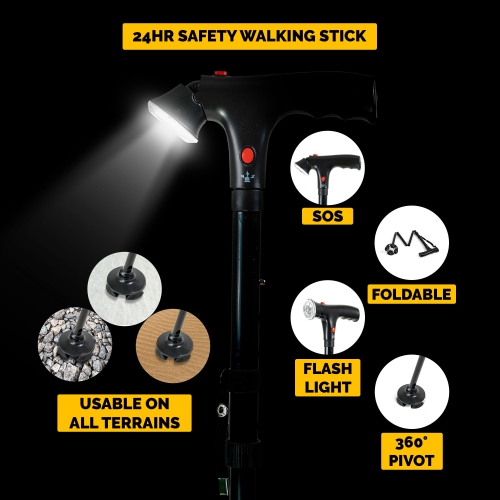
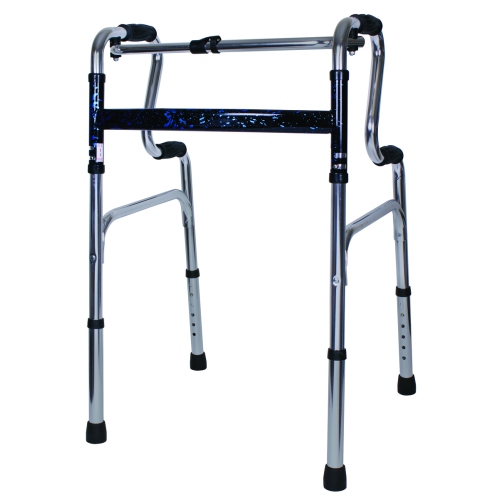
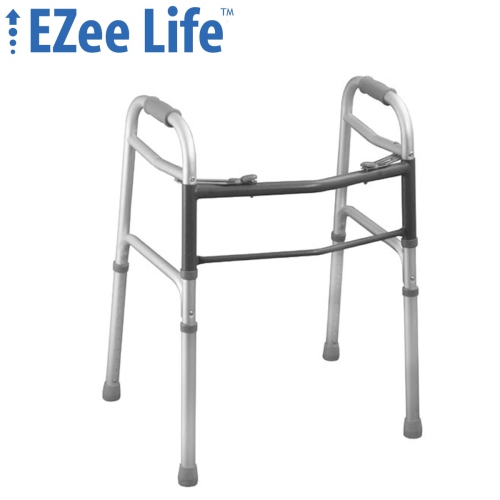
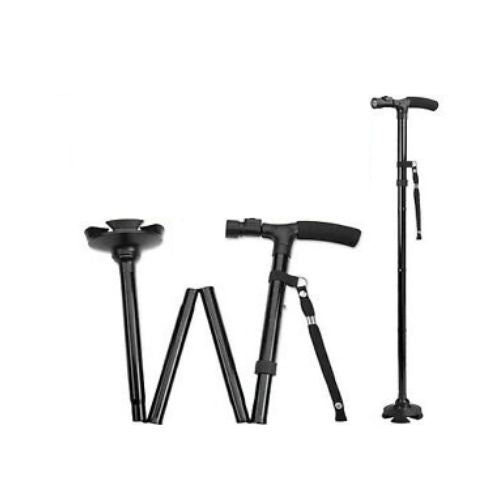
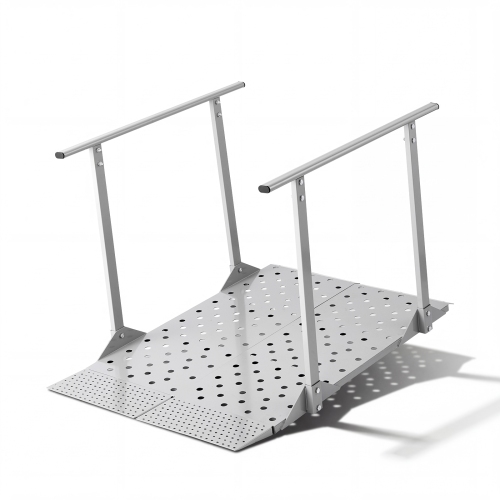
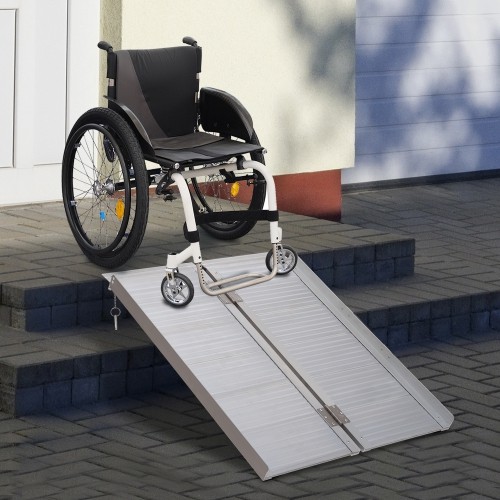
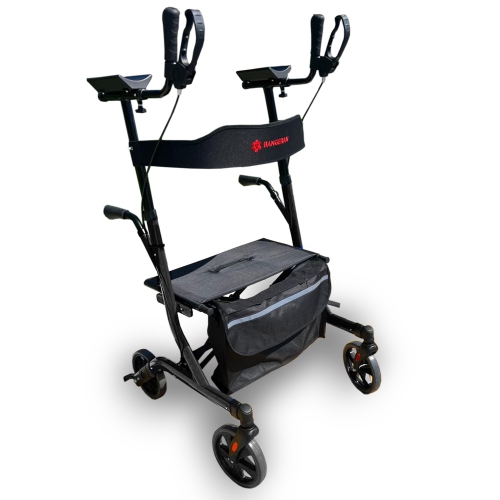
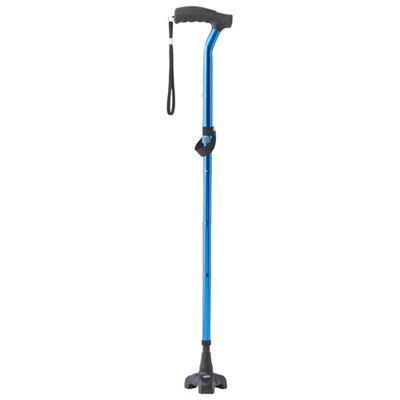
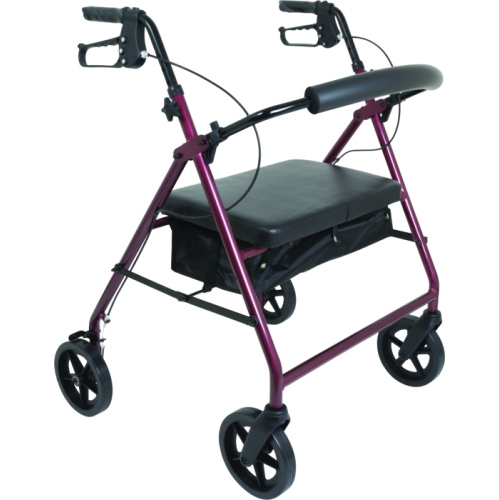
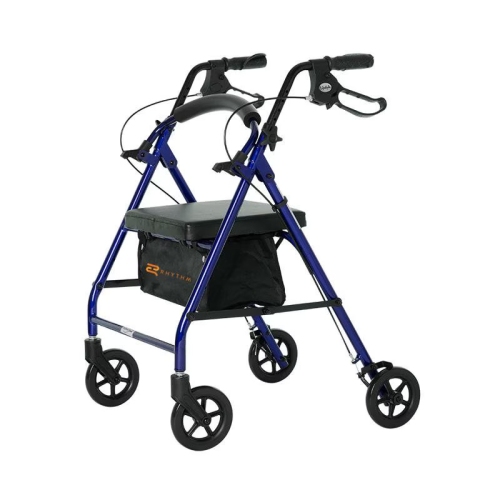
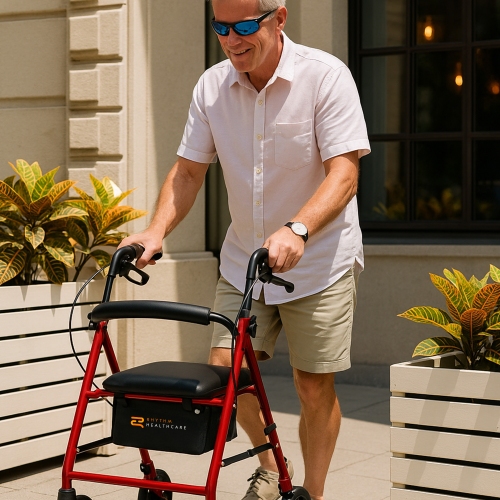
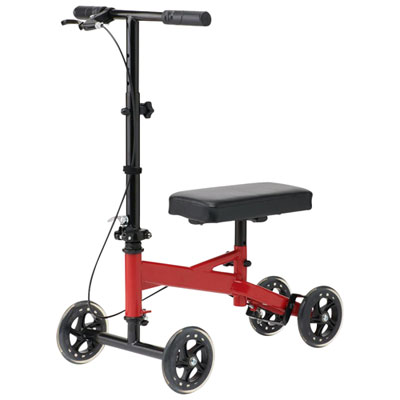
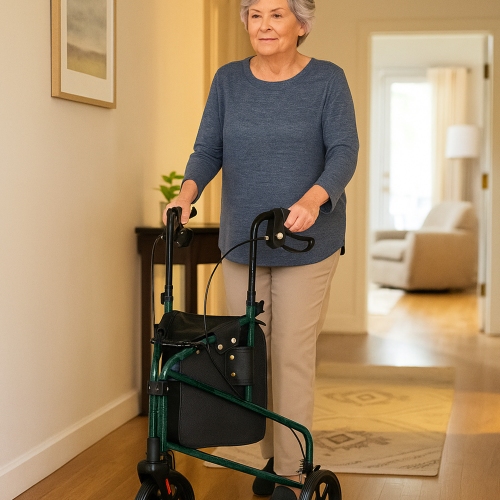
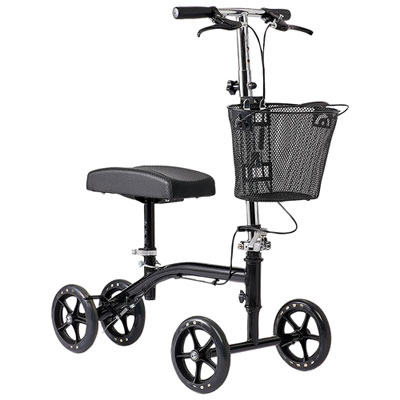
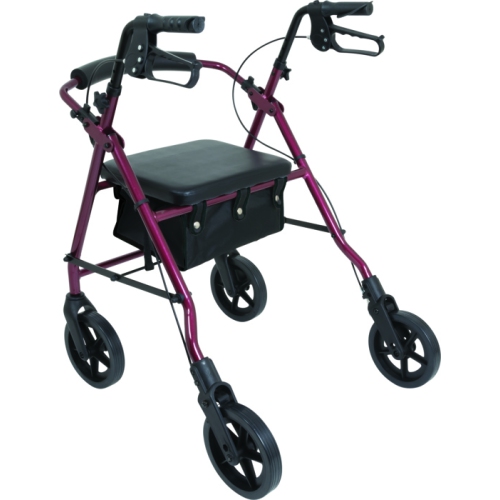
Mobility assistance devices include canes, walkers, rollators and mobility scooters, each serving a different purpose. A cane may help with light balance support and can be useful in narrow hallways, shops or on short walks, but it should be adjusted to the correct height and used on a surface where its tip can maintain a firm grip. Walkers provide more contact with the floor and may suit someone who needs steady support while moving through the home. Folding designs can be convenient for storage, while wider frames may offer additional stability but require enough room to turn comfortably. Rollators, which have wheels and hand brakes, can make it easier to move across longer distances and may include a seat for resting during an outing. Check the handle height, wheel size, brake operation, frame weight and maximum supported weight before choosing one. Mobility scooters are intended for longer outdoor distances and can help with errands, visits or time spent in larger public spaces. Consider the turning radius, seat comfort, control layout, battery range, charging requirements and whether the device can be transported or stored safely. During the cooler months, wet entrances, slippery paths and heavier clothing can change how a mobility aid feels in use, so clear floors, well-fitting footwear and regular checks of wheels, tips and brakes are especially important. These devices support movement, but they do not replace a professional assessment; anyone experiencing a new change in balance, strength or walking ability should speak with a qualified health professional before selecting or relying on a mobility aid.
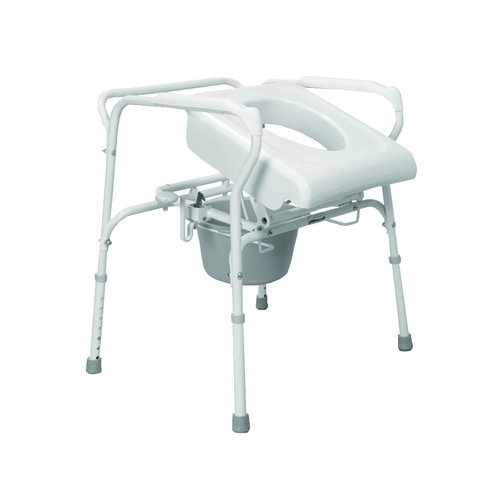
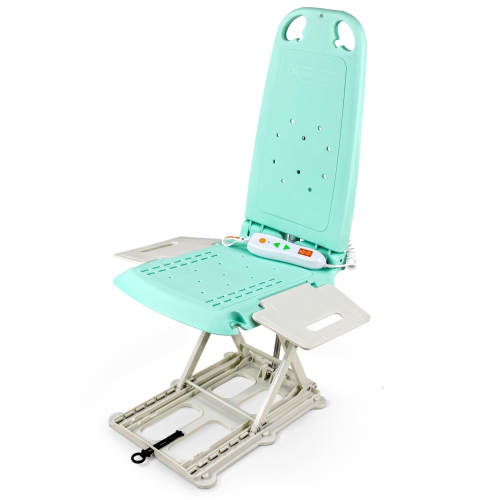
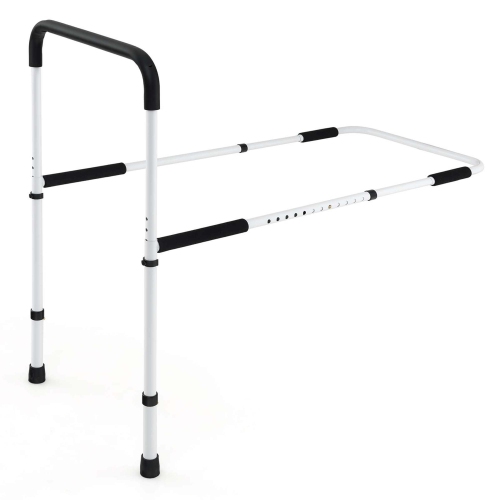
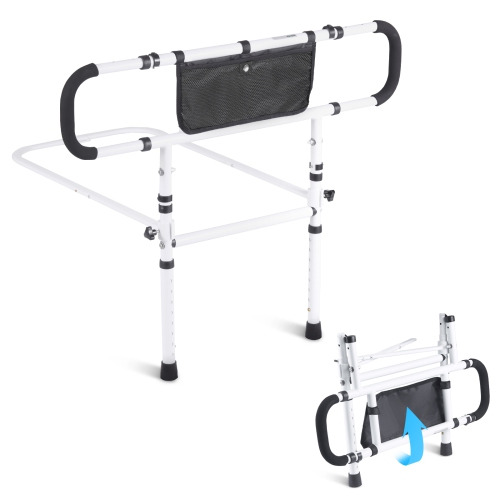
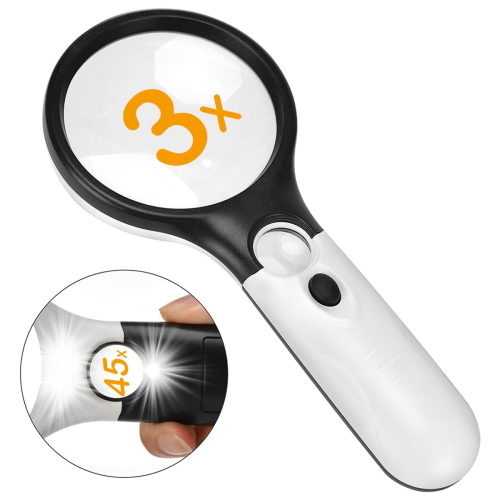
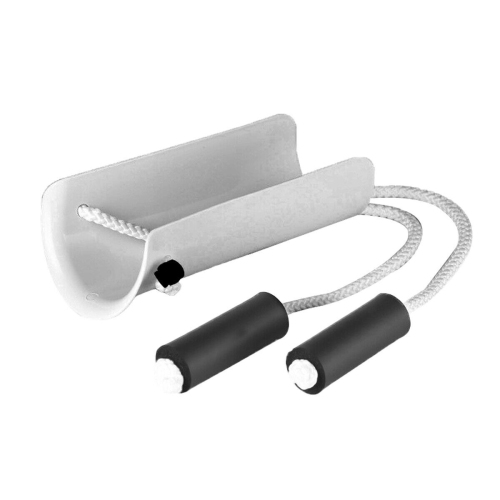
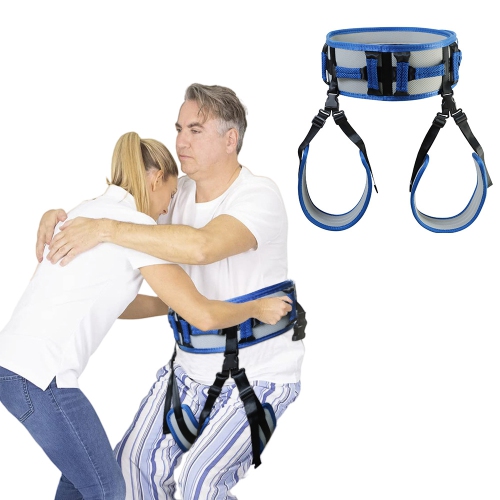
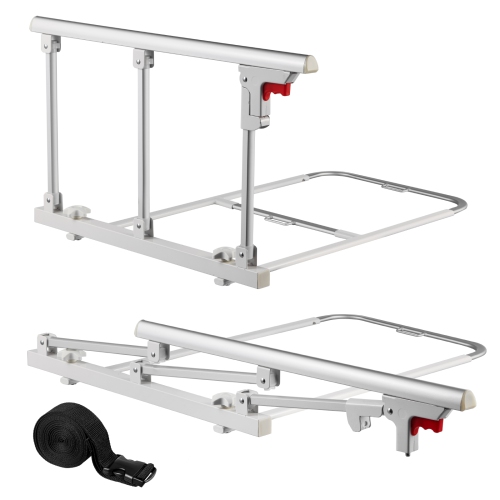
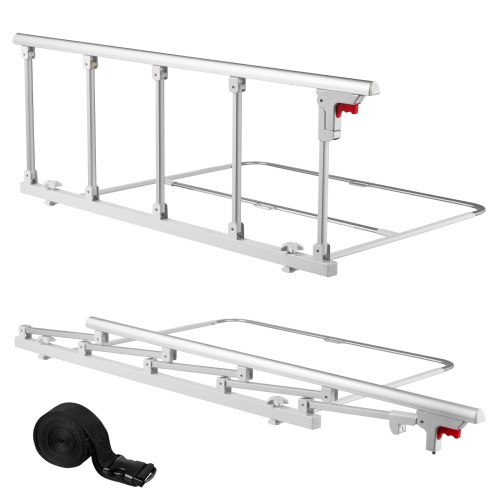
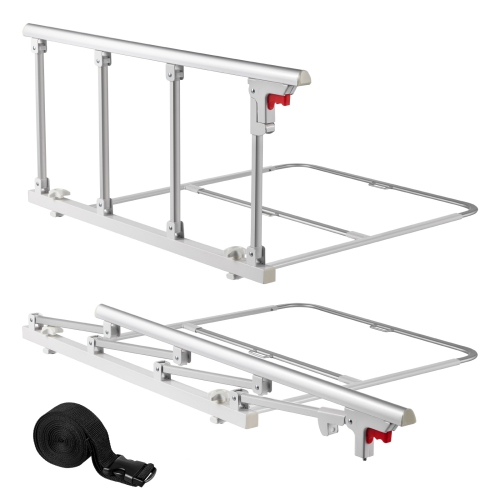
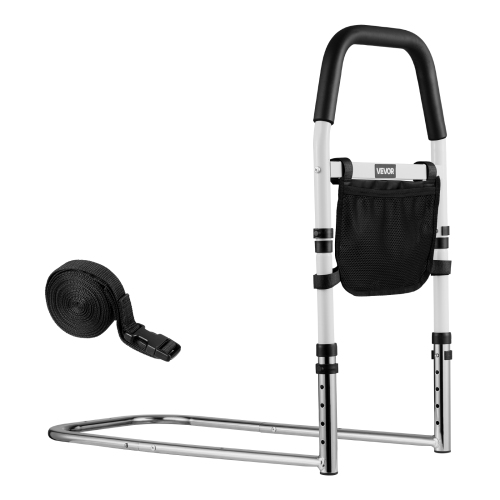
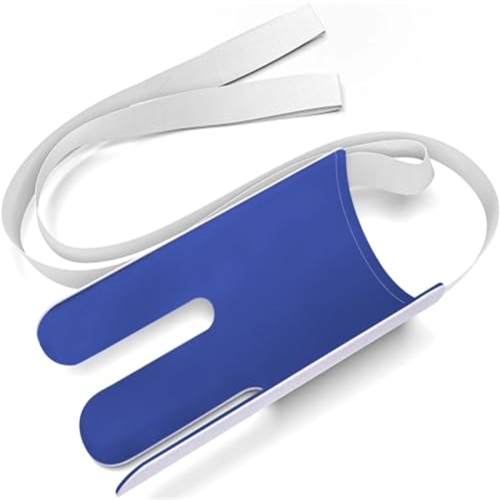
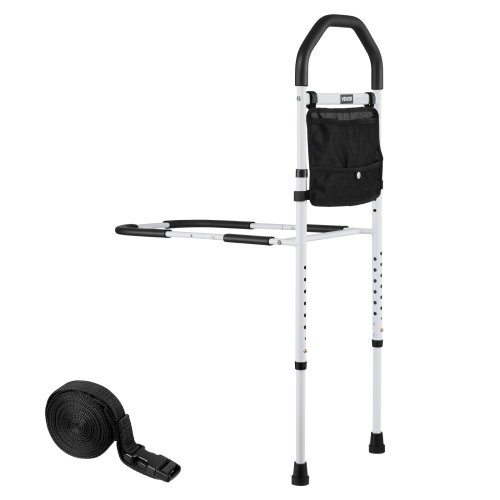
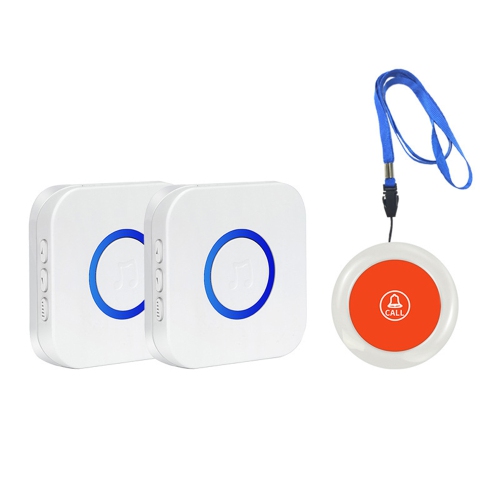
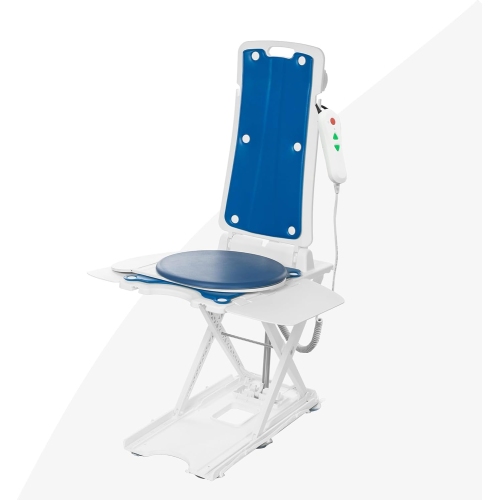
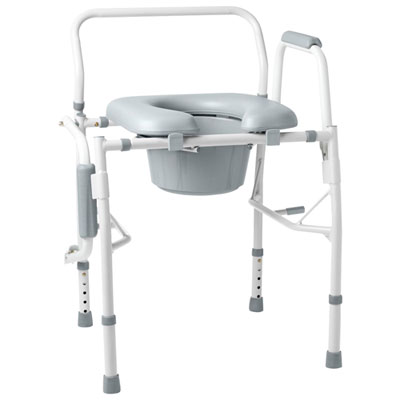
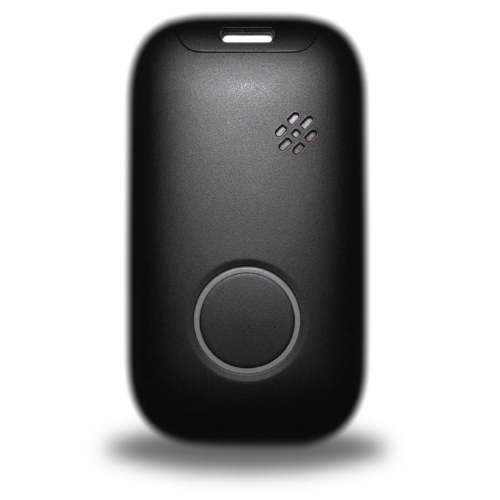
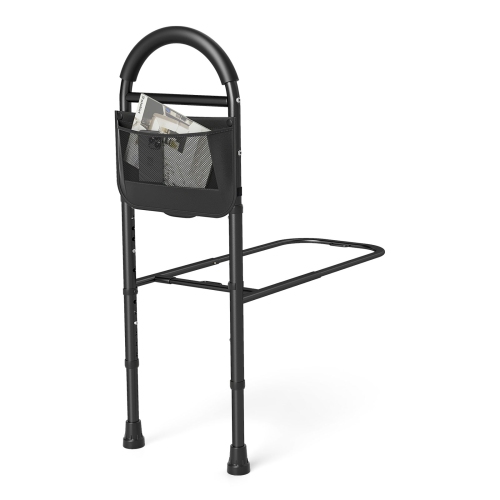
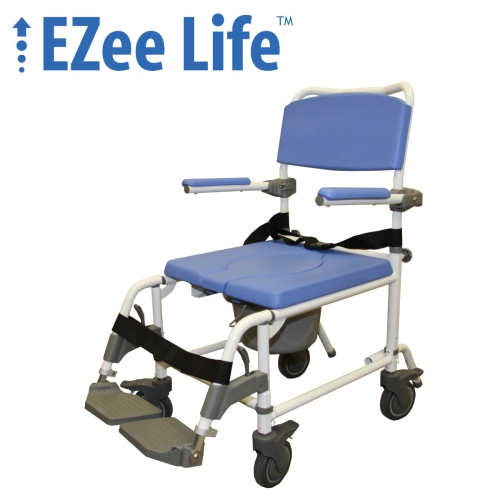
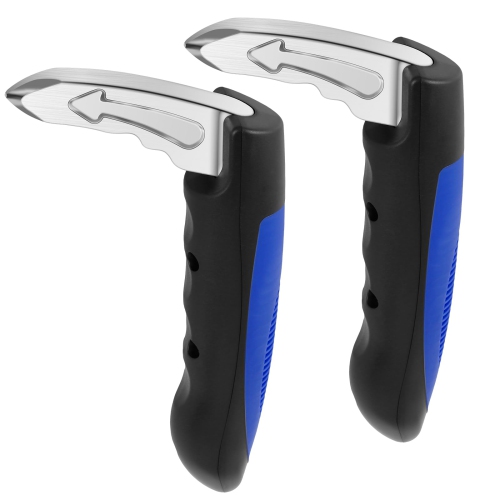
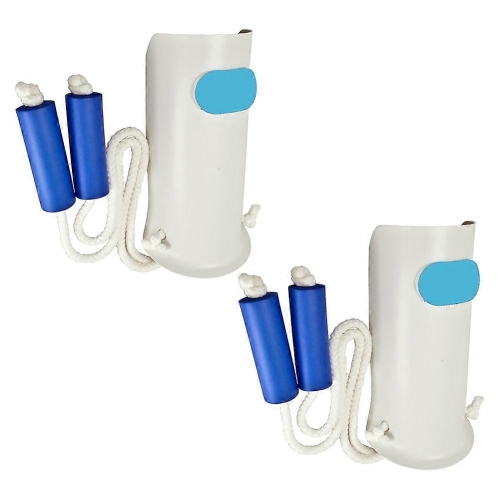
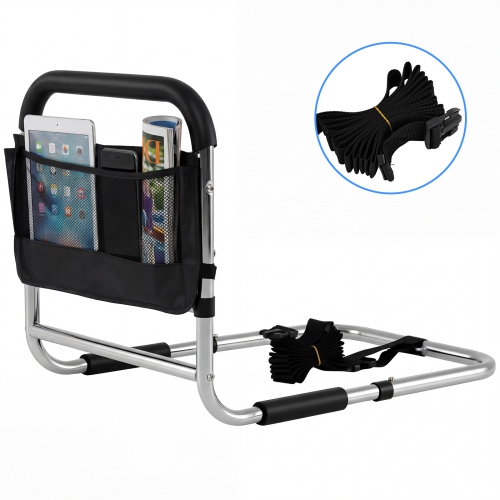
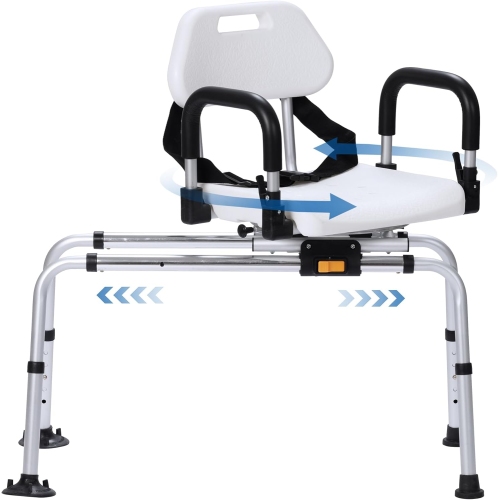
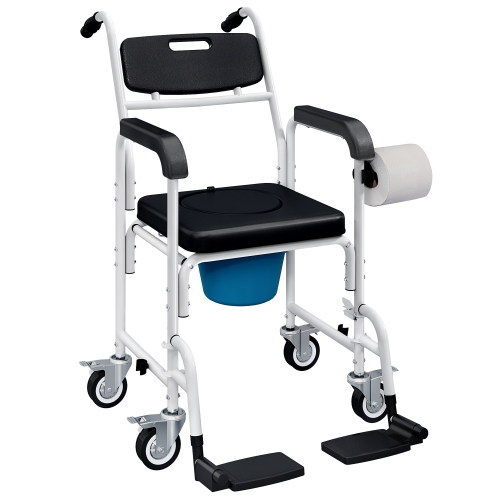
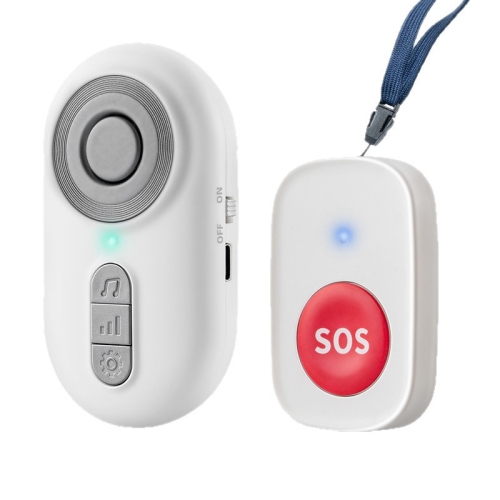
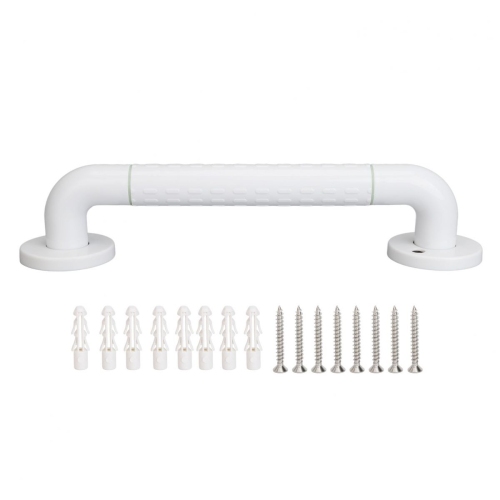
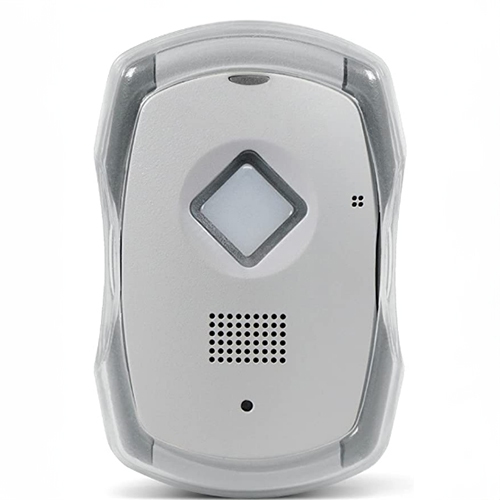
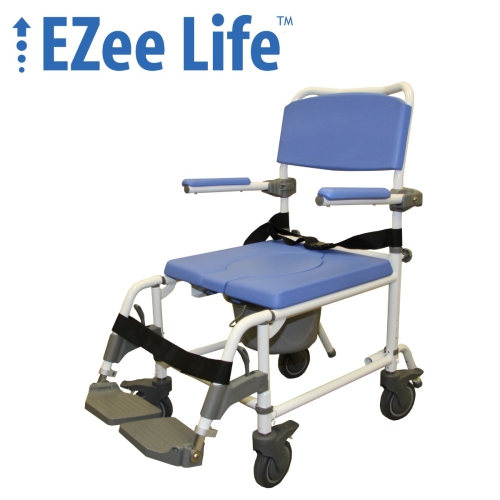
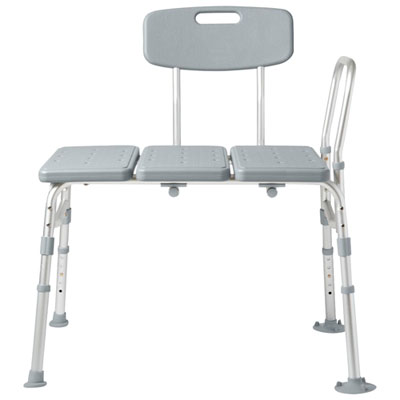
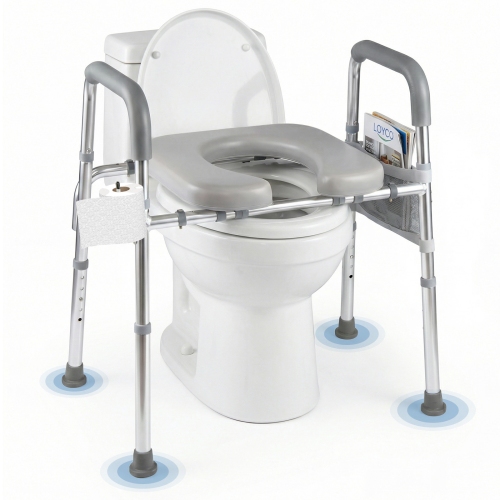
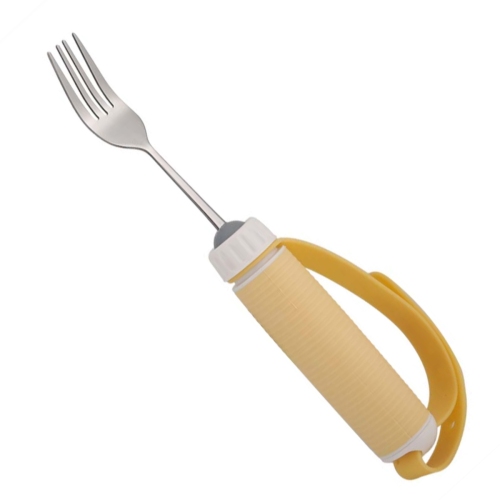
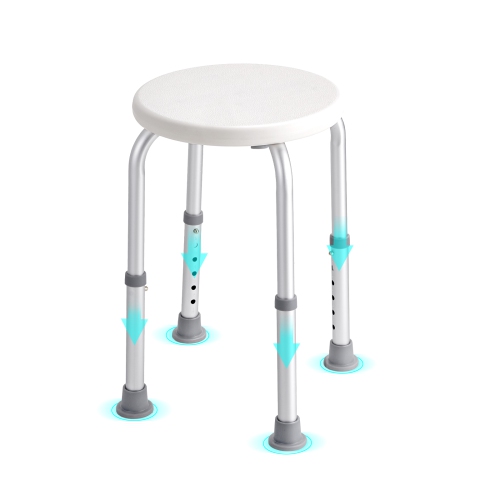
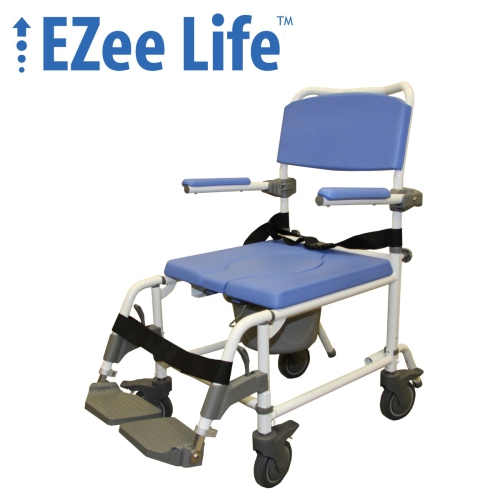
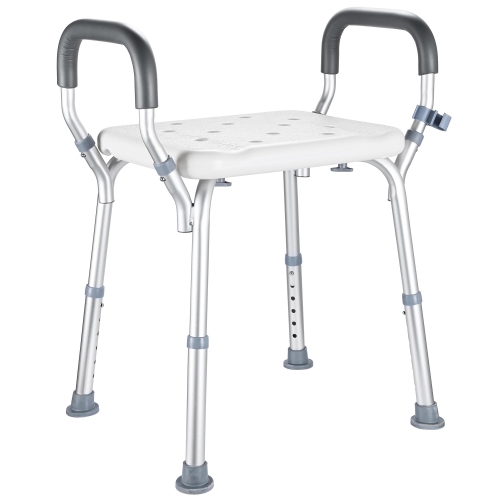
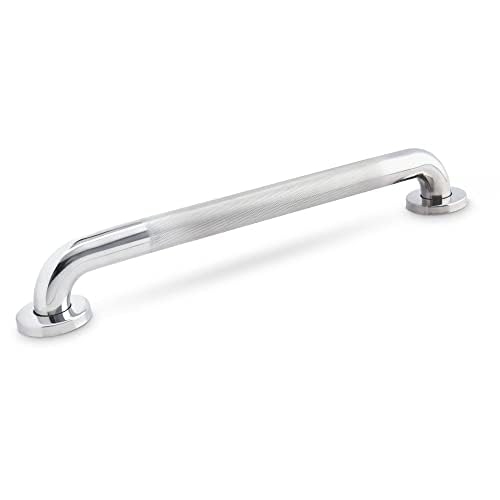
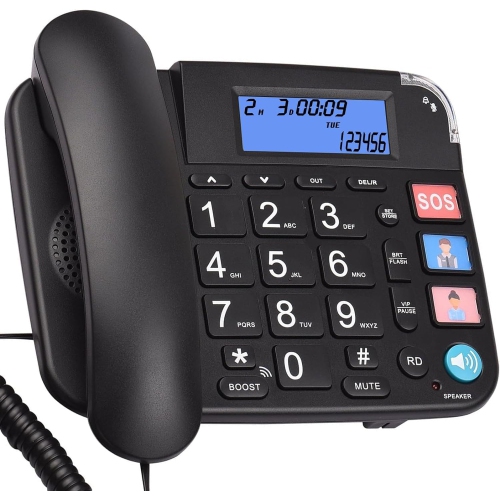
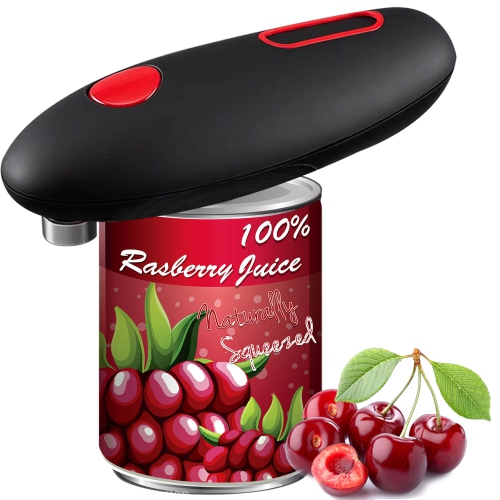
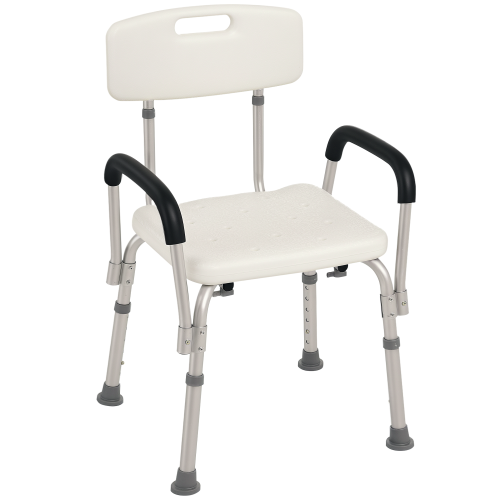
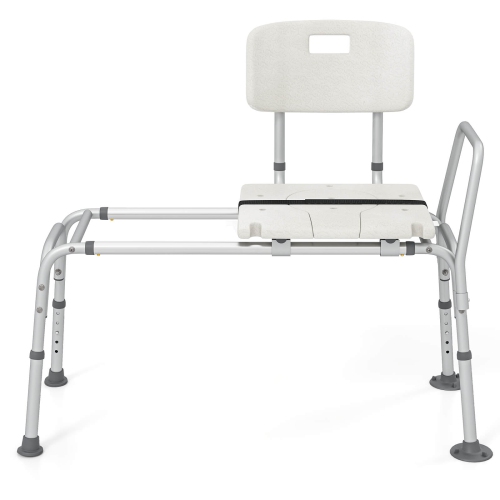
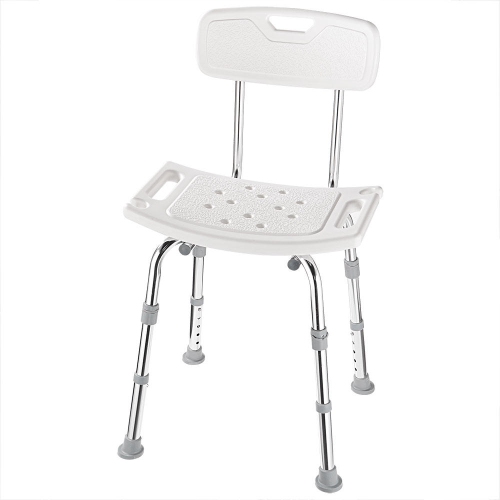
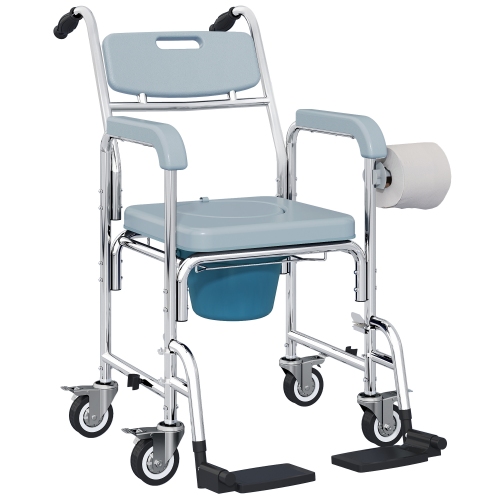
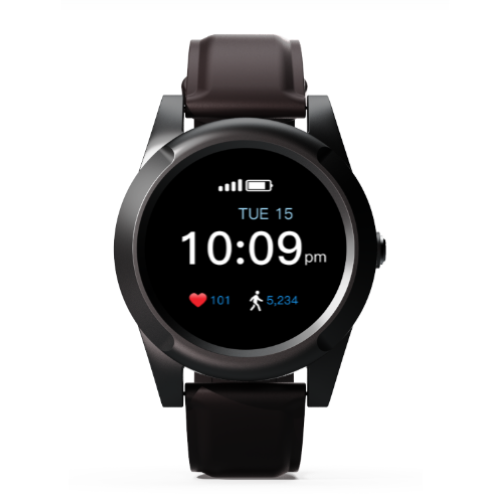
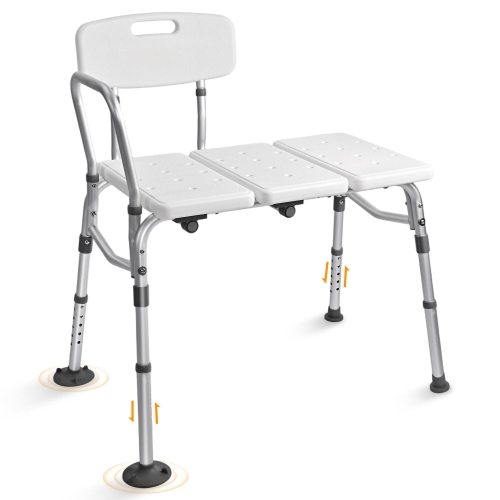
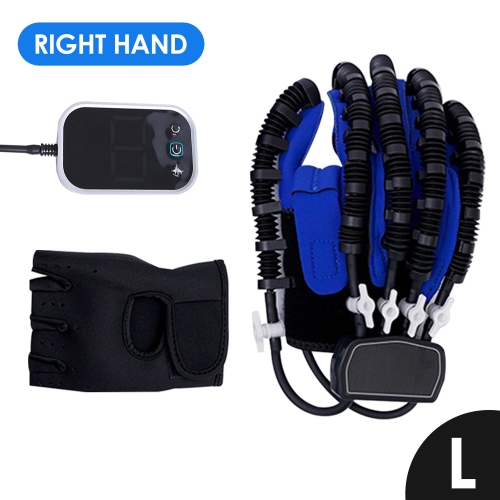
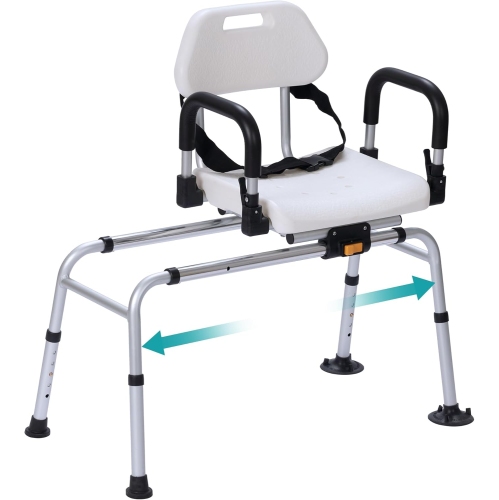
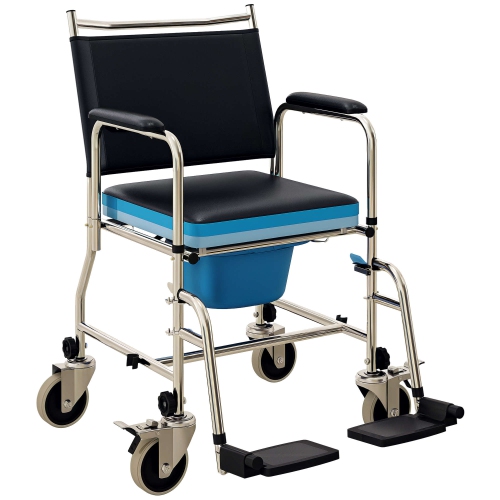
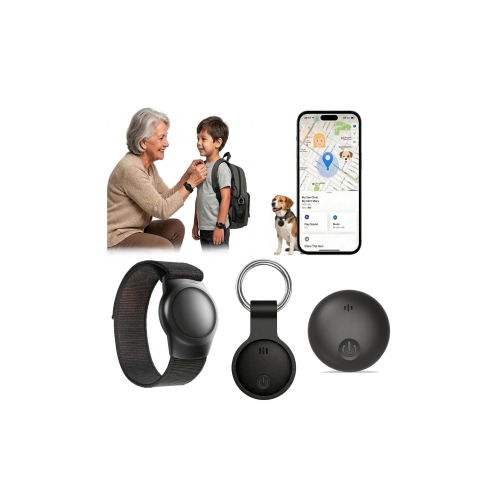
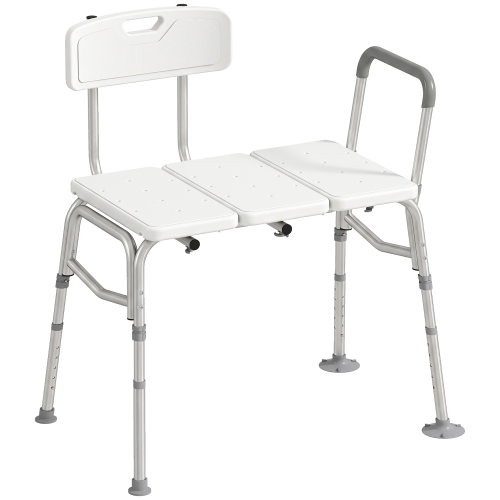
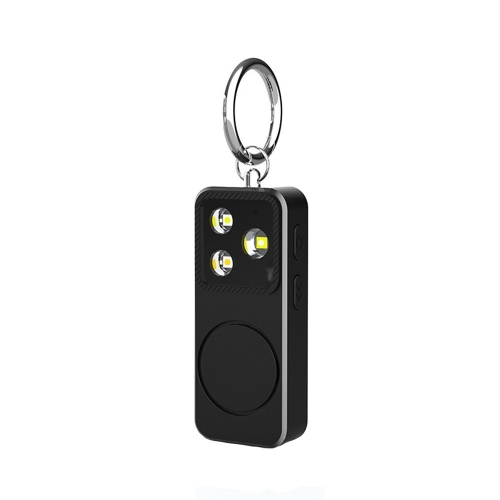
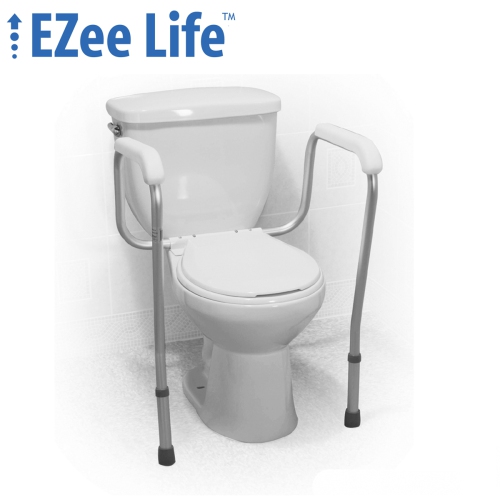
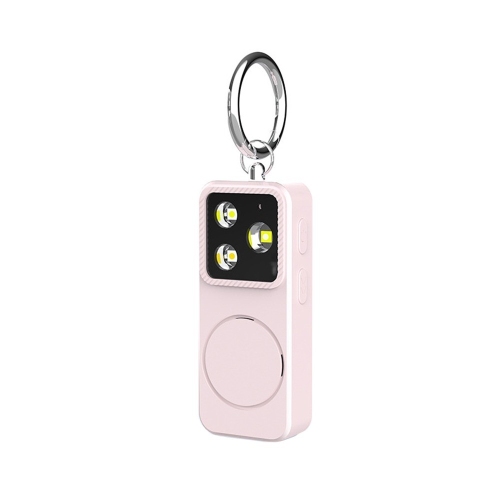
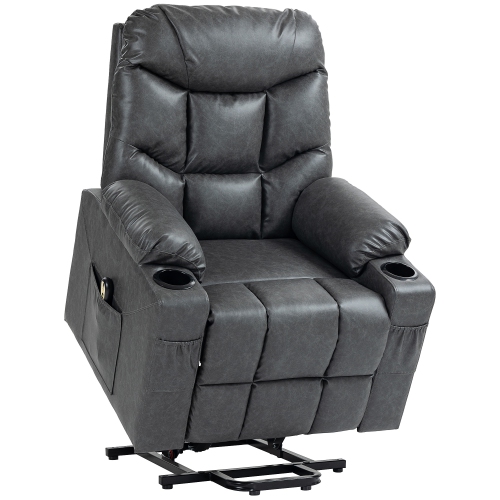
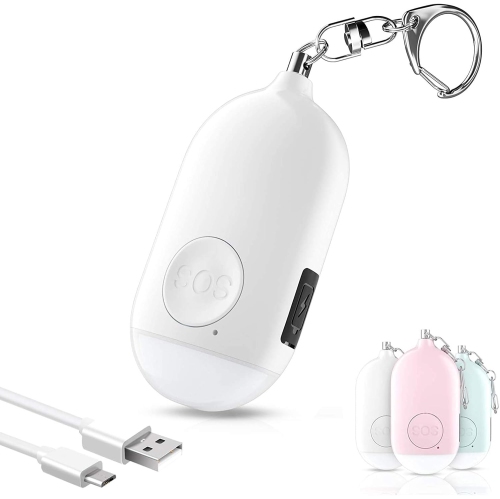
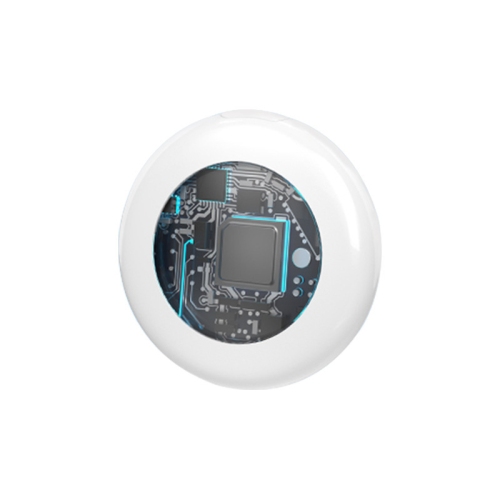
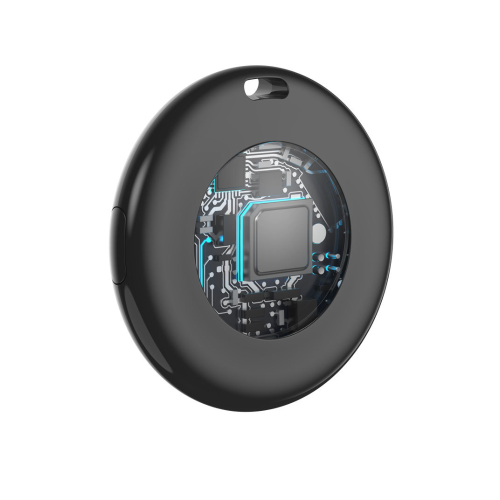
Safety and accessibility products can make the bathroom, bedroom, living room and kitchen easier to navigate. Wet floors and tight spaces deserve particular attention, making securely installed grab bars, non-slip mats and shower seating useful considerations for many households. A shower bench or bath seat can allow a person to sit while washing, reducing fatigue and the need to stand on a slippery surface. Grab bars should be mounted to suitable structural support and positioned where the user can reach them naturally; suction-based accessories are not appropriate for every application or wall surface, so installation instructions should be followed carefully. Beside a bed or sofa, a support rail or stand-assist handle can provide a stable point for transitioning from sitting to standing, but the product must be compatible with the furniture and installed exactly as directed. Reachers, dressing sticks, button hooks and sock aids can simplify small tasks for people with arthritis, limited bending ability or reduced hand strength. Look for comfortable handles, smooth movement, easy-to-read controls and a design that does not require excessive grip force. Personal emergency response devices, including systems with fall detection, can provide a way to contact help after a fall or during another urgent situation, particularly for someone who lives alone. Before purchasing, review monitoring fees, battery life, cellular or Wi-Fi requirements, coverage, cancellation terms and the contact process used in an emergency. A device is most helpful when the intended user is comfortable wearing it or keeping it within reach, knows how to activate it and has a simple response plan shared with trusted contacts. With thoughtful selection and appropriate installation, assistance devices can help older adults move through familiar routines with greater confidence while giving families added reassurance during the changing seasons.
Top selling and popular products
-
 Your price for this item is $35.99
-
 Your price for this item is $244.99
-
 Your price for this item is $151.99
-
 Your price for this item is $138.99
-
 Your price for this item is $169.99
-
 Your price for this item is $212.99
-
 Your price for this item is $196.98
-
 Your price for this item is $199.99
Discover more categories related to Assistance Devices for Elderly
Top Collections:
Pokemon Centers, Best Cameras for Sports Photography, Kindle Devices, Samsung Galaxy Phones, Canon G7X Cameras, Pokémon 30th Celebration Cards, Refurbished Apple Laptops, iPhone 15 Apple, Laptops for Students, Budget Smartphones
Some products may be subject to Environmental Handling Fees
(EHF) depending on your province.
Learn more about EHFs.