Bathroom Light Fixtures
Upgrade your bathroom with this selection of stylish and functional light fixtures. Illuminate your space with a range of options to suit every style and need. From sleek modern designs to classic and elegant pieces, this collection offers something for everyone. Brighten up your mornings and create a relaxing ambiance for your evening routines with these high-quality bathroom light fixtures.
Sort
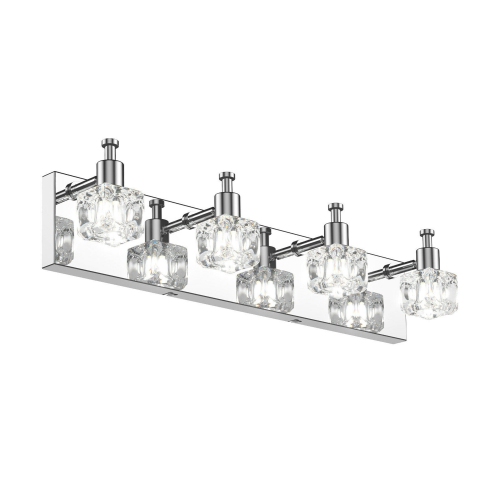
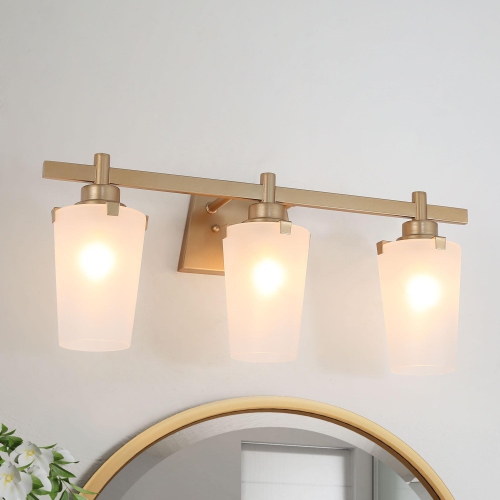
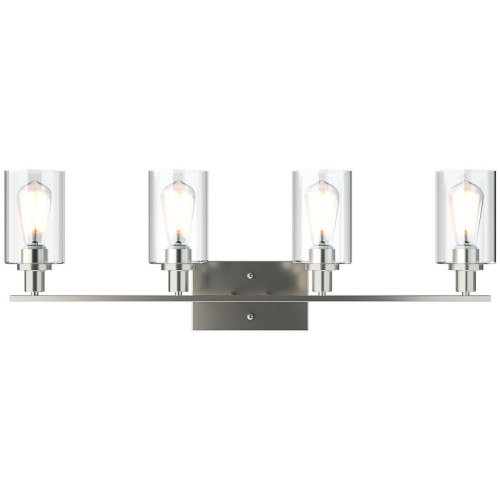
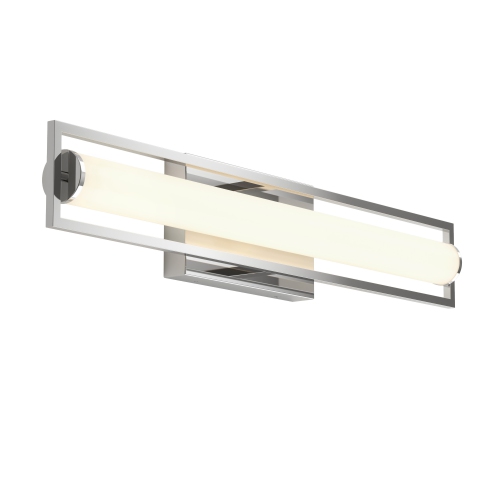

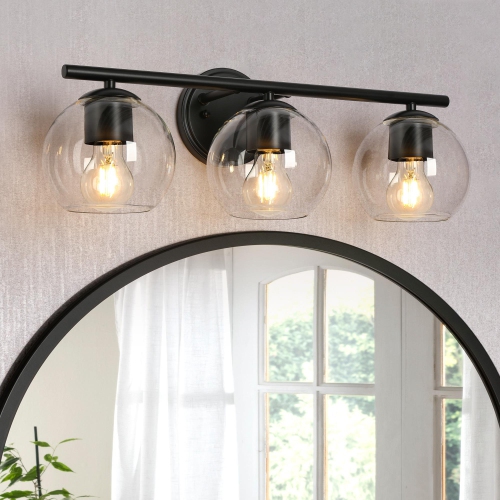
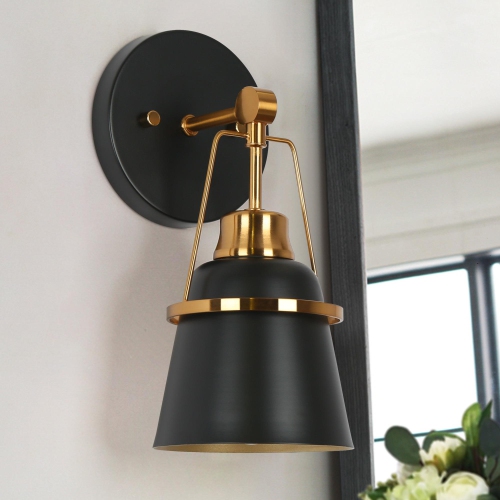
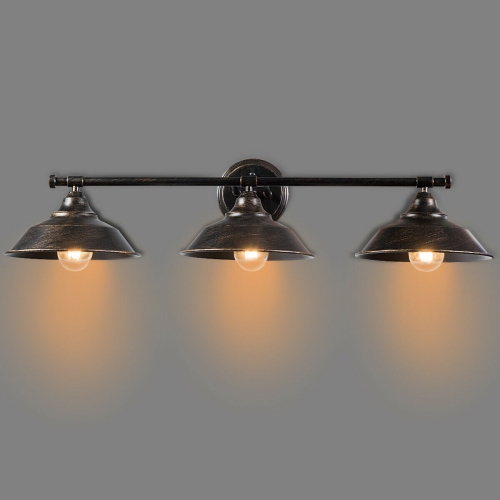
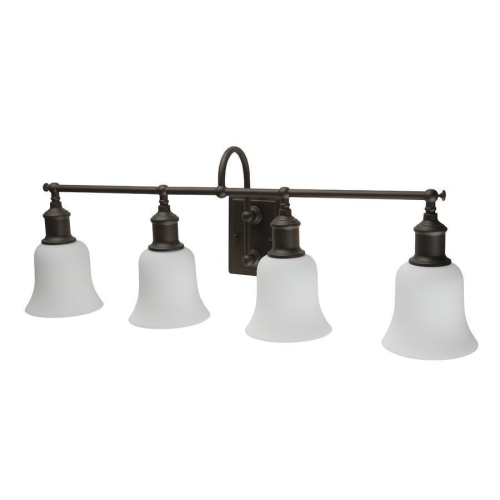
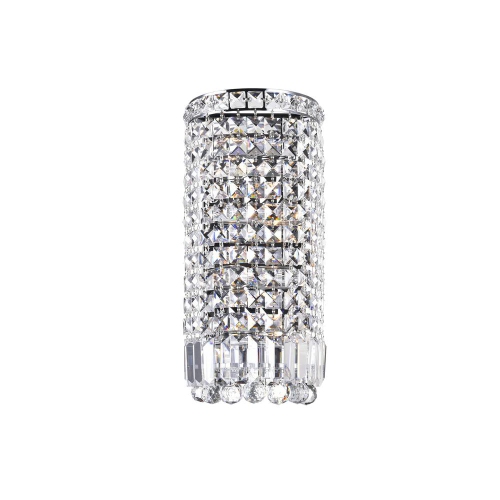
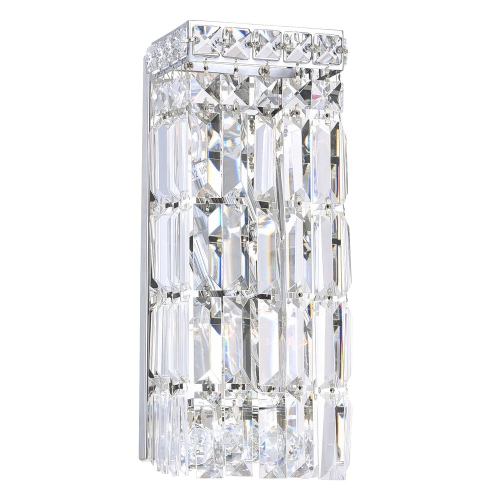
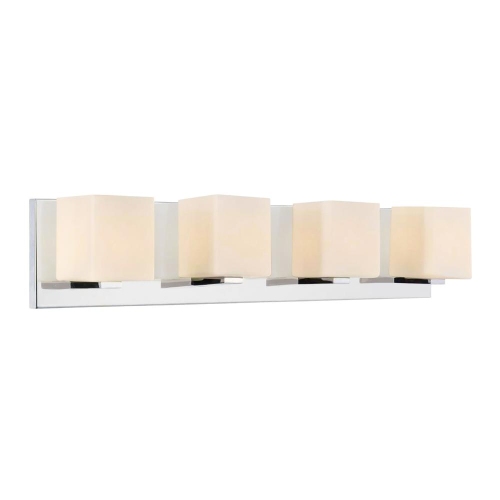
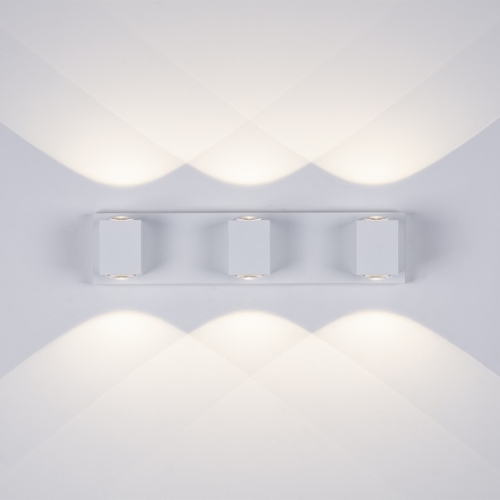




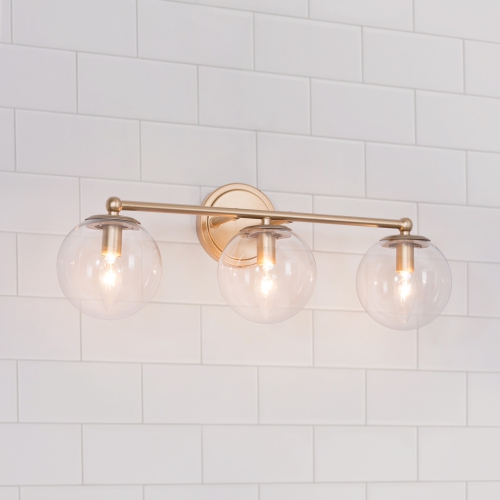
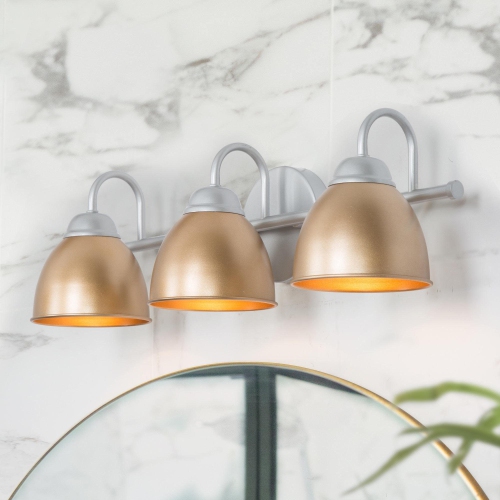
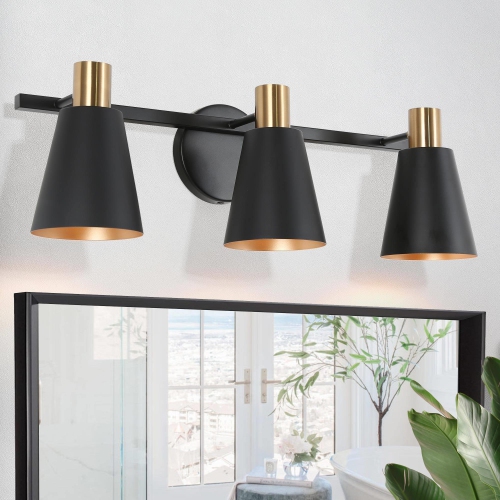
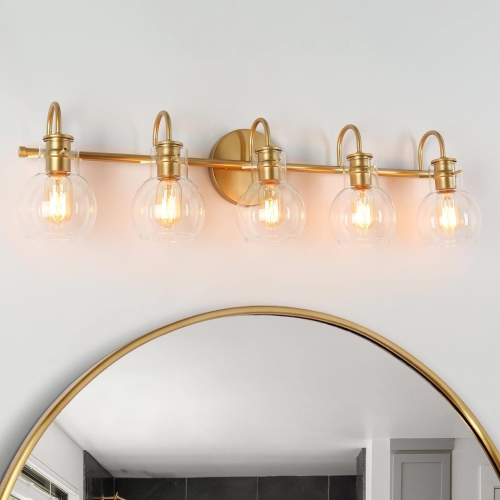
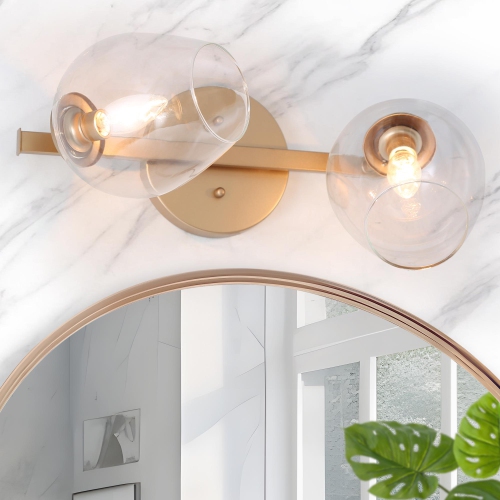
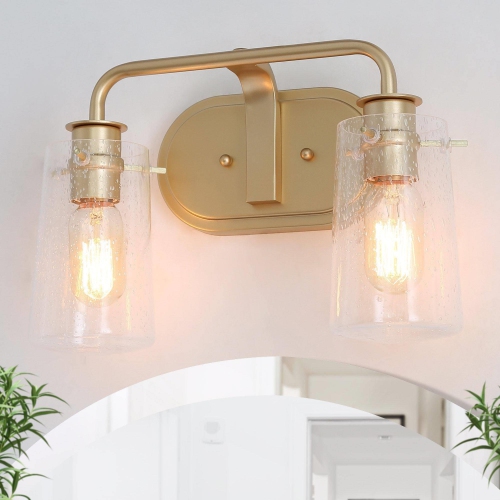
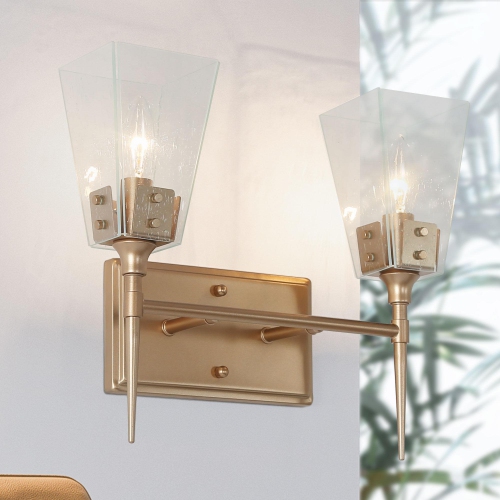
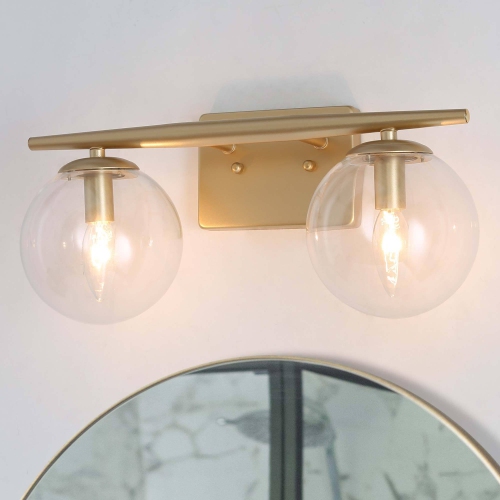
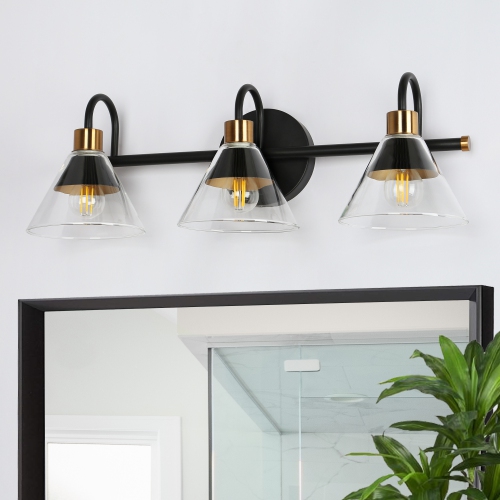

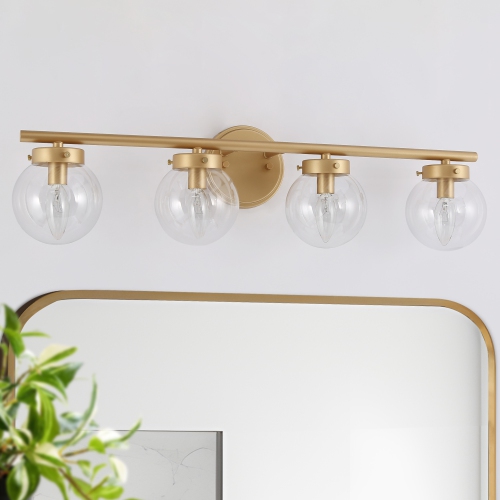
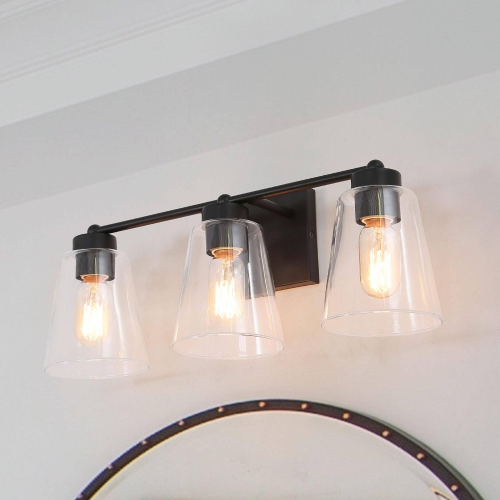
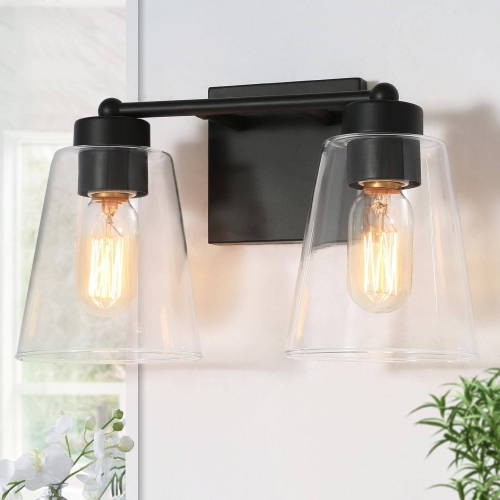
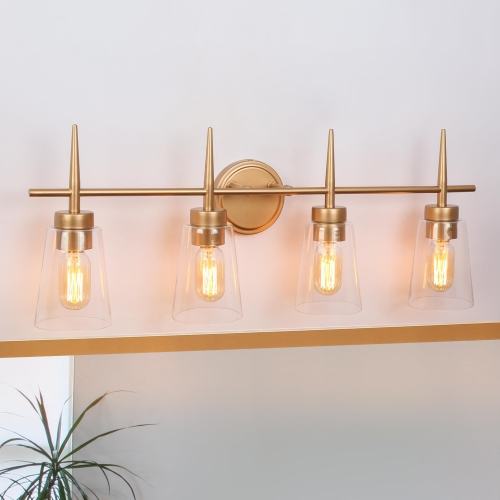

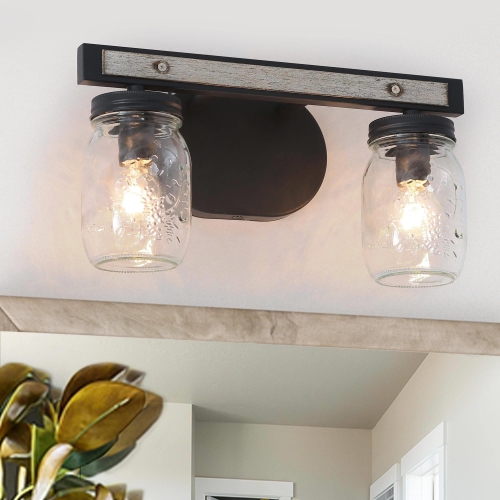
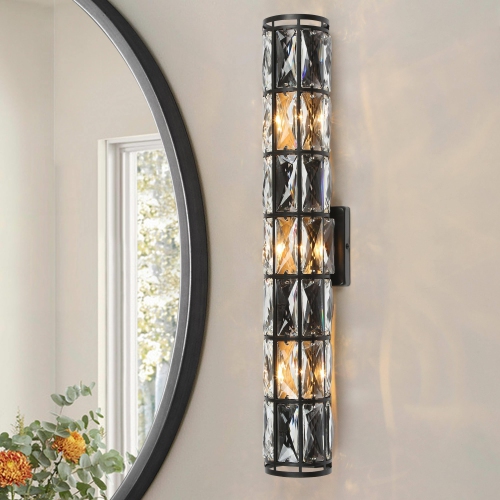
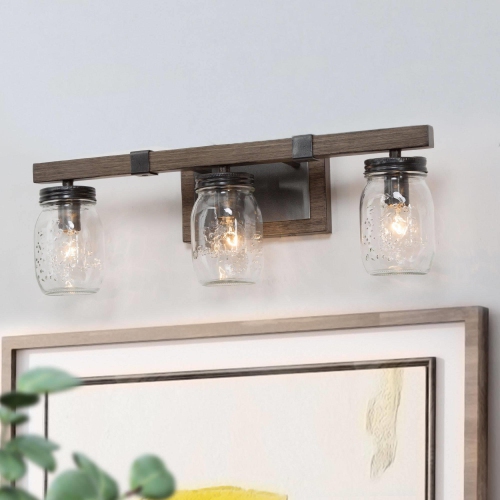
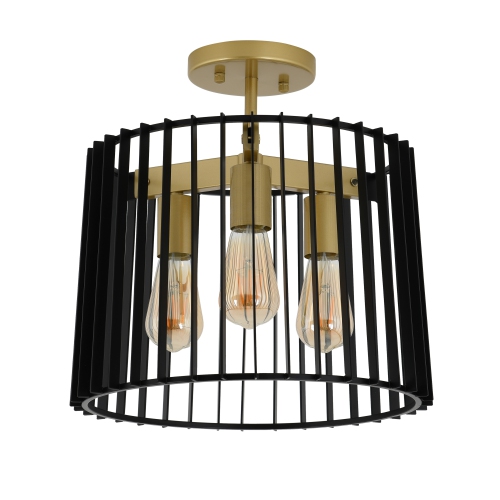
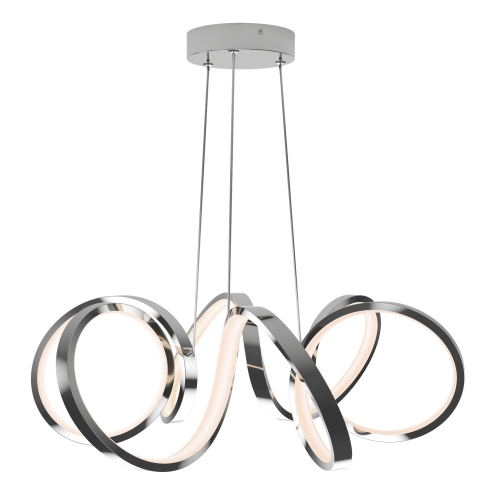
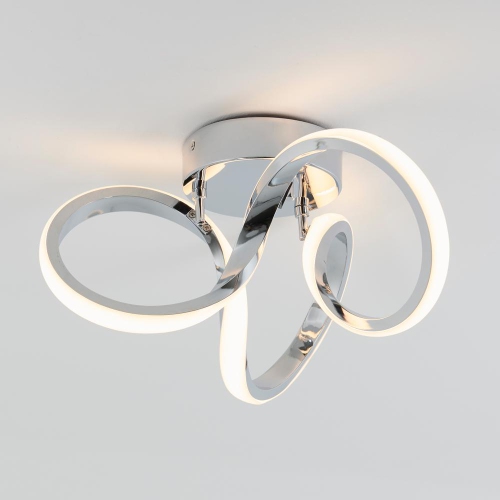
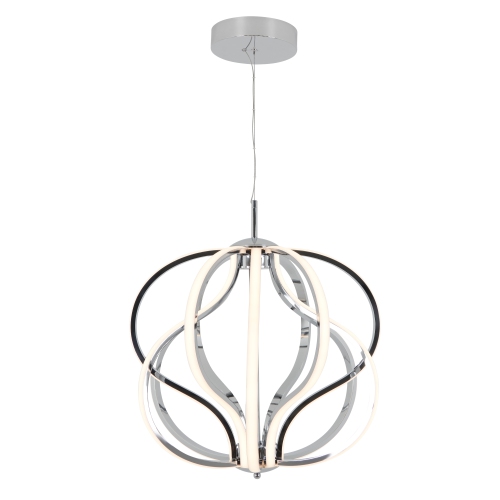
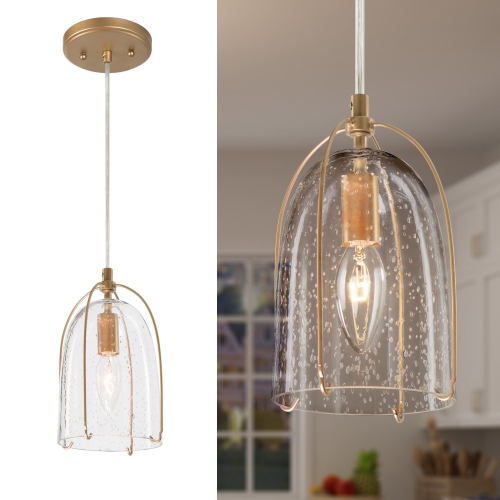
Why mirror lighting needs more than overhead light
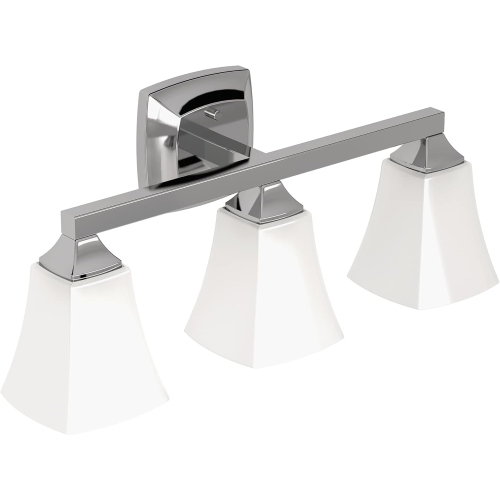
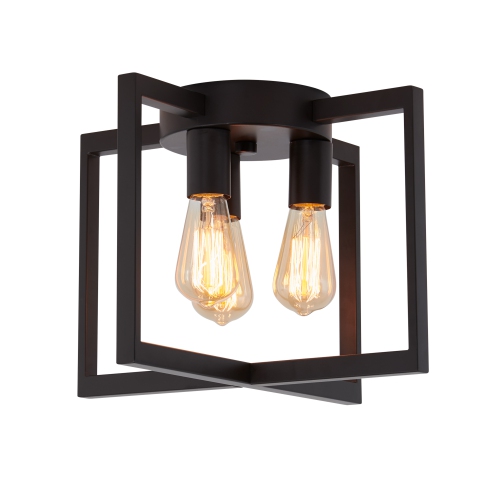
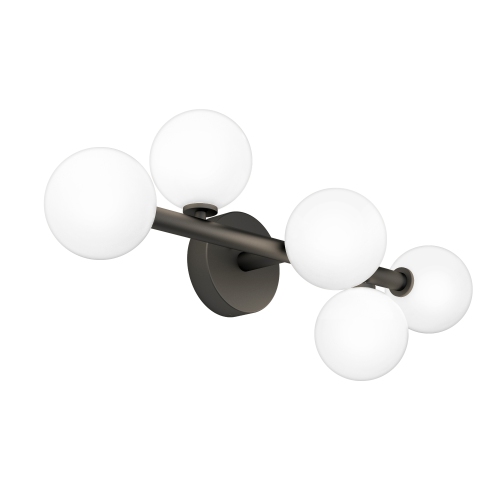
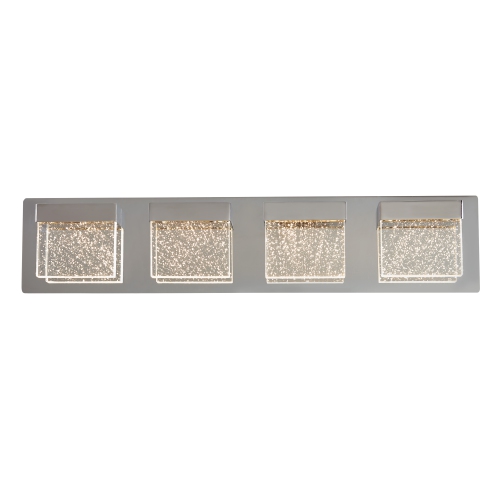
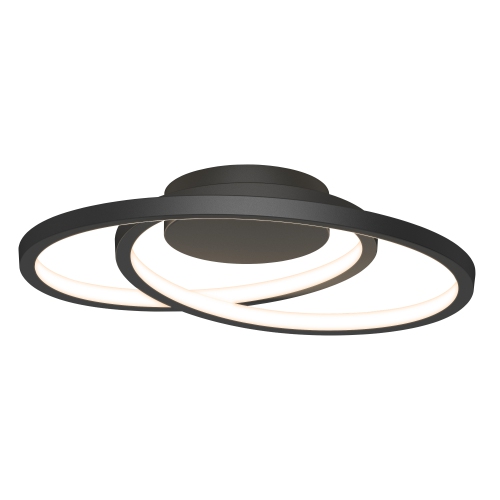
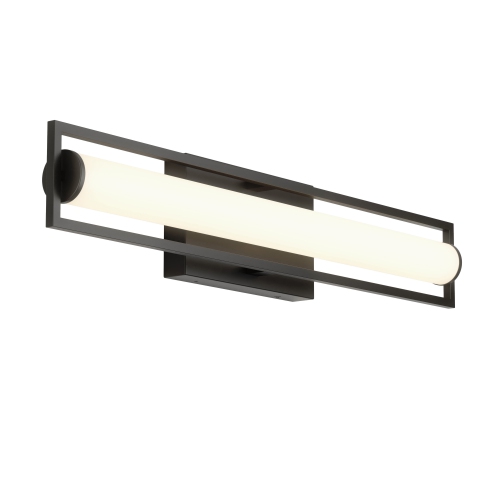
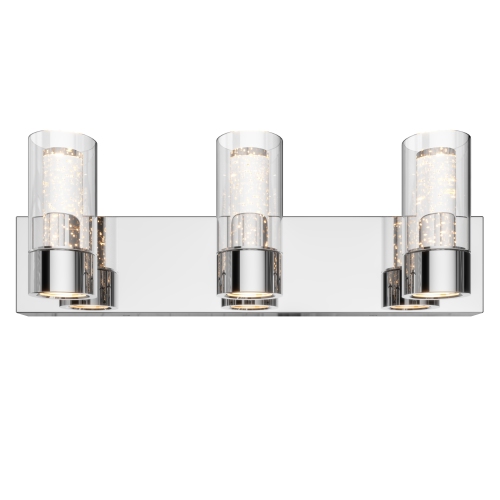
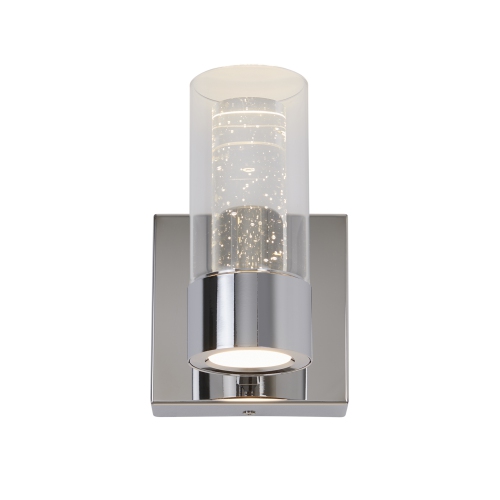
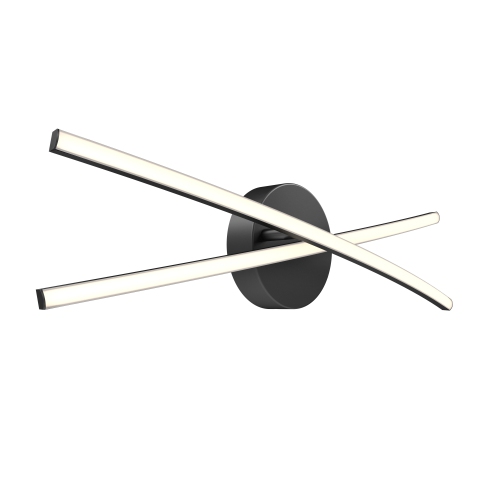
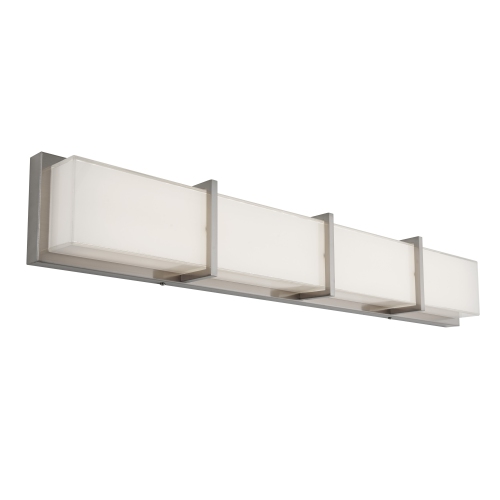
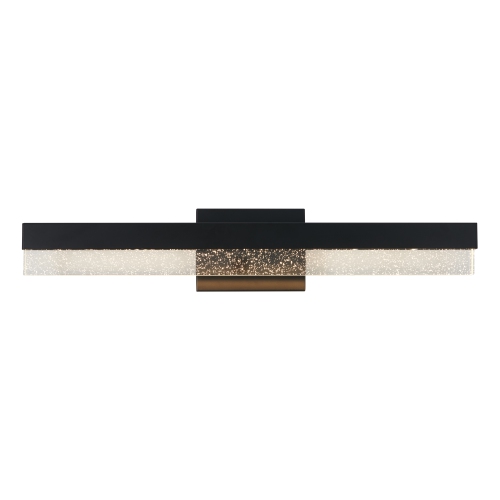
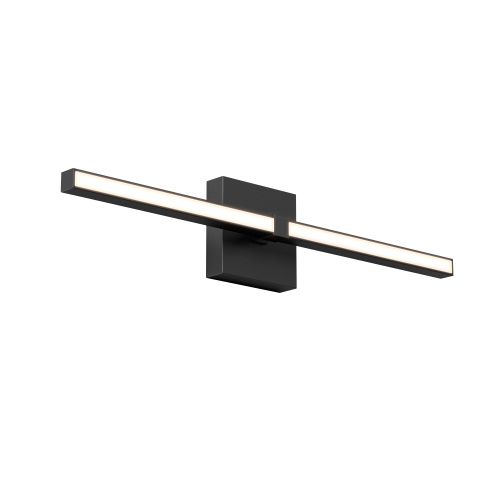
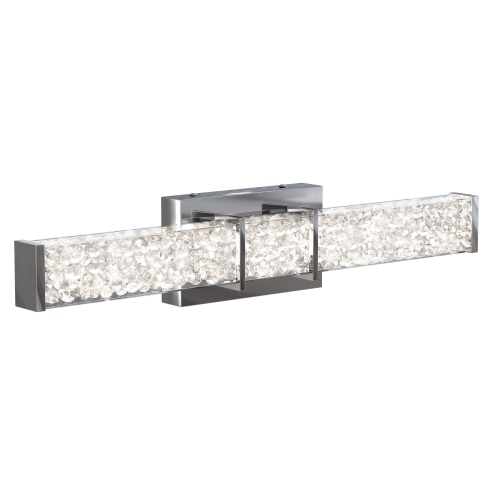
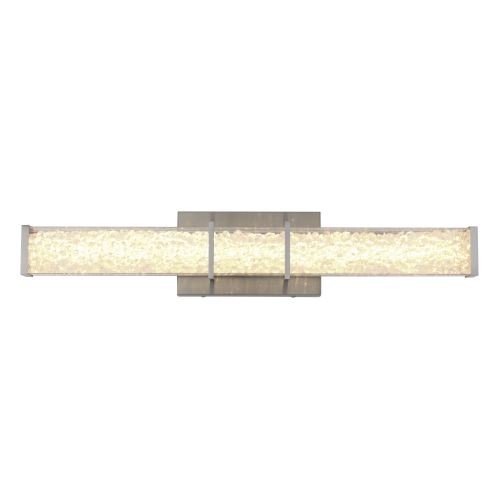
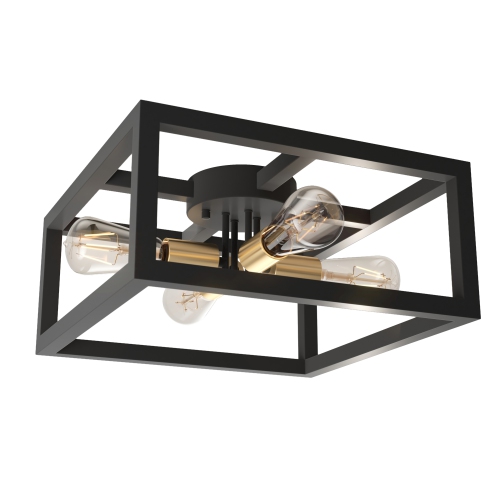
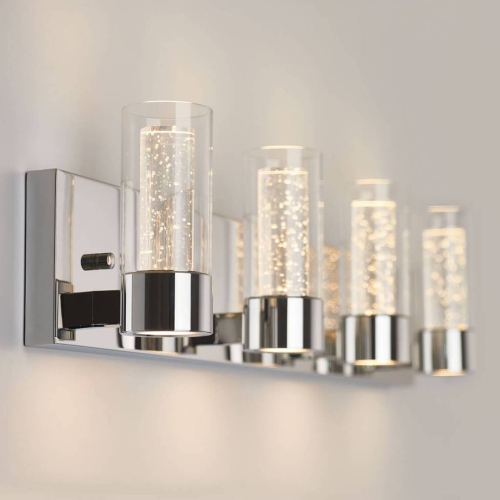
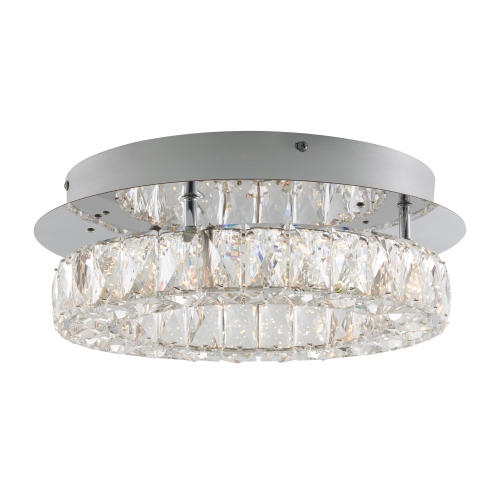
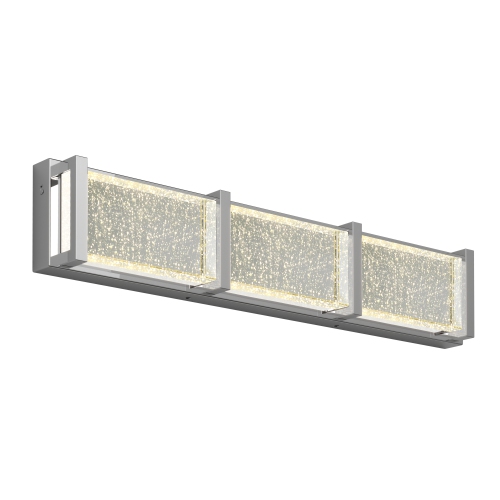
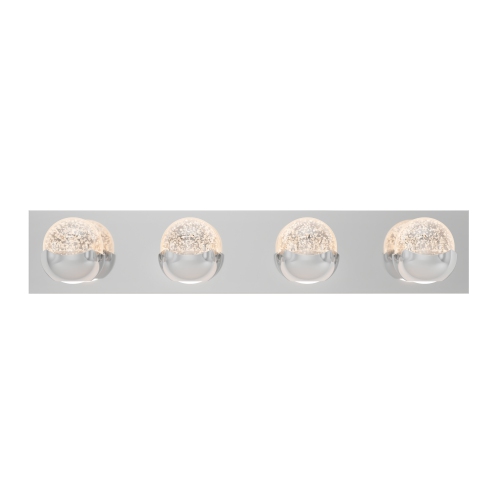
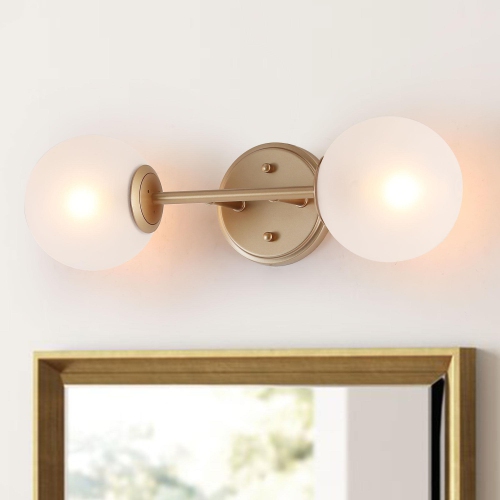
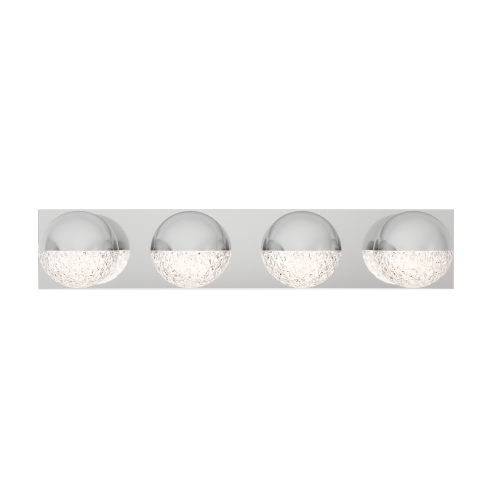
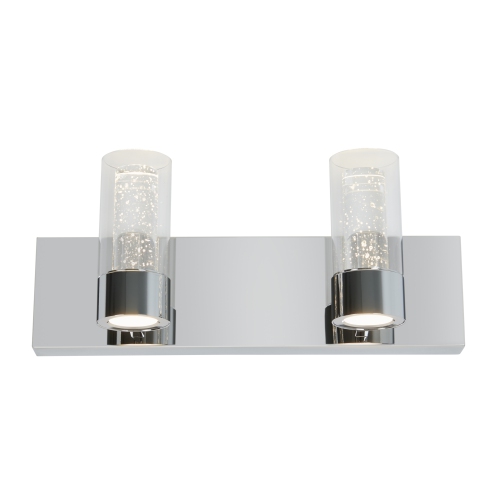
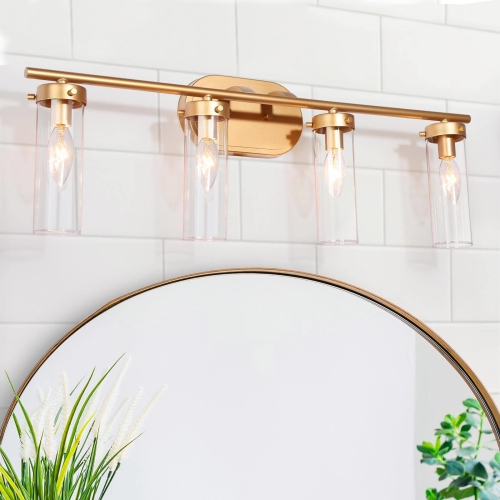
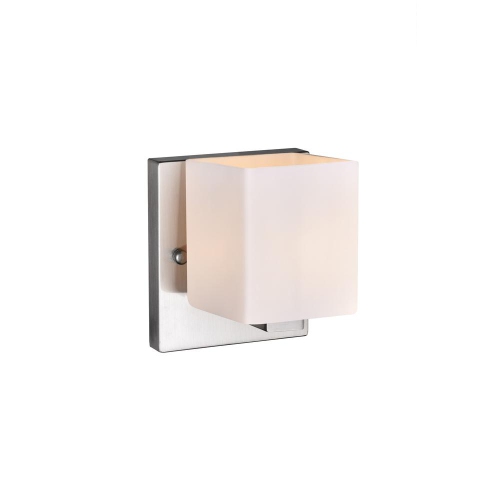
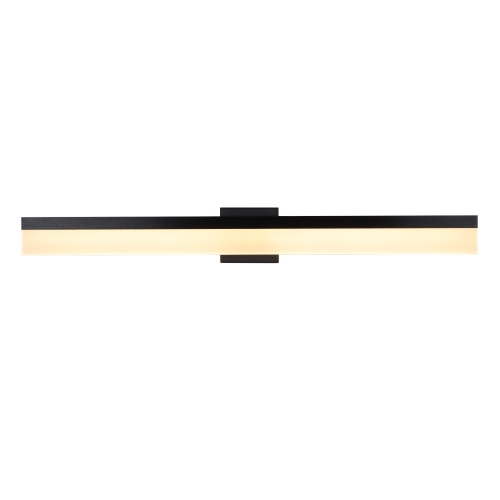
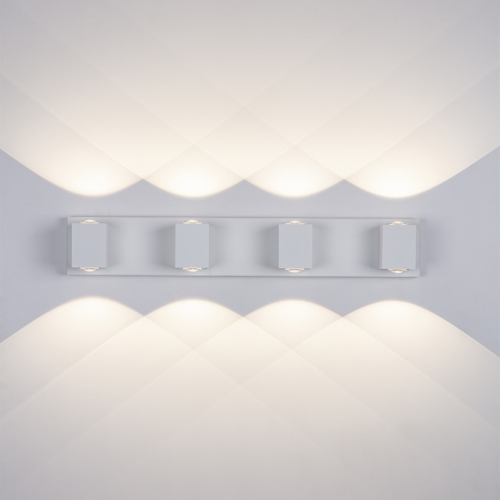
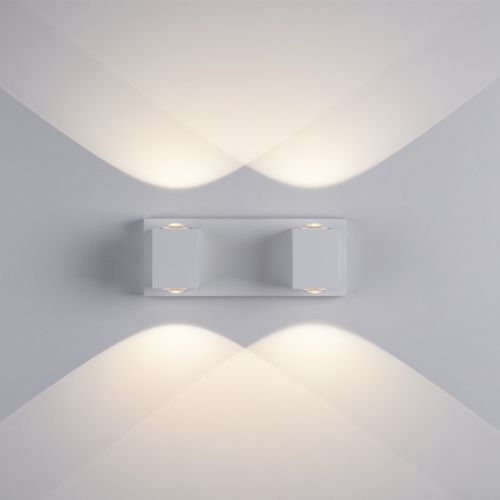
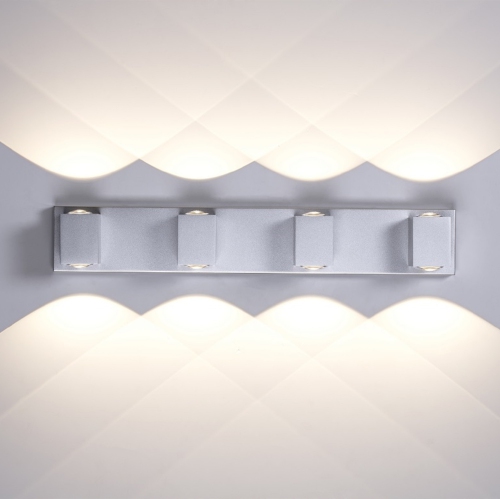
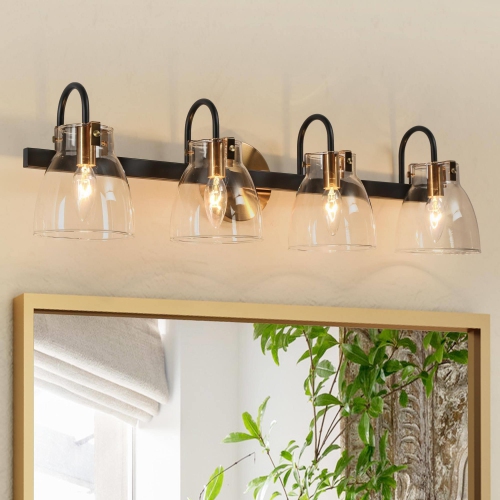
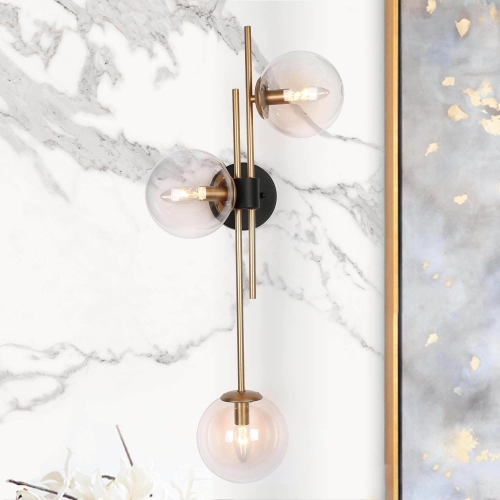
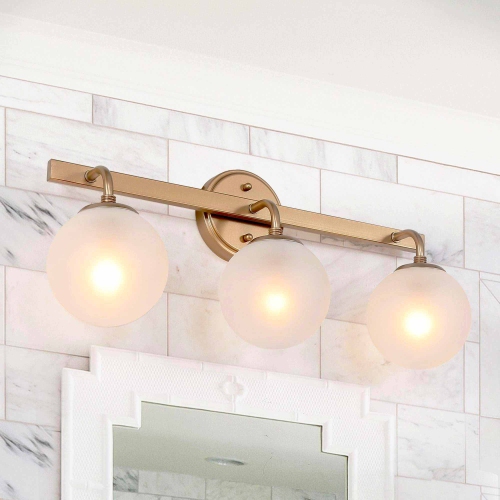
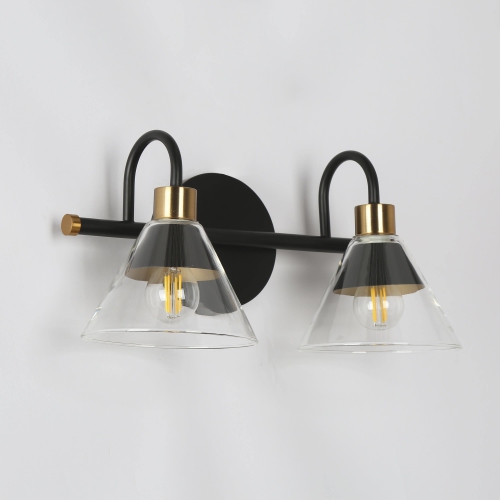
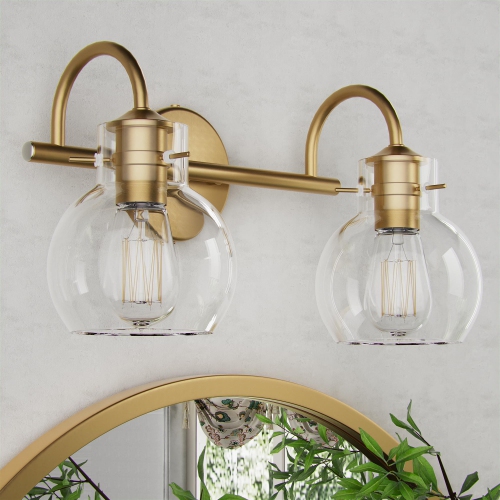
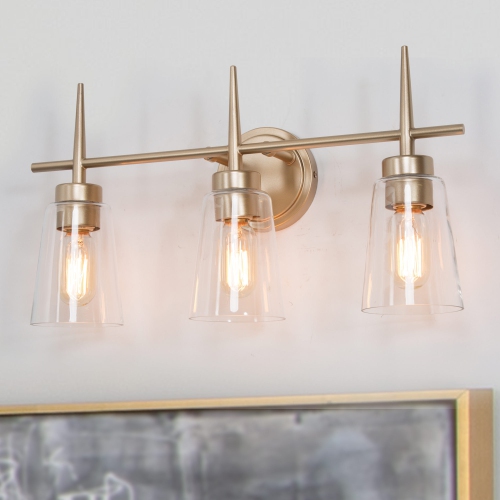
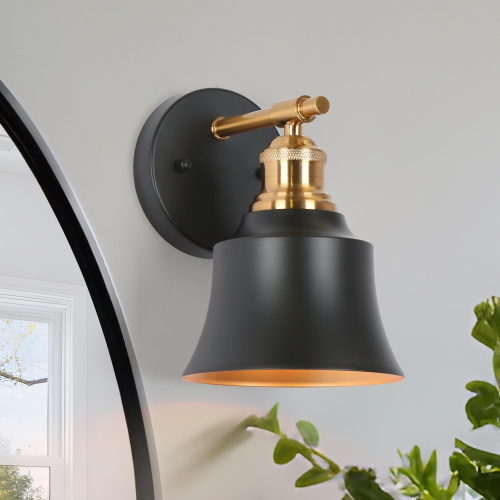
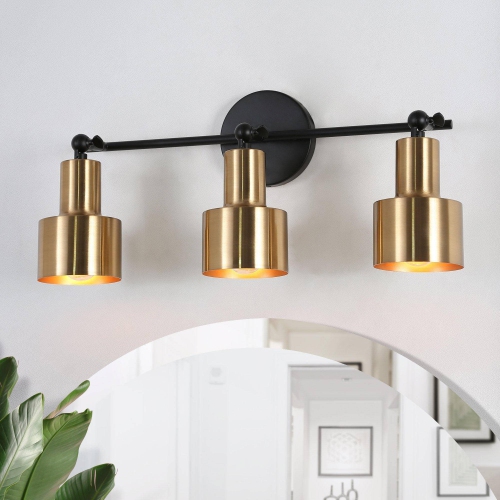
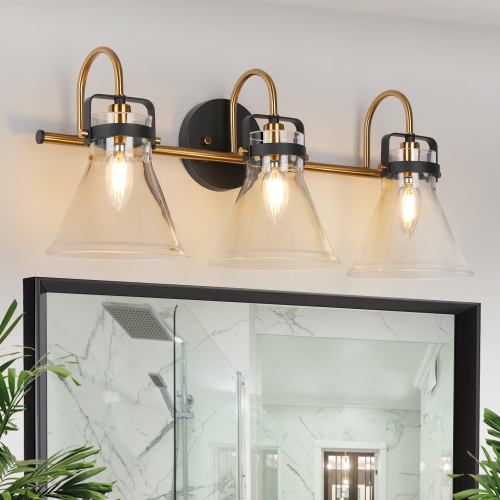
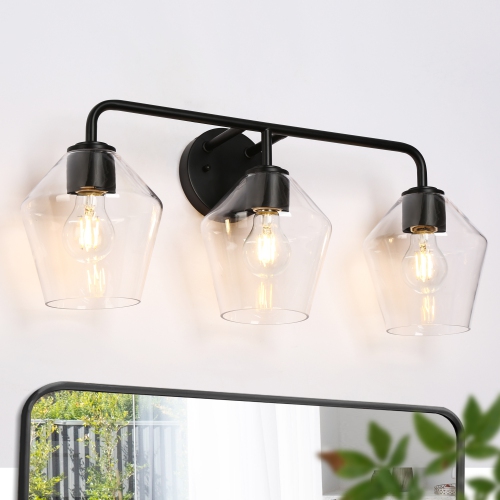
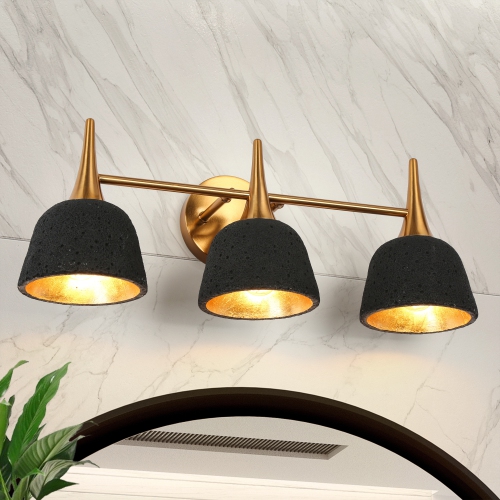
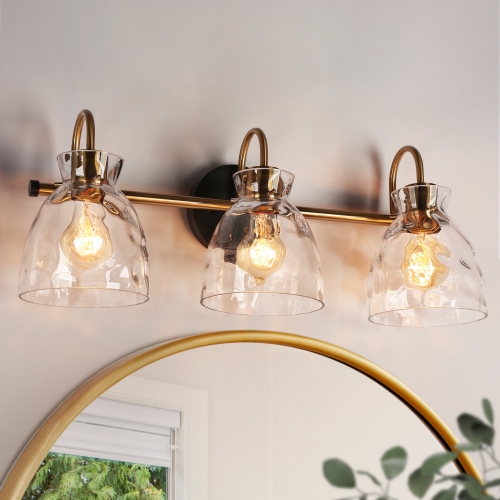
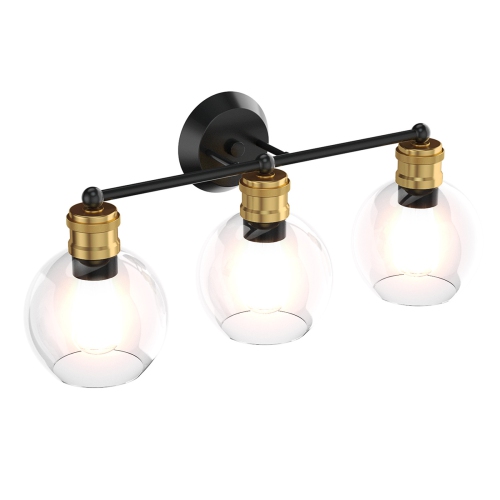
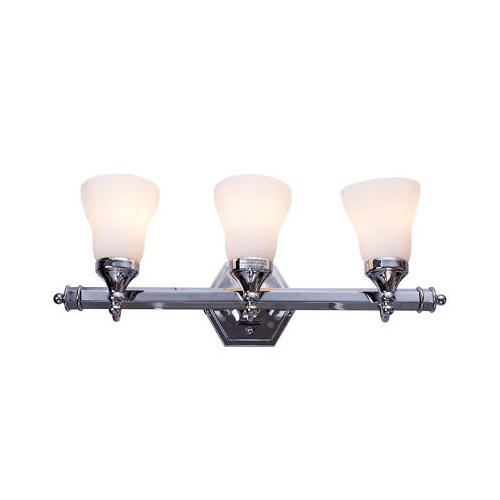
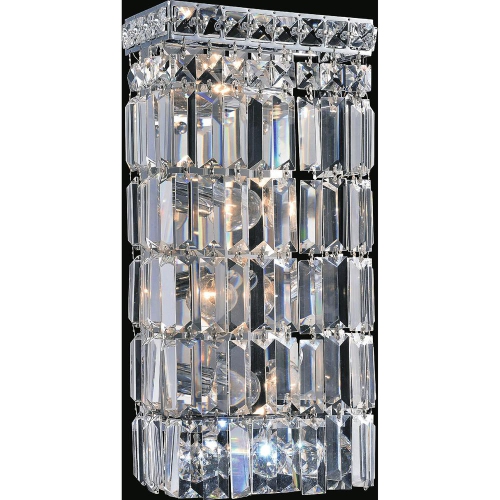
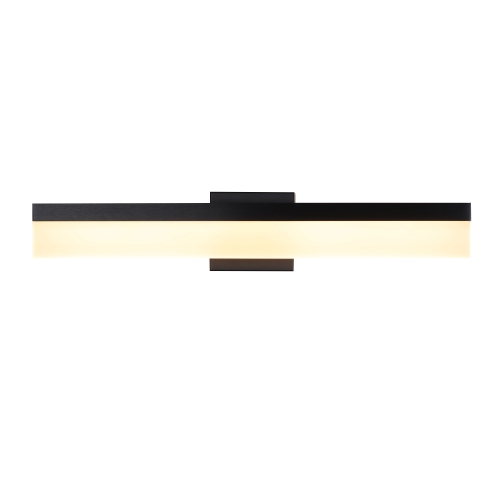
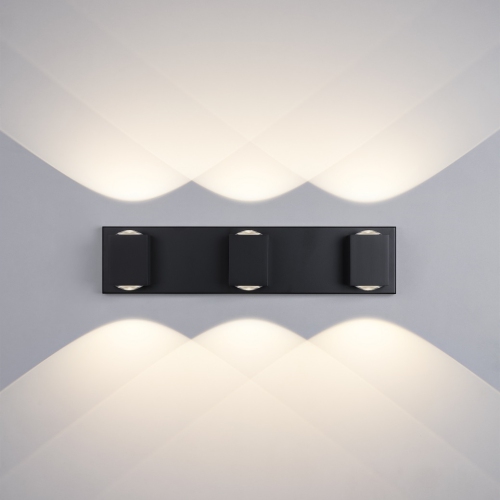
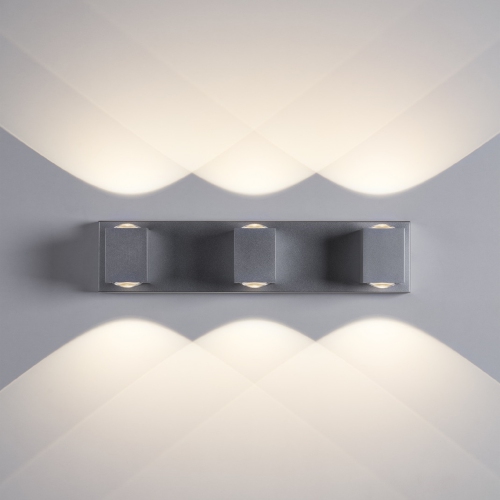
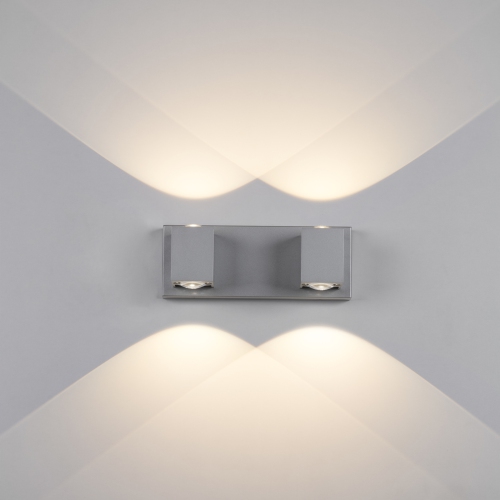
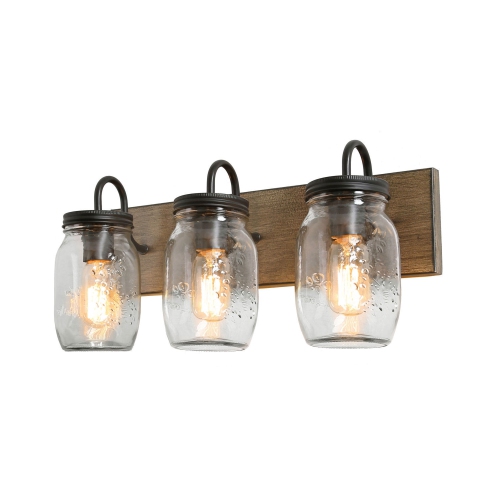
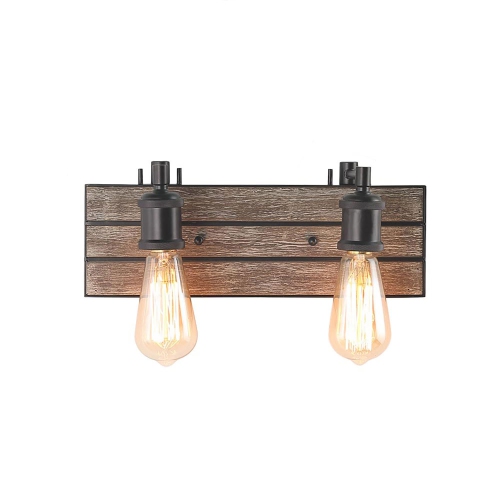
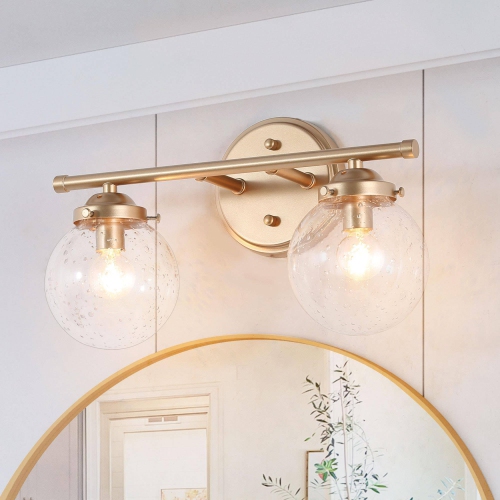
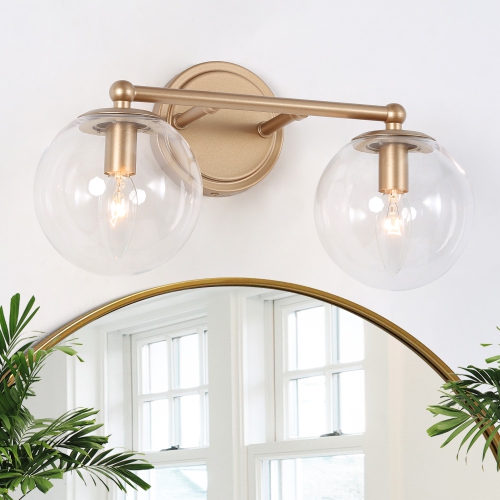
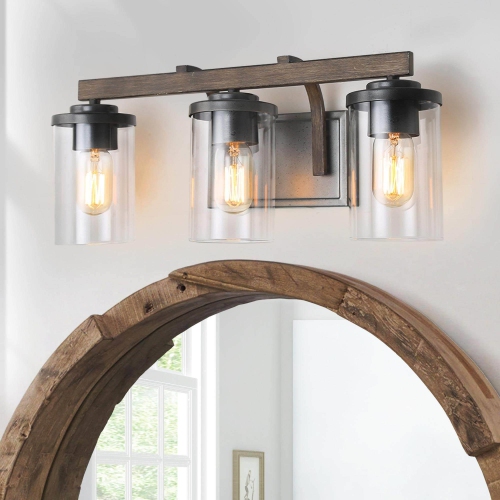
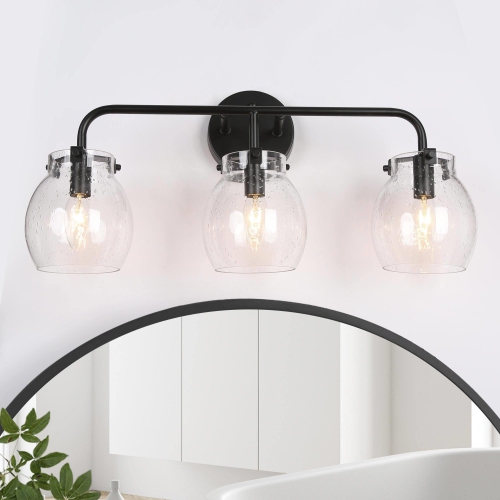
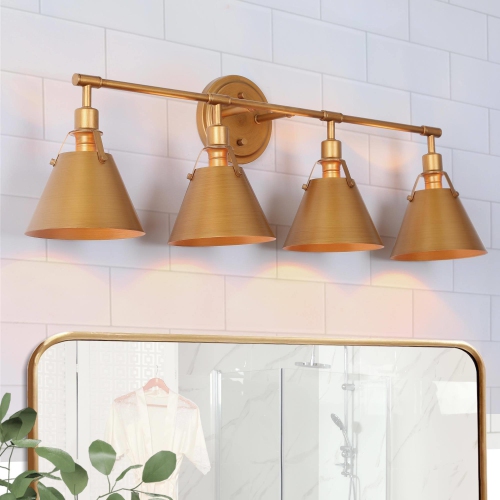
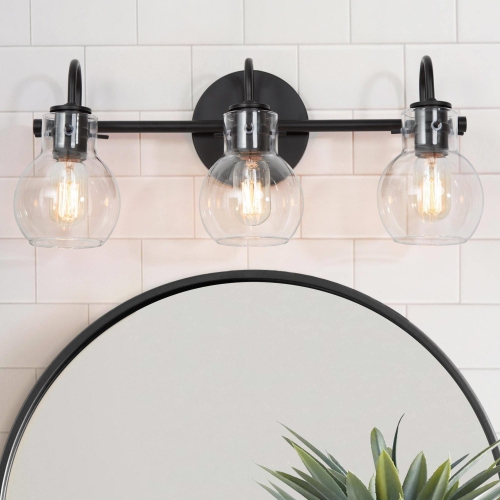
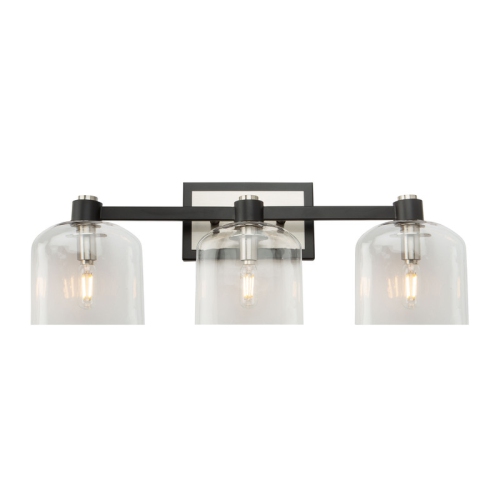
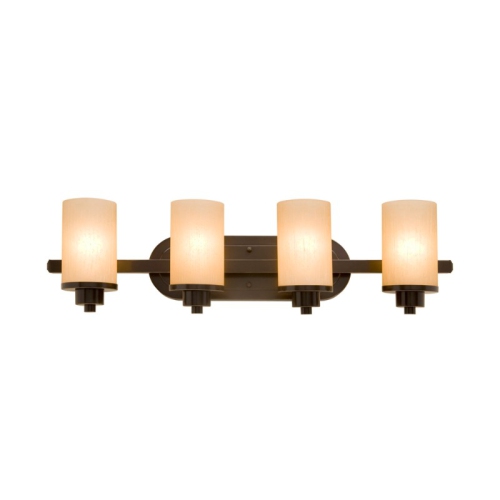
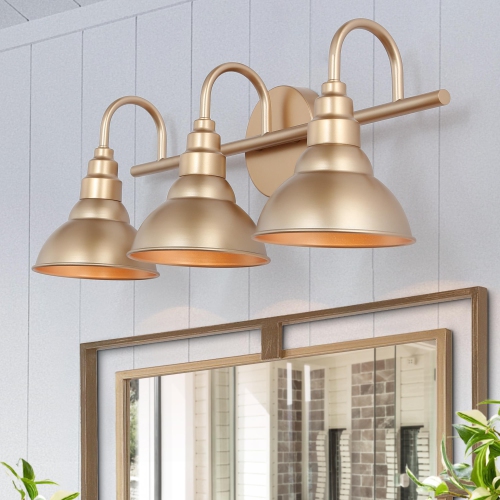
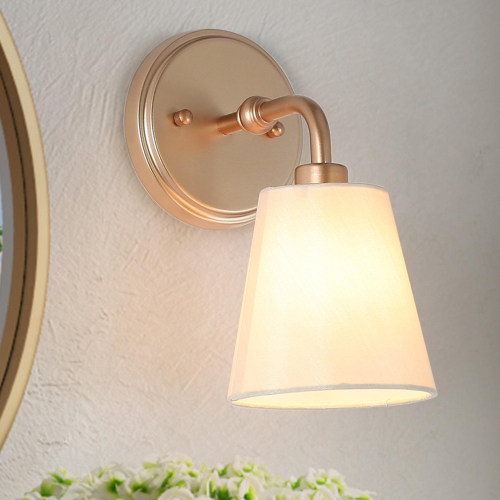
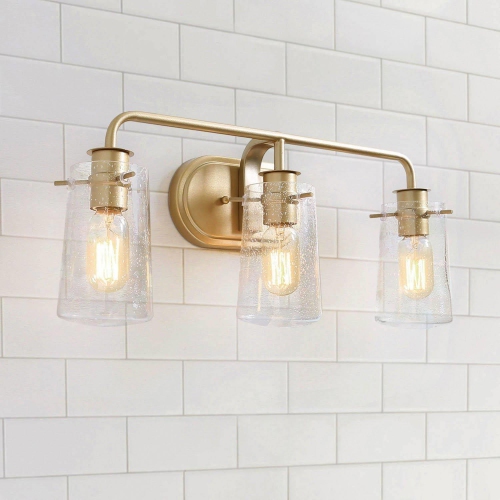
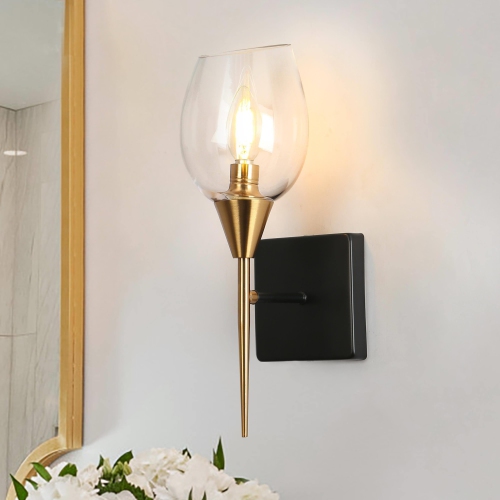
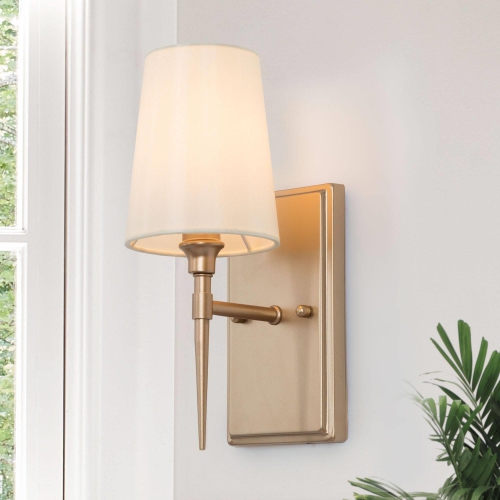
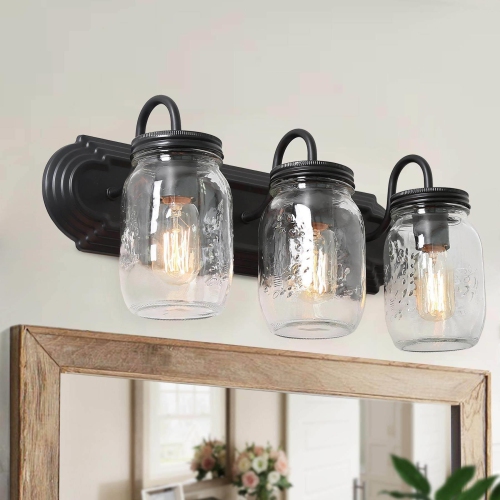
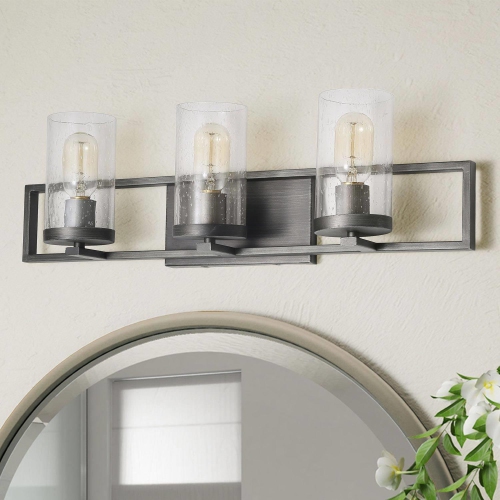
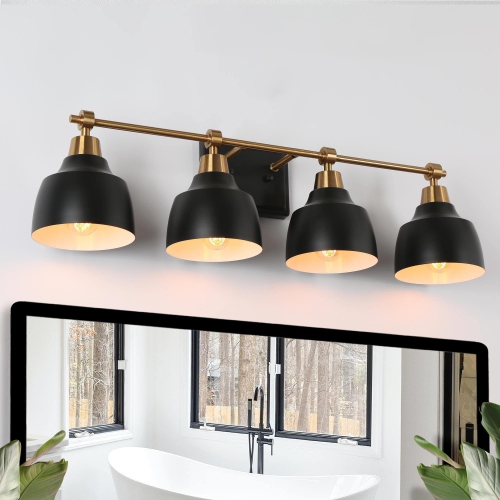
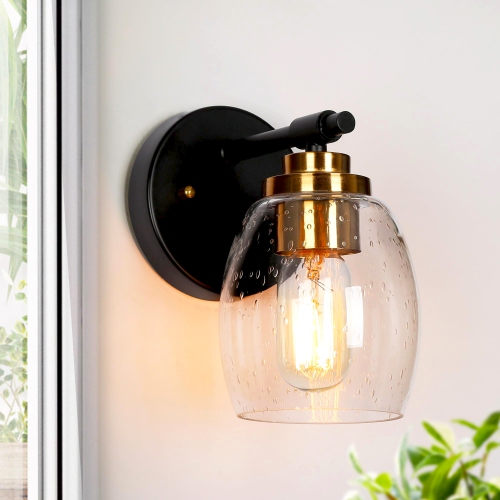
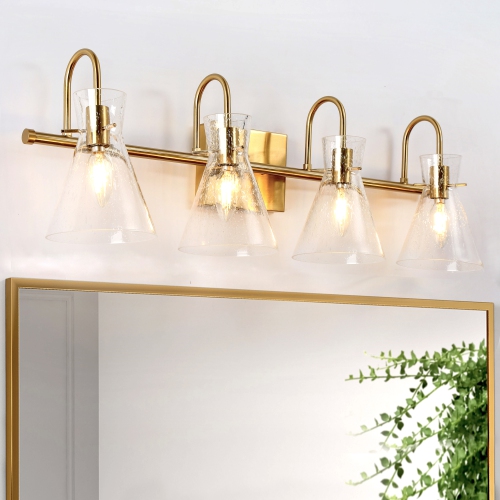
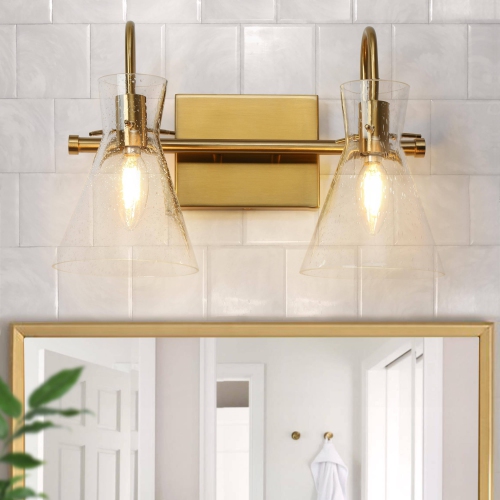
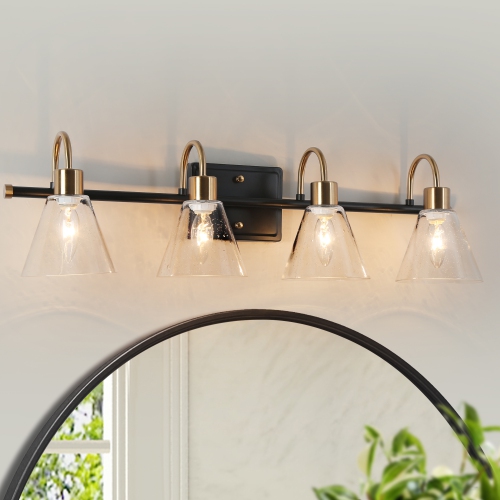
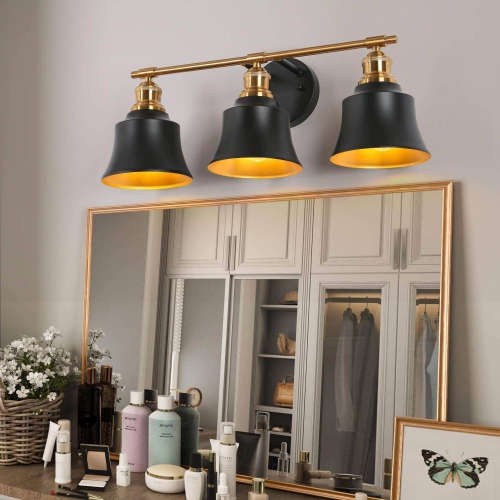
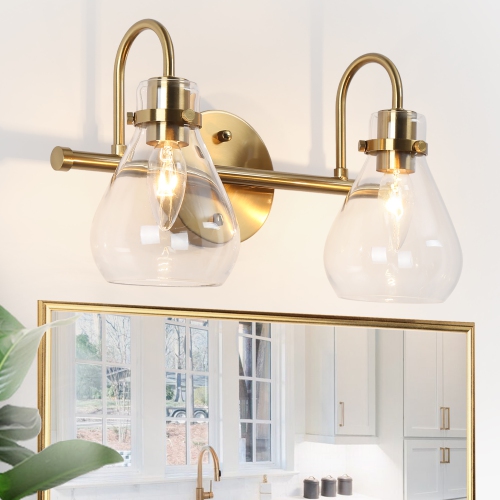
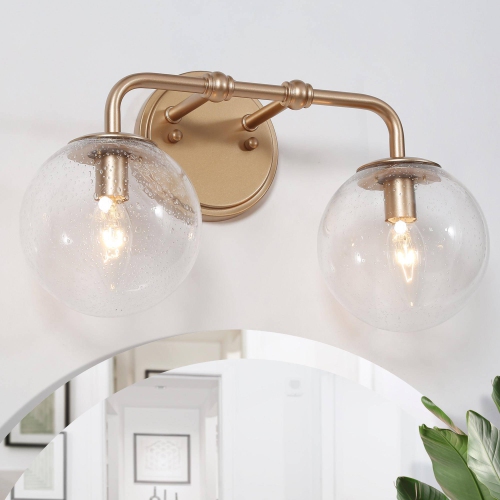
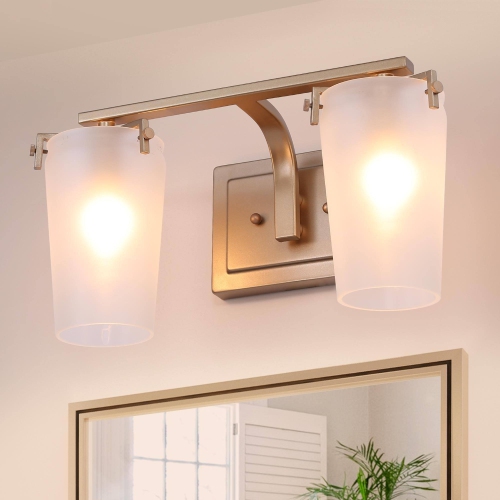
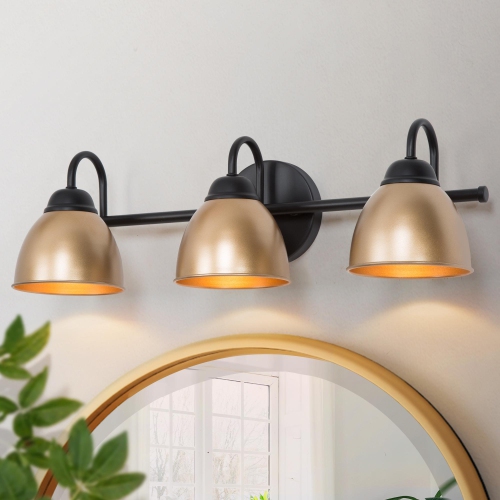
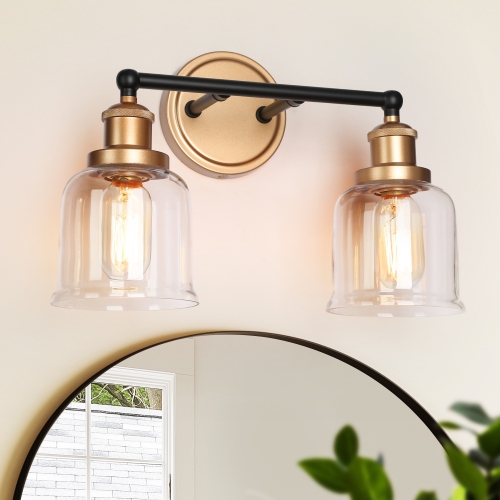
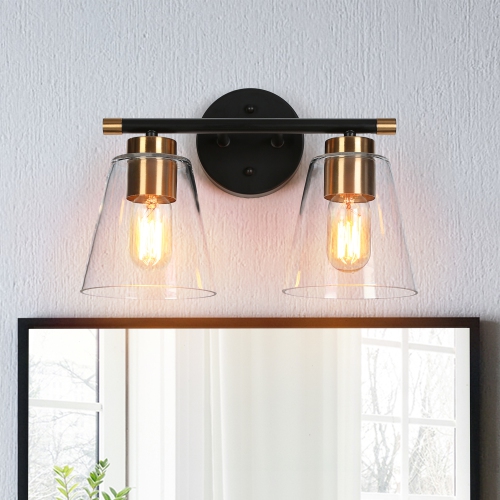
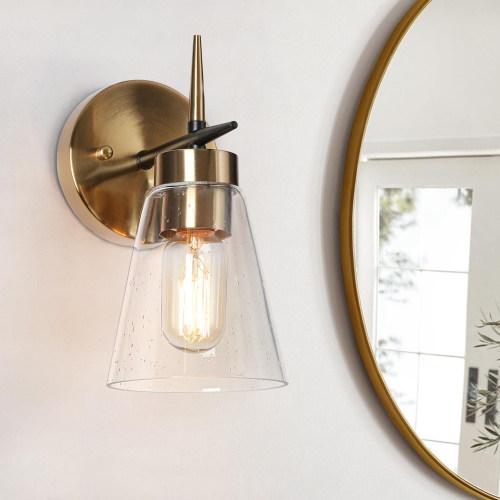
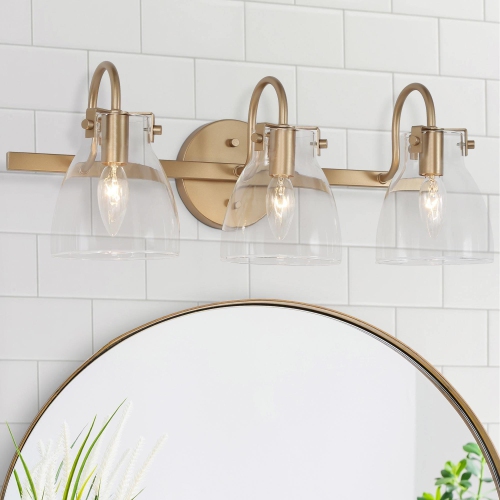
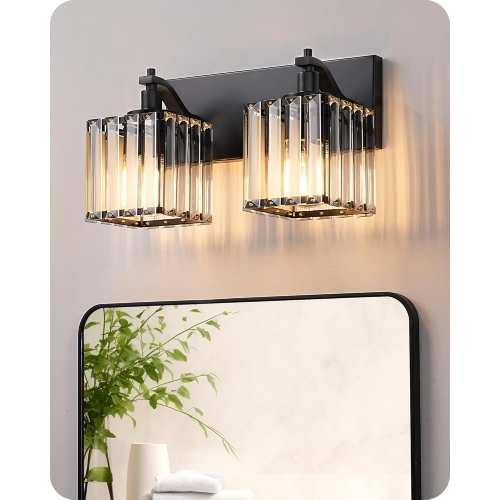
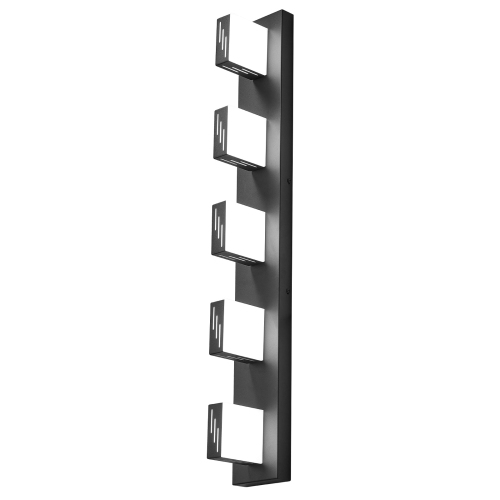
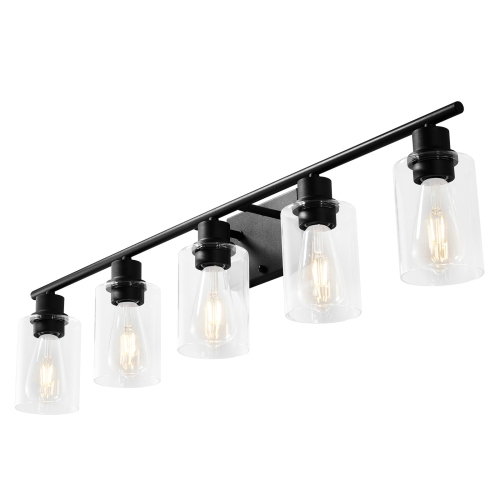
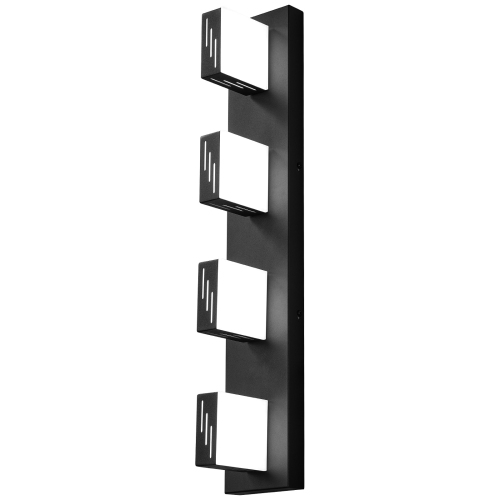
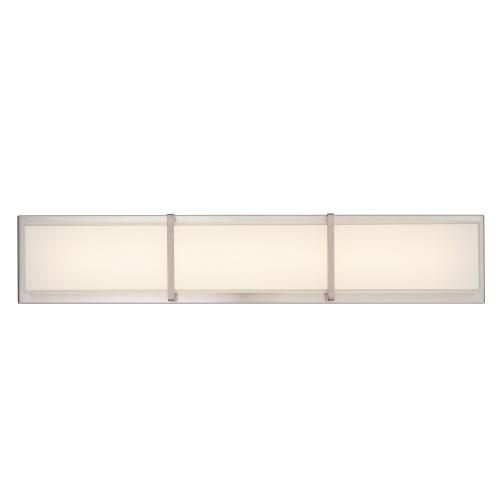
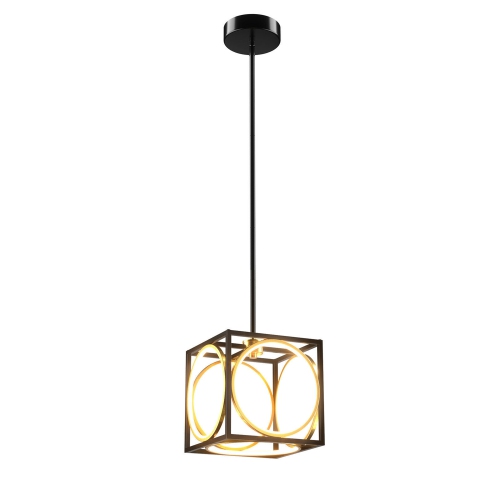
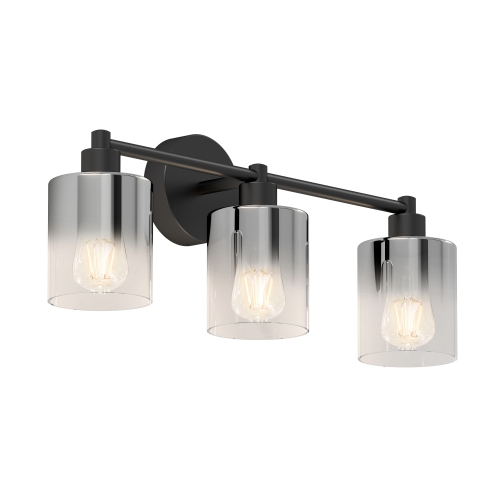
Bathroom light fixtures bring together practical illumination and the finishing details that make a bathroom feel complete. Vanity lights, wall sconces, flush-mount ceiling lights, and recessed fixtures serve different purposes, from lighting the mirror for shaving to providing a clear view of the whole room. A ceiling fixture can brighten the floor and shower entrance, while lighting beside or above the mirror helps reduce the facial shadows that overhead light alone can create. In a compact powder room, a well-proportioned vanity fixture may provide much of the light needed for handwashing and quick mirror checks. A larger family bathroom often benefits from separate sources of general and task lighting, particularly when two people use the space at once. Linear light bars suit streamlined vanities and wide mirrors, while multi-light fixtures introduce definition through individual shades. Sconces on either side of a mirror provide illumination from both directions, which can be helpful for applying makeup, inserting contact lenses, or checking the edges of a shave. For a closer focus on this part of the room, Bathroom Mirror Lighting Fixtures bring attention to lighting designed around the sink and reflection. Appearance matters, too: a slim metal bar can keep a small wall from feeling crowded, while glass shades add depth above a simple rectangular mirror. Clear glass leaves bulbs visible and creates a more defined sparkle; frosted or opal glass softens the light and conceals the bulb shape. Open shades can give a fixture an airy appearance, though the visible bulb becomes part of the design. Enclosed diffusers offer a more continuous surface of light. The most comfortable arrangement balances these visual details with the everyday needs of the household, so the bathroom feels inviting without leaving the mirror dim or creating distracting glare. Separate controls for mirror and ceiling lighting can also make a shared bathroom more flexible, allowing focused light at the vanity without always illuminating every corner.
Size, placement, and light quality influence how well bathroom lighting works once it is installed. Fixture width should relate to the mirror, vanity, and available wall space rather than simply filling the largest possible area. An over-mirror light is often slightly narrower than the mirror, although a broad vanity or double sink may call for two fixtures instead of one long bar. Side-mounted sconces need enough clearance from cabinets, adjacent walls, and mirror edges, with the light-emitting portion positioned near the users’ eye level where the layout allows. A projecting medicine cabinet deserves particular attention: a fixture mounted too close above it may cast a shadow across the sink or interfere with the door. The fixture’s depth, backplate dimensions, and permitted mounting orientation are therefore as important as its overall width. Some shaded fixtures can face upward or downward, but only when the manufacturer specifies both arrangements. Brightness is best compared in lumens rather than watts, since wattage describes electrical power use rather than light output. The amount of light needed depends on room size, ceiling height, surface colours, and how many fixtures share the space. Dark tile tends to absorb more light, while pale walls and large mirrors reflect it. Colour temperature, measured in kelvins, affects the appearance of that light: approximately 2700K to 3000K gives a warmer effect, while around 3500K to 4000K produces a more neutral appearance often suited to grooming. Keeping nearby fixtures at similar colour temperatures helps avoid a patchwork effect across the mirror. A colour rendering index, or CRI, of 90 or higher can help skin tones and makeup colours look more natural. Dimmable lighting adds flexibility, but the fixture, bulbs, and dimmer must be compatible. Integrated LED designs provide light without separate screw-in bulbs; fixtures with replaceable bulbs offer another way to adjust brightness and light colour within the stated socket type and wattage limits. Diffusion remains important with either design, particularly where a bright light source sits directly within the line of sight.
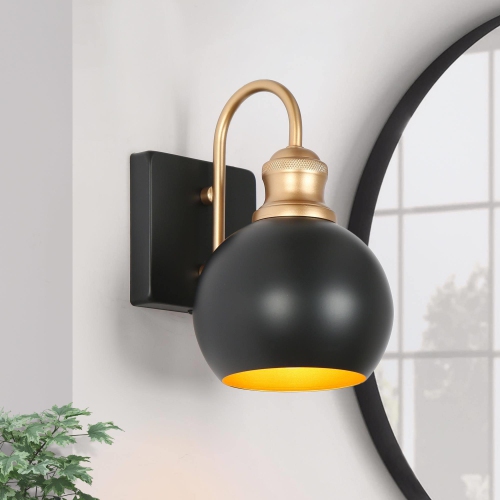
Materials, moisture ratings, and straightforward maintenance help distinguish bathroom light fixtures suited to daily use. Metal bodies with glass shades are common, with finishes ranging from polished chrome and brushed nickel to matte black and brass tones. Chrome can echo taps and towel bars for a coordinated look, while brushed finishes create a softer visual texture. Matte black gives light-coloured tile a crisp outline, and warmer metallic finishes can complement wood vanities or cream cabinetry. Exact finish names do not guarantee a match across different manufacturers, so subtle variations in tone and sheen are worth considering when coordinating fittings. Durability depends on the base material, protective finish, construction, and suitability for the installation location, not colour alone. Bathrooms expose fixtures to humidity, and areas near a bath or shower may require a different moisture rating from a position over the vanity. A damp-location rating covers moisture exposure without direct water contact; a wet-location rating addresses exposure to water as specified by the manufacturer. Neither rating replaces the need to follow installation instructions and applicable local electrical requirements. Lighting above or within a shower enclosure needs particular care, and a qualified electrician can confirm the appropriate fixture, placement, and electrical protection. Existing junction-box locations also affect the fit, especially when replacing a wide backplate with a smaller one that may reveal unfinished wall space. For routine care, power should be switched off and the fixture allowed to cool before accessible surfaces are wiped with a soft cloth according to the manufacturer’s directions. Abrasive cleaners and harsh chemicals can damage finishes or cloud some shades. Removable glass shades may make cleaning easier, while smooth profiles have fewer ledges where dust can settle. Accessible bulbs simplify future replacement, especially above a deep vanity where reaching the fixture is awkward. In a frequently used family bathroom, easy cleaning and even illumination may matter most; in an ensuite, separate dimming and carefully placed mirror lighting may take priority. Thoughtful proportions, suitable moisture protection, and comfortable light give bathroom fixtures lasting usefulness beyond their initial visual impact.
Size, placement, and light quality influence how well bathroom lighting works once it is installed. Fixture width should relate to the mirror, vanity, and available wall space rather than simply filling the largest possible area. An over-mirror light is often slightly narrower than the mirror, although a broad vanity or double sink may call for two fixtures instead of one long bar. Side-mounted sconces need enough clearance from cabinets, adjacent walls, and mirror edges, with the light-emitting portion positioned near the users’ eye level where the layout allows. A projecting medicine cabinet deserves particular attention: a fixture mounted too close above it may cast a shadow across the sink or interfere with the door. The fixture’s depth, backplate dimensions, and permitted mounting orientation are therefore as important as its overall width. Some shaded fixtures can face upward or downward, but only when the manufacturer specifies both arrangements. Brightness is best compared in lumens rather than watts, since wattage describes electrical power use rather than light output. The amount of light needed depends on room size, ceiling height, surface colours, and how many fixtures share the space. Dark tile tends to absorb more light, while pale walls and large mirrors reflect it. Colour temperature, measured in kelvins, affects the appearance of that light: approximately 2700K to 3000K gives a warmer effect, while around 3500K to 4000K produces a more neutral appearance often suited to grooming. Keeping nearby fixtures at similar colour temperatures helps avoid a patchwork effect across the mirror. A colour rendering index, or CRI, of 90 or higher can help skin tones and makeup colours look more natural. Dimmable lighting adds flexibility, but the fixture, bulbs, and dimmer must be compatible. Integrated LED designs provide light without separate screw-in bulbs; fixtures with replaceable bulbs offer another way to adjust brightness and light colour within the stated socket type and wattage limits. Diffusion remains important with either design, particularly where a bright light source sits directly within the line of sight.
Materials, moisture ratings, and straightforward maintenance help distinguish bathroom light fixtures suited to daily use. Metal bodies with glass shades are common, with finishes ranging from polished chrome and brushed nickel to matte black and brass tones. Chrome can echo taps and towel bars for a coordinated look, while brushed finishes create a softer visual texture. Matte black gives light-coloured tile a crisp outline, and warmer metallic finishes can complement wood vanities or cream cabinetry. Exact finish names do not guarantee a match across different manufacturers, so subtle variations in tone and sheen are worth considering when coordinating fittings. Durability depends on the base material, protective finish, construction, and suitability for the installation location, not colour alone. Bathrooms expose fixtures to humidity, and areas near a bath or shower may require a different moisture rating from a position over the vanity. A damp-location rating covers moisture exposure without direct water contact; a wet-location rating addresses exposure to water as specified by the manufacturer. Neither rating replaces the need to follow installation instructions and applicable local electrical requirements. Lighting above or within a shower enclosure needs particular care, and a qualified electrician can confirm the appropriate fixture, placement, and electrical protection. Existing junction-box locations also affect the fit, especially when replacing a wide backplate with a smaller one that may reveal unfinished wall space. For routine care, power should be switched off and the fixture allowed to cool before accessible surfaces are wiped with a soft cloth according to the manufacturer’s directions. Abrasive cleaners and harsh chemicals can damage finishes or cloud some shades. Removable glass shades may make cleaning easier, while smooth profiles have fewer ledges where dust can settle. Accessible bulbs simplify future replacement, especially above a deep vanity where reaching the fixture is awkward. In a frequently used family bathroom, easy cleaning and even illumination may matter most; in an ensuite, separate dimming and carefully placed mirror lighting may take priority. Thoughtful proportions, suitable moisture protection, and comfortable light give bathroom fixtures lasting usefulness beyond their initial visual impact.
Top selling and popular products
-
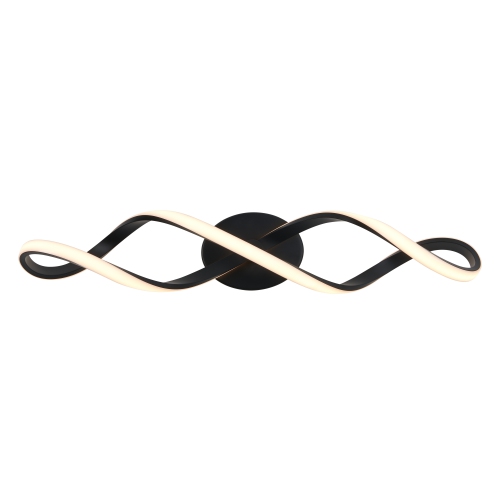 Your price for this item is $99.99
 -
 Your price for this item is $419.99
 -
 Your price for this item is $159
 -
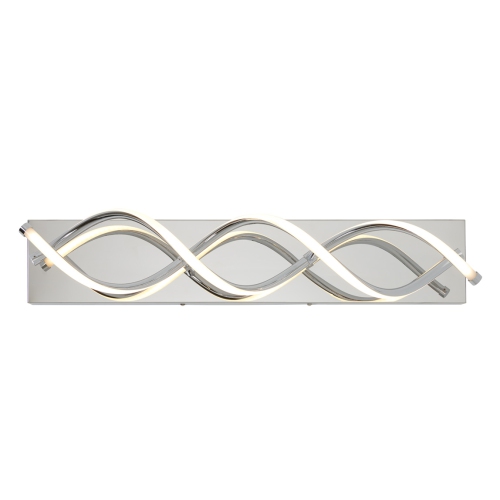 Your price for this item is $169.99
 -
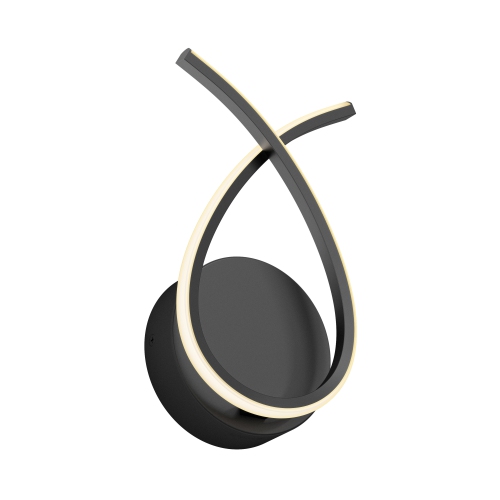 Your price for this item is $49.99
 -
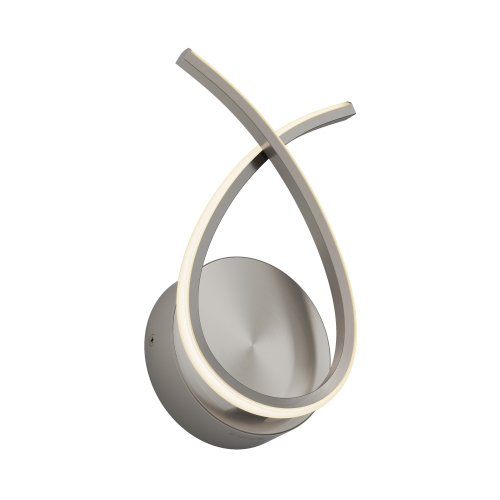 Your price for this item is $59.99
 -
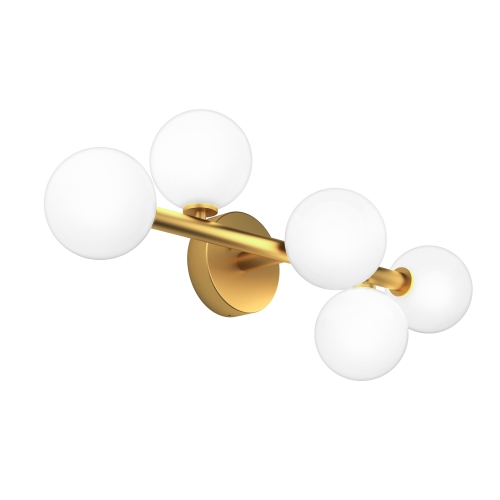 Your price for this item is $139
 -
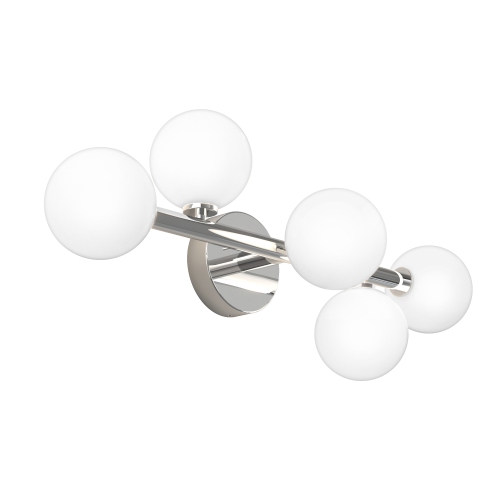 Your price for this item is $139
Discover more categories related to Bathroom Light Fixtures
Top Collections:
Pokemon Centers, Kindle Devices, Best Budget Office Chairs, Apple iPhones 16, Best Laptops for Writers, iPhone 15 Apple, Canon G7X Cameras, Refurbished Apple Laptops, Alarm Clock, Motorola Razr Phones
Some products may be subject to Environmental Handling Fees
(EHF) depending on your province.
Learn more about EHFs.