Bathroom Side Cabinets
Enhance your bathroom storage and organization with our selection of stylish and functional side cabinets. Perfect for adding extra space to store towels, toiletries, and other essentials, these cabinets are designed to complement any bathroom decor. With a variety of sizes, finishes, and features to choose from, you can find the perfect side cabinet to suit your needs and elevate the look of your space. Whether you're looking for a sleek modern design or a classic traditional style, our collection has something for every taste and budget.
Sort


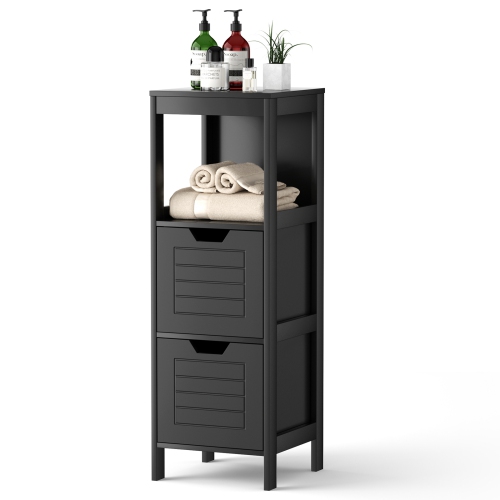
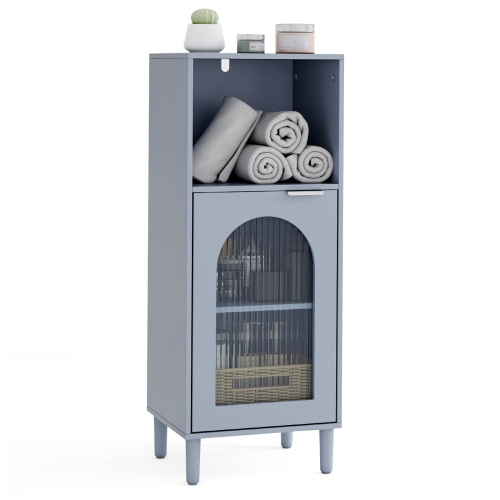
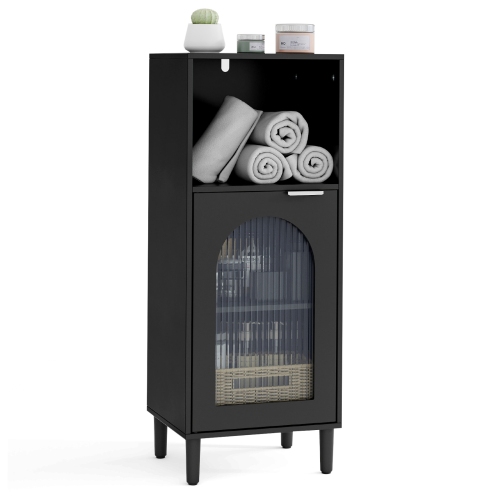
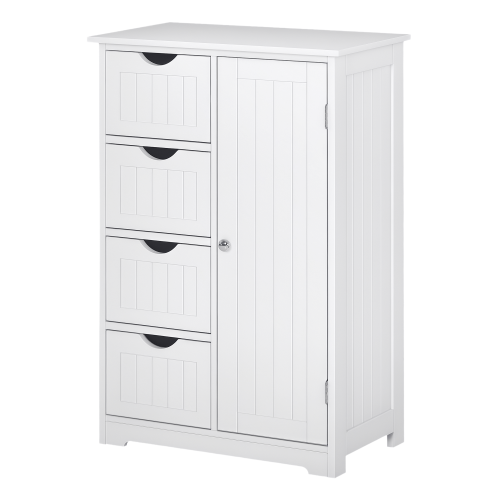


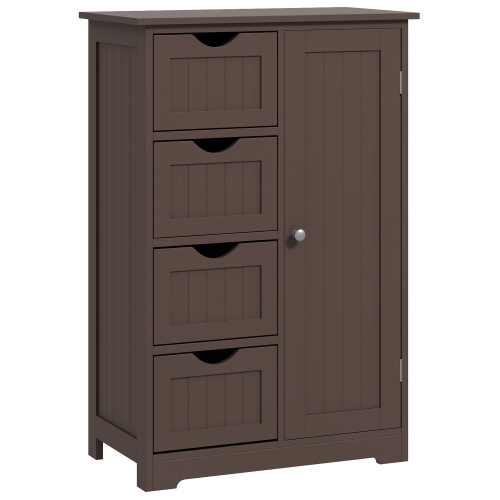
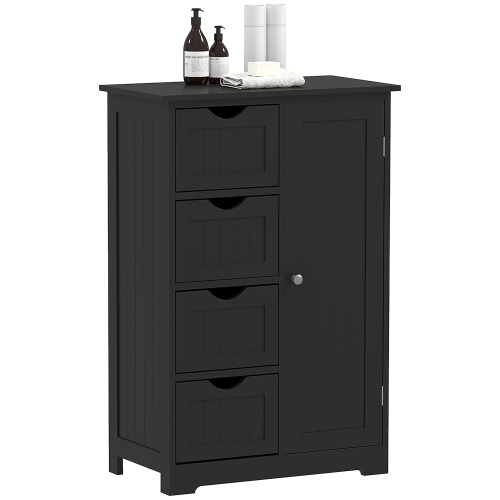
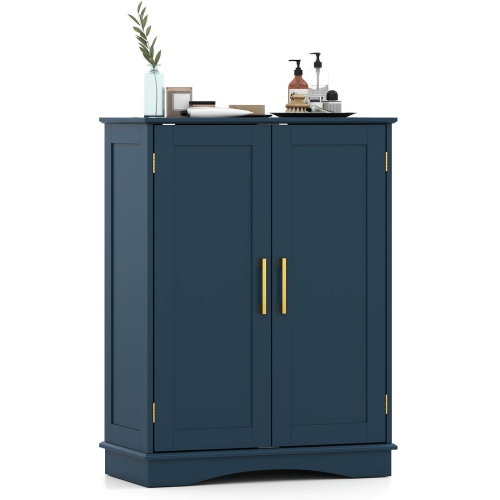

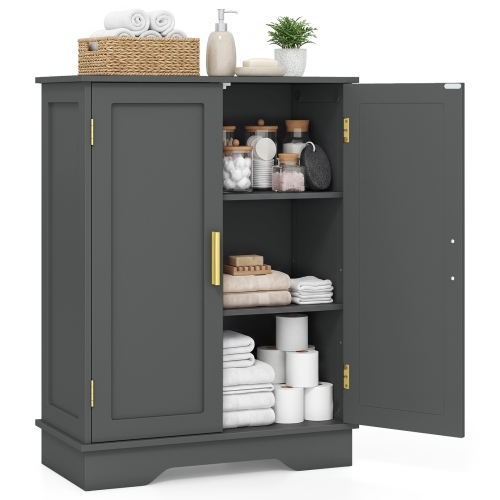
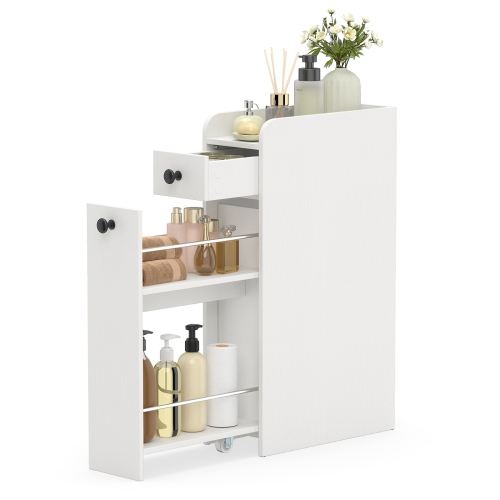
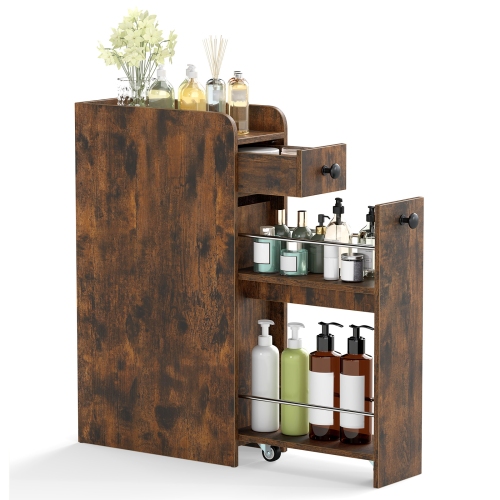
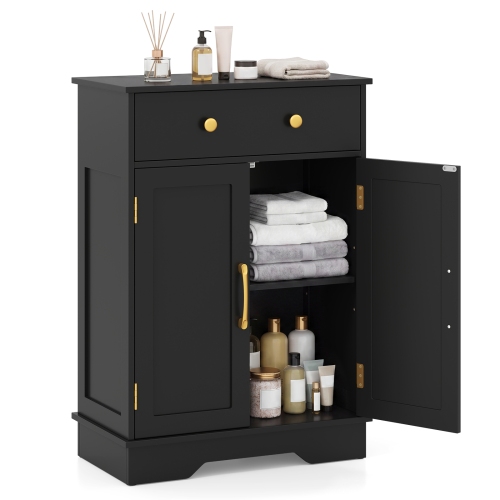
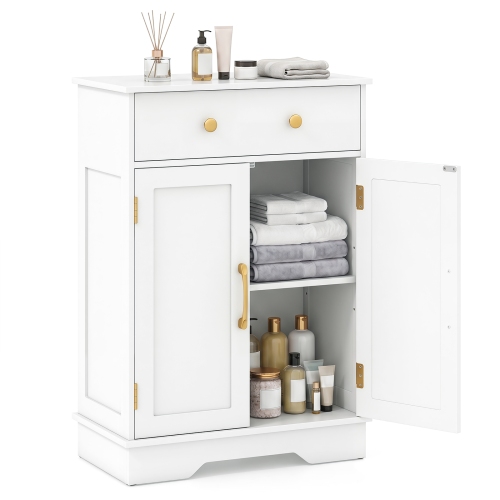


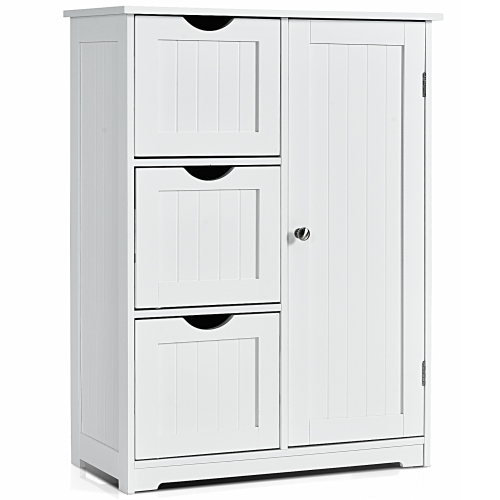

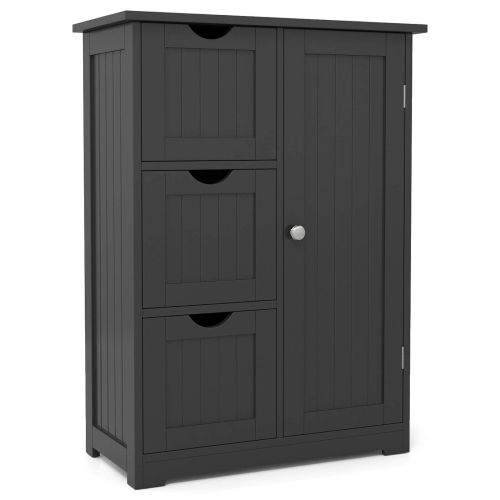
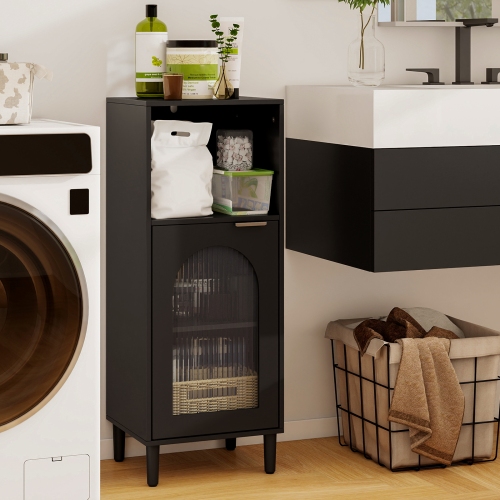
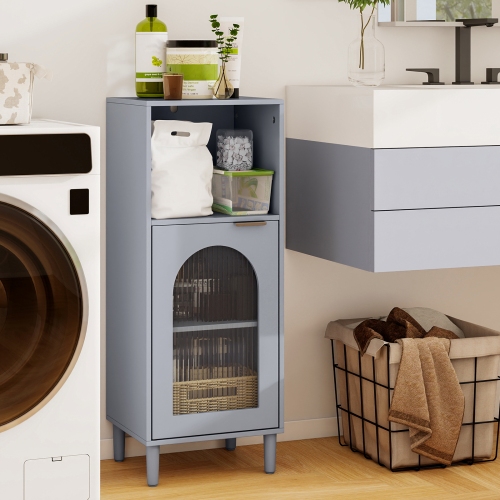
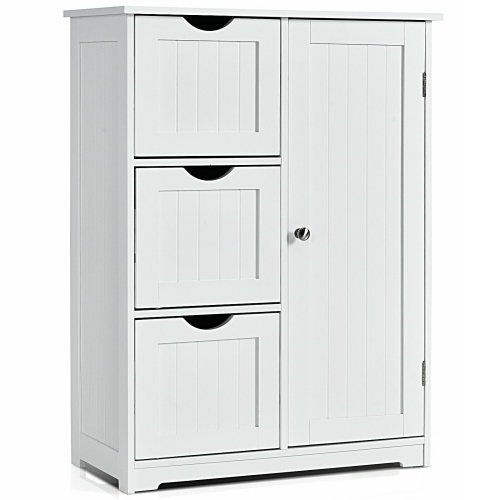
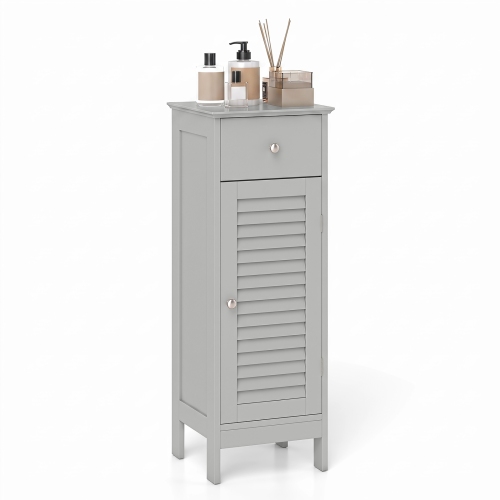


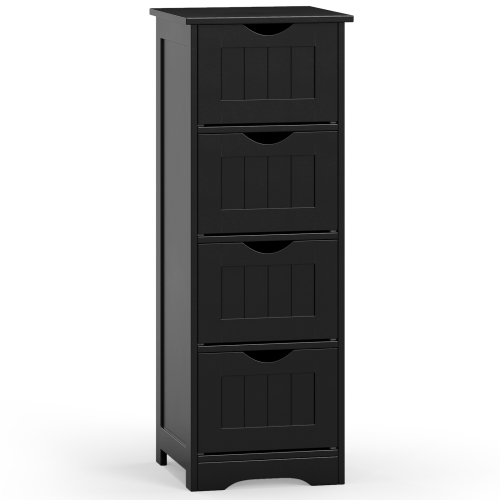
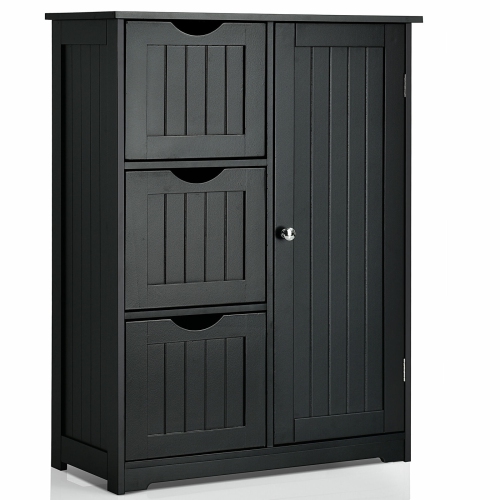


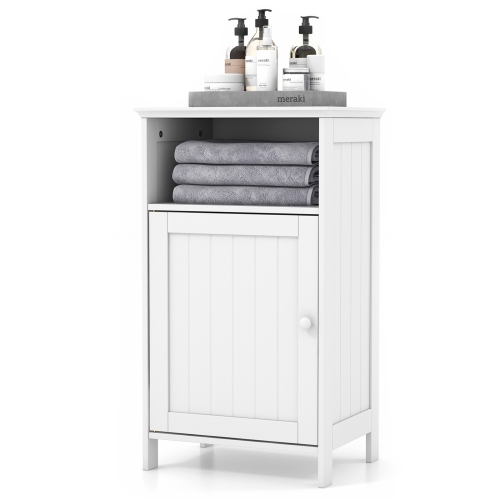
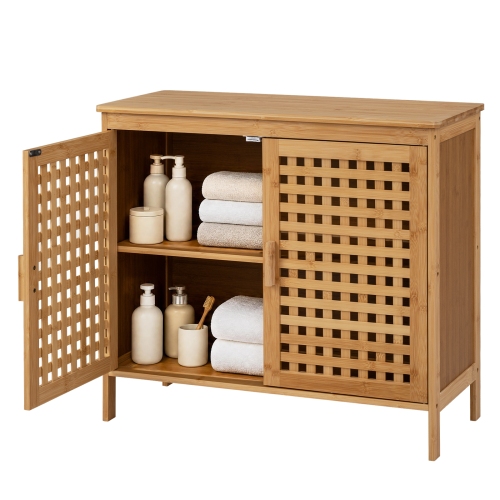

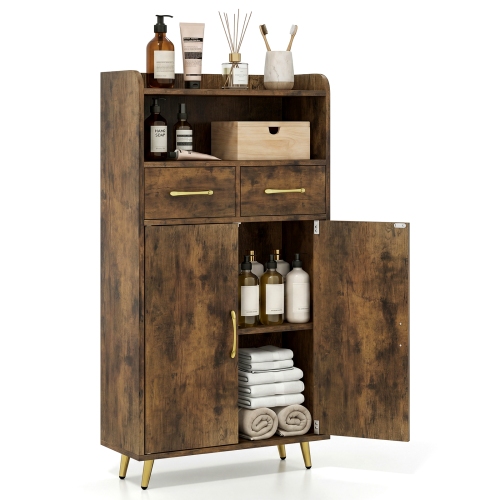
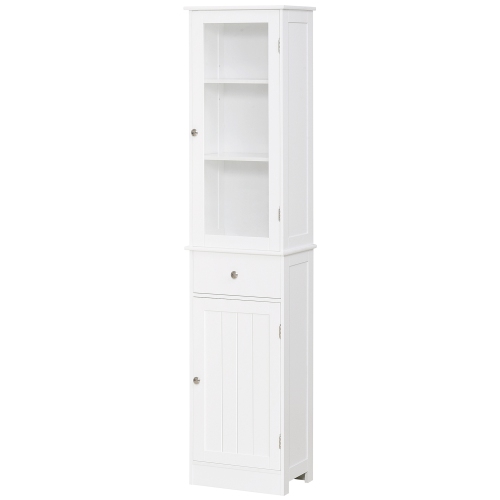
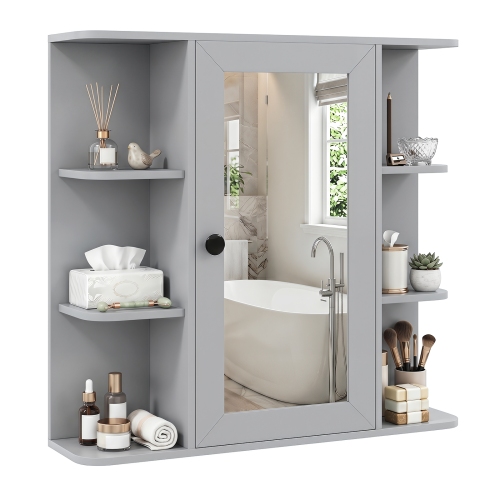
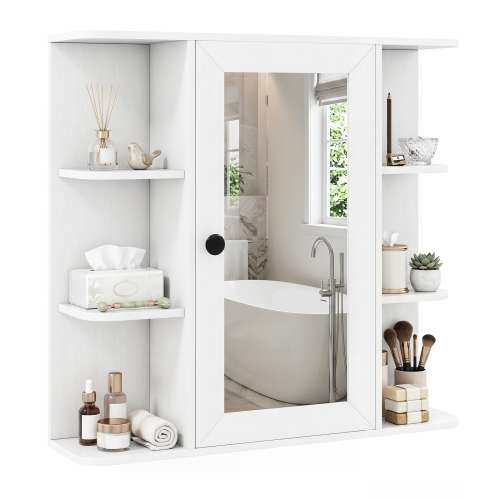

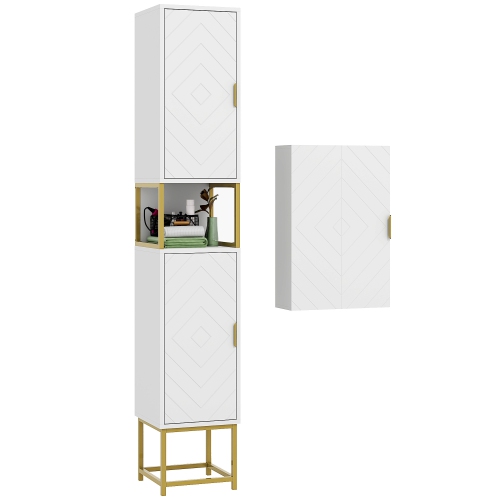
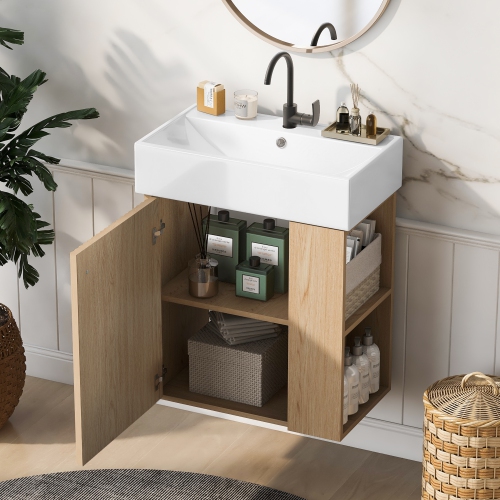


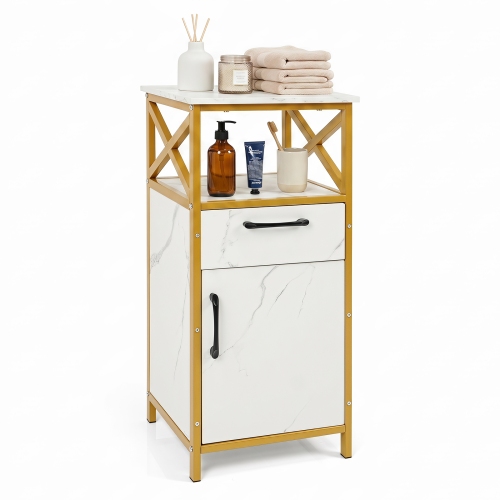

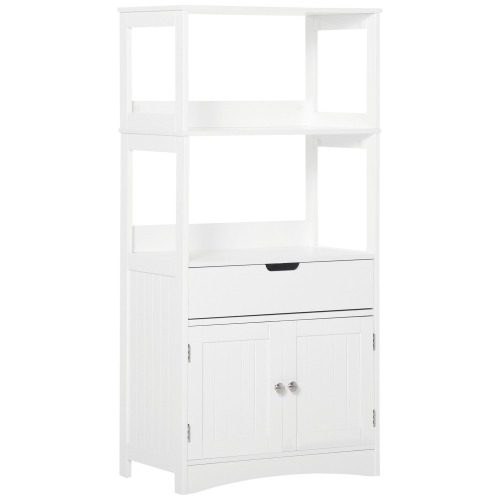
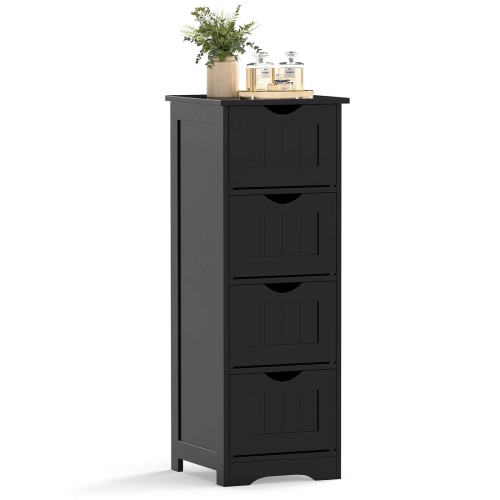
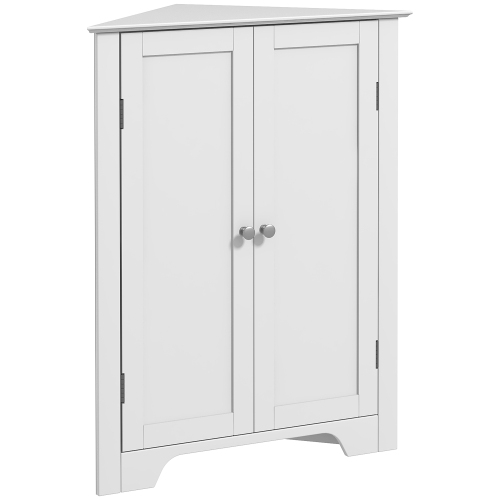
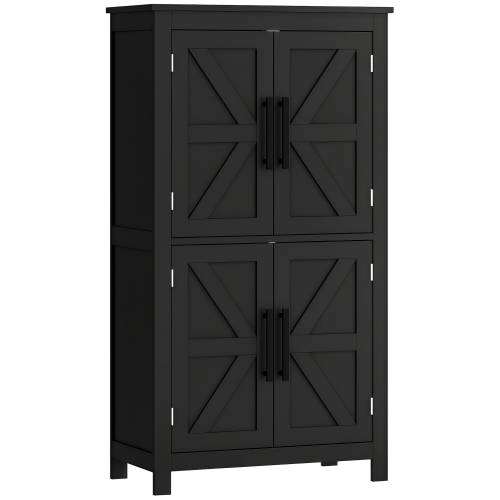

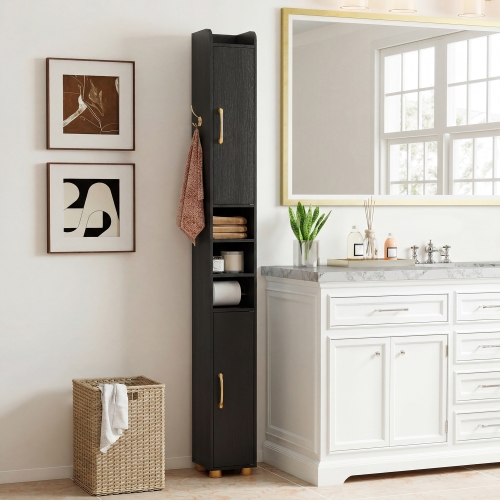
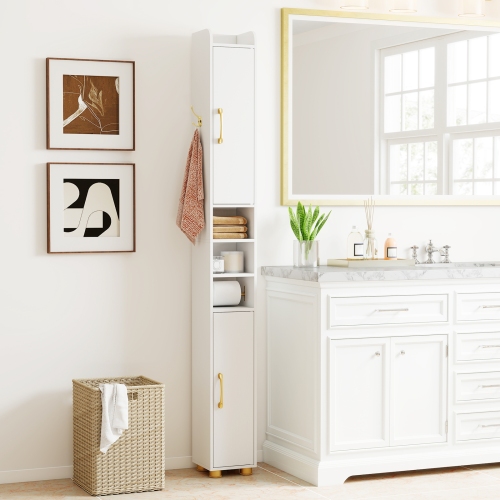
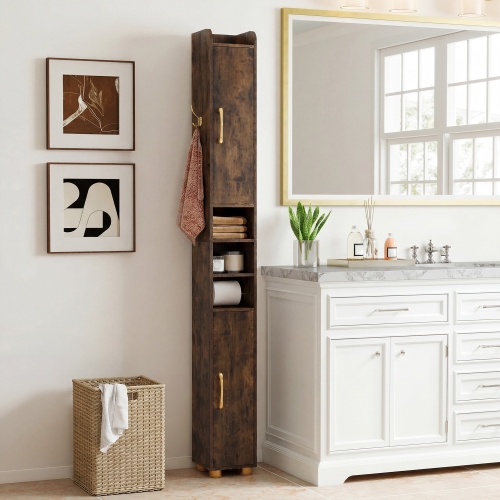
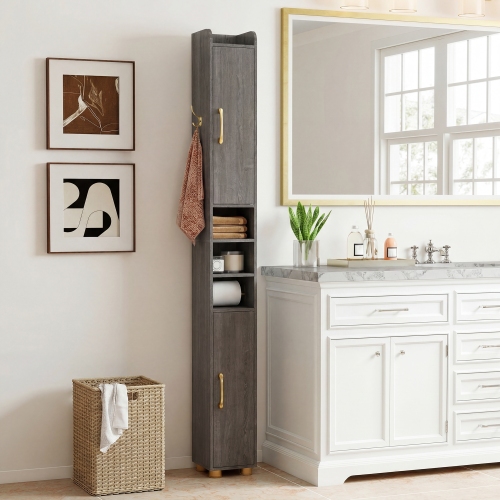
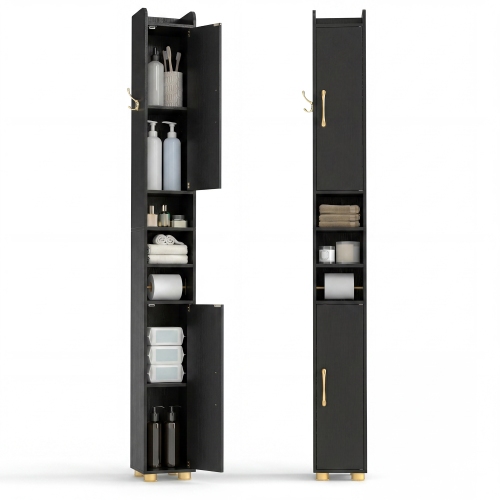
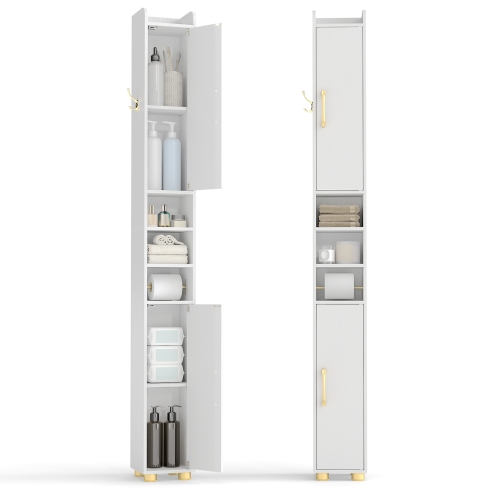

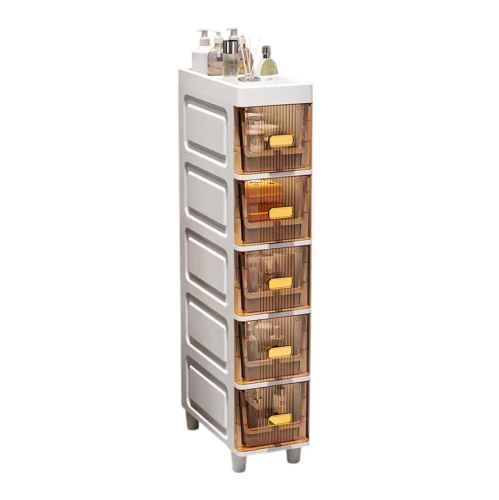


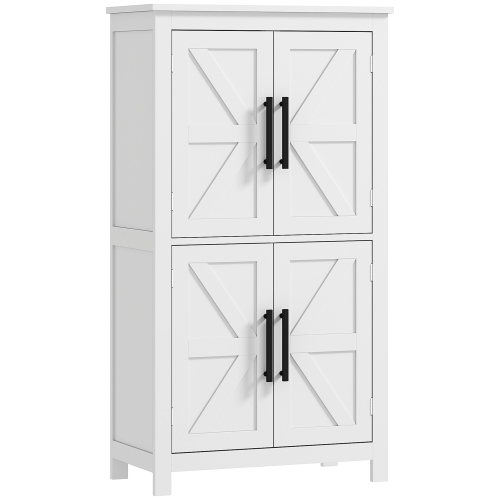

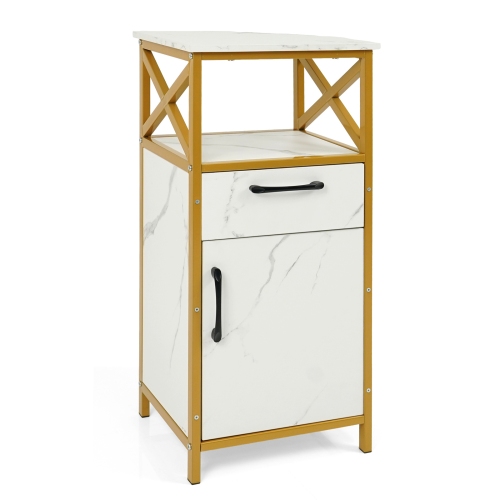
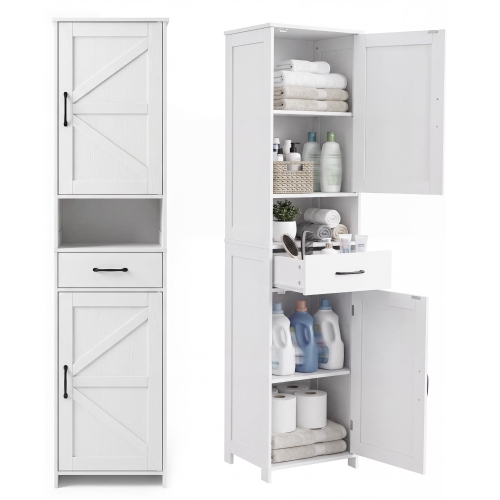
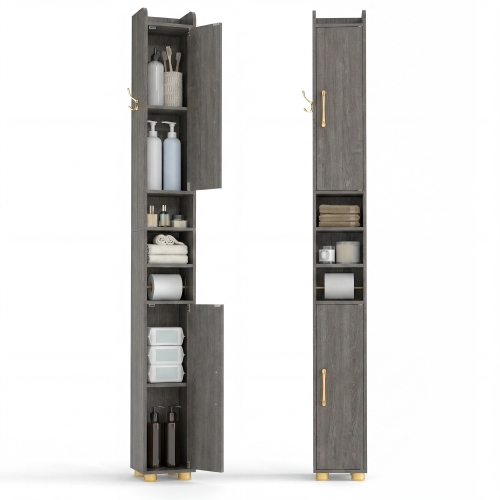
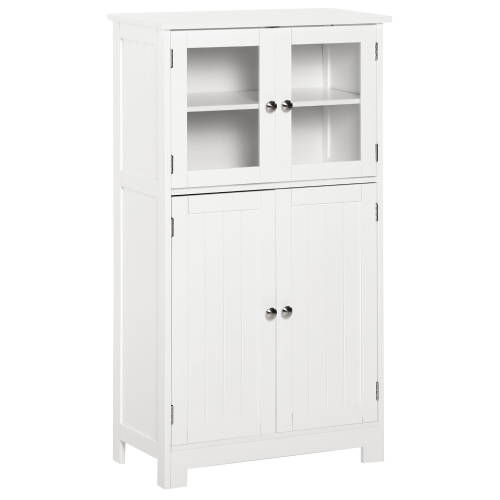
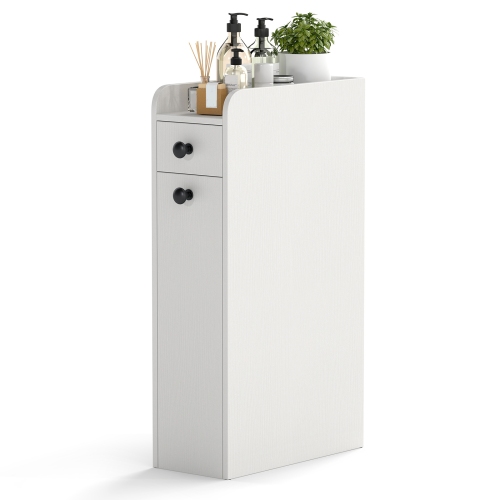


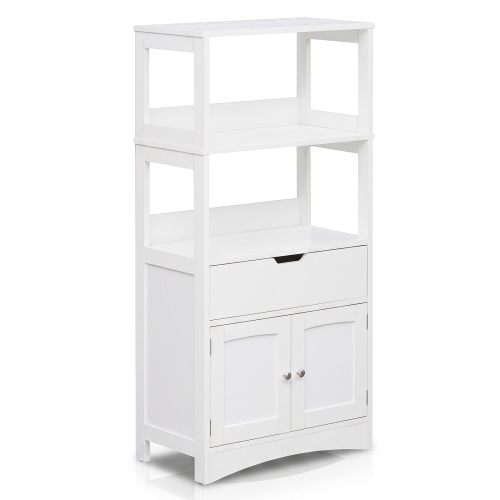
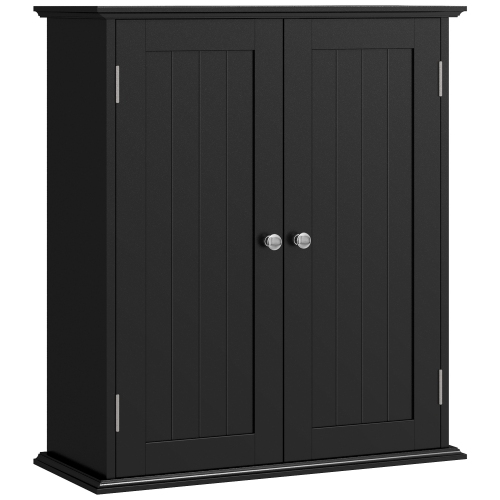
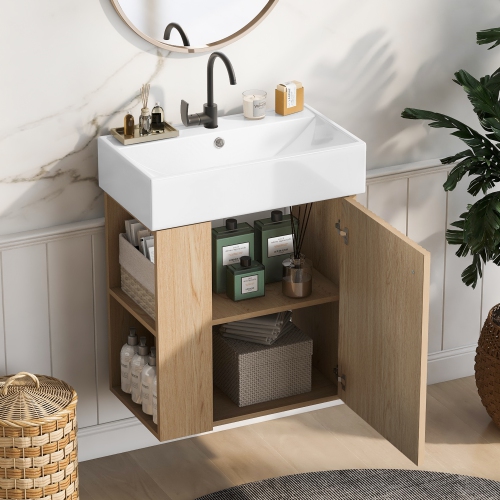
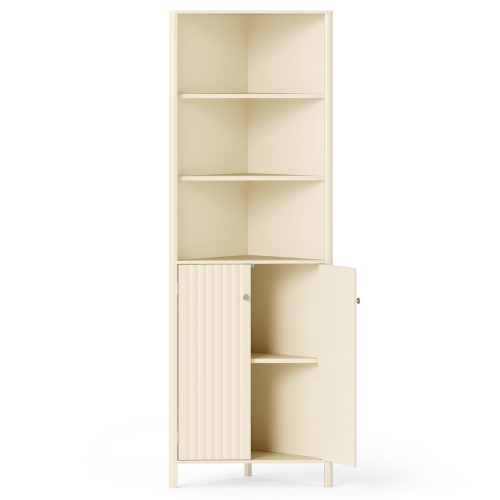
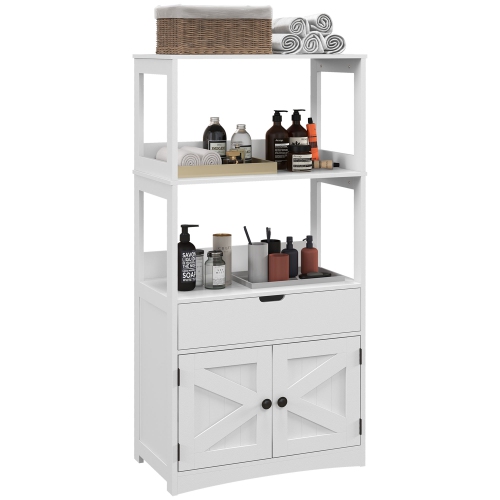
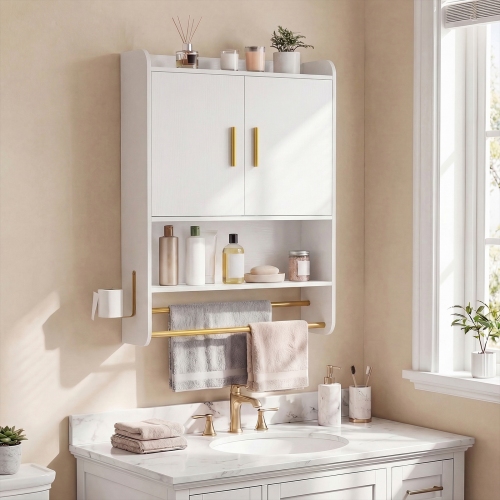
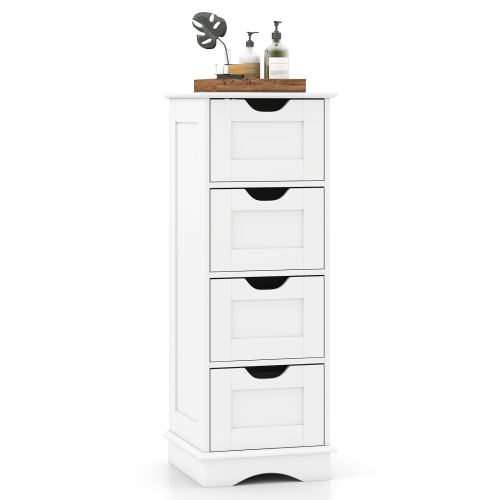
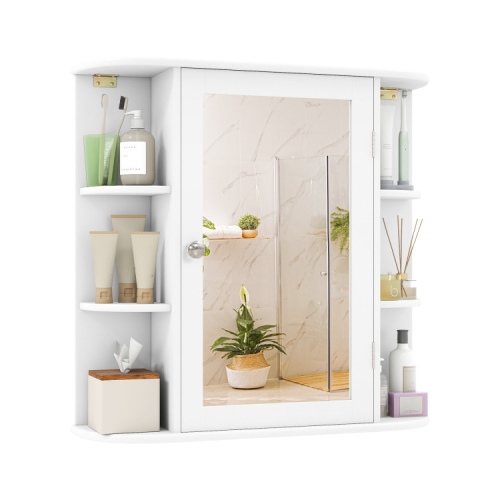
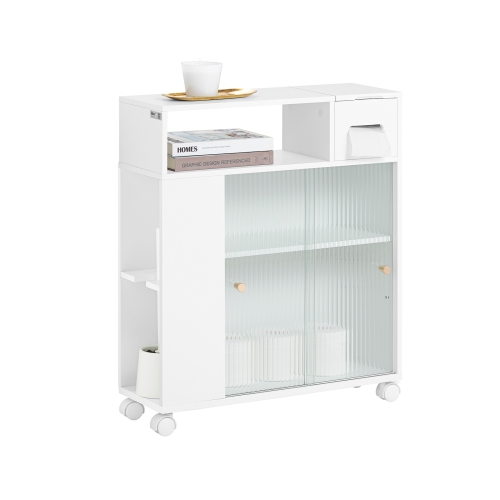
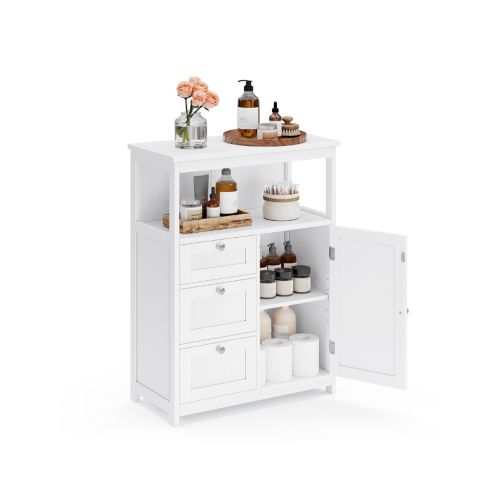
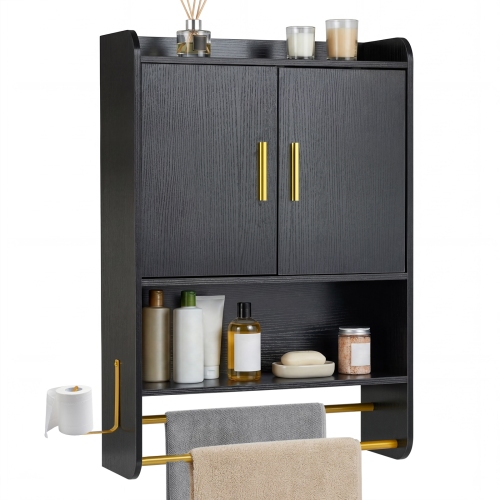
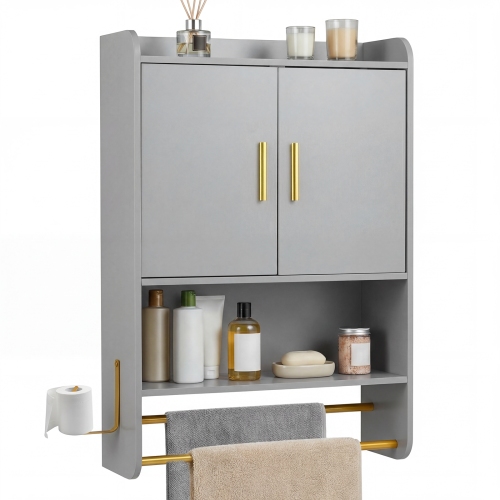
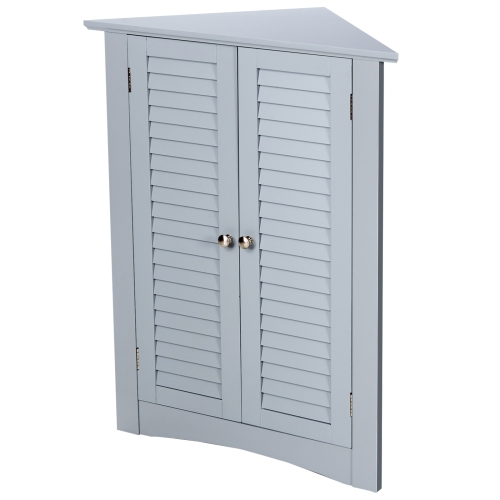
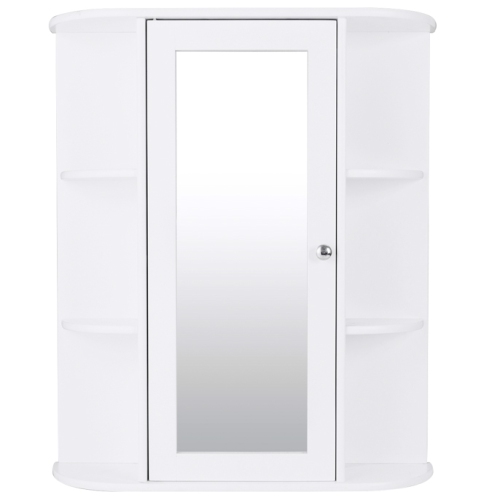


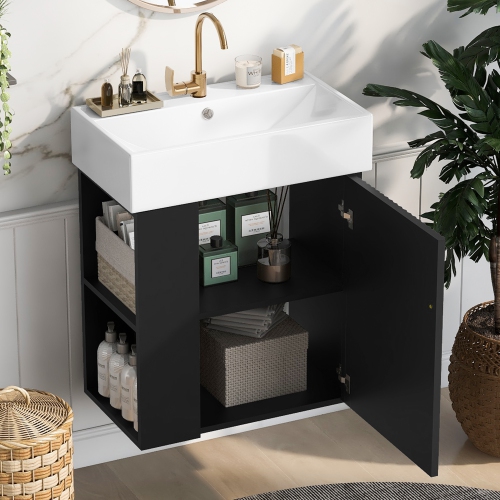
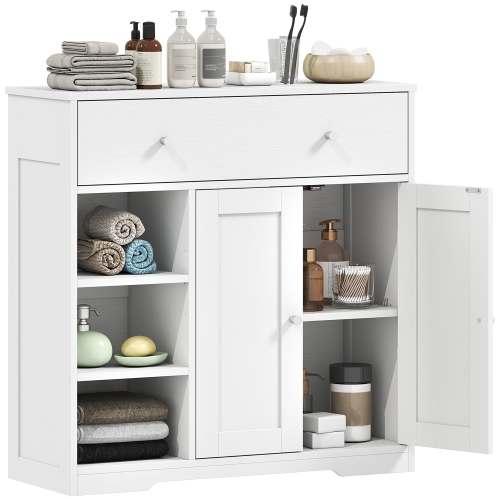
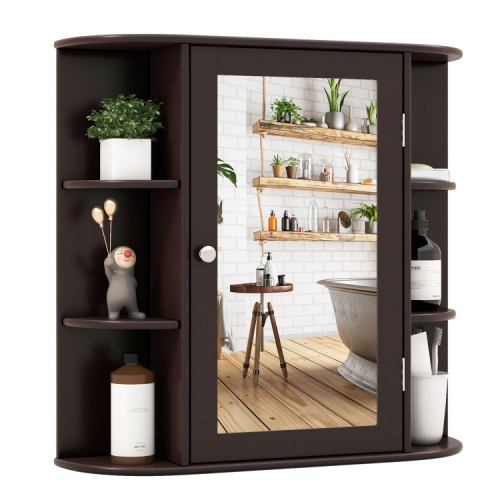
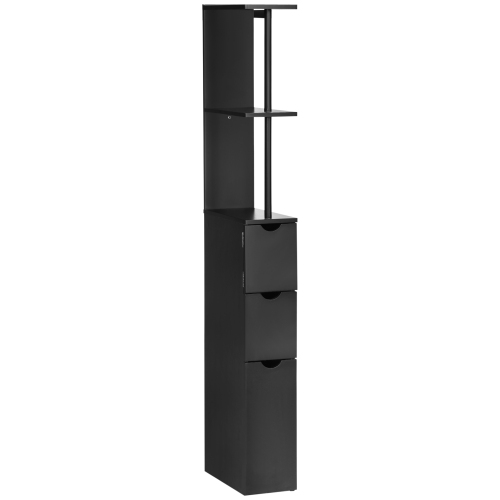
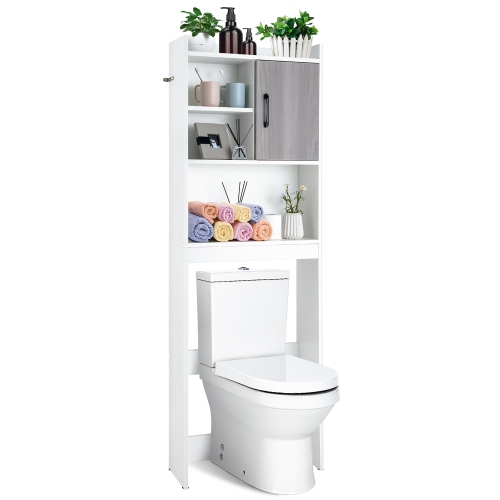
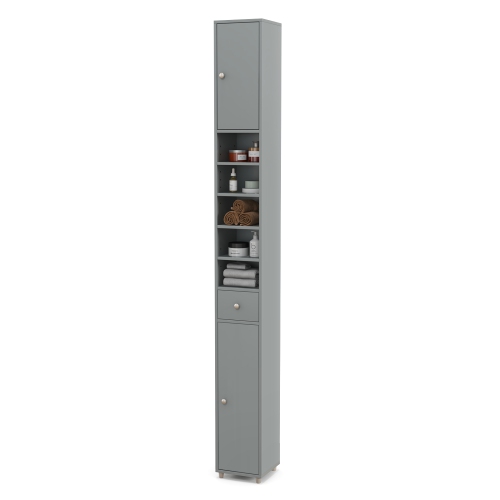
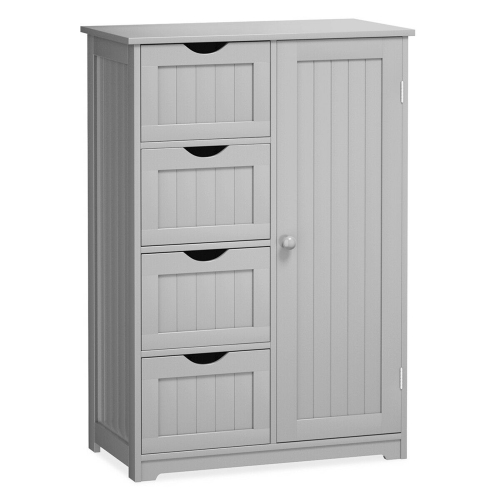
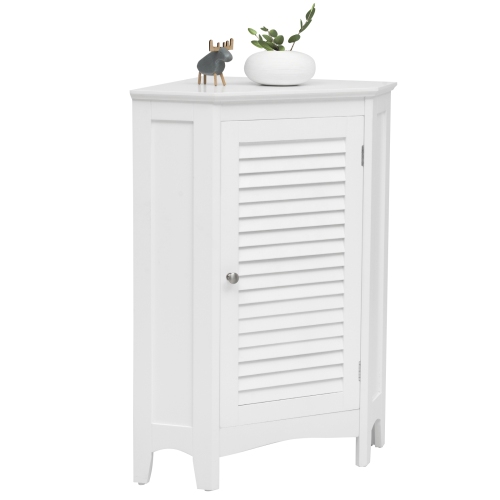

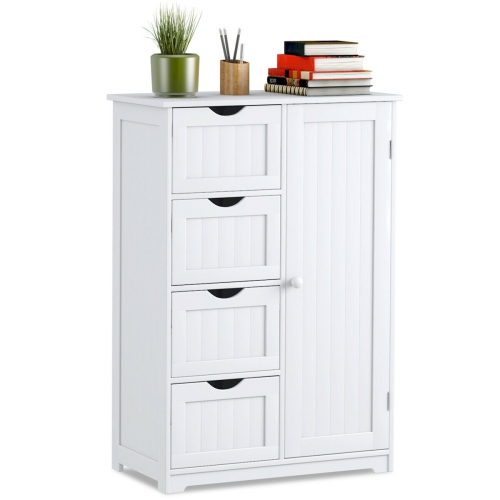
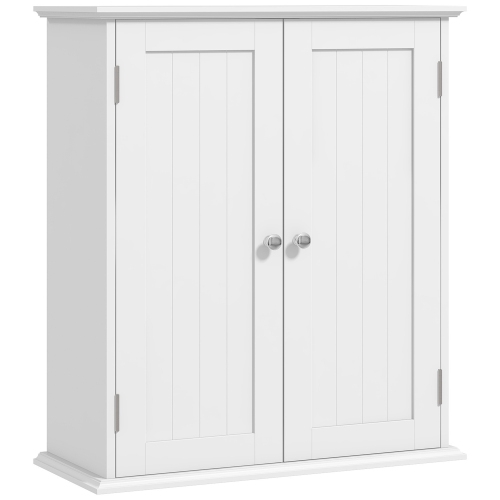
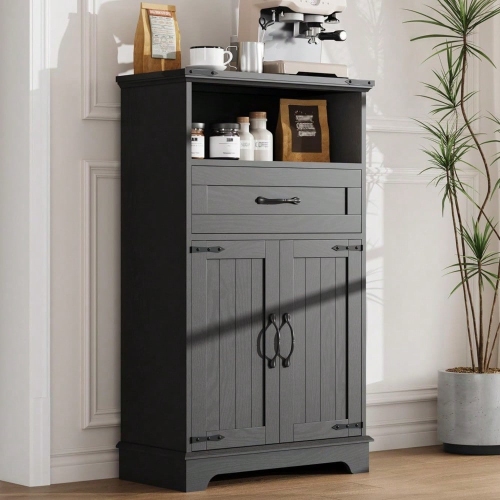
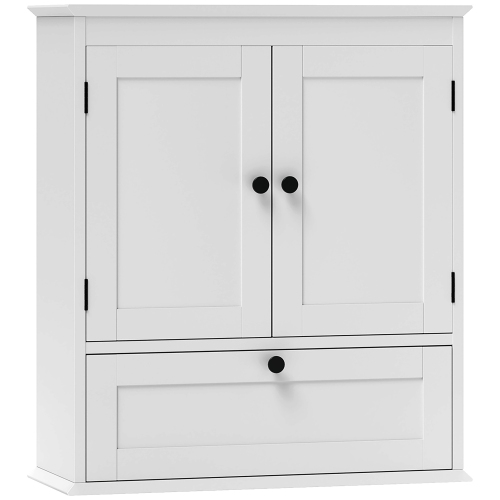
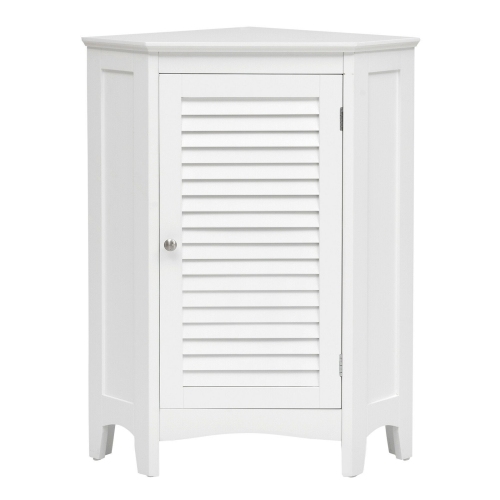
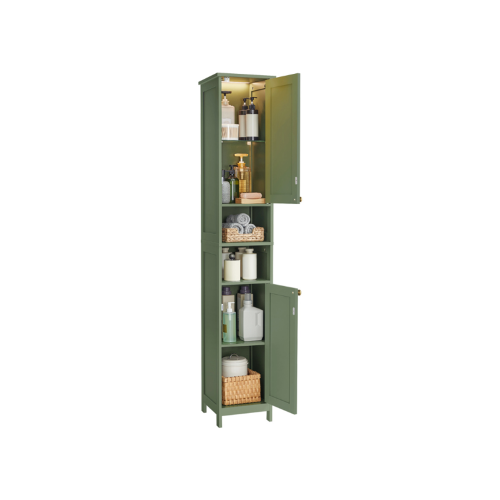
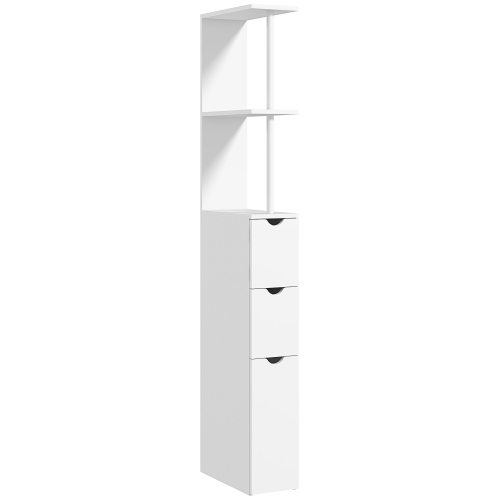
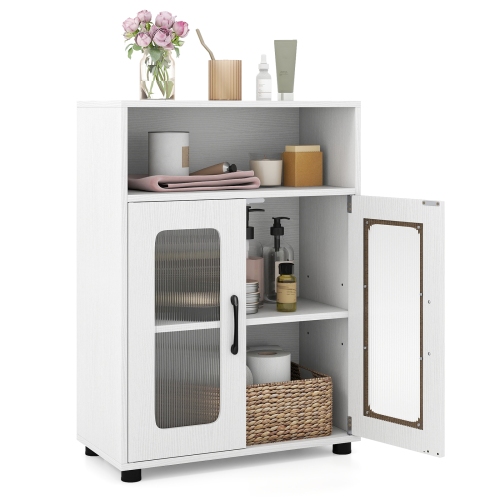
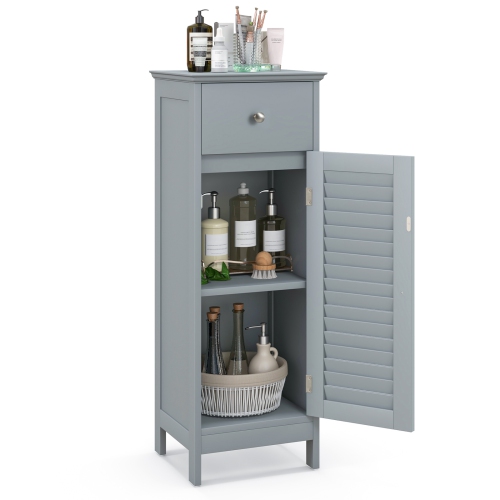


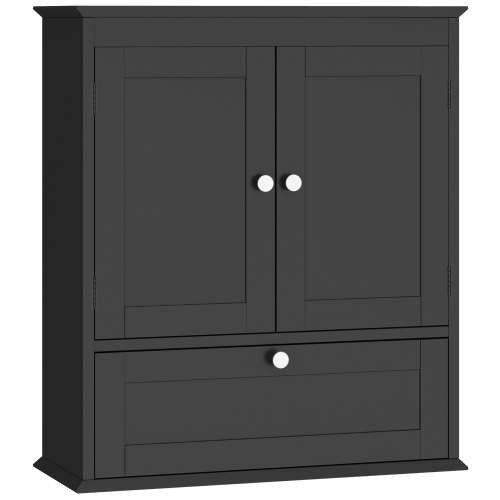
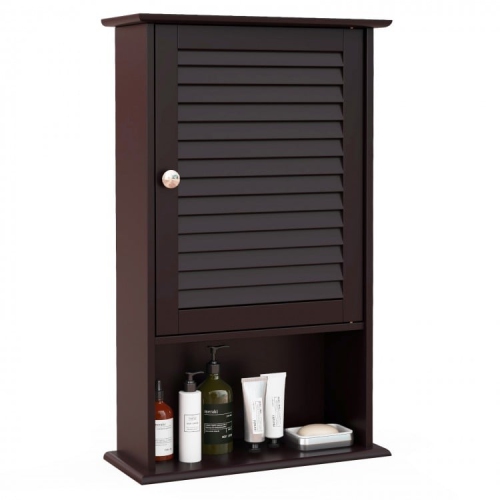
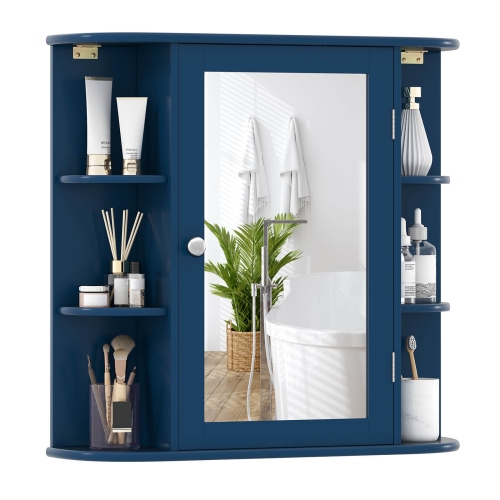


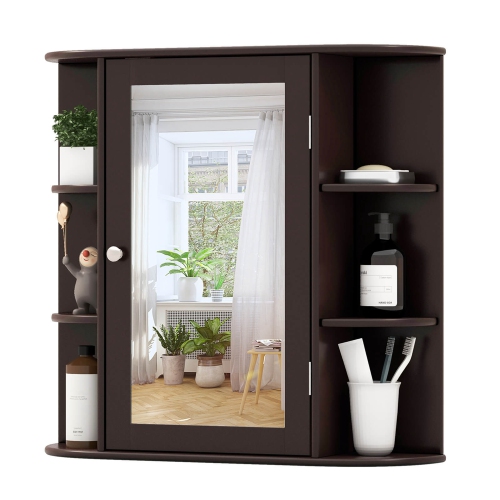
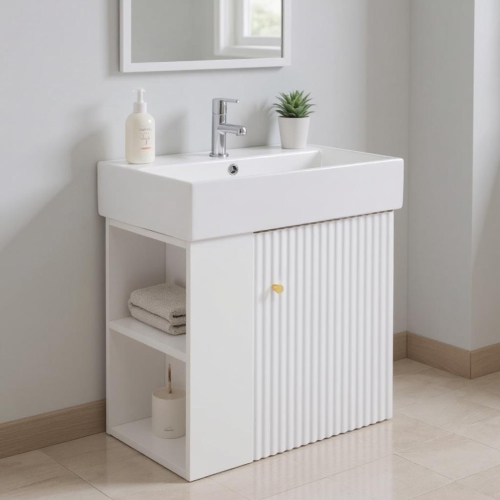
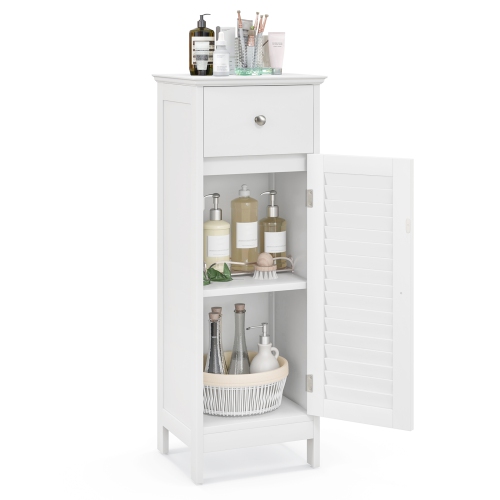

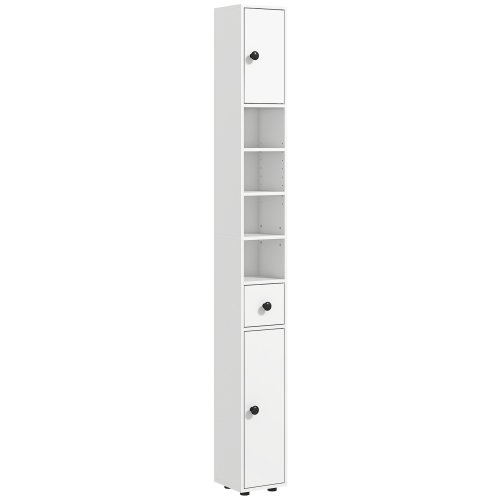


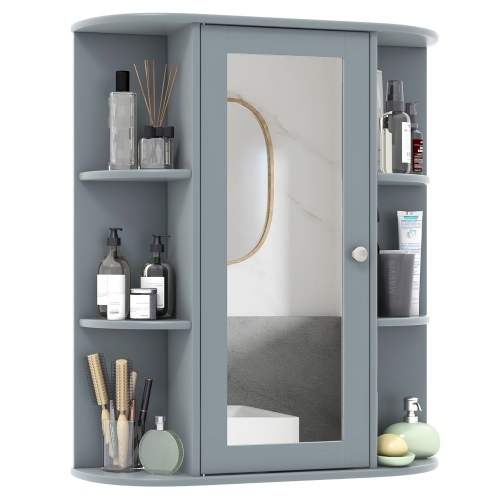
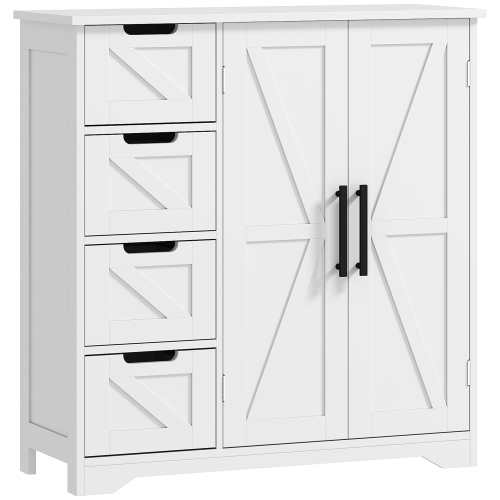
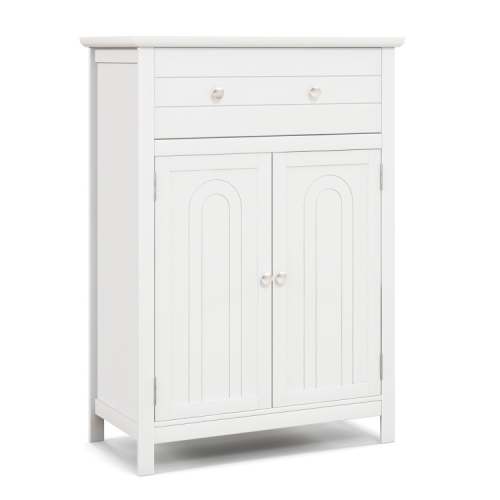
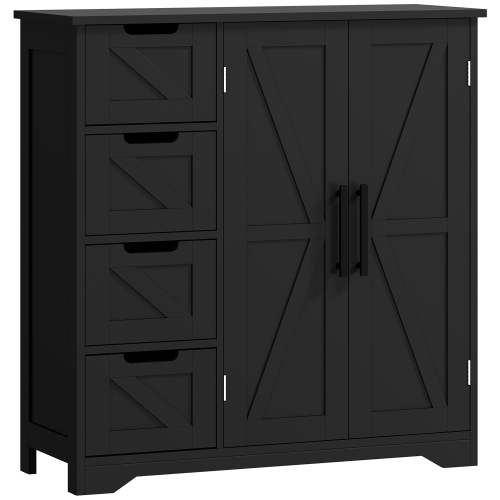
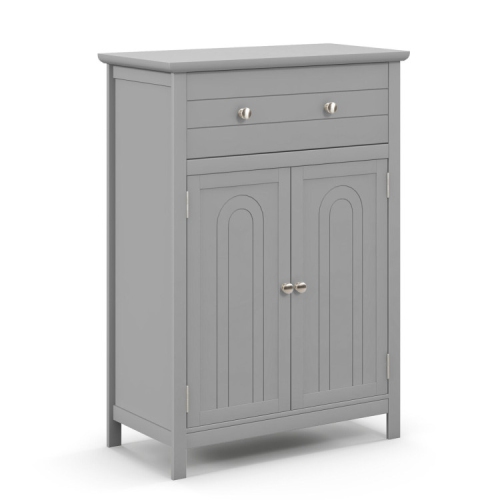
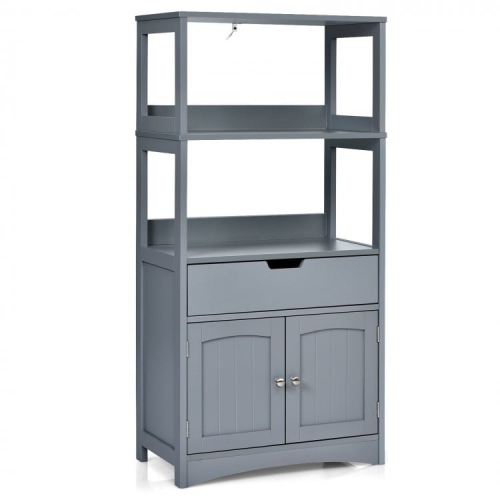
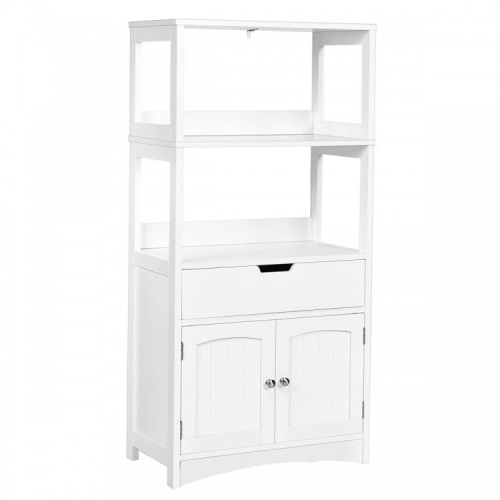
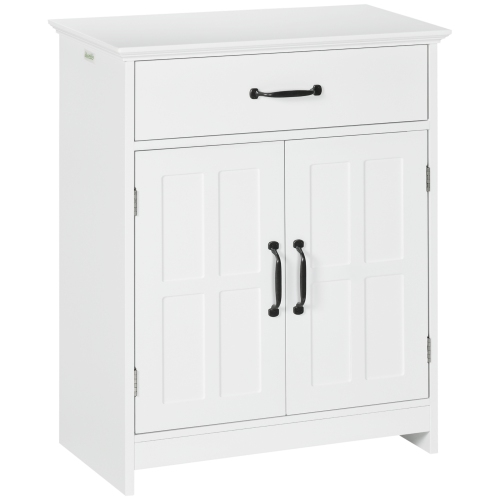
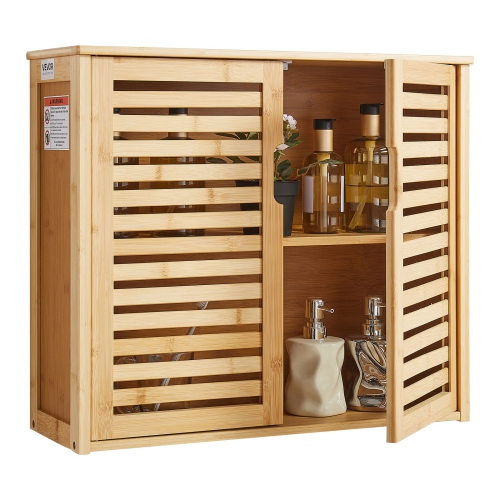
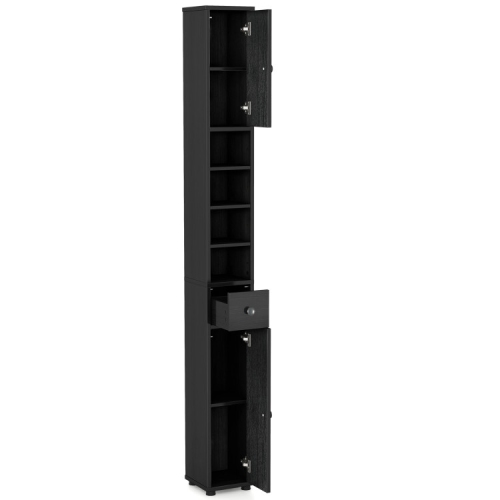


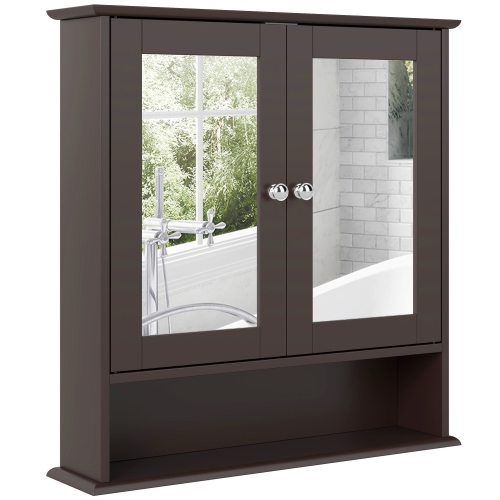
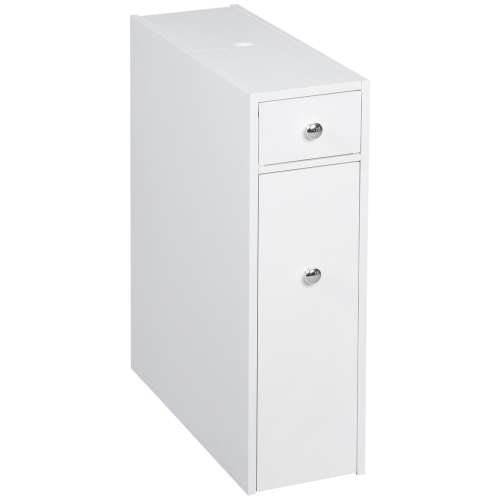
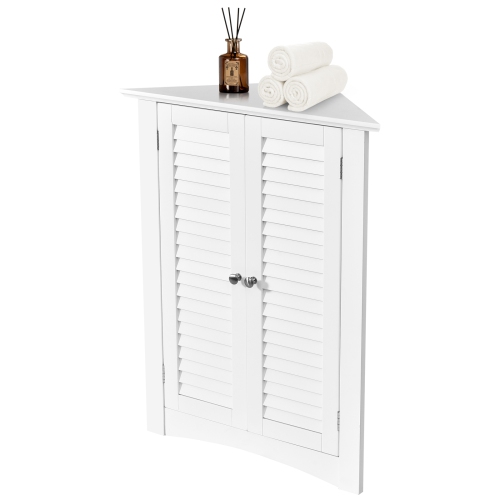
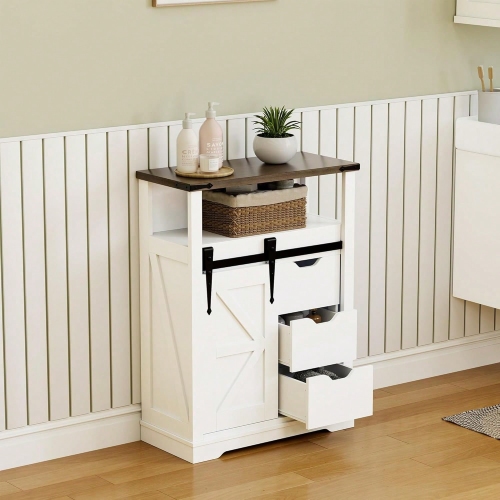
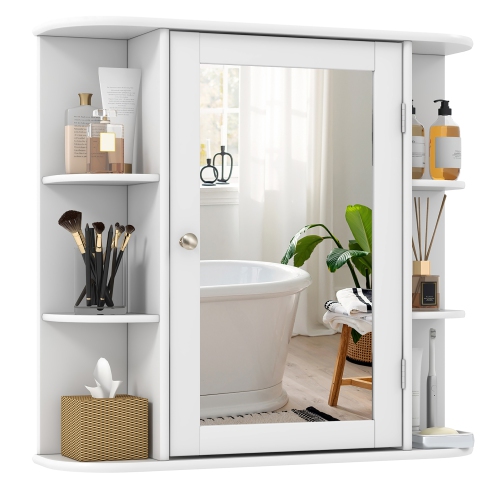
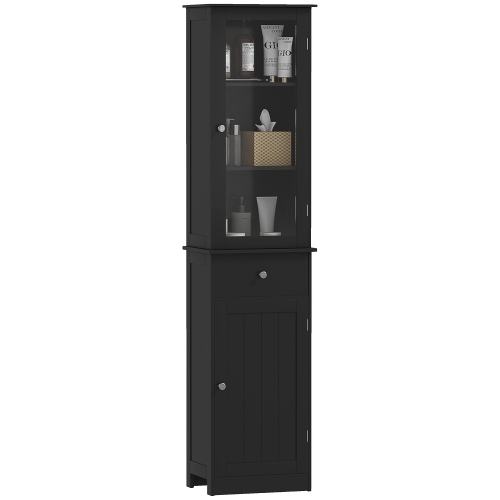
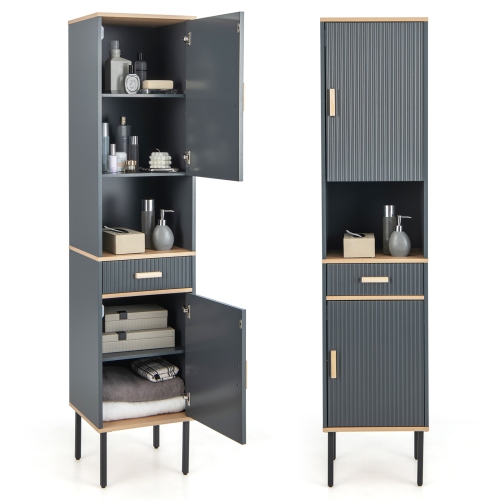


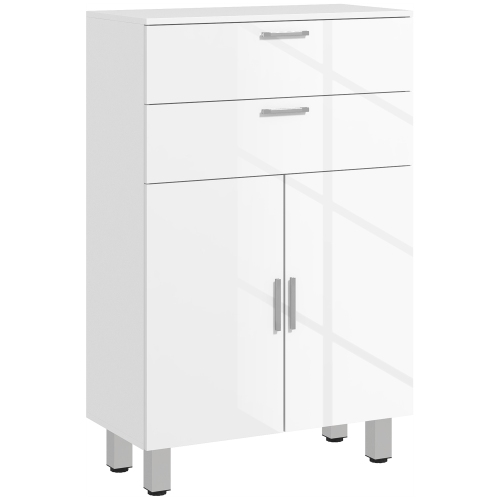
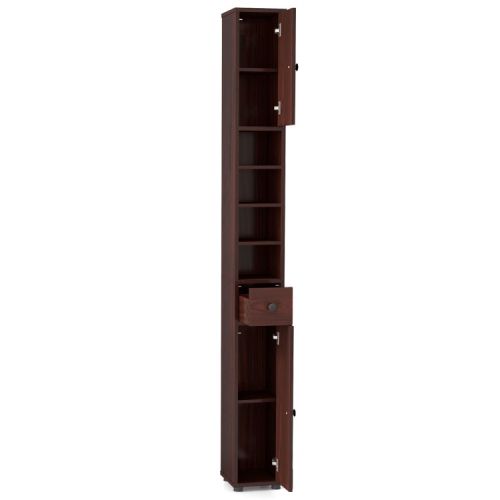


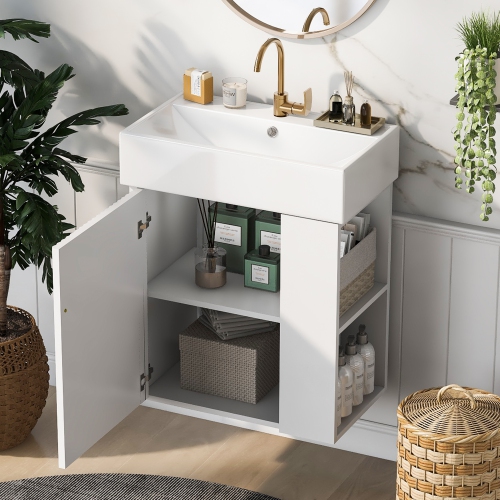
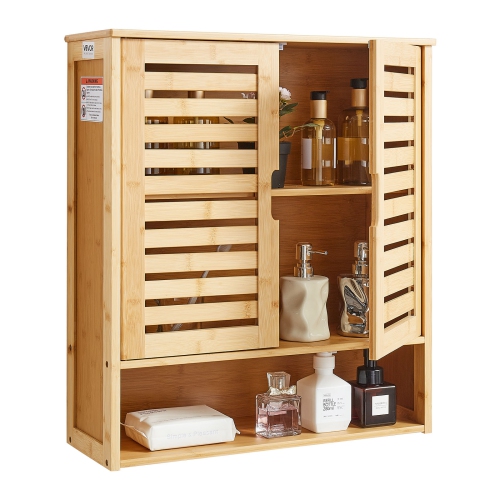

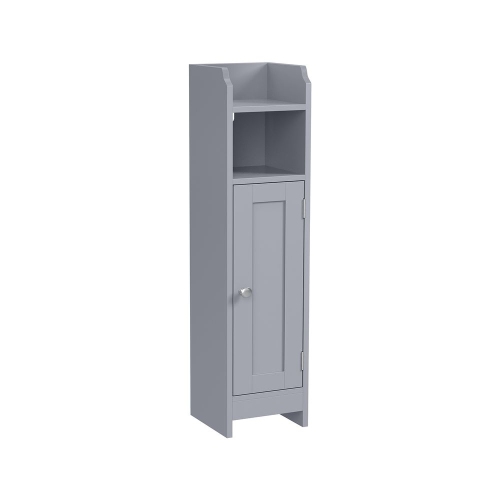
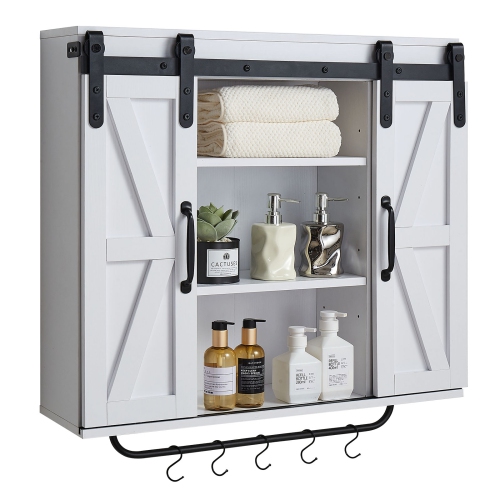
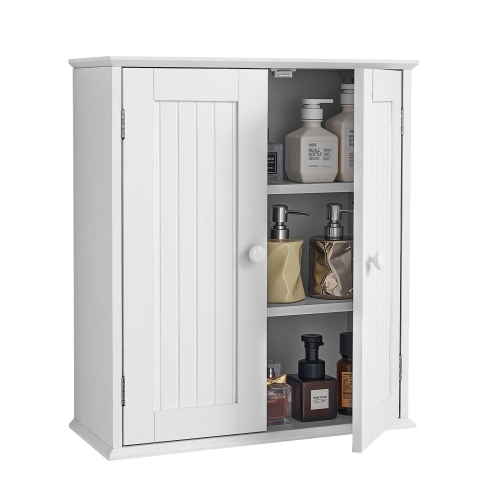
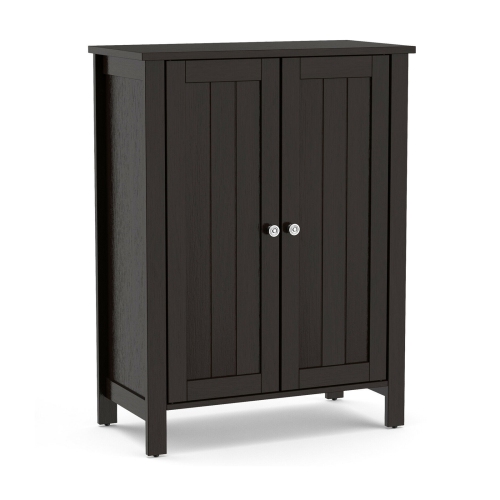
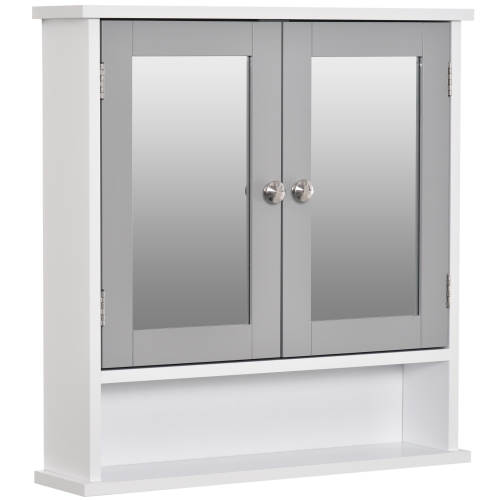
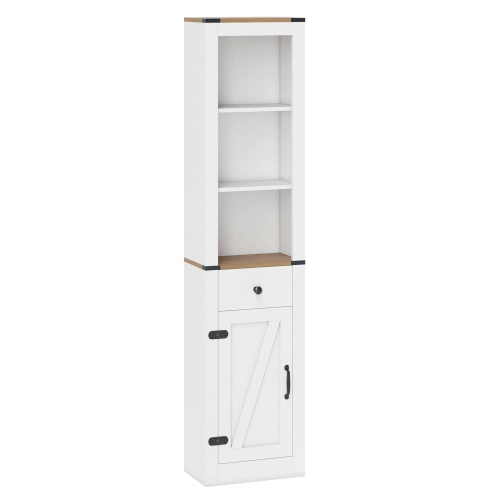
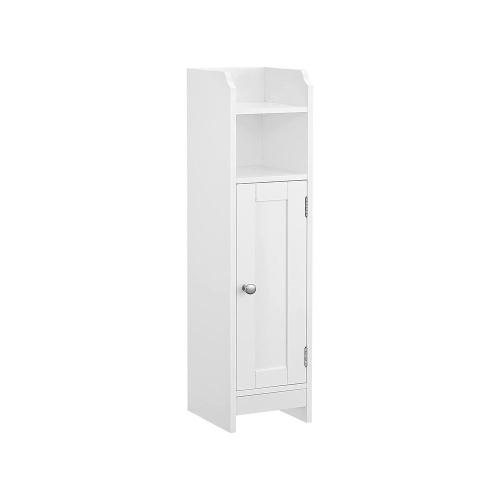
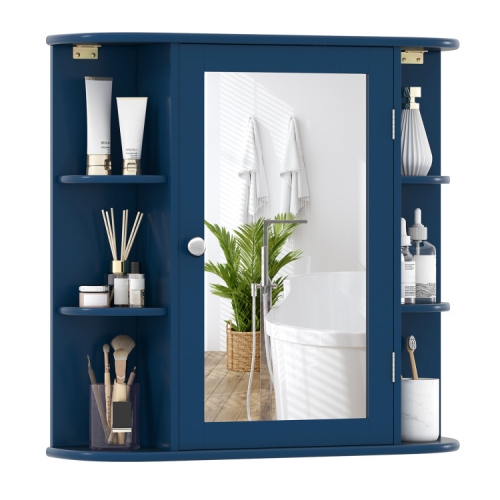
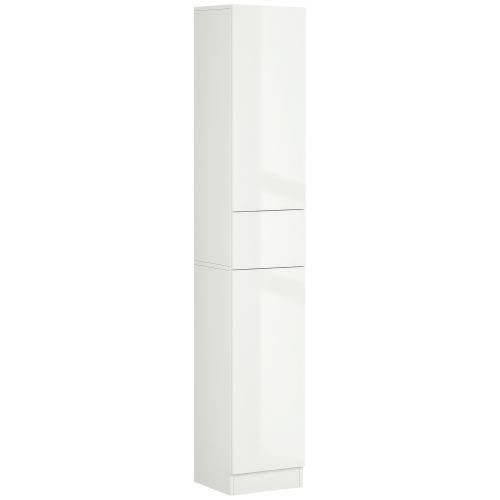
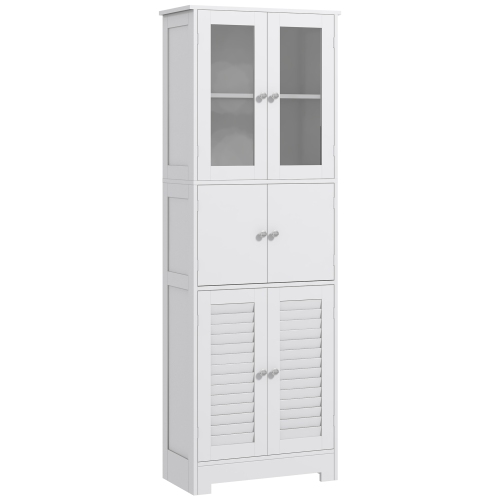
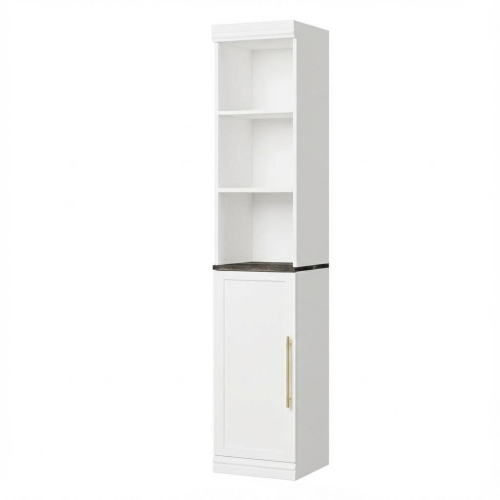
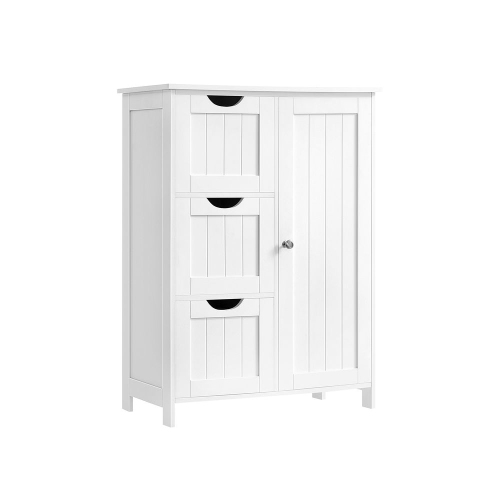

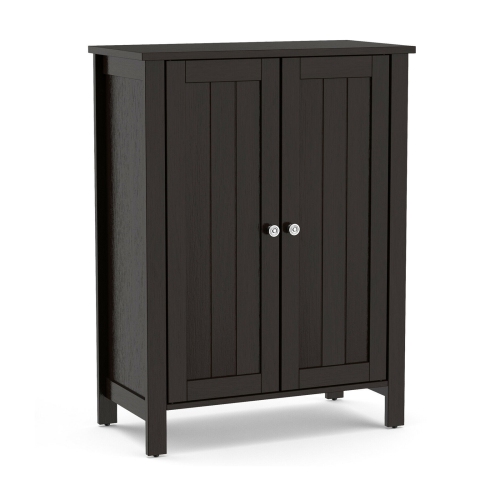
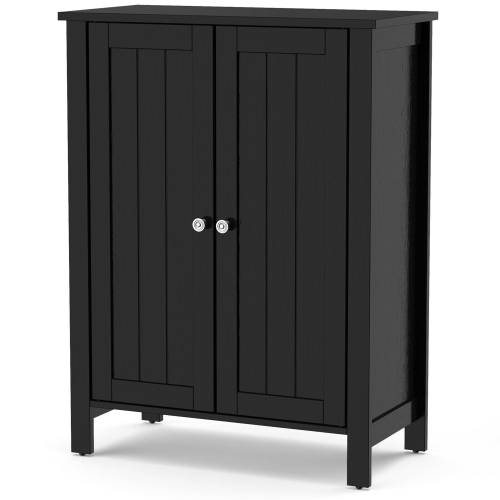
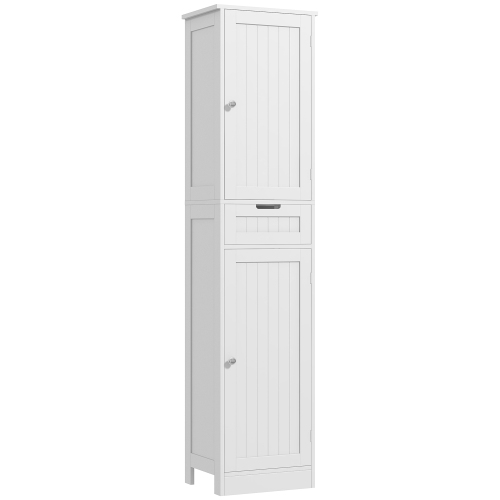
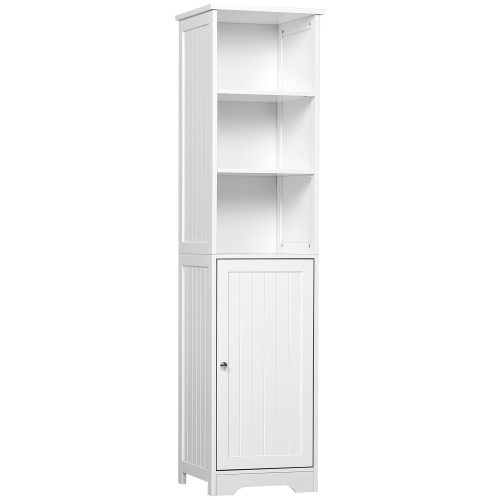


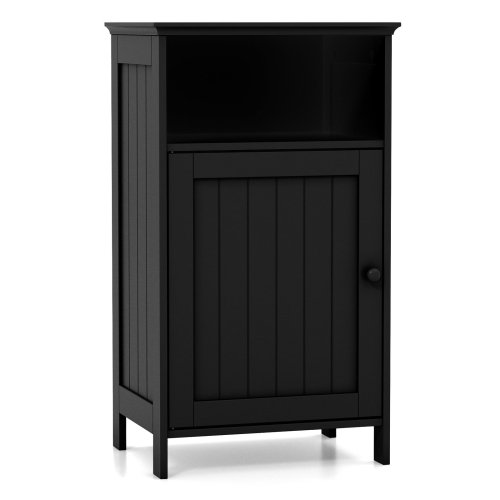
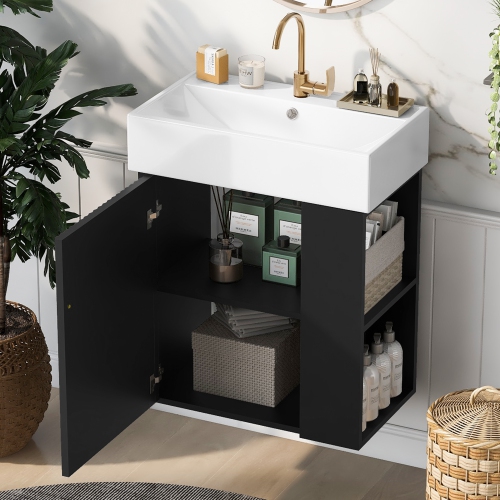

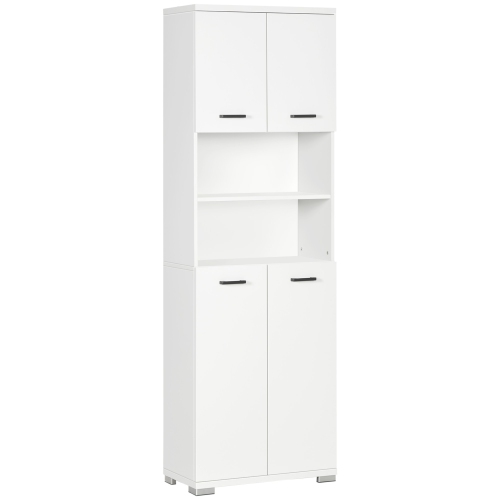
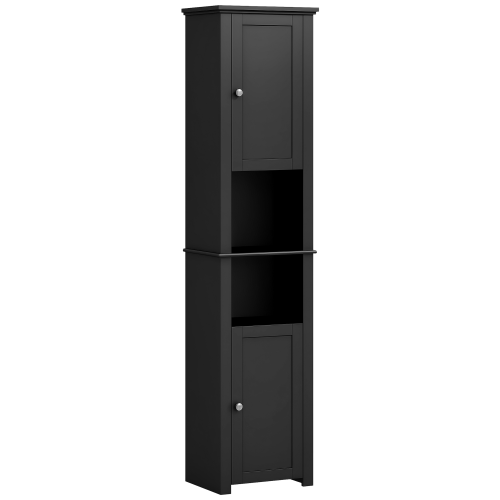
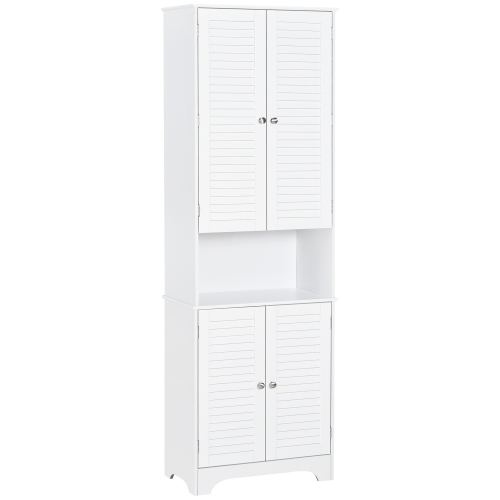
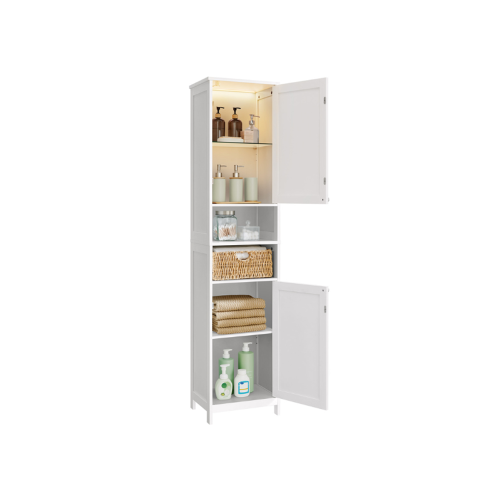
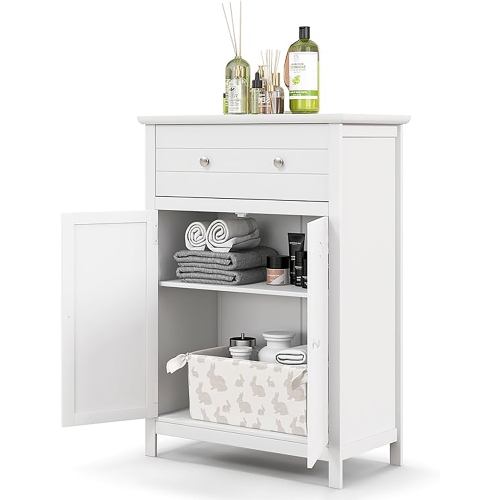
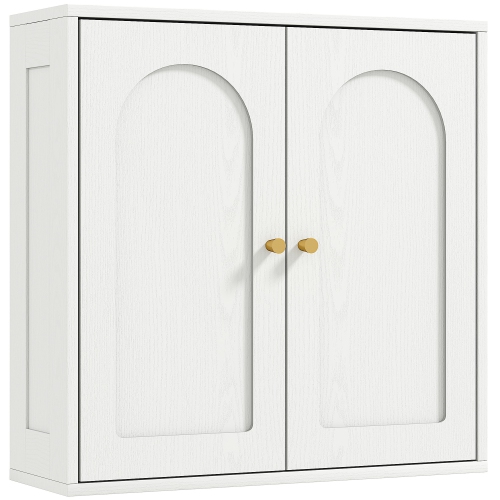
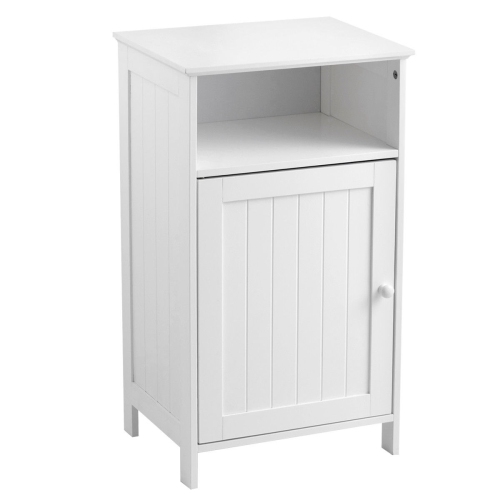
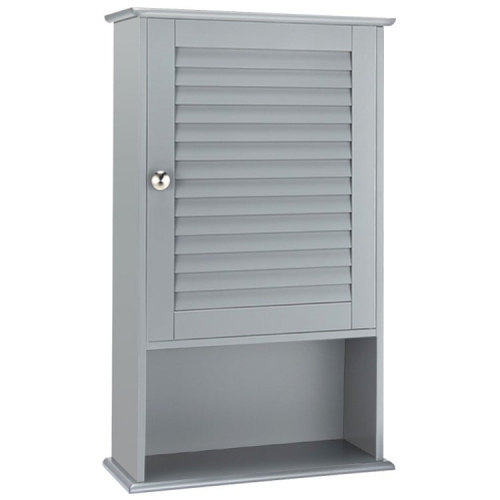
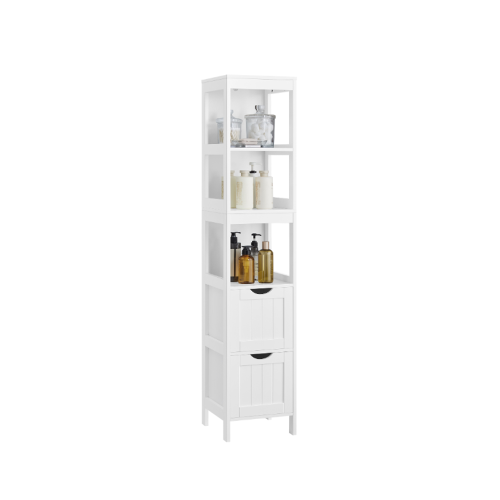
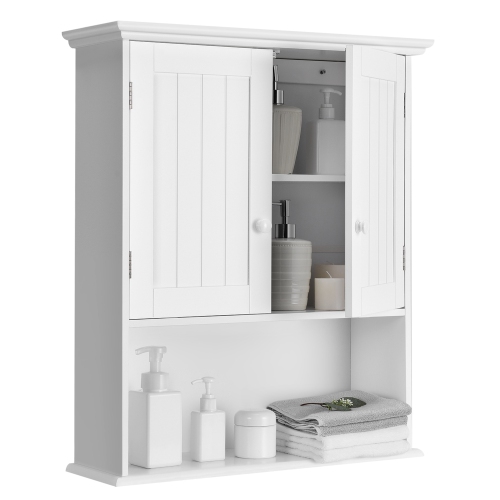

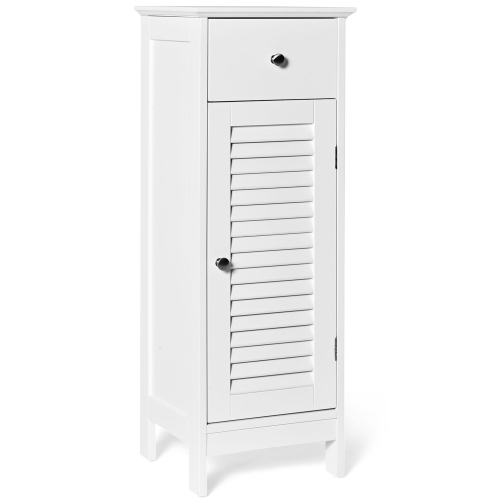
Compact storage that frees up bathroom counter space
Bathroom side cabinets add organized storage beside a vanity, near a shower, or along an unused stretch of wall, keeping towels, toiletries, and everyday essentials within reach. Their main advantage is a compact footprint: narrow cabinets and taller linen towers make use of vertical space without requiring a full bank of built-in cupboards. A side cabinet can hold folded hand towels above a stack of washcloths, keep spare soap behind a door, and give grooming supplies a place away from the sink. That separation helps a busy countertop stay clear for washing hands and getting ready. Different storage layouts suit different routines. Enclosed shelves keep spare toiletries and cleaning supplies out of sight, while open shelving makes frequently used linens easier to reach. Drawers are useful for smaller accessories that tend to disappear at the back of a cupboard, and adjustable shelves can accommodate both short containers and taller bottles. A combination of open and closed storage offers room for neatly folded towels without leaving every personal belonging on display. In a shared bathroom, separate shelves or drawers can give each person a defined place for their daily essentials. In an ensuite, a slim cabinet beside the vanity can supplement limited under-sink storage, especially where plumbing takes up much of the cupboard space. A guest bathroom benefits from a simple arrangement with spare towels and soap easy to find. Wider cabinets can provide more storage where floor space allows, while shallow designs may be a better match for narrow rooms. The most useful bathroom side cabinets balance capacity with access, providing enough room for the things used regularly without crowding the fixtures around them. Their role is practical rather than purely decorative: they create a dependable home for bathroom necessities and help keep those necessities from spreading across ledges, counters, and the edge of the bathtub. A well-proportioned cabinet can also make an awkward gap beside a vanity feel purposeful, provided doors, drawers, and nearby fixtures remain easy to use.
Materials and construction influence how a bathroom side cabinet looks, how it holds up, and how much attention it needs. Solid wood brings visible grain and variation, while engineered wood can offer a smooth, consistent surface in painted or laminated finishes. Neither material should be assumed to tolerate standing water simply because a cabinet is intended for a bathroom. Protective finishes, well-sealed edges, and prompt attention to splashes all matter, particularly near a sink or shower. Metal cabinets offer a different look, with durability depending in part on the quality and condition of their finish. Glass shelves or door panels can make a cabinet feel visually lighter, although they also show fingerprints and water spots more readily than opaque surfaces. Across materials, sturdy shelf supports, secure handles, smooth drawer movement, and doors that sit evenly are useful signs of thoughtful construction. Shelf capacity matters when storing stacks of bath towels or several full bottles together; the stated load limits apply to individual shelves as well as the cabinet overall. Finishes also shape the room’s appearance. White and light neutral colours can blend with pale fixtures, wood tones add visual warmth, and darker finishes provide contrast against lighter tile. A cabinet does not need to match the vanity exactly, but repeating a finish or handle colour can help the pieces feel connected. Care is generally straightforward when it follows the manufacturer’s directions: a soft cloth, a suitable mild cleaner, and thorough drying are often preferable to abrasive pads or prolonged soaking. Water collecting around the base, wet towels pressed against a door, and spills left inside a drawer can damage surfaces over time. Keeping the cabinet clear of direct spray and allowing the bathroom to ventilate after bathing helps limit moisture exposure. Removable liners can make small spills easier to manage where the cabinet manufacturer permits them, but damp liners should not remain against shelves. These details are especially important in a hardworking family bathroom, where cabinet surfaces may be handled and splashed several times a day.
Fit involves more than finding a cabinet with the right width. The available floor space needs to accommodate its depth, any projecting handles, and the full movement of doors or drawers. A narrow cabinet may fit neatly beside a vanity yet still be awkward if its door opens into the toilet or blocks a drawer in the adjacent unit. Baseboards, floor vents, wall outlets, and plumbing access can also affect placement, while an uneven floor may require levelling according to the manufacturer’s instructions. Tall, narrow cabinets should be secured with the recommended anti-tip hardware, using fixings suitable for the wall construction. A freestanding appearance does not necessarily mean that wall anchoring is optional. Storage height deserves equal attention: frequently used toiletries are easier to retrieve from comfortable shelf heights, while heavier supplies are generally better kept lower down within the cabinet’s load limits. Households with children need secure arrangements for cleaning products, sharp grooming tools, and anything else that should remain out of reach; height alone is not a substitute for suitable locks or other safeguards. For someone who prefers to avoid bending or stretching, accessible drawers and shelves can make a noticeable difference to the daily routine. Cabinets with easy-to-grip handles may also be more comfortable to use than small knobs or recessed pulls. Where enclosed storage is less important than a convenient surface beside a bath or vanity, Bathroom Side Tables offer a complementary furniture style for keeping a few everyday essentials close at hand. Side cabinets are better suited to grouping more belongings behind doors or arranging them across multiple shelves. The right balance depends on the room and the people using it: a compact powder room may need only a little extra storage, while a shared bathroom can benefit from clearly divided compartments and space for spare linens. With suitable proportions, durable surfaces, and a layout that supports familiar routines, bathroom side cabinets make better use of overlooked space while keeping the room comfortable to move through.
Top selling and popular products
-
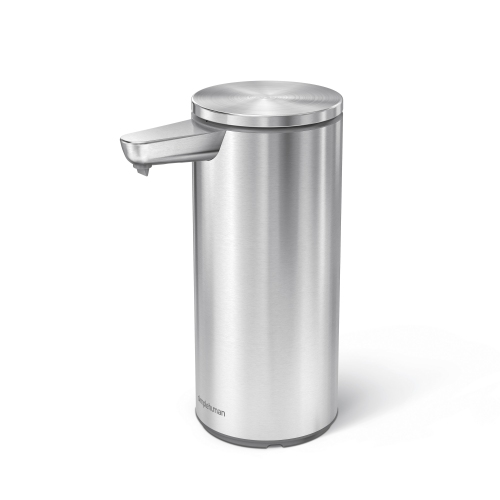 Your price for this item is $90
-
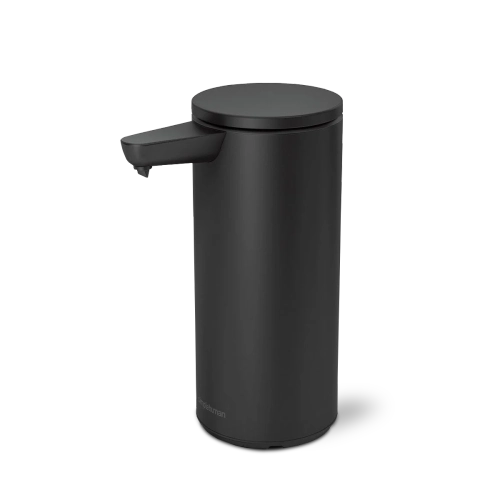 Your price for this item is $100
-
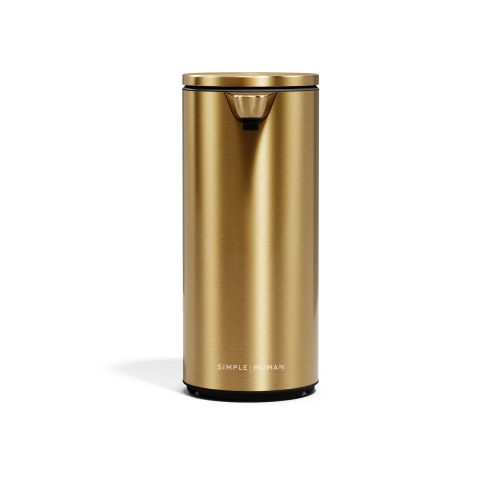 Your price for this item is $100
-
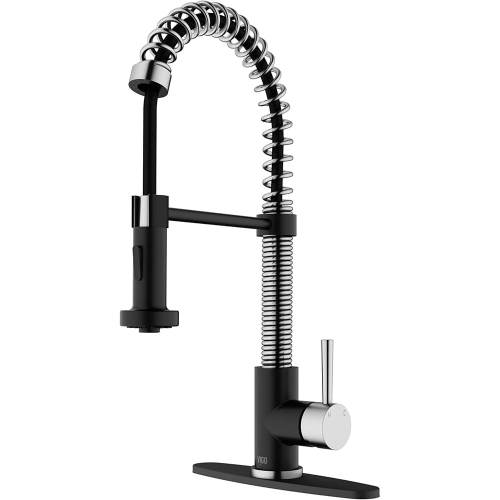 Your price for this item is $426.55
-
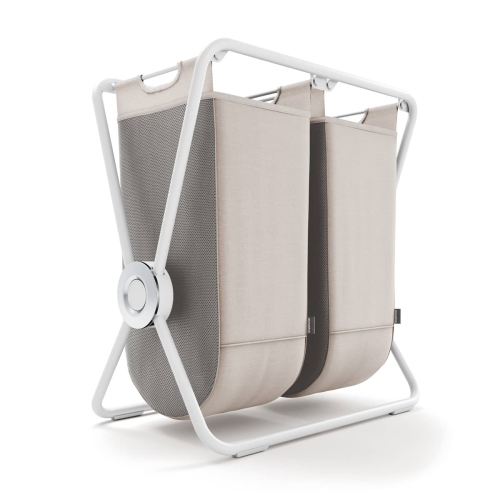 Your price for this item is $300
-
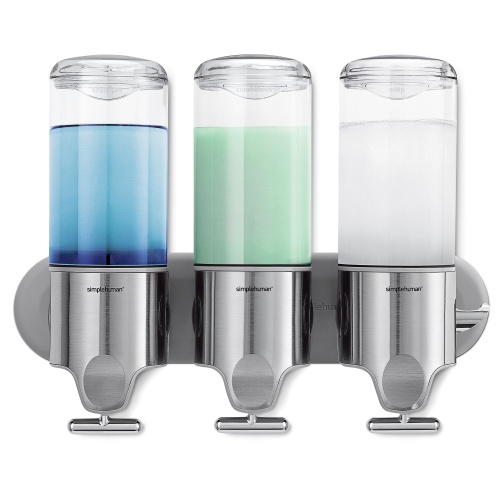 Your price for this item is $120
-
 Your price for this item is $160
-
 Your price for this item is $180
Discover more categories related to Bathroom Side Cabinets


Top Collections:
Best Black Friday Deals This Year, Best Black Friday Deals On Electronics, Kindle Devices, Pokemon Centers, Best Black Friday Deals On Apple Products, Best Cameras for Sports Photography, Dyson Airwrap, Pokémon 30th Celebration Cards, Apple iPhone 17 Pro, Canon G7X Cameras
Some products may be subject to Environmental Handling Fees
(EHF) depending on your province.
Learn more about EHFs.