Bathroom Vanity Tops With Sink
If you're looking to upgrade your bathroom, look no further than these bathroom vanity tops with sinks. These stylish and practical additions will instantly elevate the look and functionality of almost any bathroom space. Whether you're in need of a single or double sink vanity top, we have a wide range of options to suit your needs and personal style. From sleek and modern designs to classic and timeless styles, this selection offers something for every taste.
Sort
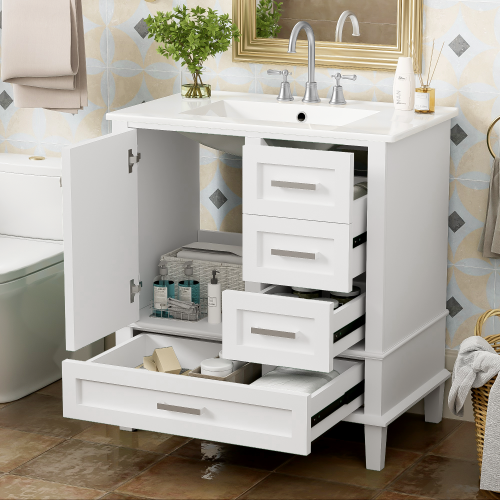
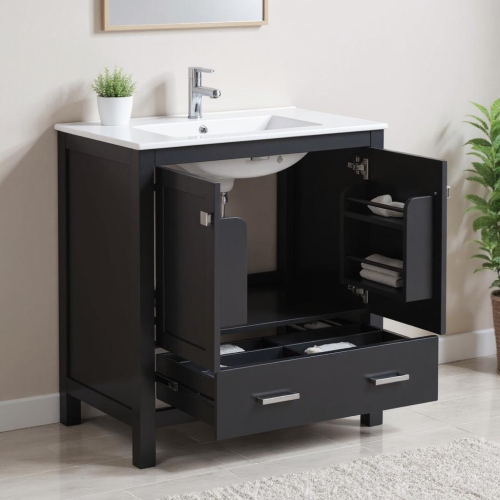
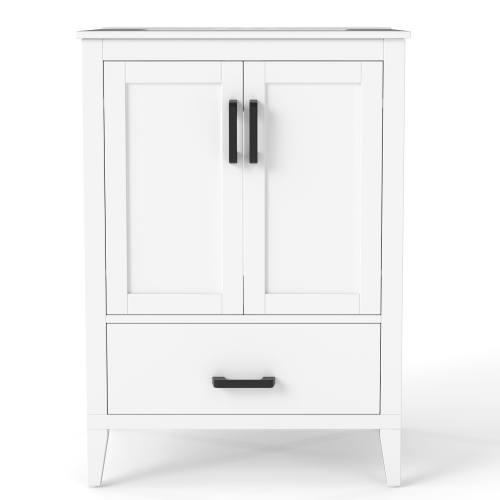
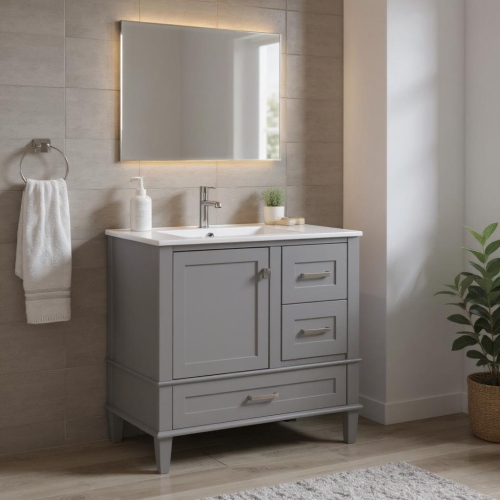
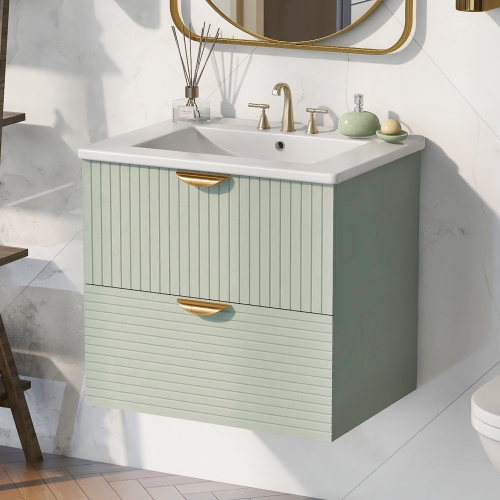
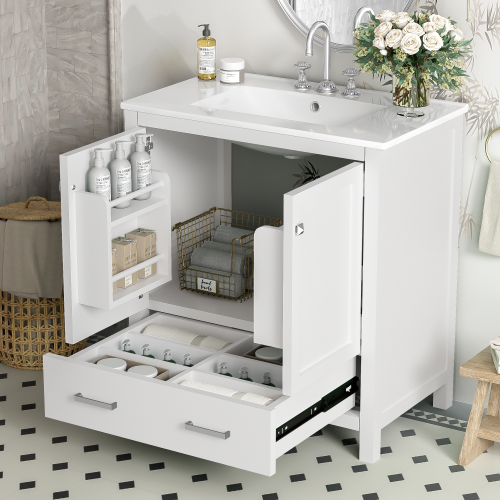
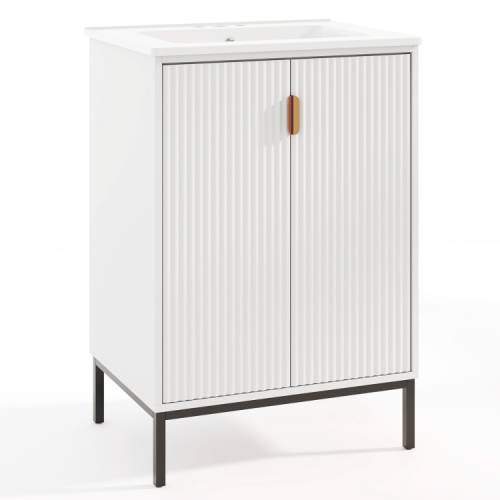
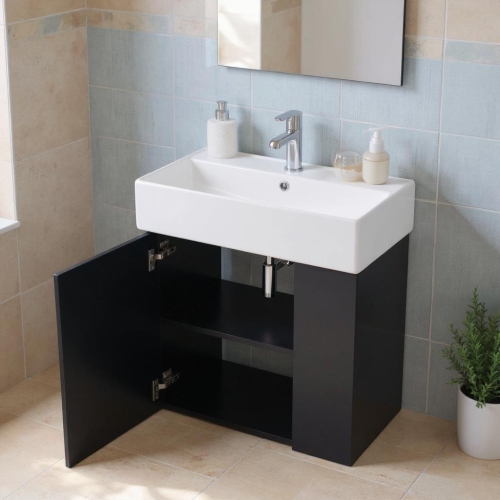
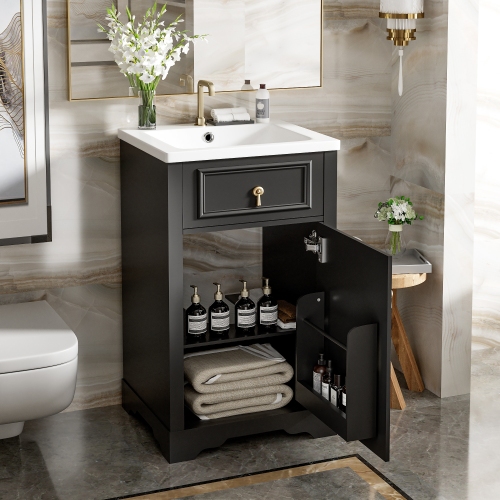
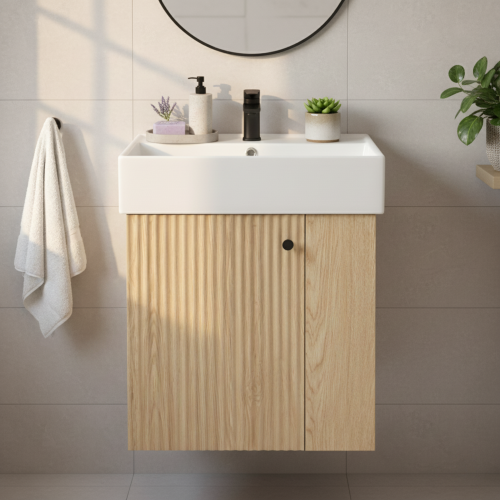
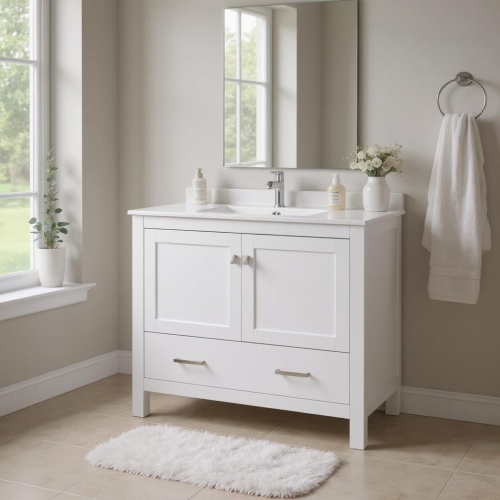
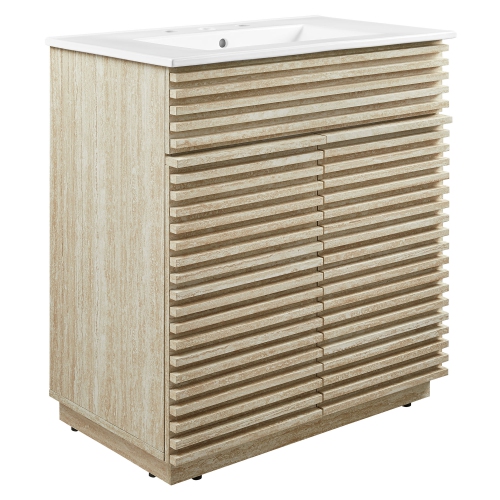
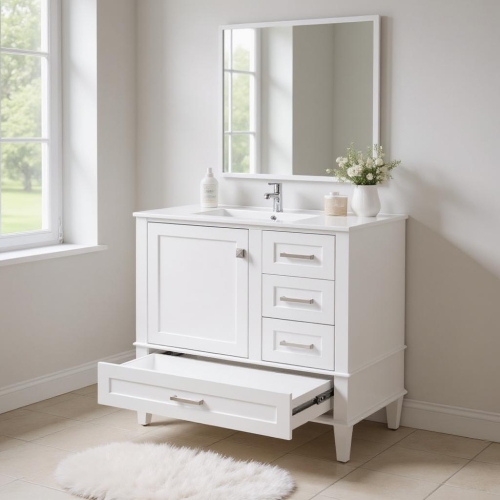
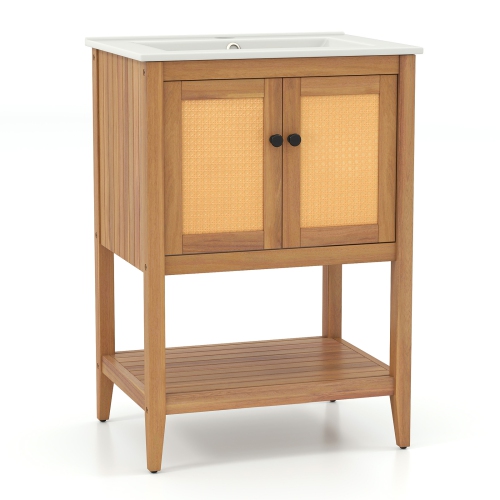
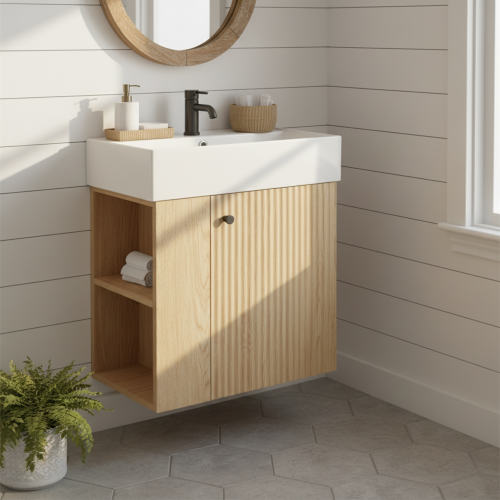
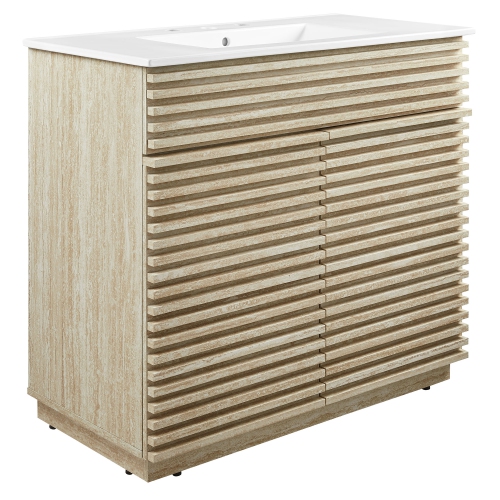
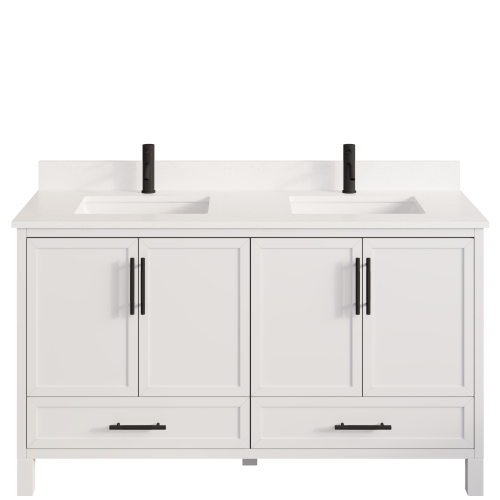
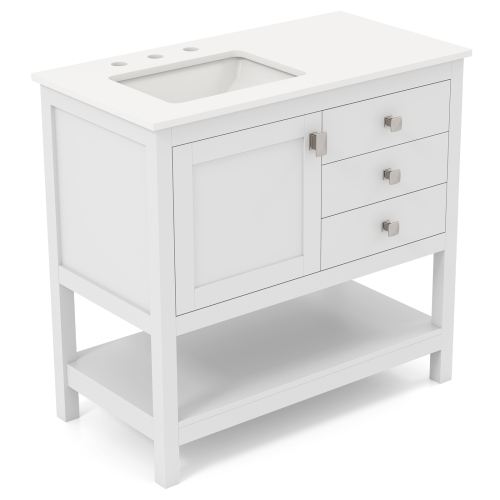
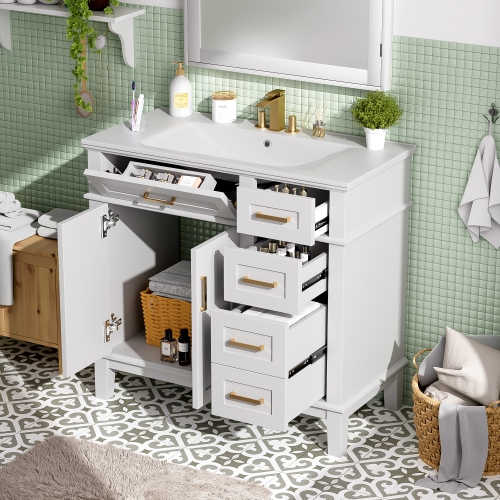
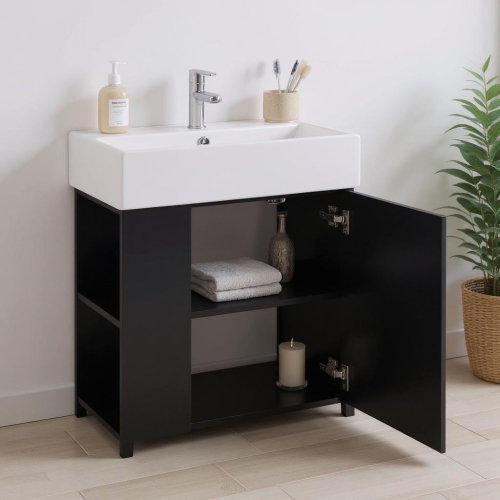
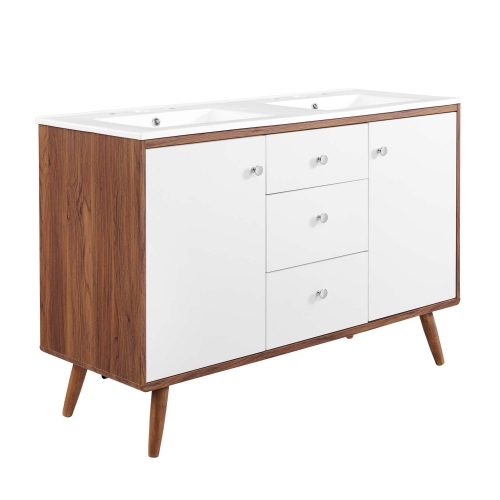
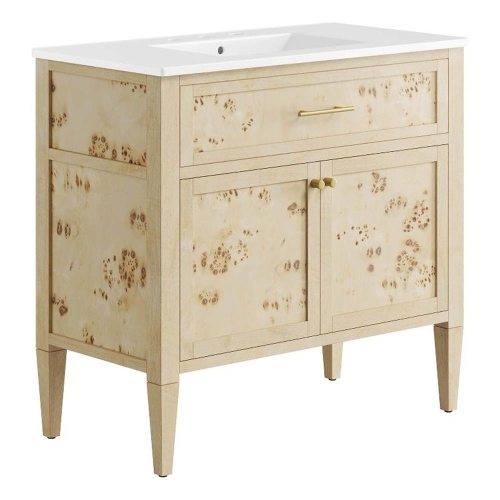
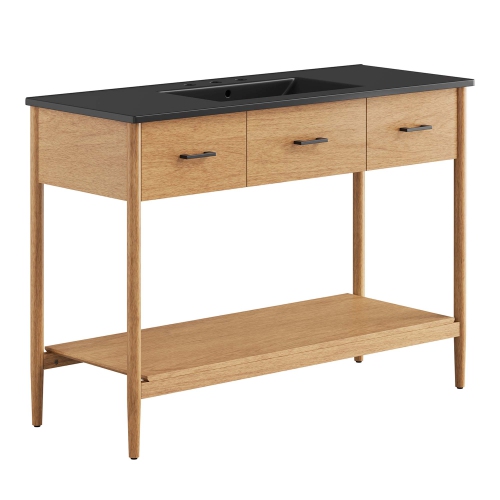
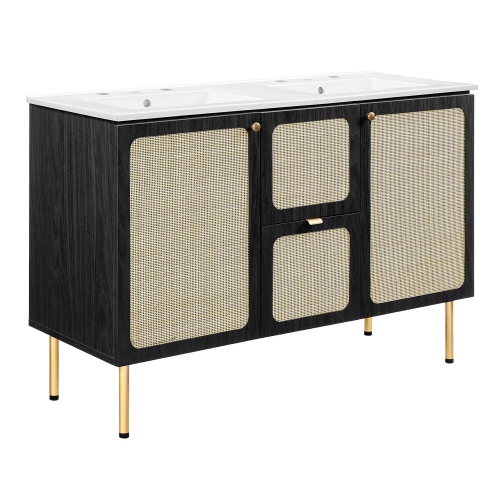
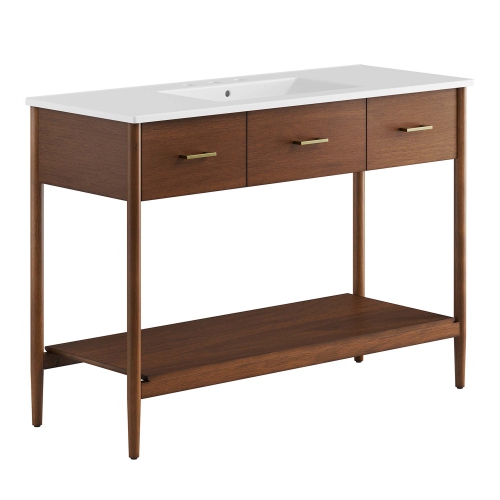
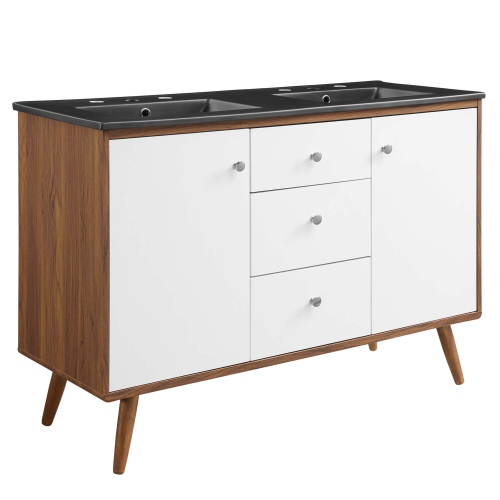
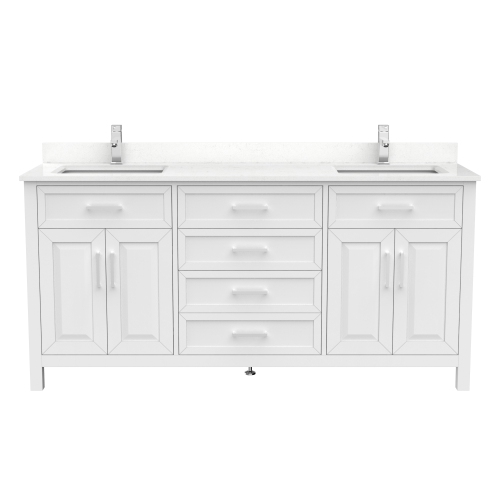
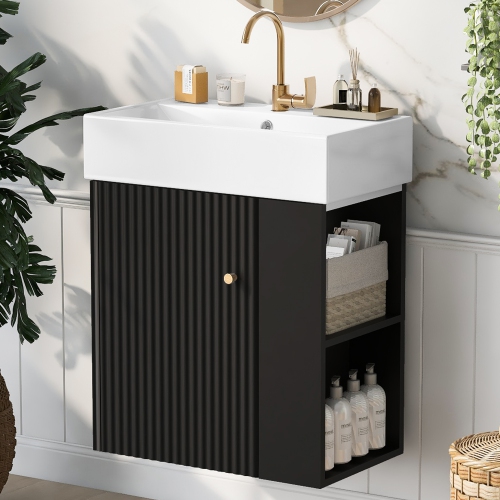
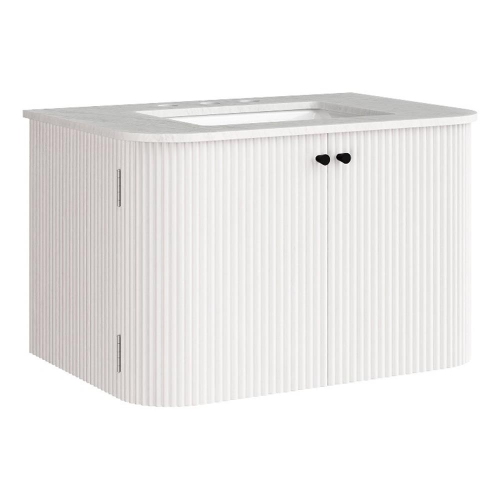
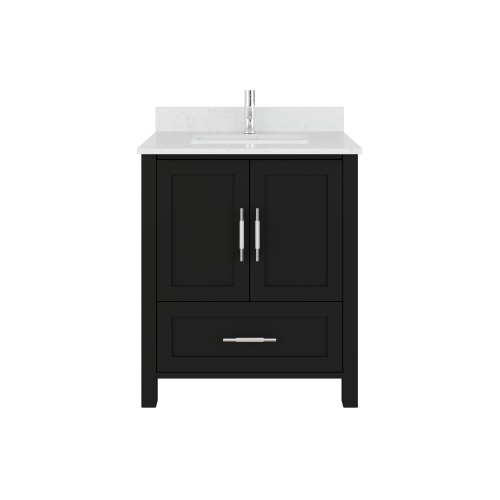
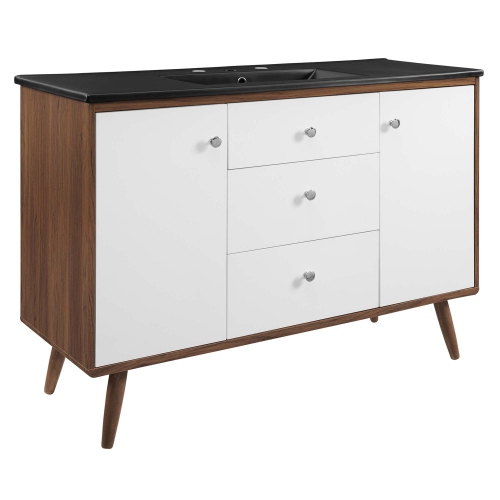
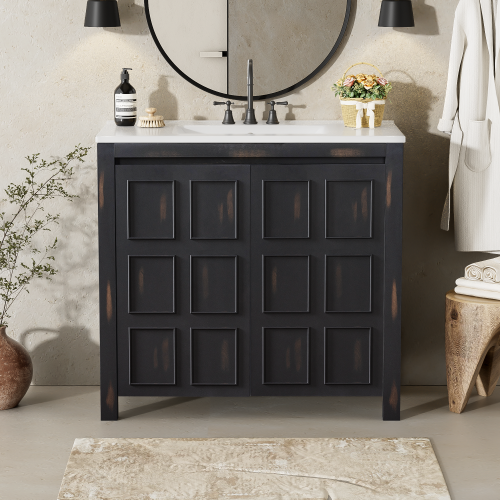
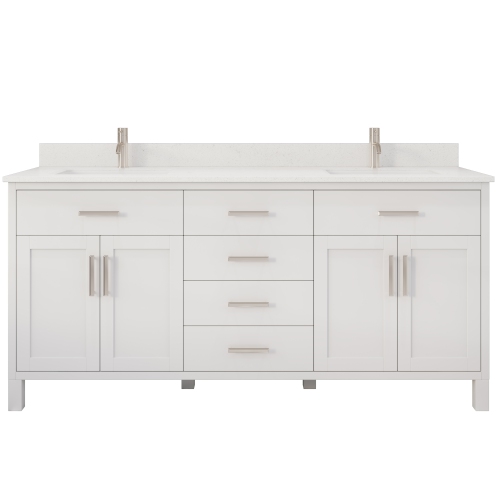
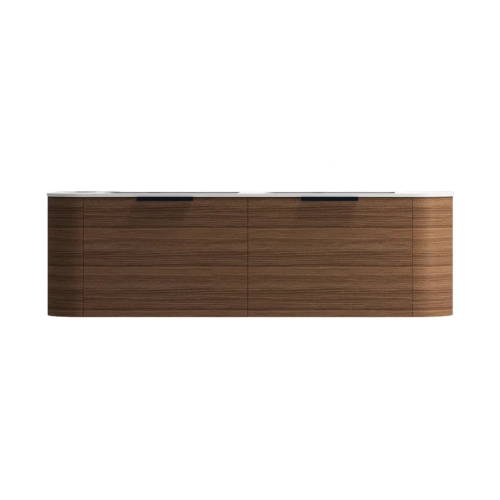
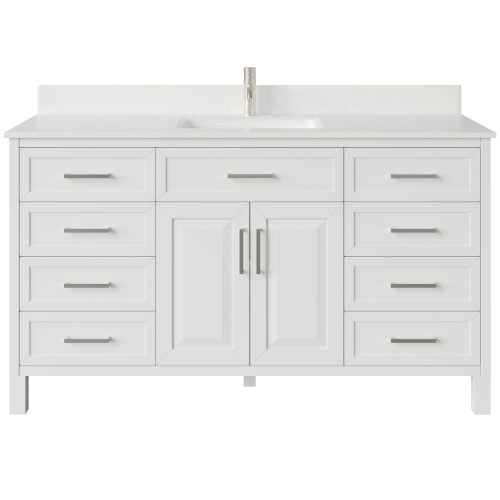
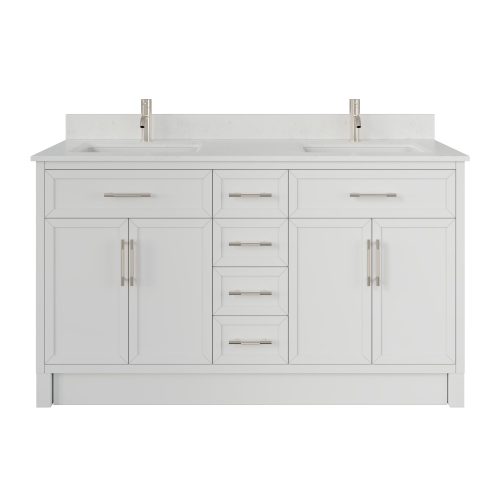
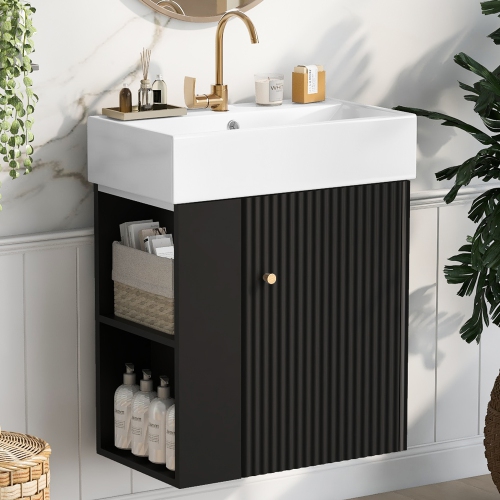
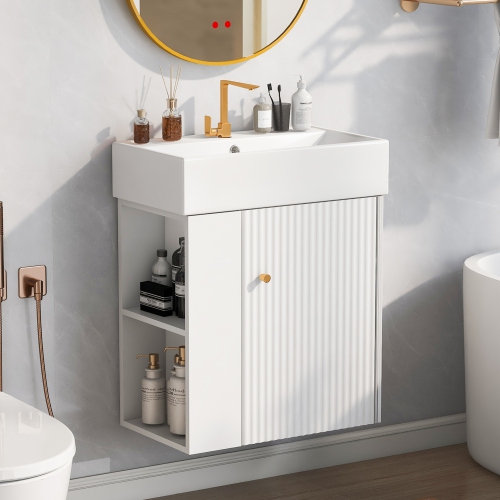
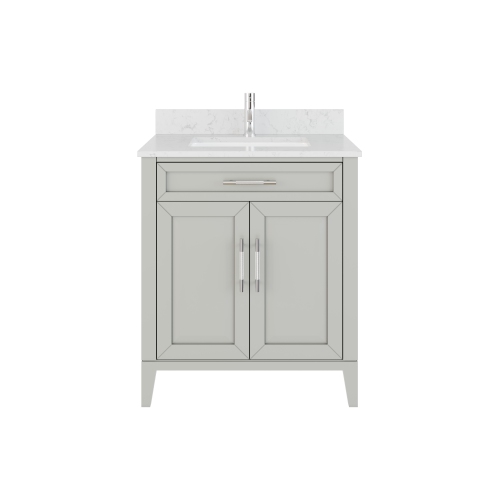
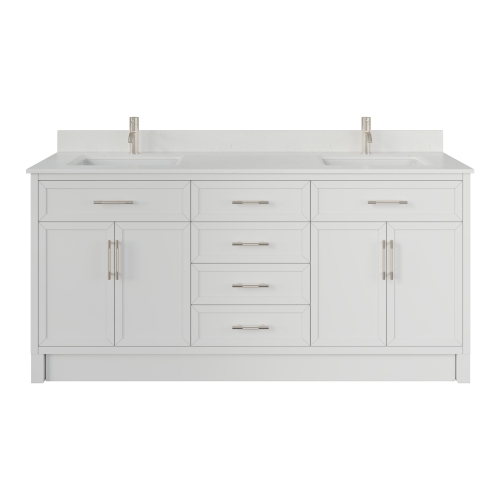
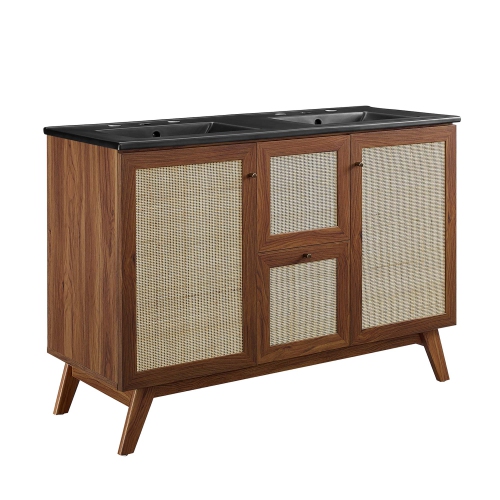
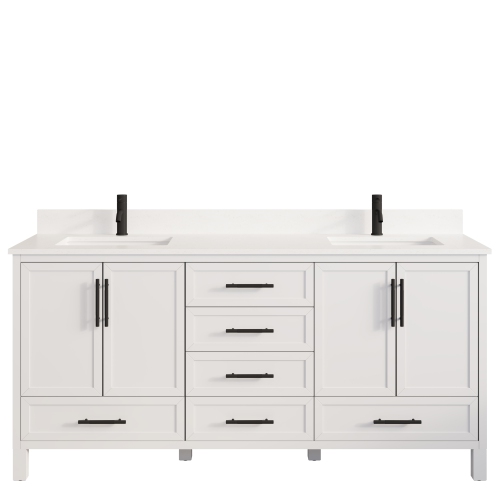
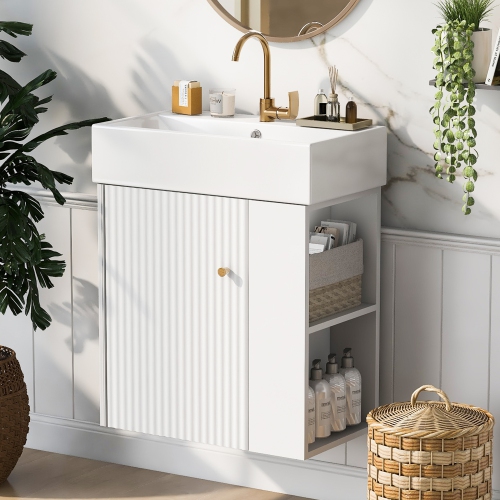
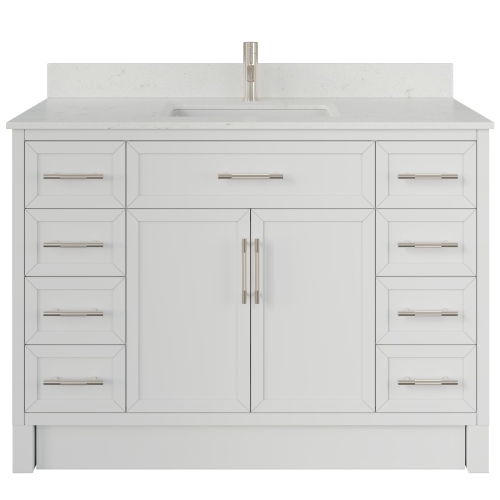
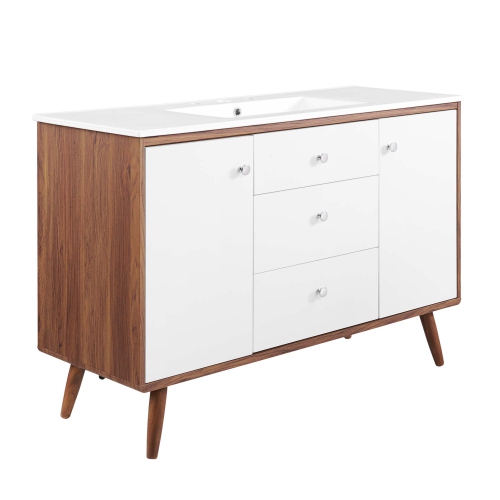
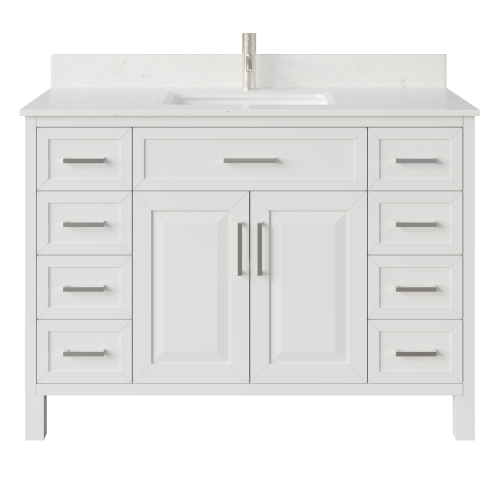
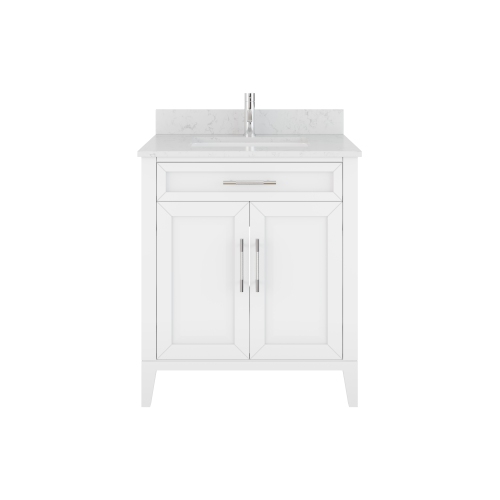
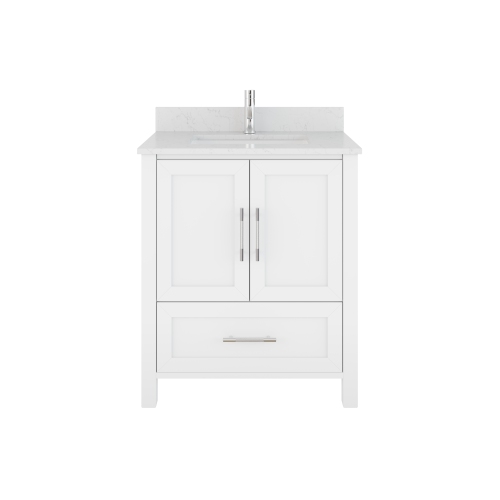
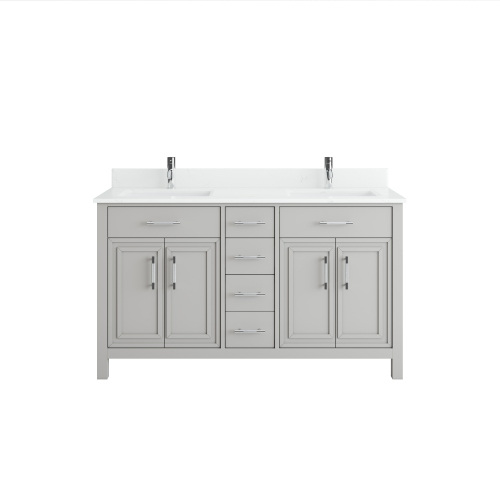
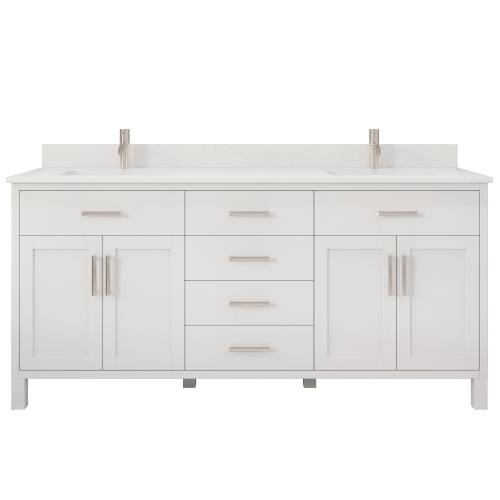
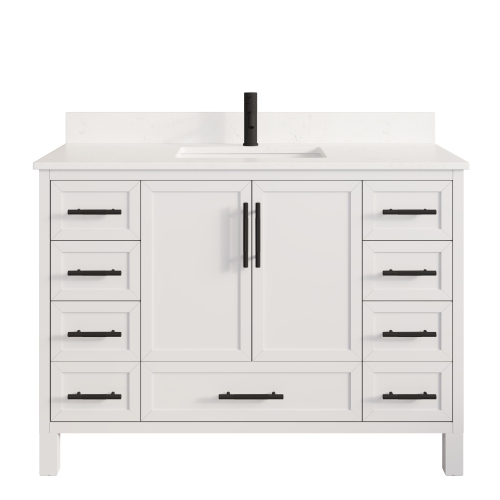
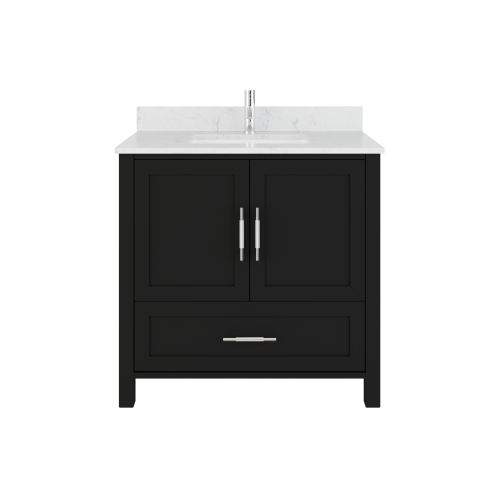
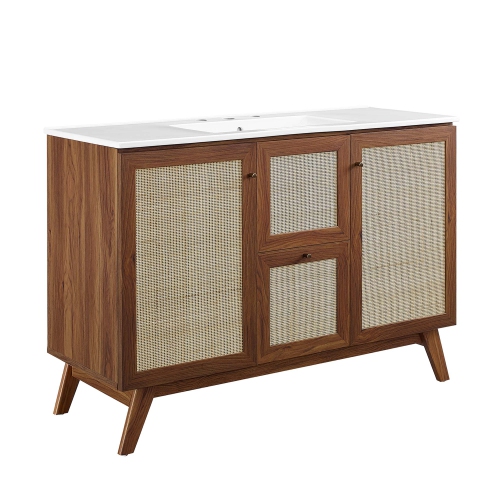
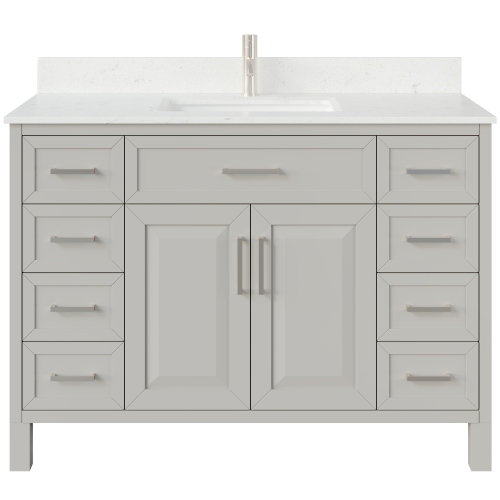
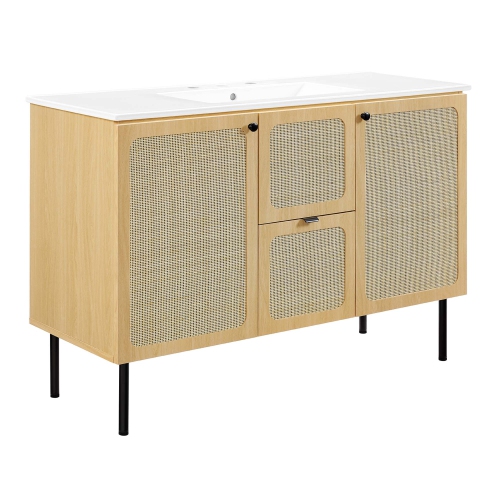
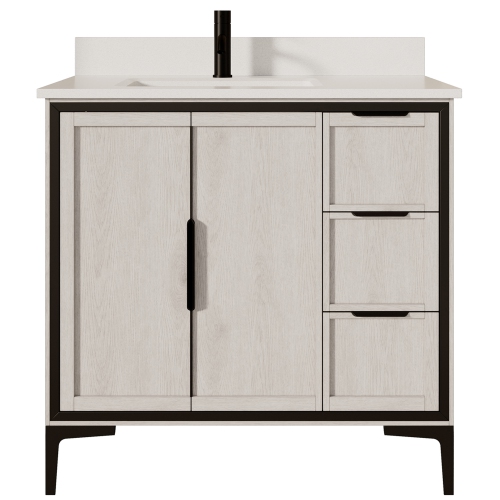
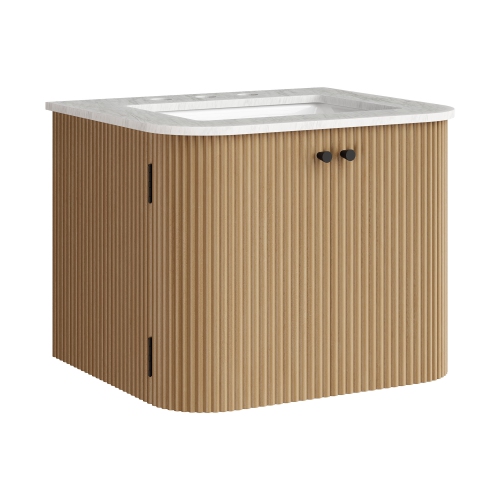
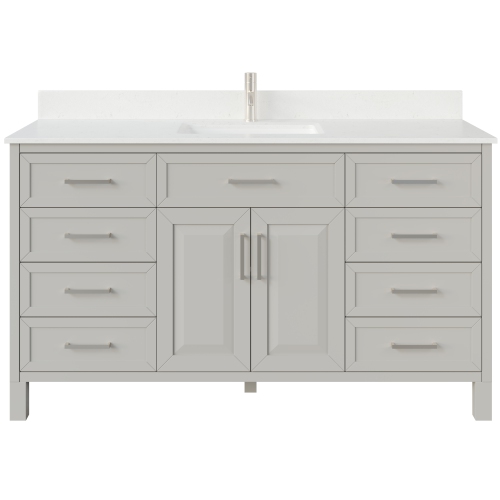
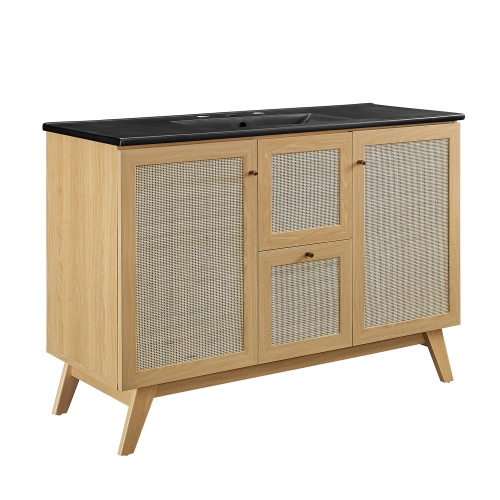
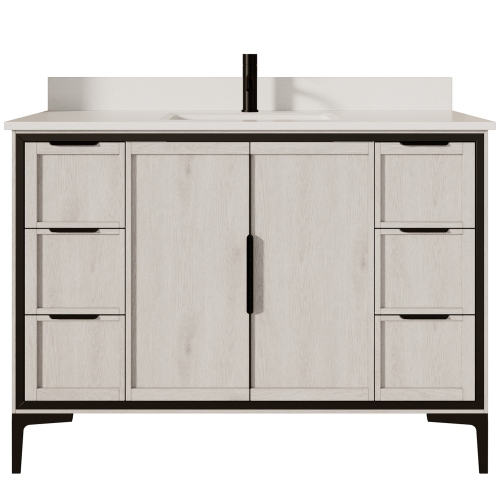
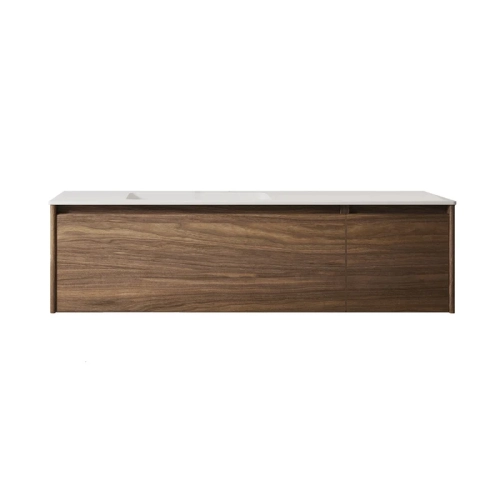
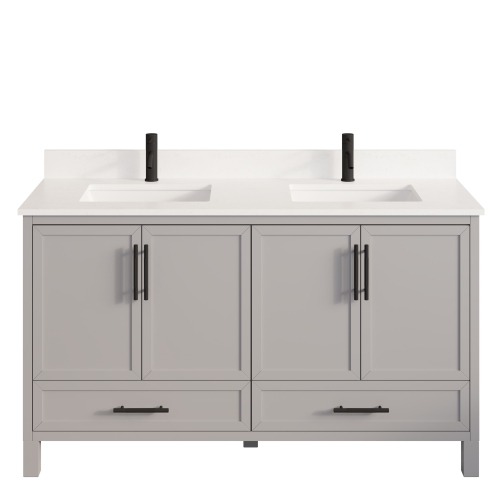
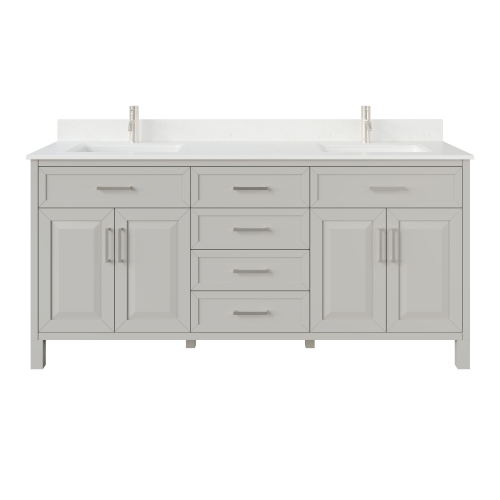
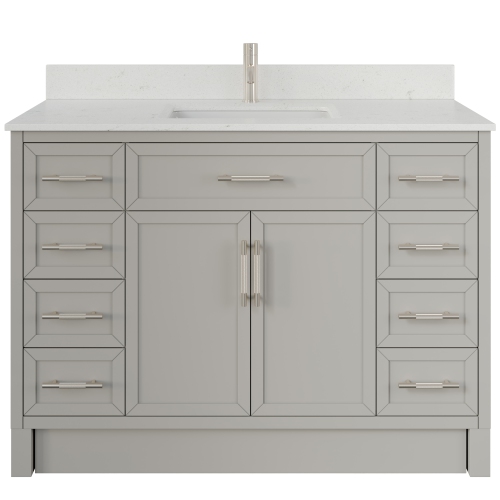
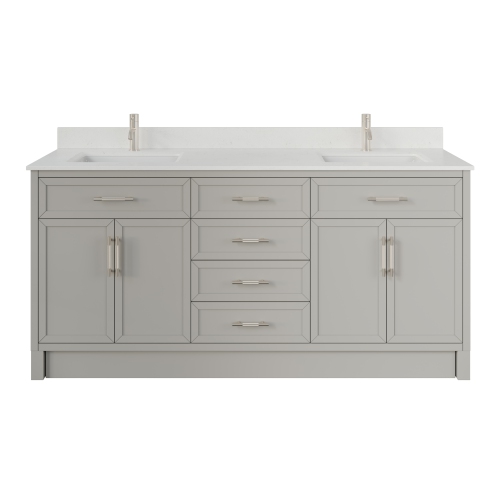
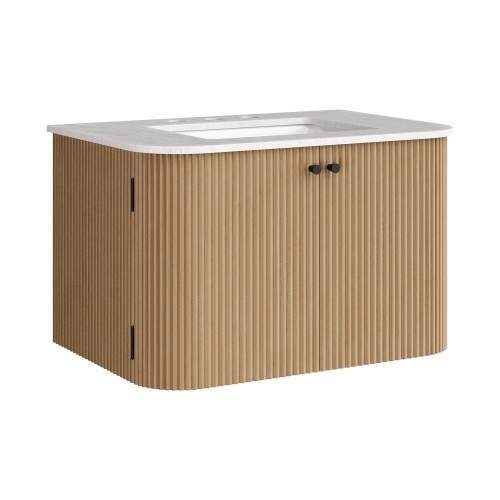
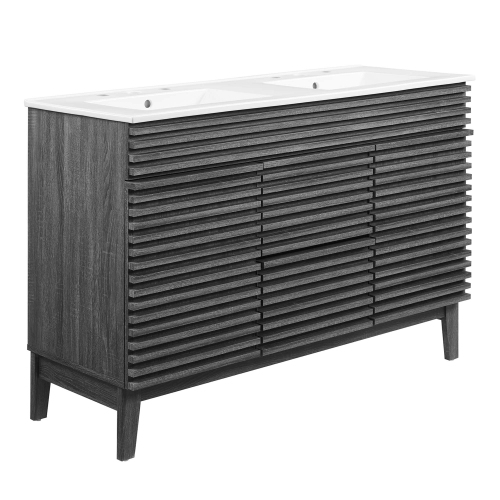
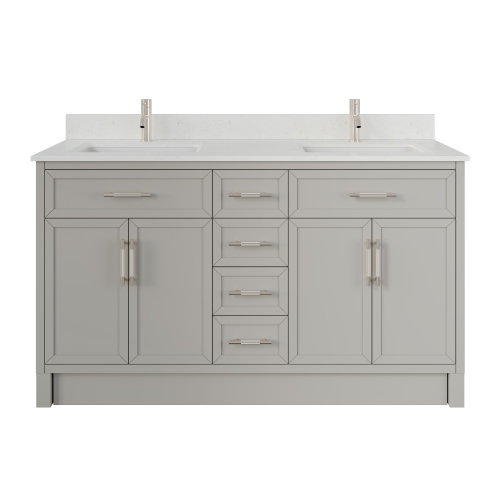
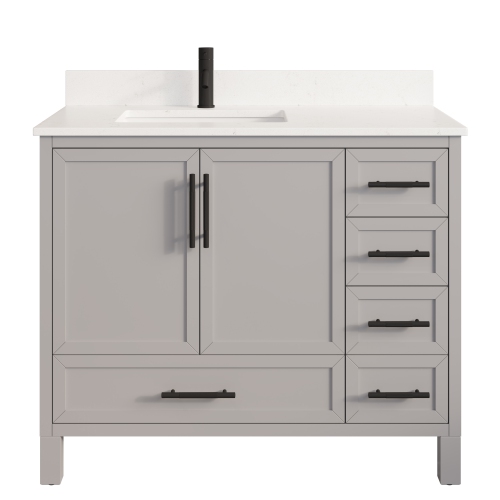
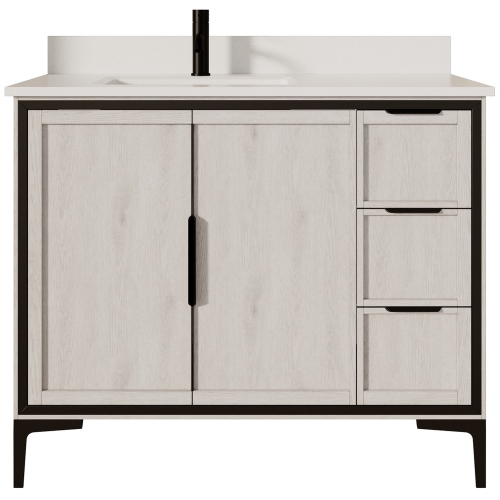
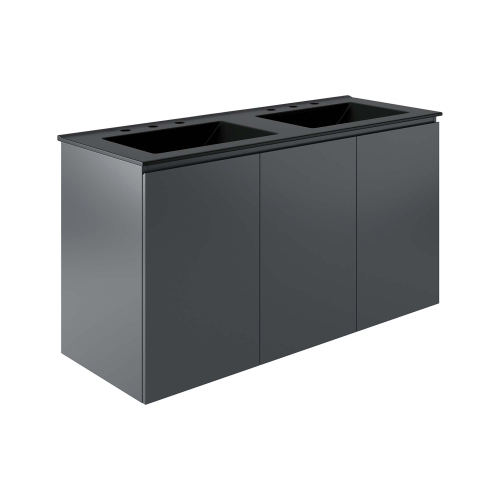
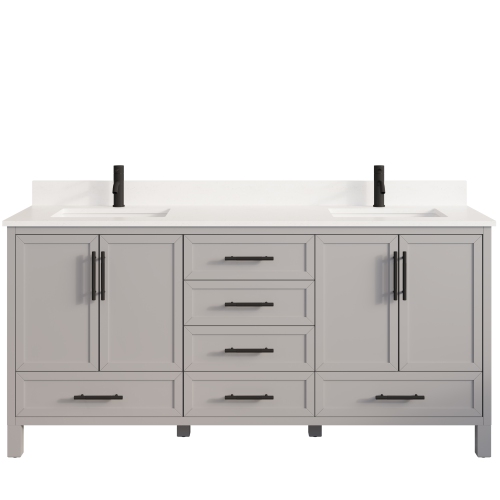
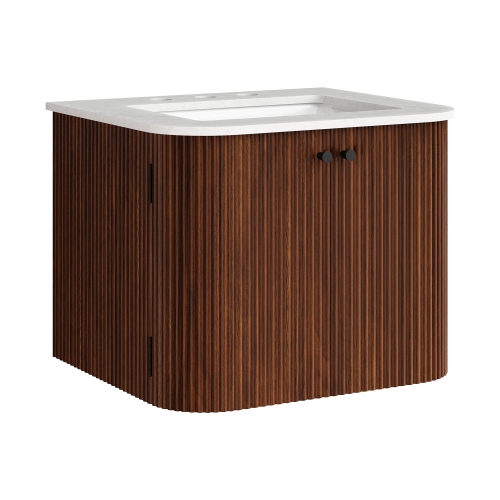
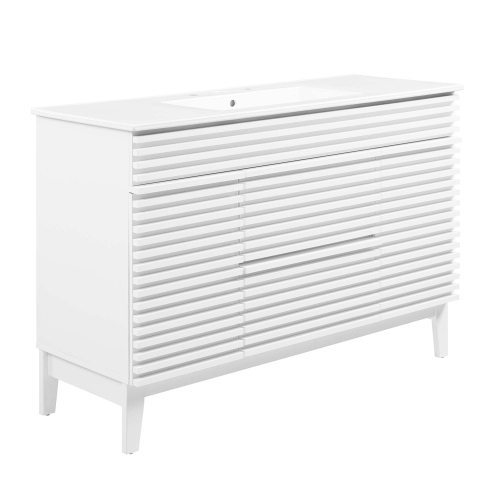
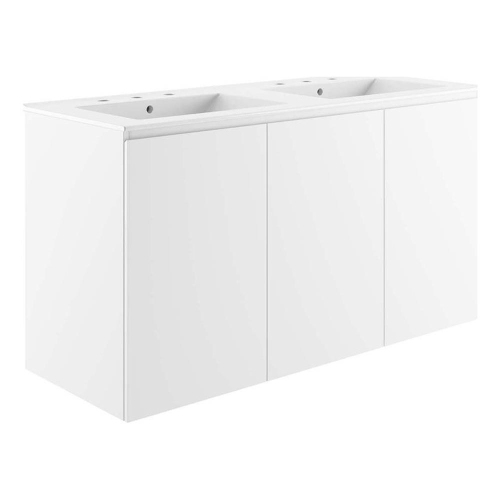
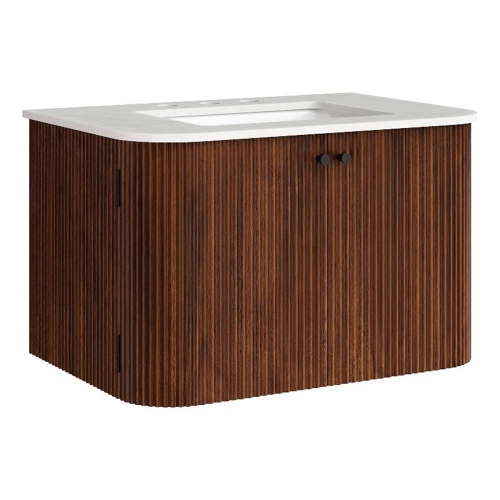
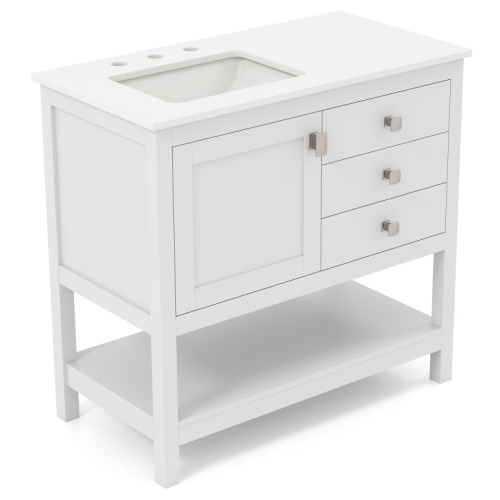
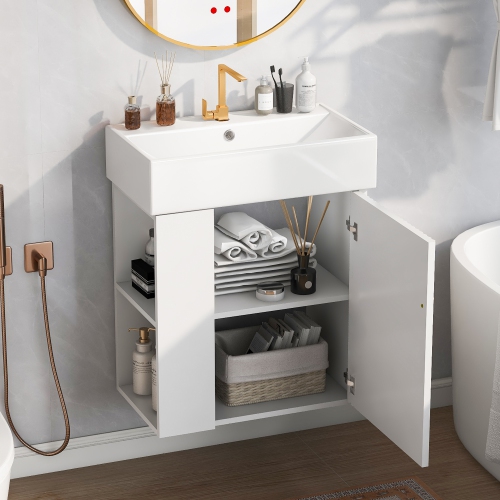
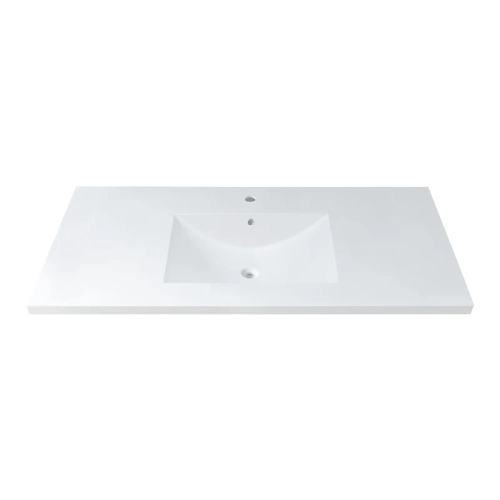
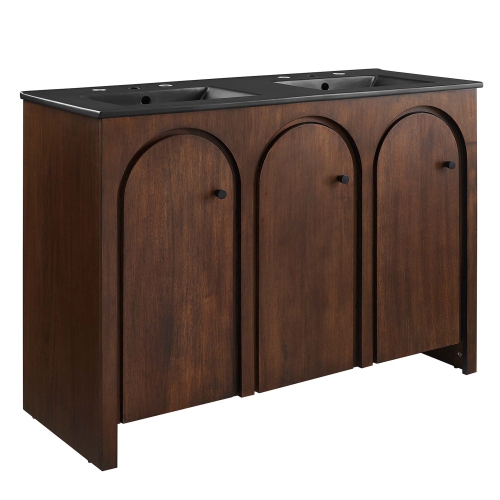
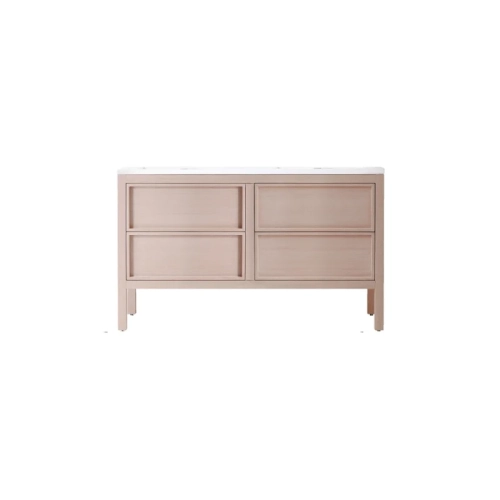
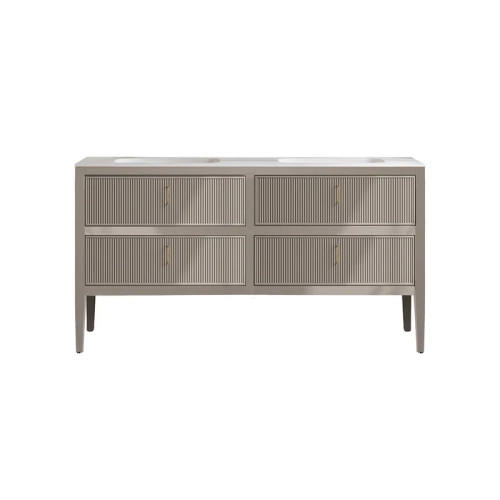
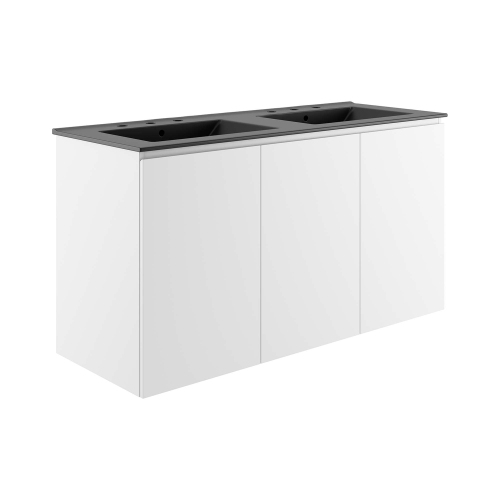
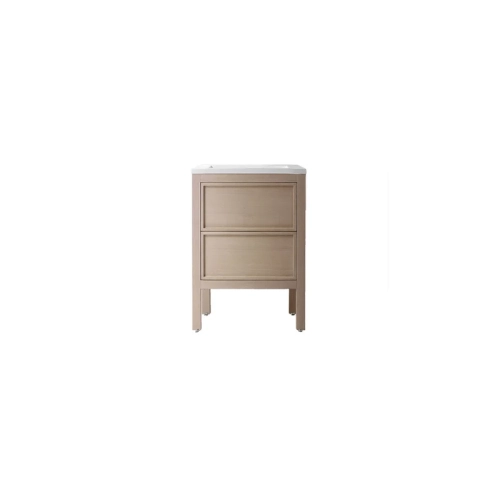
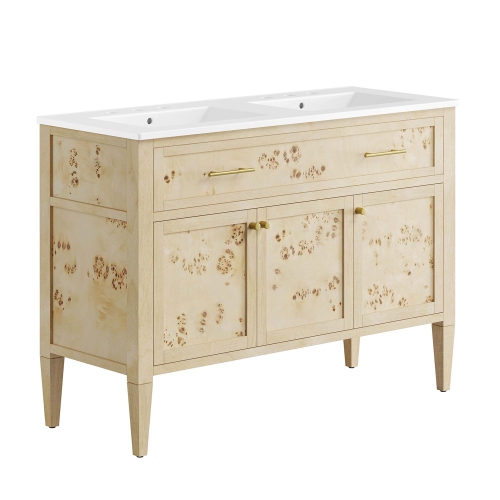
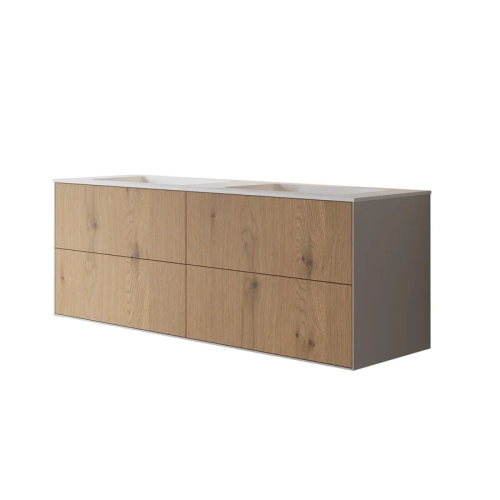
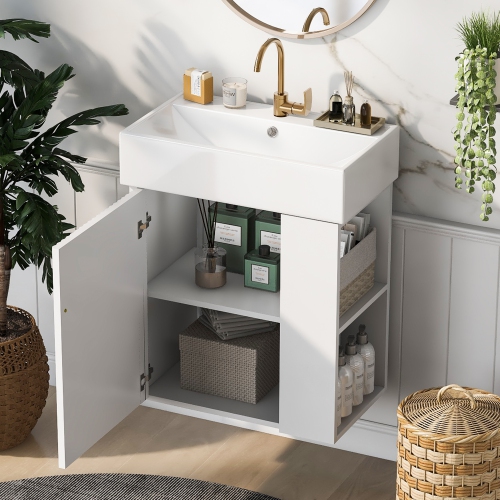
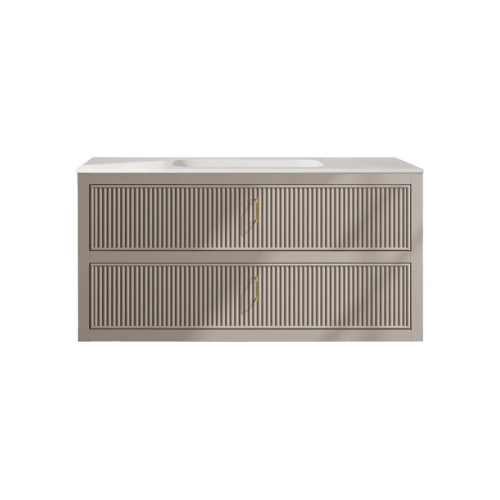
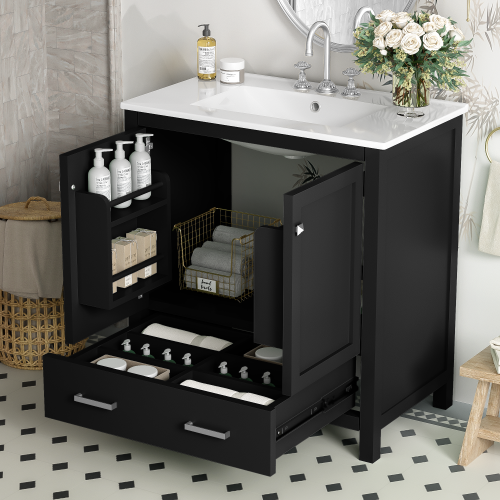
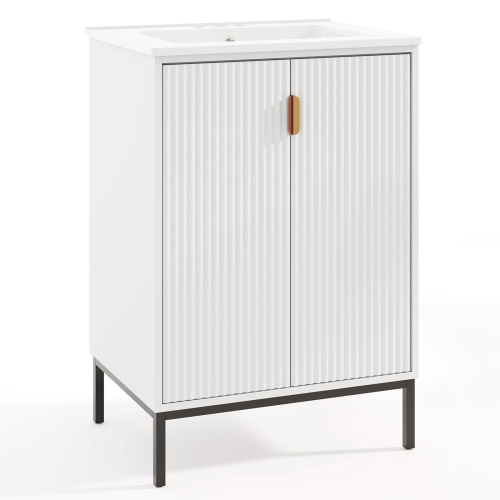
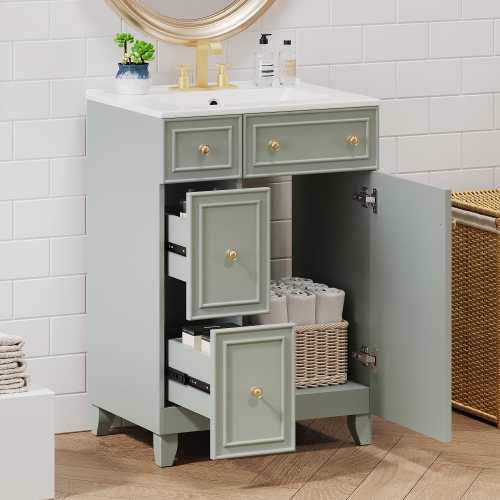
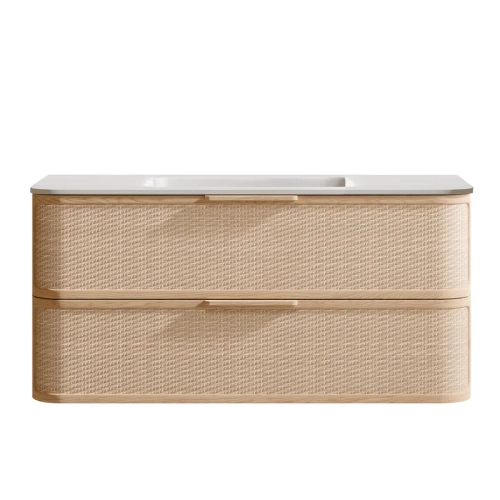
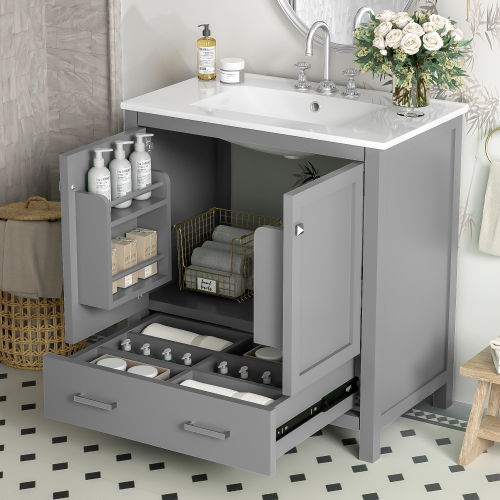
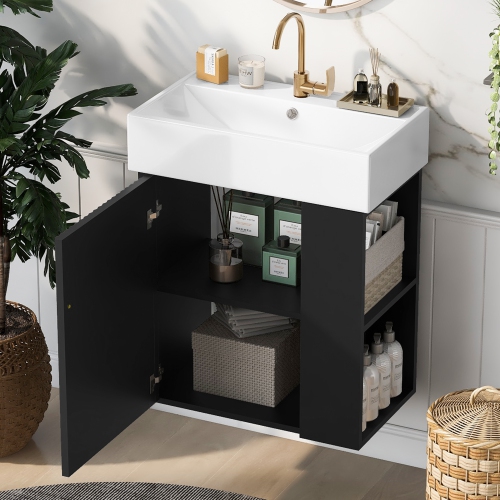
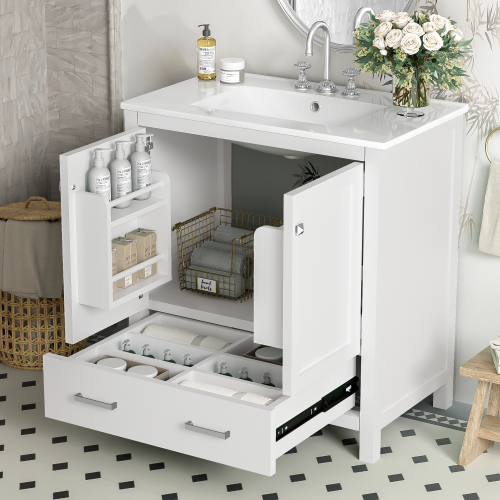
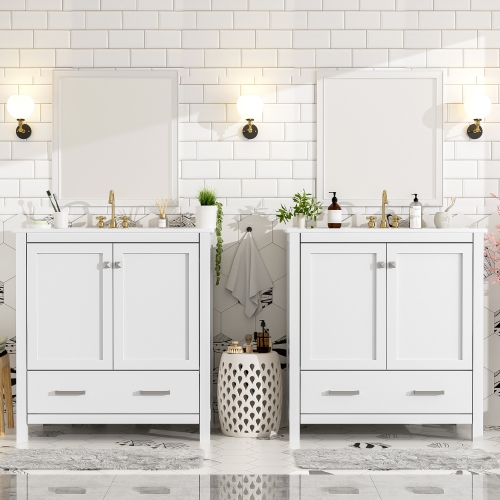
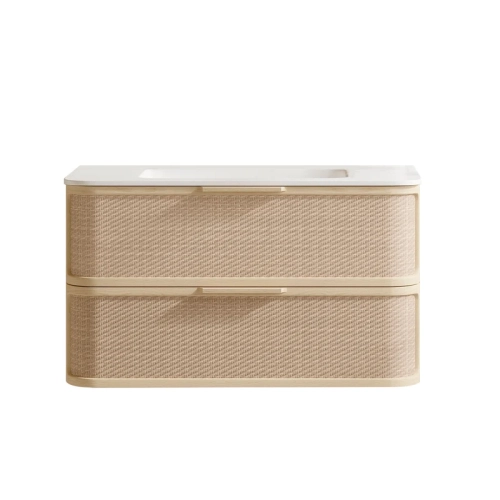

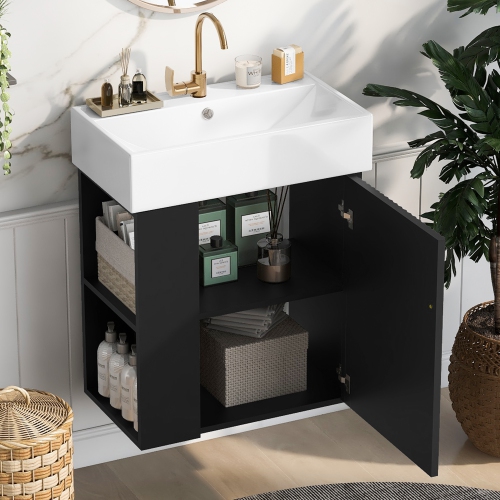
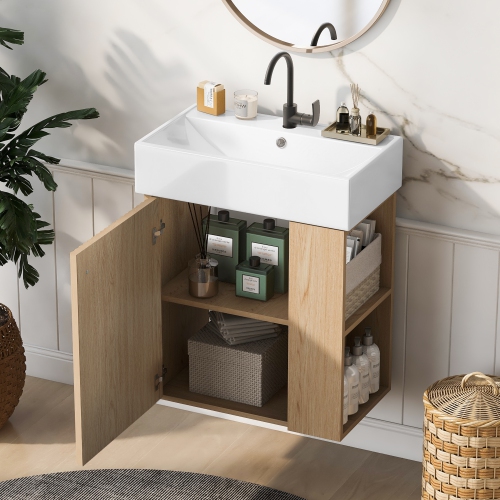
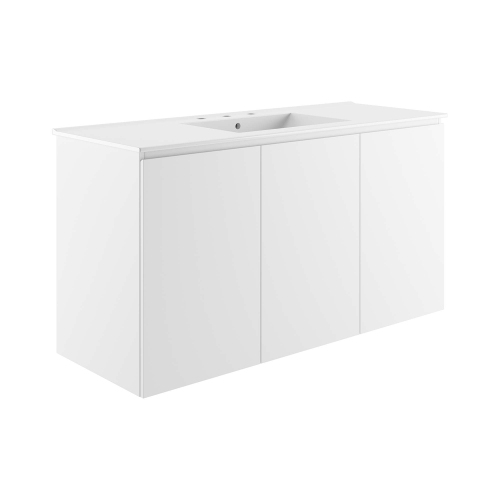
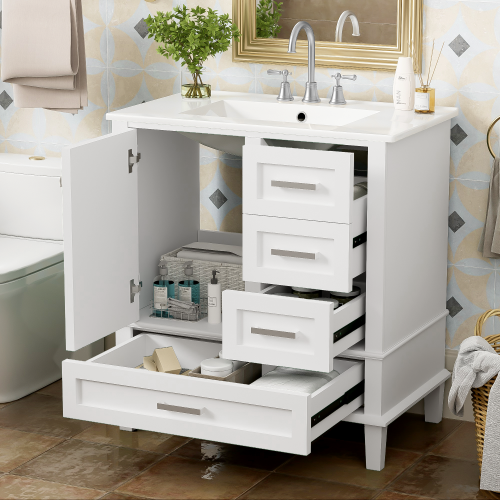
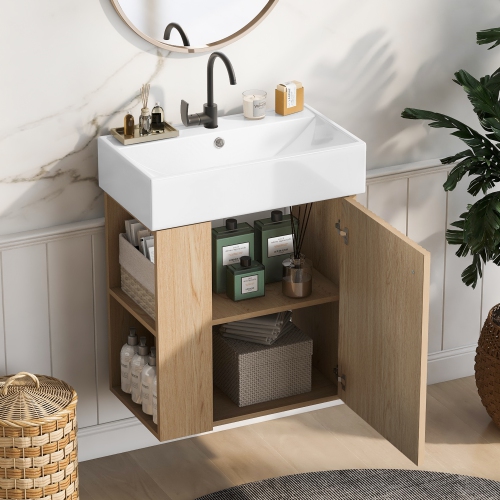
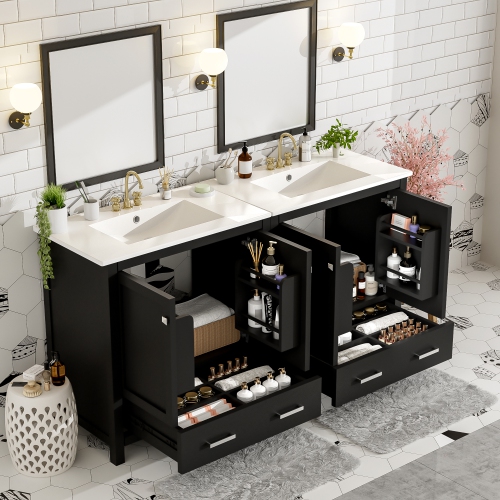
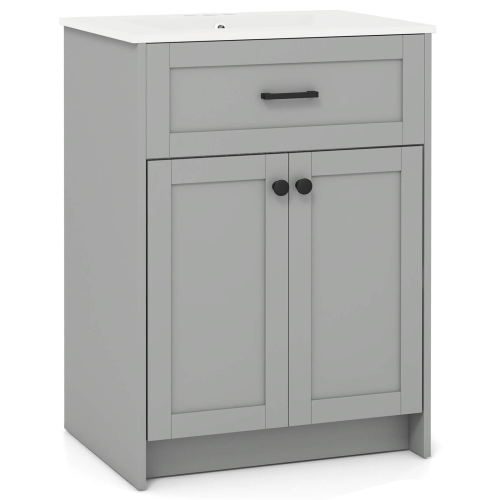

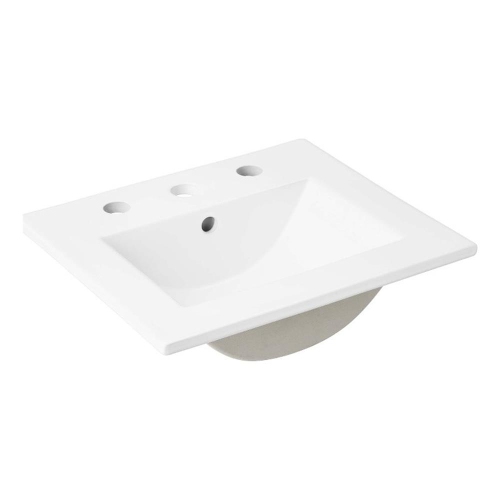
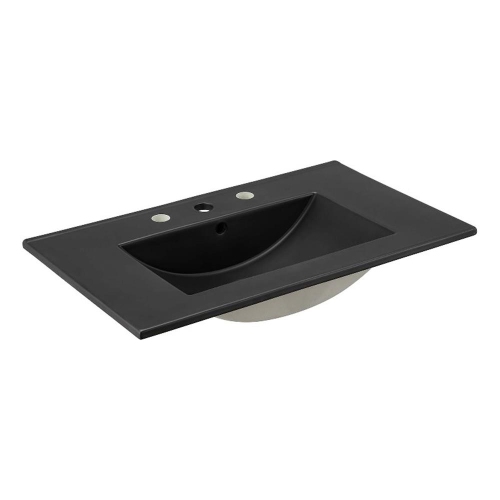
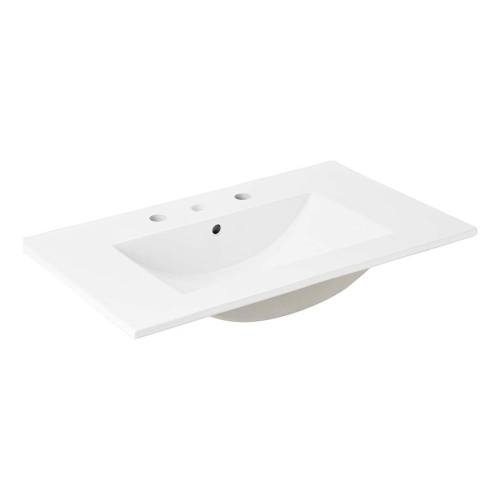
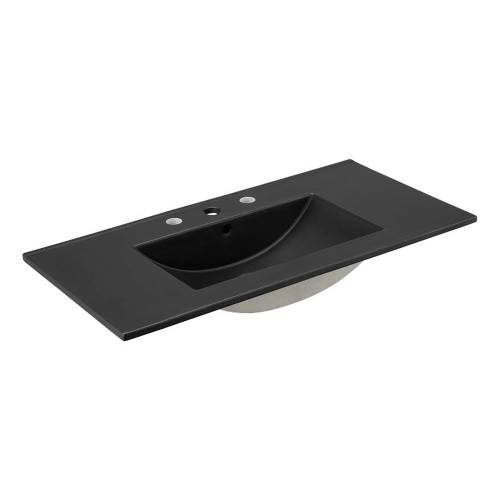
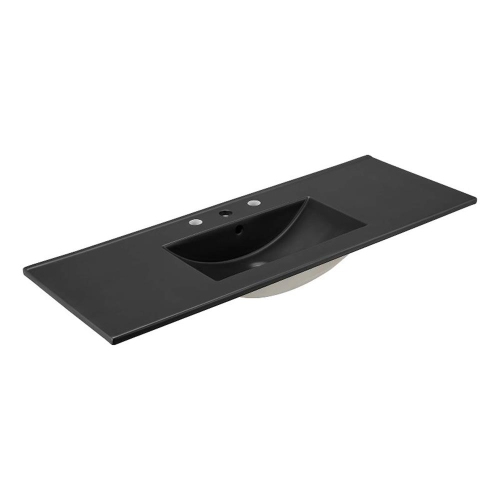
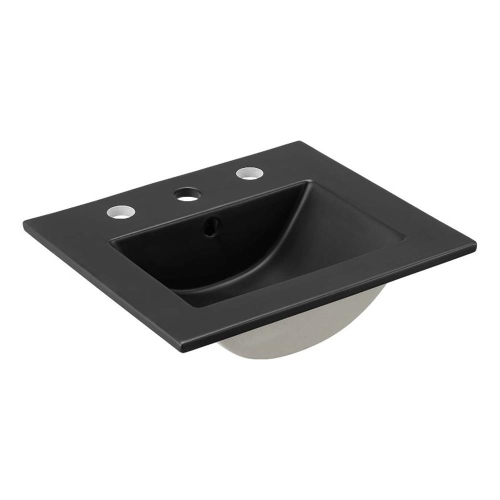
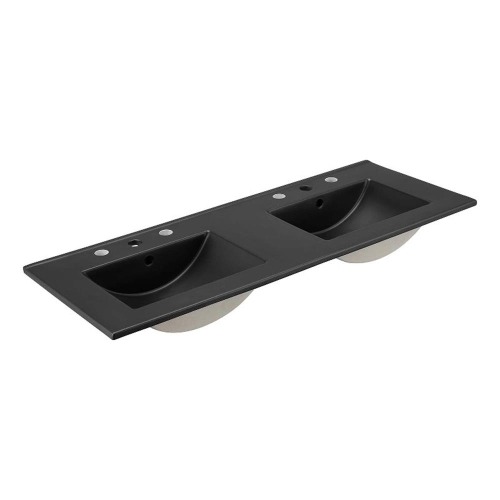
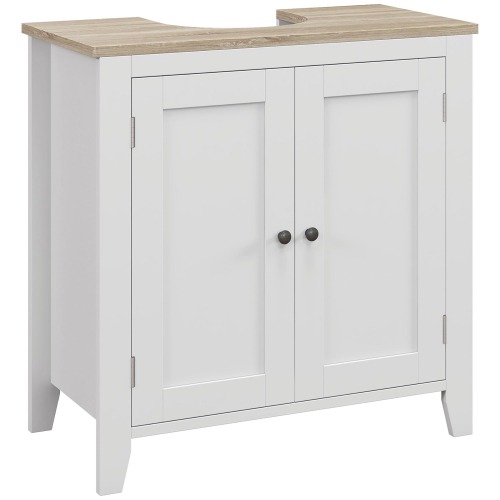
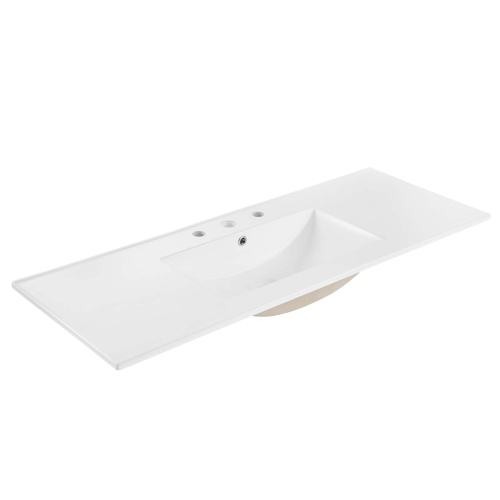
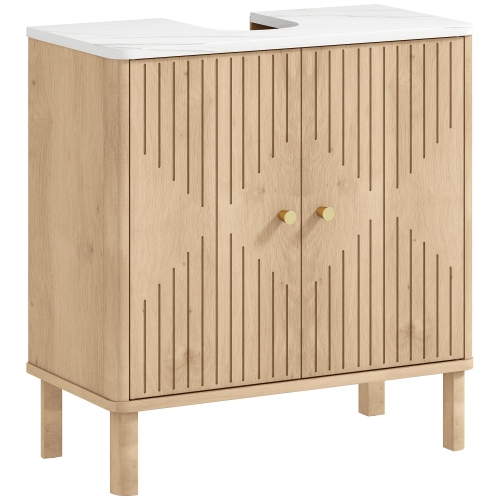
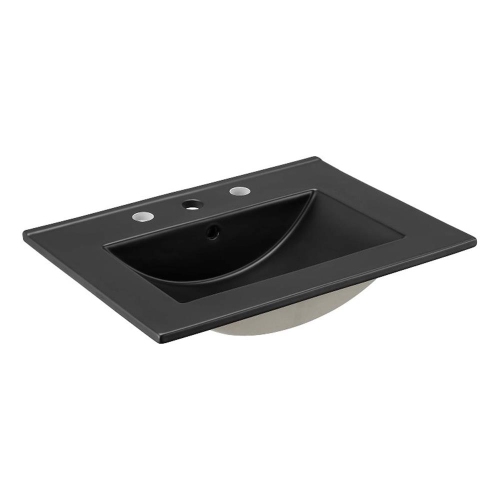
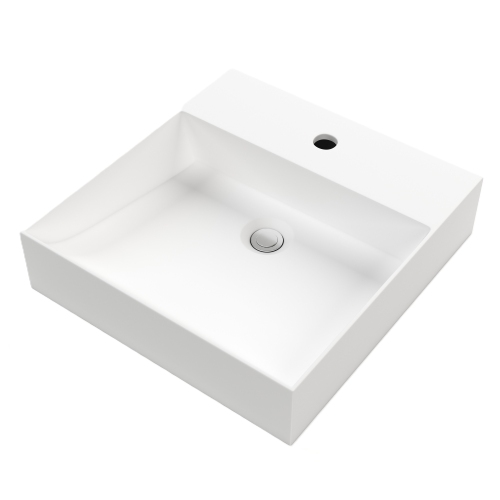
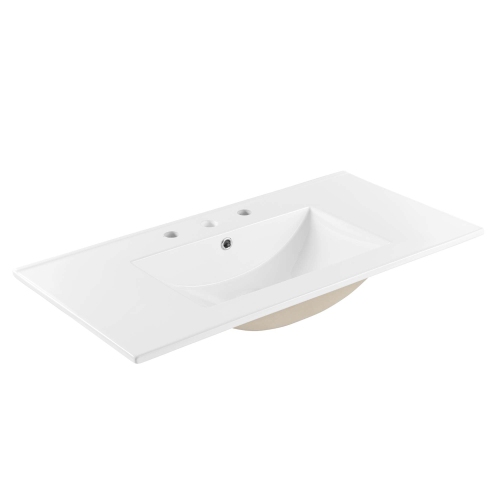
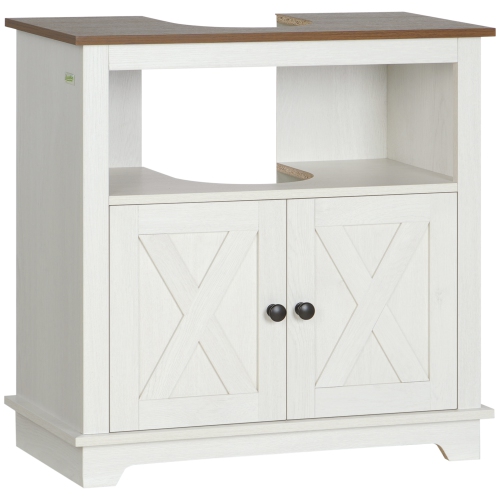
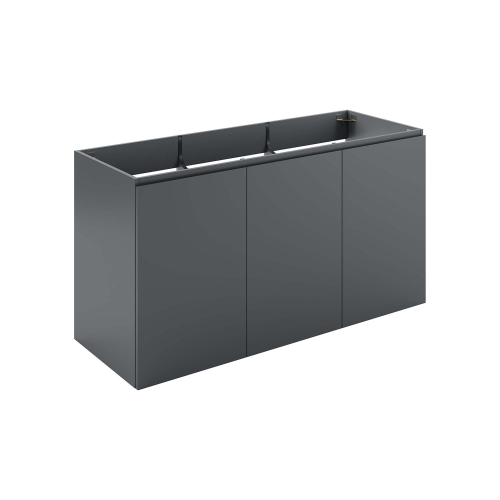
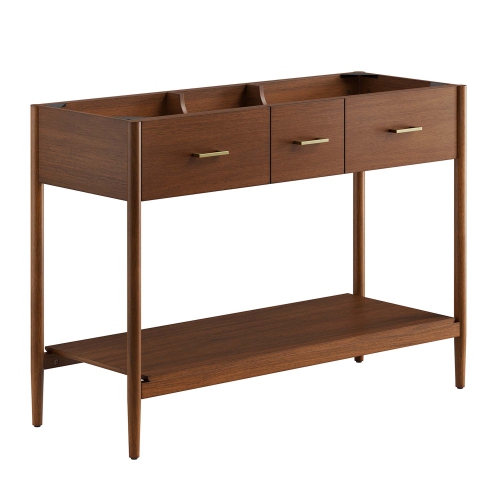
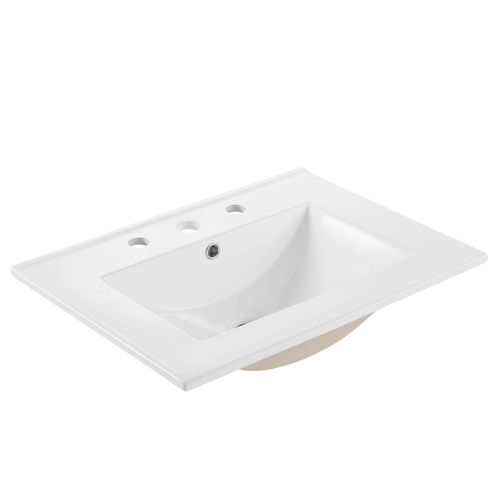
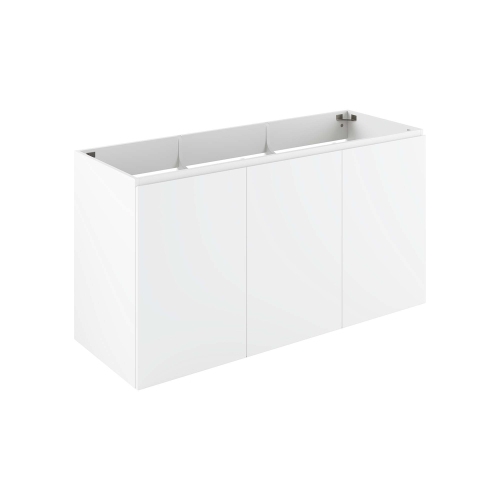
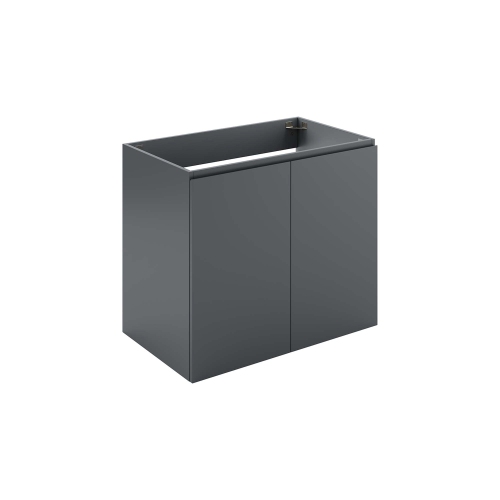
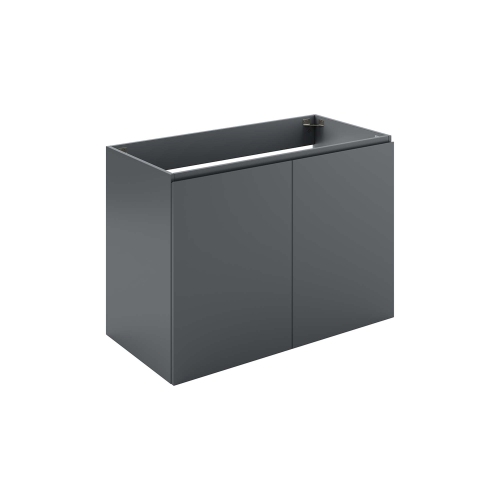
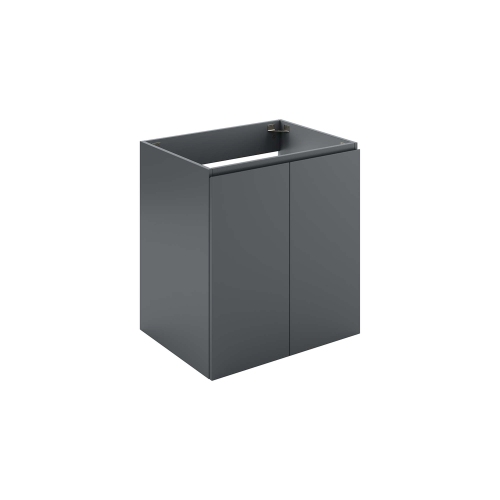
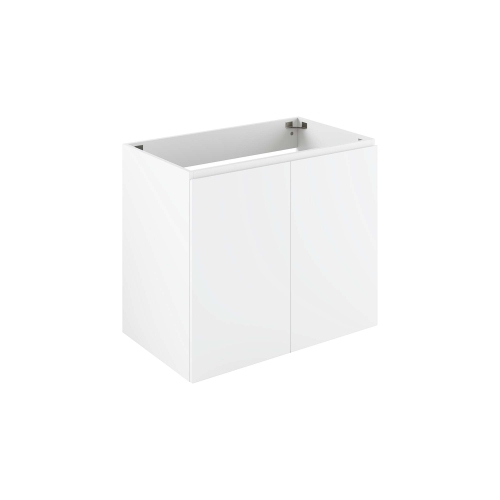
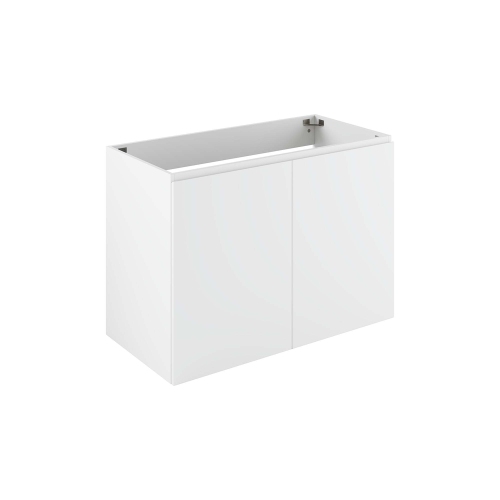
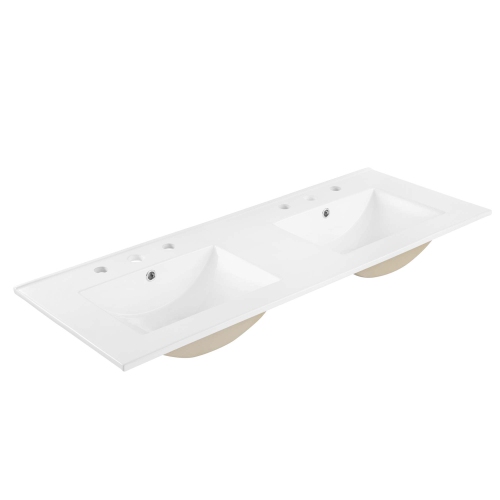
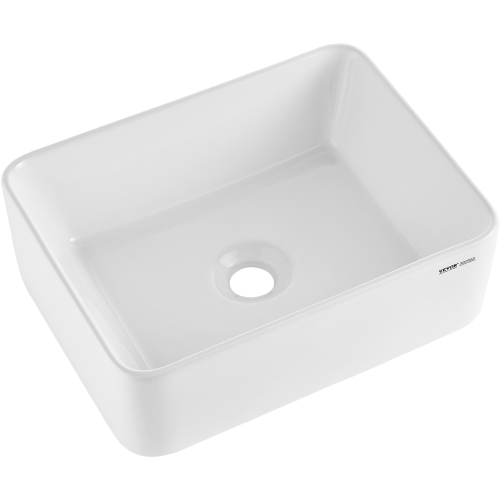
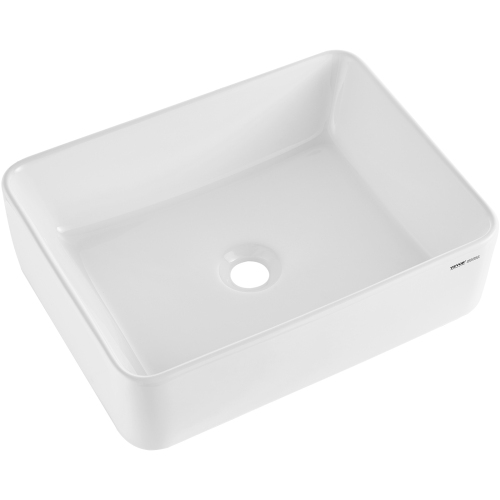
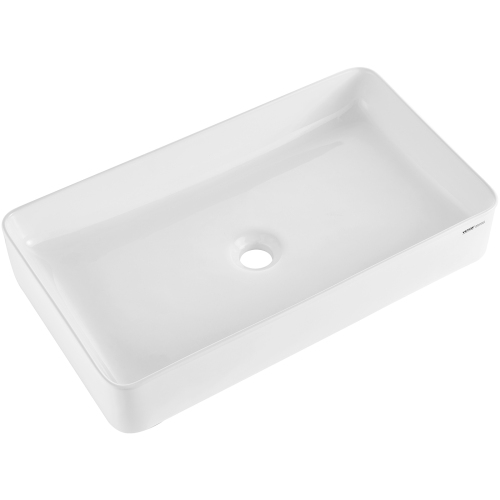
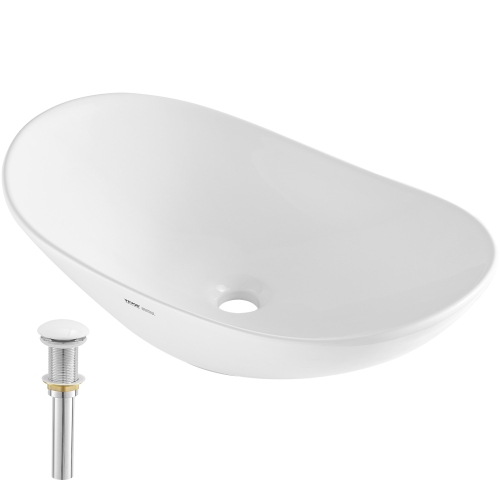
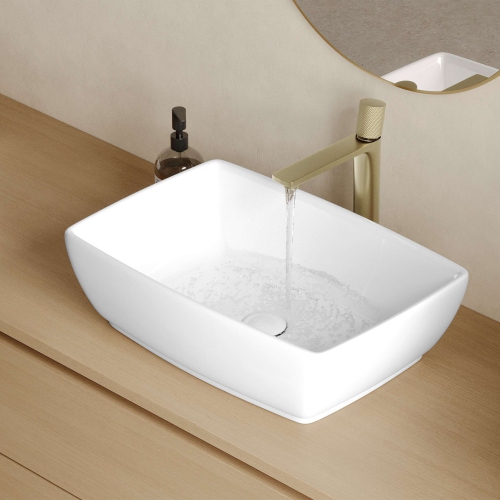
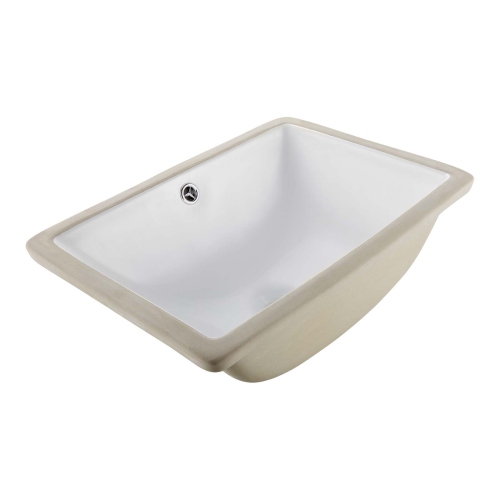
Sink design shapes counter space and everyday cleaning
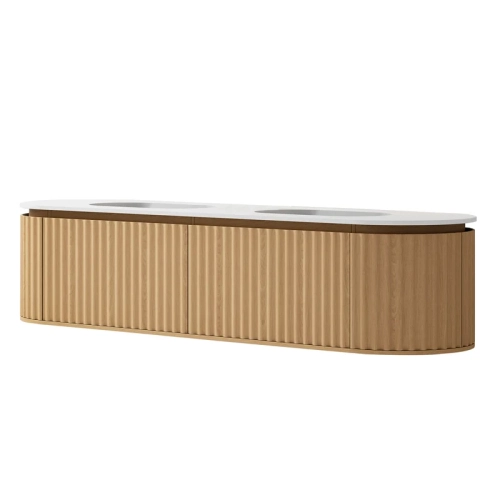
Bathroom vanity tops with sink combine a countertop and washbasin in a coordinated surface for everyday washing, grooming, and keeping bathroom essentials close at hand. They can replace a worn counter while retaining a suitable cabinet, or form part of a larger bathroom renovation. The sink may be moulded directly into the top, attached beneath it, or fitted into an opening with a visible rim. These differences affect both appearance and cleaning: an integrated sink creates a continuous transition from counter to basin, while an undermount sink sits below the counter edge so water and toothpaste residue can be wiped towards the bowl without crossing a raised lip. A drop-in sink has a rim that rests on the surface, giving the basin a more defined outline. Rectangular bowls provide a crisp, contemporary look, while oval and rounded basins soften the lines of a vanity. Bowl shape alone does not determine comfort, though; depth, faucet position, and the amount of counter space around the sink all influence daily use. In a small powder room, a single basin with a modest ledge may be enough for hand soap and a folded towel. In a main bathroom, a wider top can leave room for toothbrush holders, shaving supplies, and a tray that keeps small necessities together. Double-sink tops give two people separate washing areas, although they also require sufficient cabinet space and compatible plumbing. Material choices bring another layer of character. Quartz and other engineered stone surfaces can offer a consistent finish or a stone-like pattern, while natural marble and granite have variations in veining and colour. Ceramic and porcelain are familiar choices for smooth, easy-to-wipe bathroom surfaces, and solid-surface materials can create an integrated basin with a flowing profile. A top that includes a sink does not necessarily include the cabinet, faucet, drain assembly, or backsplash, so the listed components help clarify what belongs to the replacement surface and what needs to be coordinated separately.
A good fit starts with the cabinet rather than the room’s overall dimensions. Common vanity cabinet widths include 24, 30, 36, and 48 inches, with wider configurations often used for larger single-sink or double-sink layouts. The corresponding top may be slightly wider to provide an overhang, so a cabinet’s nominal size should not be treated as the countertop’s exact measurement. Many vanity cabinets are approximately 21 to 22 inches deep, but compact designs and deeper furniture-style units differ, and the top may project beyond the front edge. Actual width, depth, and thickness matter, especially when the vanity sits between two walls or beside a door casing. A top that looks right from the front can still interfere with a drawer if the basin extends too far down into the cabinet. The underside of the sink, drain location, and clearance for water lines and the drain trap are therefore as important as the visible dimensions. For a replacement project, the cabinet needs to be level, structurally sound, and capable of supporting the selected material; stone tops can be considerably heavier than some moulded alternatives. Faucet drilling also deserves attention. A single-hole faucet, a 4-inch centreset faucet, and an 8-inch widespread faucet use different mounting arrangements, while a wall-mounted faucet needs appropriate reach and positioning above the bowl. Matching the holes avoids unnecessary adapters or alterations. Basin placement affects usable counter space, too: an offset sink can create a larger uninterrupted area on one side, whereas a centred basin gives a balanced layout. A backsplash can help protect the wall behind the faucet, and a matching side splash may be useful where the counter meets an adjacent wall. Small gaps, uneven walls, and existing tile edges can affect the finished result, even when the nominal size is correct. Manufacturer specifications and installation requirements provide the clearest basis for matching a top to an existing cabinet. For projects that also involve replacing the cabinet, Bathroom Vanities With Undermount Sinks are a related option for combining the storage base, countertop, and below-counter basin in one coordinated arrangement.
Daily wear is often the deciding factor between materials that initially look similar. Quartz surfaces generally resist moisture and staining well, but their resin content means hot styling tools should not rest directly on the counter. Natural marble offers distinctive veining, yet acidic substances can etch its finish, and sealing may be required according to the supplier’s directions. Granite is durable, although its sealing needs depend on the particular stone and finish. Ceramic and porcelain surfaces are straightforward to maintain with suitable cleaners, but a dropped glass bottle or a hard impact at an edge can cause chips. Solid-surface tops can have a smooth, integrated appearance, and some scratches may be repairable using the manufacturer’s recommended process. No material is completely immune to damage, making care requirements more useful than broad claims of toughness. A soft cloth, a non-abrasive cleaner approved for the surface, and prompt attention to spills suit many bathroom counters. Hair dye, cosmetics, and strongly coloured toiletries are best wiped up before they have time to mark the finish. Standing water around the faucet base, sink joint, or backsplash seam should also be removed, with sealant maintained where the installation requires it. The basin needs care appropriate to its own material, which may differ from the countertop above it. In a busy family bathroom, a generous washing area and accessible corners can make cleaning easier after hurried morning routines. For someone who prefers fewer visual distractions, a pale integrated top with a simple edge can keep the vanity looking uncluttered. A darker surface or pronounced veining can create contrast with light cabinetry, while a subtle pattern may blend comfortably with existing wall tile. Matte and polished finishes reflect light differently, and their care requirements should be considered alongside their appearance. Edge profiles also change the impression of the vanity: a straight edge feels clean-lined, while a rounded edge softens the outline. Ultimately, bathroom vanity tops with sink work best when the basin layout, material, and proportions suit the people using the room, leaving comfortable washing space and enough clear counter area for everyday essentials.
Top selling and popular products
-
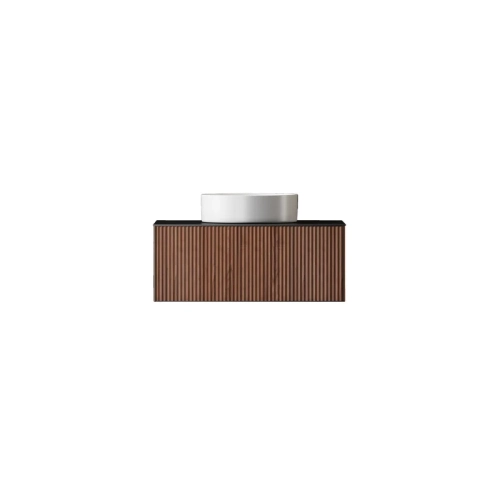 Your price for this item is $1836
-
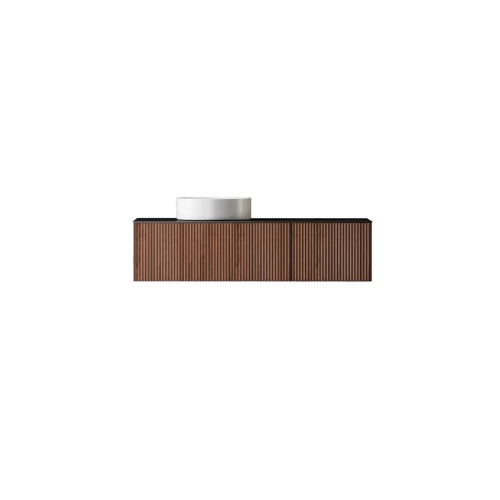 Your price for this item is $1996
-
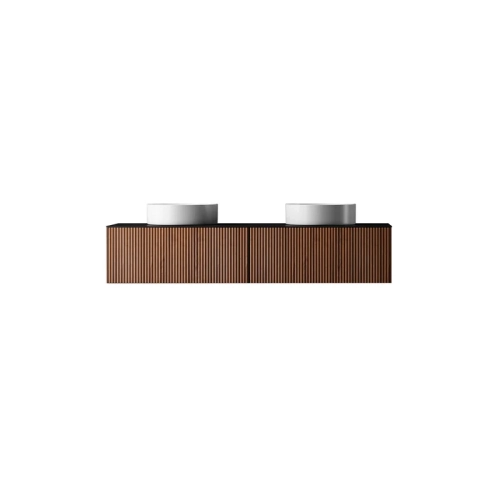 Your price for this item is $2600
-
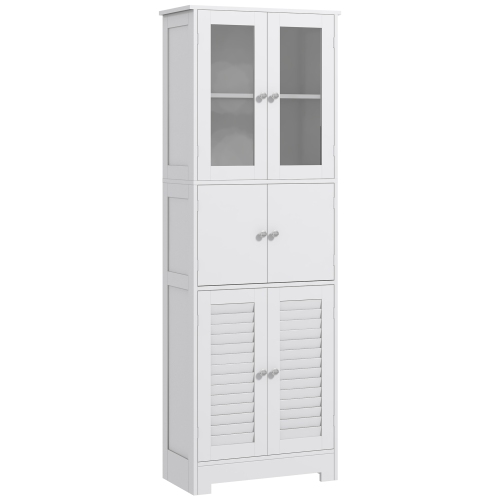 Your price for this item is $159.99
-
 Your price for this item is $199.99
-
 Your price for this item is $3196
-
 Your price for this item is $129.99
-
 Your price for this item is $92.99
Discover more categories related to Bathroom Vanity Tops With Sink
Top Collections:
Best Black Friday Deals This Year, Best Black Friday Deals On Electronics, Kindle Devices, Dyson Airwrap, Best Cameras for Sports Photography, Best Budget Office Chairs, Canon G7X Cameras, PS5 Pro Consoles, Best Black Friday Deals On Apple Products, XBOX One S Consoles
Some products may be subject to Environmental Handling Fees
(EHF) depending on your province.
Learn more about EHFs.