Bathroom Vanities With Undermount Sinks
Bathroom Vanities With Undermount Sinks offer a stylish and practical solution for any bathroom upgrade. These vanities provide a seamless look that complements a wide range of design preferences, making it easy to create a polished and organized space. Whether you're remodeling your main bathroom or updating a guest powder room, Bathroom Vanities With Undermount Sinks help maximize counter space while maintaining a clean, modern appearance. Explore a variety of sizes, finishes, and configurations to find the perfect fit for your home.
Sort
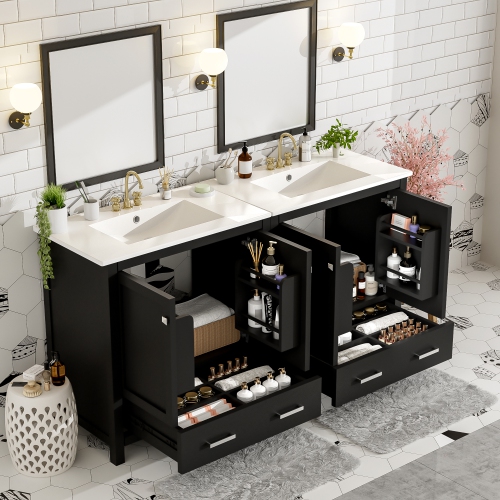
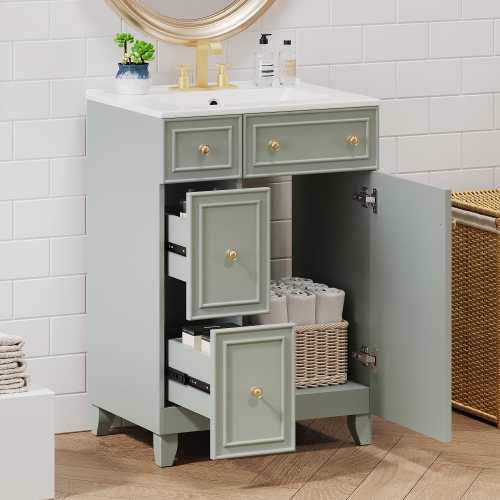
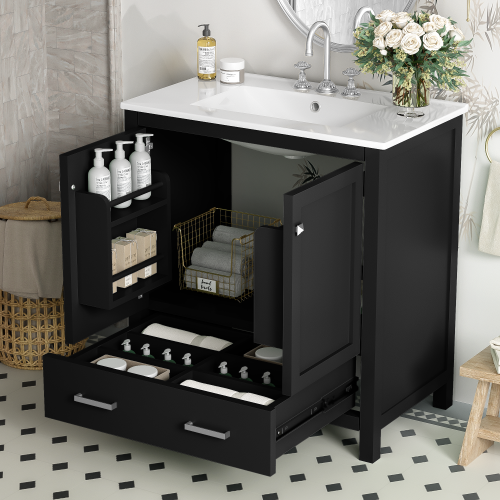
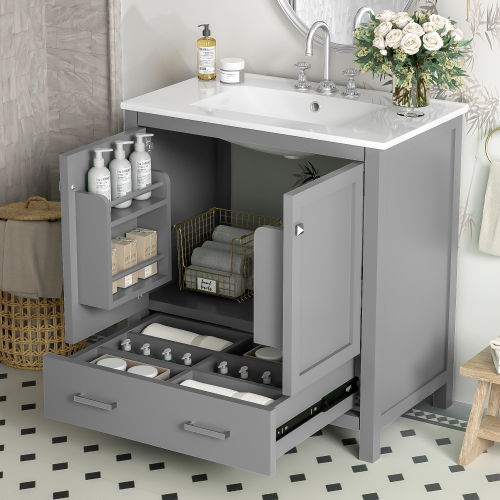
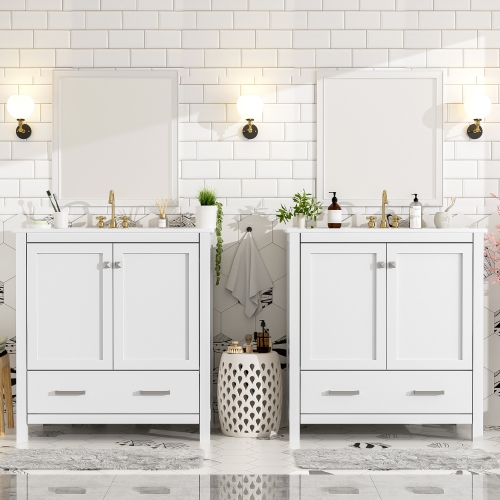
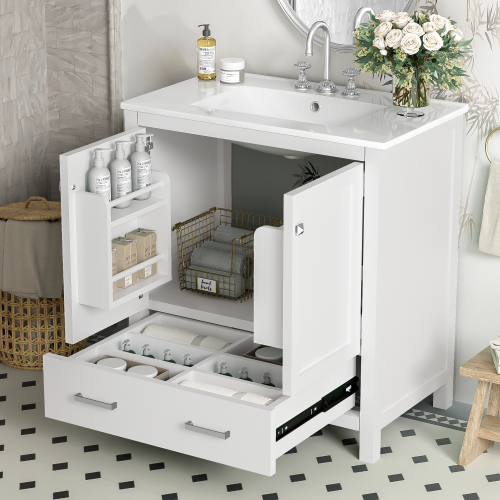
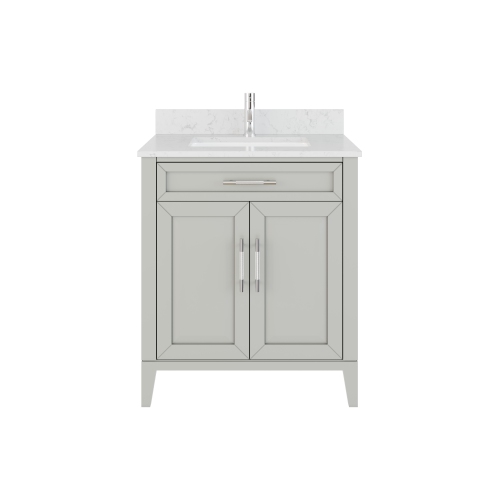
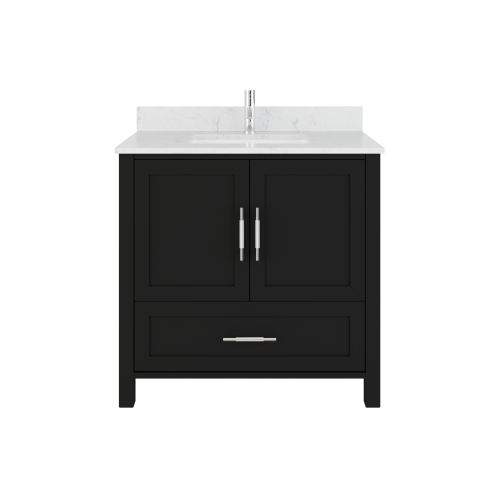
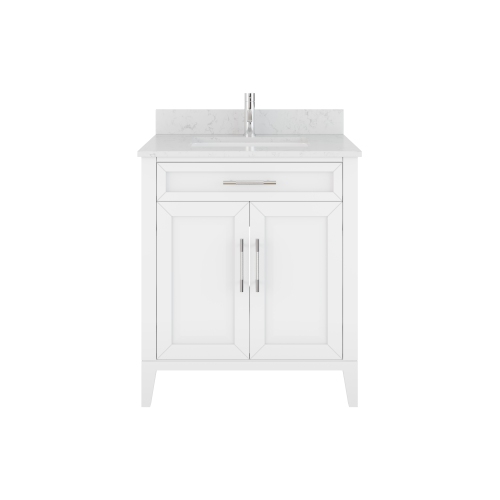
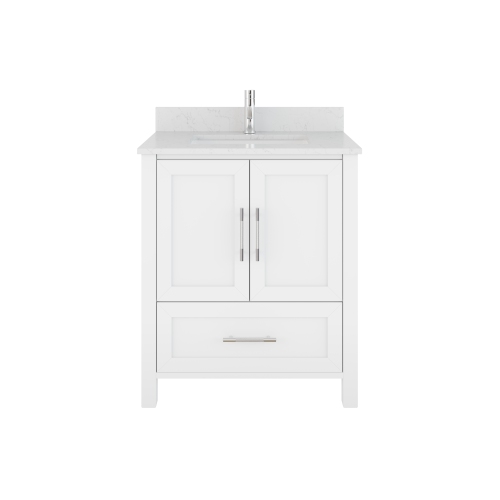
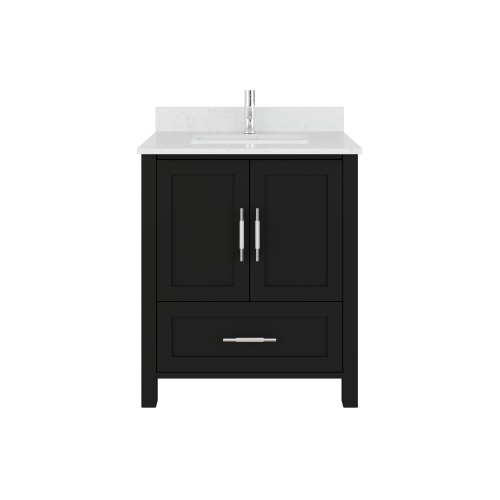
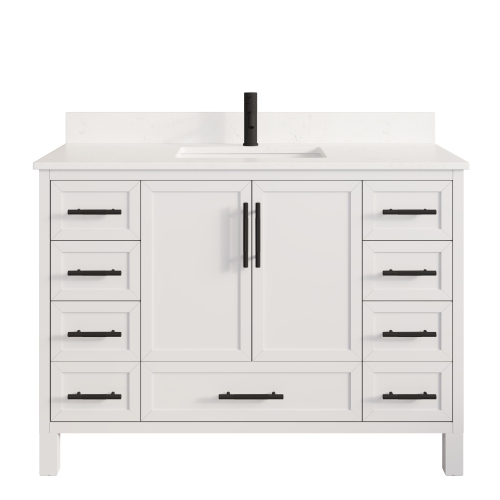
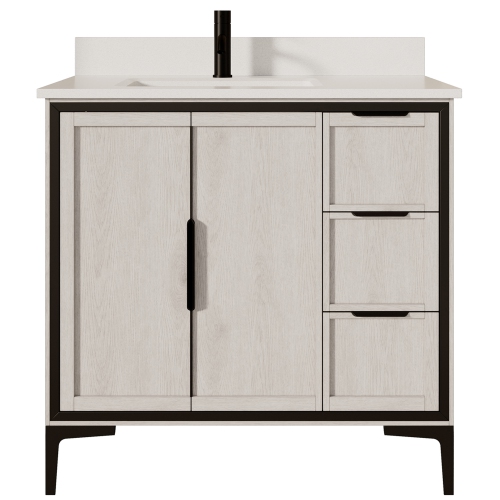
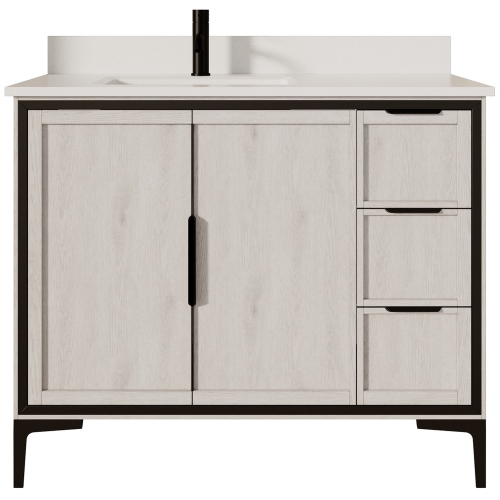
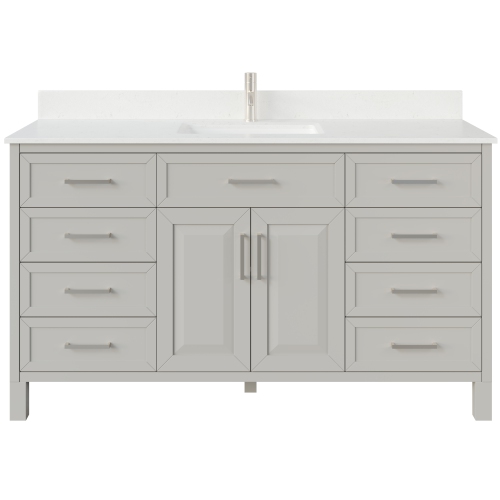
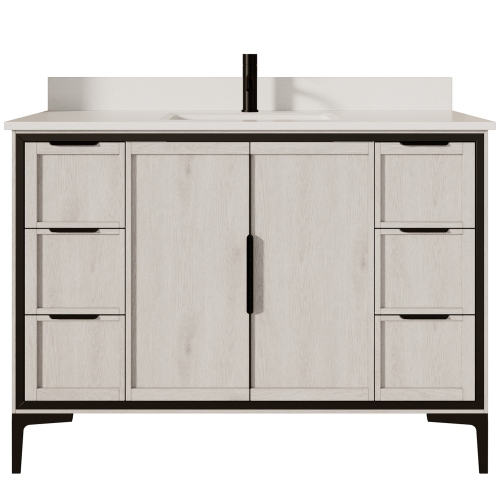
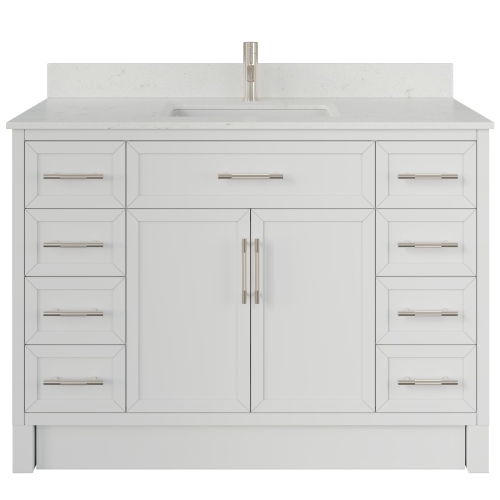
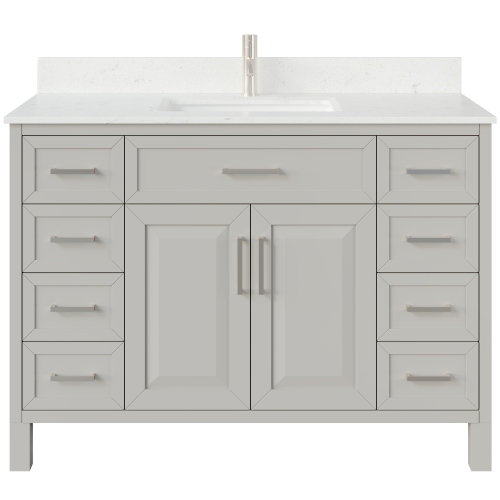
A smooth countertop edge makes wiping splashes simpler
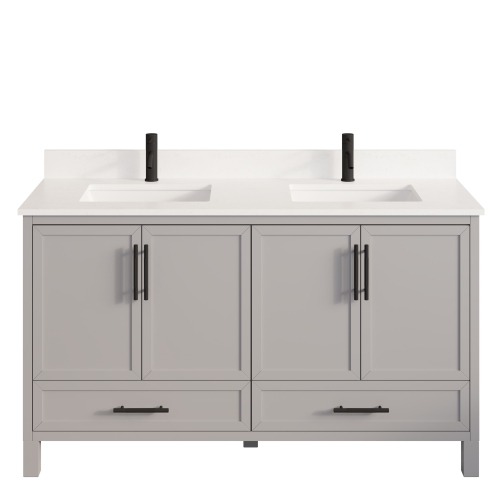
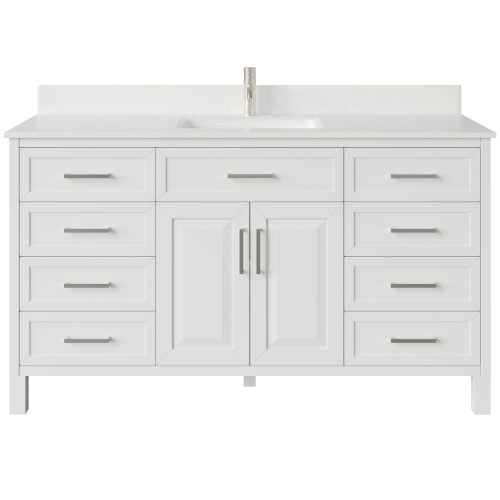
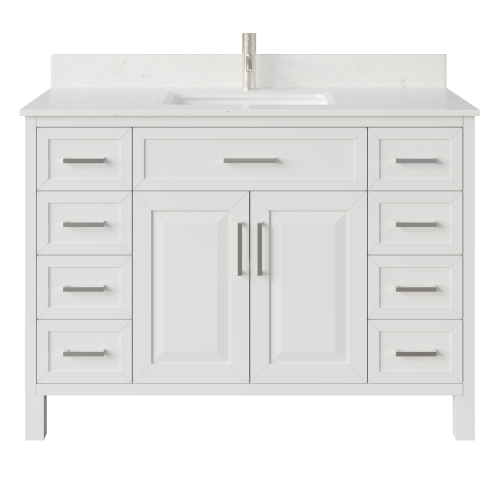
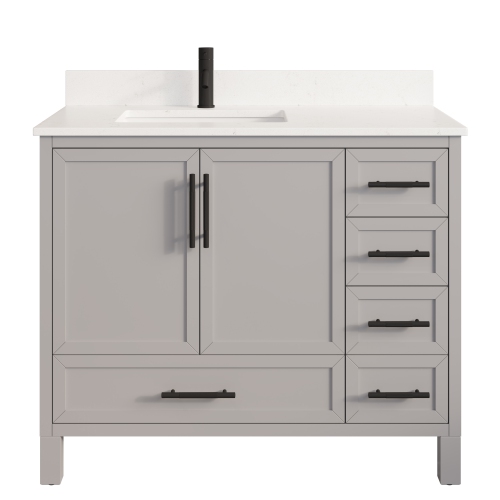
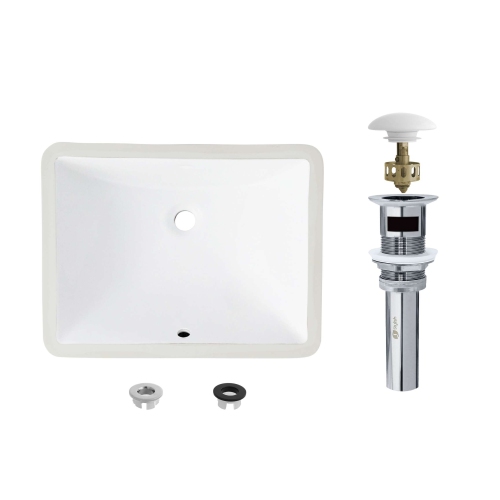
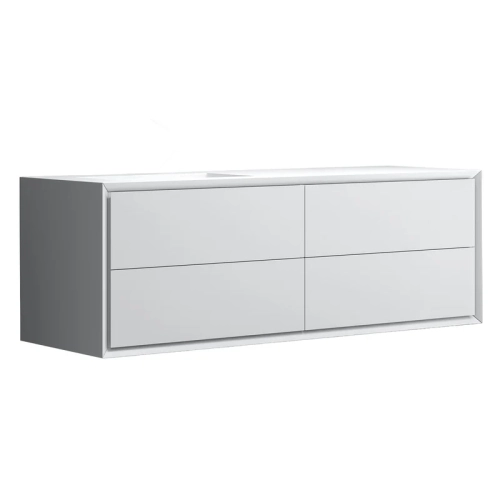
Bathroom vanities with undermount sinks bring storage, a washing area, and a smooth countertop edge together in one fixture. Unlike a drop-in basin with a rim resting on the counter, an undermount sink sits beneath a finished opening, leaving the surrounding surface uninterrupted. That detail gives the vanity a clean profile and makes it easier to wipe splashes towards the basin without working around a raised lip. The look suits a range of bathrooms, from a compact powder room with a narrow cabinet to a main bathroom shared by several family members. Sink placement, cabinet proportions, and the amount of usable counter space all shape how the vanity feels in everyday use. A centred basin creates balanced landing areas on either side, while an offset layout can leave a larger stretch for toiletries, provided the cabinet and plumbing are designed for that arrangement. For a smaller room or a bathroom used by one person at a time, bathroom vanities with a single sink can provide a practical balance of storage and floor space. The number of sinks and the mounting style are separate features, so both matter when comparing layouts. A wider single-basin vanity can offer generous counter space, while a double-basin design gives two people separate places to get ready. Appearance matters, too: flat cabinet fronts and restrained hardware create a streamlined finish, while framed doors, furniture-style legs, and wood grain introduce more texture. White and light-coloured finishes can keep a small bathroom looking open, while darker cabinetry adds contrast against pale tile. A wall-mounted vanity leaves visible floor beneath the cabinet; a floor-standing design has a more grounded presence and may offer additional enclosed storage. Neither style needs to dominate the room when its depth, width, and proportions suit the surrounding fixtures.
Materials make a substantial difference to the feel, care, and durability of an undermount vanity. Because the countertop opening remains visible around the basin, its finished edge is part of the design rather than a detail hidden beneath a sink rim. Stone, engineered quartz, and suitable solid-surface countertops are common choices, although compatibility depends on the particular countertop and sink construction. Natural stone brings individual variations in veining and colour, with care requirements that differ by stone type and finish. Some surfaces need periodic sealing, and acidic toiletries or harsh cleaners can damage certain finishes. Engineered quartz generally has a consistent appearance and a non-porous surface, but it still needs protection from unsuitable chemicals and direct contact with heated styling tools. Solid-surface materials offer another approach, often with a softer, more uniform visual texture; their resistance to scratches and staining varies by composition. Ceramic and vitreous china basins are familiar bathroom choices because their glazed surfaces are smooth and straightforward to clean, although heavy objects dropped into the bowl can cause chips or cracks. Cabinet construction deserves the same attention as the visible countertop. Solid wood, plywood, and other engineered wood components each have different characteristics, and the quality of the finish, edge sealing, joints, and hardware affects how well the cabinet handles daily use. No bathroom cabinet benefits from standing water, particularly along door edges, drawer fronts, or the base. Soft-close hinges and drawer runners can make a busy bathroom quieter, while sturdy shelves and well-supported drawers help keep frequently used supplies accessible. Door and drawer finishes also influence upkeep: pronounced grooves and detailed moulding take more attention to wipe clean than smooth panels. A durable vanity is a combination of suitable materials, sound construction, and care that matches each surface, rather than a single material label.
The most useful storage layout reflects what actually lives beside the sink. Shallow drawers keep toothpaste, hair ties, and small grooming supplies from disappearing behind taller bottles, while deeper compartments can accommodate spare towels or larger containers. Cupboards provide flexibility for bulky belongings, but the drain trap and water connections occupy part of that interior space. Drawer cutouts, fixed shelves, and the position of the basin can all affect usable capacity, so the cabinet’s outside dimensions tell only part of the story. Fit also extends beyond the space between two walls. Door swings, drawer clearance, nearby toilet placement, baseboards, and access through the bathroom doorway can determine whether a vanity works comfortably in the room. An open shelf may be convenient for folded towels, but enclosed storage can be better for keeping everyday supplies out of sight. Counter height and basin depth influence comfort, particularly in a bathroom used by people of different heights or mobility needs; a floating cabinet alone does not establish an accessible installation. Faucet compatibility is another important detail, since countertops may have different hole arrangements or be intended for a wall-mounted faucet. Spout reach should suit the basin so water lands comfortably inside it, and the drain assembly needs to match any overflow provision. Specifications also clarify which components form part of the vanity assembly and which require separate selection. Beneath the counter, an undermount basin needs support, suitable mounting hardware, and a properly sealed joint rather than relying on sealant alone. Professional installation can help address wall support, plumbing alignment, and countertop requirements, especially with heavy tops or wall-mounted cabinets. Once installed, routine care is generally straightforward: wipe away pooled water, use cleaning products suited to the surface, and give the underside of the countertop edge regular attention. The joint around the sink can collect residue even without a raised rim above it. Keeping that seam clean and checking for loose fittings or deteriorating sealant helps preserve the finish and keep the vanity ready for daily use.
Top selling and popular products
-
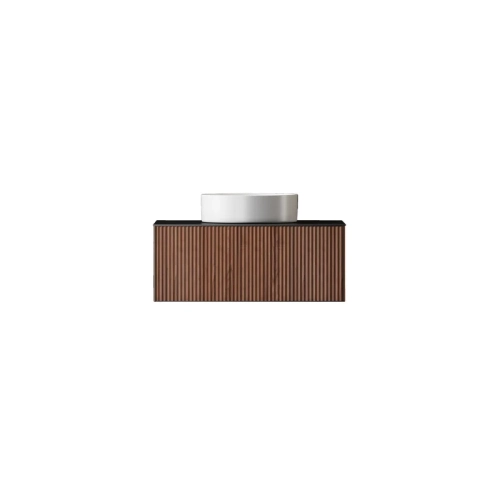 Your price for this item is $1836
-
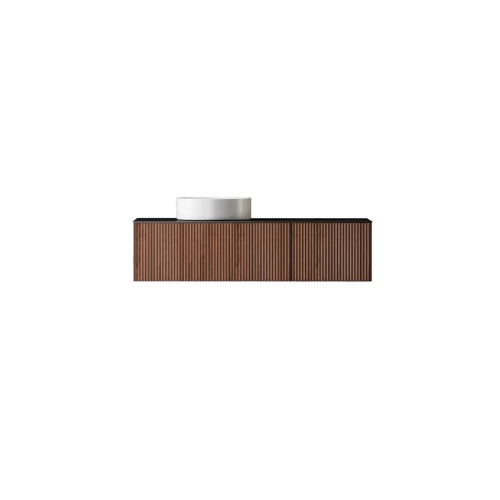 Your price for this item is $1996
-
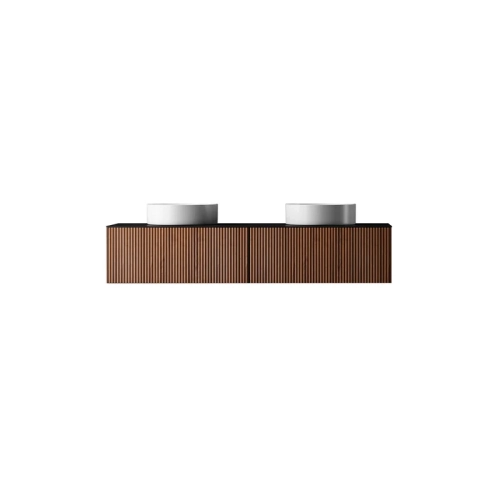 Your price for this item is $2600
-
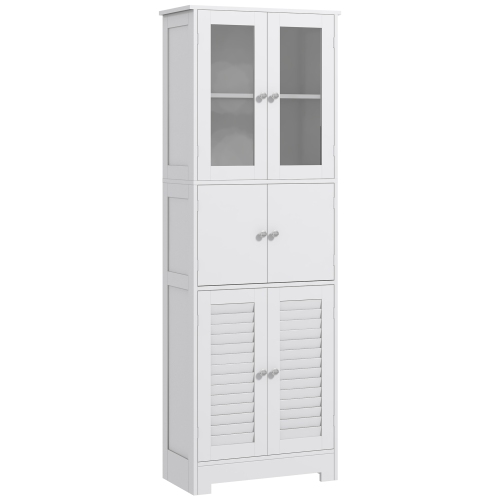 Your price for this item is $159.99
-
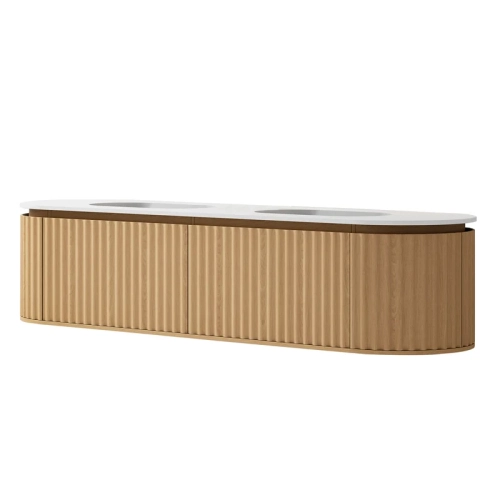 Your price for this item is $3196
-
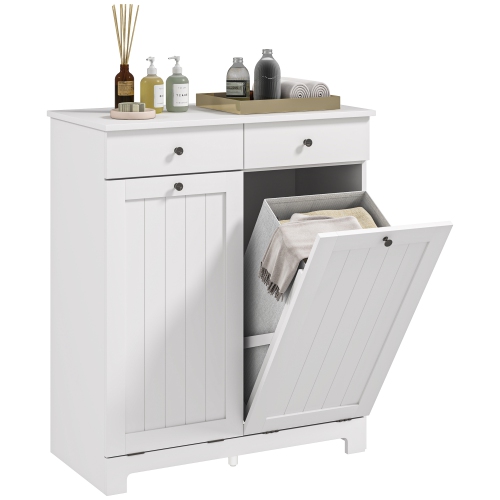 Your price for this item is $199.99
-
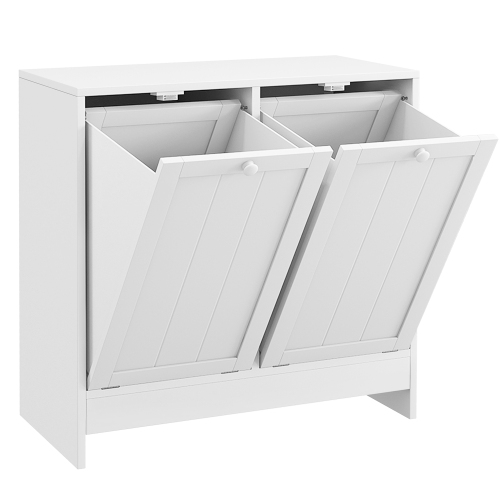 Your price for this item is $129.99
-
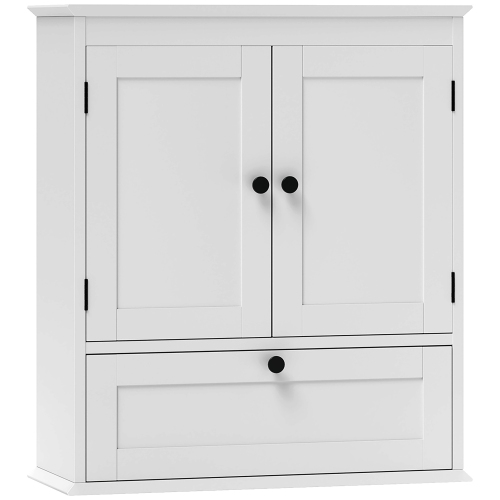 Your price for this item is $92.99
Discover more categories related to Bathroom Vanities With Undermount Sinks
Top Collections:
Best Black Friday Deals This Year, Best Black Friday Deals On Electronics, Kindle Devices, Dyson Airwrap, Best Cameras for Sports Photography, Best Budget Office Chairs, Canon G7X Cameras, PS5 Pro Consoles, Best Black Friday Deals On Apple Products, XBOX One S Consoles
Some products may be subject to Environmental Handling Fees
(EHF) depending on your province.
Learn more about EHFs.