Battery Drills
Battery drills are essential tools for both DIY enthusiasts and professional contractors, offering the convenience and flexibility needed for a wide range of projects. With their cordless design, these versatile drills provide the freedom to tackle tasks anywhere without being tethered to an outlet. Whether you're assembling furniture, hanging shelves, or working on construction projects, battery drills deliver reliable power and precision. Explore the selection available to find the perfect fit for your needs, ensuring that every project is completed efficiently and effectively.
Sort


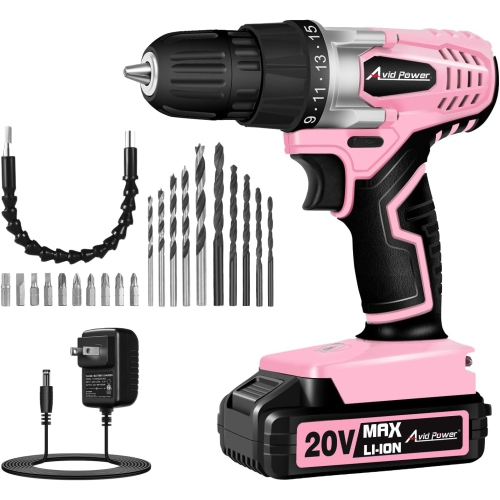
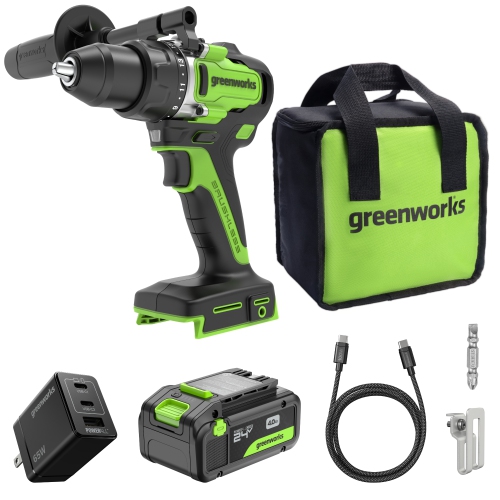
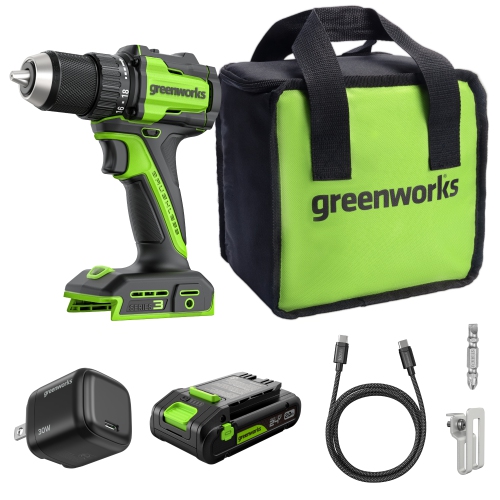


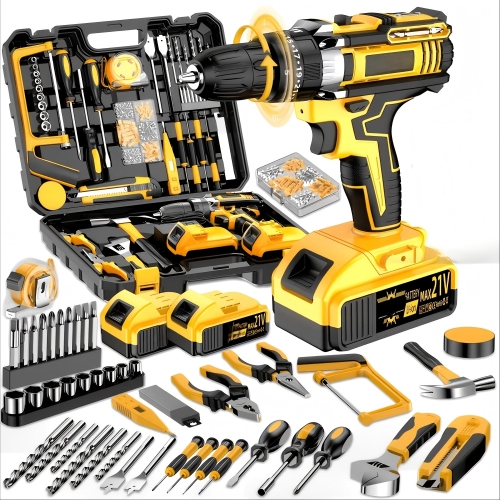

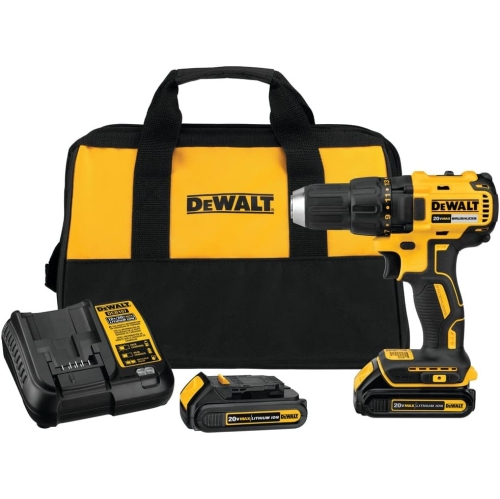
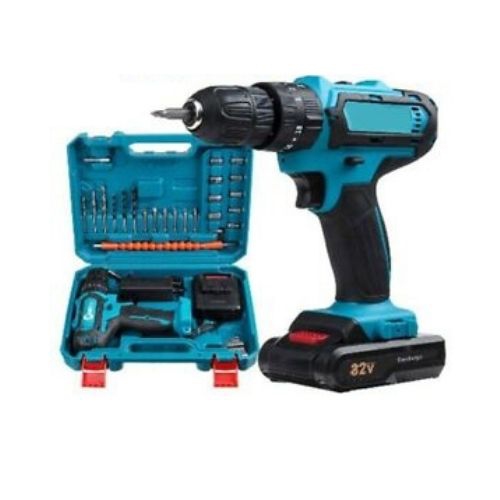


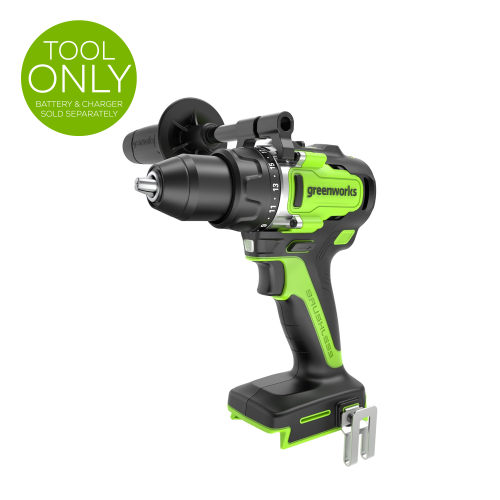
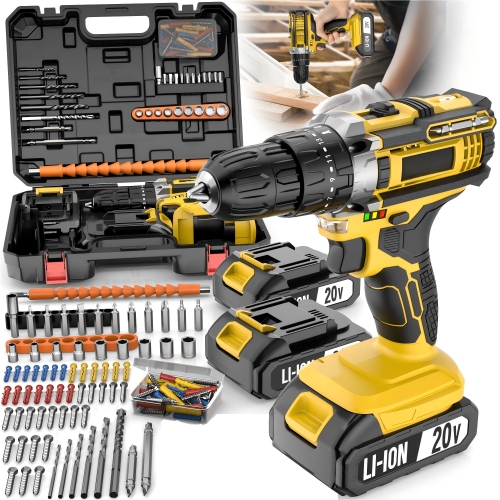


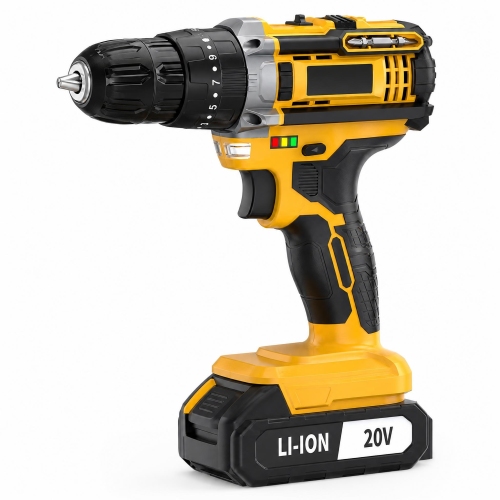

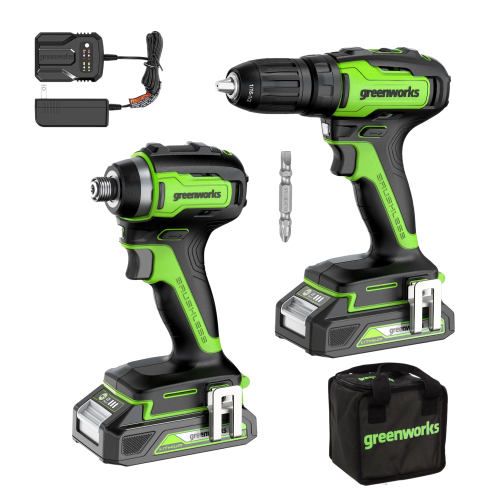
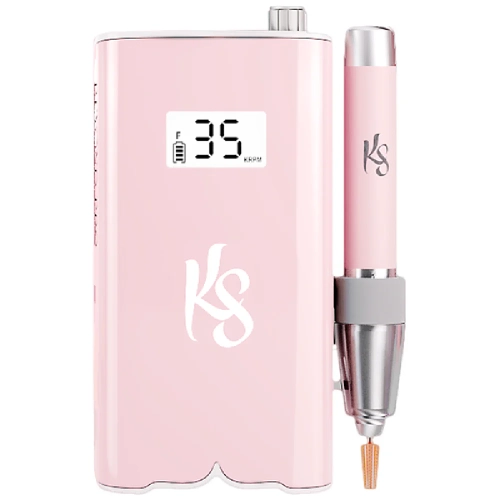
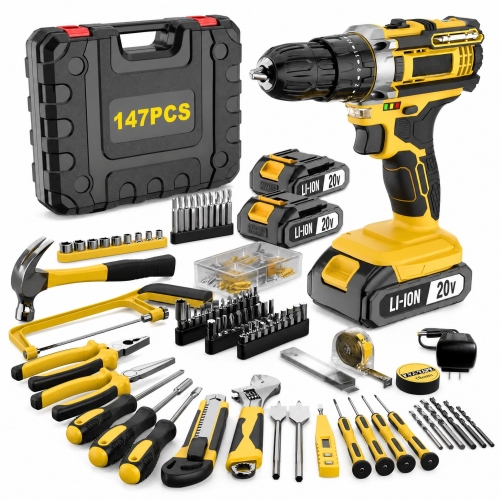
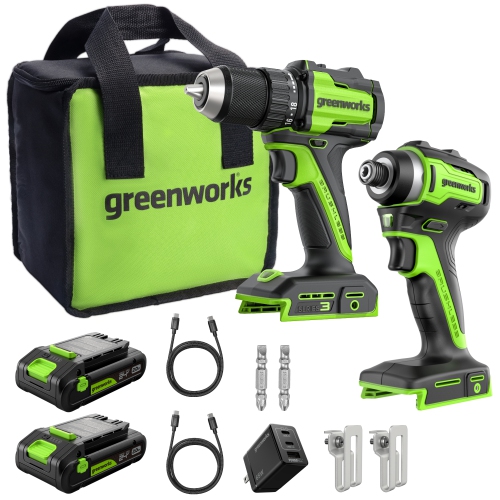

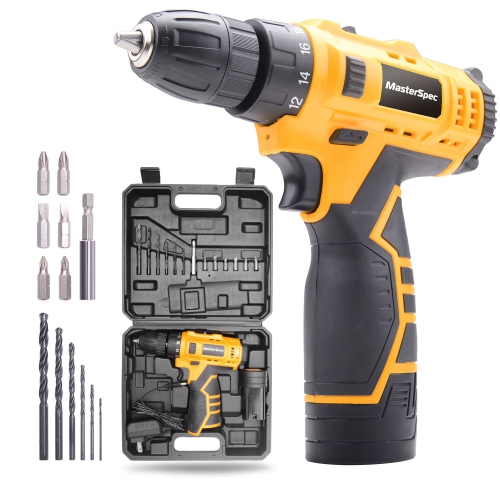
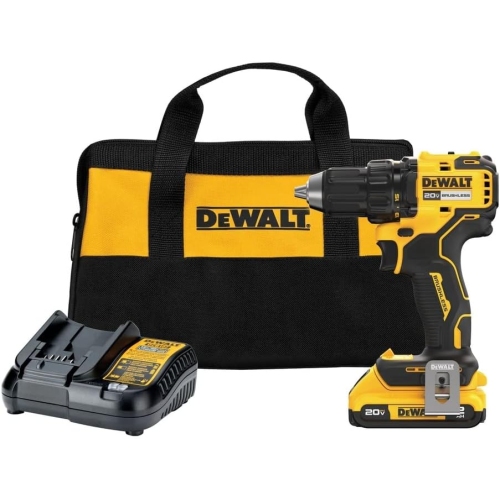
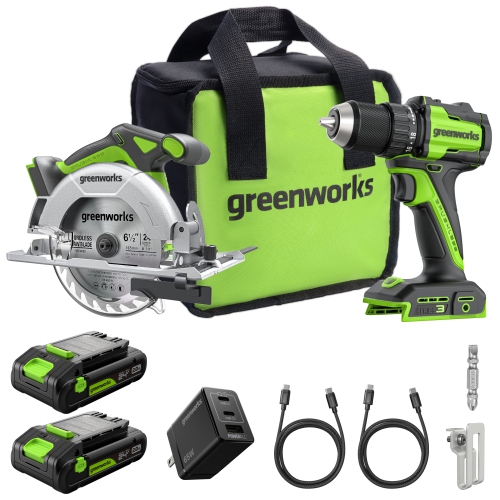


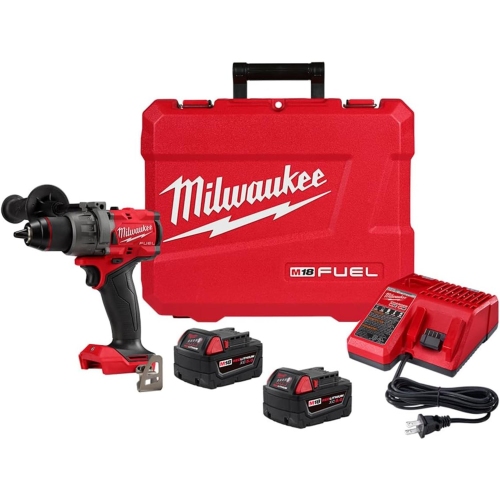
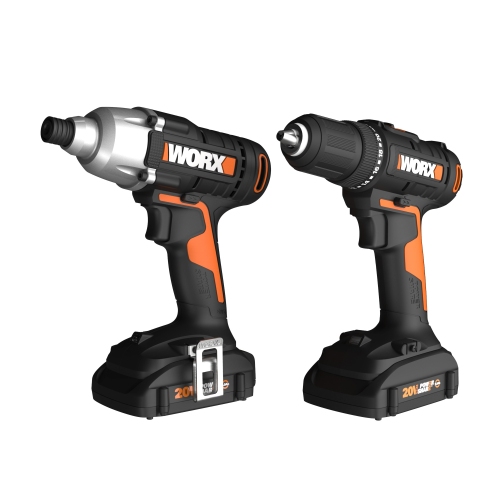

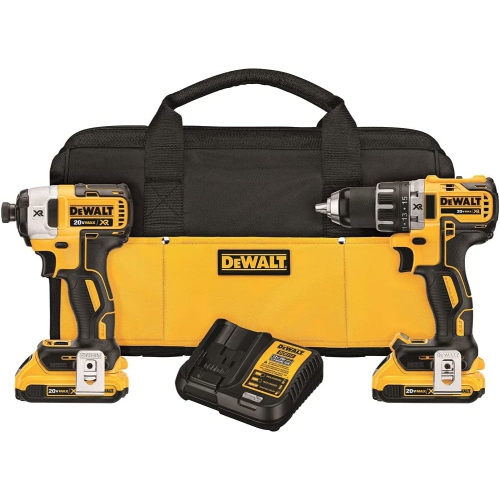
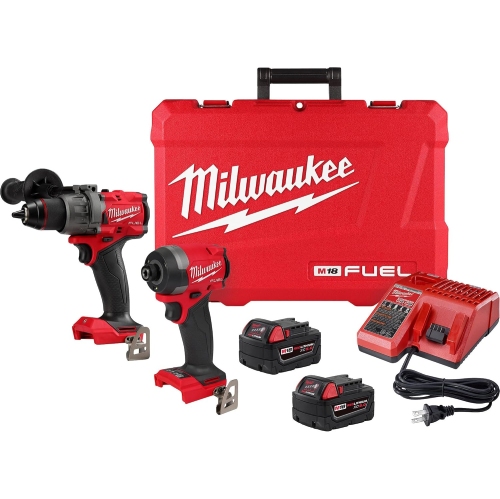
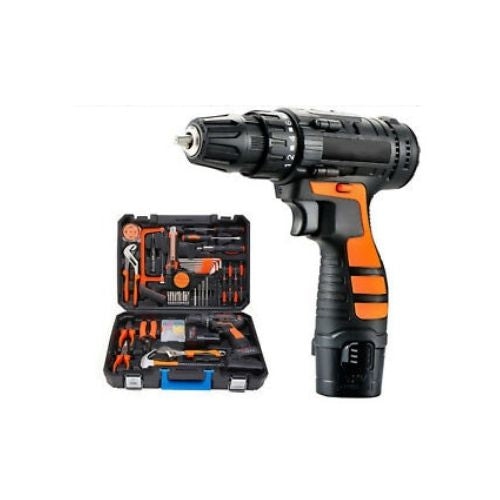

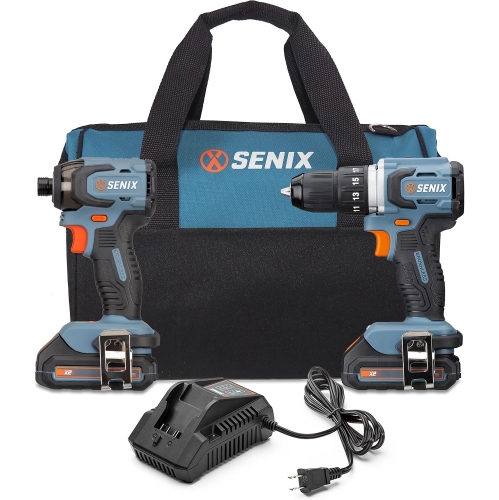


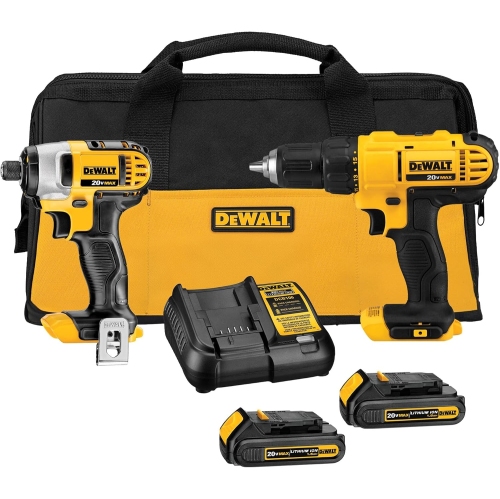
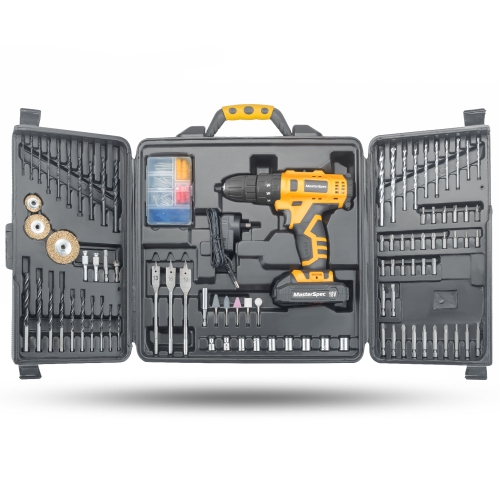








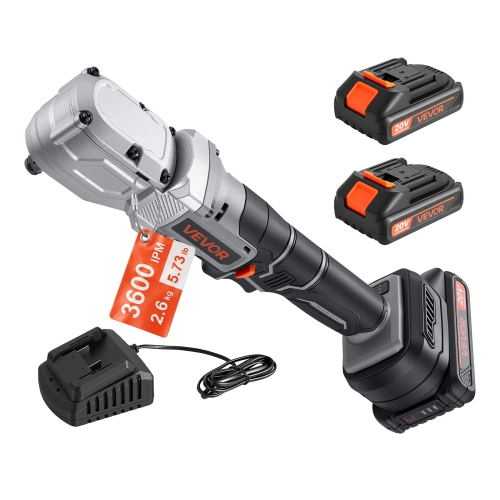
![DODVIN 21V Cordless Impact Wrench Drill Set] Deluxe Power Tool Kit w 2 Batteries, Charger, 6 Sockets & Plastic Carry Case | Electric Impact Gun For](https://multimedia.bbycastatic.ca/multimedia/products/500x500/195/19580/19580191.webp)


Why drill power is only part of the story
Battery drills are cordless power tools that use rechargeable batteries to drill holes and drive screws without needing a nearby electrical outlet. Their portability makes them useful for furniture assembly, shelving, cabinet hardware, repairs, and projects in a garage or workshop. A compact drill can fit inside a cupboard where a longer tool would be awkward, while a higher-output model can handle larger holes and longer fasteners when matched with suitable bits. For someone assembling a bookcase, the most useful features may be a comfortable grip, manageable weight, and a clutch that helps prevent screws from sinking too deeply. For someone building storage shelves, a firmer hold on larger bits and greater torque may matter more. Torque is rotational force, while speed describes how quickly the chuck turns; both contribute to performance, but neither tells the whole story on its own. Many battery drills have two mechanical speed ranges, with a lower range for controlled driving and demanding drilling, and a higher range for smaller holes and faster work. A variable-speed trigger provides finer control when starting a screw or positioning a bit. Adjustable clutch settings limit driving torque, helping protect screw heads and softer materials, although they do not replace careful handling. Tools in the 12V class are often compact and well suited to light assembly and confined spaces. Models in the 18V or 20V class generally offer more capacity for demanding work, though size and performance vary. Some 20V maximum-rated batteries belong to the same nominal voltage class as 18V batteries, so the number on the label is not a complete measure of power. Brushless motors reduce friction associated with brushes and can improve efficiency and runtime compared with comparable brushed designs. Overall fit remains important: handle shape, trigger reach, balance, and weight with the battery attached all influence how comfortable a drill feels during repeated use or work above shoulder height.
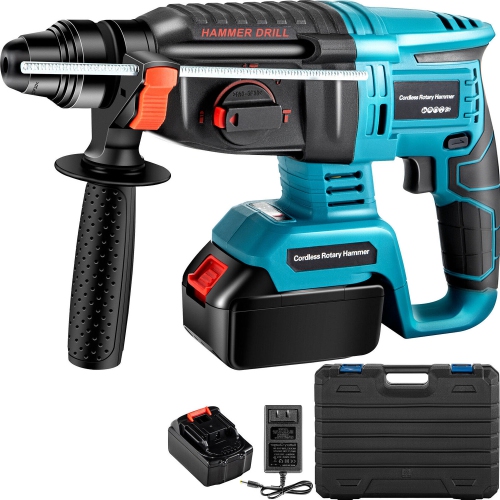
The materials being drilled help define which features are useful. Wood, metal, and plastic require suitable bits and different approaches to speed and pressure. A sharp wood bit can make a clean opening for a shelf bracket, while a metal-drilling bit needs controlled speed and steady pressure to cut rather than skate across the surface. Thin plastic can crack if the bit grabs or the workpiece flexes, making support and gentle control especially valuable. Chuck capacity determines the largest bit shank a drill can hold, not the maximum hole diameter it can produce. Common capacities include 3/8-inch and 1/2-inch, with the latter accommodating a wider range of larger-shank accessories. A keyless chuck allows bit changes by hand, while secure clamping helps prevent slipping under load. Drill-drivers handle ordinary drilling and screwdriving; hammer drills add a rapid hammering action intended for masonry work with compatible masonry bits. That feature can be useful for suitable holes in brick or concrete, but dense concrete, larger holes, and repeated masonry work may call for a rotary hammer instead. Hammer mode is not appropriate for every surface, including many tiles, and should not be treated as a universal solution for hard materials. Fastener choice matters just as much as the tool: matching the driver bit to the screw head reduces slipping and damage, and pilot holes can help prevent wood from splitting near an edge. Durability depends on more than motor design. A sturdy housing, securely fitted battery, well-supported chuck, and comfortable grip surfaces contribute to everyday handling, while keeping ventilation openings clear helps the tool operate as intended. Before drilling into a wall, checking for concealed wiring and plumbing is essential. Eye protection, a secured workpiece, and hands kept clear of the rotating bit are basic precautions whether the project involves a single mounting hole or a full afternoon of assembly. These details make cordless drilling more controlled and predictable across different tasks.
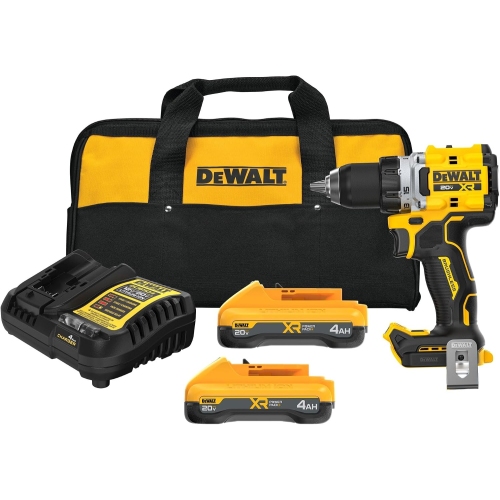
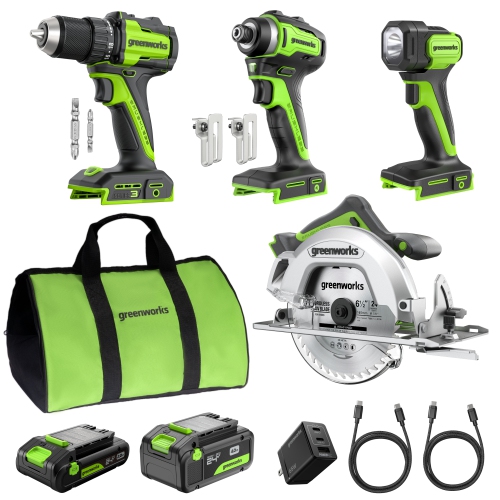
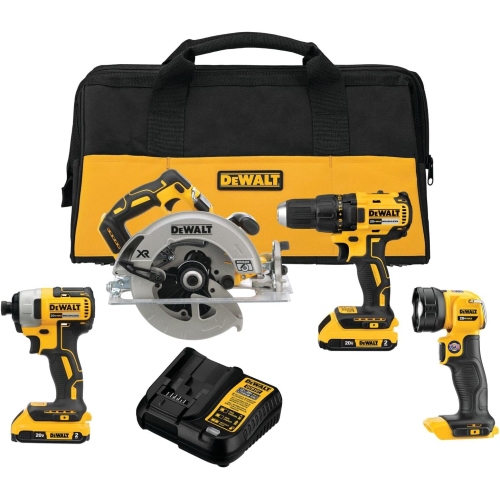
Battery capacity, charging arrangements, and compatibility shape how a drill fits into everyday projects. Amp-hour ratings describe battery capacity, but runtime also depends on the motor, material, bit size, speed, and workload. A higher-capacity battery may support more work between charges, yet it can also add weight and make a compact drill less comfortable in tight spaces. A smaller battery may be a better fit for installing cabinet handles or putting together flat-pack furniture, while a larger pack can be useful for repeated drilling or extended workshop tasks. An additional compatible battery allows one pack to charge while another is in use, although charging time varies with the battery and charger. Compatibility needs careful attention: batteries are not interchangeable simply because they have the same voltage, and even tools from one manufacturer may use different battery systems. The tool, battery, and charger must be approved for use together. Package contents also matter, since a drill supplied on its own serves a different need from a kit containing a battery and charger. Someone who already owns compatible equipment may need only the tool, while a first-time owner benefits from understanding which components are included. The Cordless Drill collection offers a related starting point for comparing cordless drilling options by their features and intended uses. Care is generally straightforward: remove the battery before changing accessories or cleaning, wipe the housing with a soft cloth, clear loose dust according to the manufacturer’s directions, and keep bits clean and sharp. Batteries should be stored with their terminals protected and charged using the specified charger; damaged packs should not be used. A case or organized tool bag keeps the drill, bits, and charger together and protects them from knocks. For homeowners, renters with permitted projects, hobbyists, and tradespeople, the best fit comes from matching the tool to real tasks rather than choosing the largest specifications. As a gift, a battery drill is particularly practical when the recipient’s projects and existing battery compatibility are known.
Top selling and popular products
-
 Your price for this item is $59.99
-
 Your price for this item is $199.99
-
 Your price for this item is $159.99
-
 Your price for this item is $139.99
-
 Your price for this item is $339
-
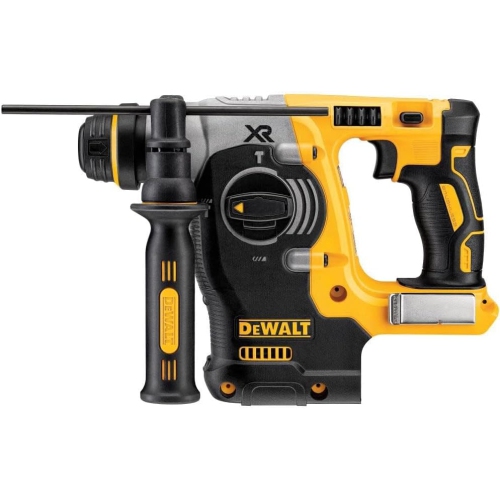 Your price for this item is $549.99
-
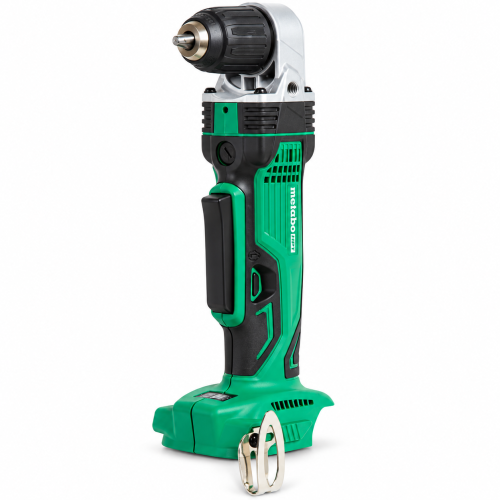 Your price for this item is $135
-
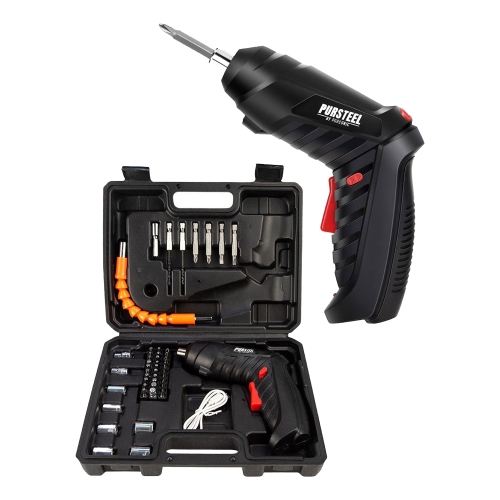 Your price for this item is $47.99
Discover more categories related to Battery Drills
Top Collections:
Best Black Friday Deals This Year, Best Black Friday Deals On Electronics, Kindle Devices, Pokemon Centers, Best Black Friday Deals On Apple Products, Best Cameras for Sports Photography, Dyson Airwrap, Pokémon 30th Celebration Cards, Apple iPhone 17 Pro, Canon G7X Cameras
Some products may be subject to Environmental Handling Fees
(EHF) depending on your province.
Learn more about EHFs.