High Torque Drills
High torque drills are essential tools for both professional contractors and DIY enthusiasts, offering the power needed to tackle demanding tasks with ease. Whether you're drilling through dense materials or driving large fasteners, these drills provide the strength and reliability required for heavy-duty projects. At Best Buy Canada, our selection of high torque drills ensures you have access to top-performing options that cater to a variety of needs and preferences. Explore our range of high torque drills to find the perfect tool to enhance your toolkit and make your next project a success.
Sort
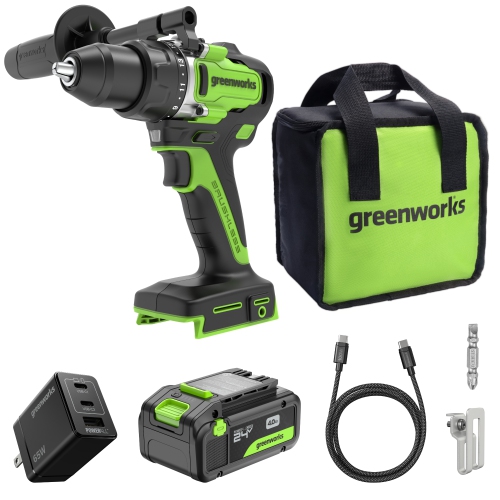
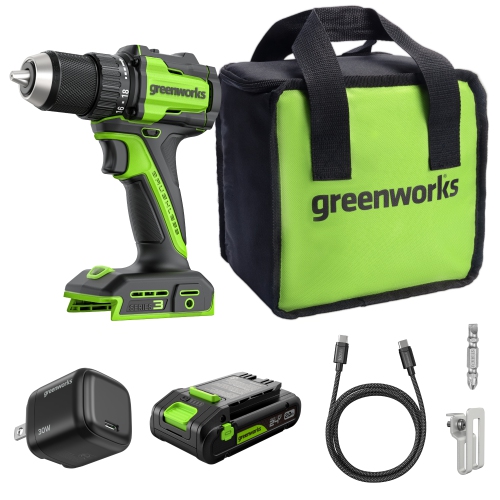
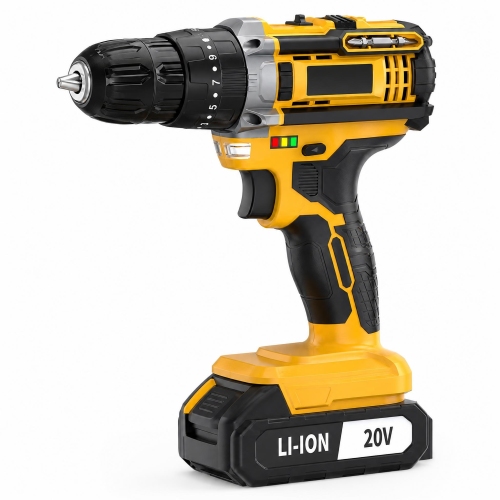
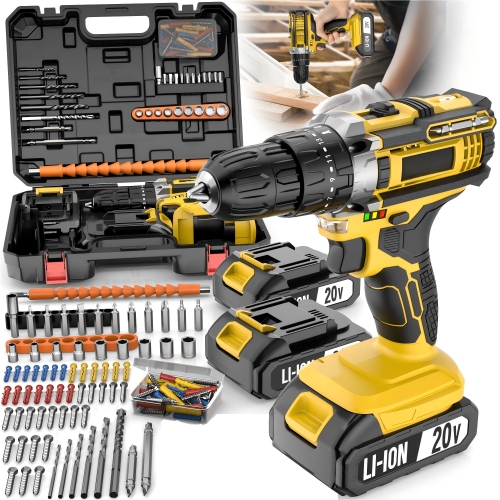


Why drilling performance depends on more than torque
High torque drills are power tools designed to deliver strong rotational force for demanding drilling and fastening tasks. That turning force helps a drill rotate larger bits, bore wider holes and drive substantial fasteners when the tool and accessory are rated for the job. They suit renovation work, woodworking, construction and workshop projects where a lighter drill may struggle to maintain rotation under load. A wide auger bit passing through solid timber, for example, places different demands on a drill than a small pilot bit entering a cabinet panel. Torque is commonly expressed in newton-metres or inch-pounds, but the highest published number does not tell the whole story. Manufacturers may measure maximum torque under different conditions, so drilling capacity, speed range and the intended application also matter. High torque is not the same as high speed: lower mechanical gears generally provide more turning force and control, while higher gears suit smaller holes and other applications that benefit from faster rotation. A variable-speed trigger allows gradual starts, helping position a bit before it begins cutting at full speed. On drill drivers with an adjustable clutch, the clutch limits driving force at the selected setting to help reduce overdriven screws; drilling mode typically bypasses that limit. Chuck capacity is another consideration, since a larger chuck can accept a wider range of bit shank sizes without necessarily making every accessory suitable for the drill. Secure bit retention, an appropriate speed range and the manufacturer's stated capacity for wood, metal or masonry all help define what the tool can handle. For shoppers comparing high torque drills, the most useful match is a tool whose working capabilities fit the material and hole size involved, rather than one chosen solely for an impressive torque rating. Someone fitting shelving into timber framing may value controlled screwdriving and manageable weight, while a frequent workshop user making broad holes in thick lumber may place greater importance on low-speed performance and a sturdy auxiliary handle.
Corded and cordless high torque drills offer different advantages in the way they fit a workspace. A corded drill draws power from an outlet and can suit extended work at a bench or another location with convenient electrical access, although its cord needs clear routing away from the bit and workpiece. Cordless drills offer greater freedom when moving between rooms, working around a large assembly or reaching framing where a trailing cable would be awkward. For shoppers considering cordless options, Battery Drills provide another way to explore tools built around rechargeable power. Battery voltage alone is not a reliable measure of drilling strength, and battery capacity does not directly equal torque. Motor design, gearing, electronics and the battery's ability to supply current all influence performance under load. Higher-capacity batteries can extend working time, but they may also add weight and change the tool's balance, which becomes noticeable when drilling above shoulder height or holding a drill away from the body. Battery compatibility deserves attention because packs and chargers generally need to belong to the manufacturer's specified system. Brushless motors can offer efficient operation and reduced motor maintenance, while thermal protection and overload controls, where fitted, help manage demanding use. Physical fit is just as important as the power source. A comfortable grip, accessible direction switch and well-positioned trigger make repeated starts and stops less tiring. A shorter housing may fit between framing members, whereas a larger drill with an auxiliary handle can provide better leverage for controlling reaction torque. Side handles and electronic anti-kickback features, when included, support control but do not eliminate the possibility of a sudden twist if the bit binds. Durable housings, robust gearing and a well-made chuck are useful attributes for repeated workshop or jobsite use. For a gift recipient who already owns cordless tools, compatibility with their existing battery system and the type of projects they regularly tackle are more meaningful considerations than choosing the largest drill.
The right accessories and working setup help a high torque drill perform as intended. Wood-boring bits, hole saws, metal-drilling bits and mixing paddles create very different loads, even when their shanks fit the same chuck. Sharp cutting edges and accessories rated for the material reduce unnecessary strain and produce cleaner results. In metalworking, suitable high-speed steel or cobalt bits may be appropriate depending on the metal, with cutting lubricant used where the bit and material call for it. Masonry drilling requires the correct bit and drilling action; a high torque rating alone does not make an ordinary drill suitable for concrete. A hammer drill adds a hammering action for compatible masonry applications, while larger or more demanding concrete holes may call for a rotary hammer instead. Mixing is another task that requires particular care in tool selection. Some low-speed drills are rated for specified paddles and compounds, but thick mortar or other heavy mixtures can exceed a general-purpose drill's capabilities and may require a dedicated mixer. Similarly, high torque drill drivers are not interchangeable with impact wrenches for automotive fasteners, and they do not replace a torque wrench when a precise final tightening value is required. Across these applications, a stable workpiece and room to brace the tool make a practical difference. Clamping a board prevents it from spinning with the bit, while using the specified auxiliary handle helps manage the reaction when a large cutter meets resistance. Eye protection, appropriate hearing protection and dust control suited to the material belong in the same workspace as the drill. Routine care is straightforward: keep ventilation openings clear, inspect the chuck and accessories for damage, and disconnect power or remove the battery before changing bits or carrying out maintenance. Dry storage and protection from impacts help preserve the housing, controls and battery contacts. With suitable accessories, comfortable handling and capacity matched to the task, a high torque drill can be a dependable part of a serious DIY setup or a frequently used trade tool kit.
Top selling and popular products
-
 Your price for this item is $59.99
-
 Your price for this item is $199.99
-
 Your price for this item is $159.99
-
 Your price for this item is $139.99
-
 Your price for this item is $339
-
 Your price for this item is $549.99
-
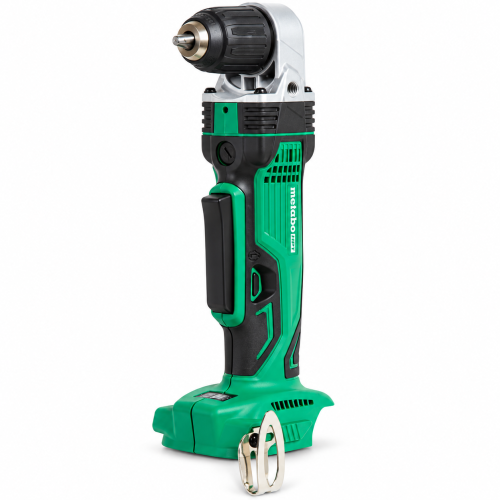 Your price for this item is $135
-
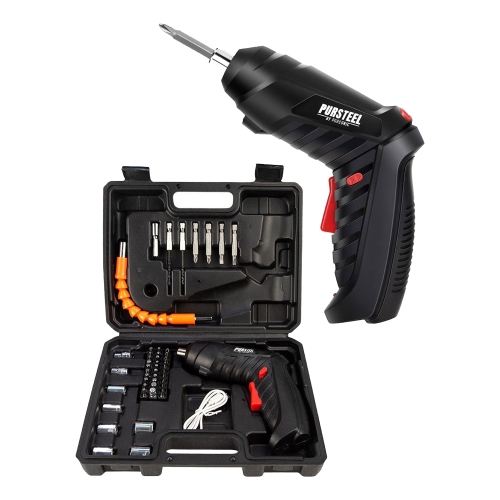 Your price for this item is $47.99
Discover more categories related to High Torque Drills
Top Collections:
Best Black Friday Deals This Year, Best Black Friday Deals On Electronics, Kindle Devices, Pokemon Centers, Best Black Friday Deals On Apple Products, Best Cameras for Sports Photography, Dyson Airwrap, Pokémon 30th Celebration Cards, Apple iPhone 17 Pro, Canon G7X Cameras
Some products may be subject to Environmental Handling Fees
(EHF) depending on your province.
Learn more about EHFs.