Beautiful Wall Art
Transform your walls into a captivating canvas of creativity with our stunning collection of beautiful wall art. Whether you're looking to add a touch of elegance, a burst of color, or a statement piece that reflects your unique style, we have a wide range of options to suit every taste and decor. Shop for art pieces to transform your living space into a true work of art.
Sort
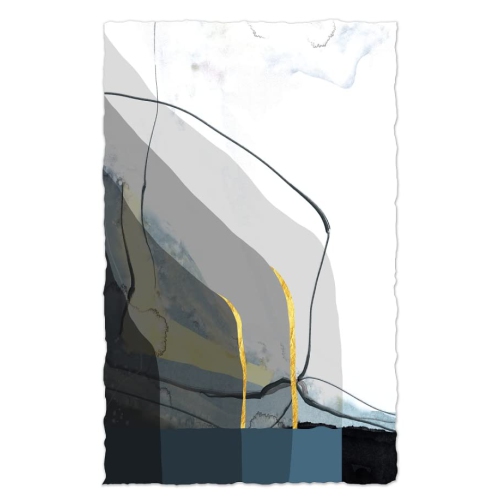
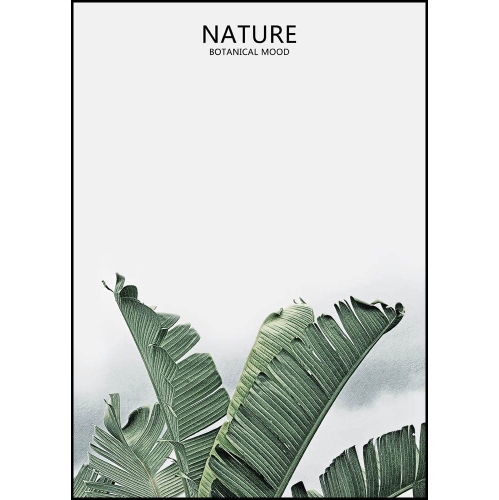

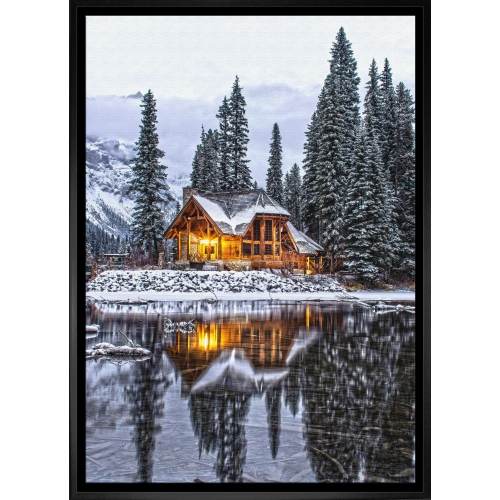




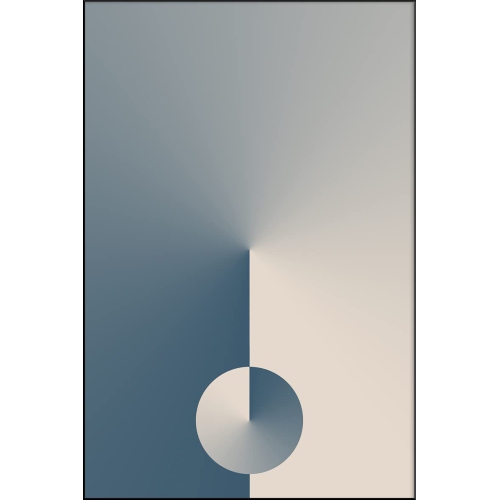

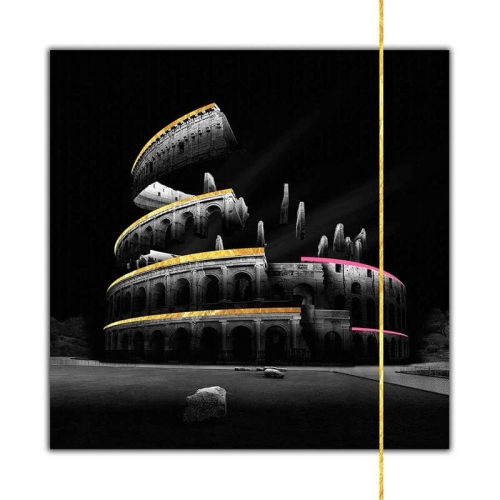
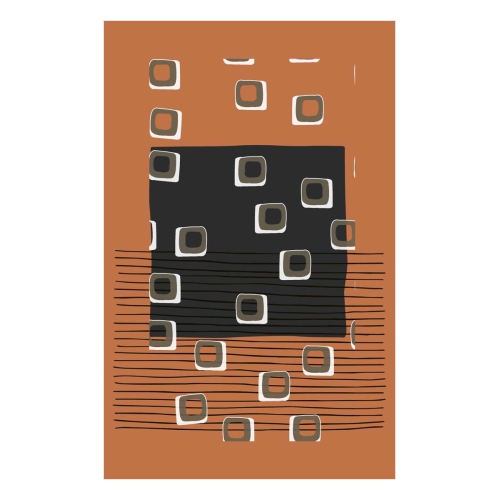
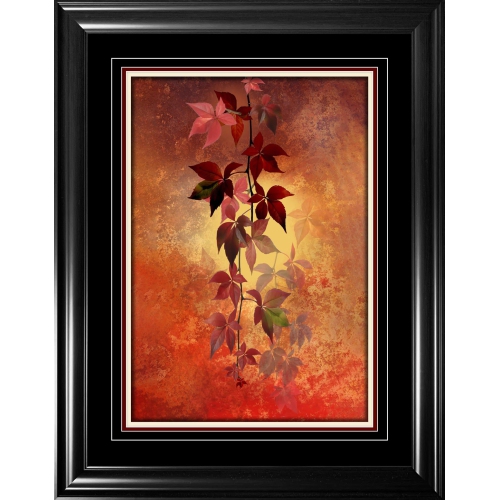


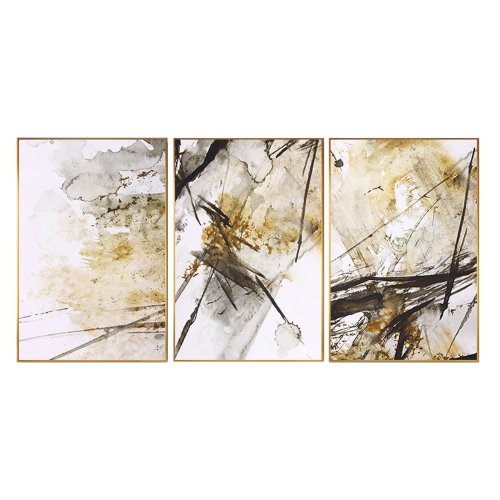


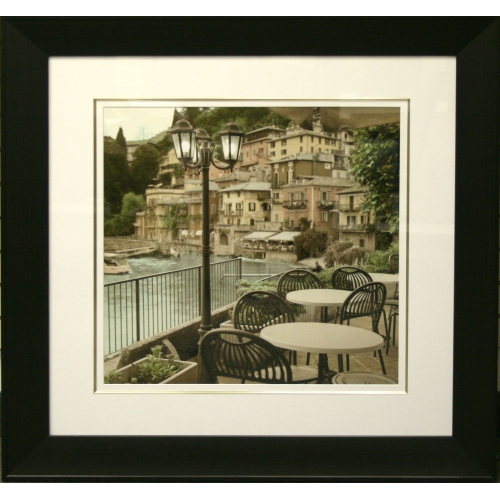


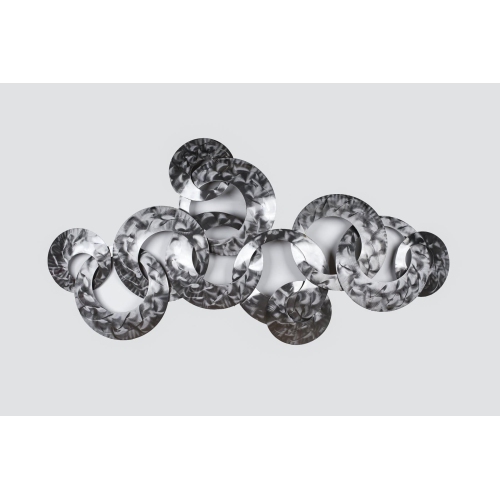




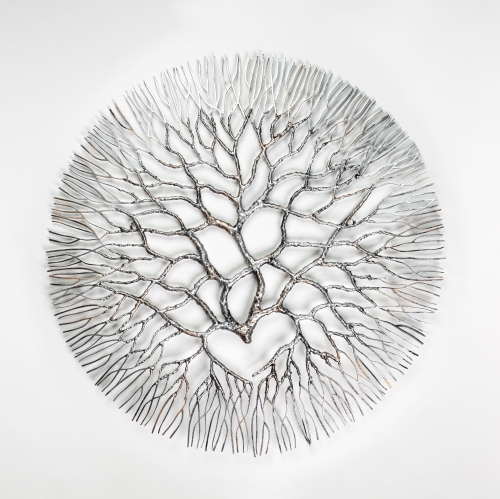
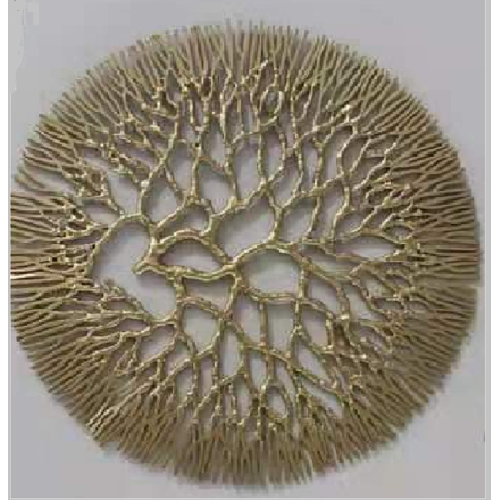


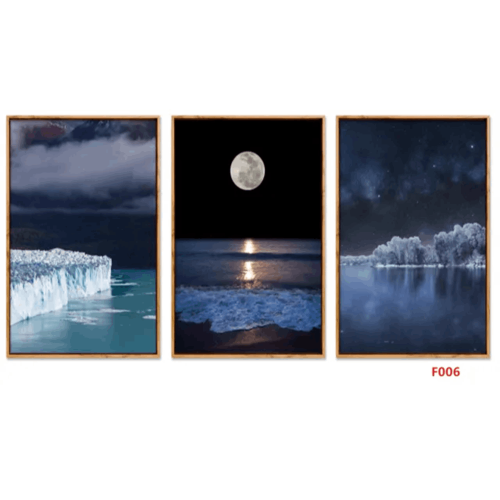


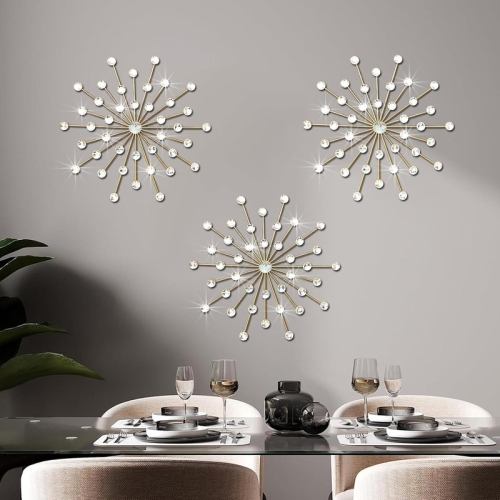

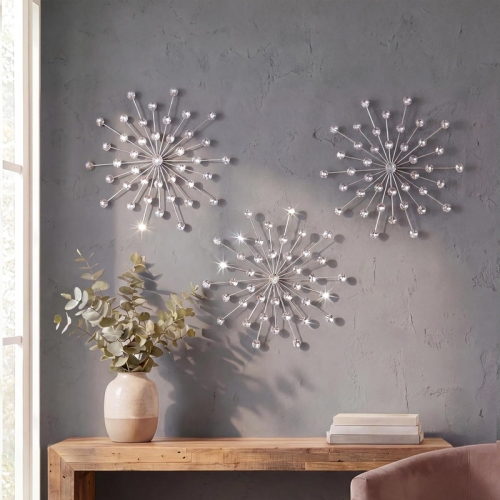


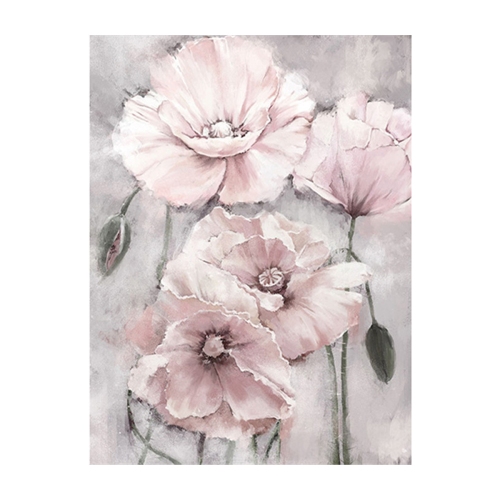

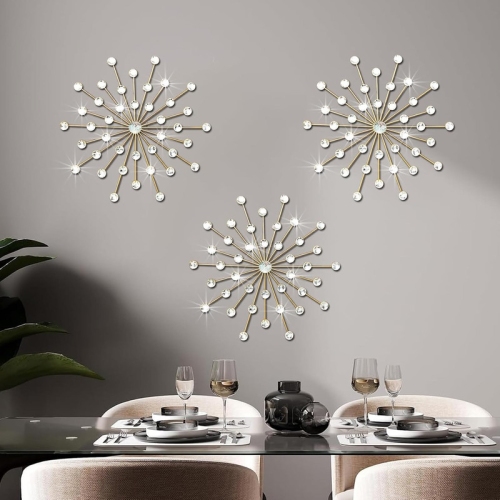
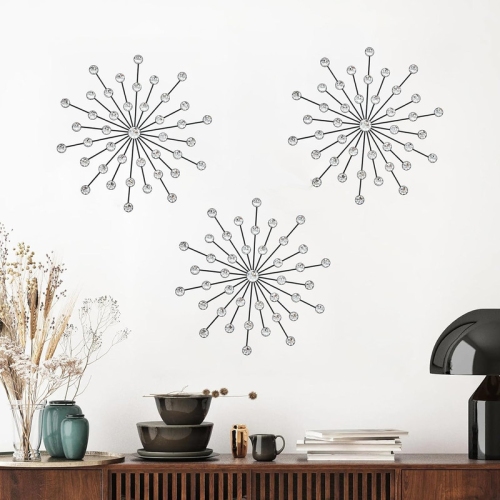


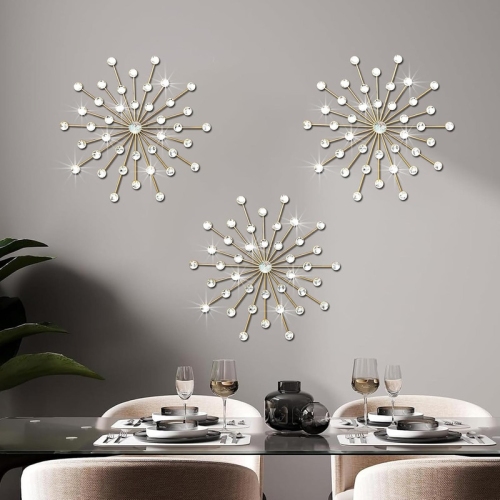



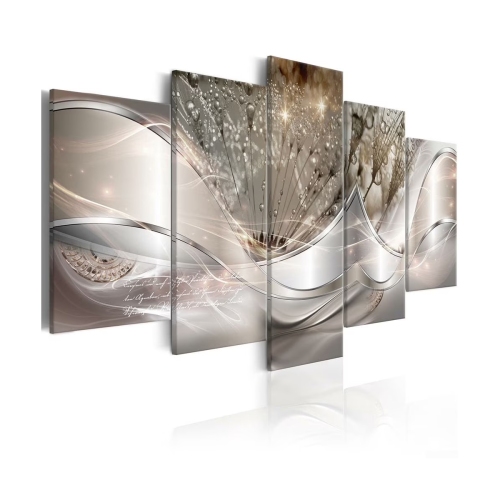





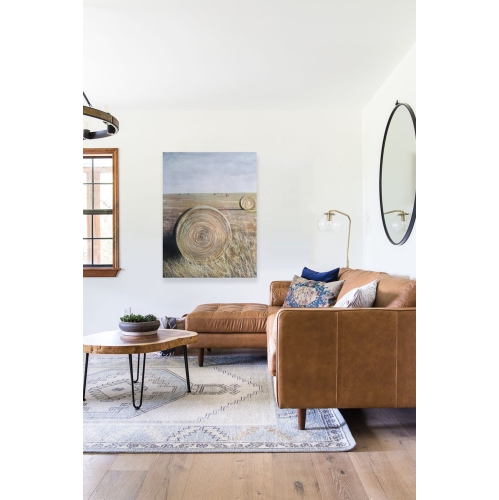

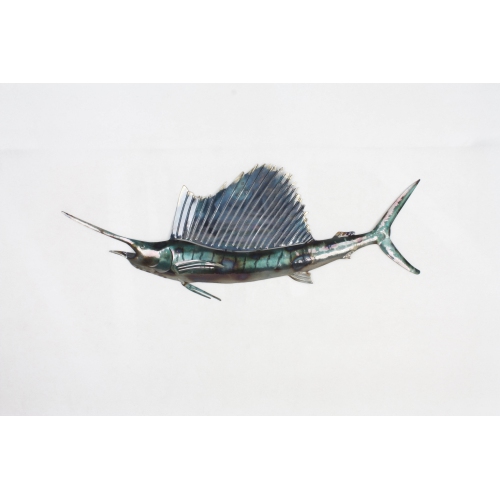
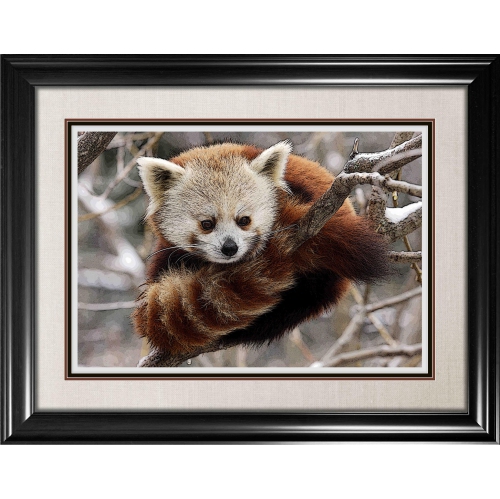
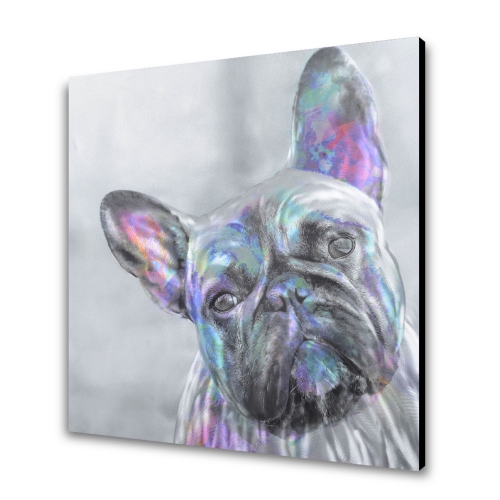
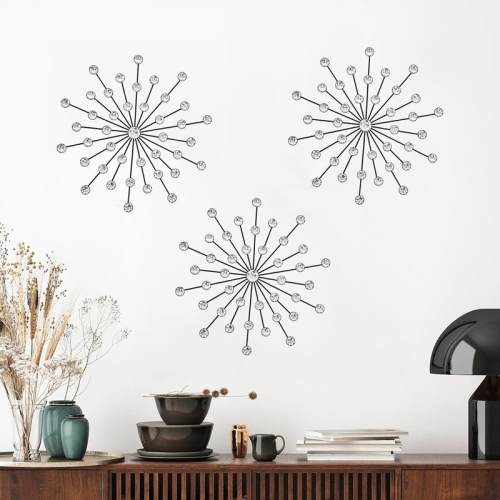


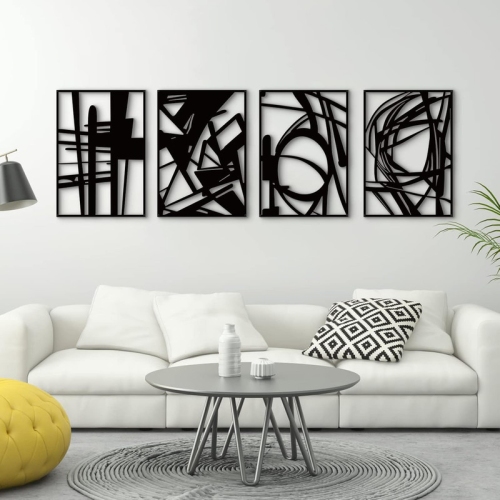
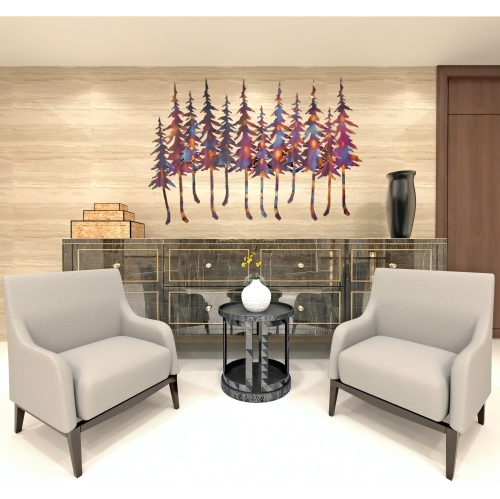

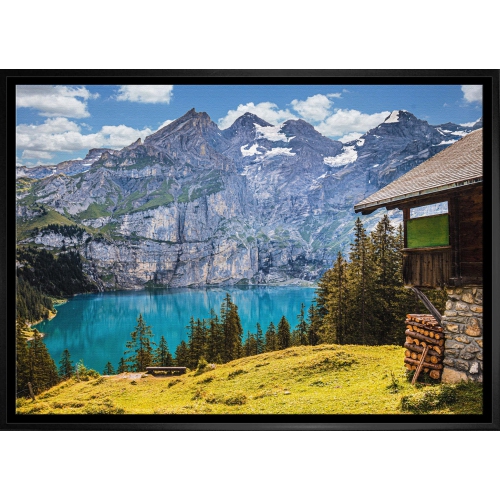



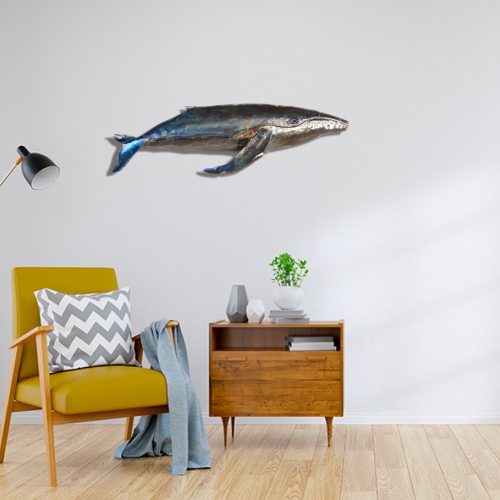


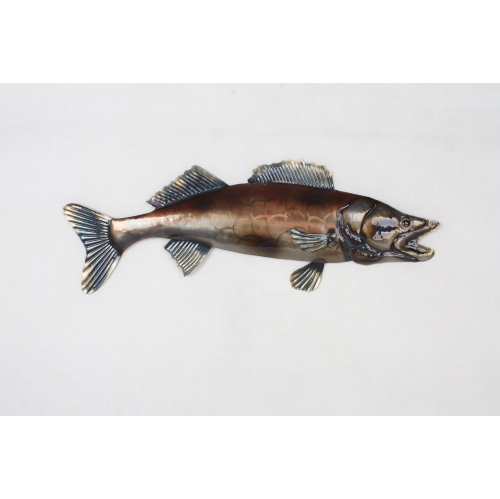



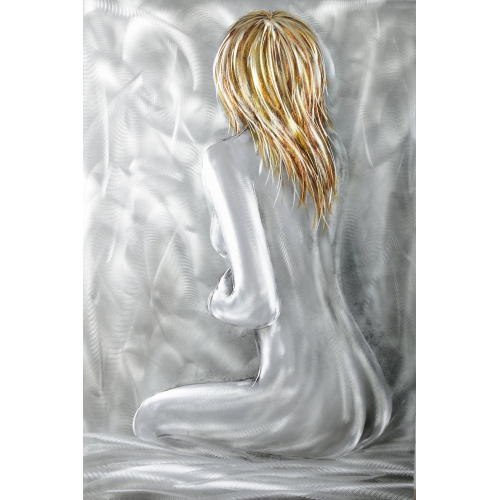
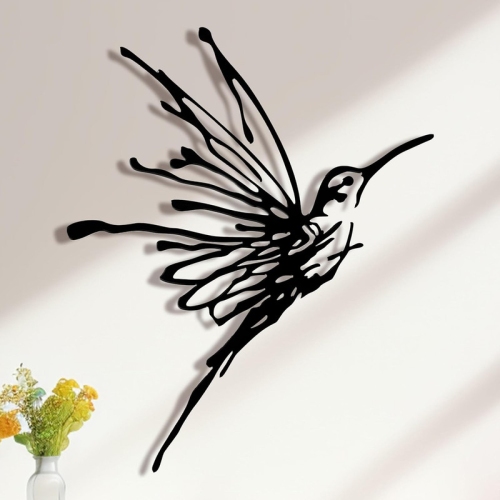



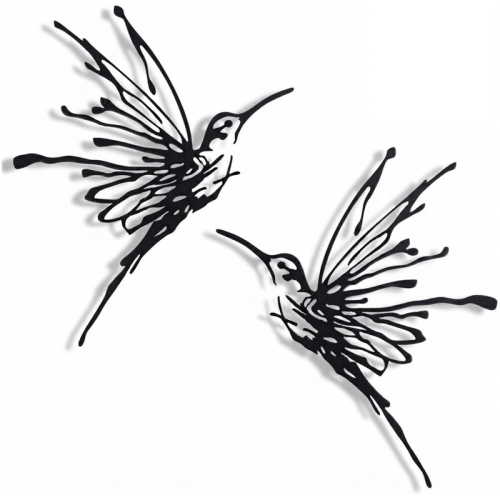

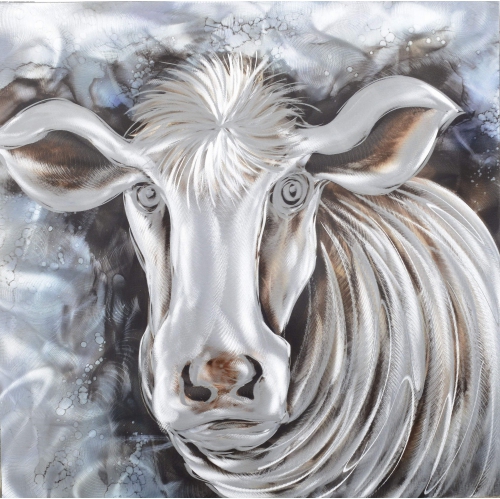
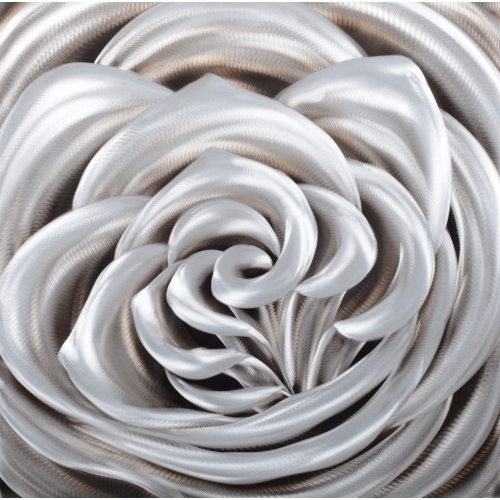
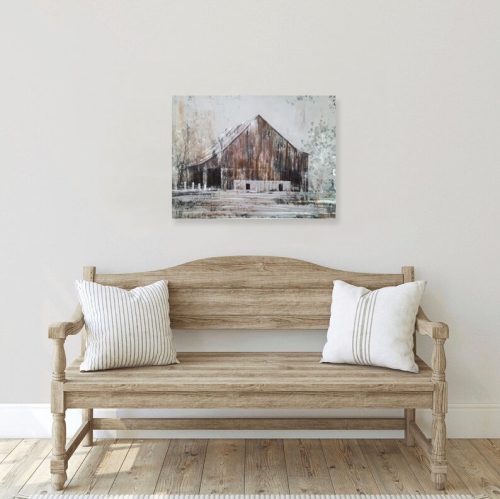

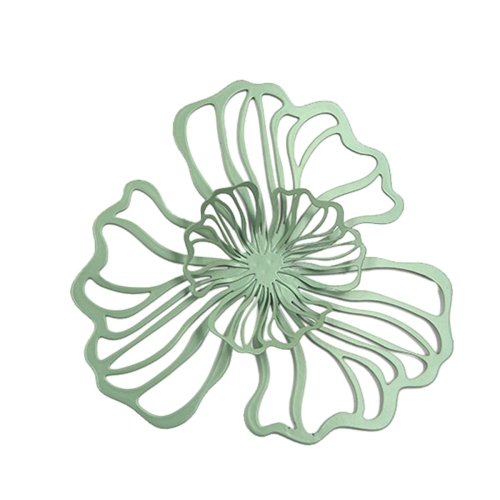



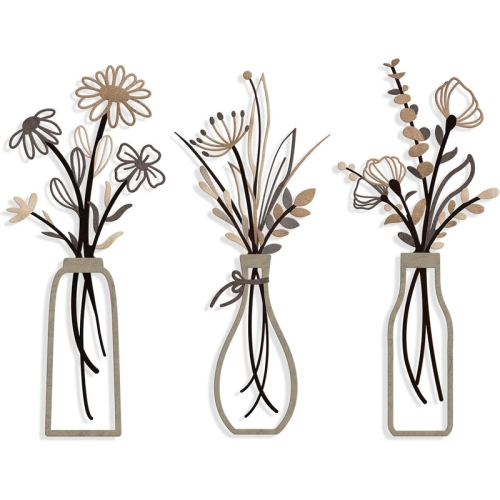
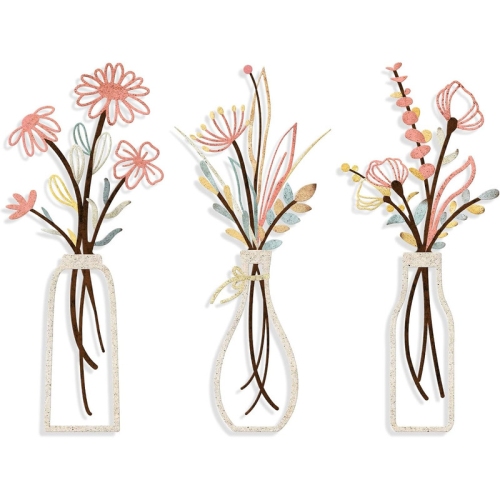
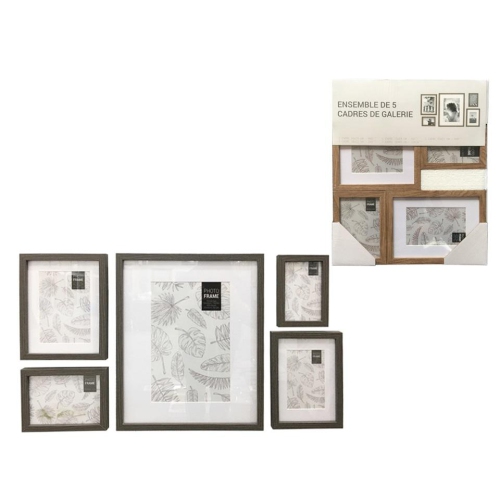
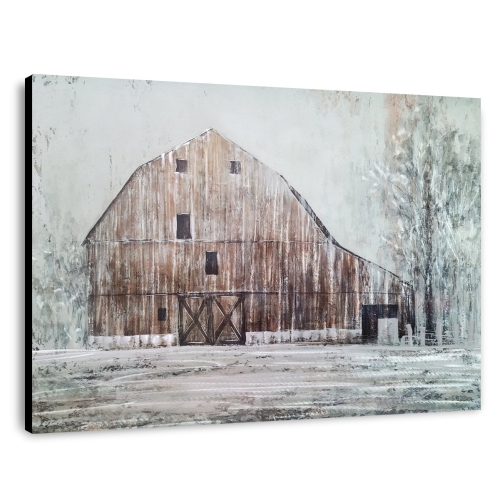

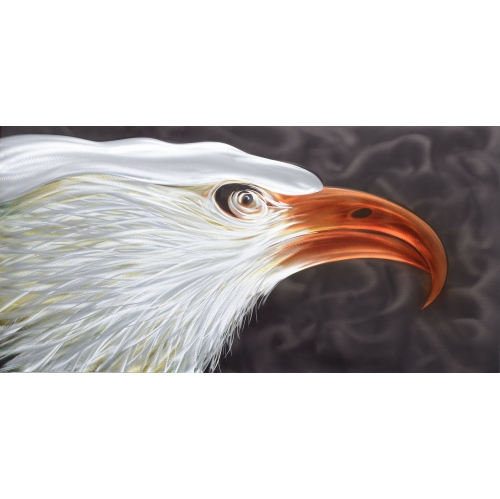
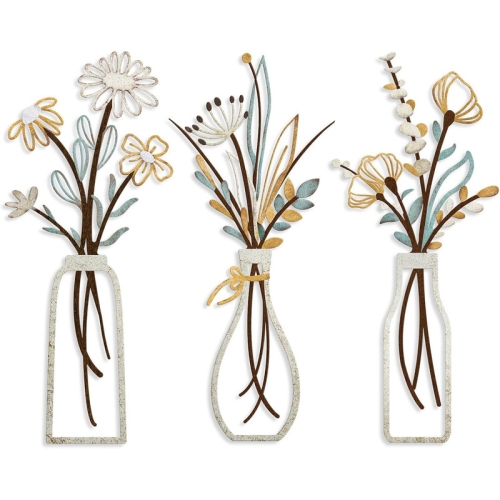
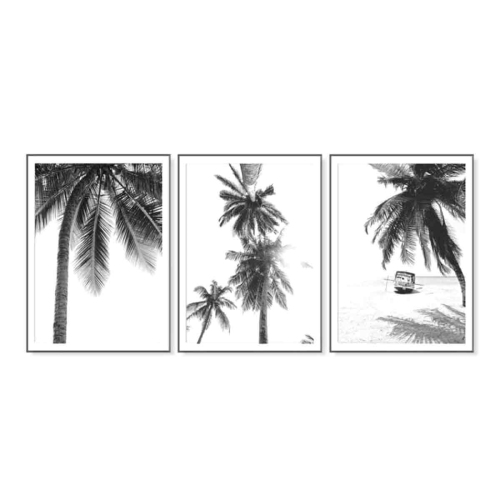
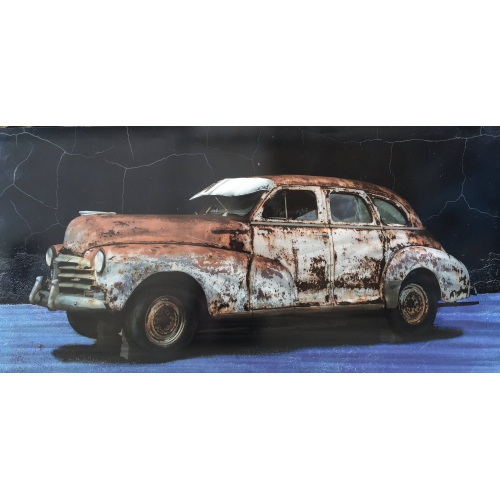


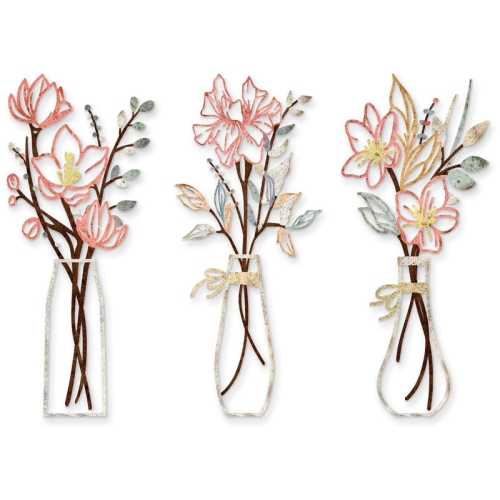

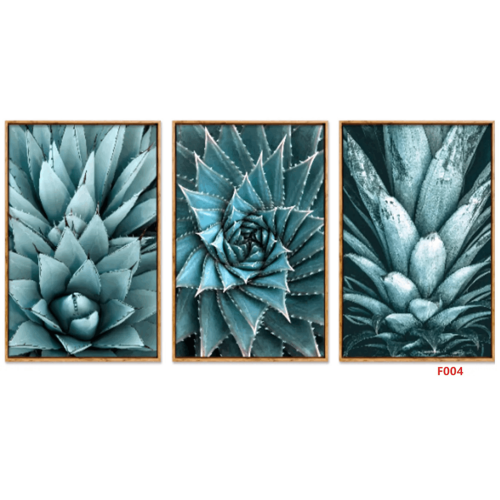
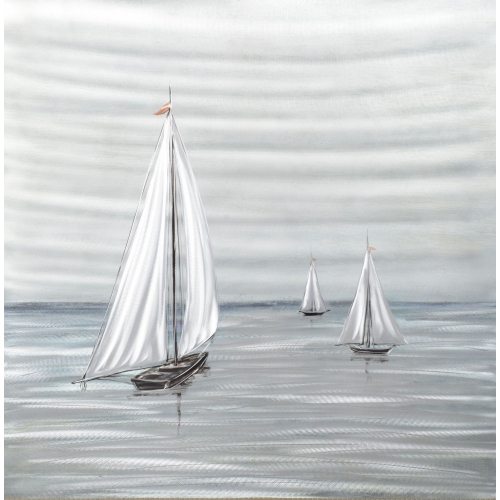
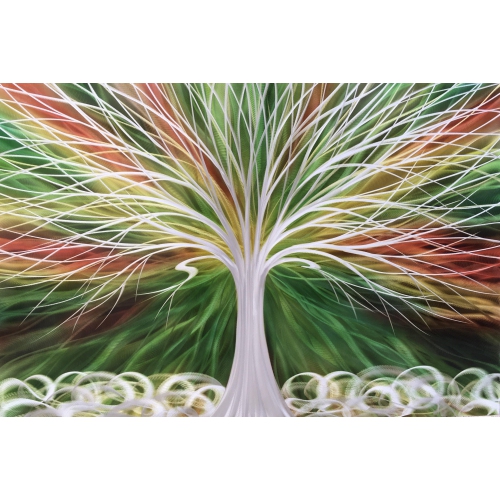
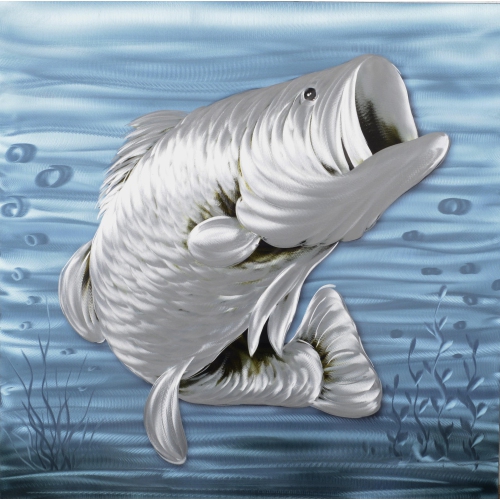


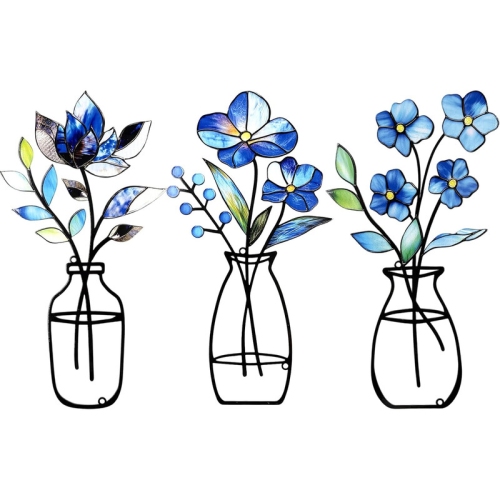






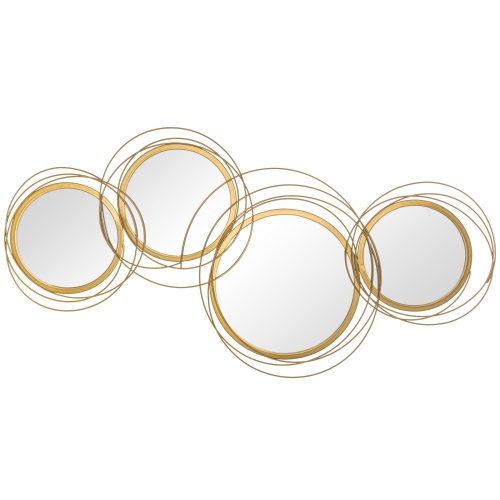


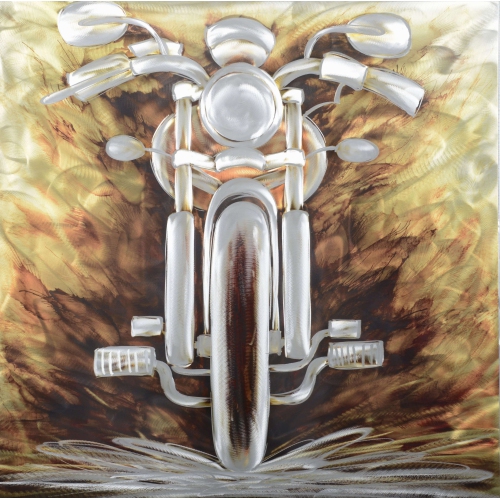
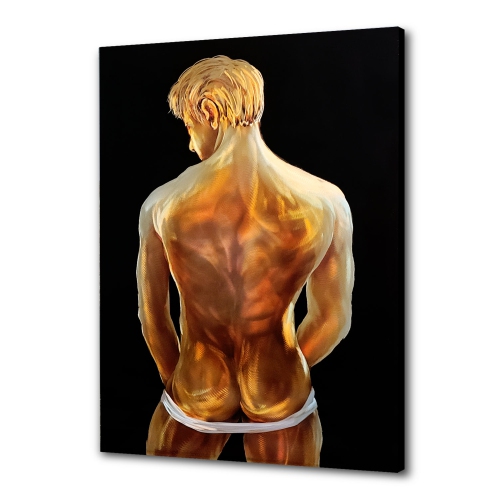




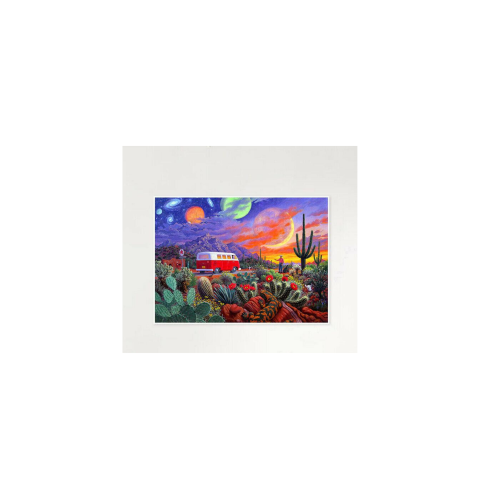


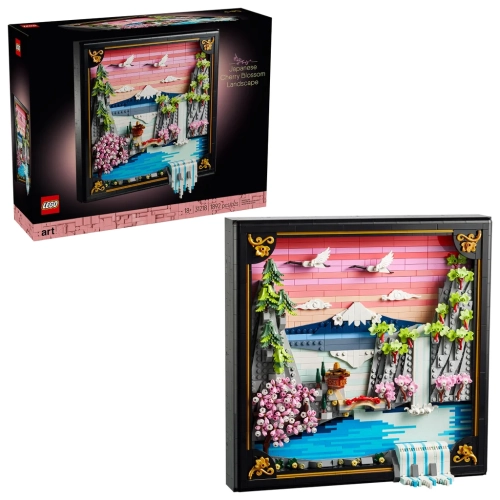





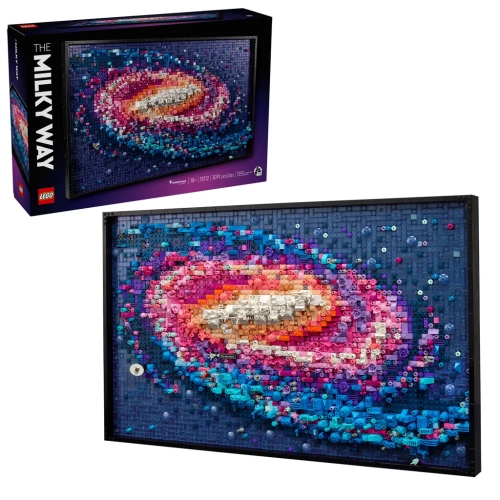
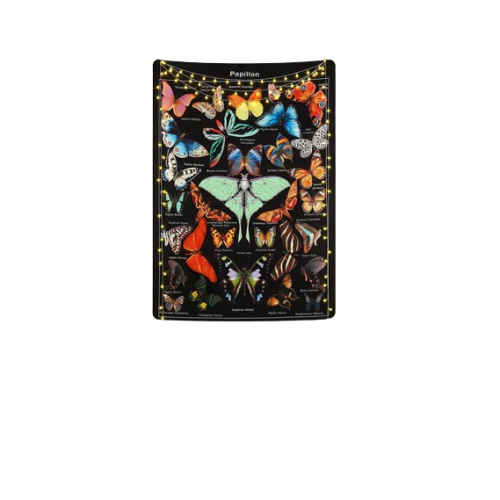
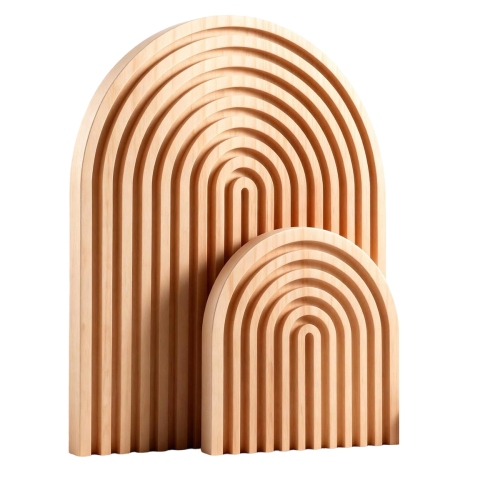
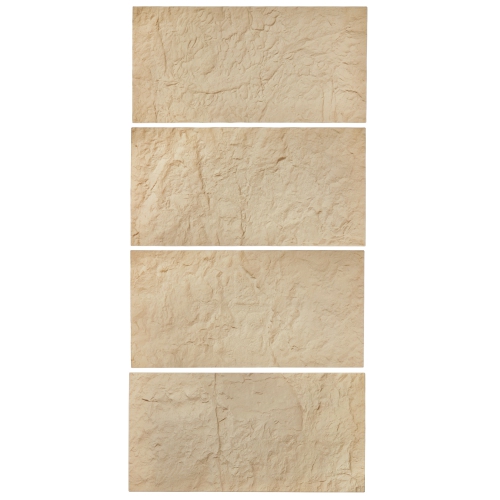





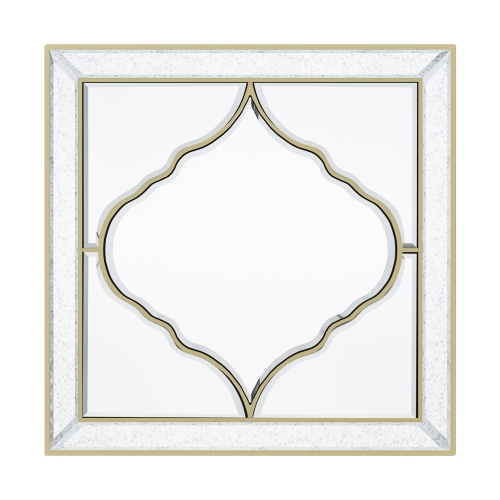

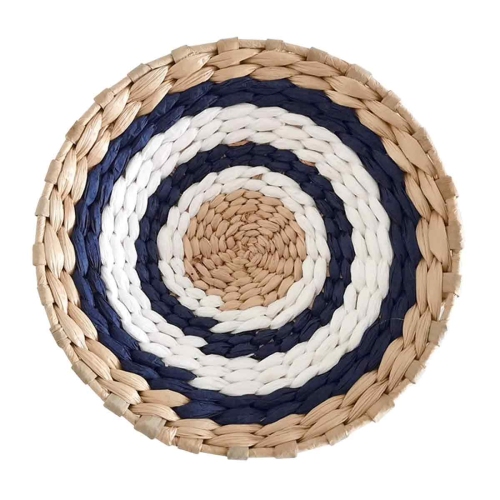

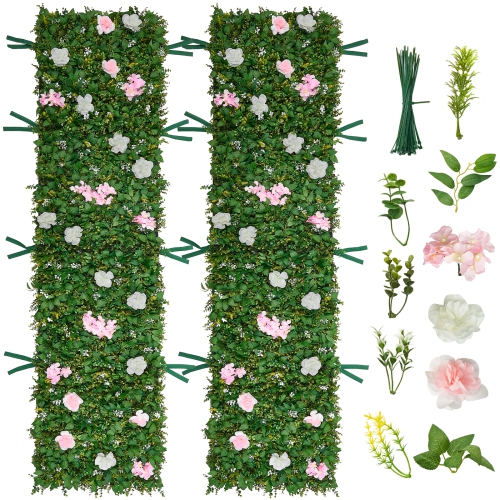

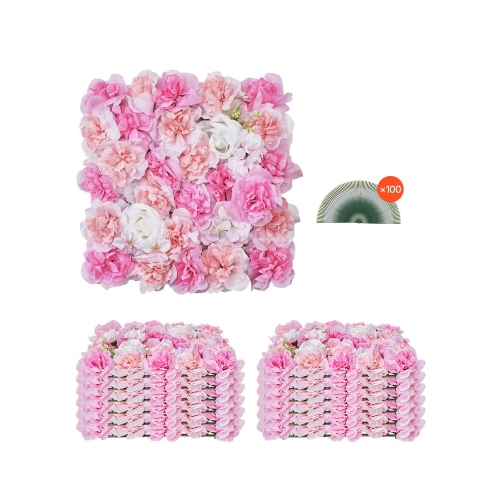



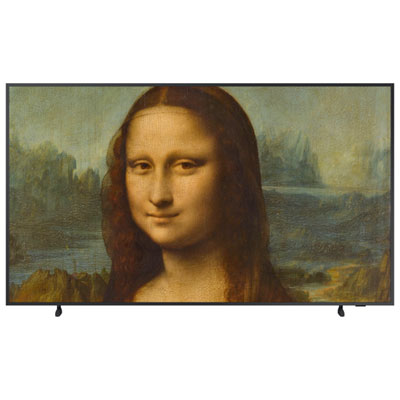
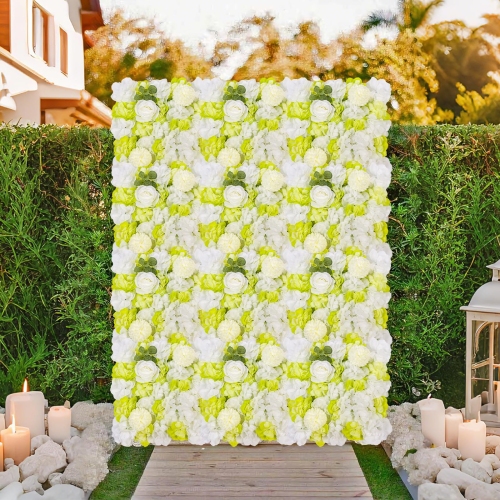
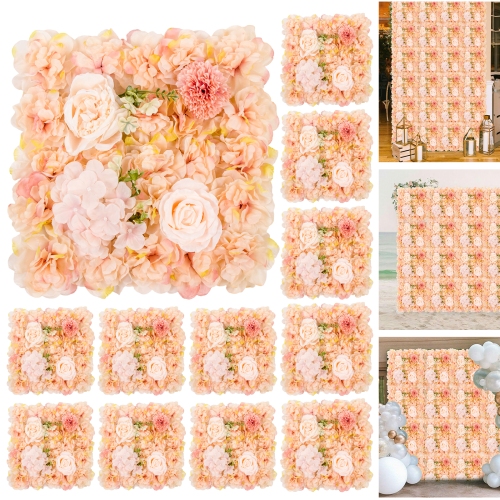







How artwork connects with your room’s colours and furnishings
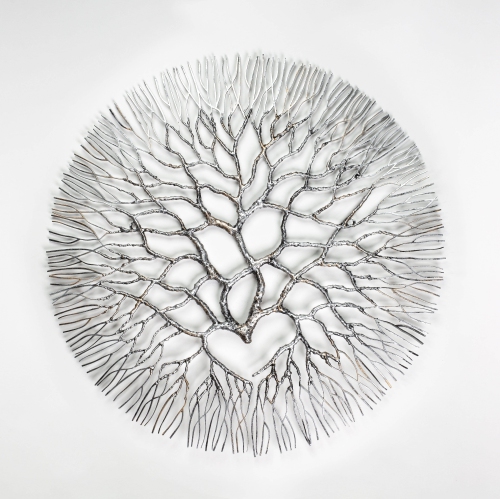
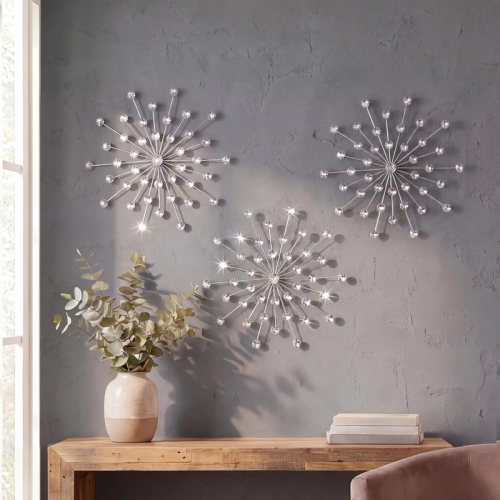
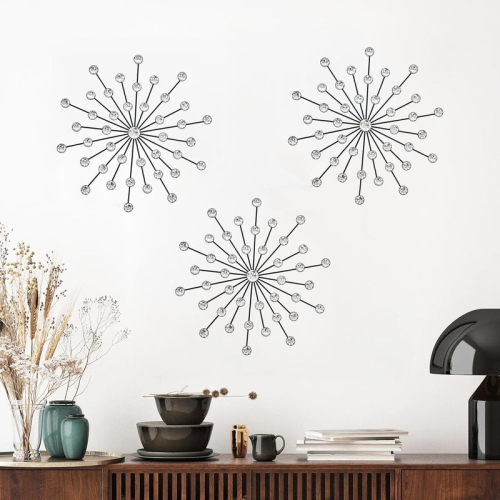
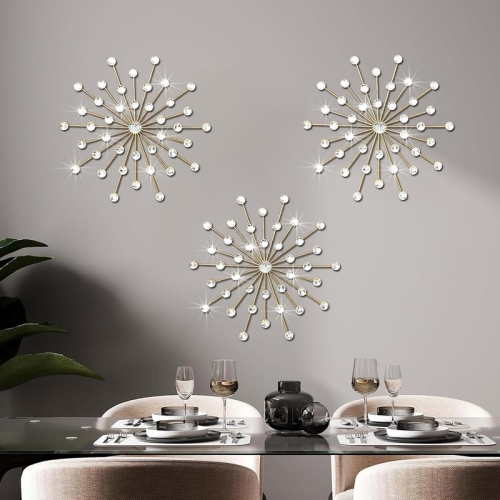
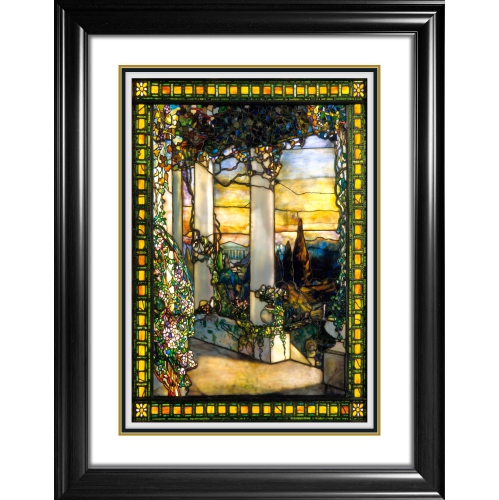
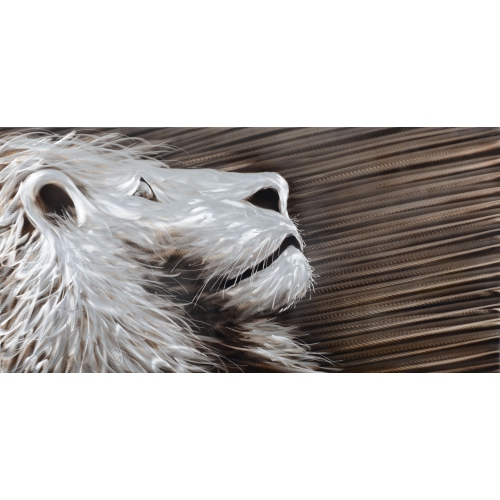
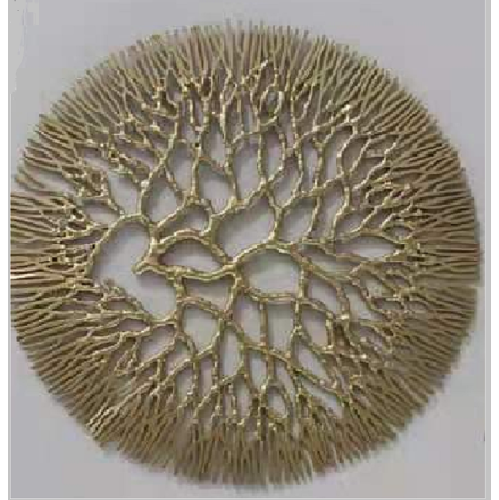
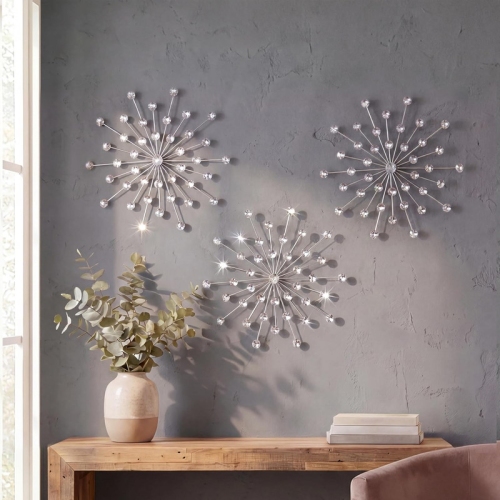
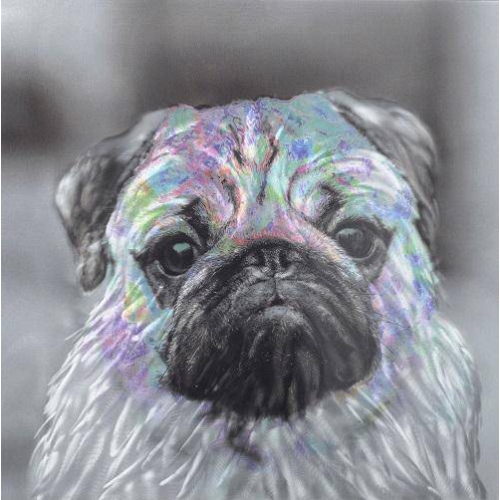
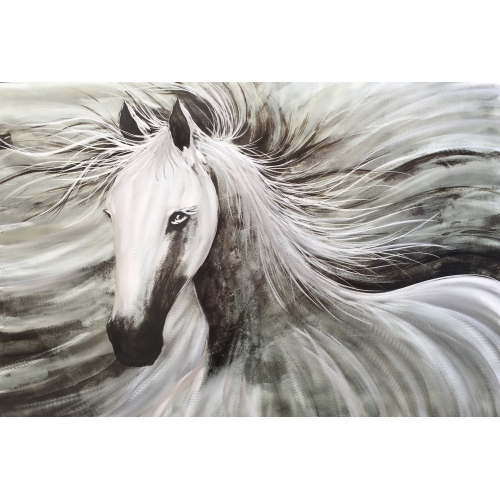
Beautiful wall art gives a room a focal point while bringing colour, texture, and personal expression to otherwise plain walls. It can be a quiet landscape above a bed, an abstract composition that draws together the colours of a living room, or a group of botanical prints along a hallway. The appeal is not limited to a particular decorating style: the most pleasing artwork often has a clear relationship with the furniture, light, and everyday use of the space around it. Soft blue and green tones can lend a restful character to a bedroom, while warm earth tones sit comfortably beside wood furniture and woven upholstery. Black-and-white photography introduces contrast without adding another colour to an already varied room. Geometric designs tend to complement clean-lined furnishings, and traditional landscape imagery can feel at home among curved furniture profiles and richly textured fabrics. There is also room for contrast. A loose, expressive abstract can keep a formal dining room from feeling too rigid, while a detailed botanical image adds a point of interest to a pared-back interior. Materials contribute as much to the effect as the image itself. Canvas has a fabric surface that can soften reflections and give printed artwork a painterly presence. Paper prints offer a different character, especially when a mount creates breathing room between the image and its frame. Metal wall art introduces dimensional shapes and finishes that respond to nearby lighting, while wood elements add visible grain and warmth. Raised textures, brushwork, and layered surfaces can make a piece engaging at close range as well as from across the room. A printed image of brushstrokes, however, is different from a physically textured surface; that distinction matters when texture is part of the desired look. In a home office, a restrained composition can provide an attractive backdrop without competing with the work area. In an entryway, a more expressive piece can establish the character of the home before the rest of the rooms come into view.
Scale and placement influence how wall art feels once it is part of a room. A piece that looks substantial on its own may appear small above a long sofa, whereas a generous canvas can feel crowded on a narrow wall between doorways. The relationship to nearby furniture is often more useful than wall size alone: artwork above a console, headboard, or sideboard usually looks connected when its proportions relate to the width of that furniture. For spacious living rooms and wide dining-room walls, Large Wall Arts can create a strong focal point without filling the surface with several smaller pieces. A pair or coordinated grouping offers a different effect, with the spacing between each piece becoming part of the overall arrangement. Consistent gaps and a shared visual line help a grouping feel intentional, even when the images vary. Furniture clearance matters too. Artwork should have room above a sofa back or headboard rather than appearing to rest on it, and pieces beside a doorway should not interfere with the door’s swing. Viewing distance affects detail: fine linework rewards close inspection in a reading corner, while broad shapes and clear contrasts remain readable across a larger room. Frame choices bring another layer of definition. A slim black frame can sharpen the edge of a pale print, a light wood finish can connect with nearby cabinetry, and a metallic finish can echo lighting fixtures without requiring every accent to match. Glazing protects many paper artworks, although ordinary glass can reflect windows and lamps; acrylic glazing is lighter but may scratch more readily. The finished dimensions, including the frame, are the measurements that matter for fit. Weight and mounting requirements deserve equal attention. Wall material, suitable fixings, and the artwork’s hanging hardware all affect secure installation, particularly above seating or beds. In rental spaces, removable hanging systems are only appropriate when their stated weight limits, surface requirements, and compatibility with the frame are met.
Everyday care helps wall art retain its appearance, and the right material depends partly on where it will hang. Direct sunlight can gradually fade some pigments and printed colours, so a position away from prolonged direct exposure is preferable for many artworks. Protective glazing or stated fade resistance may offer additional protection, but neither should be treated as a guarantee against all light damage. Moisture is another consideration. Paper, fabric, wood frames, and certain adhesives can react poorly to damp conditions, making bathrooms and areas near cooking steam less suitable unless the artwork is specifically intended for those spaces. In a kitchen or dining area, a surface that can be safely wiped according to its care instructions may be more practical than an exposed, heavily textured piece. Dust often settles on the top edge of frames and along raised details. A soft, dry cloth is suitable for many frames, while delicate artwork surfaces may need a gentler approach specified by the maker. Spraying cleaner directly onto framed art can allow liquid to reach the edges or seep behind the glazing; applying an appropriate cleaner to a cloth instead helps keep moisture controlled. Canvas should not be scrubbed, and textured finishes can be damaged by abrasive cleaning. Secure placement is especially important in busy hallways and family rooms, where bags, furniture, or playful activity may knock against a low-hanging piece. Wall art also makes a personal gift for a housewarming, wedding, anniversary, or a first home, provided the recipient’s taste and space are considered. A familiar landscape, a favourite colour palette, or imagery connected to a shared interest can feel more meaningful than a design chosen only to match a trend. For someone furnishing a compact apartment, a modest framed print may be easier to place than a large statement piece. Whether it completes a carefully coordinated room or brings personality to a previously bare corner, wall art feels most at home when its subject, proportions, and finish suit the people who live with it.
Top selling and popular products
-
 Your price for this item is $399
-
 Your price for this item is $37.5
-
 Your price for this item is $124.9
-
 Your price for this item is $39.99
-
 Your price for this item is $49.99
-
 Your price for this item is $49.99
-
 Your price for this item is $34.99
-
 Your price for this item is $56.95
Discover more categories related to Beautiful Wall Art
Top Collections:
Pokemon Centers, Kindle Devices, Best Cameras for Sports Photography, Pokémon 30th Celebration Cards, Canon G7X Cameras, Samsung Galaxy Phones, iPhone 15 Apple, Best Black Friday Deals On Electronics, Jackery Power Stations, Solar Generators for Home
Some products may be subject to Environmental Handling Fees
(EHF) depending on your province.
Learn more about EHFs.